2026 Tokyo Japan Cherry Blossom Trip
So beautiful!
Booking a trip to Japan usually is pretty easy but this trip was the exception because it was during cherry blossom season in Japan and during school spring break when everyone else was traveling and trying to book the same trip. We had to book this trip 1 year out for a one week window of opportunity to see cherry blossom at its peak in Tokyo, Japan. If we booked too early, we would only see branches on the tree and if I booked too late, we would only see cherry blossom petals on the ground. We had to book for a specific date while competing with everyone else that was trying to book the same trip.
All the other planning for this trip was handled by my sister-in-law (Christina’s sister) and cousin. My sister-in-law handled all the itinerary in Tokyo including the 2 tours that we went on. My cousin handled all the planning on our side trip to Sado Island to see Annie from Tokyo. All I had to do was booked the airfare to/from Tokyo and the hotel stays. From the moment we got to Tokyo we were ready to go, the next day we were booked on a tour to see Tokyo.
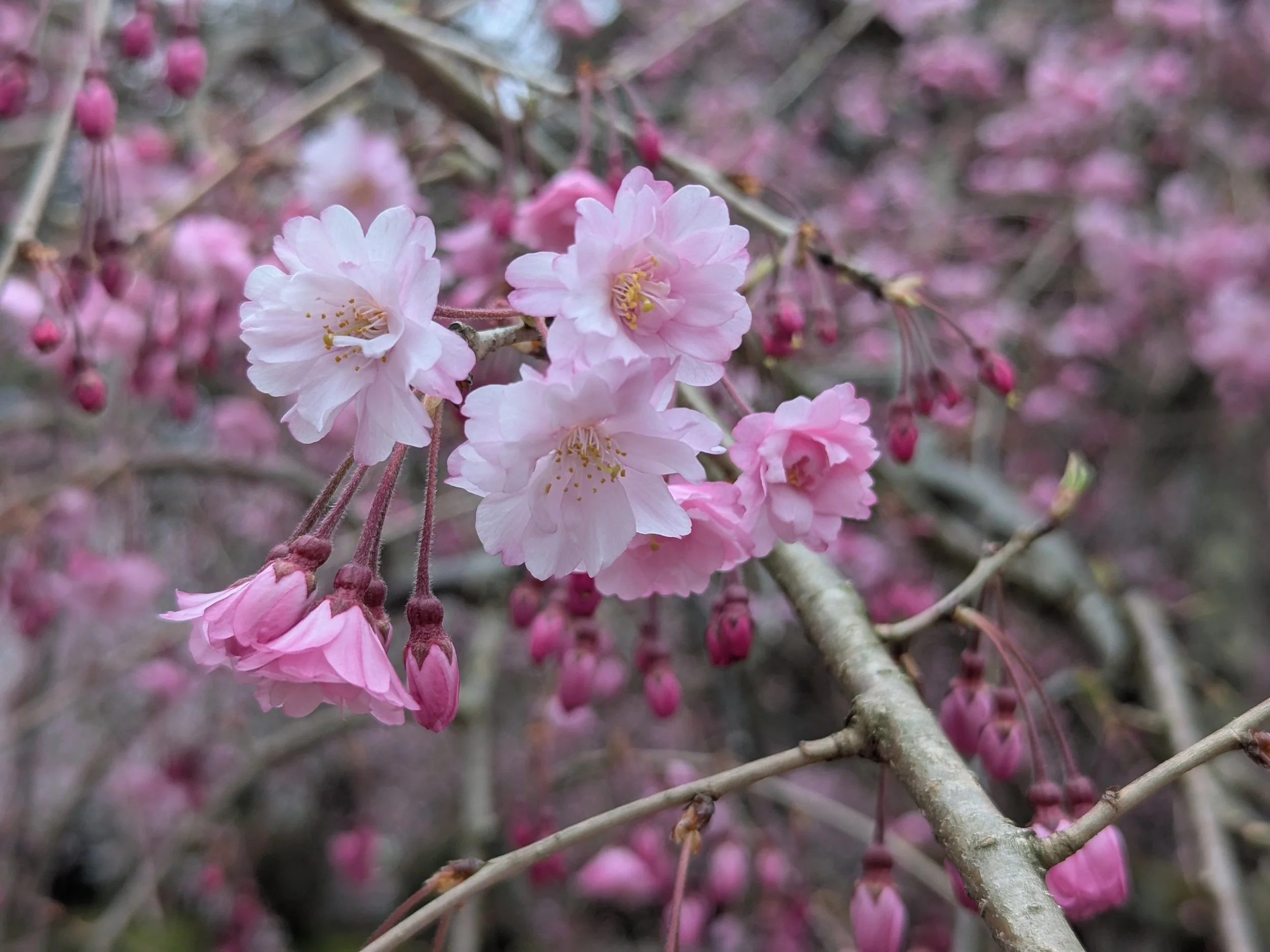
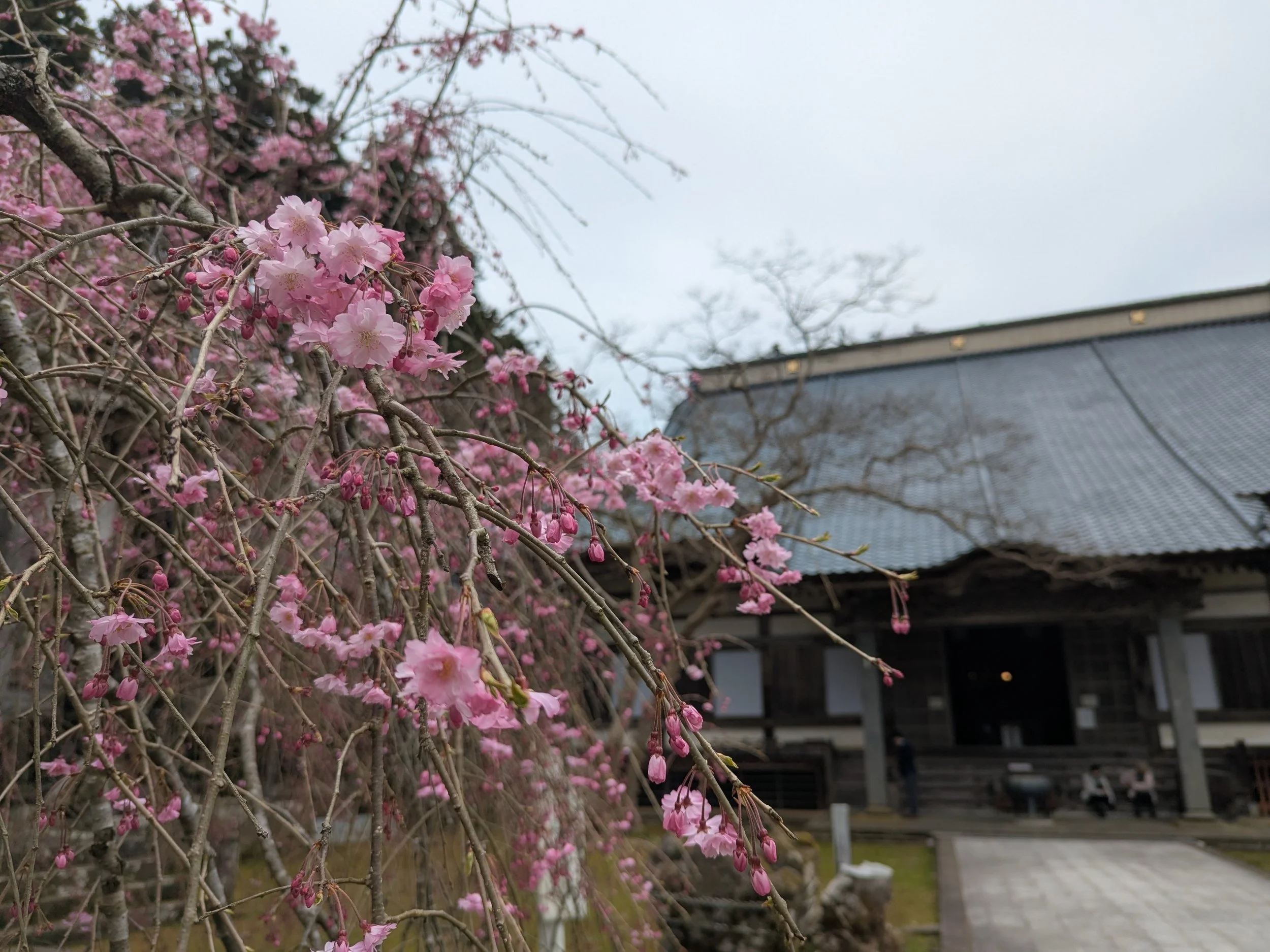
I had one major goal for this trip and it was to see the Sakura Cherry Blossom of Japan. Cherry Blossom I did see and a lot of it, almost everyday in full bloom everywhere we went - thanks to sister-in-law’s meticulous planning. Even on Sado Island, aka Annie’s Little Island, cherry blossom was everywhere. It was one of the most fulfilled Japan trip I ever had.
Day 1 - Izu Peninsula Tour
Day 2 - Enoshima Island
Day 3 - Nakameguro and Meguro River Walk
Day 4 - Ueno Park and Chiba Costco Shopping
Day 5 - Asakusa and Cousin Welcome Dinner
Day 6 - Mt Fuji Tour
Day 7 - Enroute to Sado Island
Day 8 - Sado Island (aka Annie’s Little Island)
Day 1 - Izu Peninsula Tour
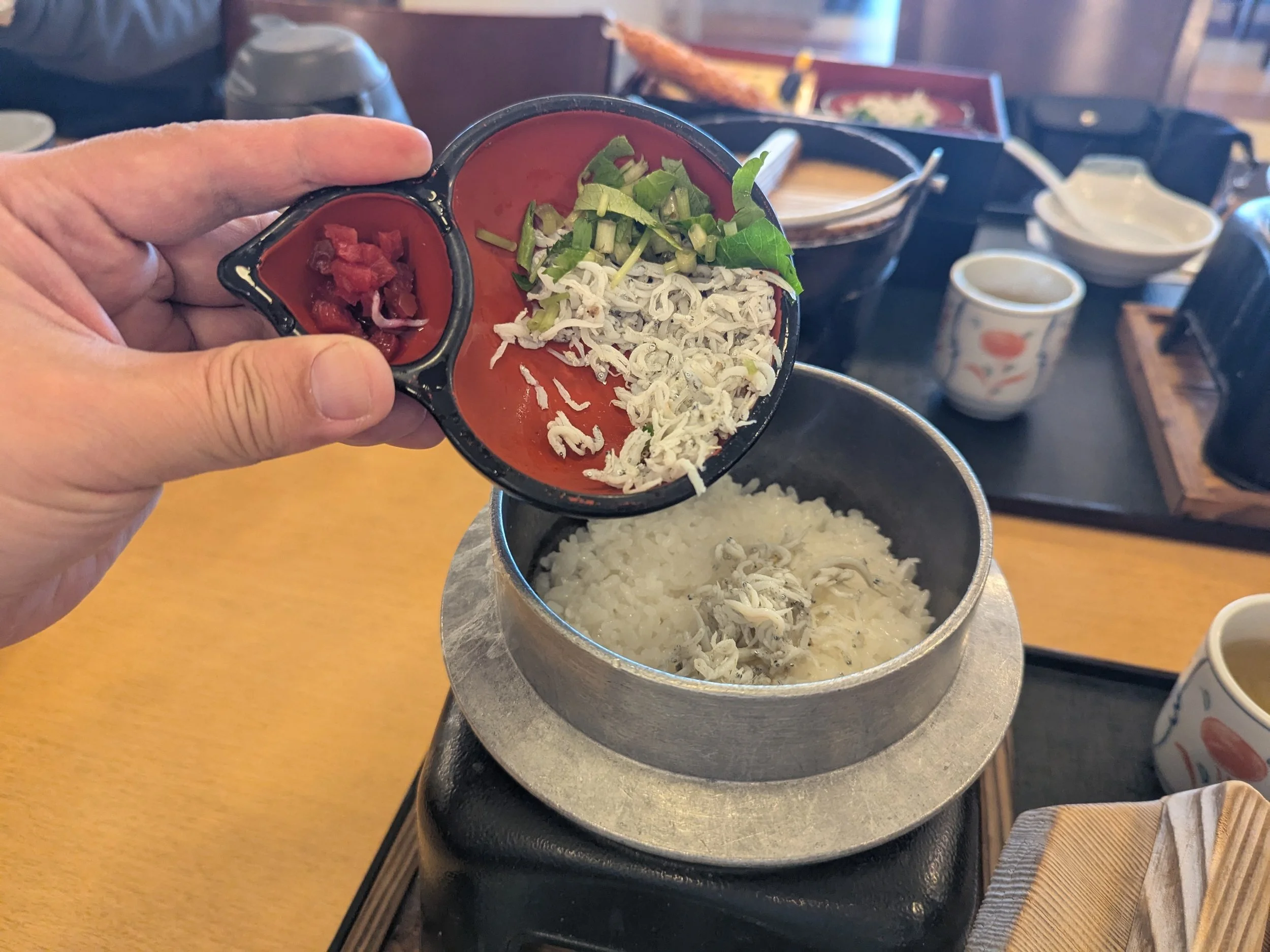
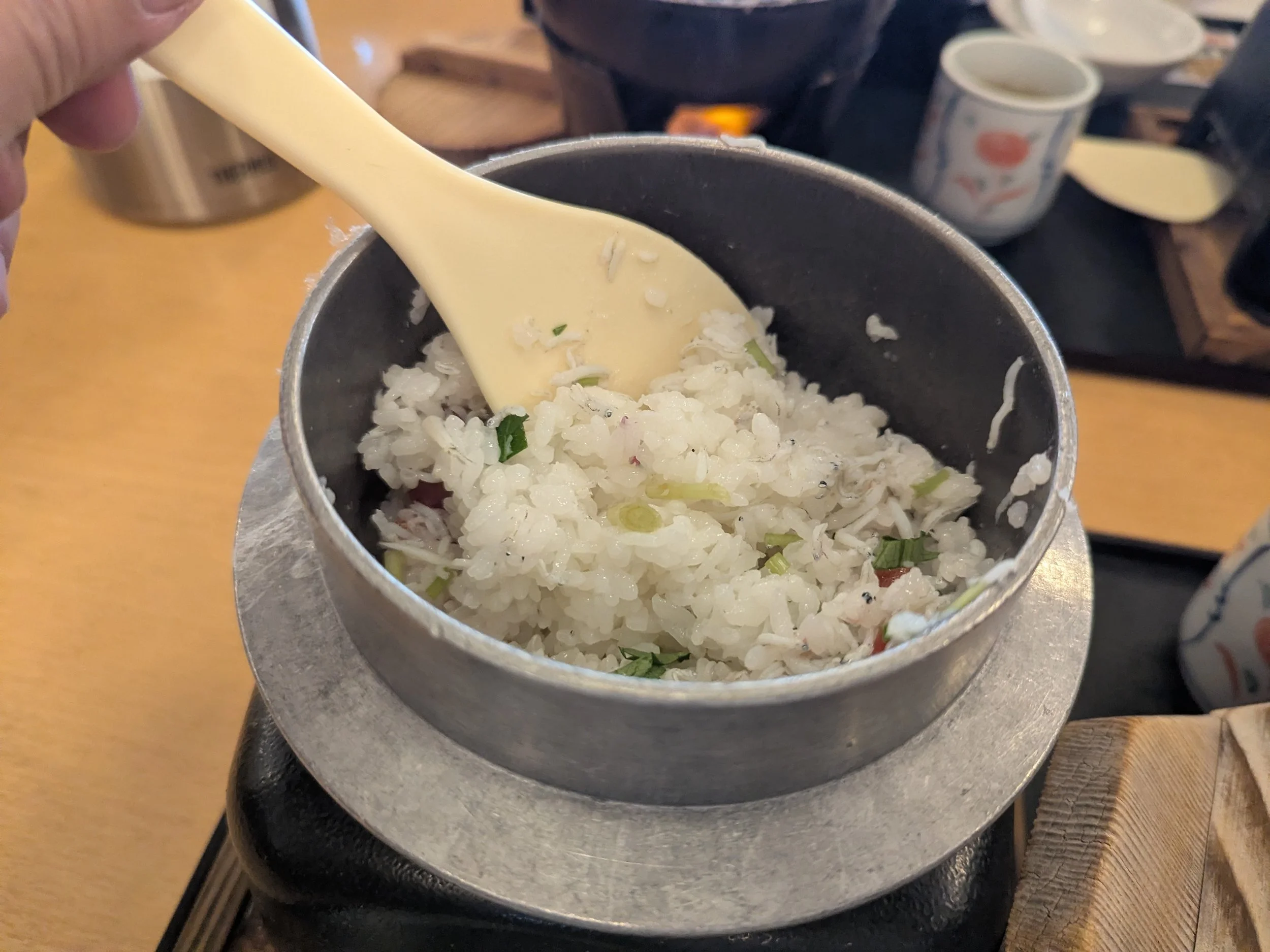
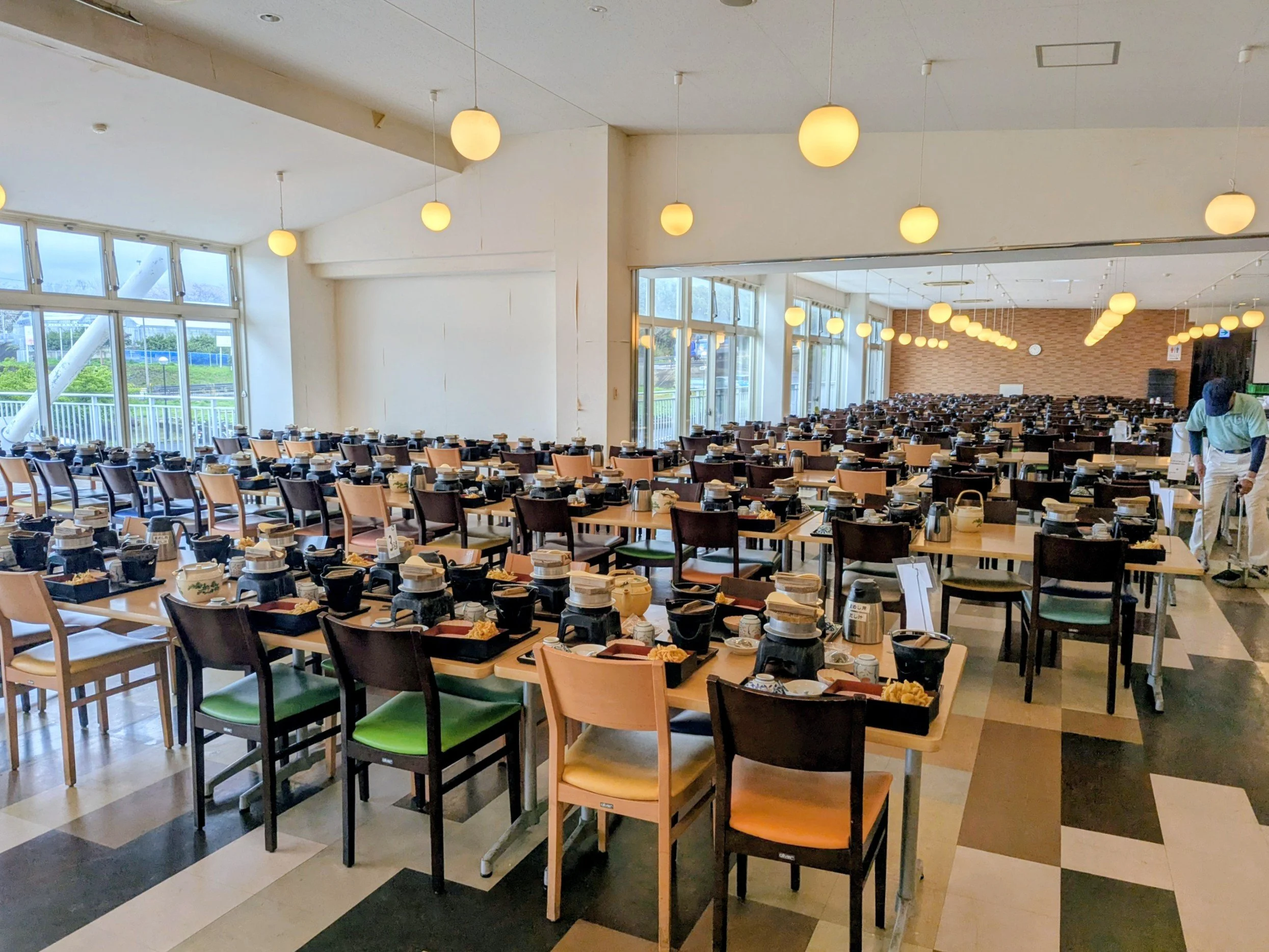
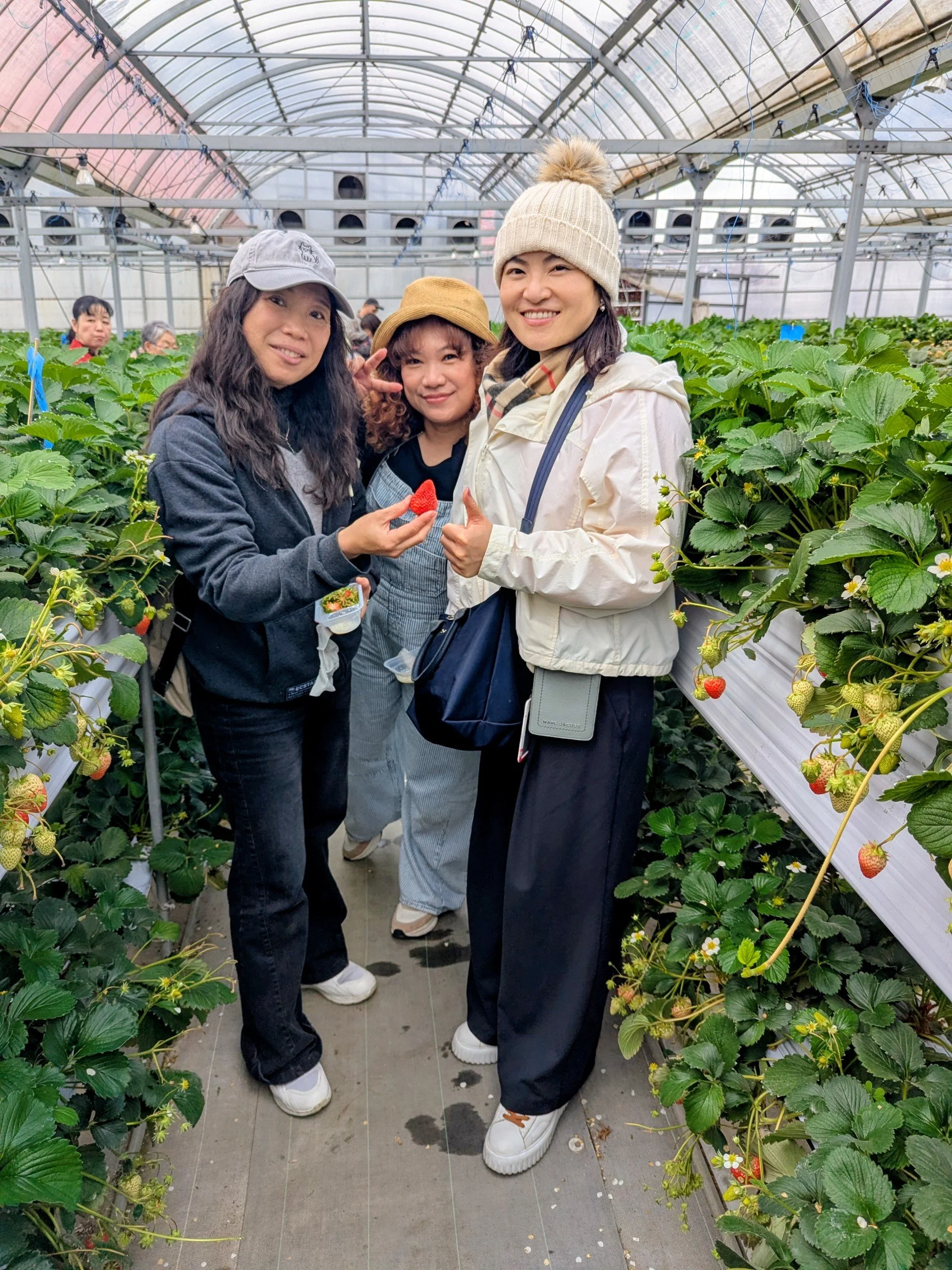
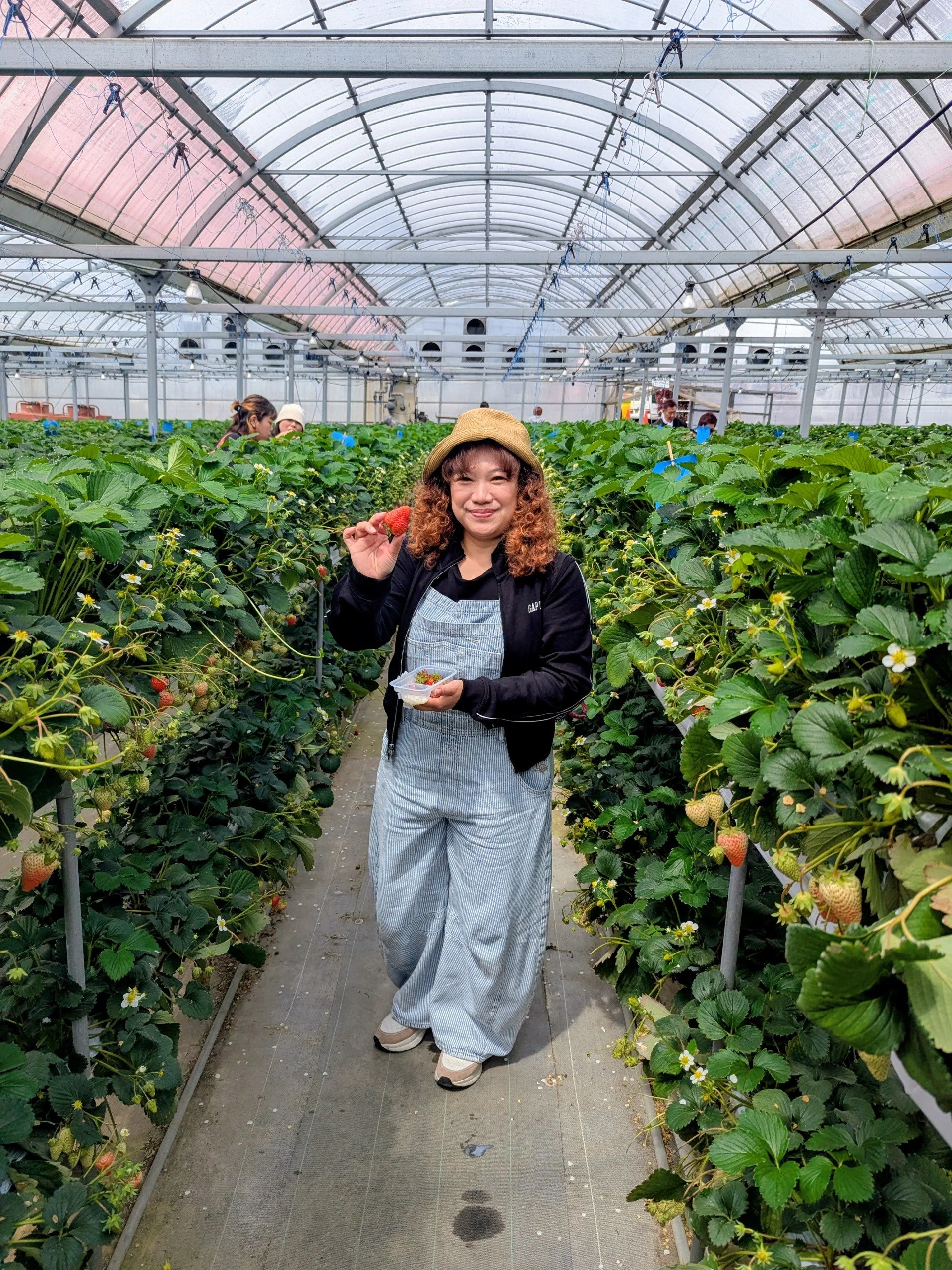
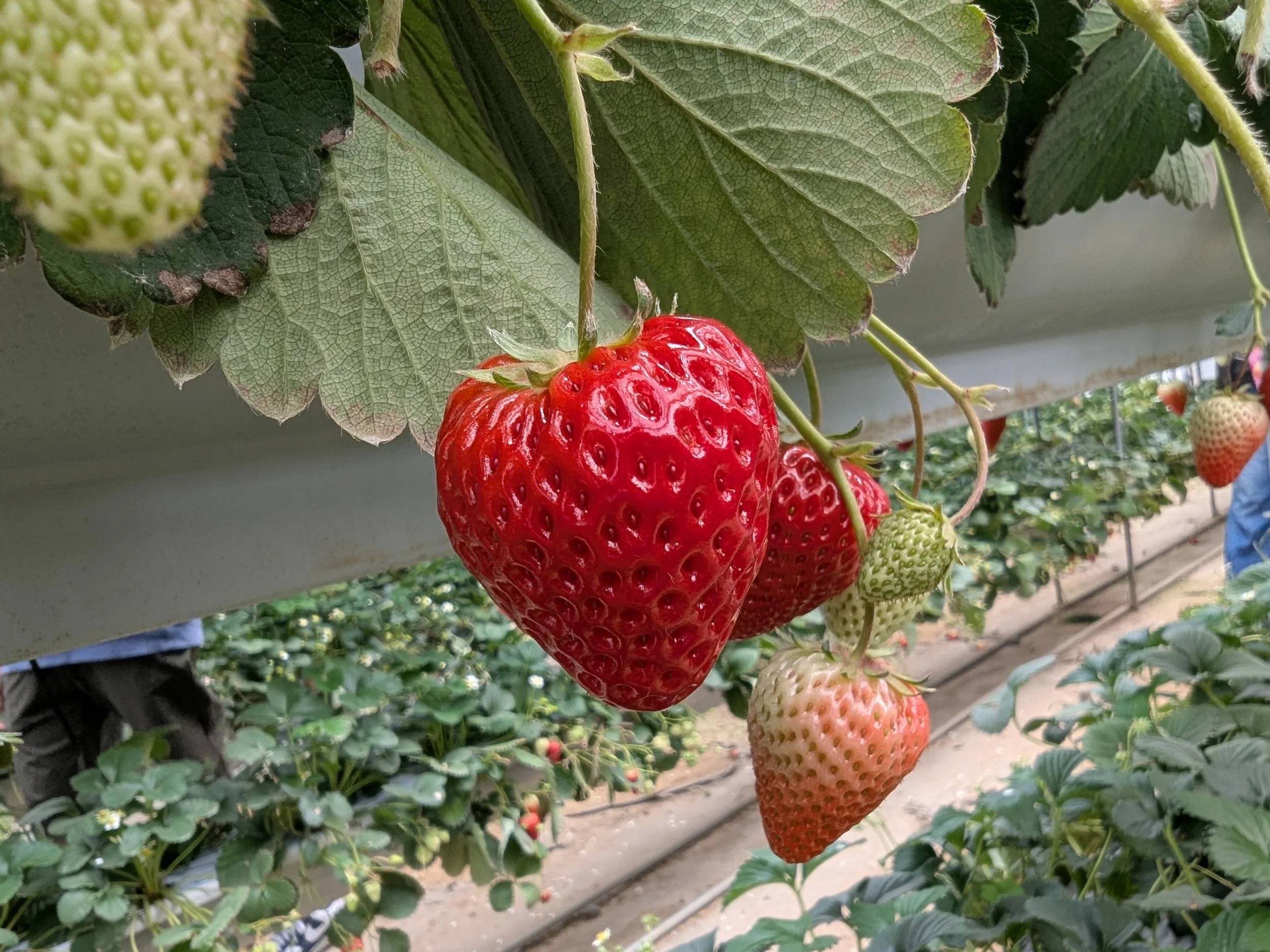
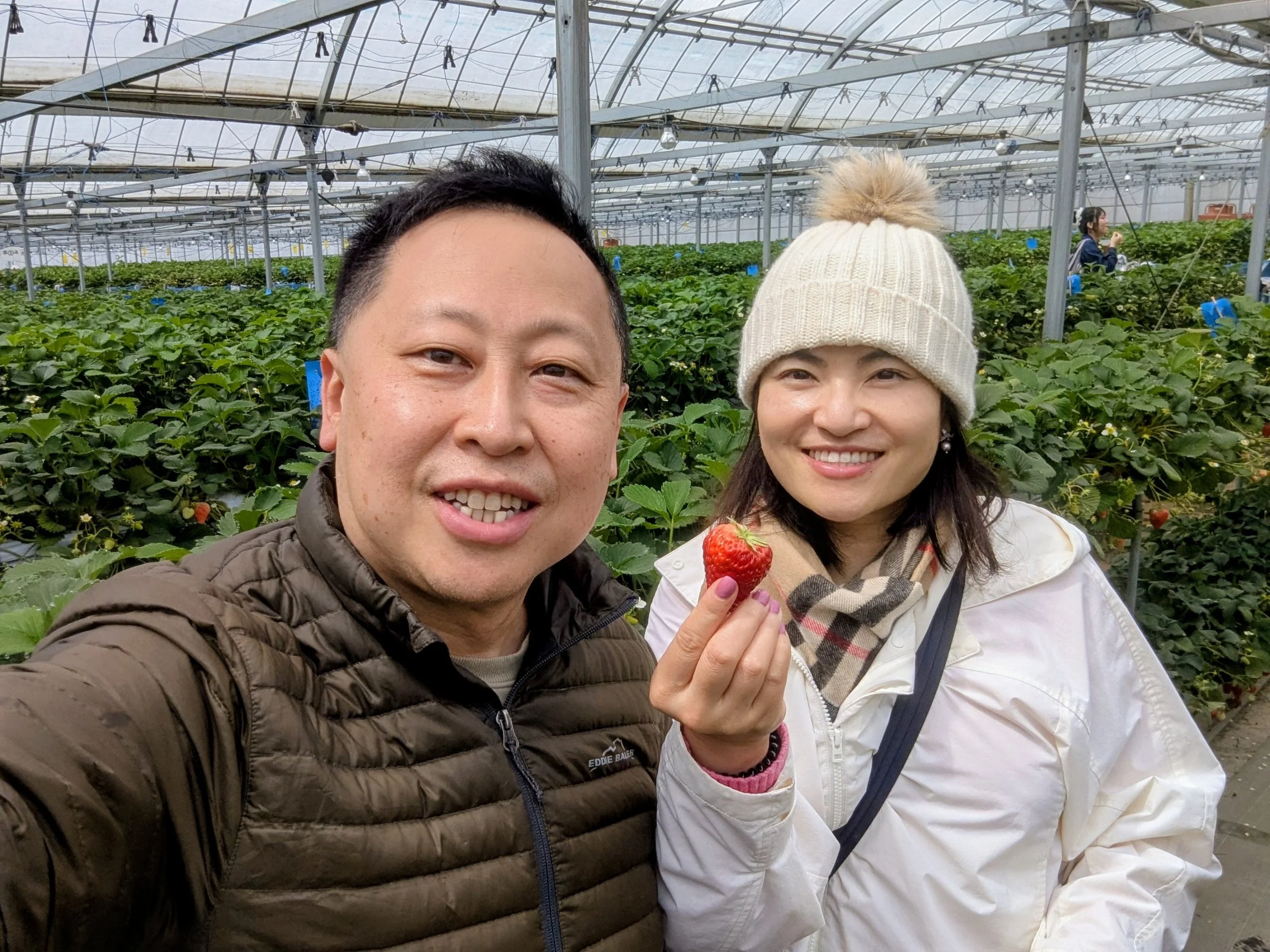
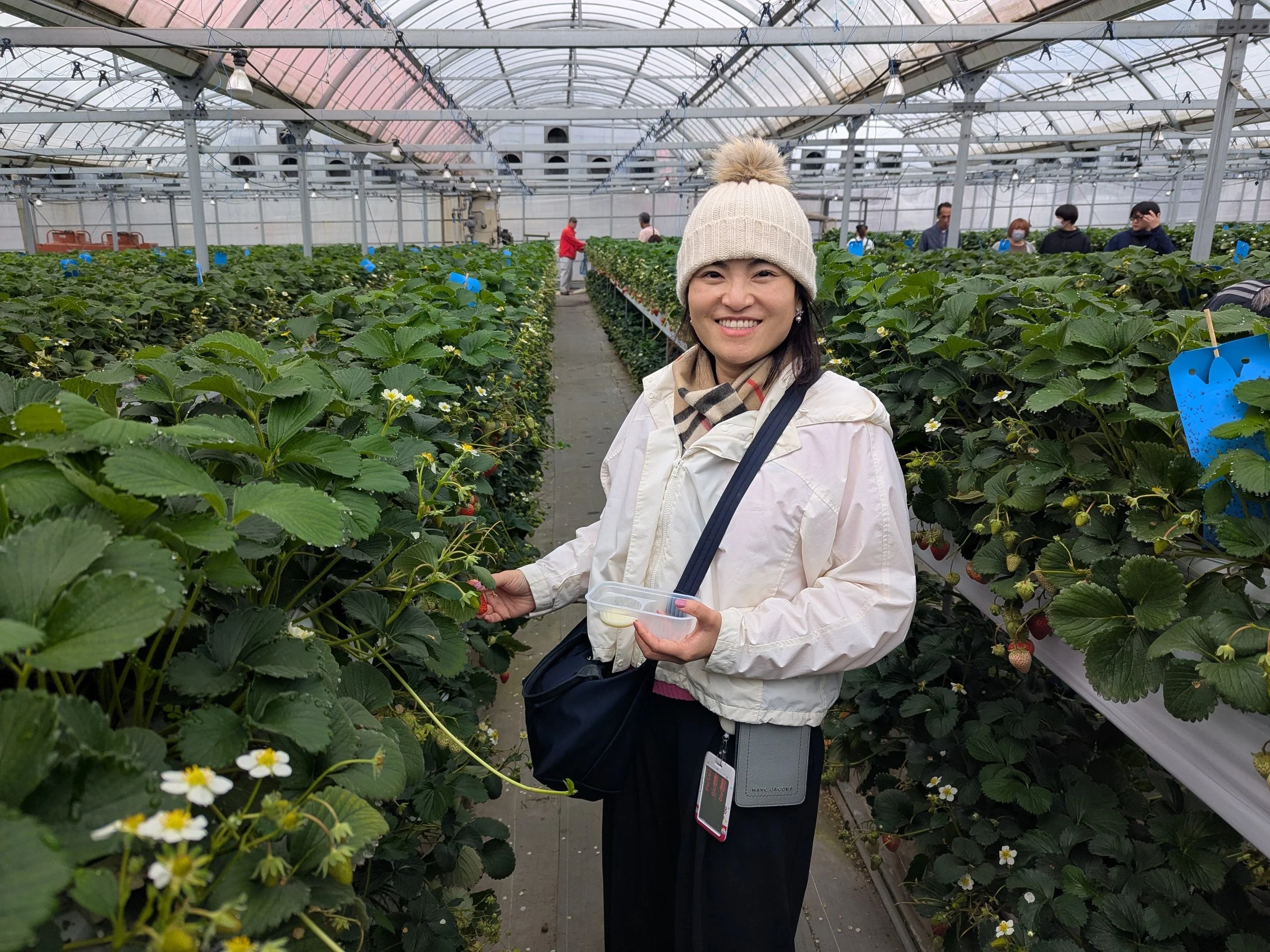
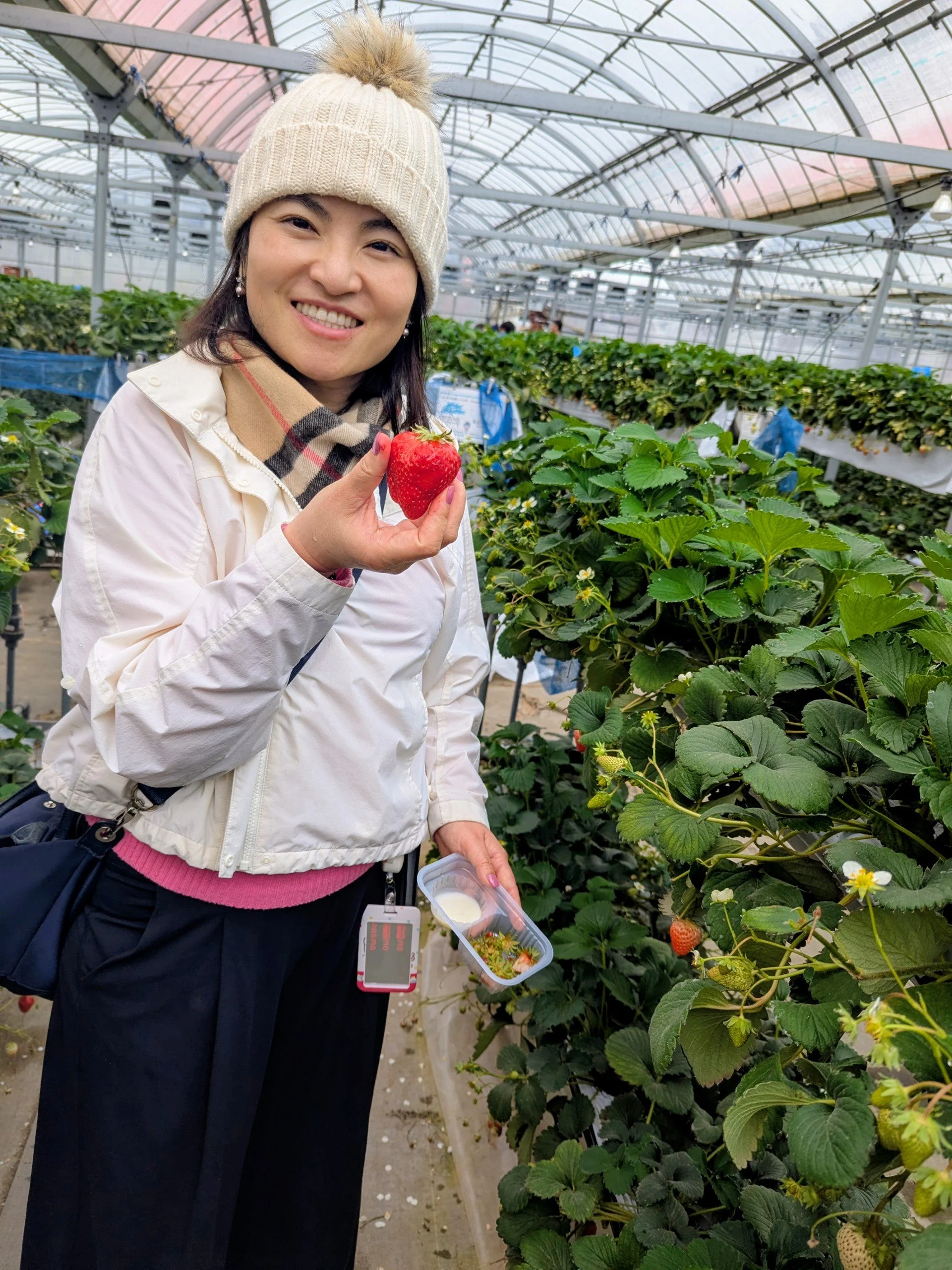
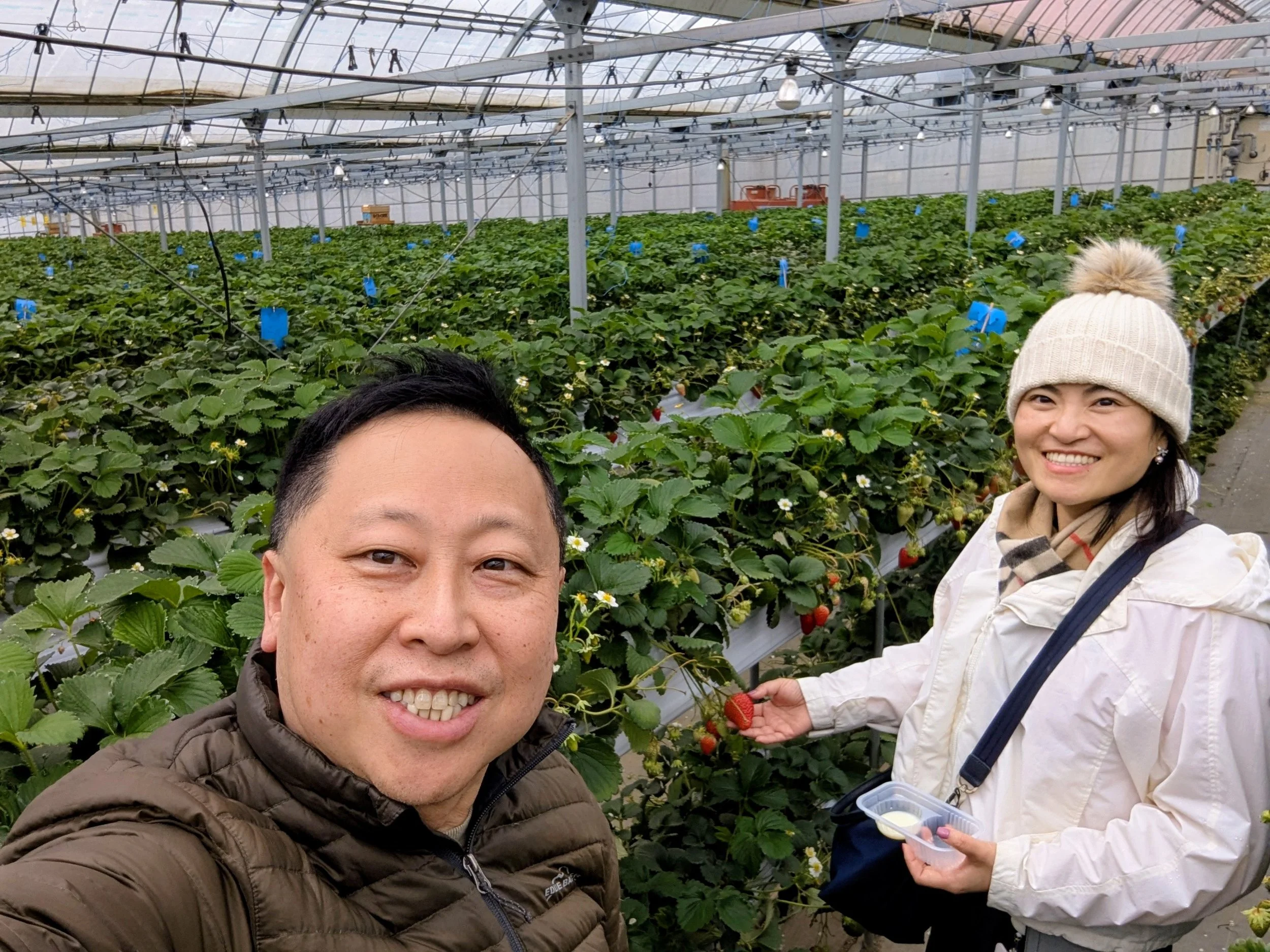
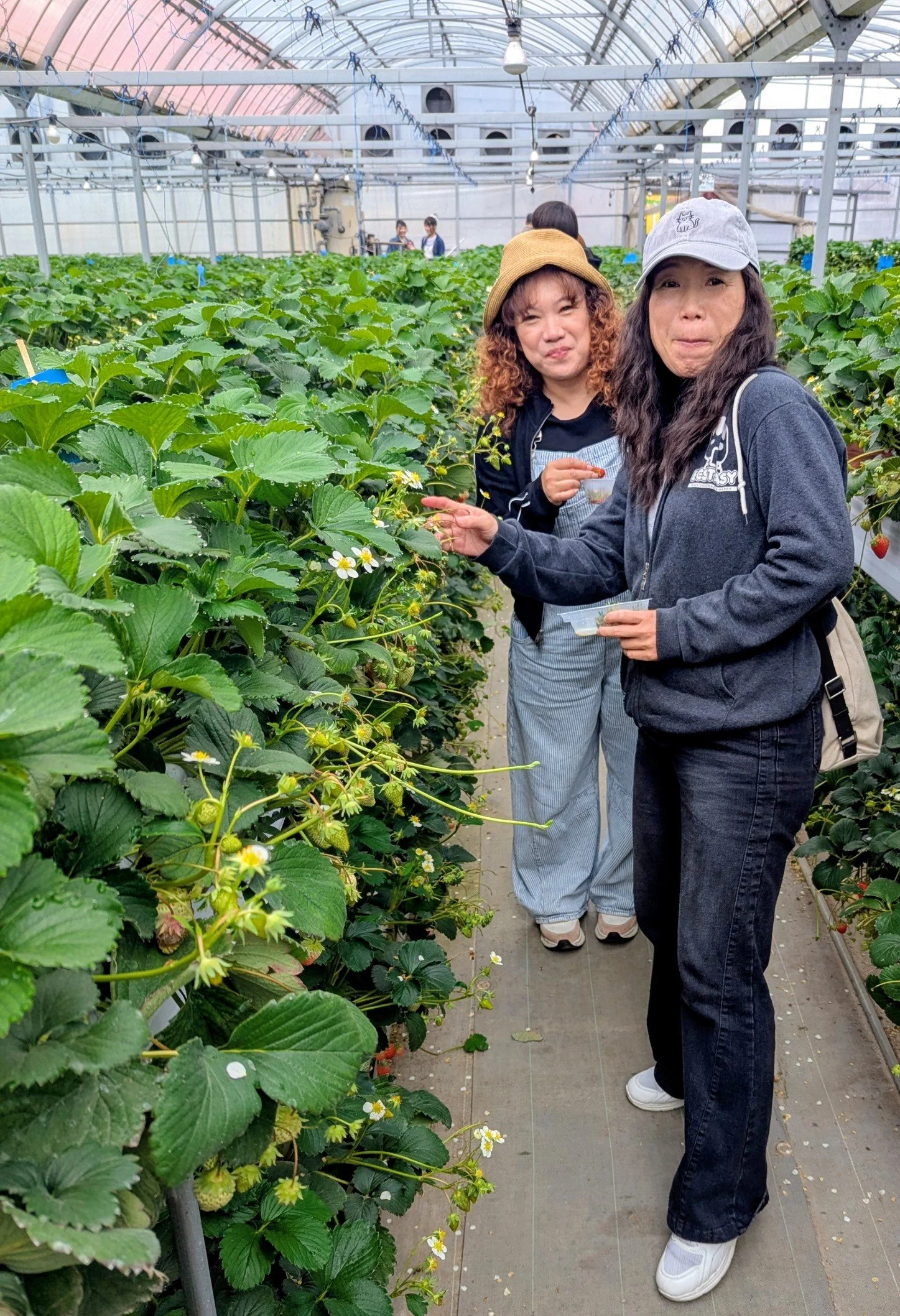
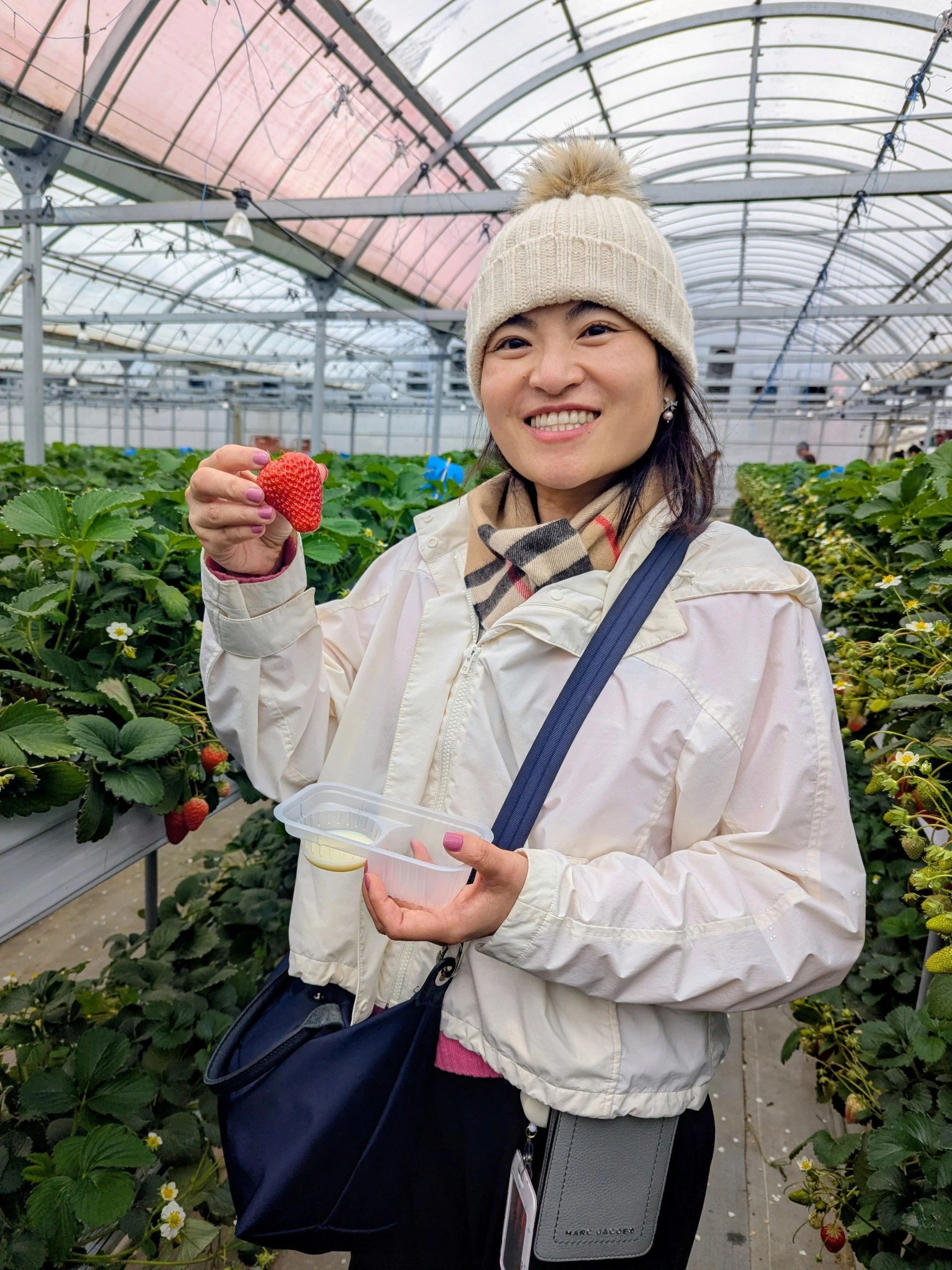
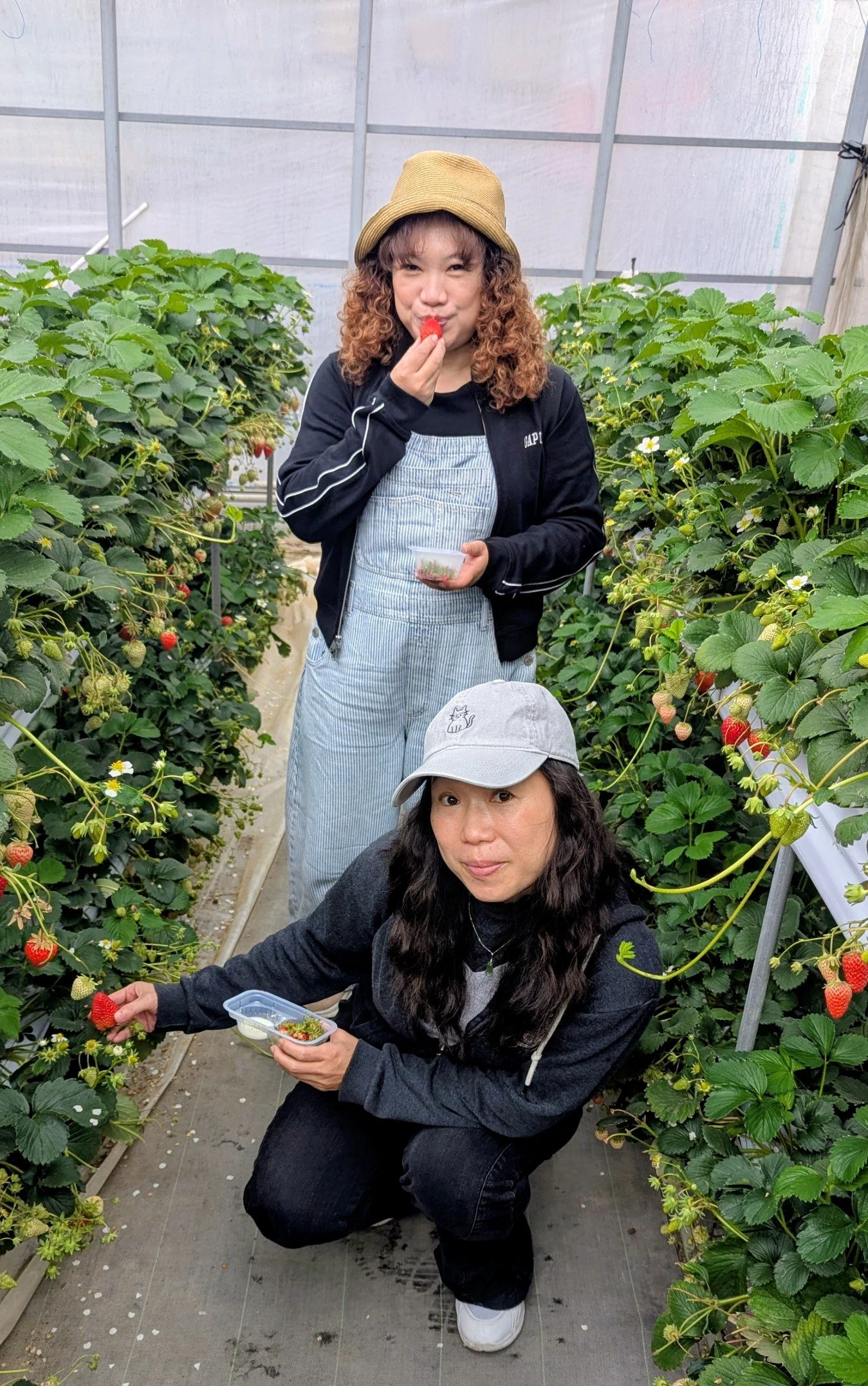
Lunch by the Stawberry Farm on the Izu Peninsula.
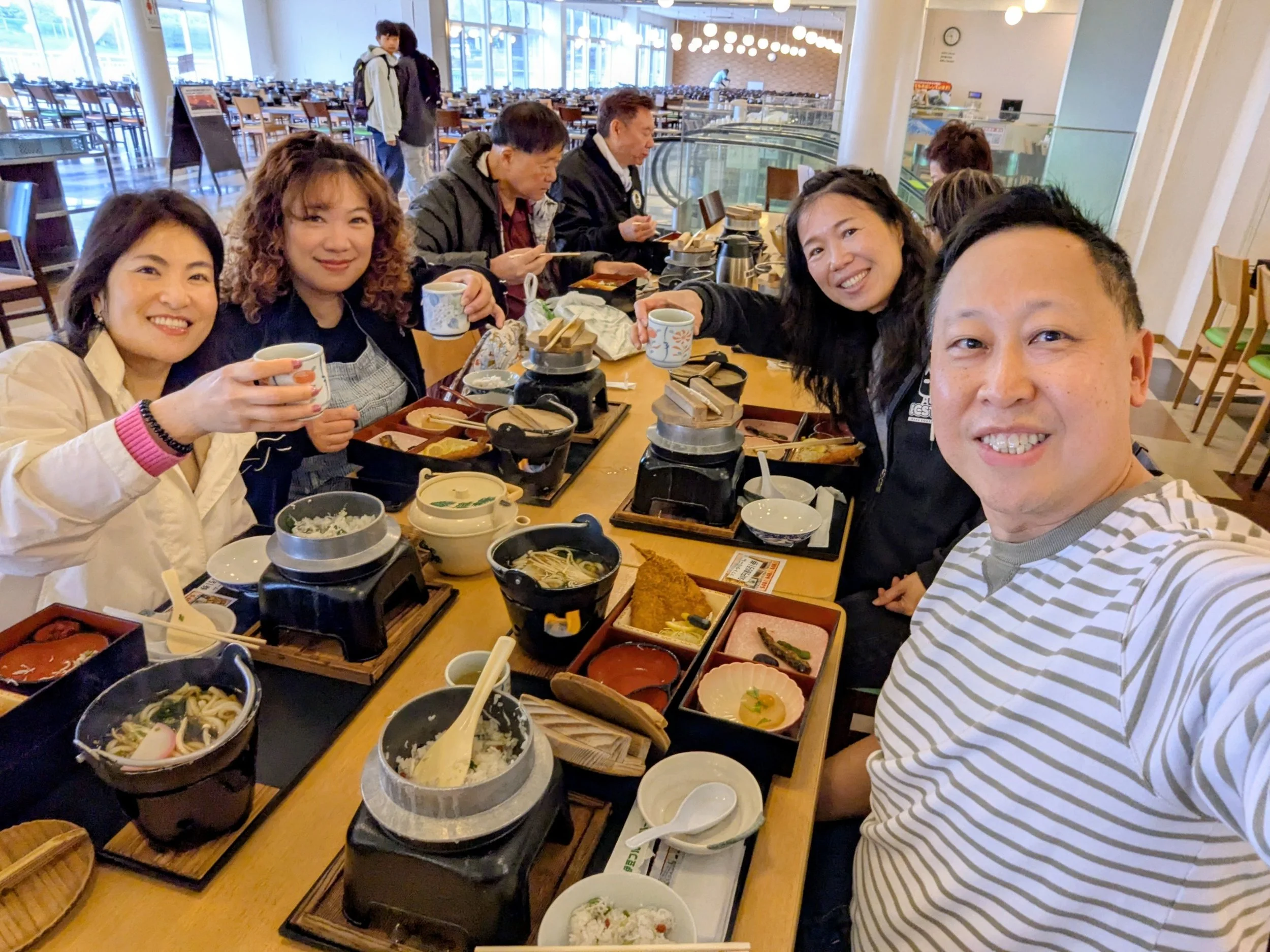
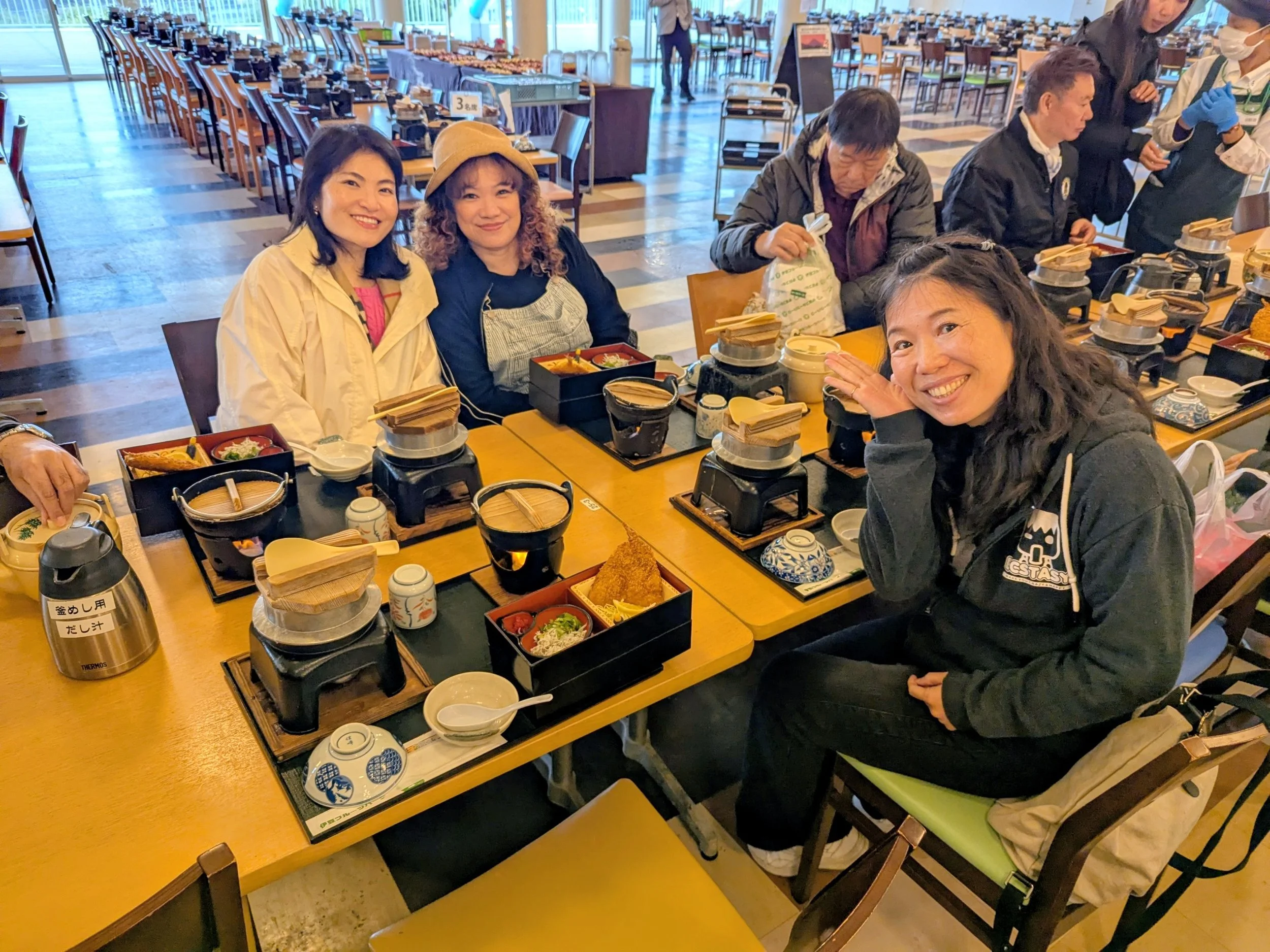
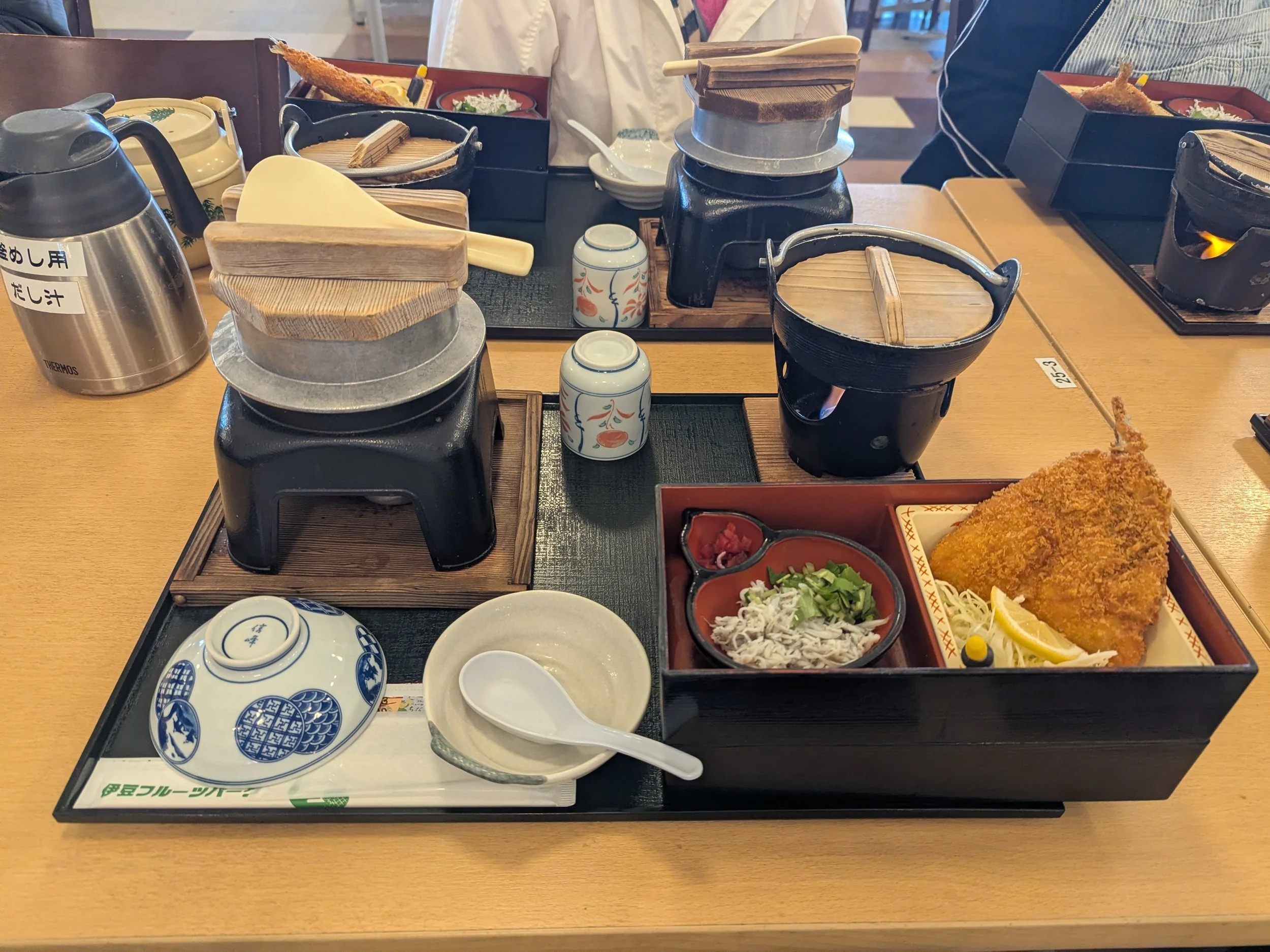
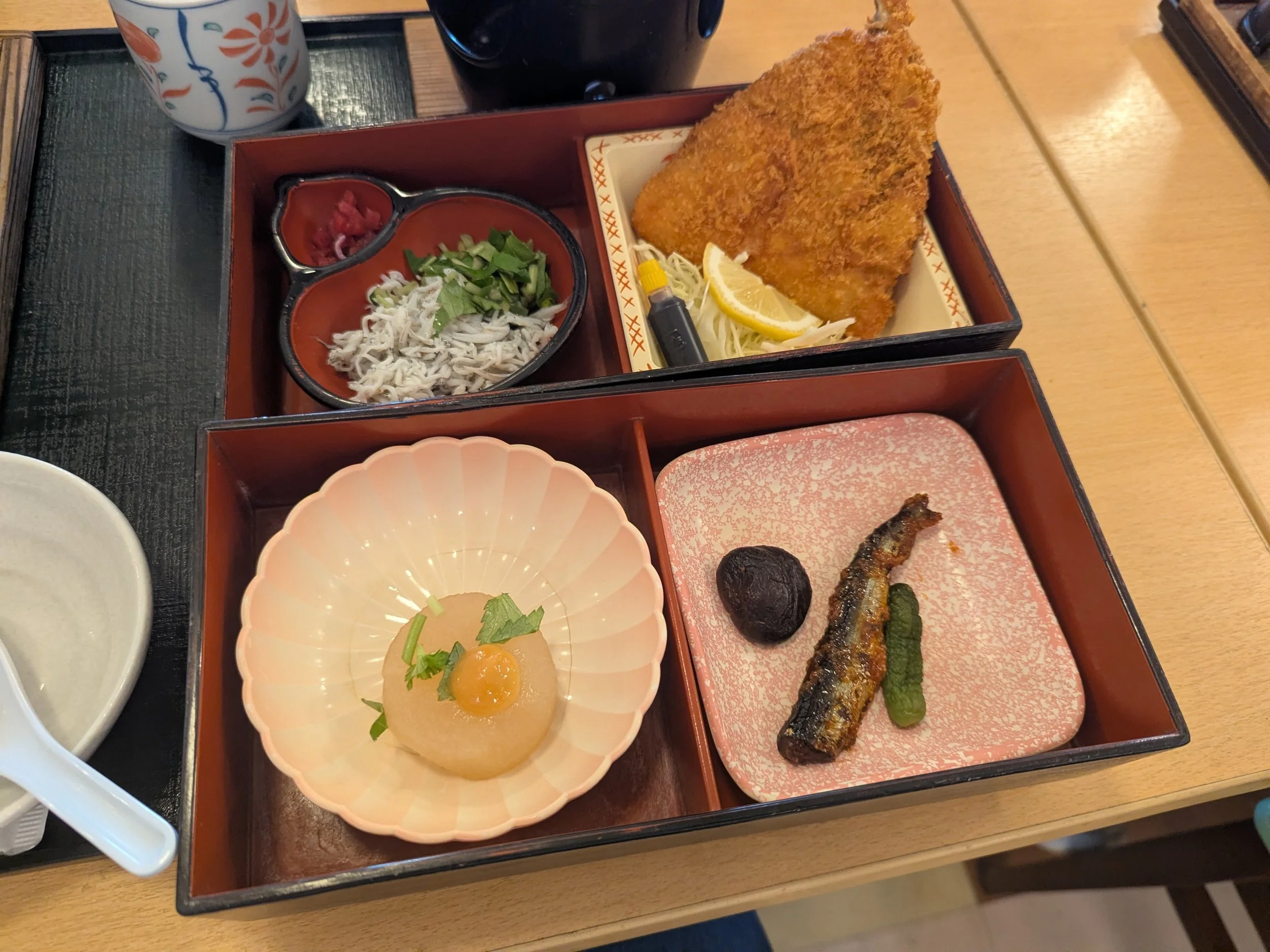
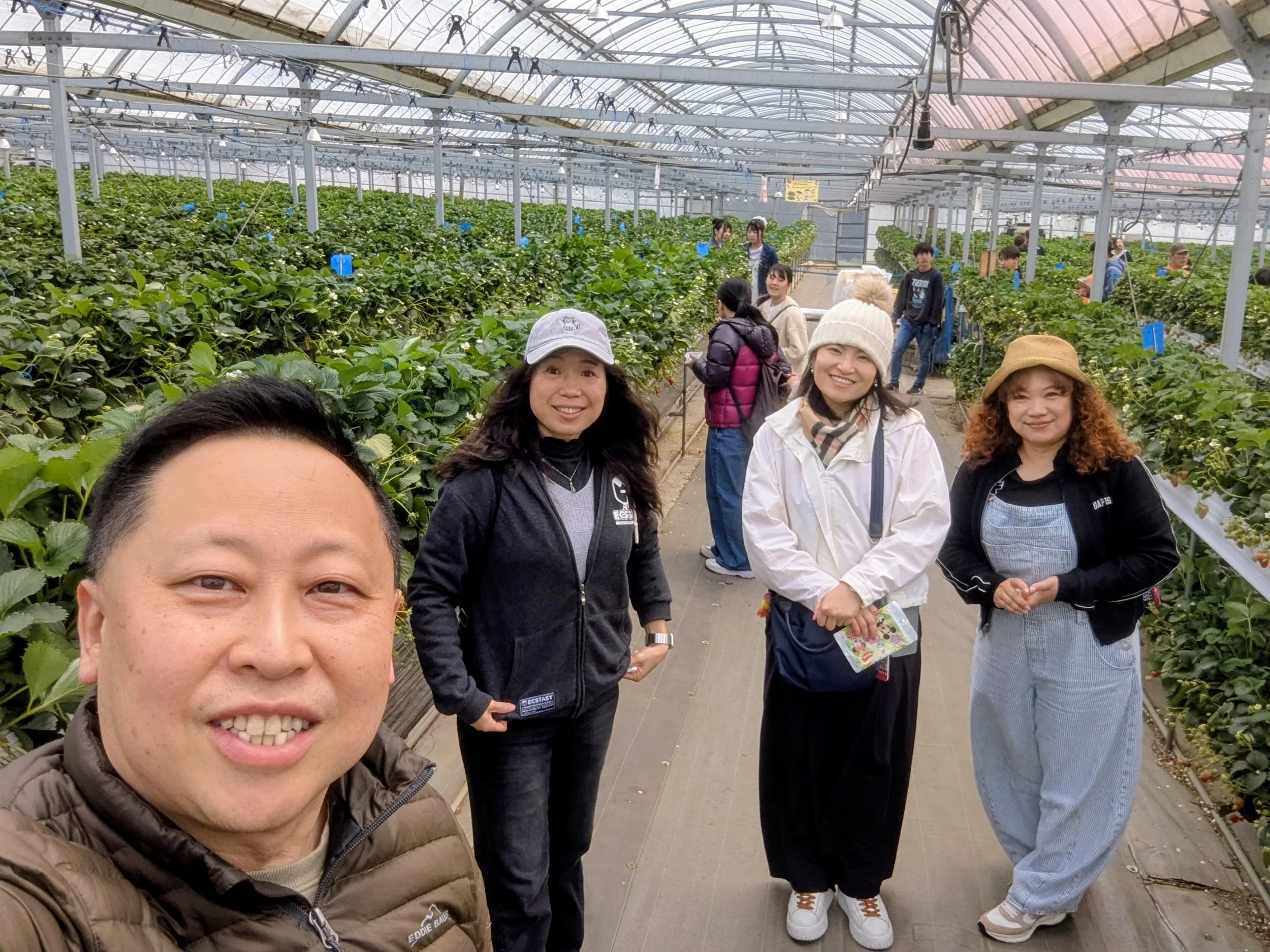
All you can pick and eat strawberry on the farm. The strawberry there were big, juicy, and very sweet.
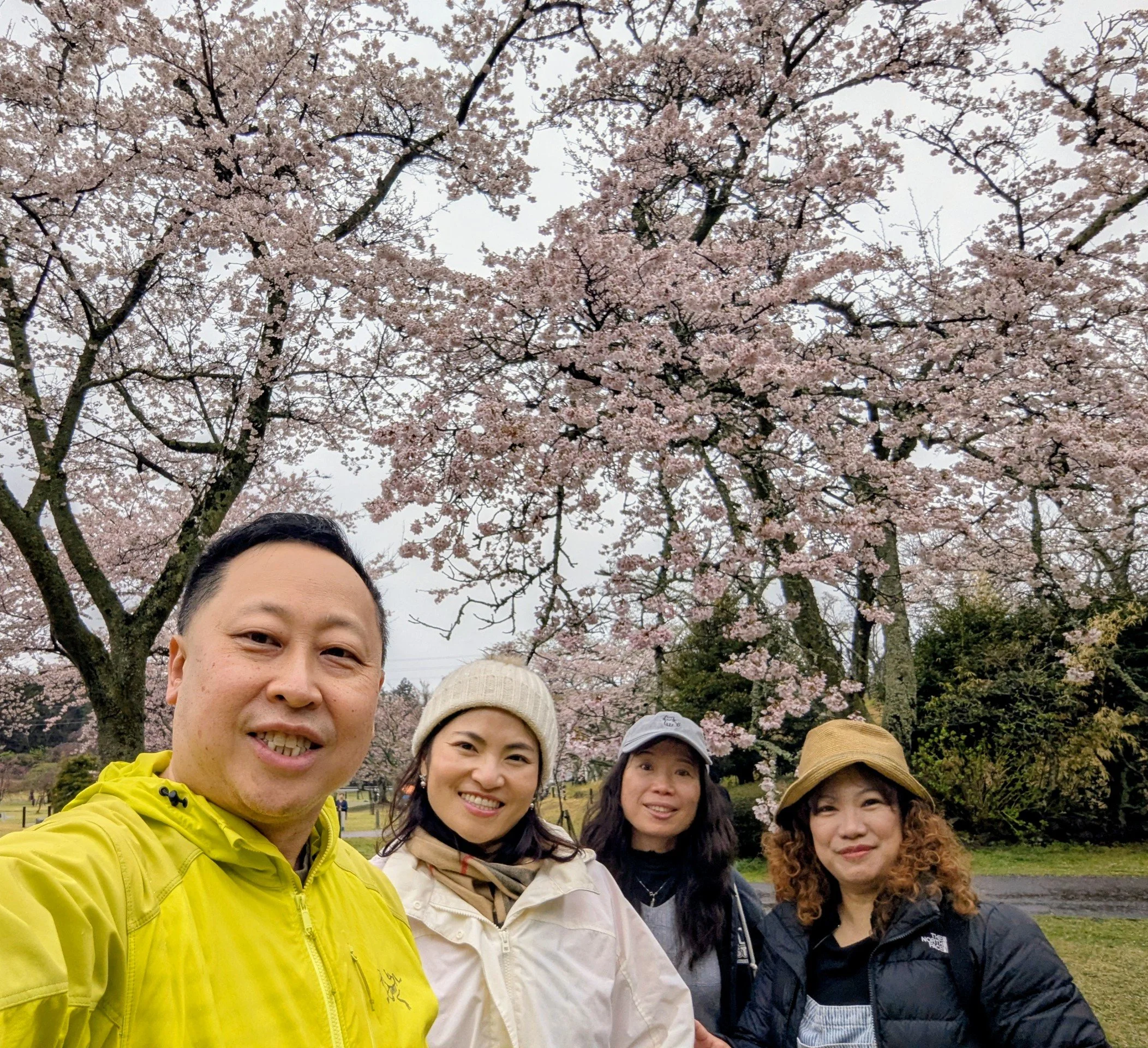
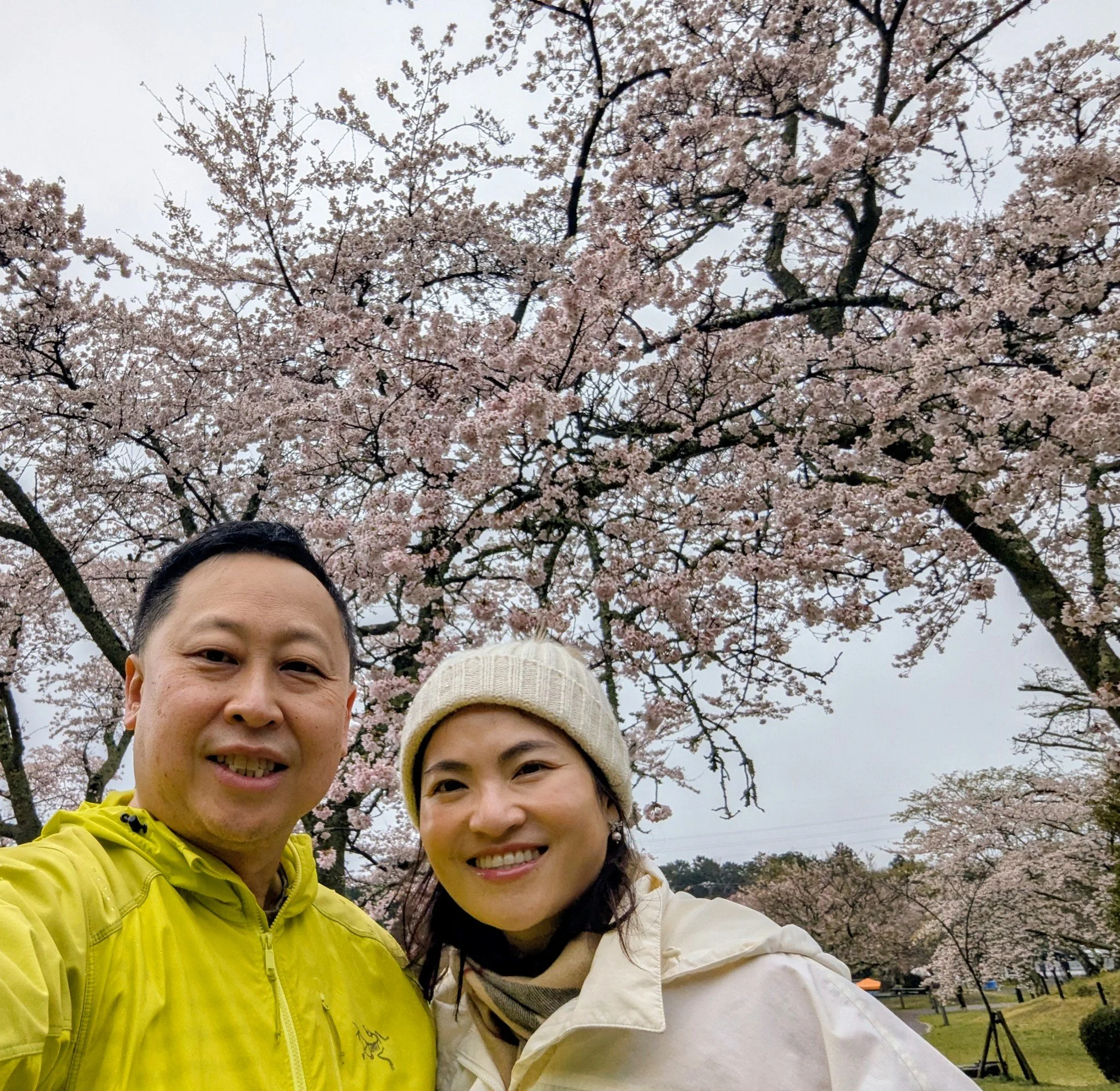
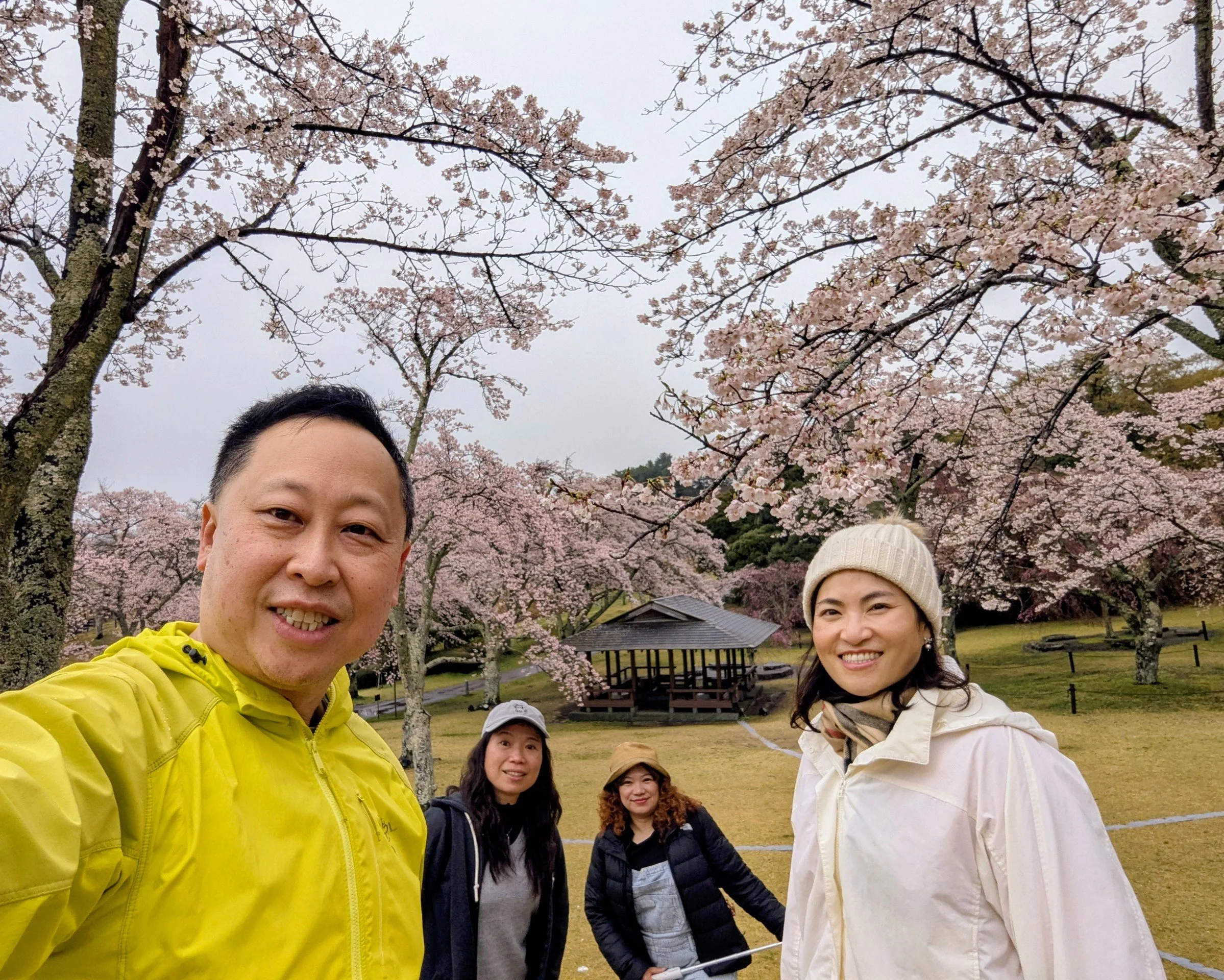
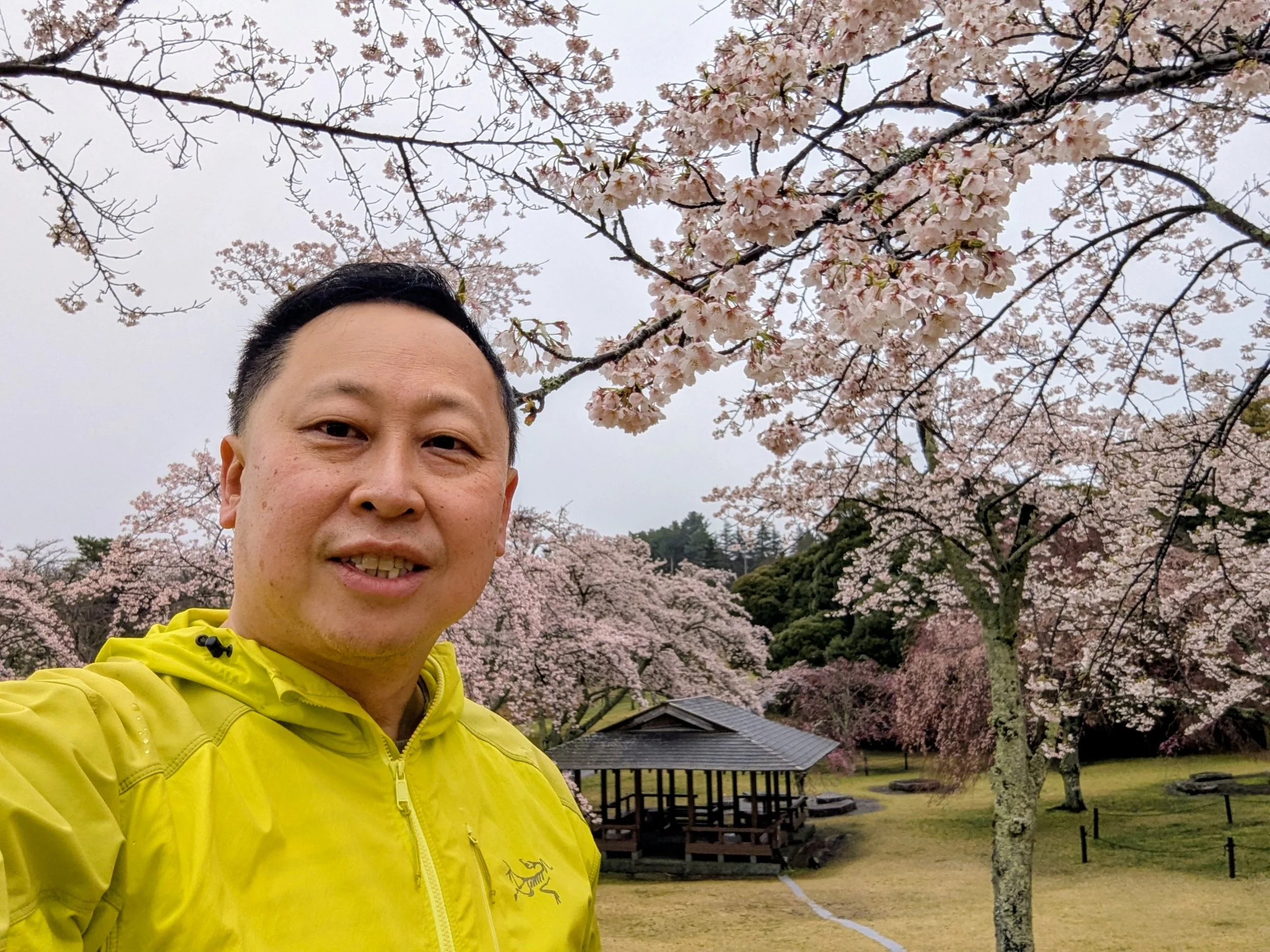
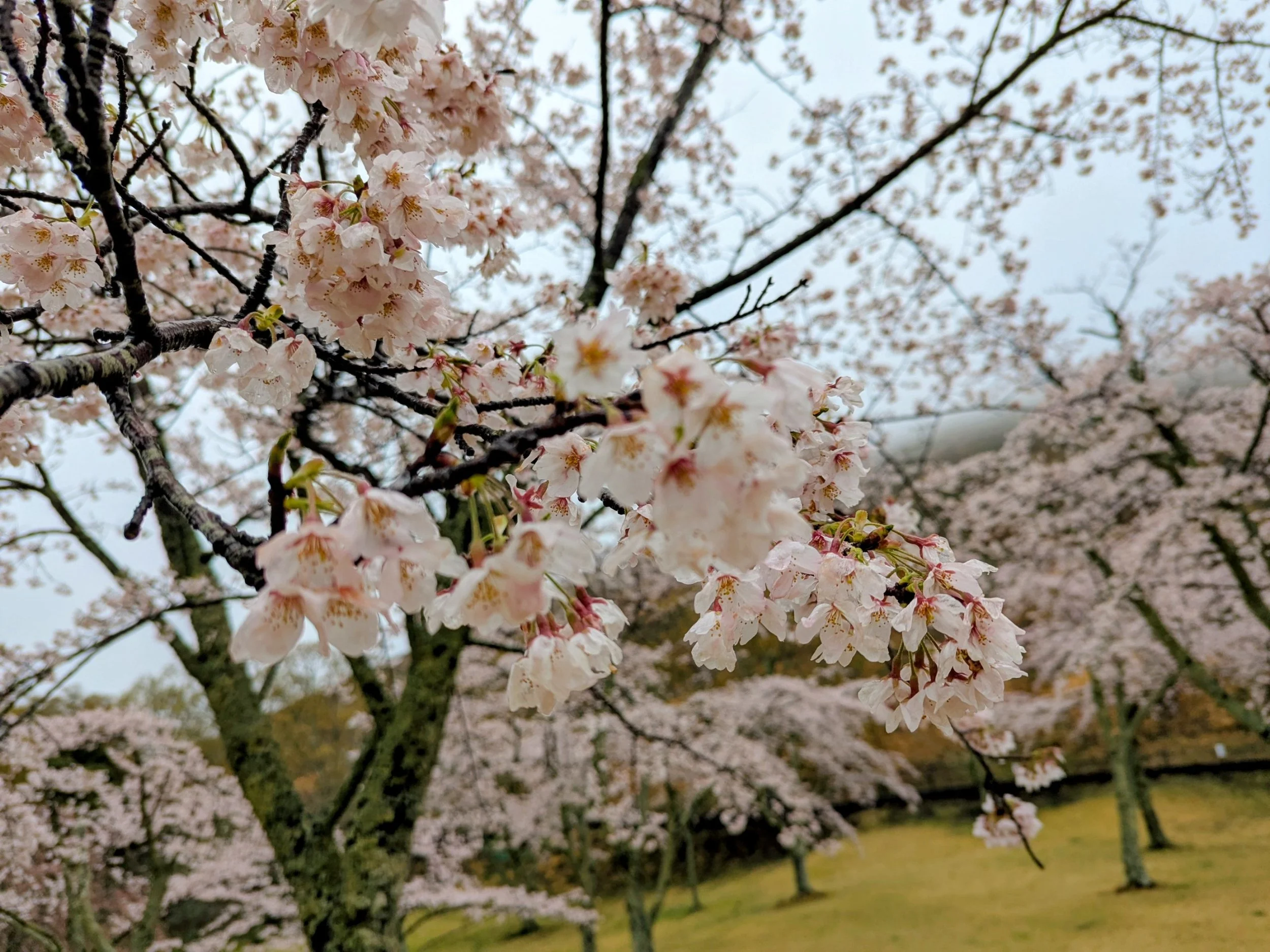
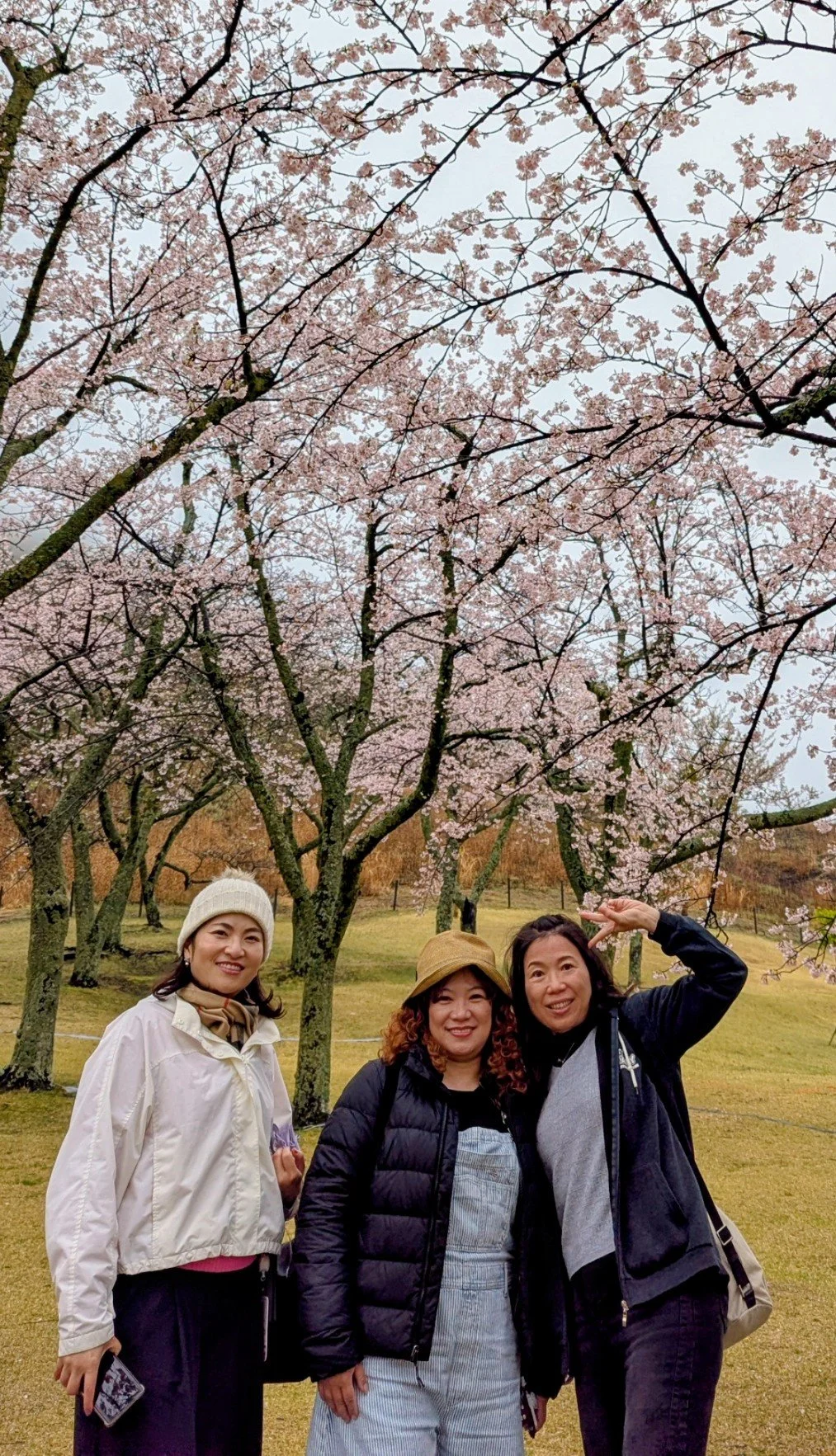
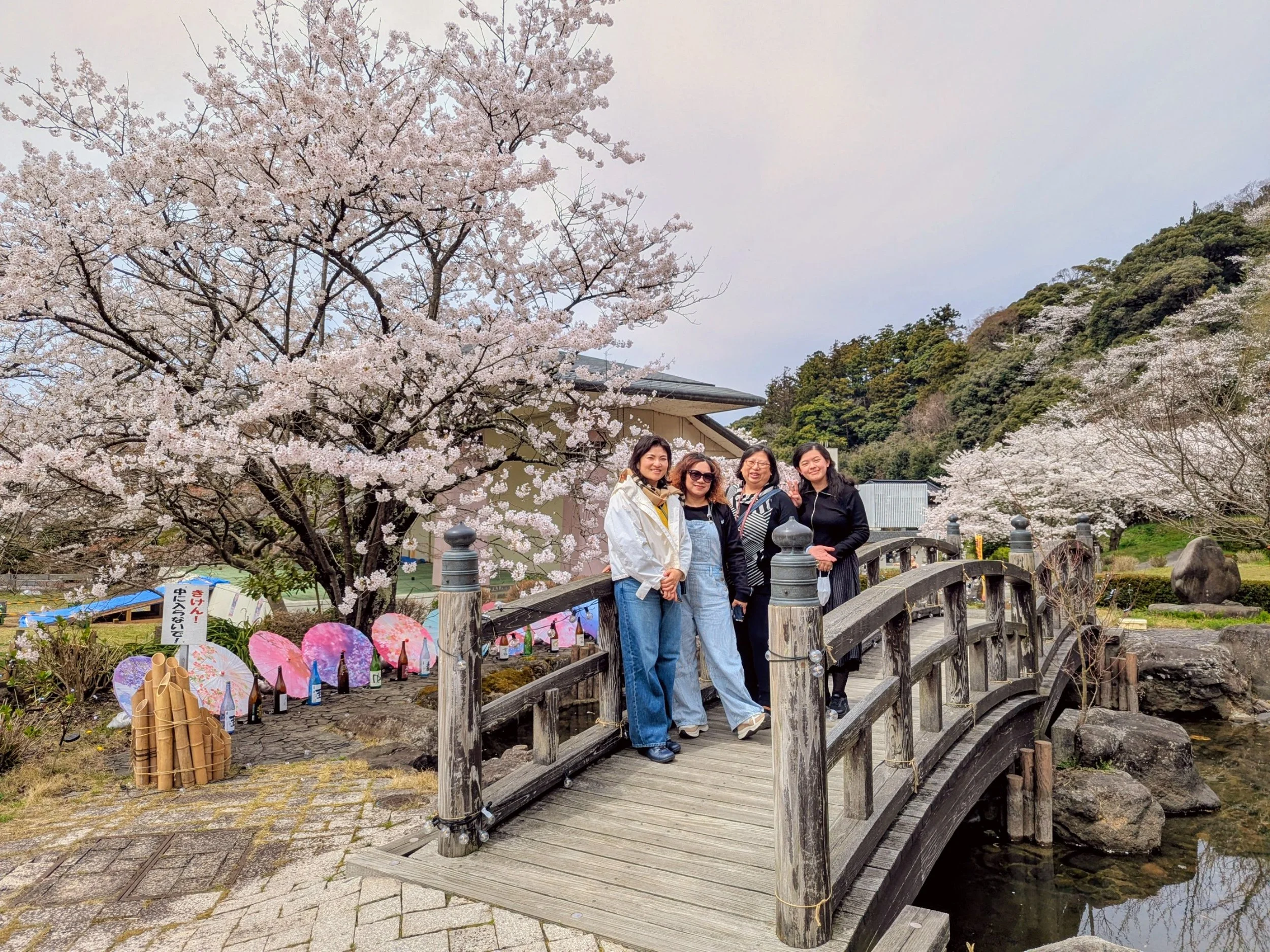
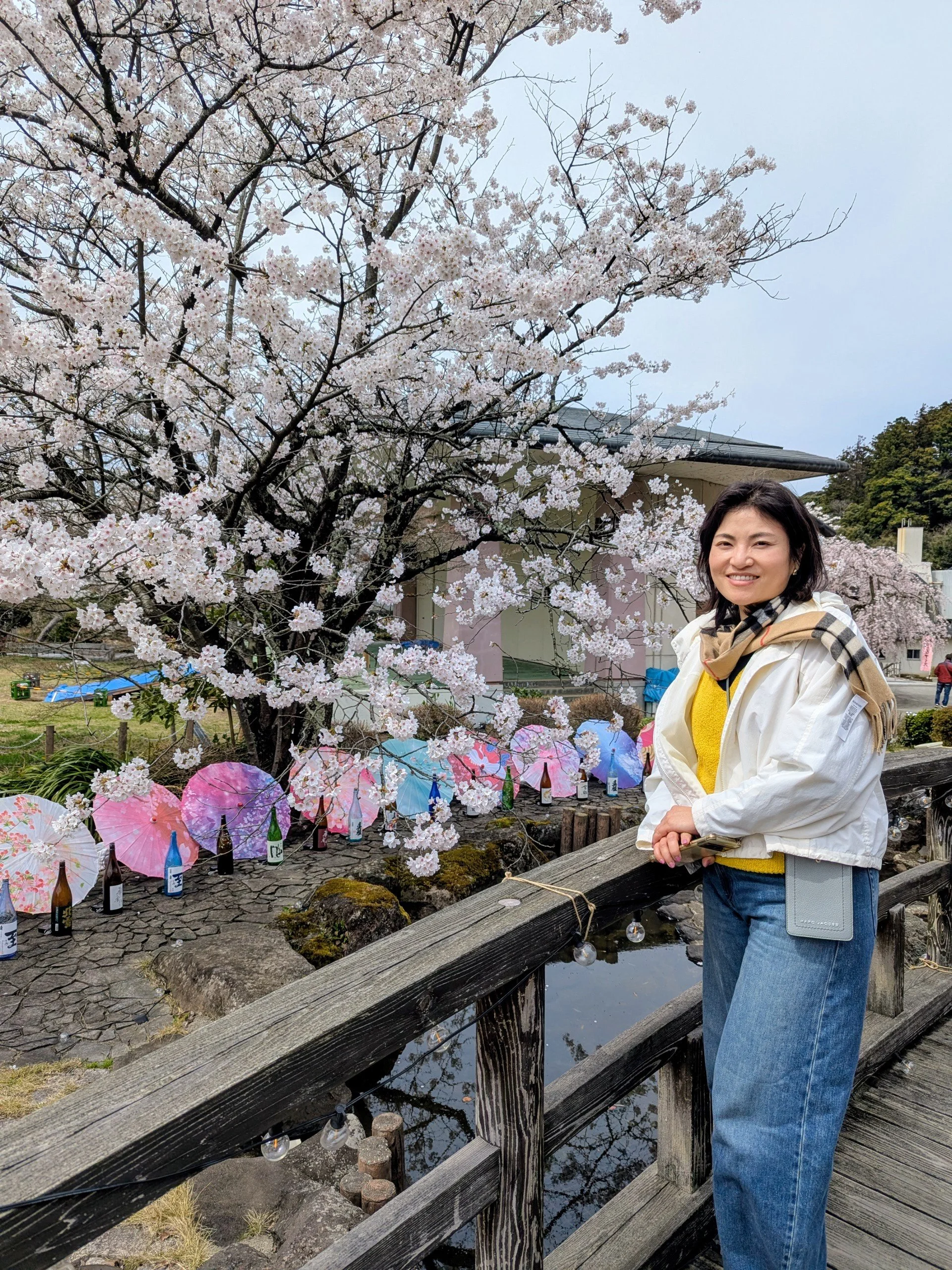
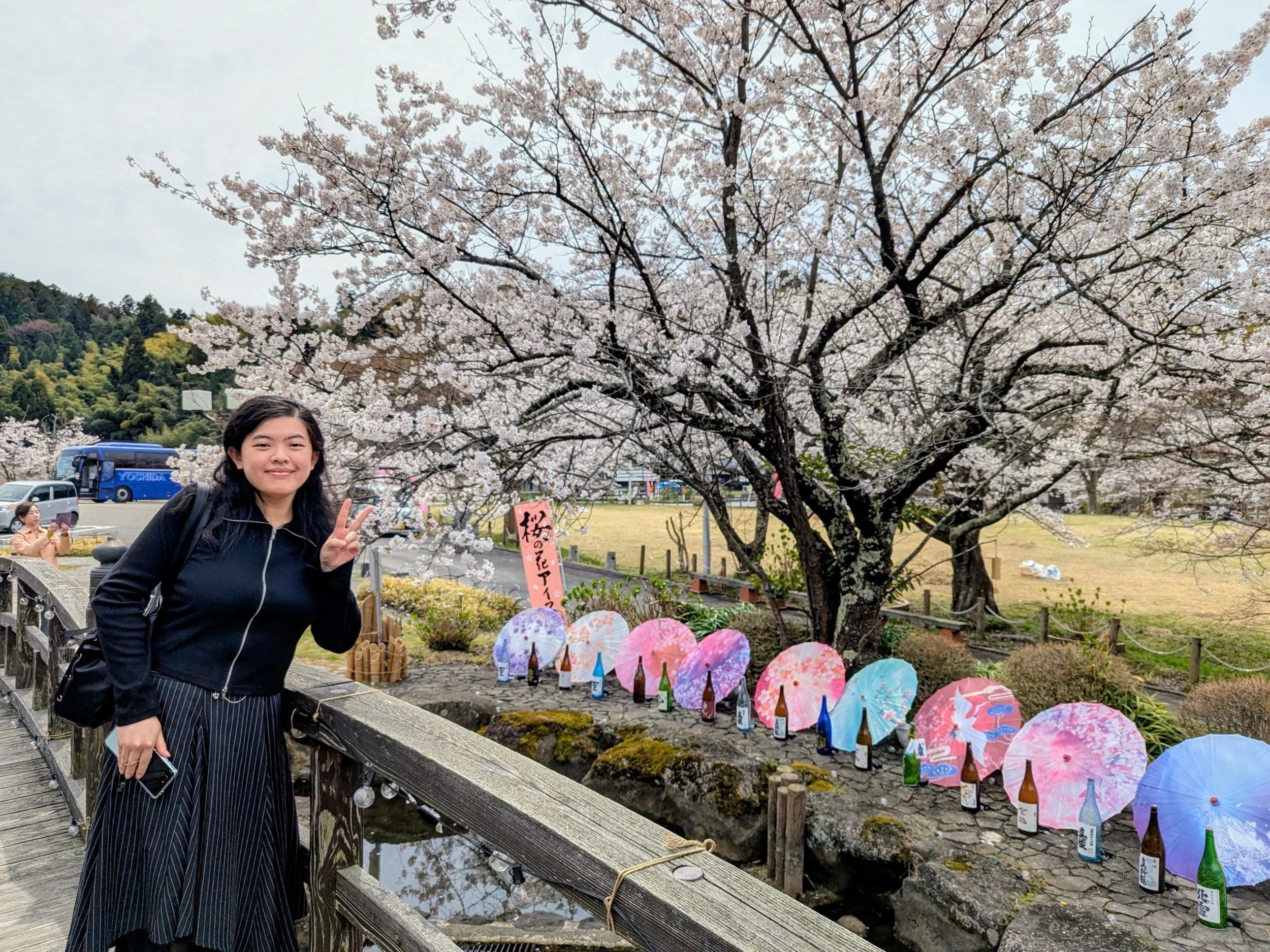
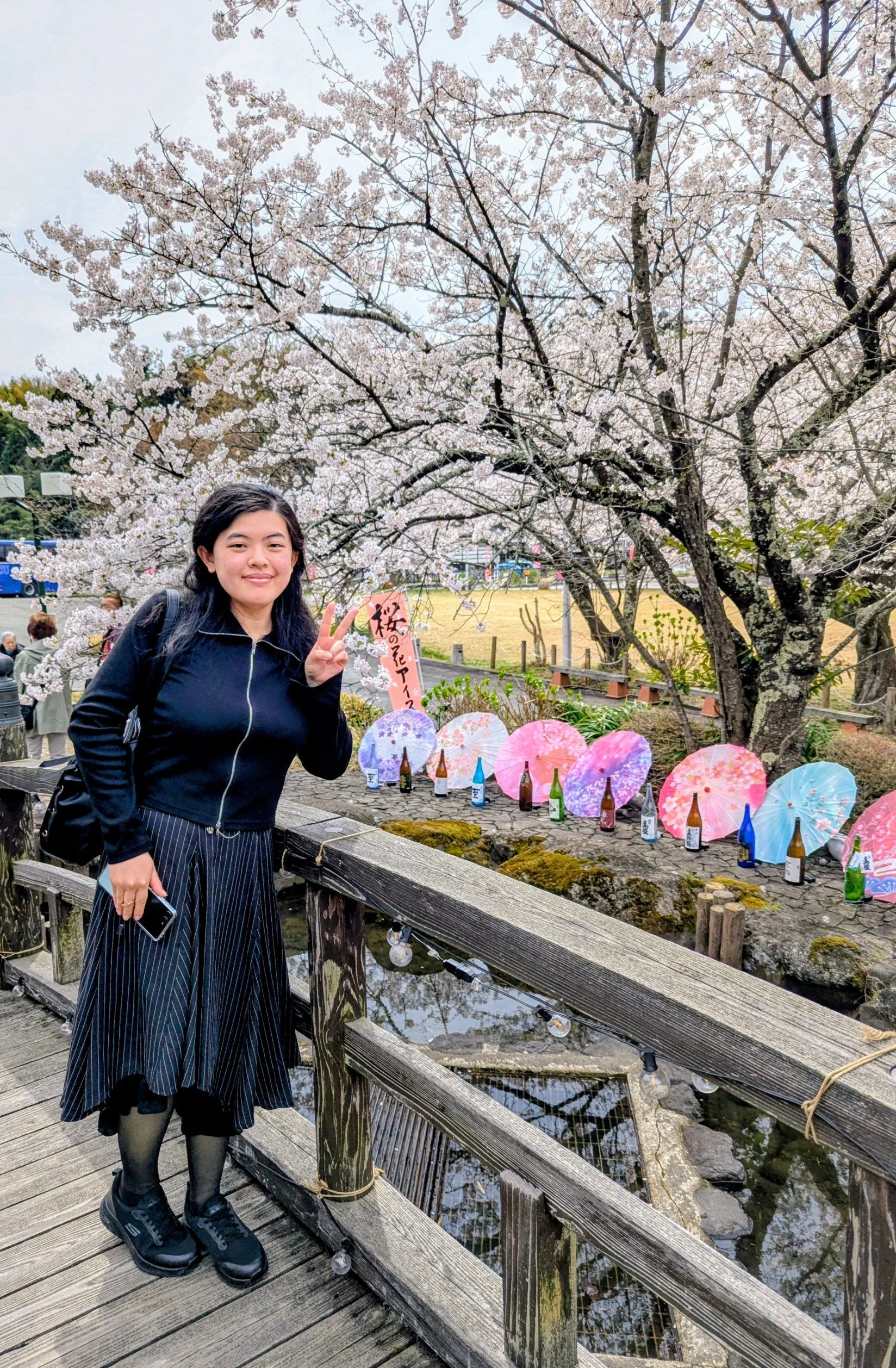
Sakura no Sato Park. A premier cherry blossom viewing spot on the Izu Peninsula, where you can enjoy cherry blossoms. Located at the foot of Mt. Omuro, Ito's symbol, this park is one of the Izu Peninsula's most famous spots for cherry blossoms. It’s 2 hours outside of Tokyo by bus.
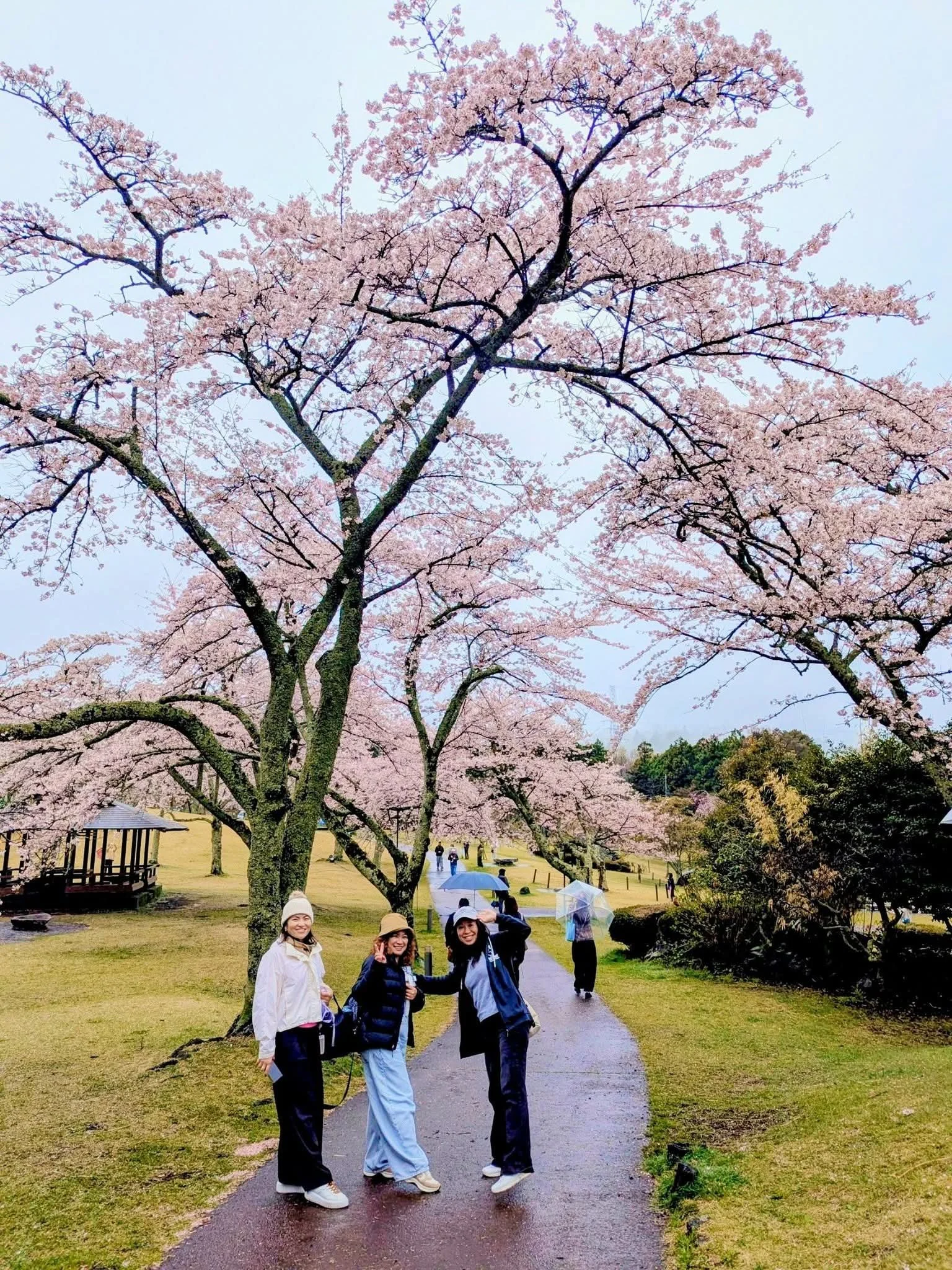
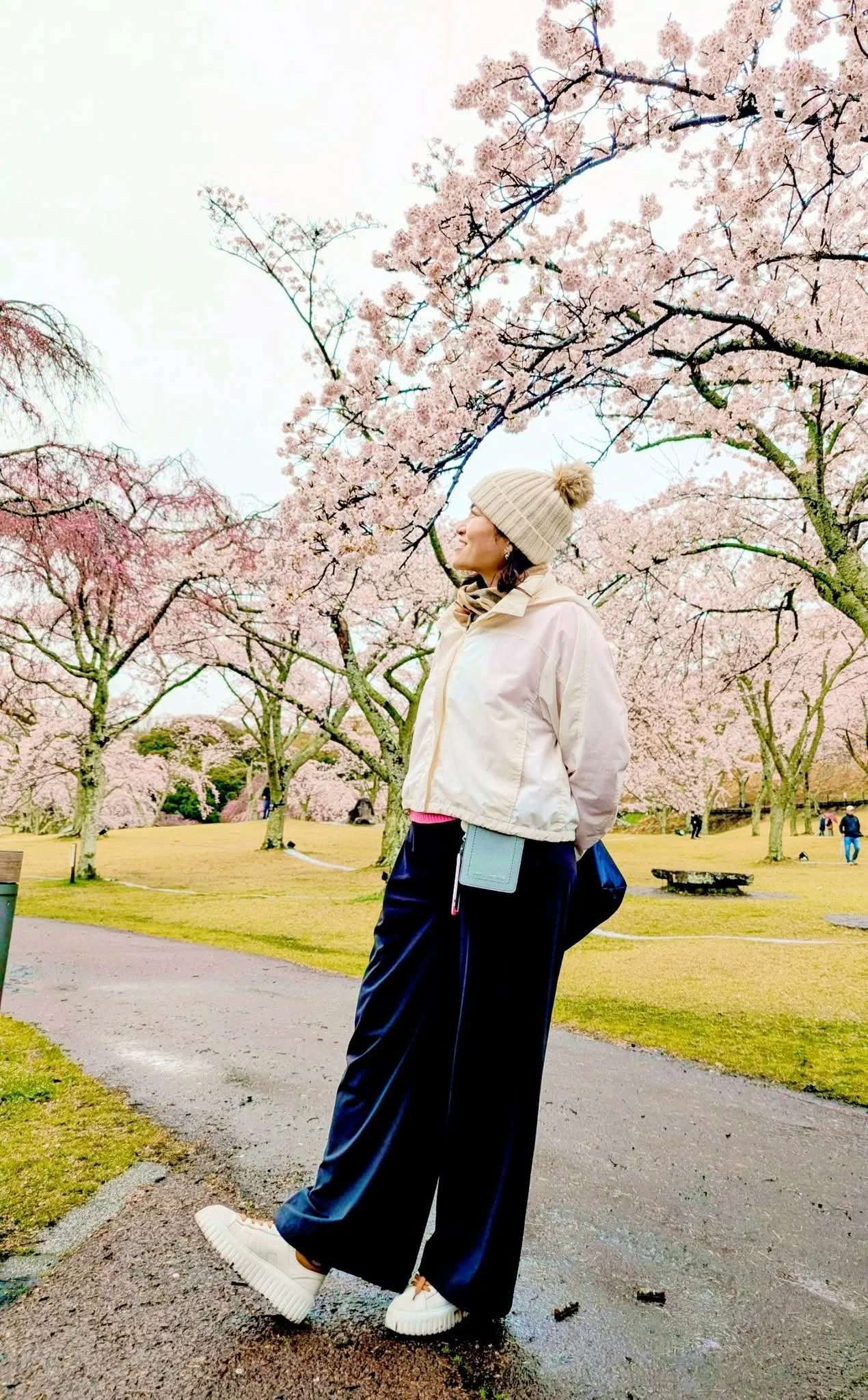
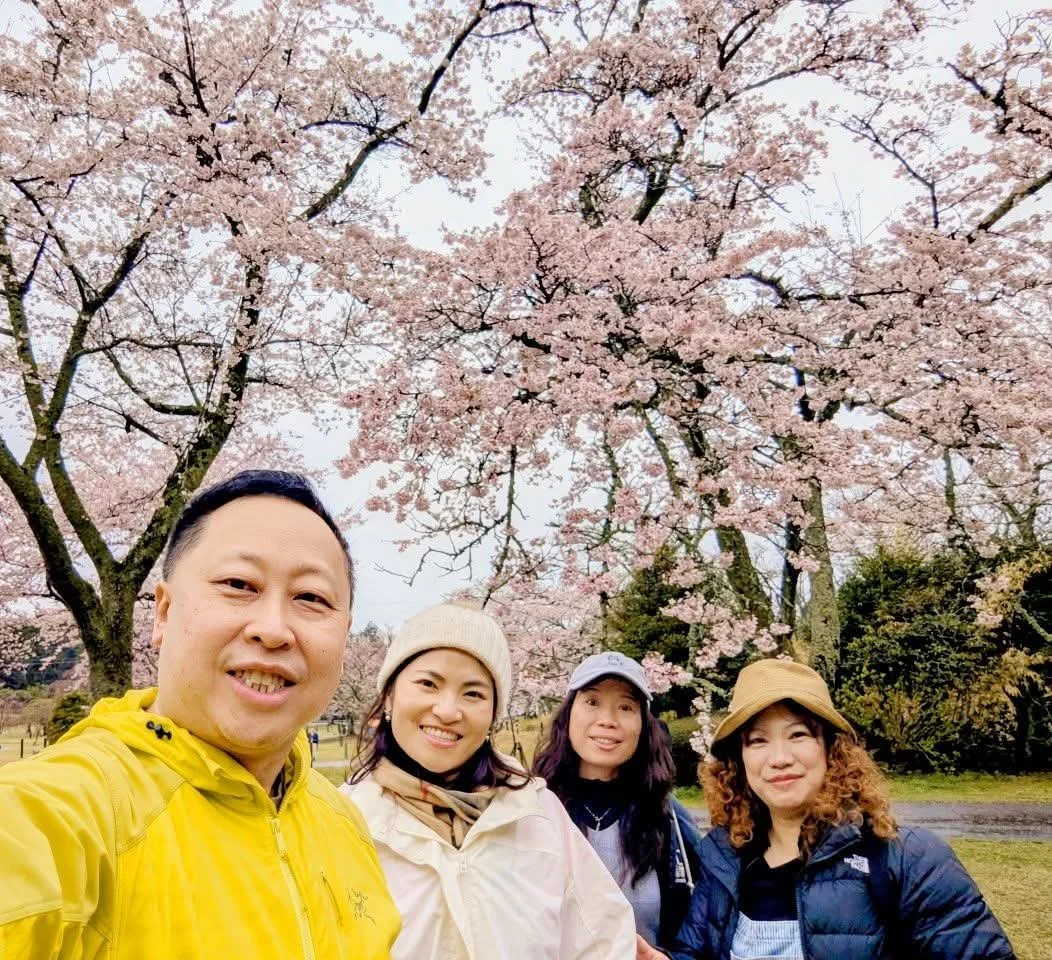
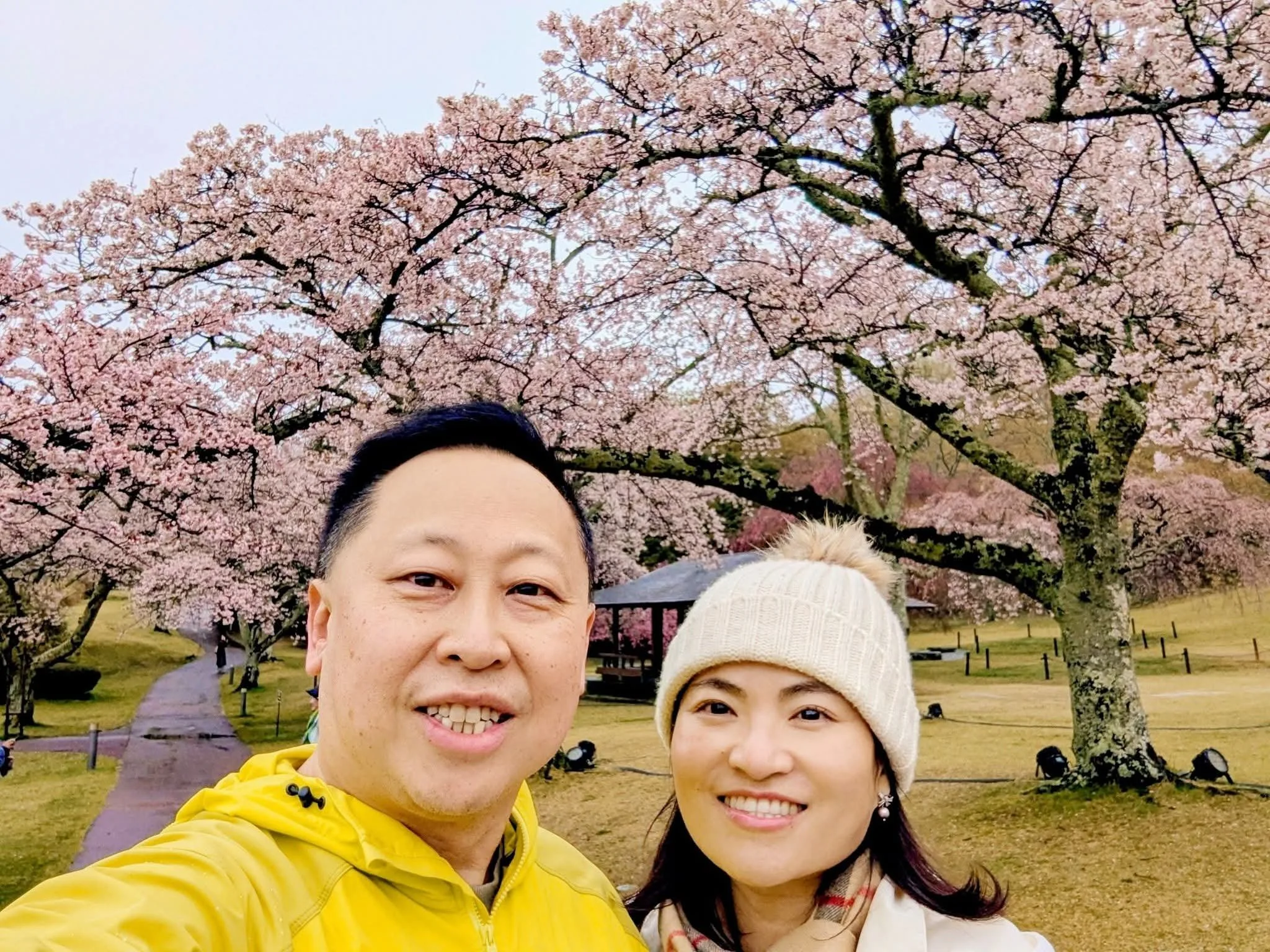
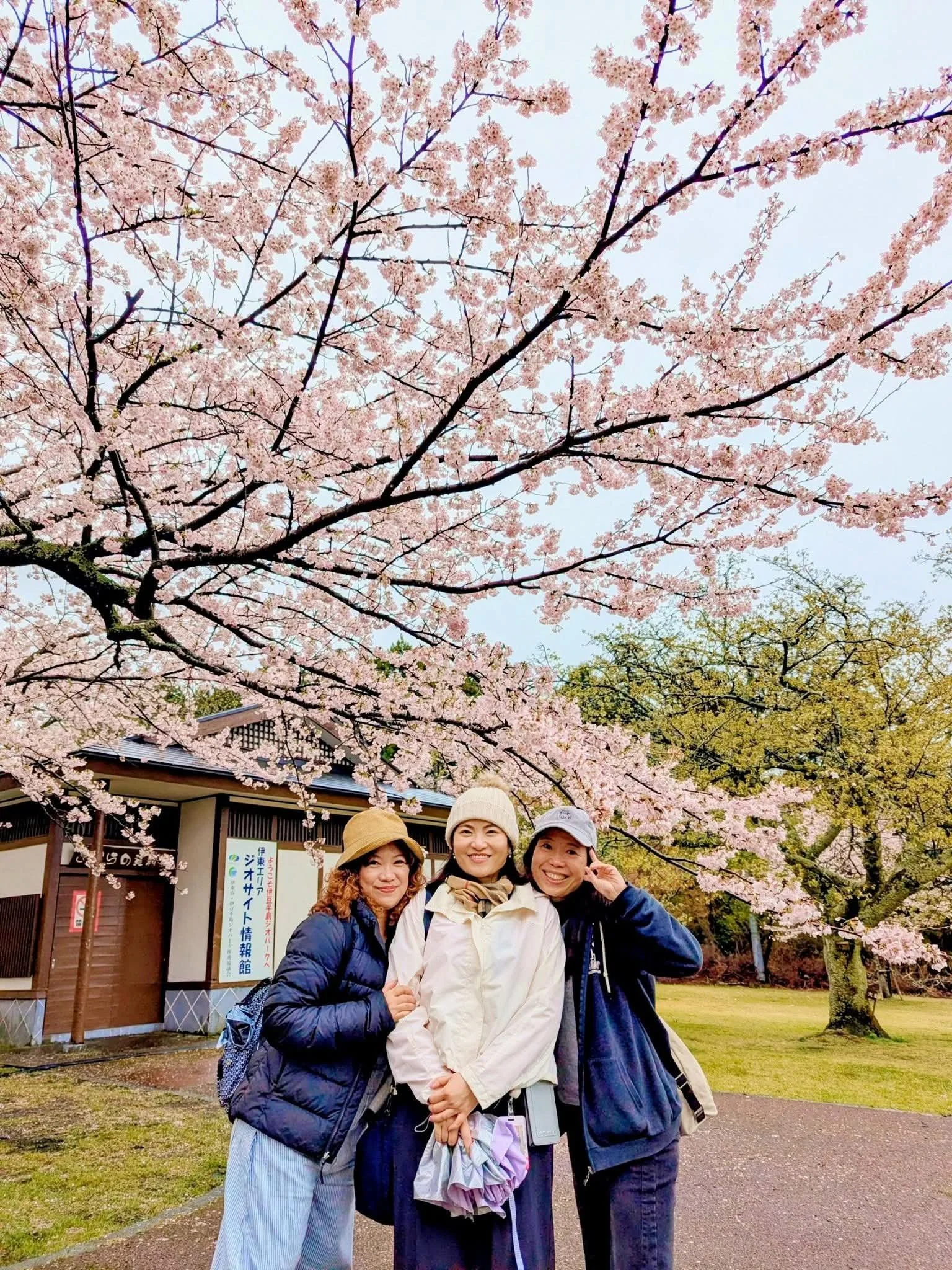
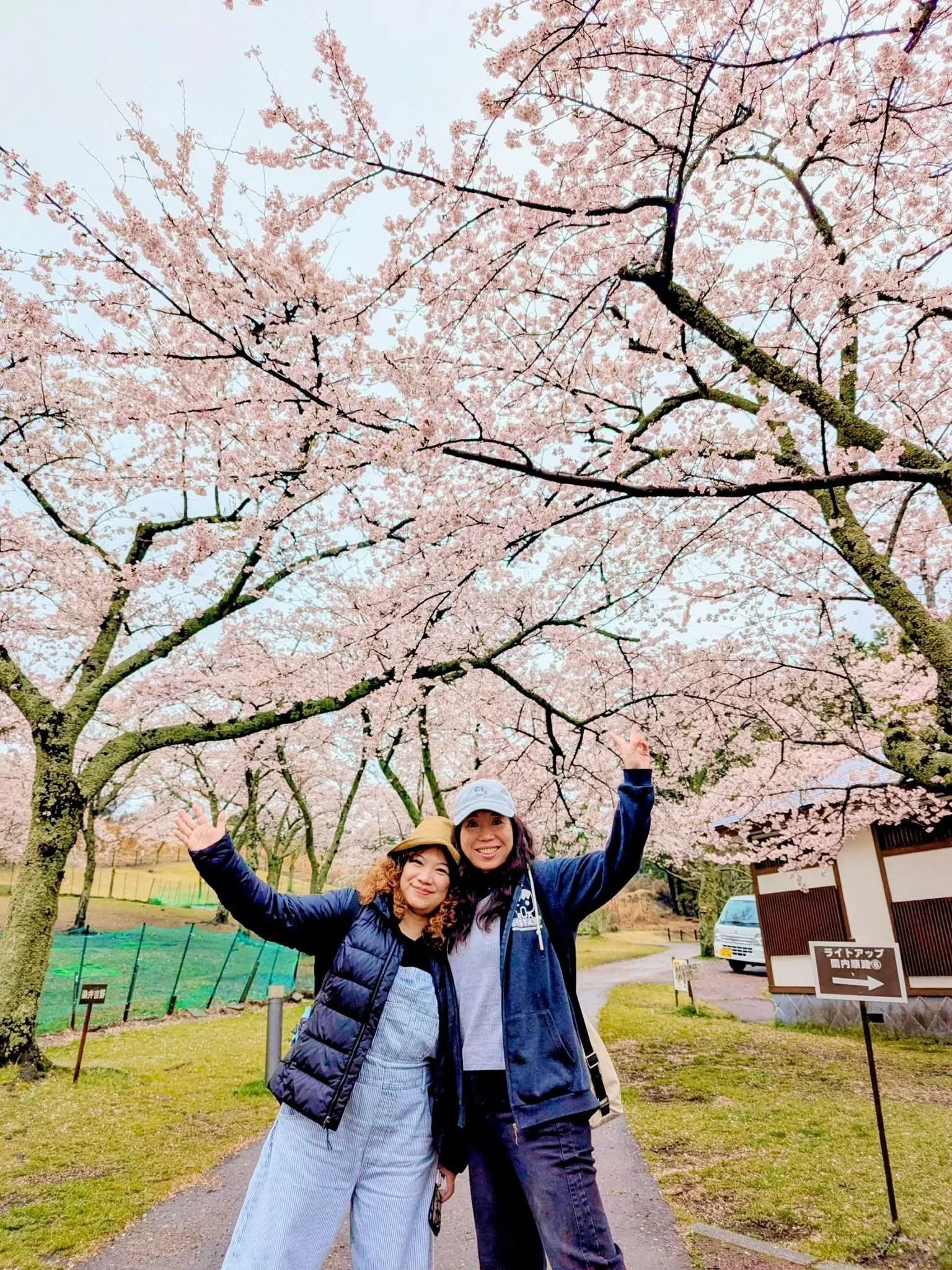
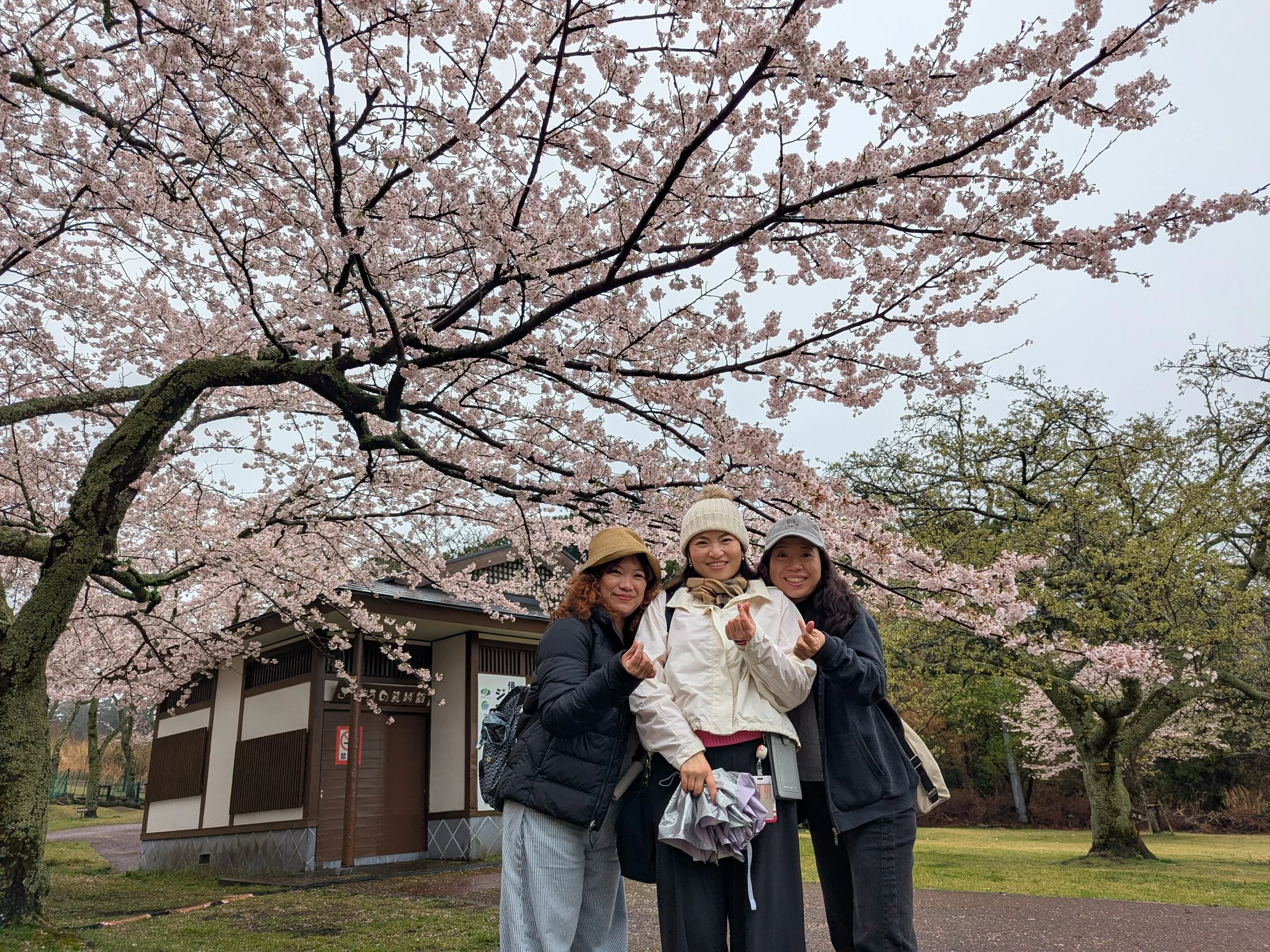
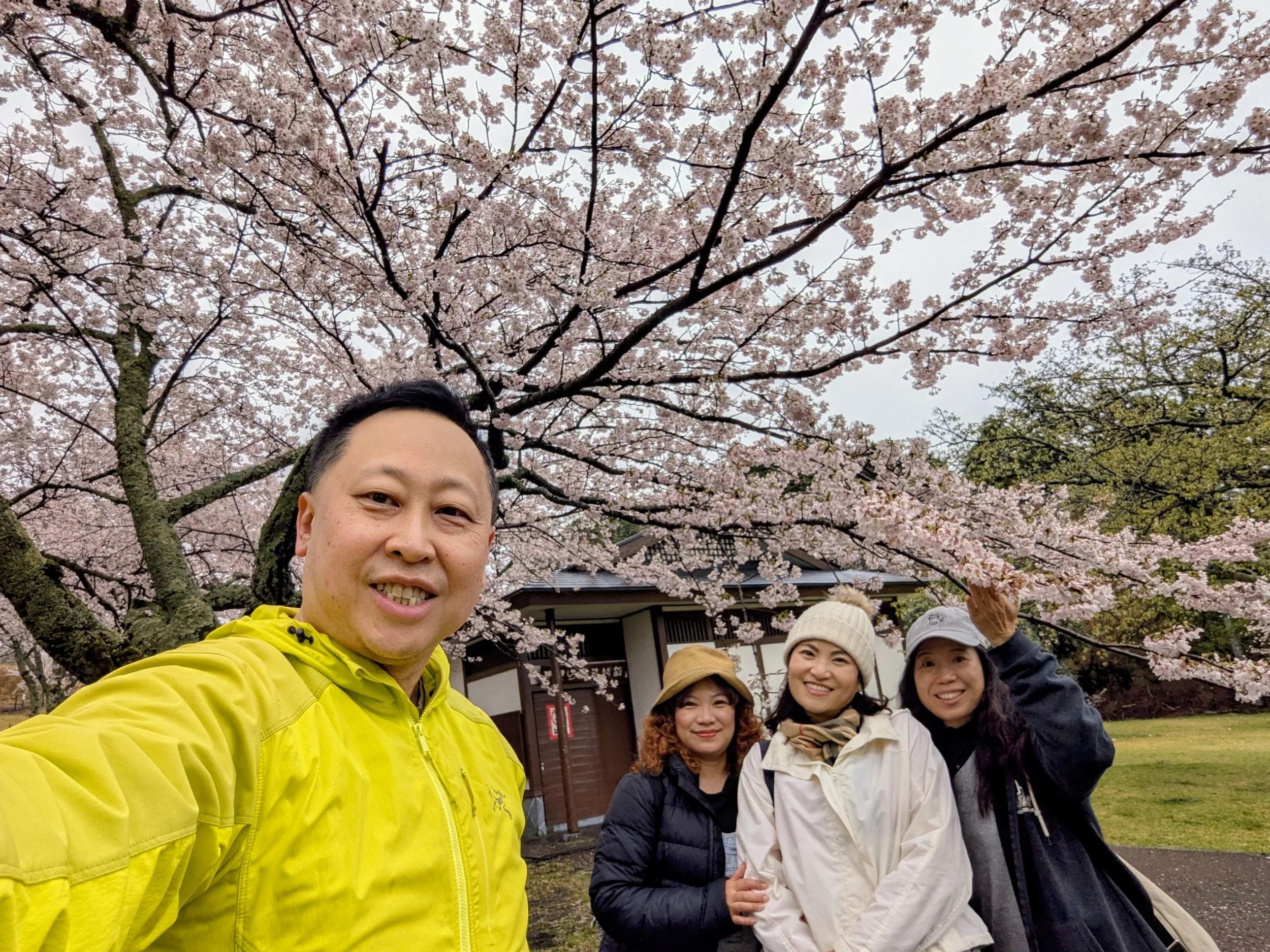
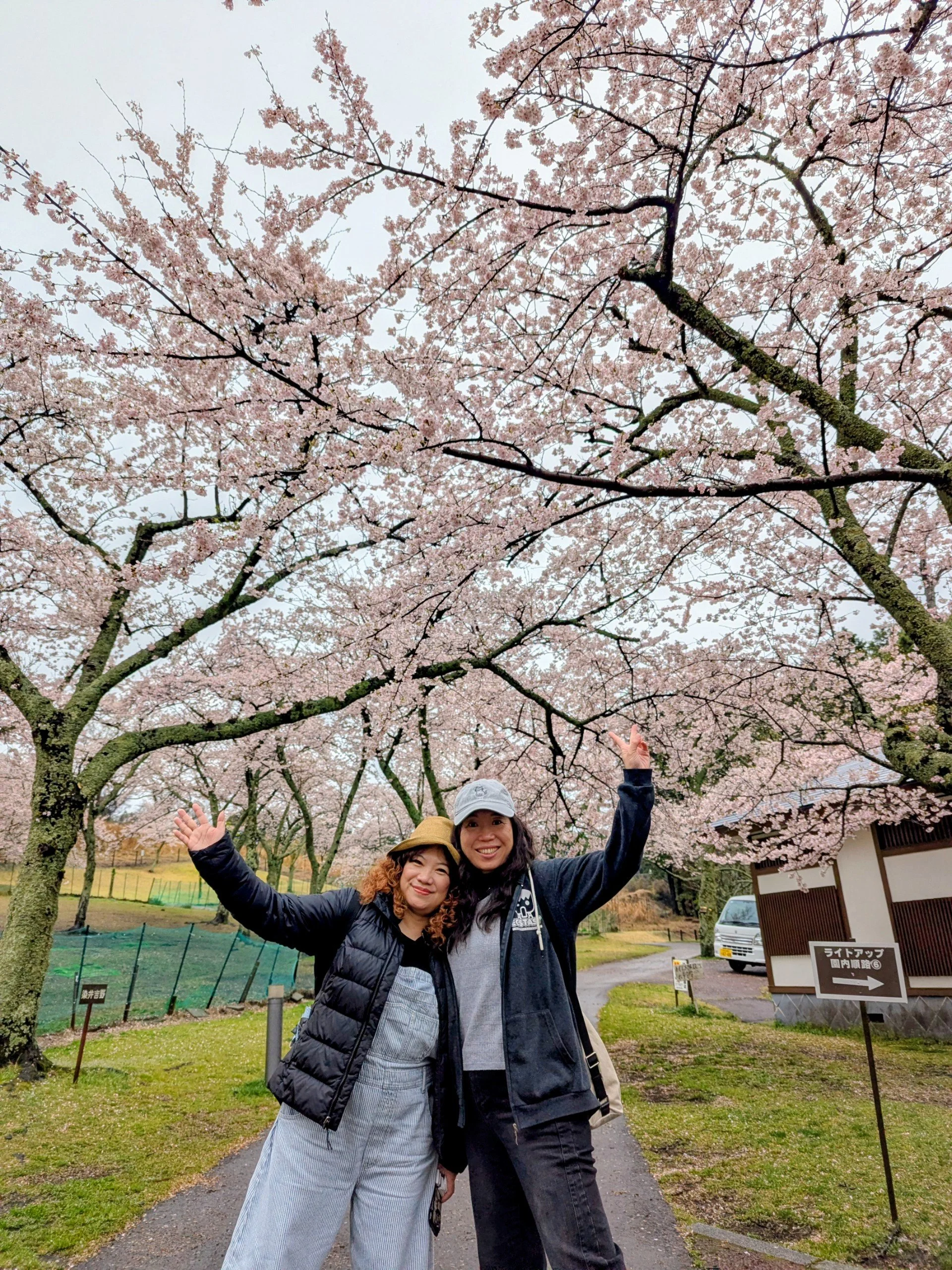
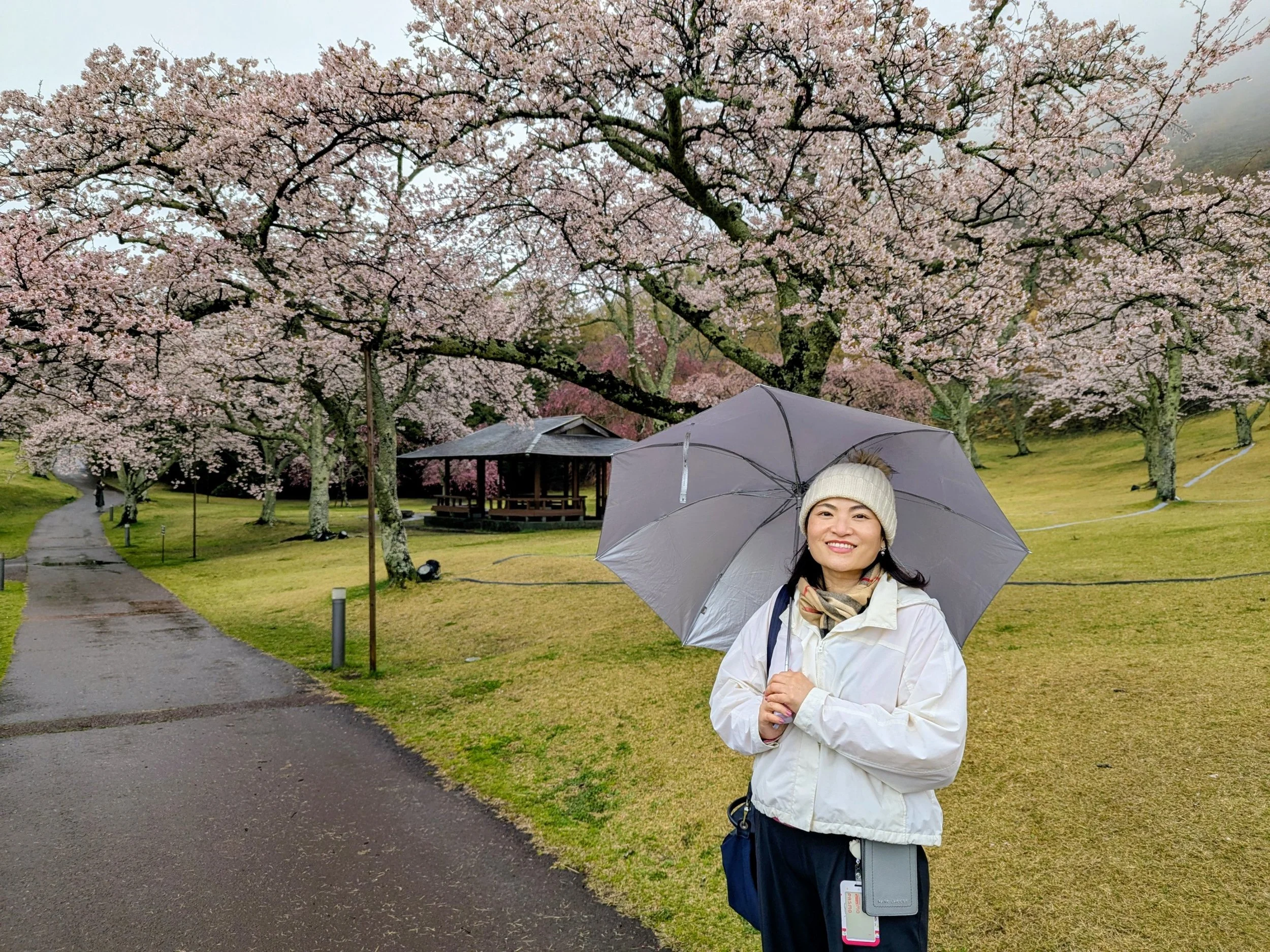
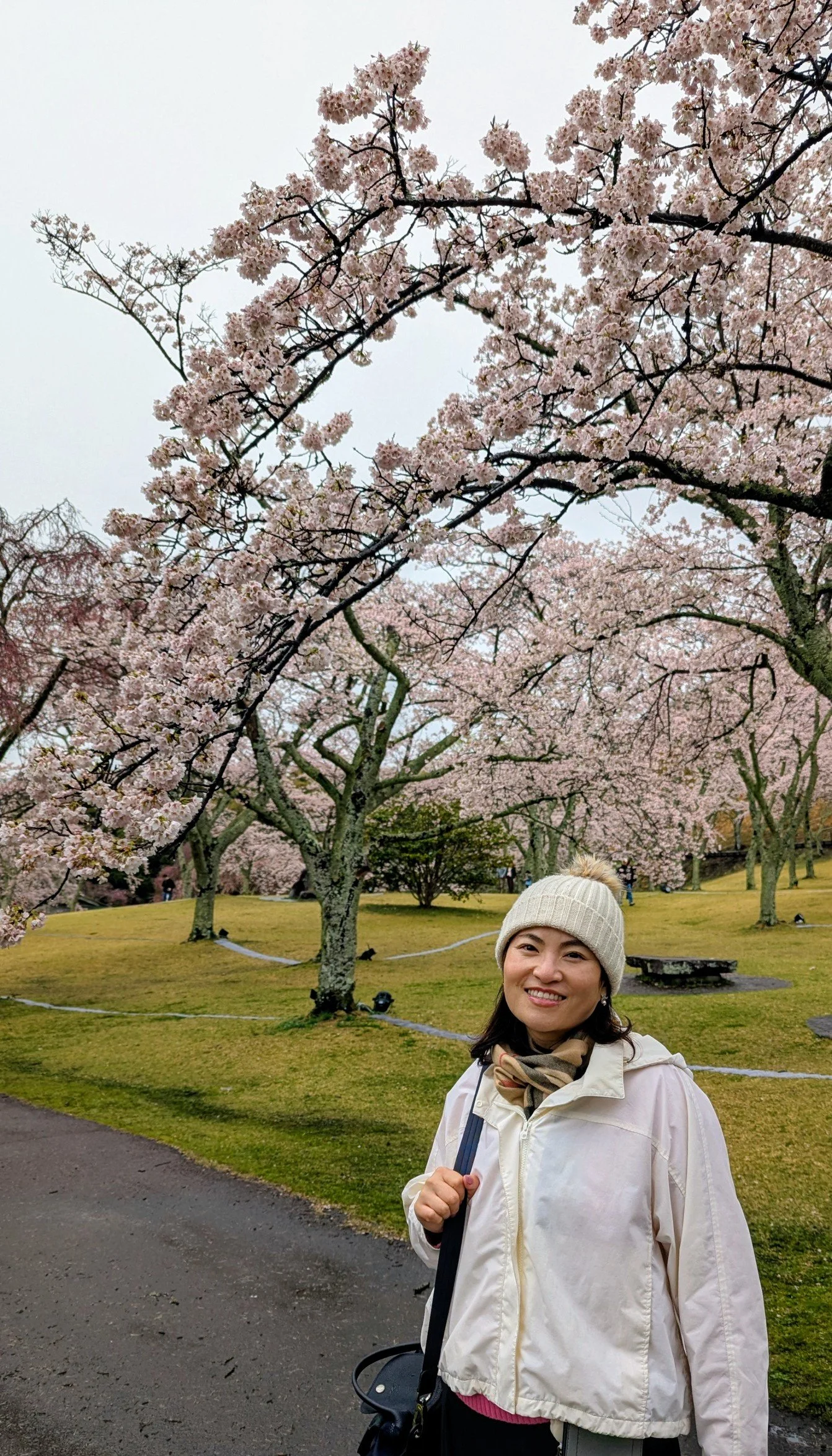
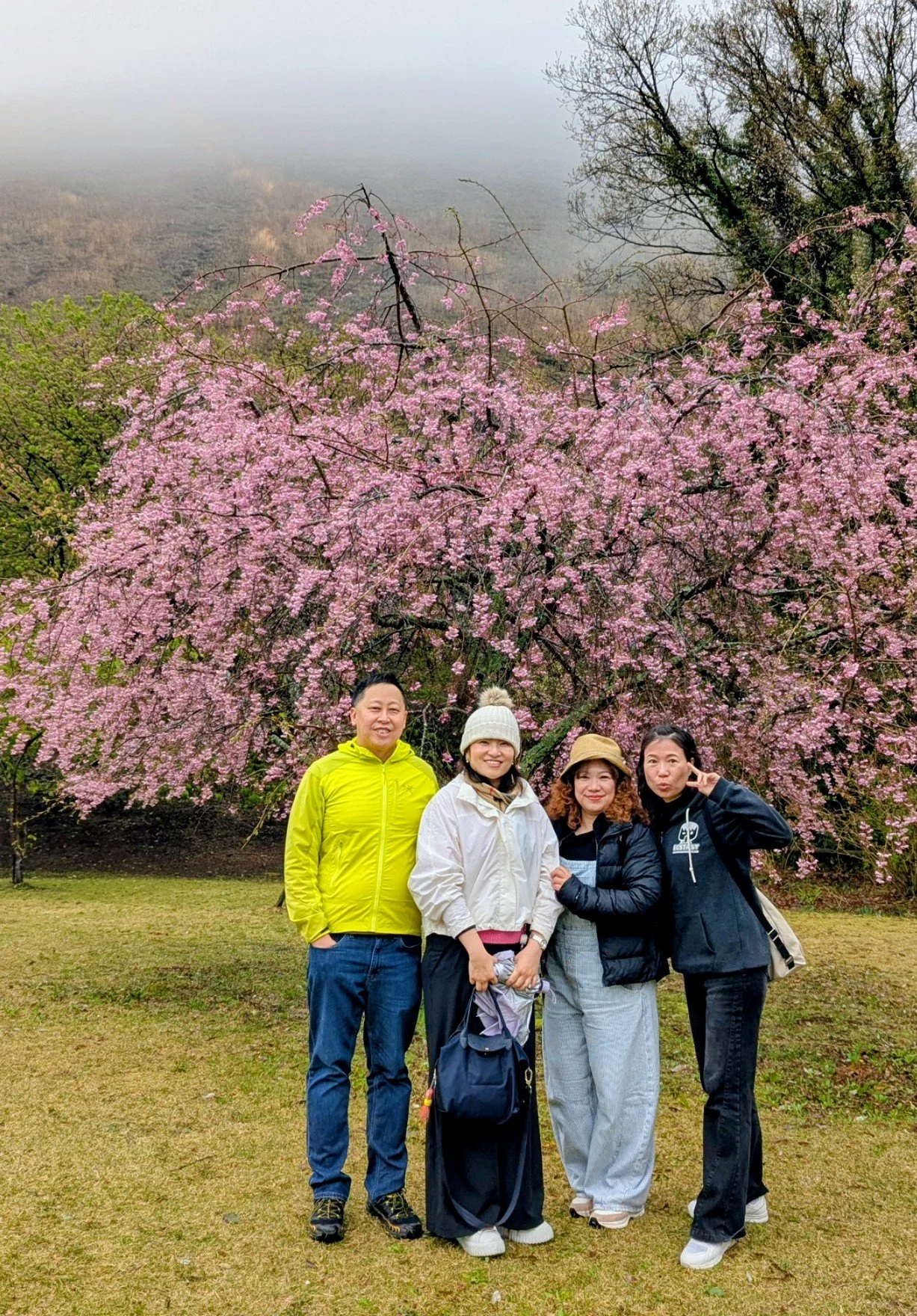
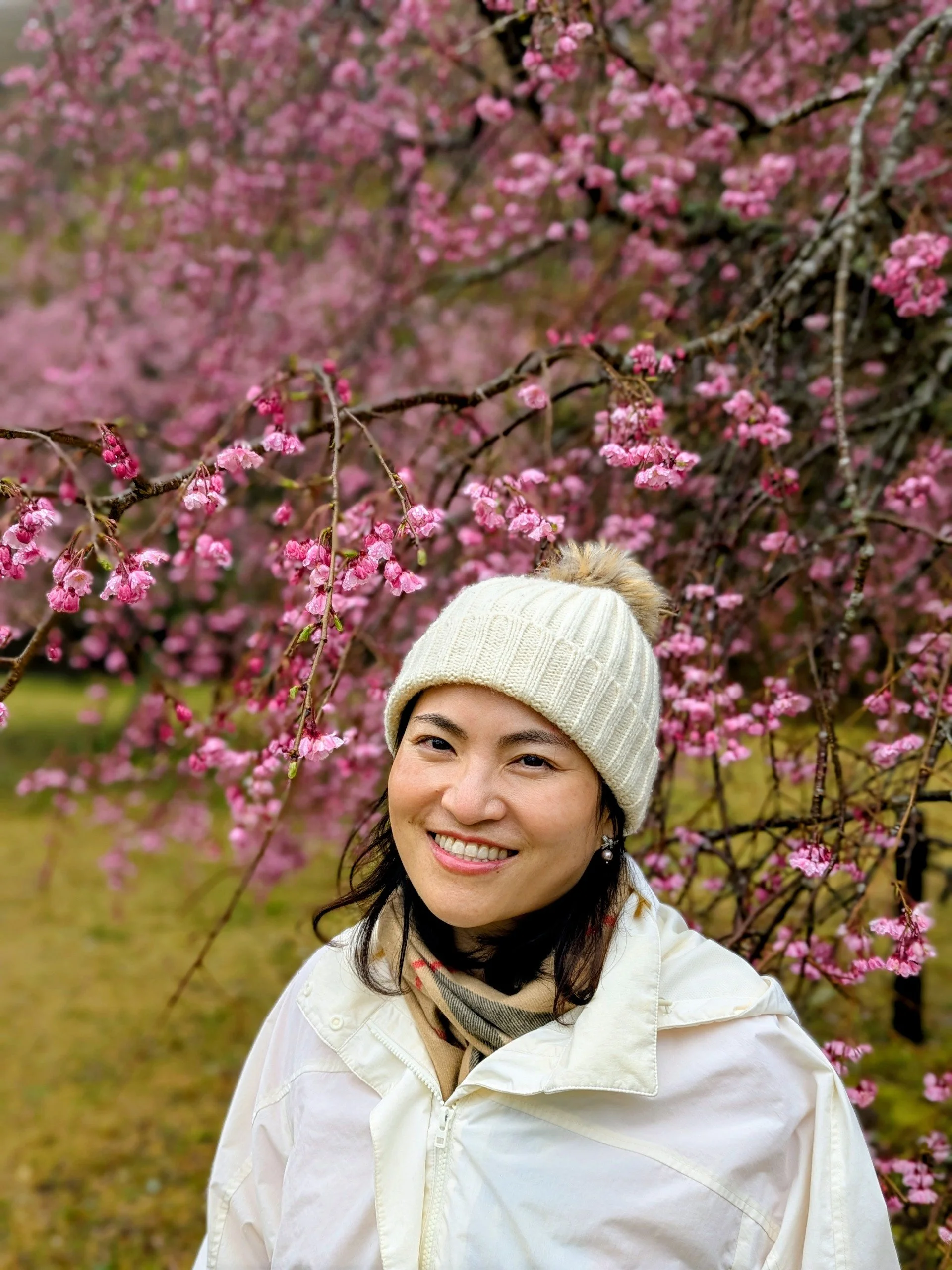
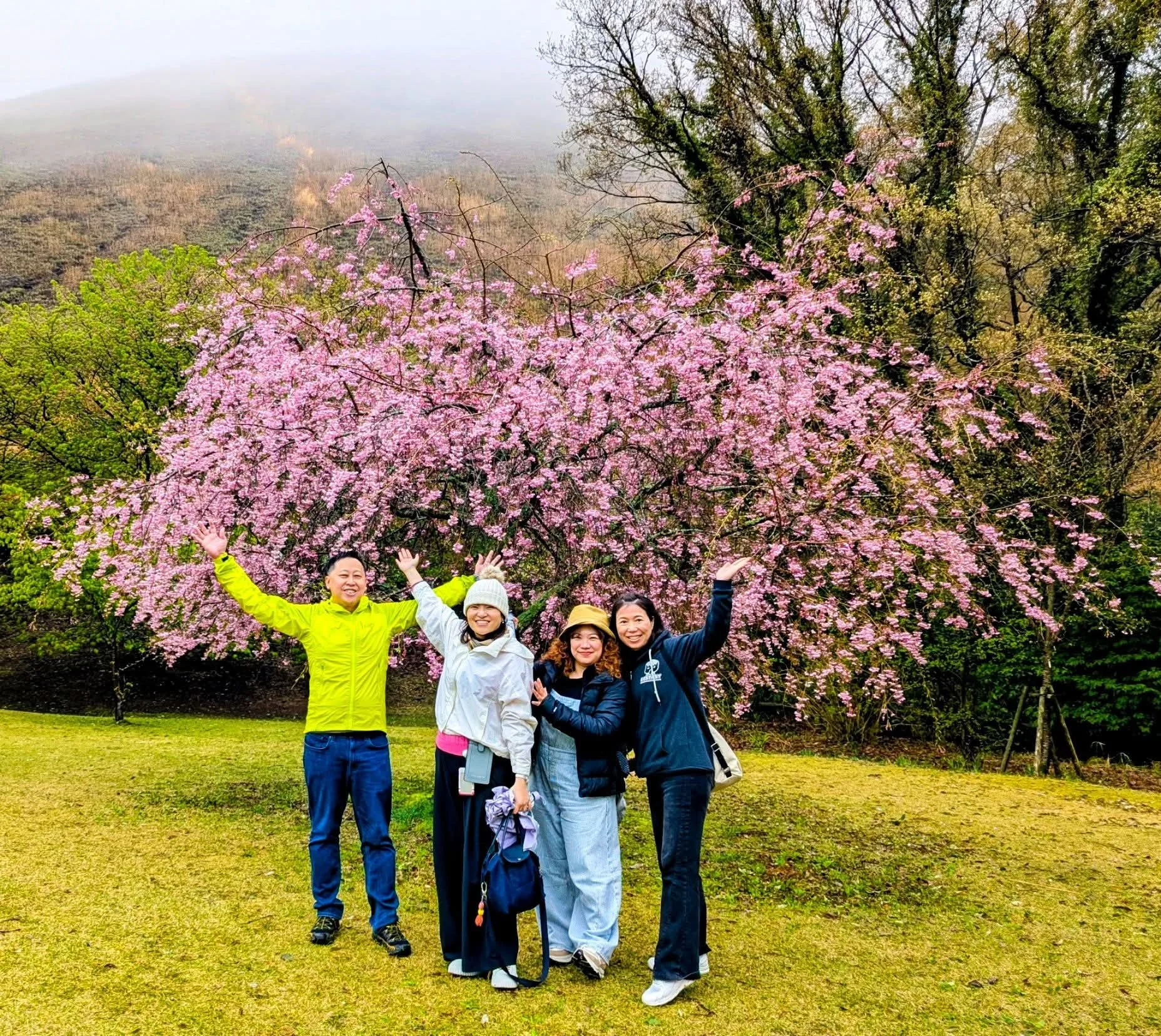
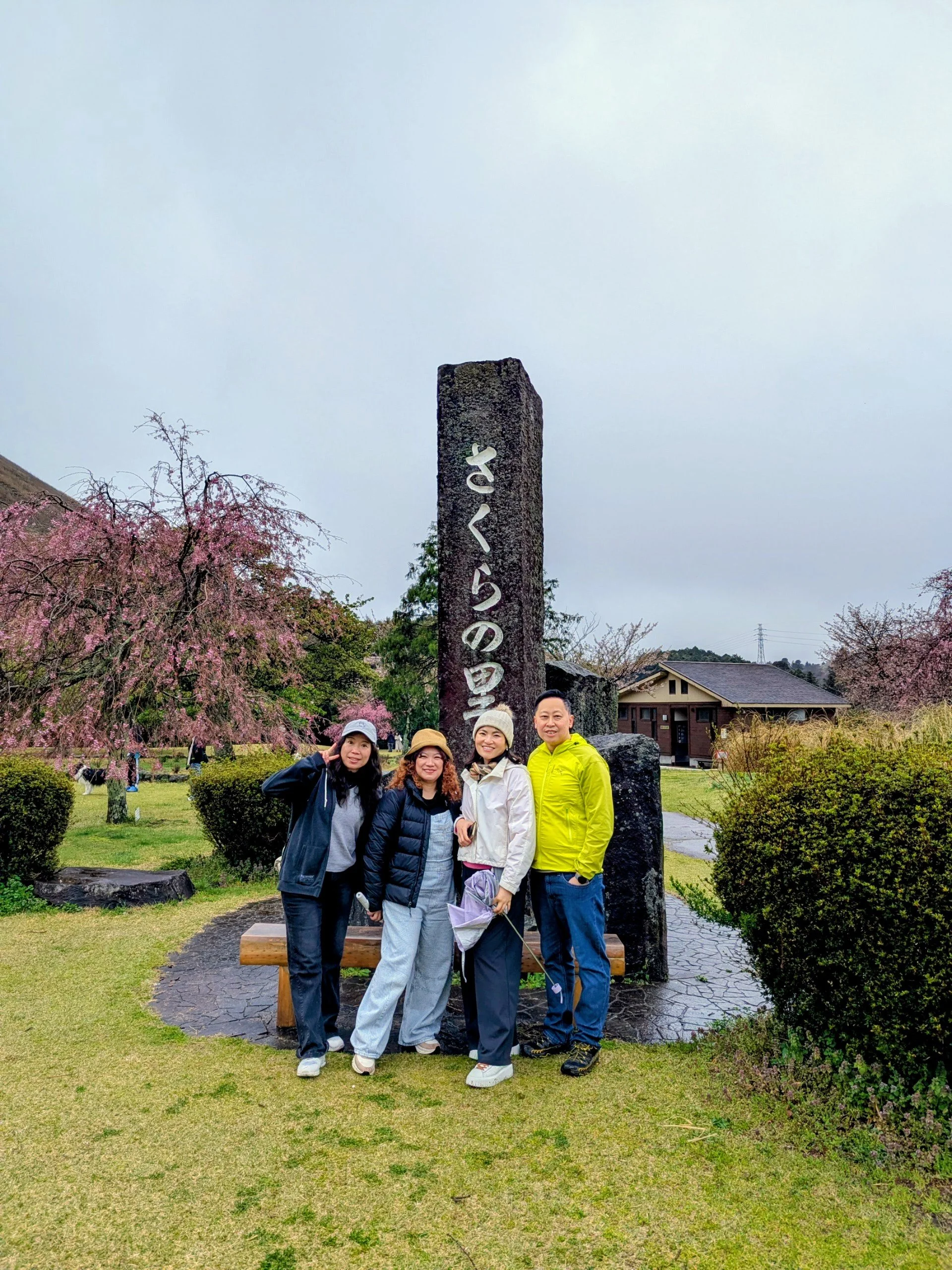
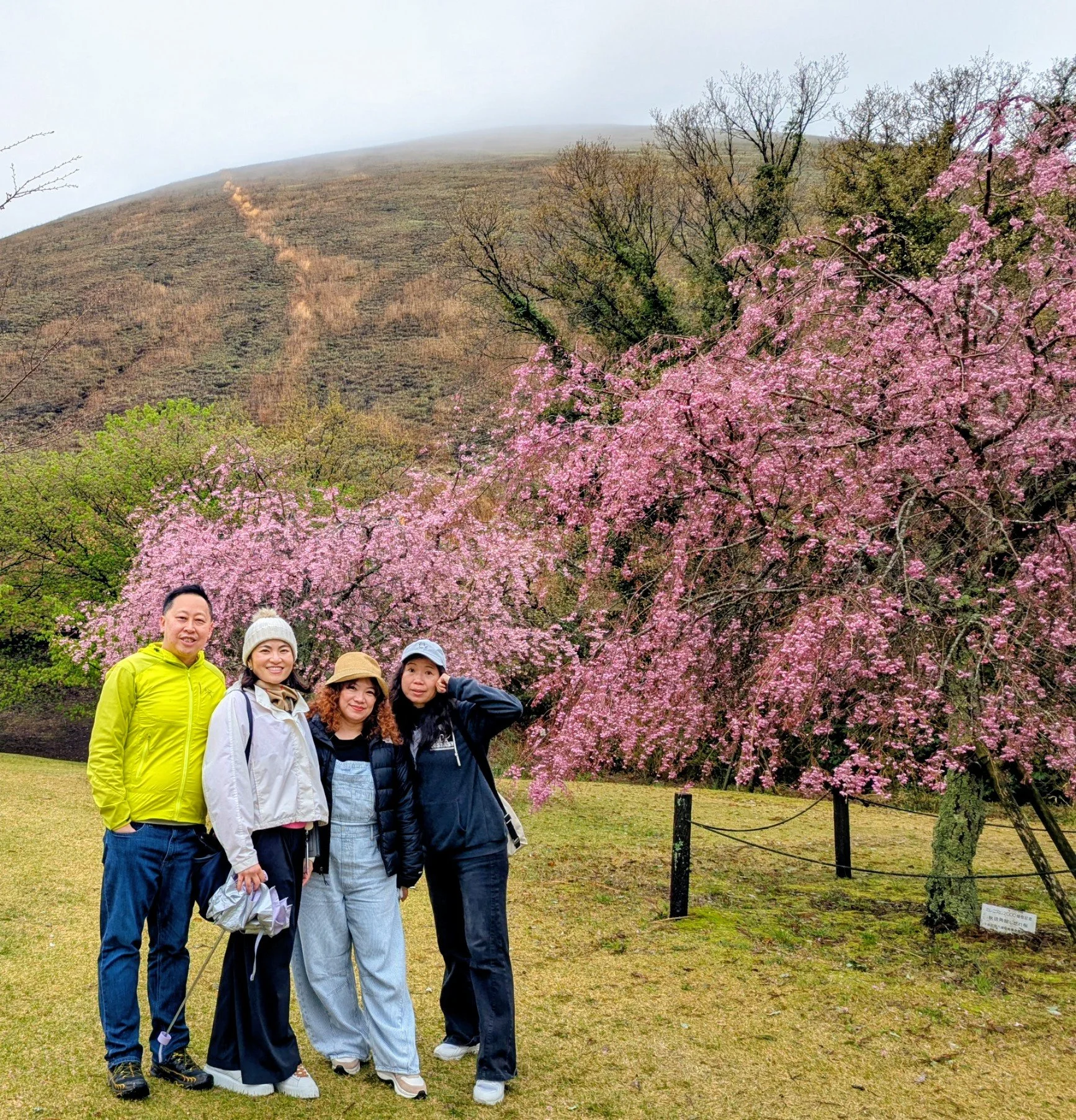
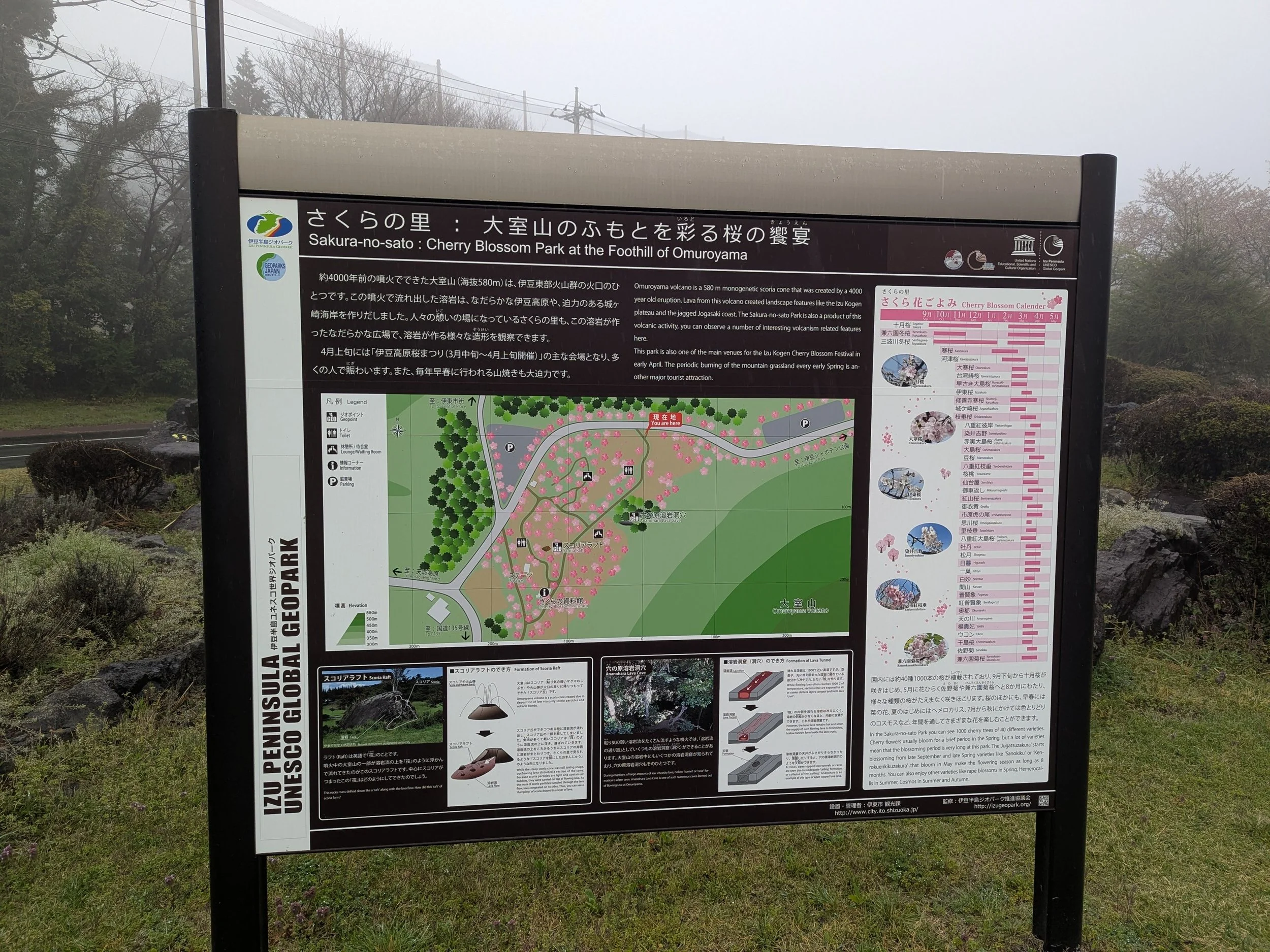
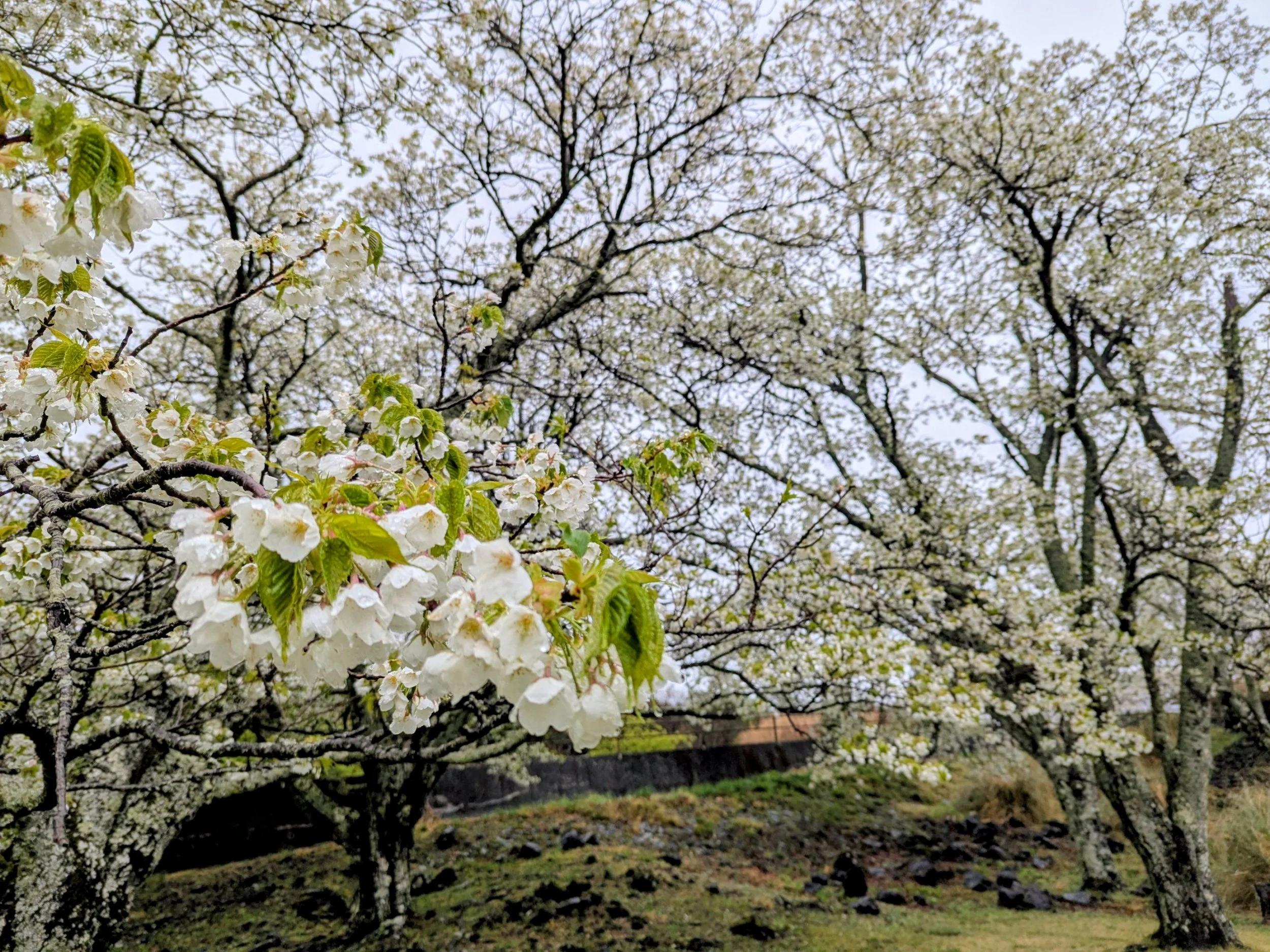
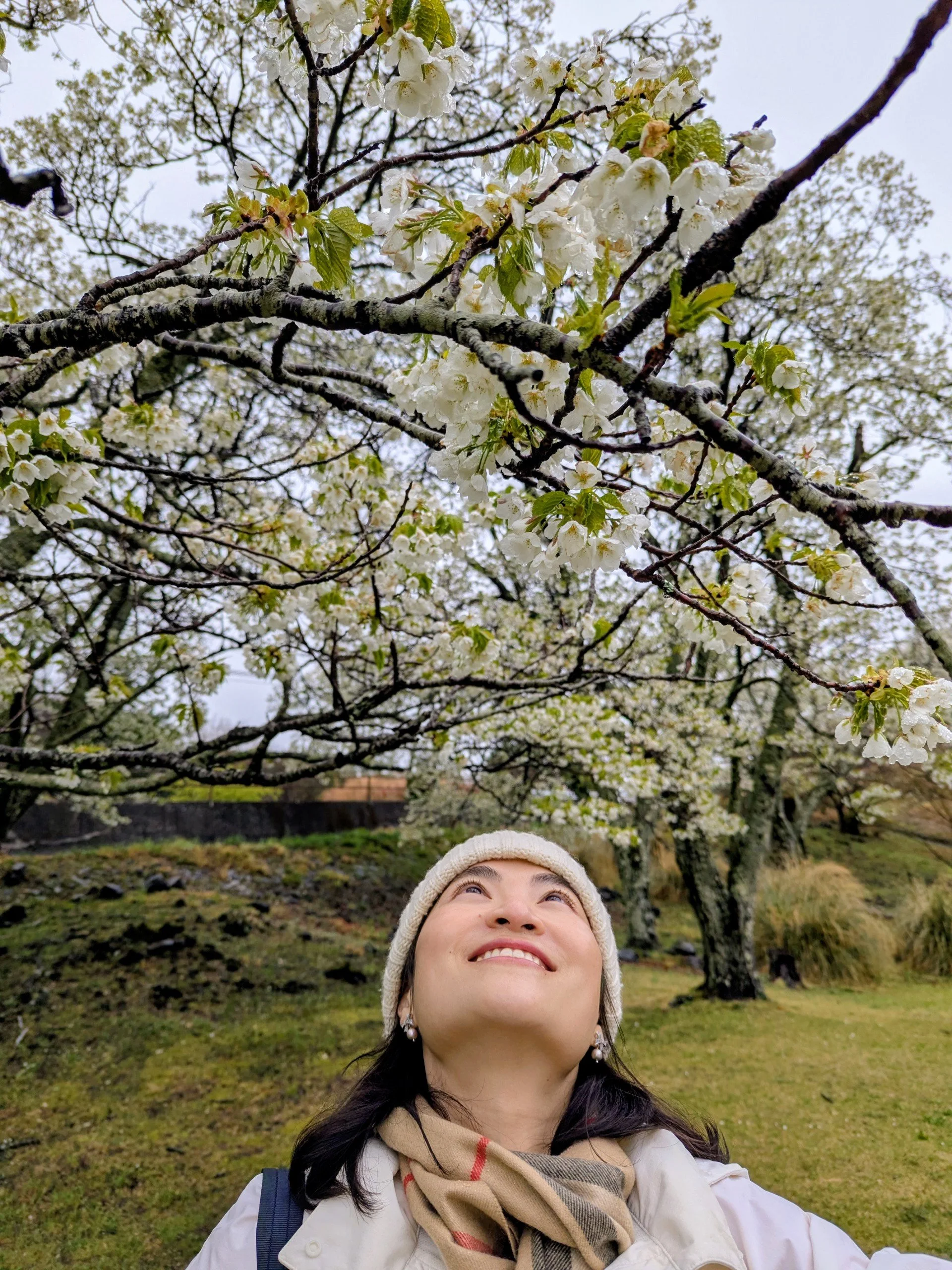
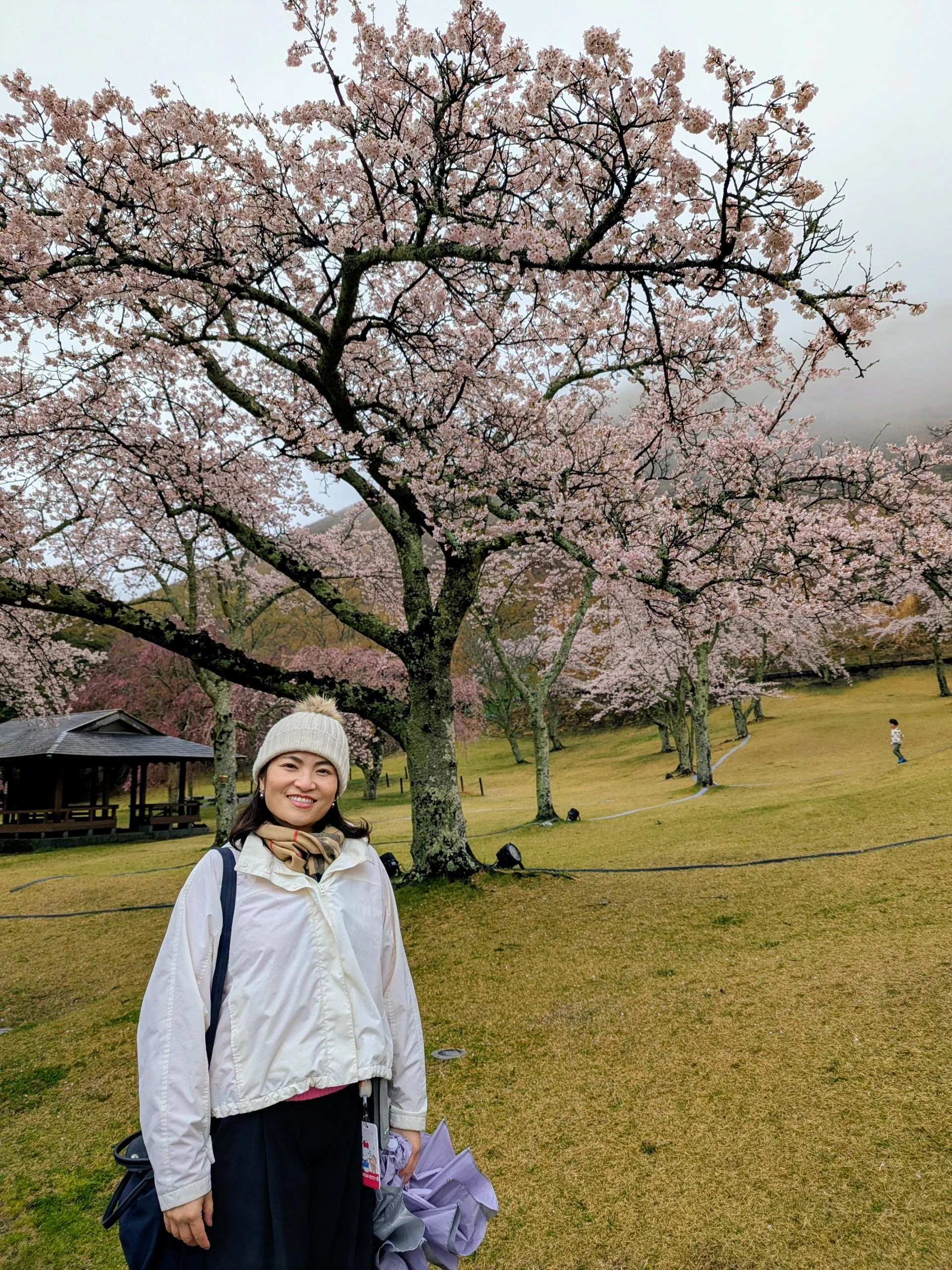
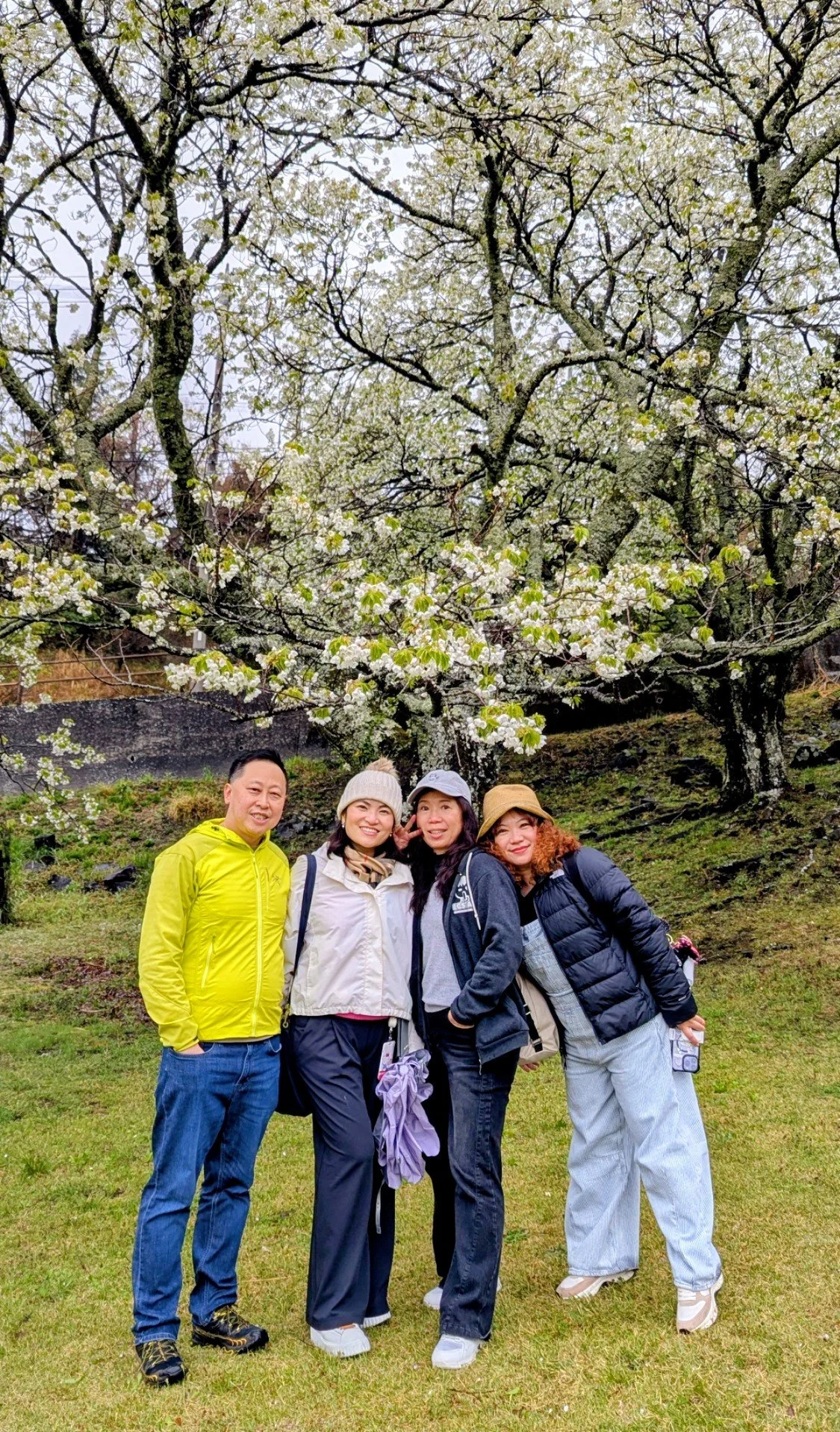
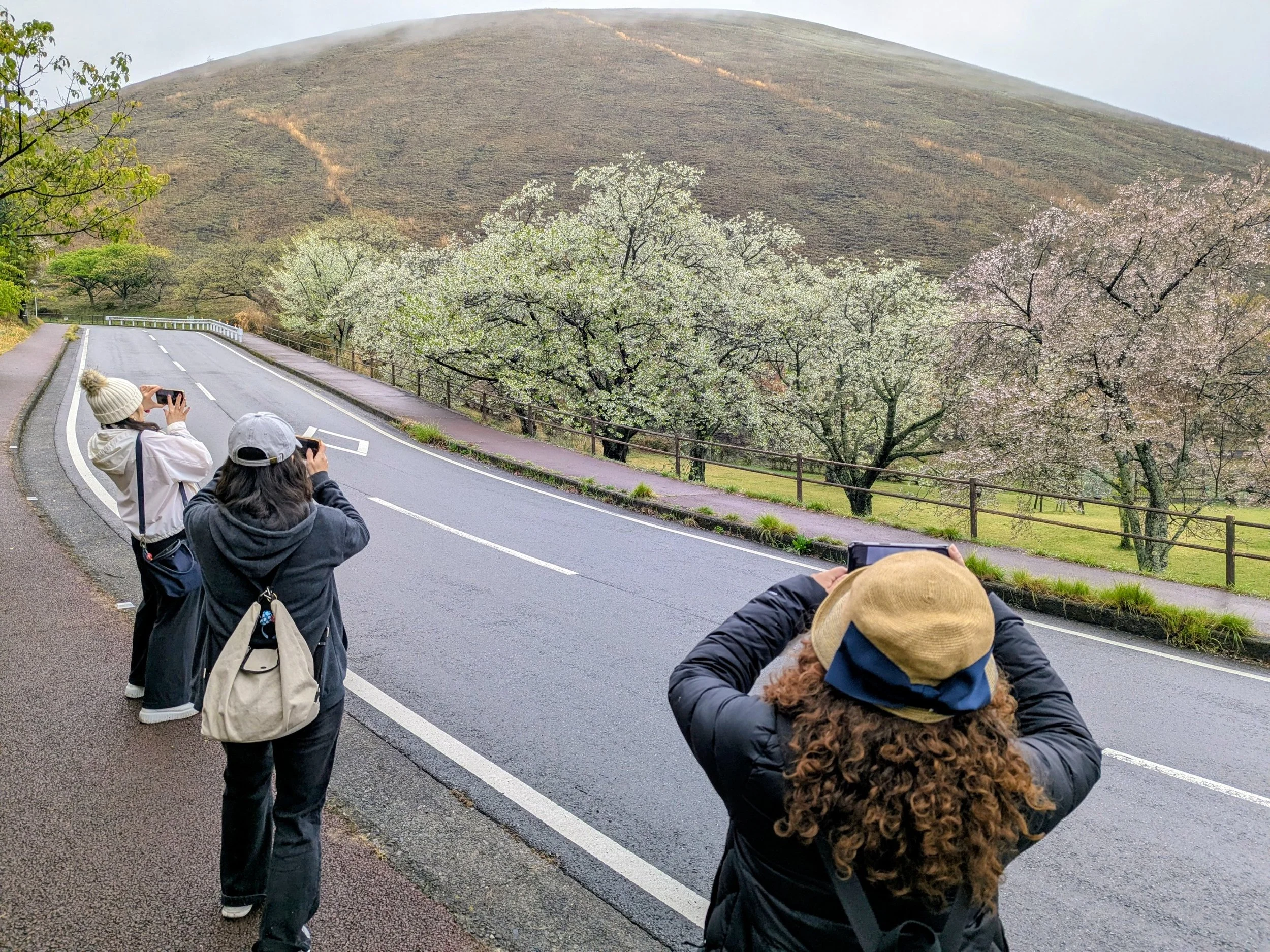
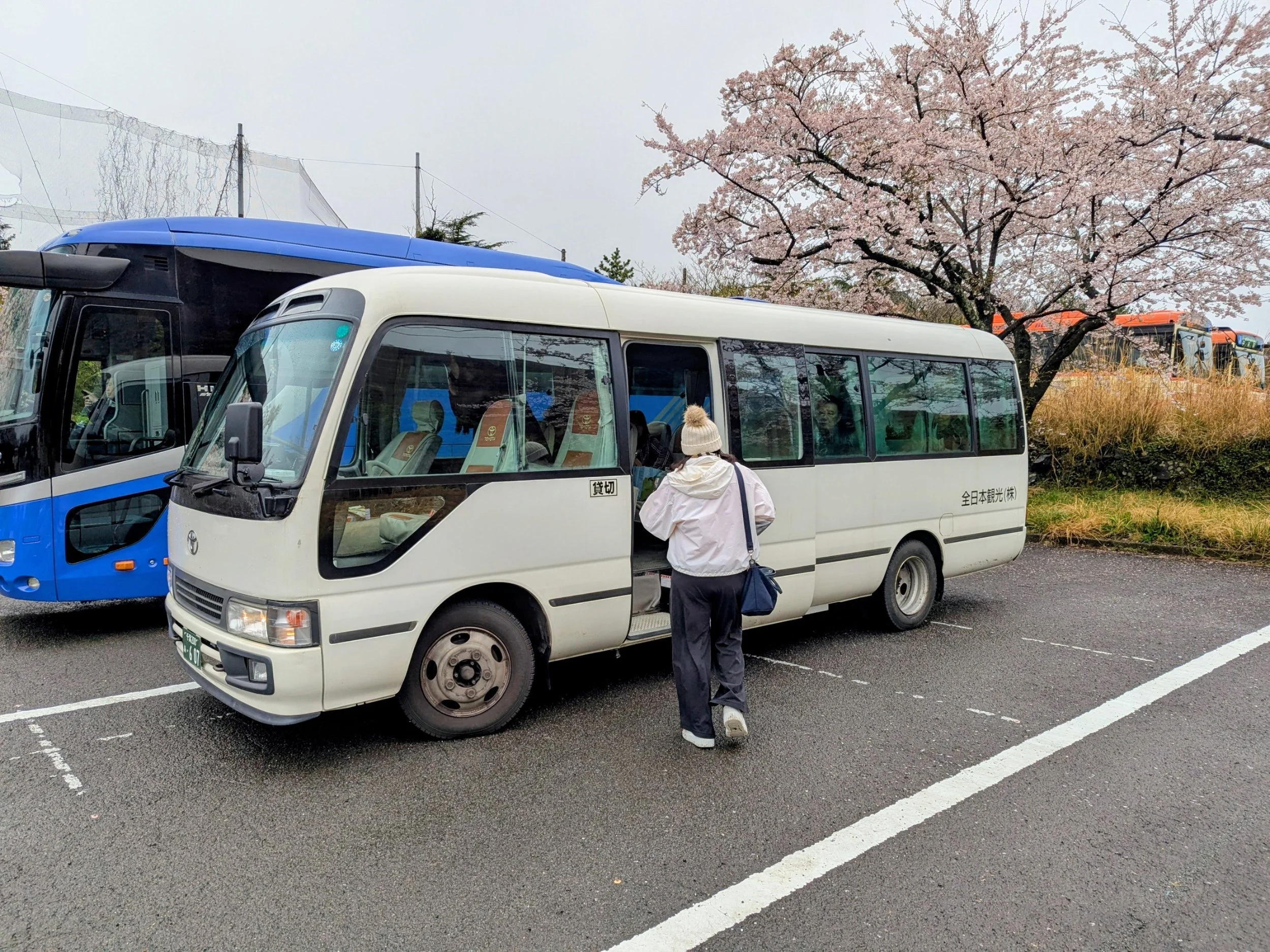
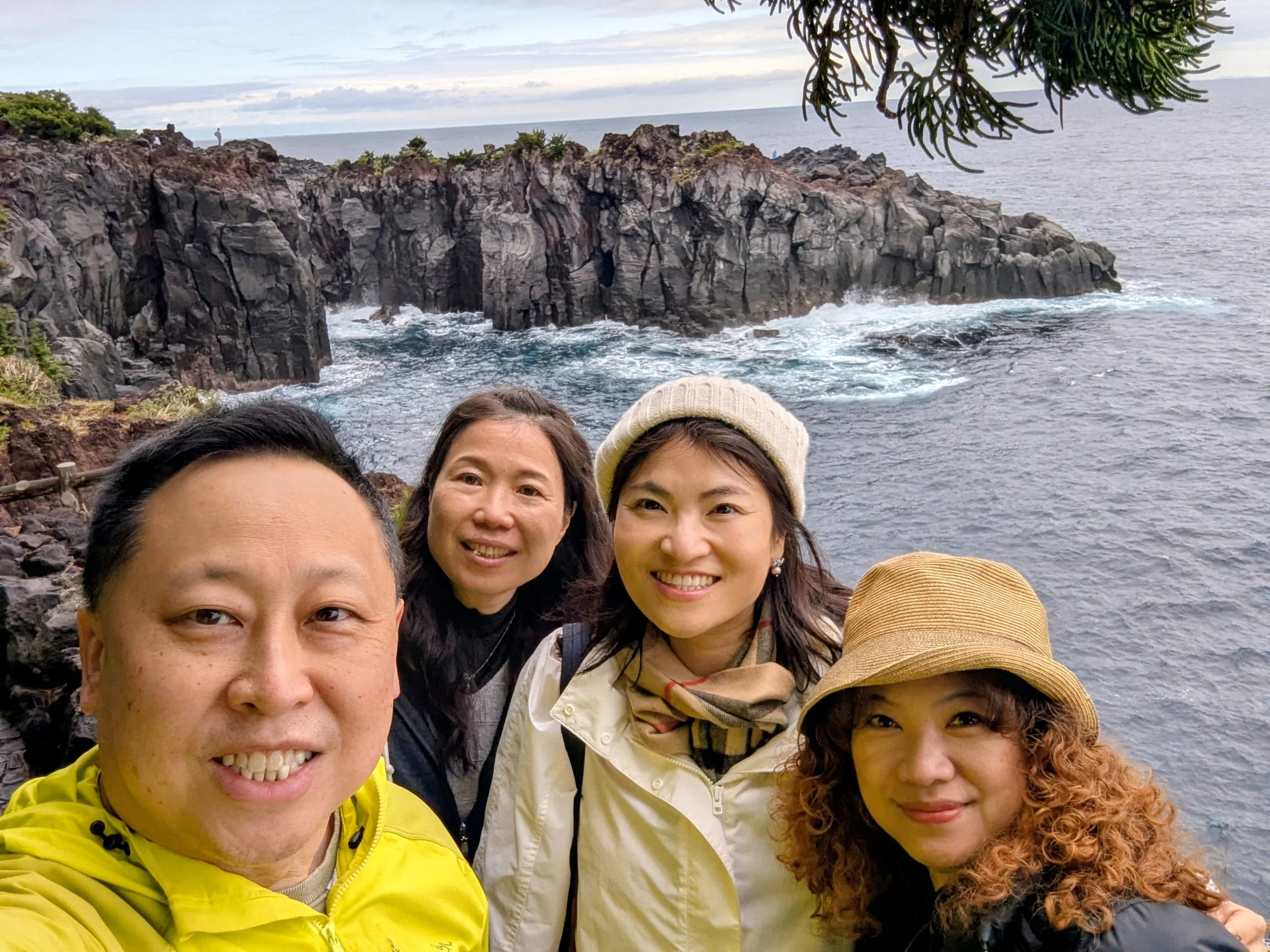
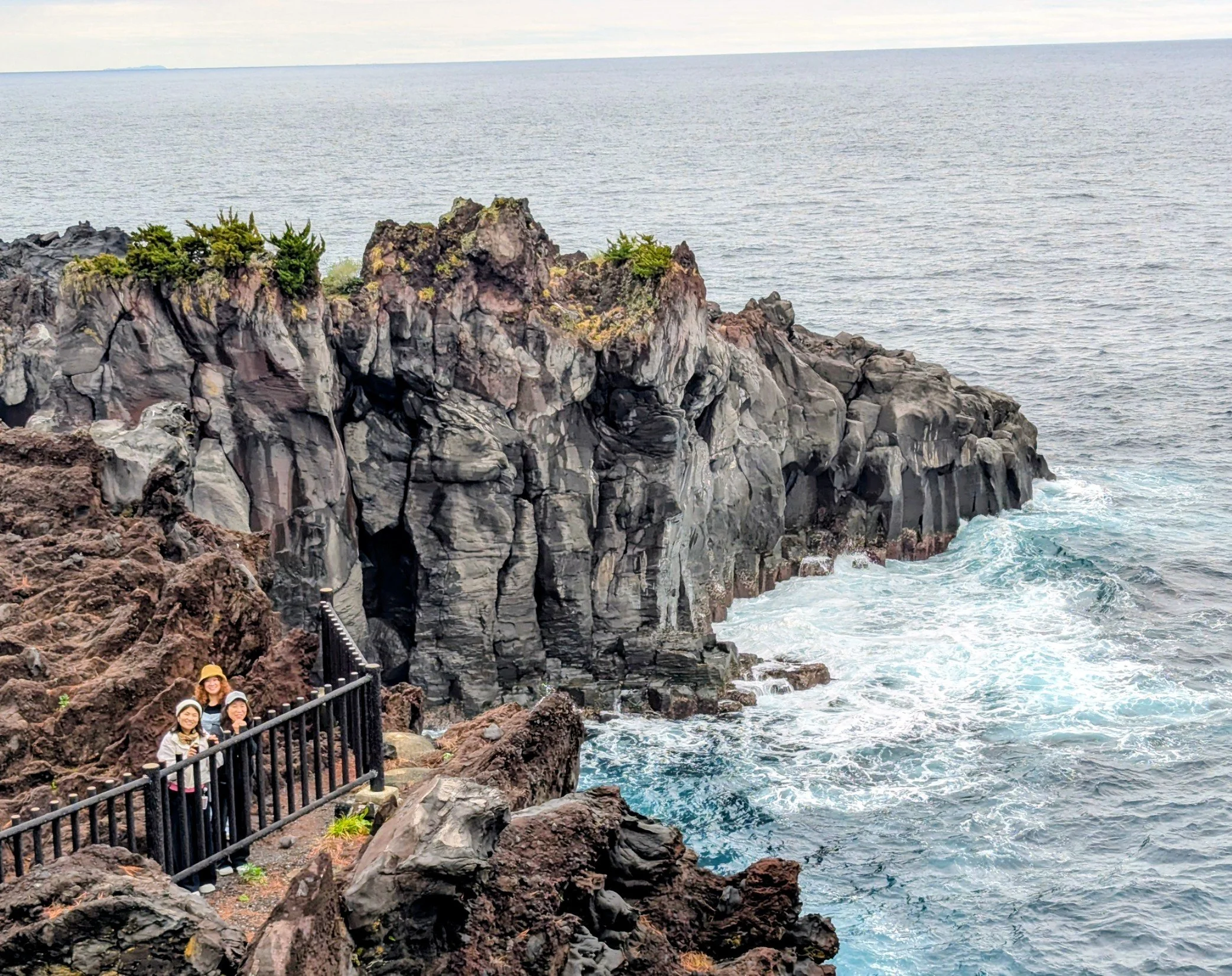
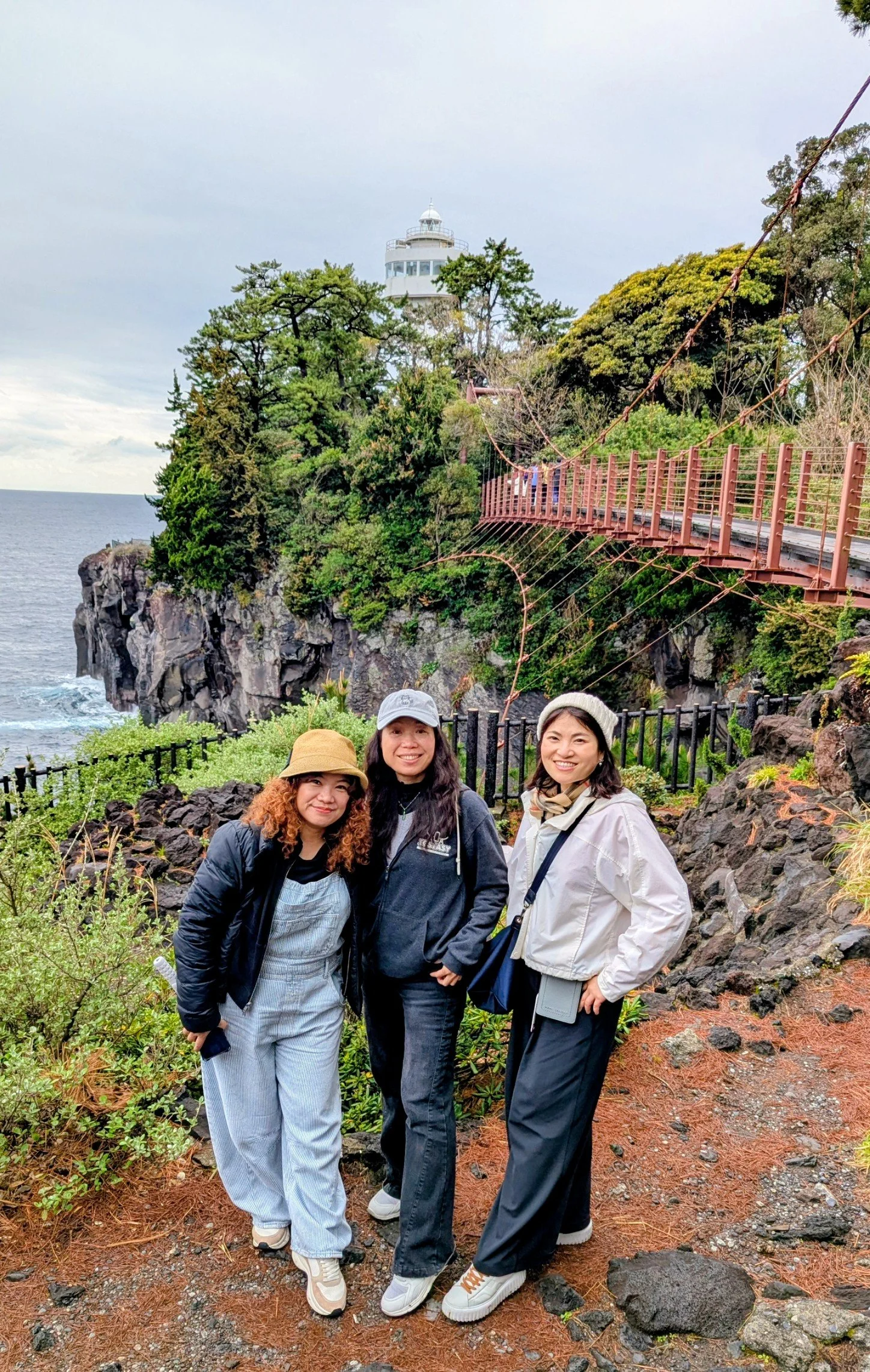
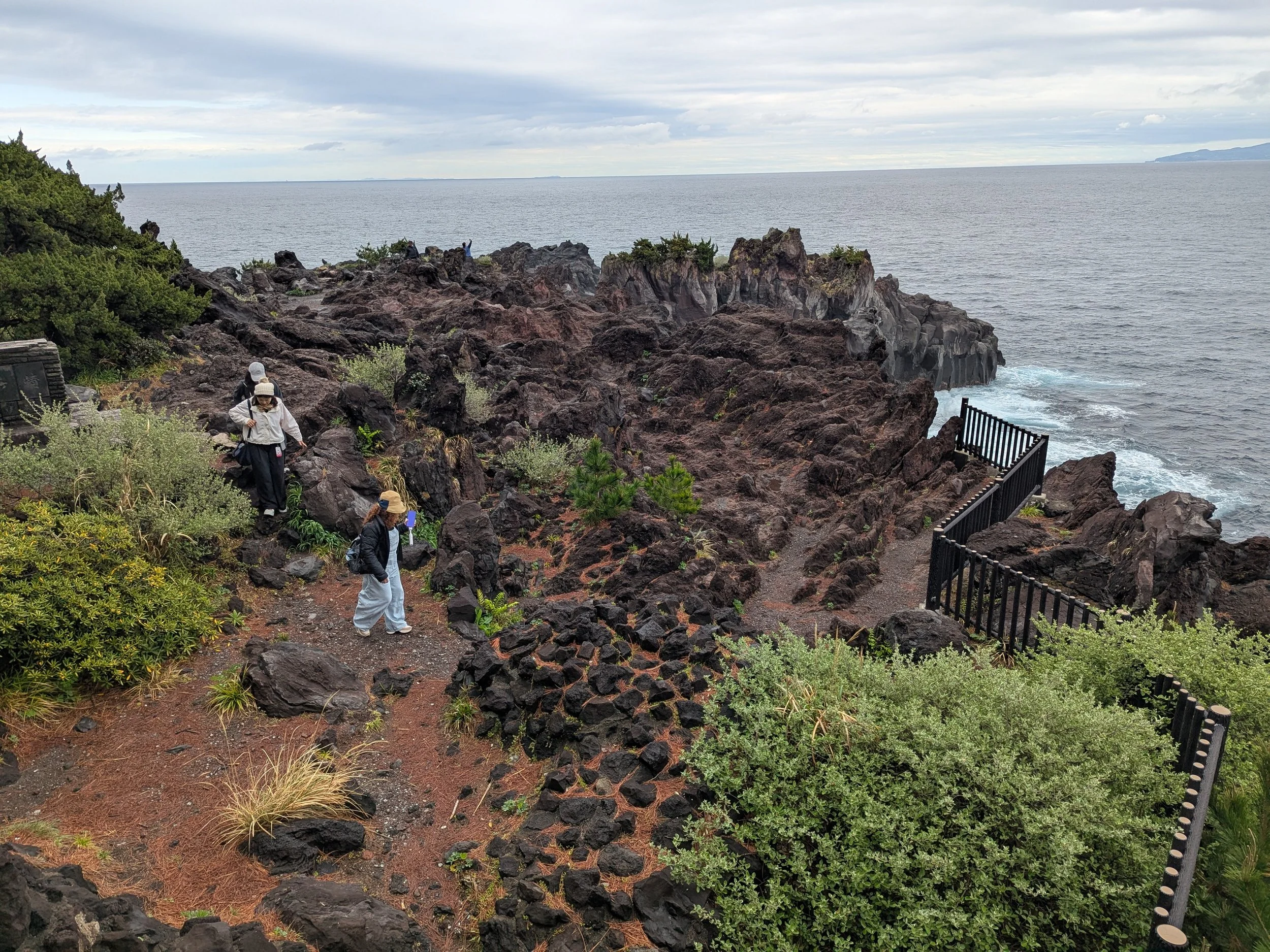
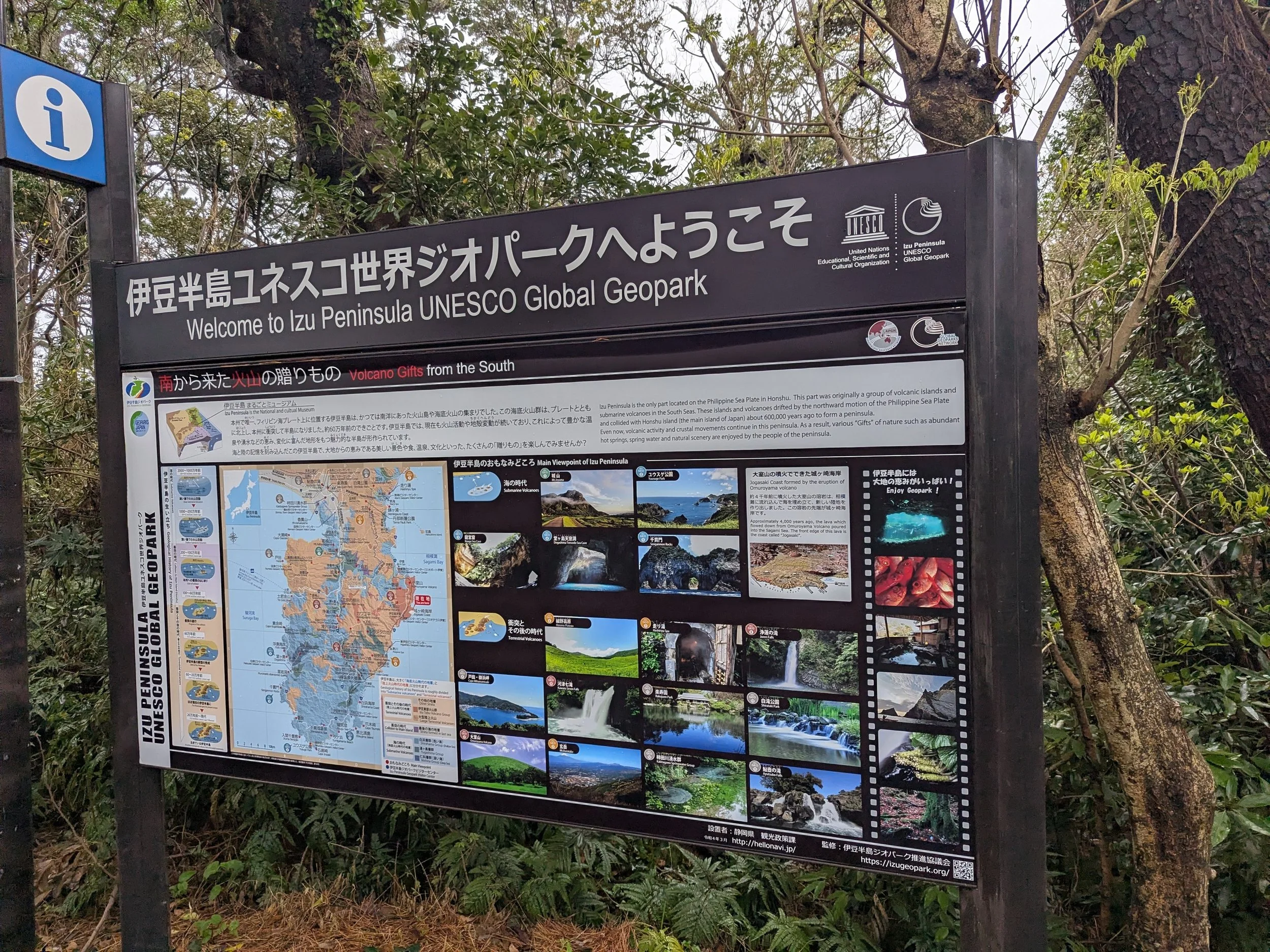
Izu Peninsula UNESCO Global Geopark. The rock formations where created by ash and lava long time ago.
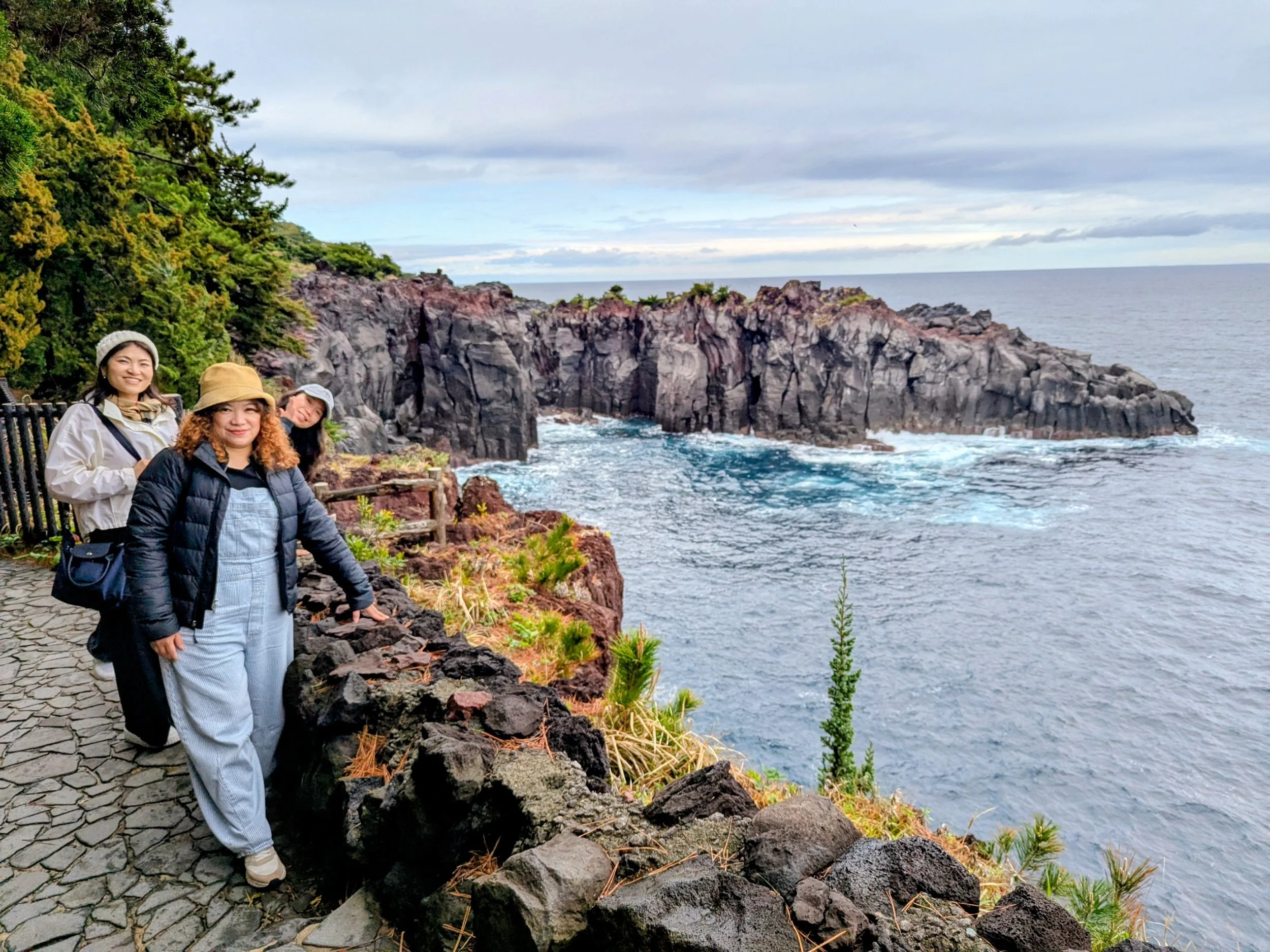
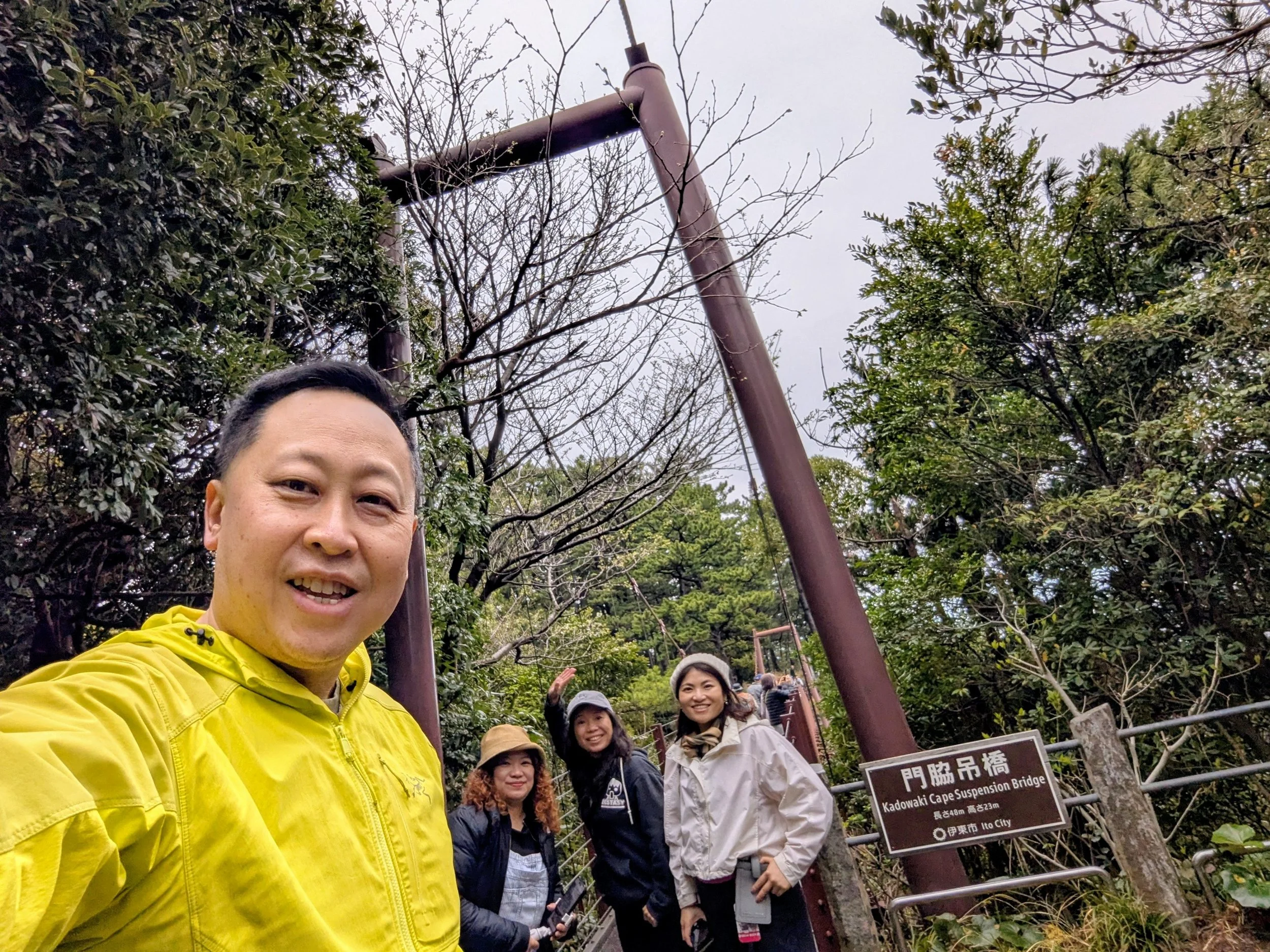
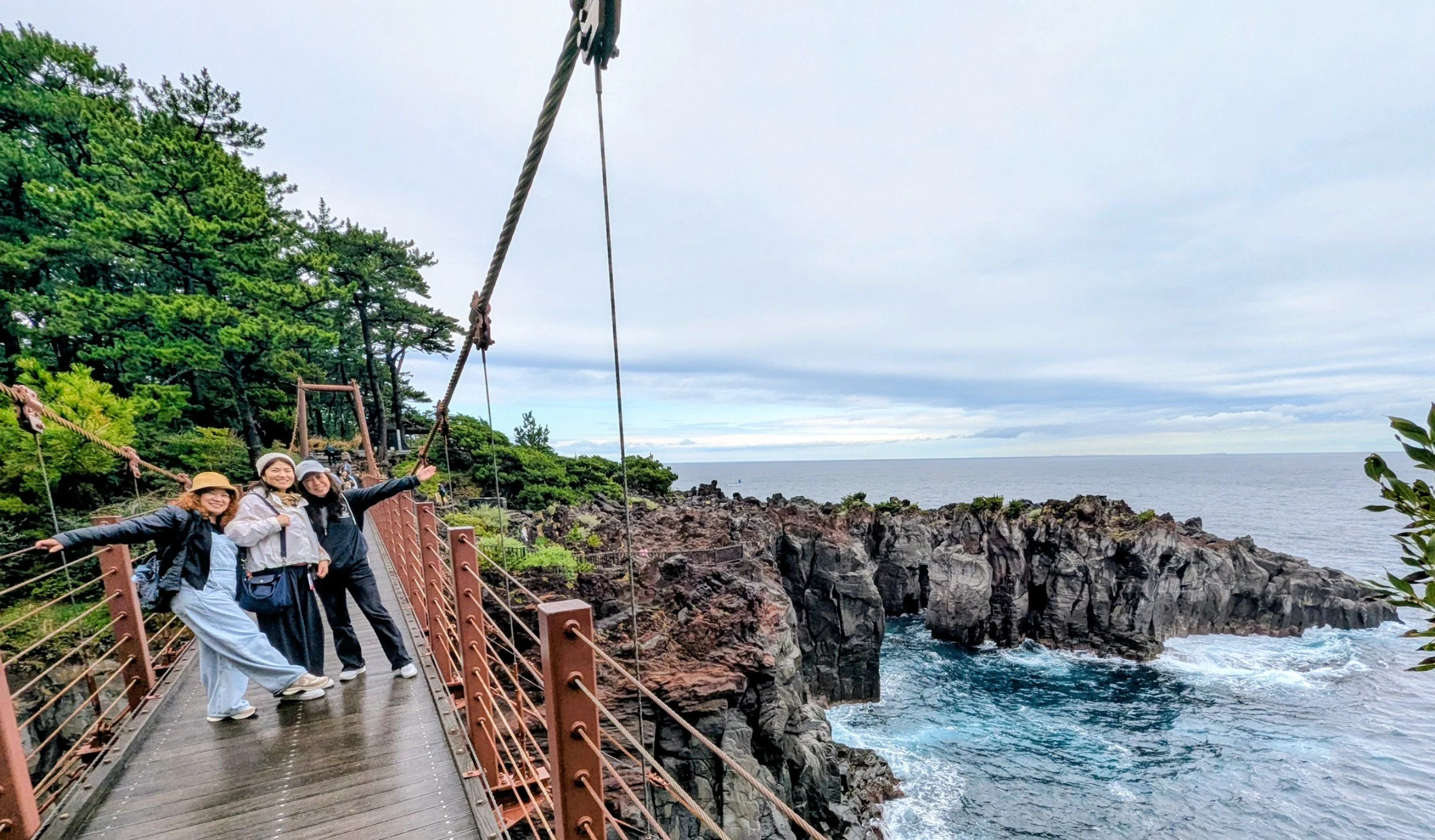
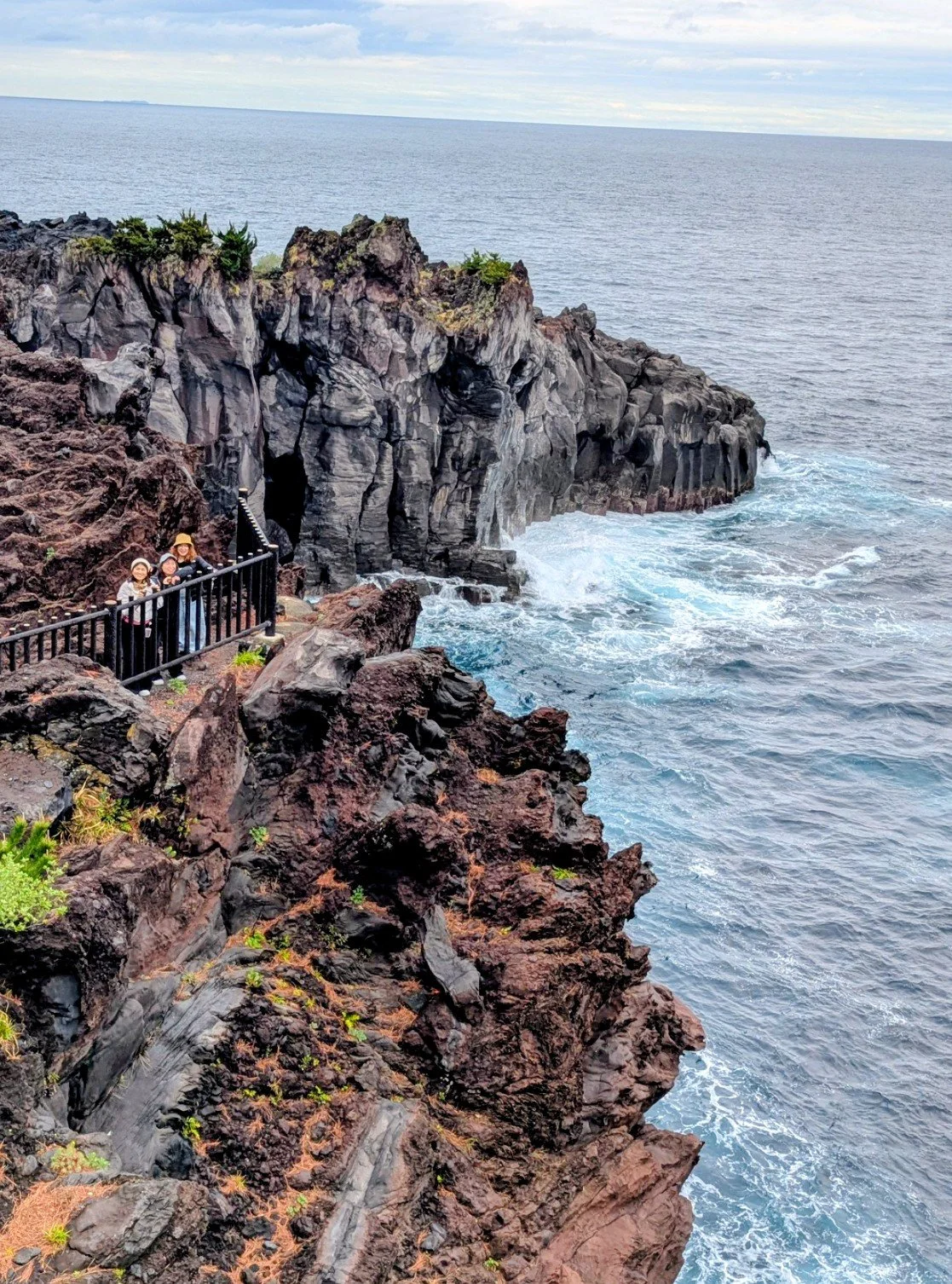
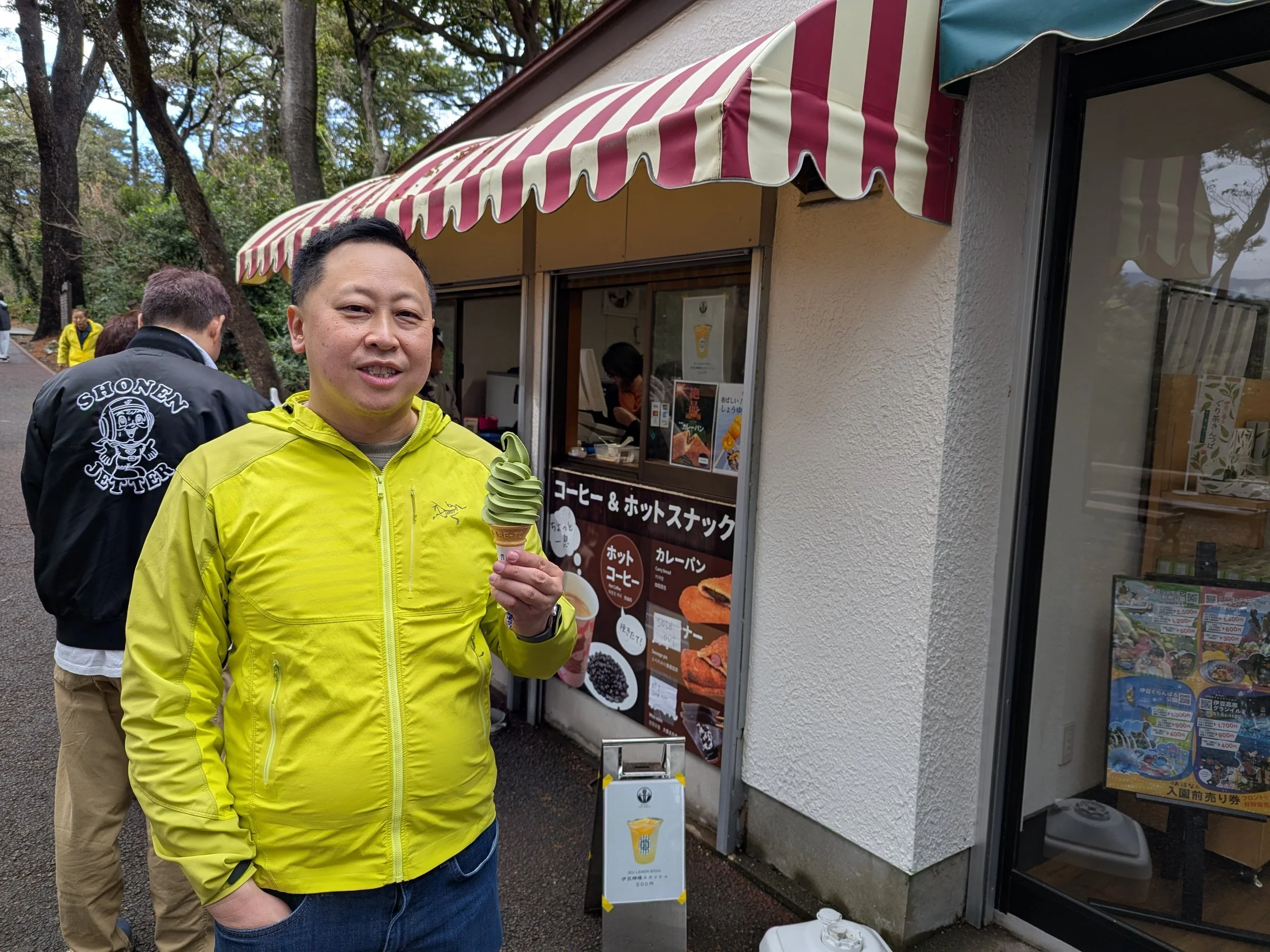
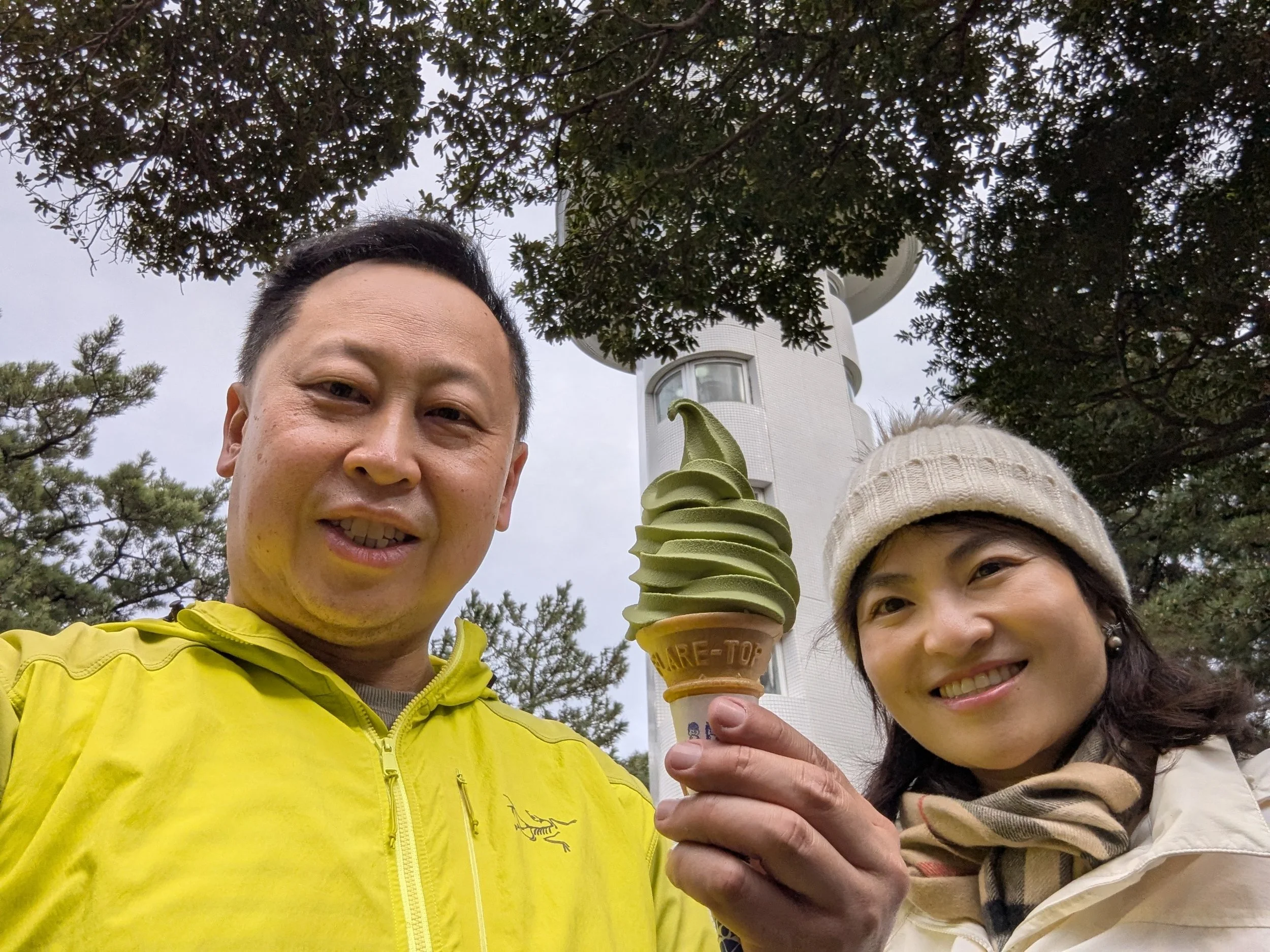
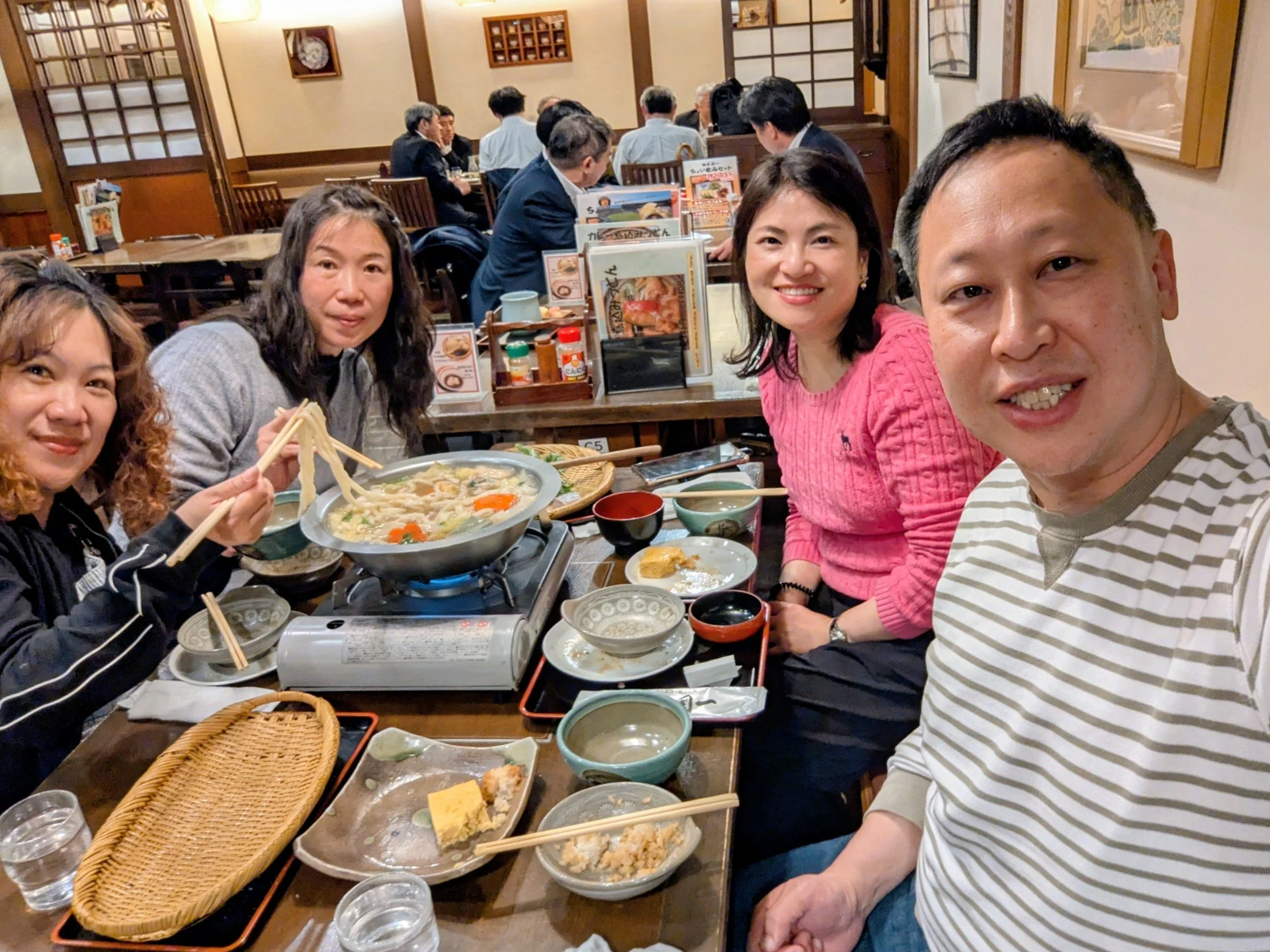
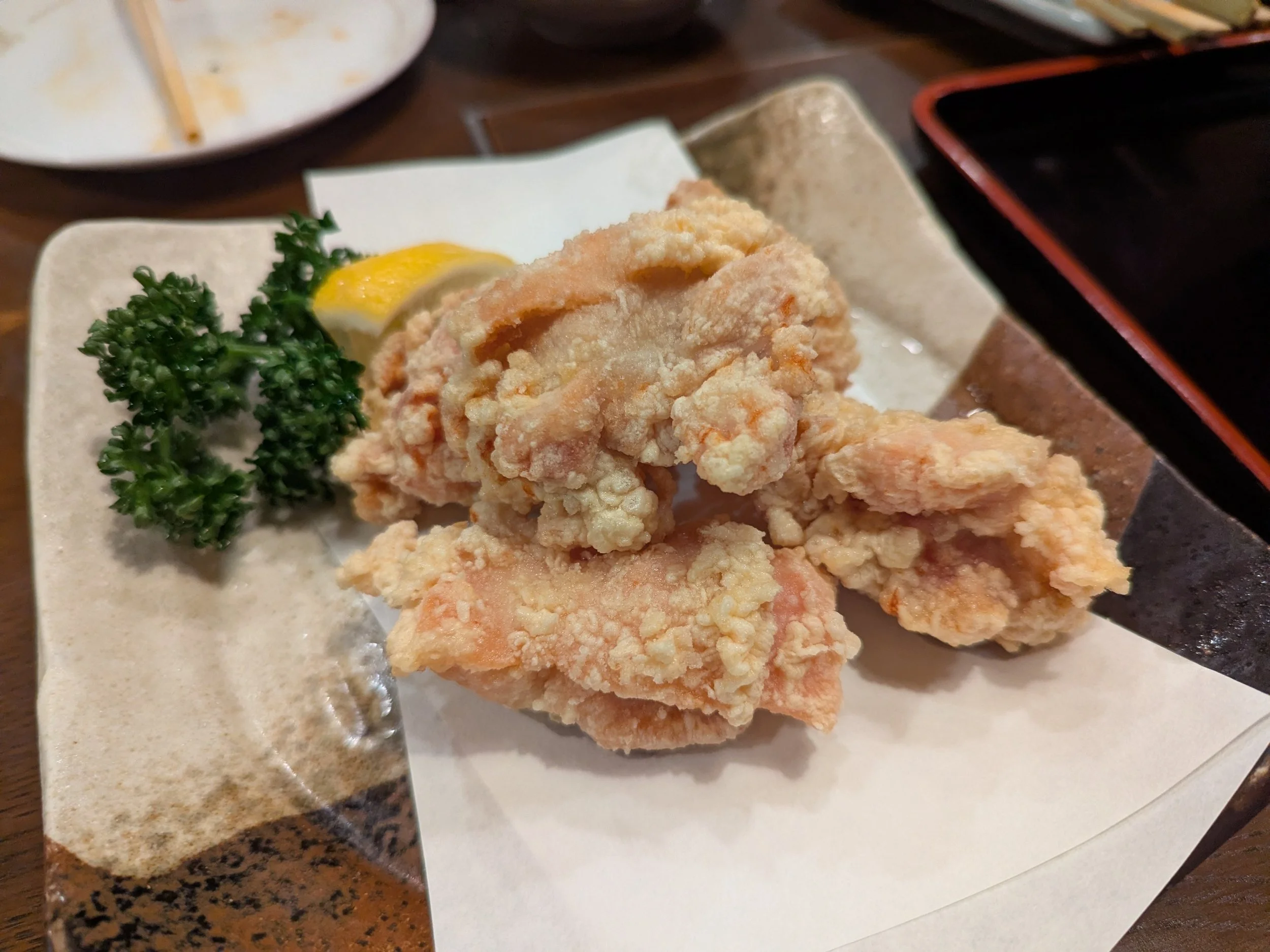
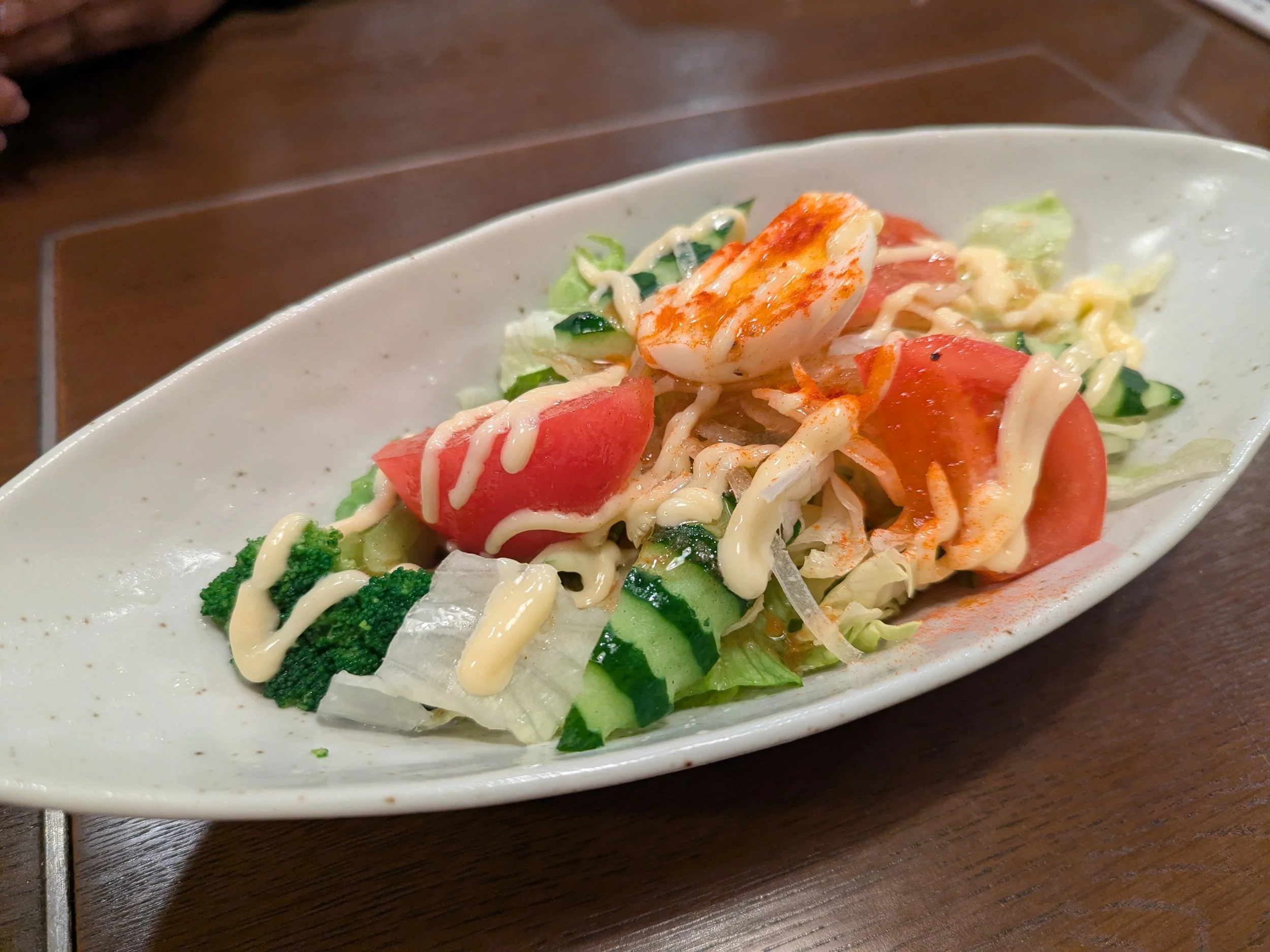
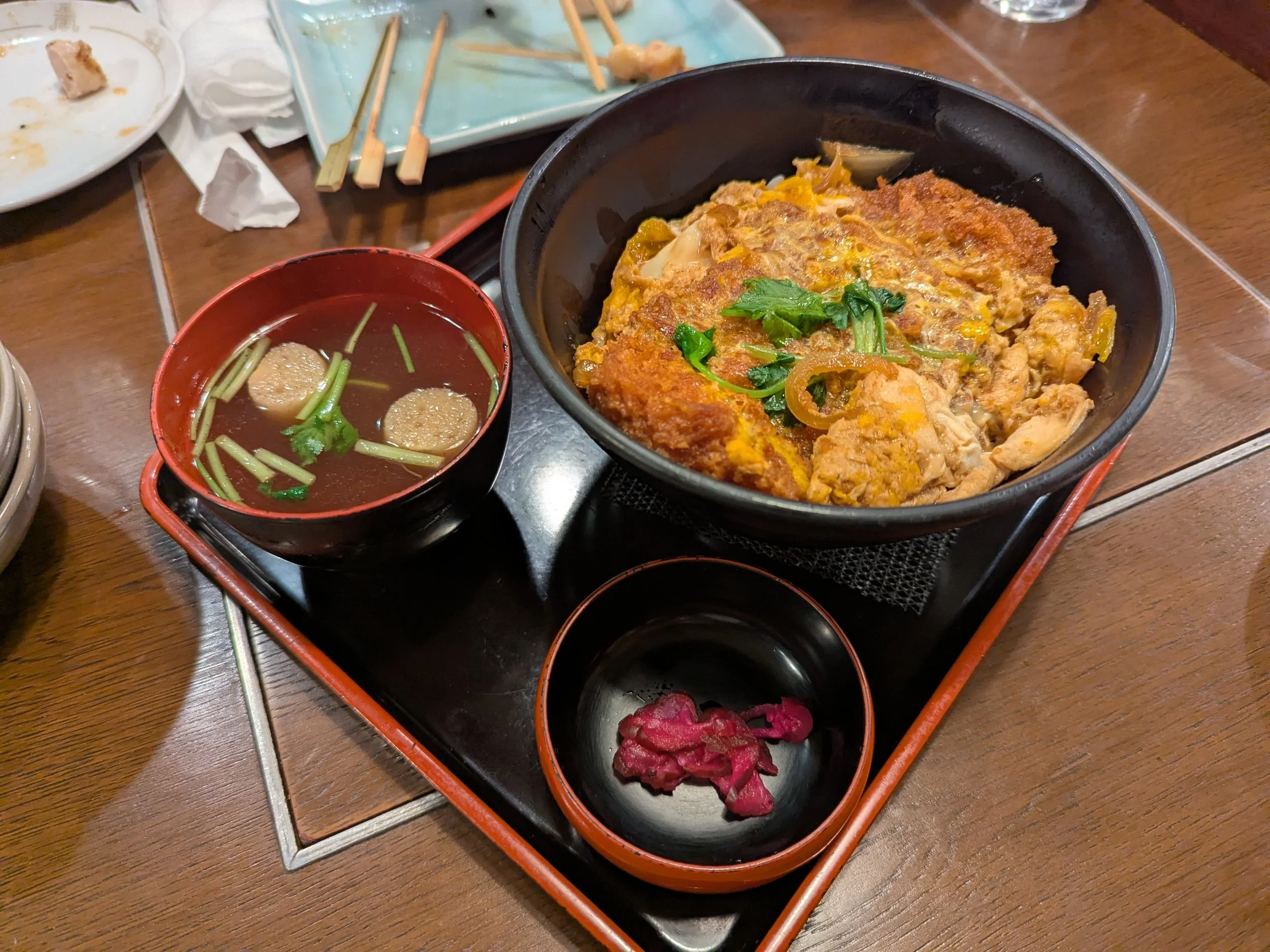
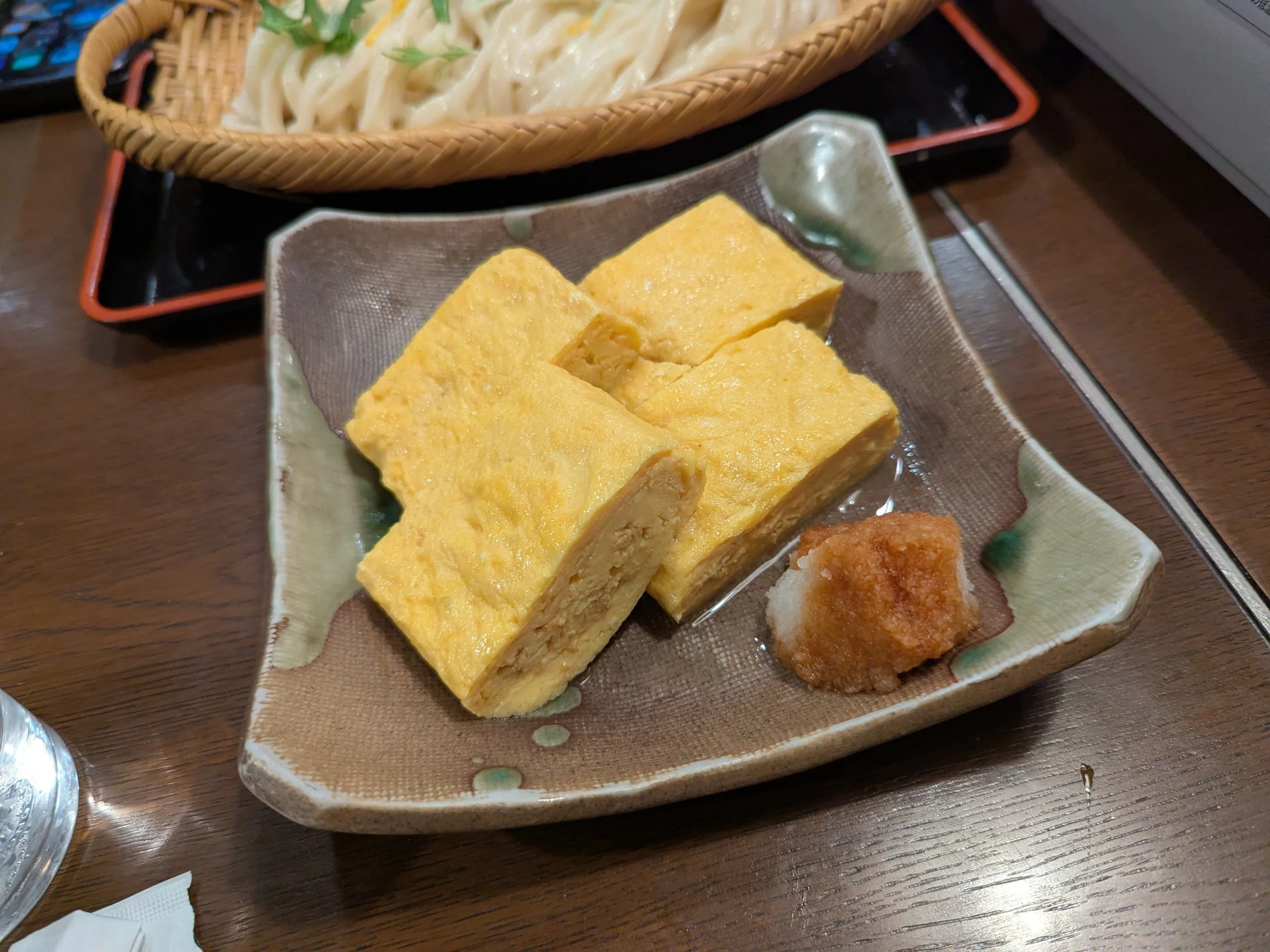
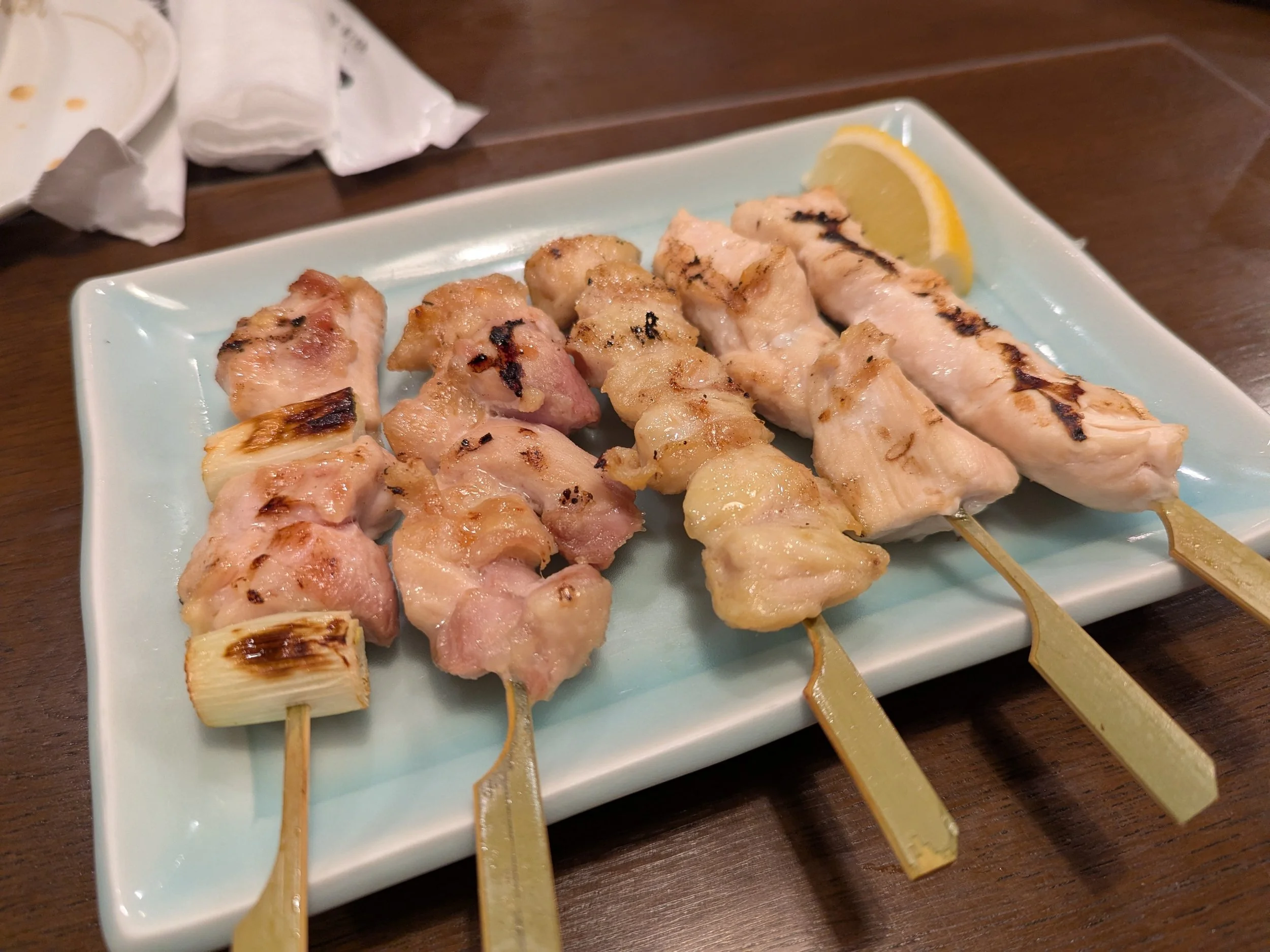
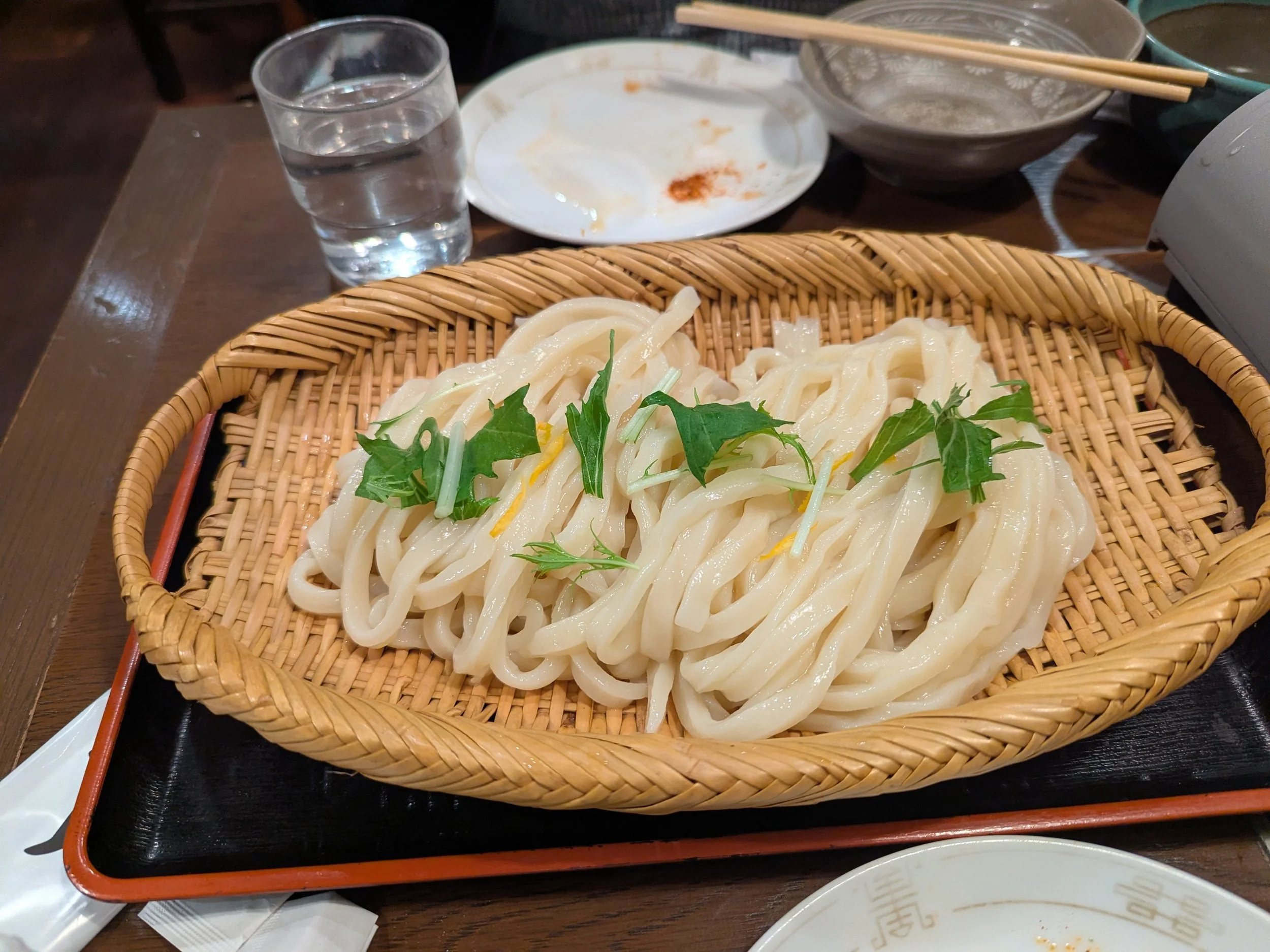
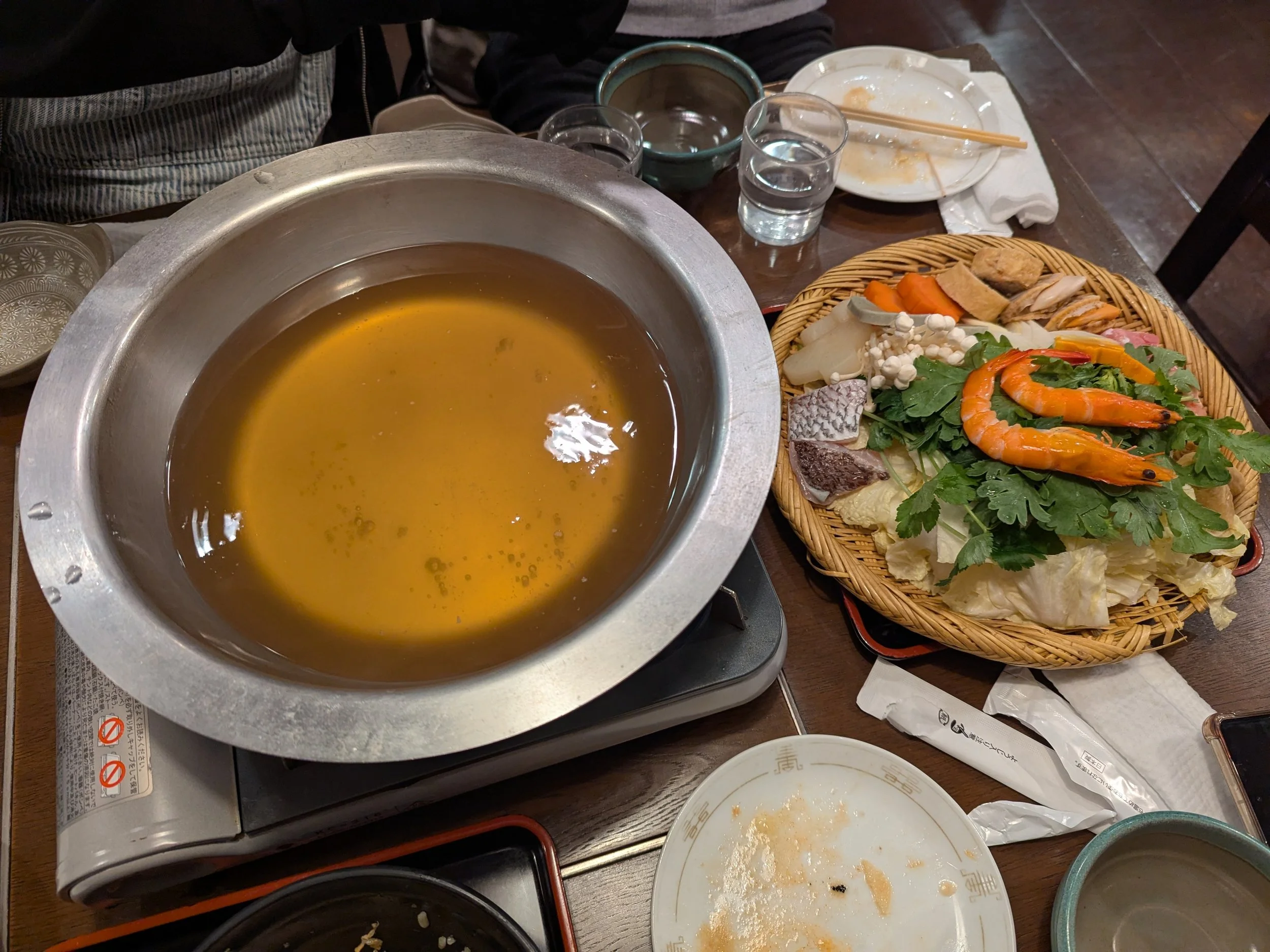
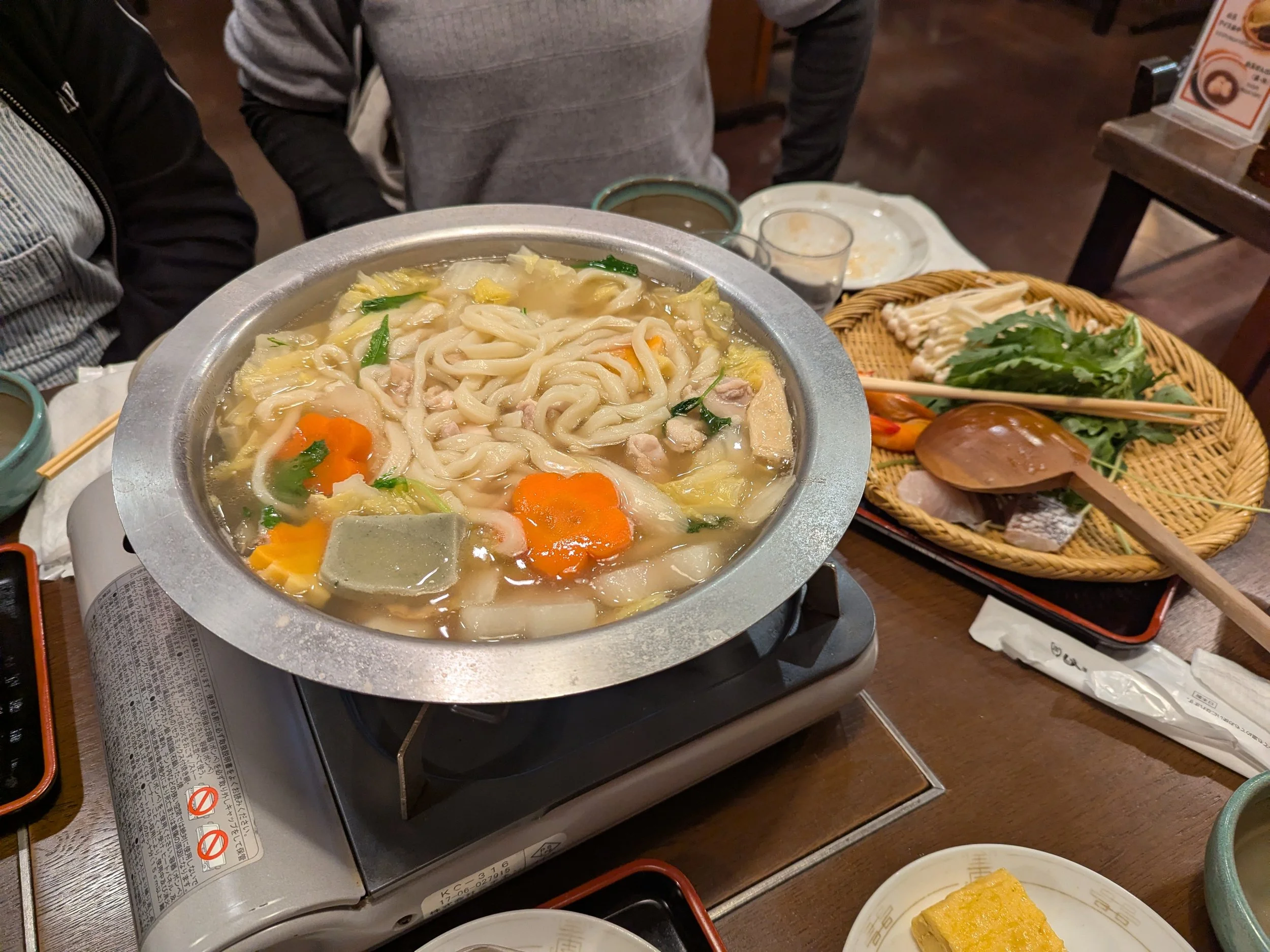
Dinner after the tour. My favorite was the fried chicken and the grilled meat skewers.
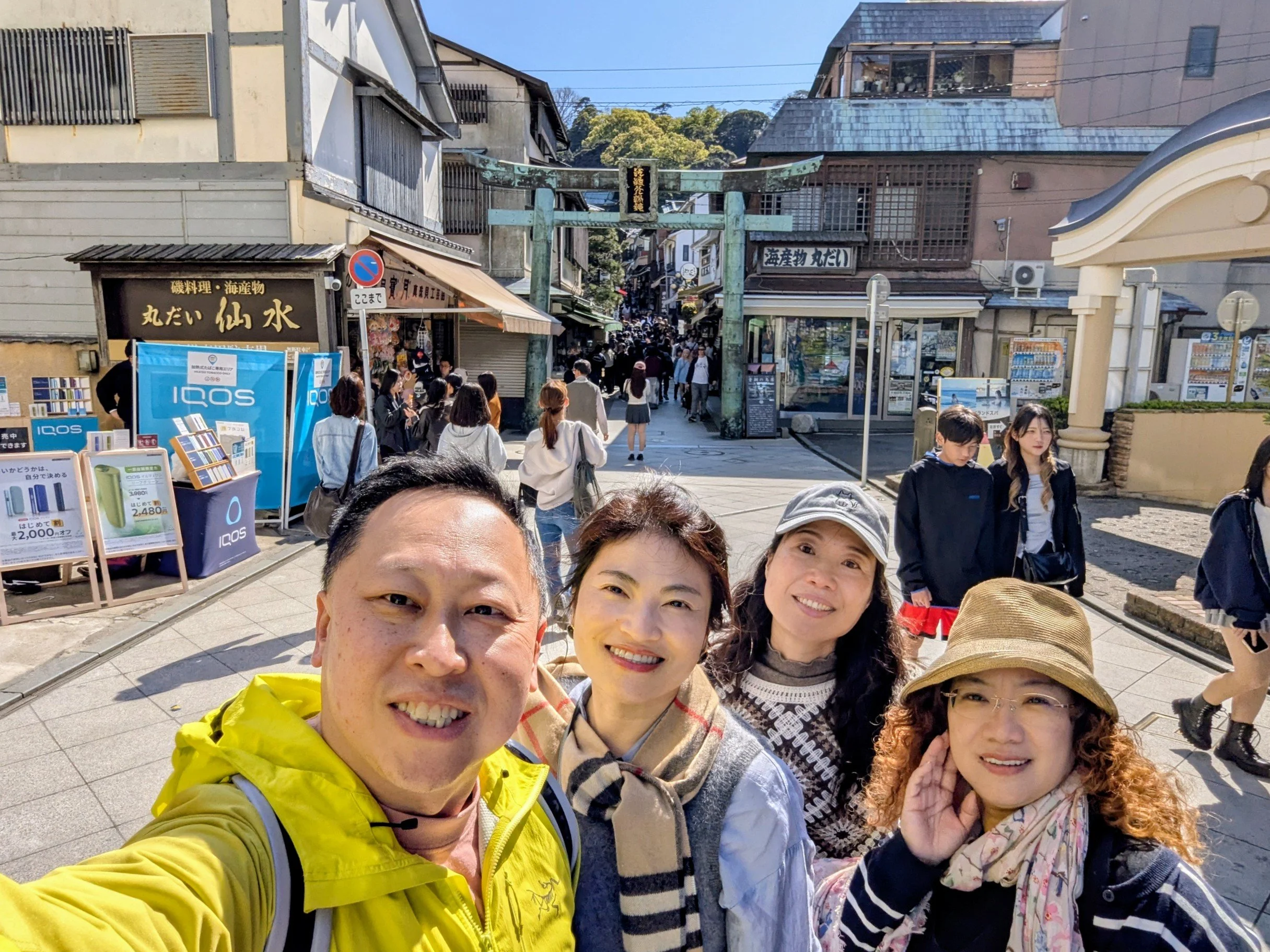
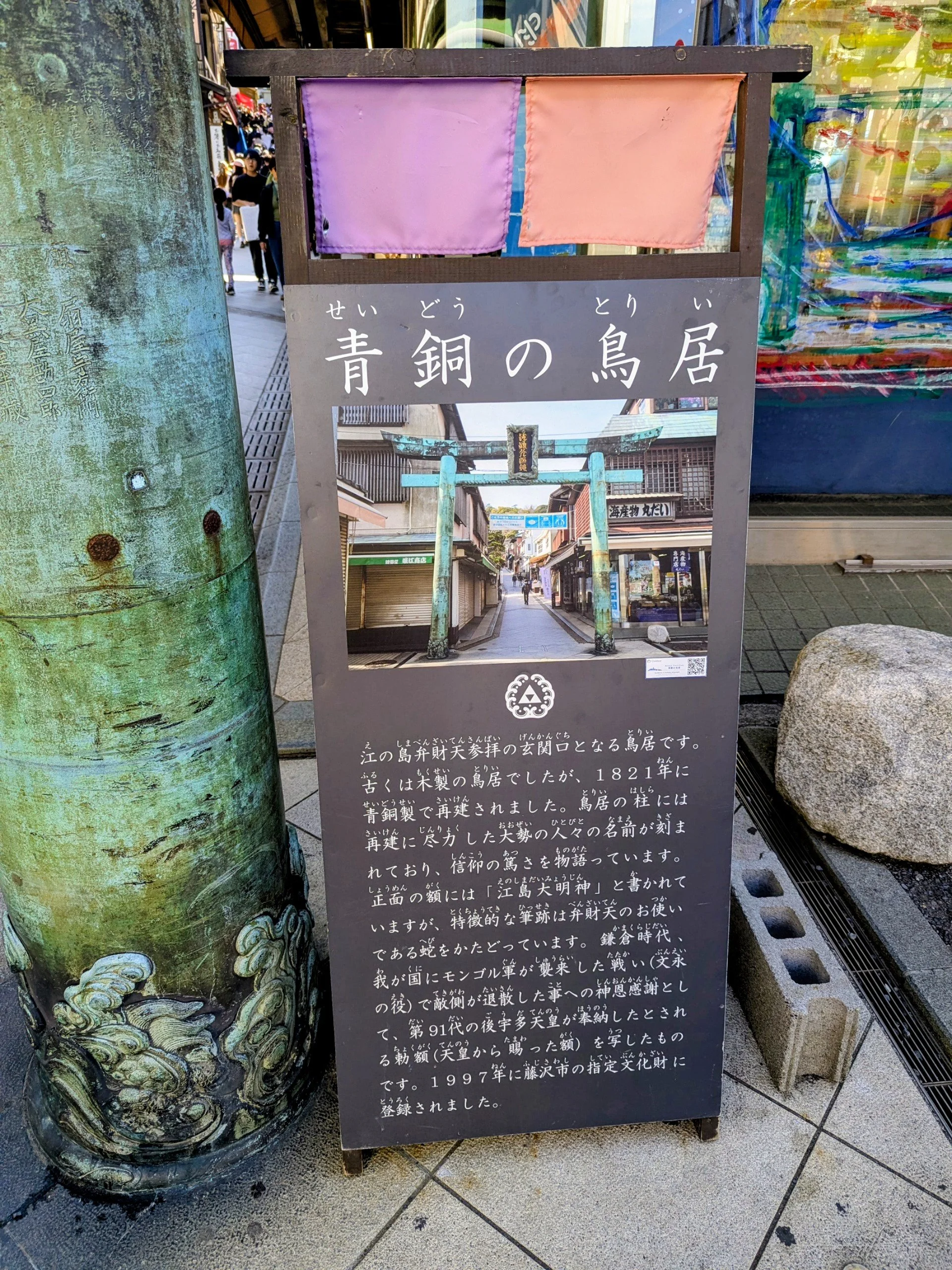
Day 2 - Enoshima Island (江島)
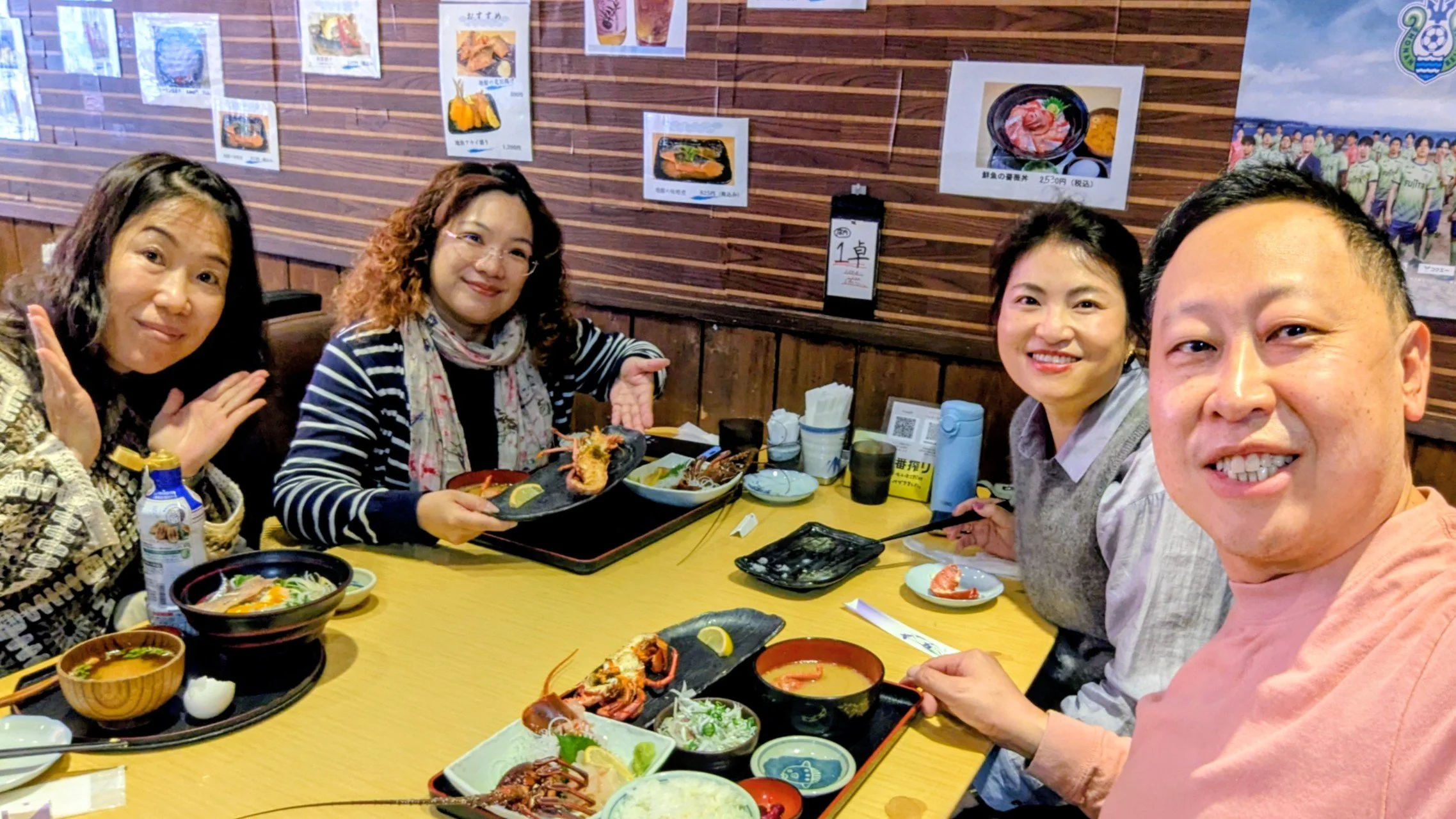
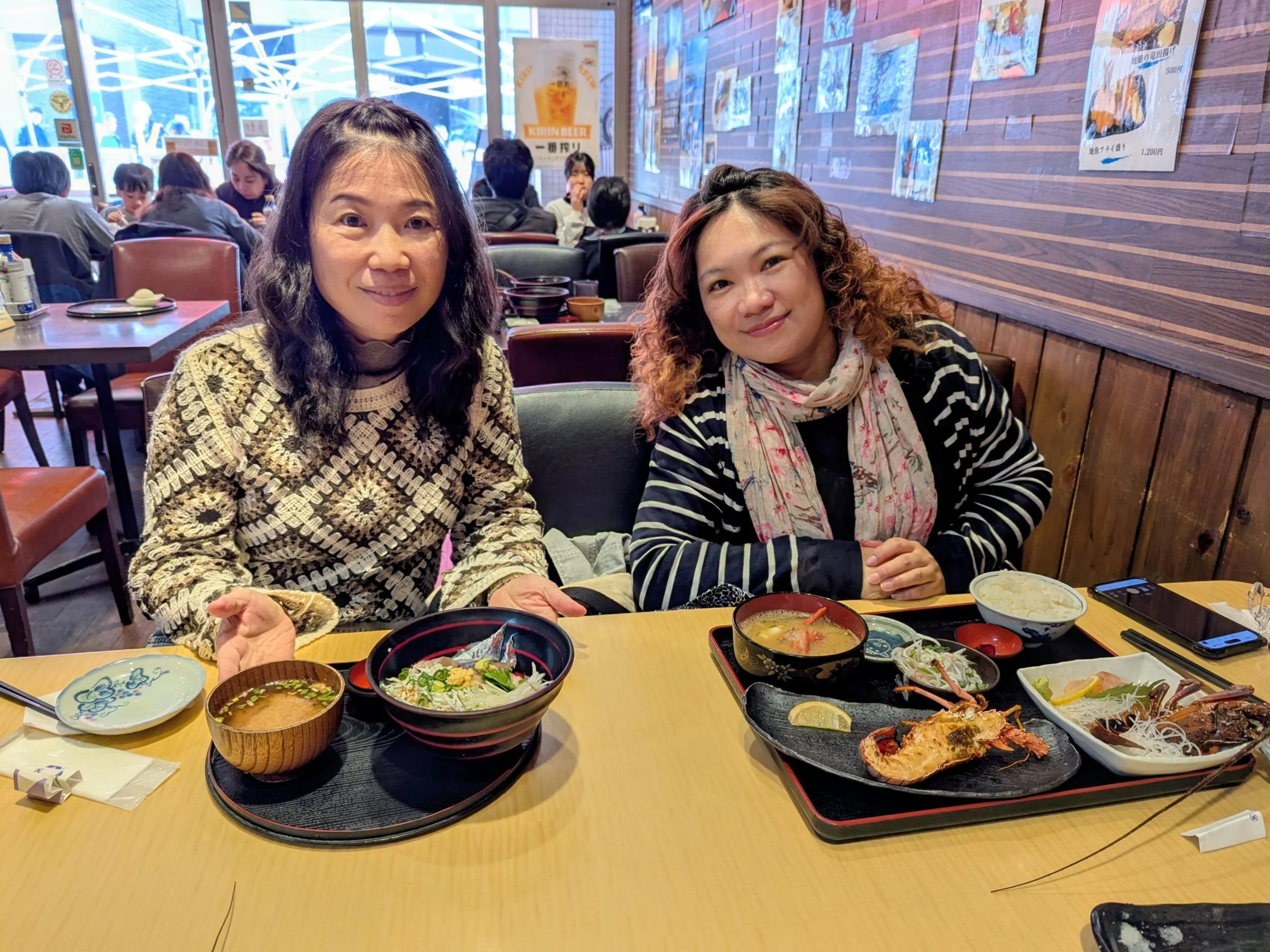
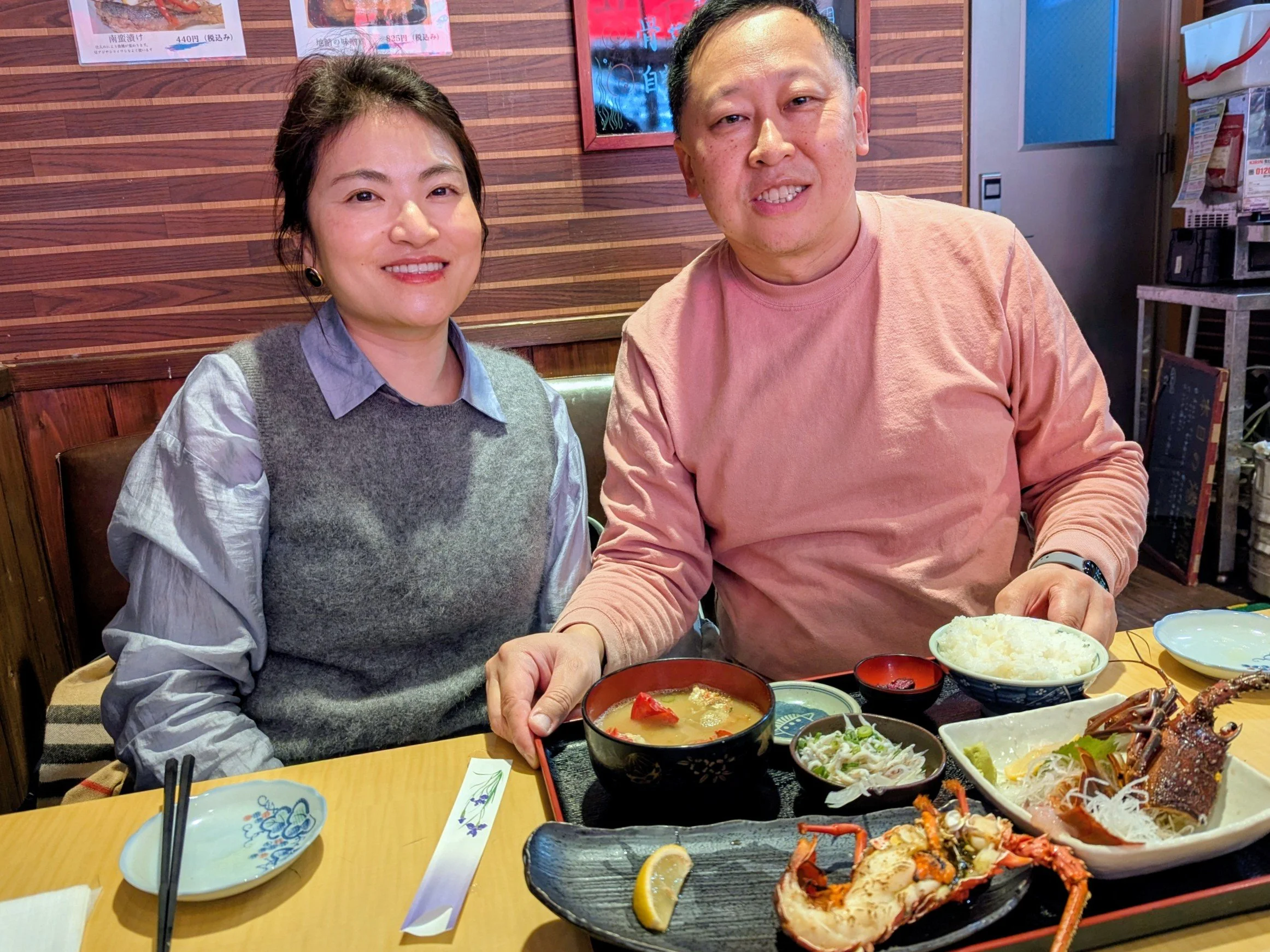
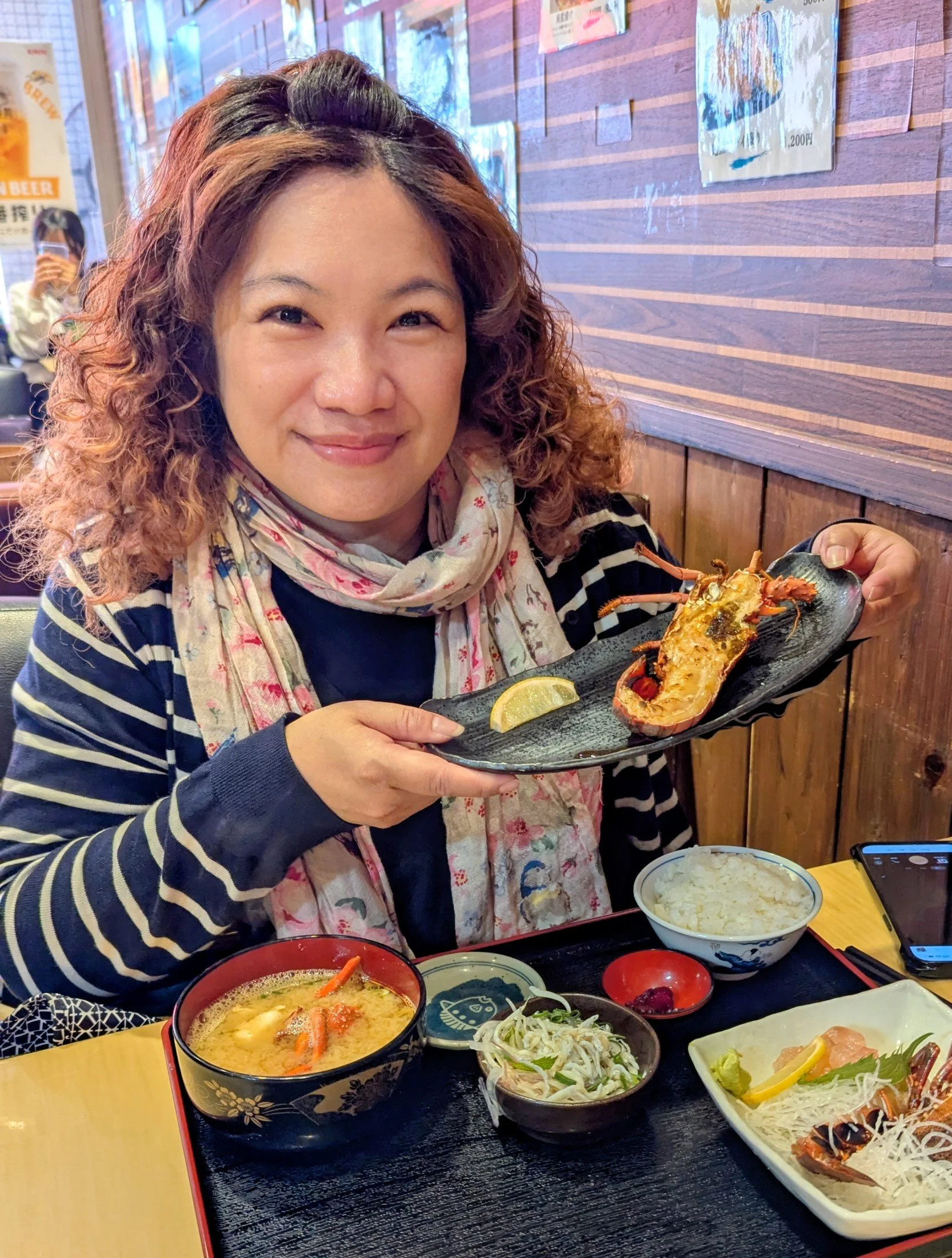
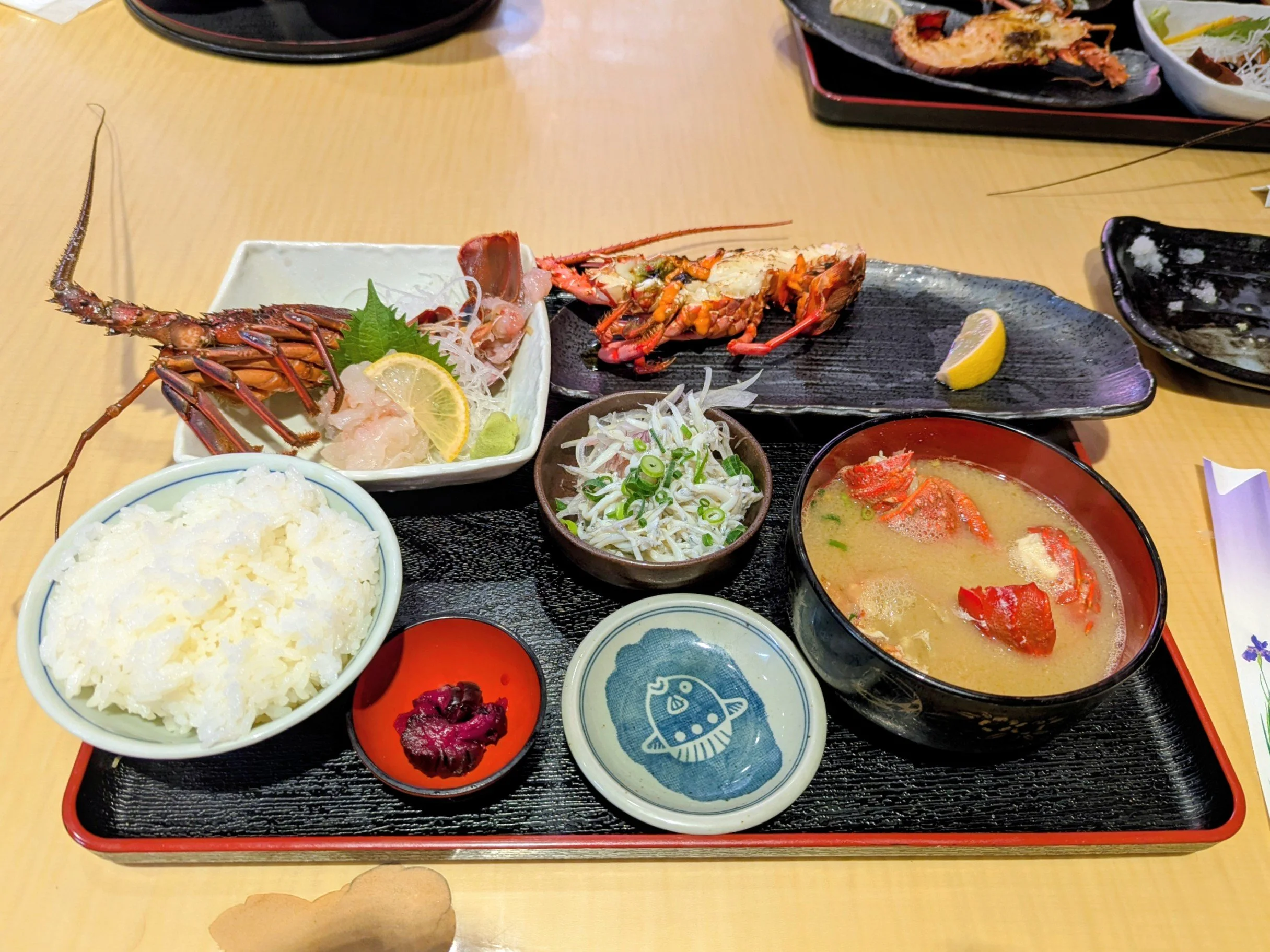
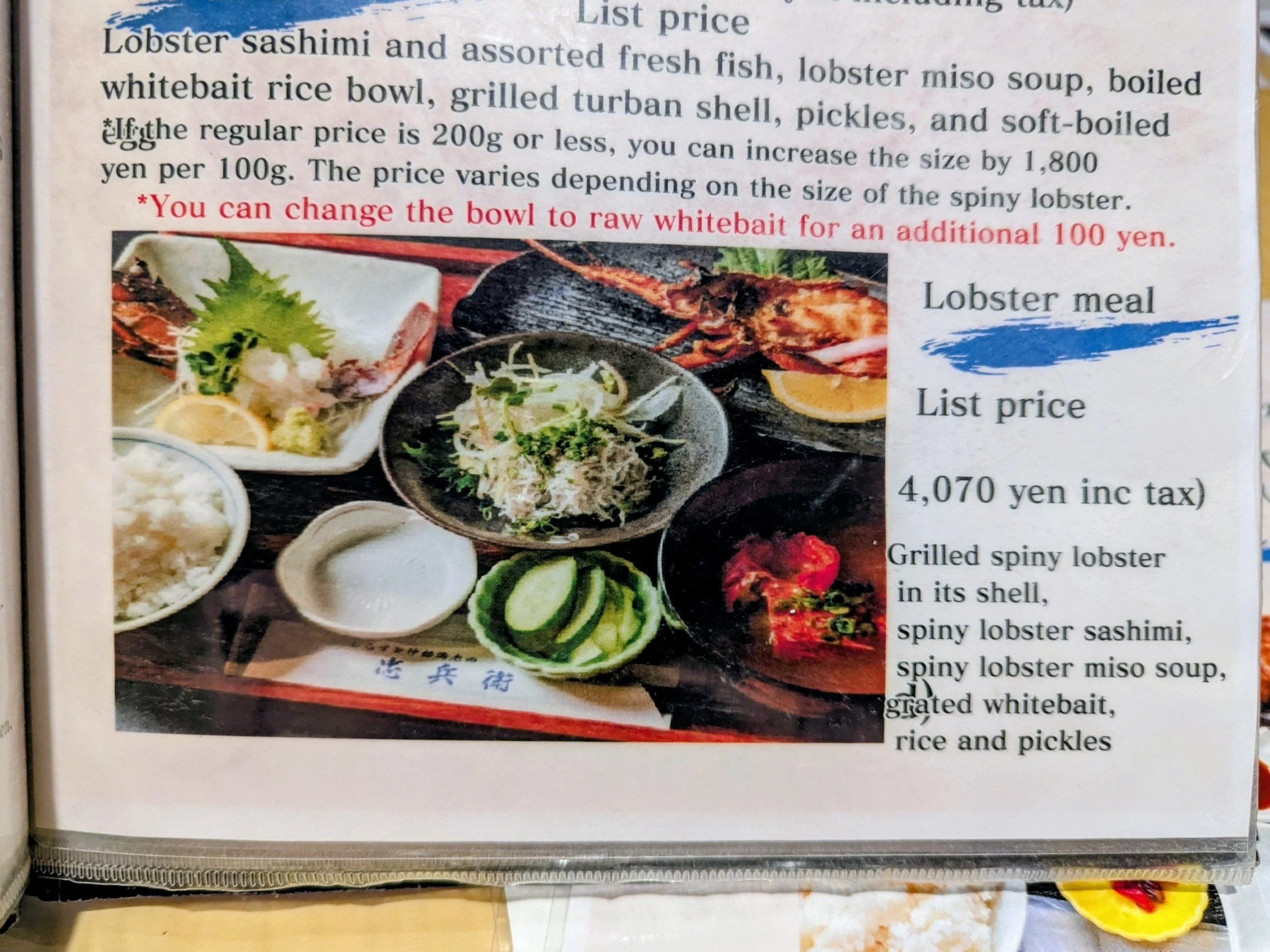
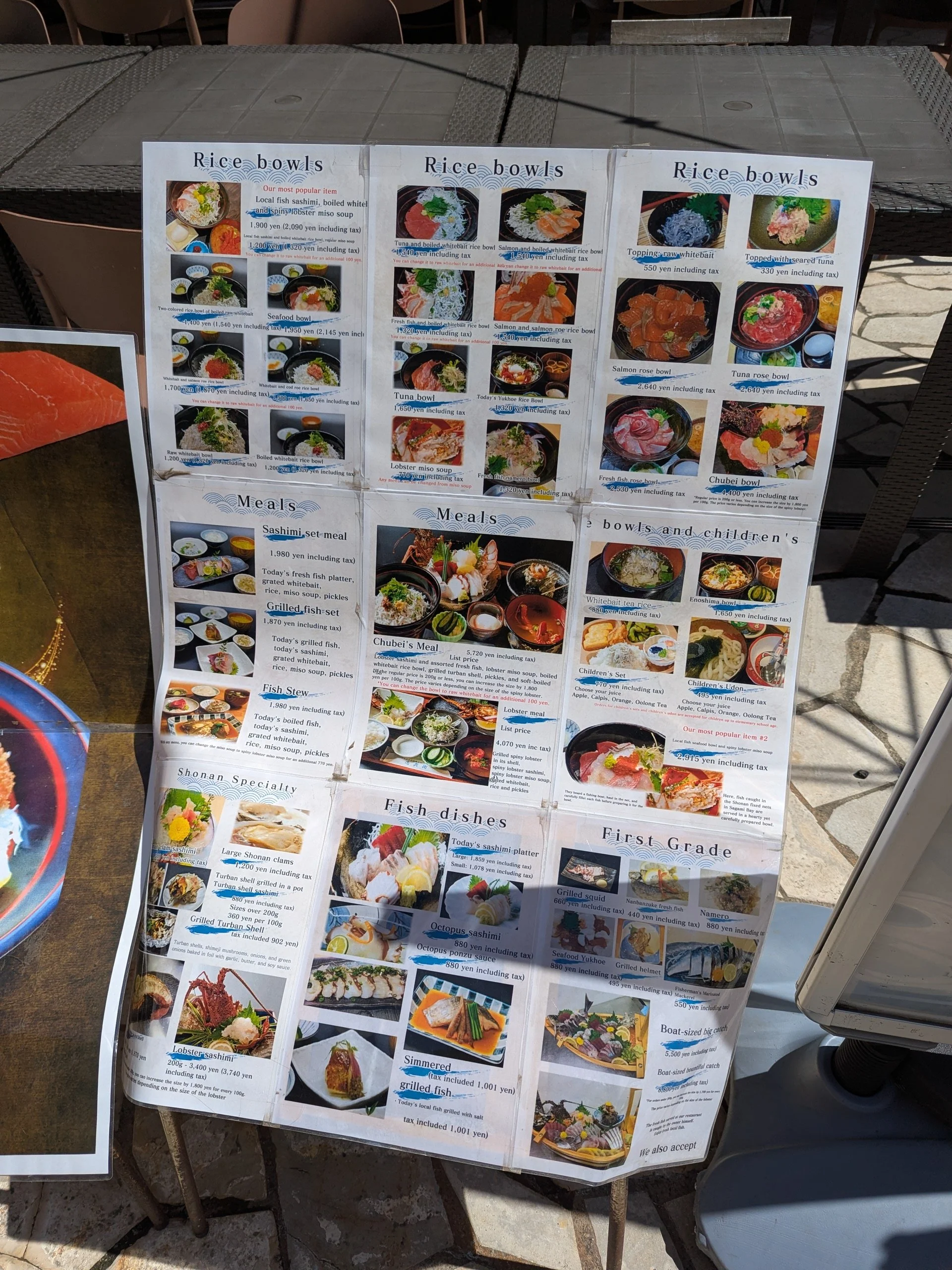
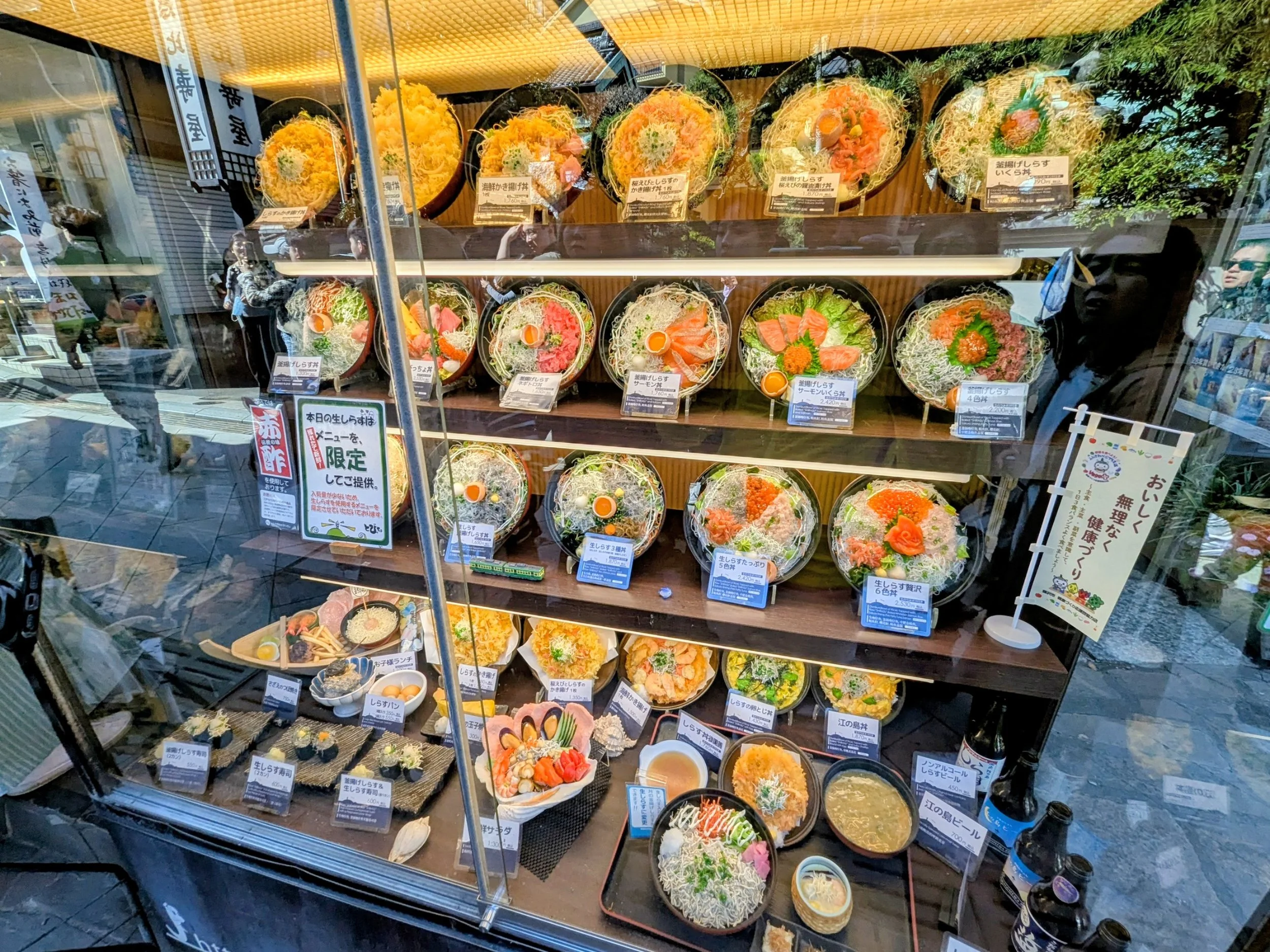
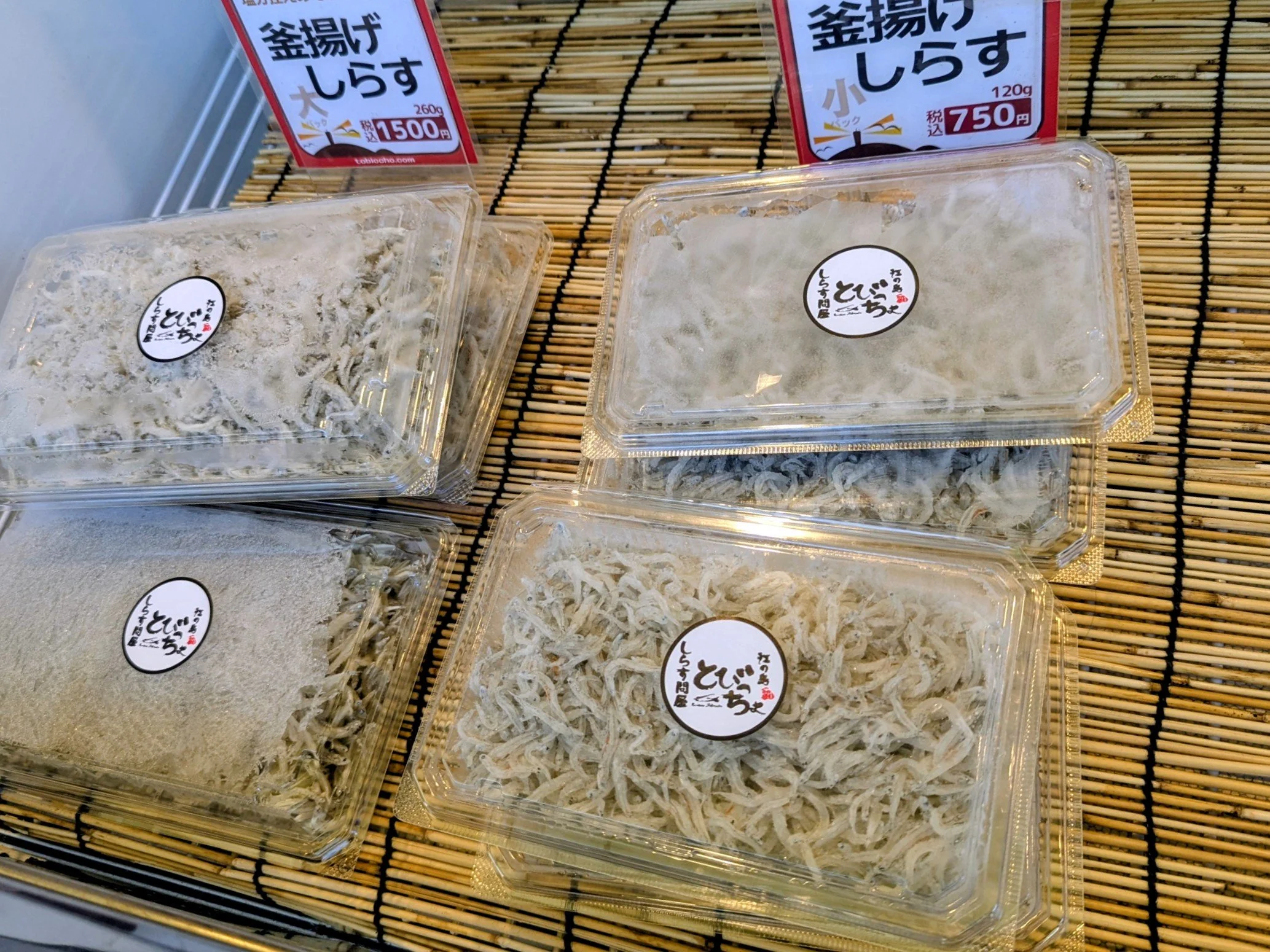
Lunch on the way to Enoshima Island. The area is known for its seafood. We ordered the lobster special. One lobster made on a grill, in a soup, and raw. The other speciality was the tiny white fish.
Shirasu (whitebait), the tiny white fish Enoshima is famous for, are young sardines or anchovies caught in Sagami Bay. Served fresh, boiled (kamaage), or dried, they are a, local, healthy delicacy. Top dishes include Shirasu-don (raw or boiled on rice), shirasu pizza, croquettes, and even ice cream.
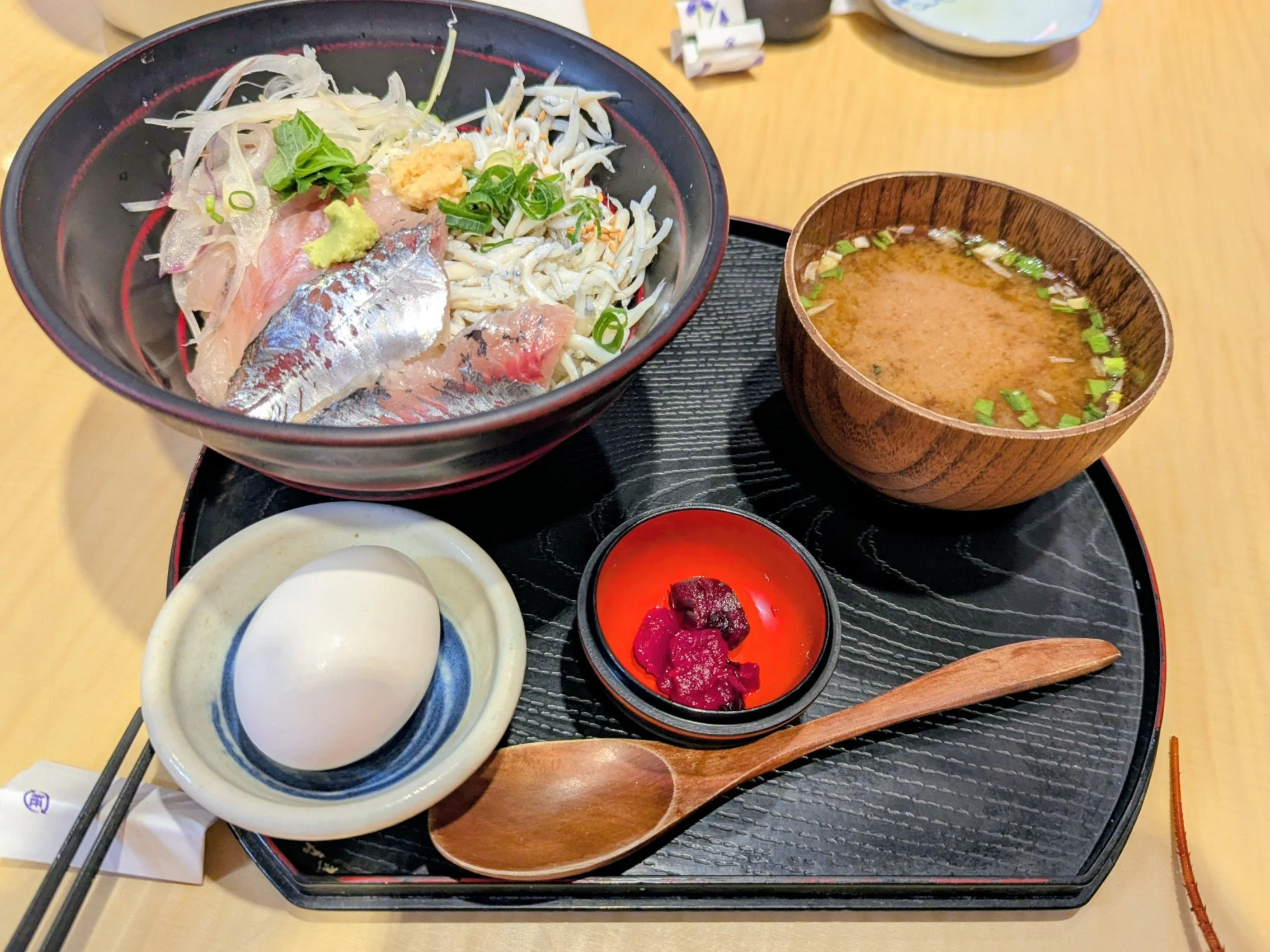
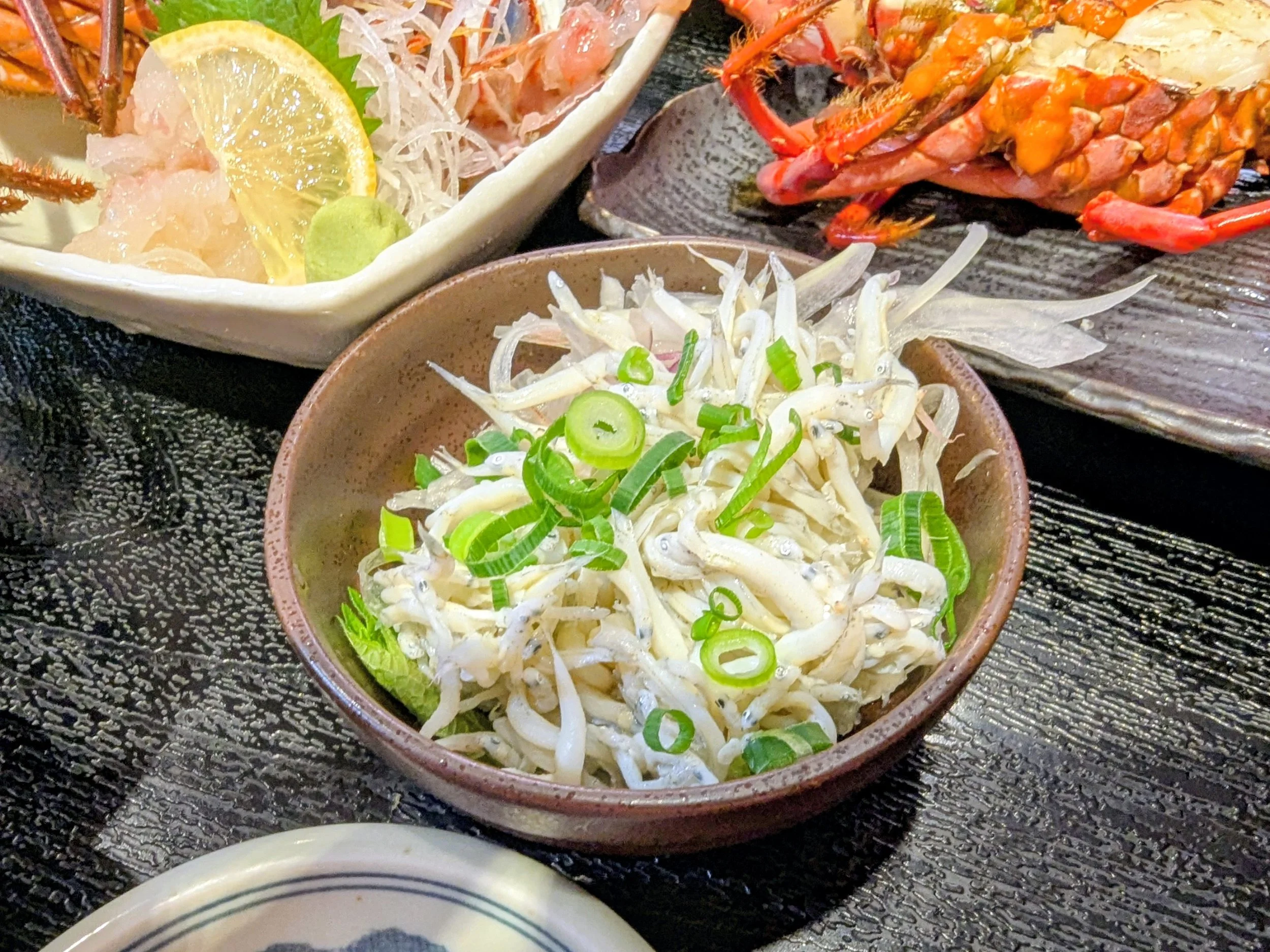
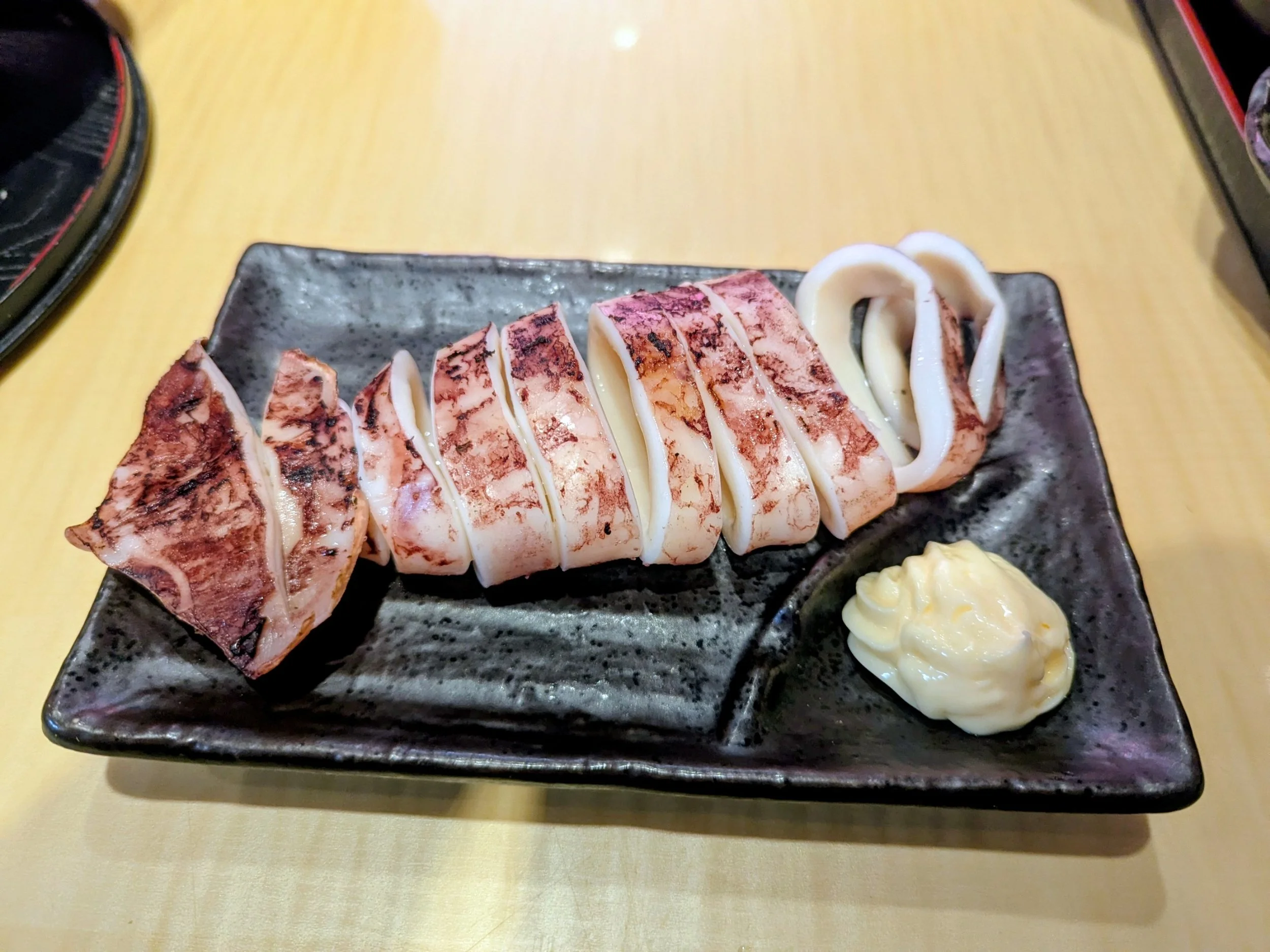
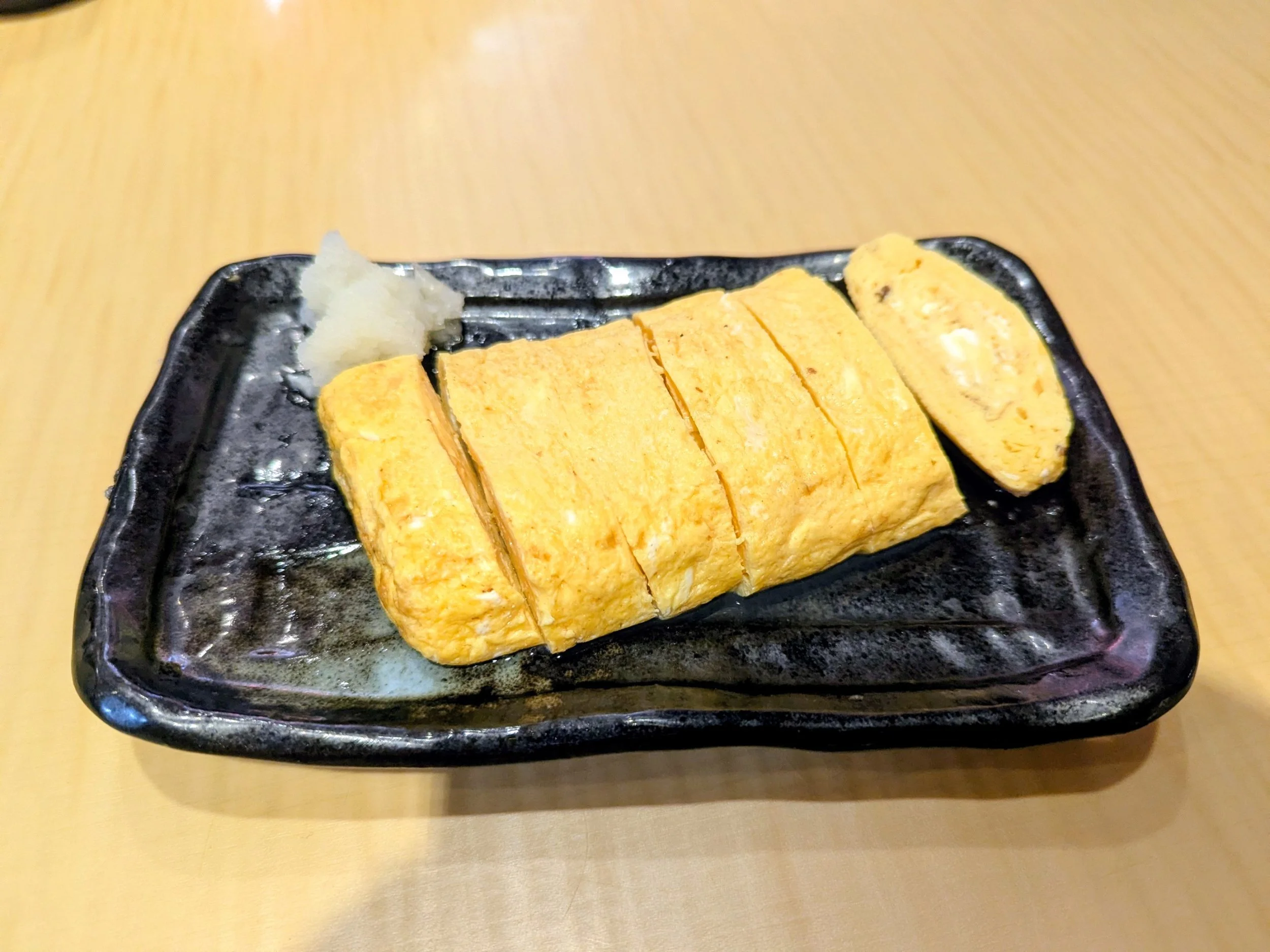
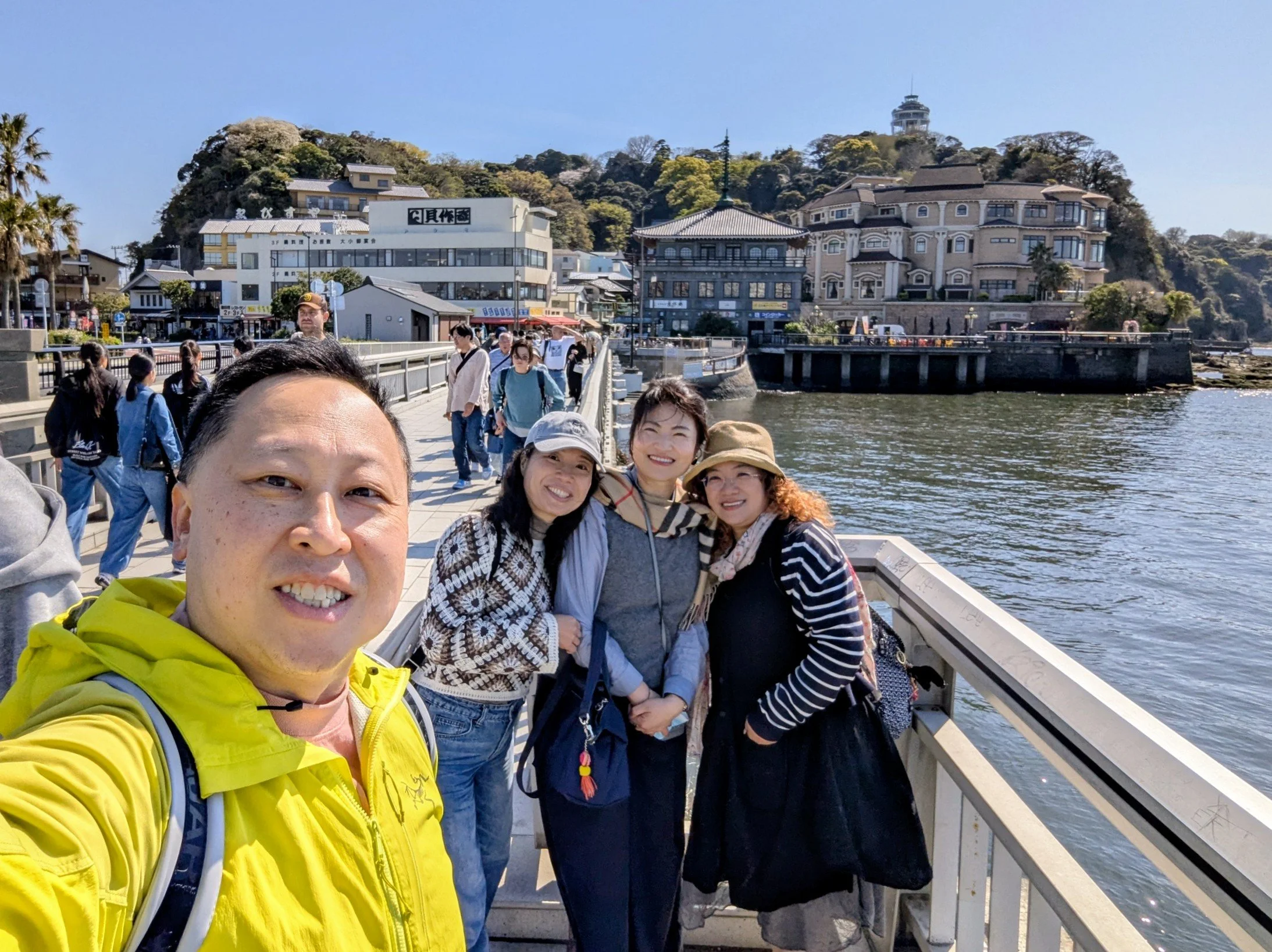
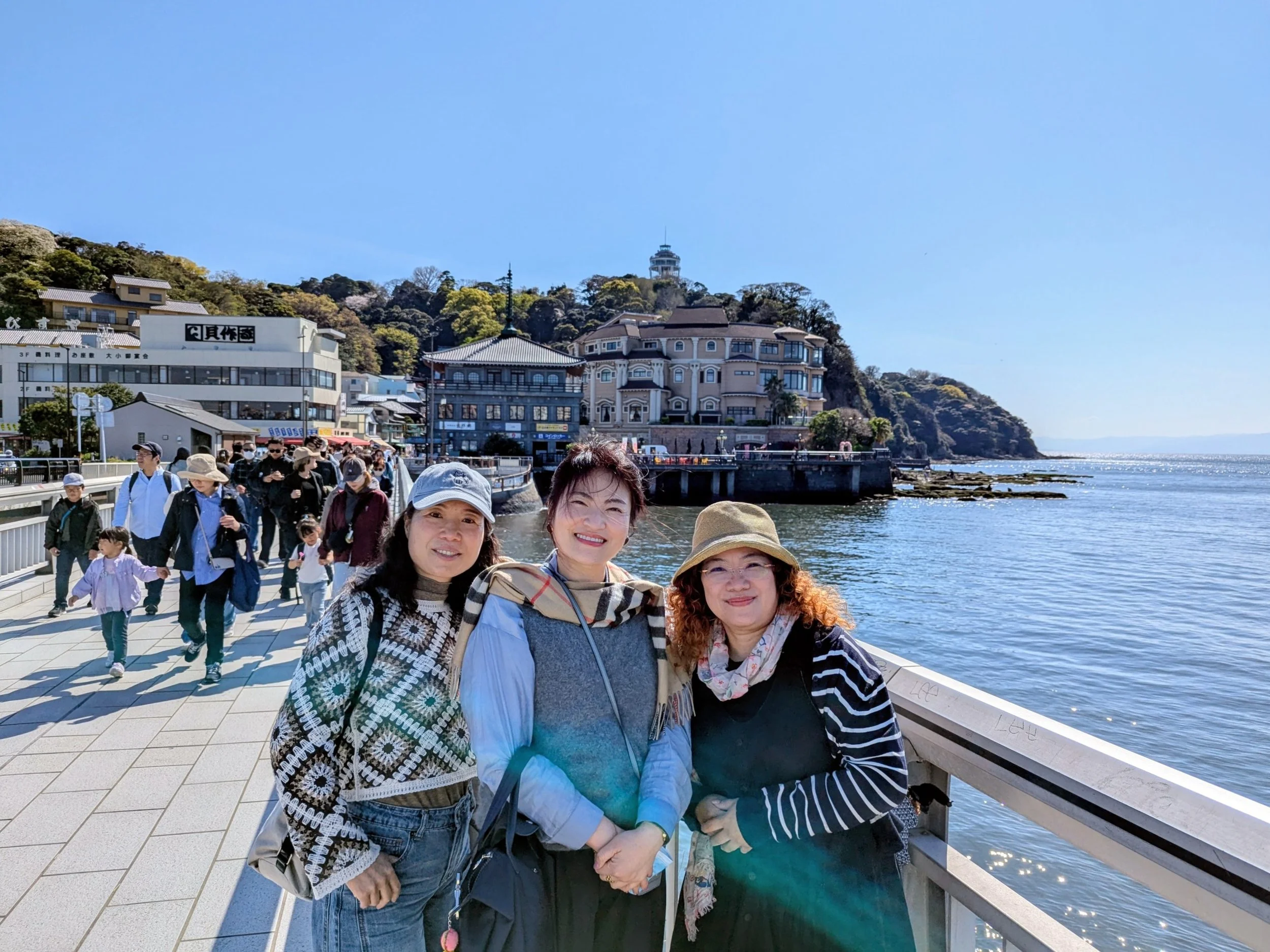
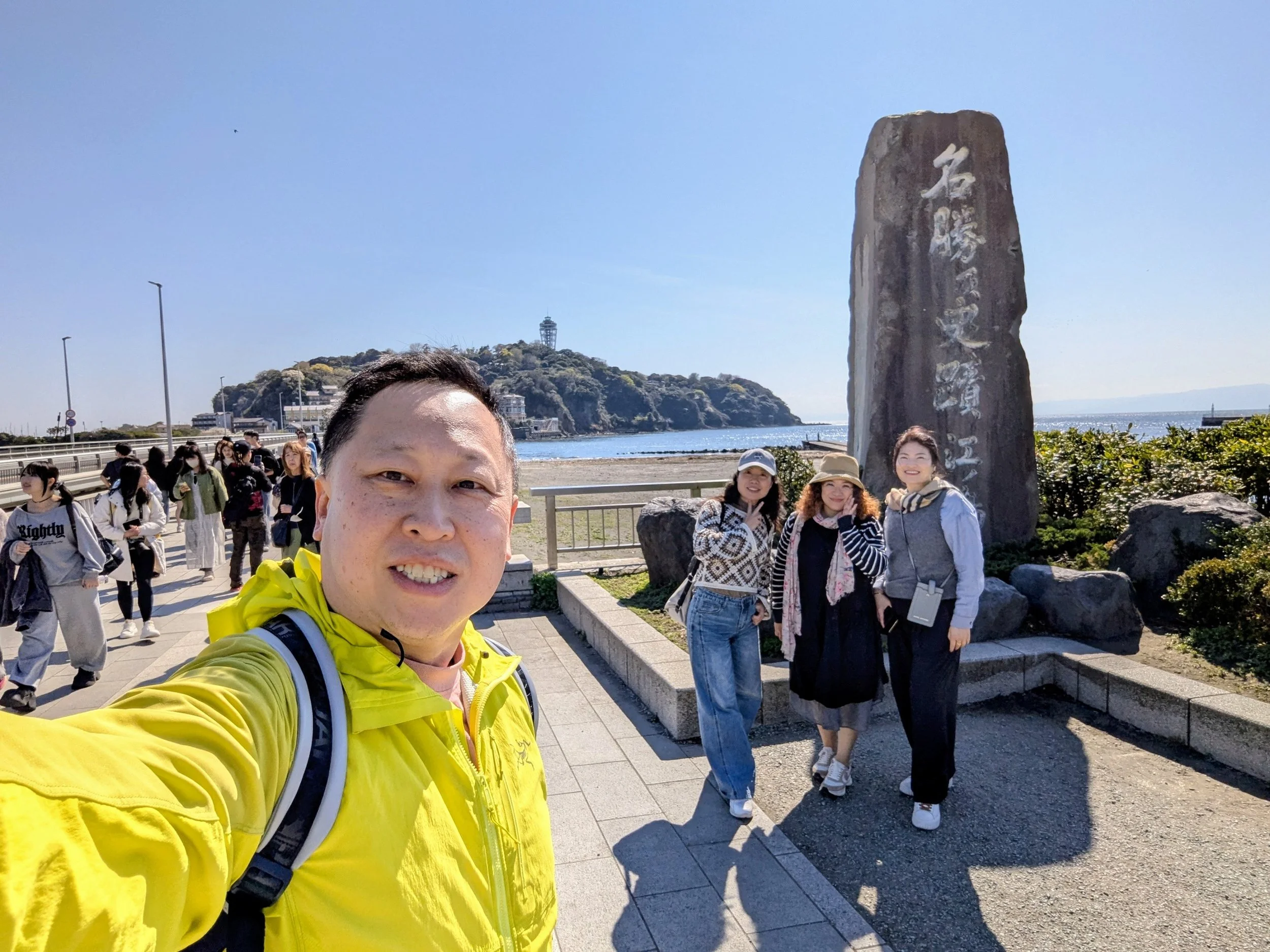
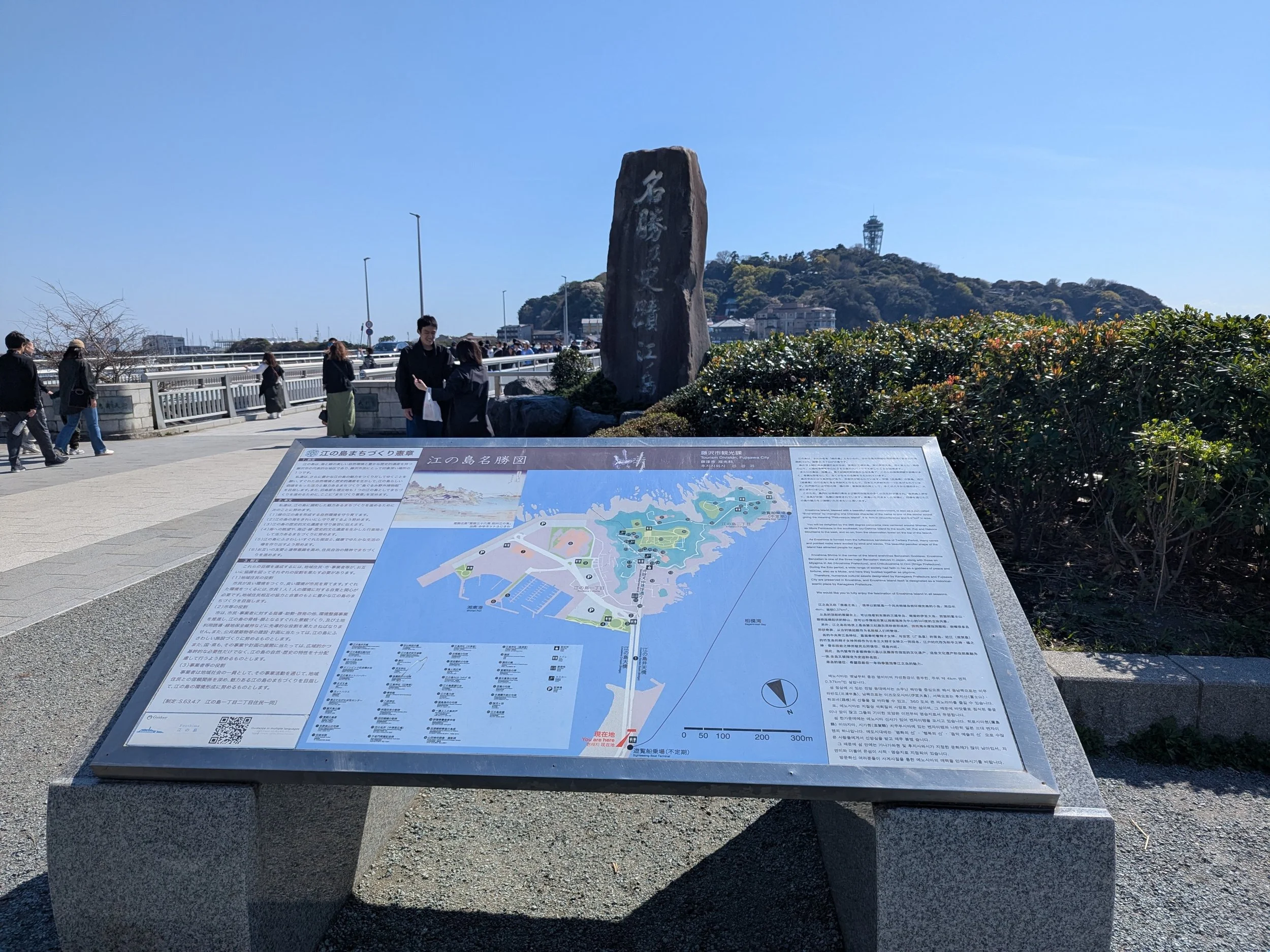
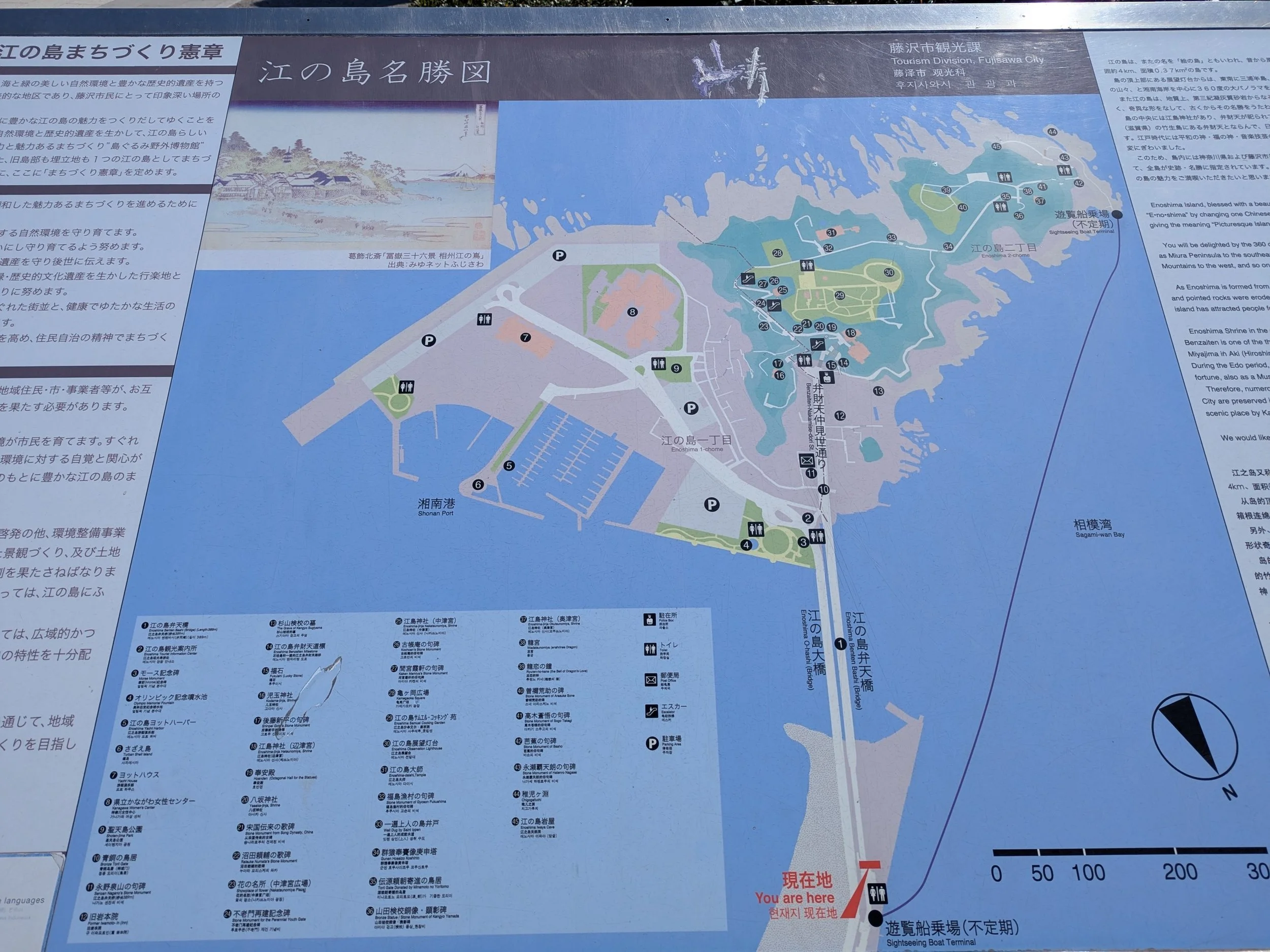
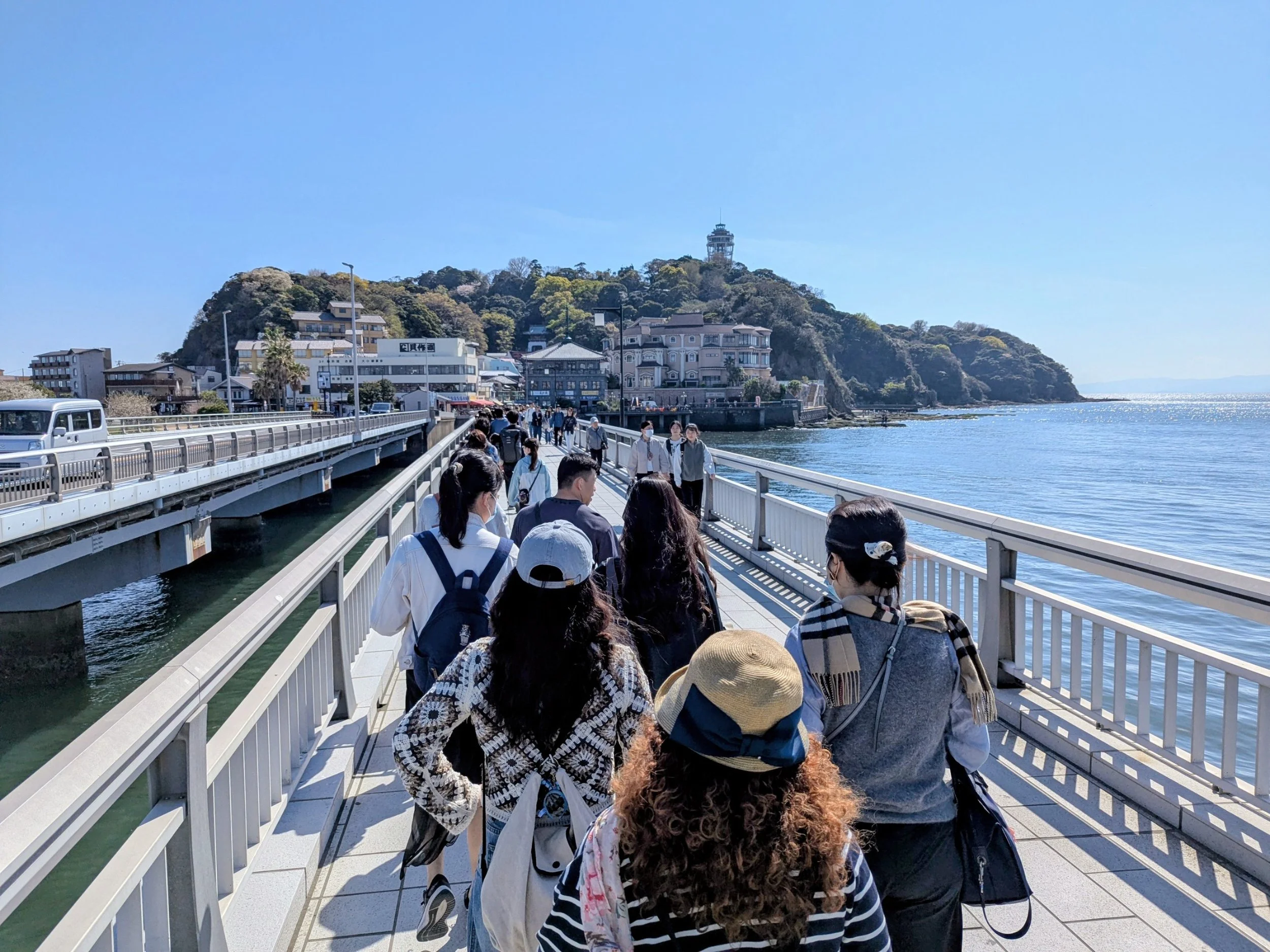
Island walk. Enoshima was an Island and we had to walk across it on a bridge.
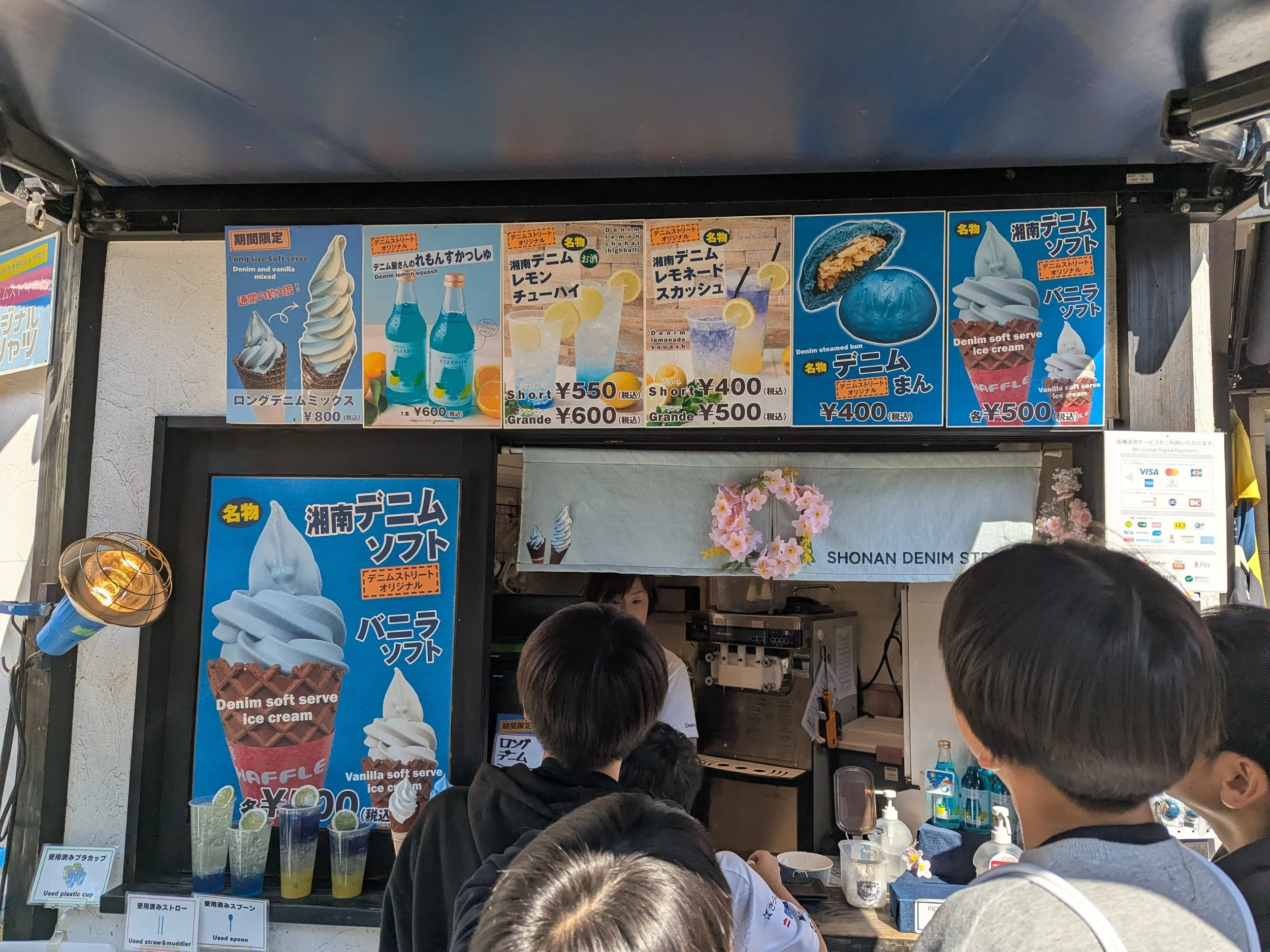
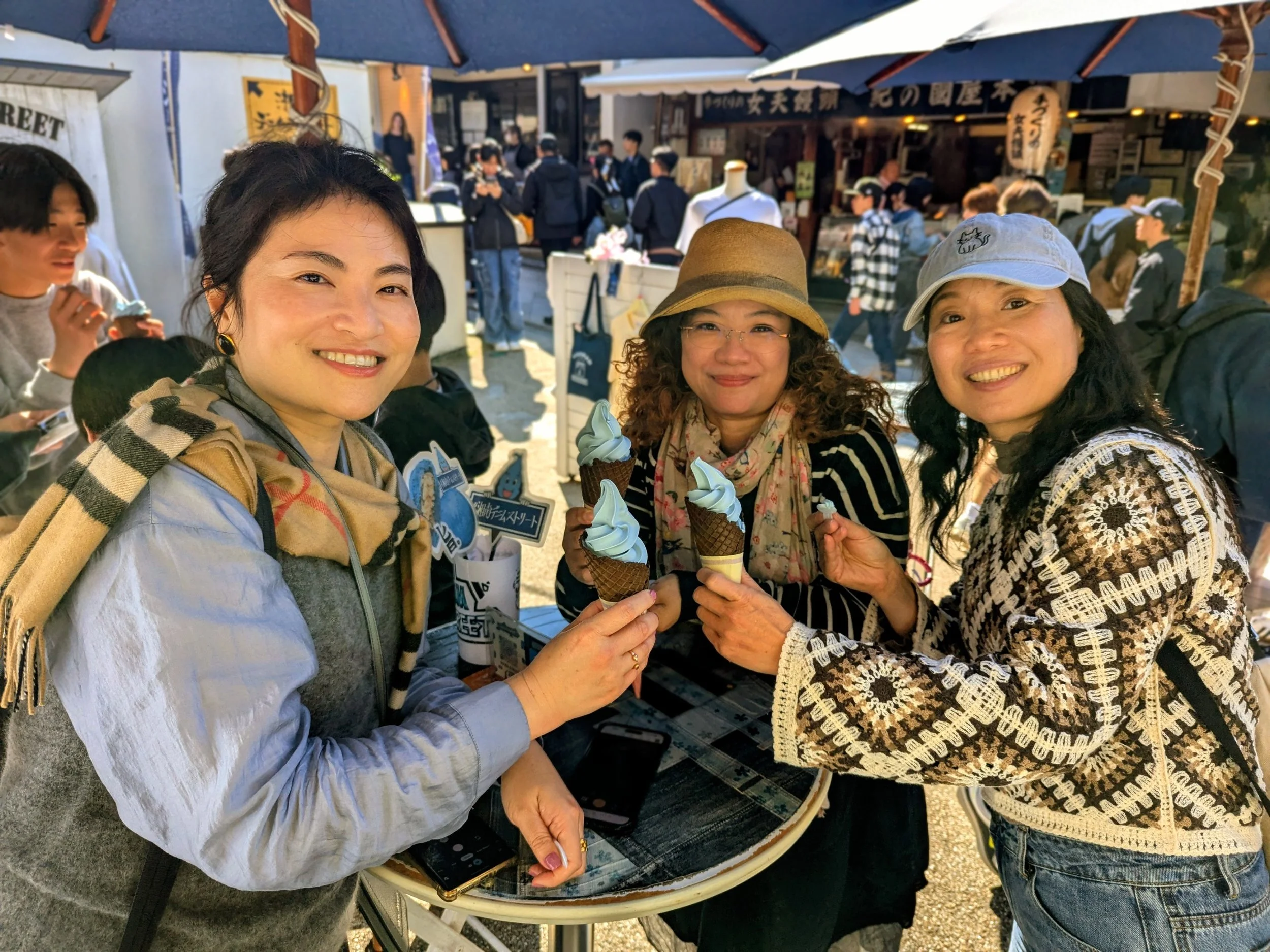
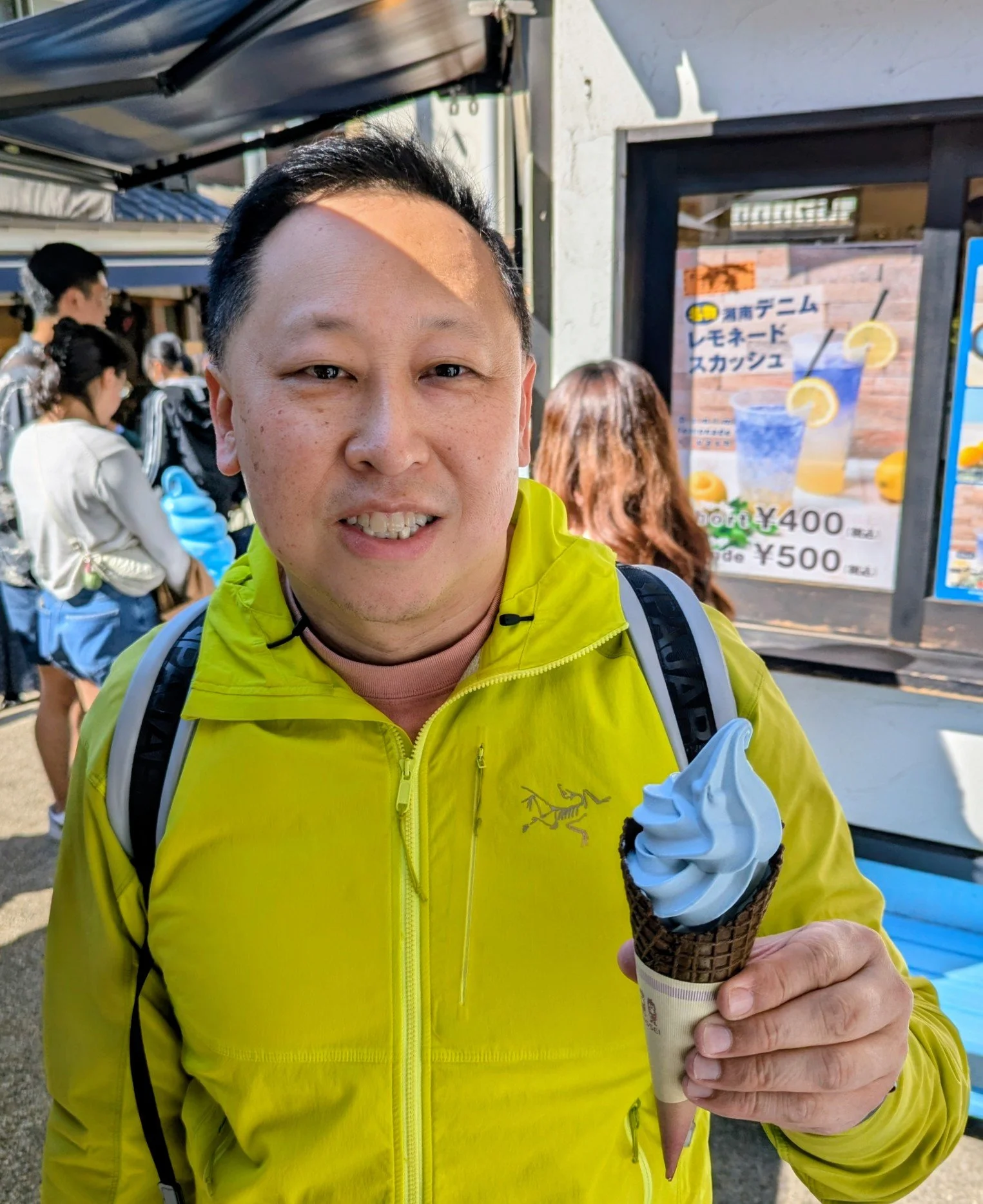
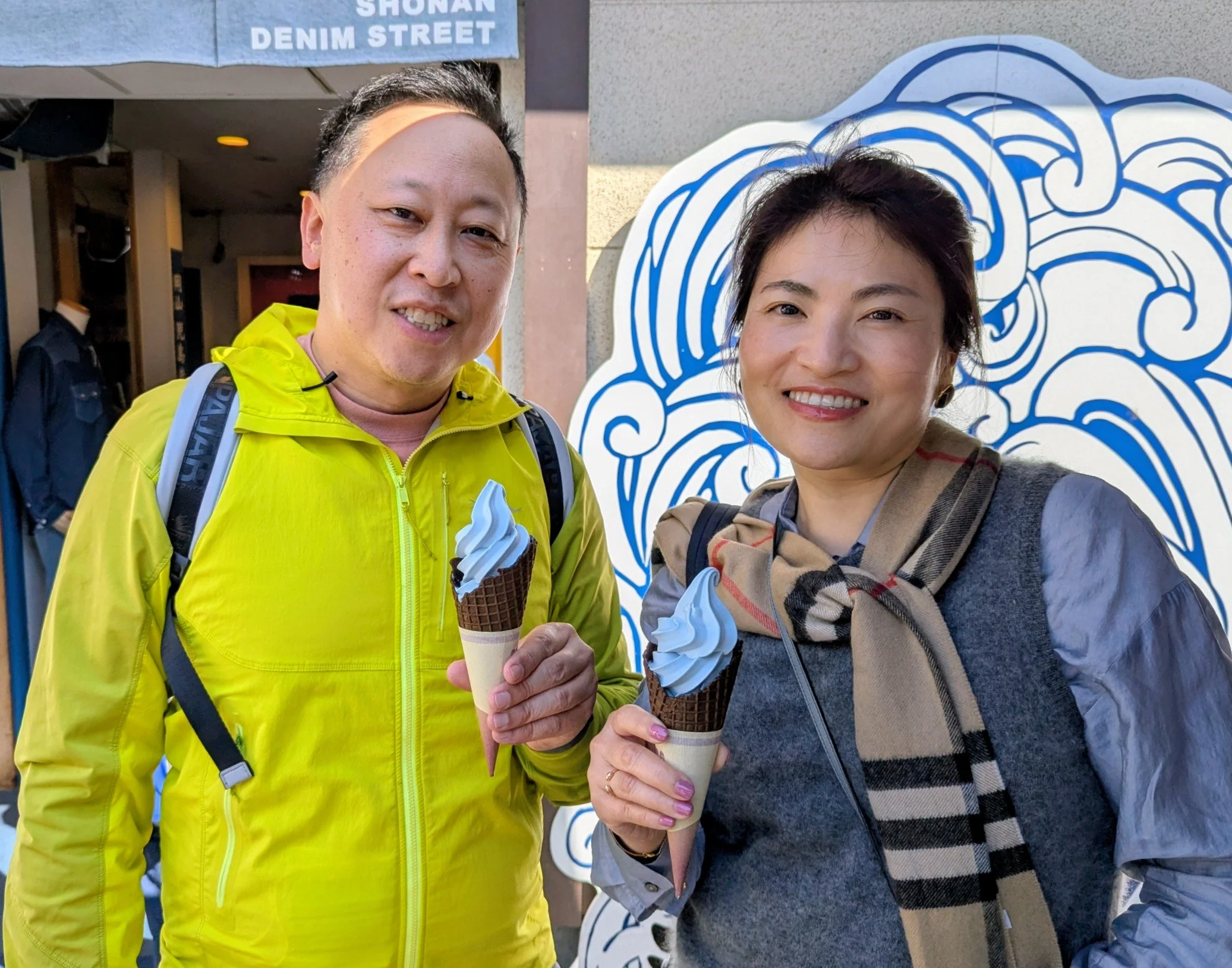
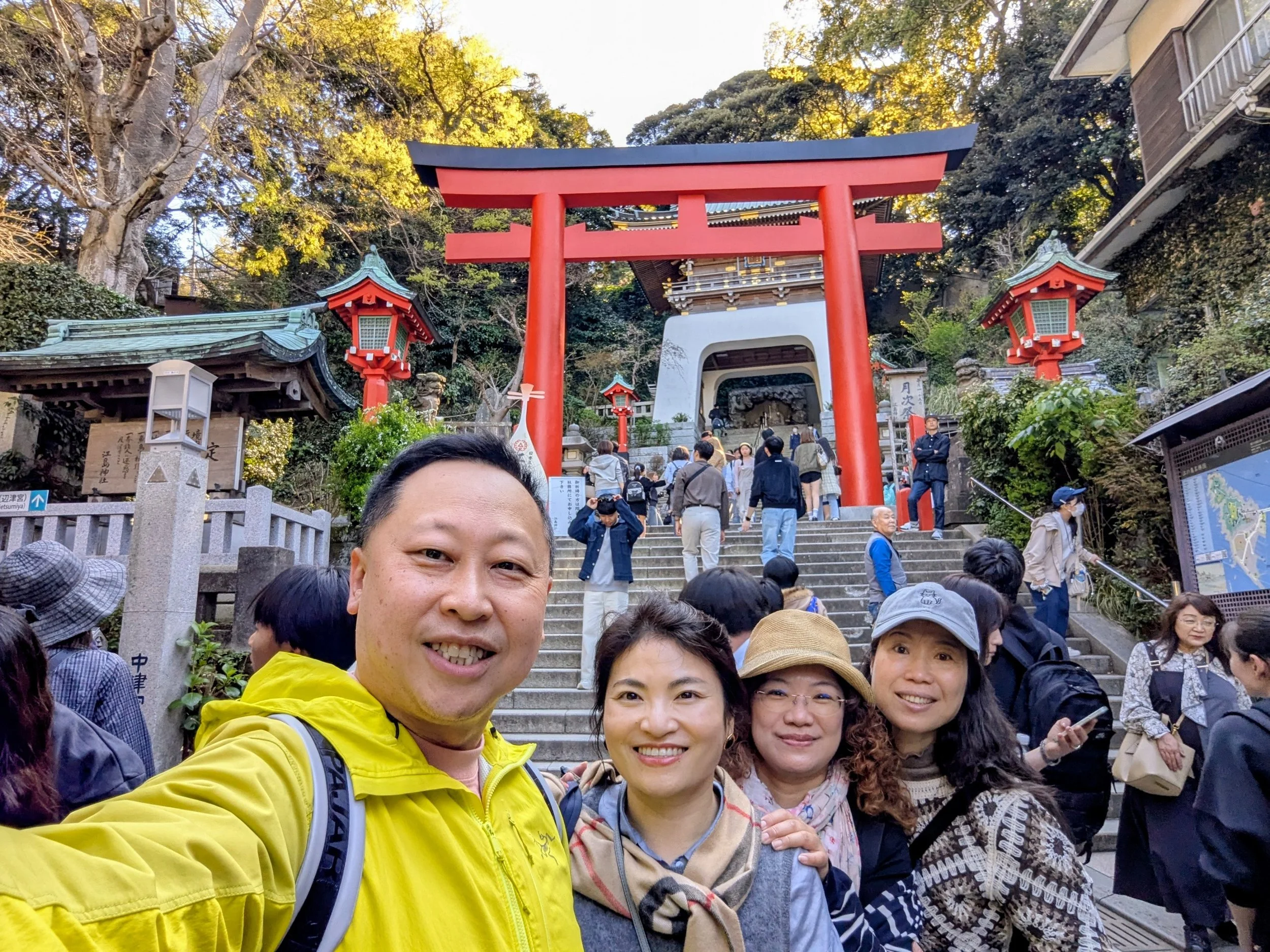
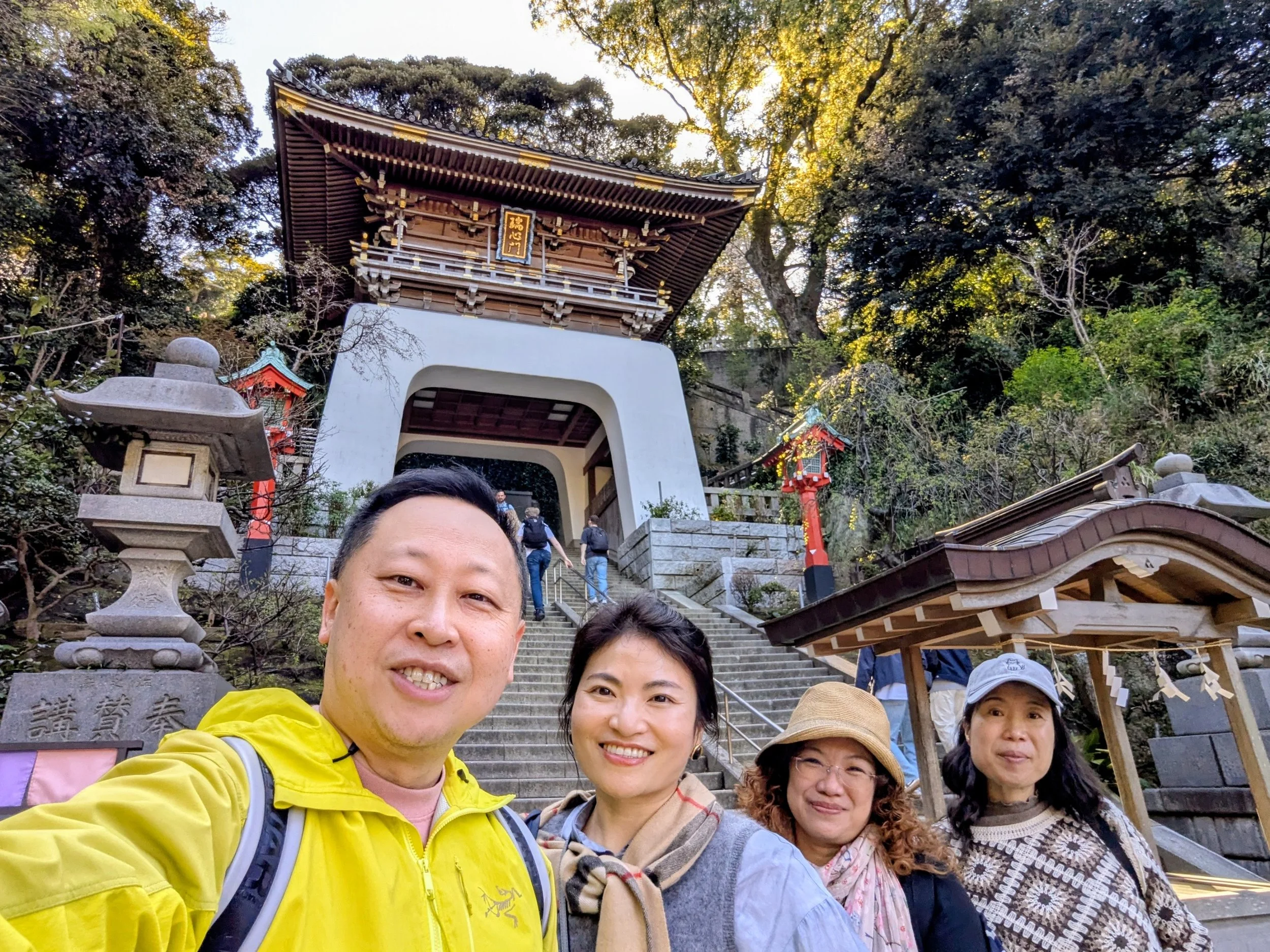
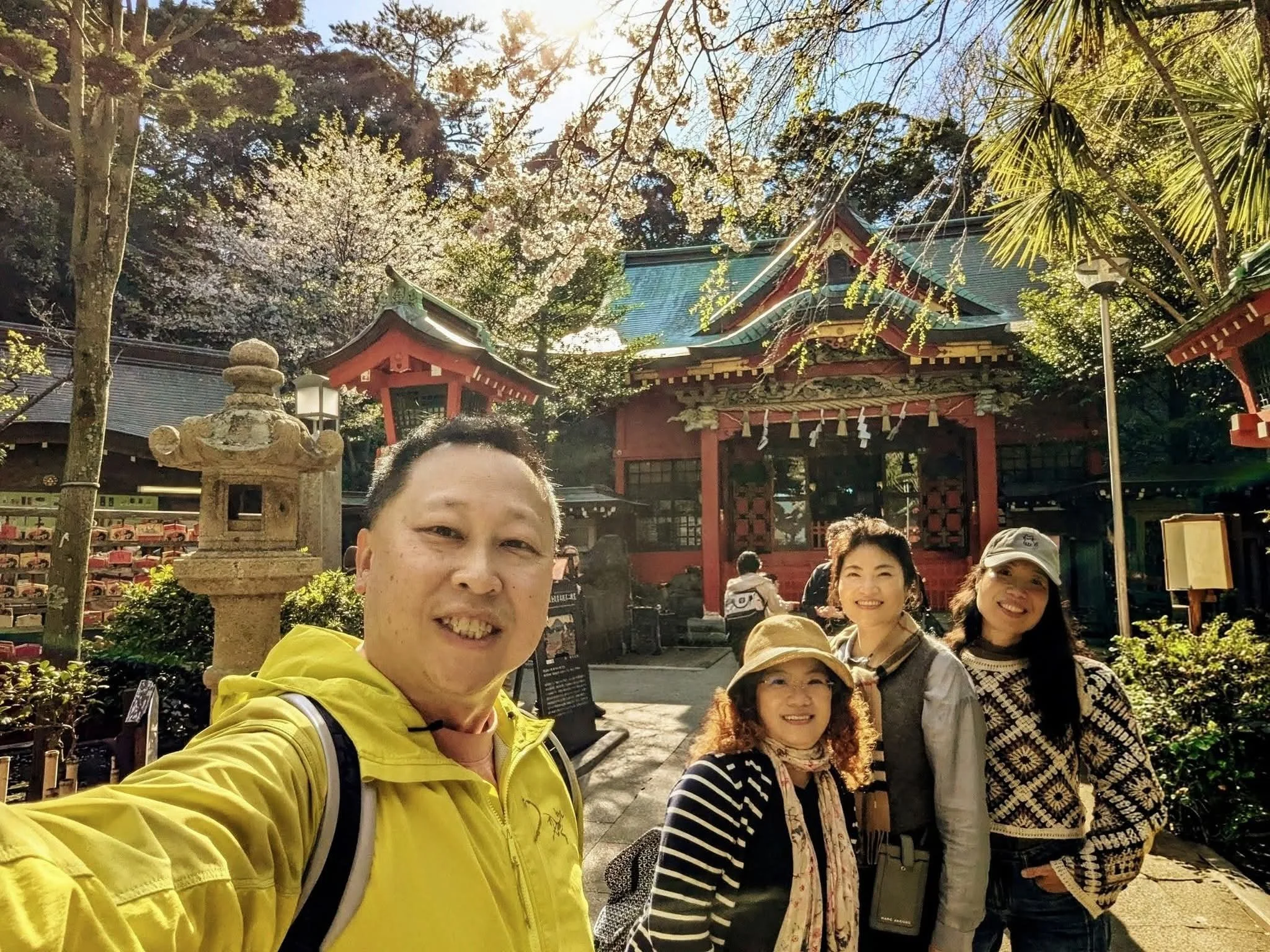
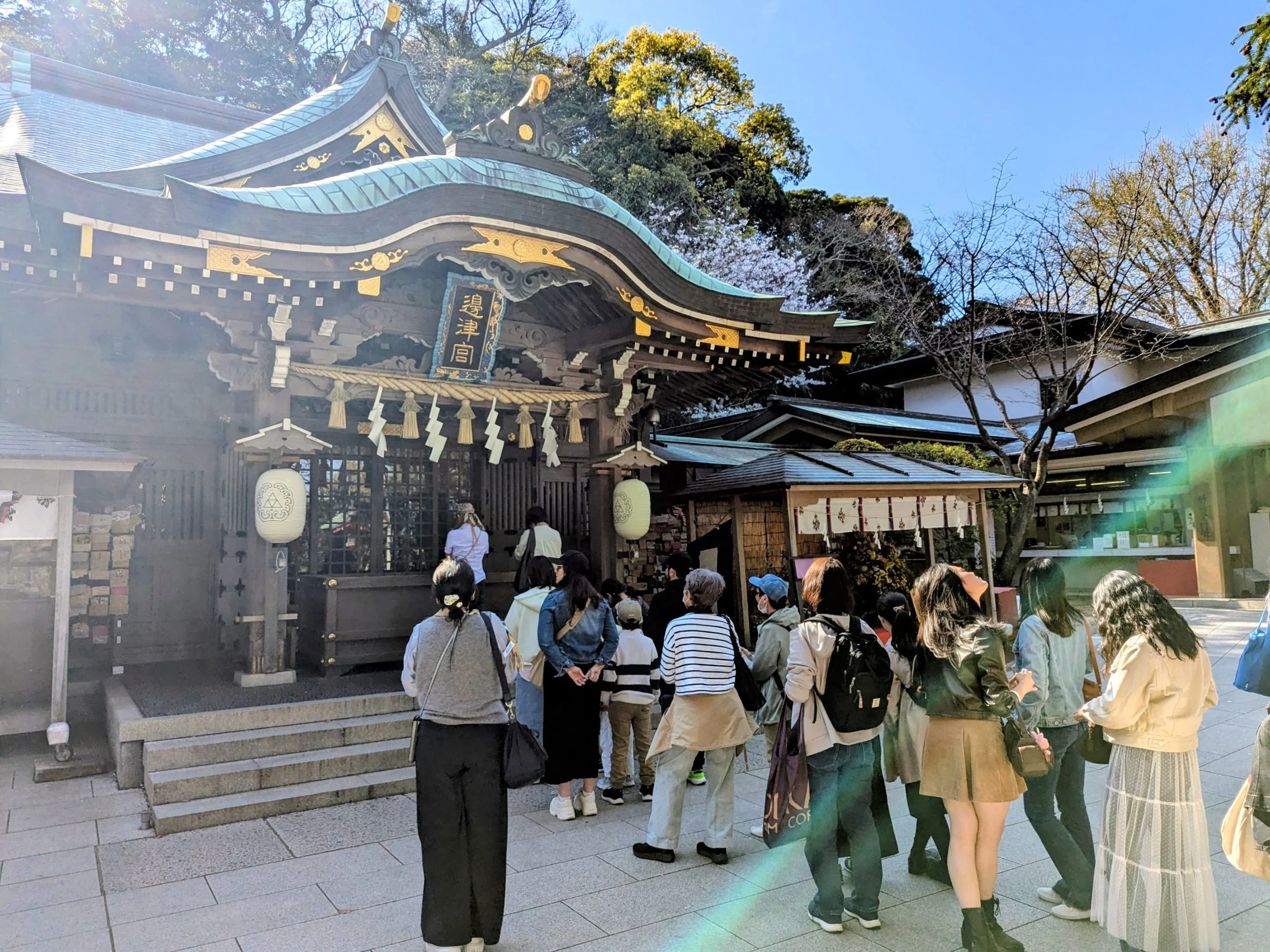
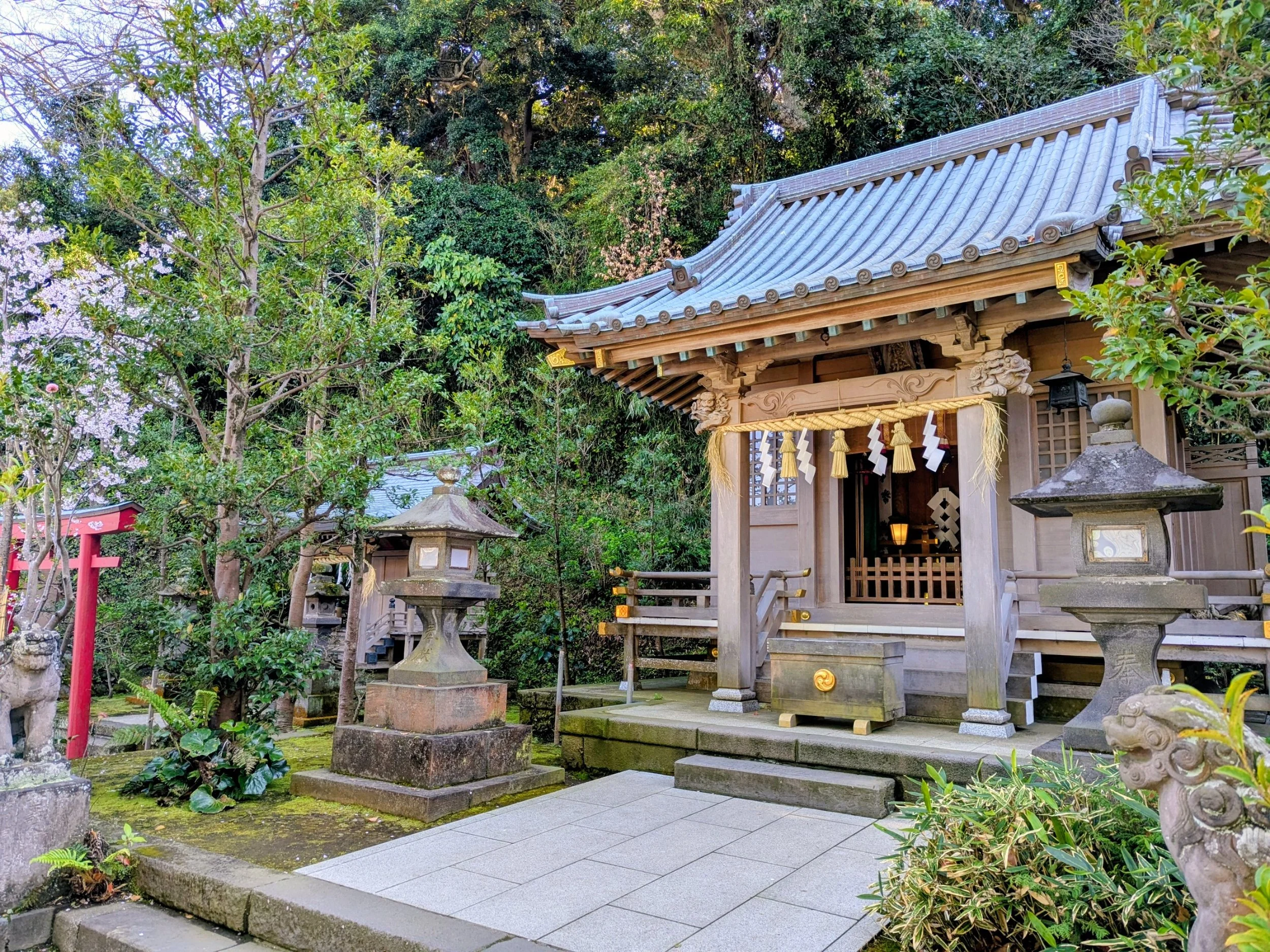
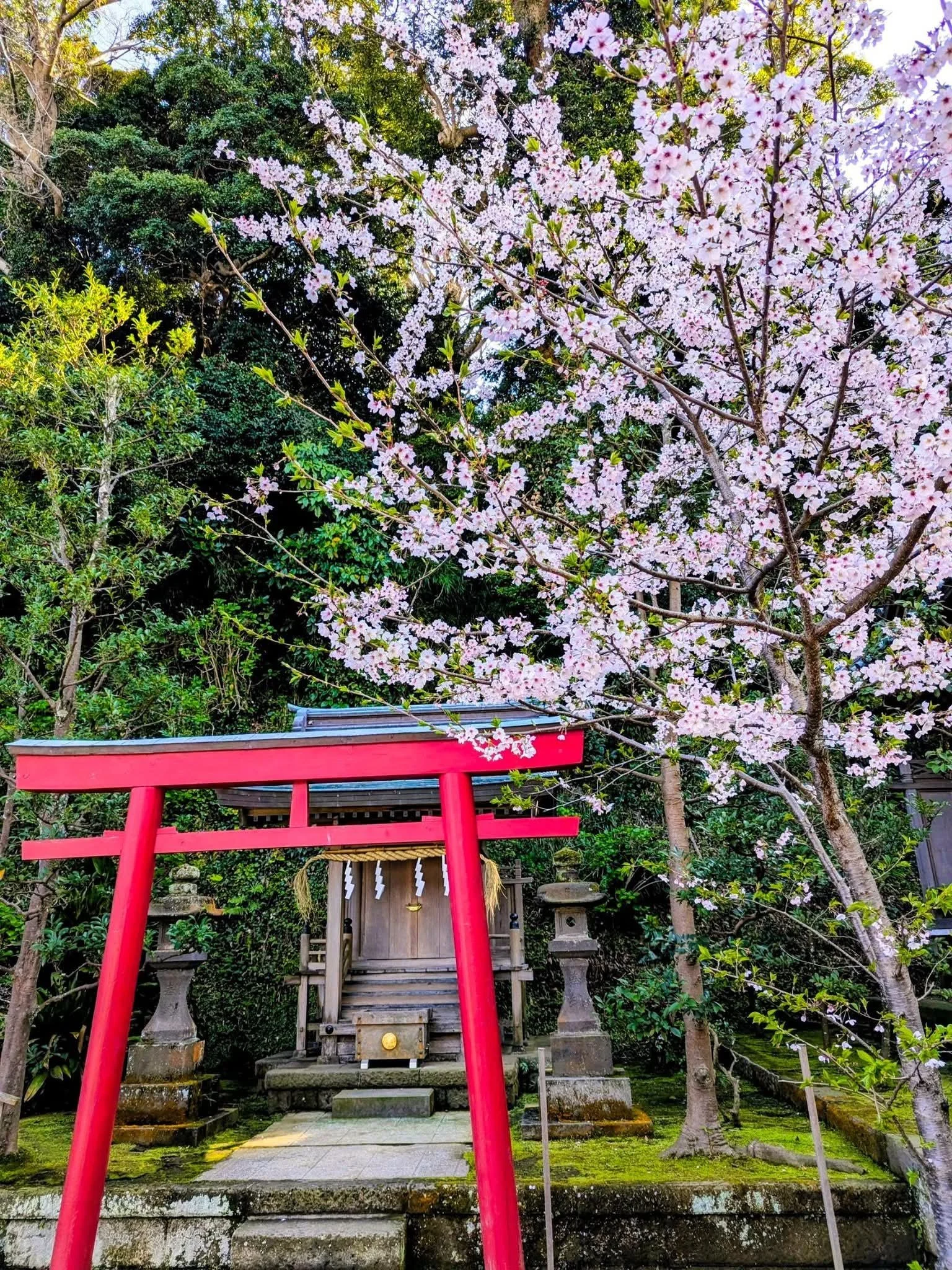
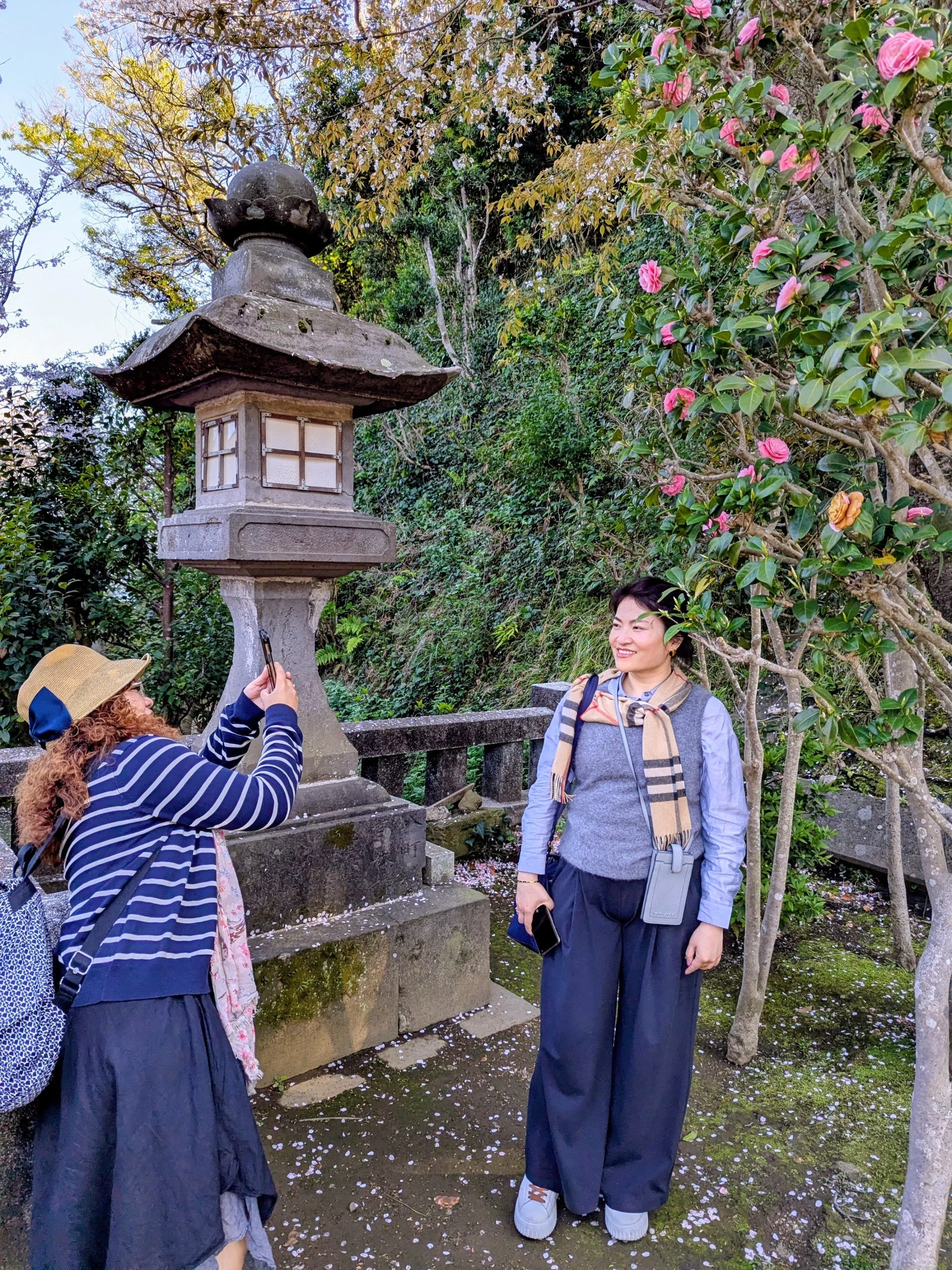
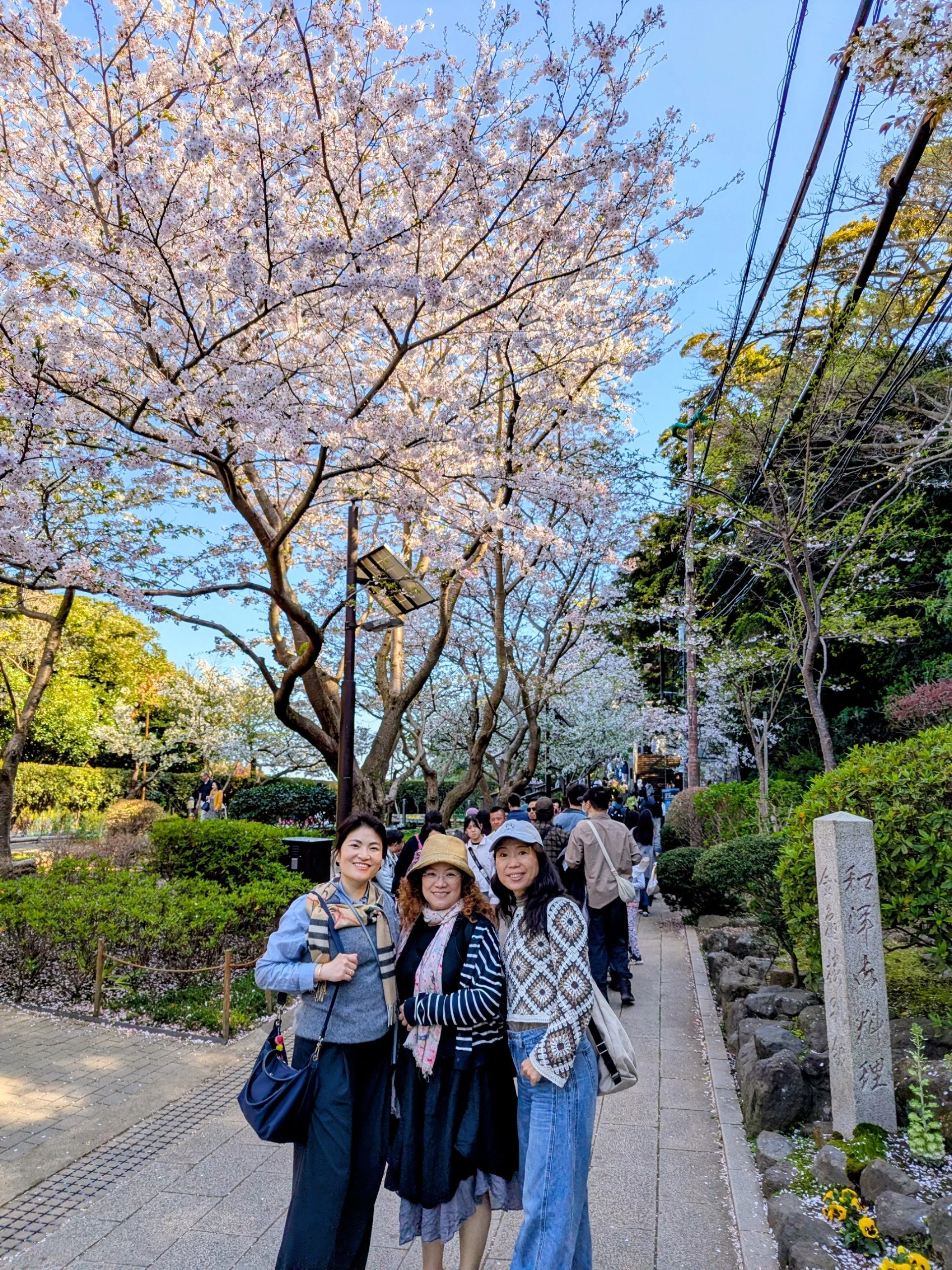
Temple and garden on Enoshima Island.
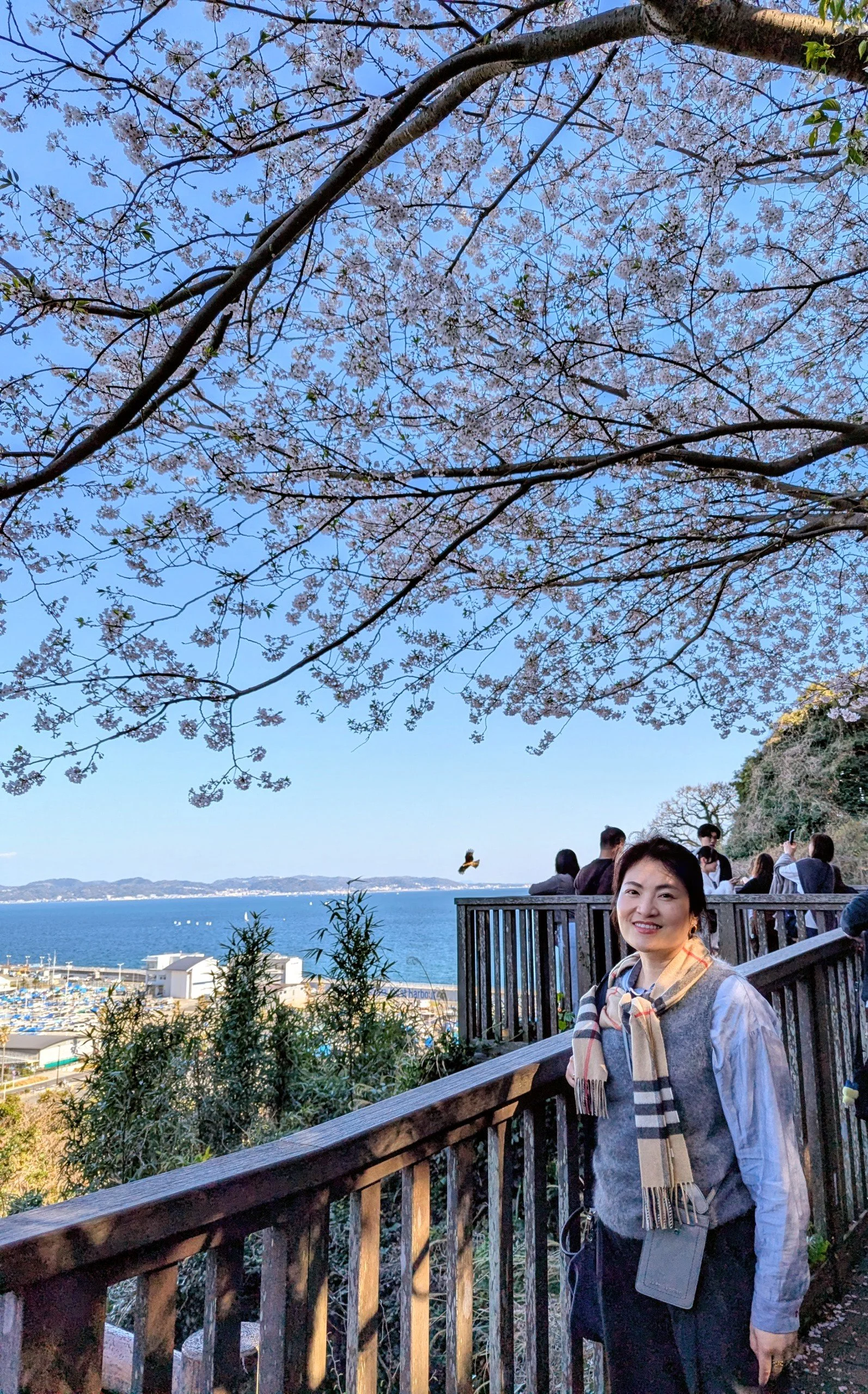
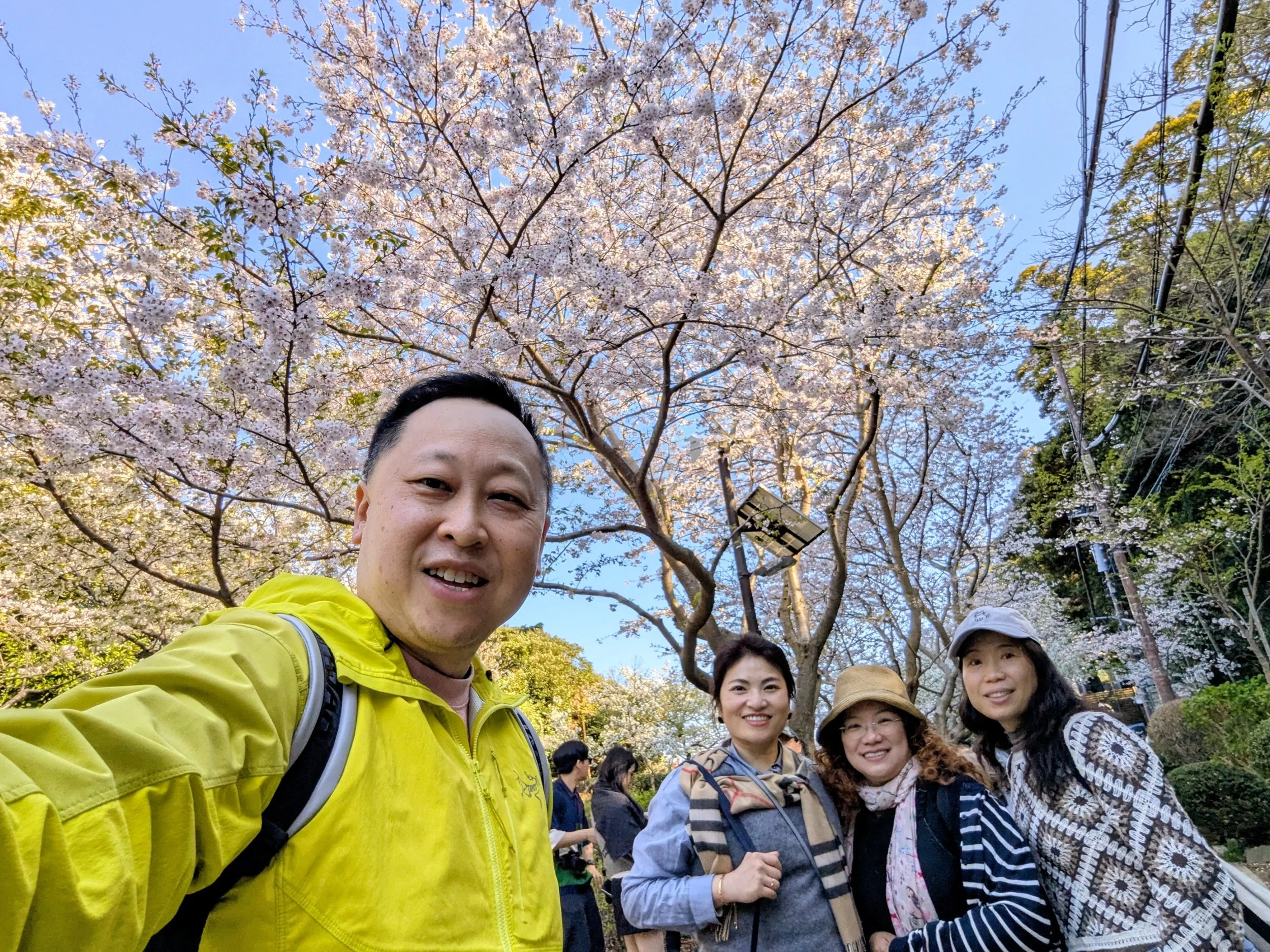
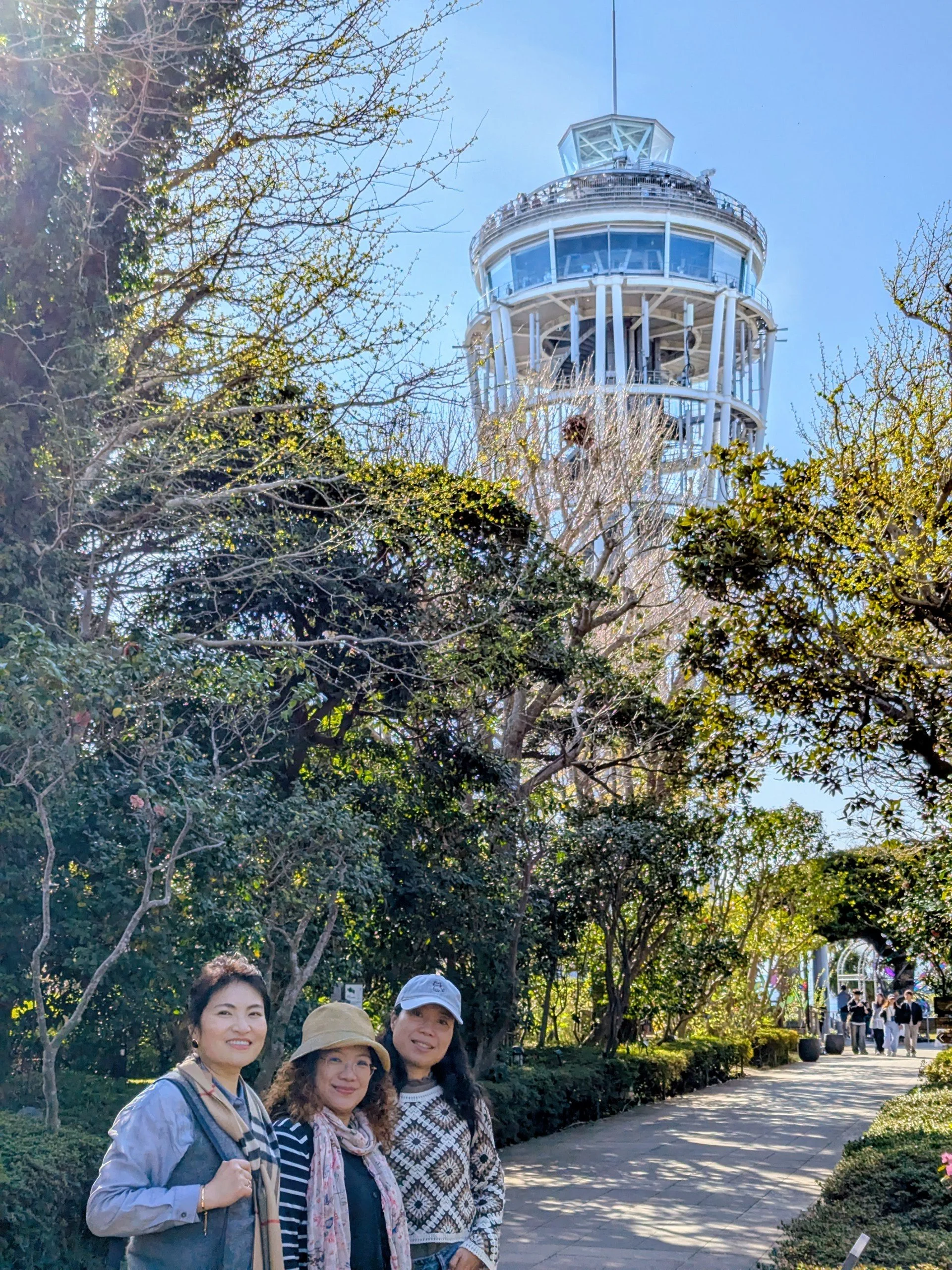
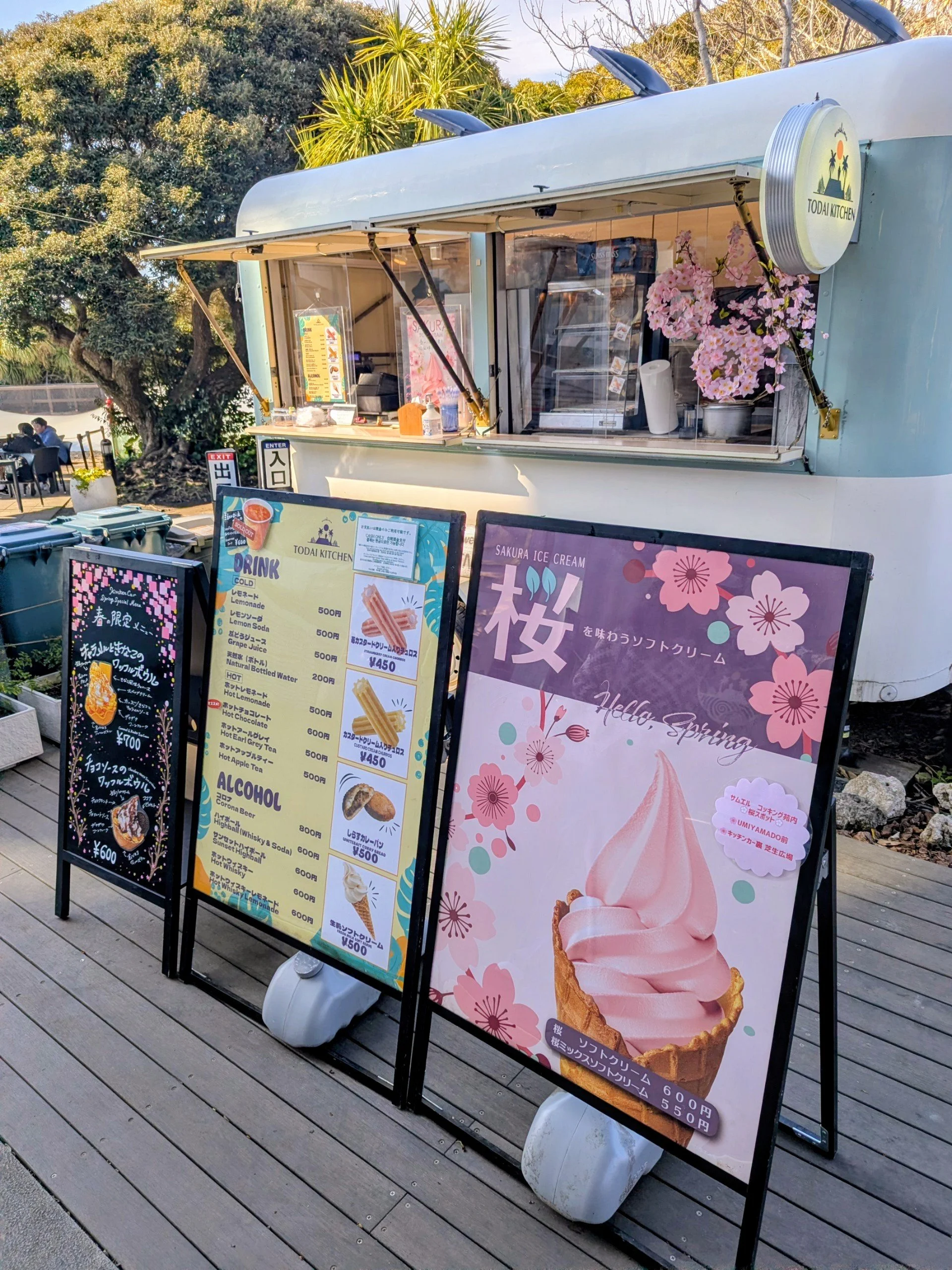
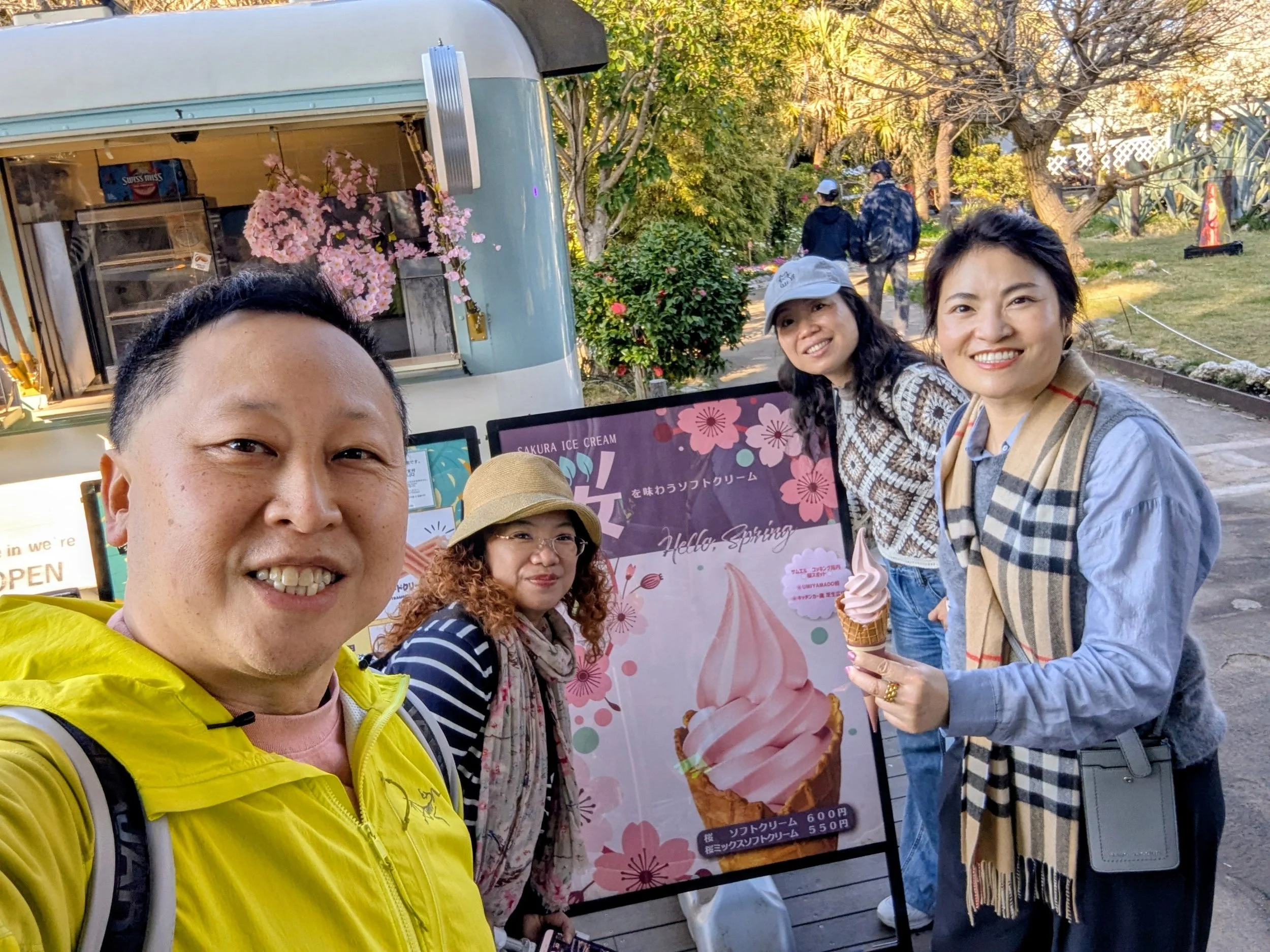
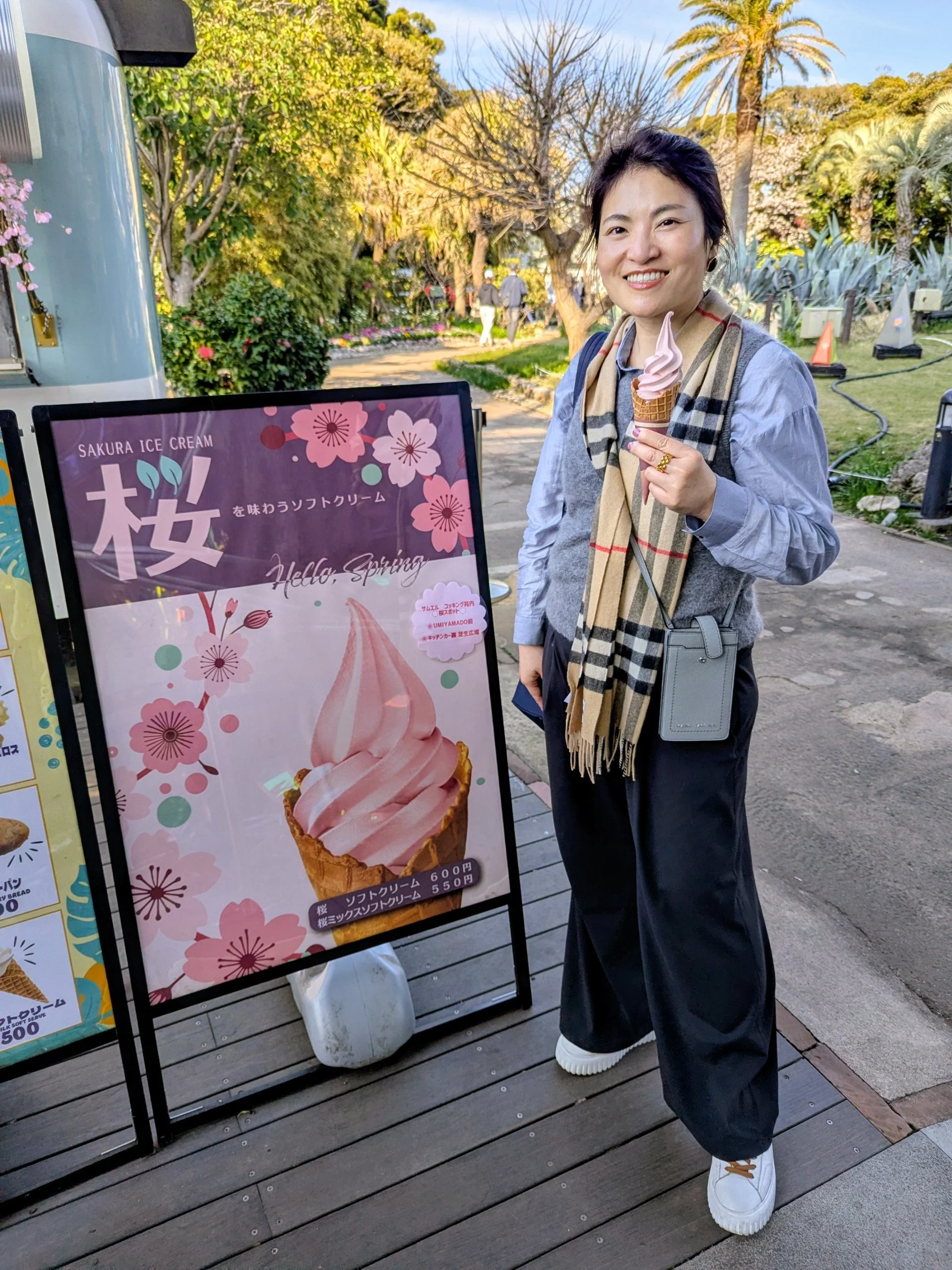
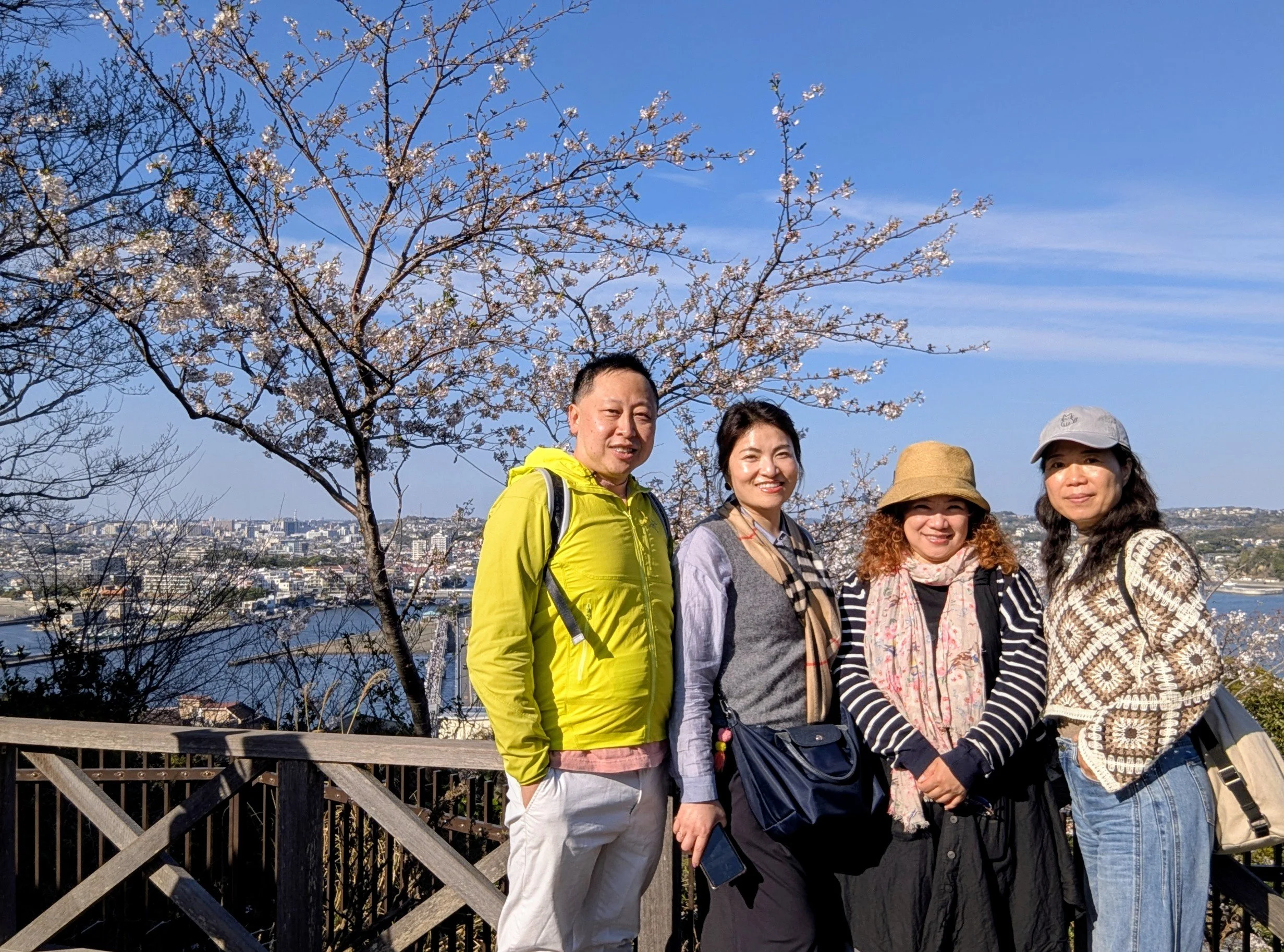
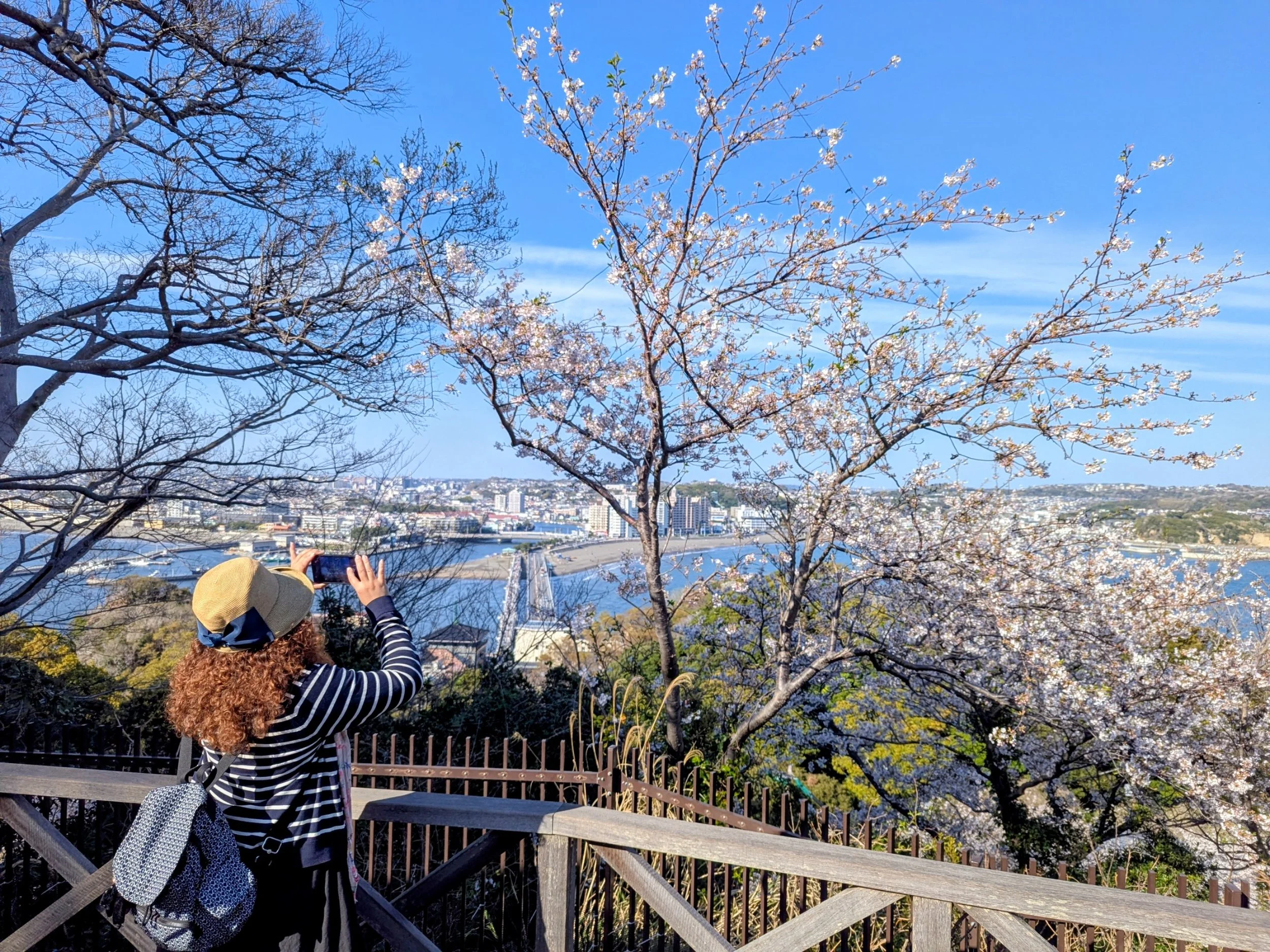
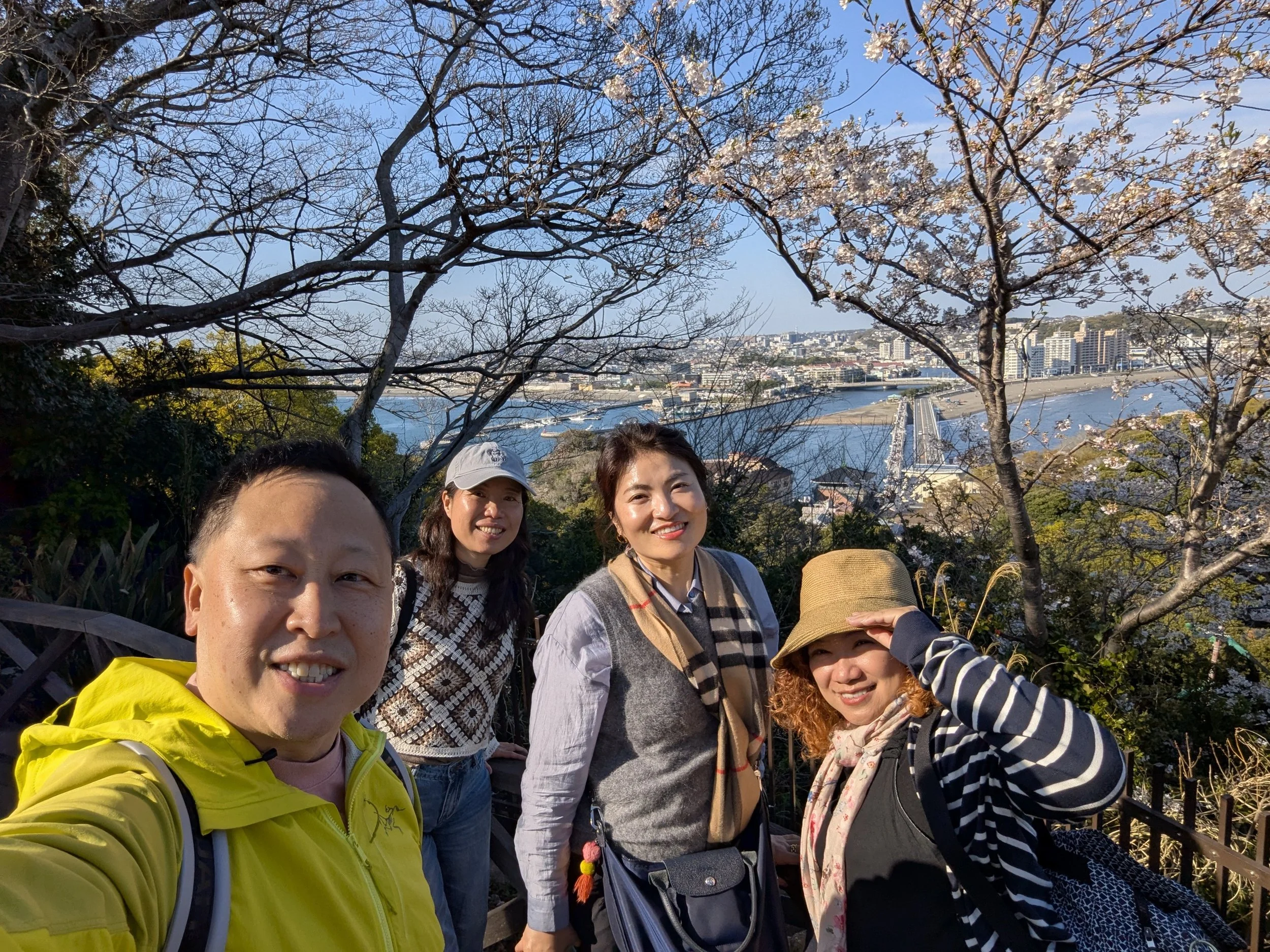
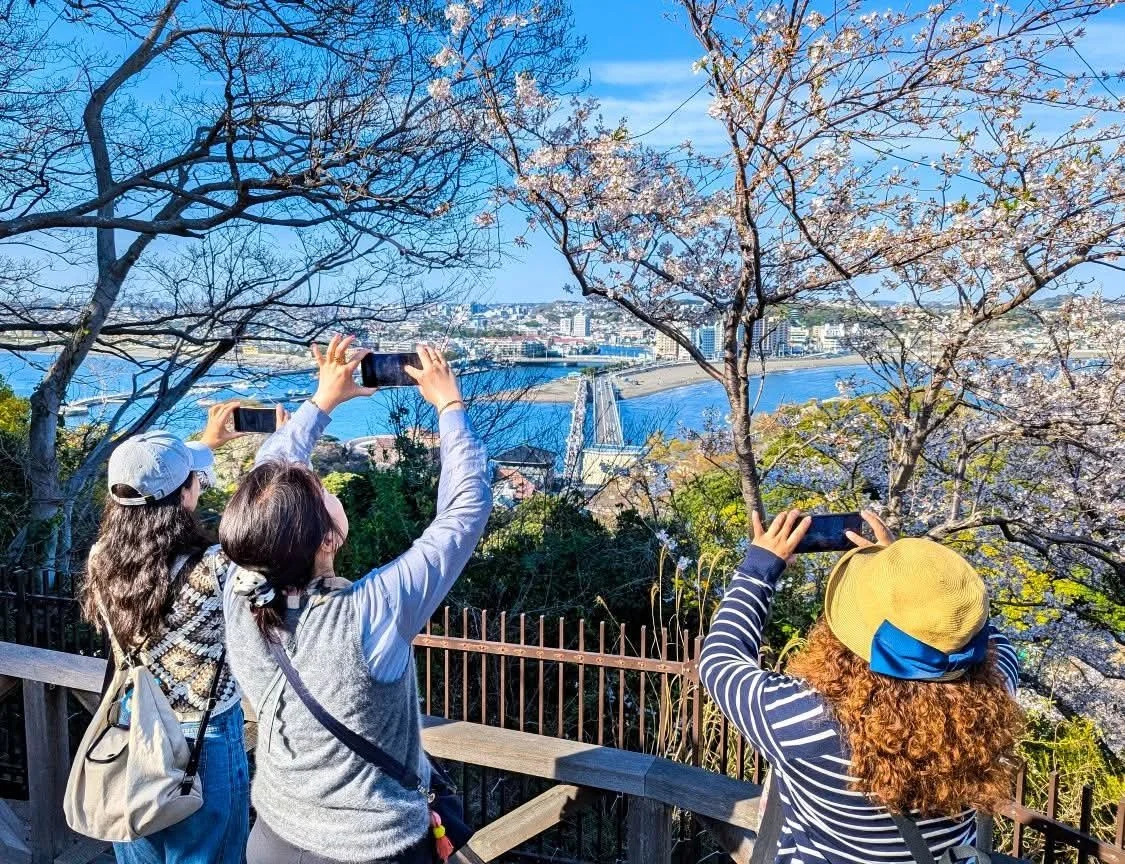
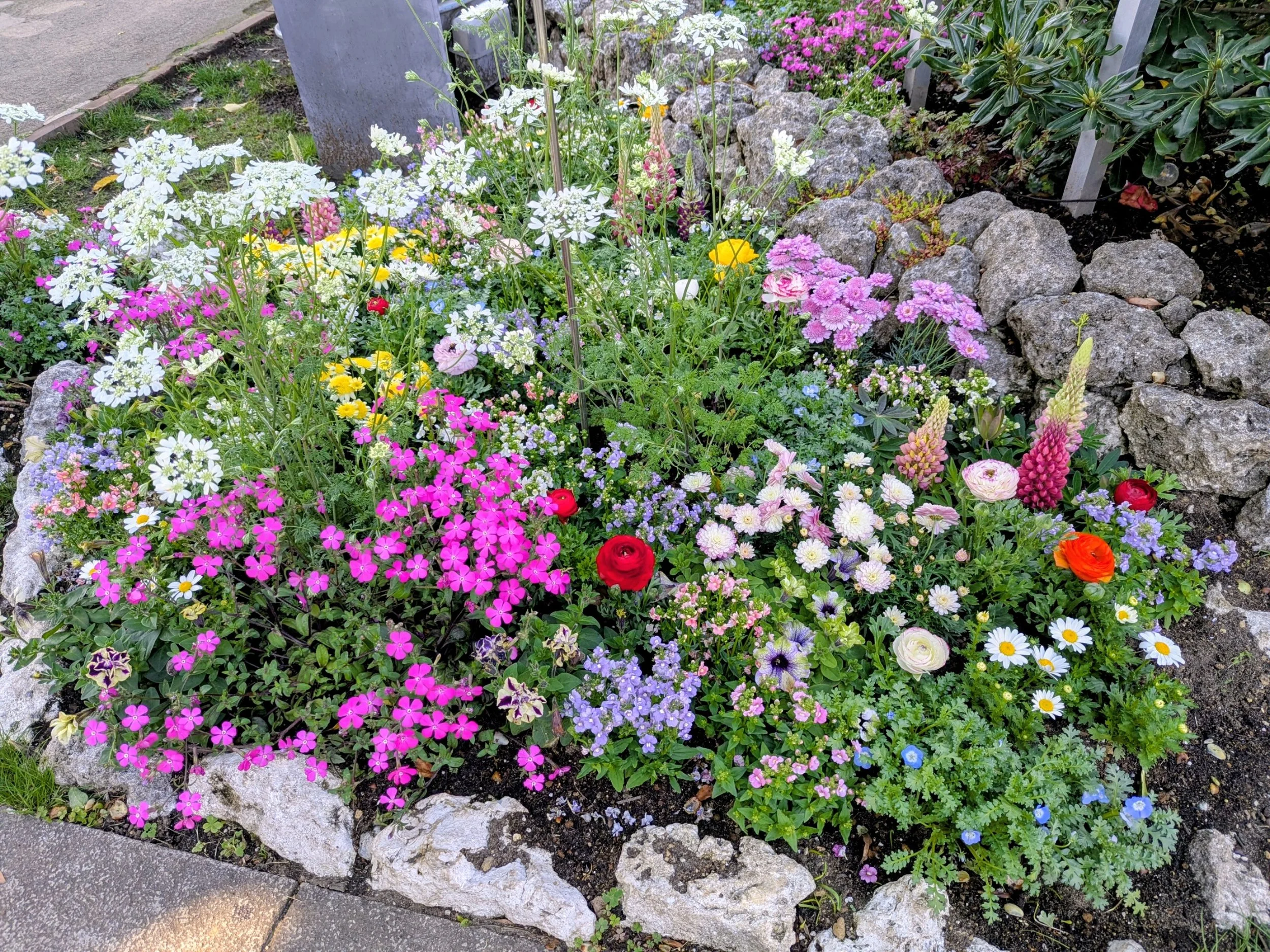
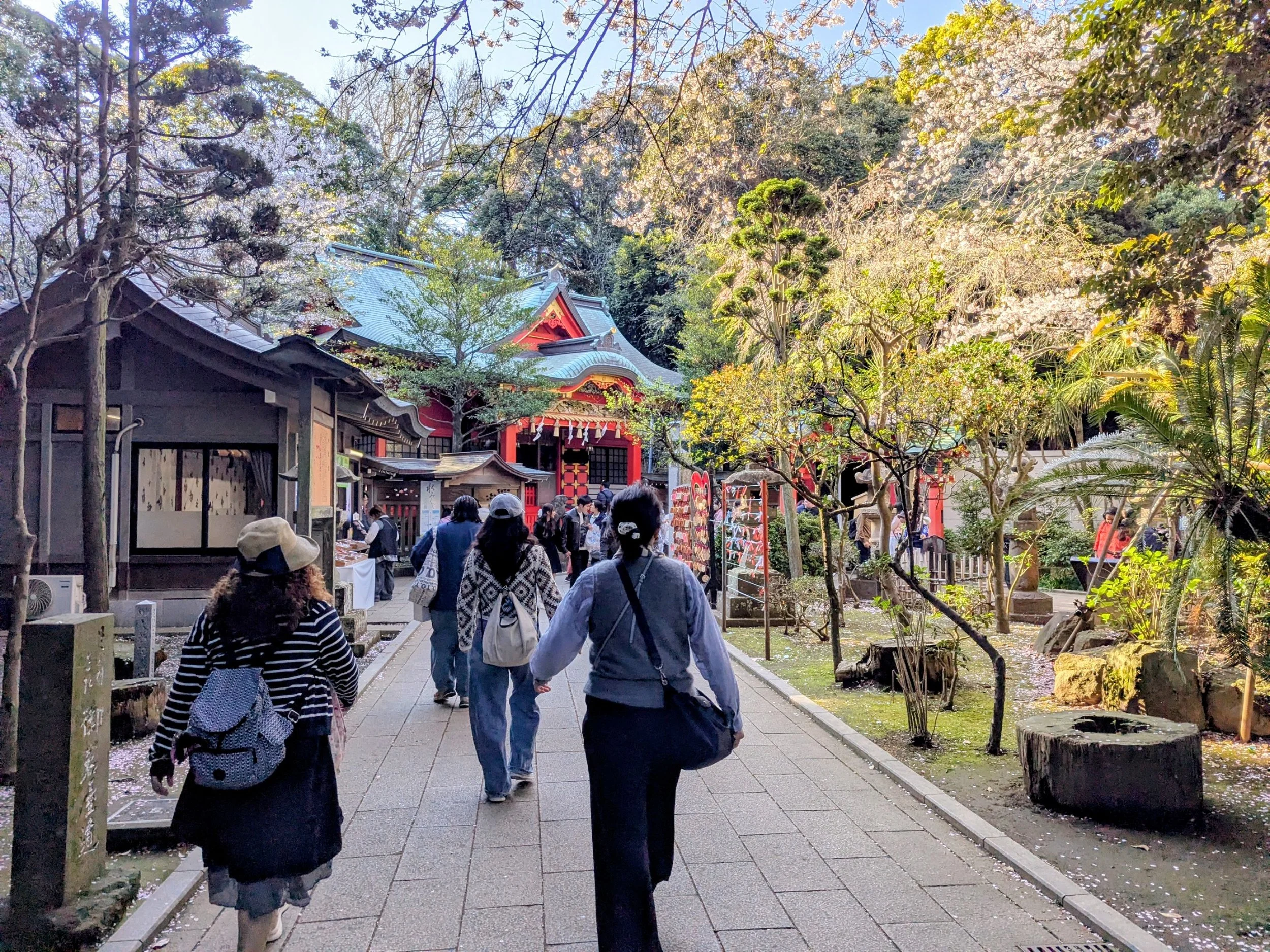
The famous ocean train we took running between Enoshima and Kamakura made famous by the Japanese anime “Slum Dunk”.
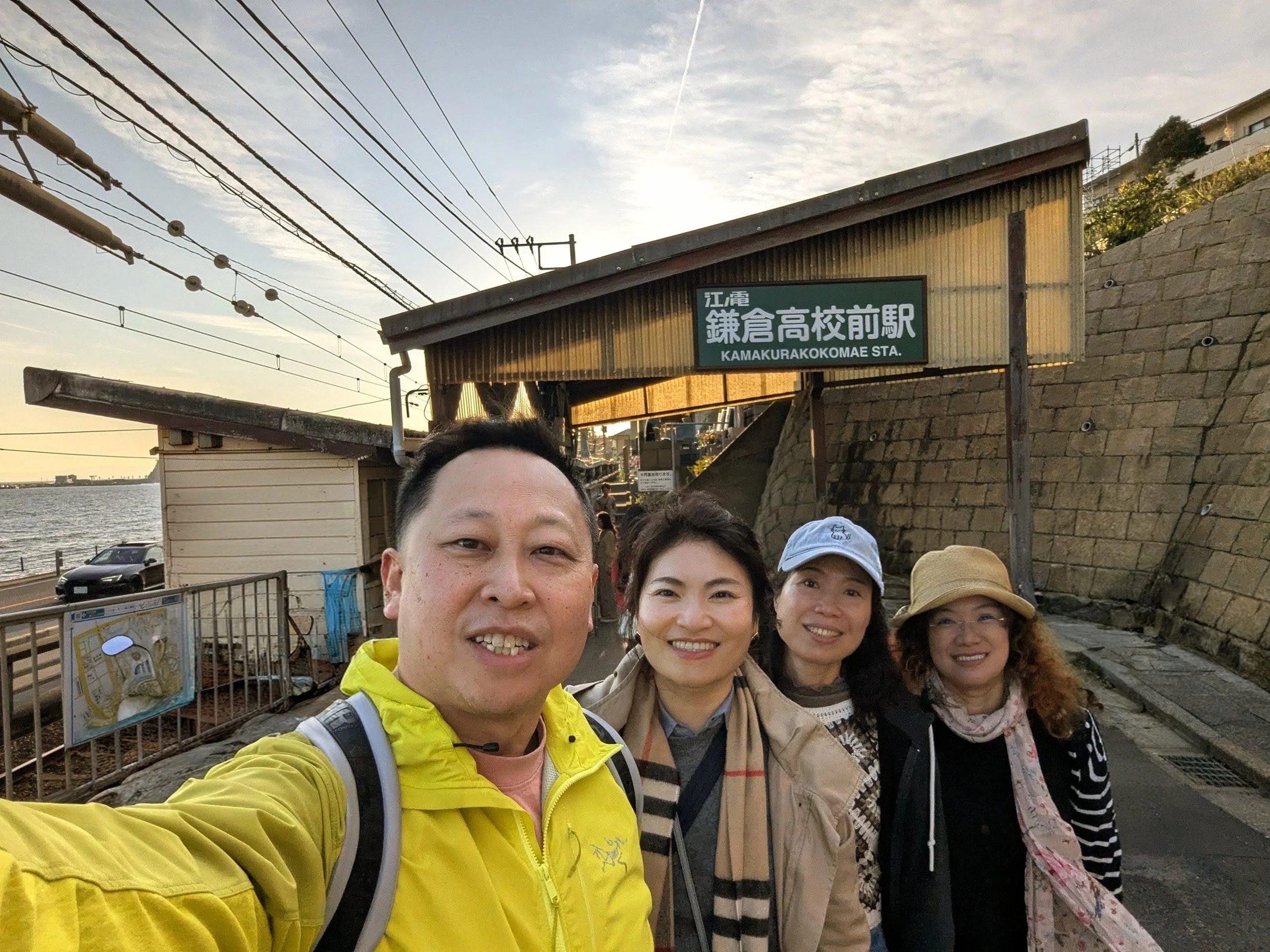
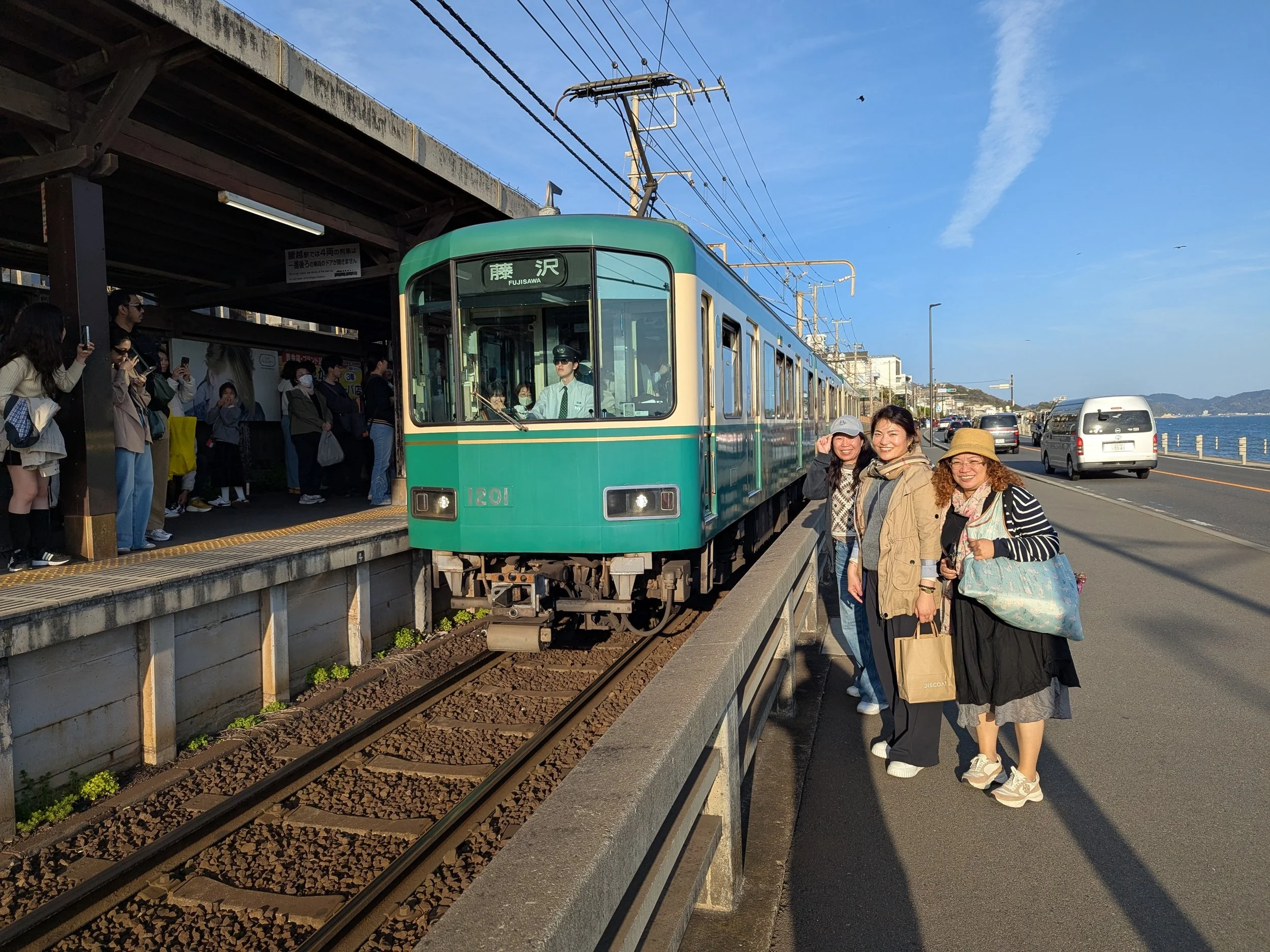
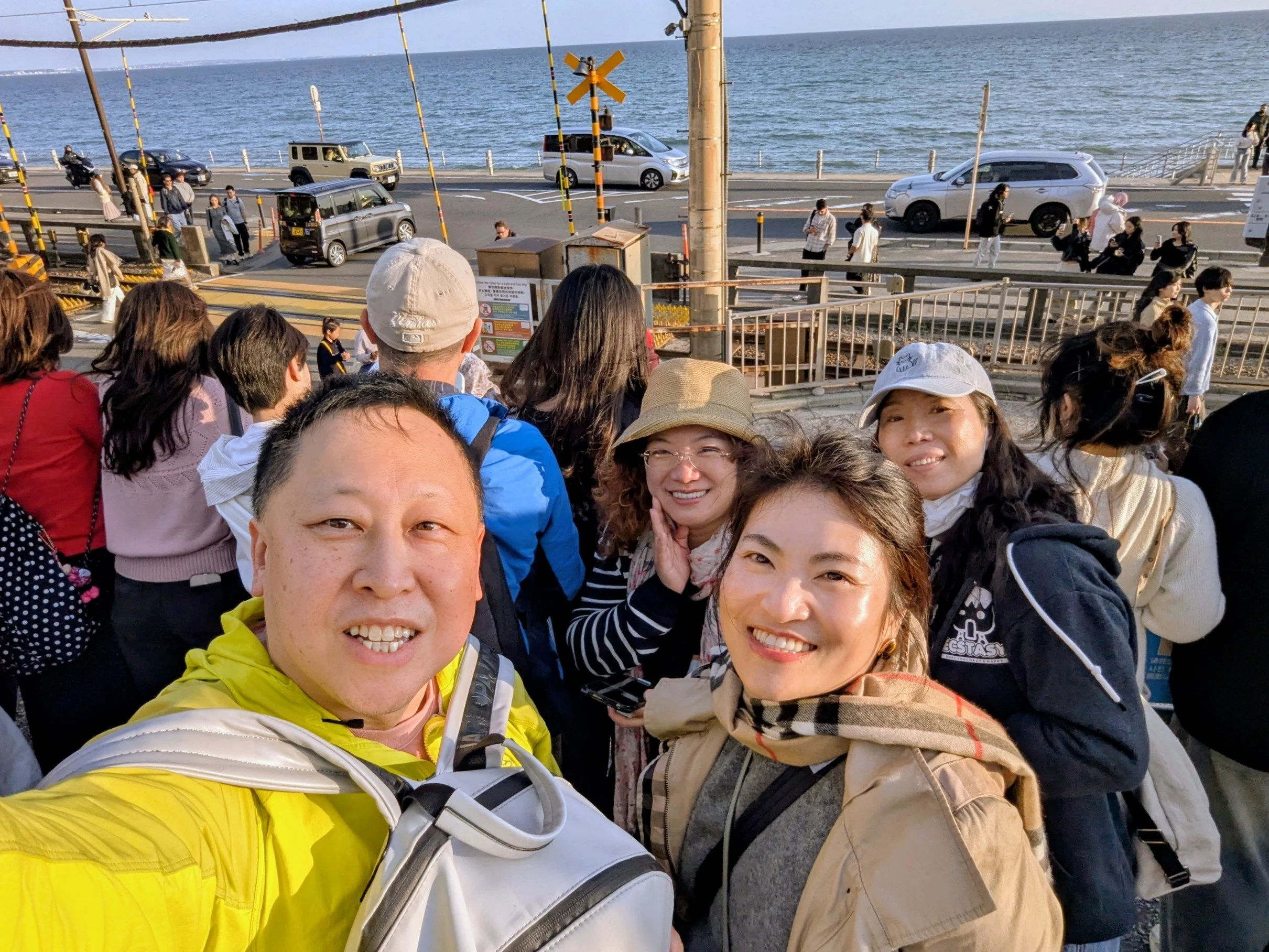
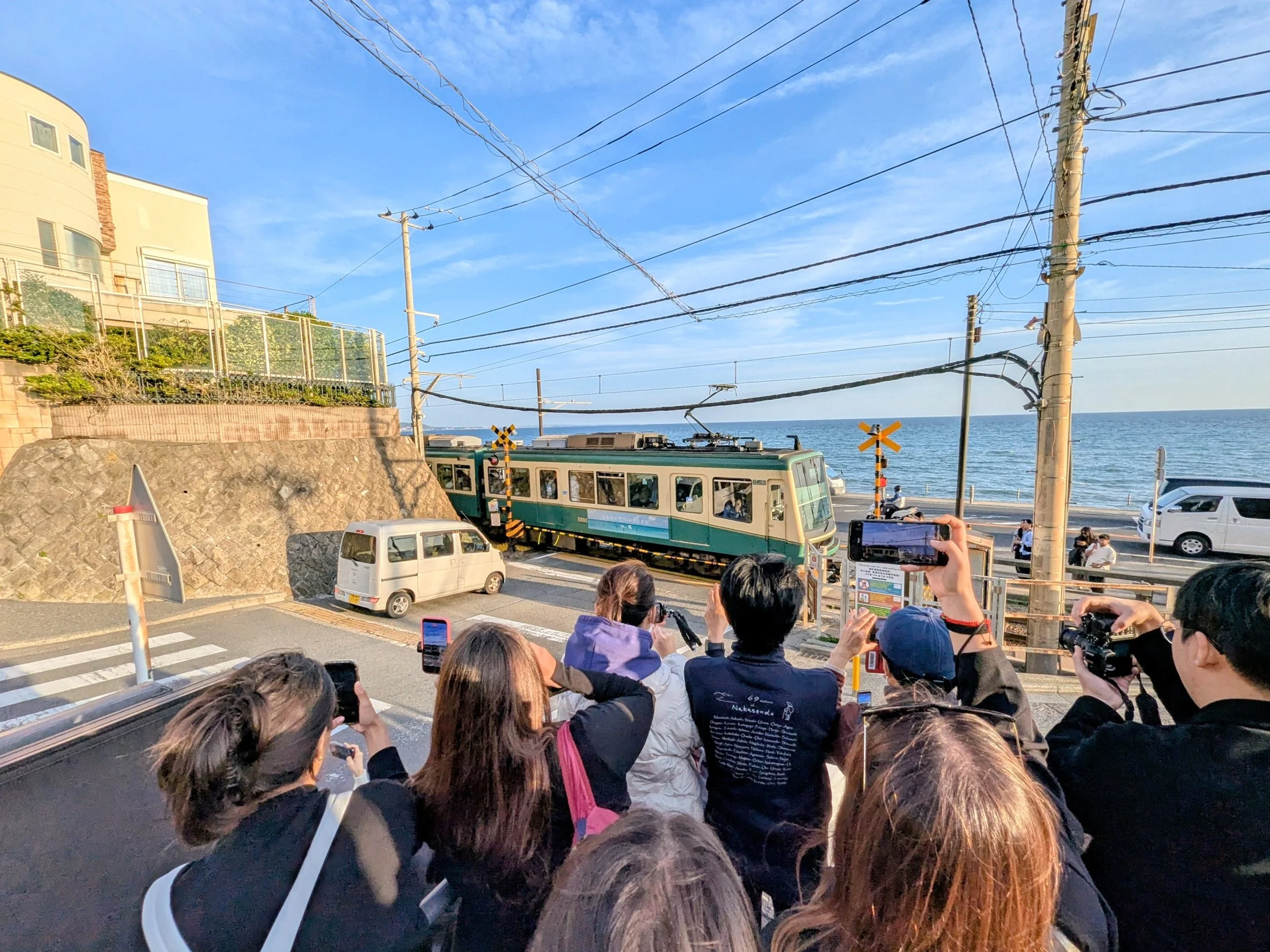
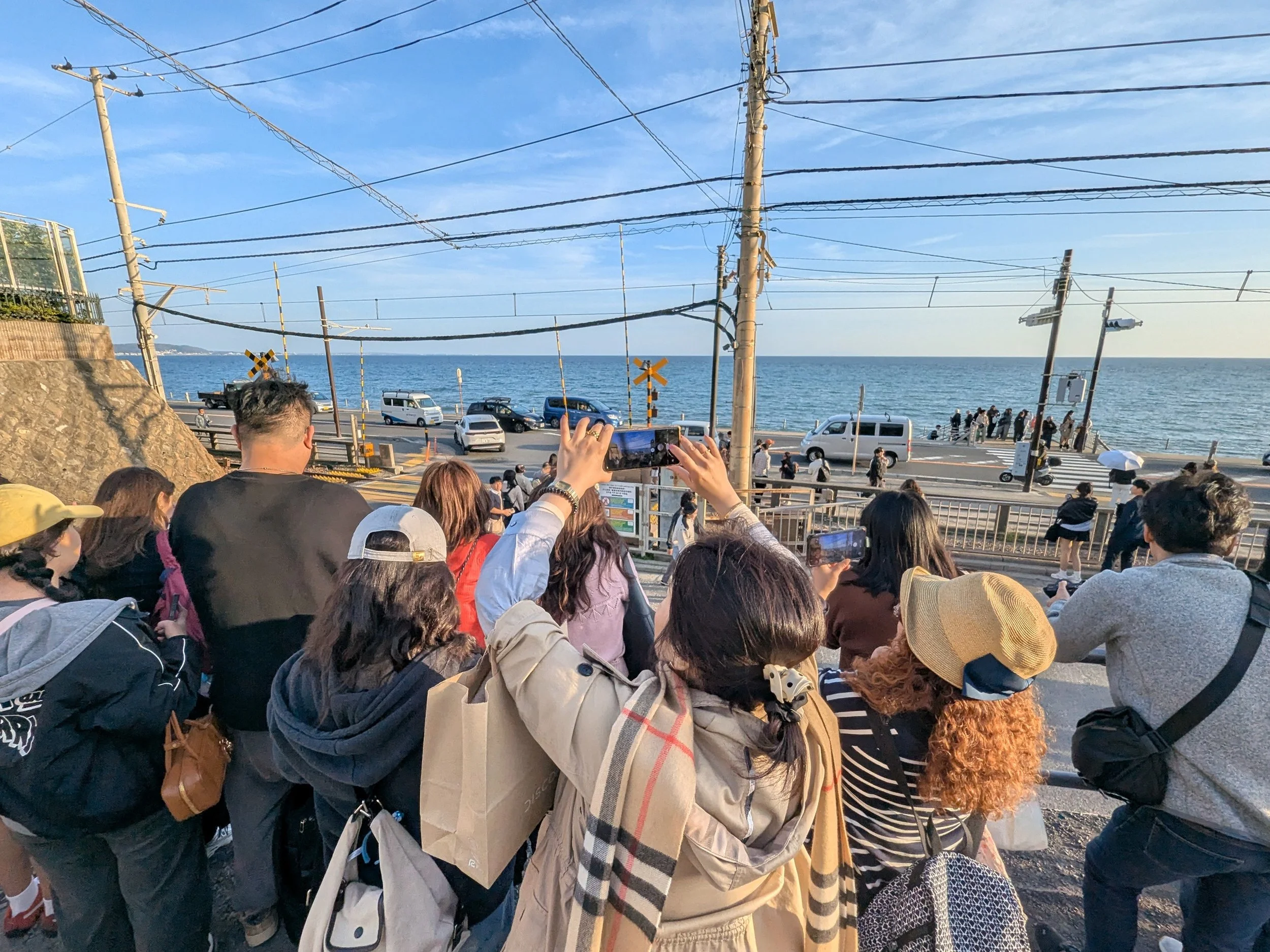
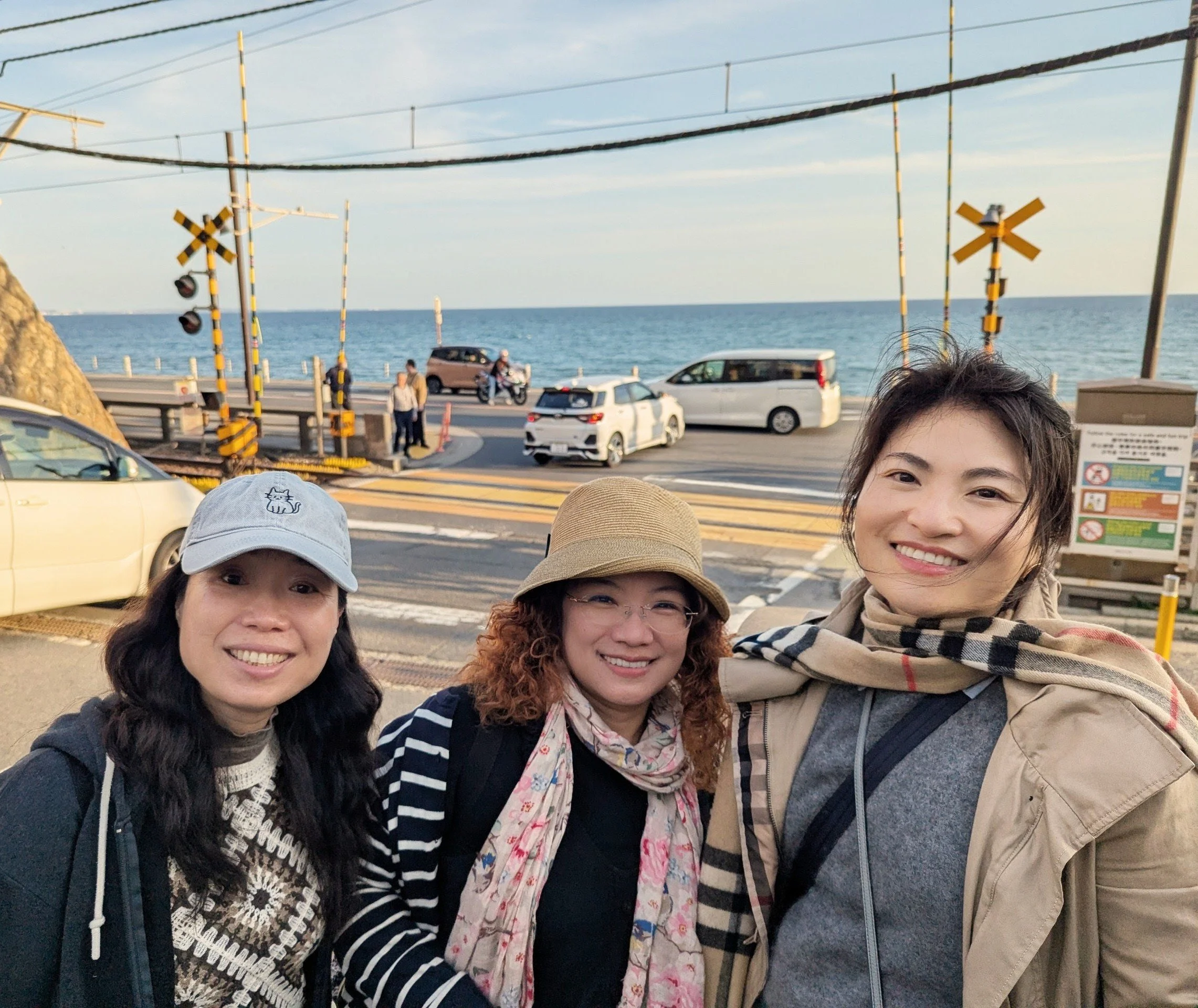
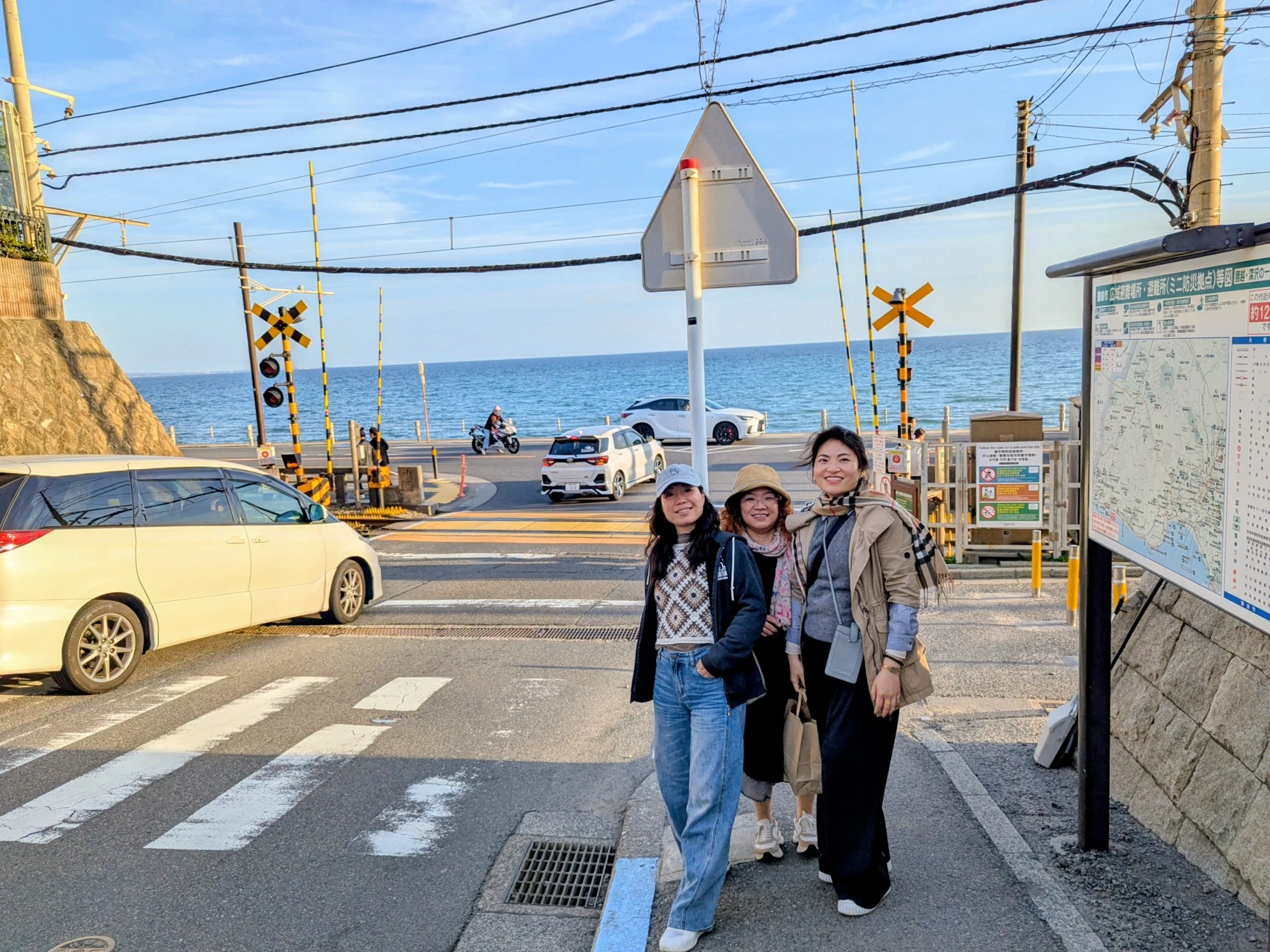
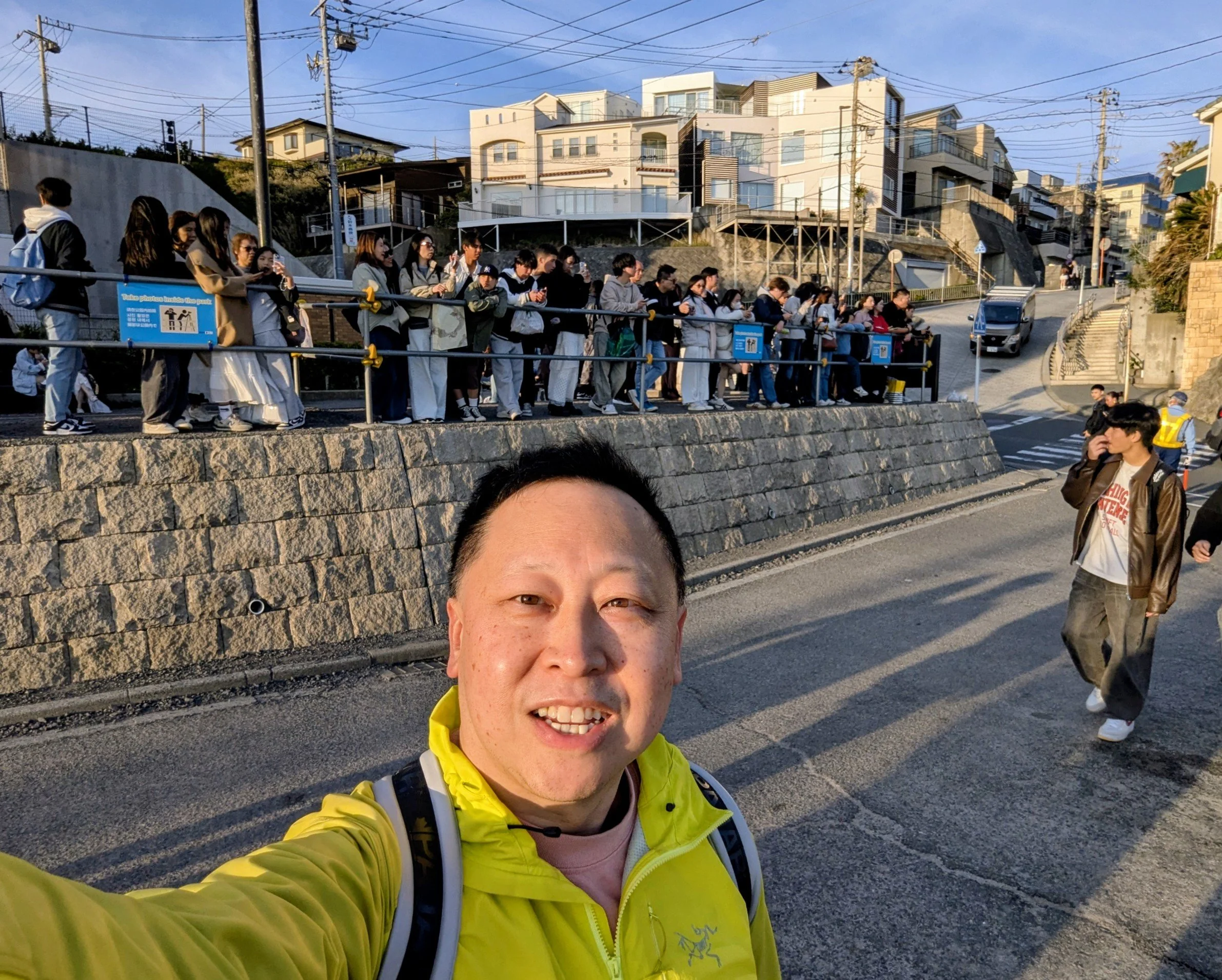
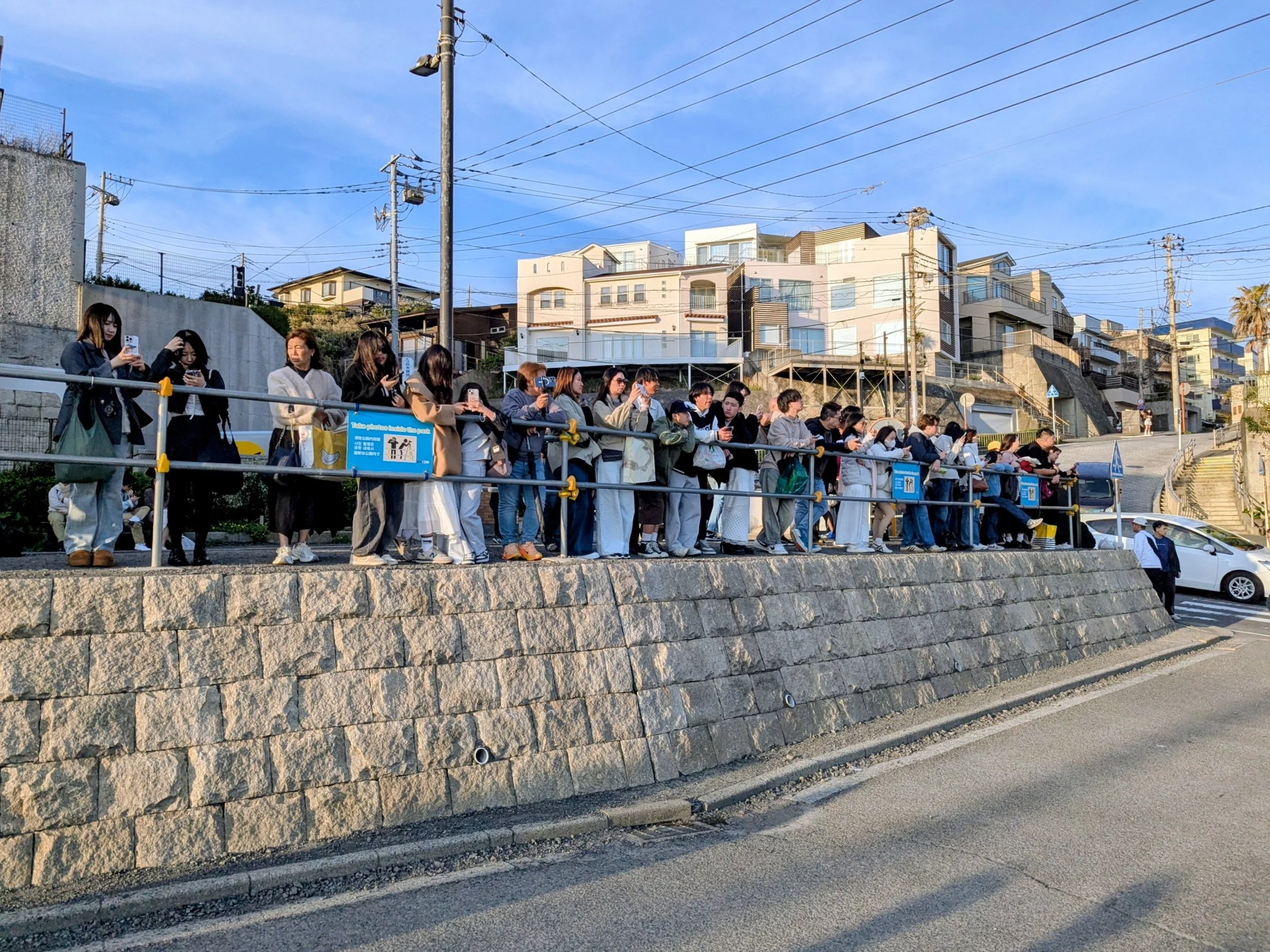
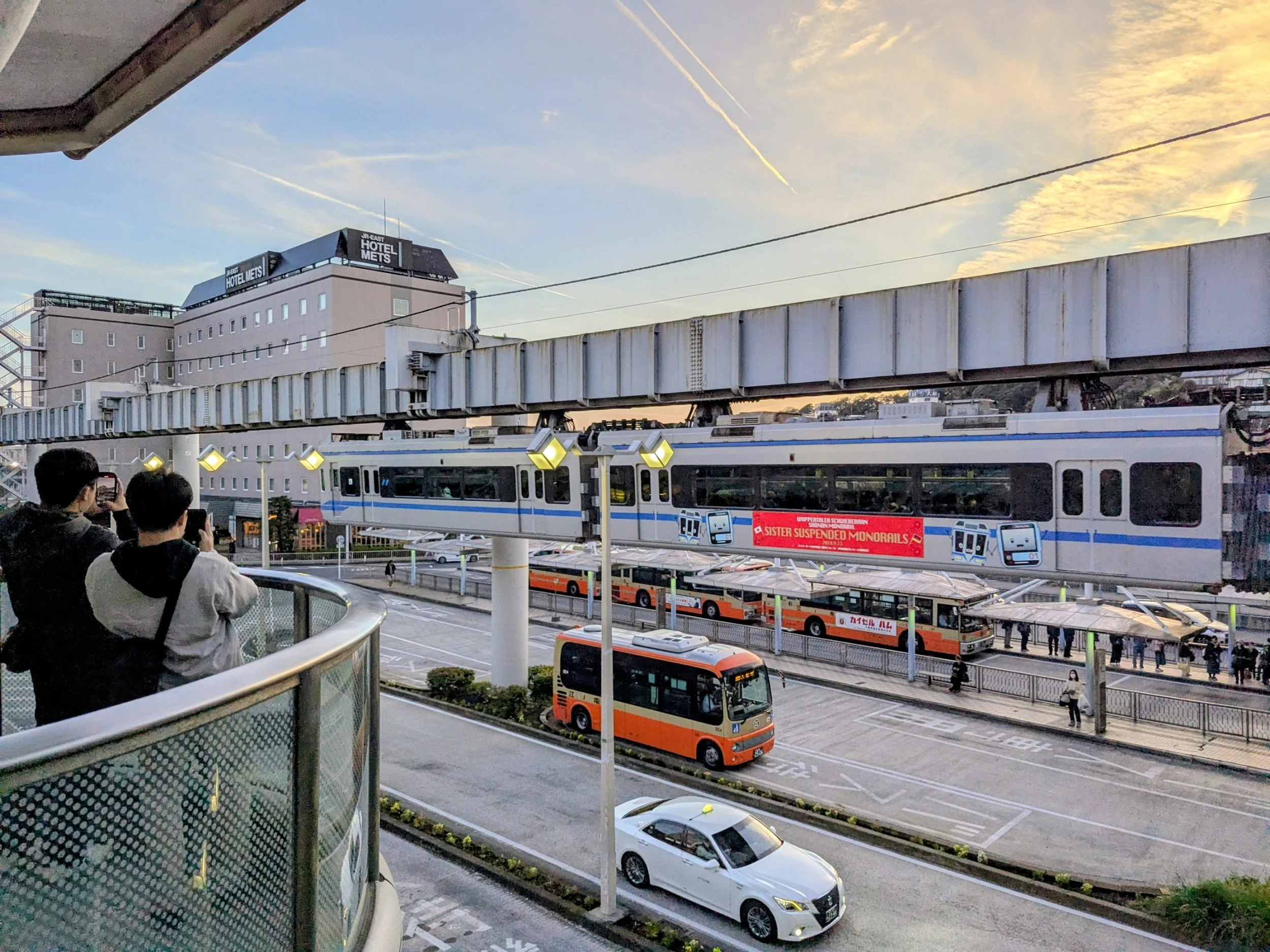
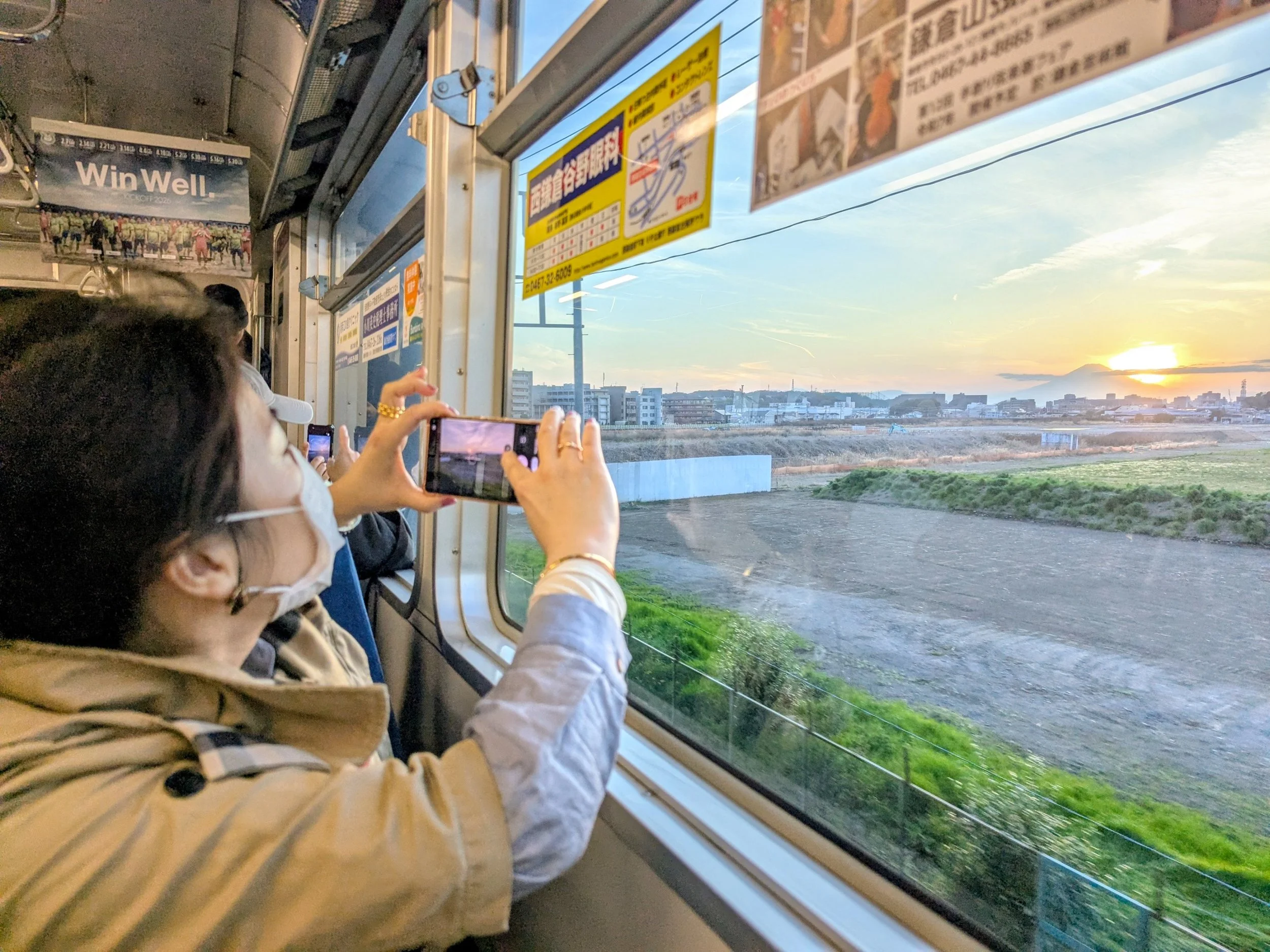
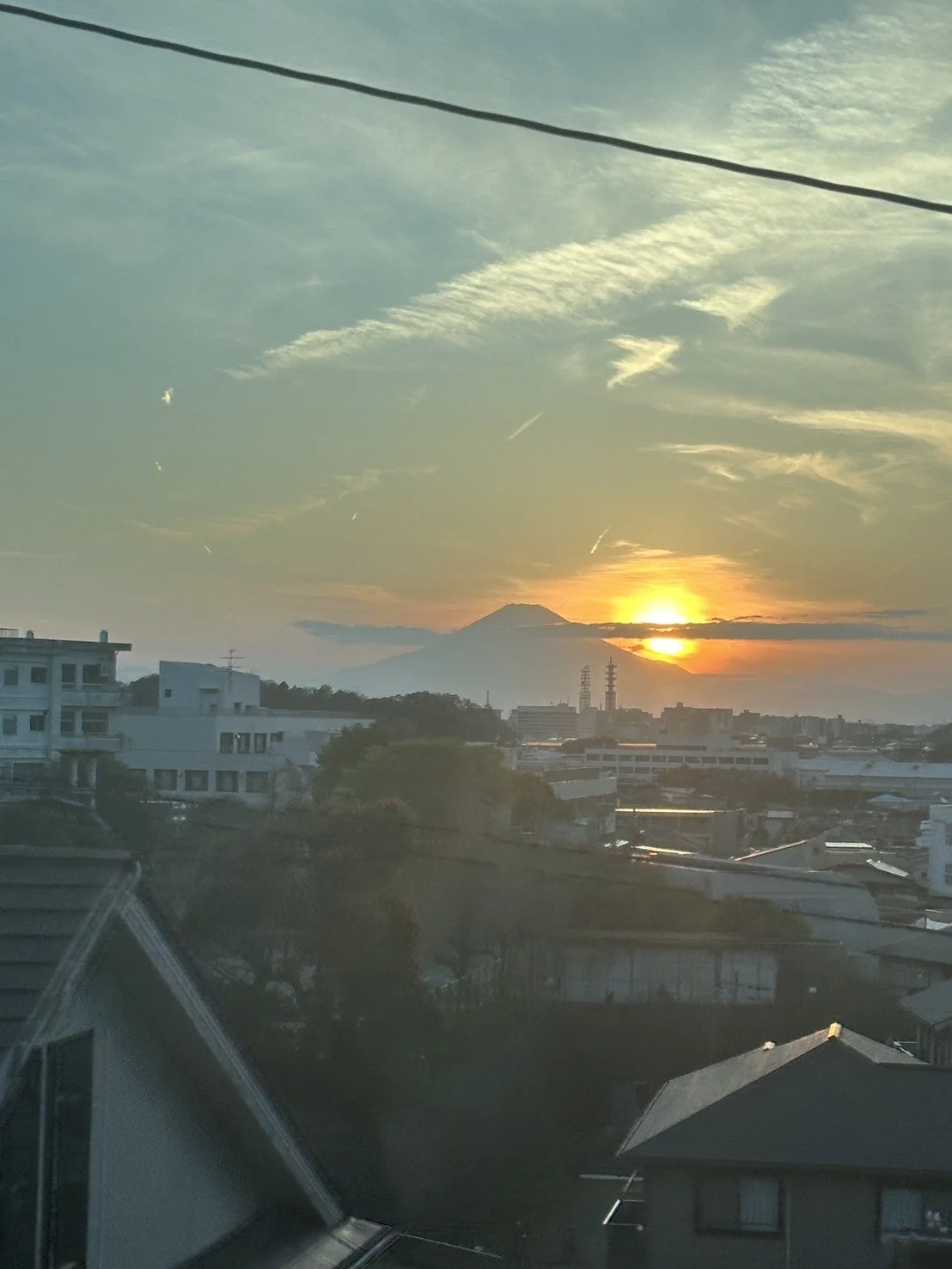
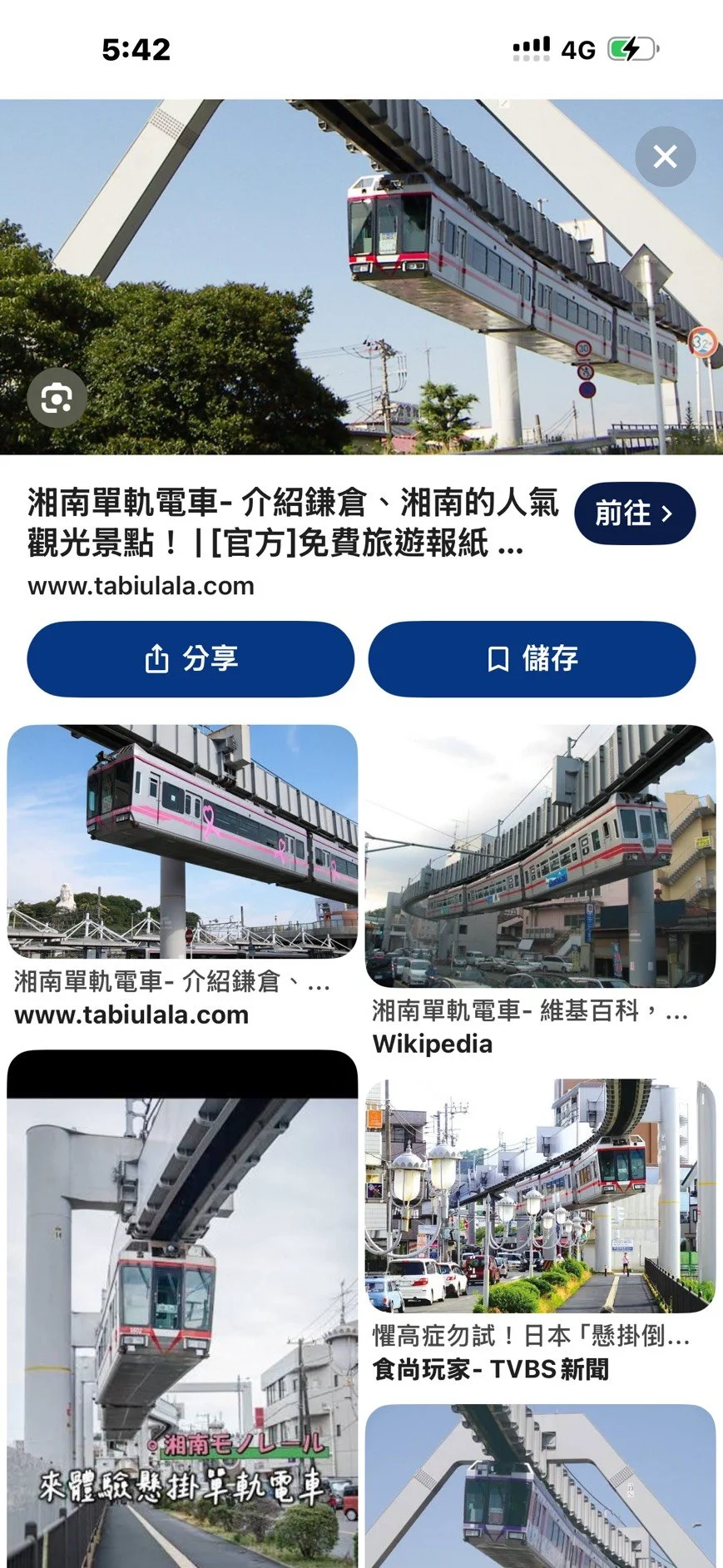
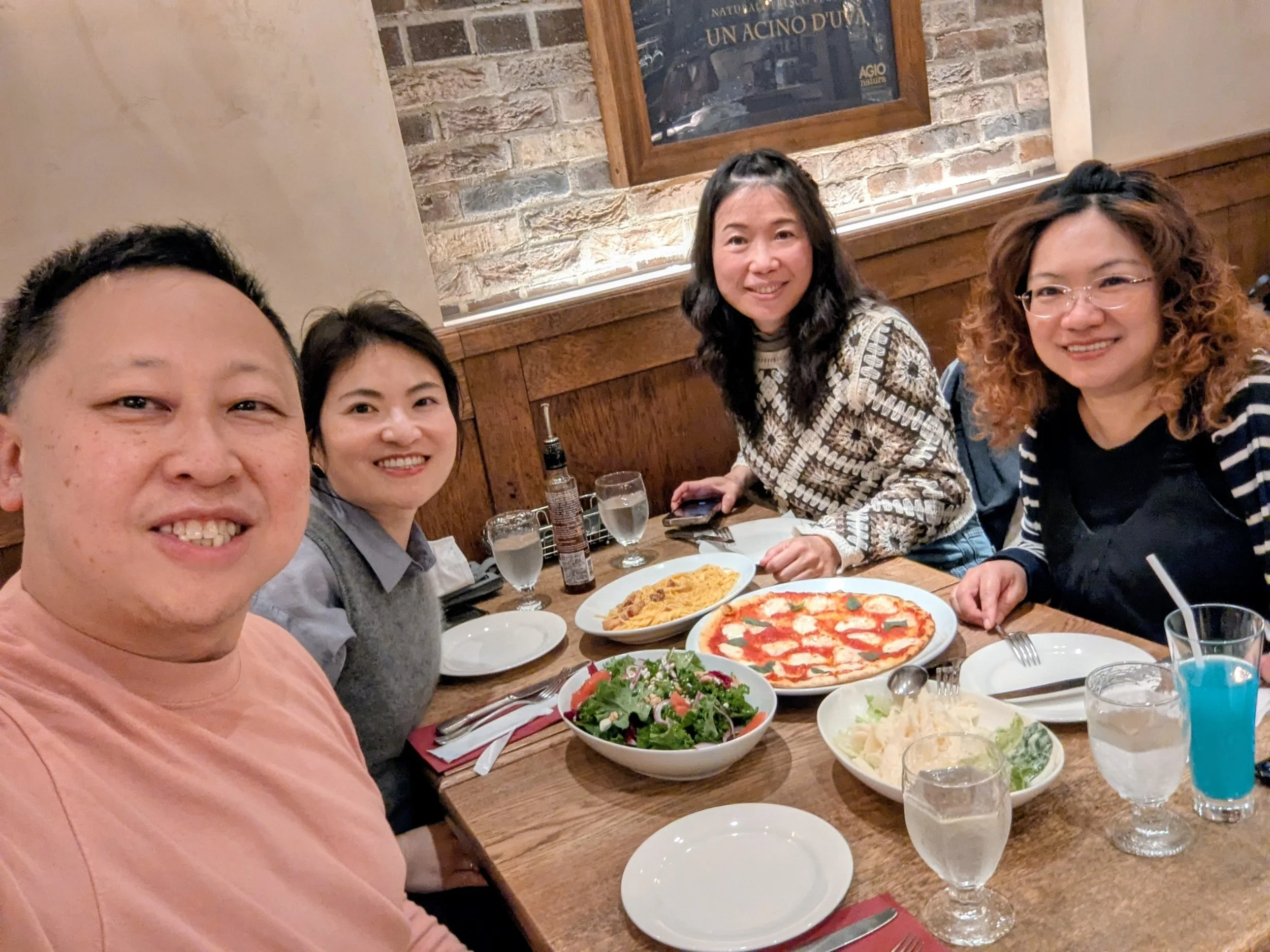
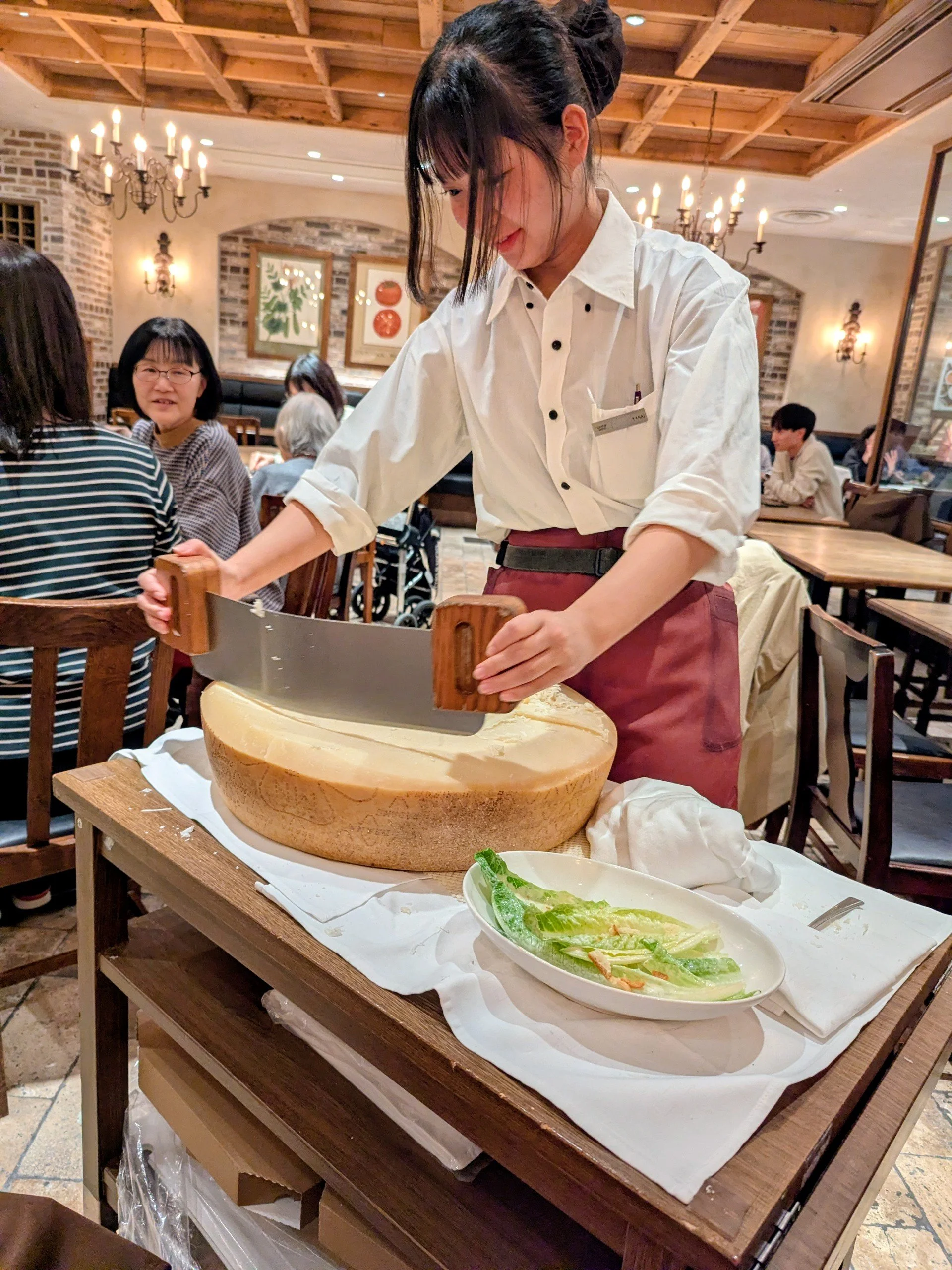
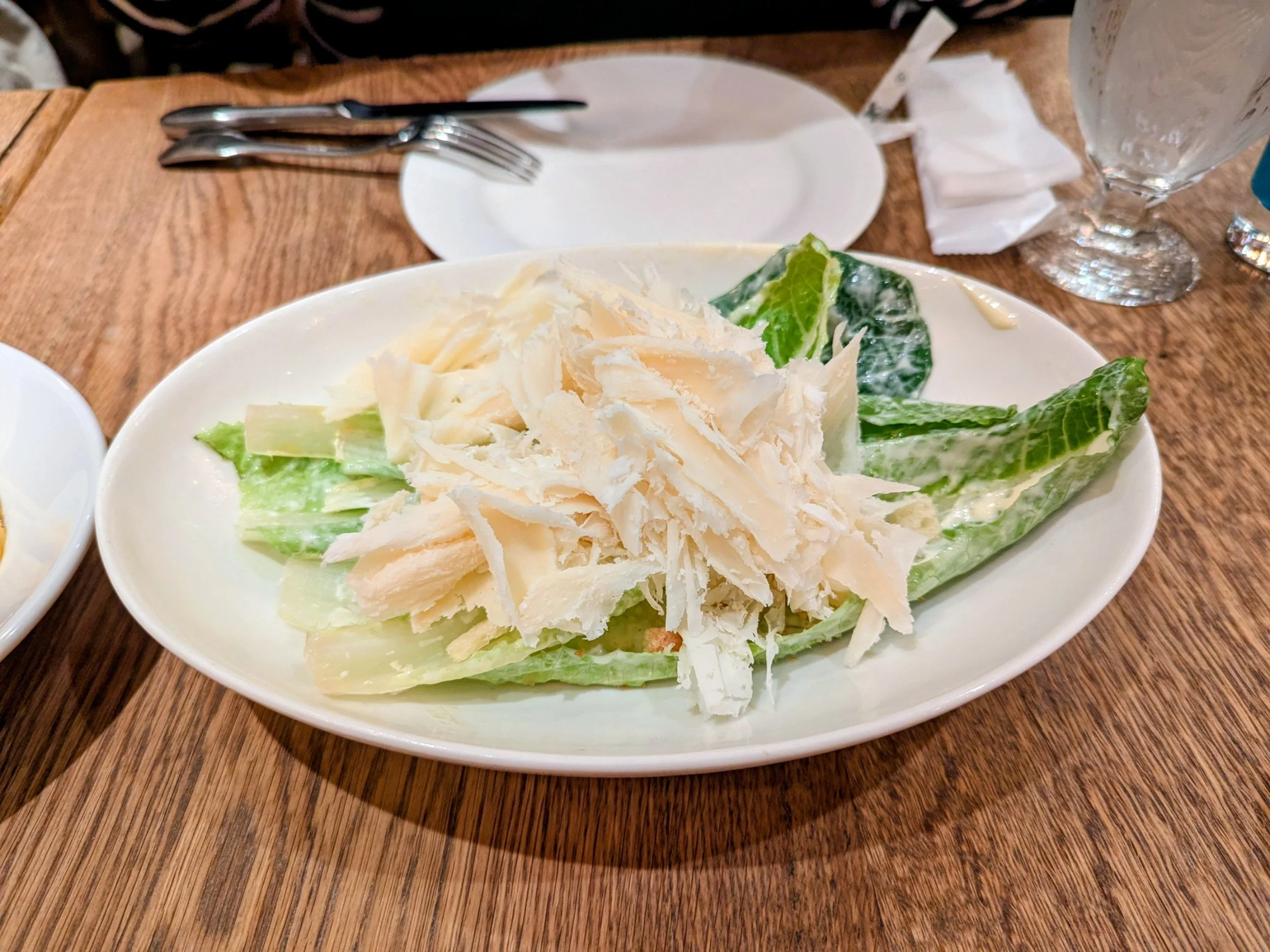
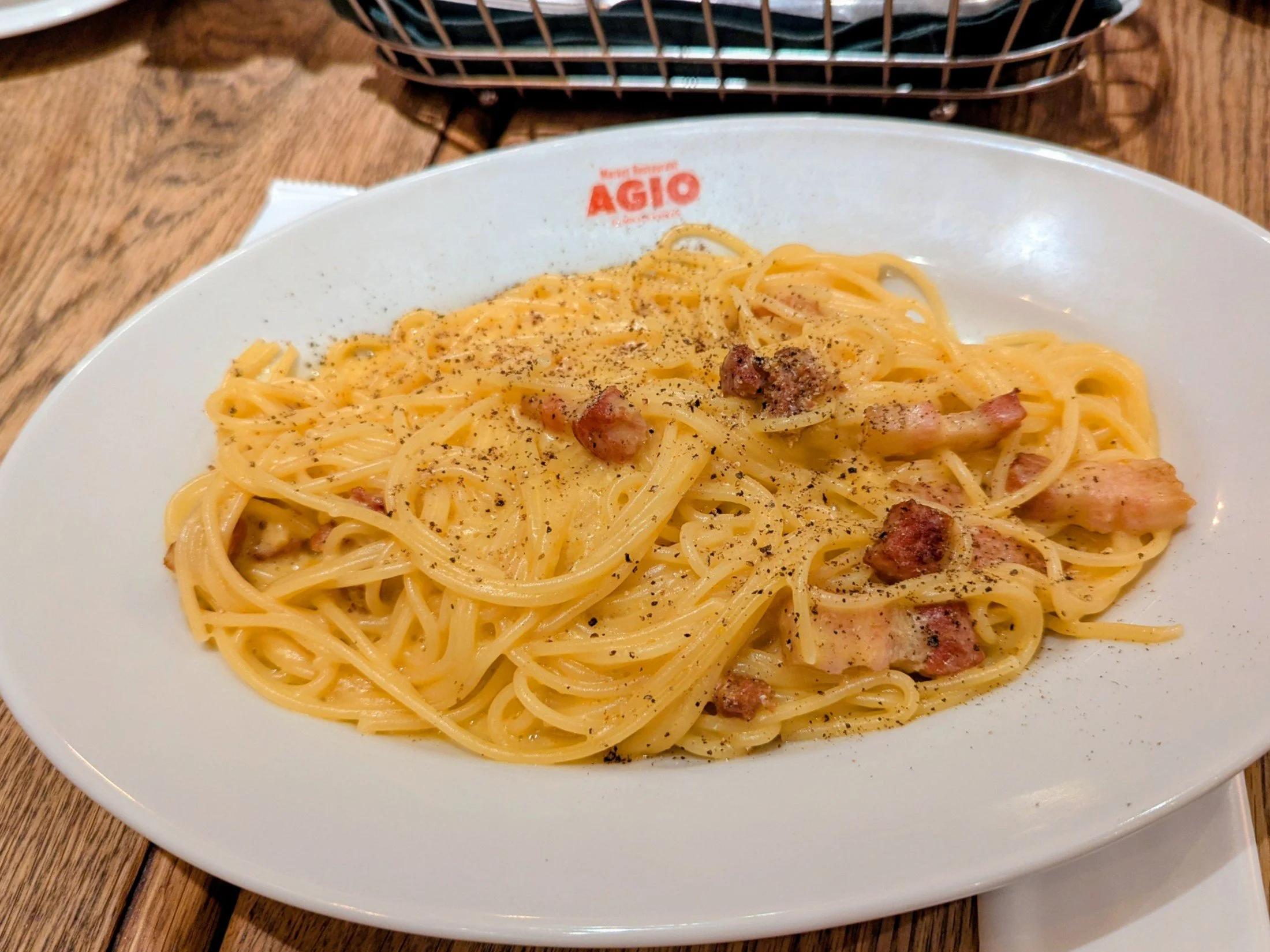
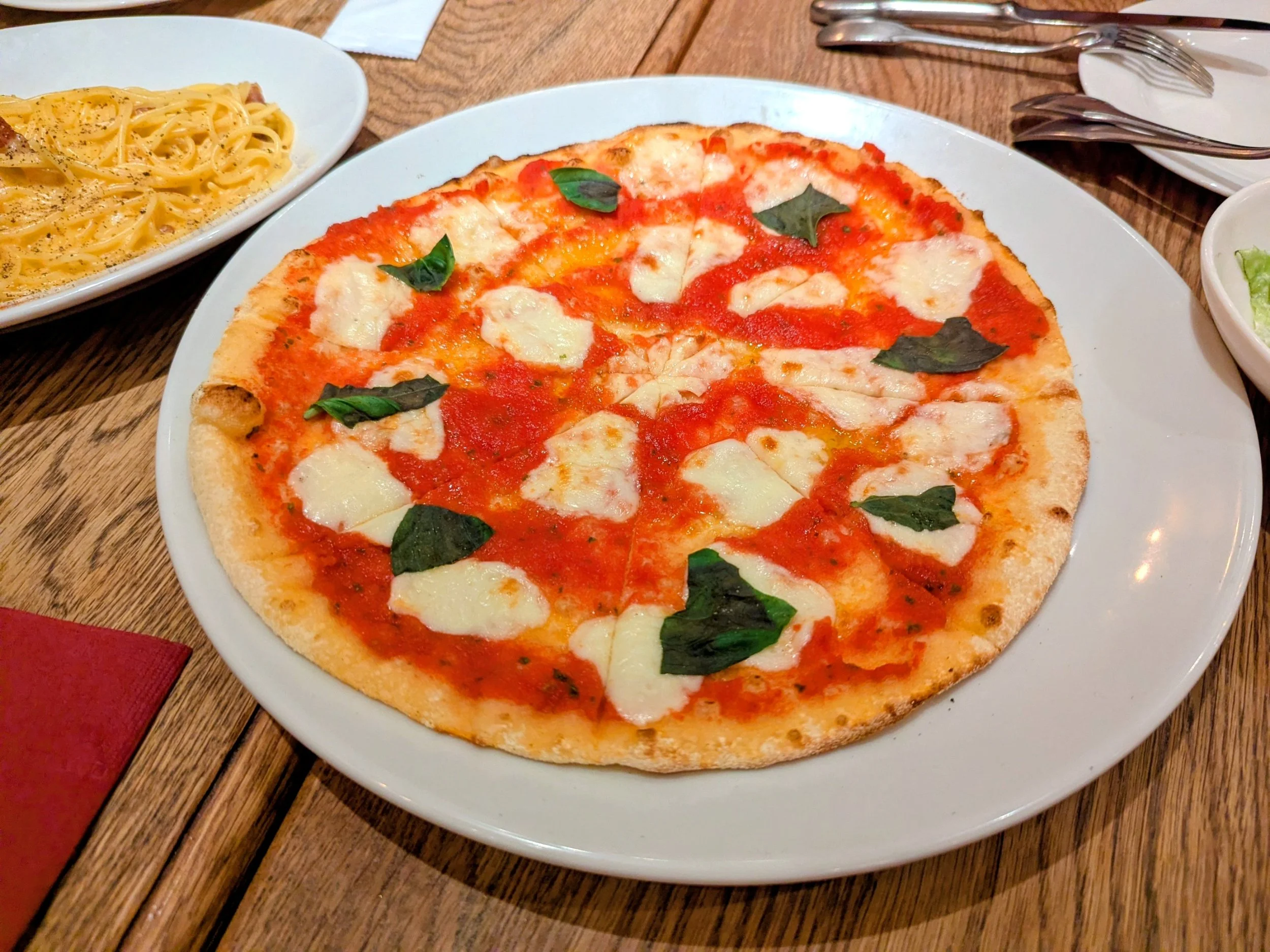
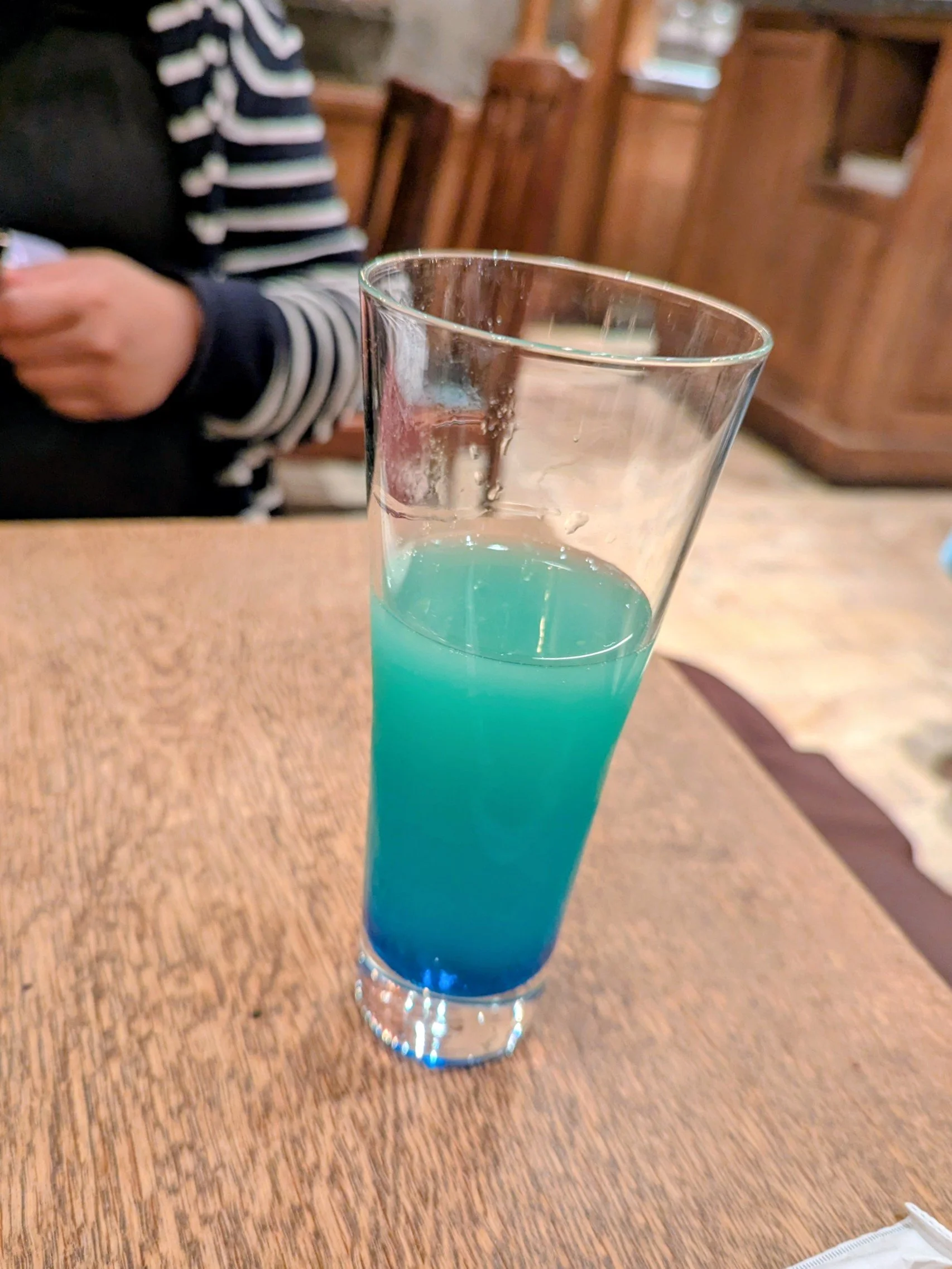
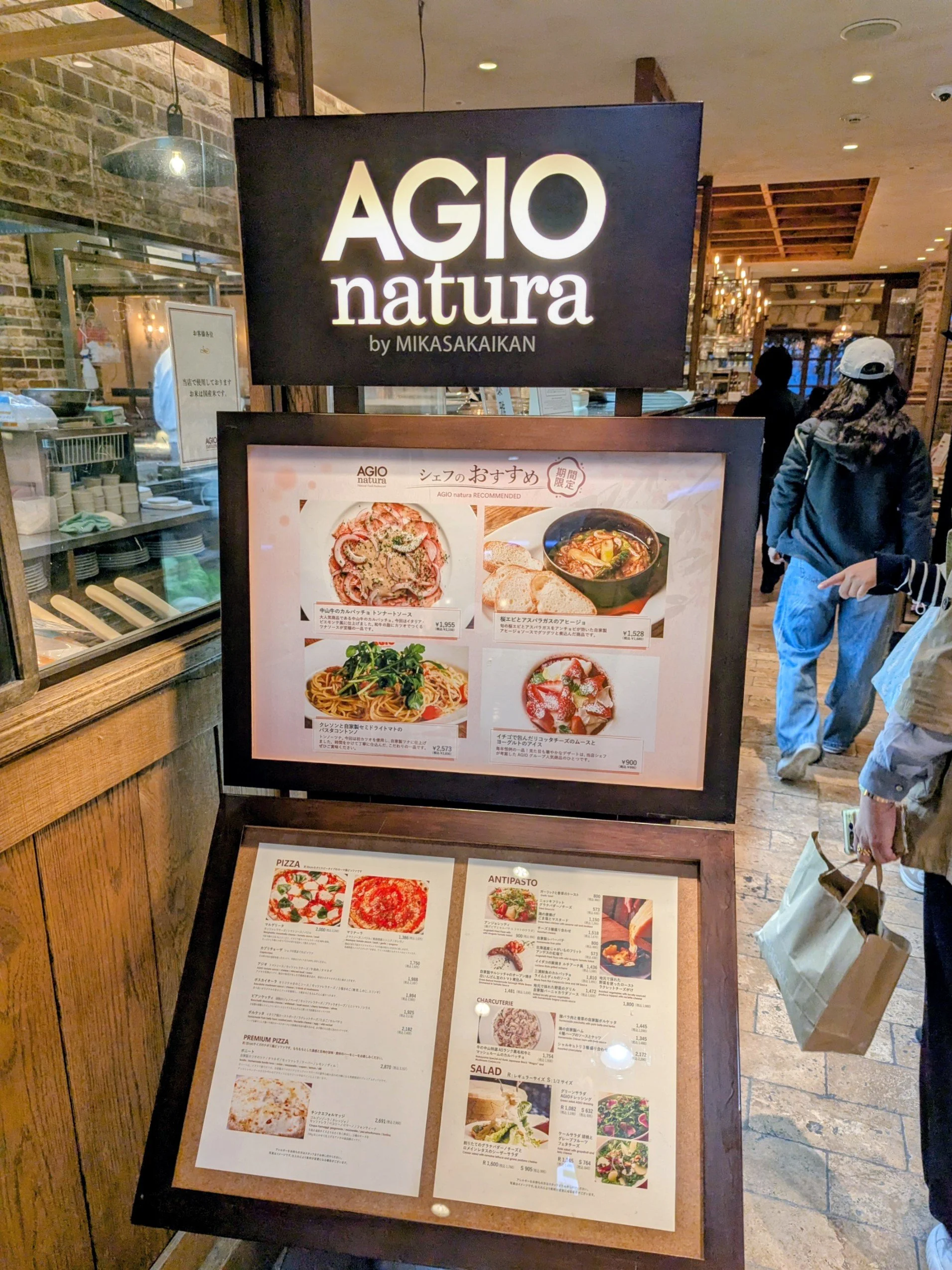
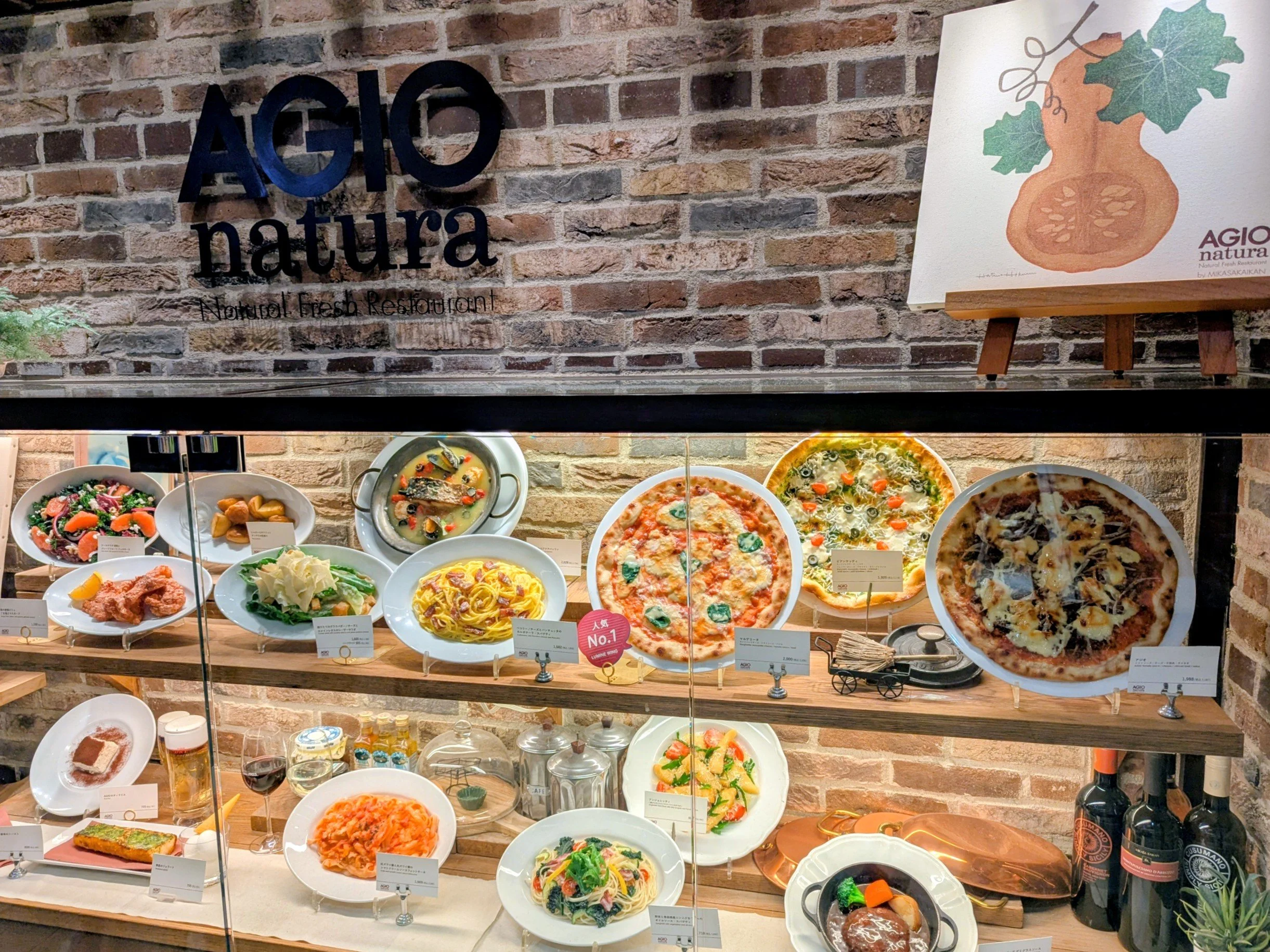
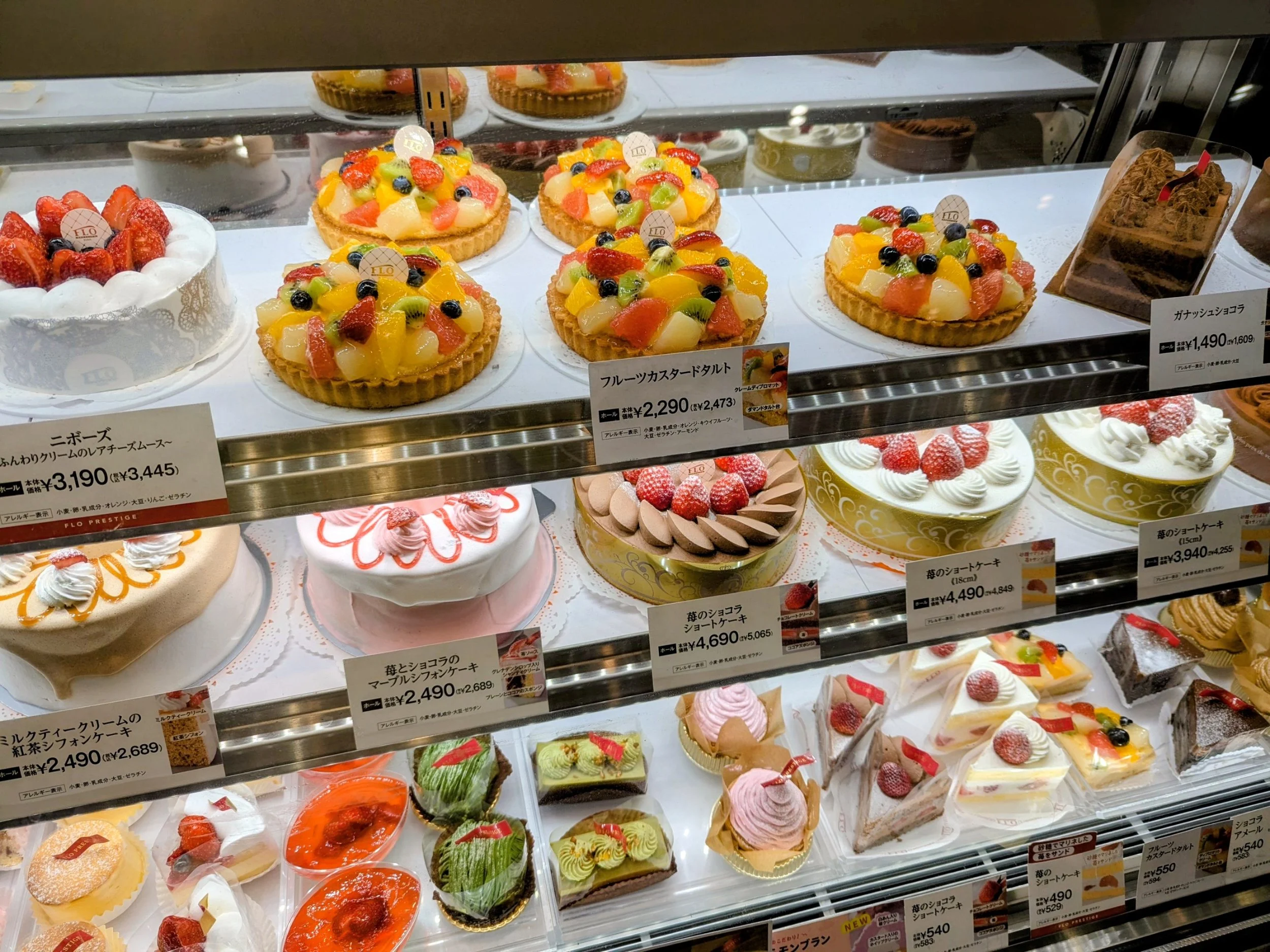
Dinner at the Shonan Monorail station at a restaurant called Agio Natura.
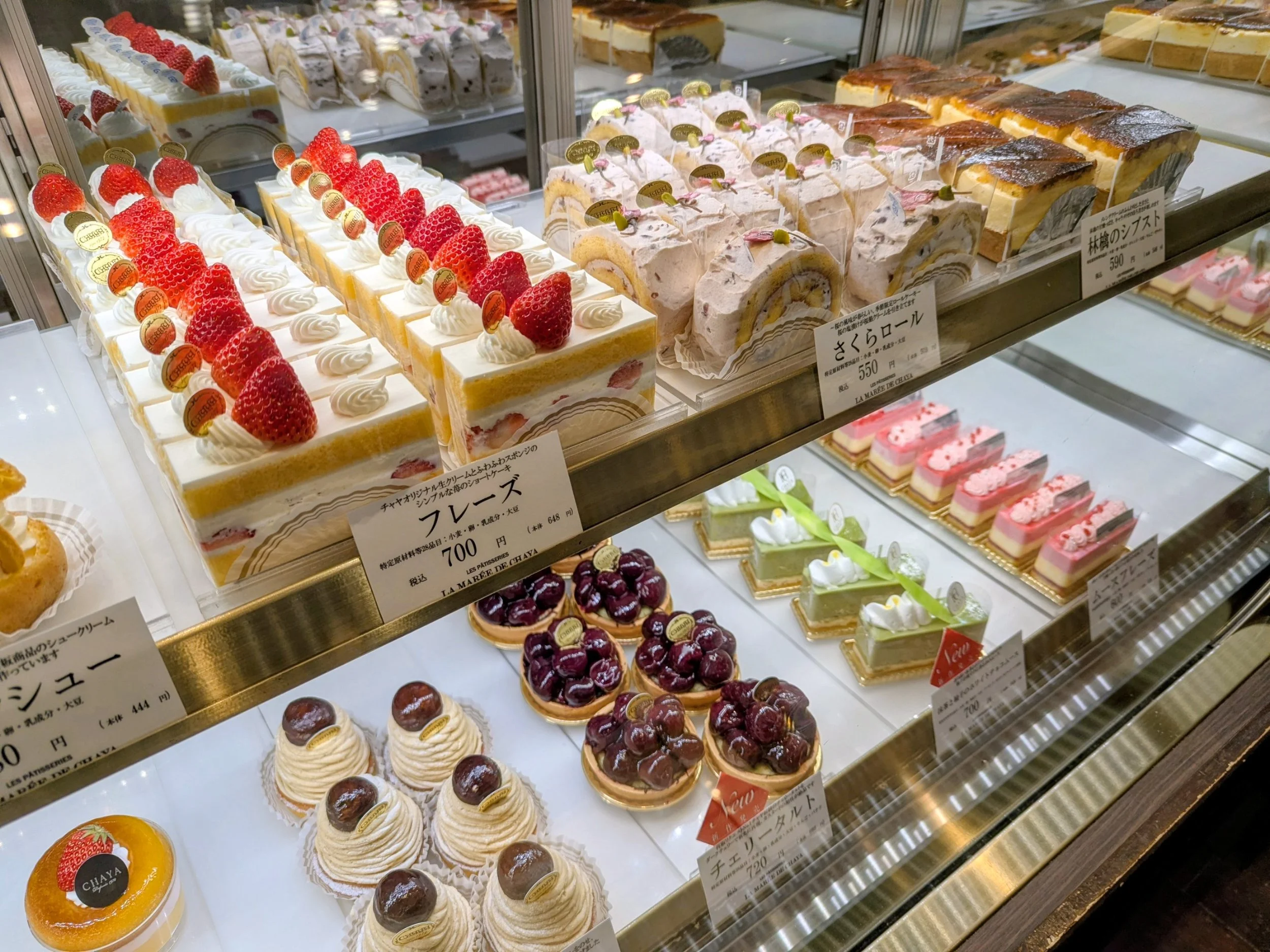
Day 3 - Nakameguro and Meguro River Walk
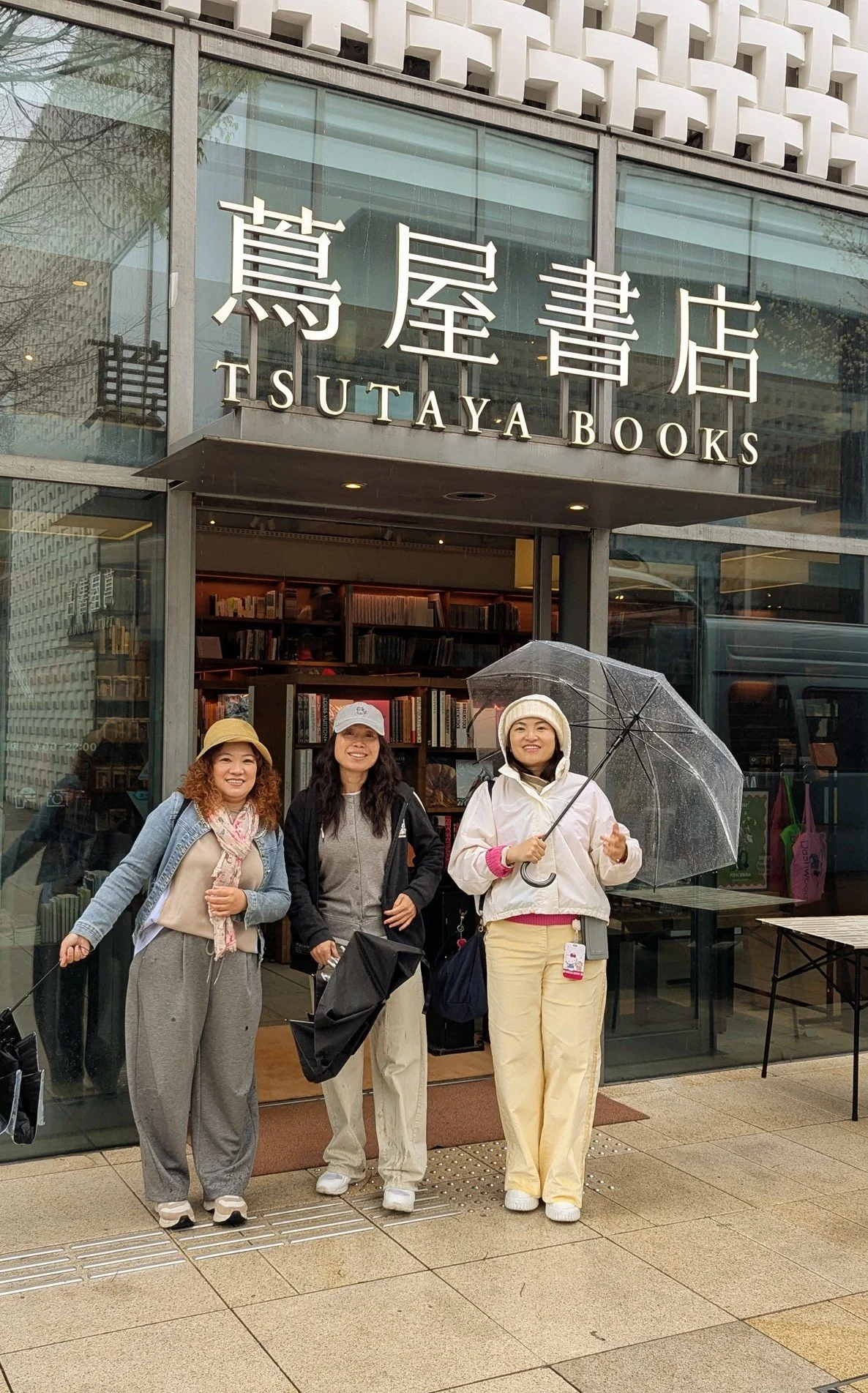
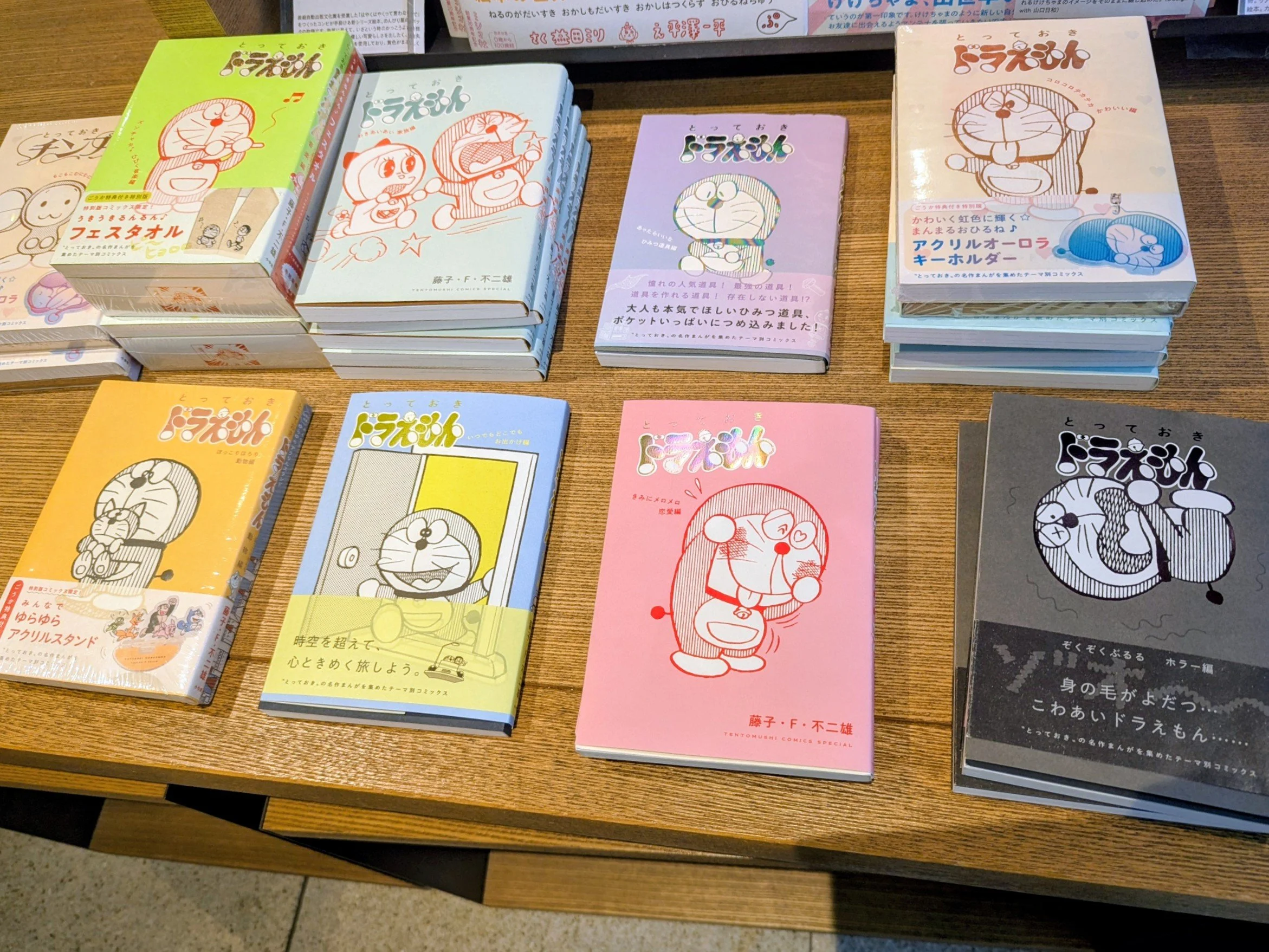
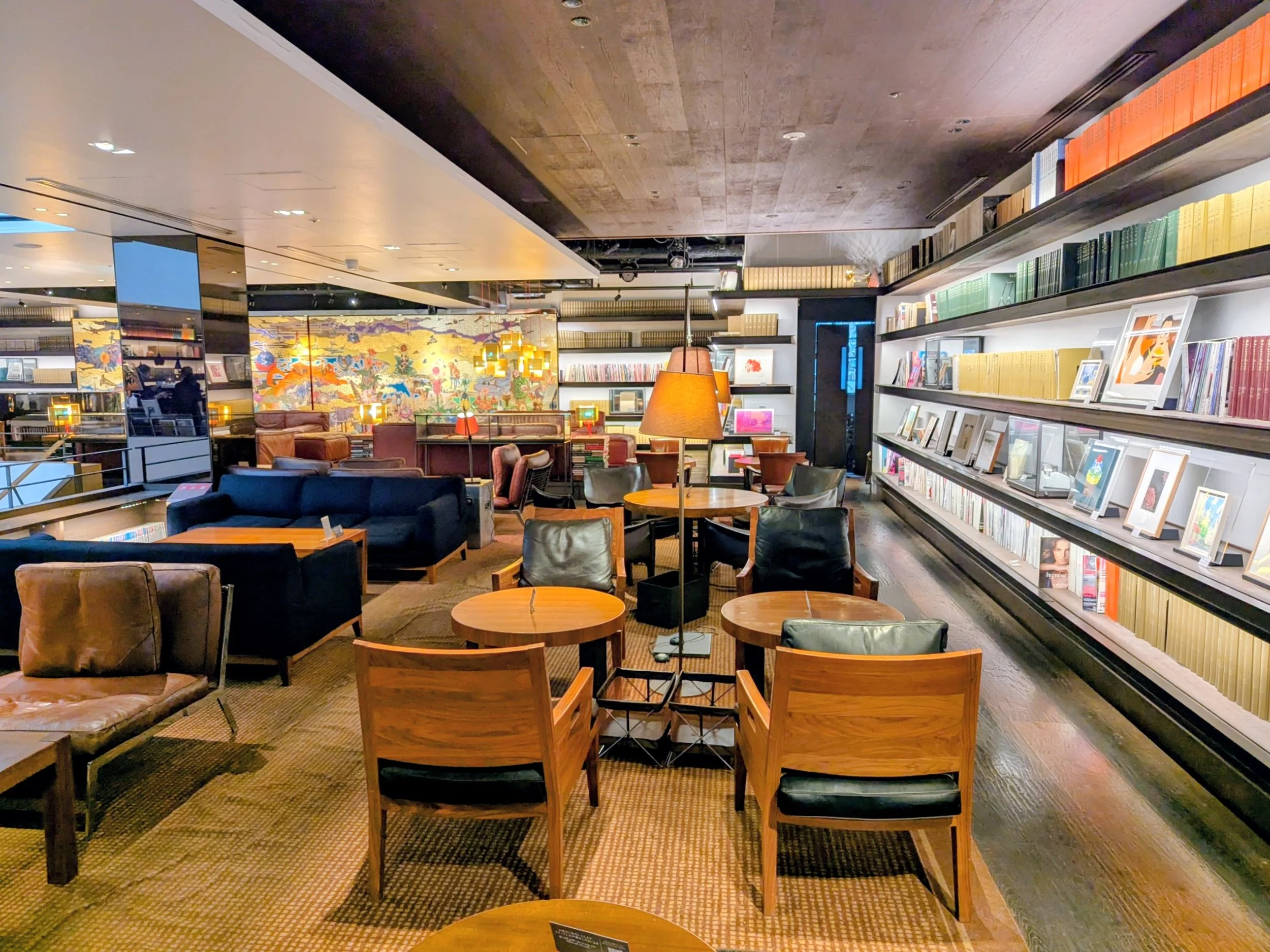
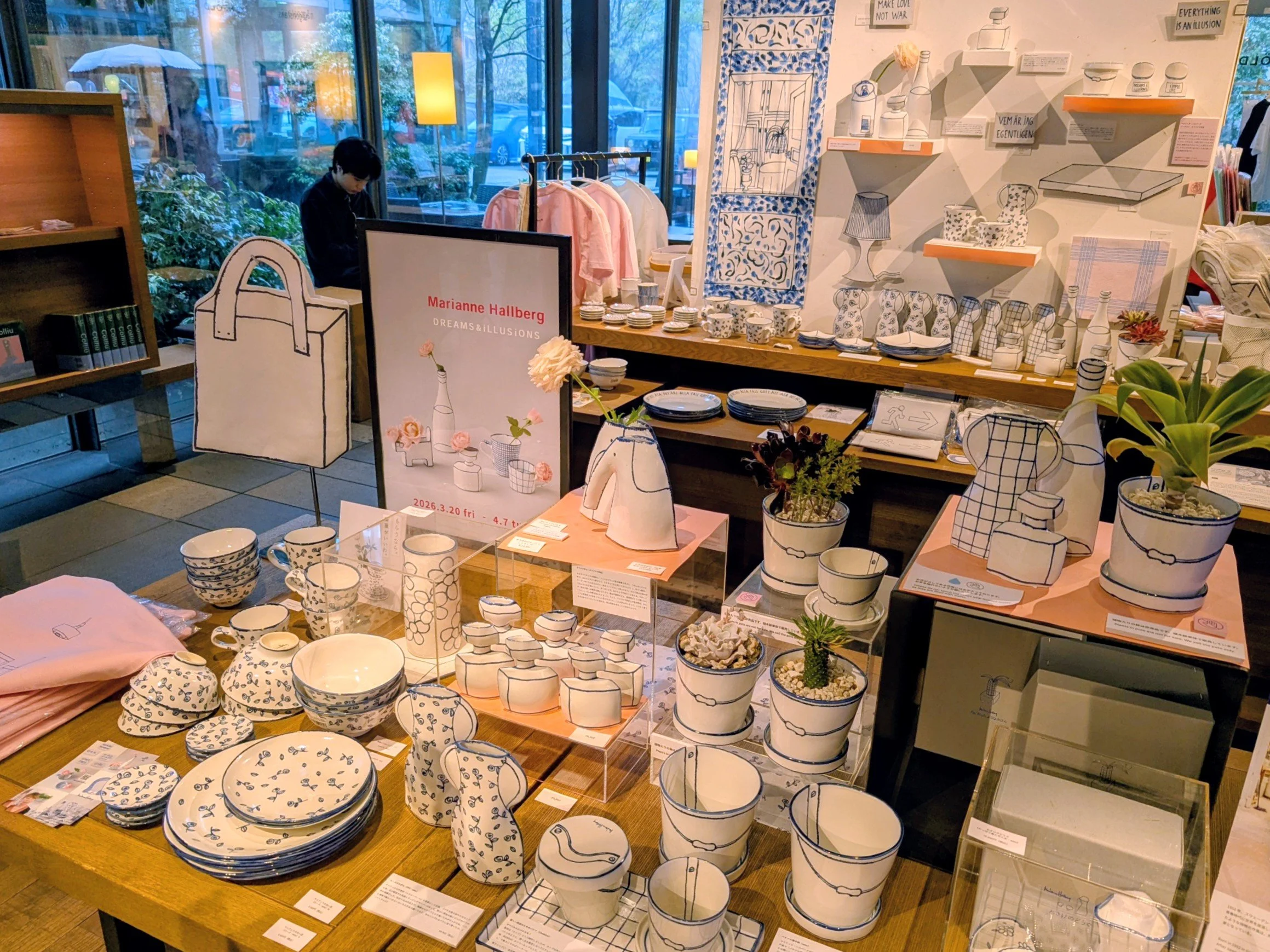
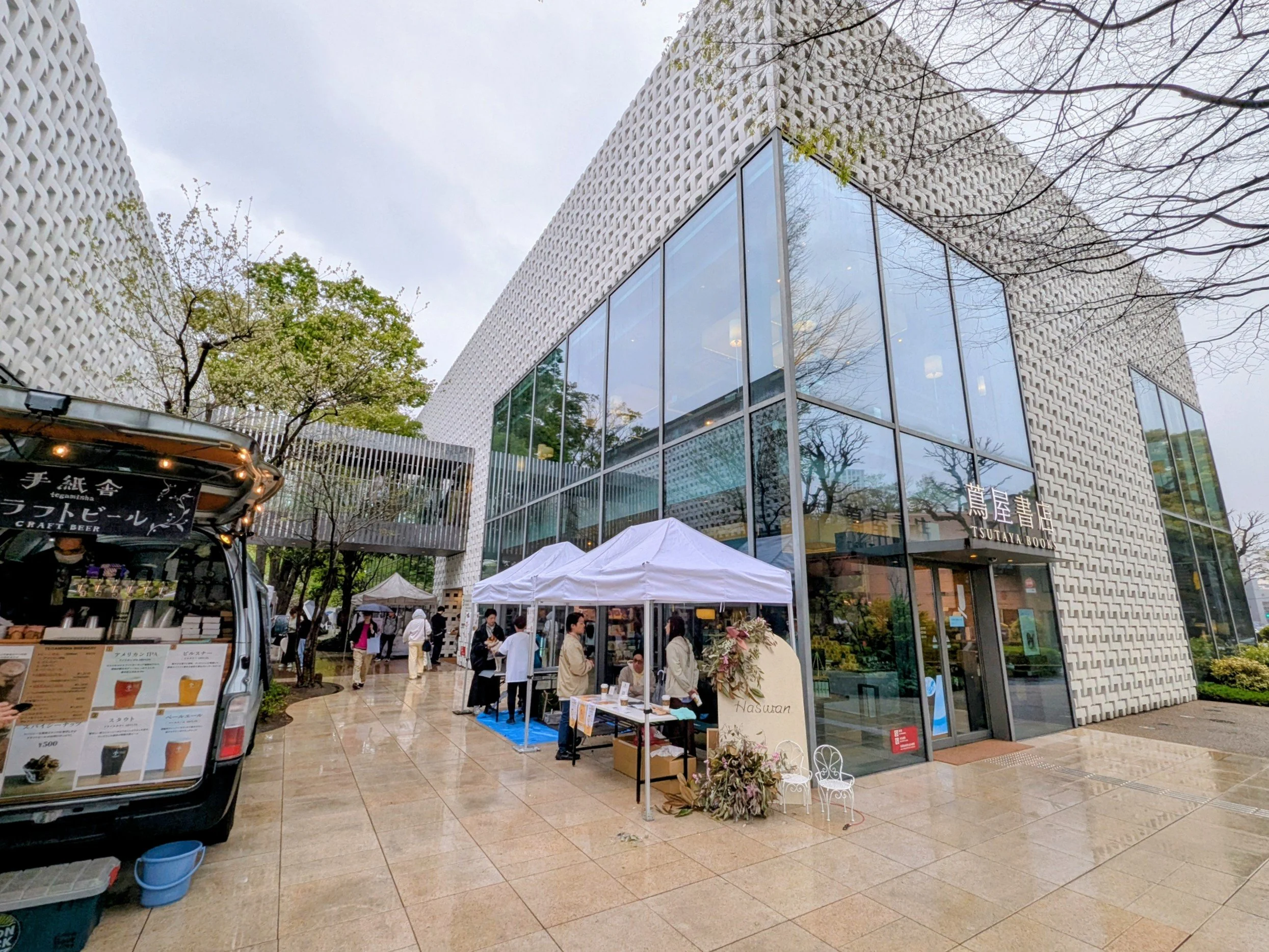
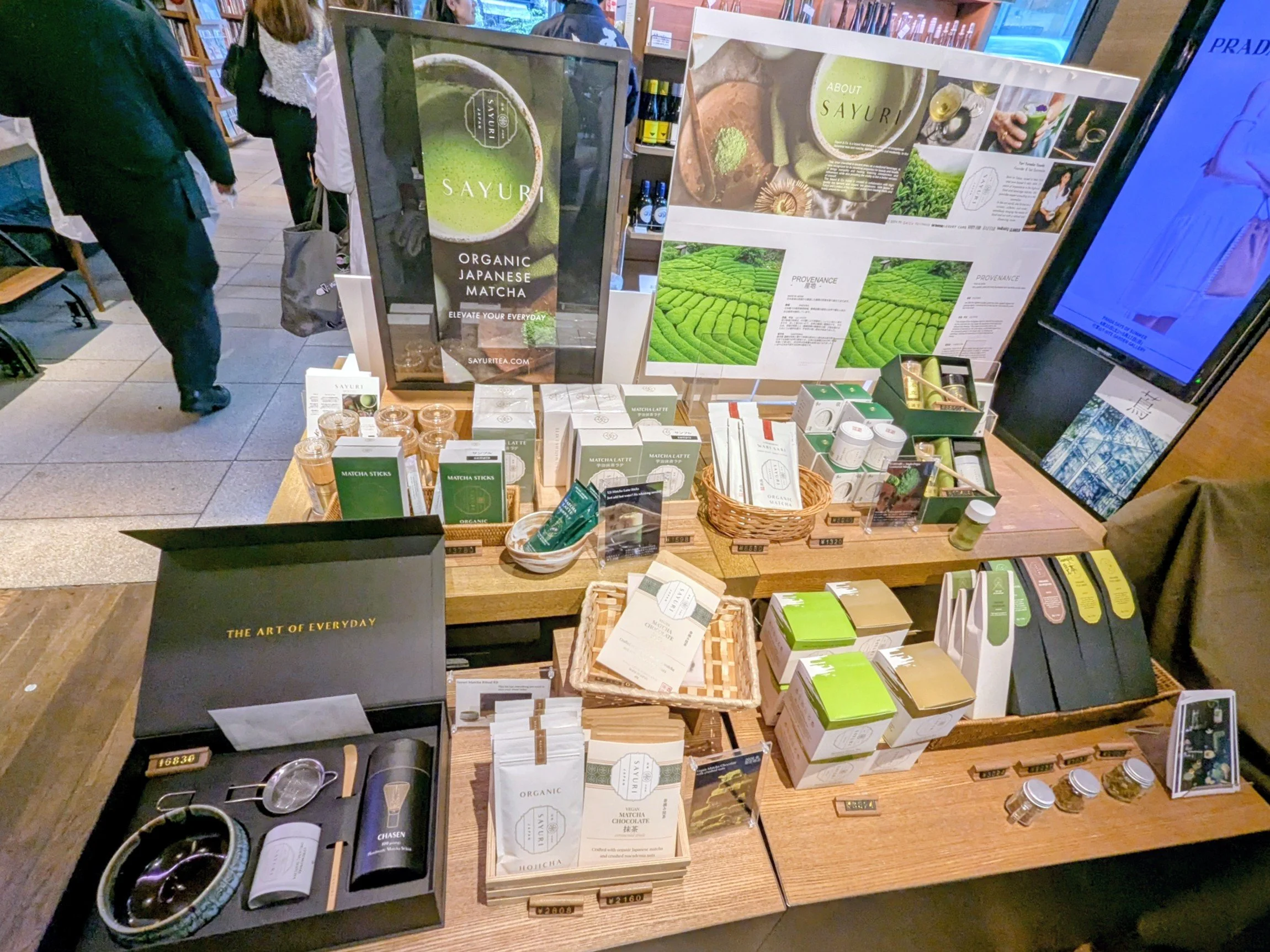
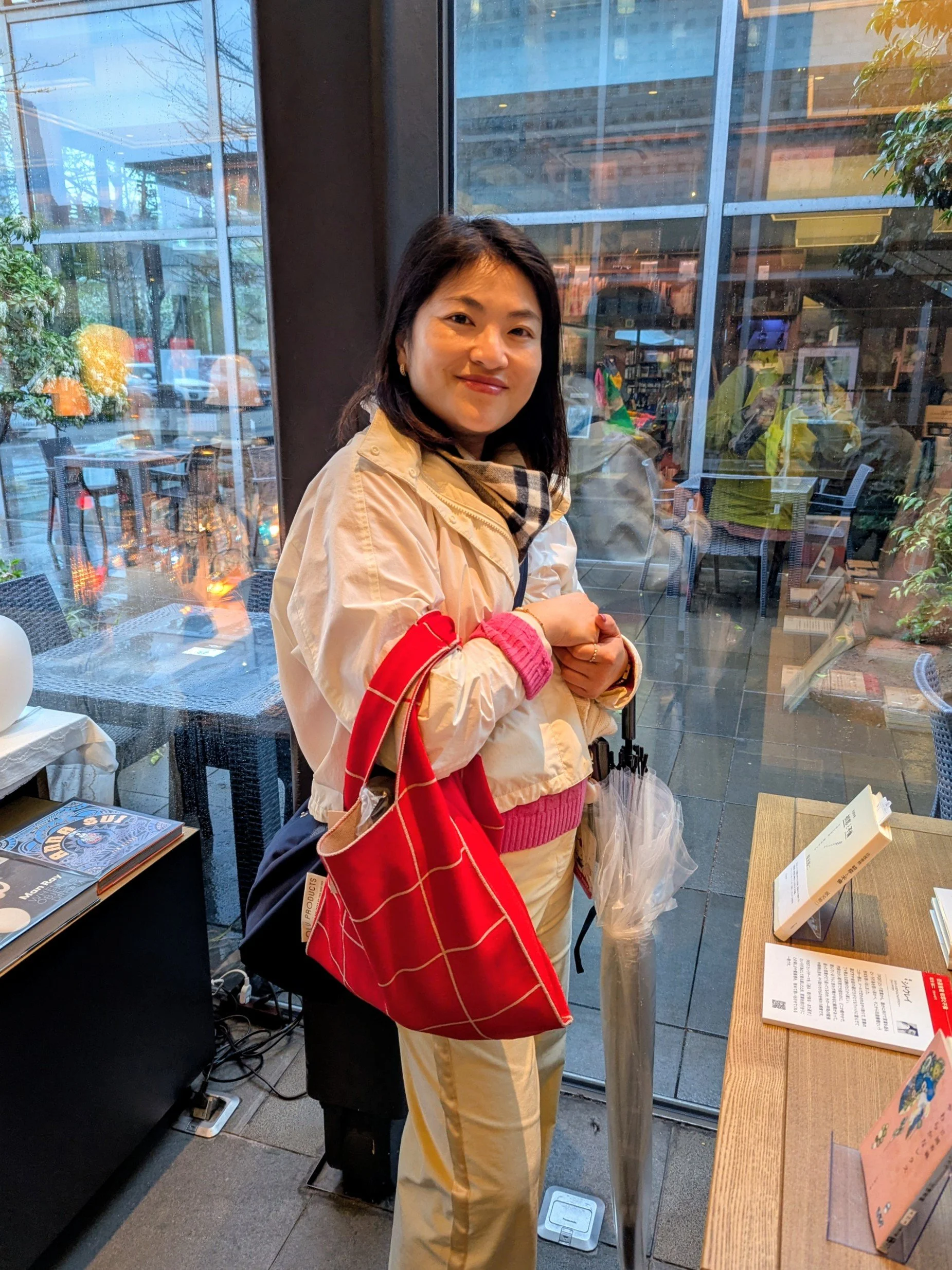
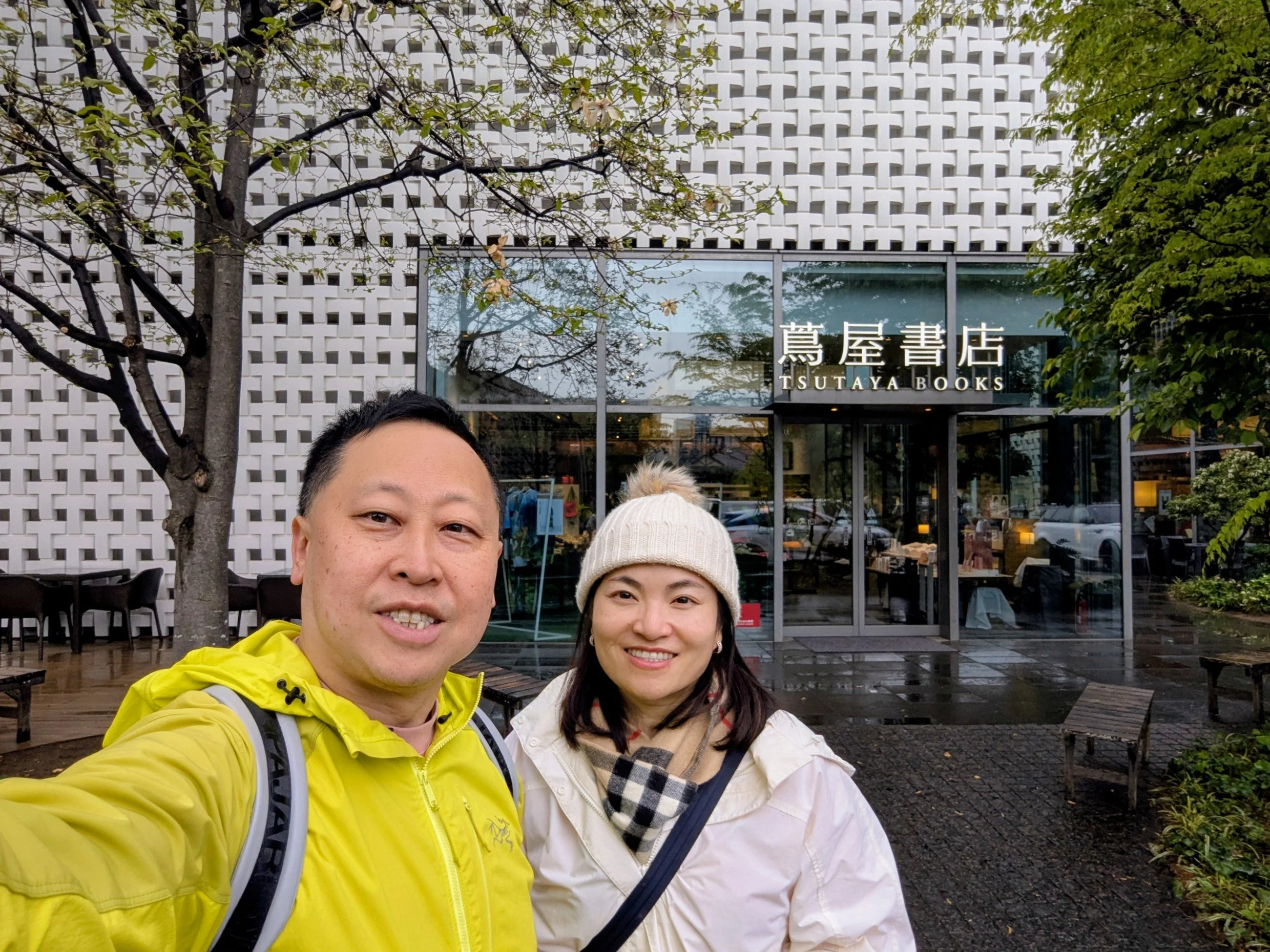
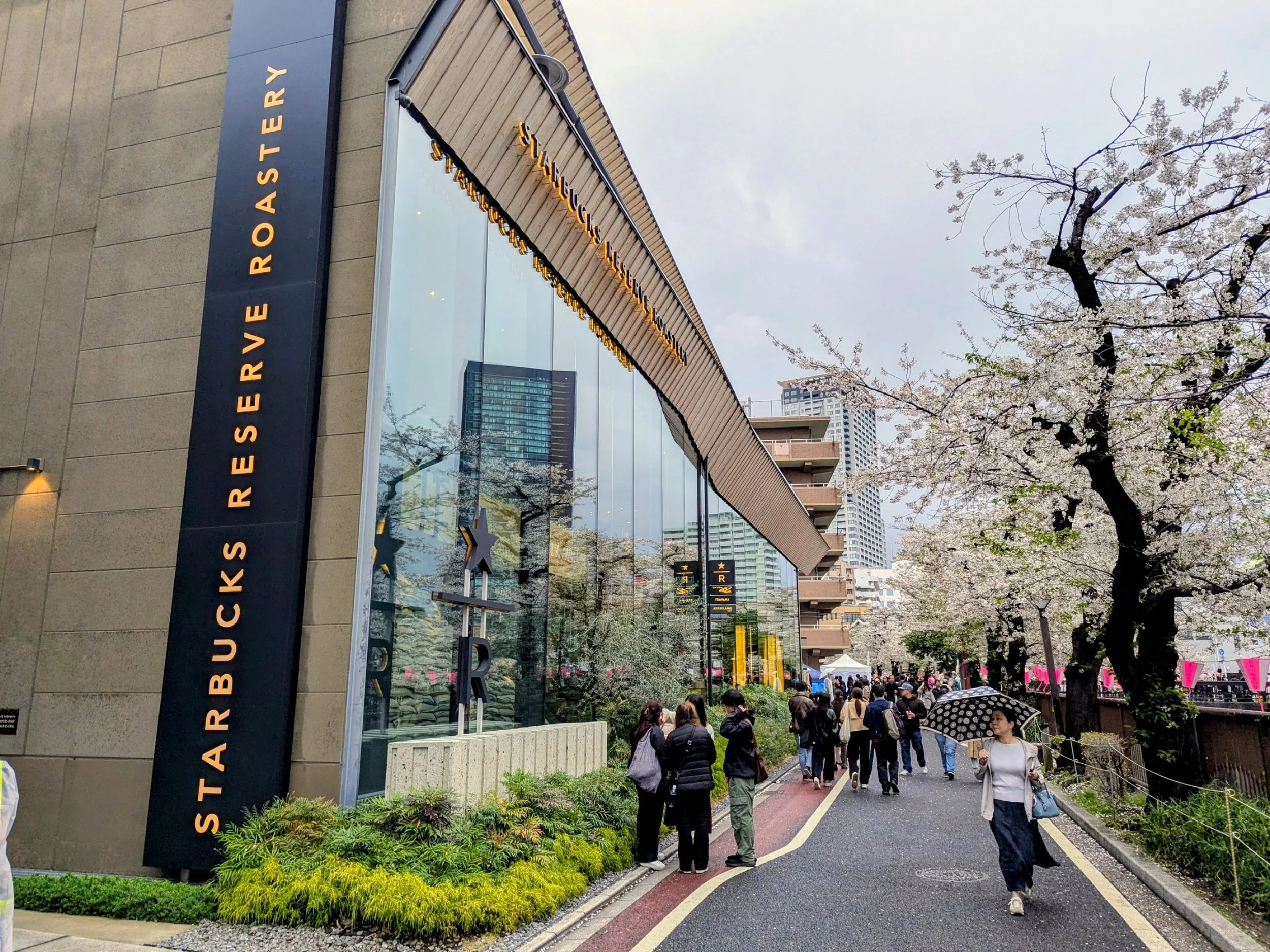
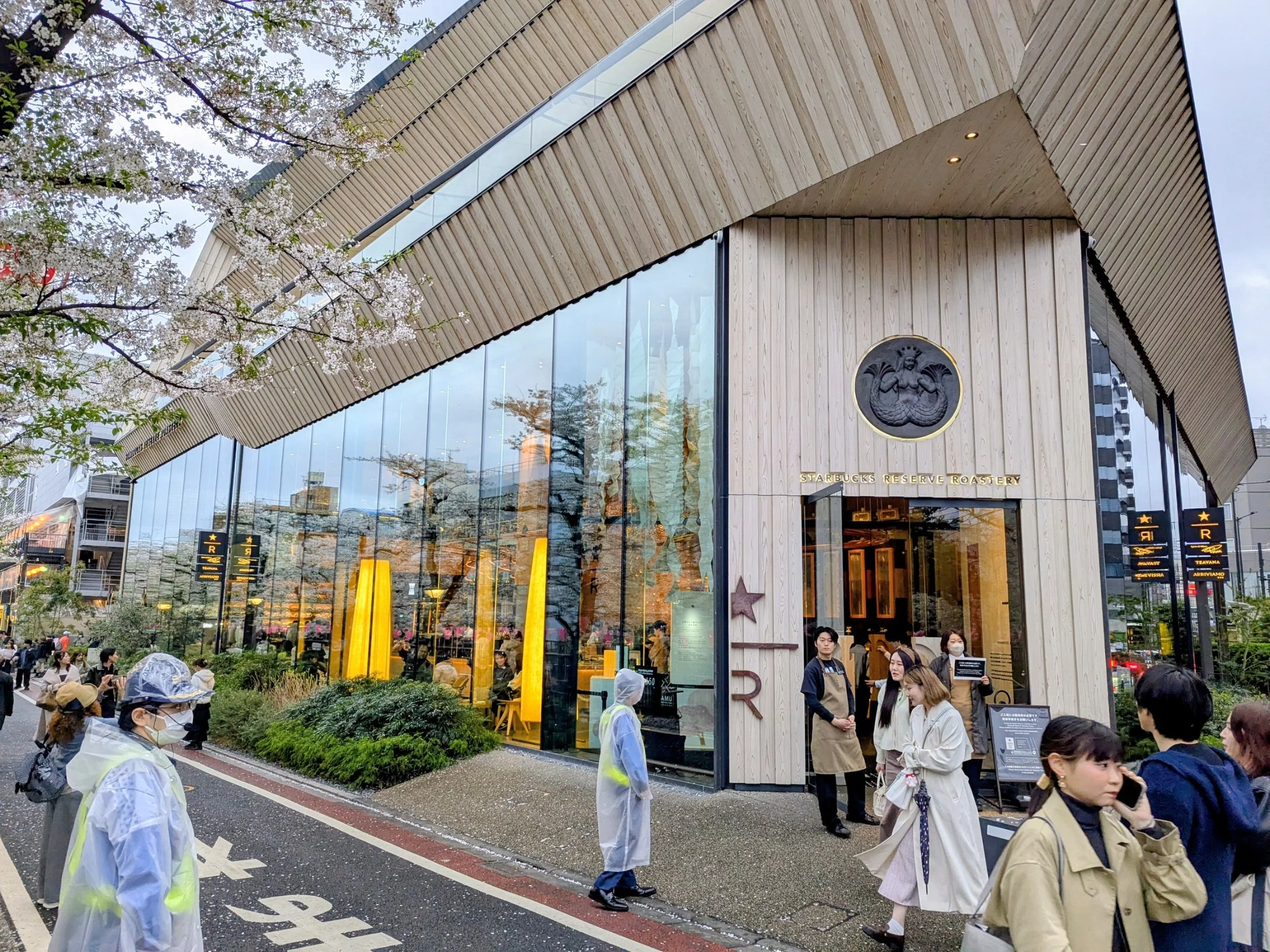
The famous Tsutaya Books store in the trendy district of Daikanyama, Tokyo.
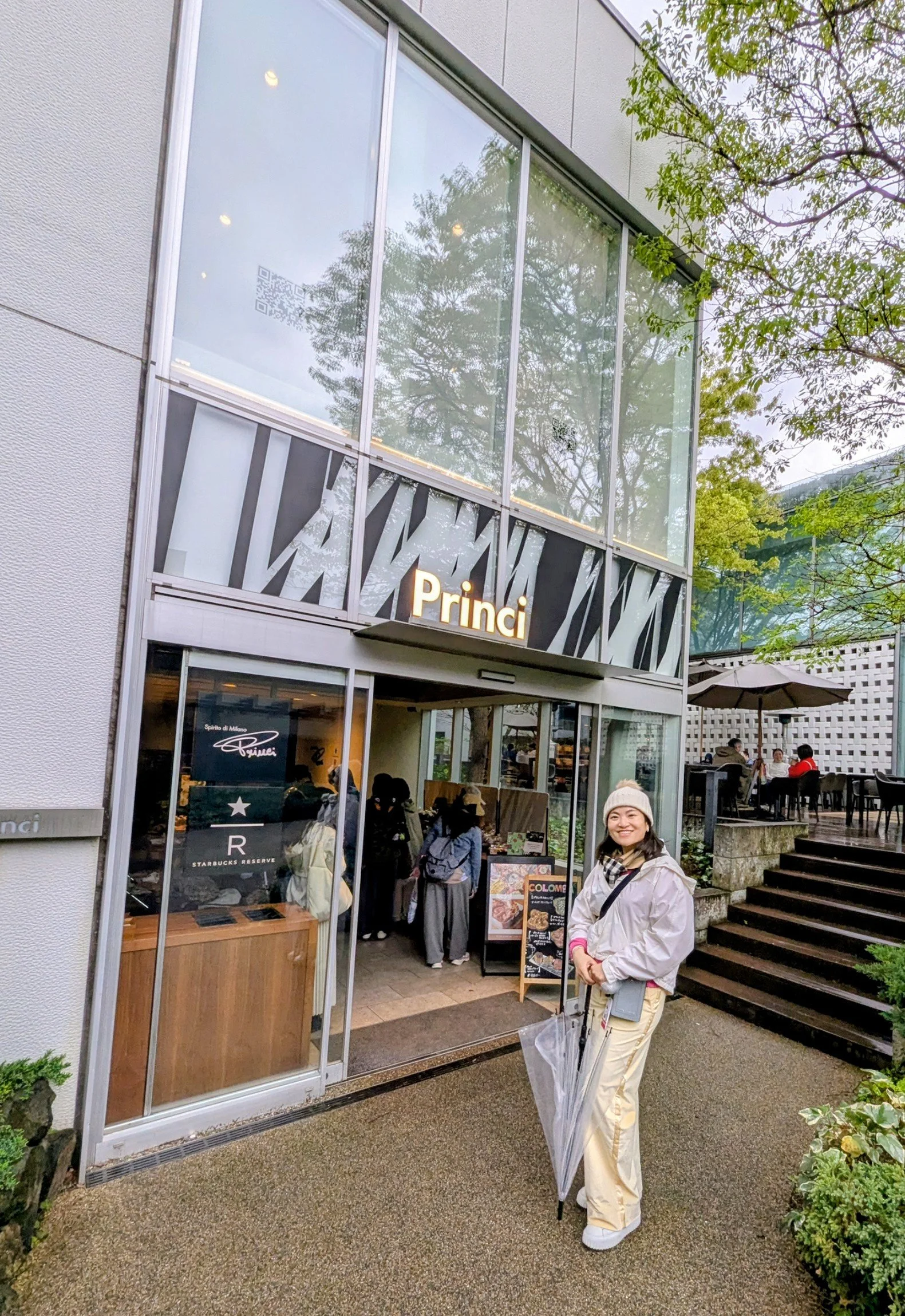
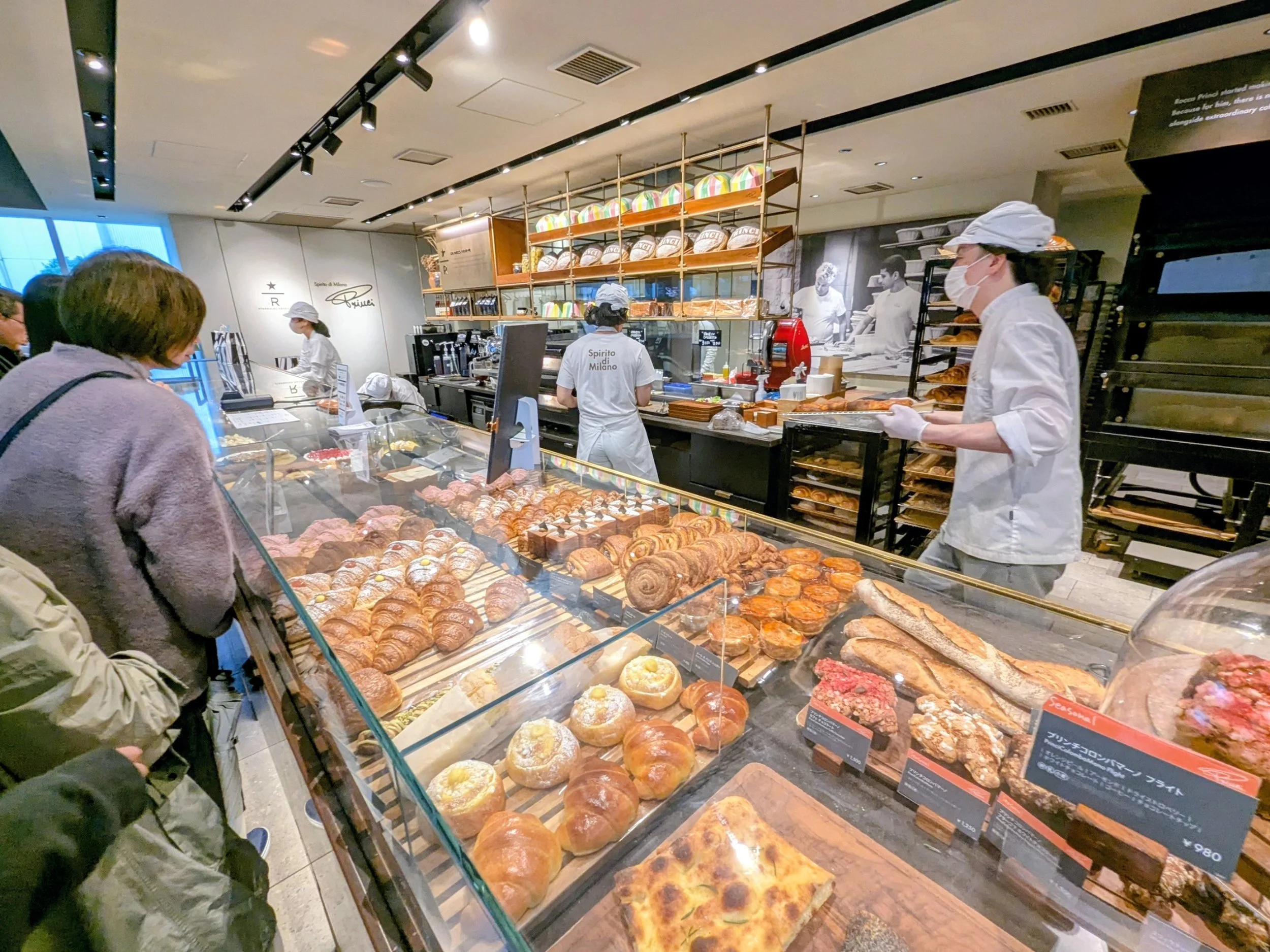
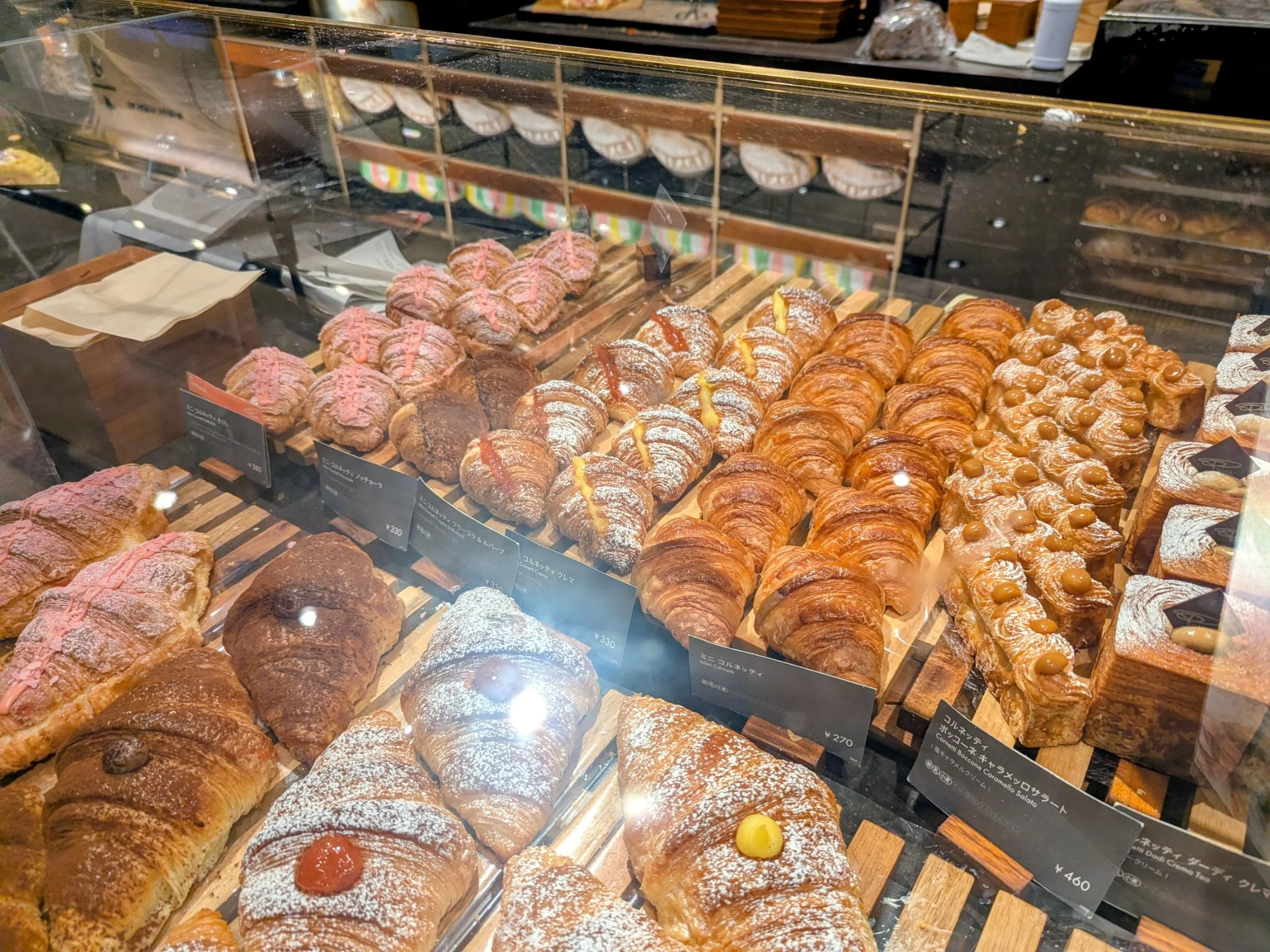
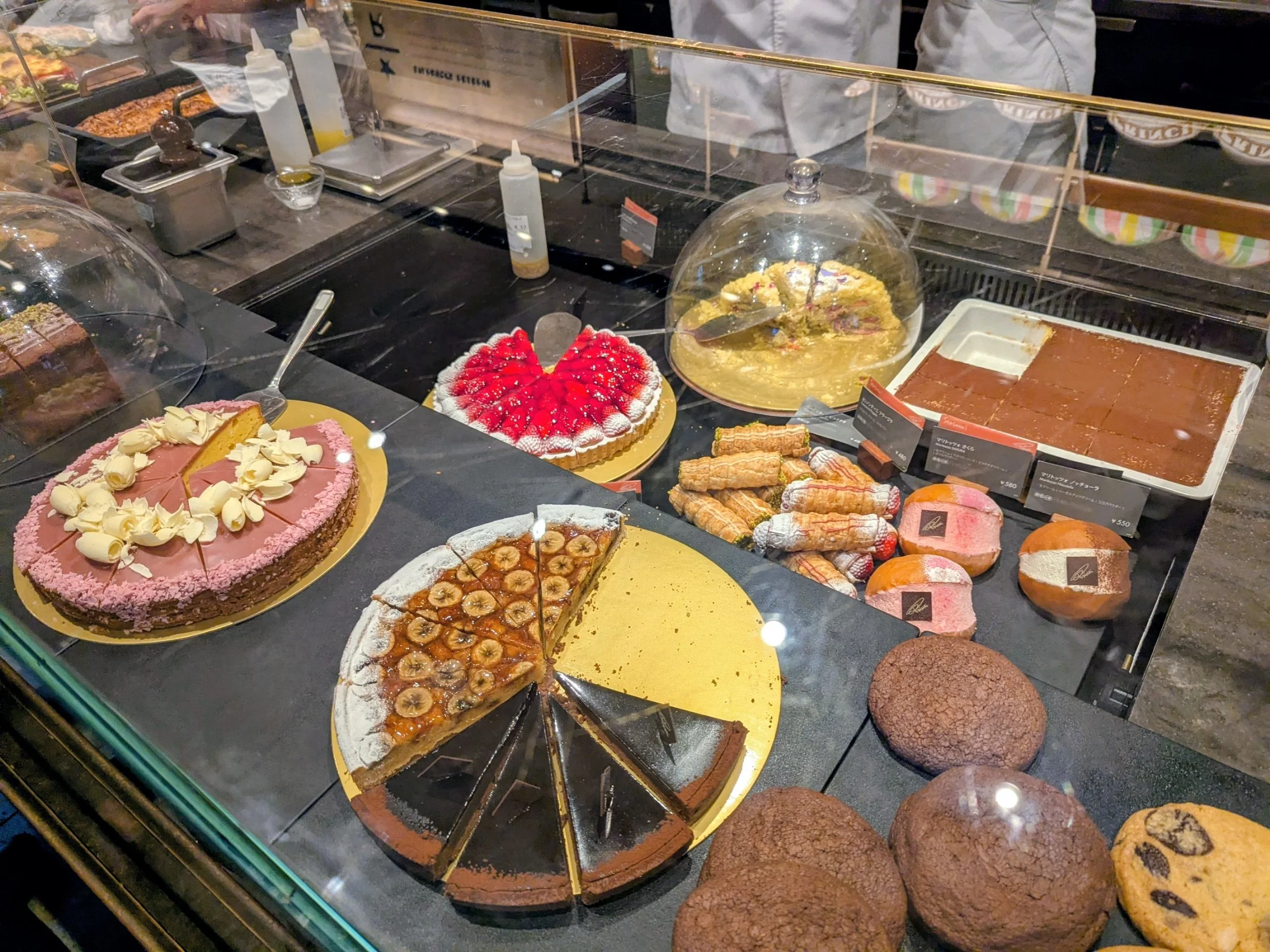
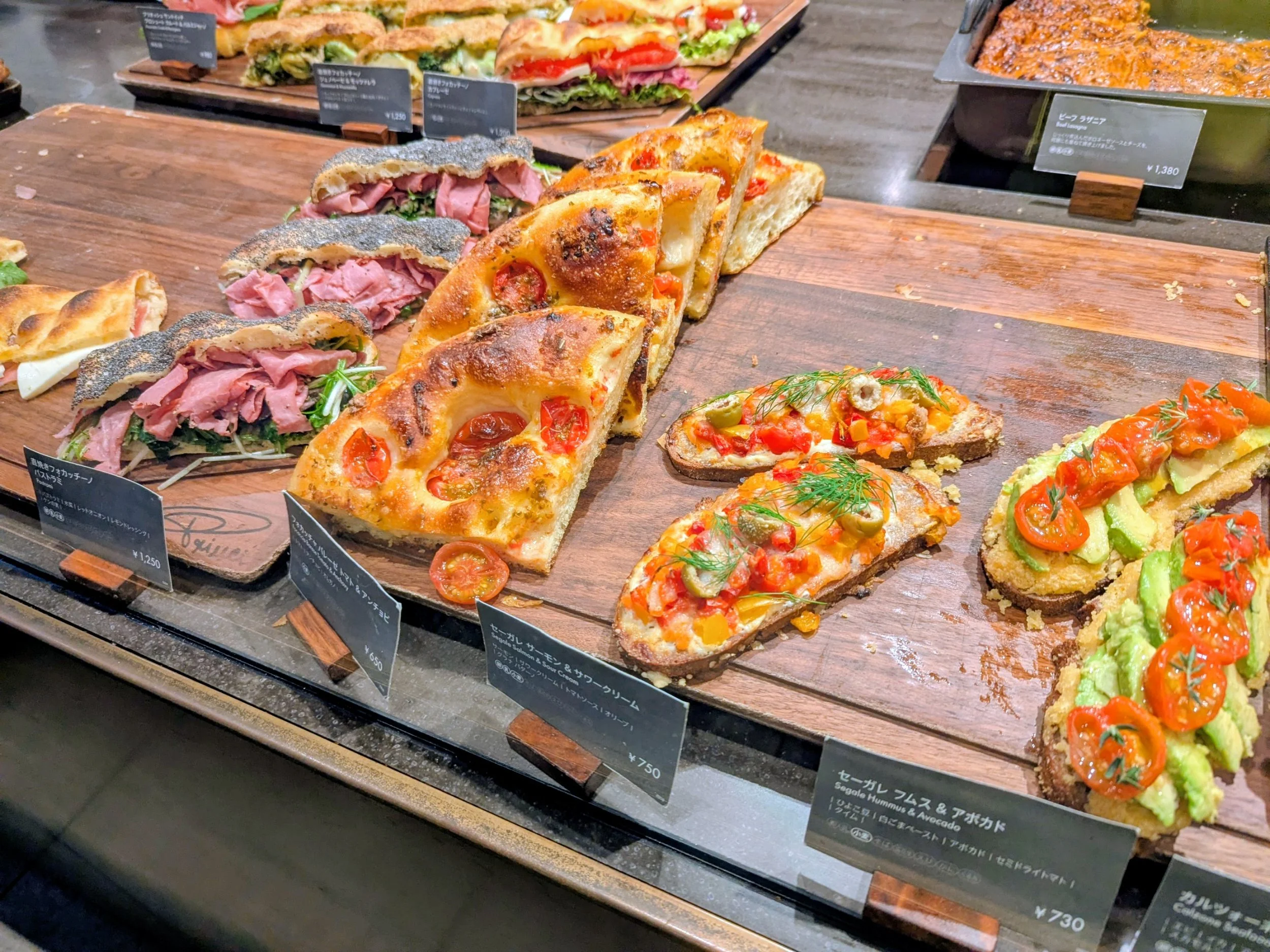
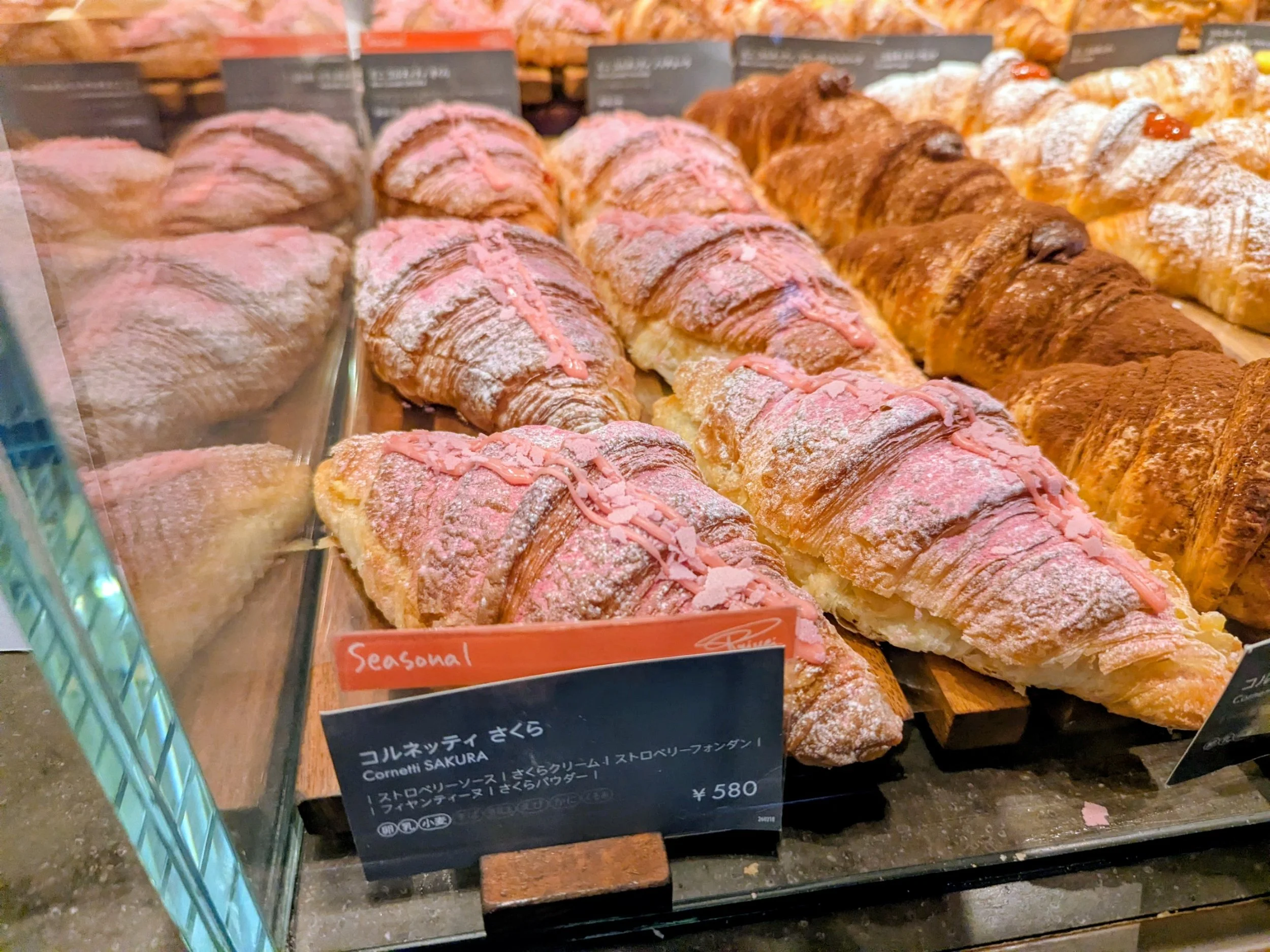
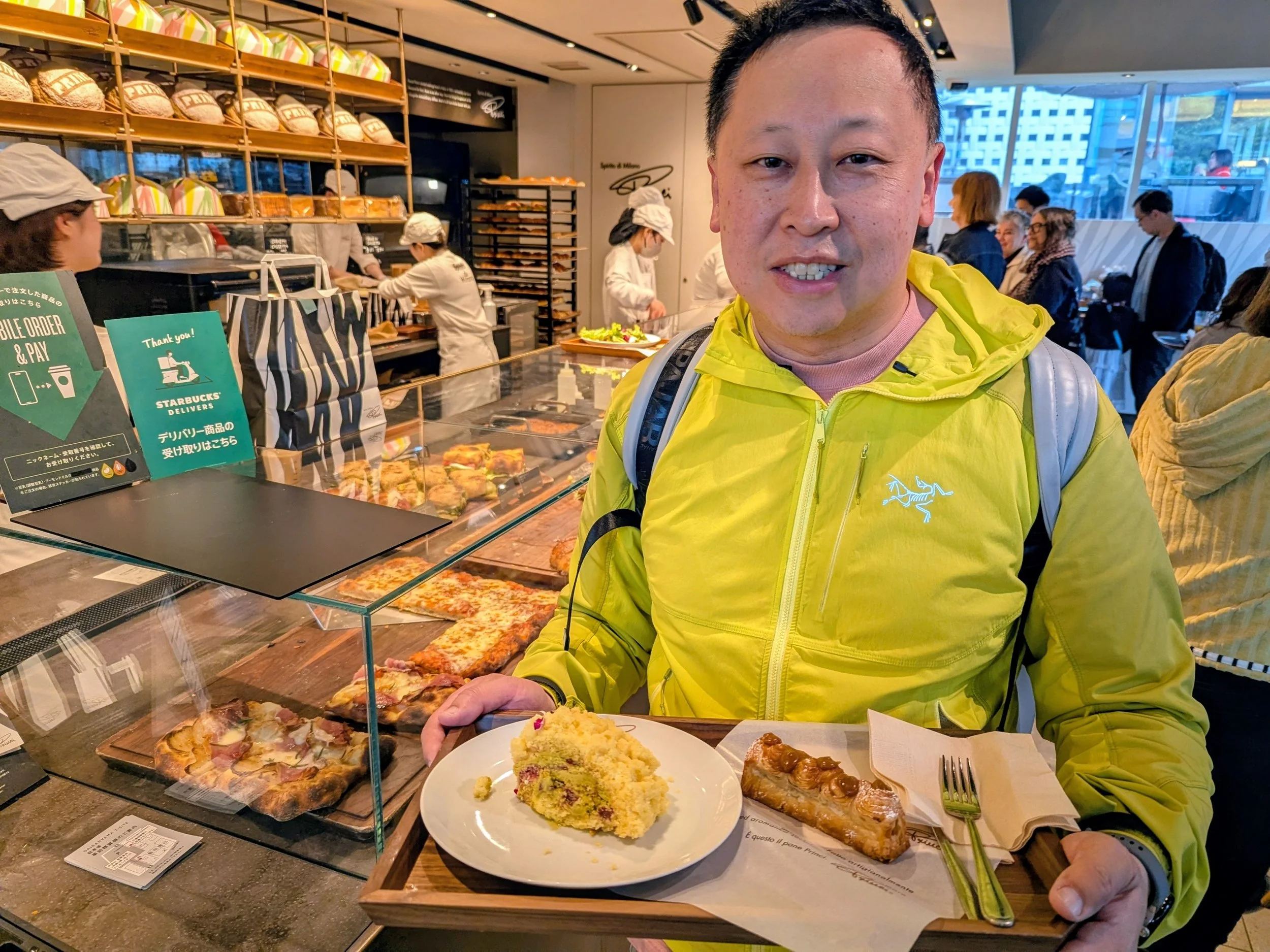
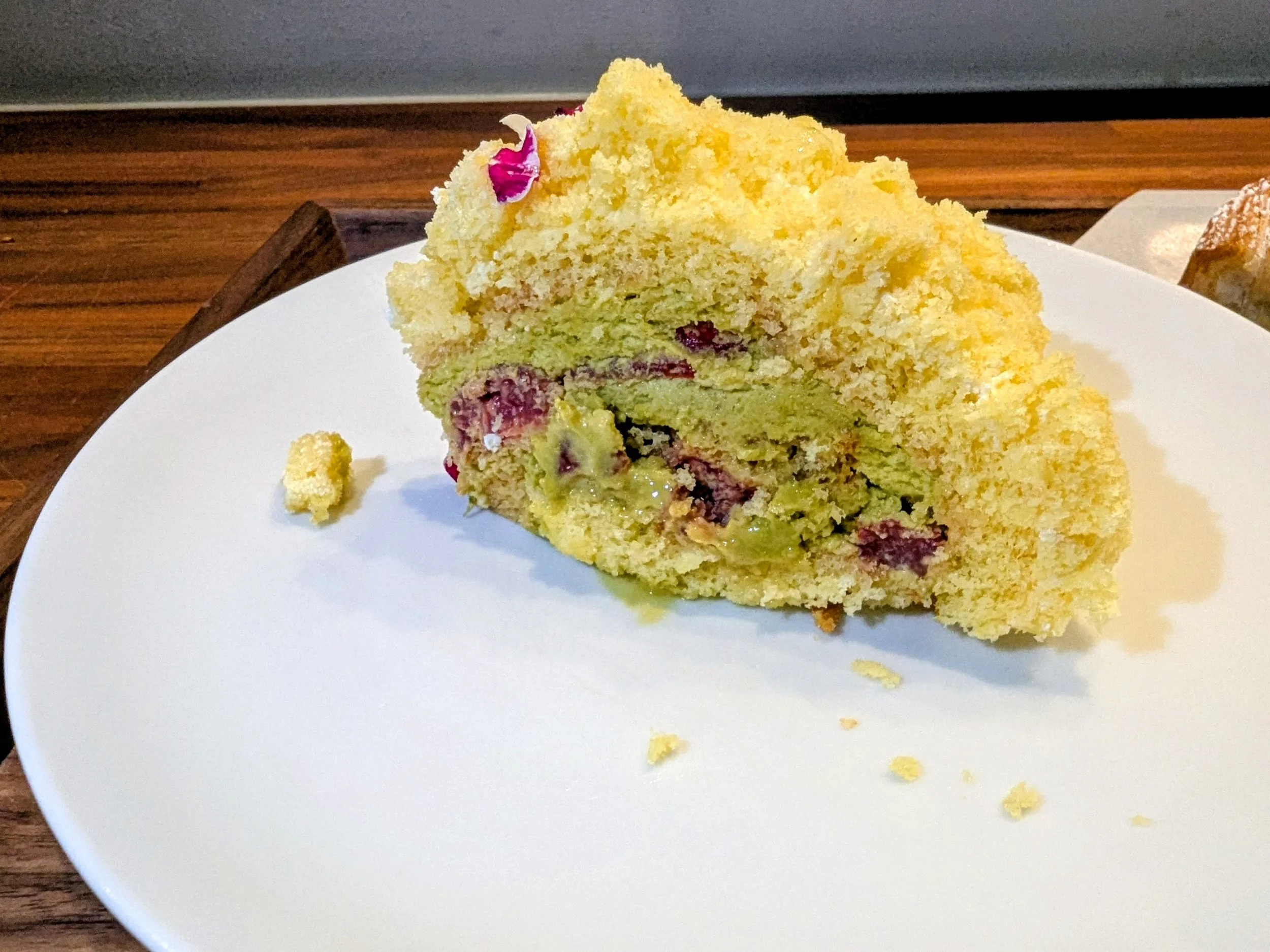
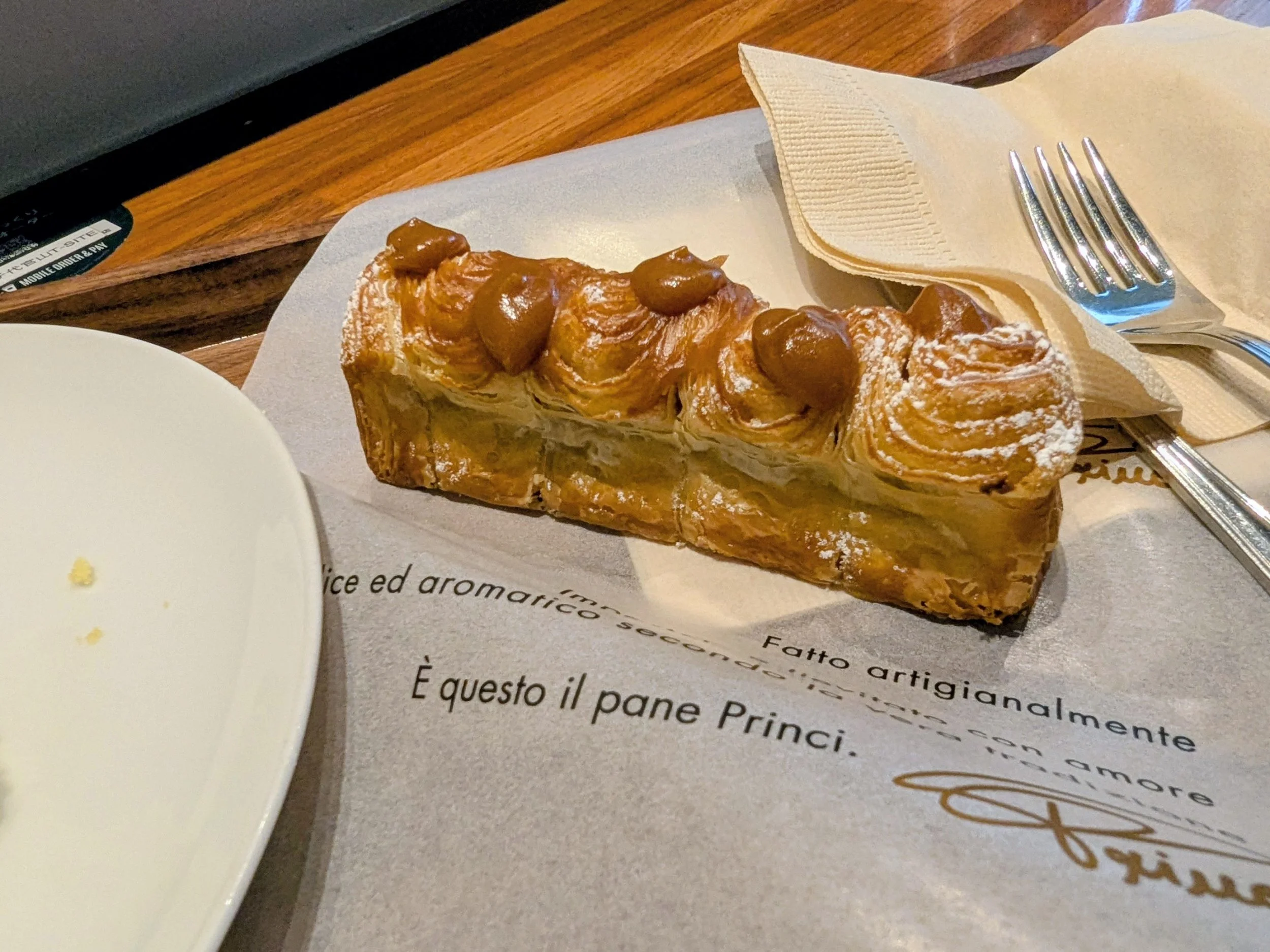
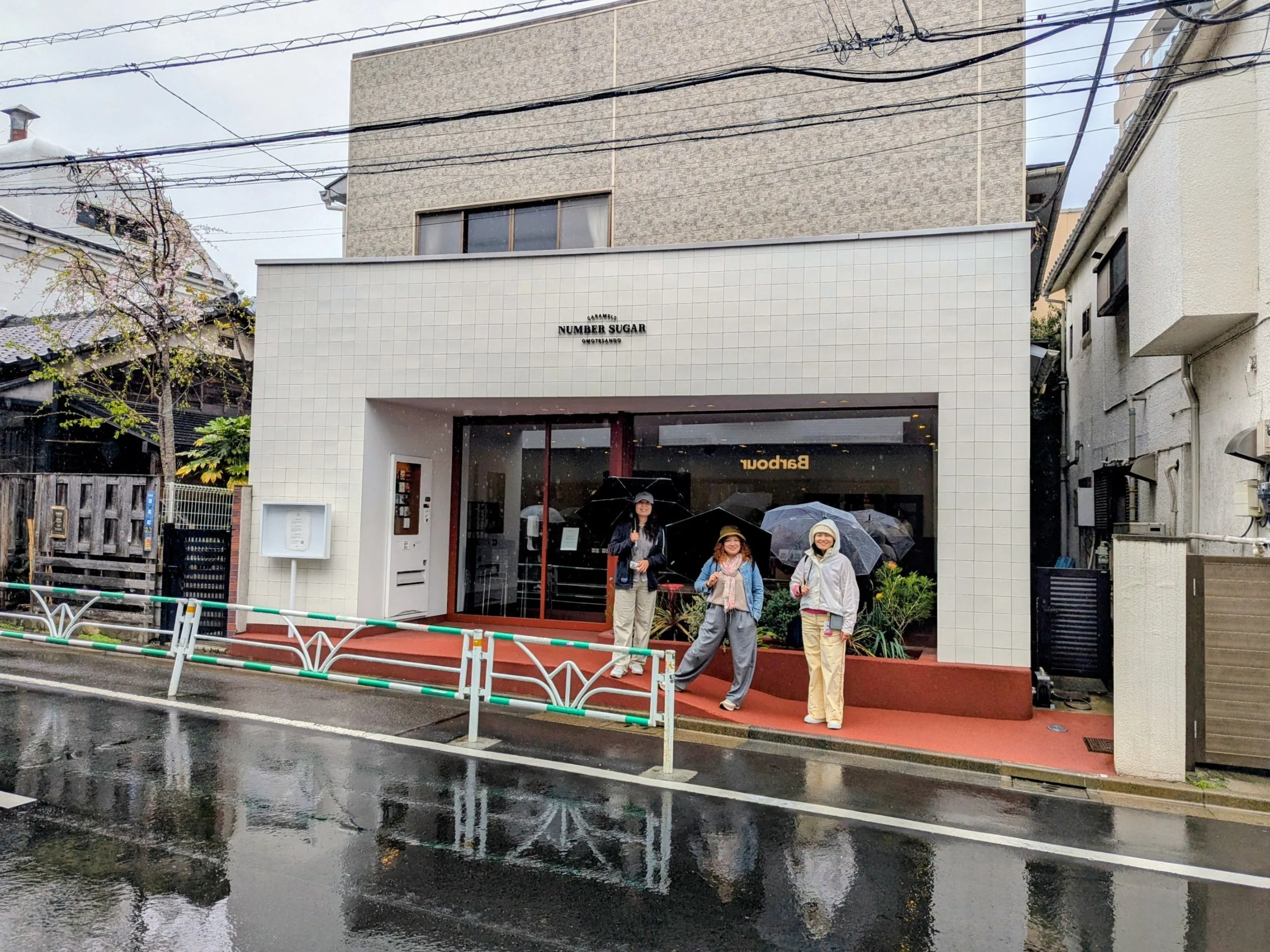
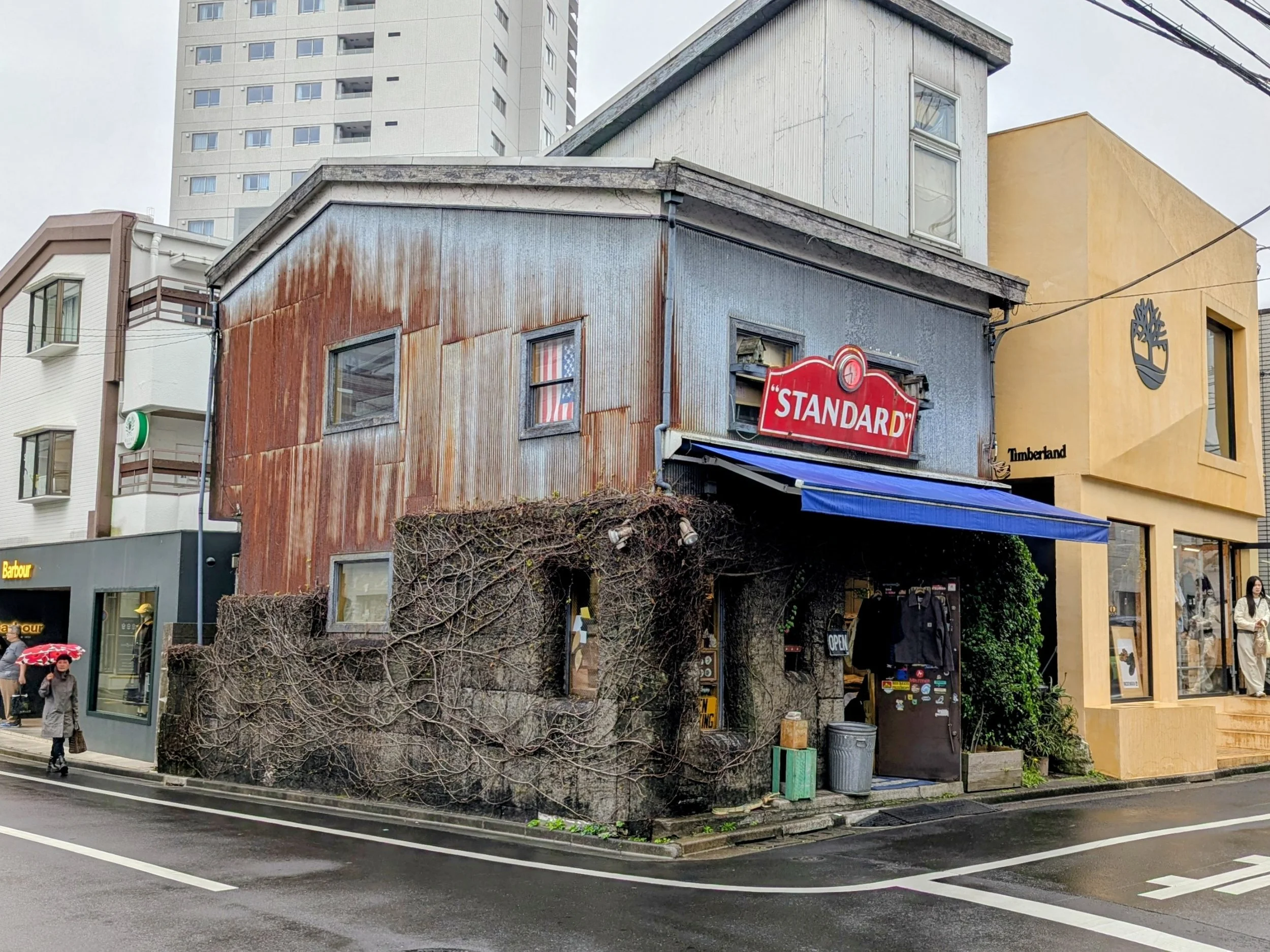
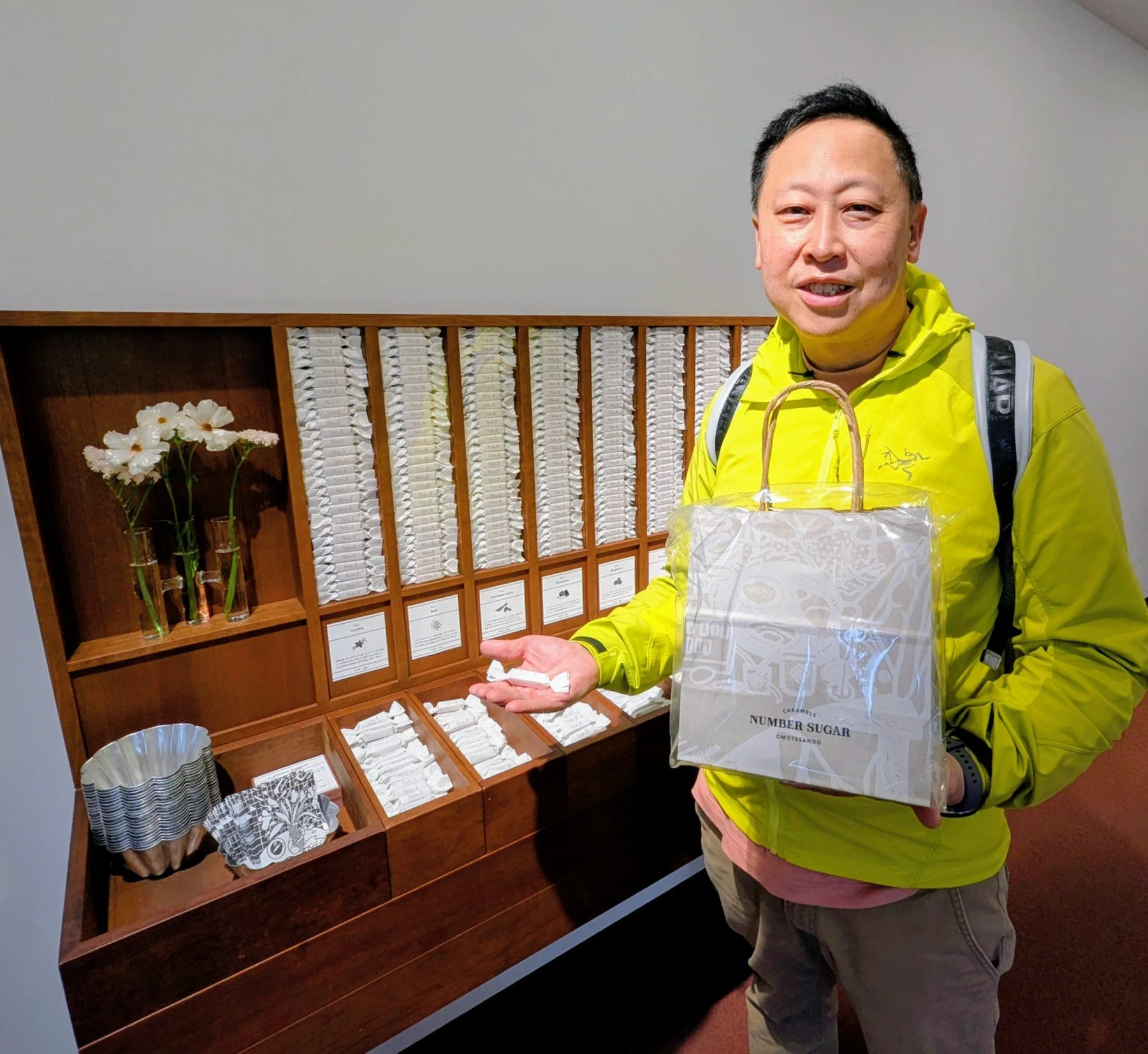
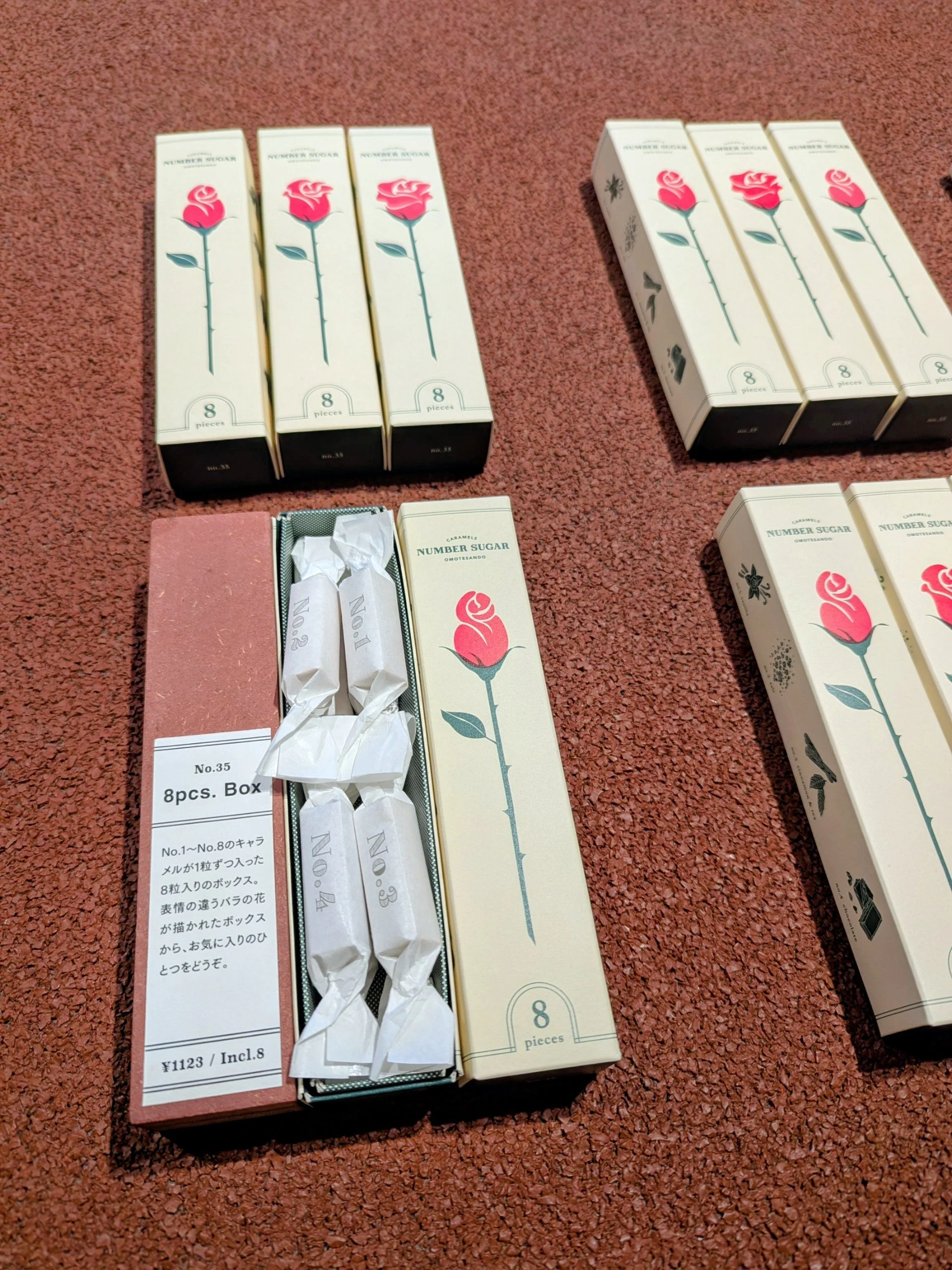
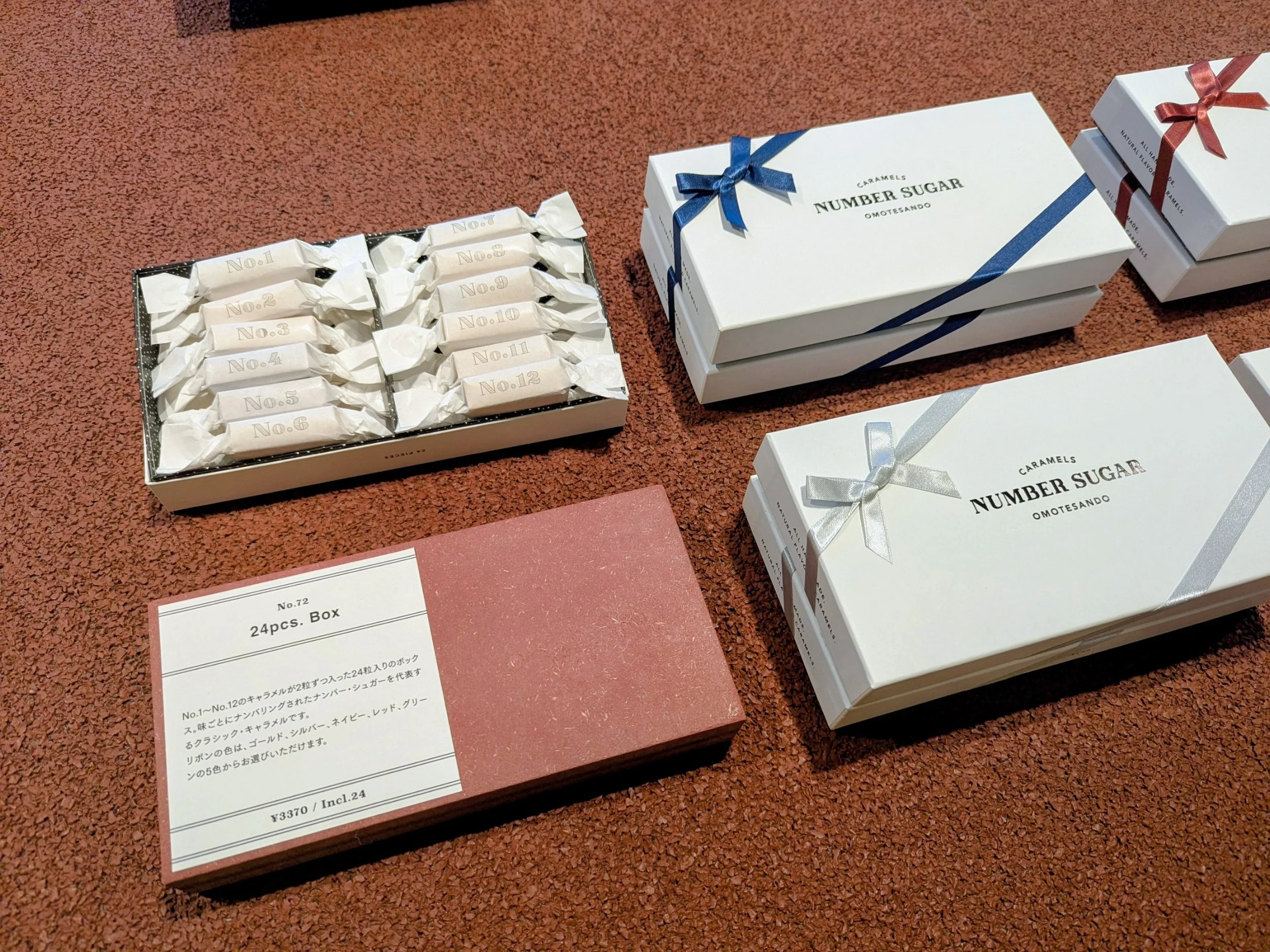
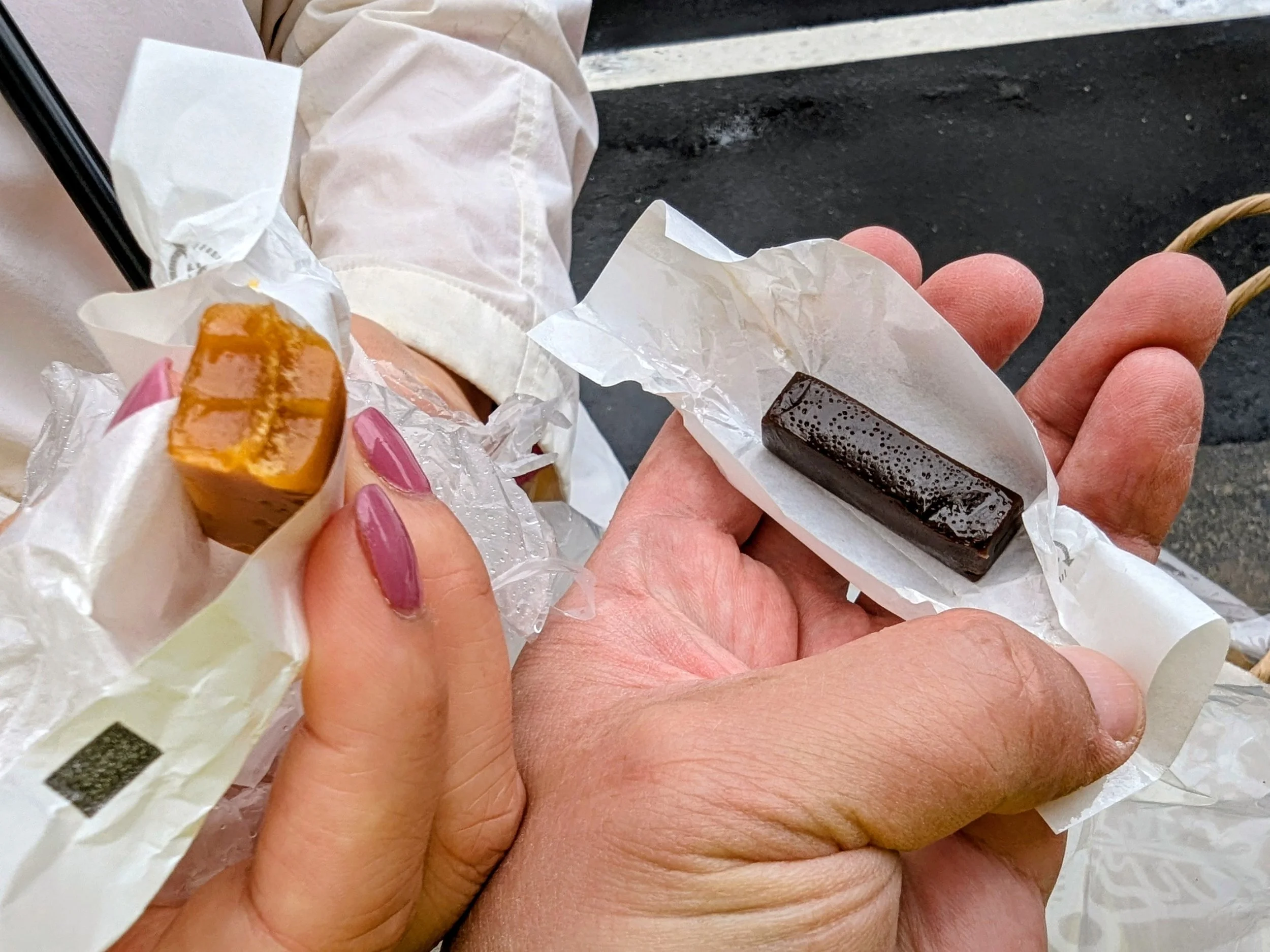
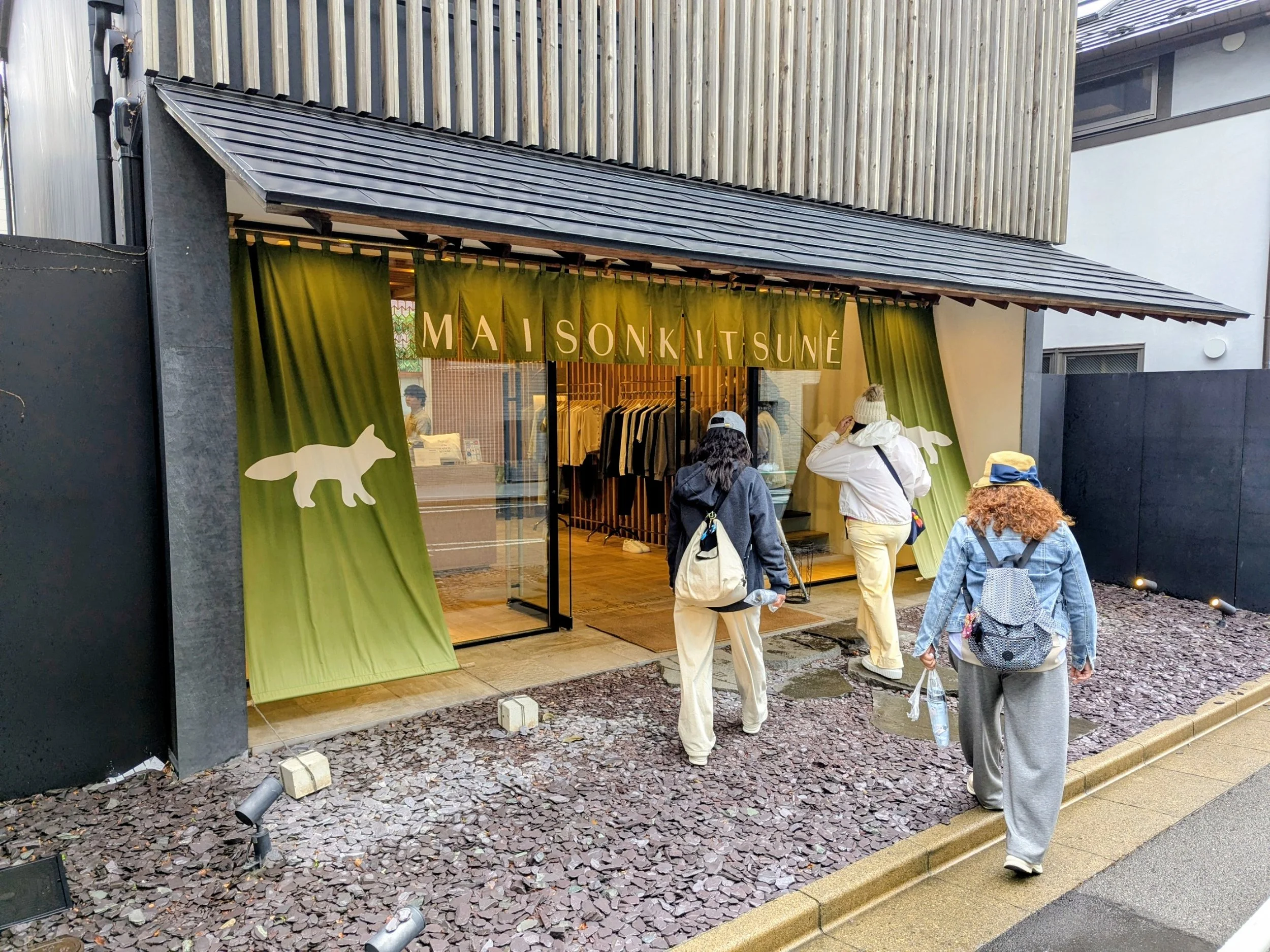
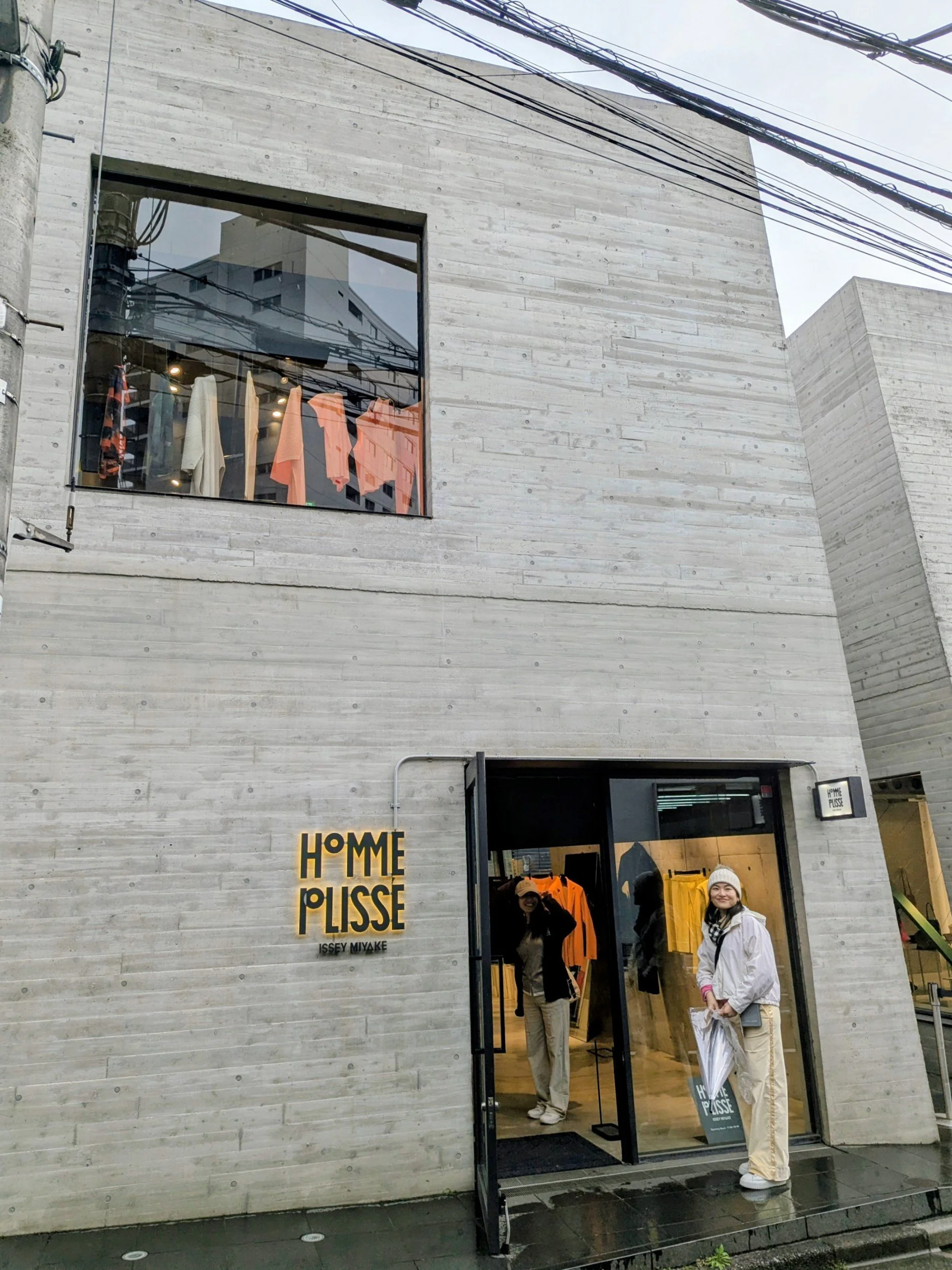
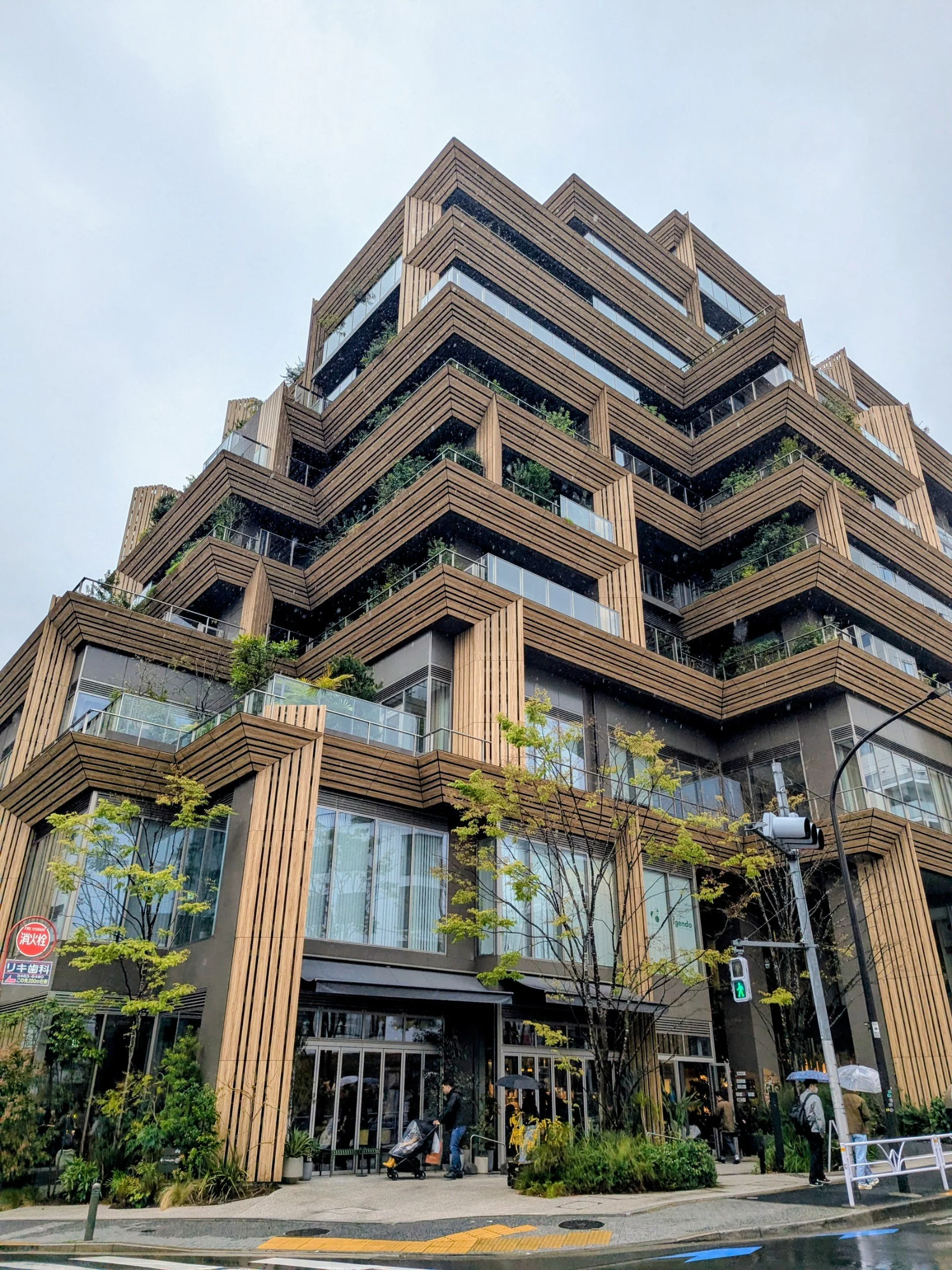
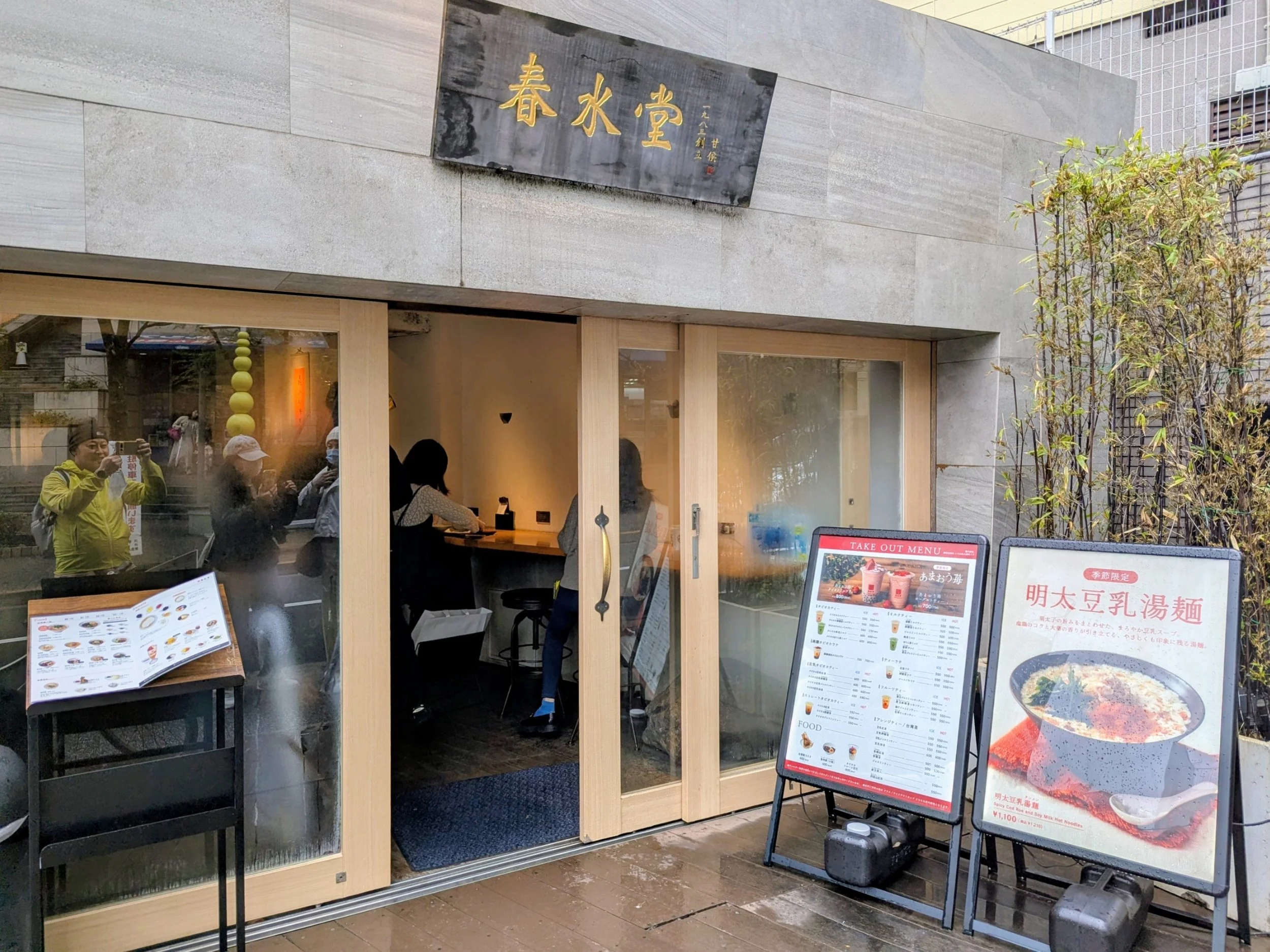
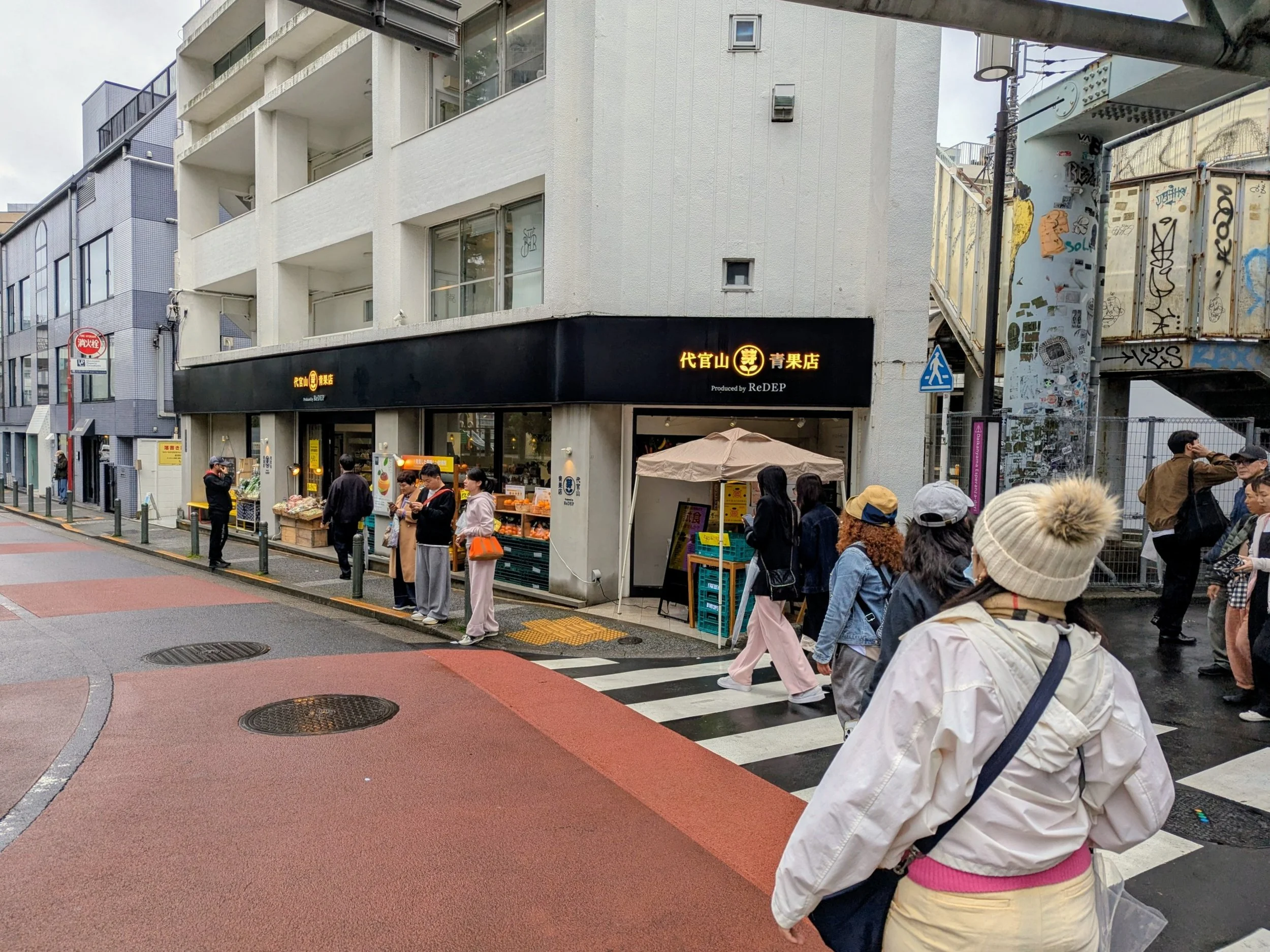
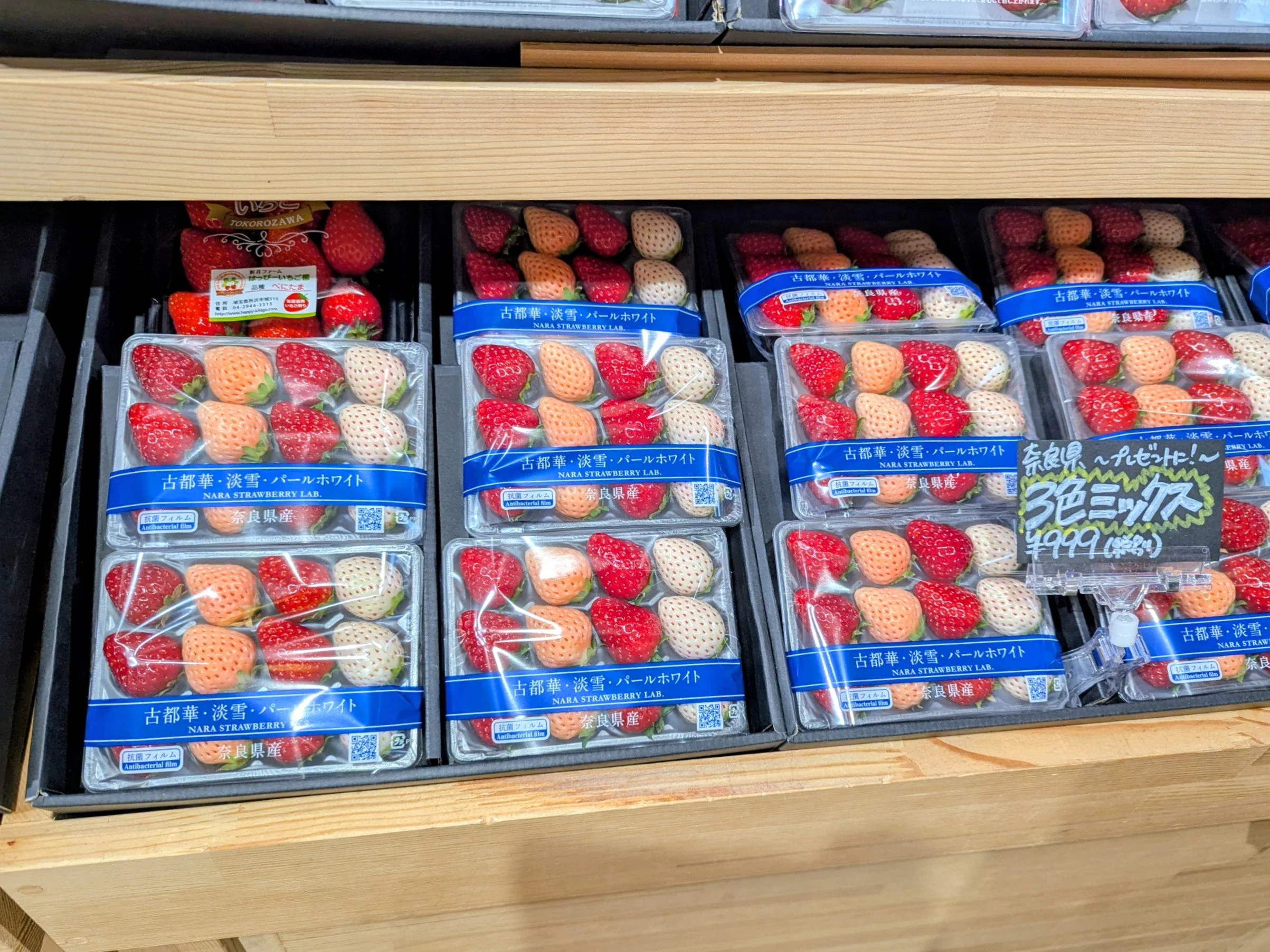
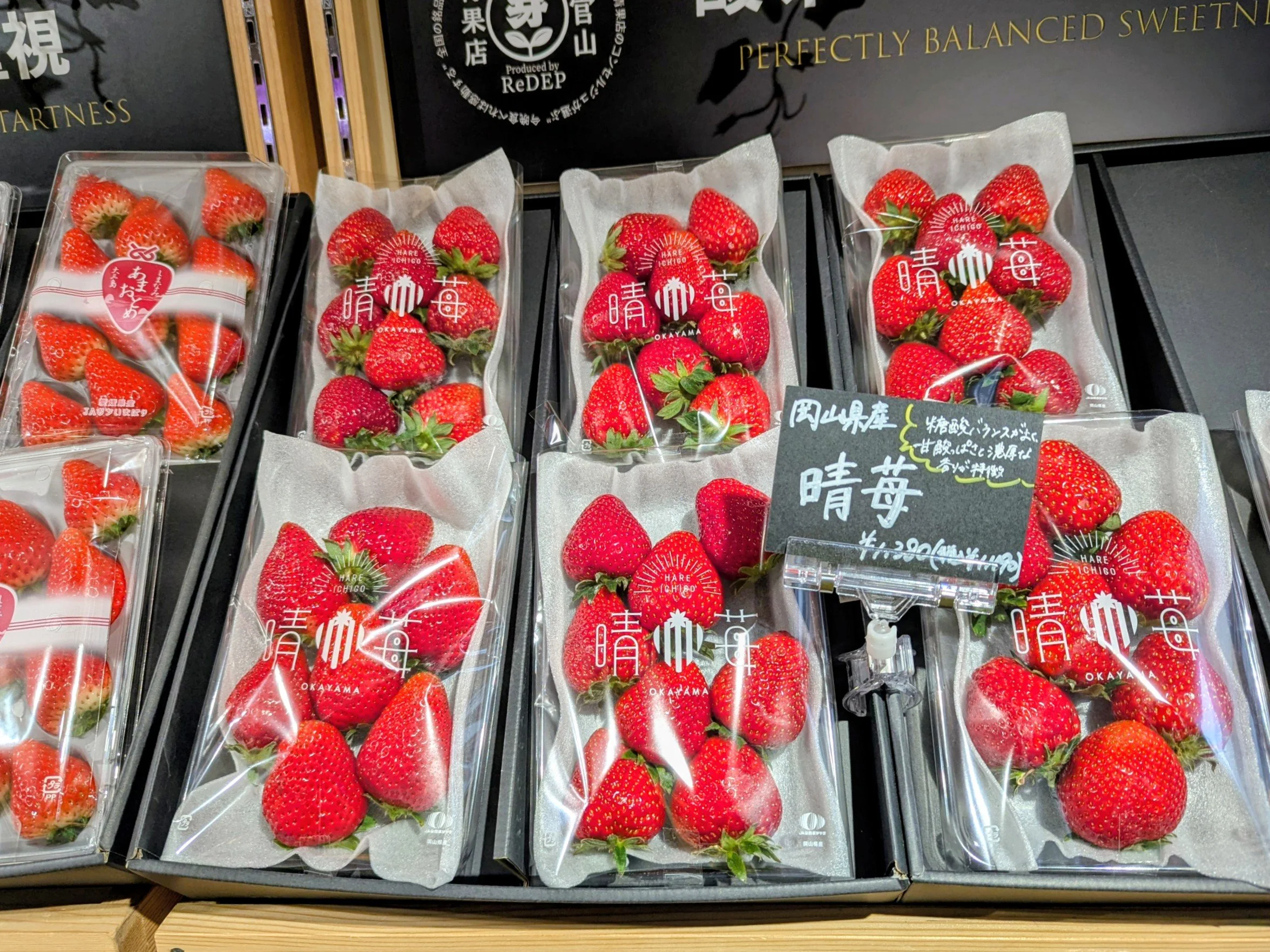
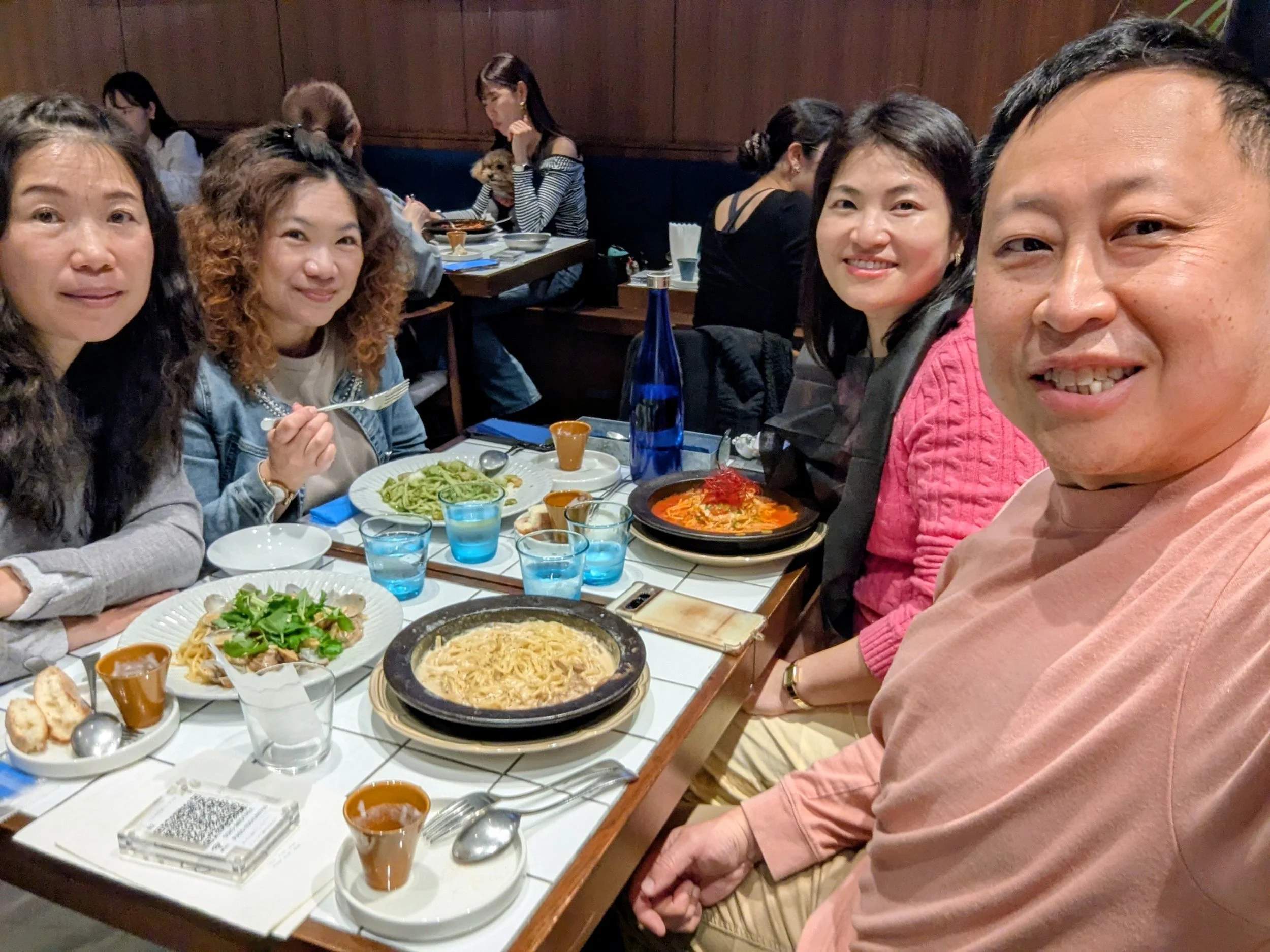
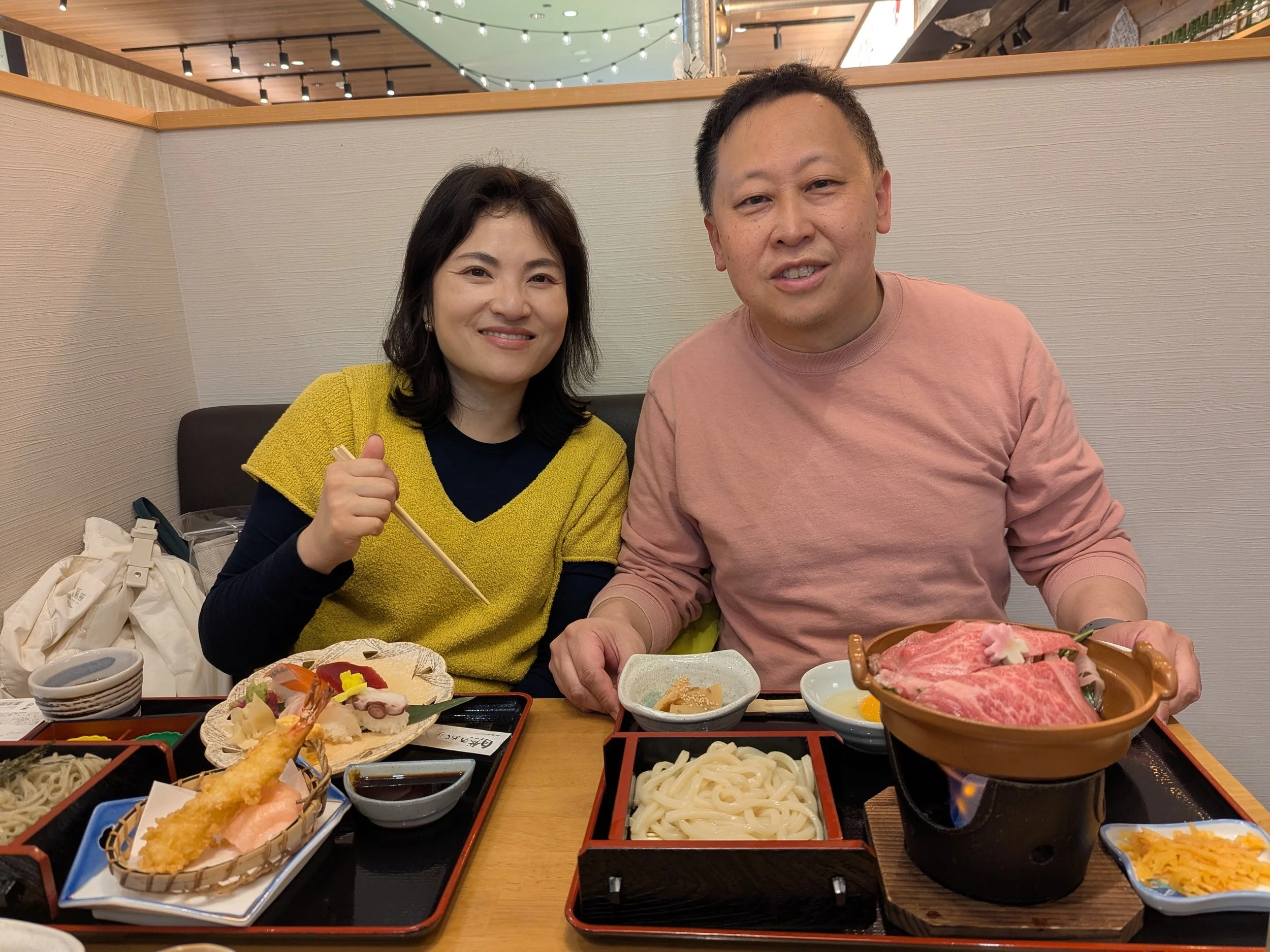
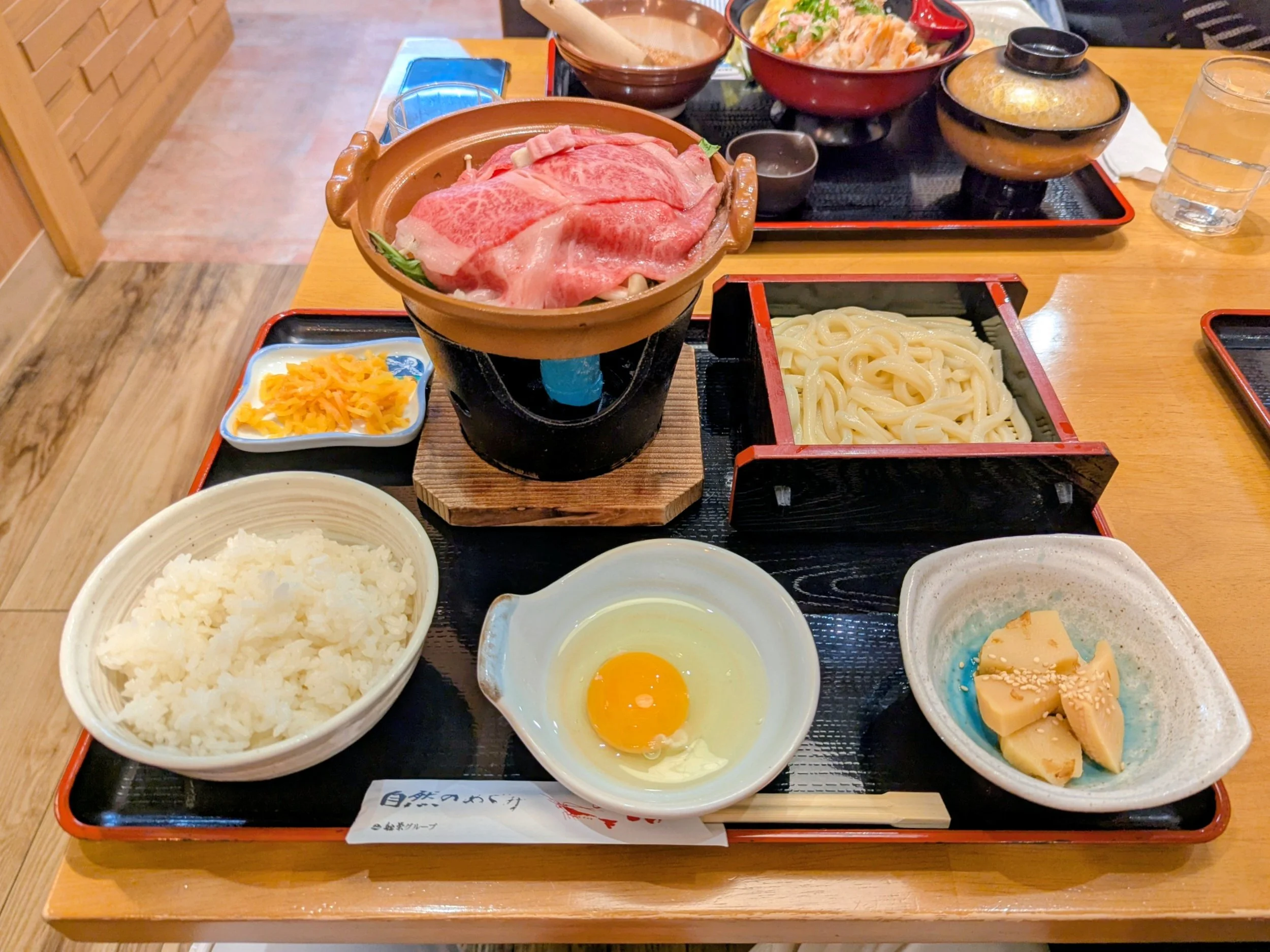
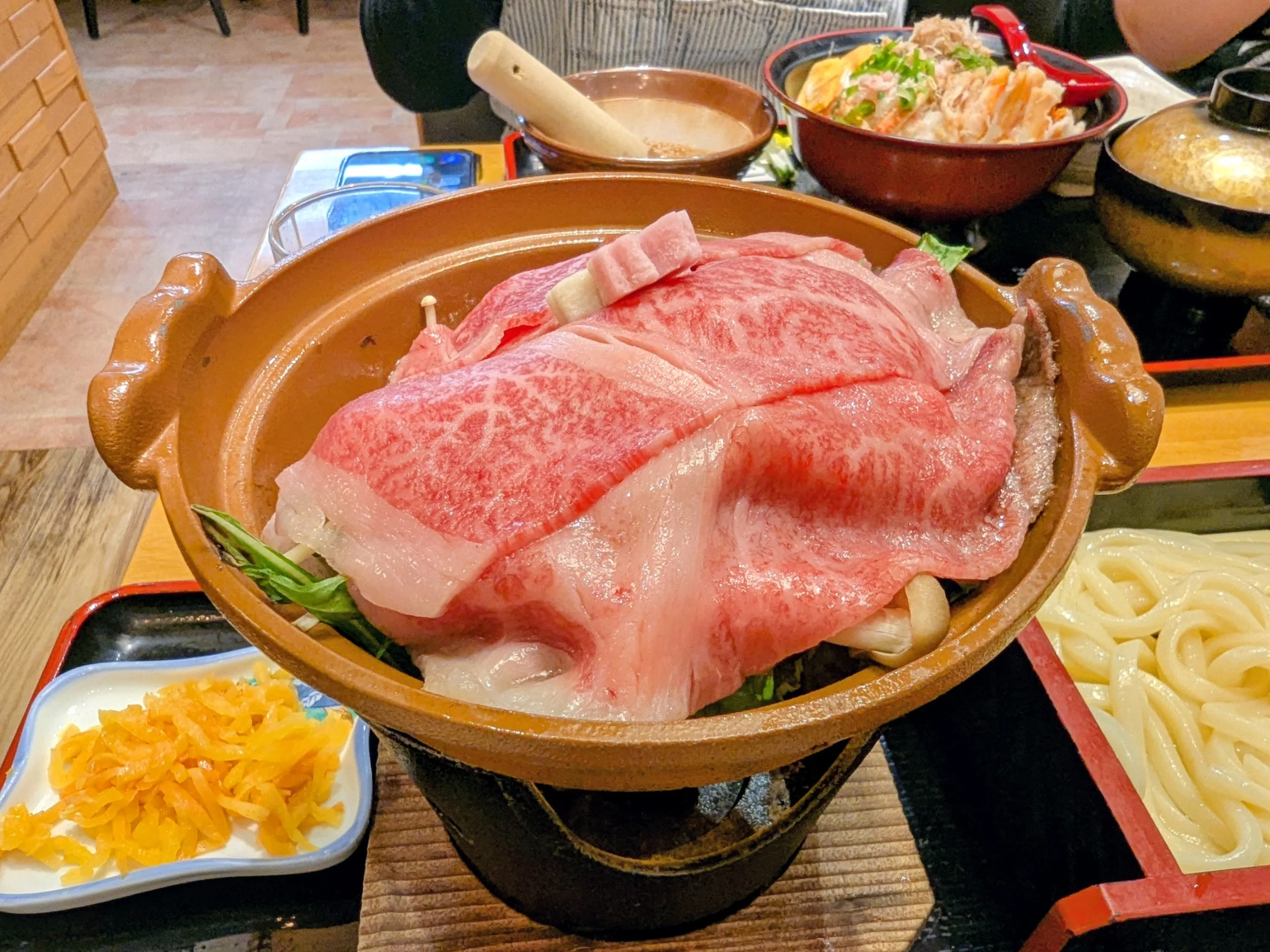
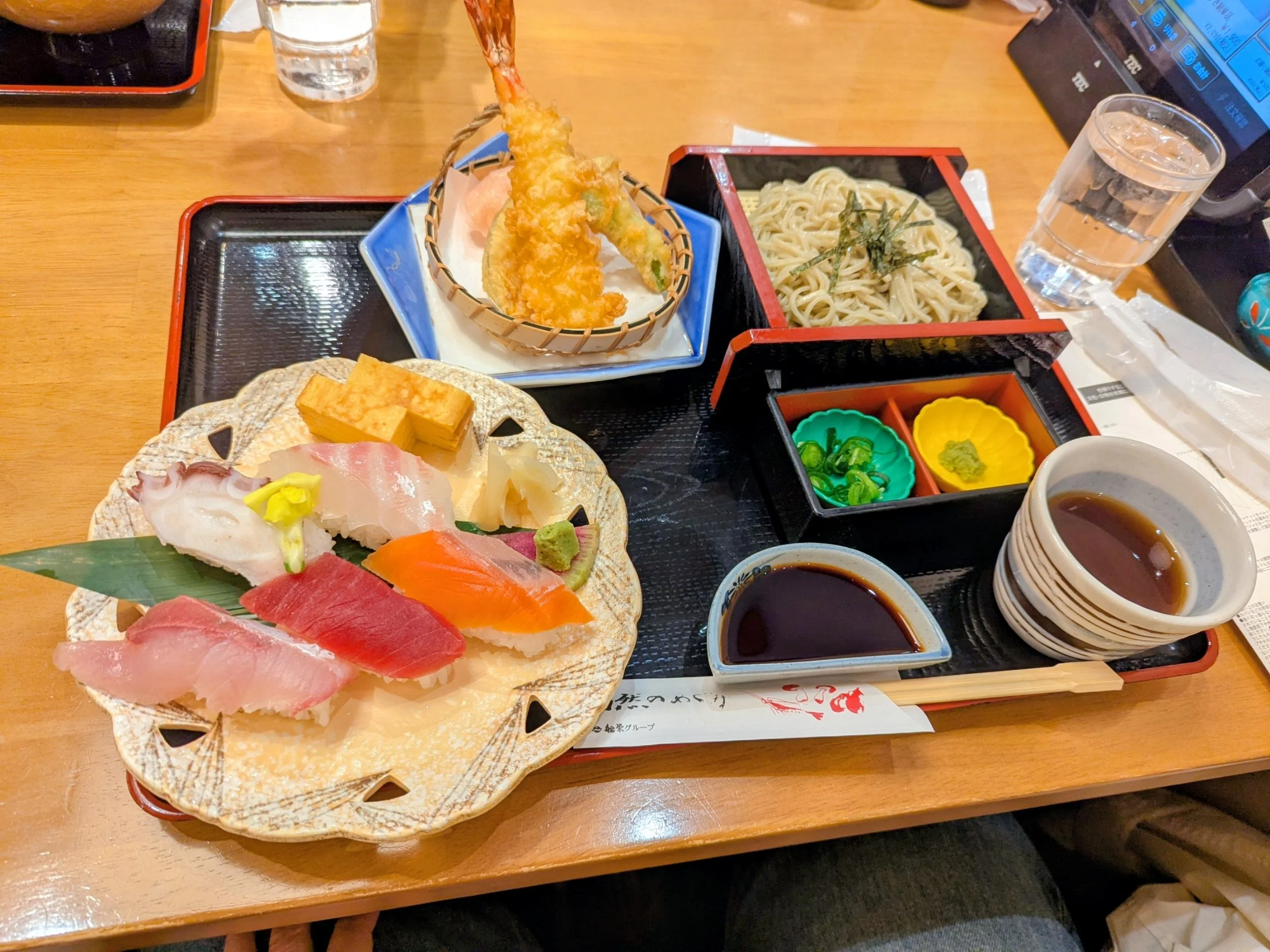
We were hungry after all the shopping so Christina found a really good place to eat, she even ordered food for us.
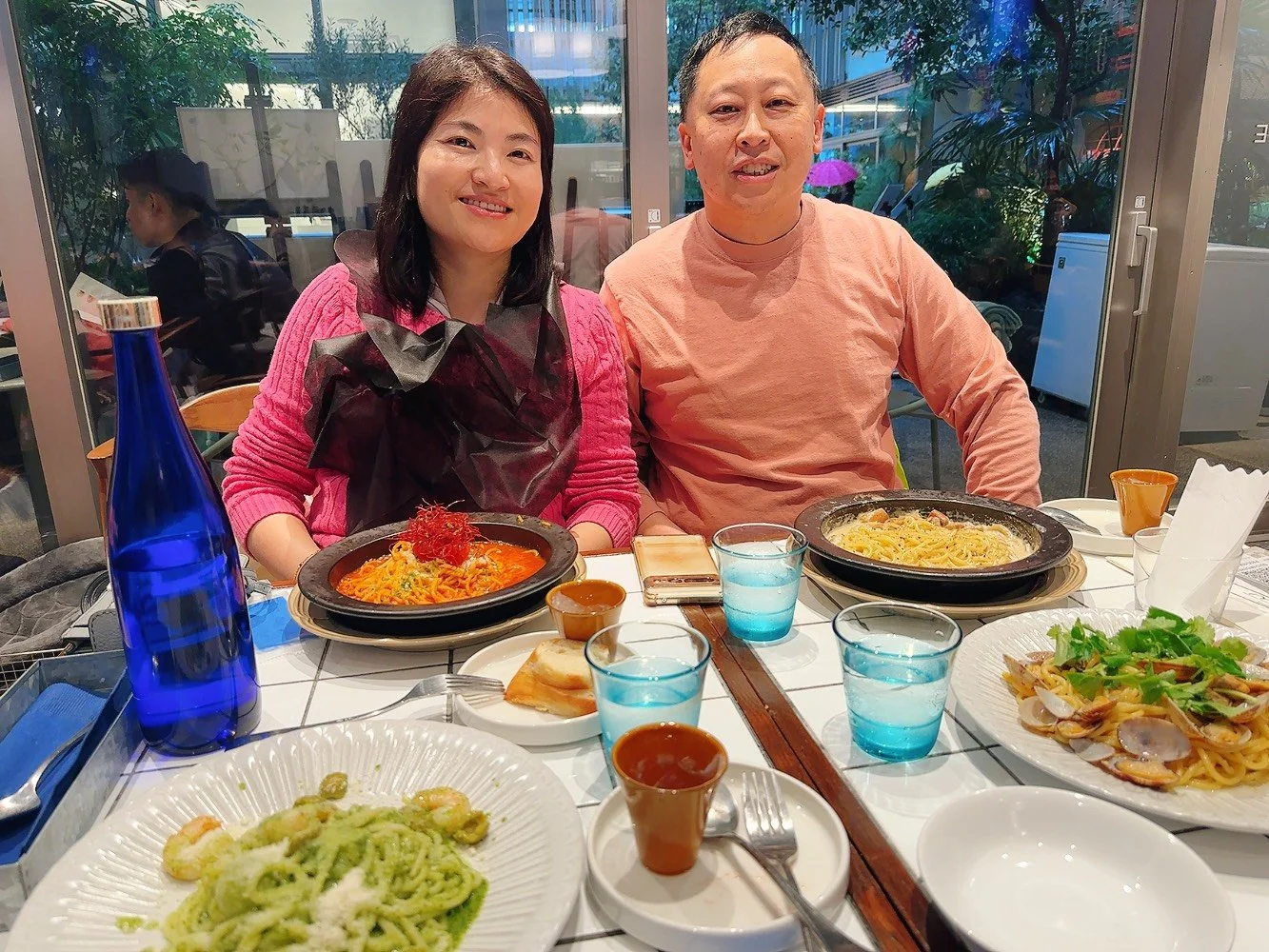
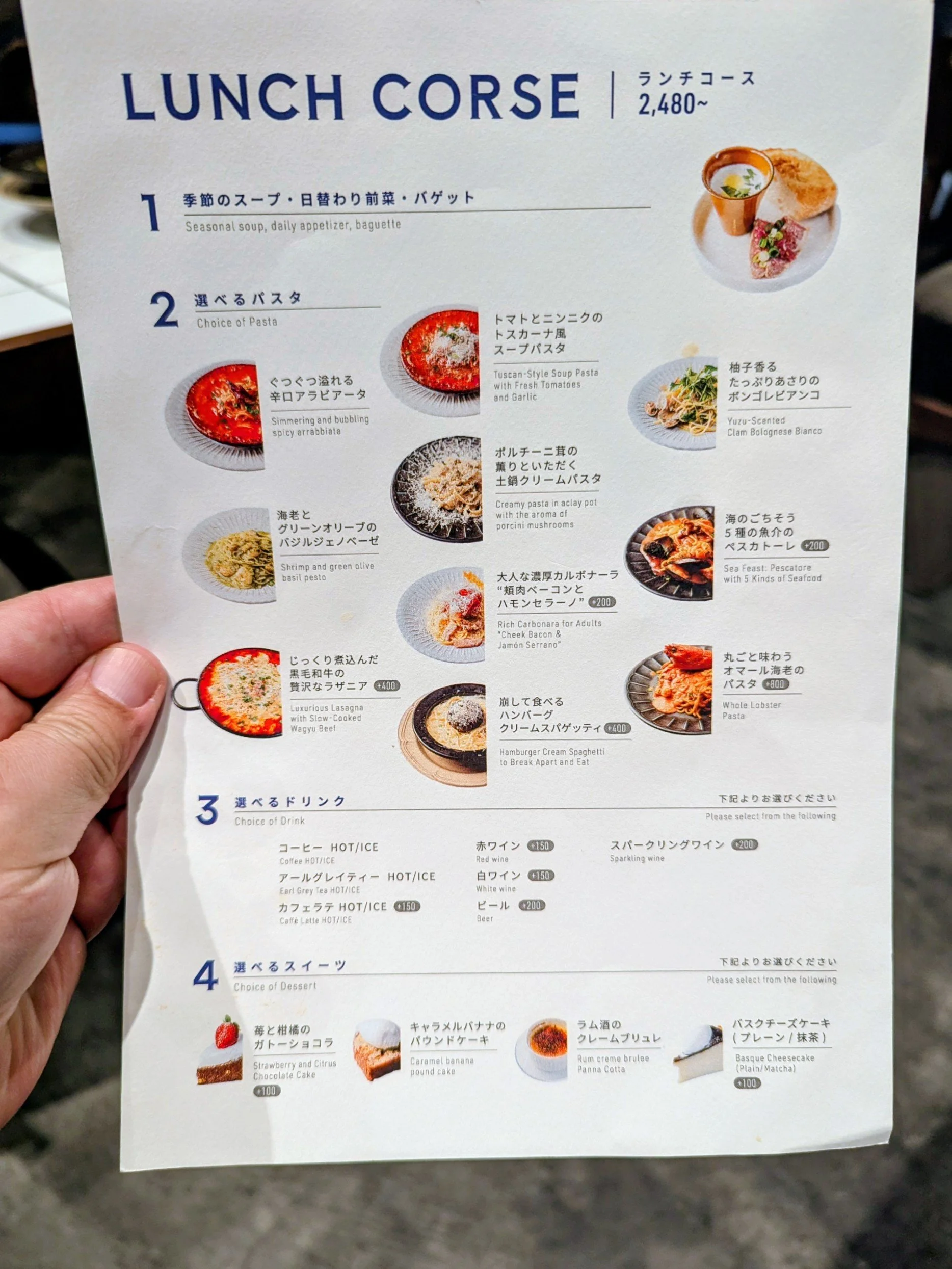
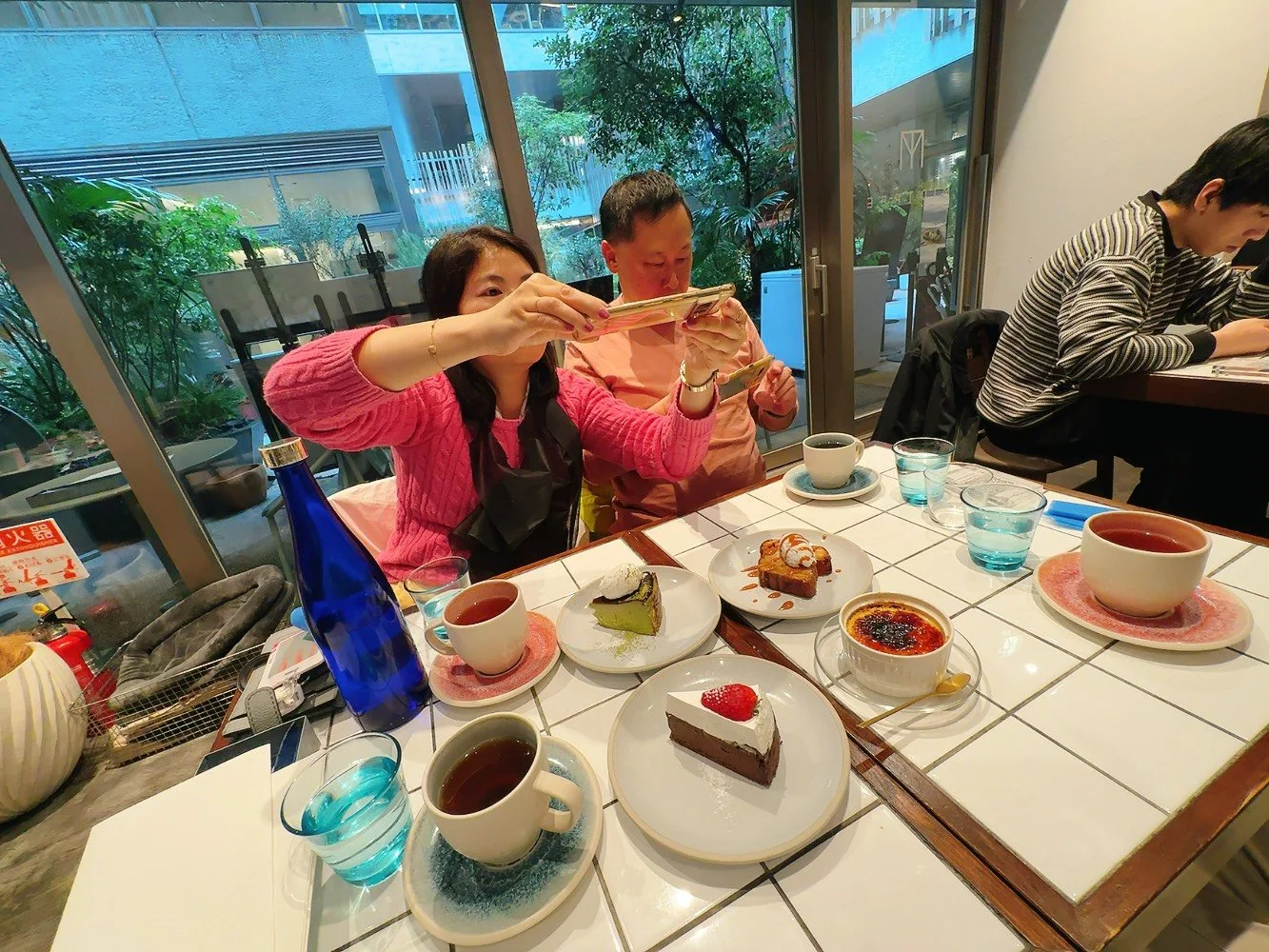
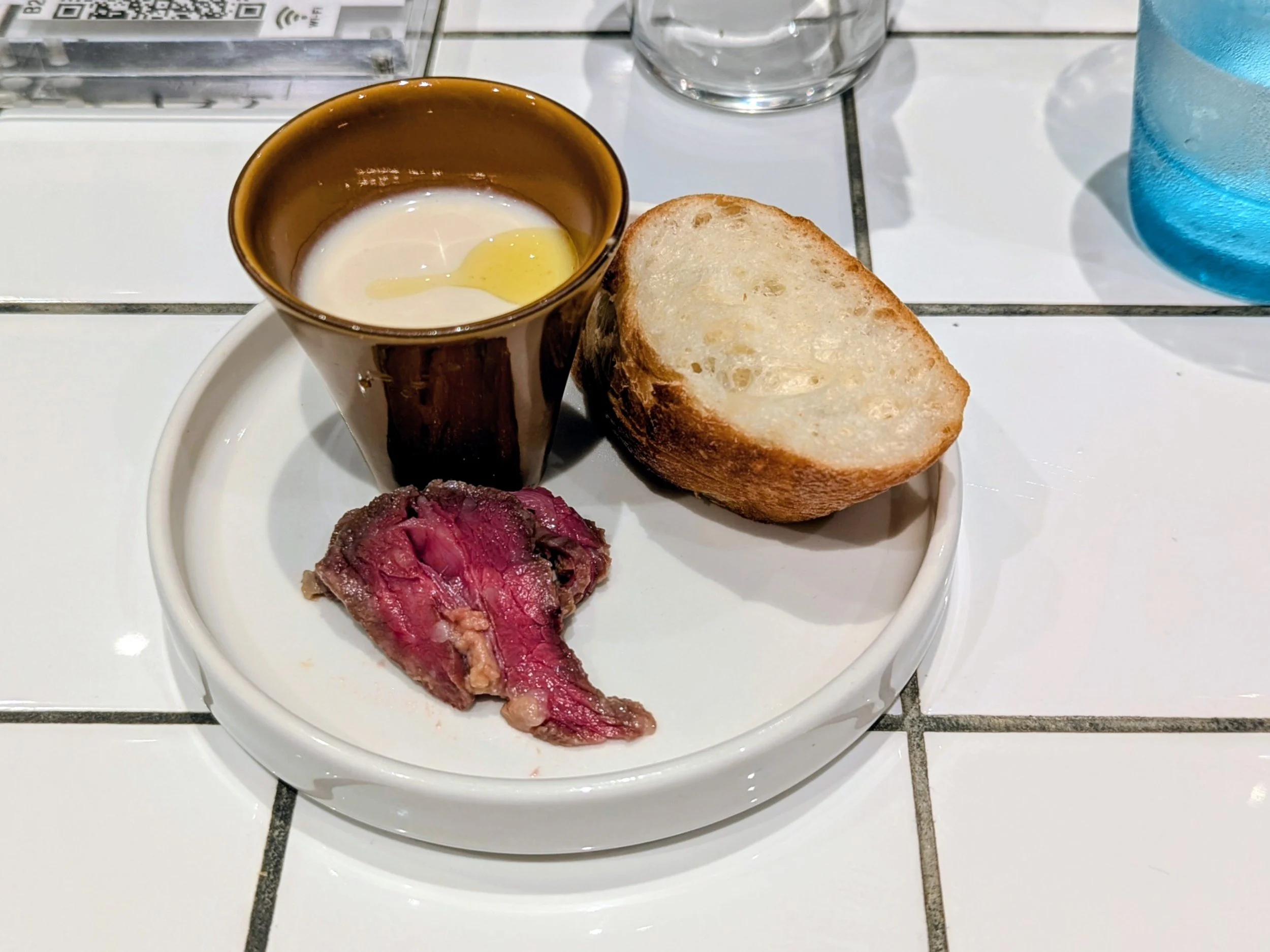
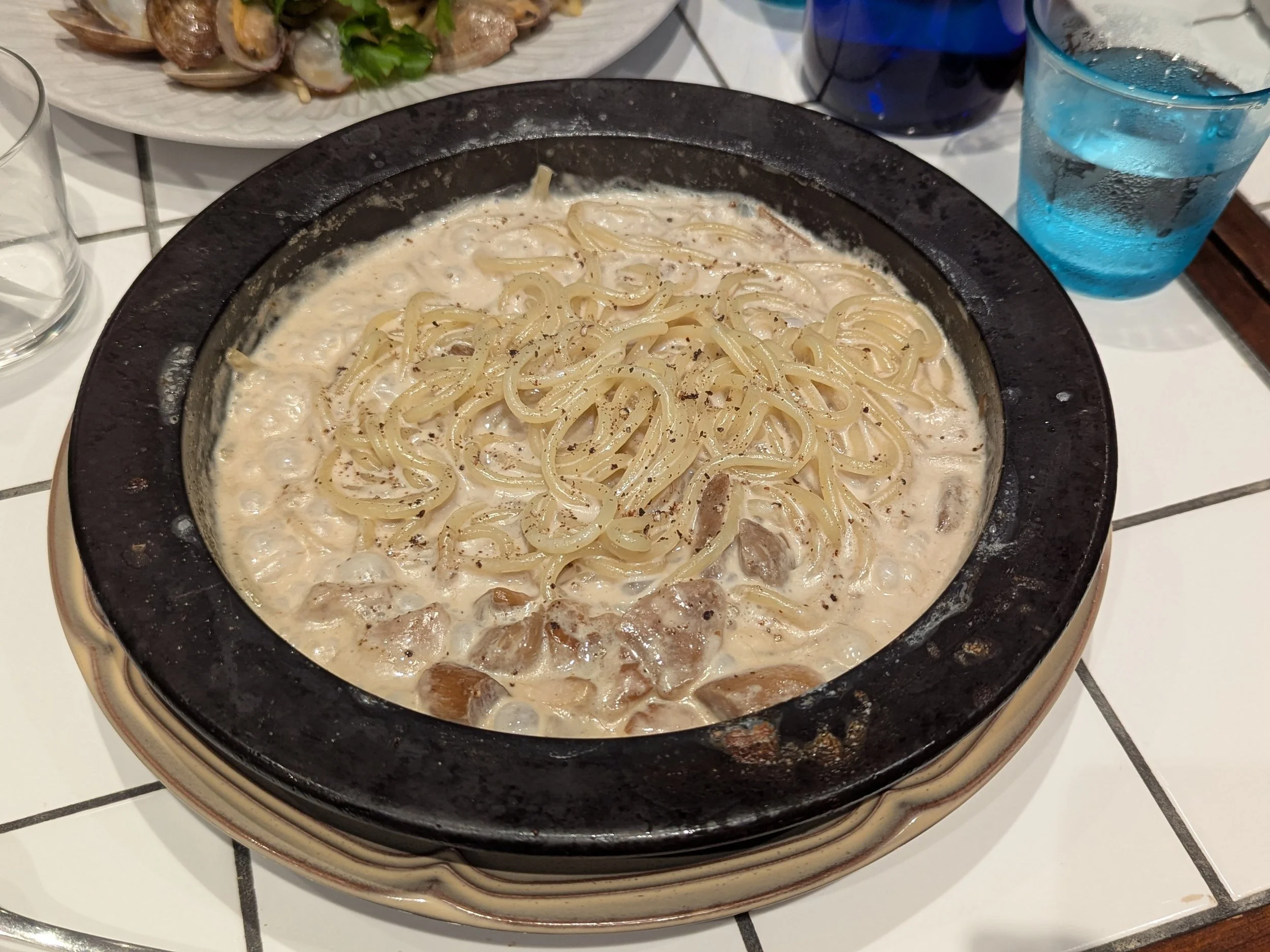
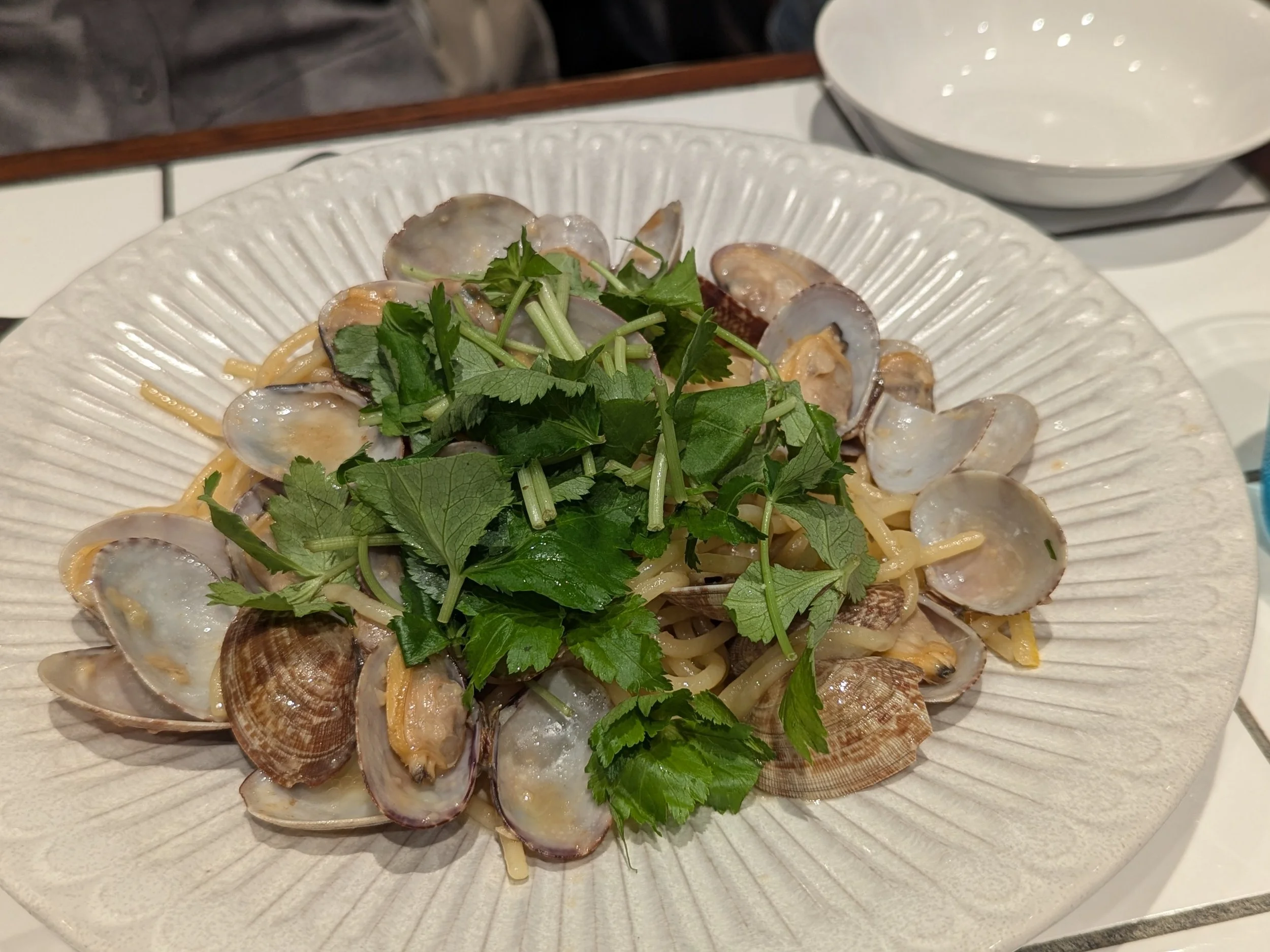
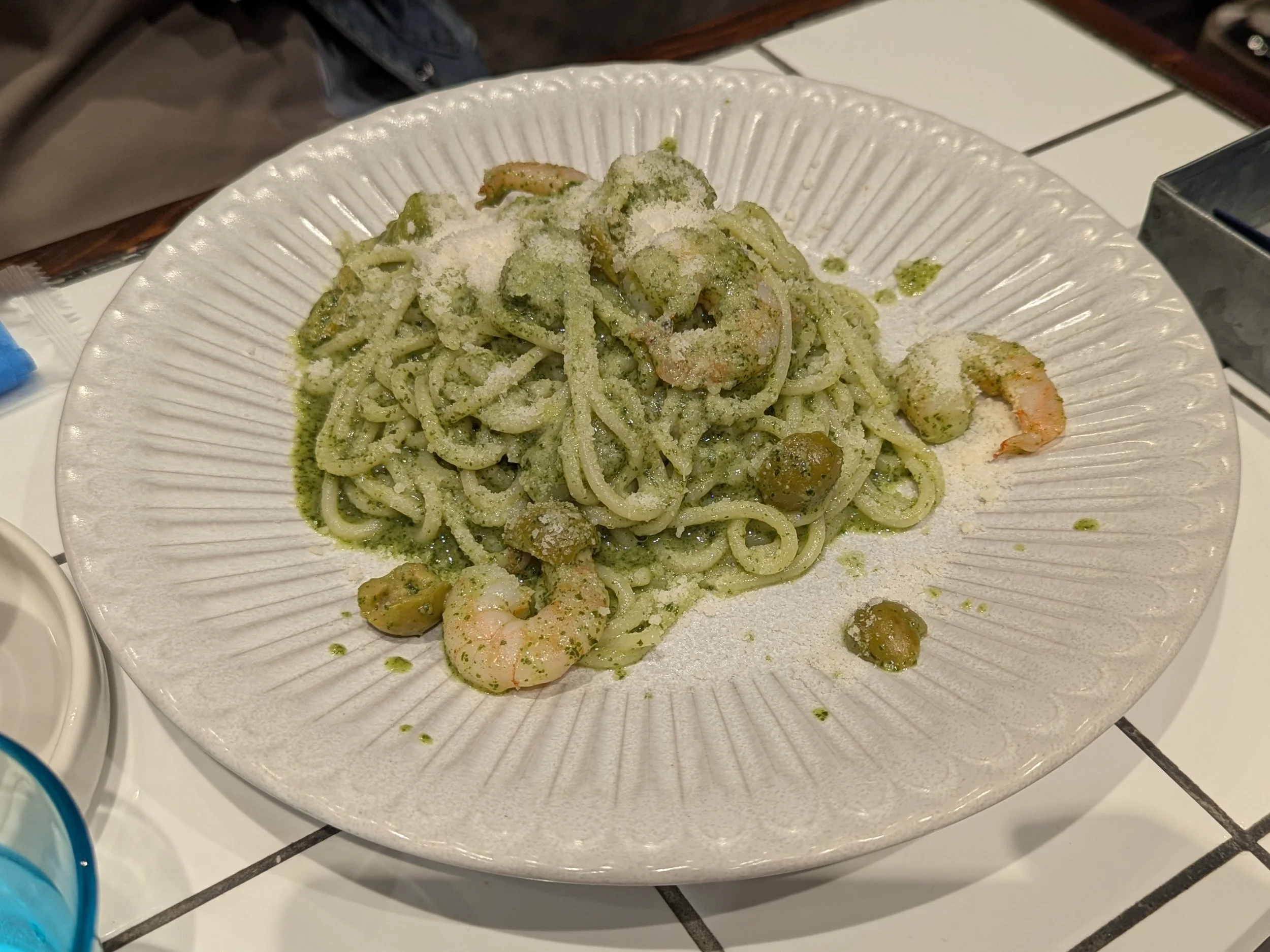
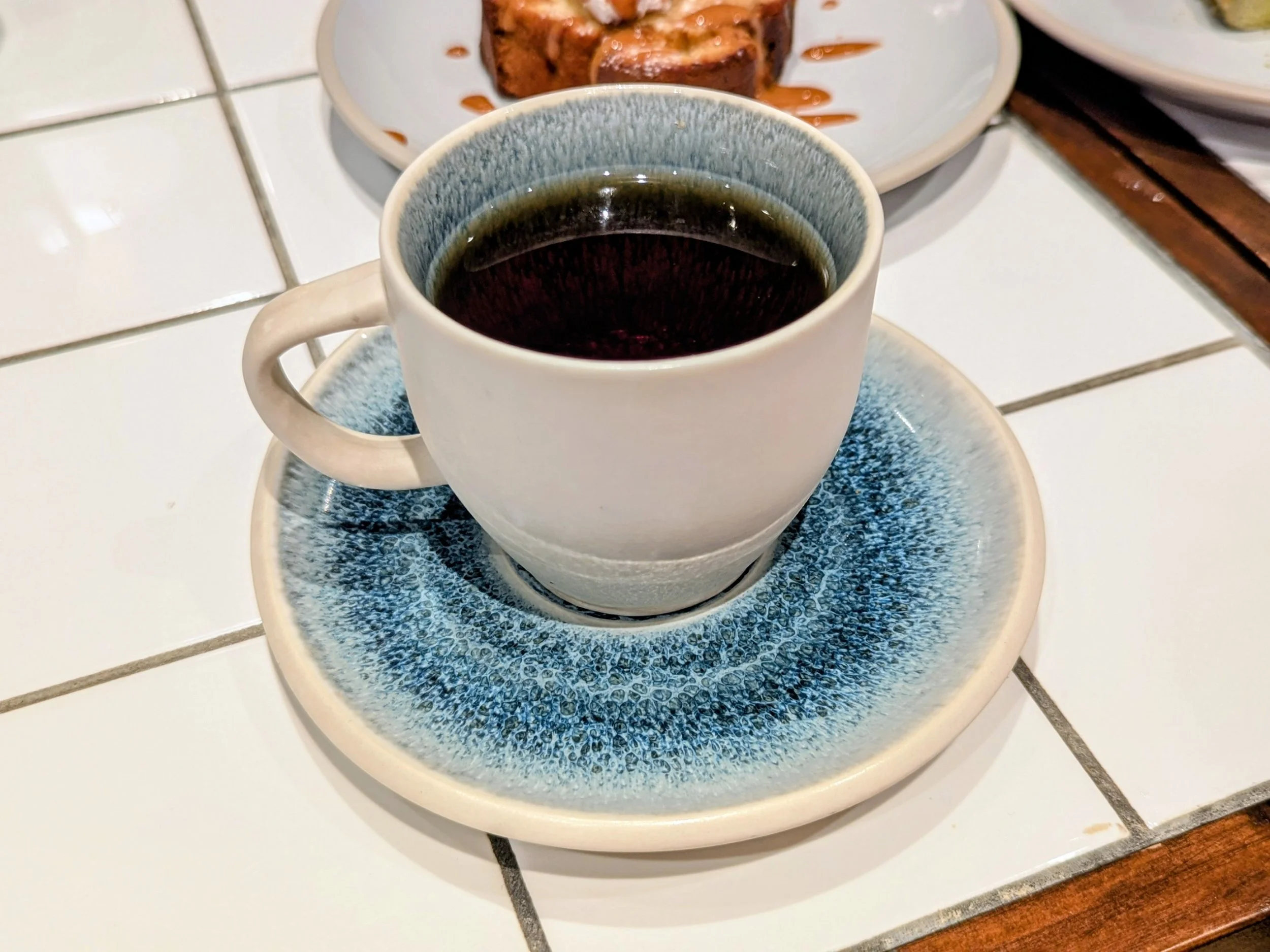
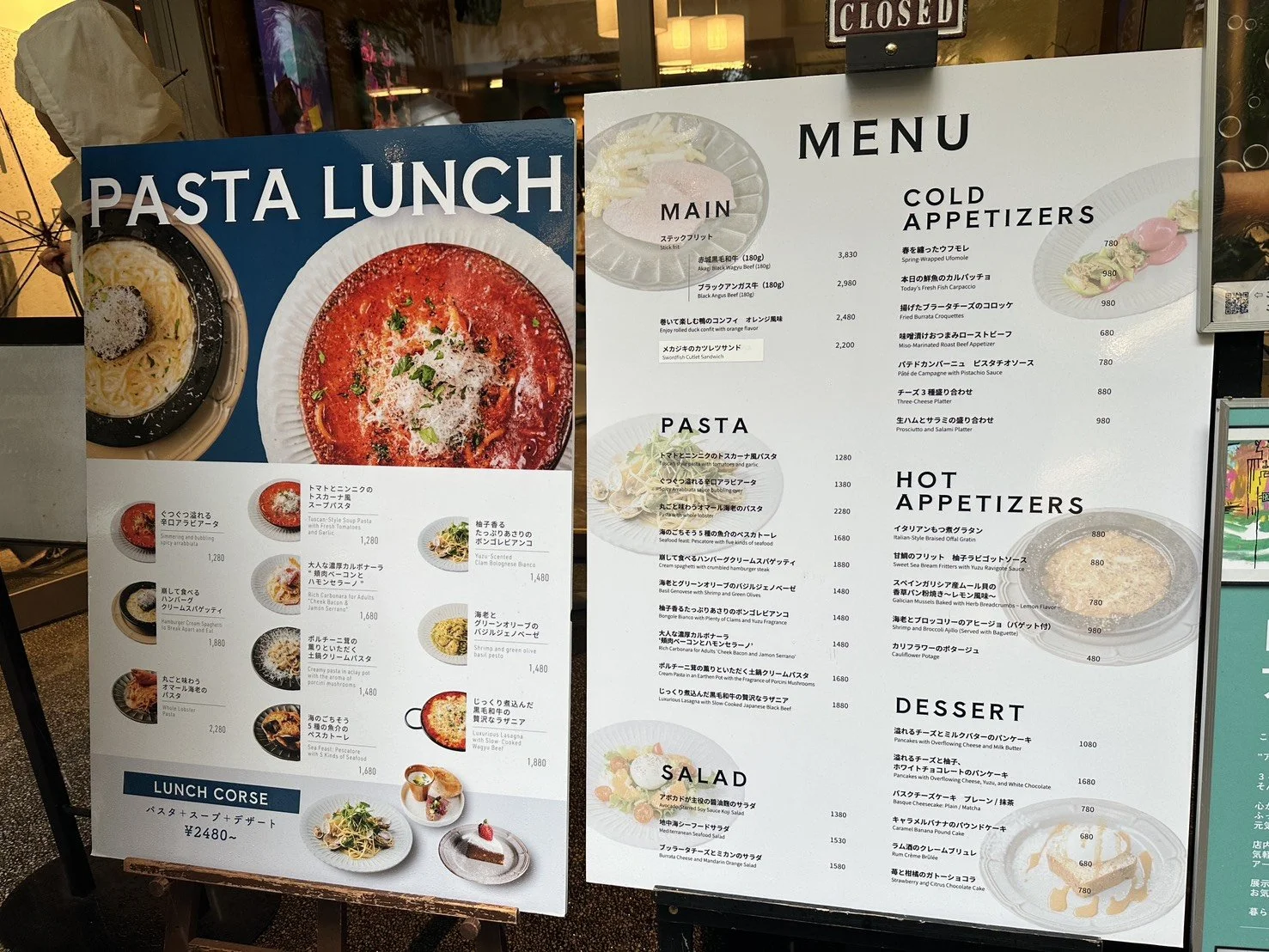
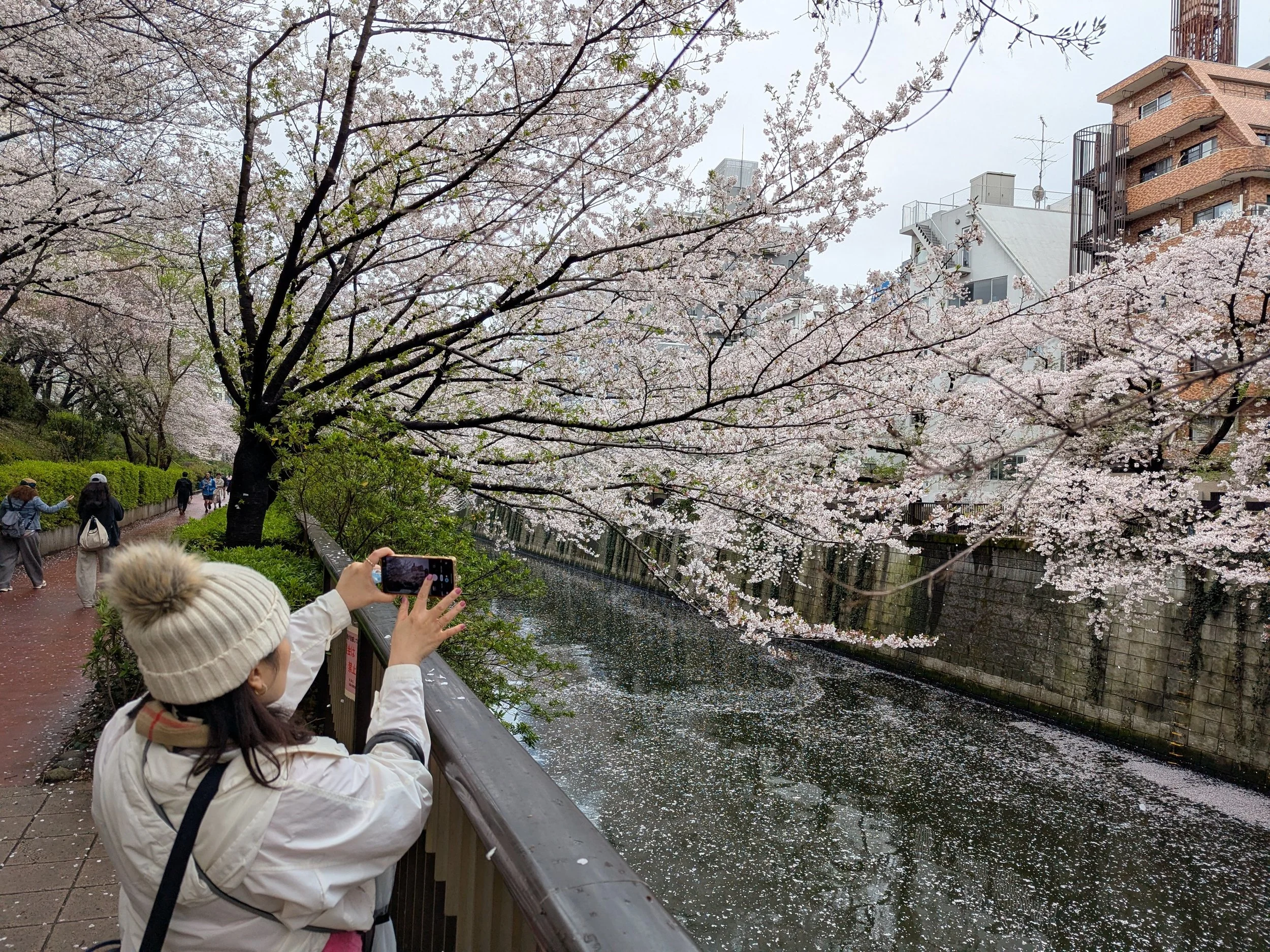
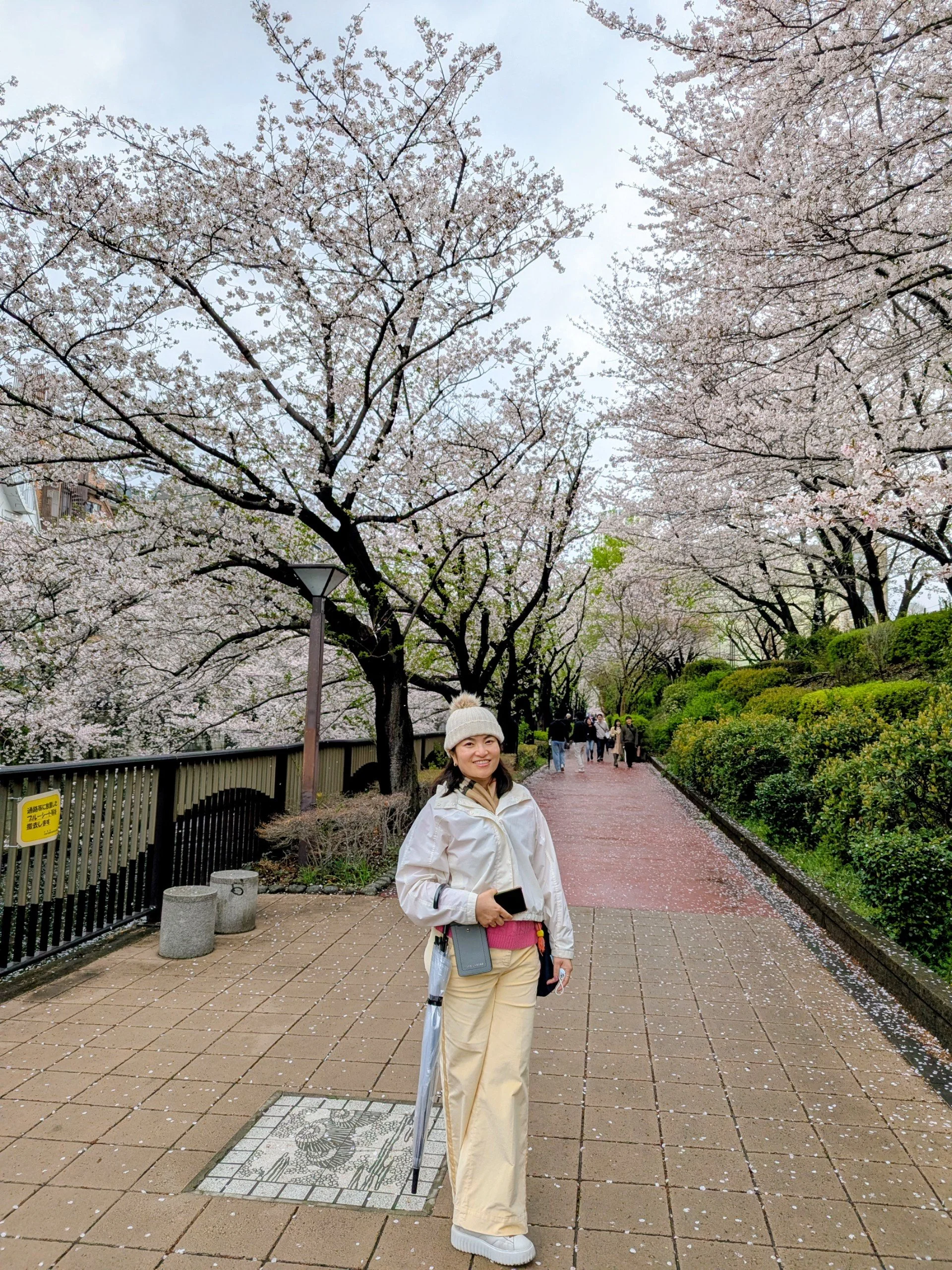
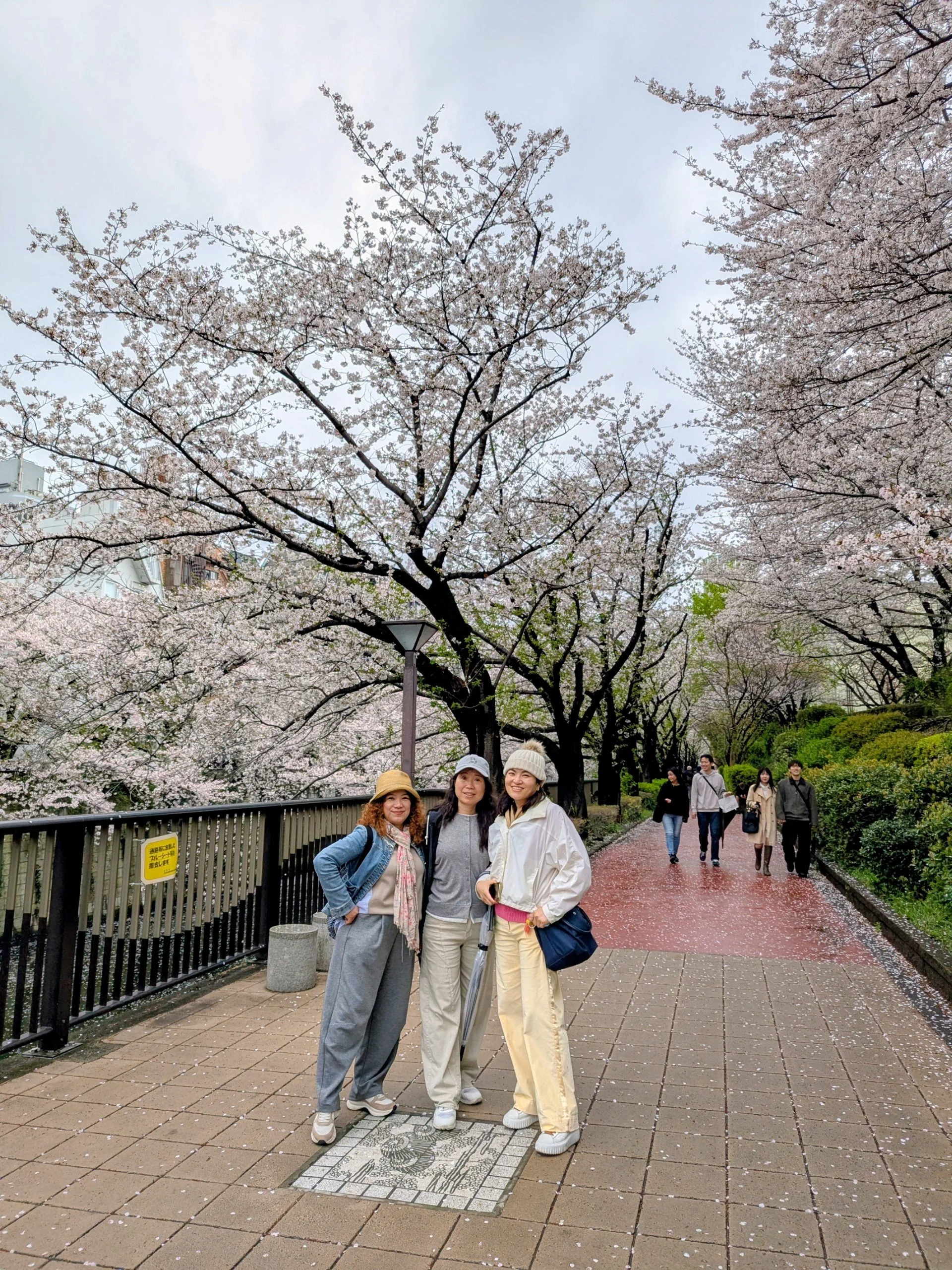
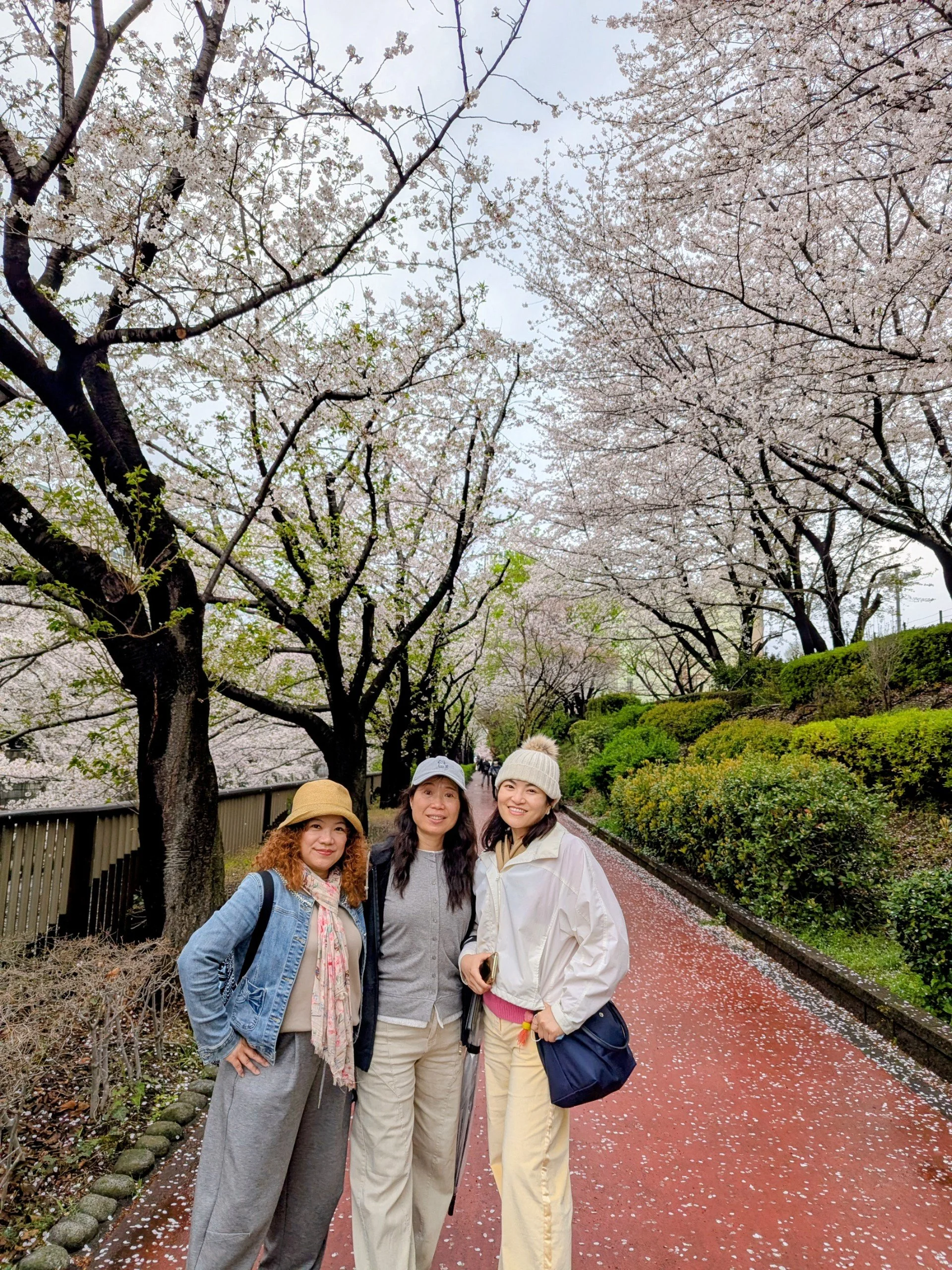
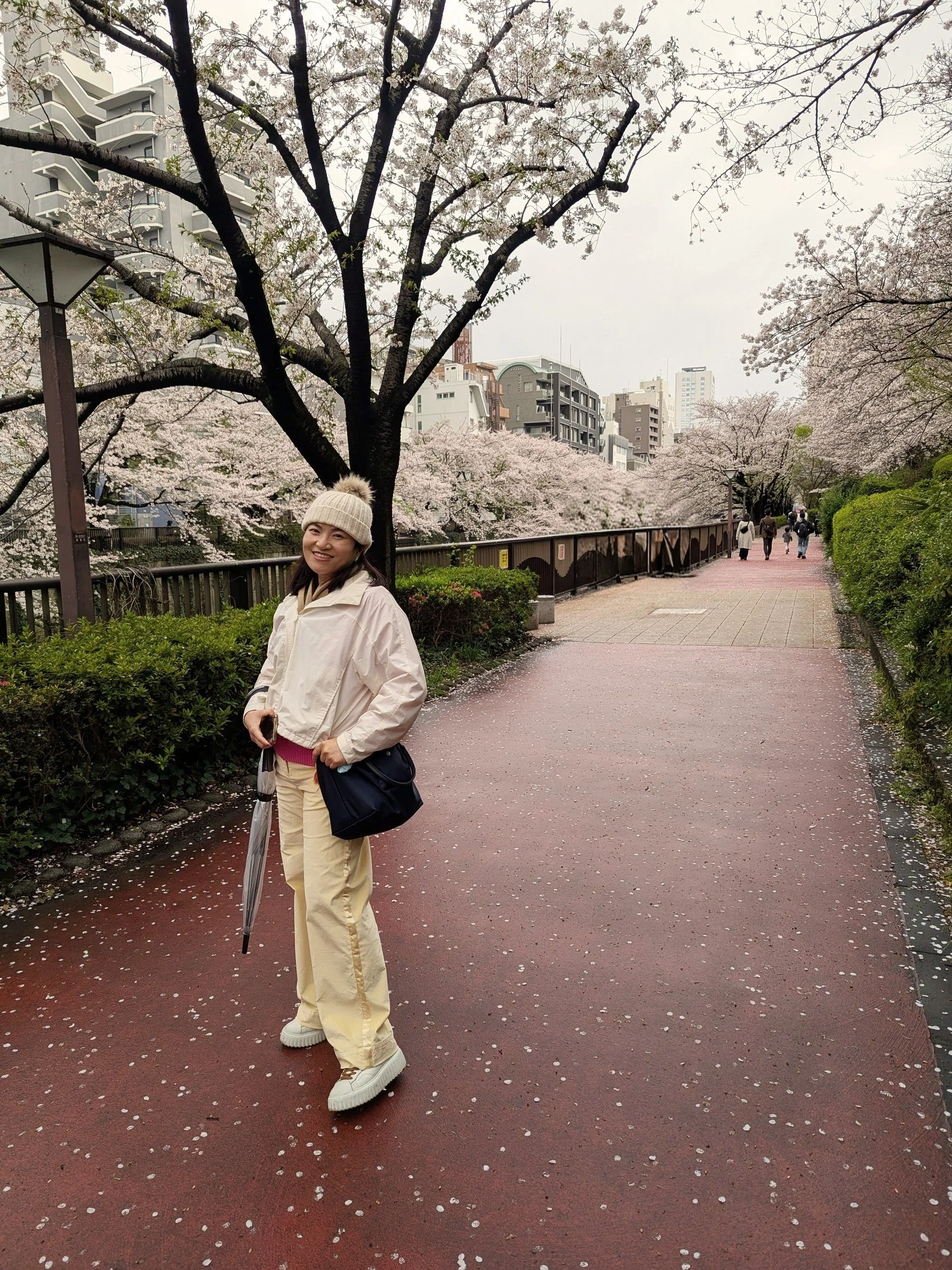
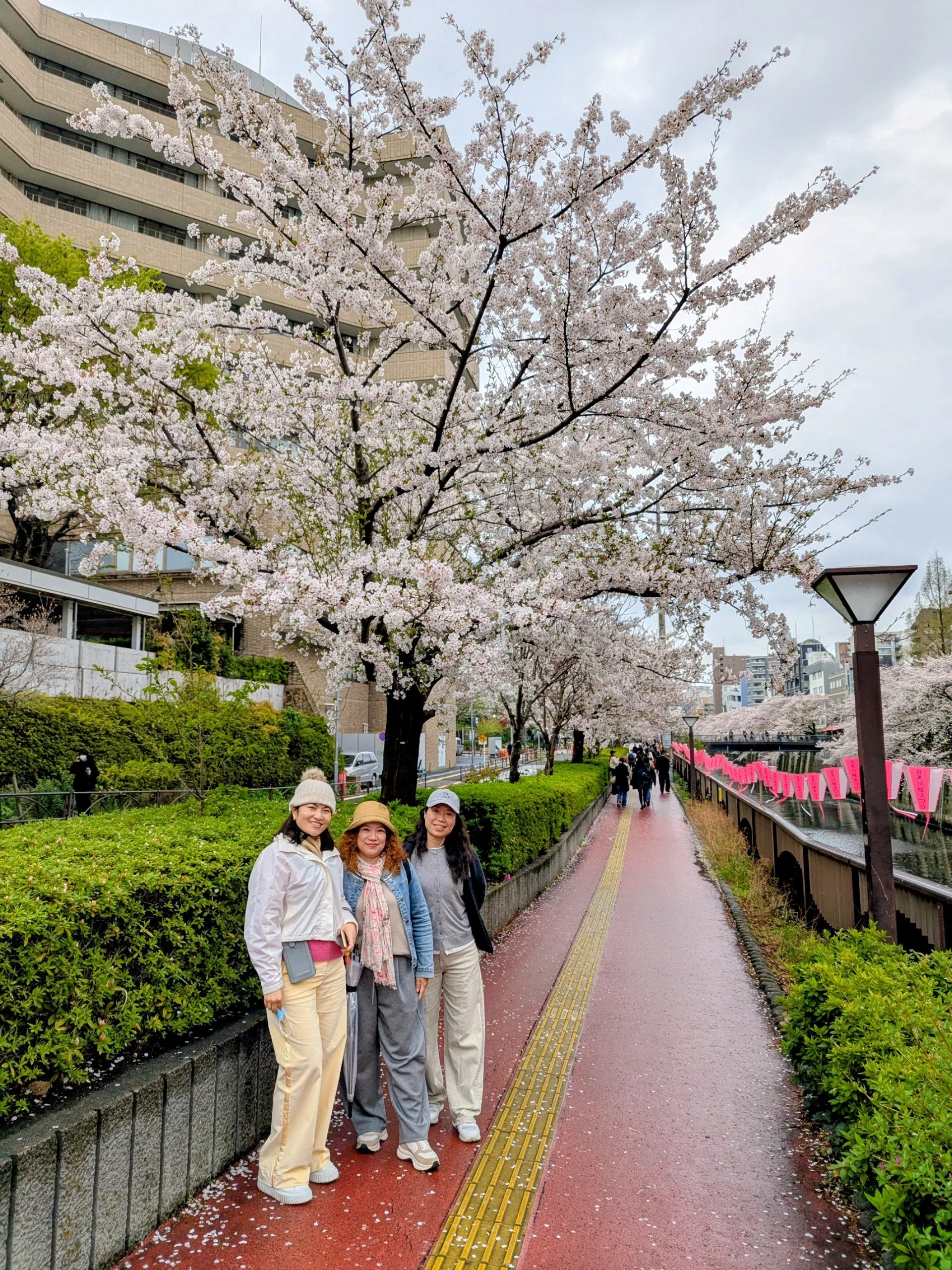
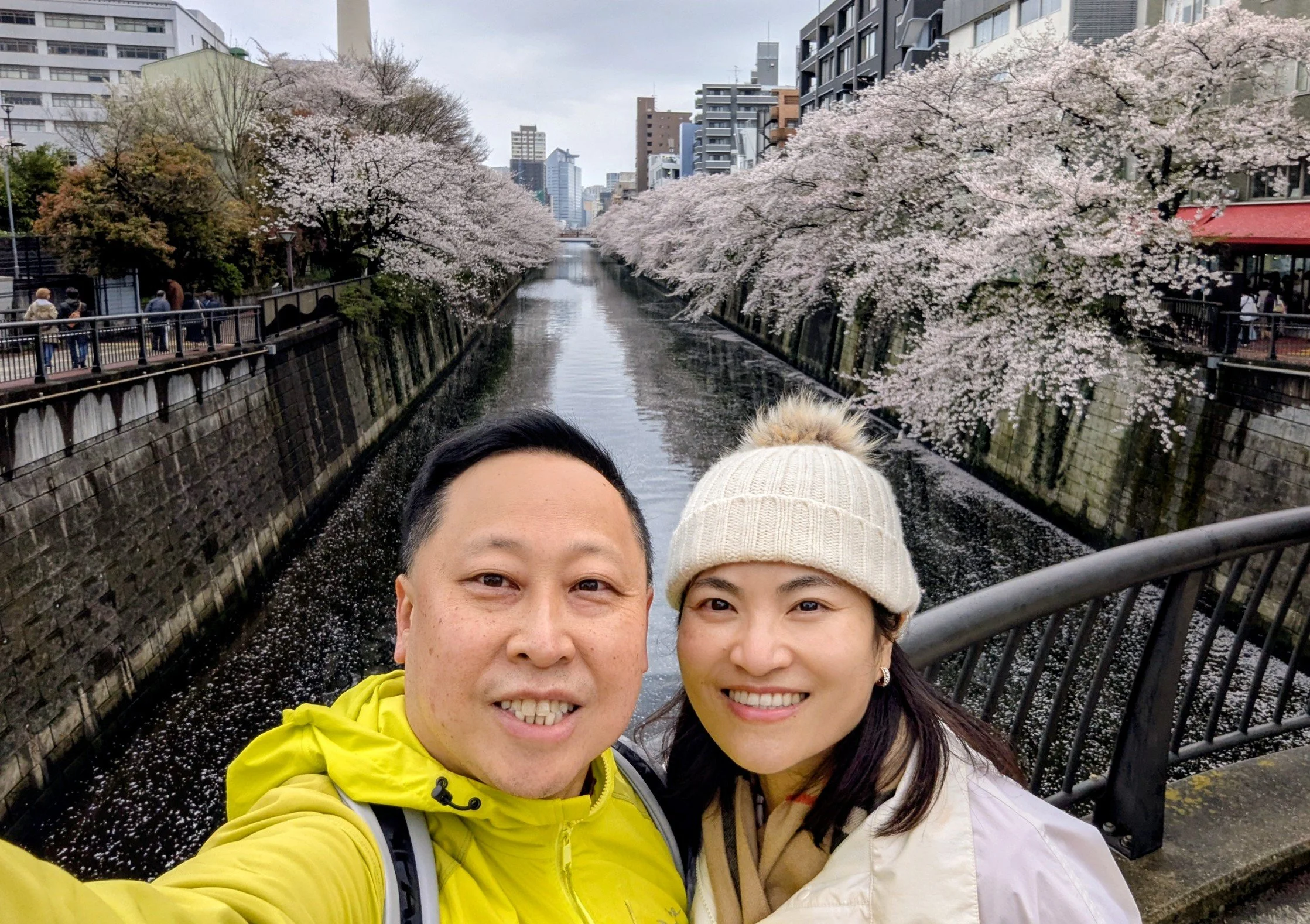
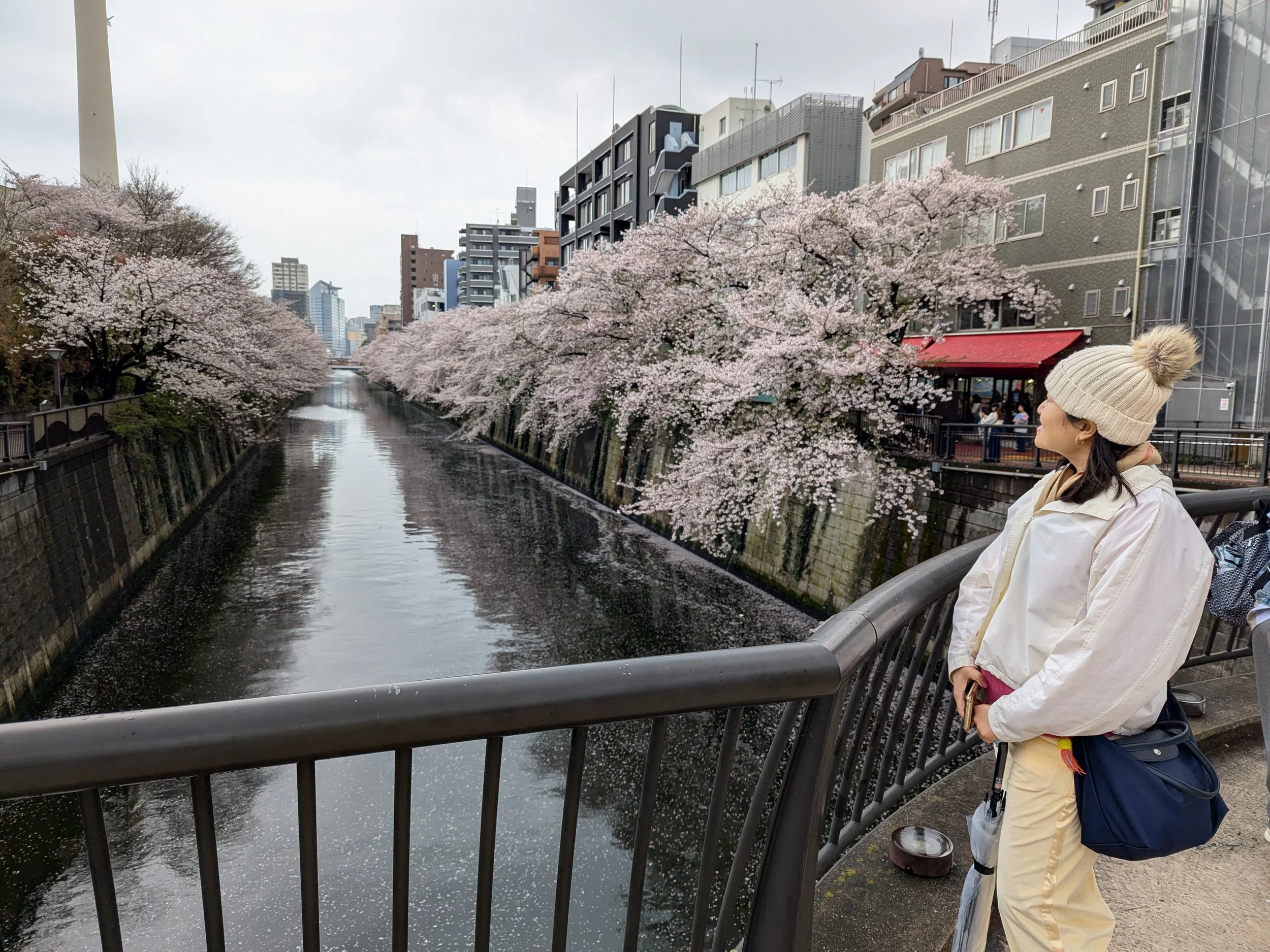
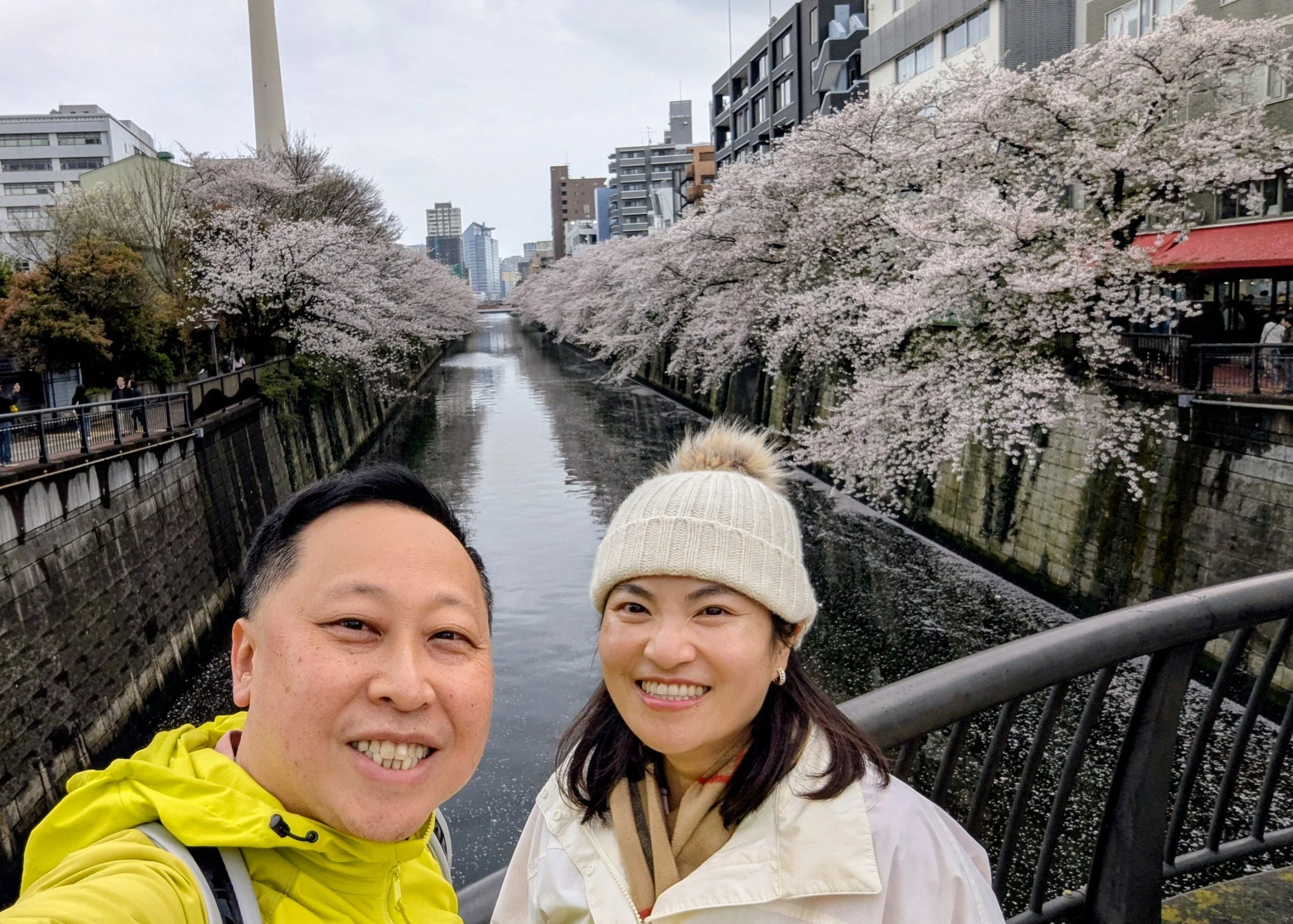
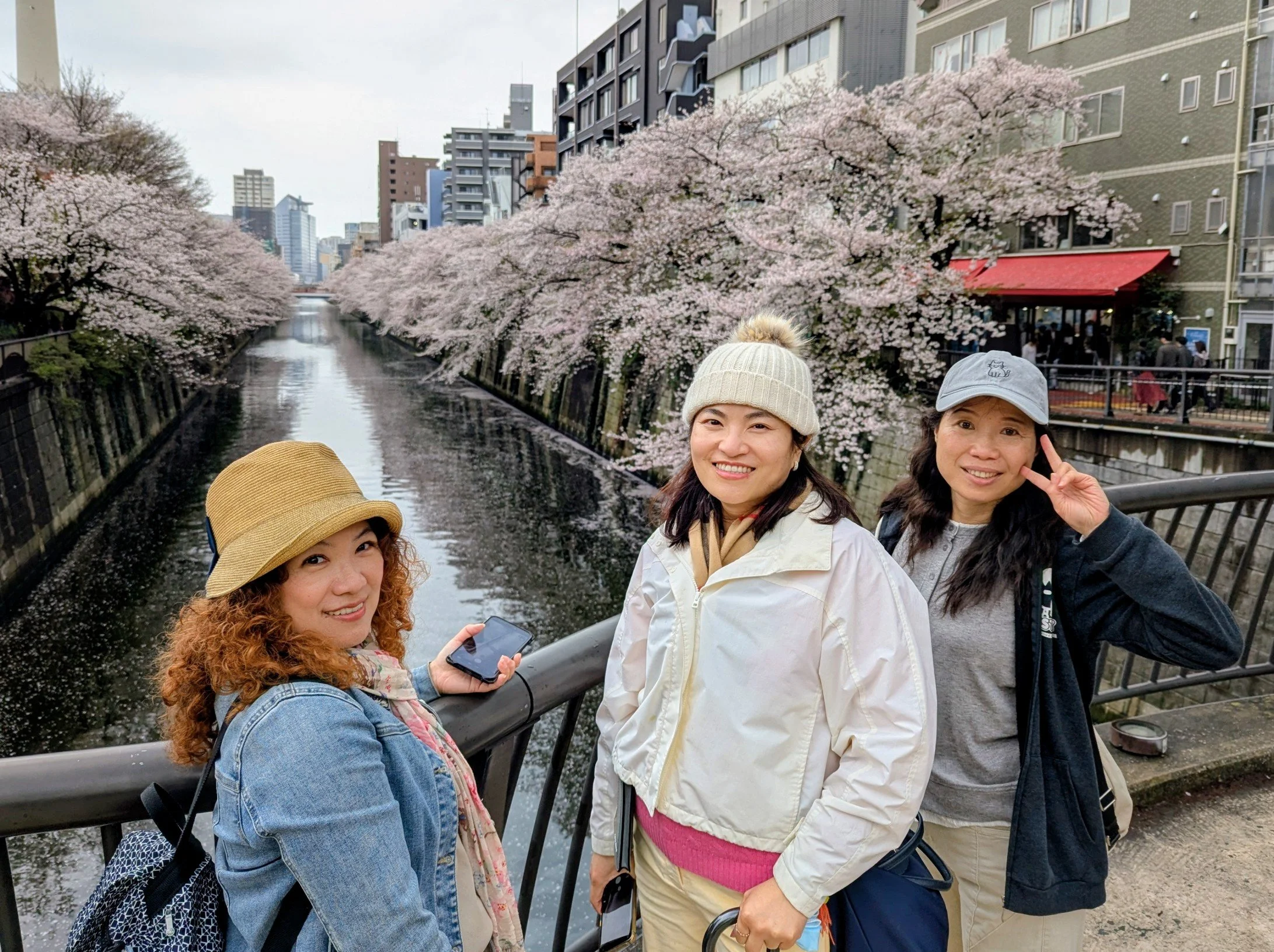
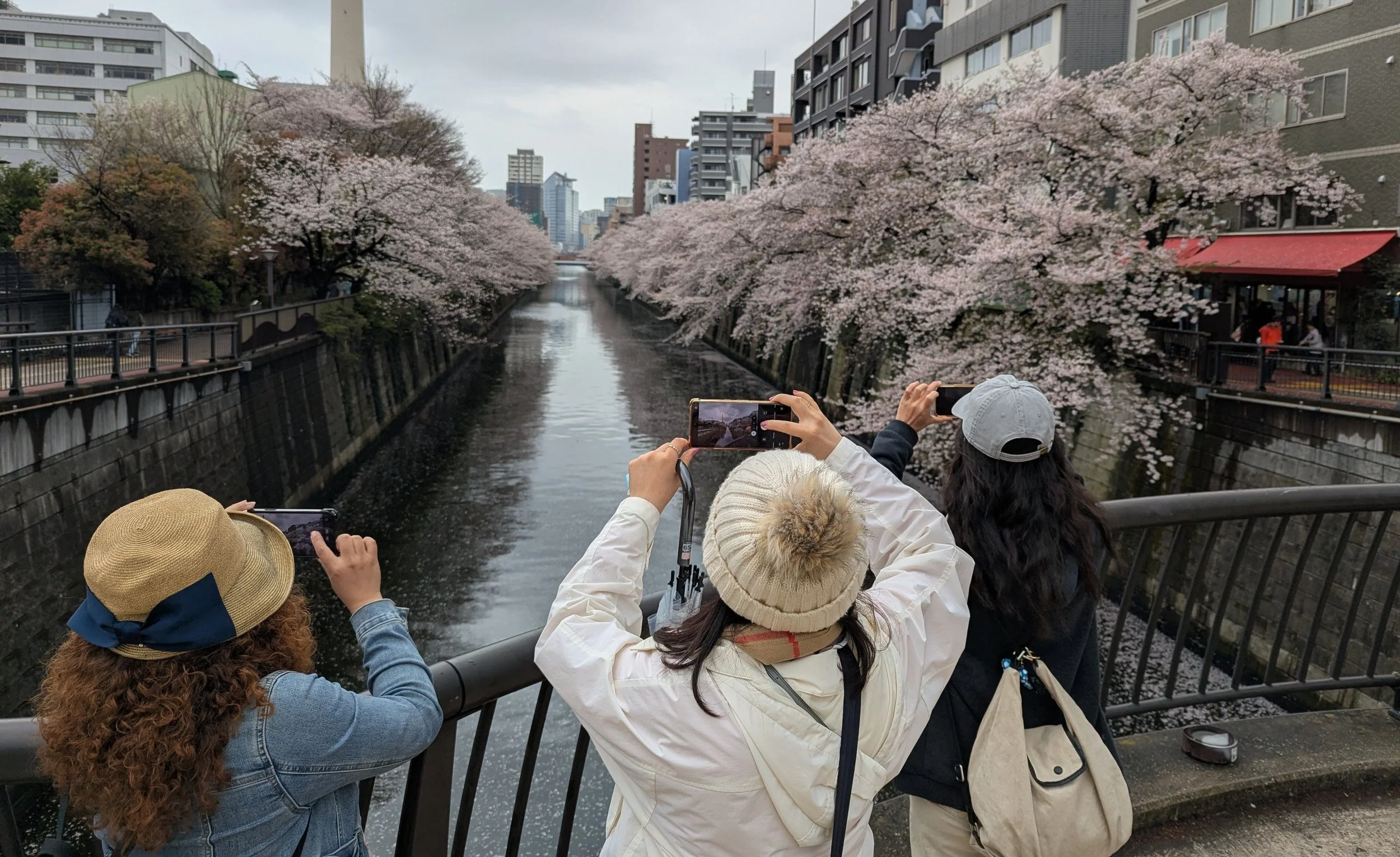
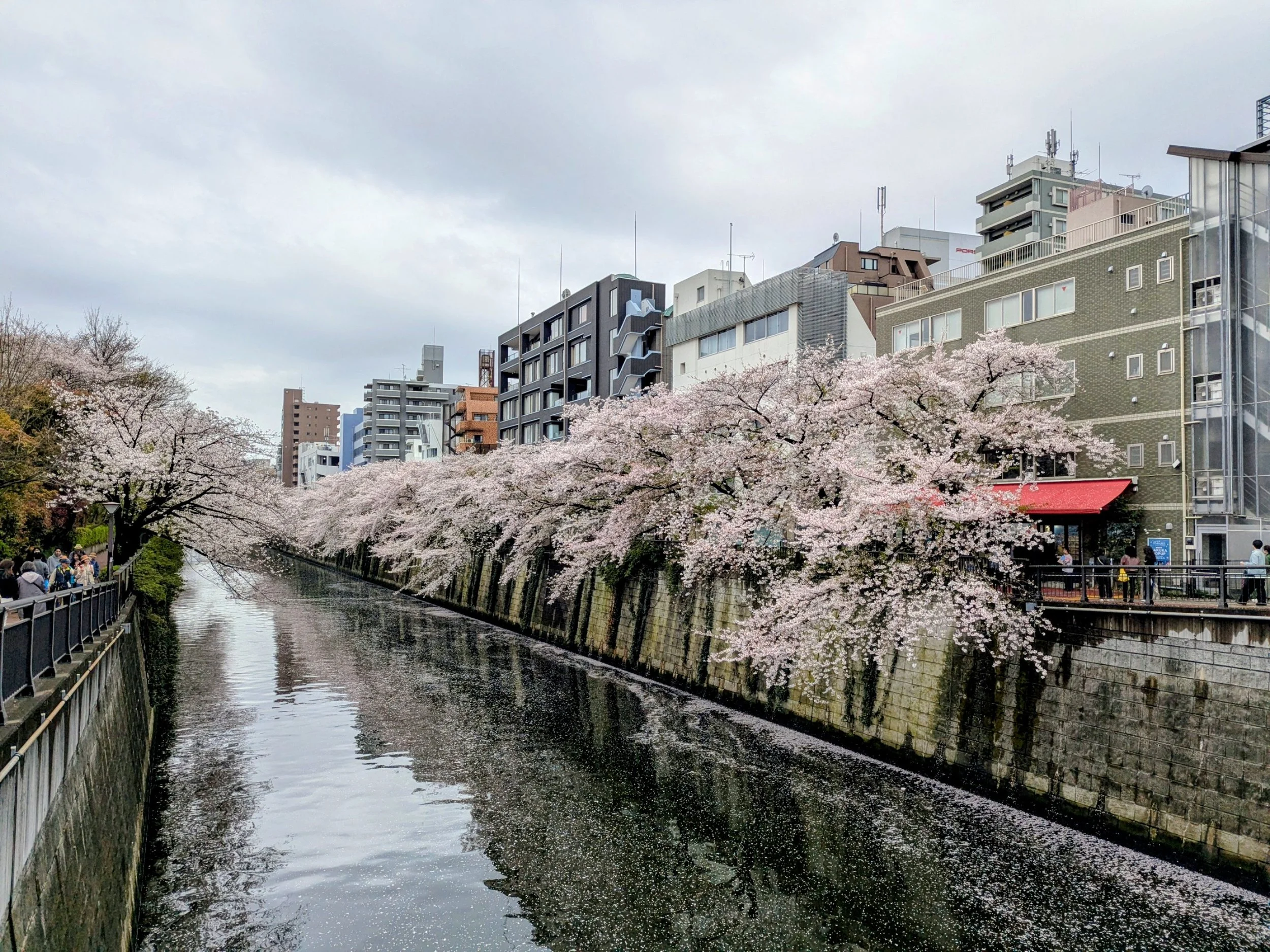
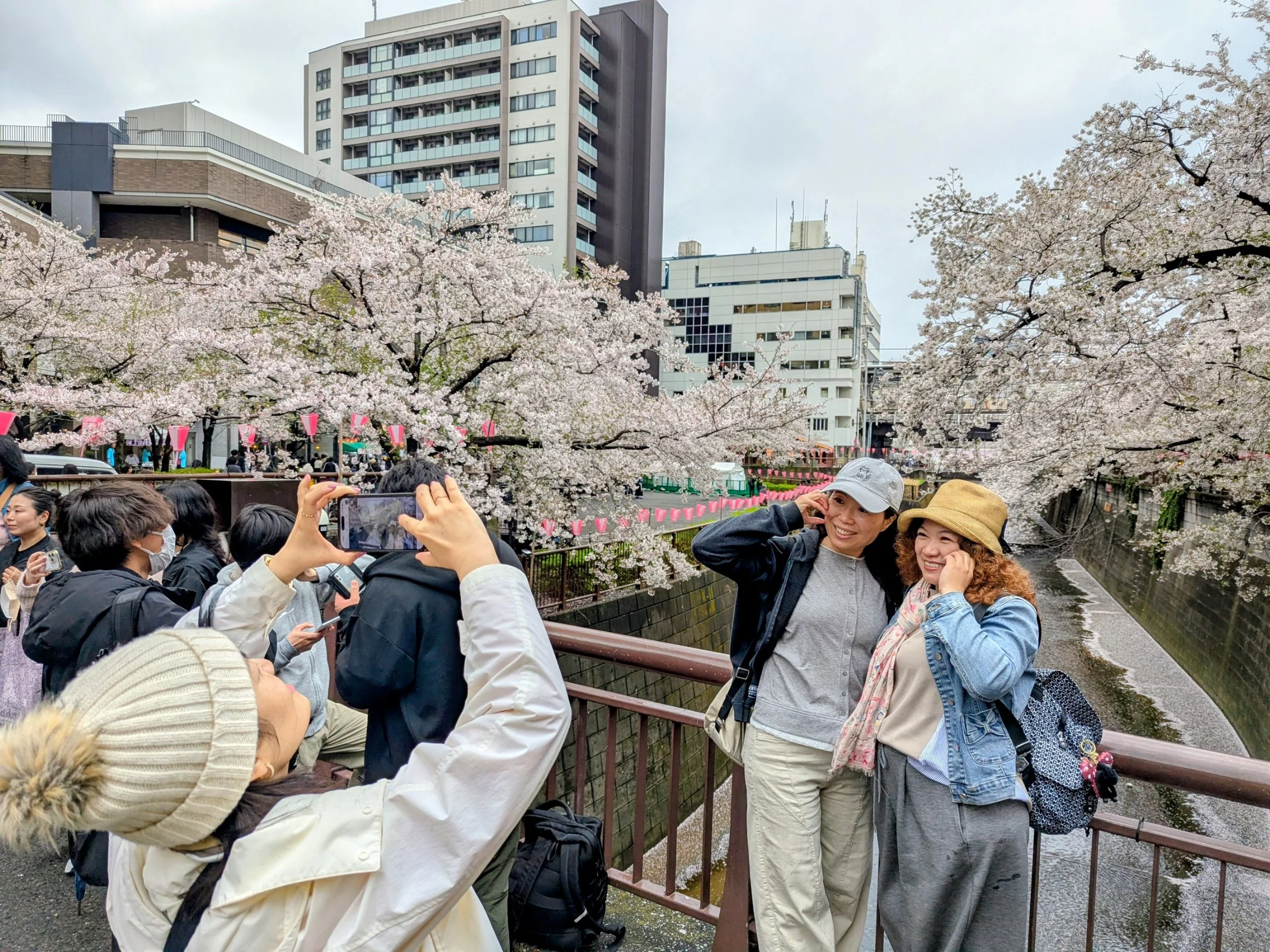
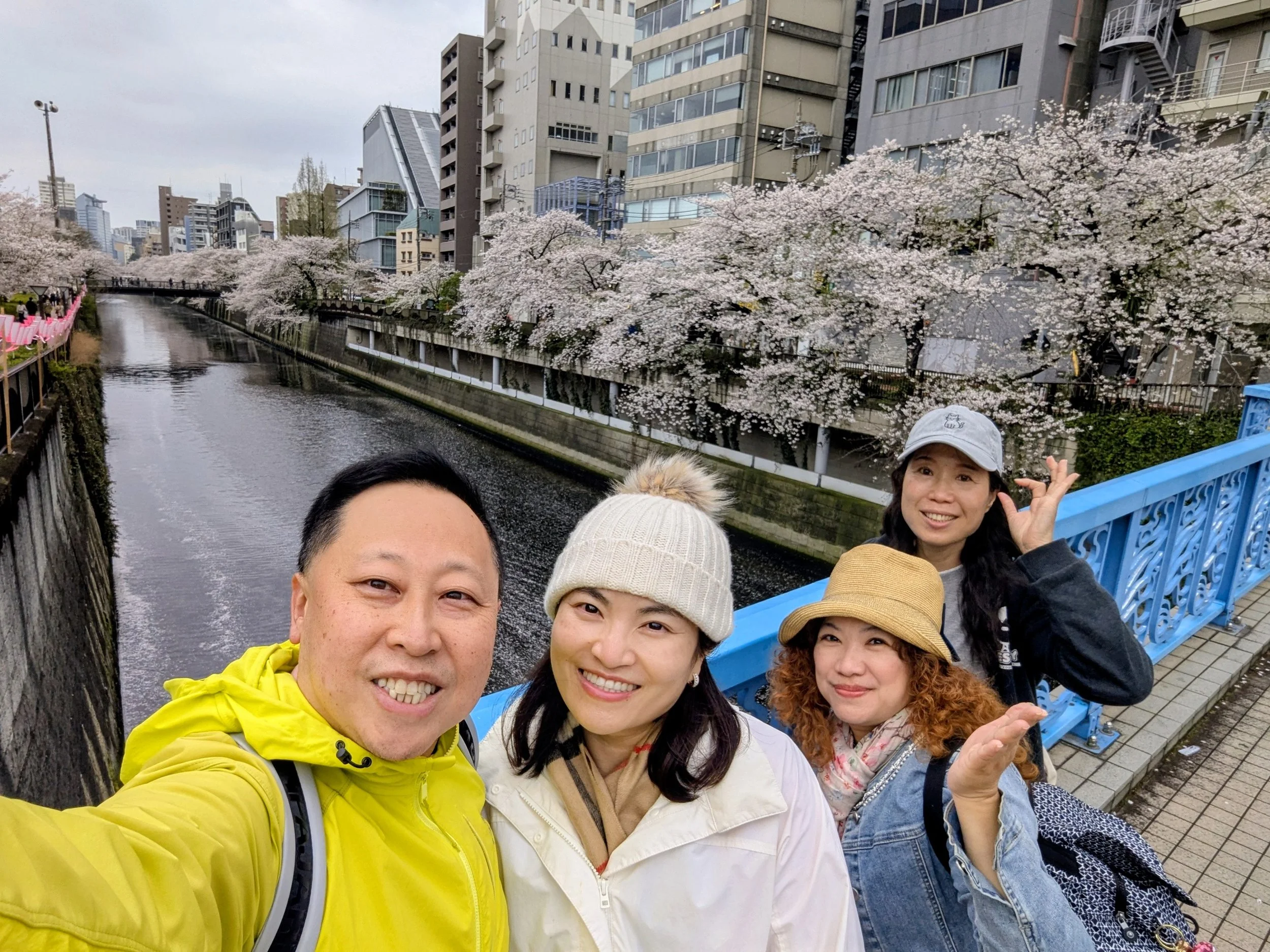
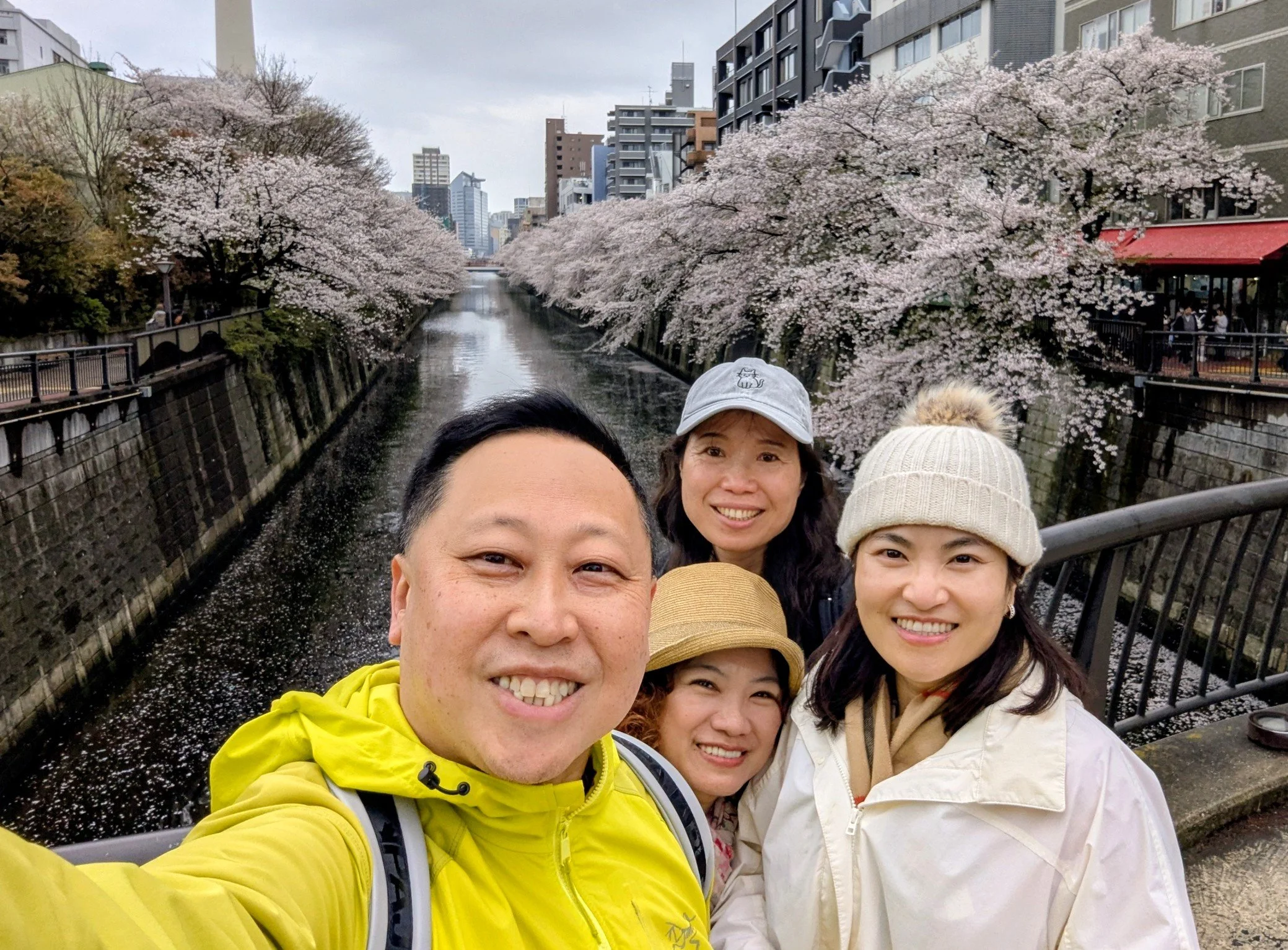
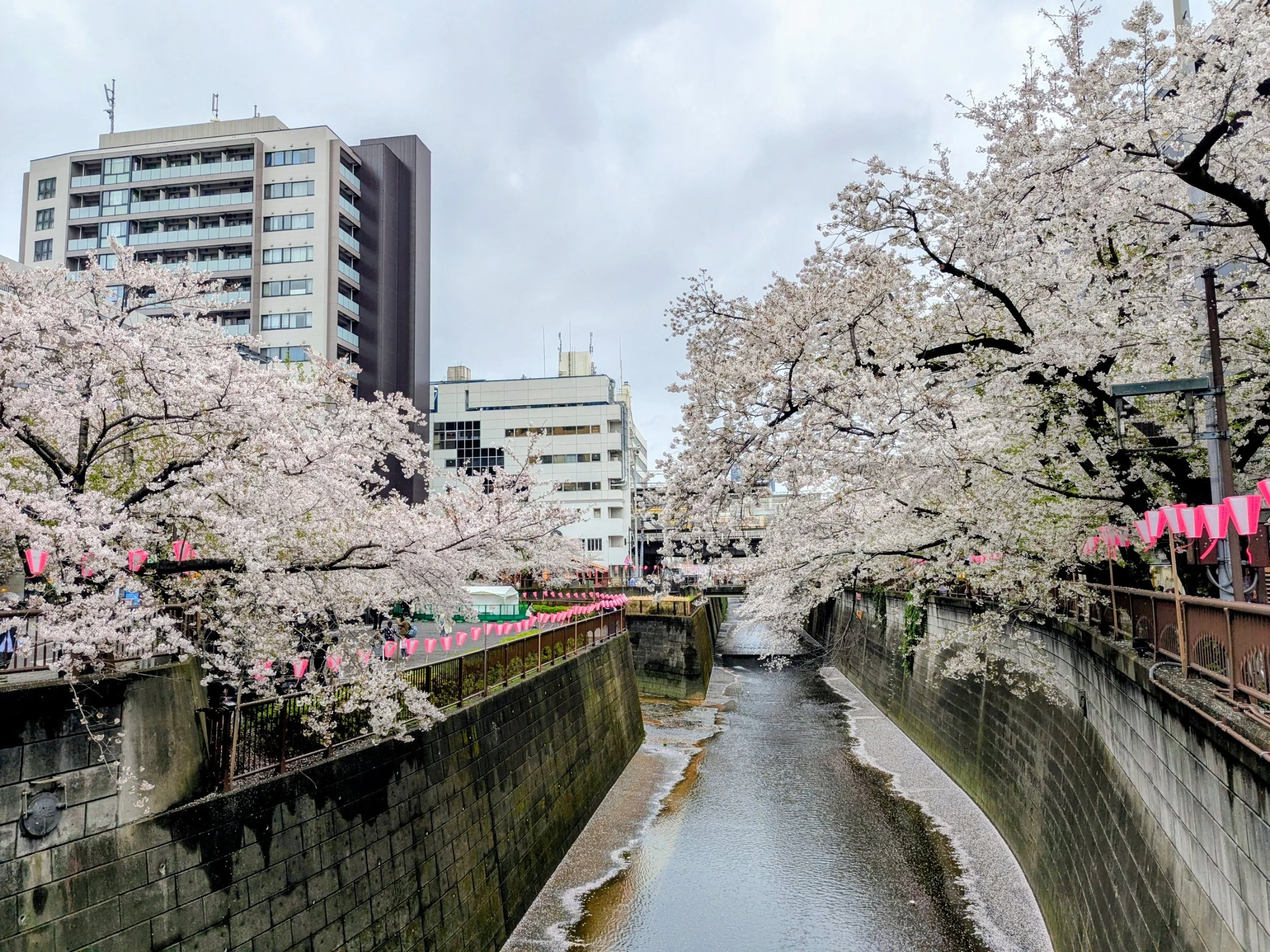
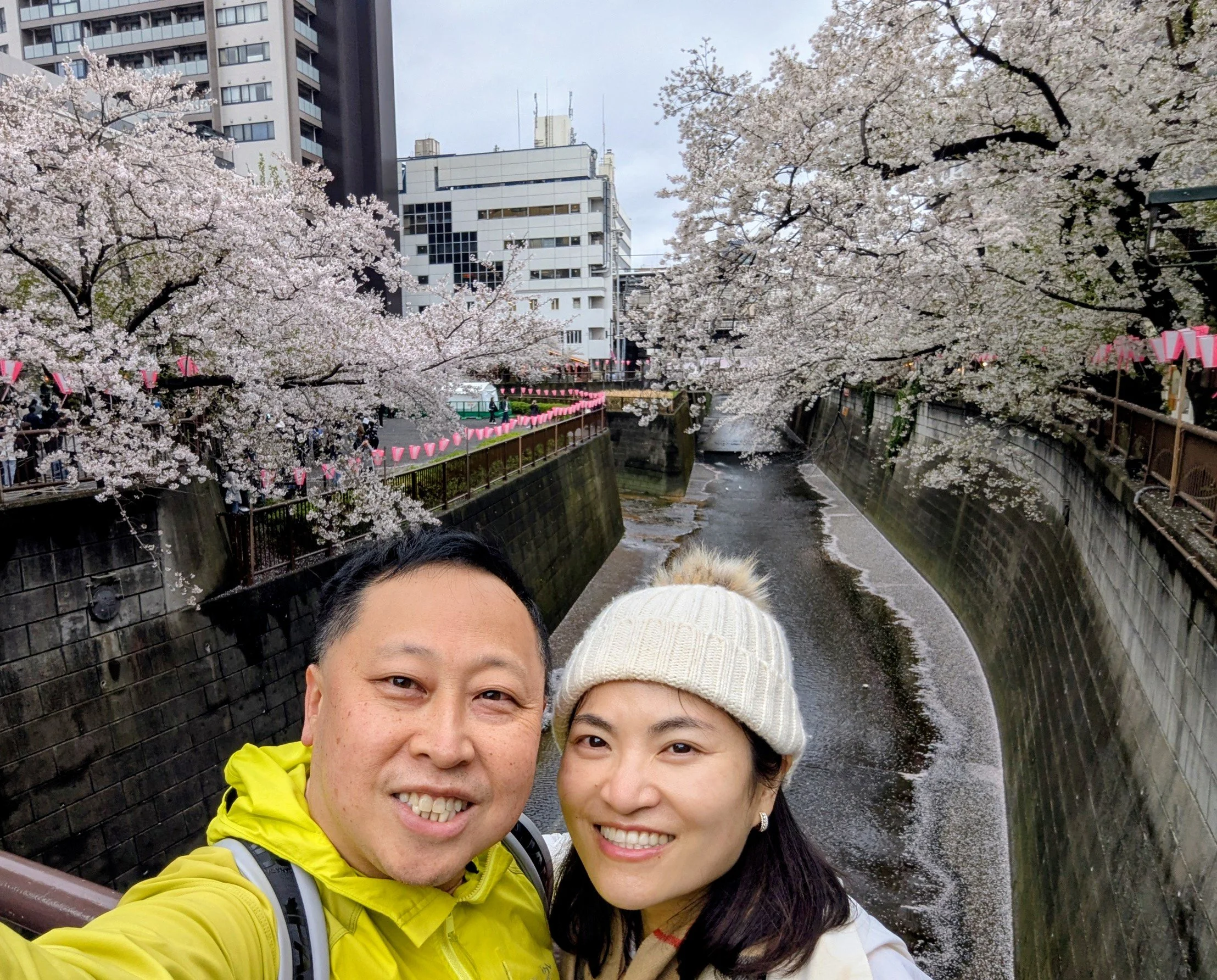
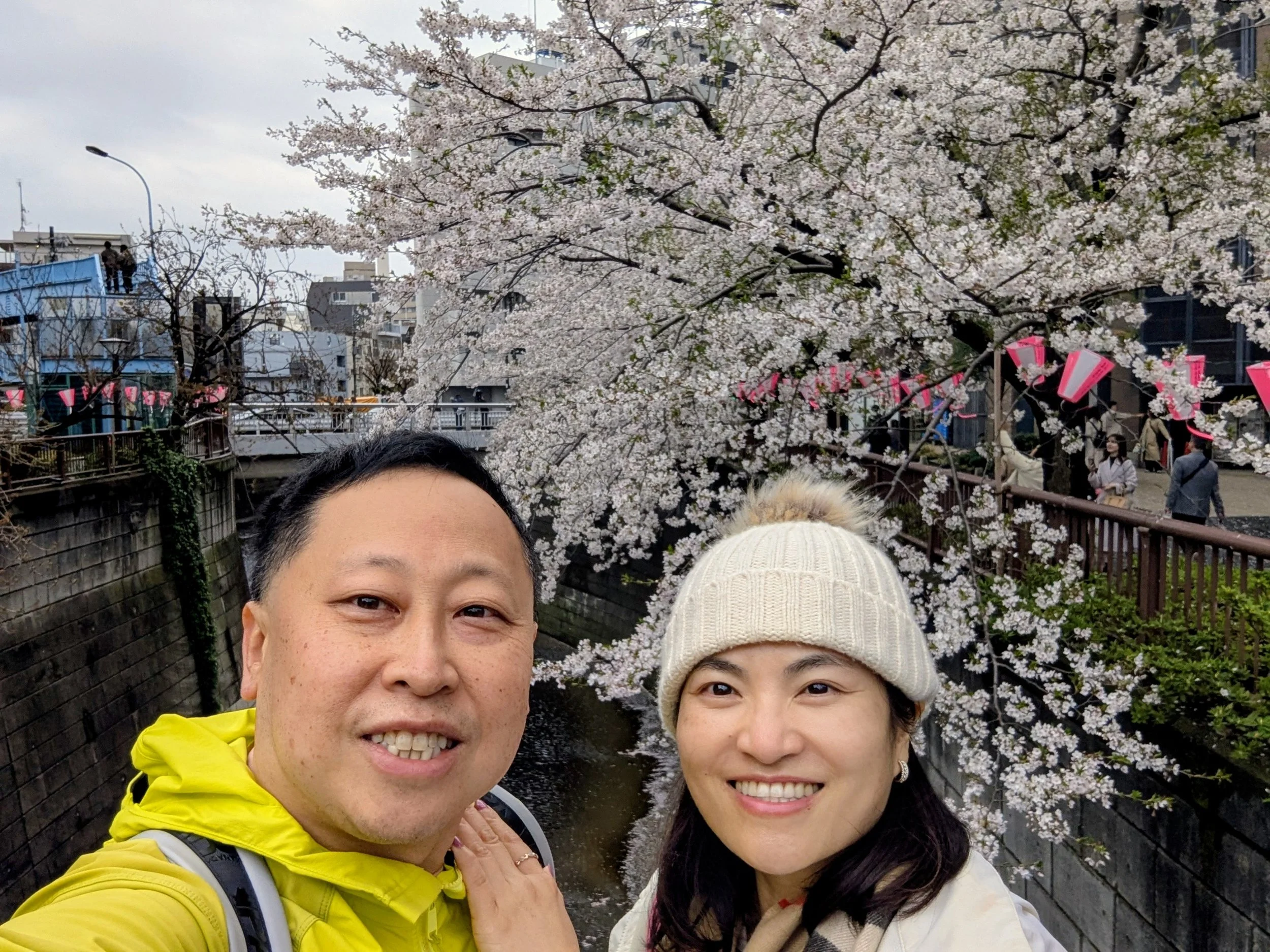
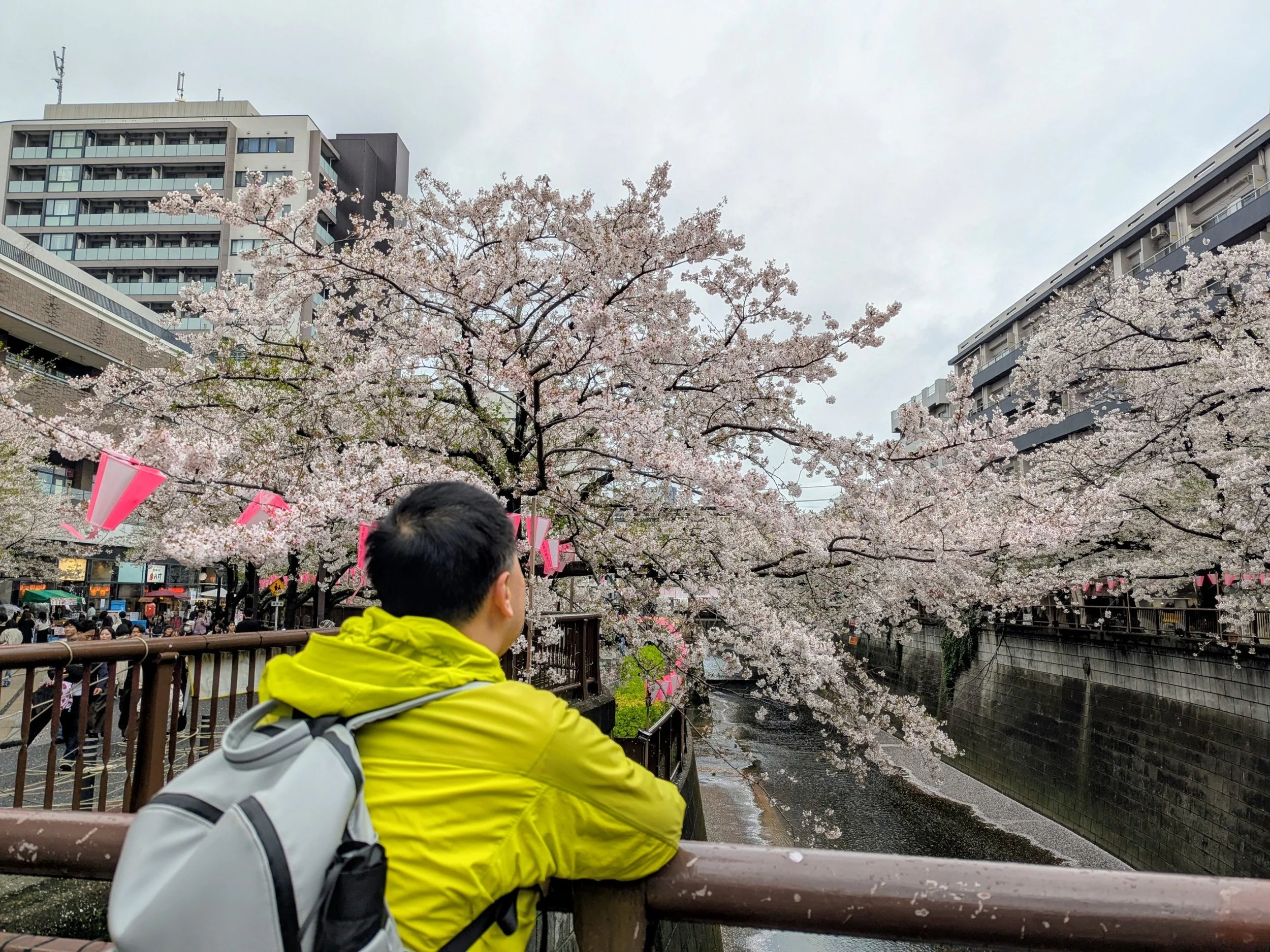
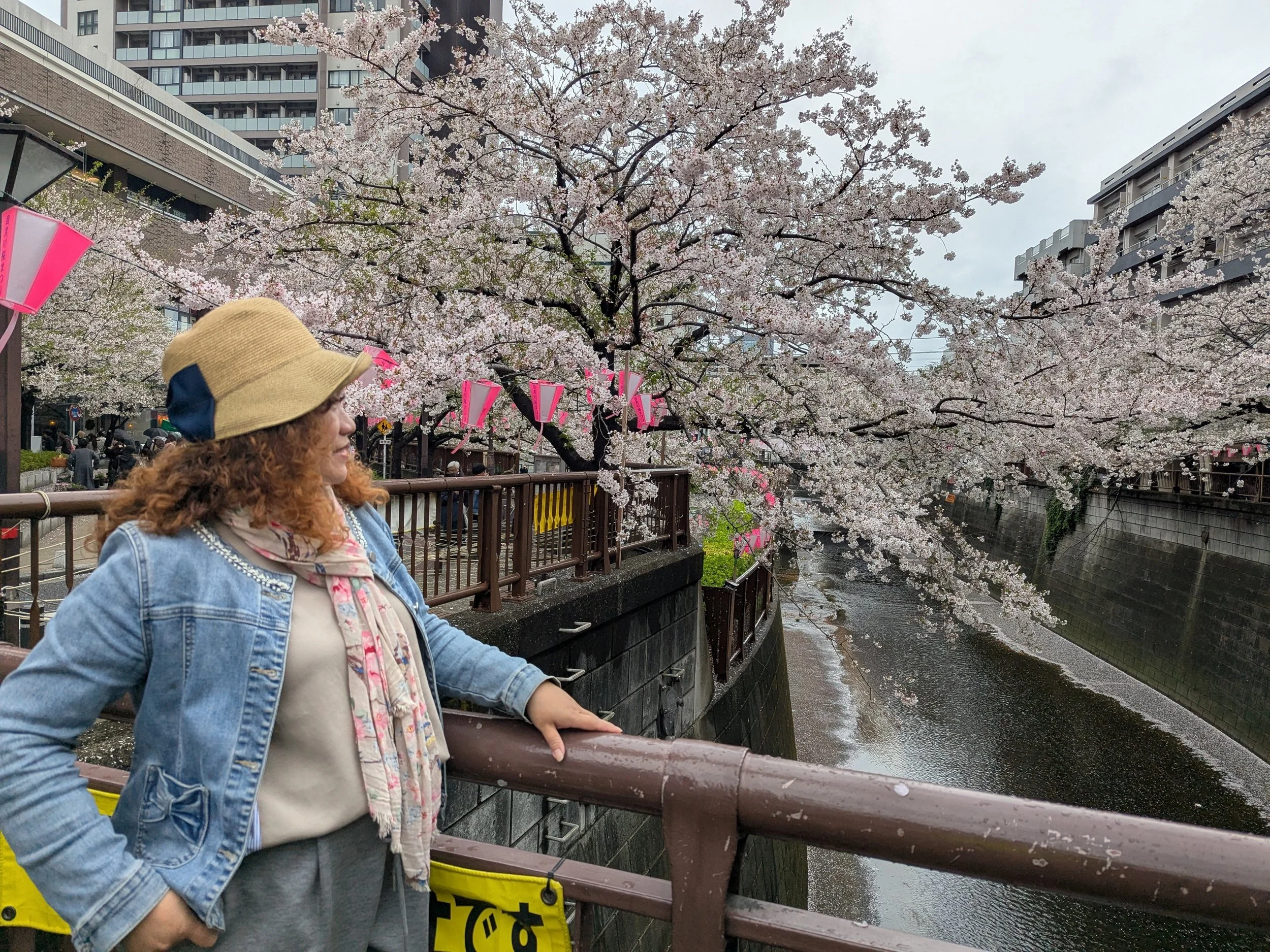
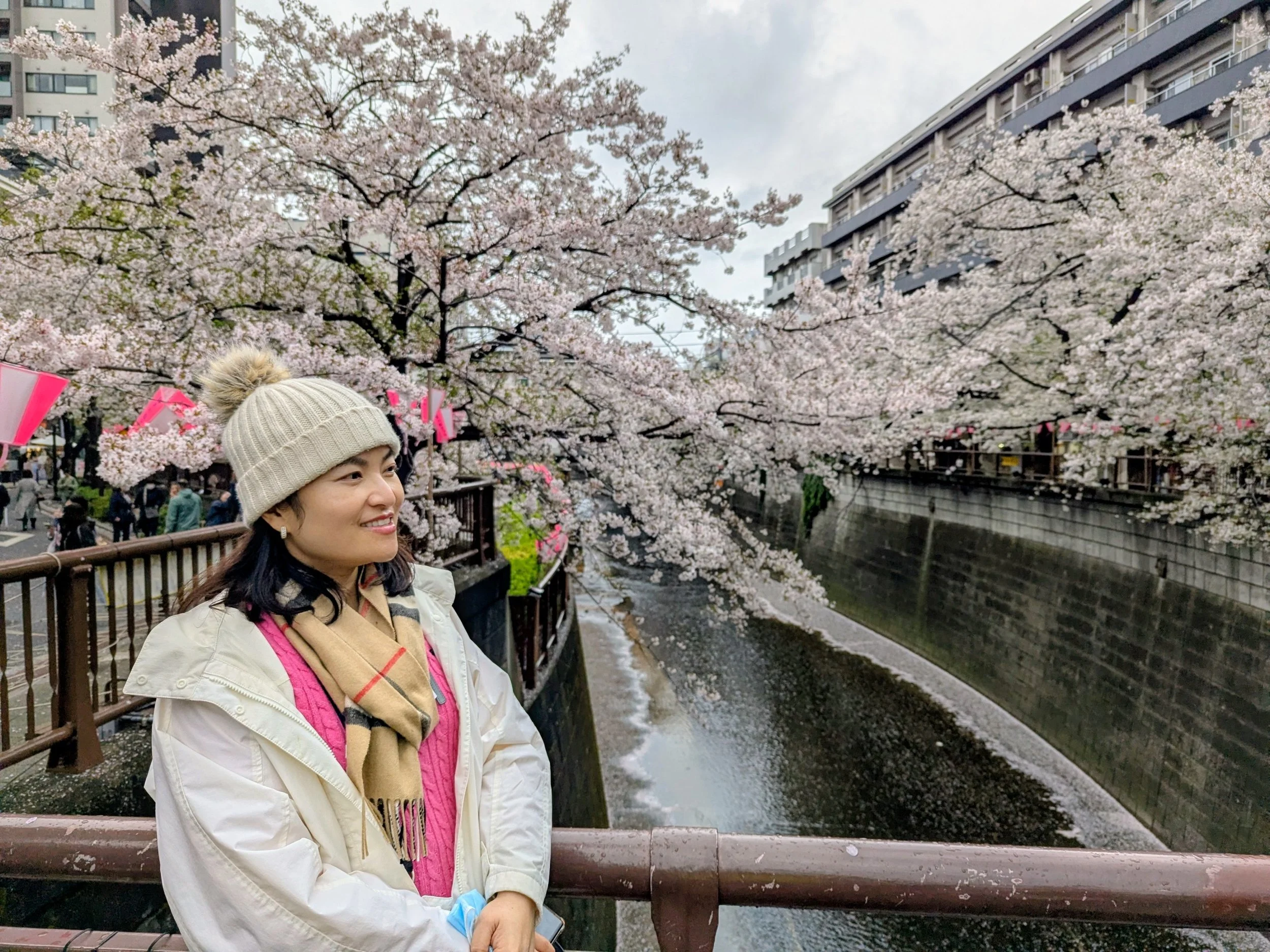
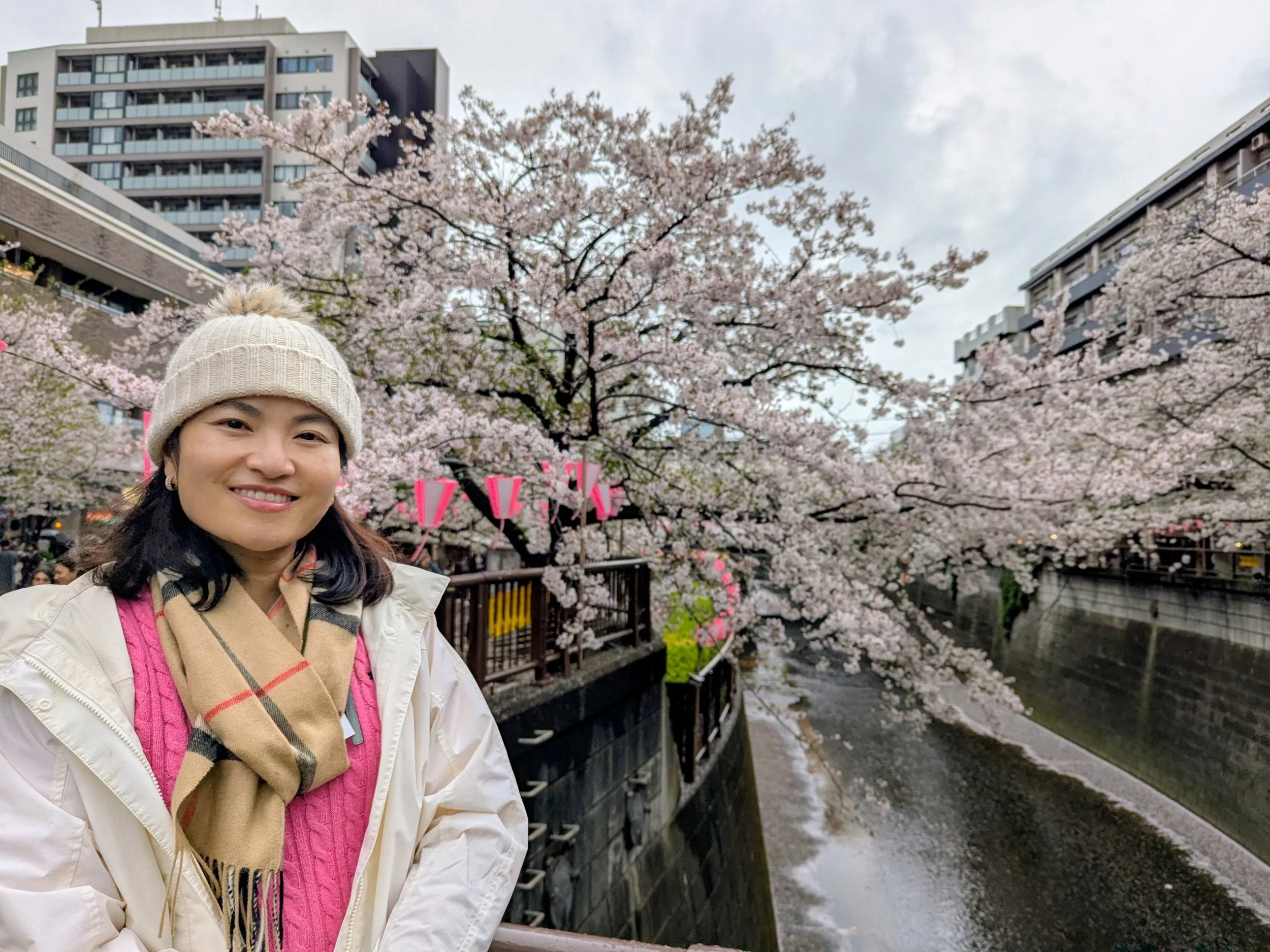
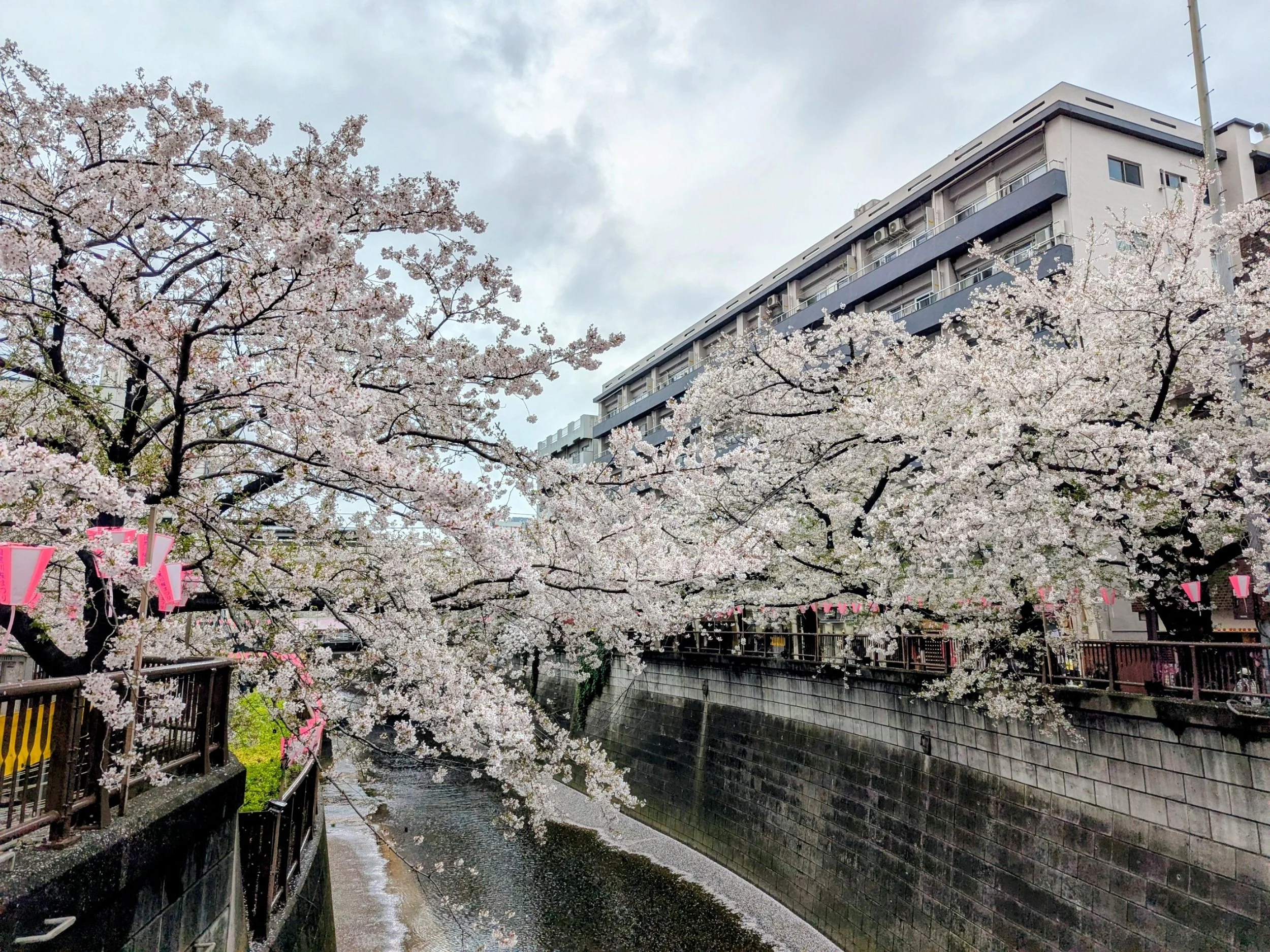
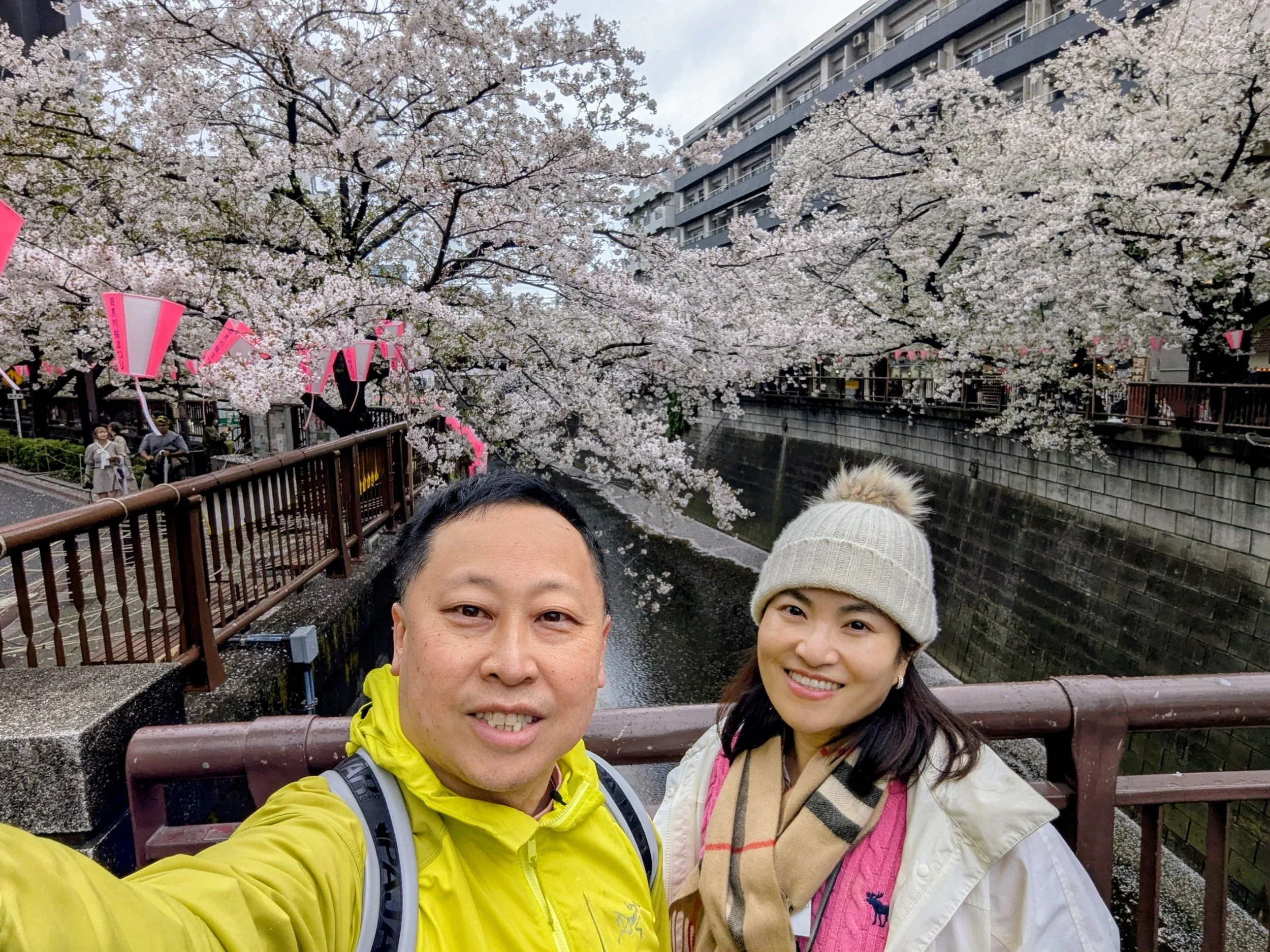
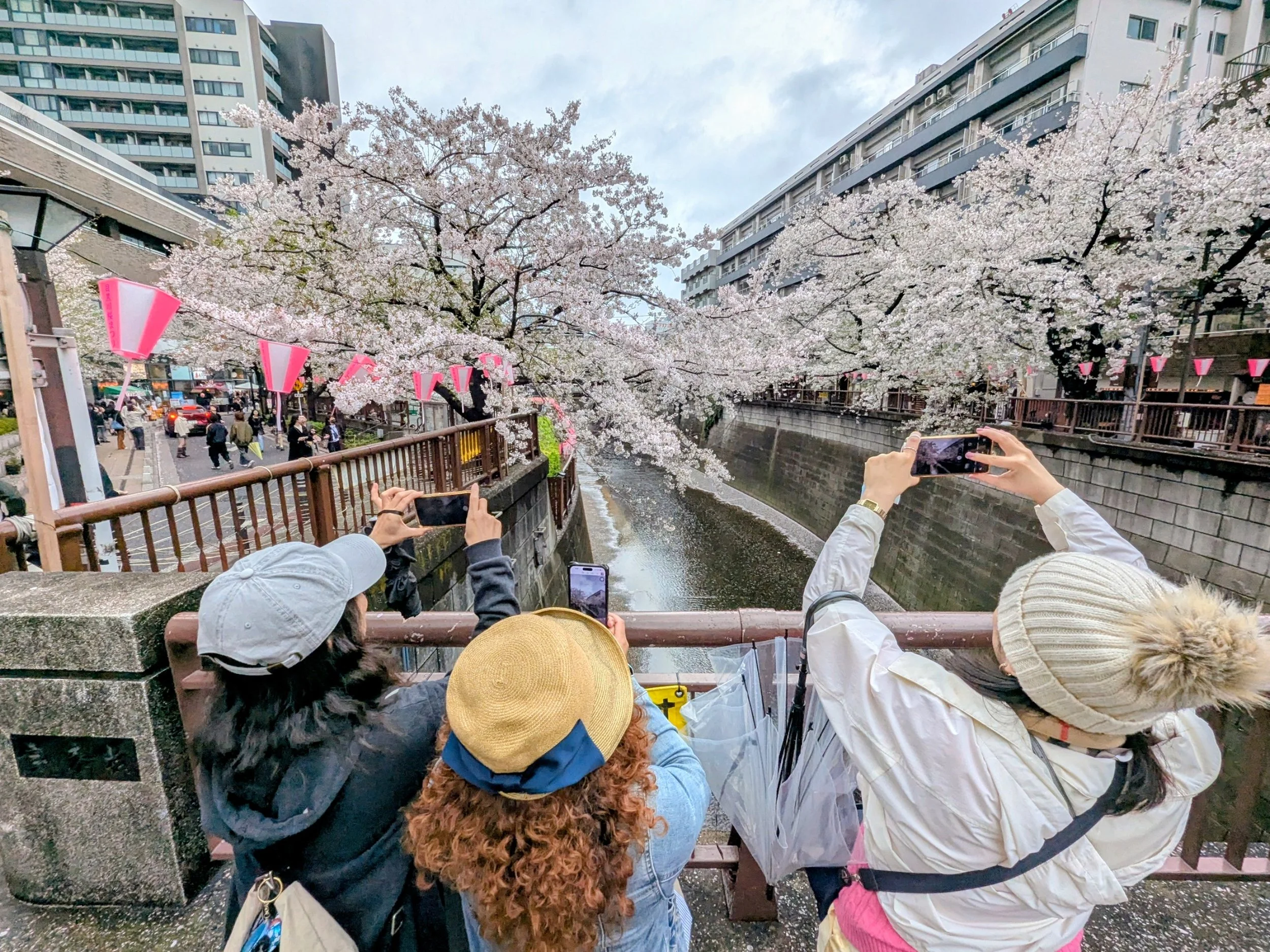
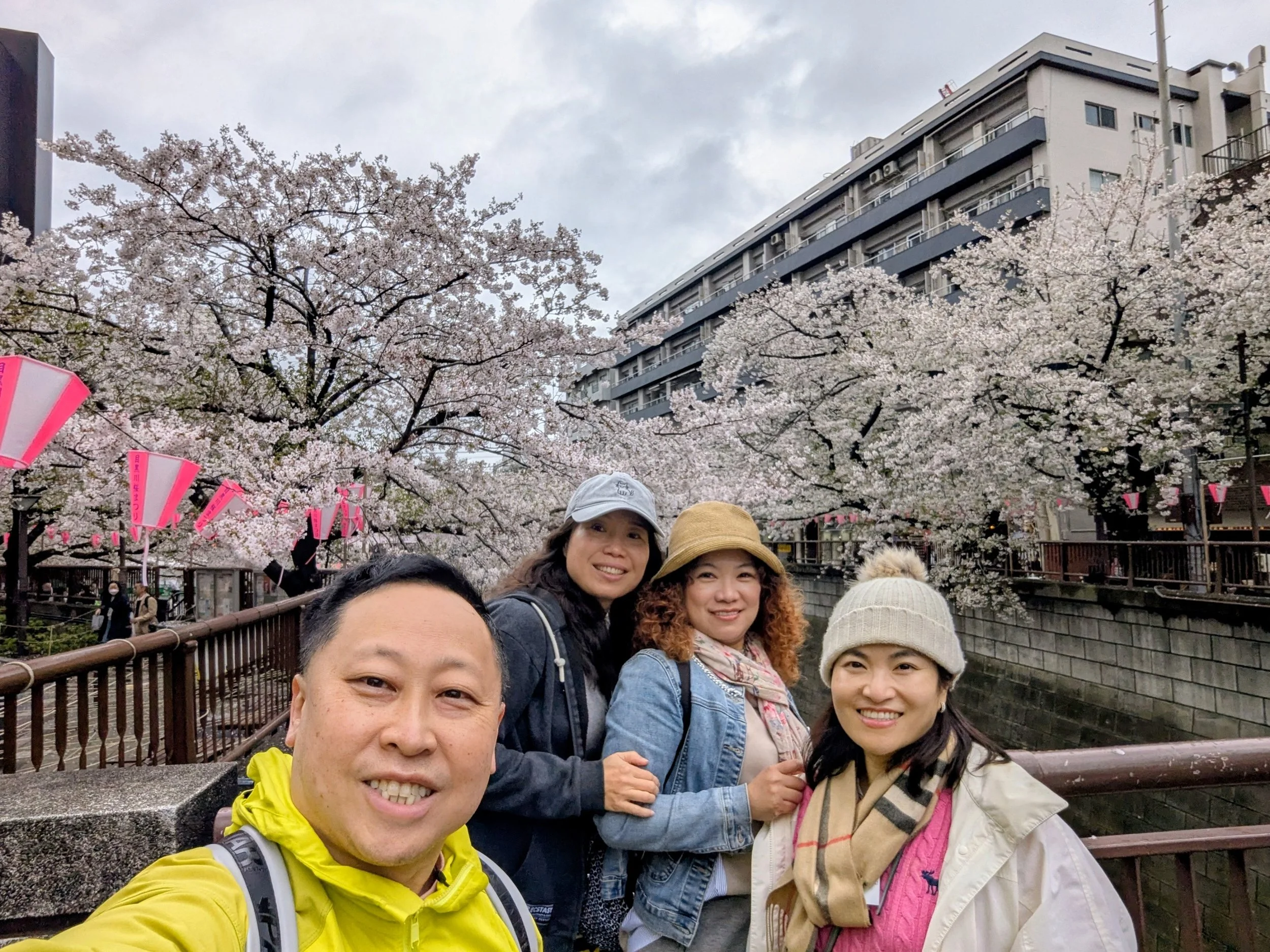
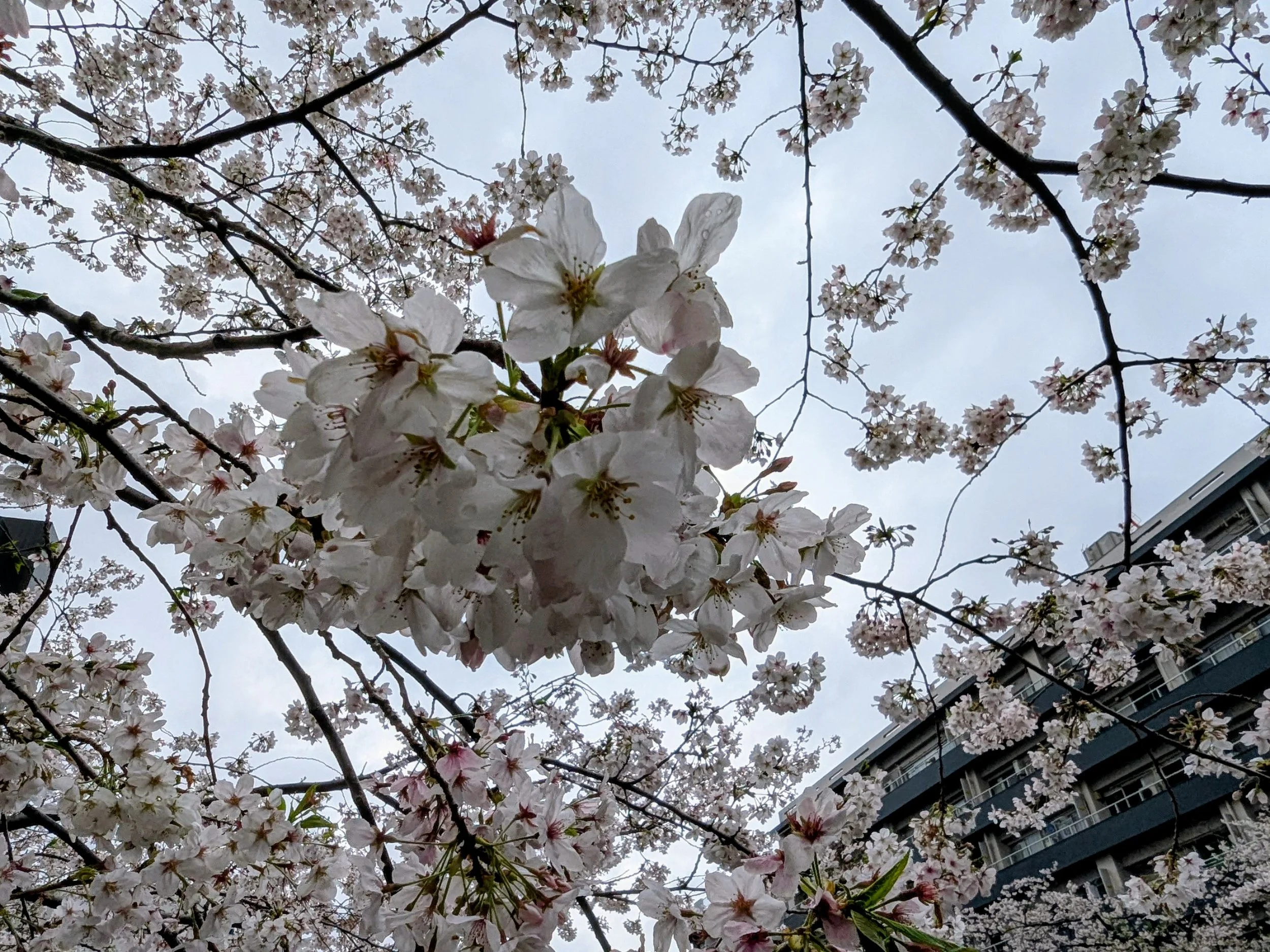
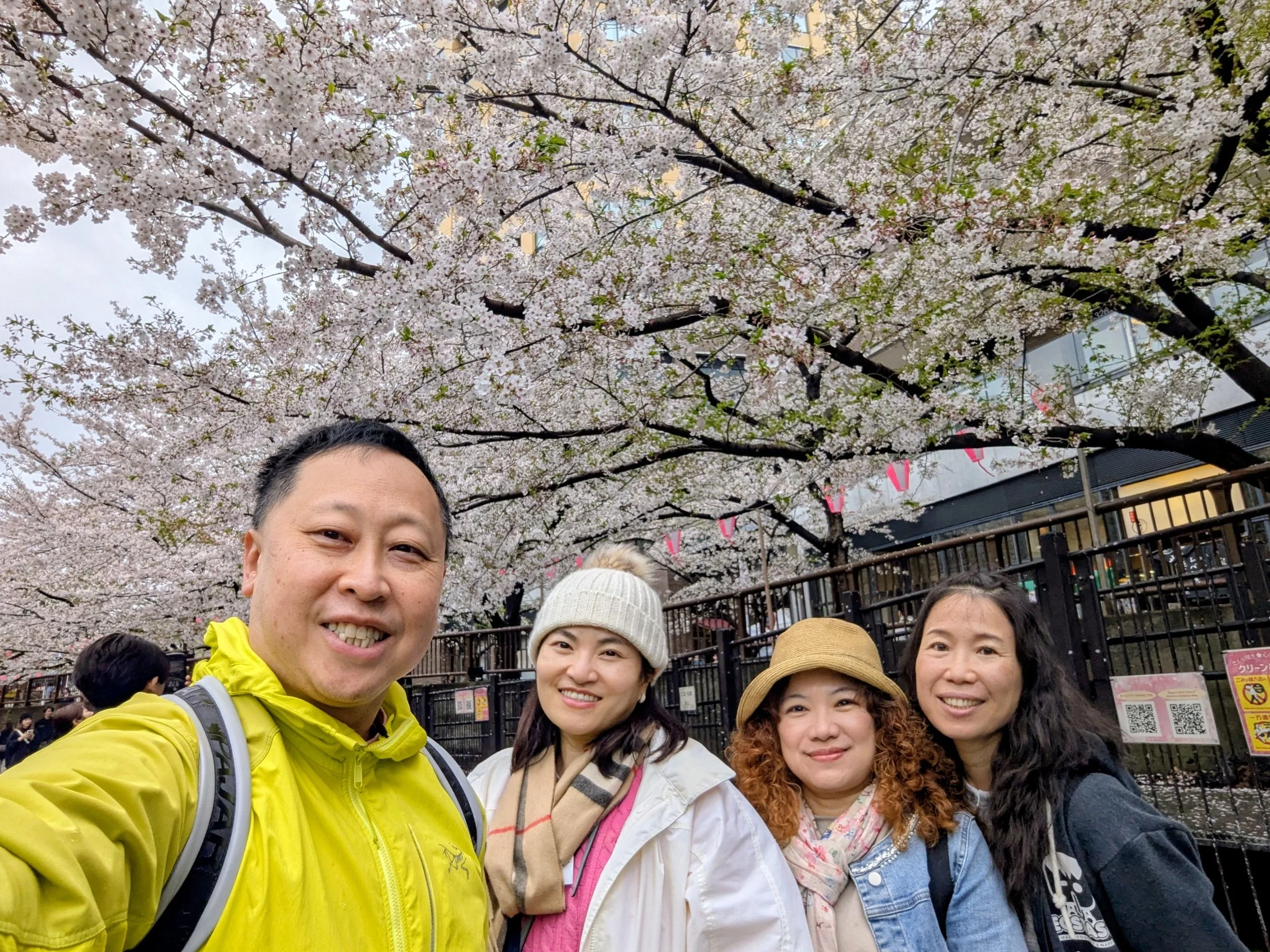
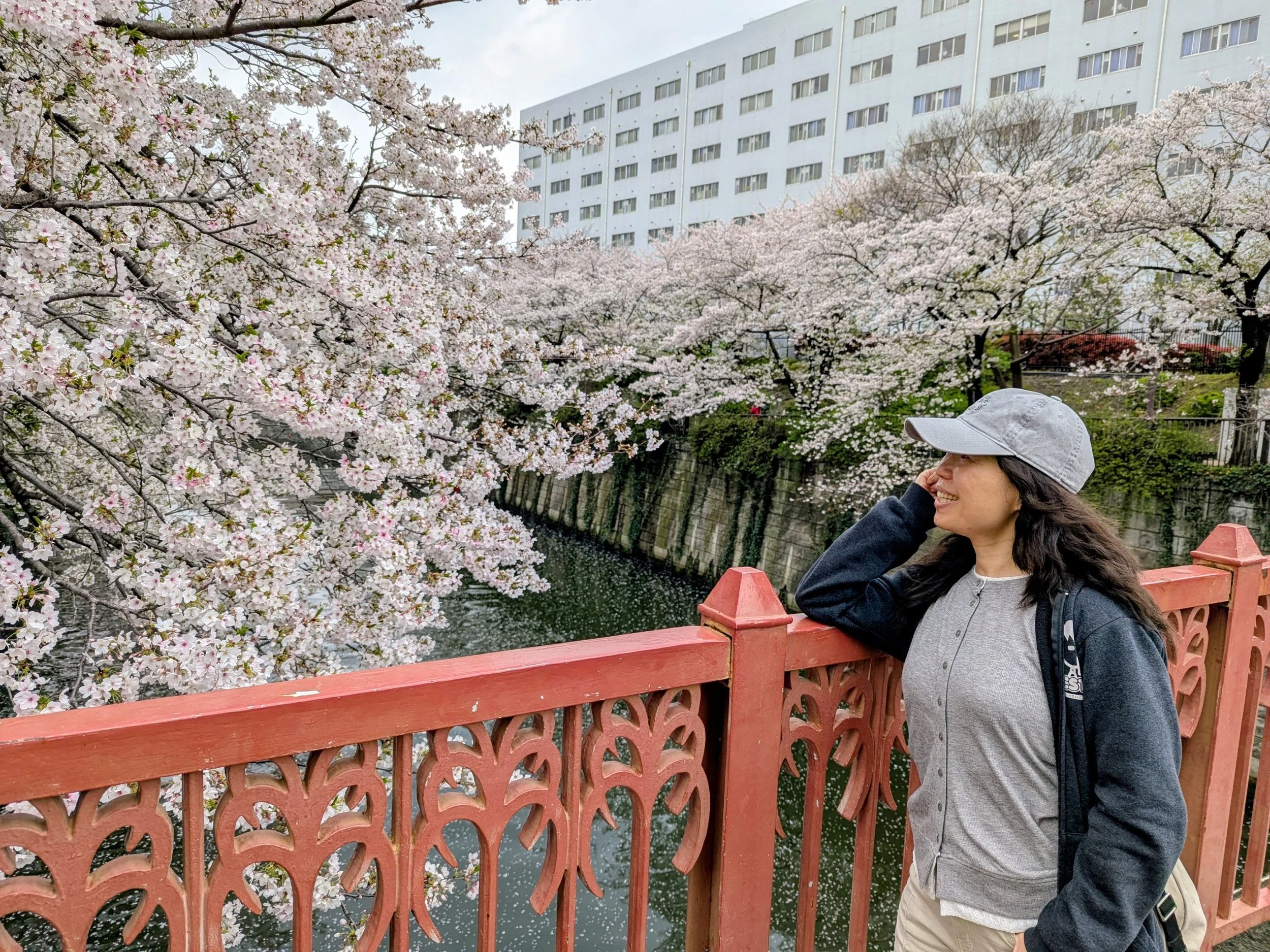
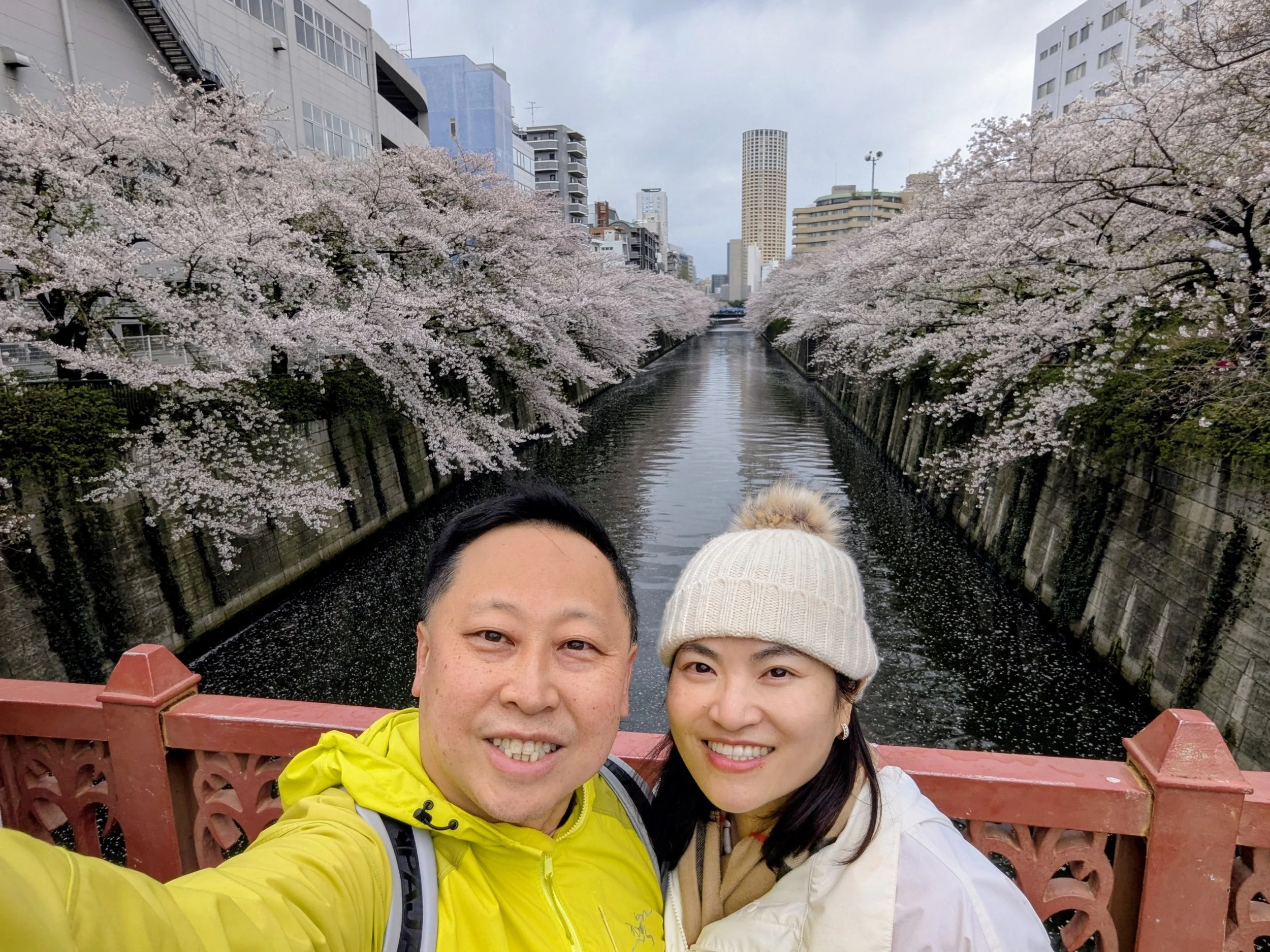
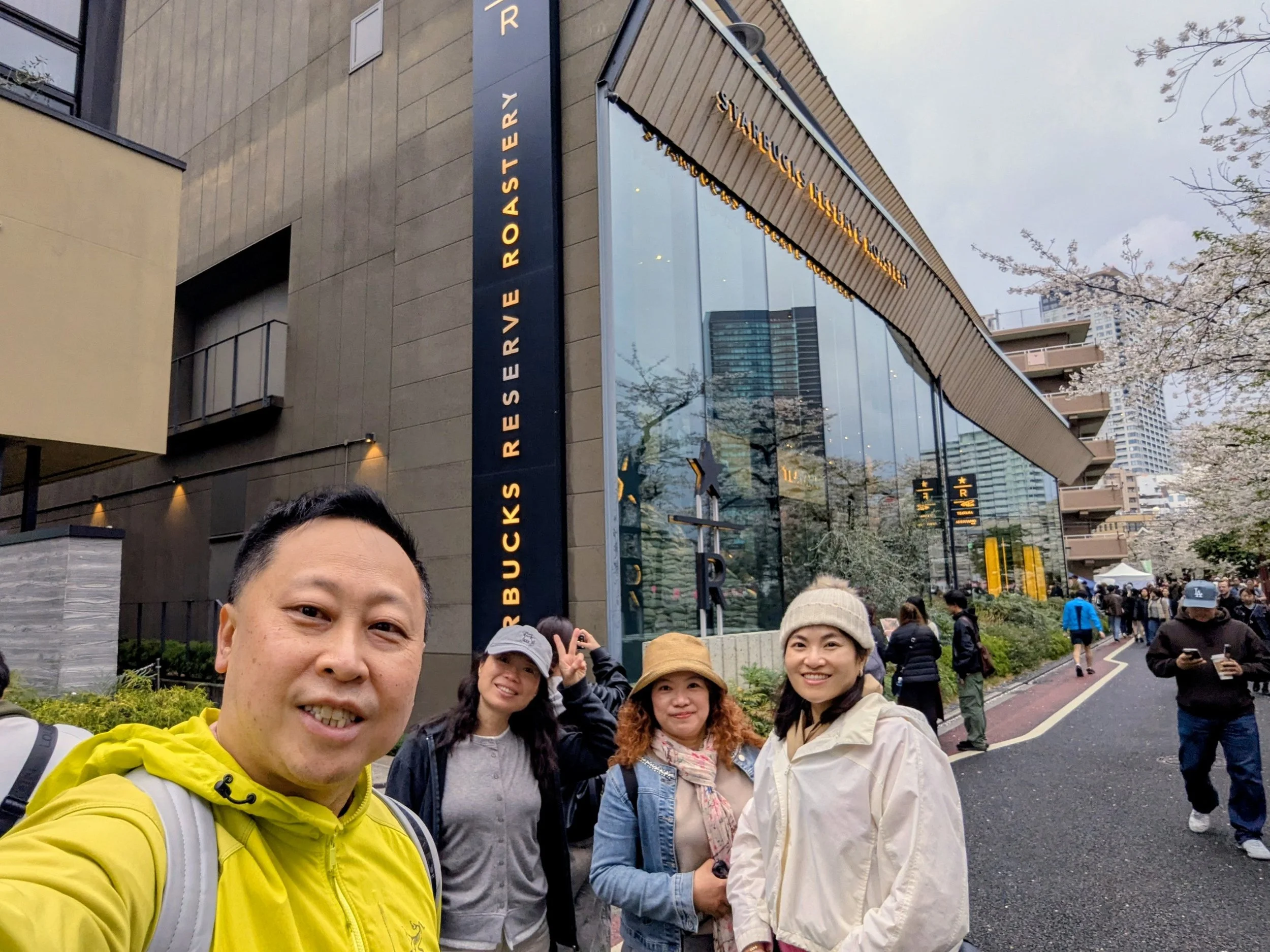
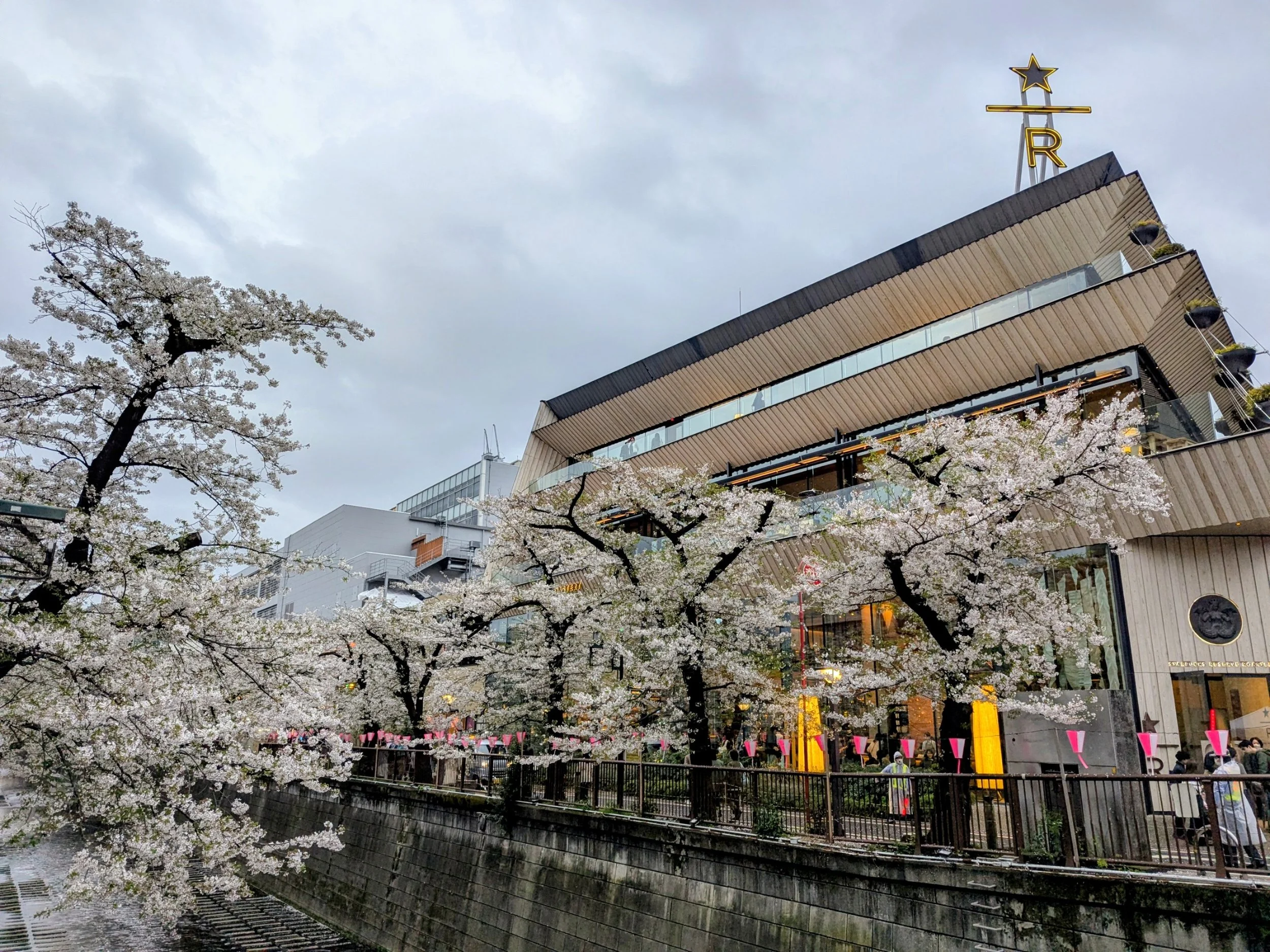
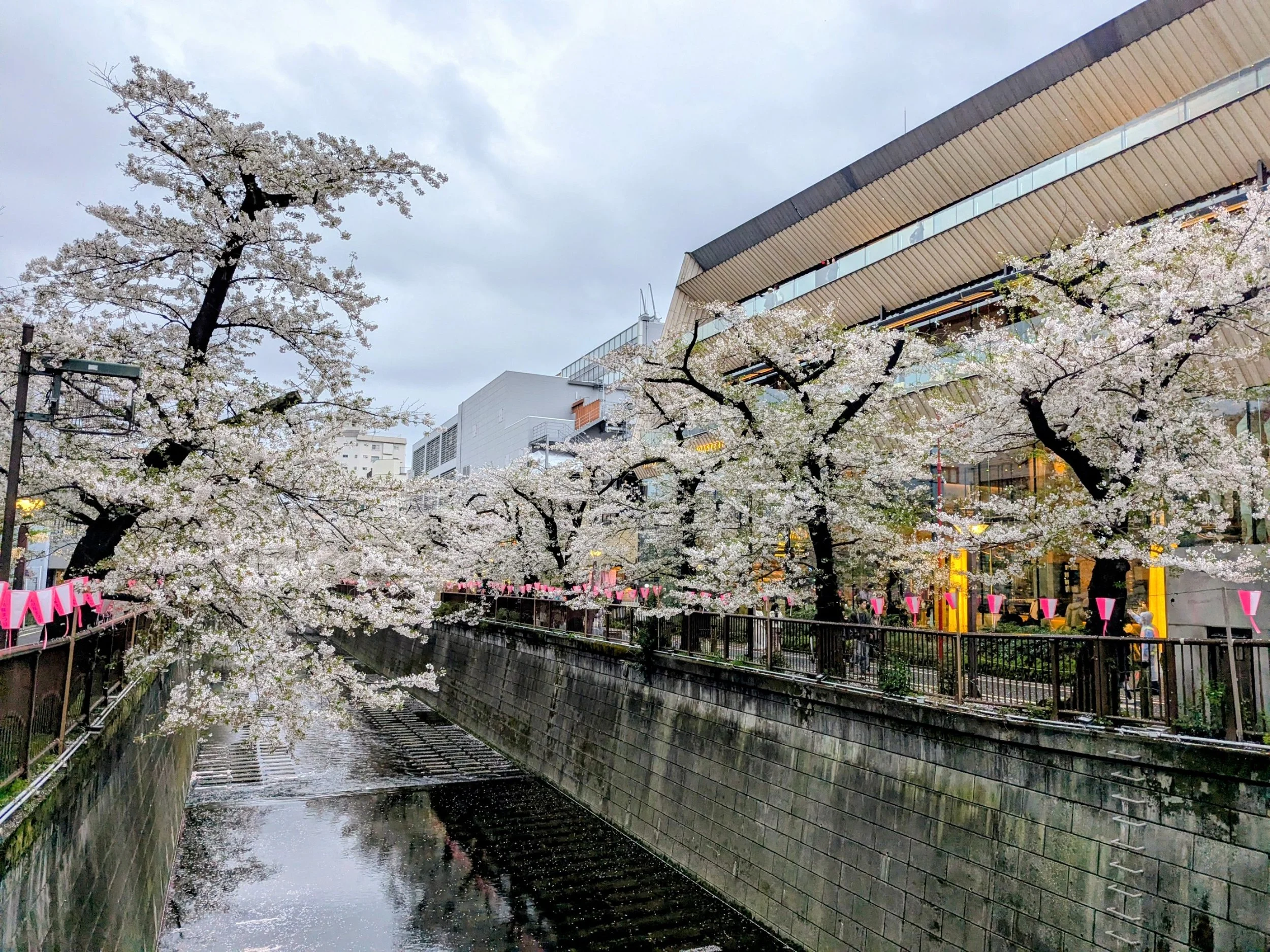
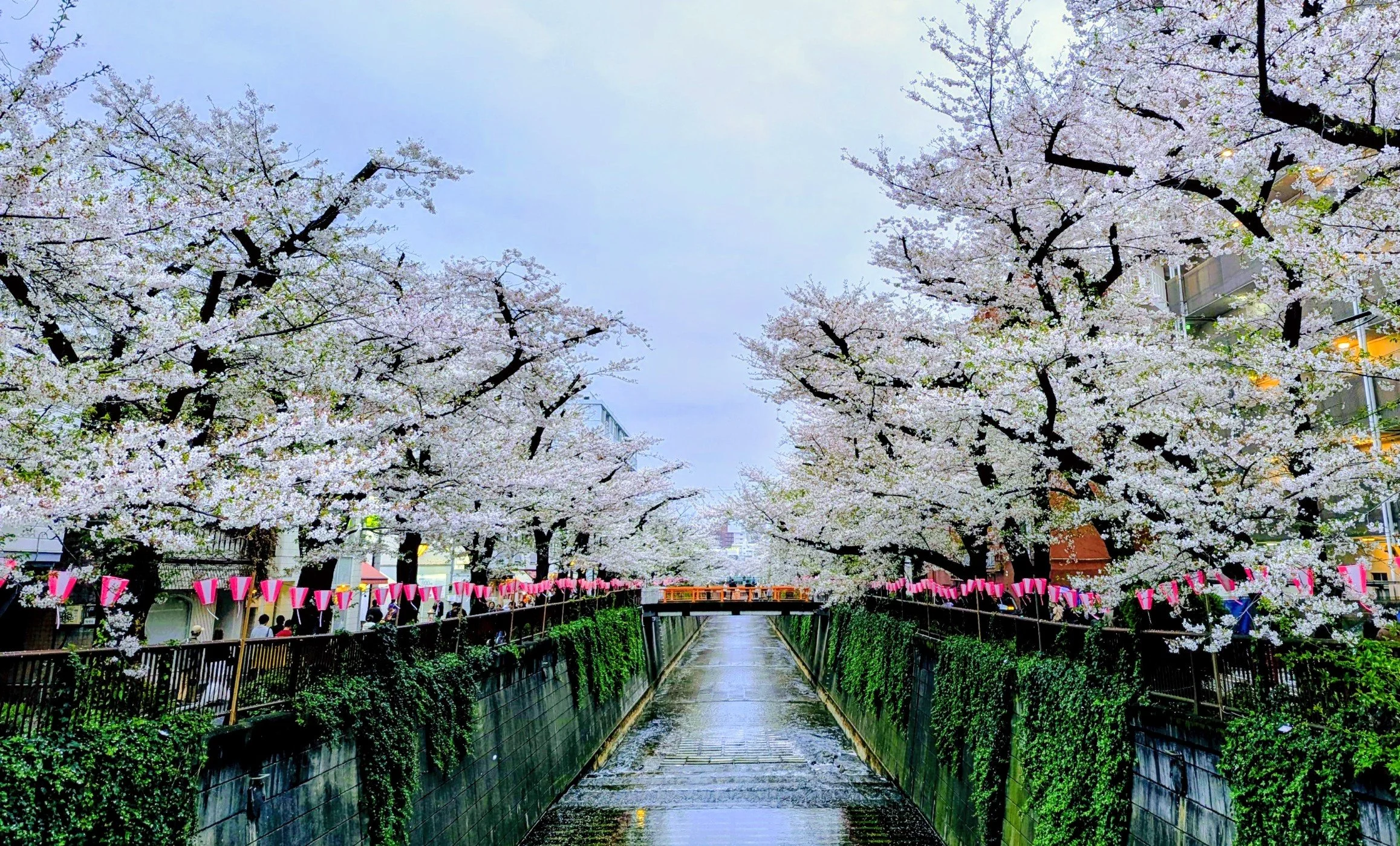
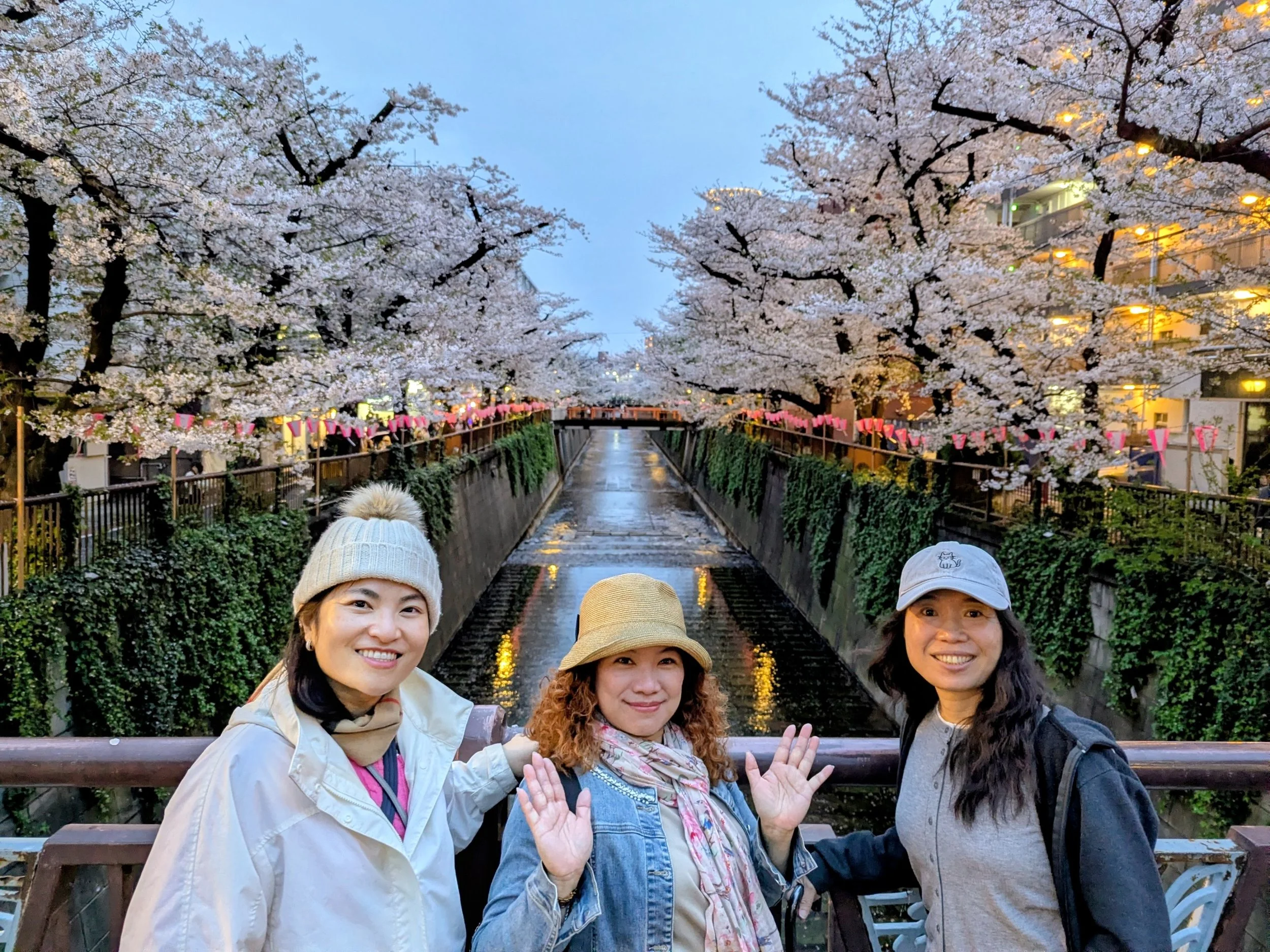
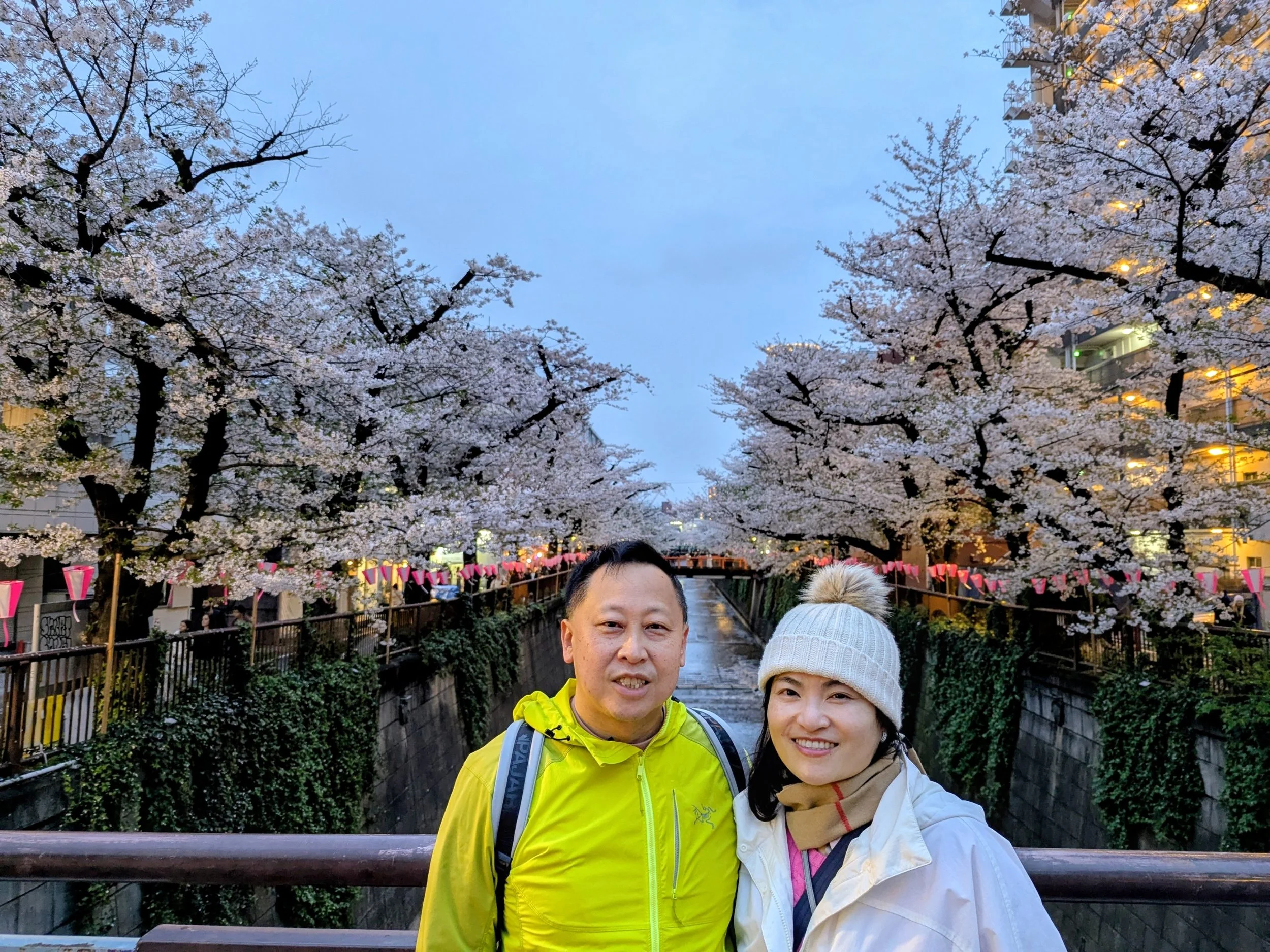
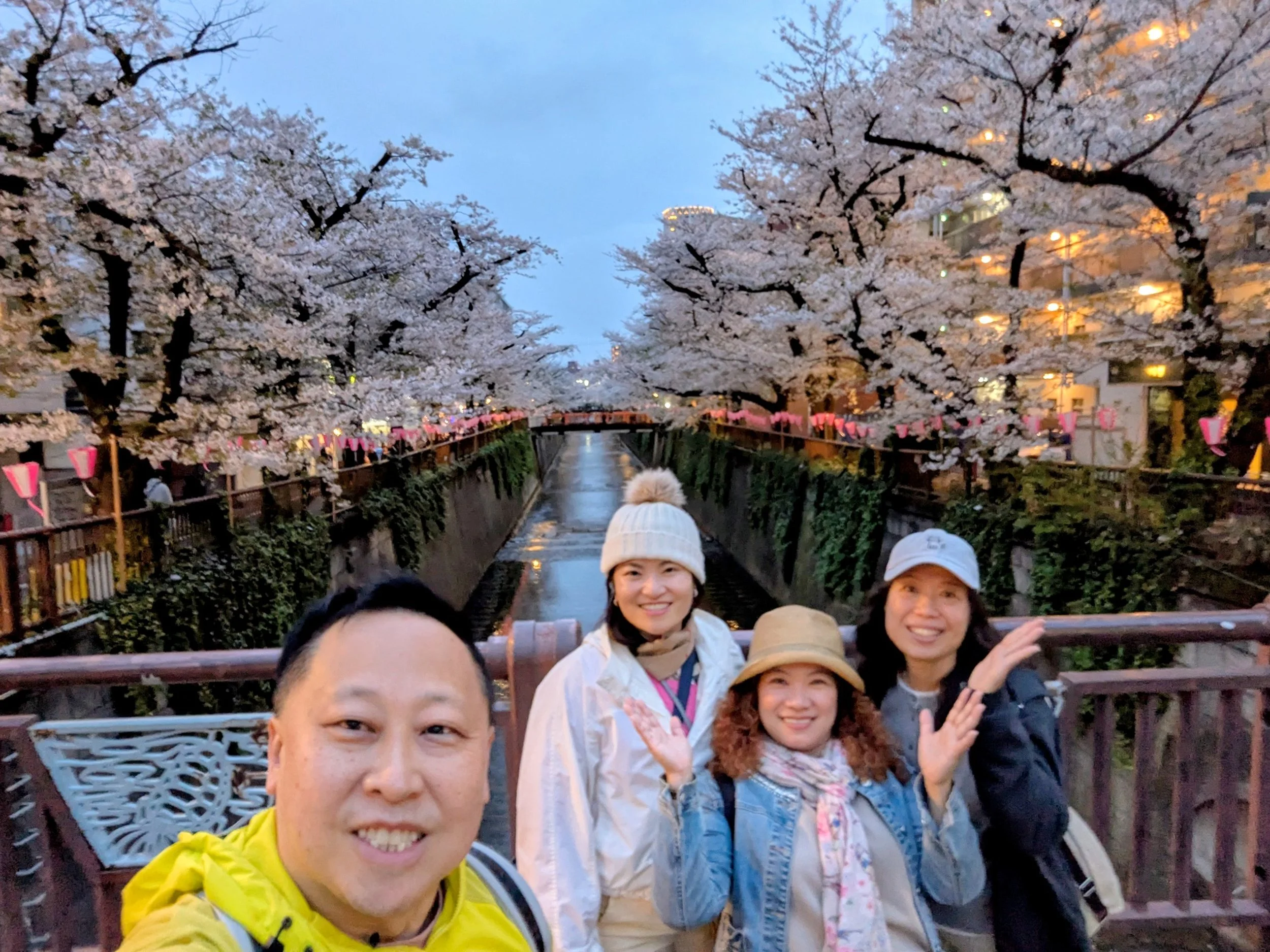
Meguro River walk in the Nakameguro district of Tokyo. There were cherry blossom trees planted on both side of the river and we were there just after the full bloom when the petals were starting to fall.
One of the best place to view cherry blossom in Tokyo. Unfortunately it only last one to two weeks. The absolute best viewing (peak bloom) generally lasts only four to seven days. We were very lucky to see it a few days after peak bloom. Because we were there a few days after peak bloom, a lot of the cherry blossom petals started falling creating a beautiful "snowing" effect in the air.
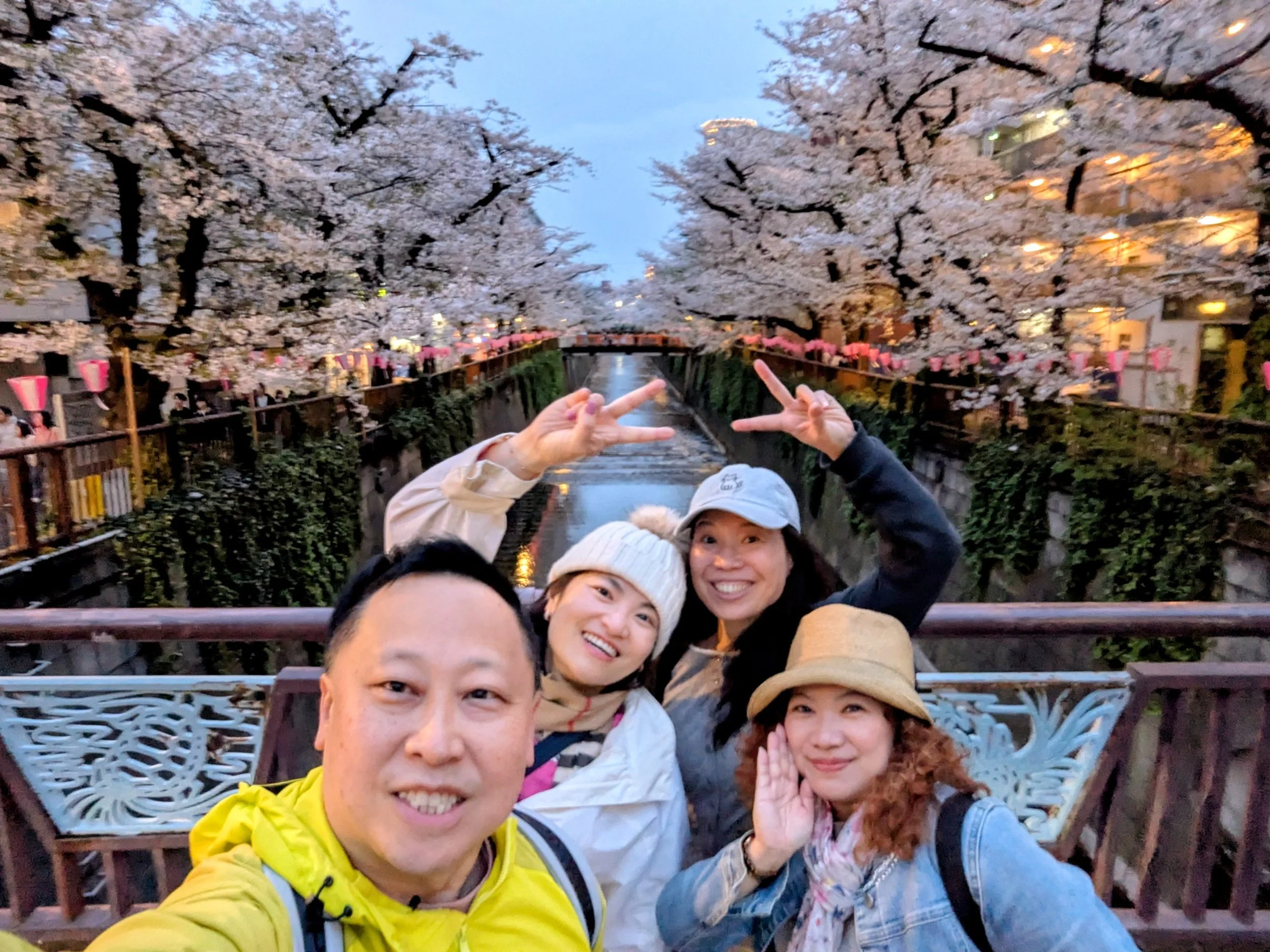
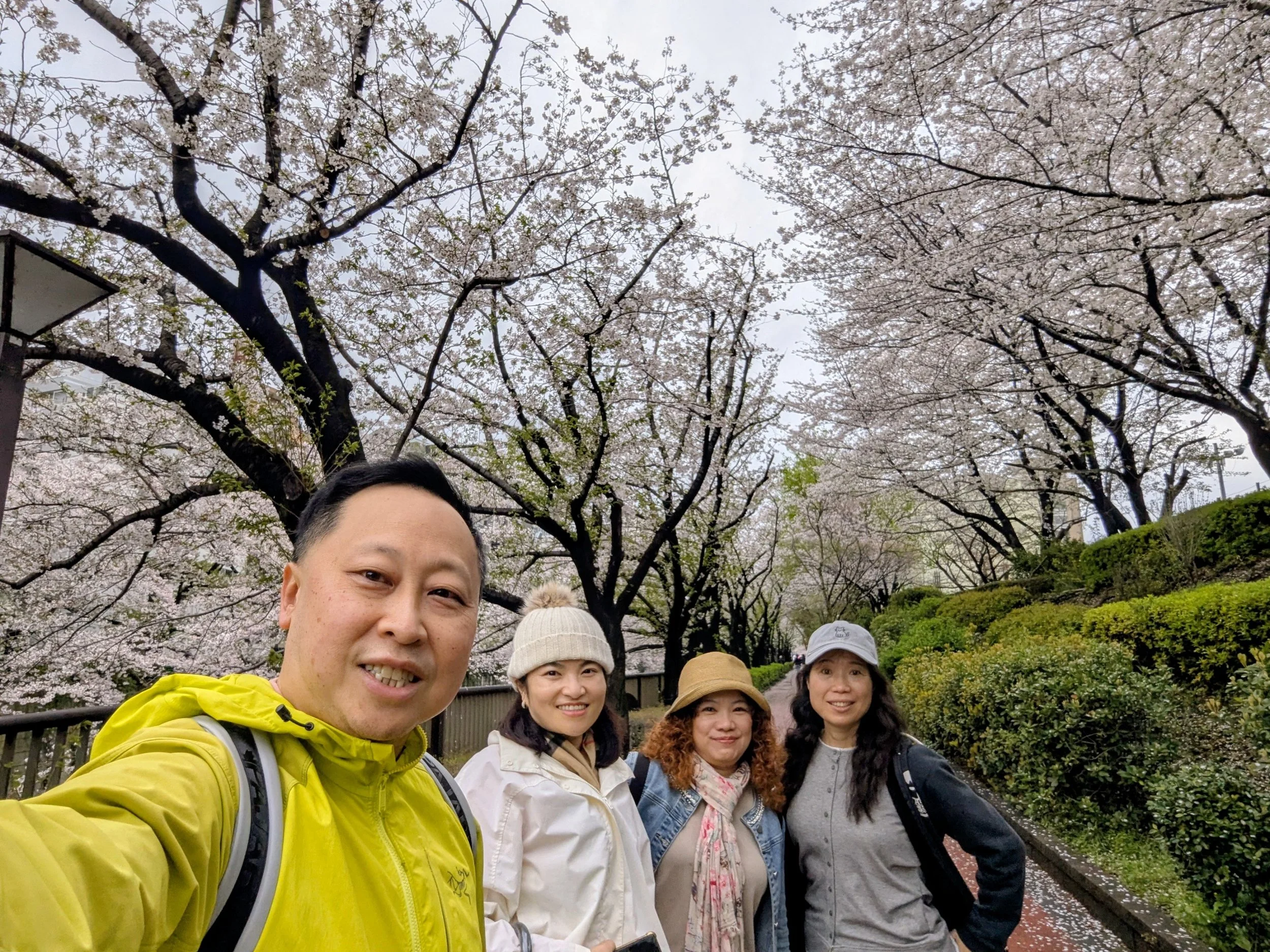
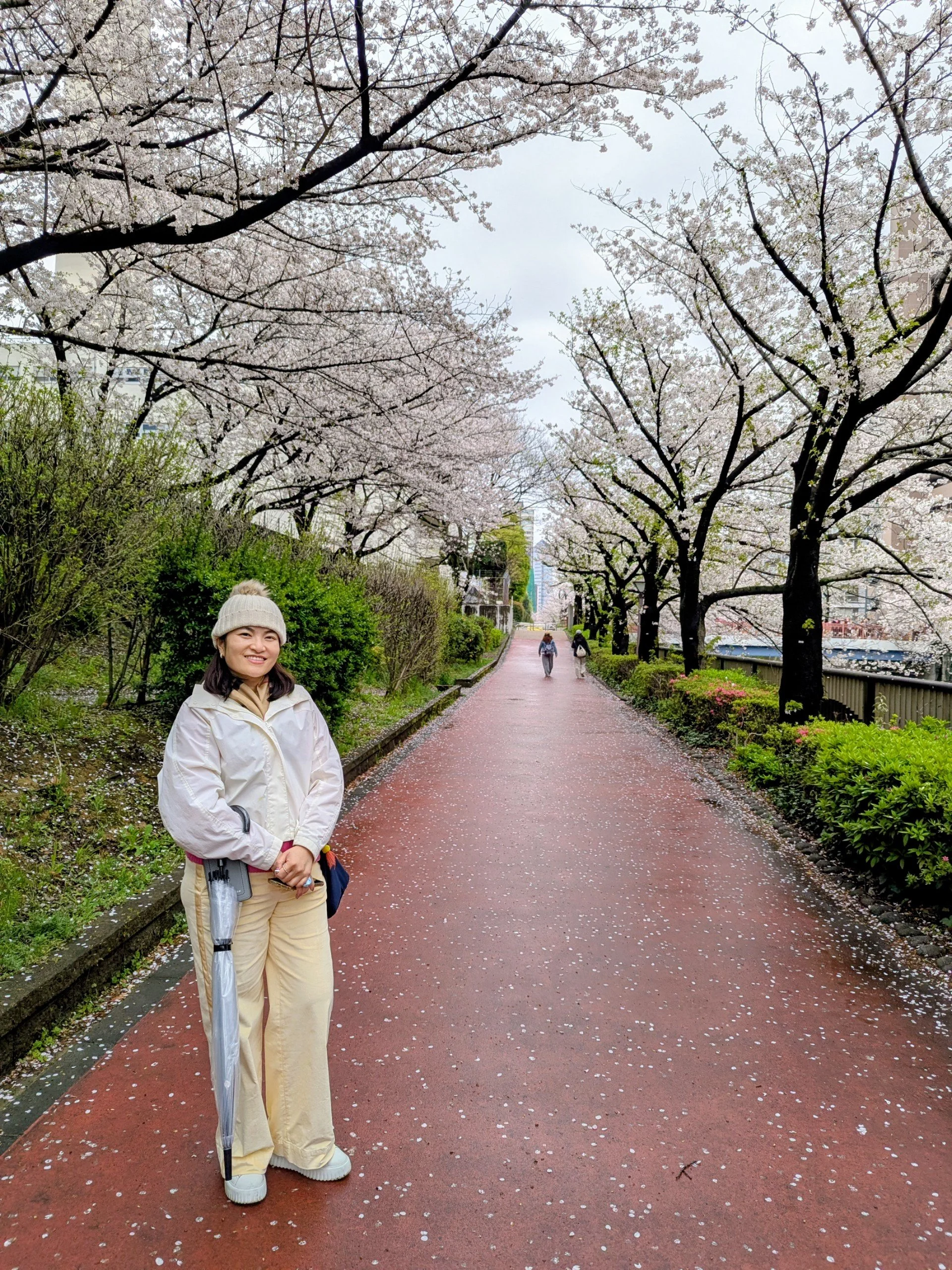
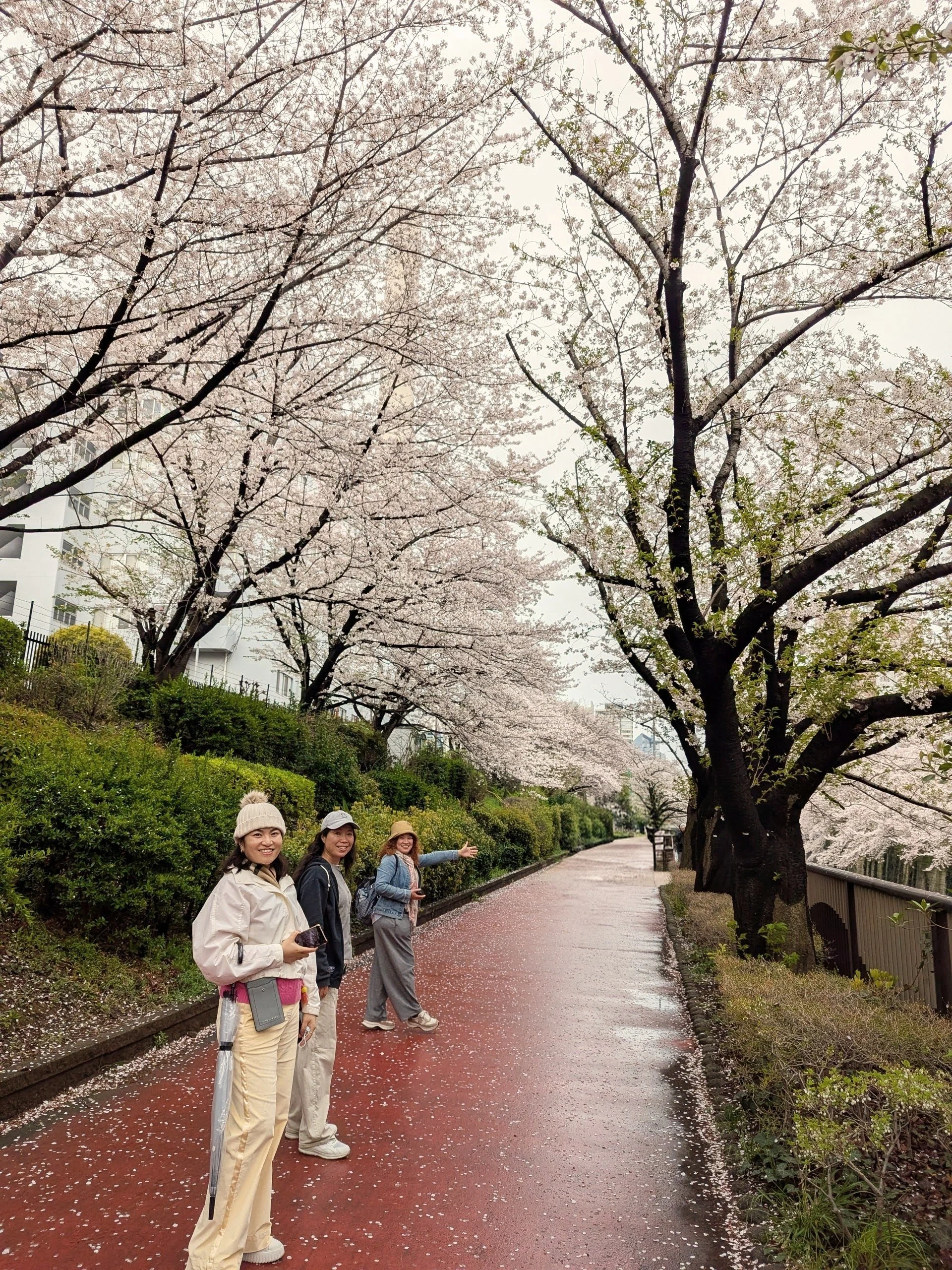
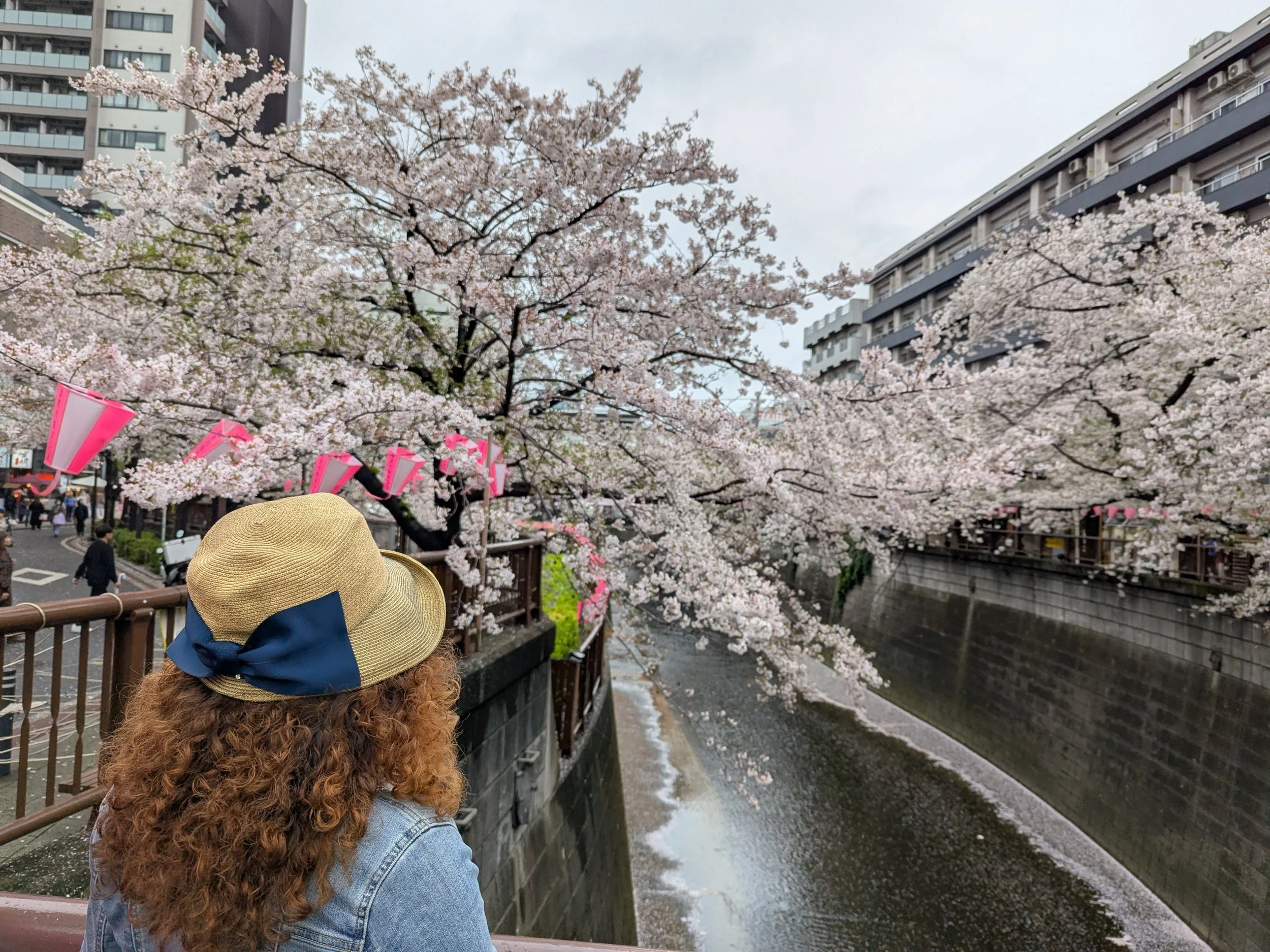
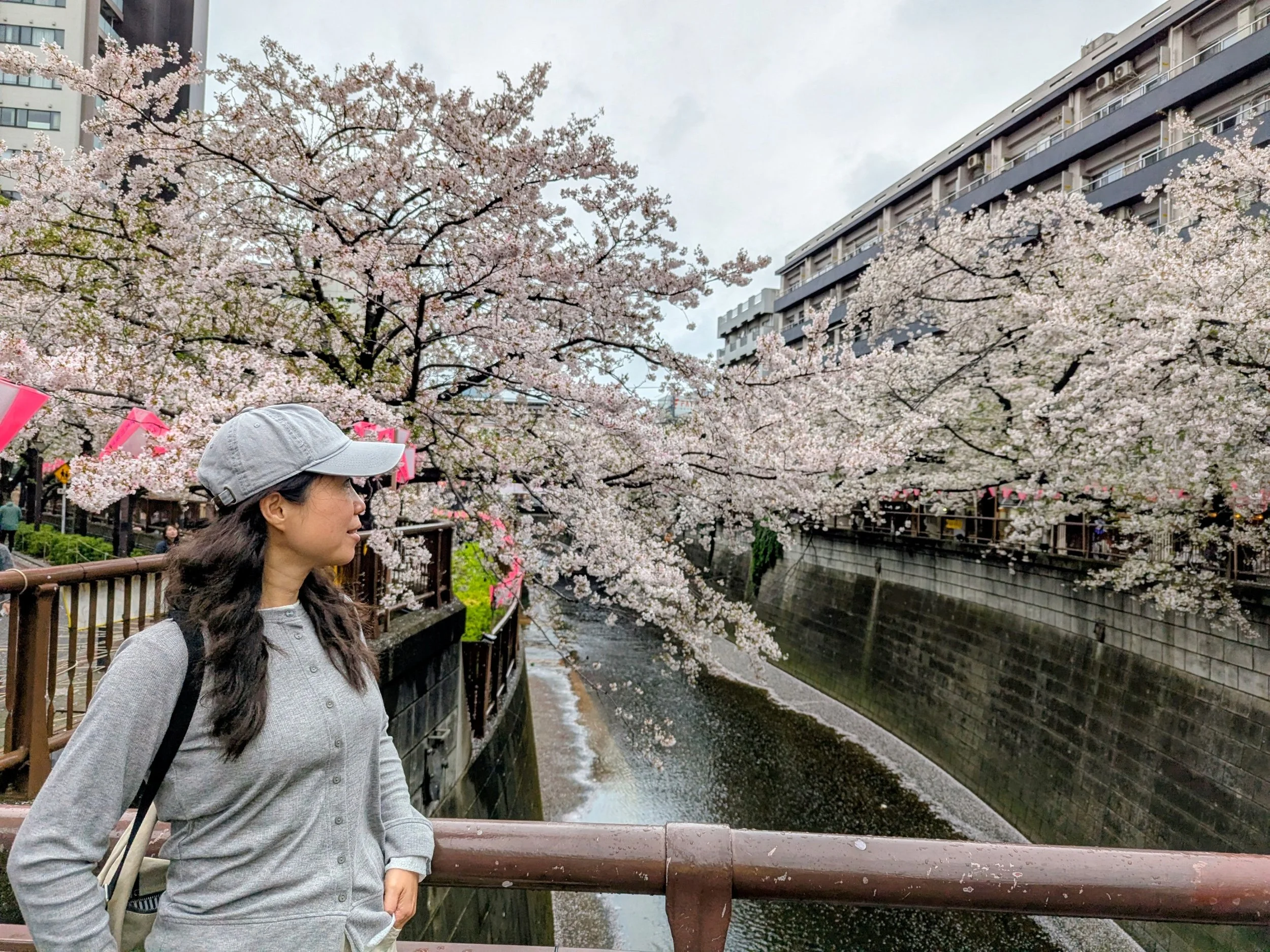
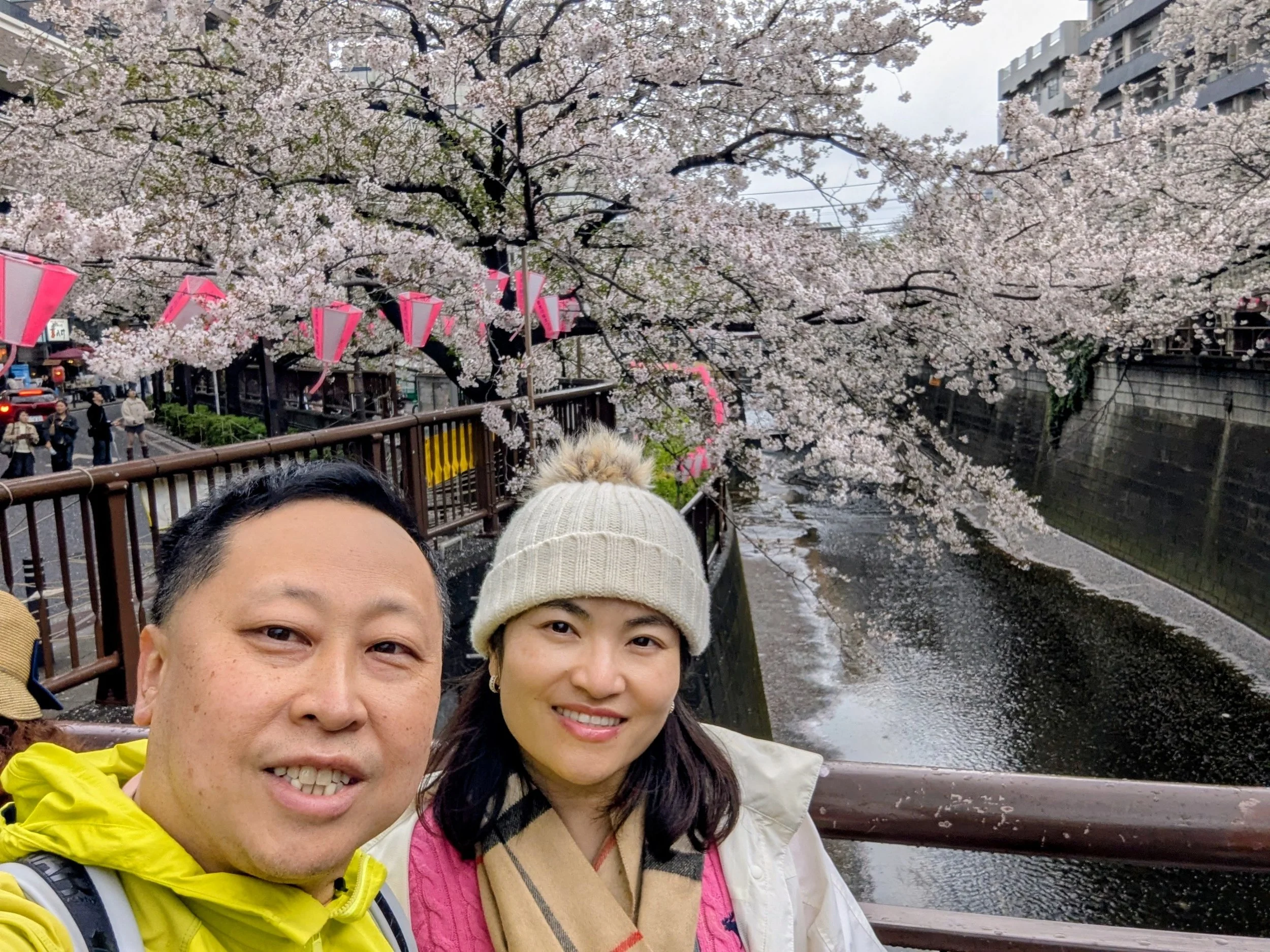
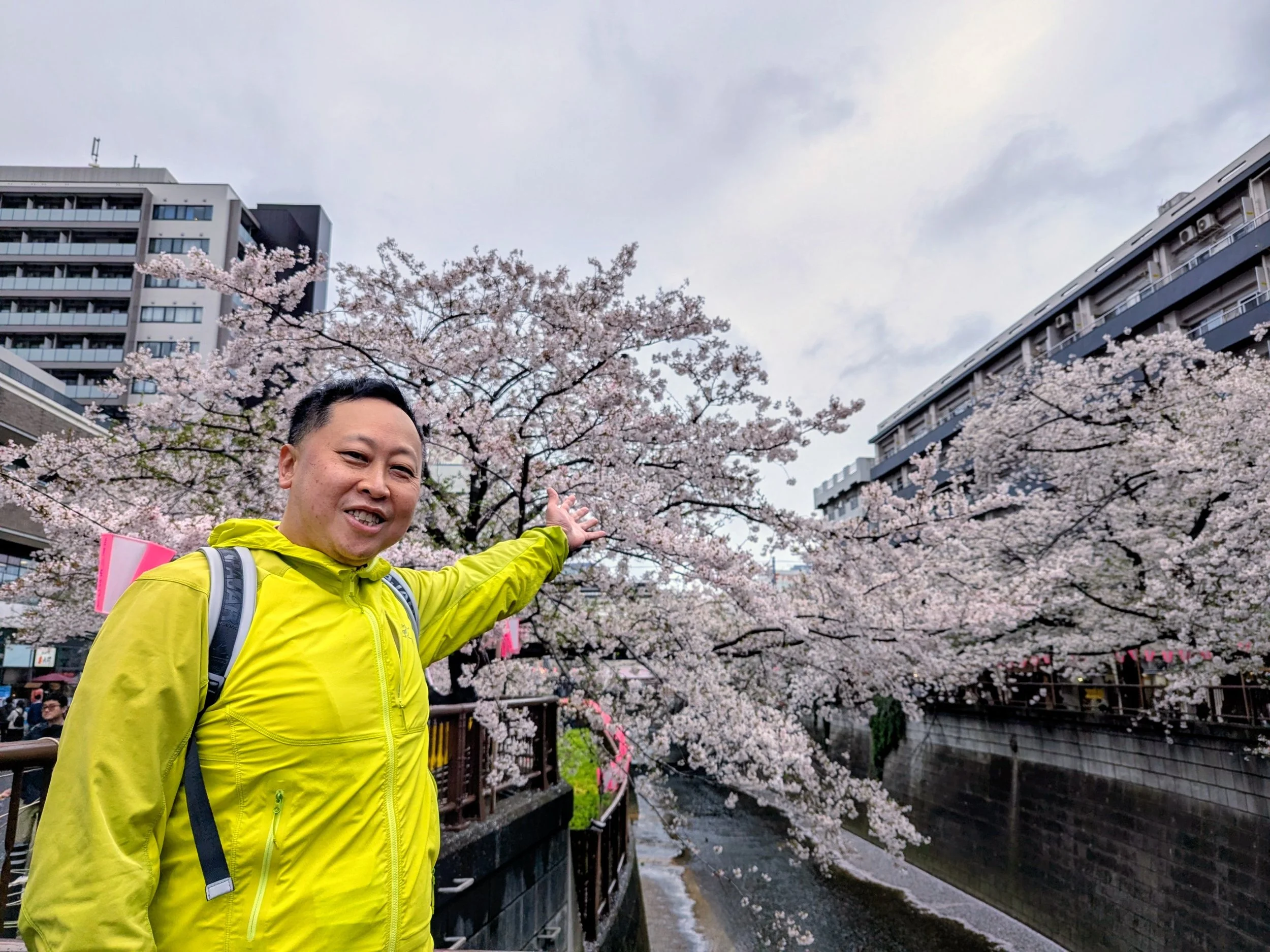
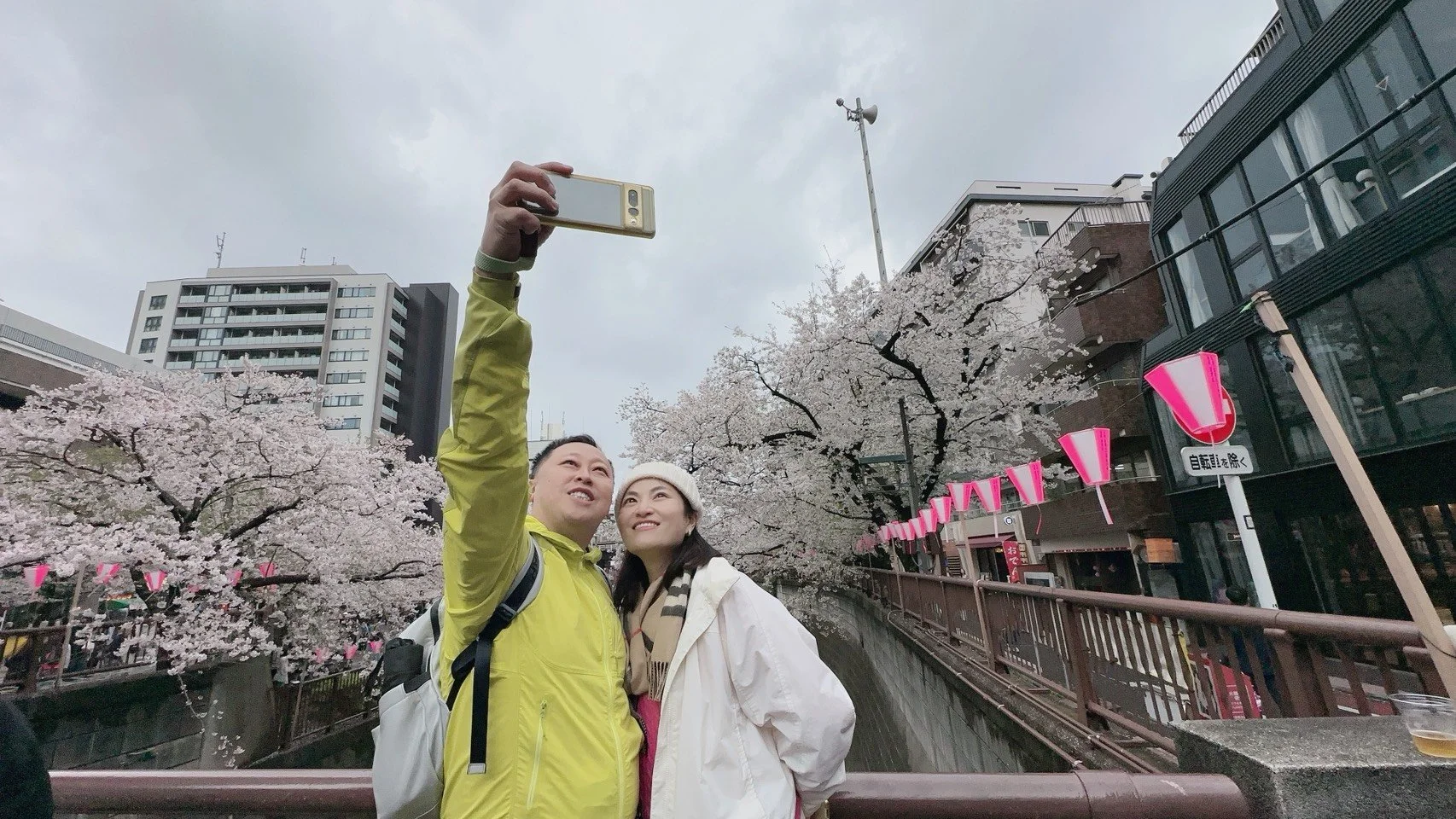
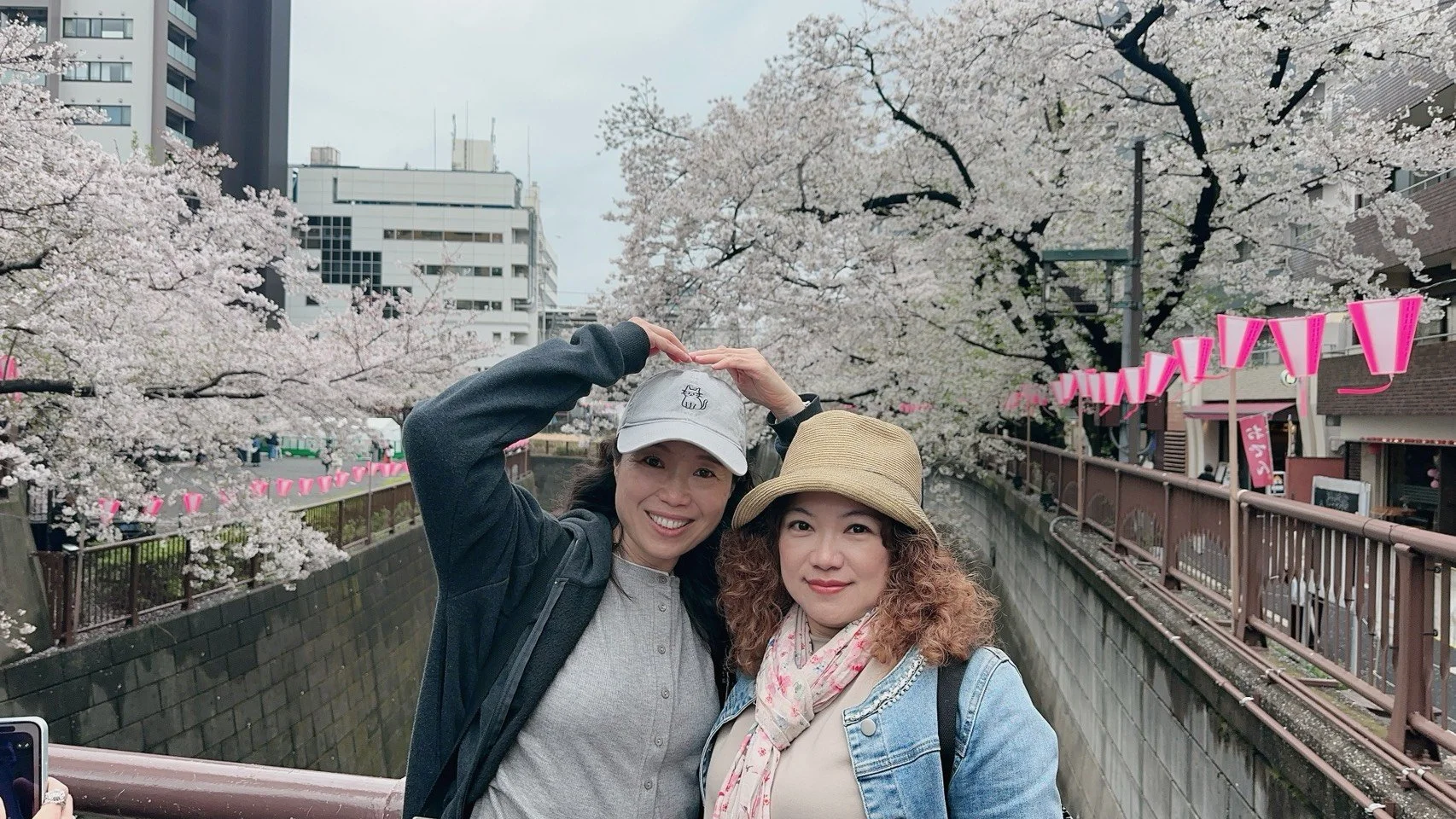
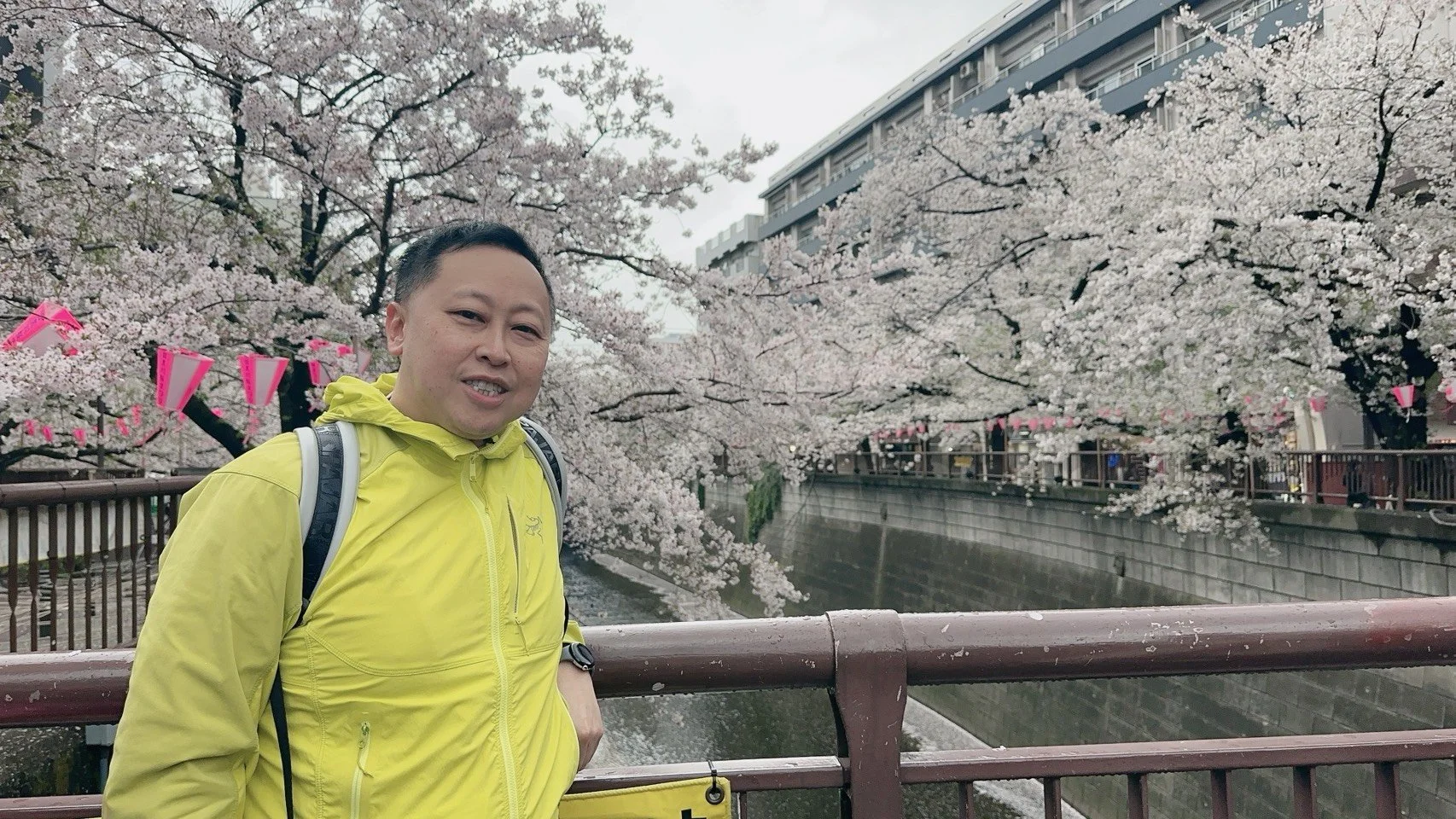
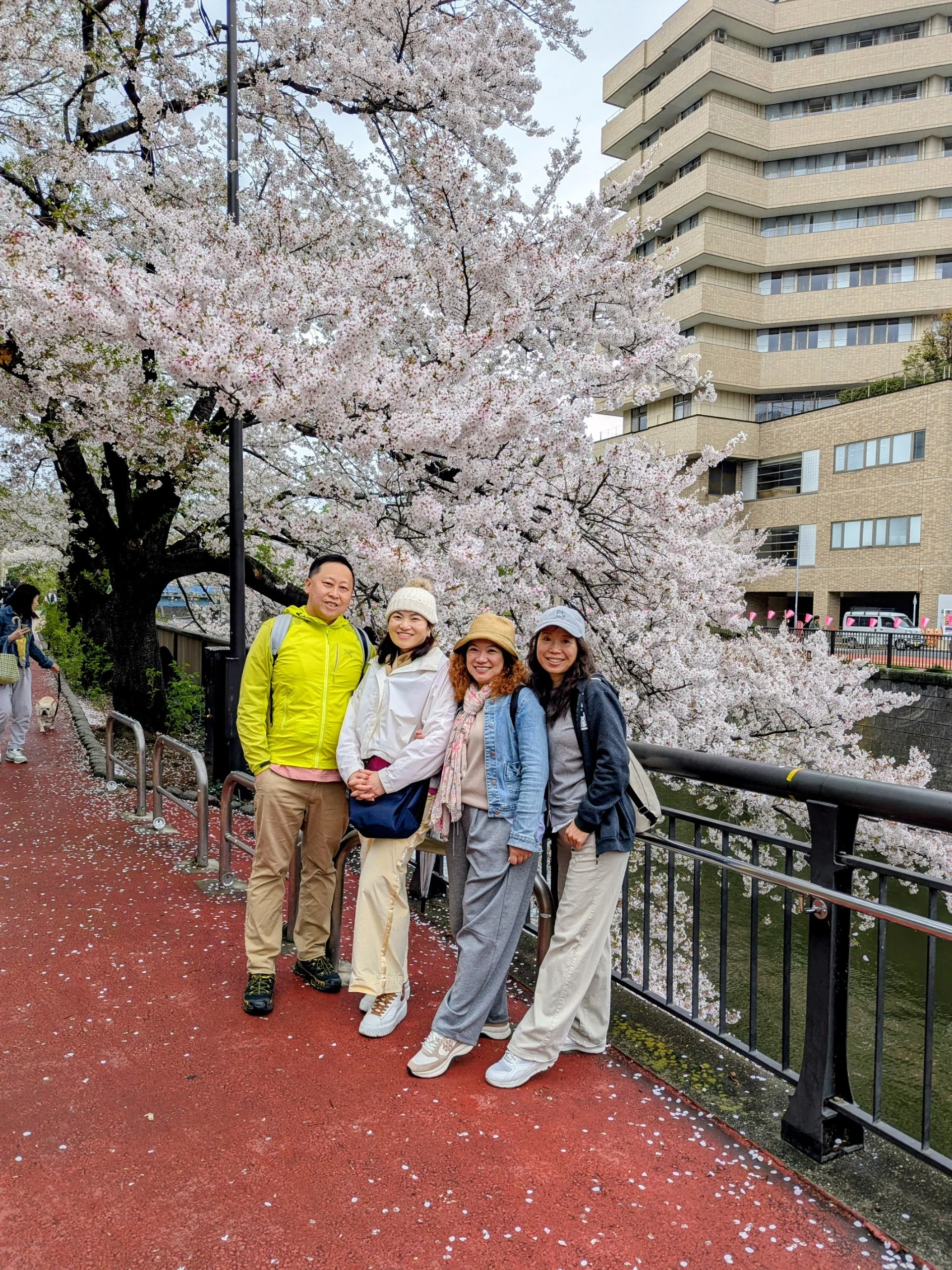
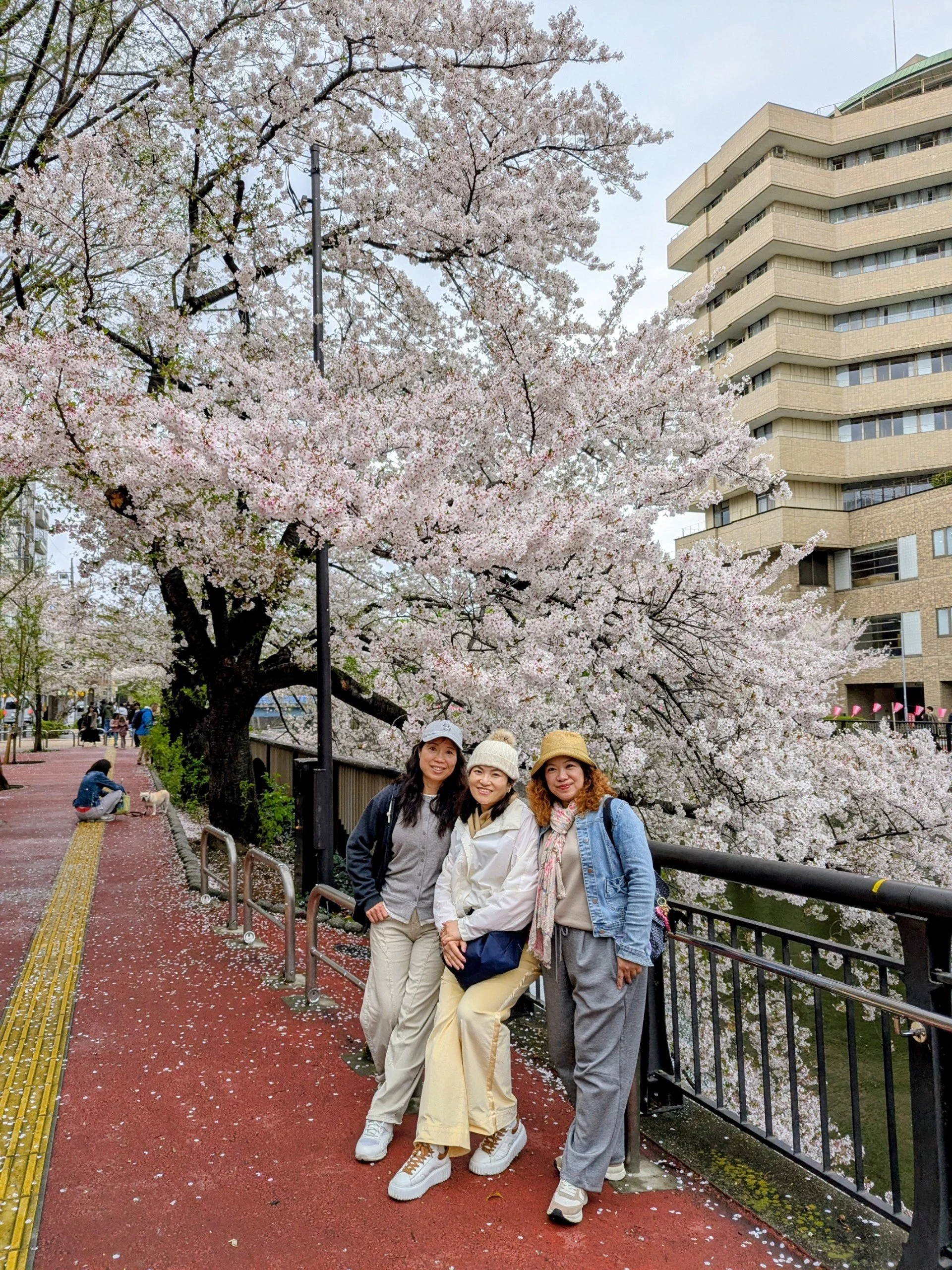
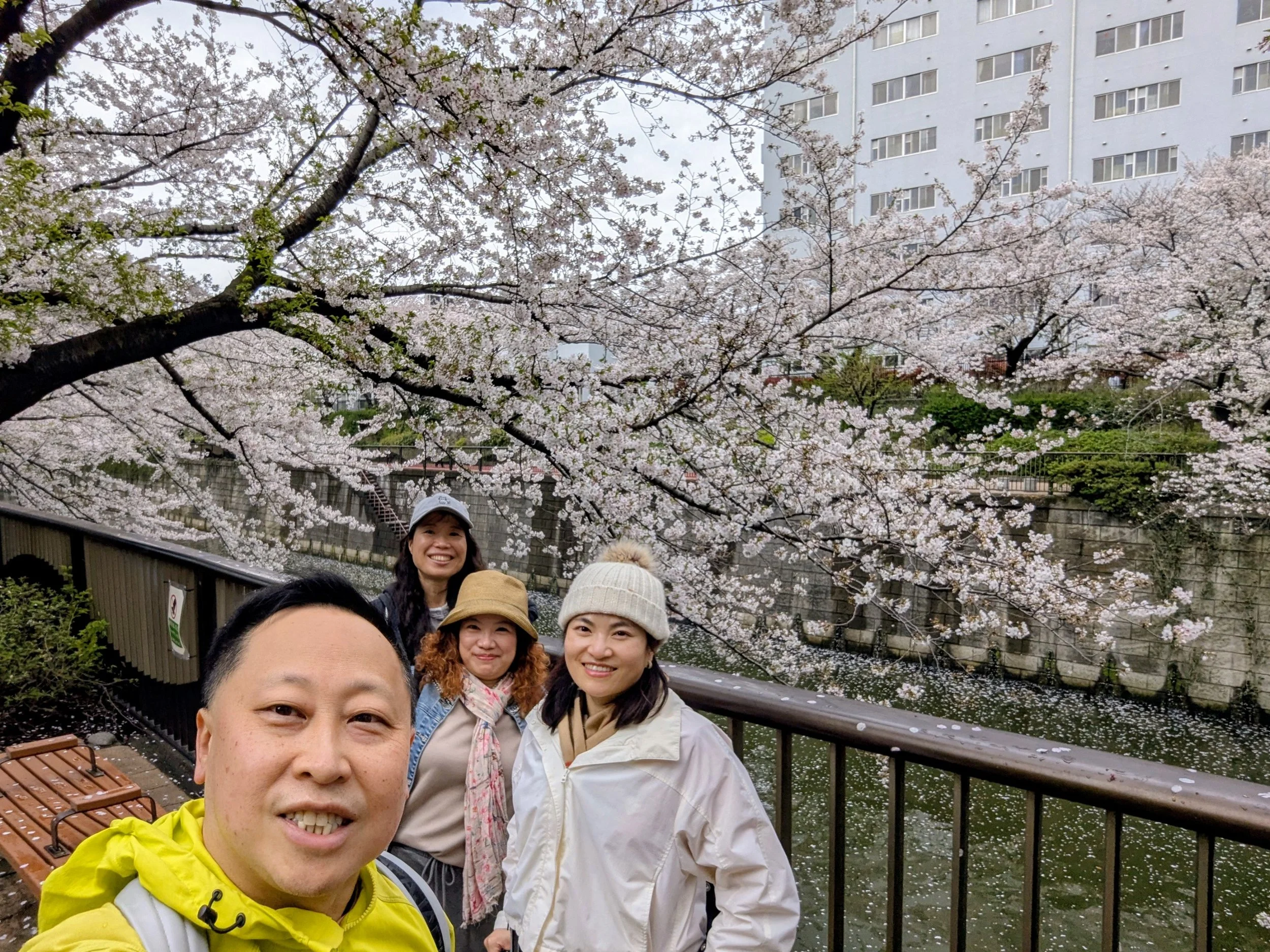
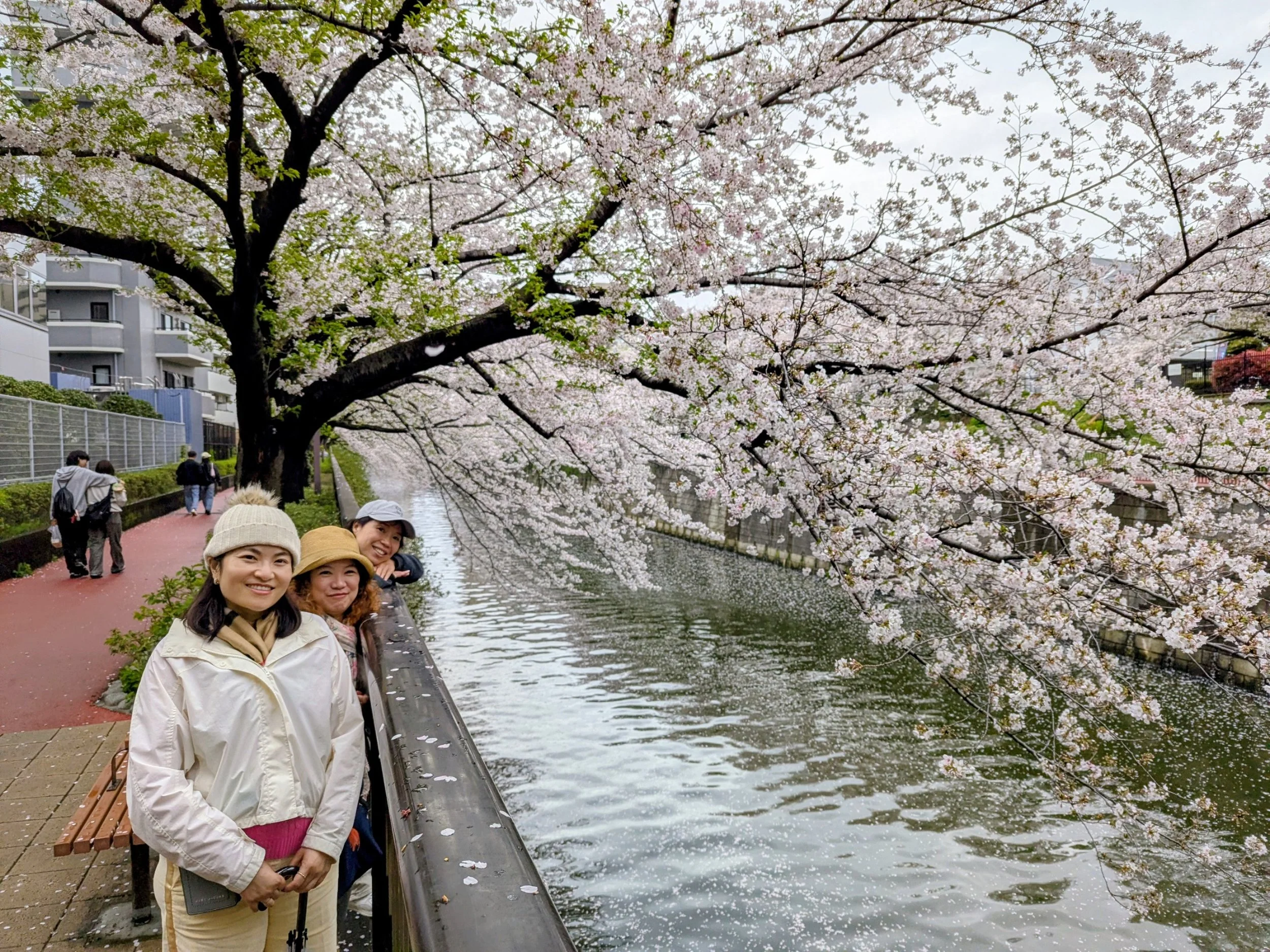
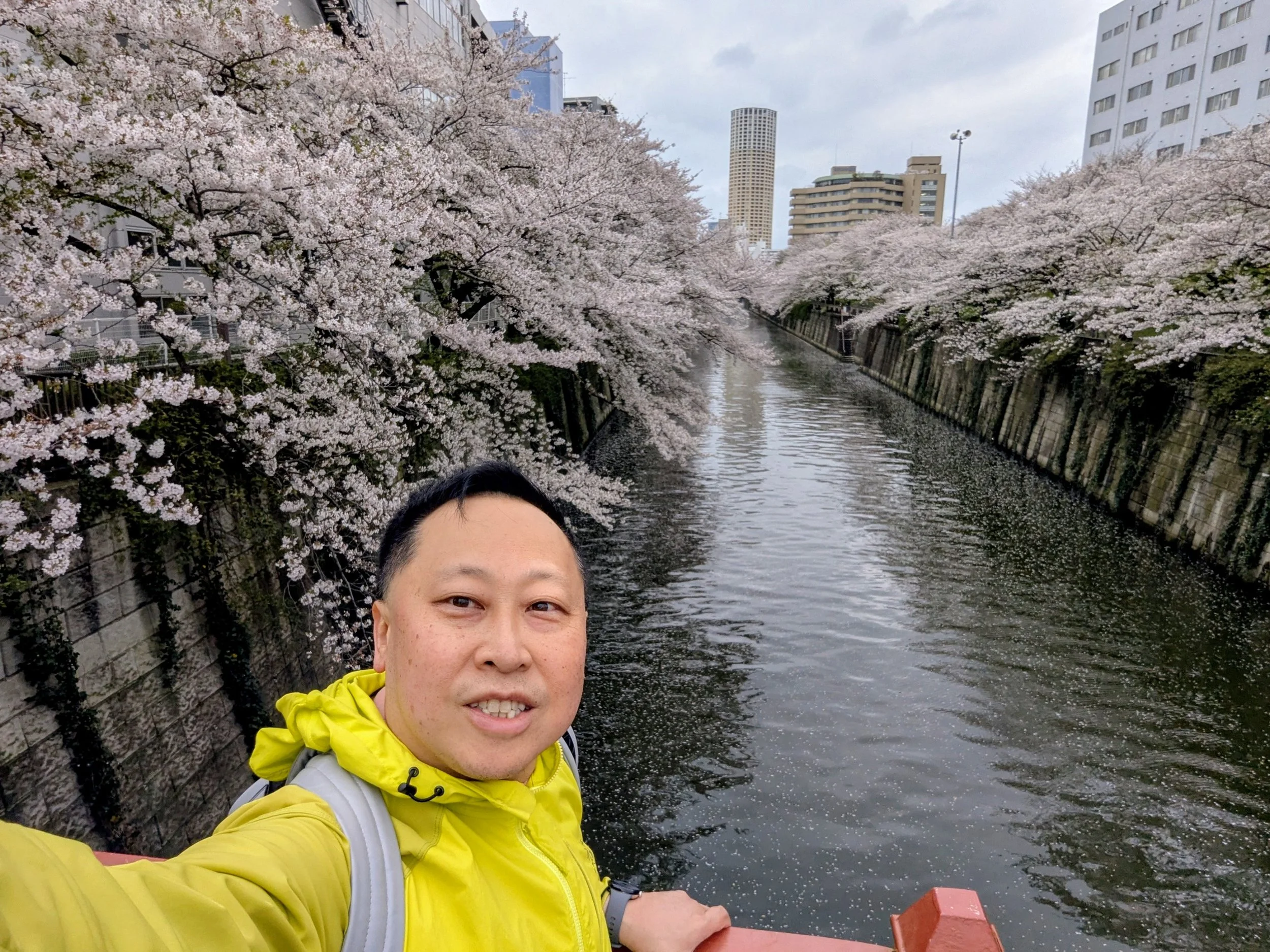
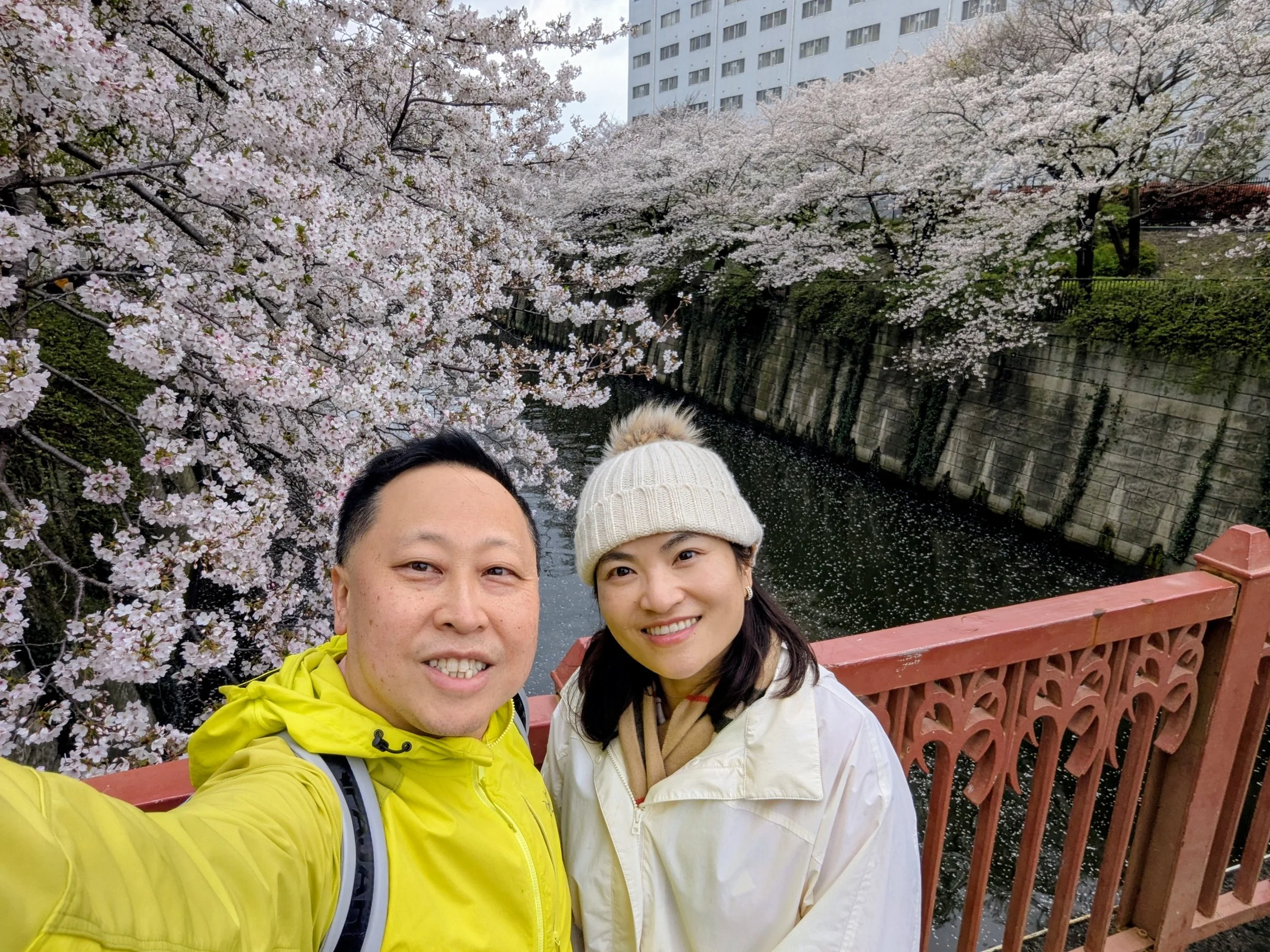
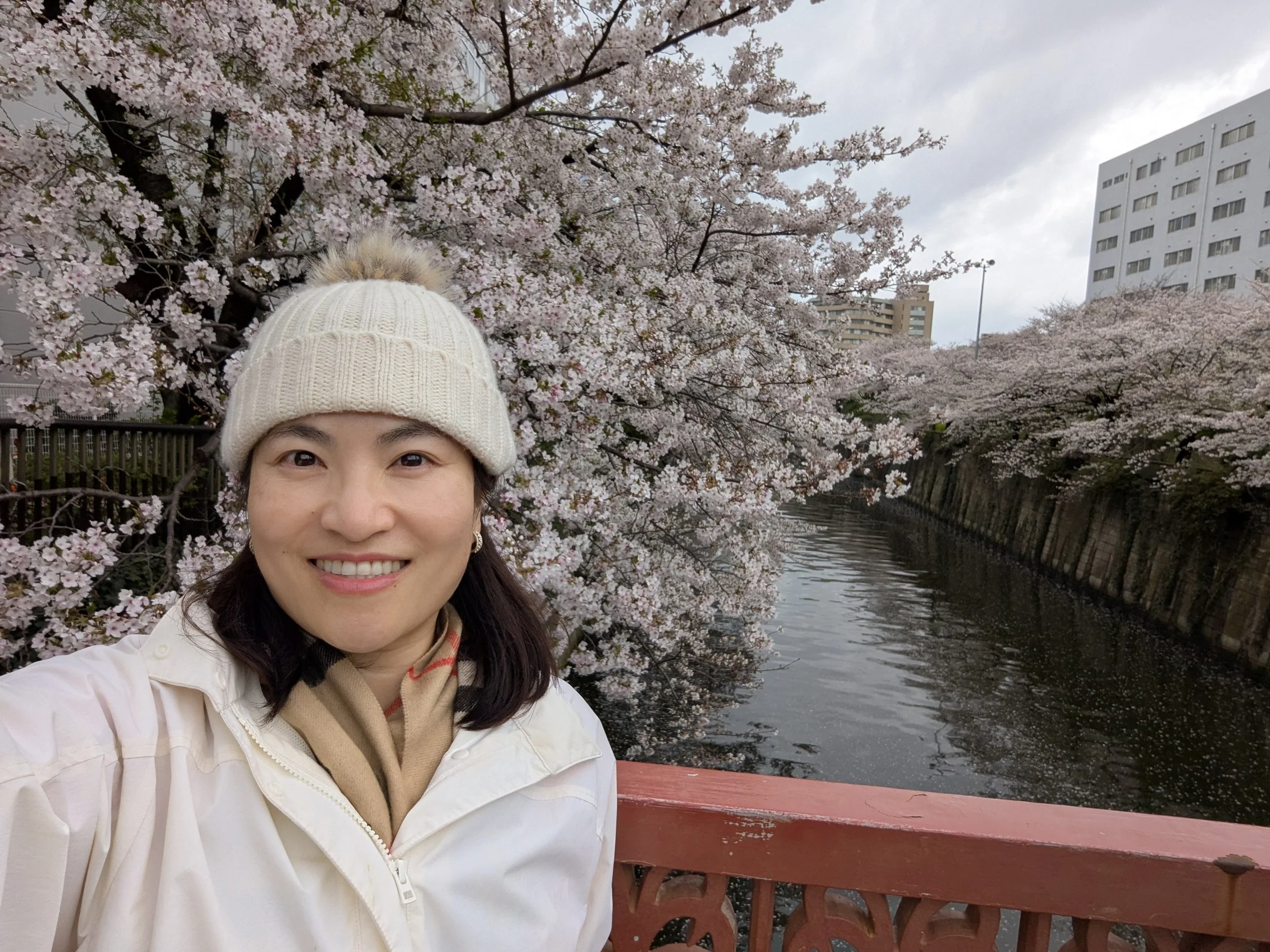
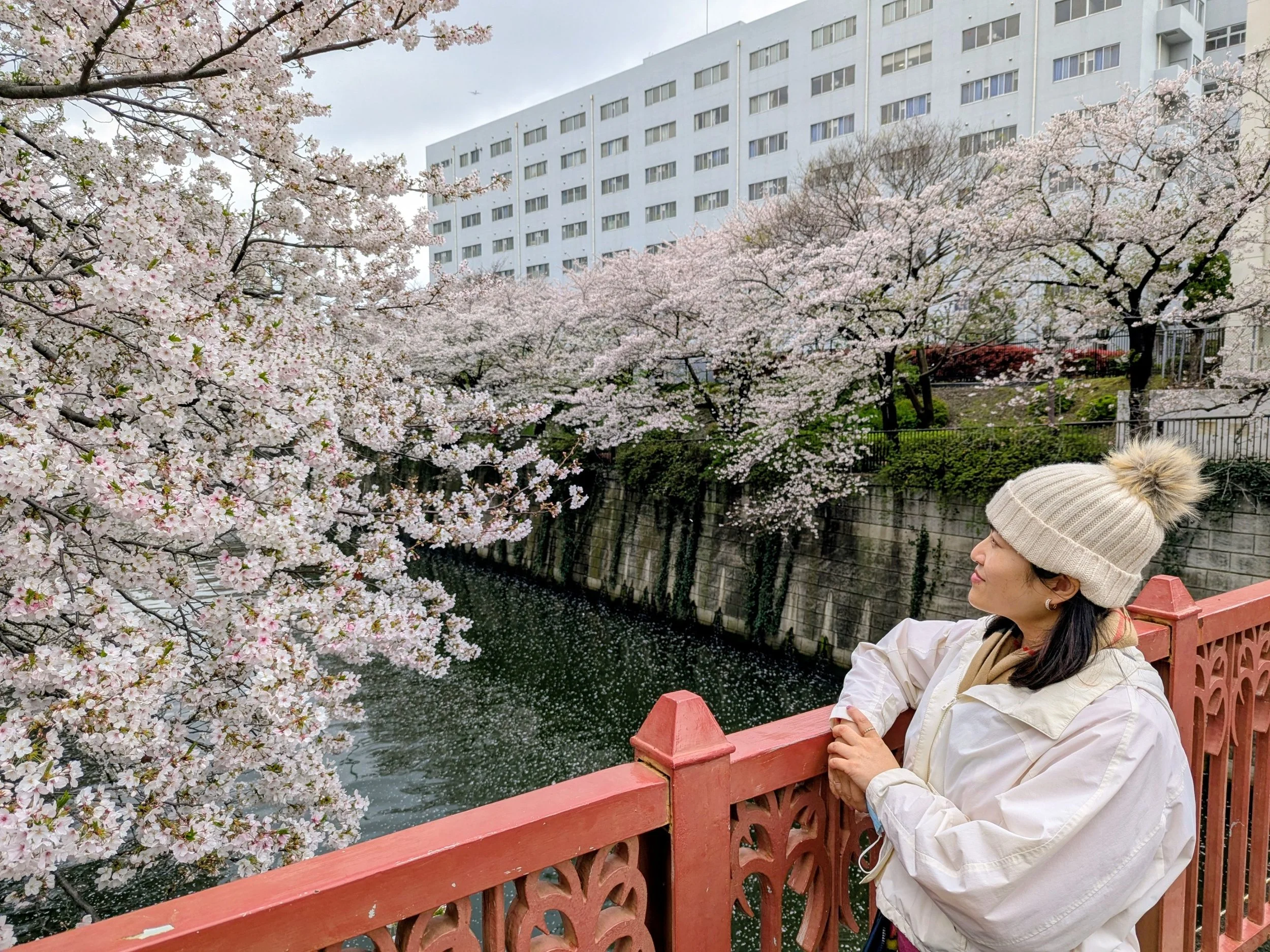
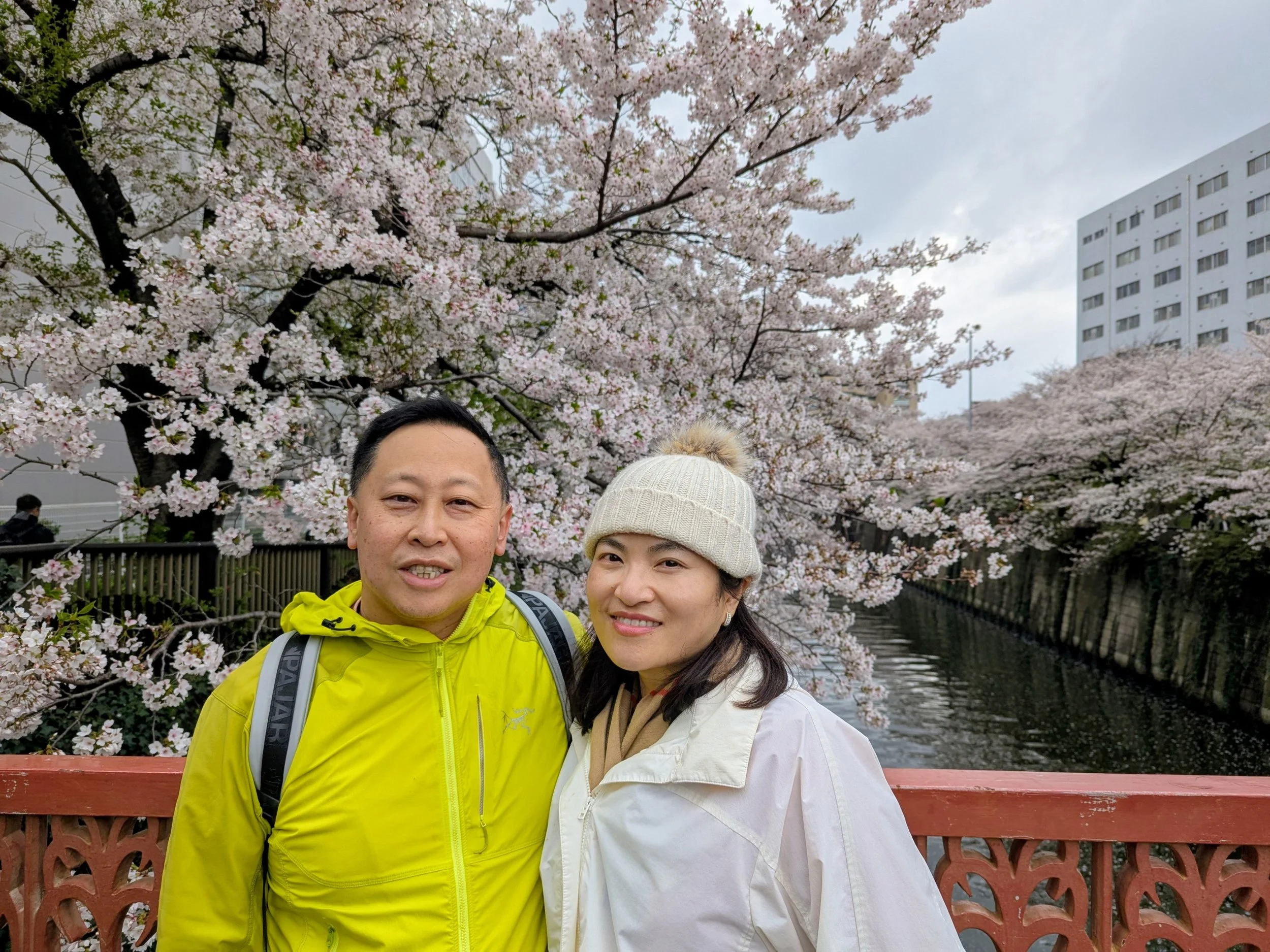
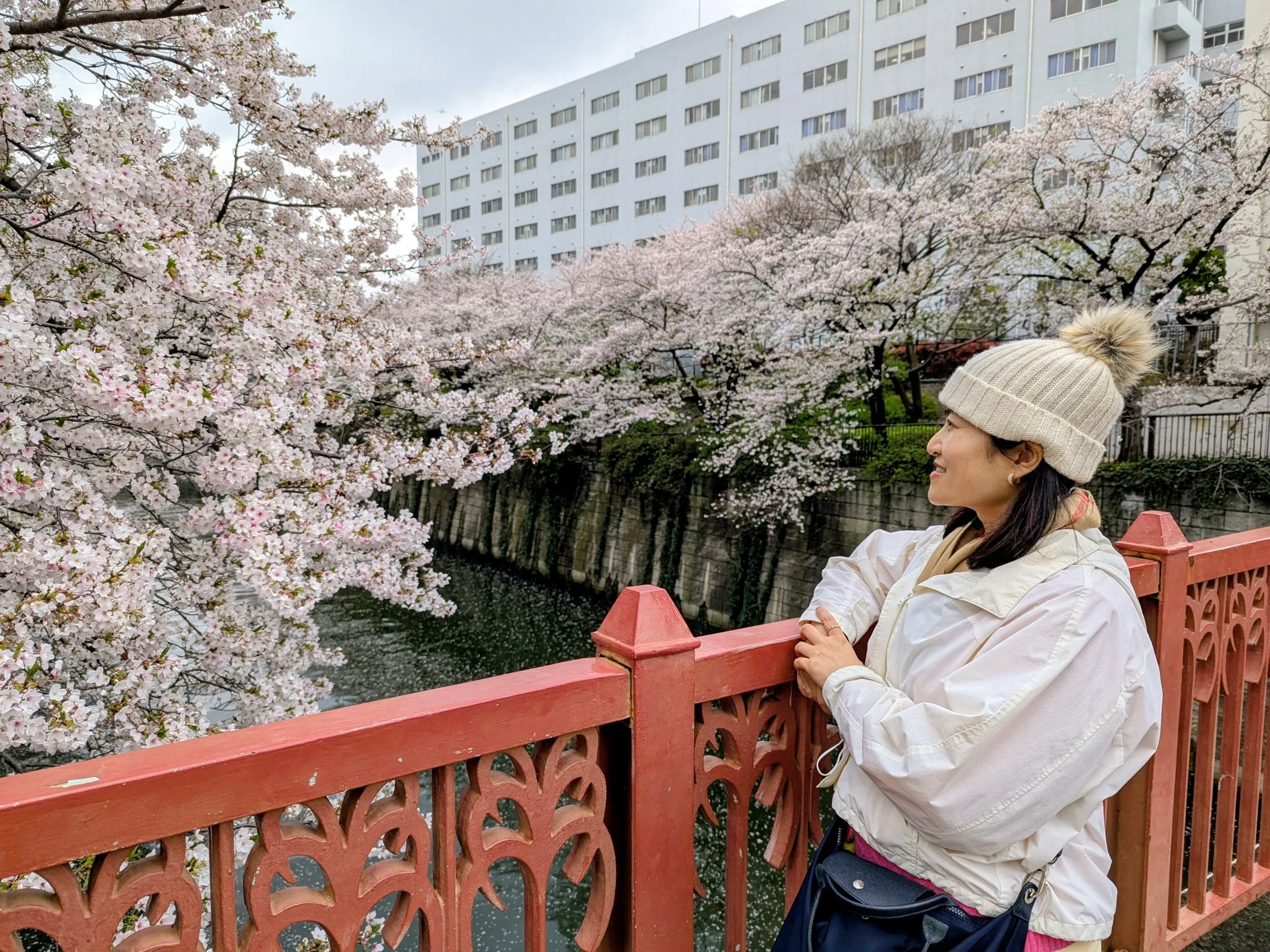
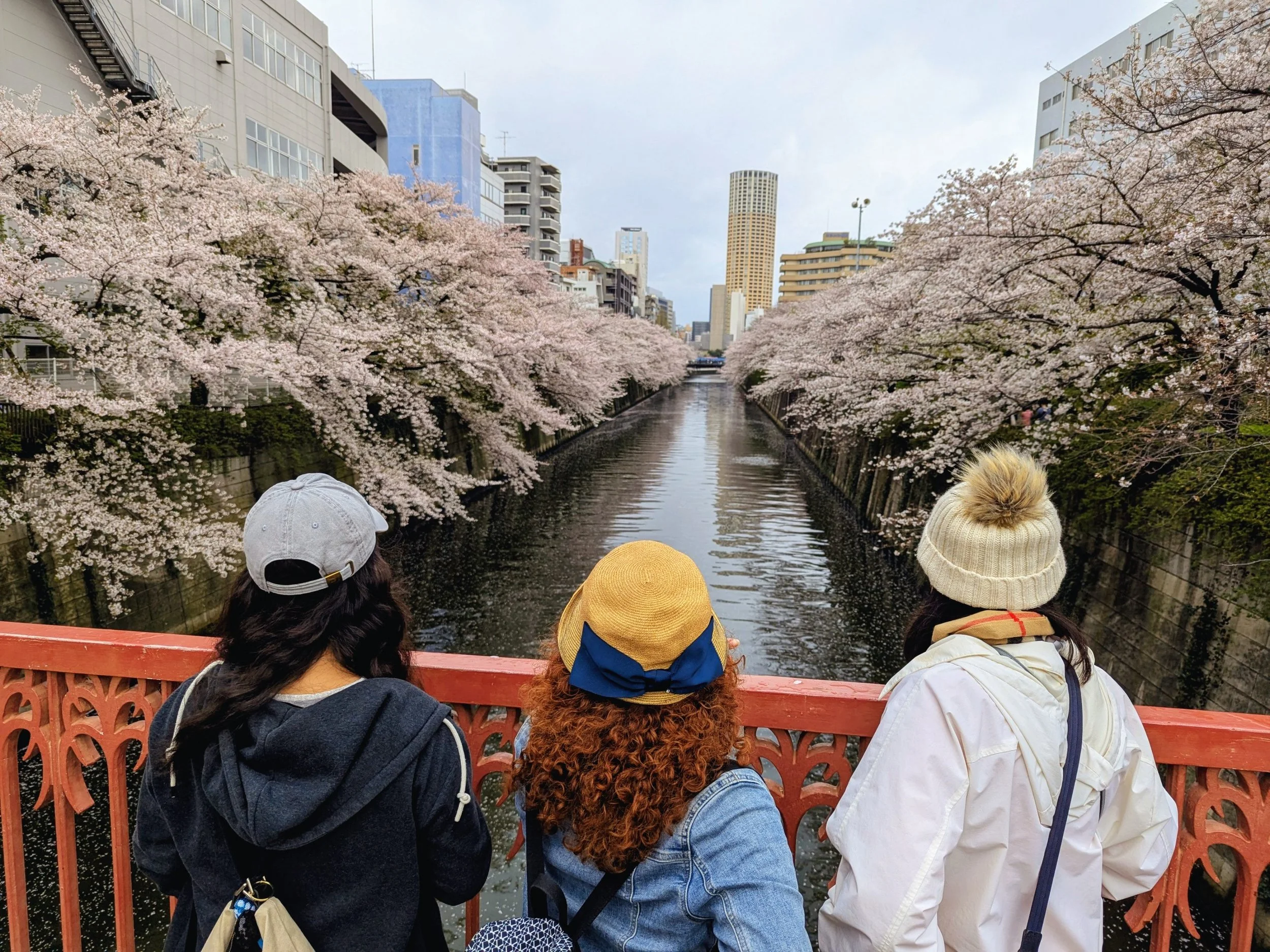
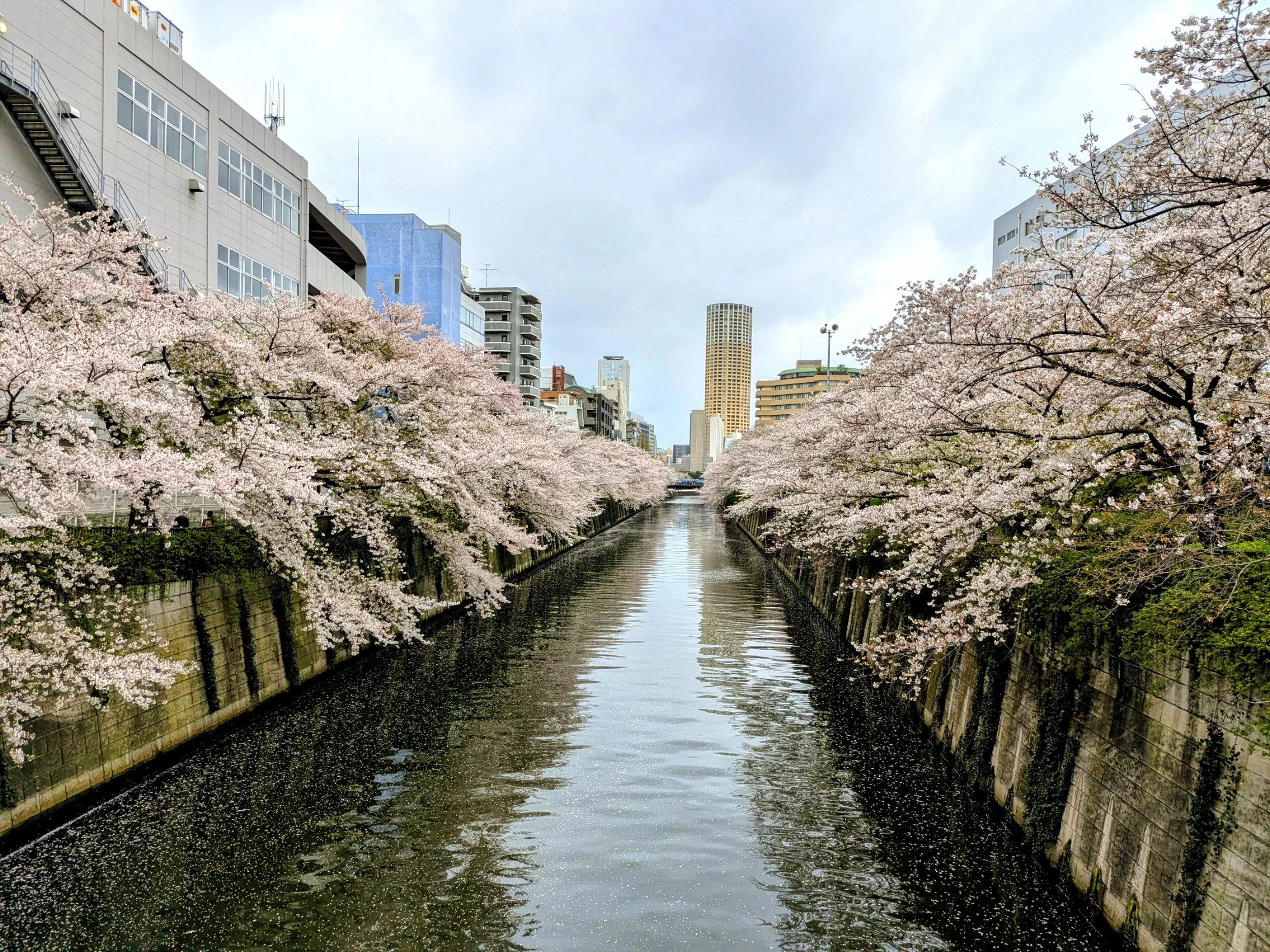
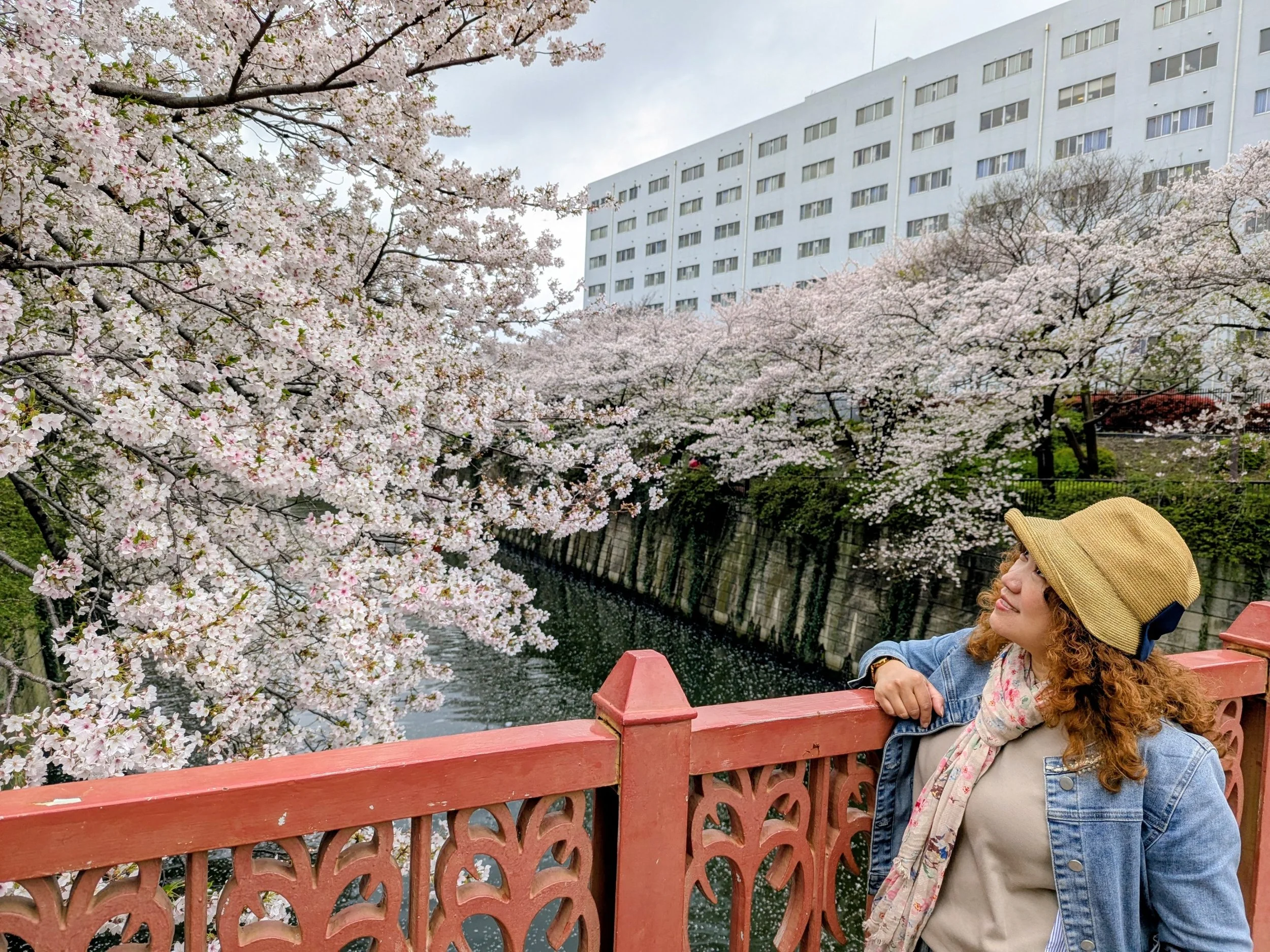
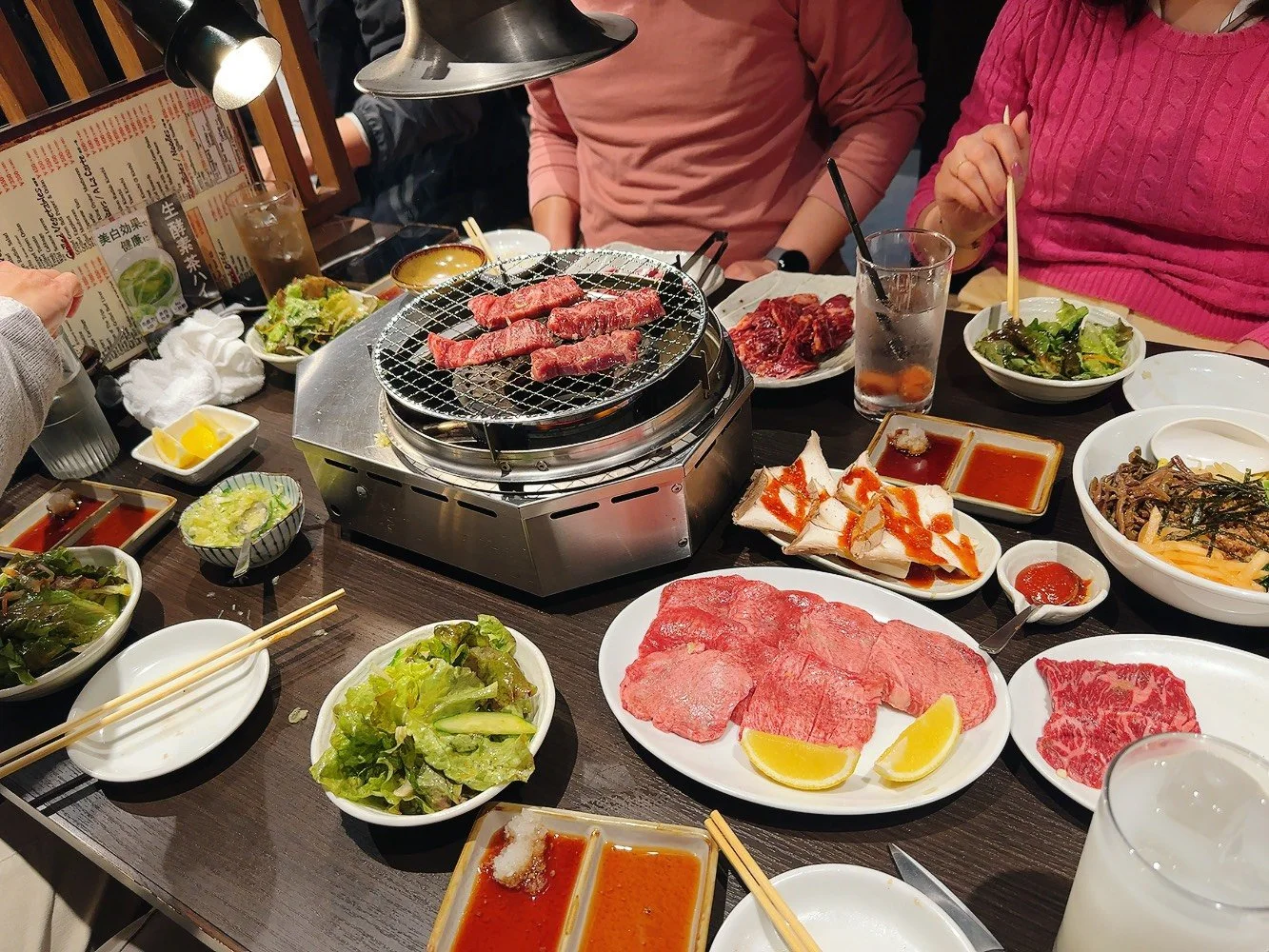
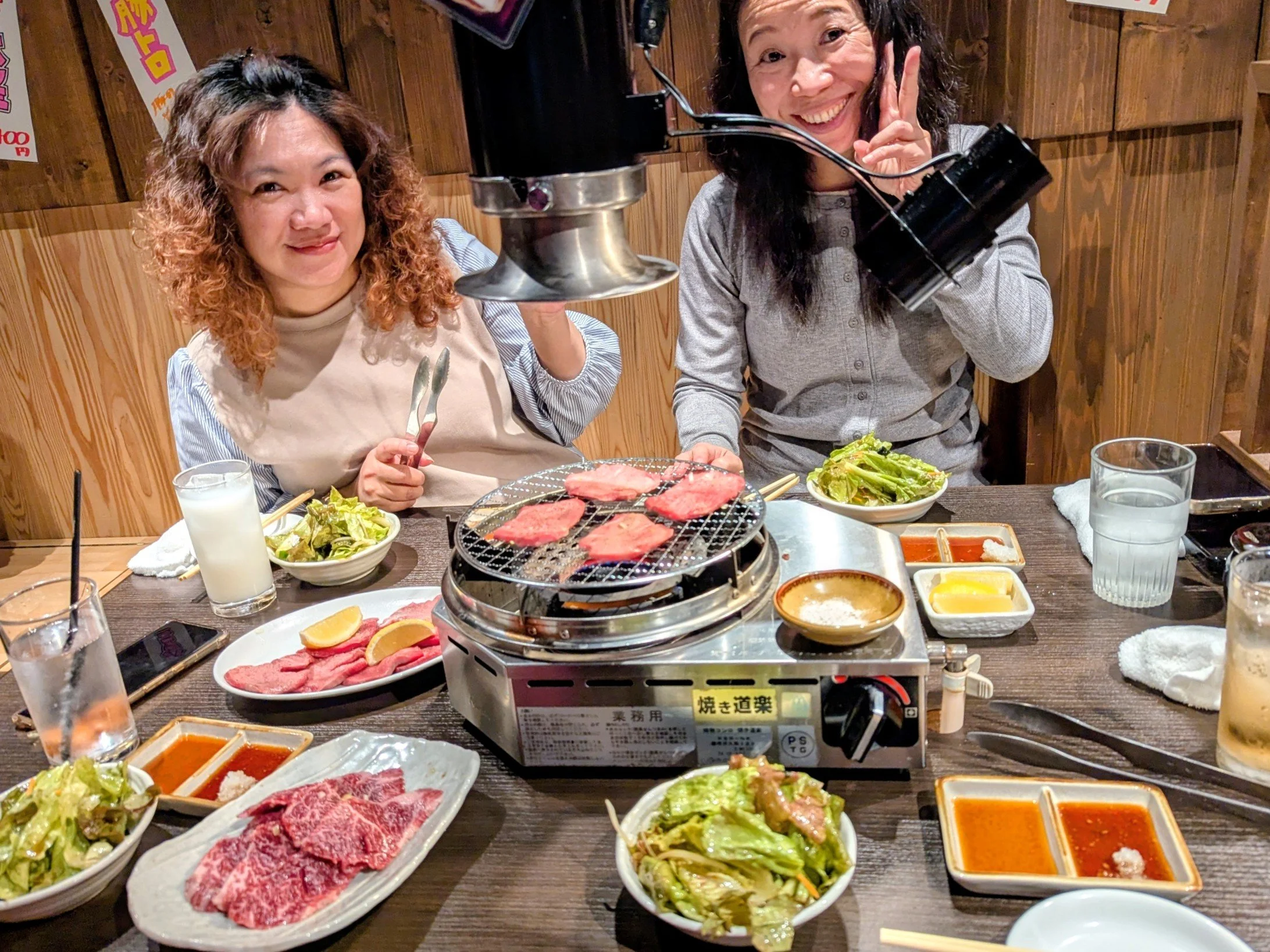
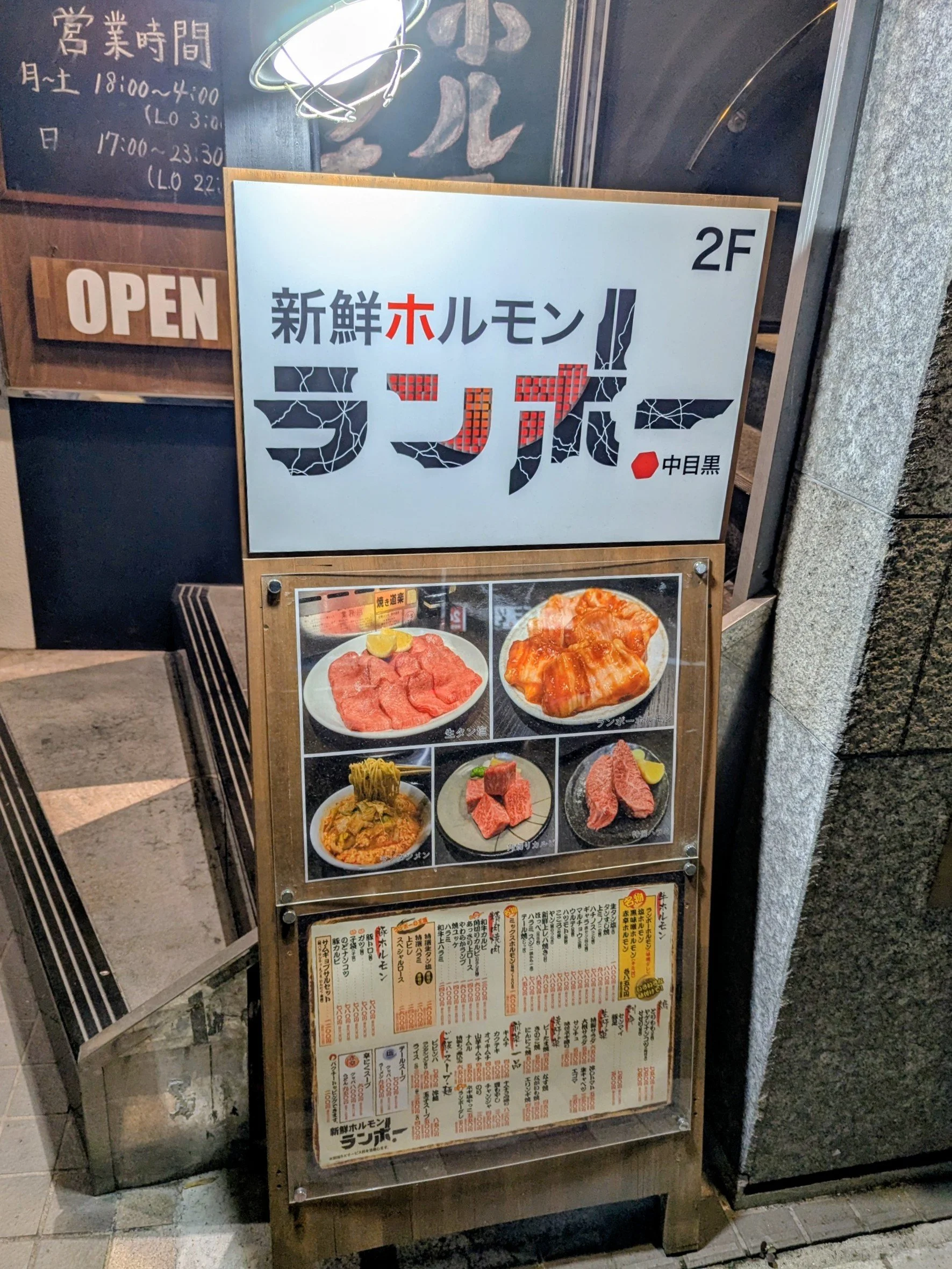
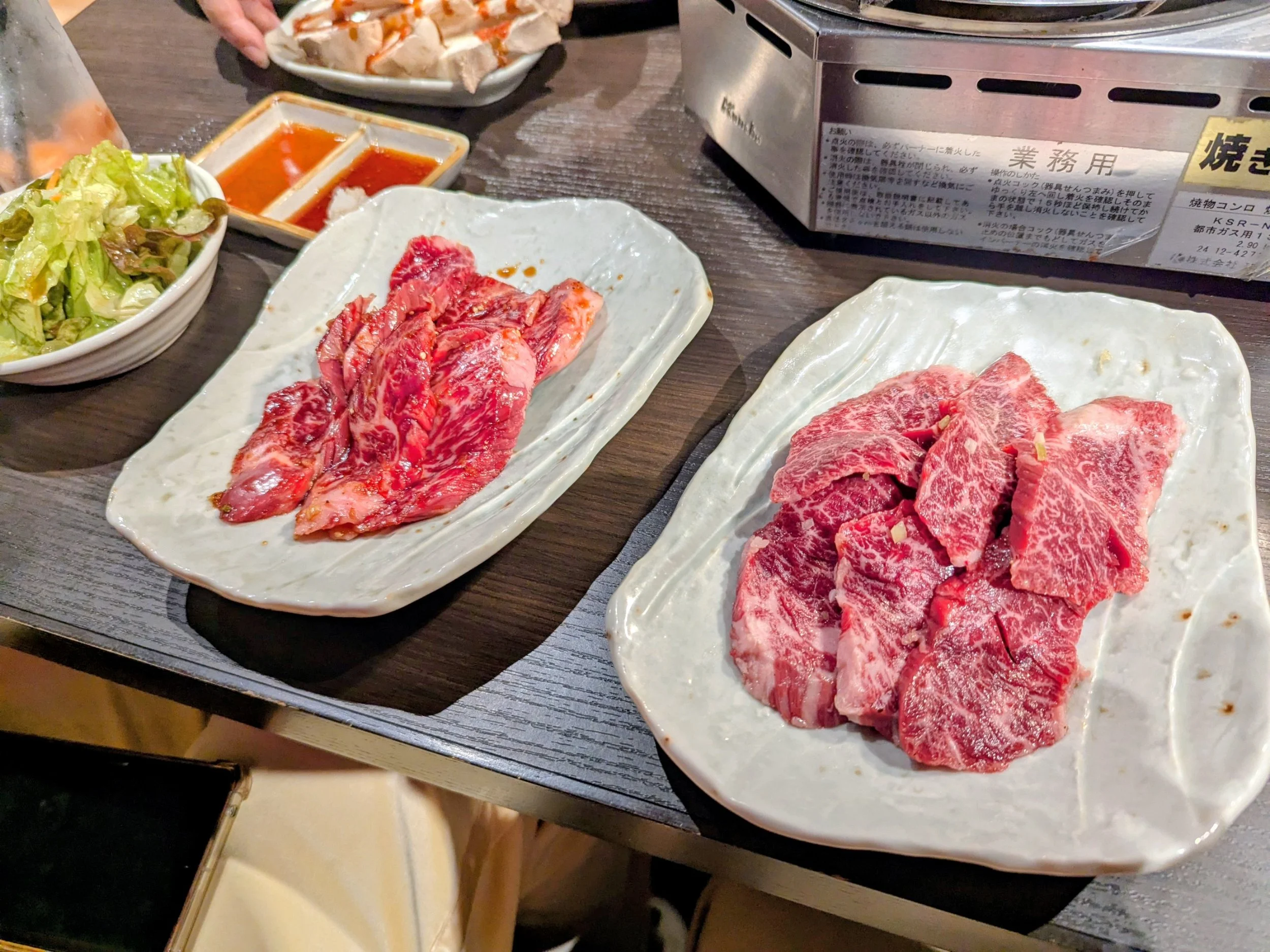
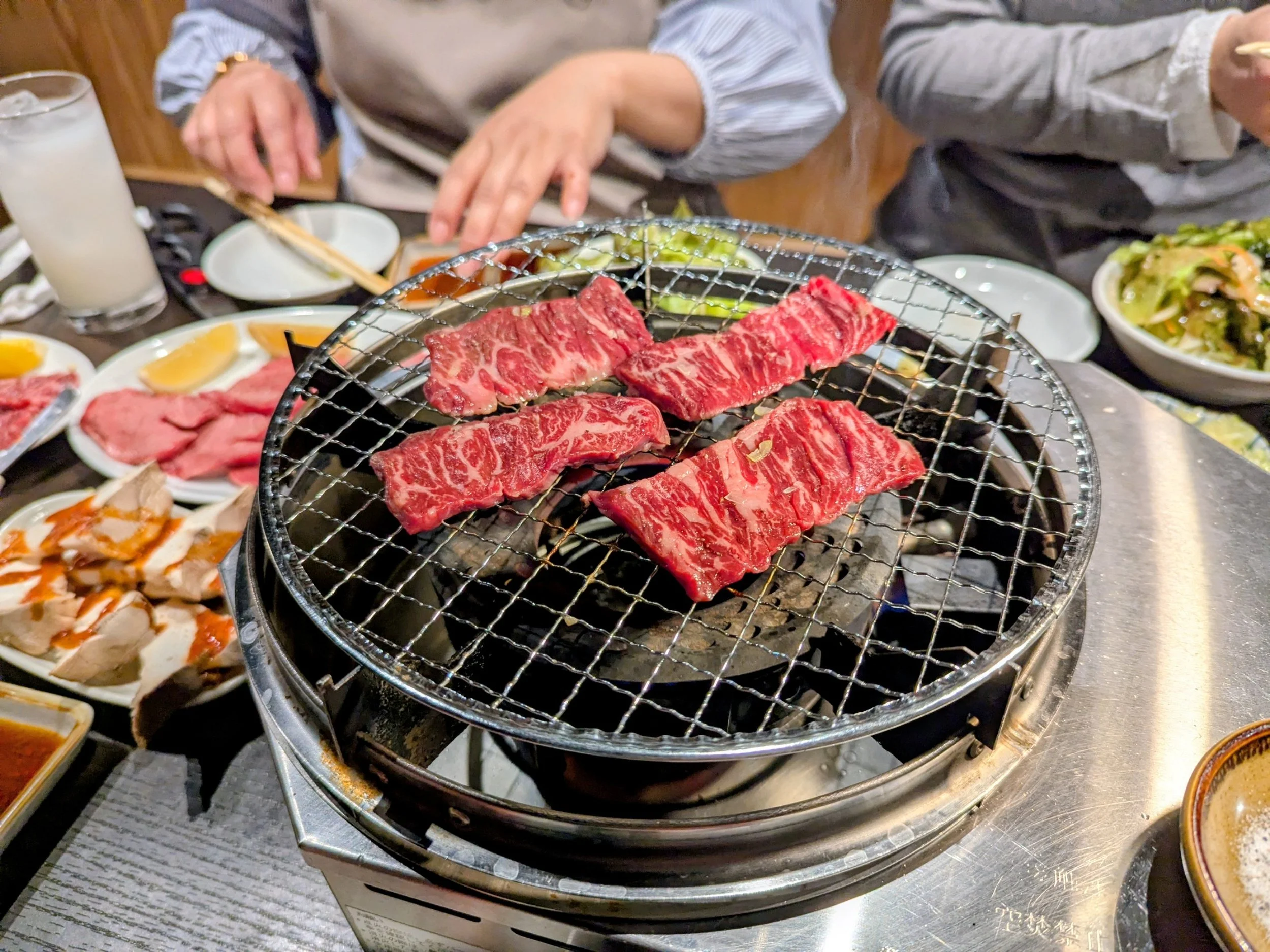
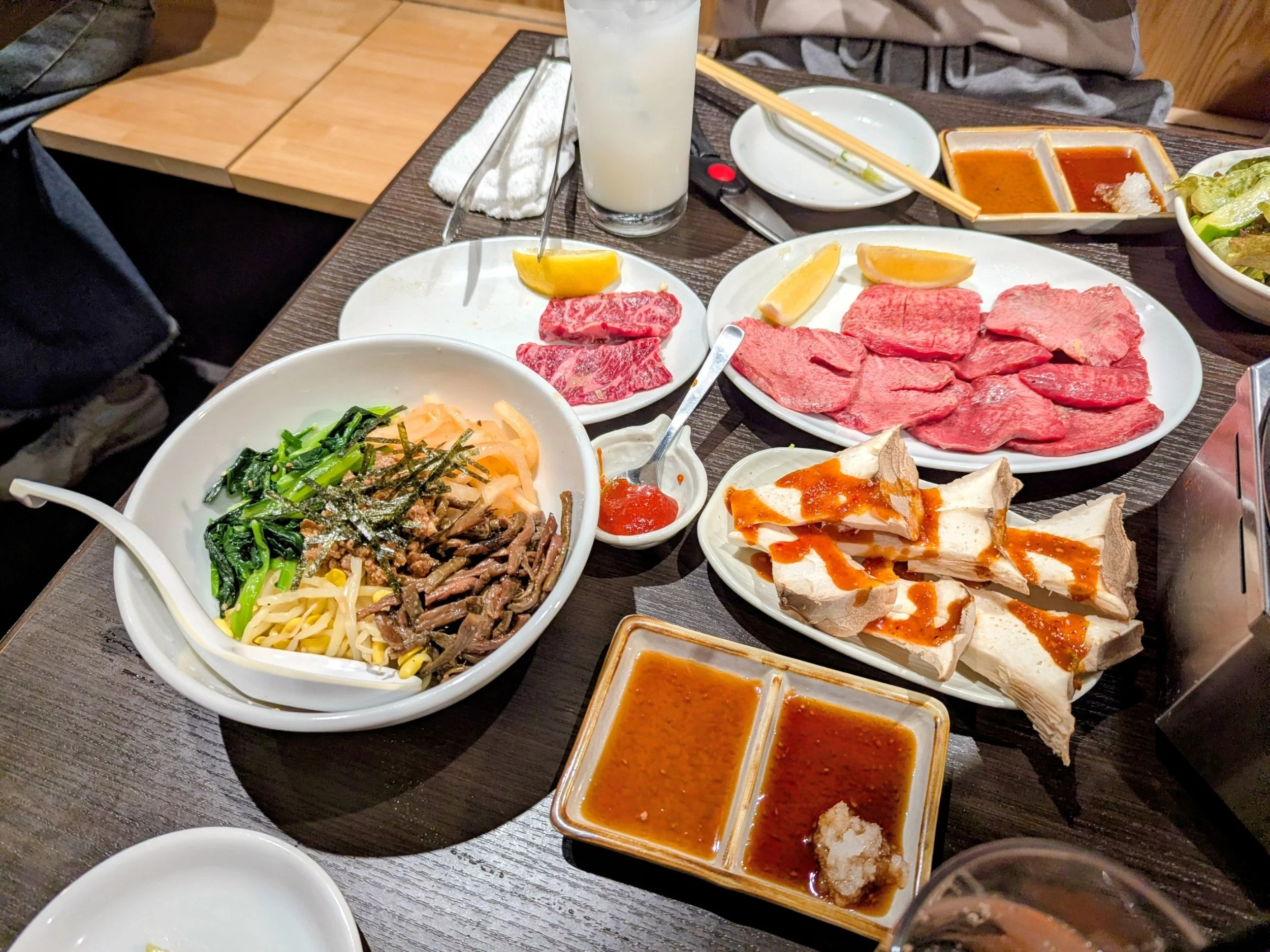
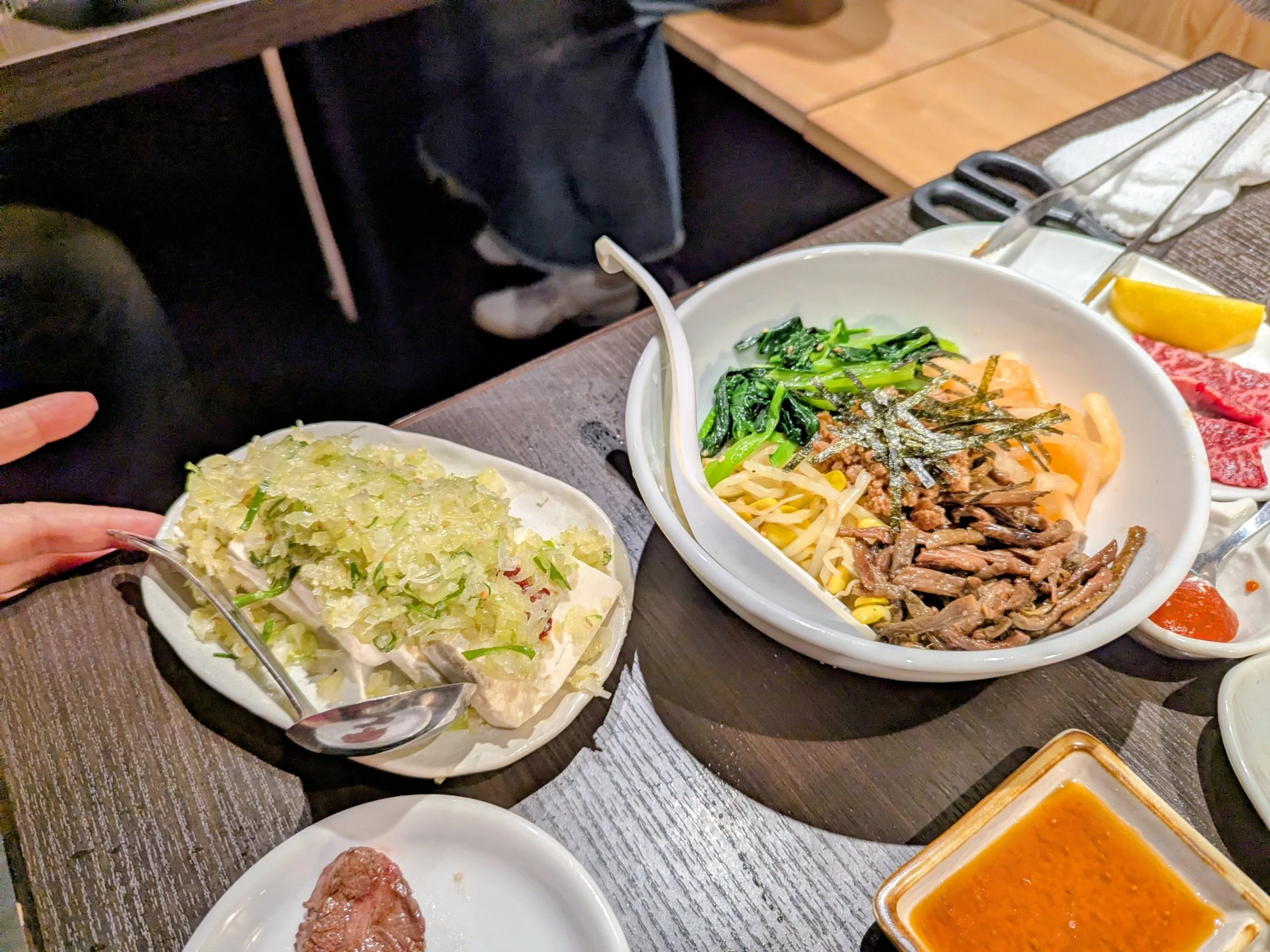
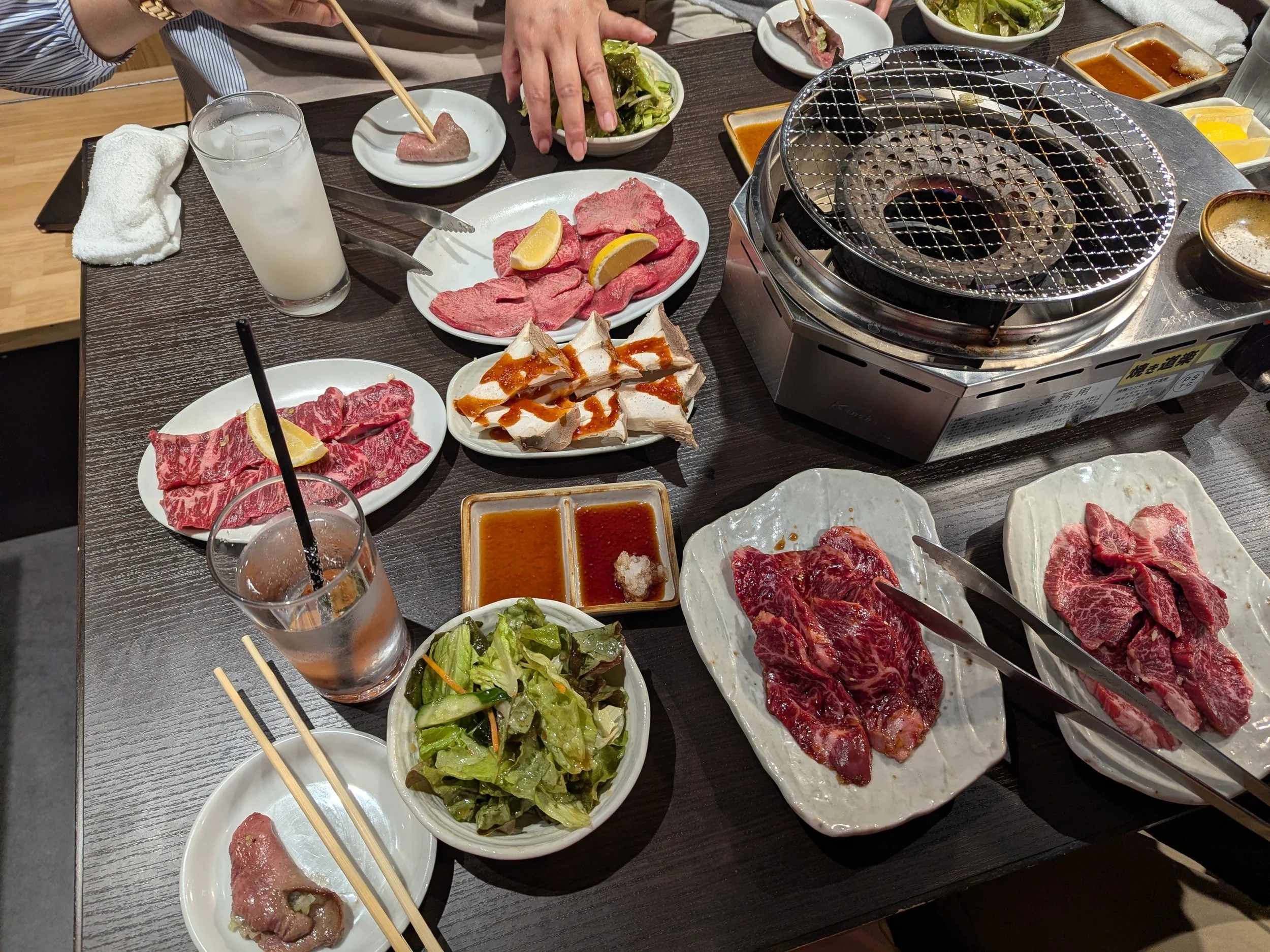
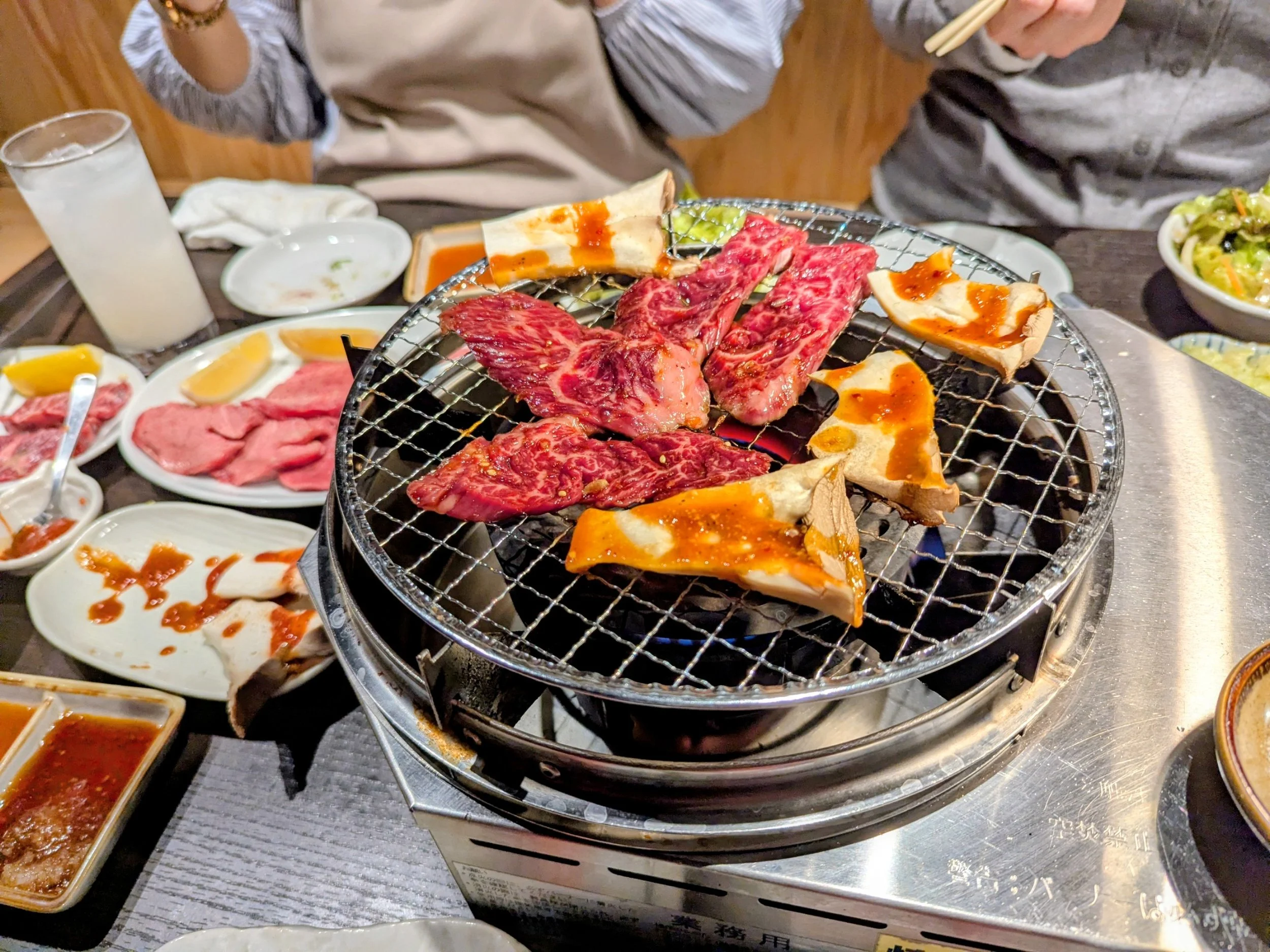
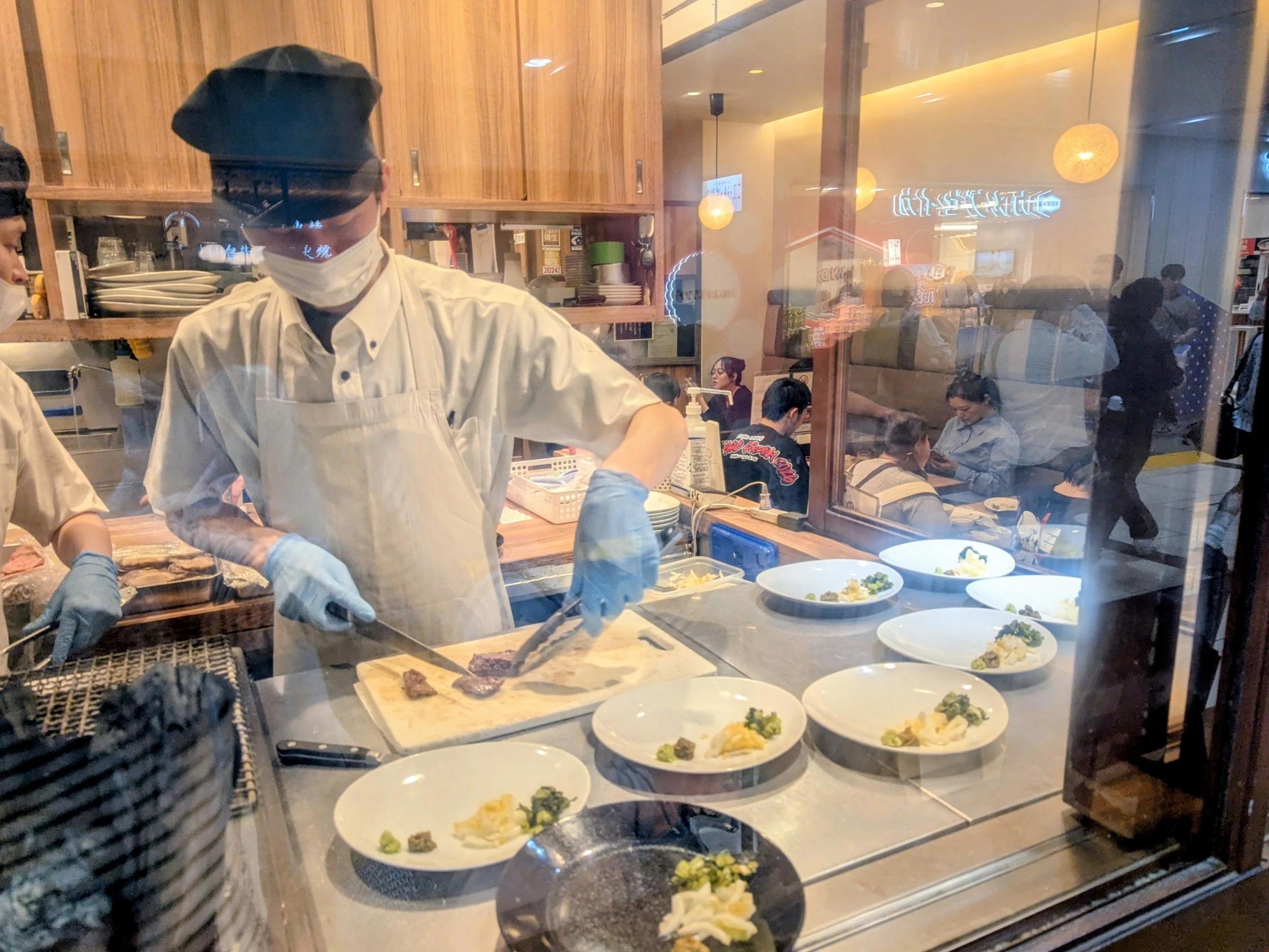
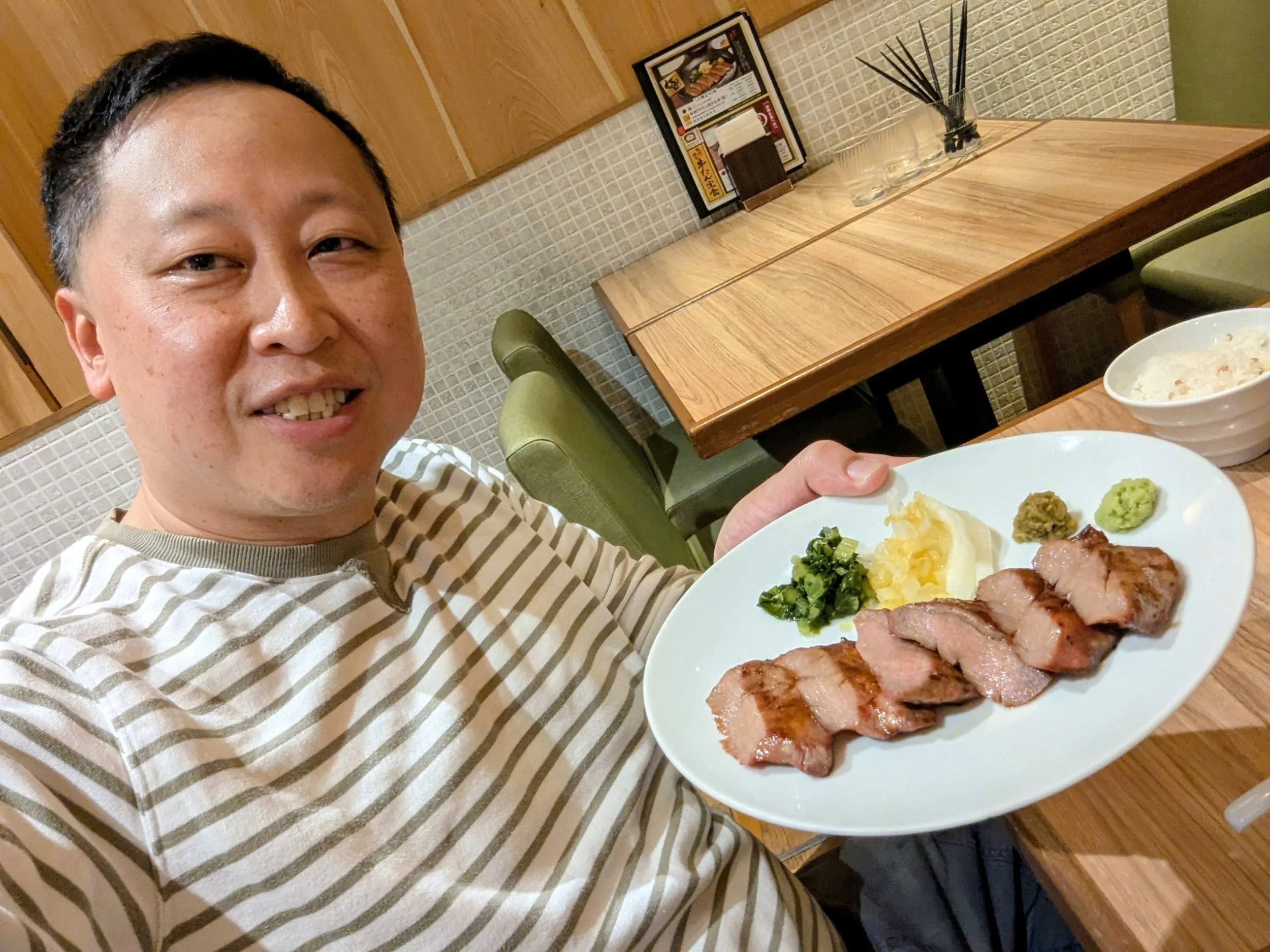
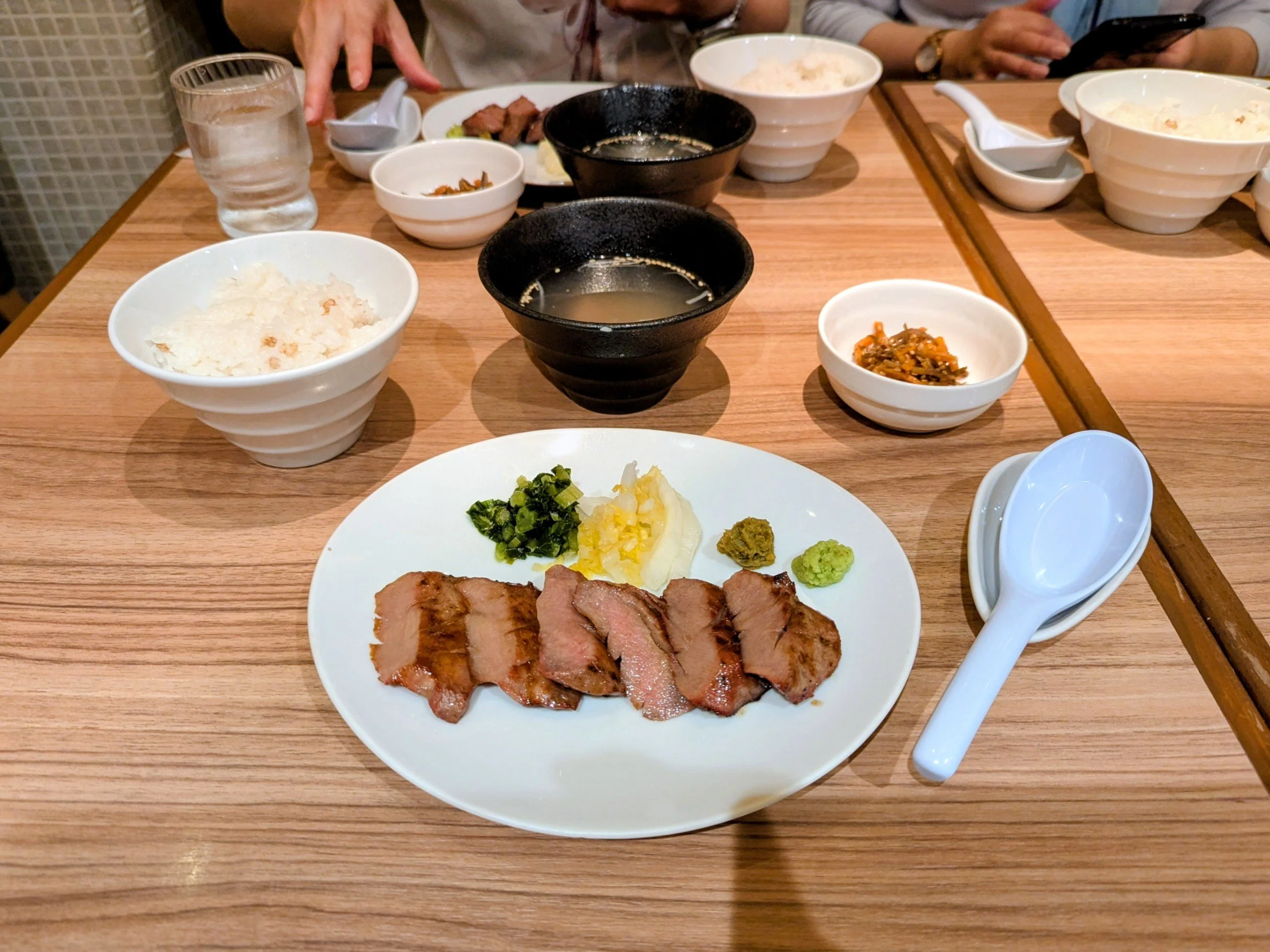
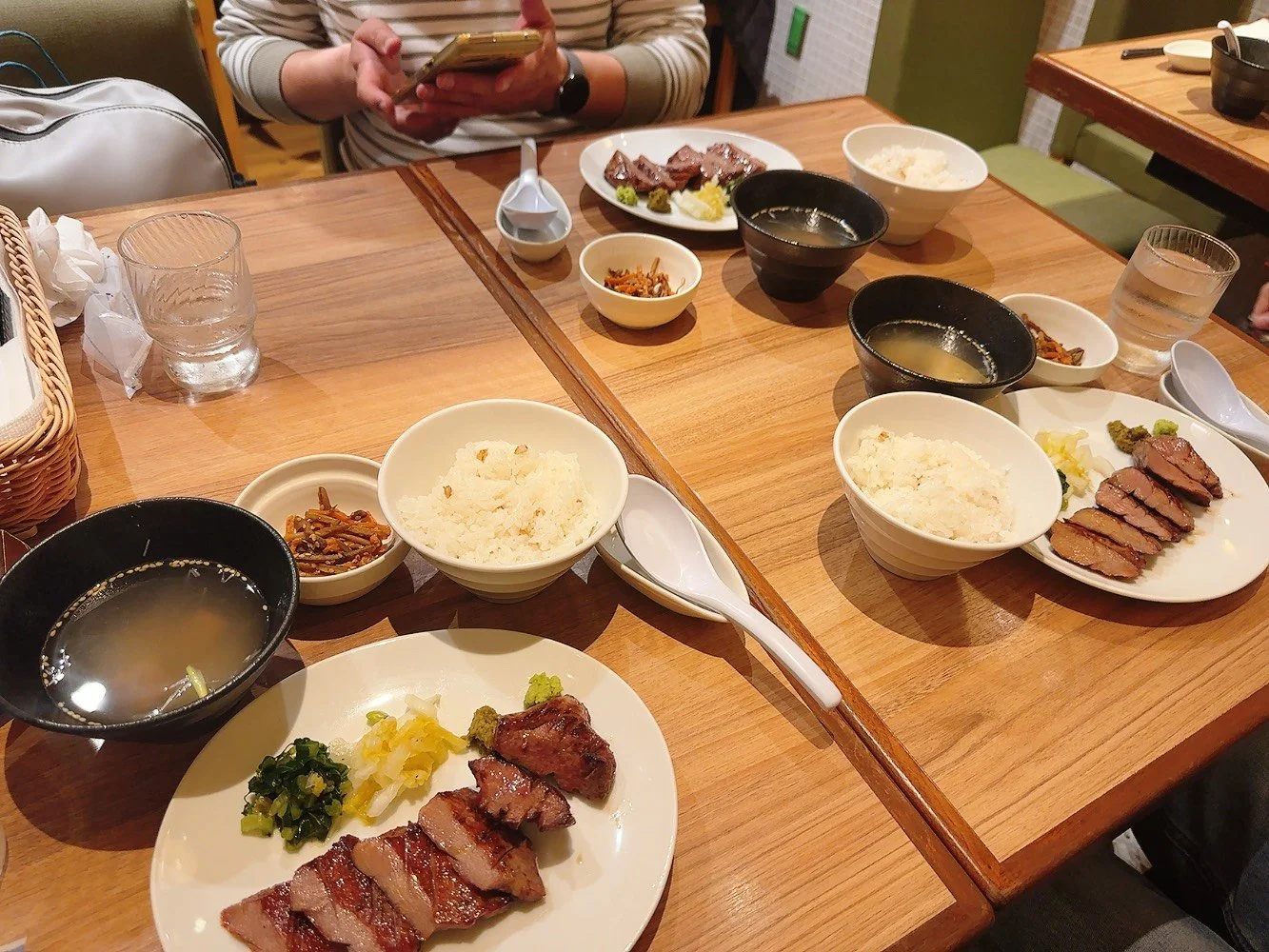
We had Japanese BBQ in the area. We were not sure what to order so we just pointed at what our neighbor ordered.
Day 4 - Ueno Park and Chiba Costco Shopping
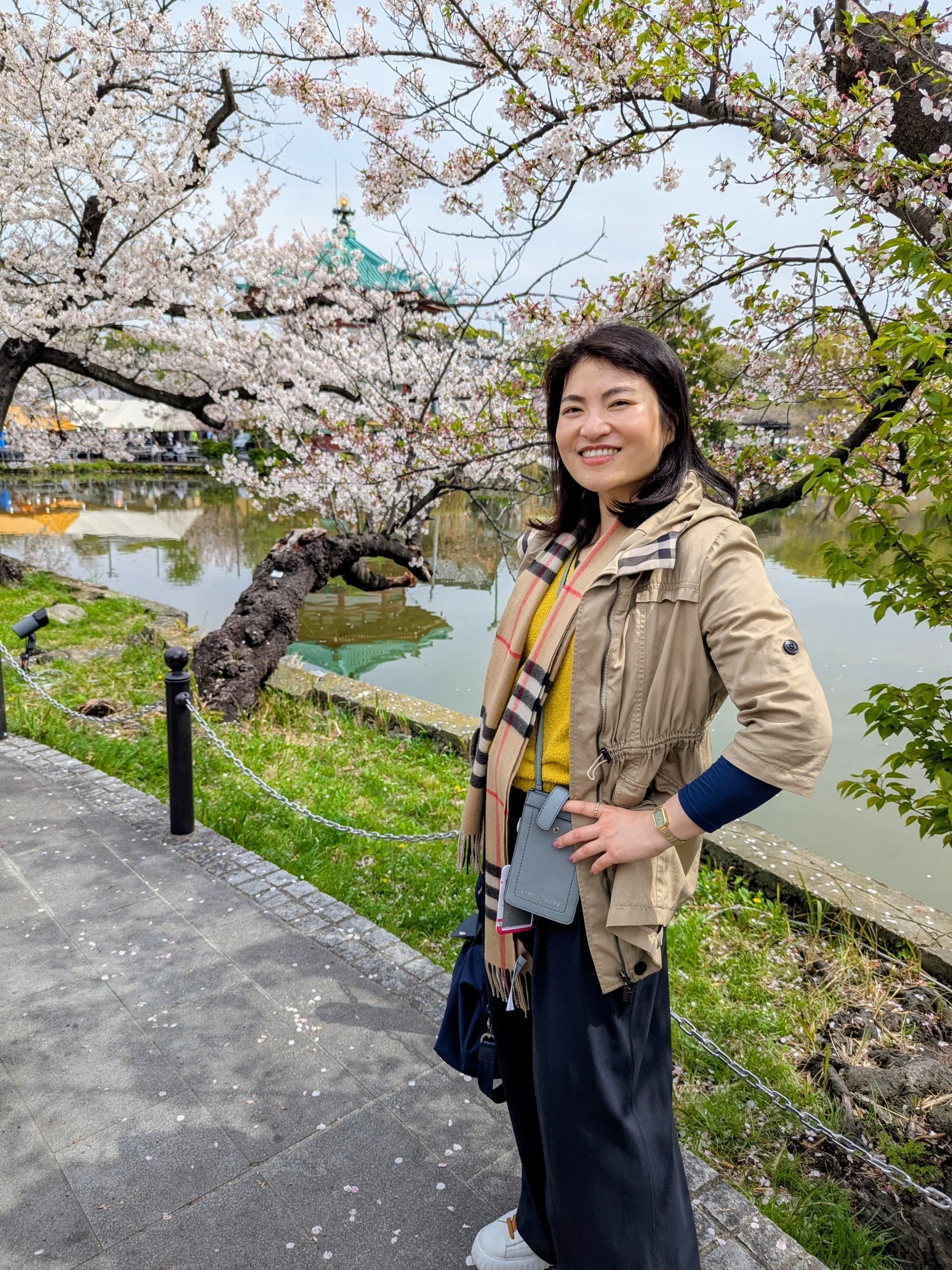
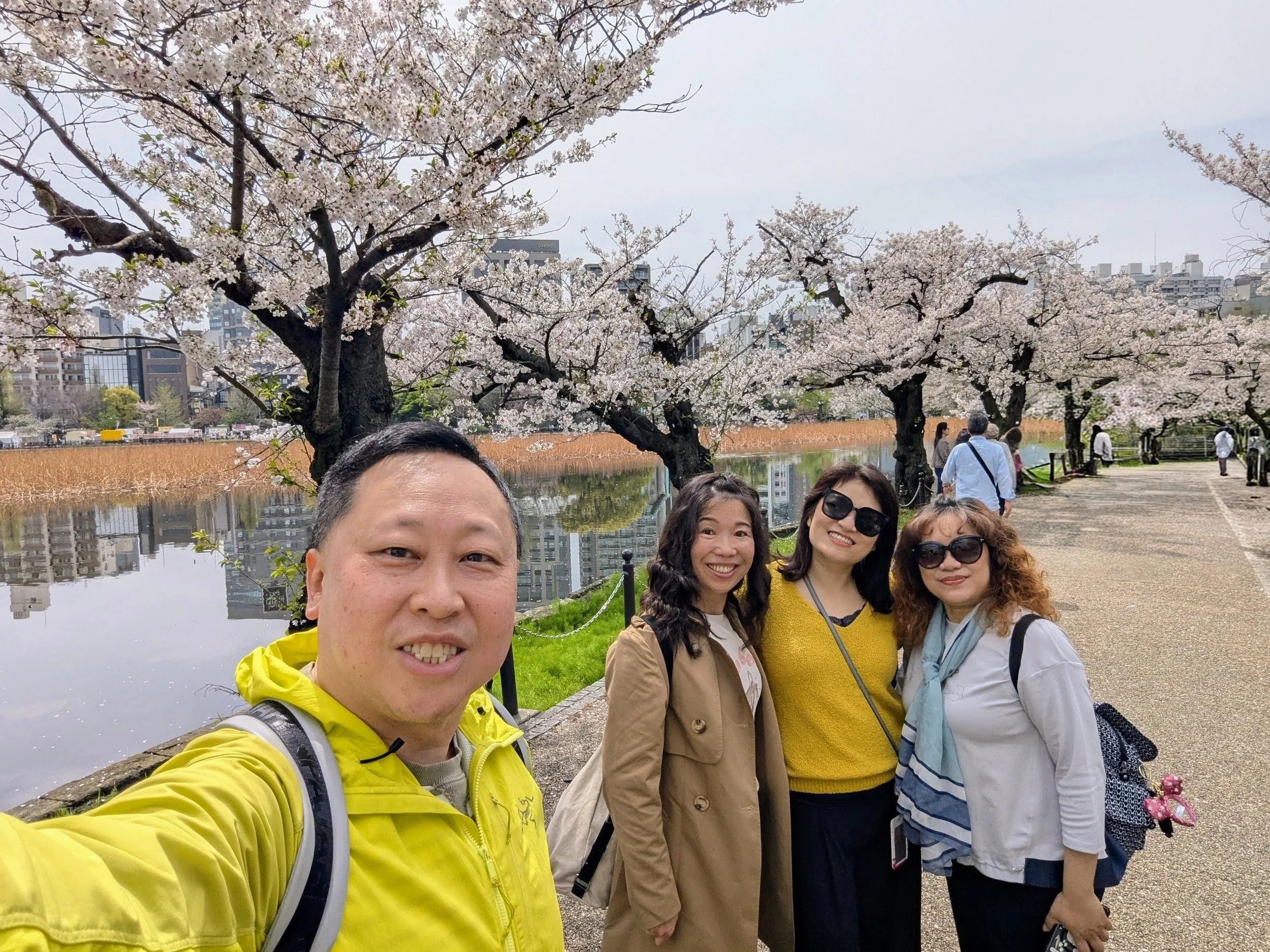
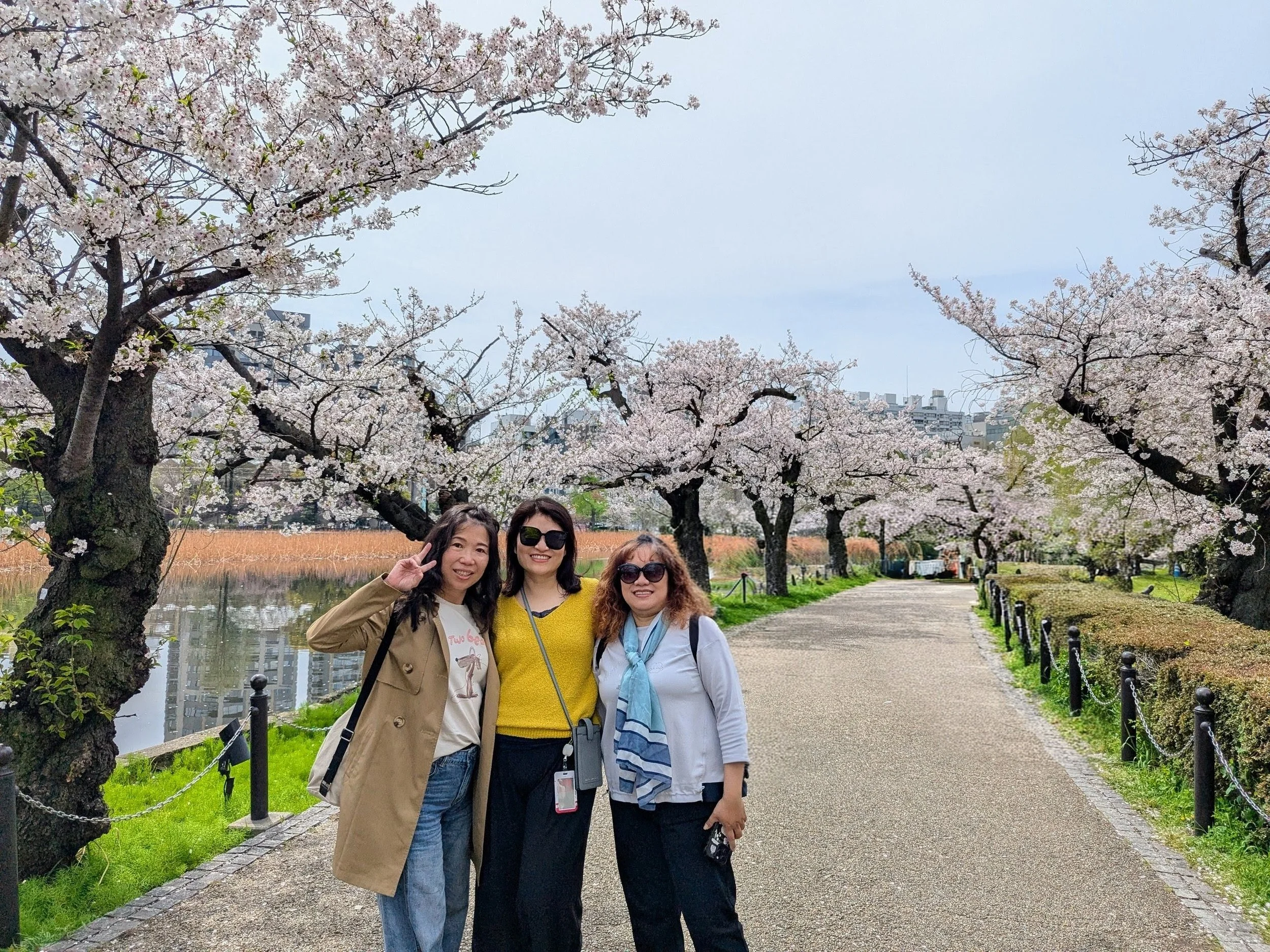
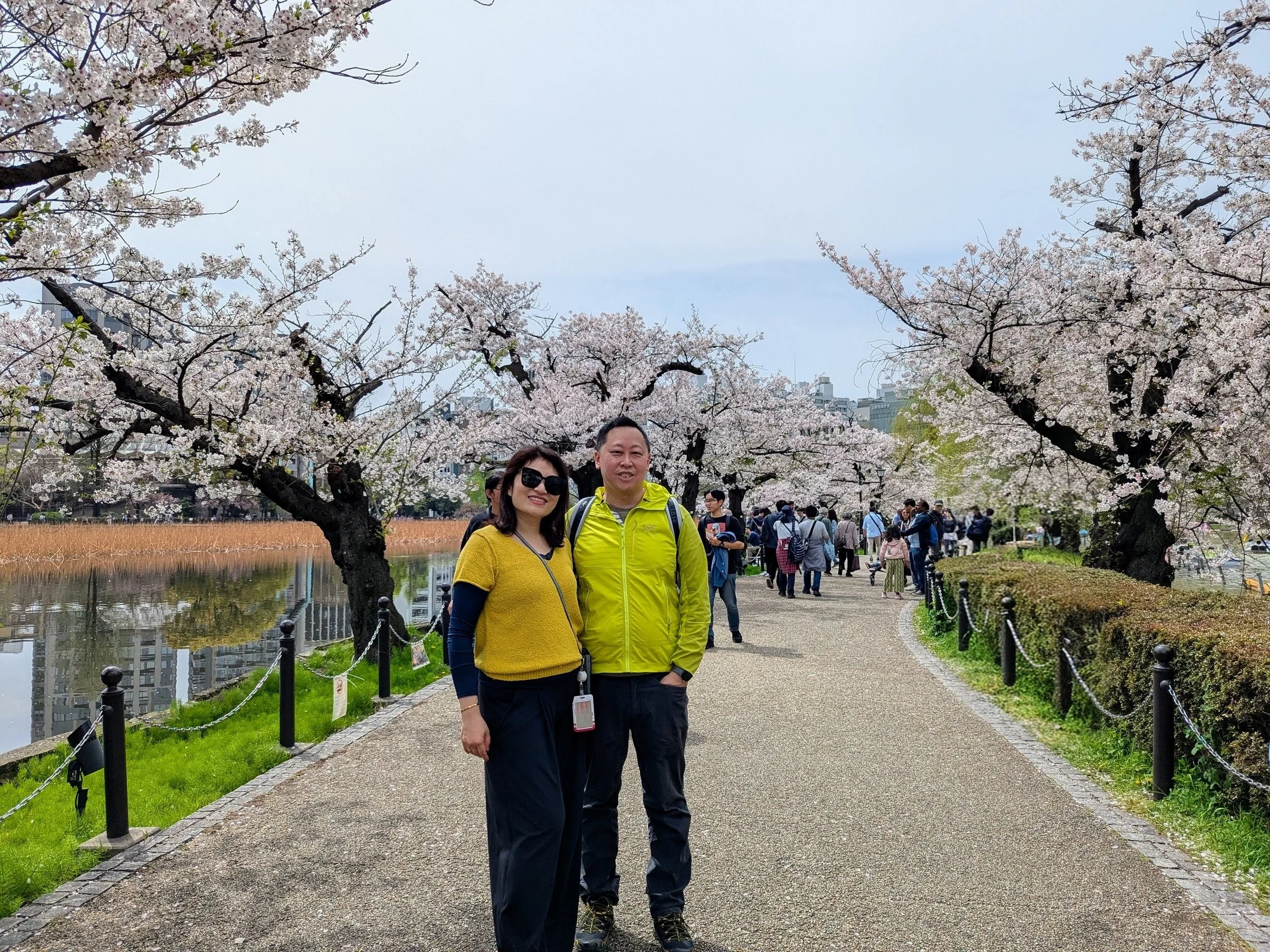
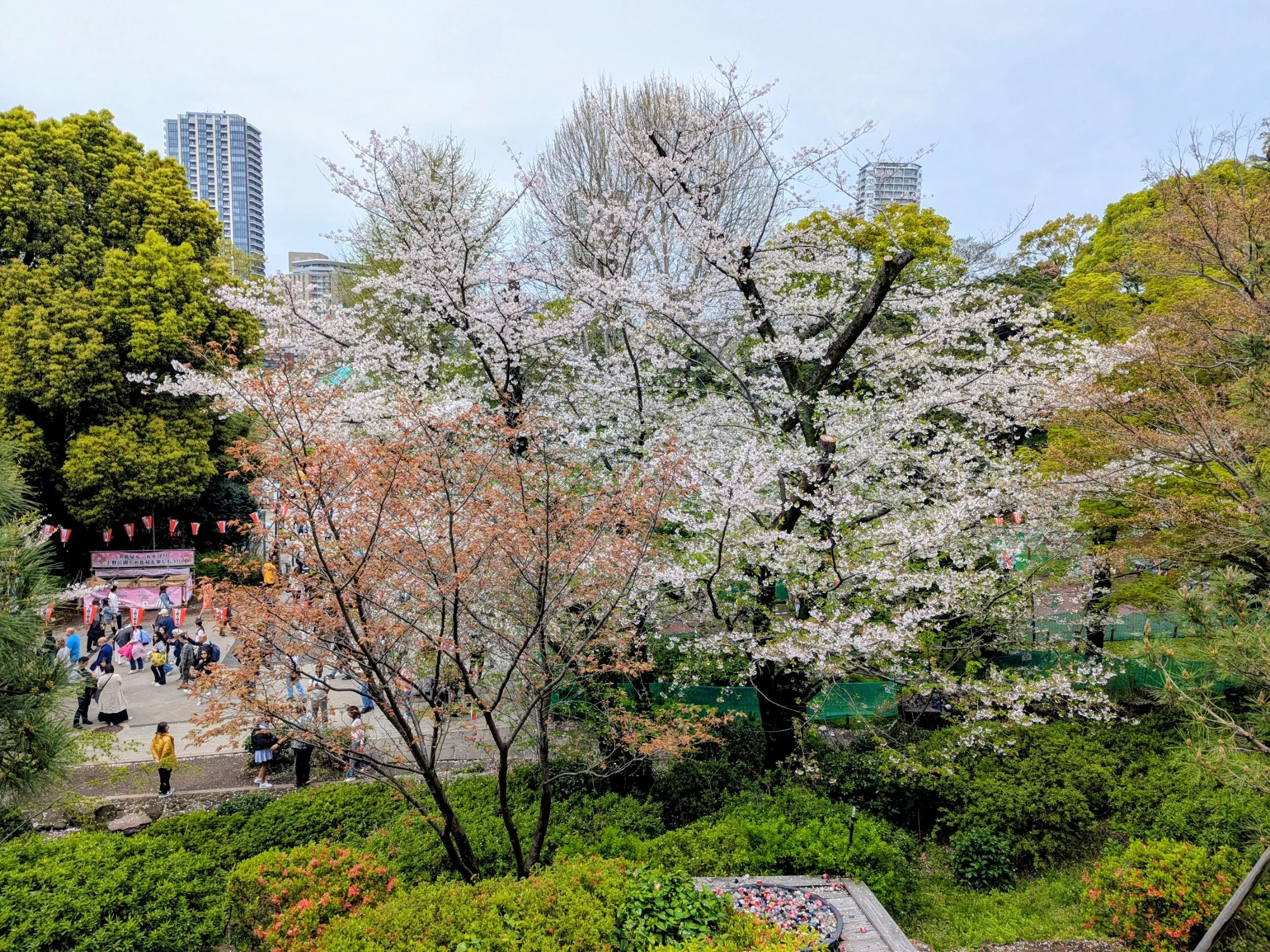
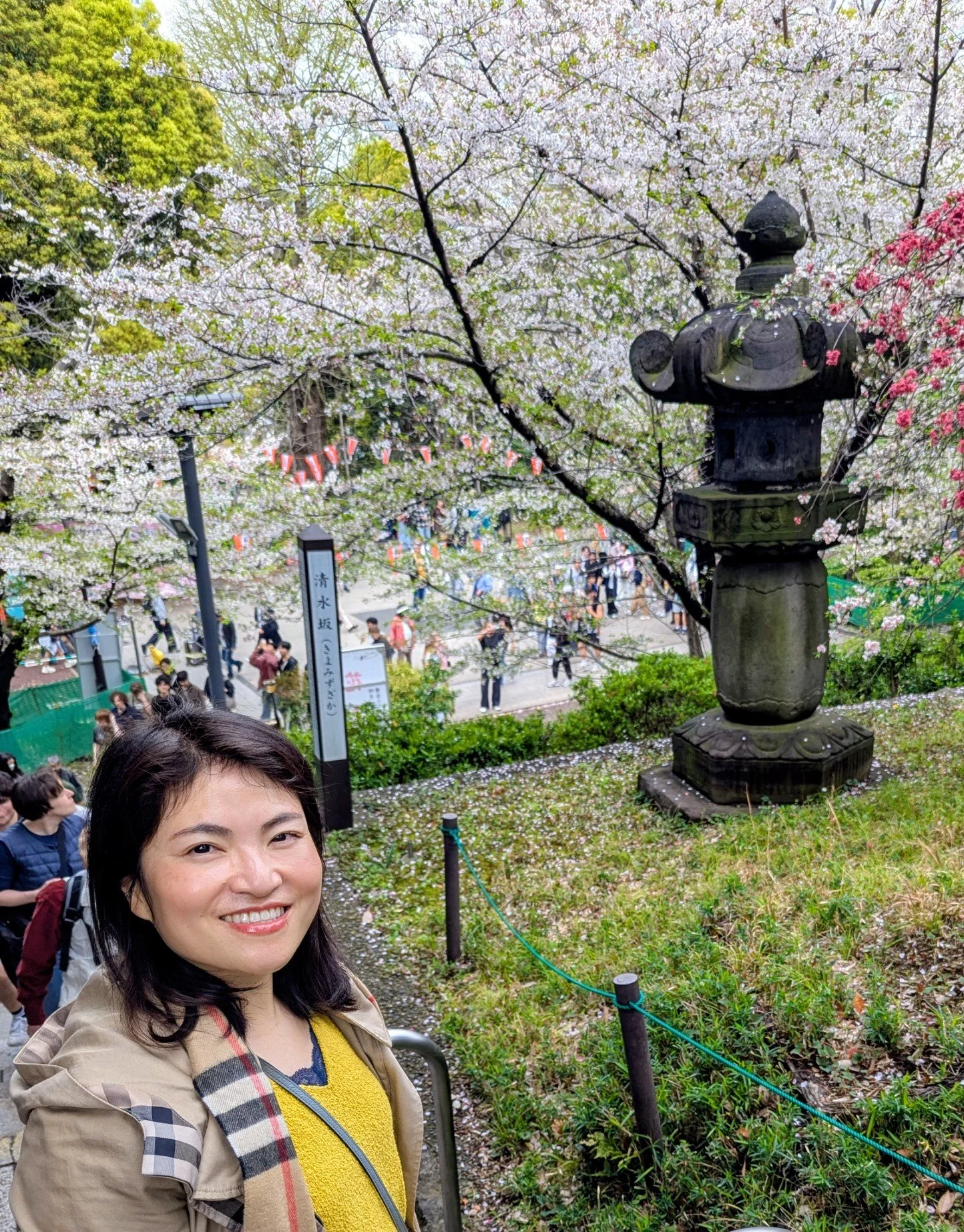
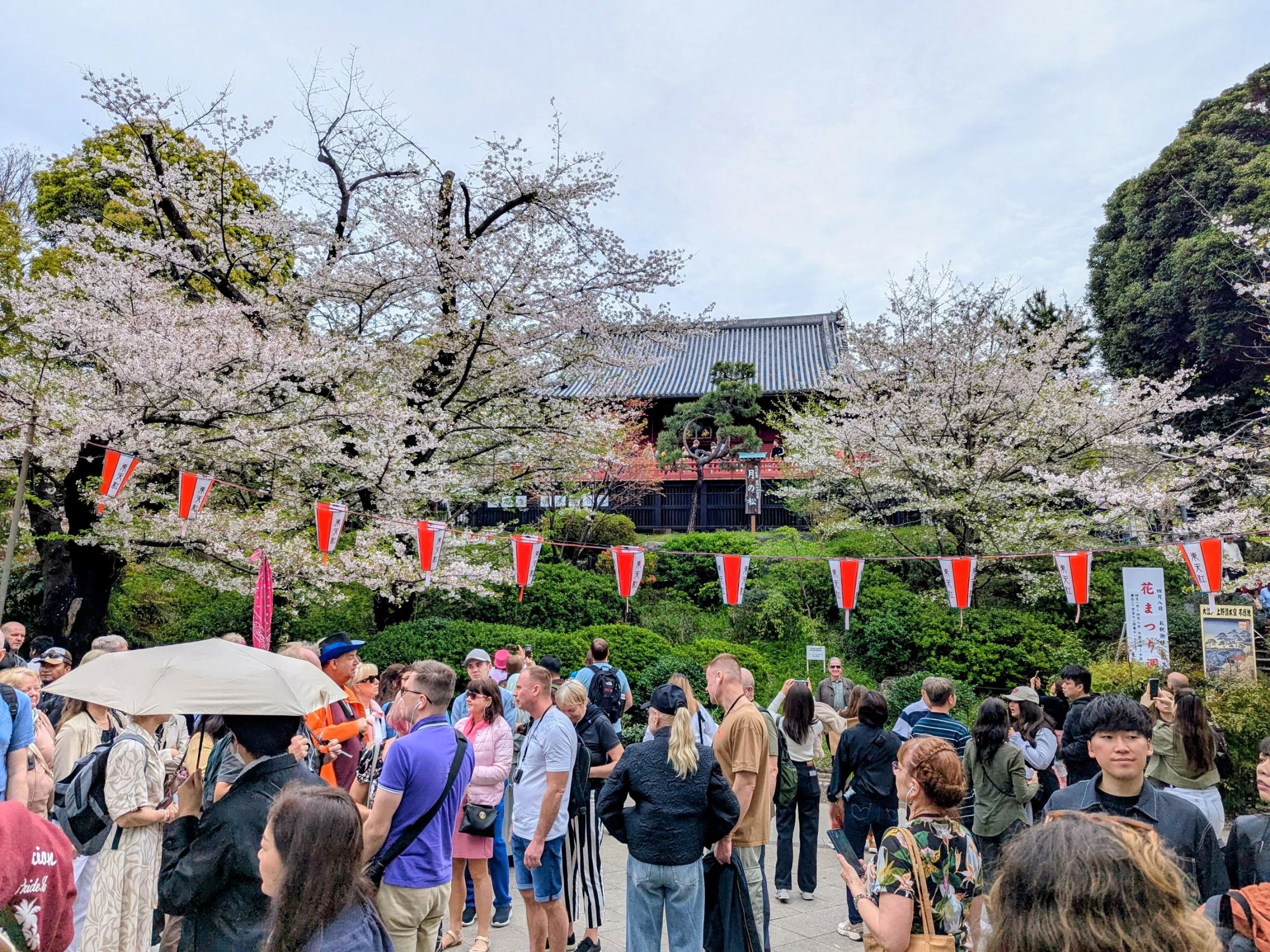
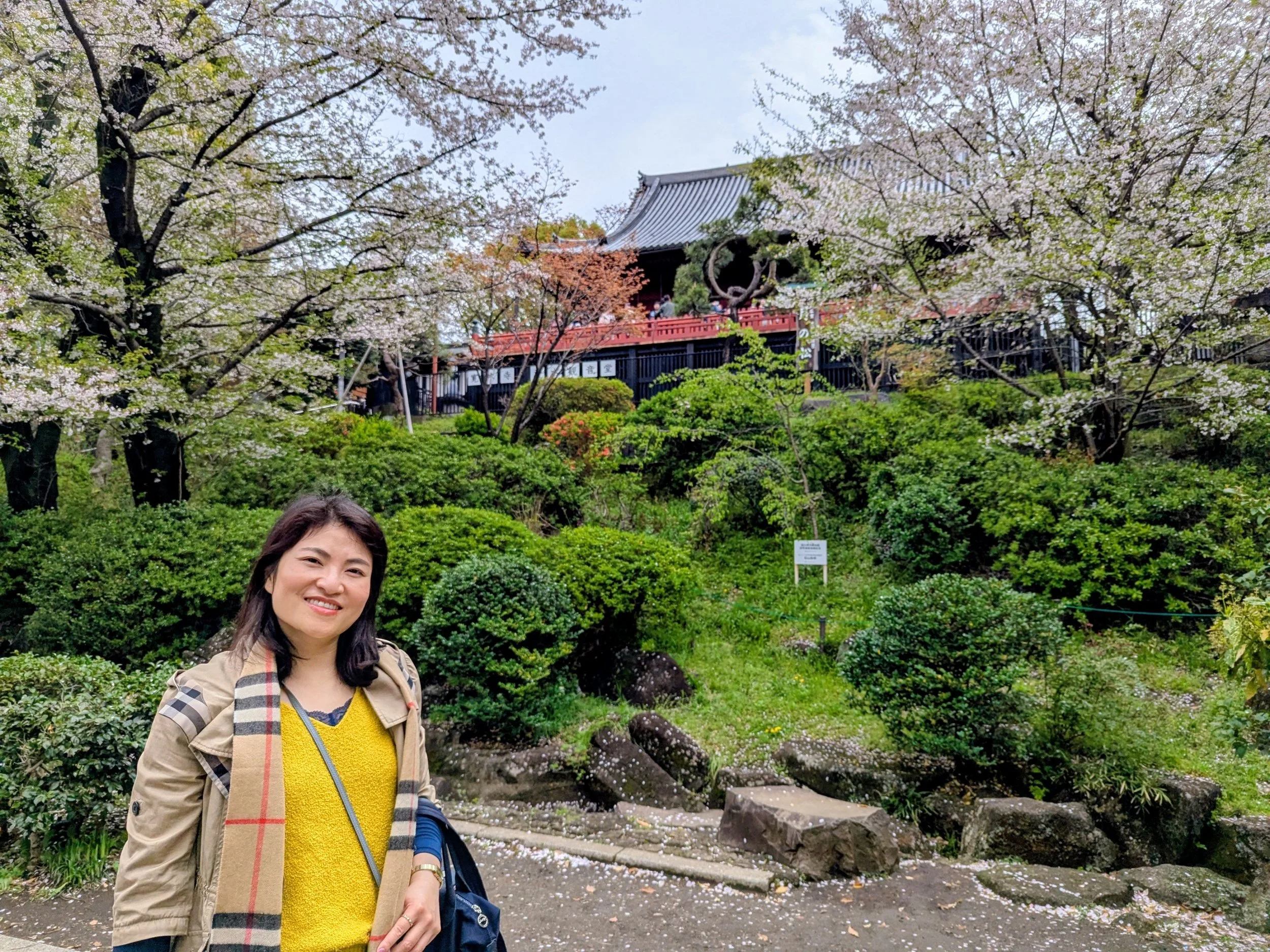
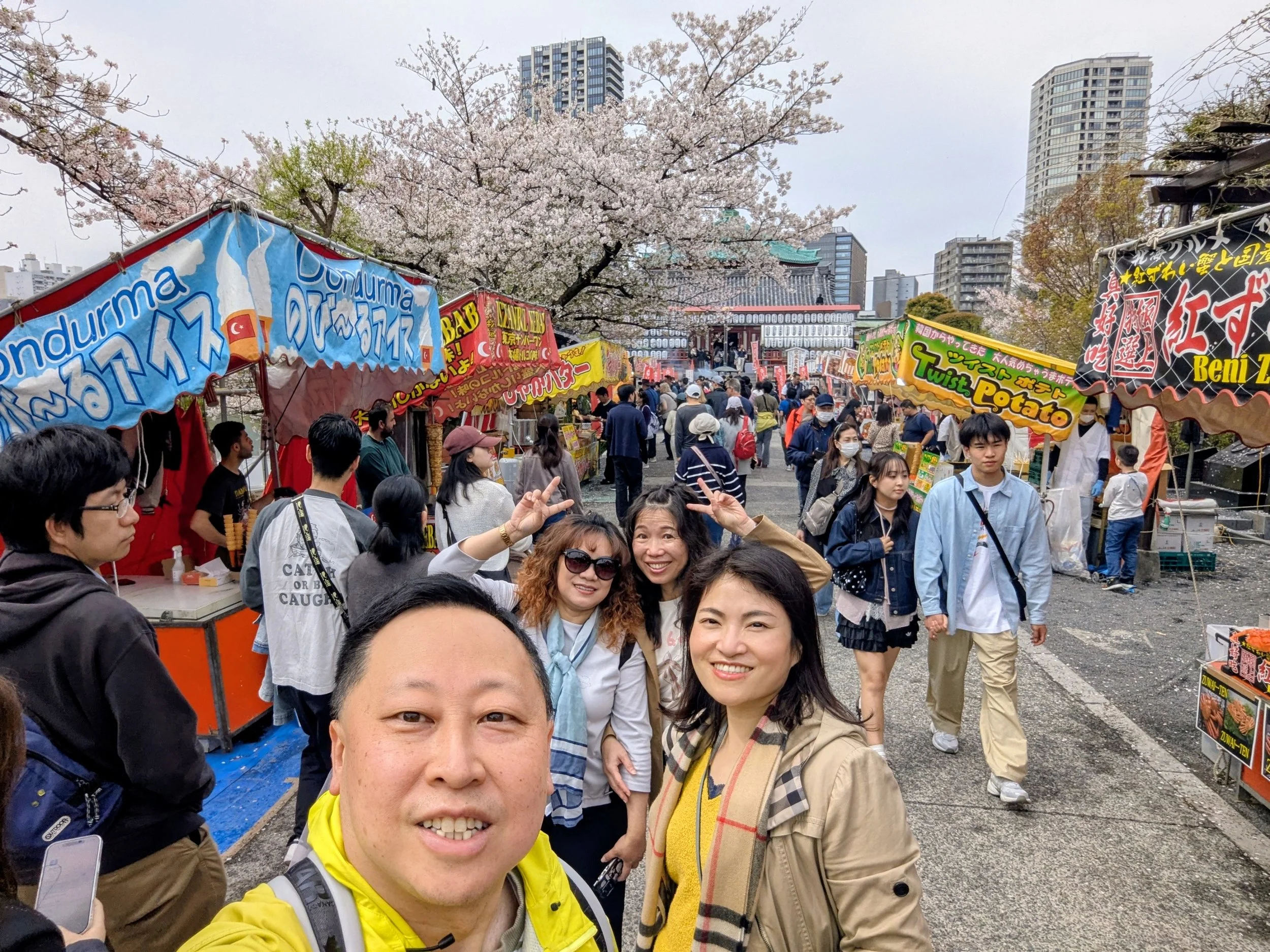
We started out the day walking around Ueno Park. Ueno Park is one of Tokyo’s most iconic and popular destinations for cherry blossom viewing (hanami), home to over 800 to 1,000 cherry trees. During peak season, the park transforms into a lively festival hub, attracting nearly two million visitors who come to walk under the "sakura tunnel" and picnic beneath the trees. The near by Shinobazu Pond offered swan boat rental which allow viewing of the blossoms from the water, which are especially beautiful reflected on the pond's surface. We were very fortunate to see these cherry blossom in full bloom.
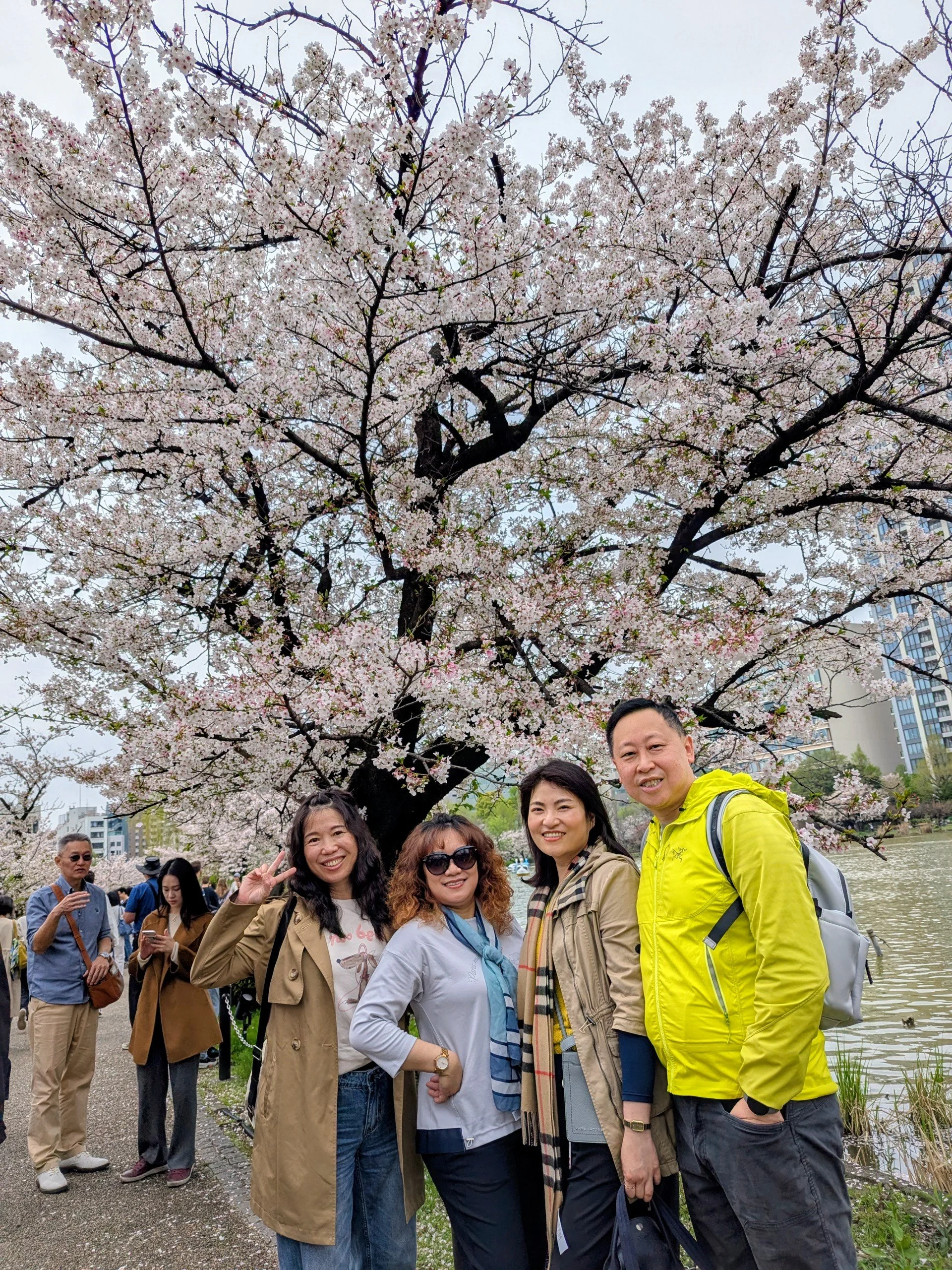
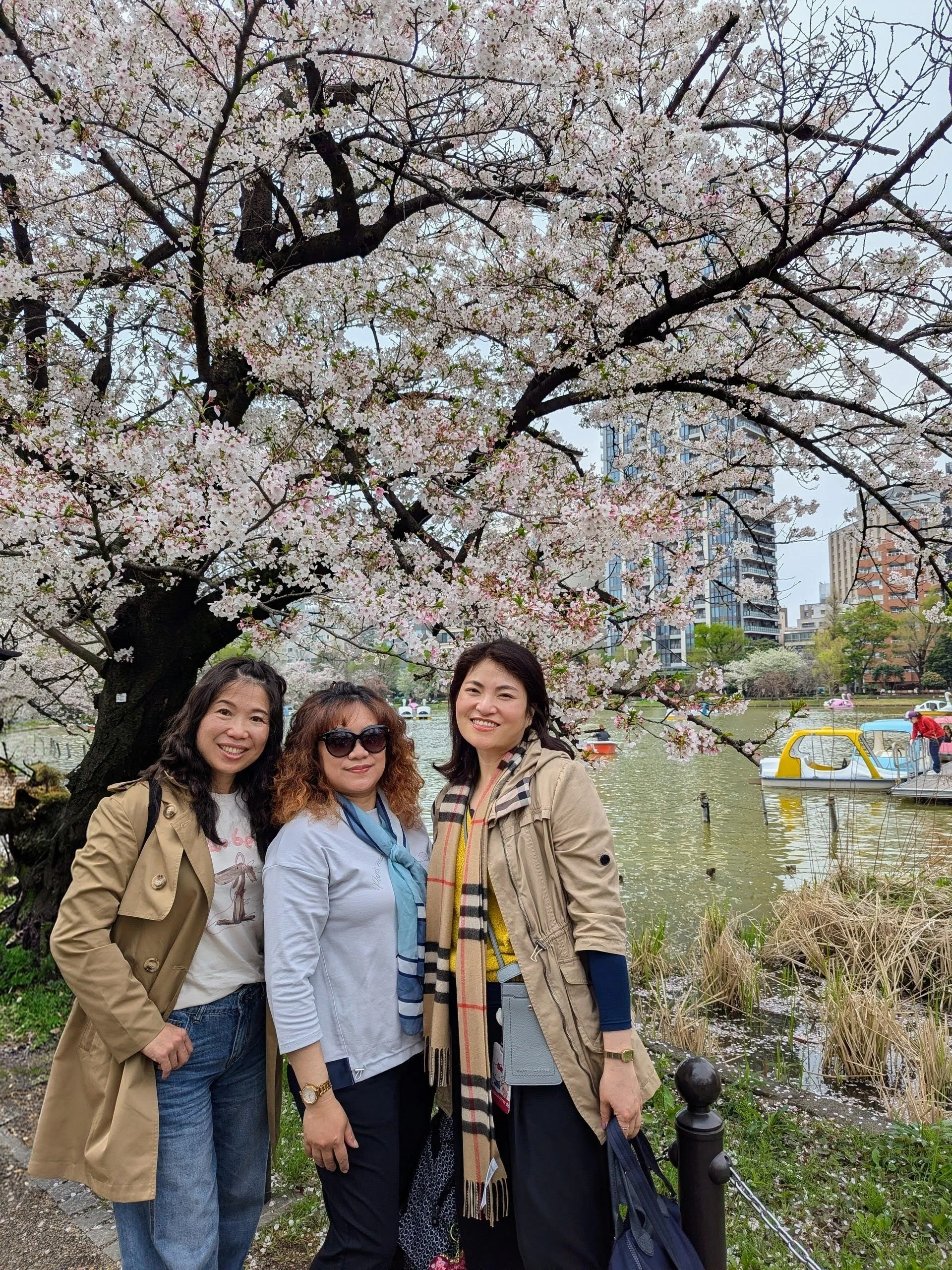
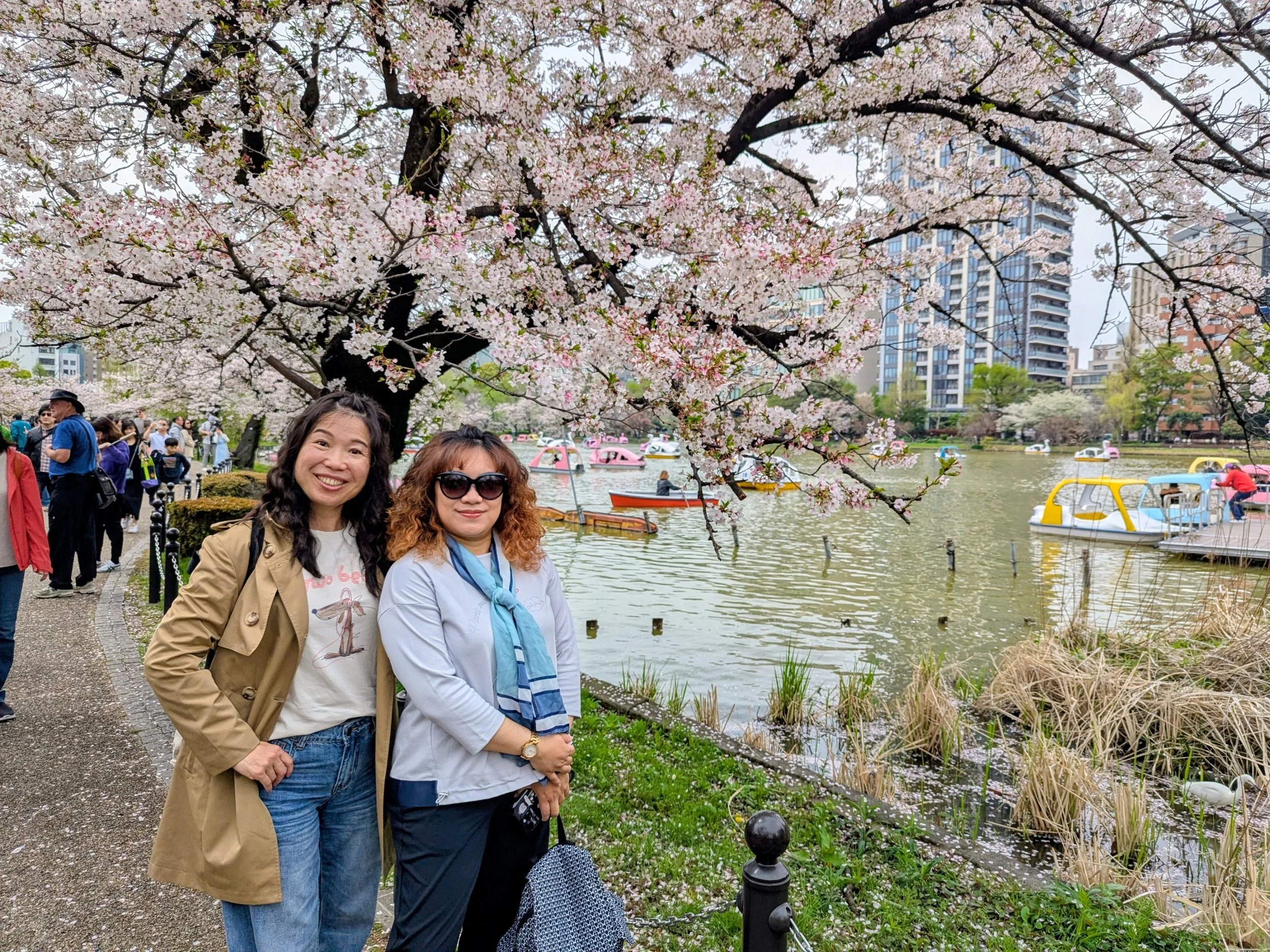
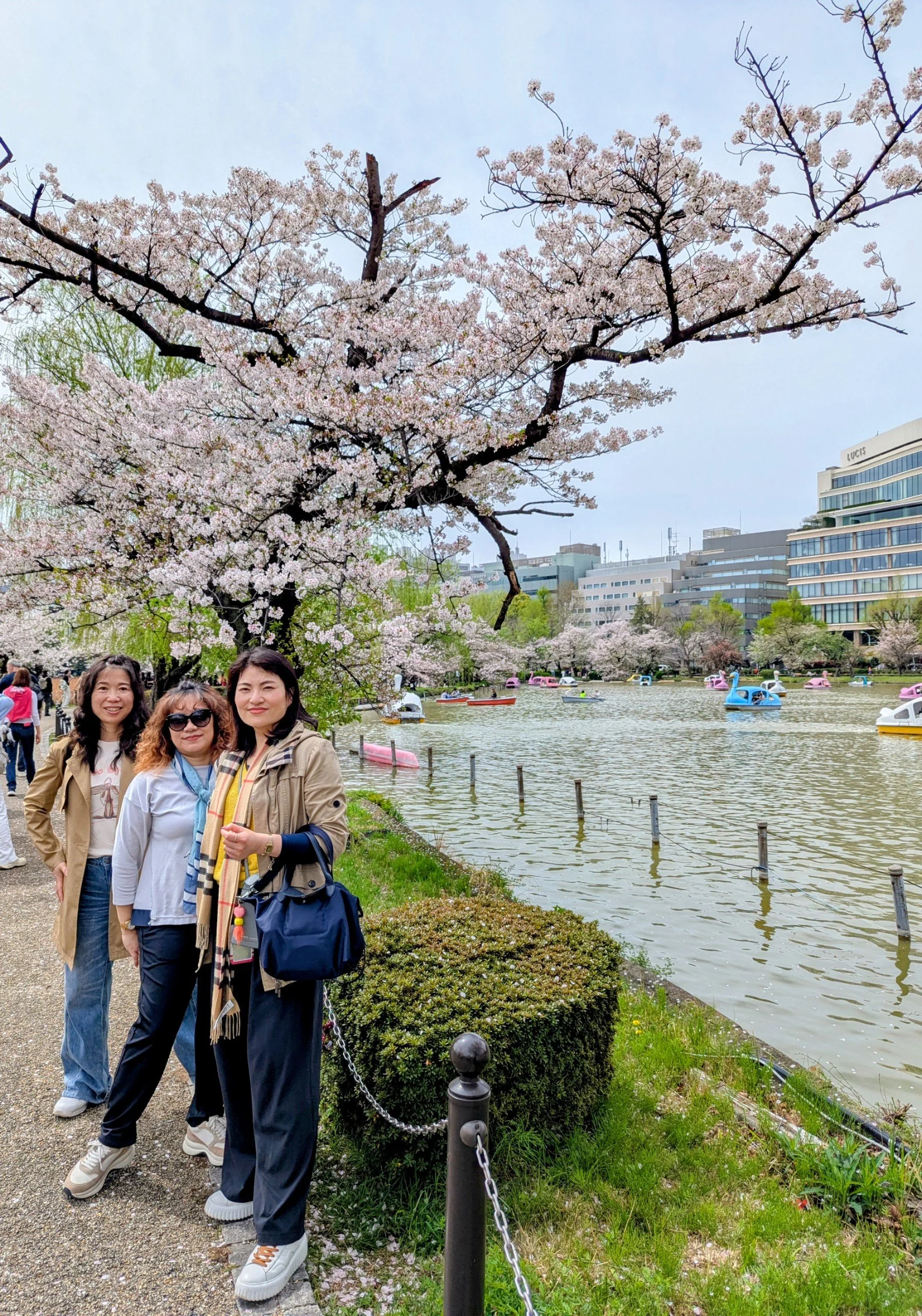
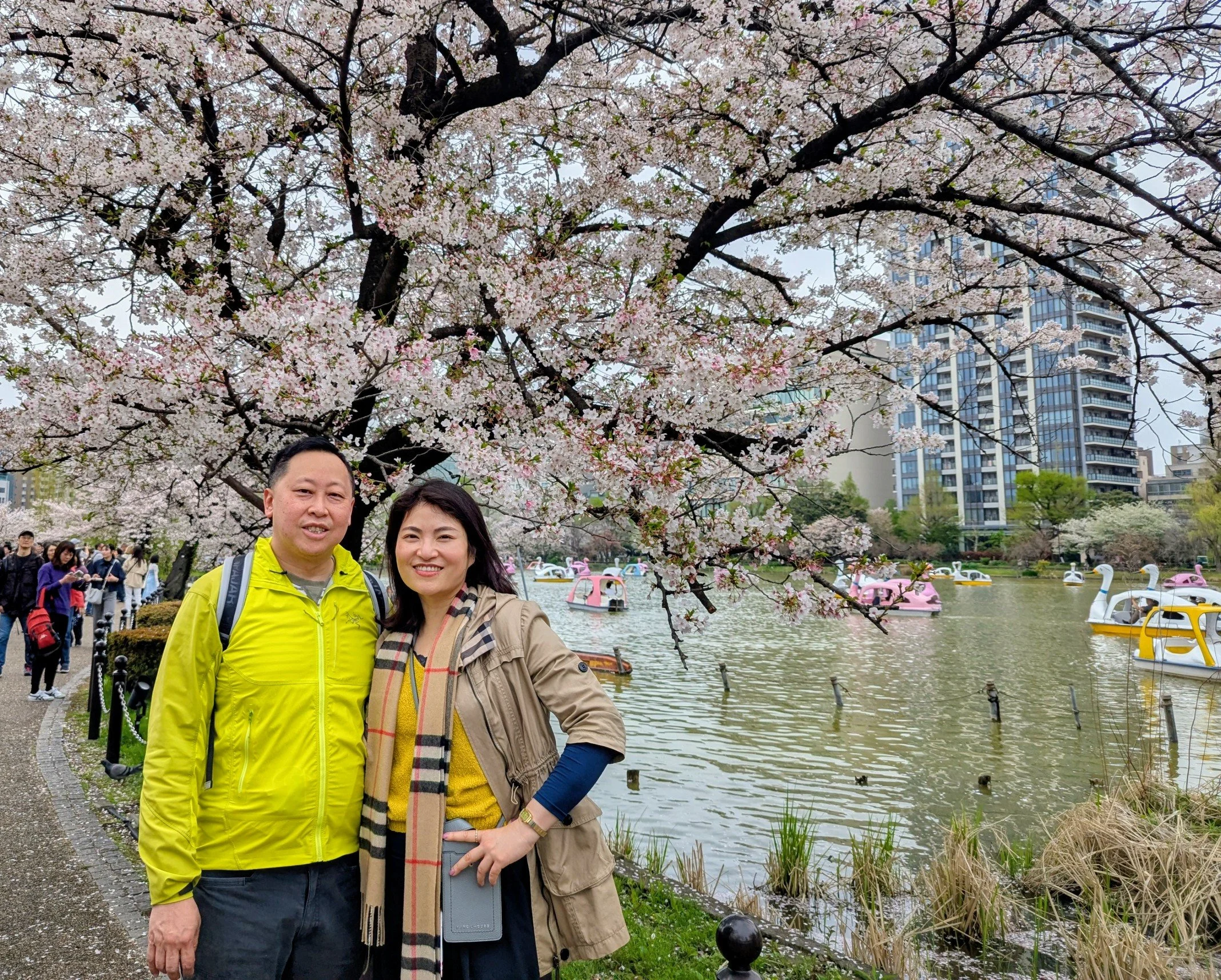
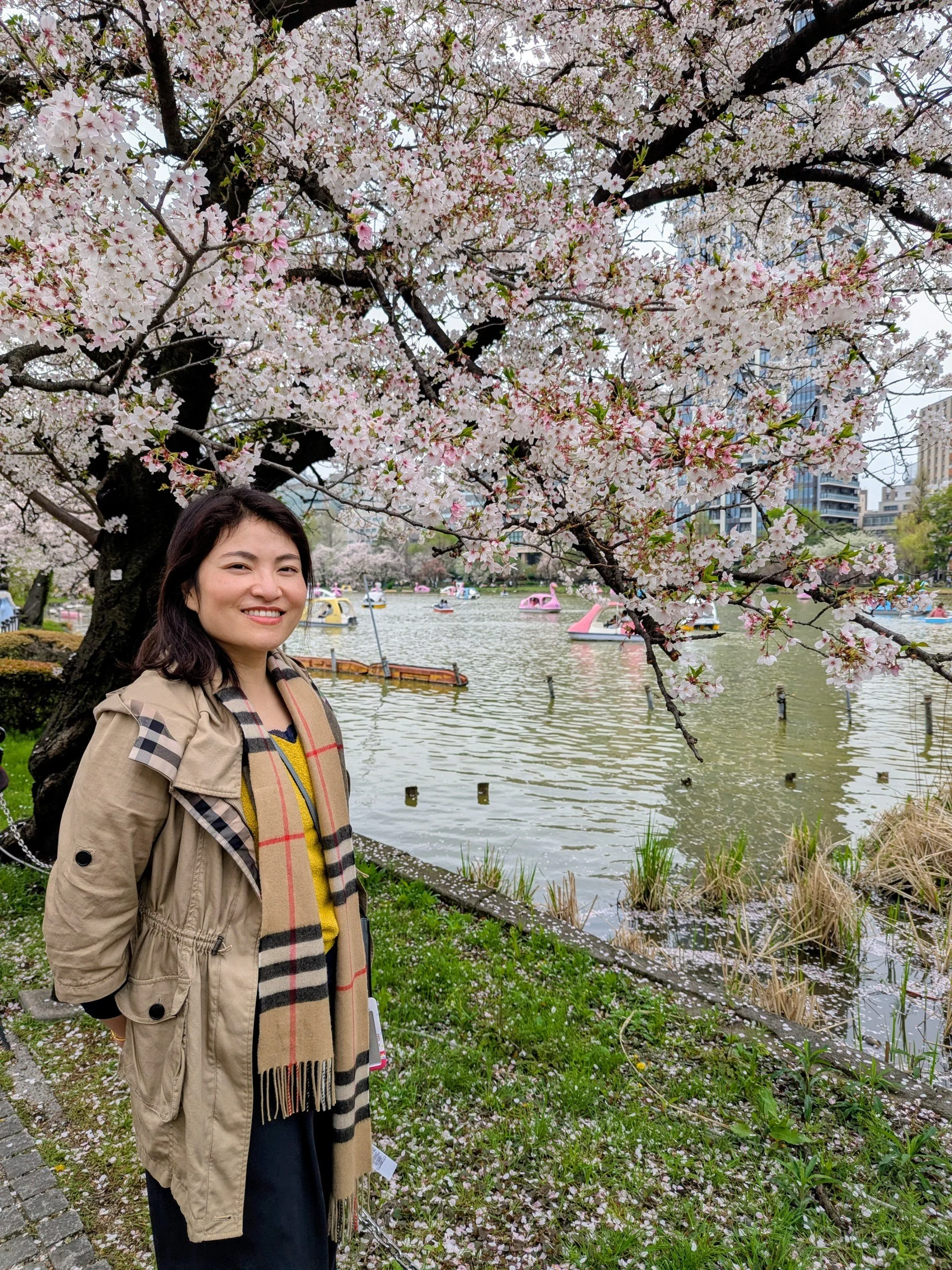
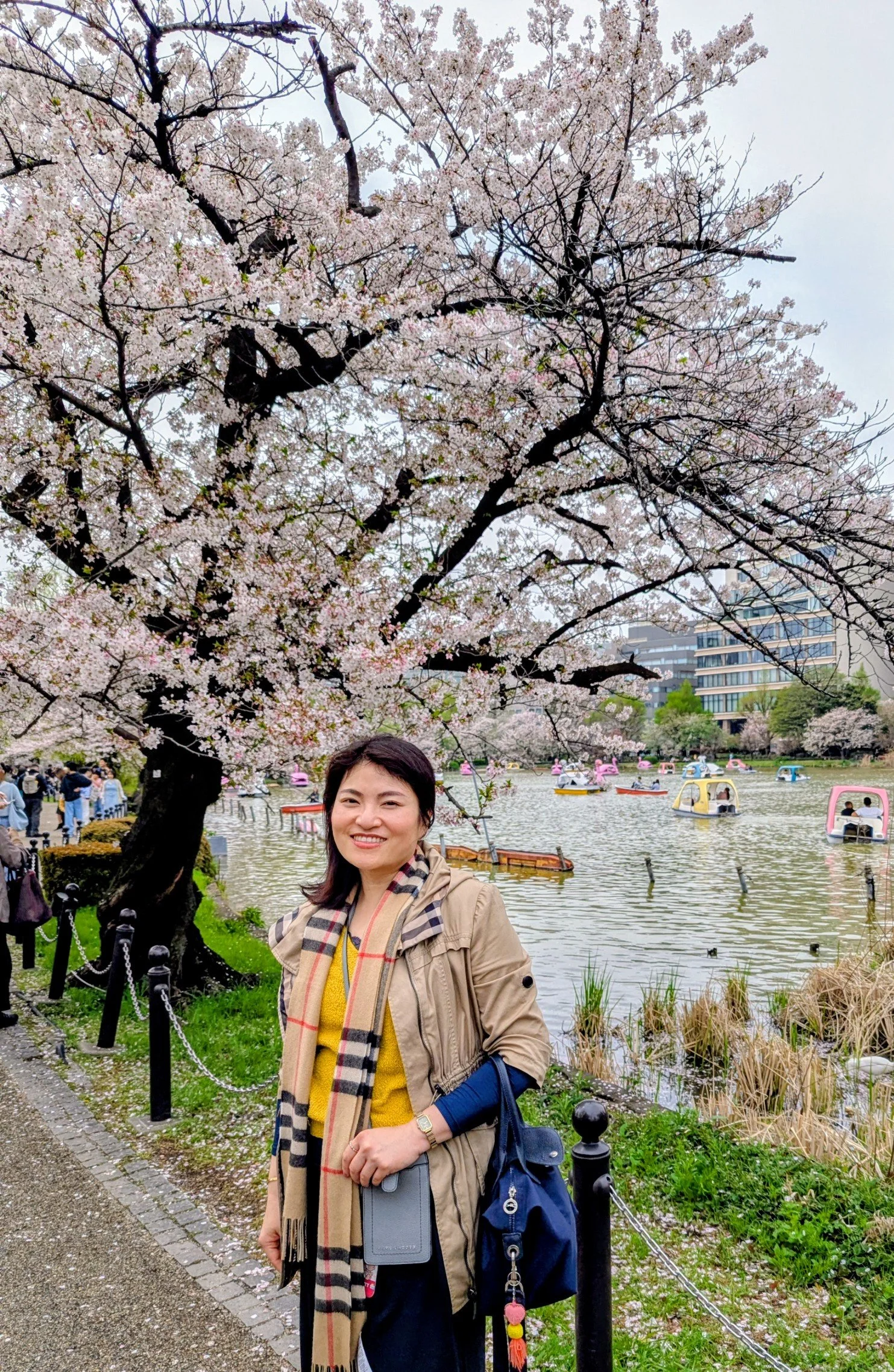
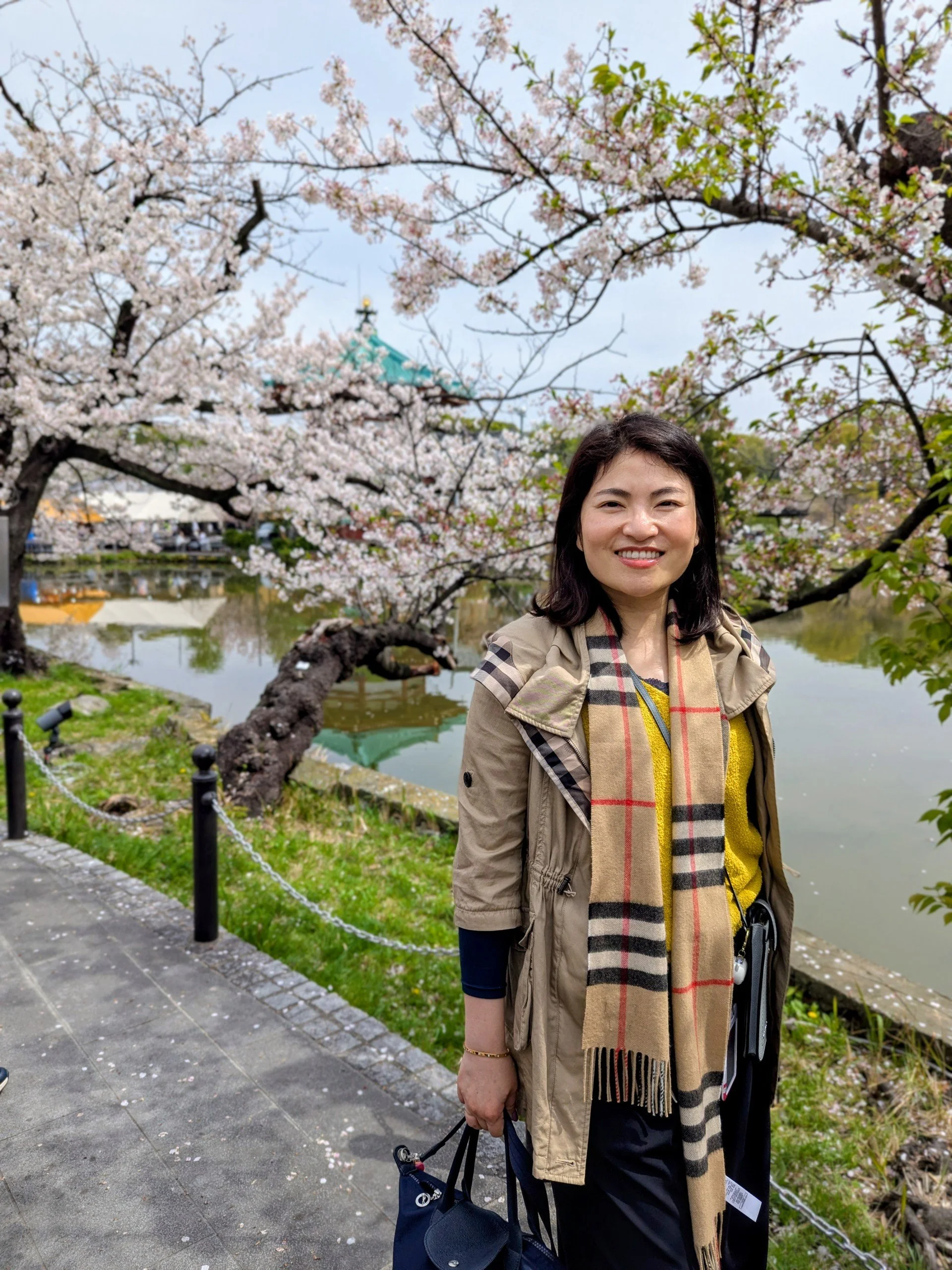
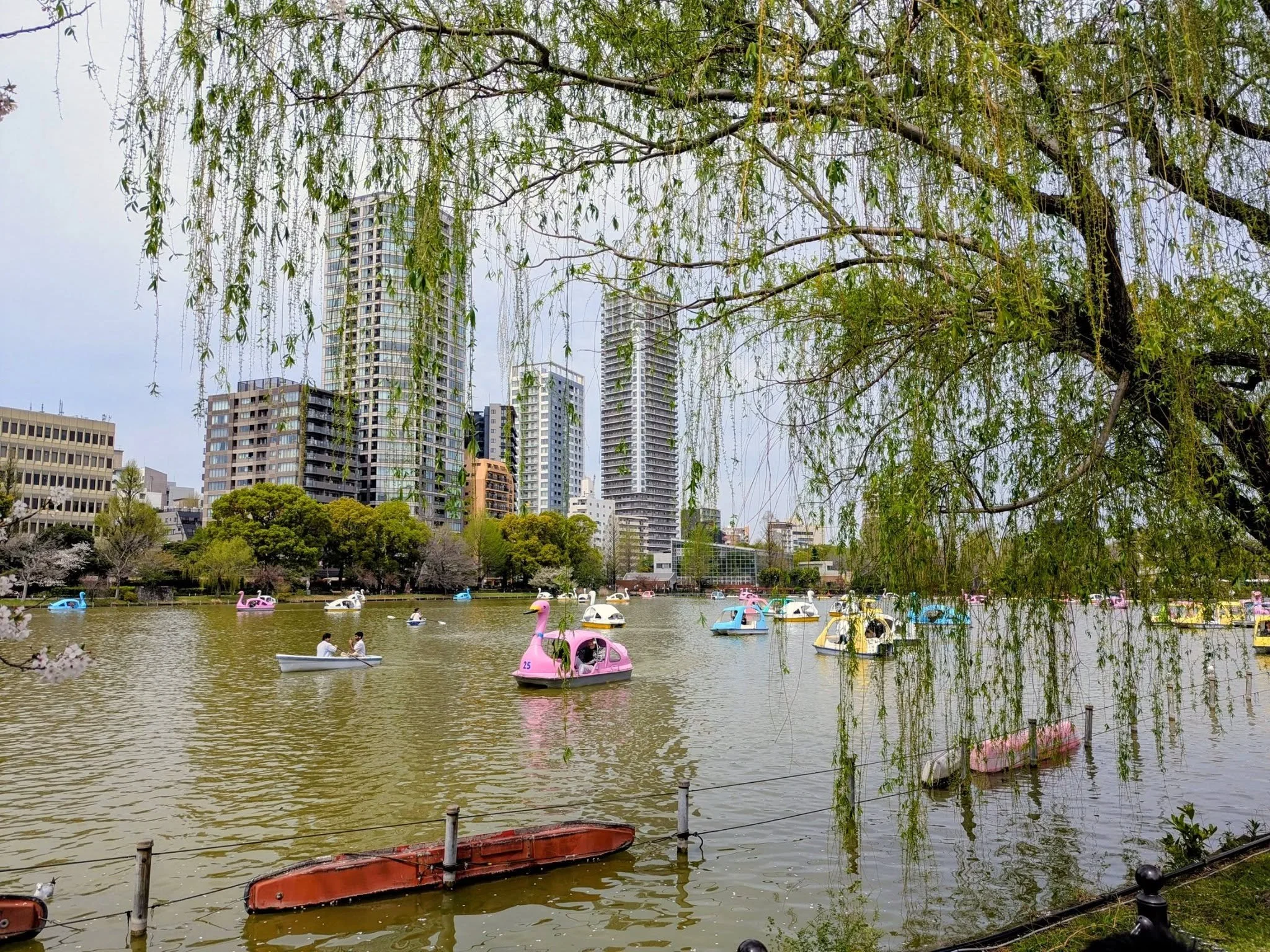
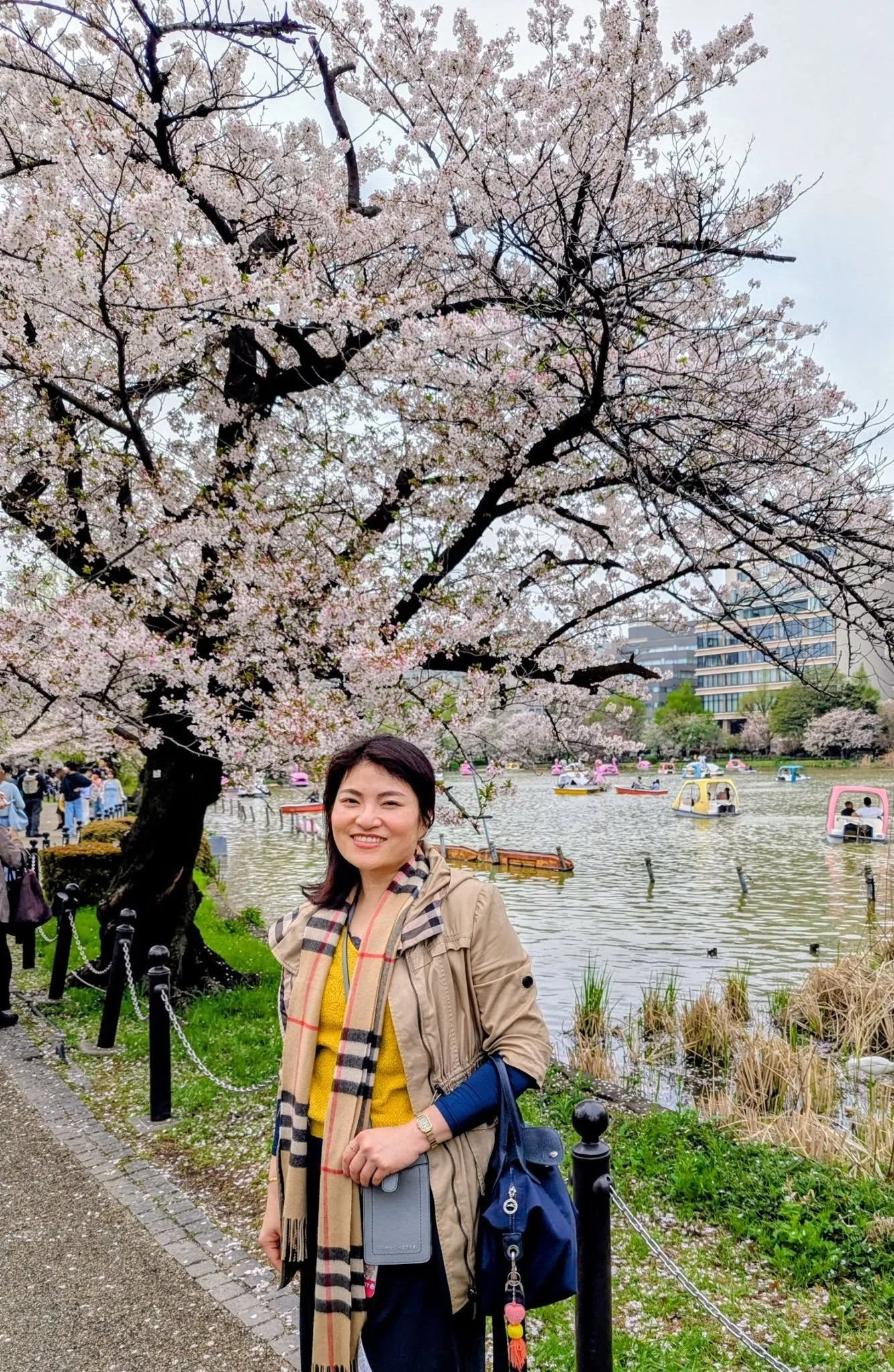
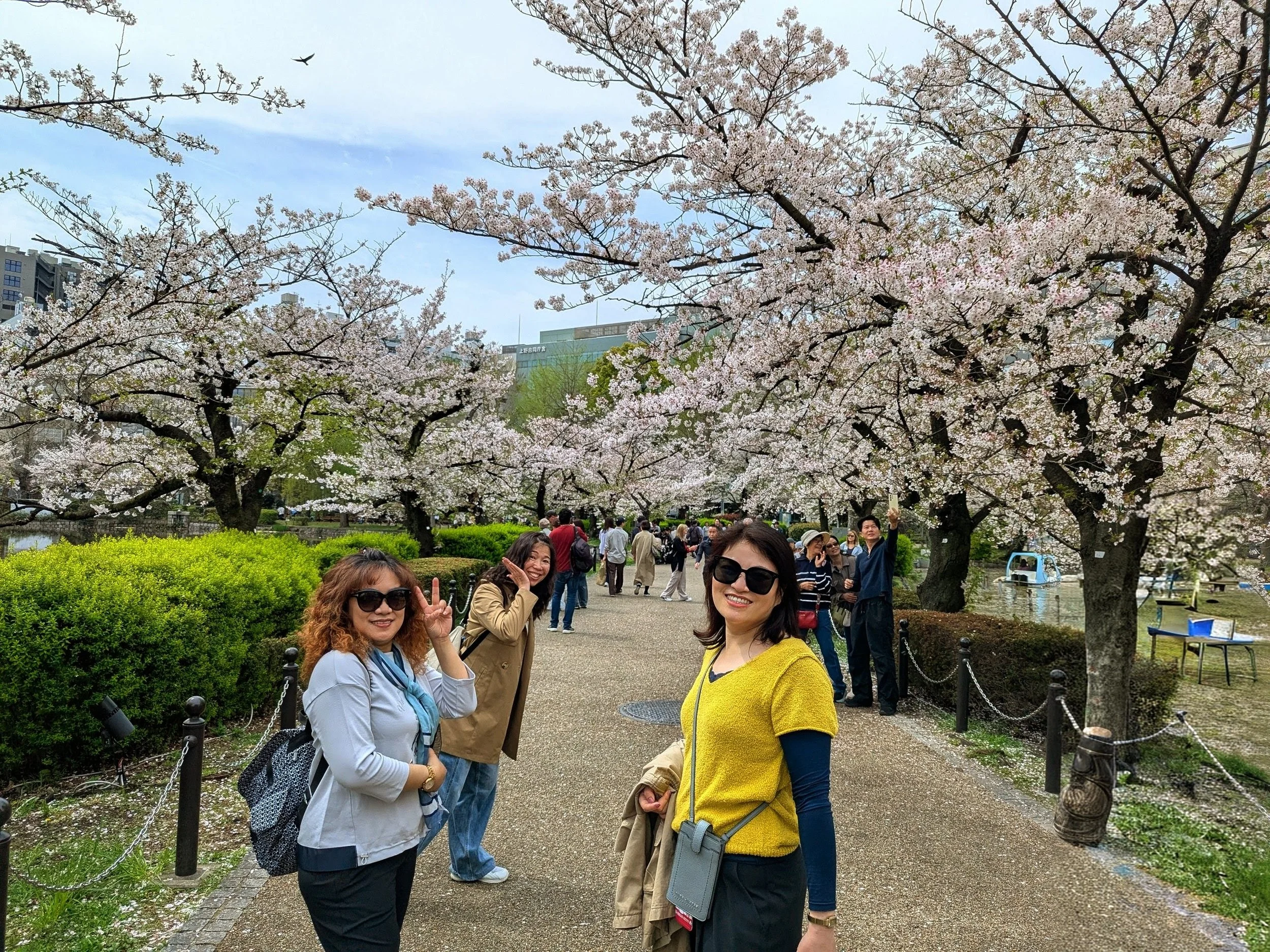
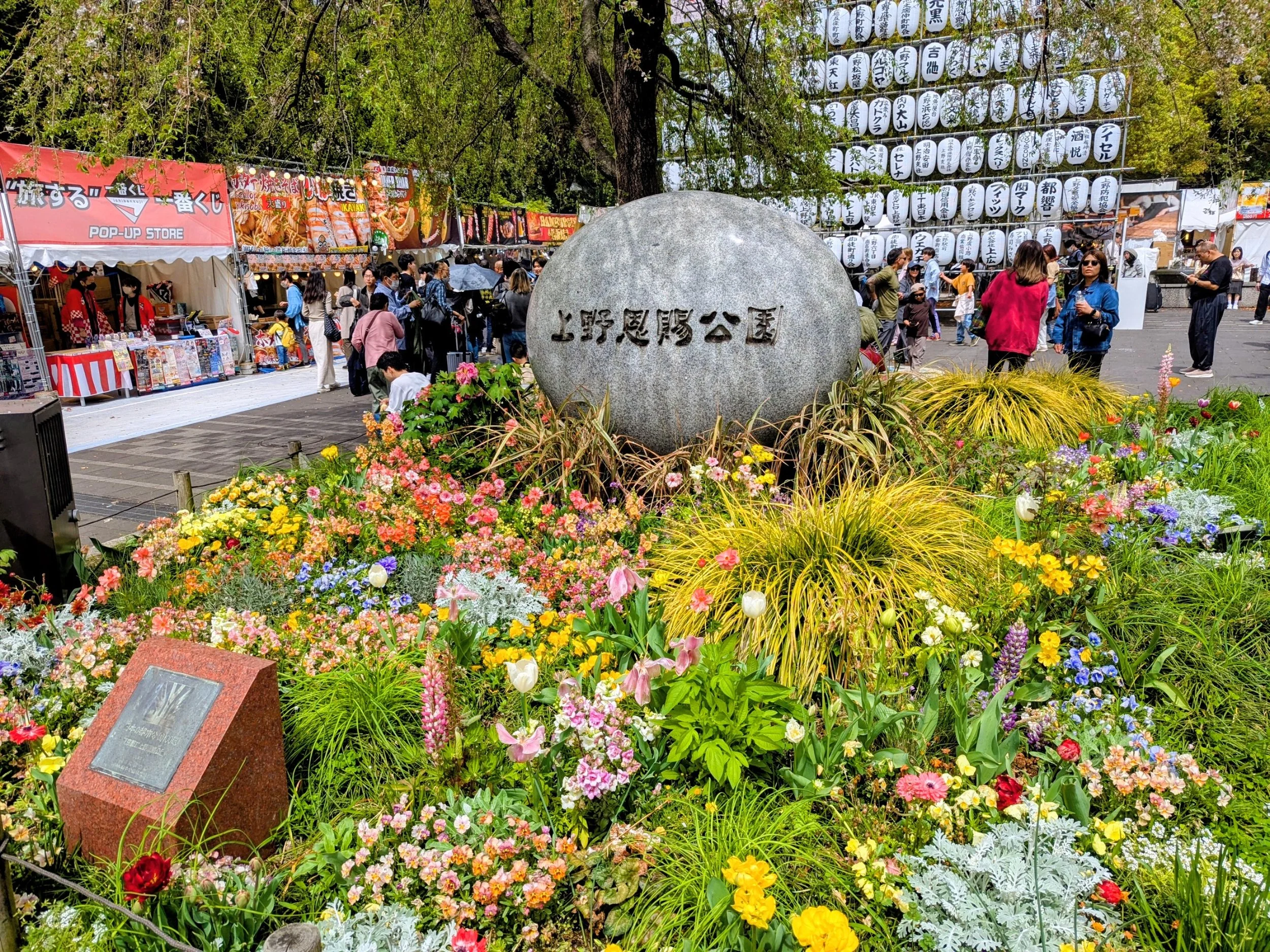
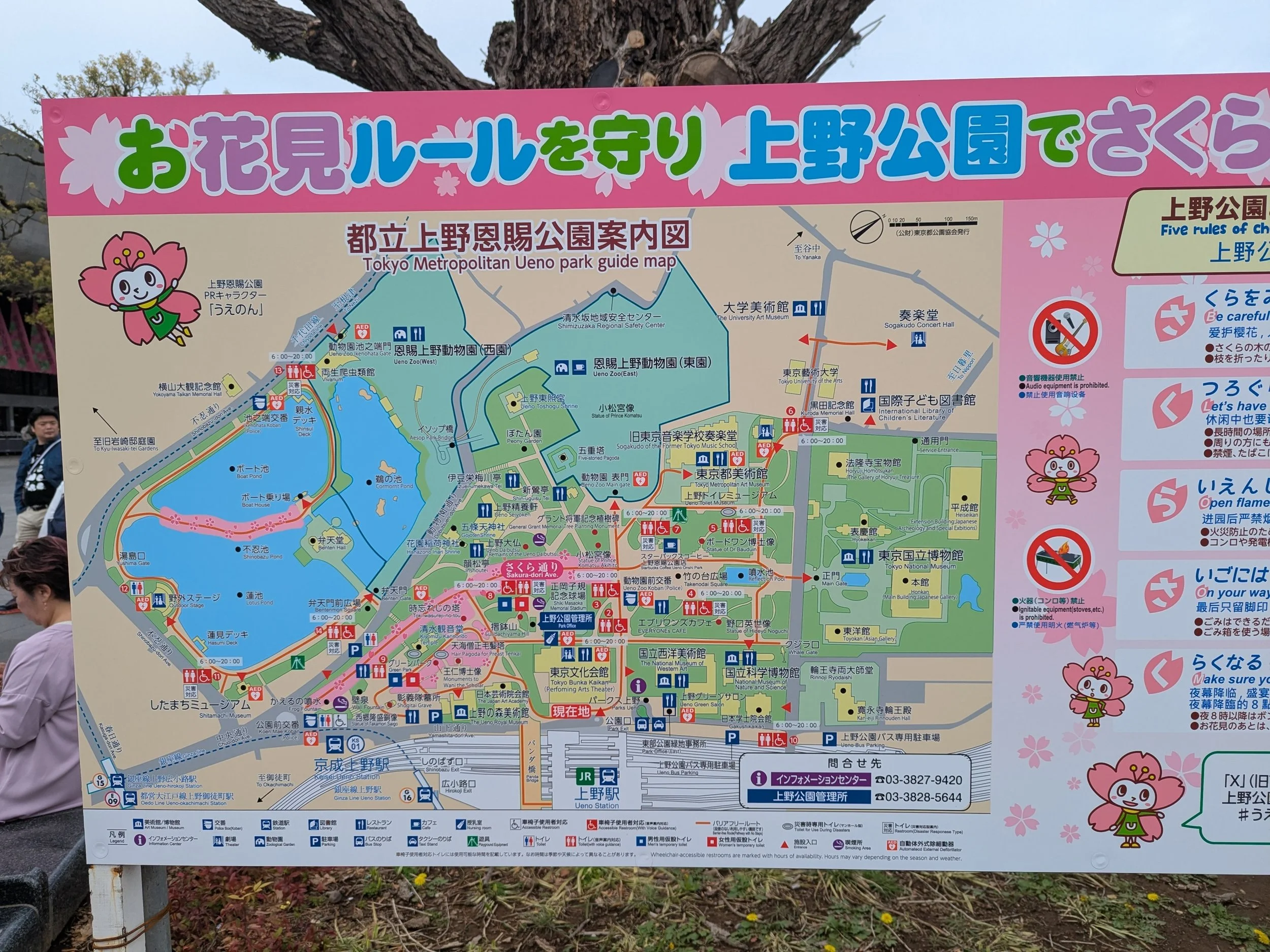
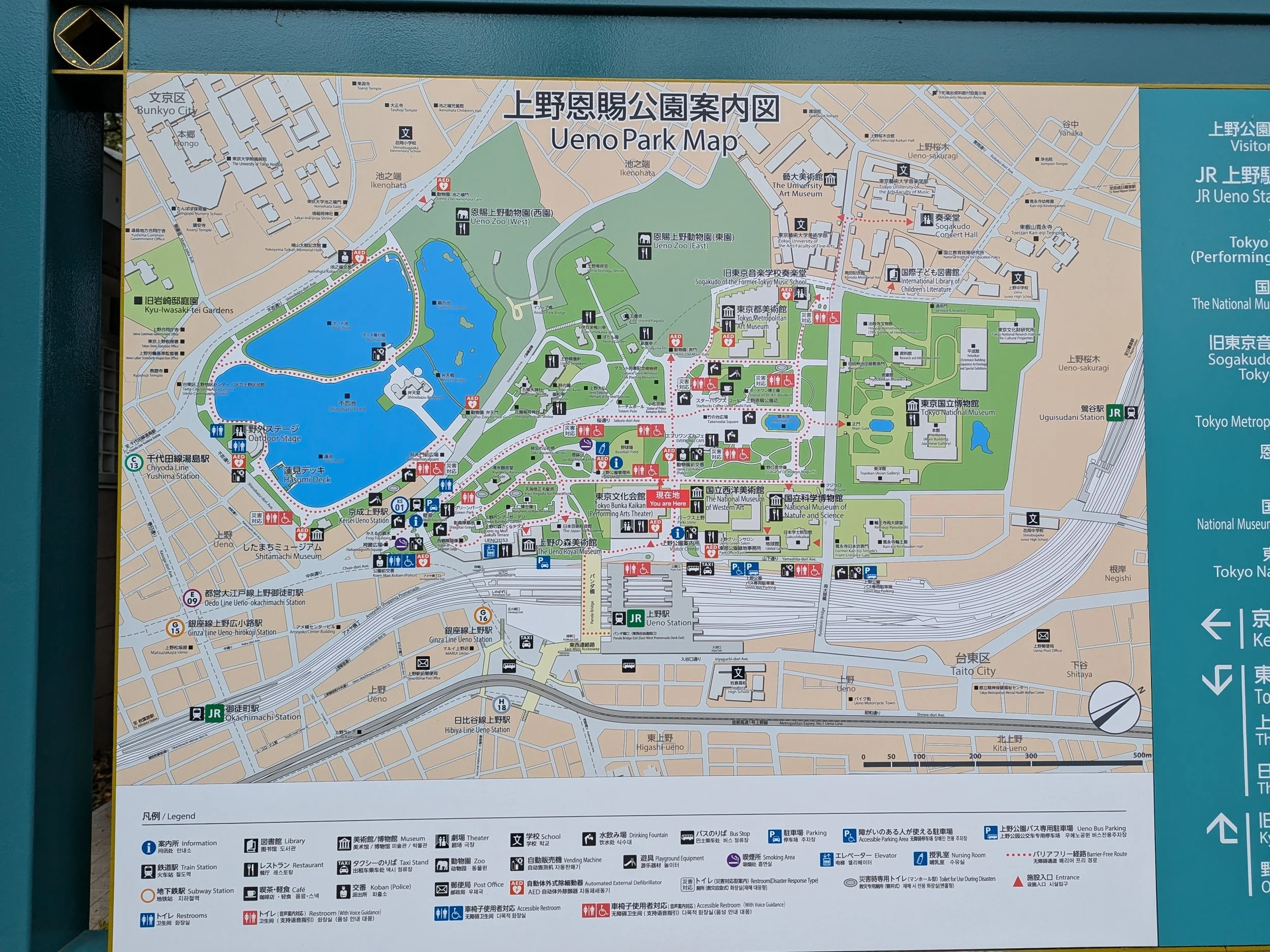
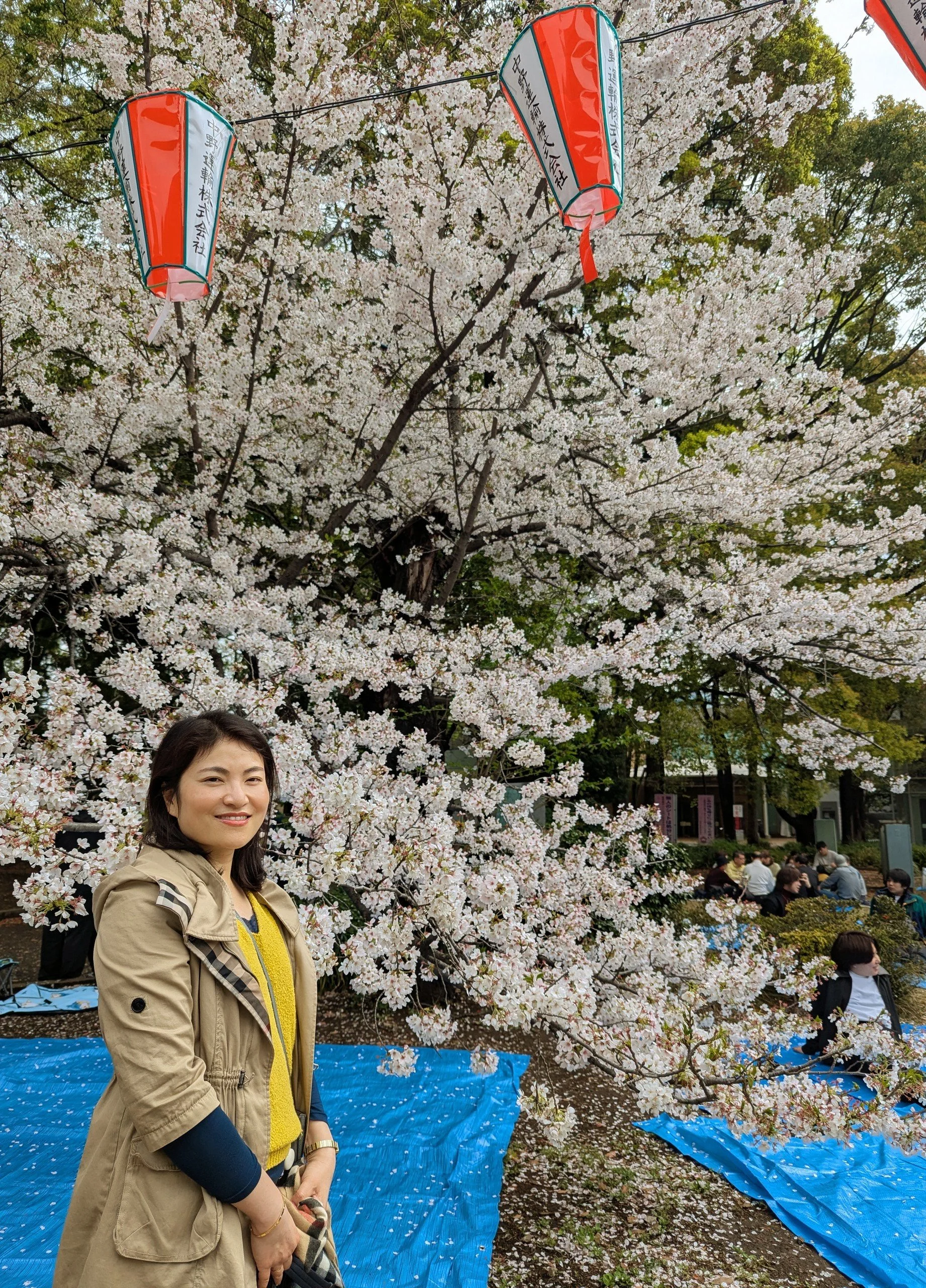
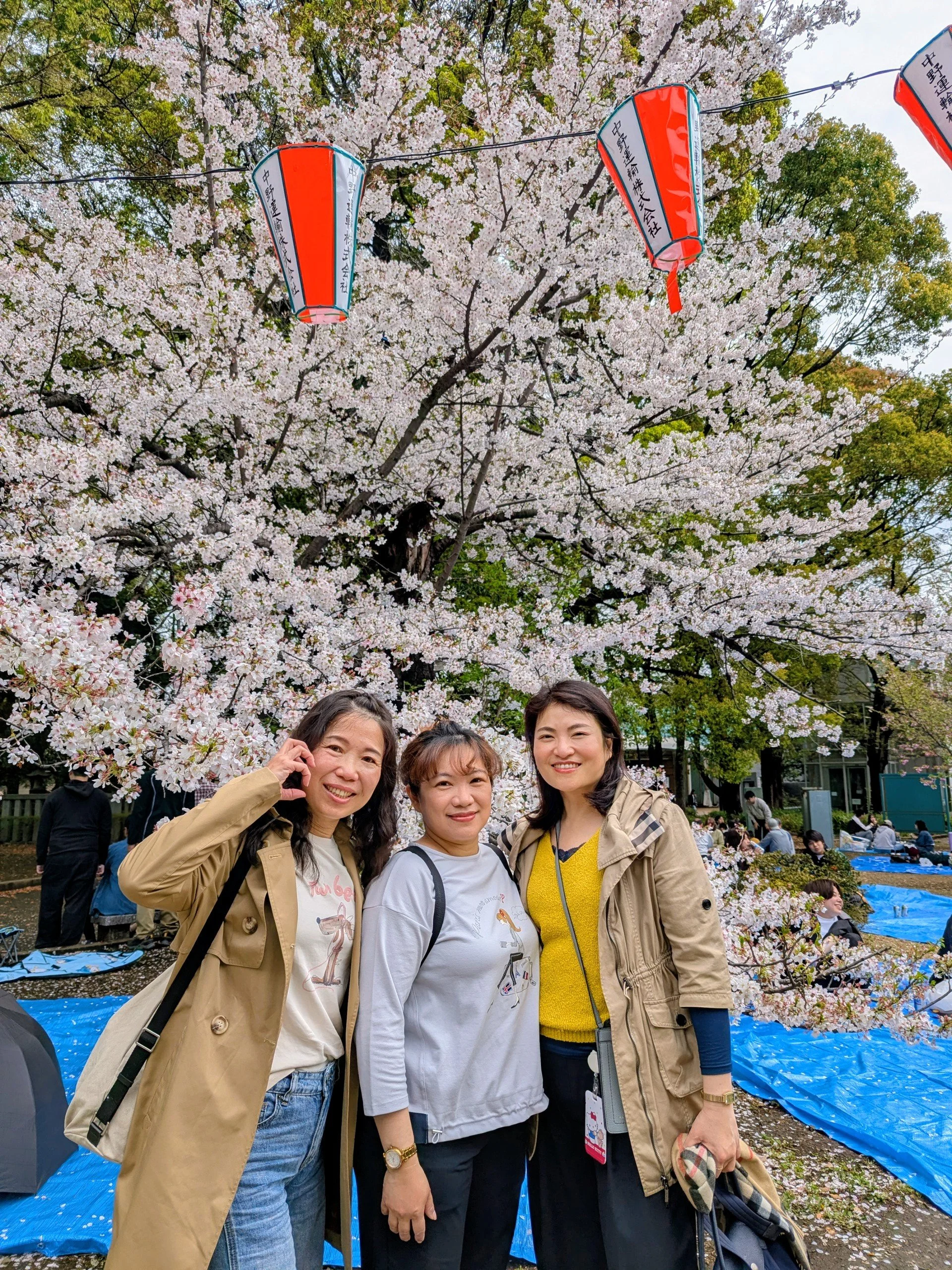
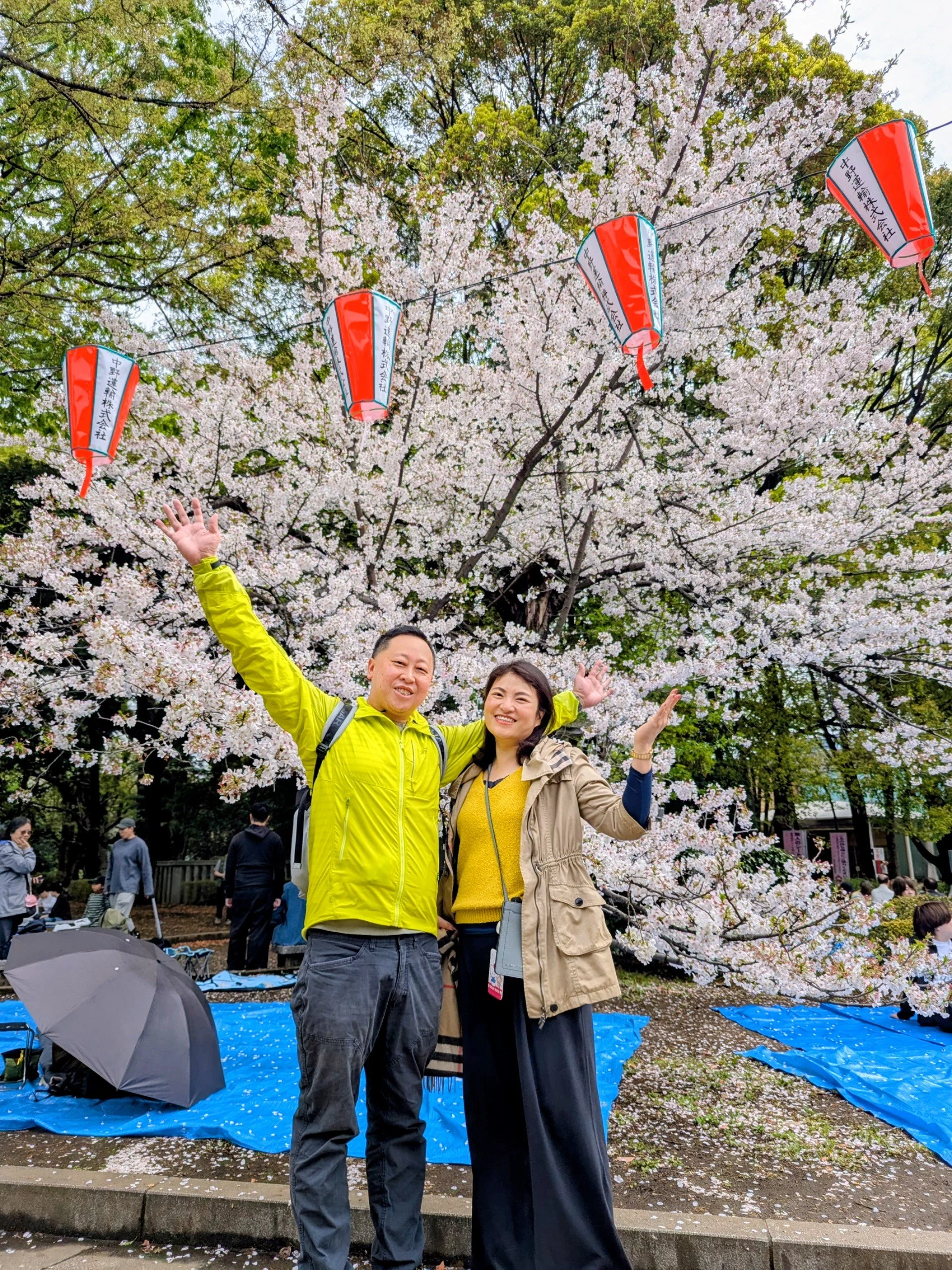
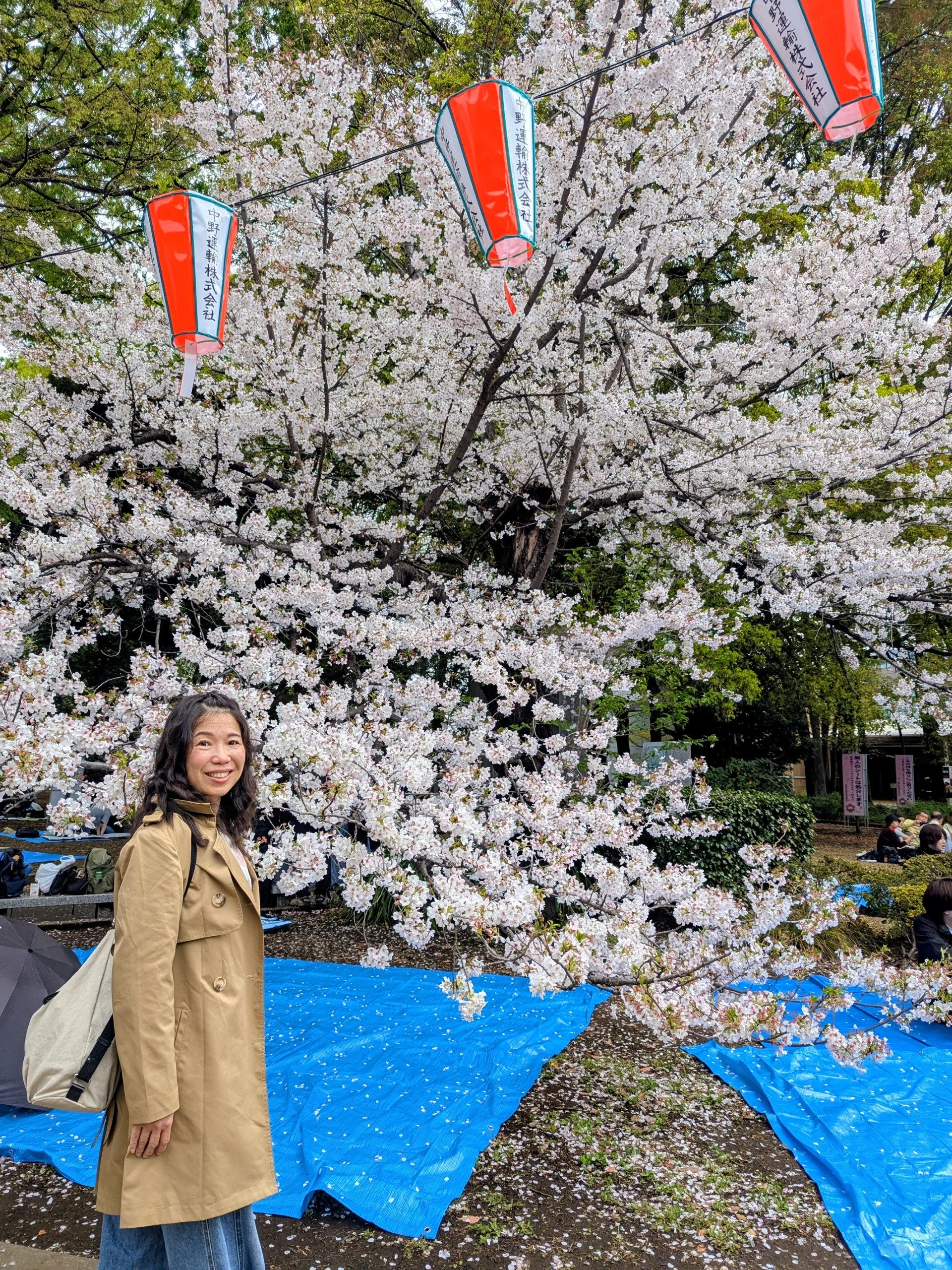
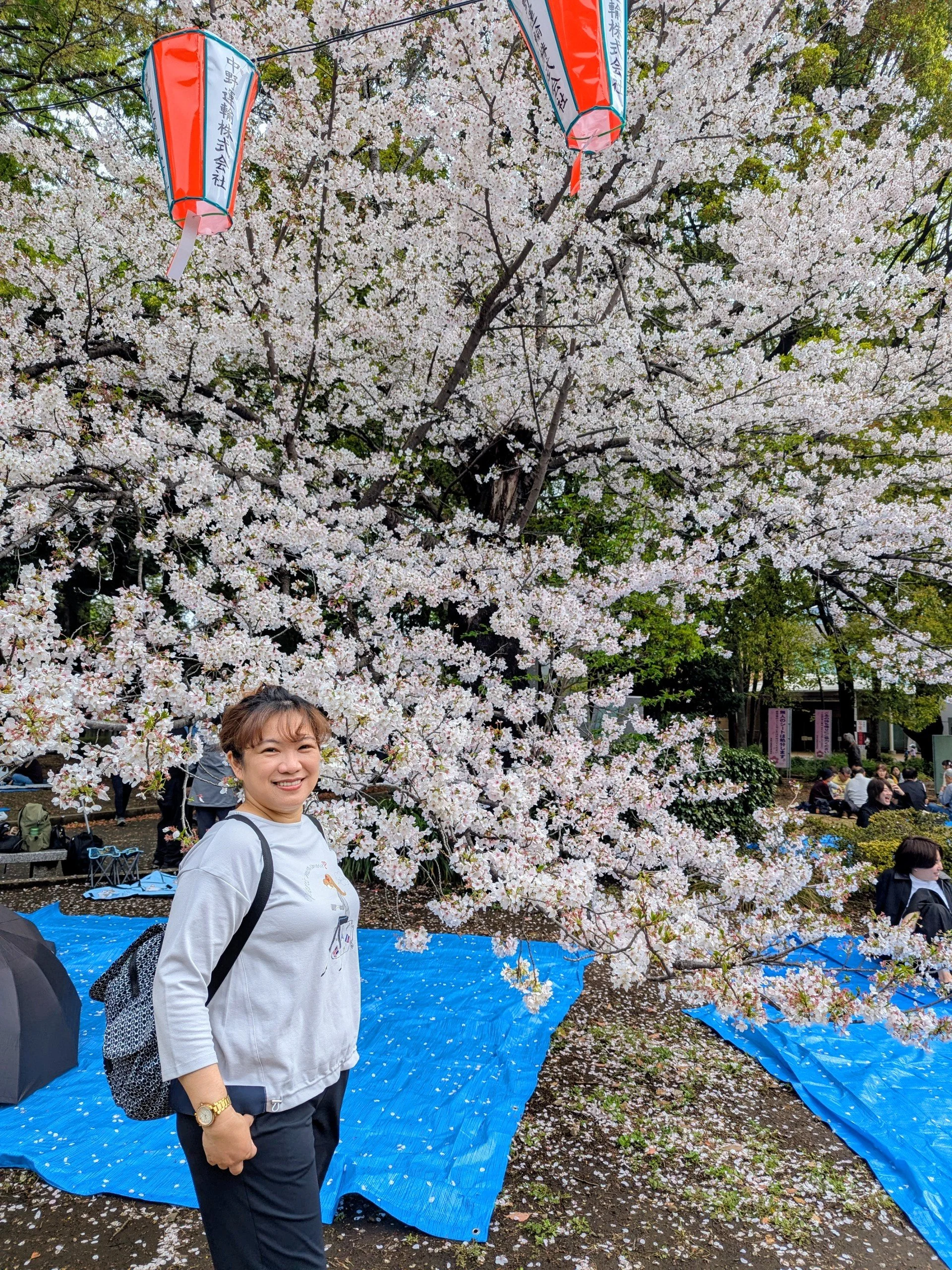
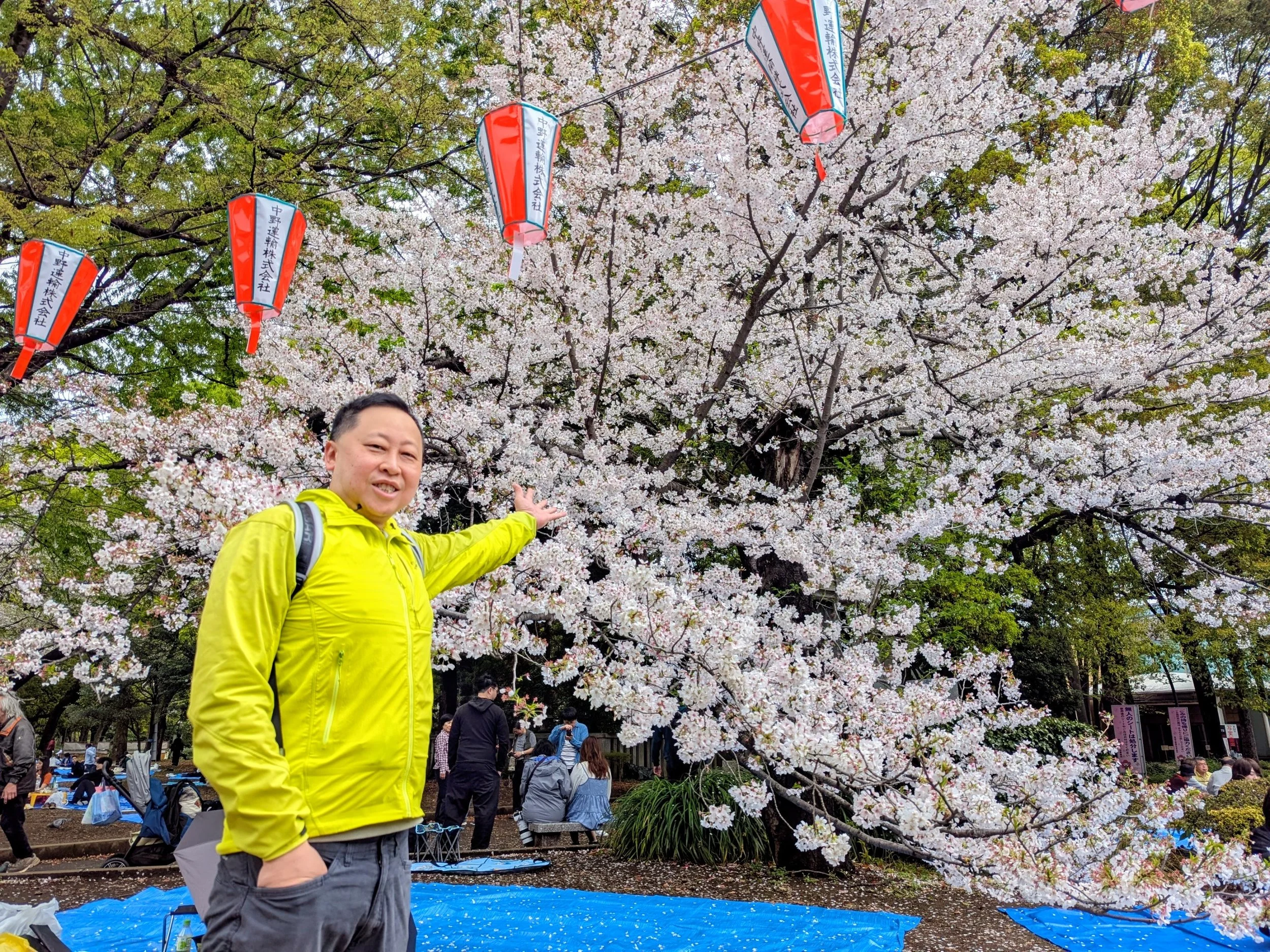
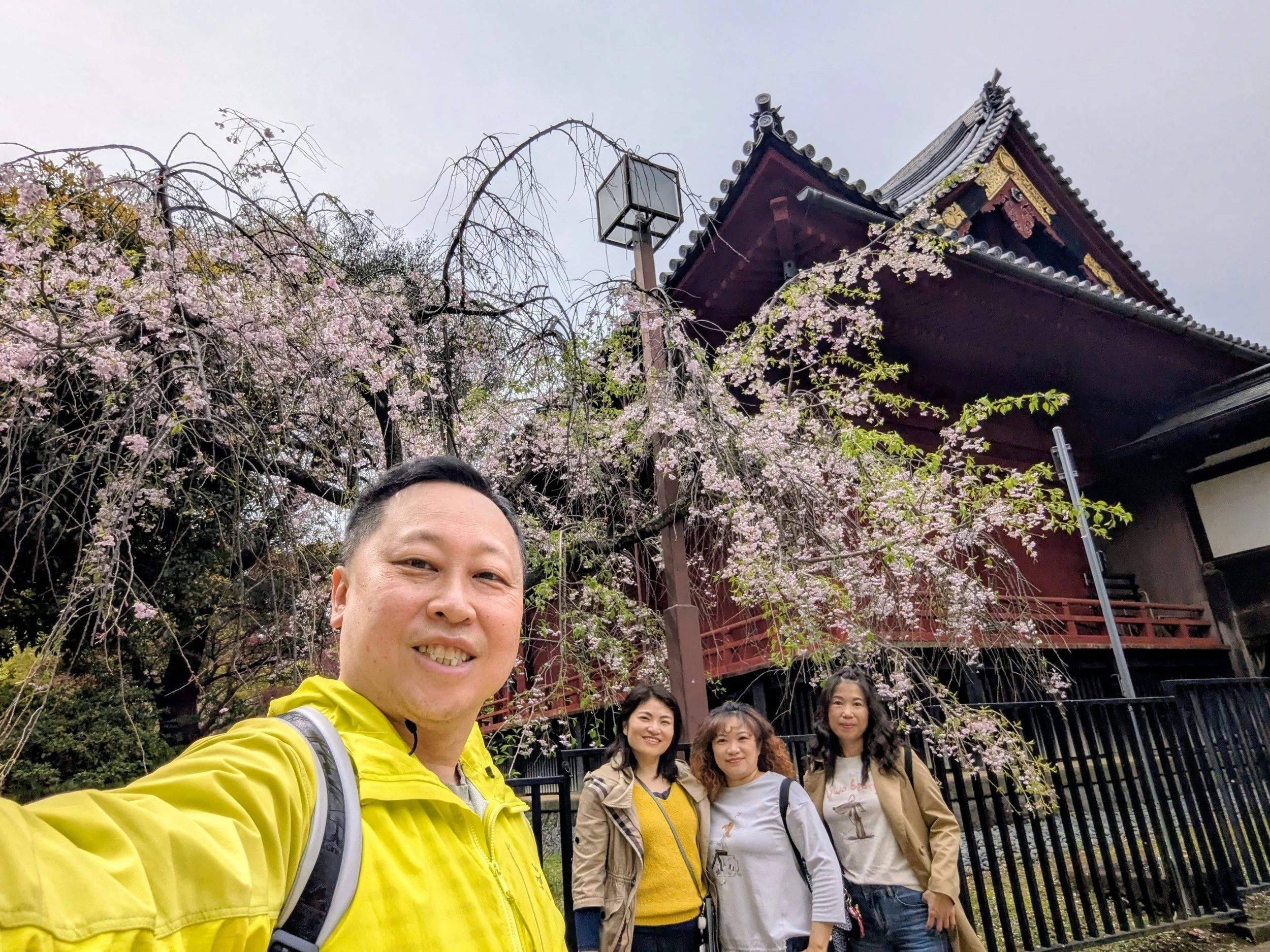
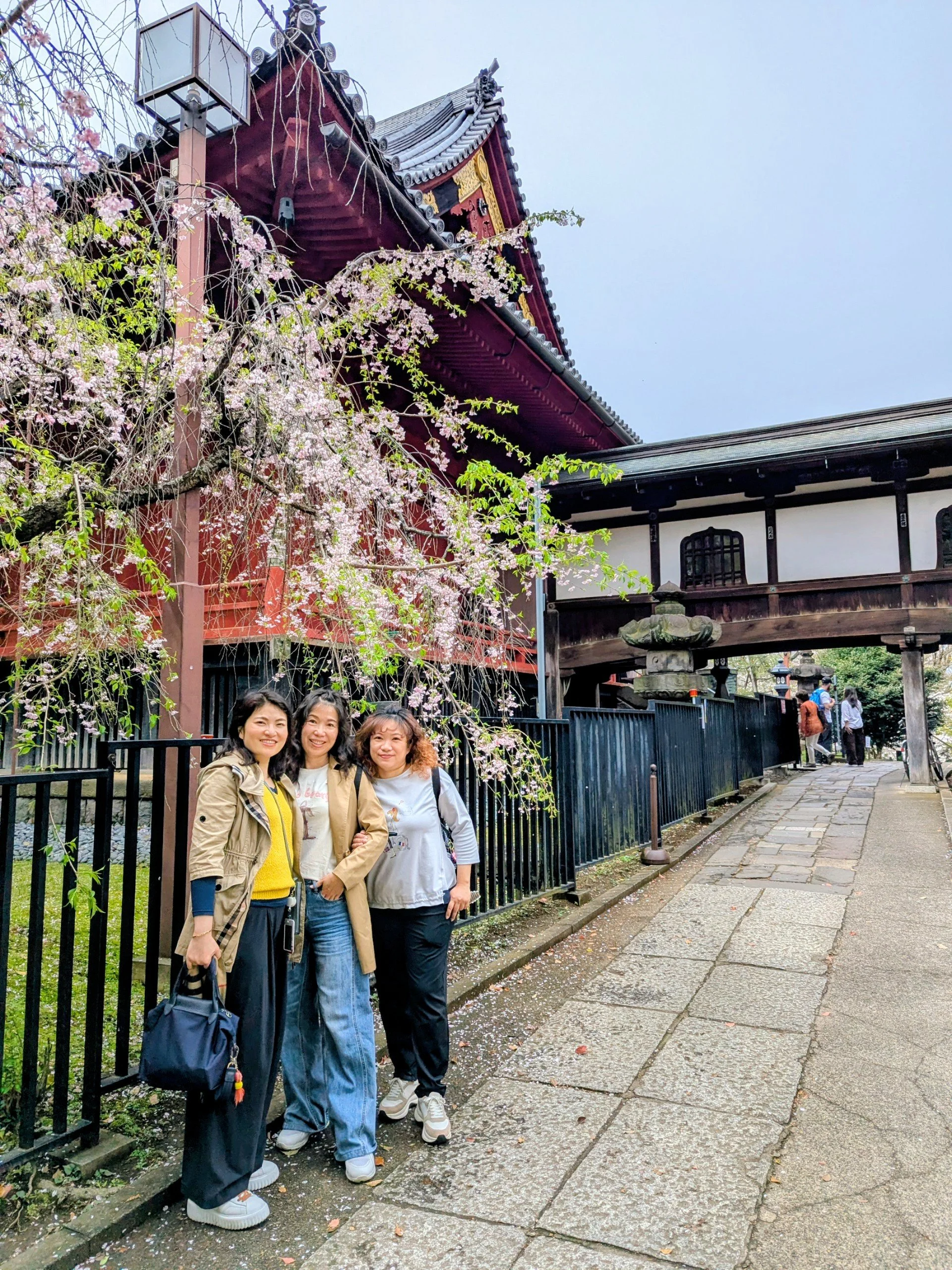
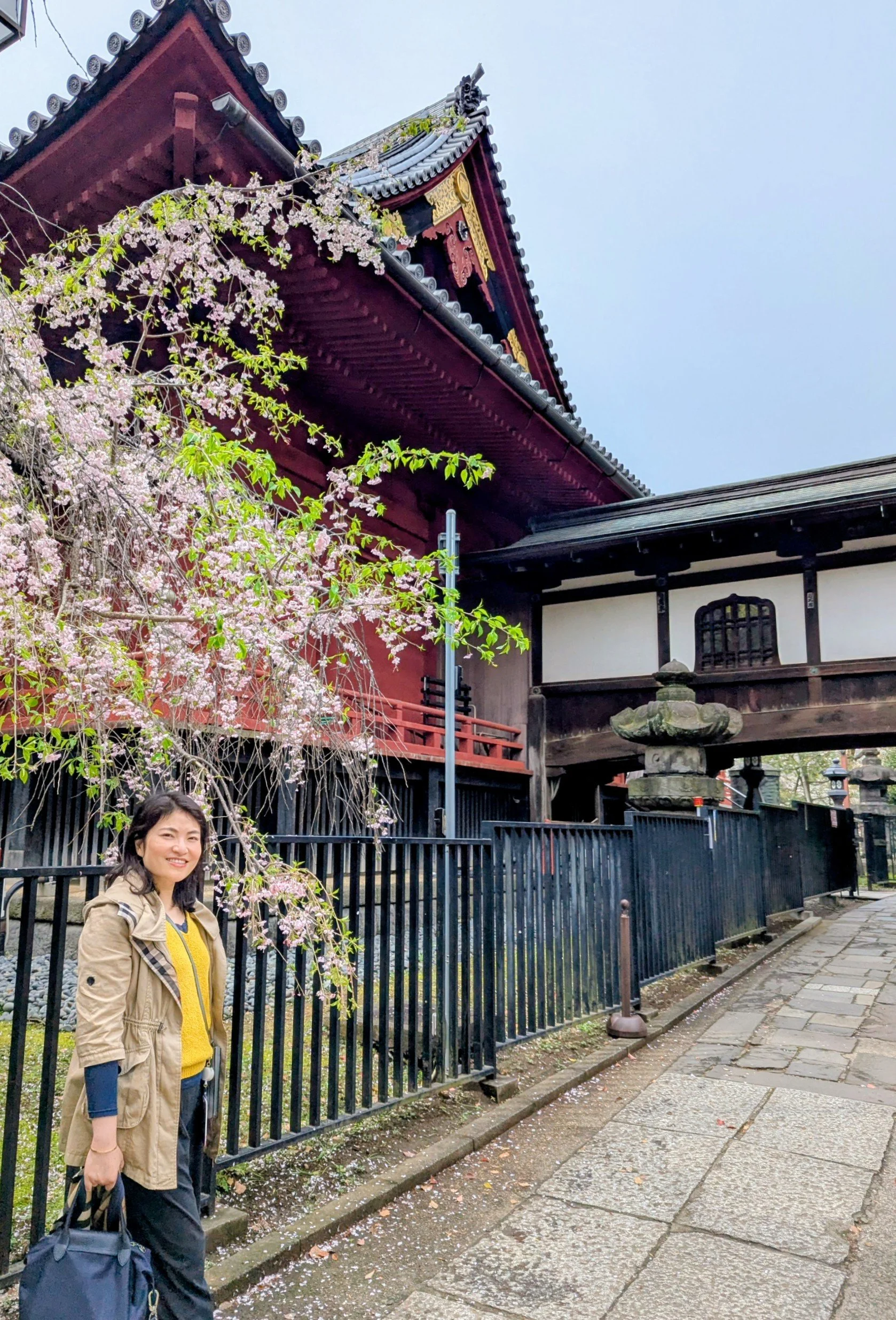
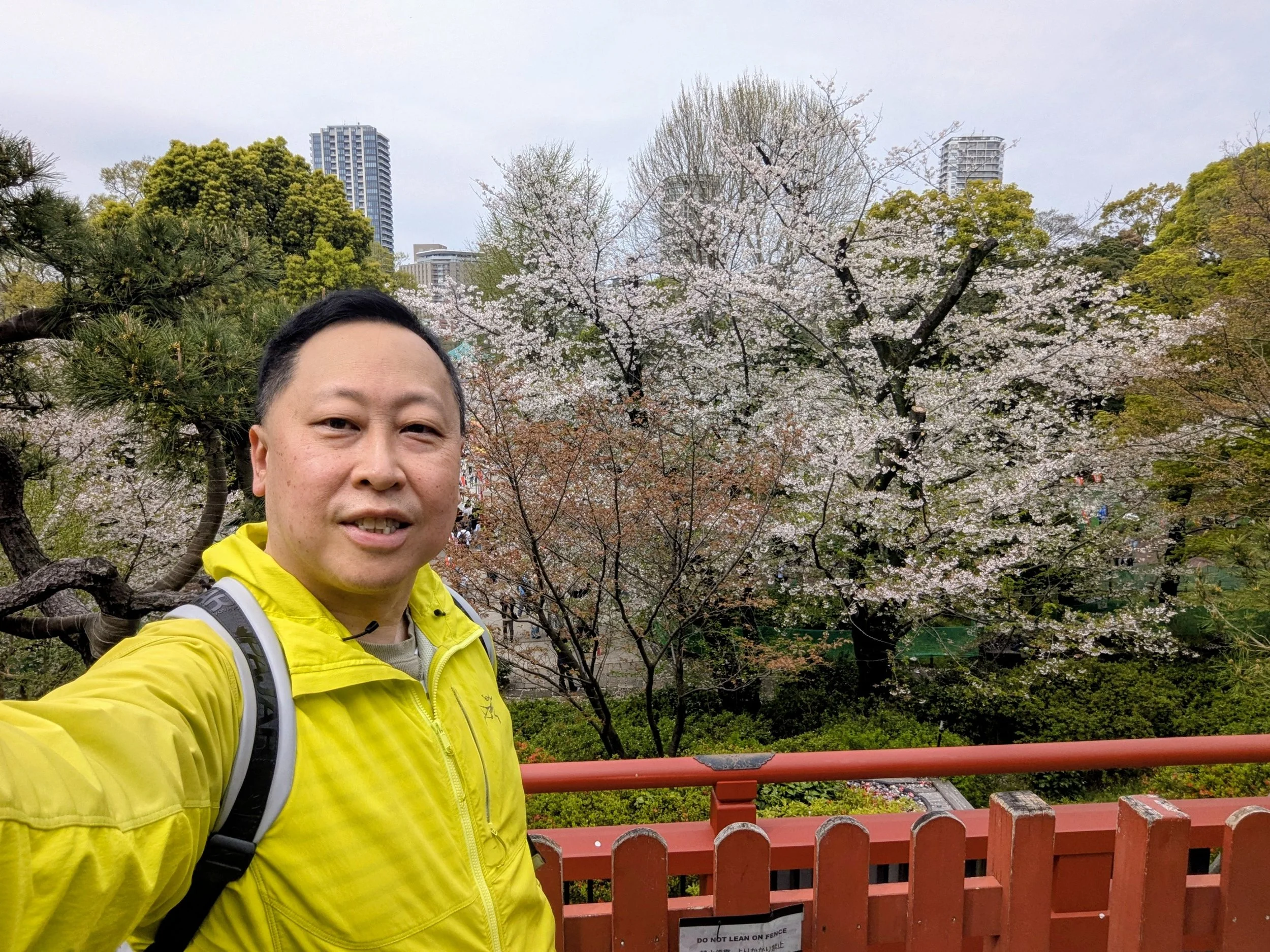
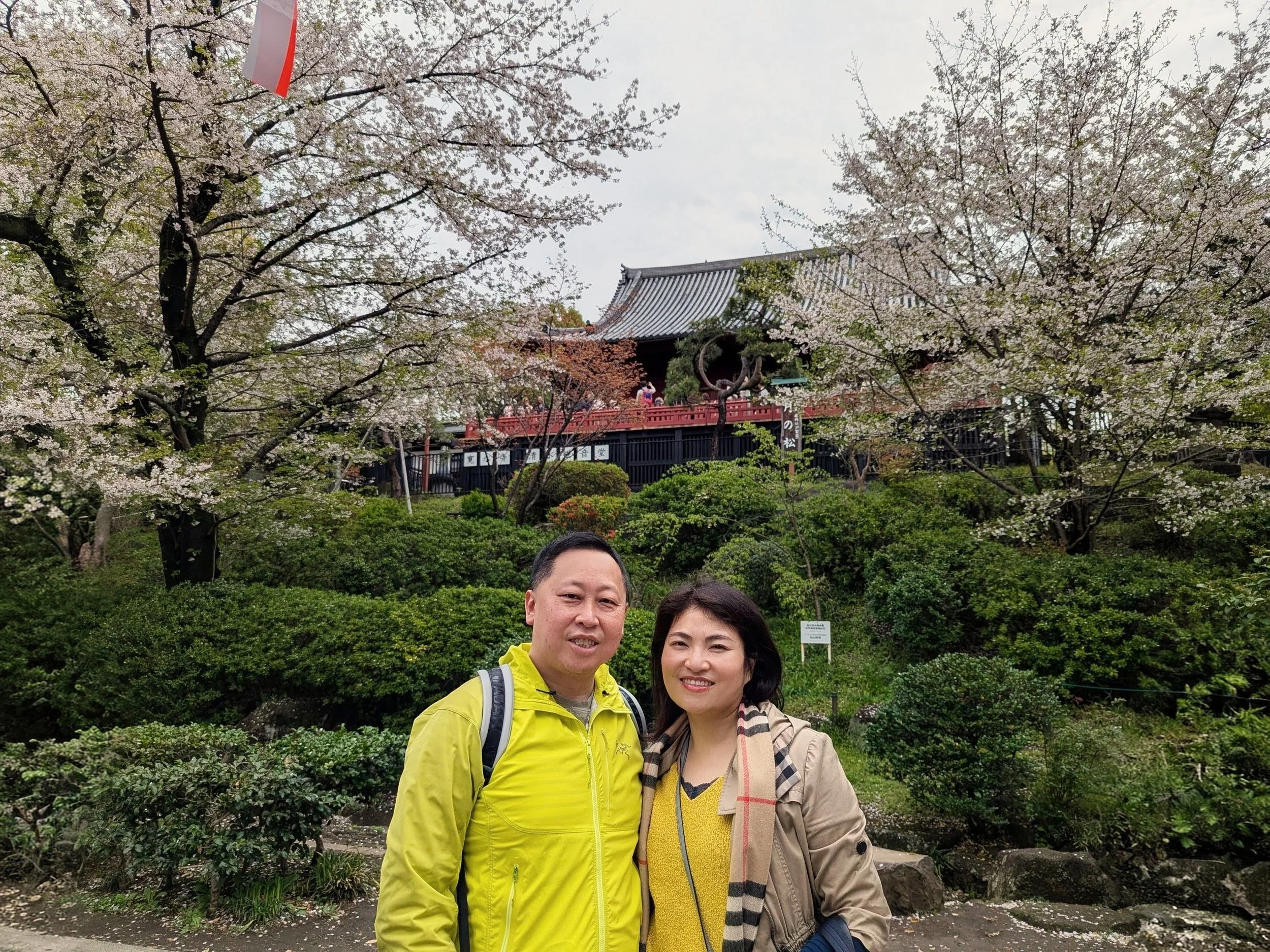
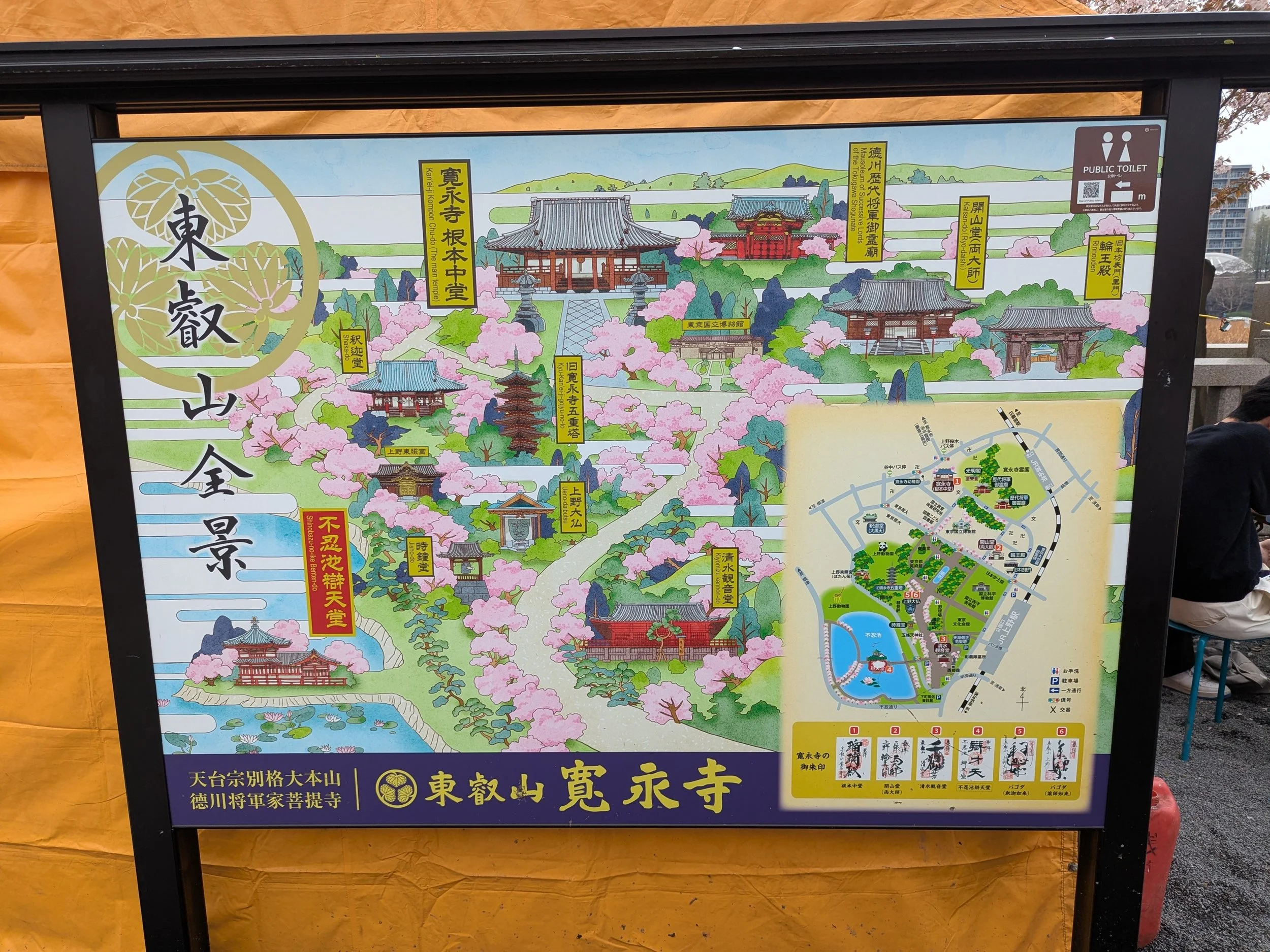
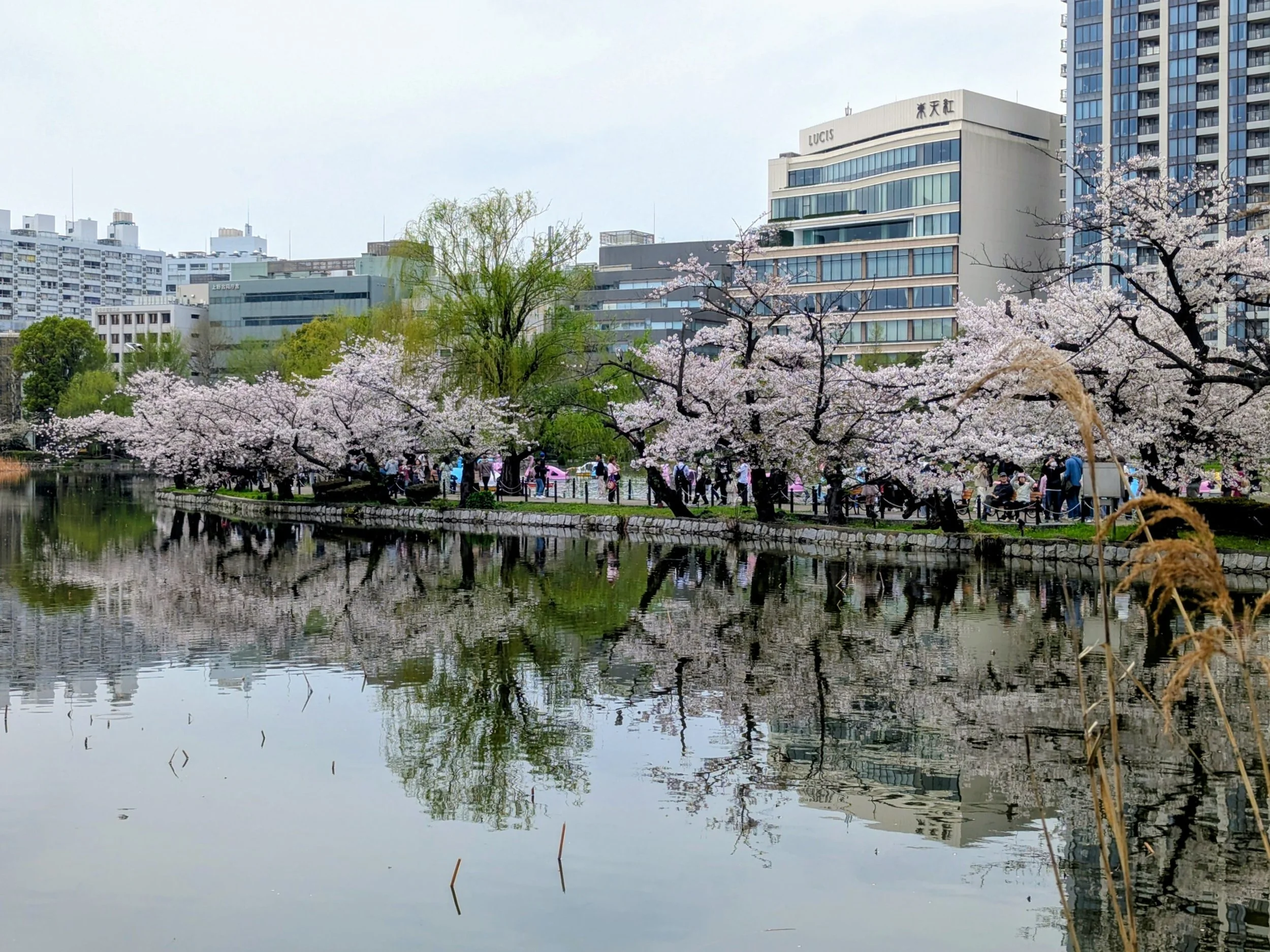
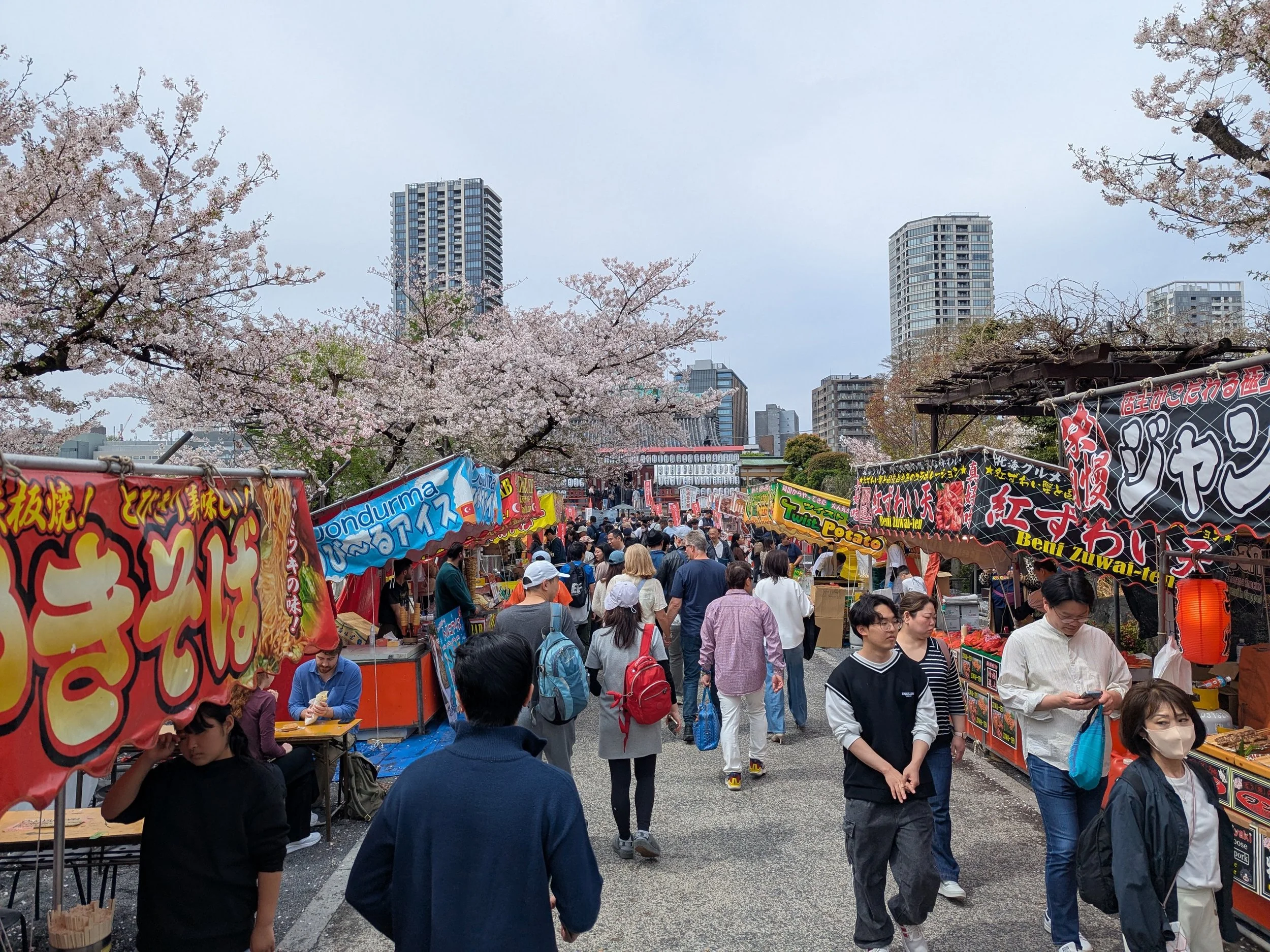
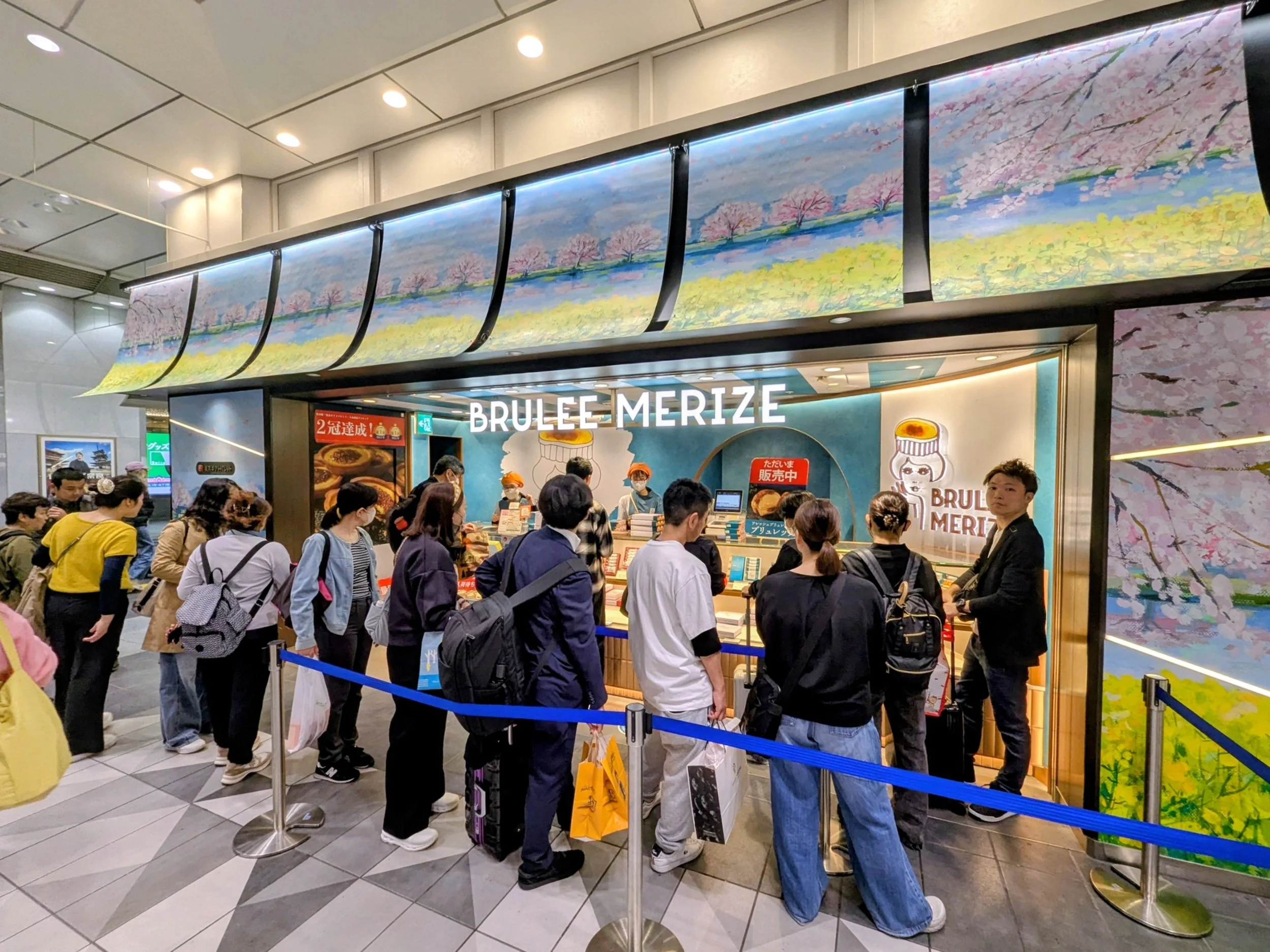
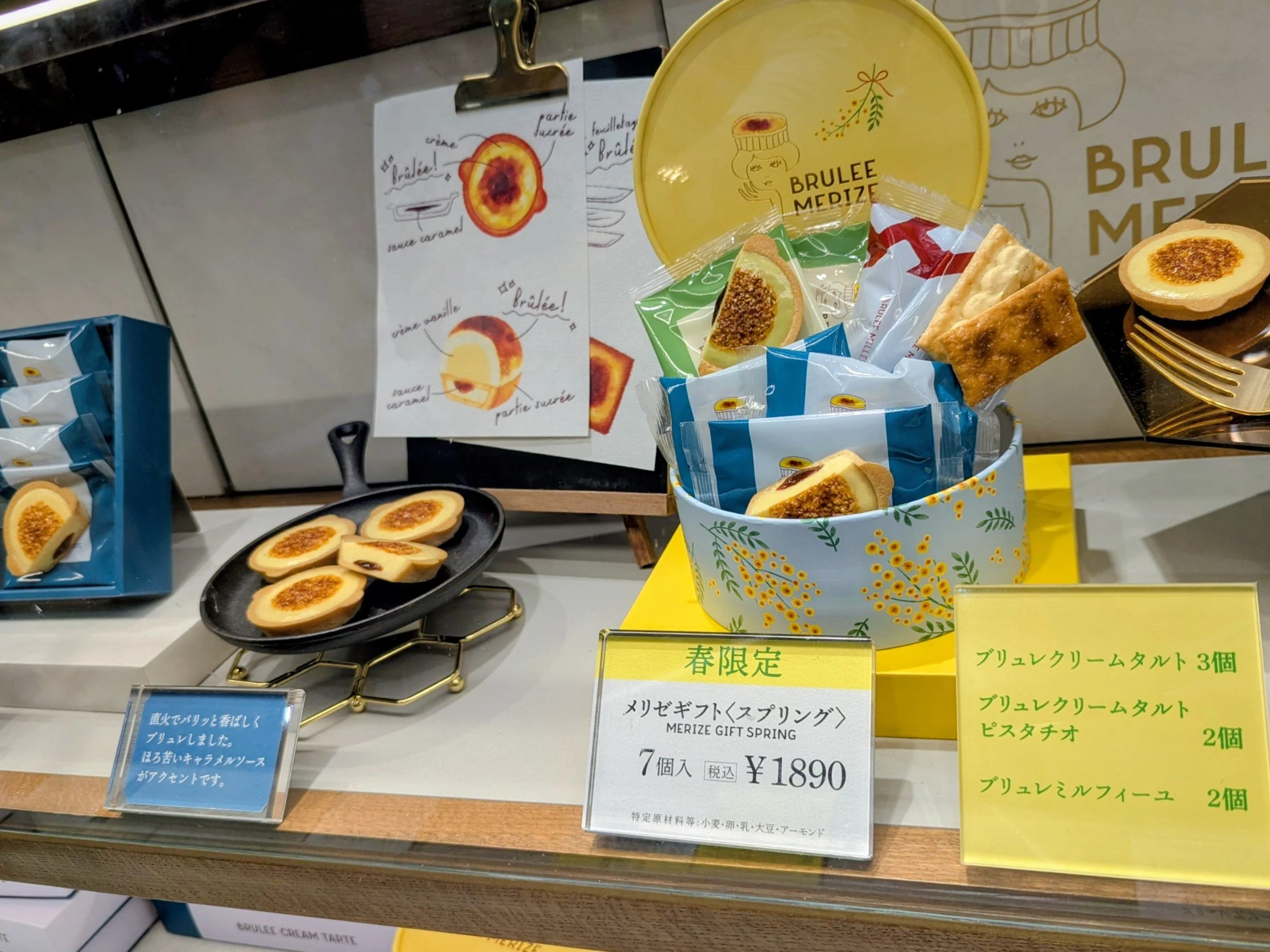
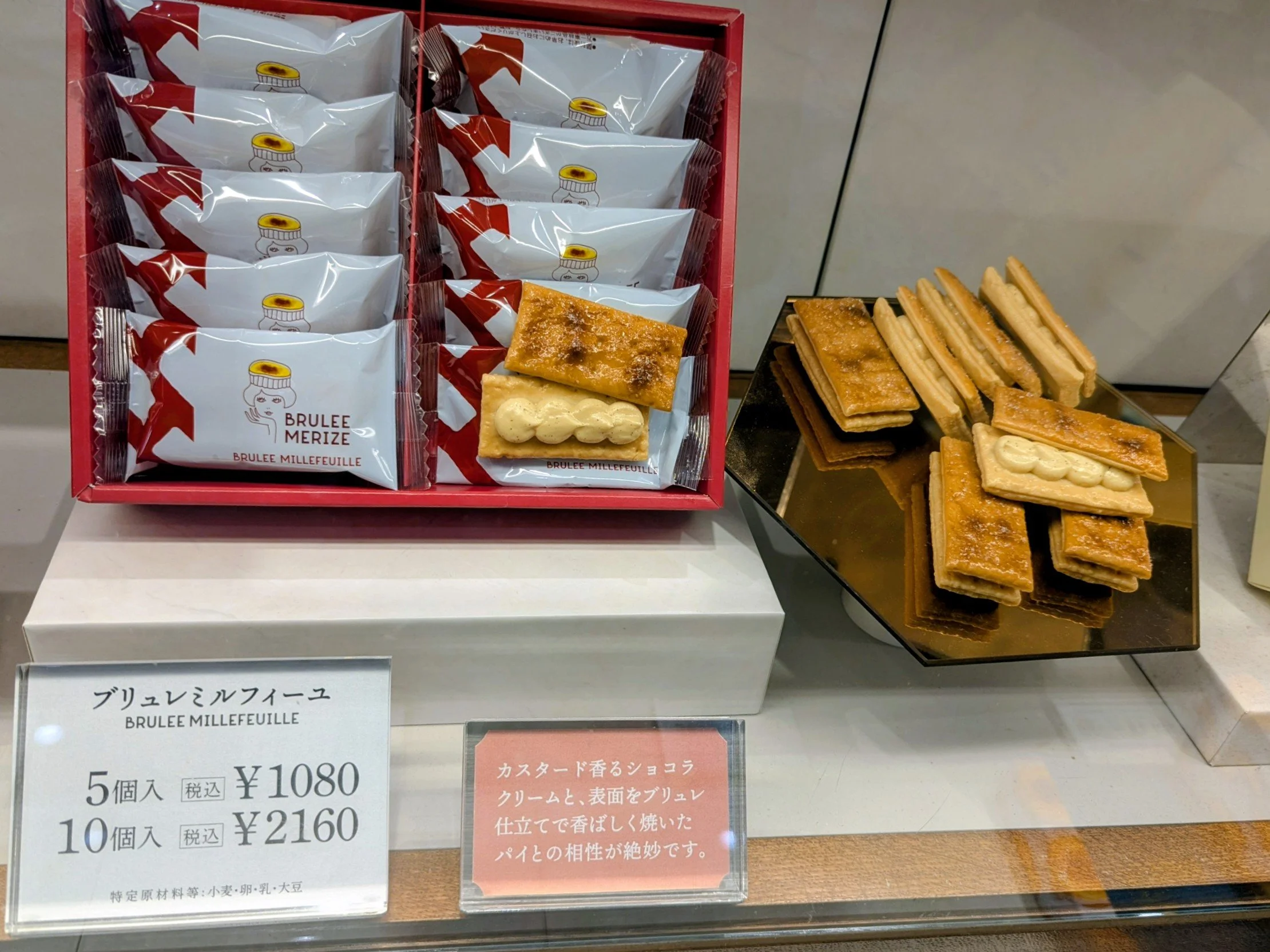
Shopping at Ueno station.
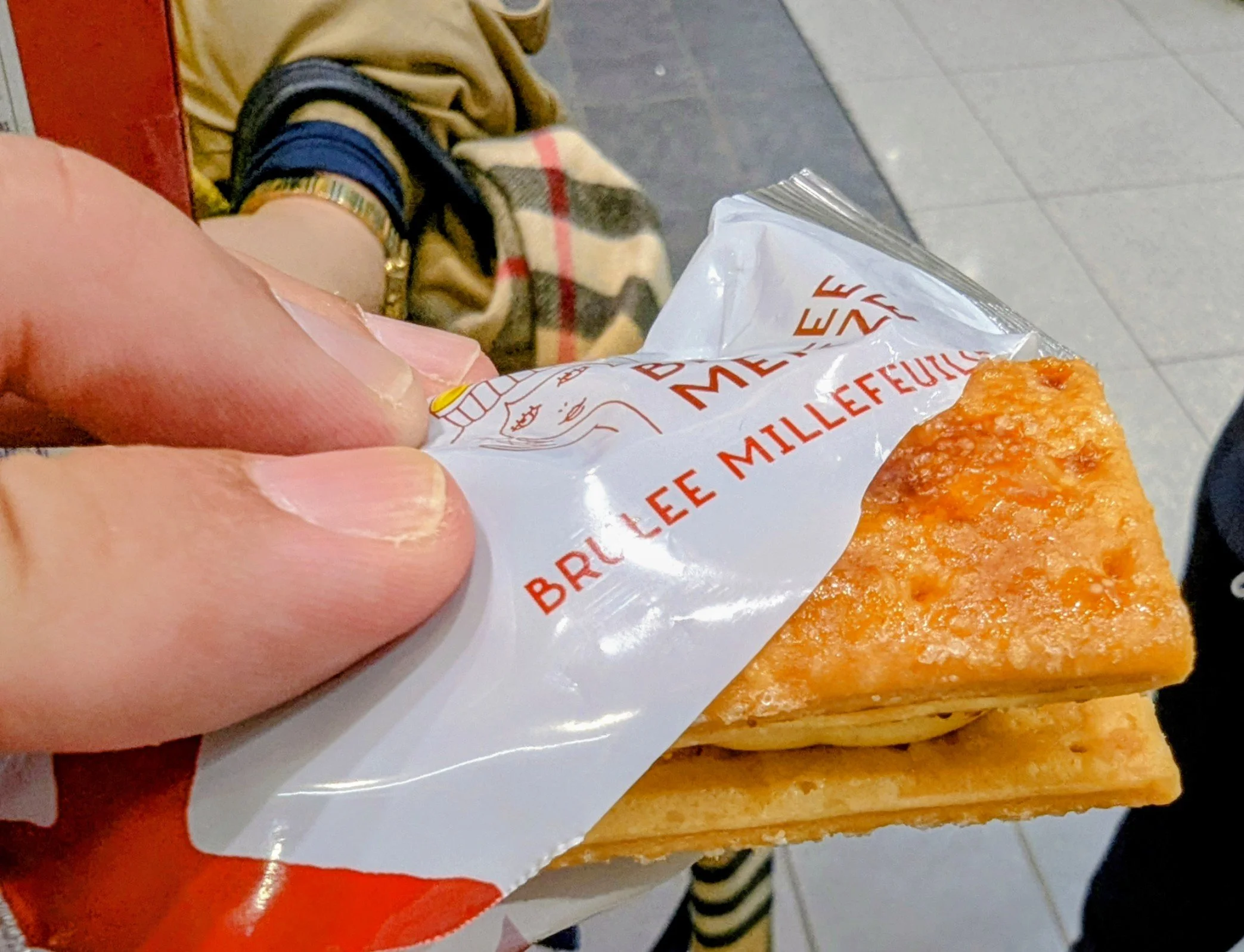
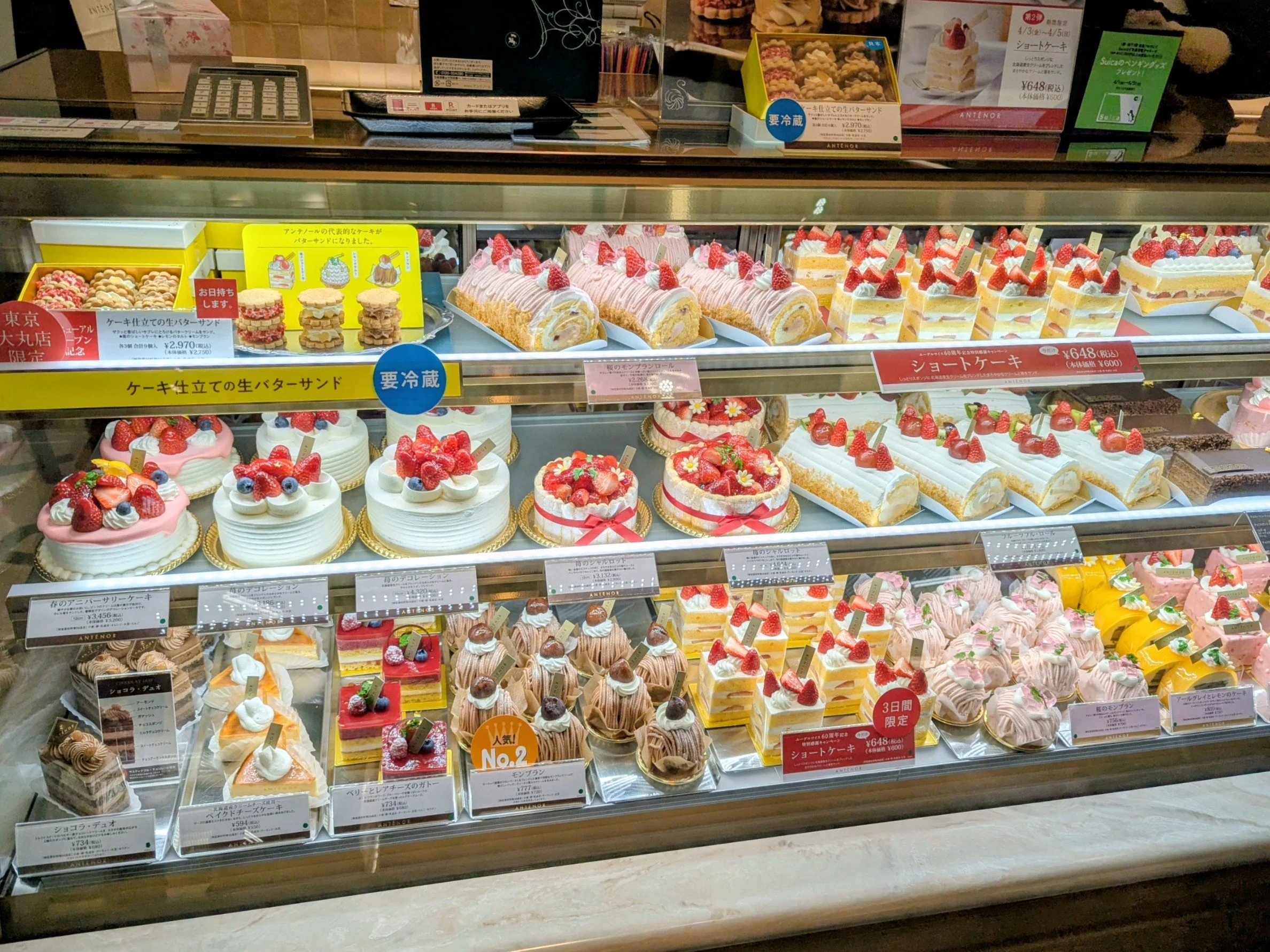
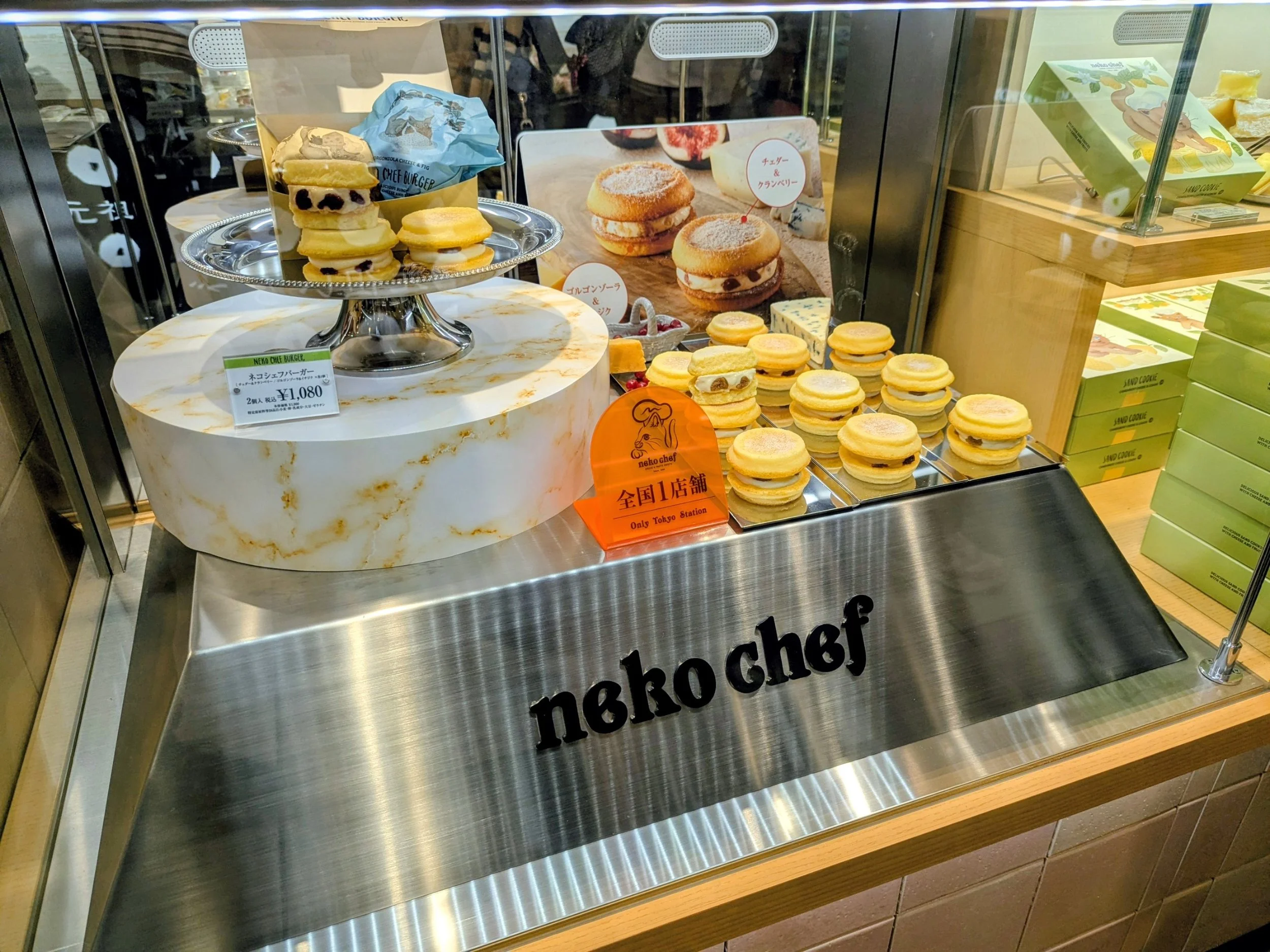
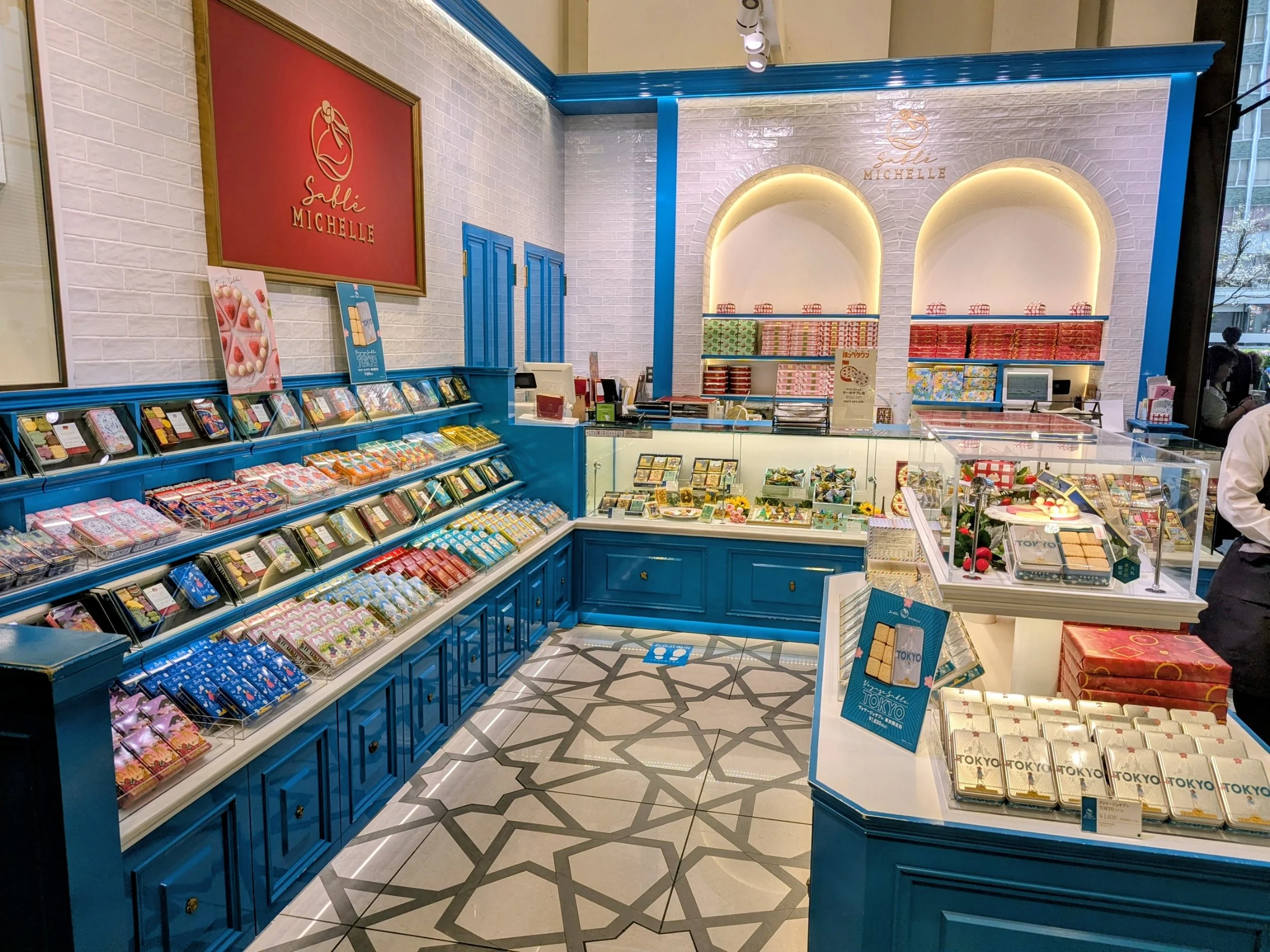
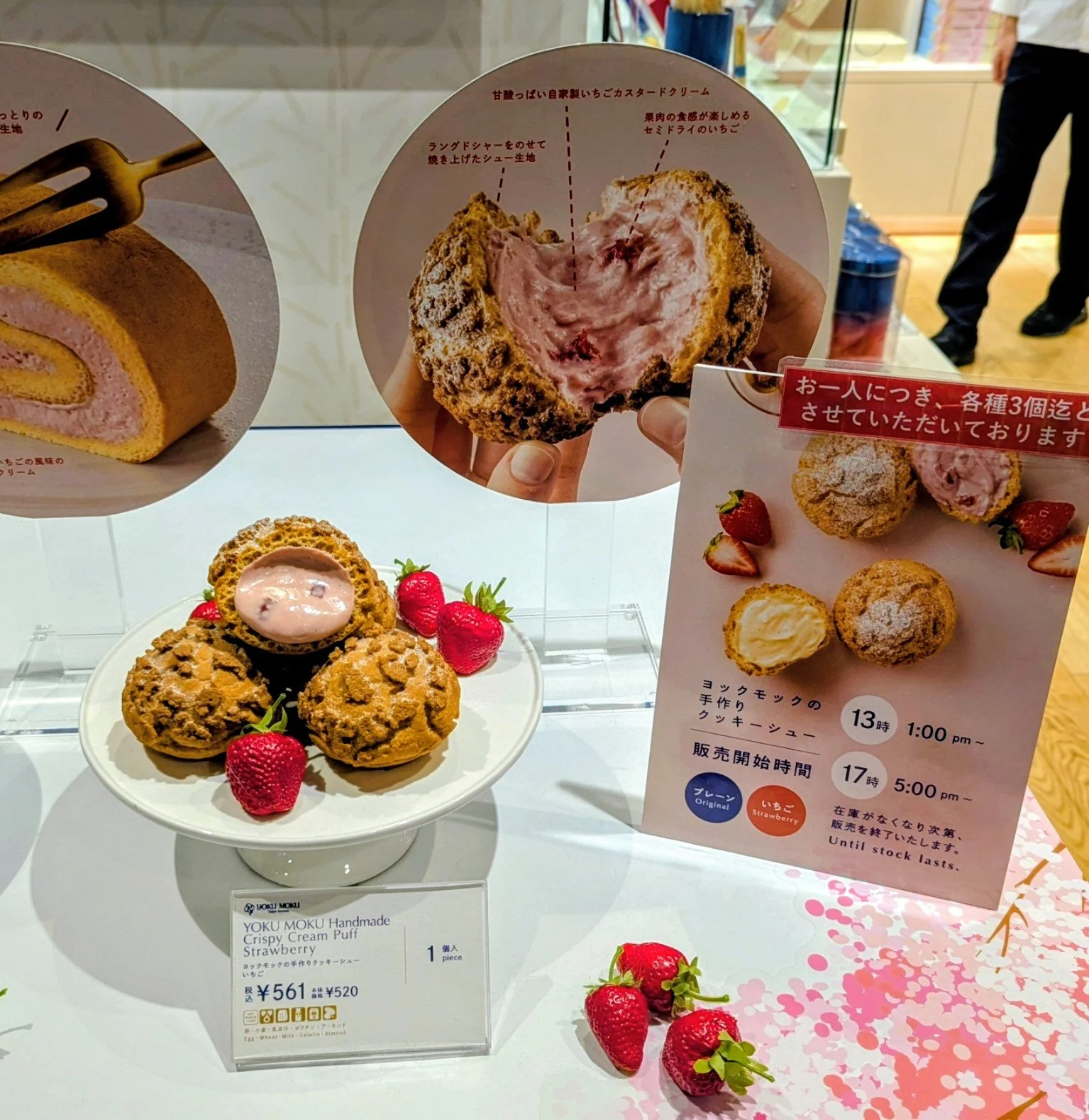
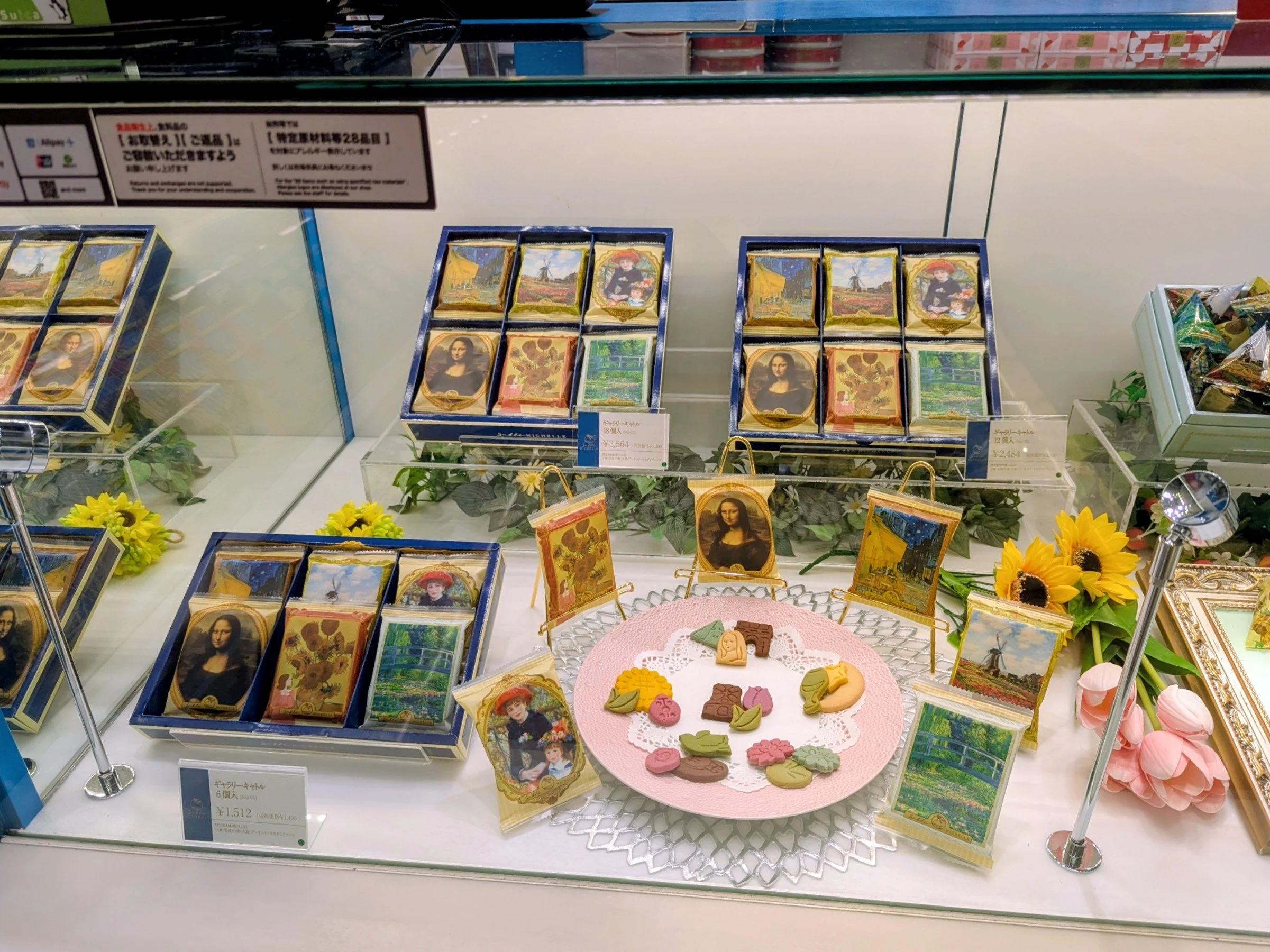
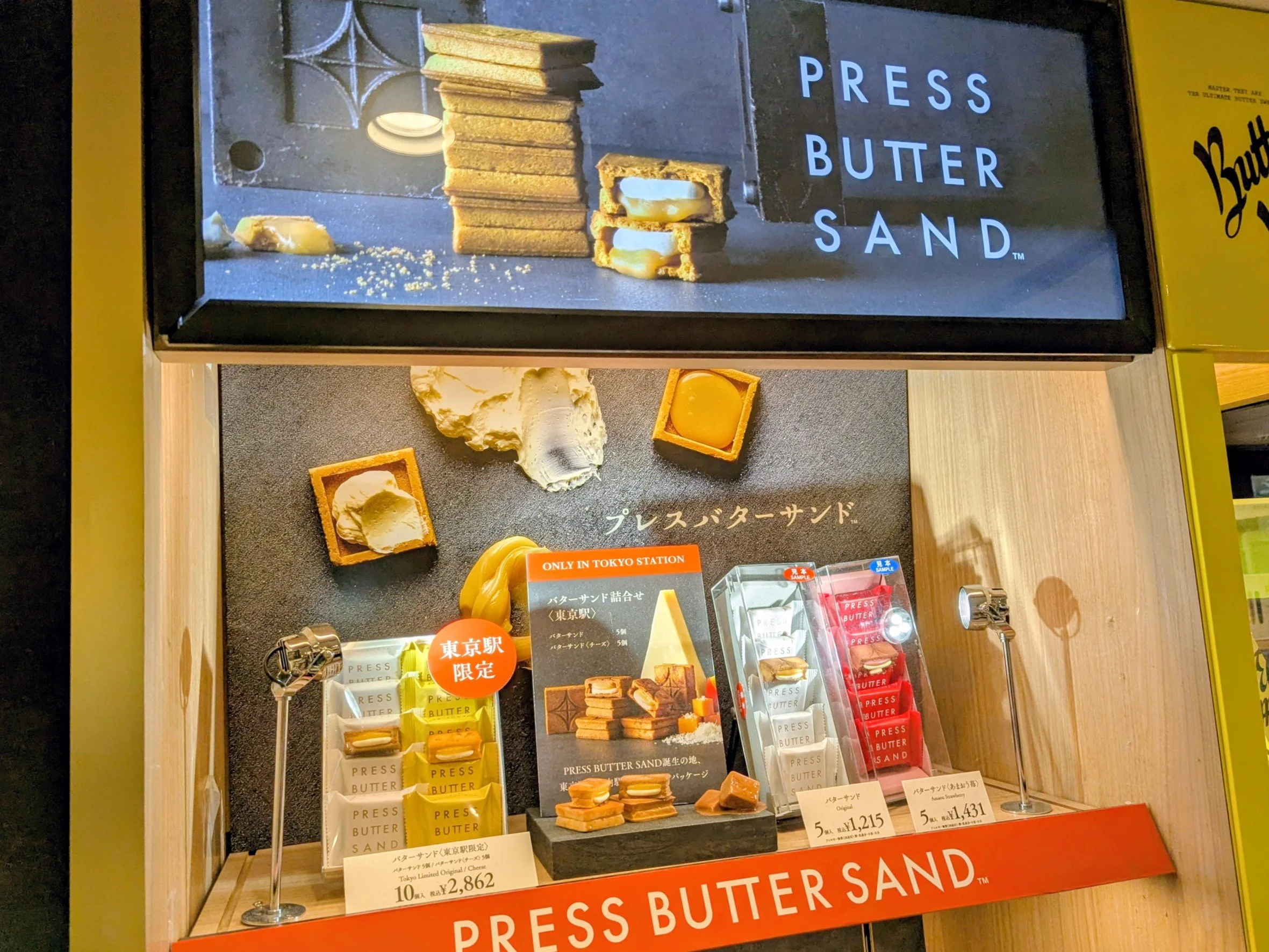
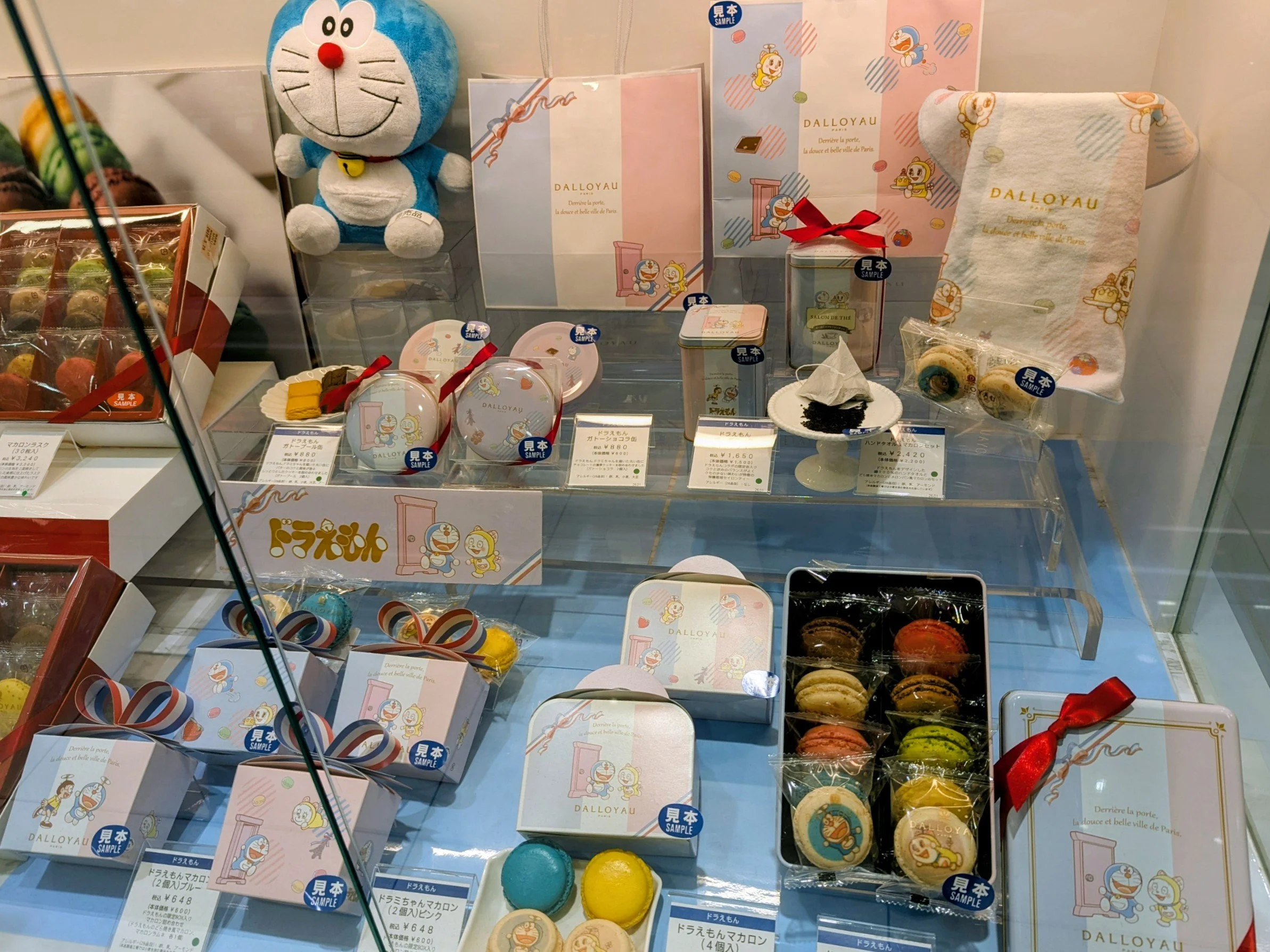
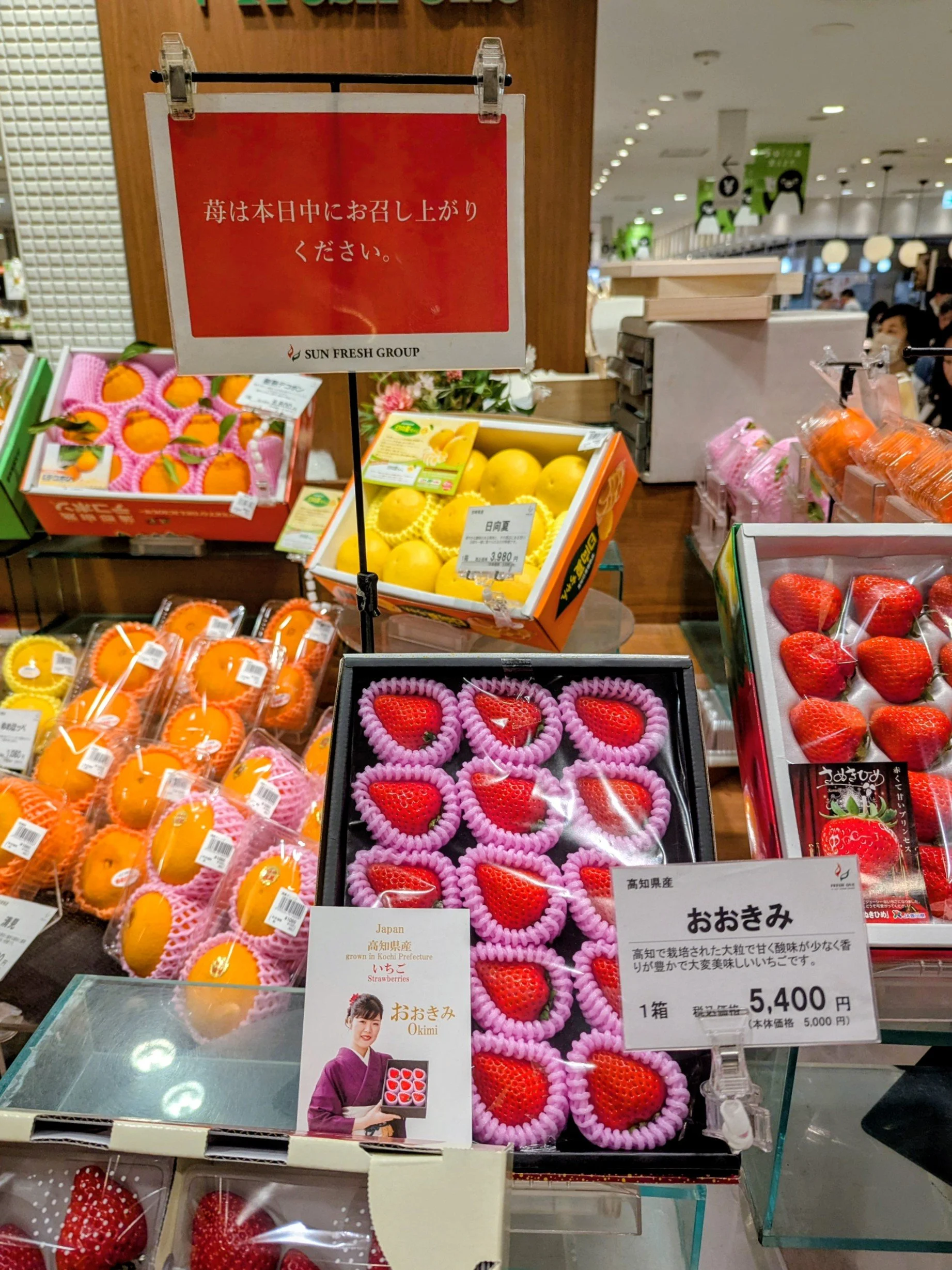
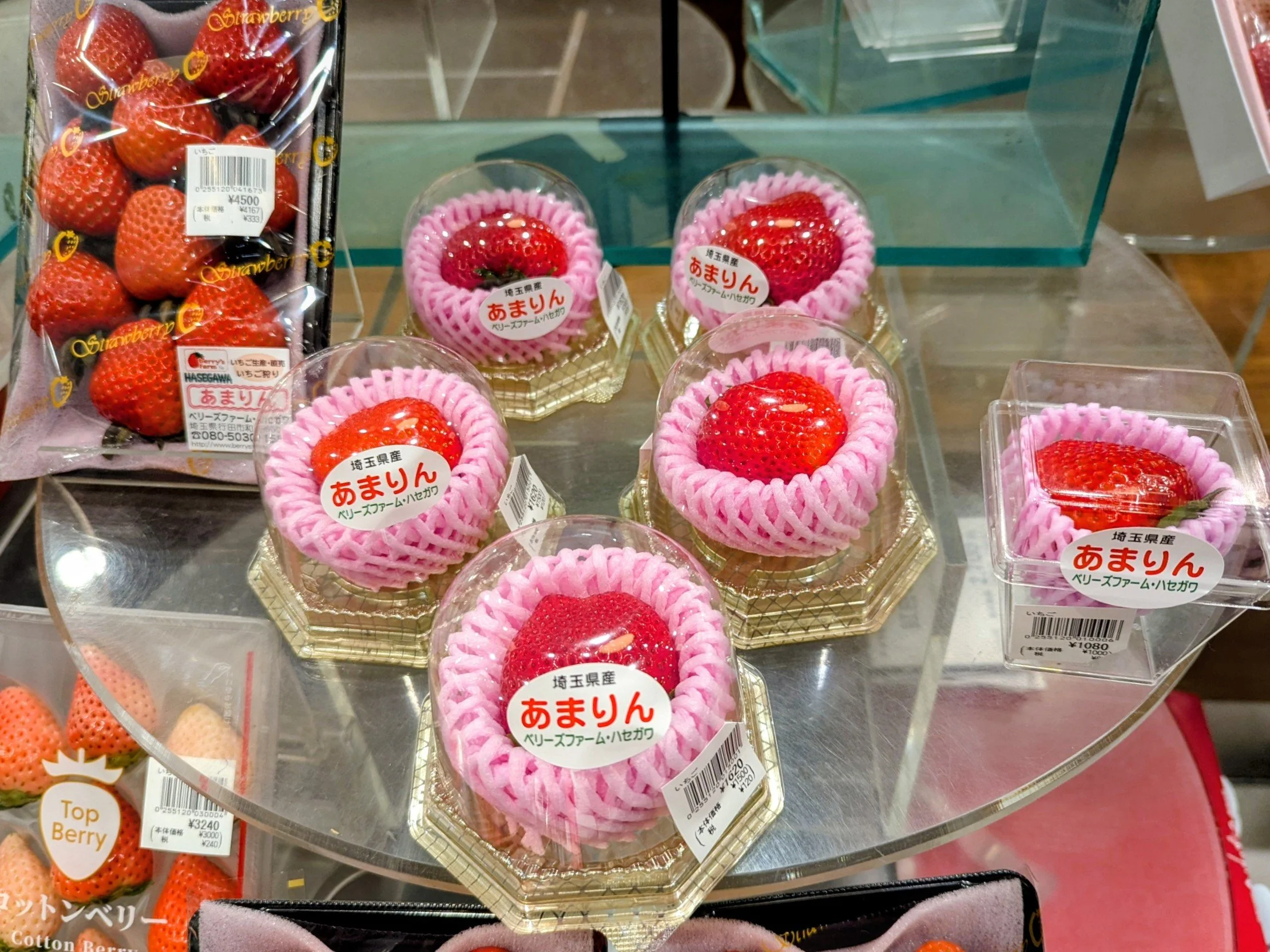
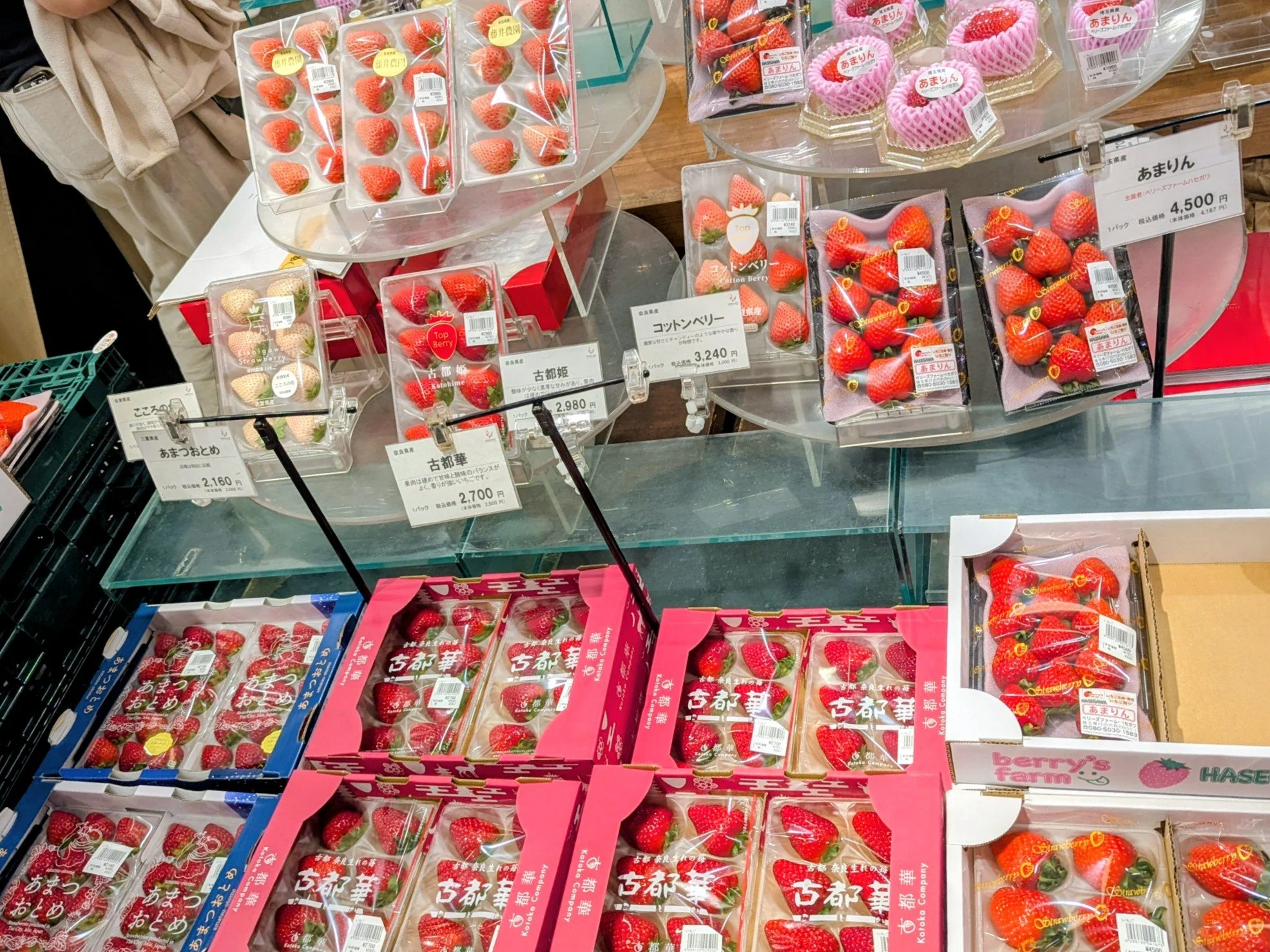
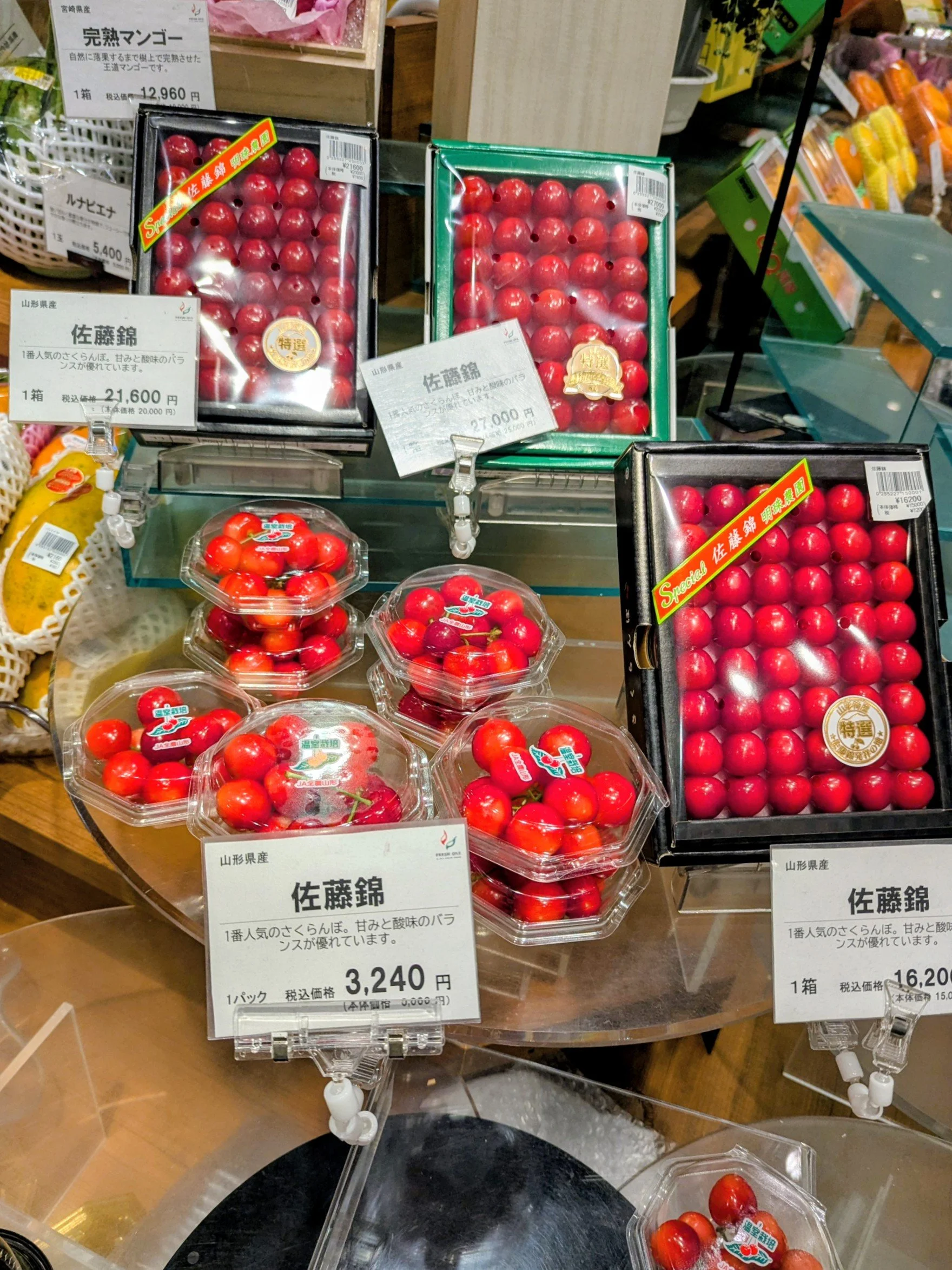
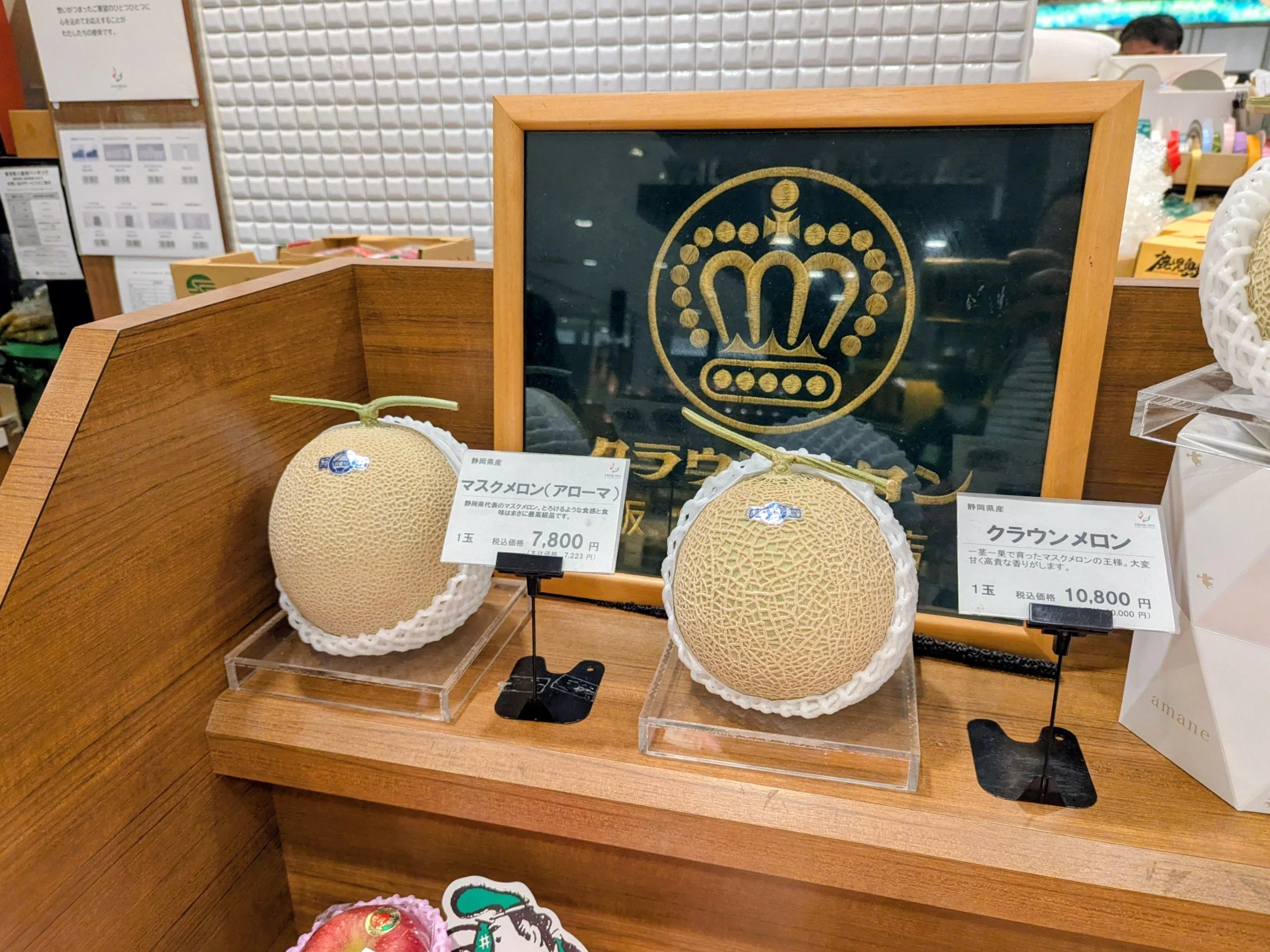
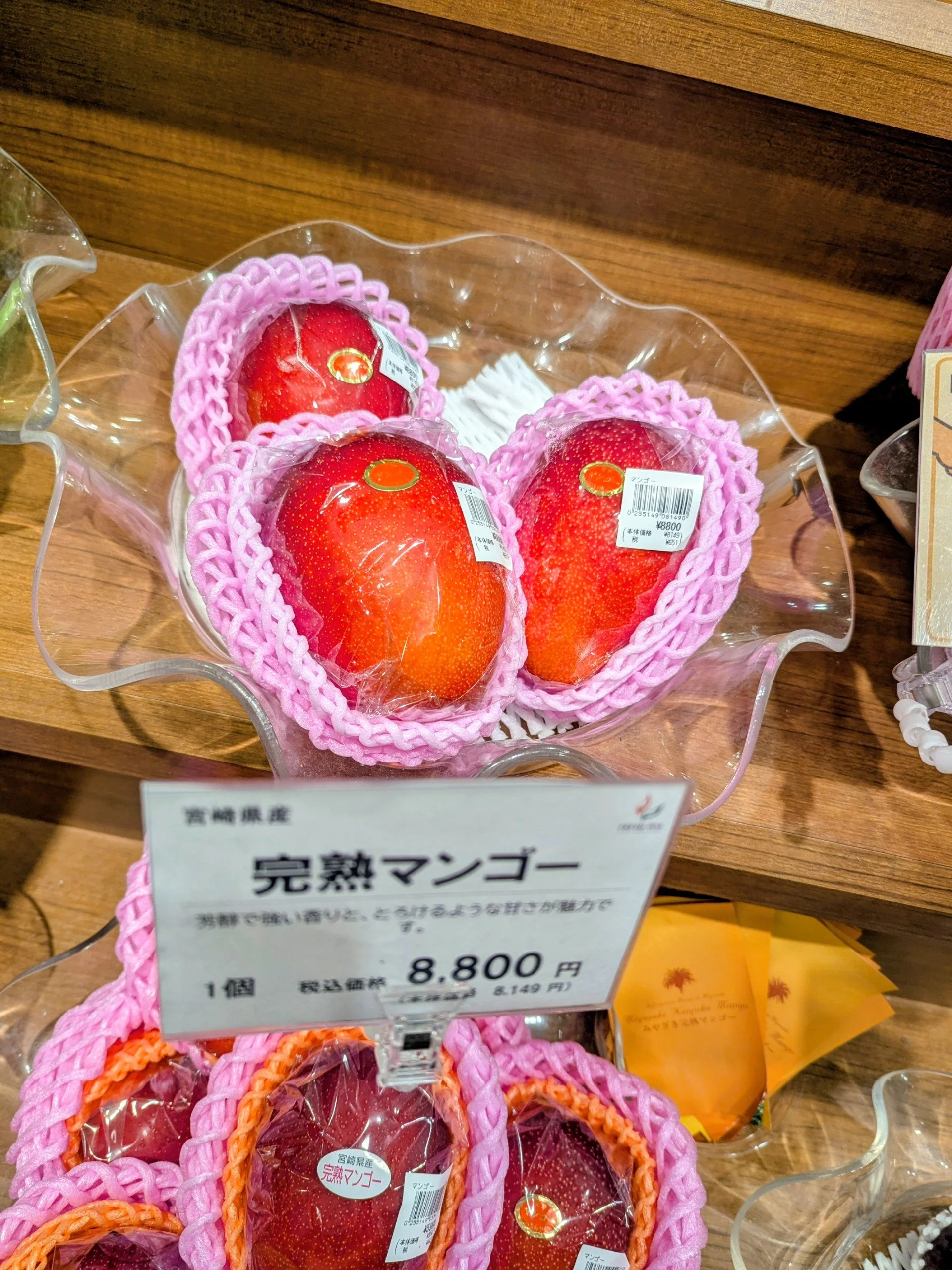
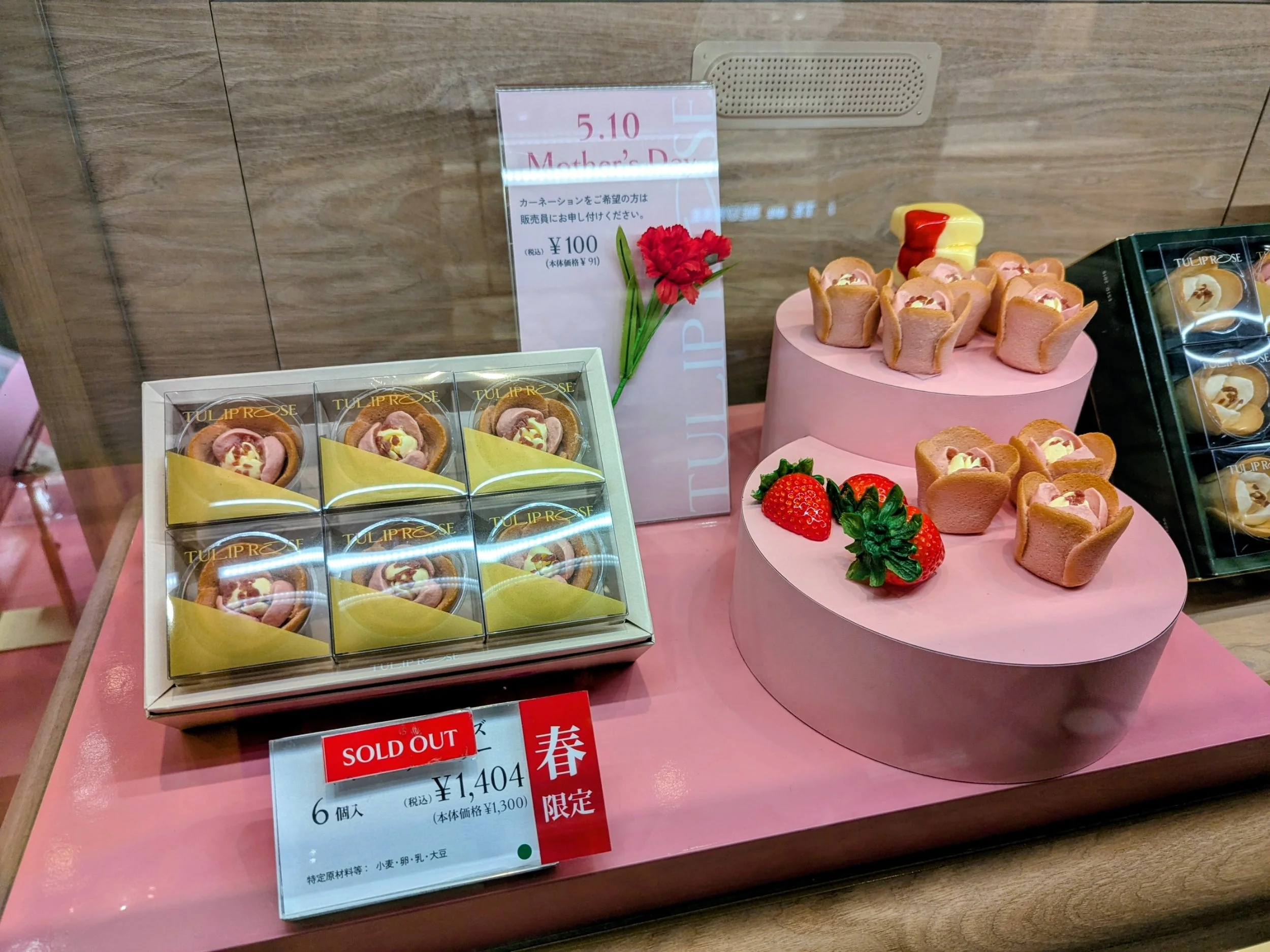
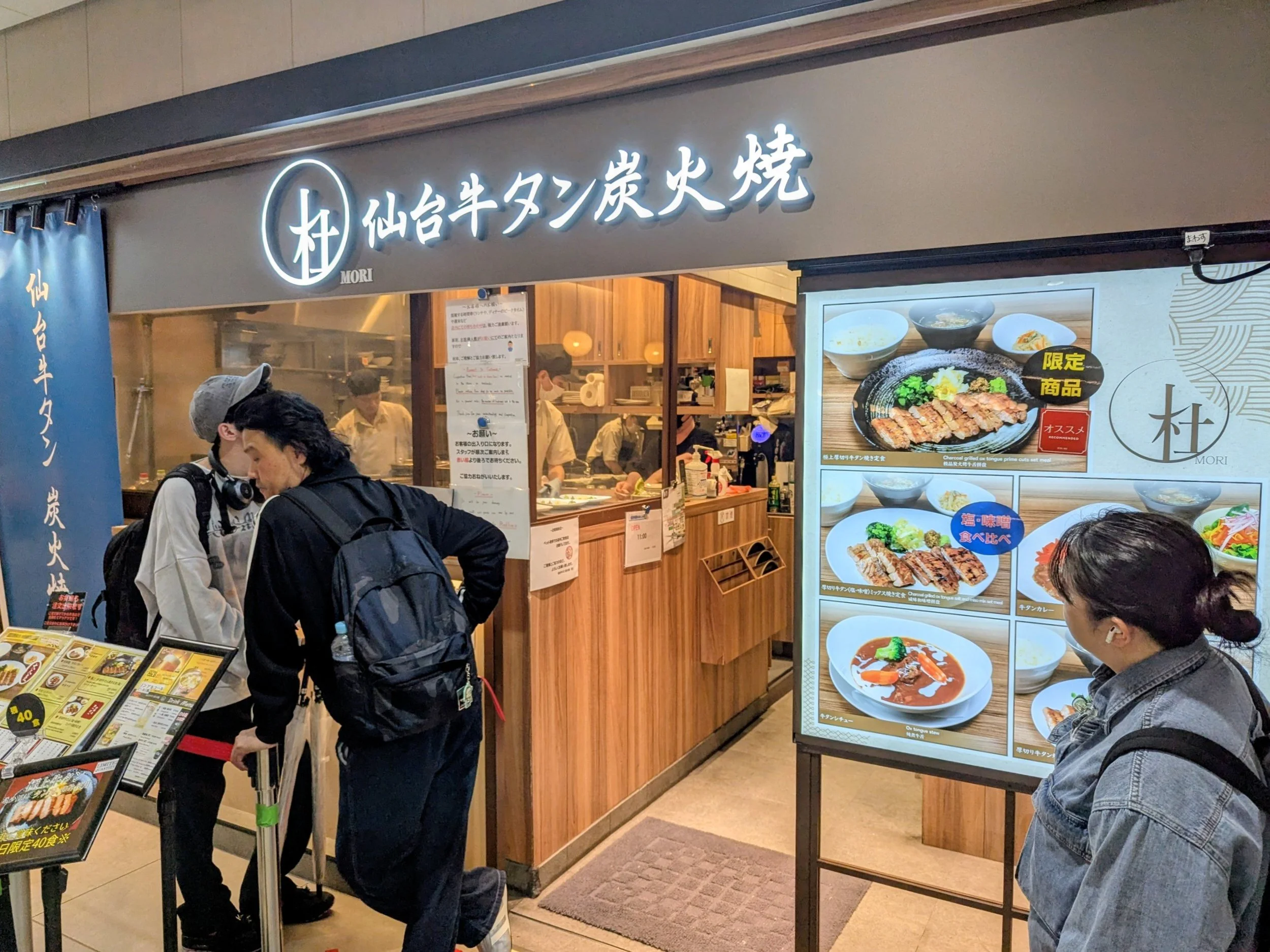
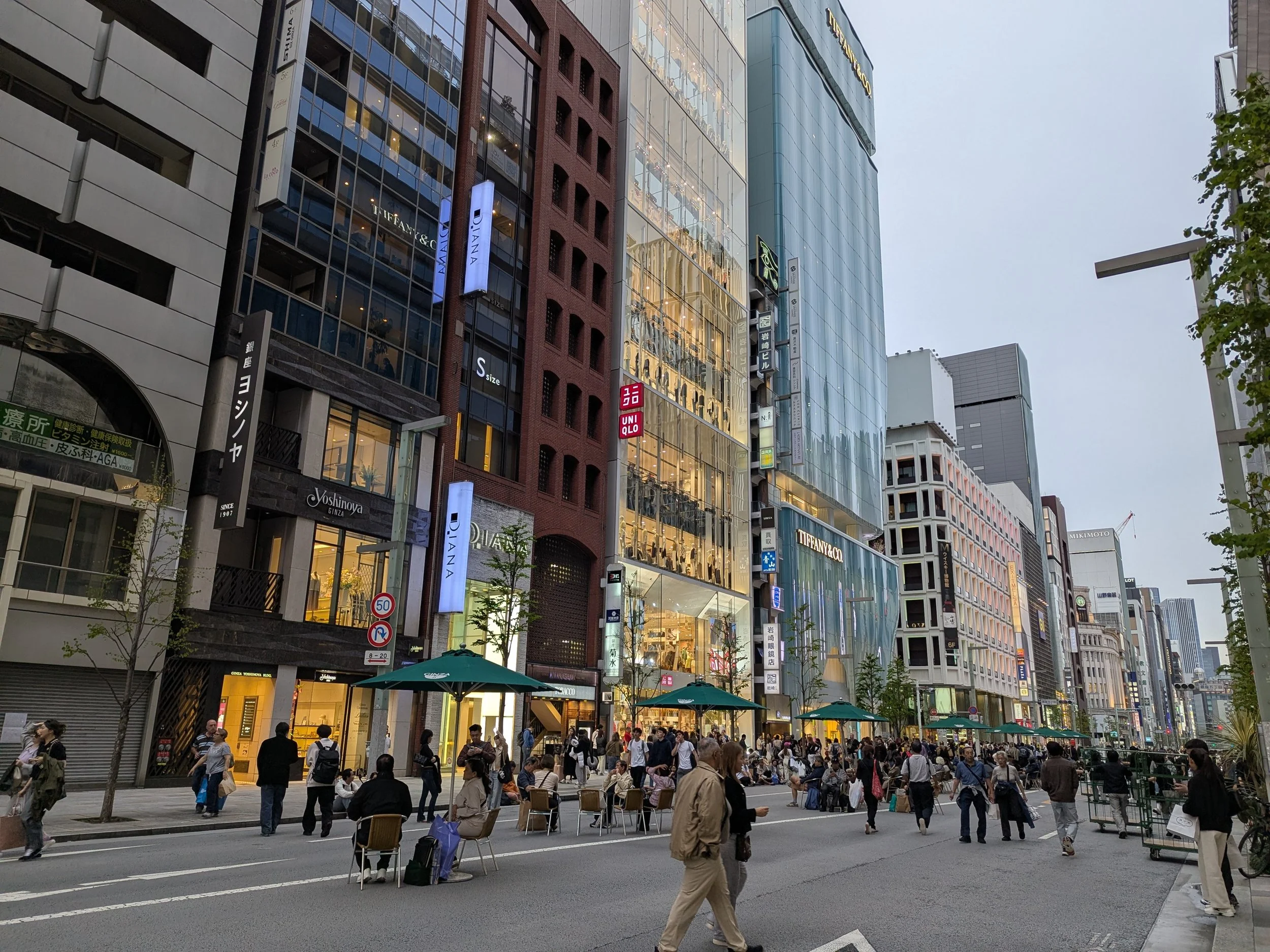
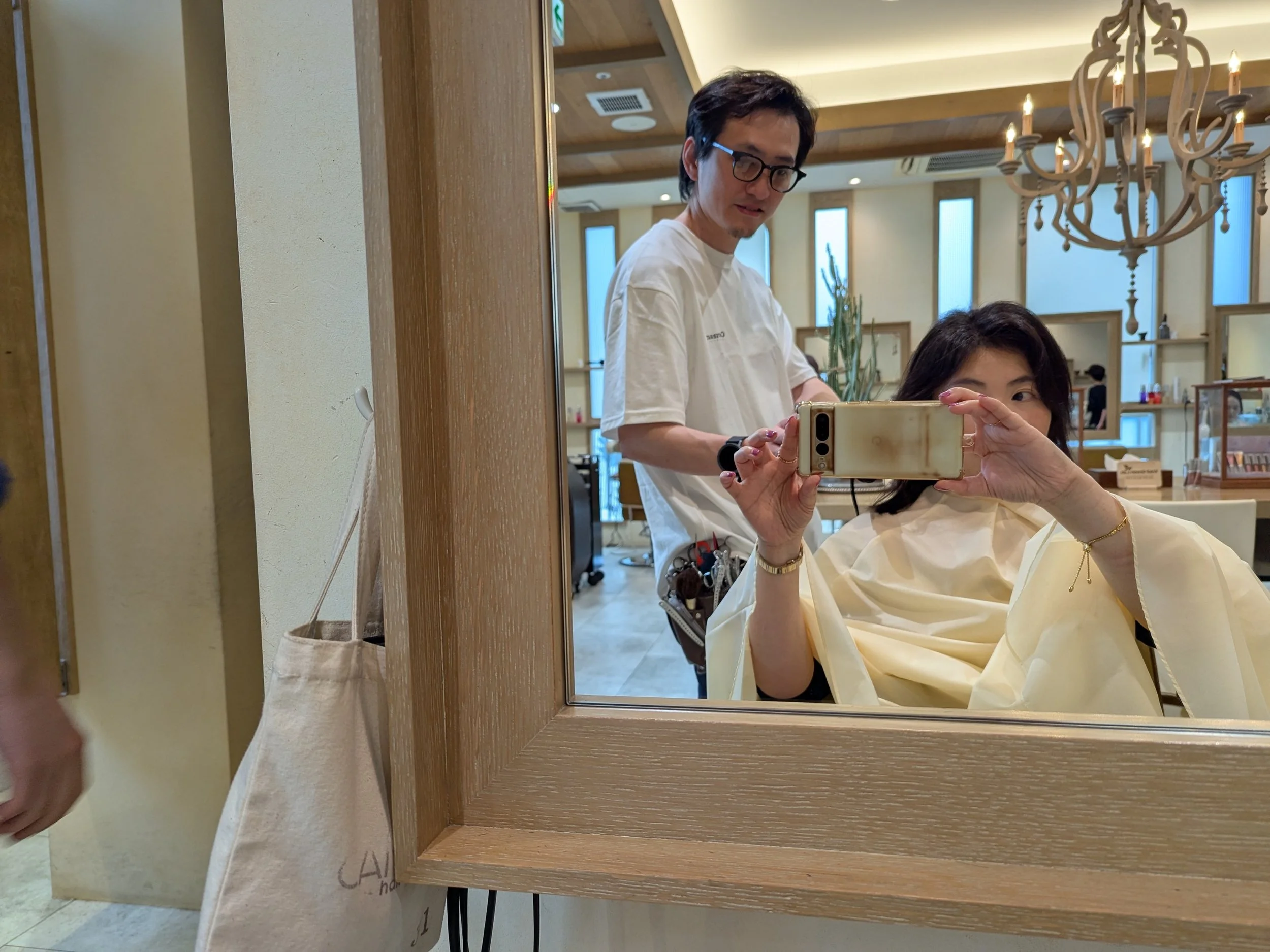
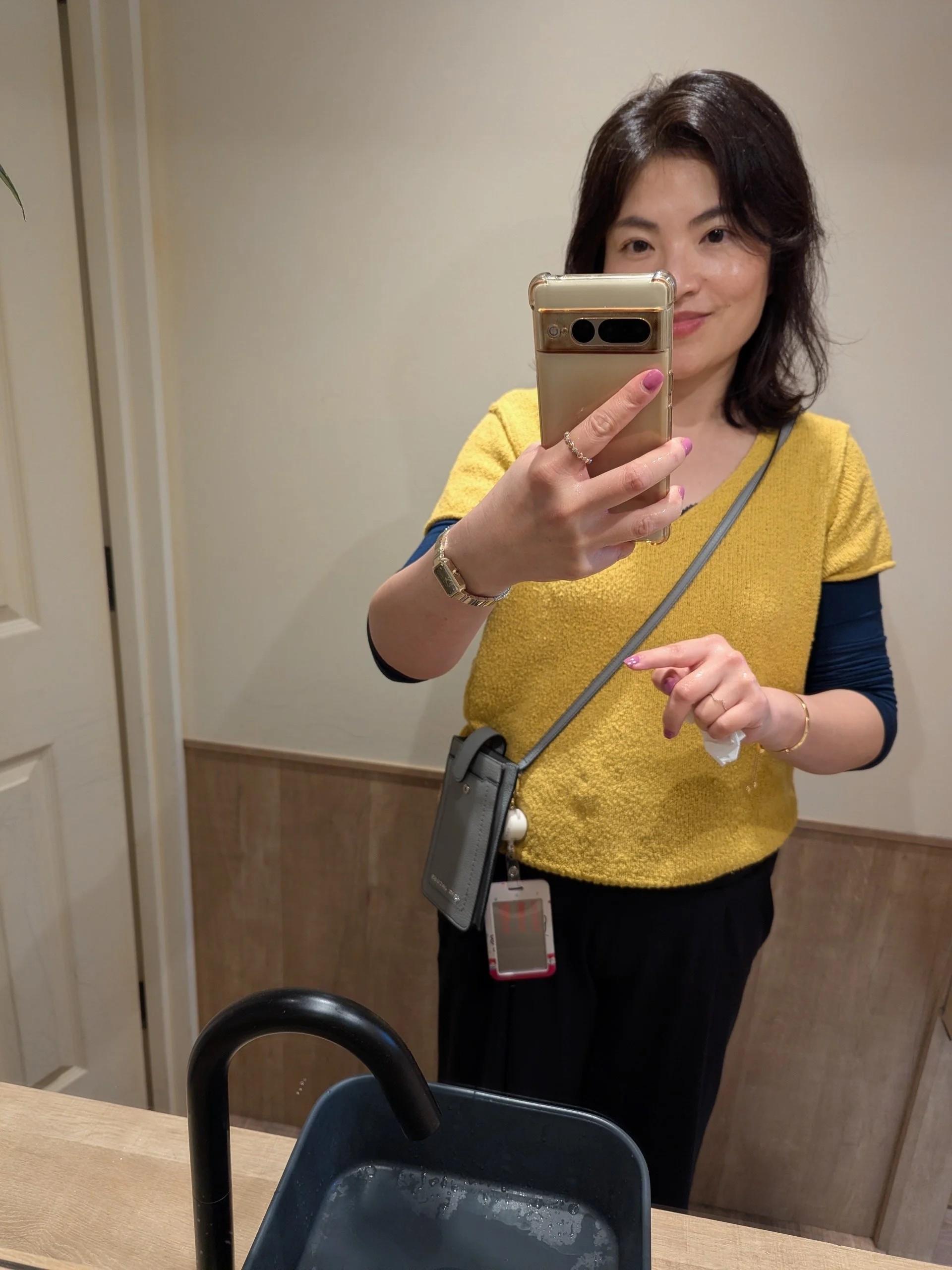
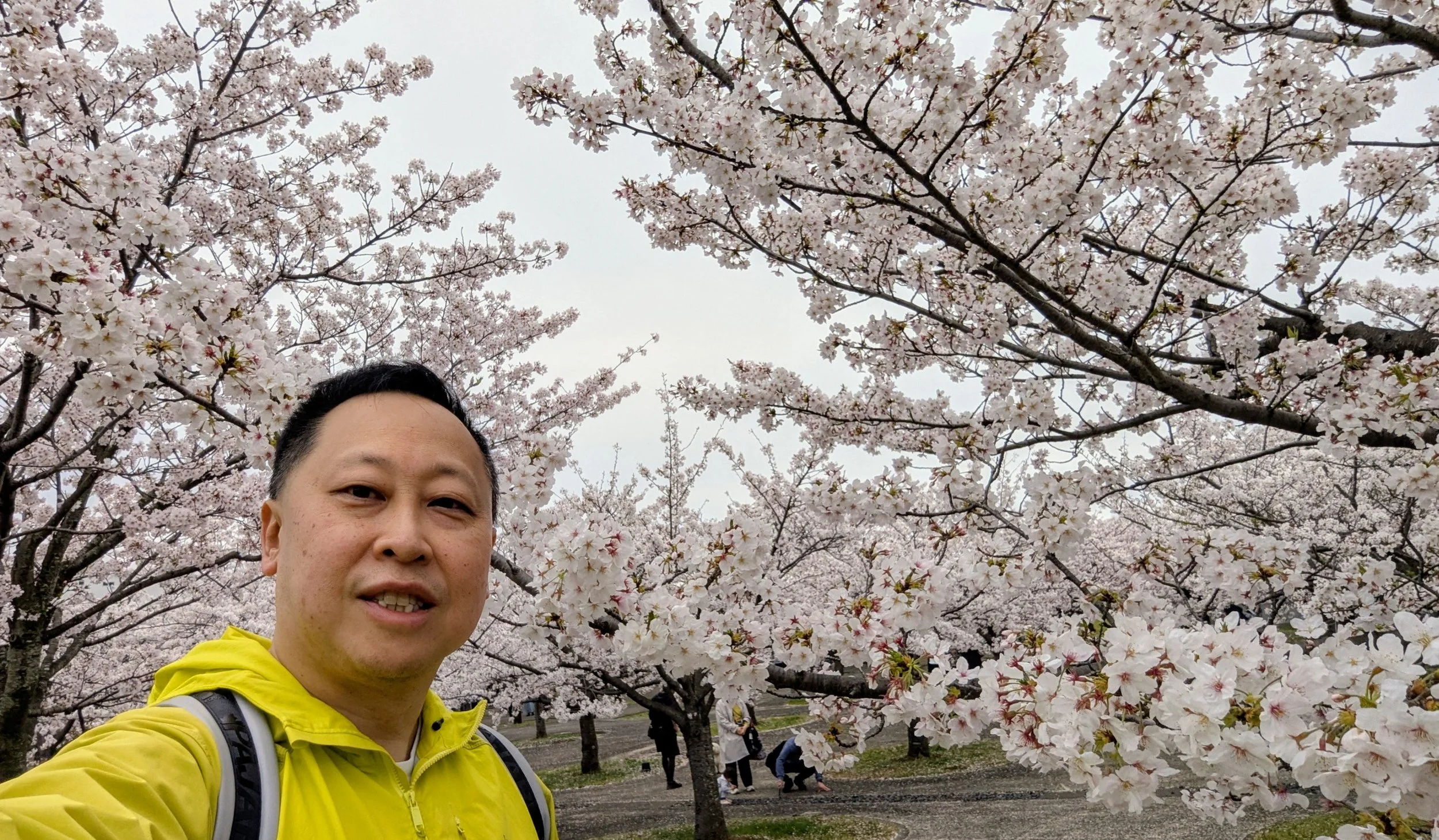
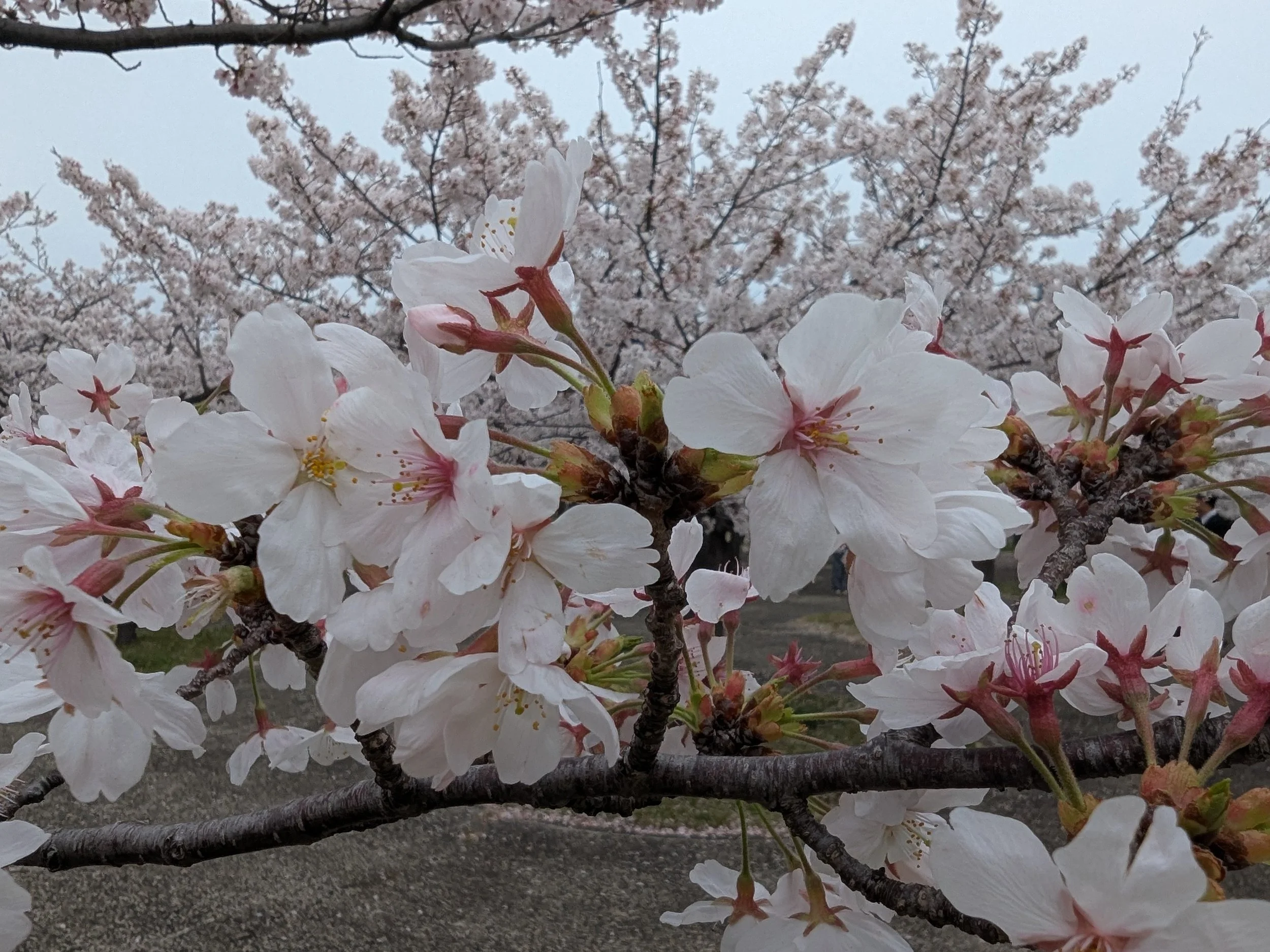
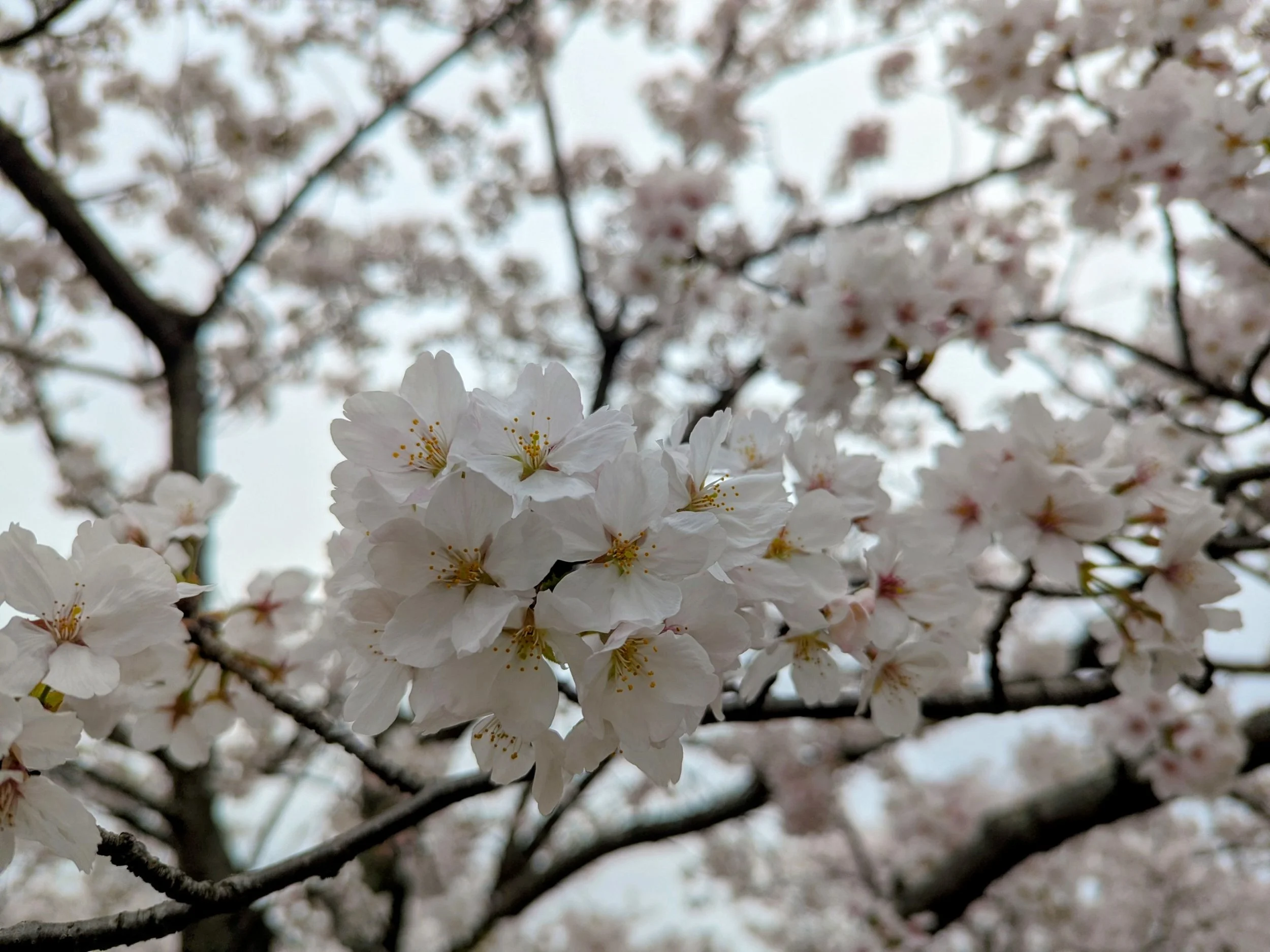
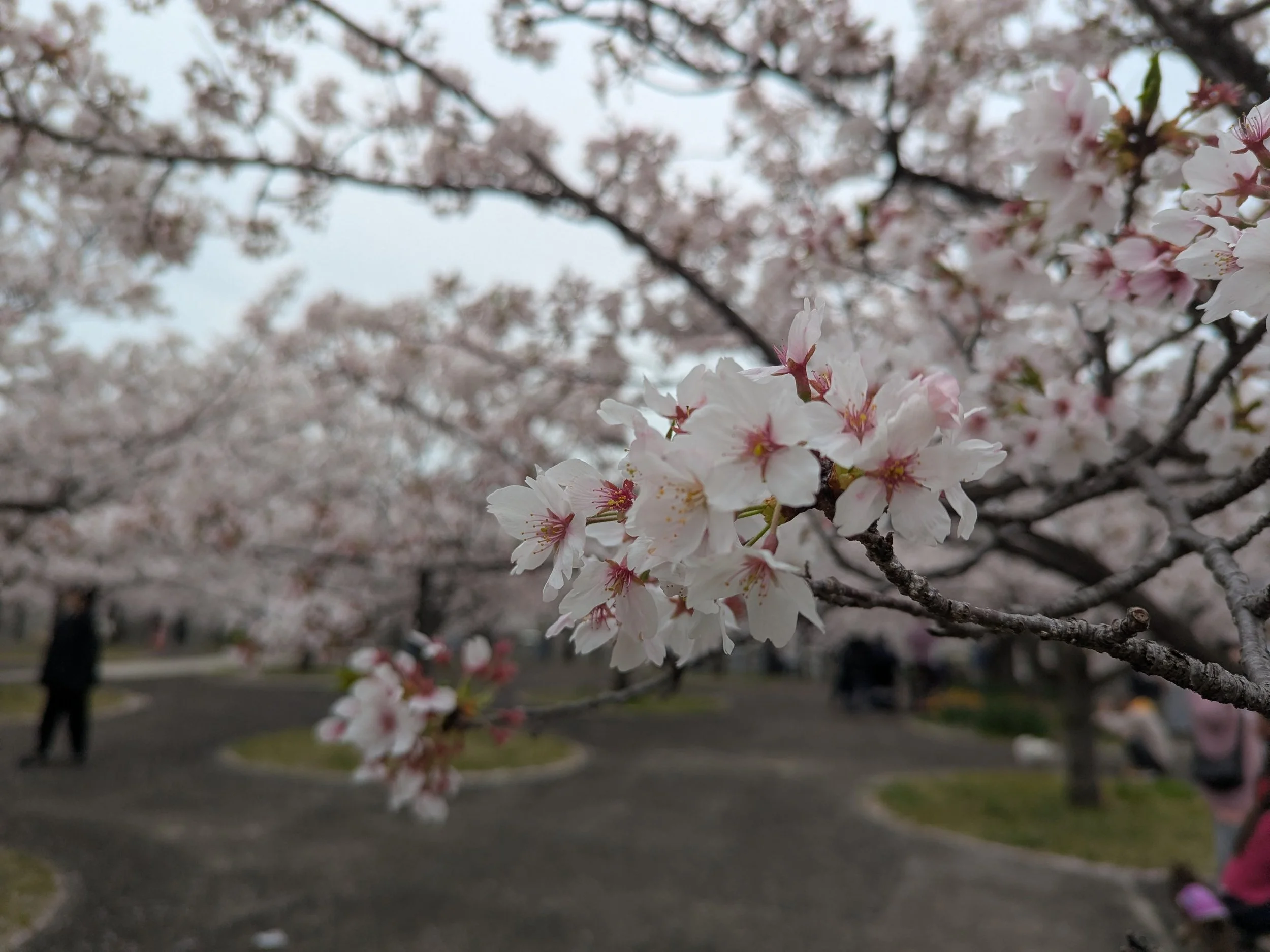
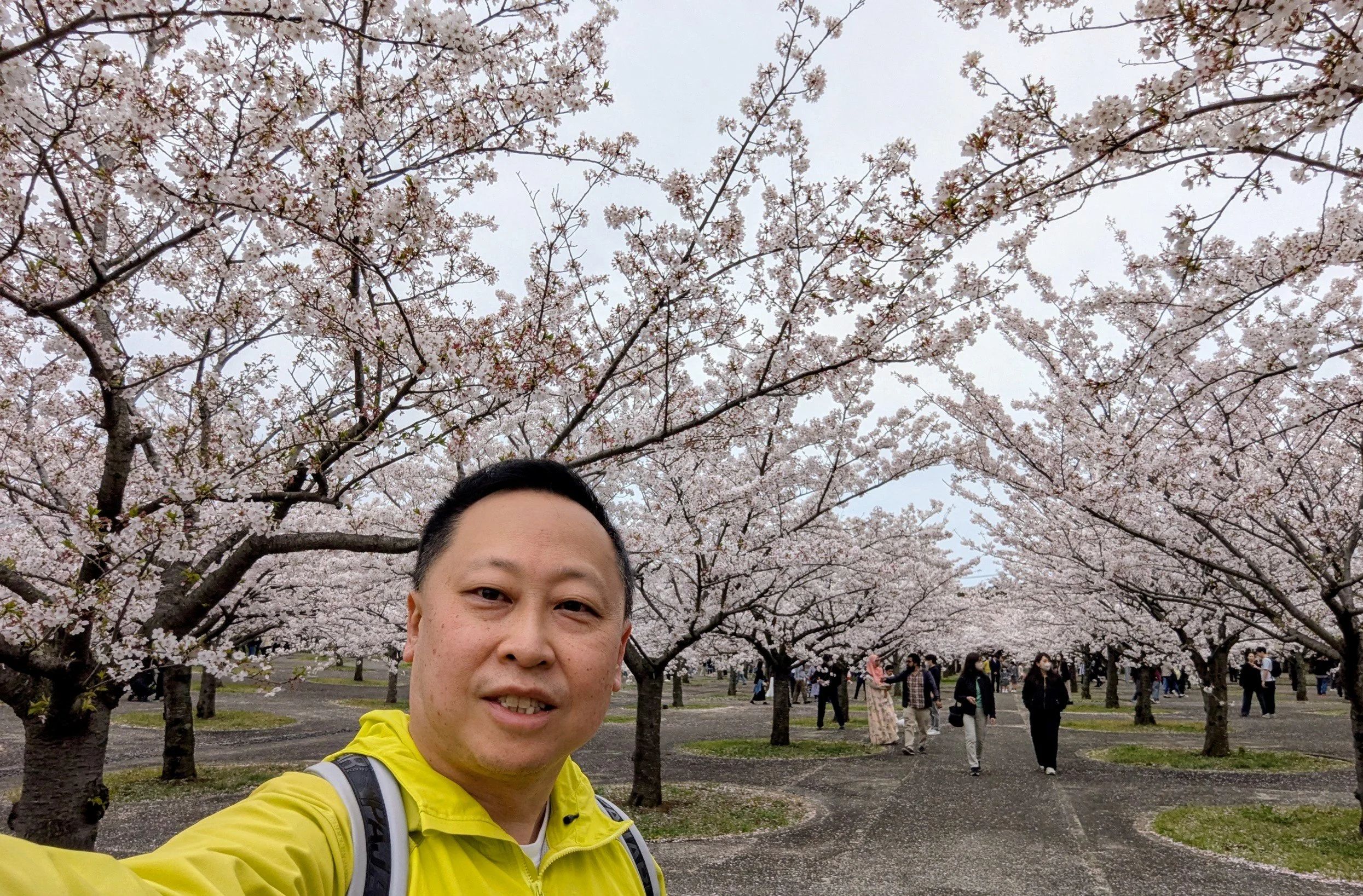
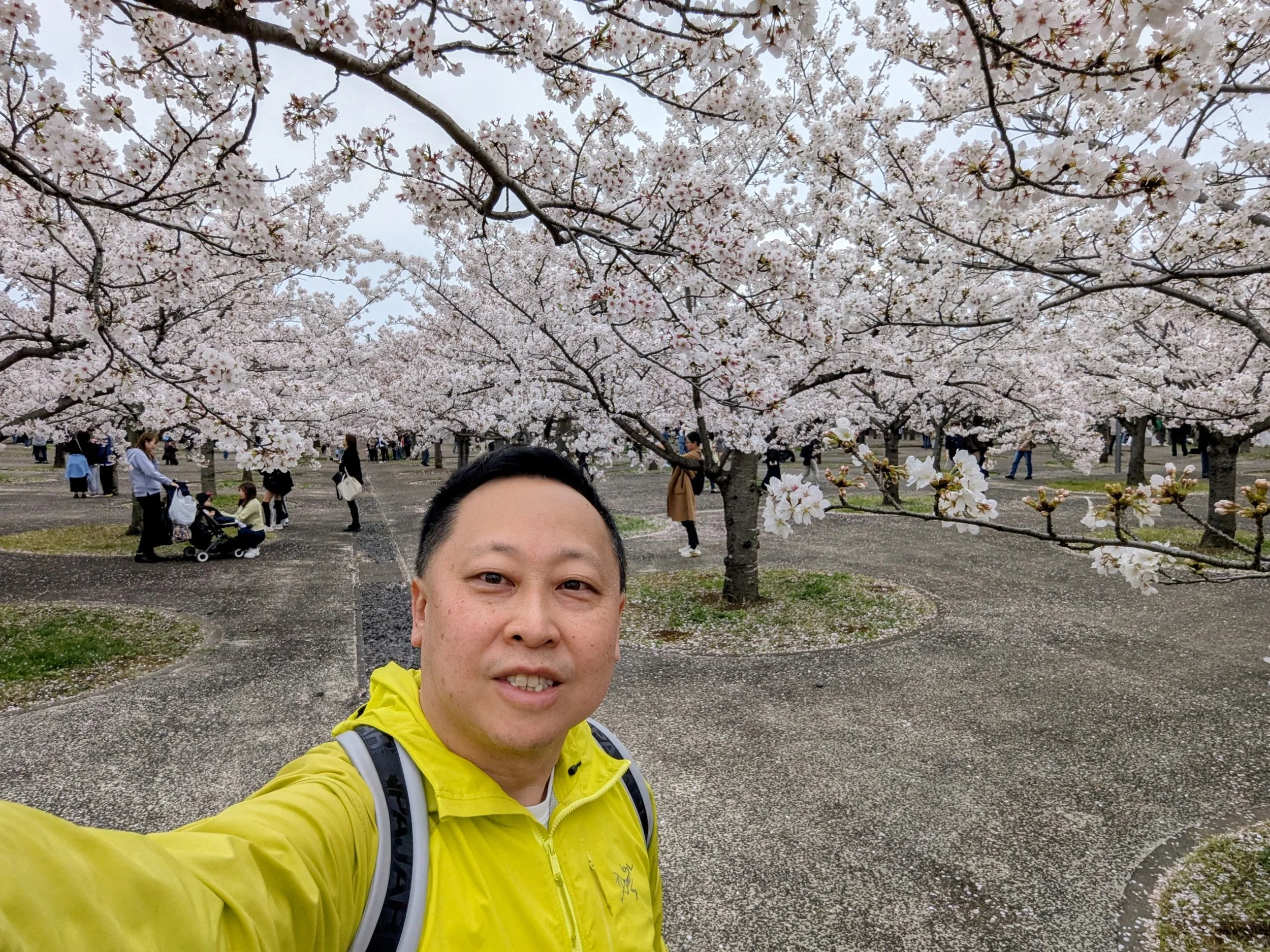
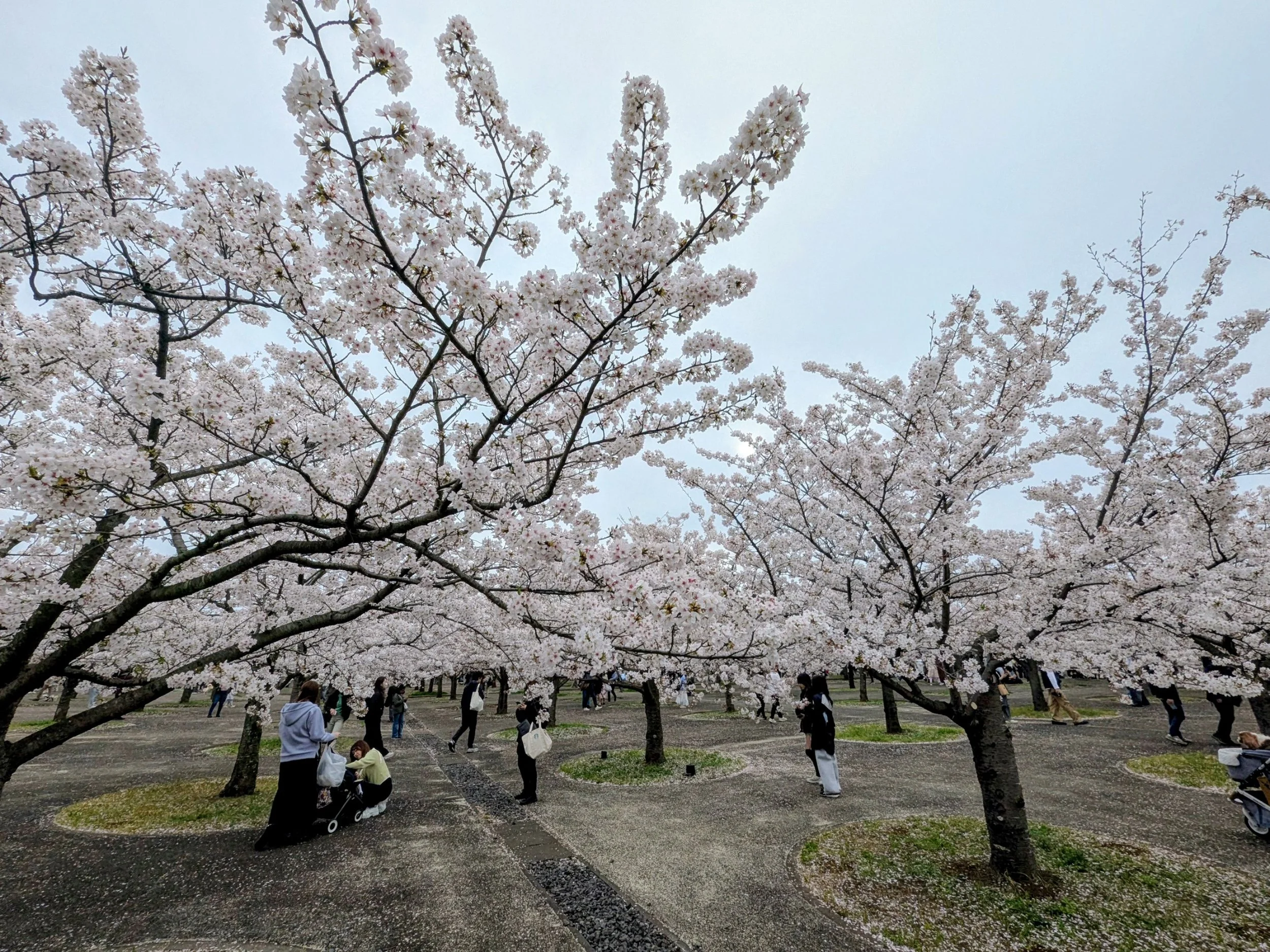
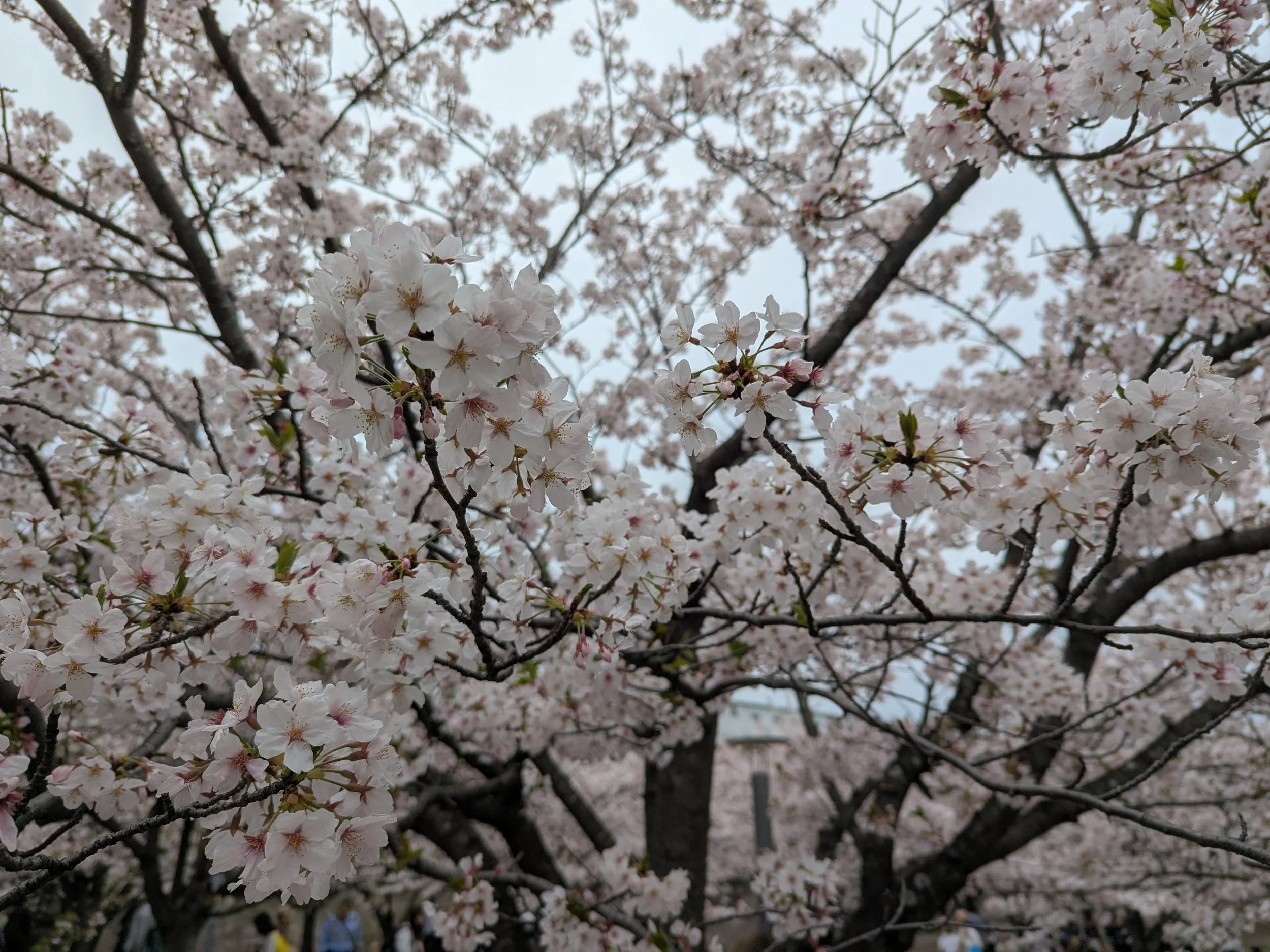
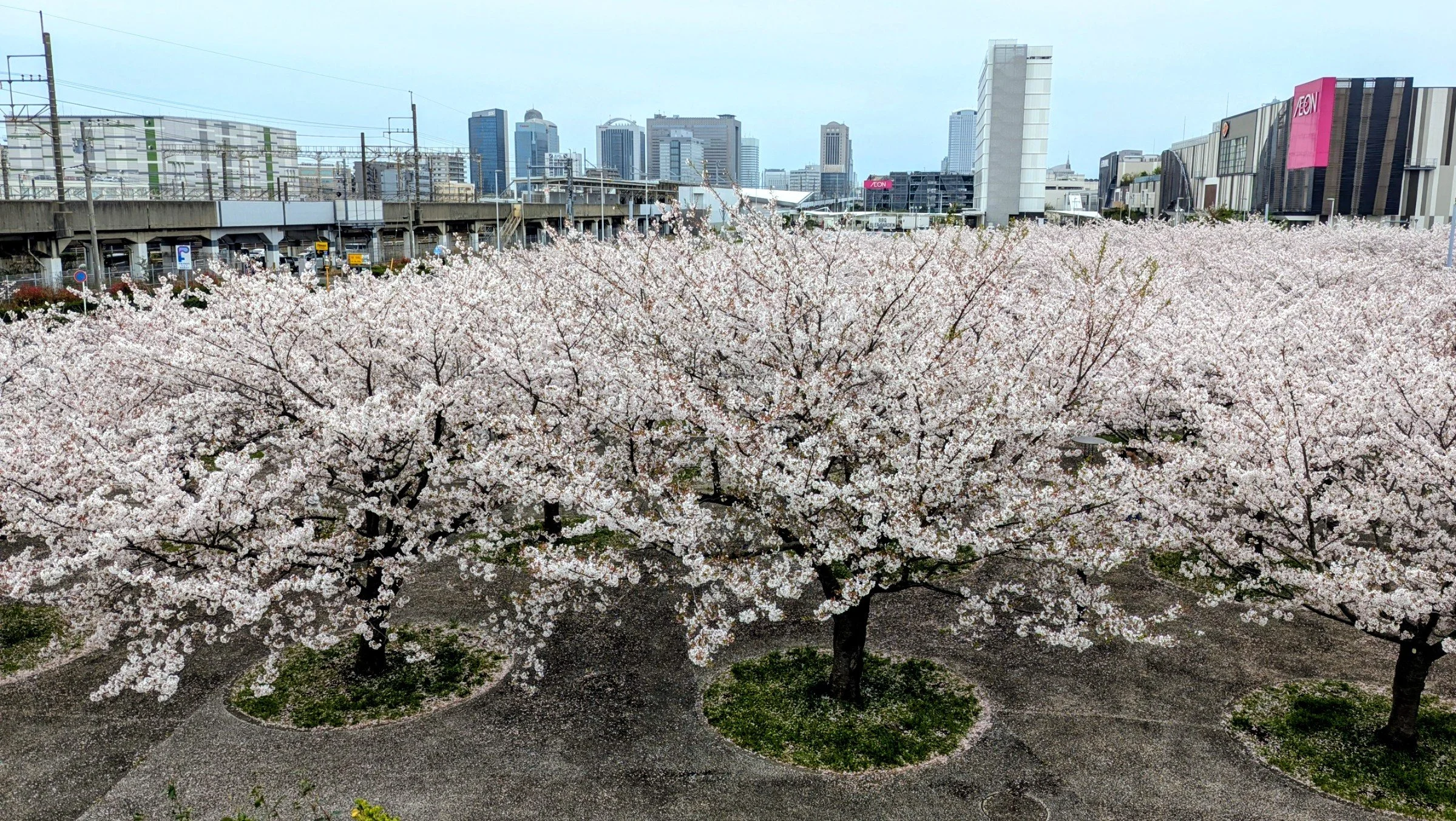
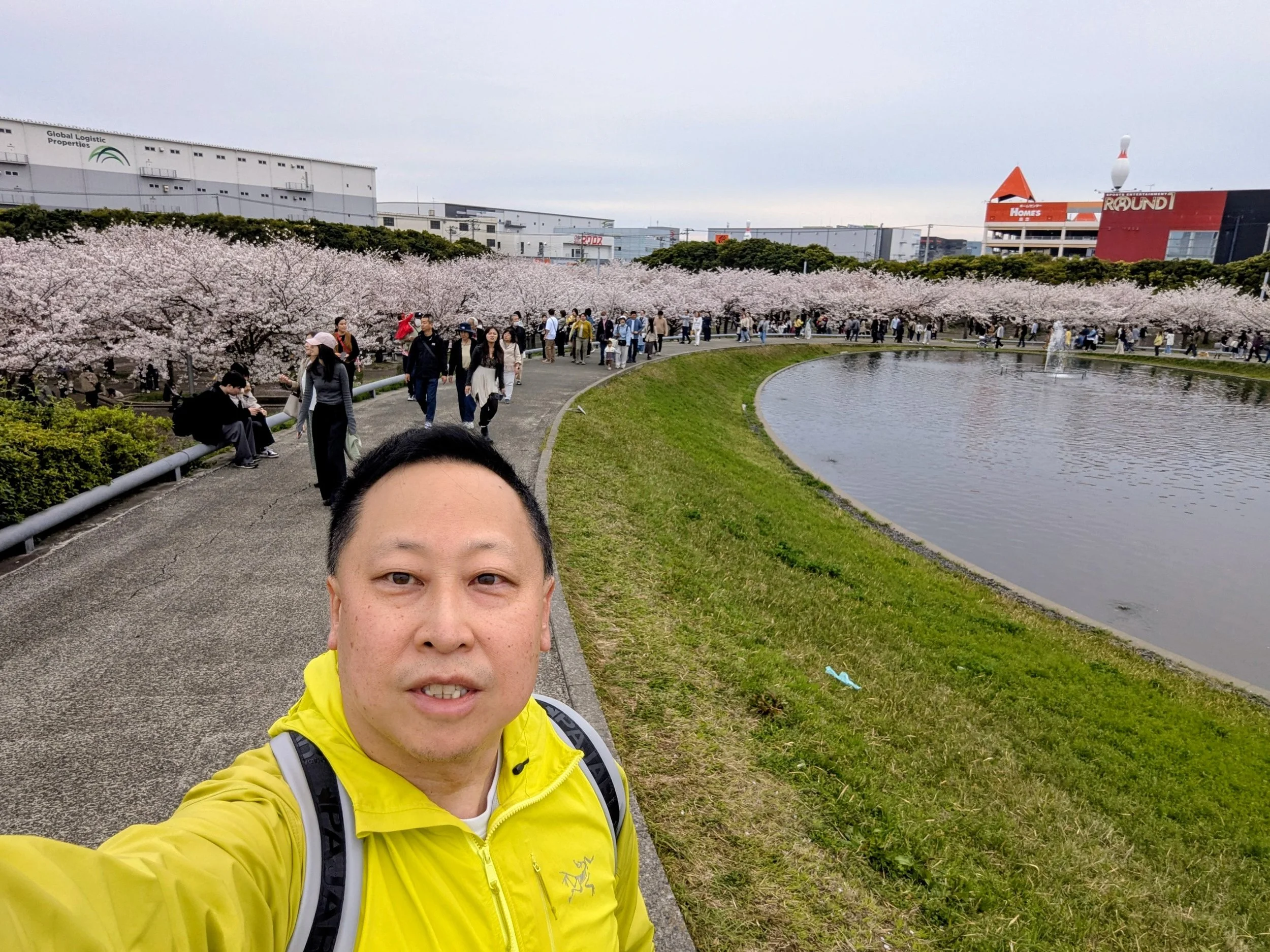
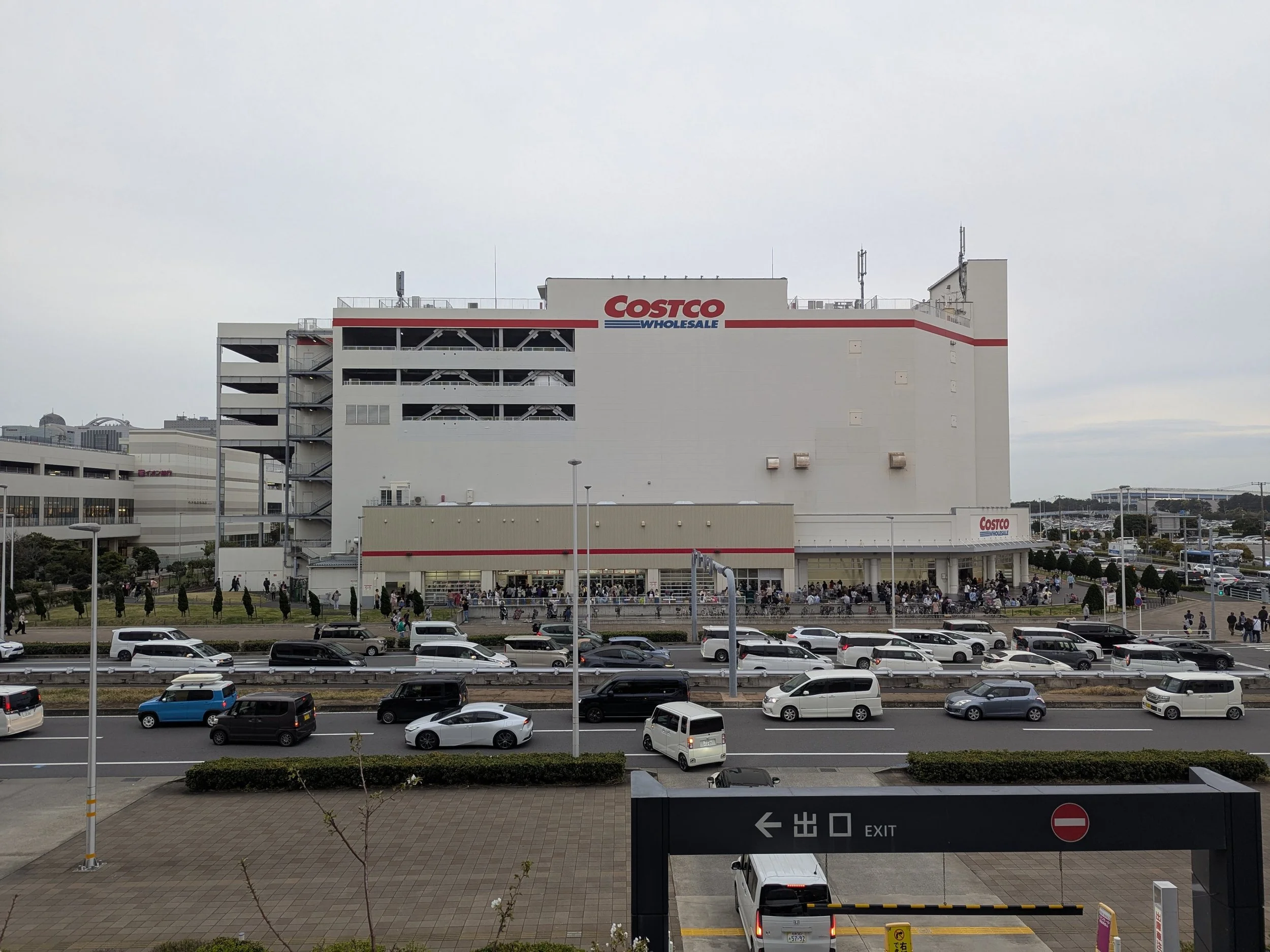
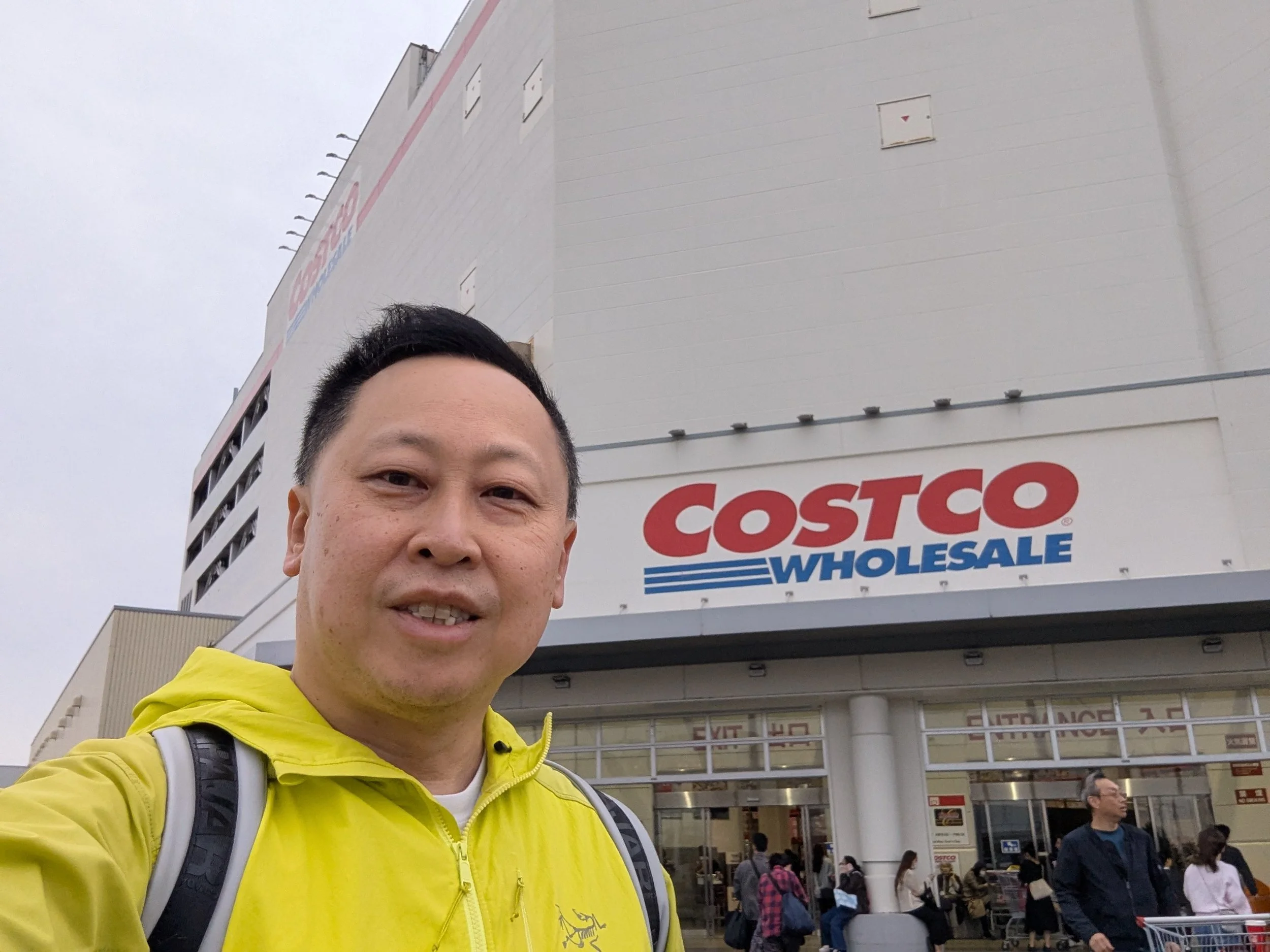
In the afternoon we decided to explore Tokyo on our own. Christina went on a Japanese beauty made over, sister-in-law decided to shop at Costco in Tokyo, and I was very fortunate to find a Sakura Garden near Chiba where they had over 1000 cherry trees all planted in a grid. Every tree was at full bloom in the park. I have never seen so many cherry trees all blooming at the same time everywhere I walked.
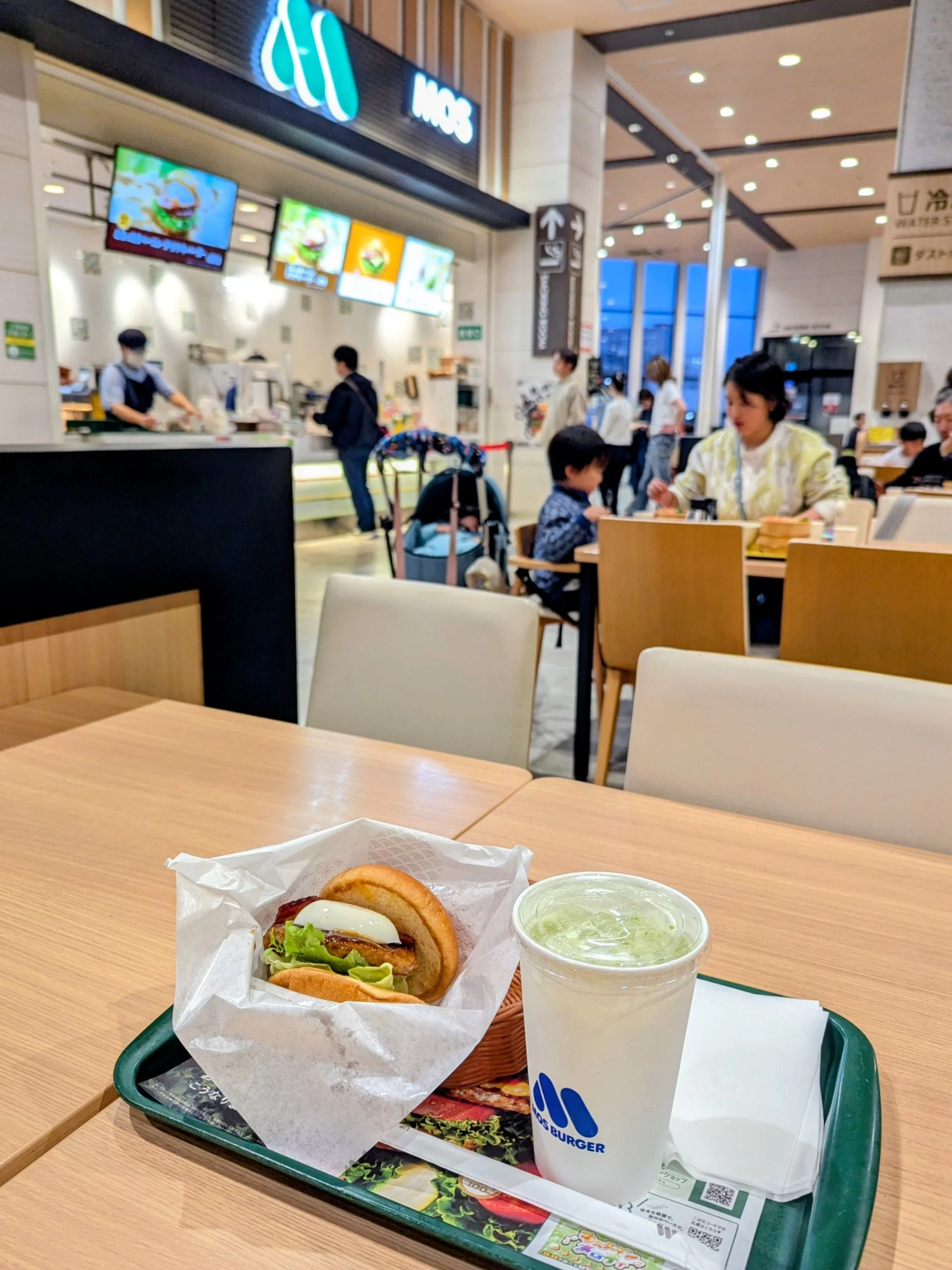
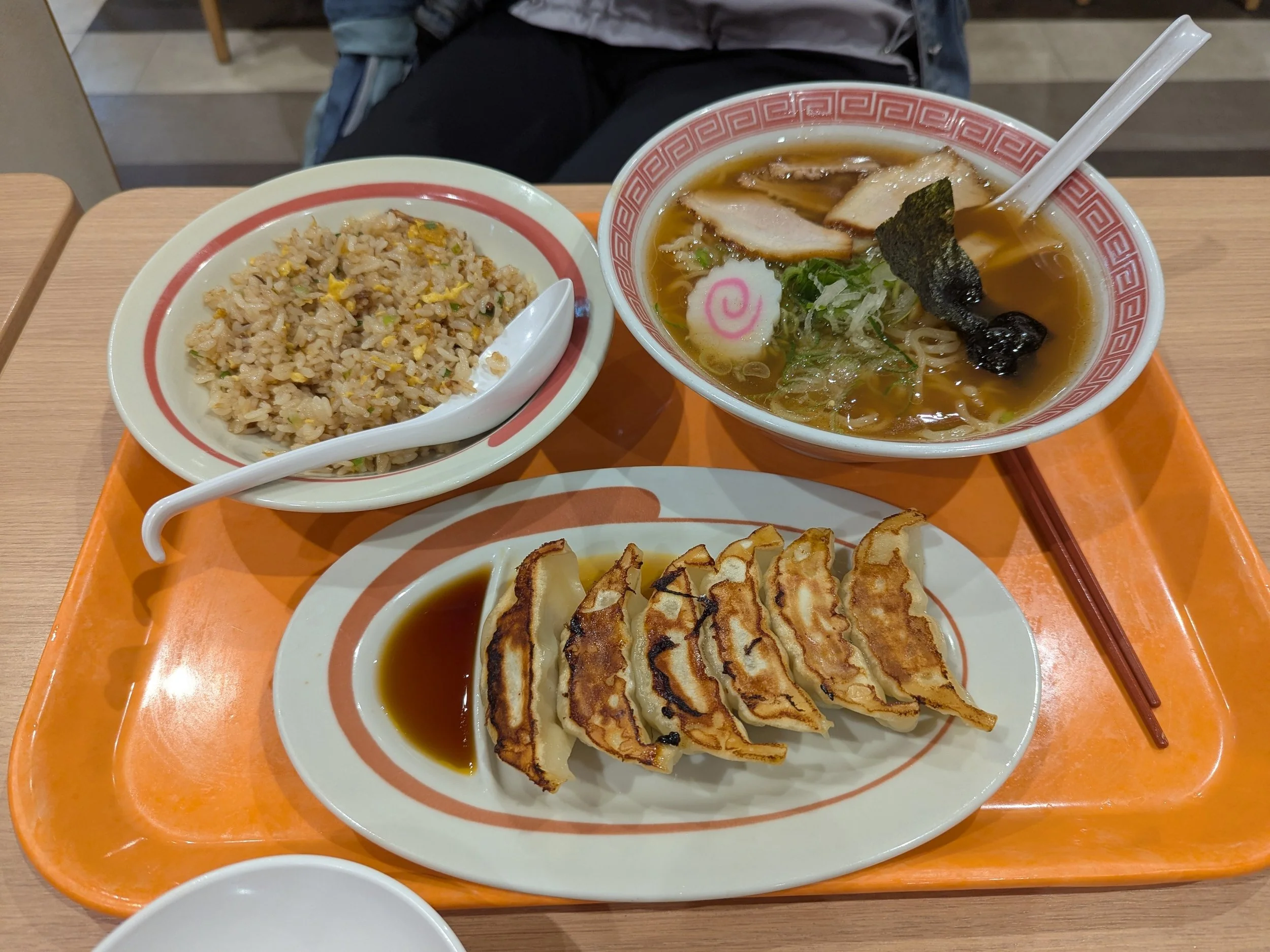
Day 5 - Asakusa and Cousin Welcome Dinner
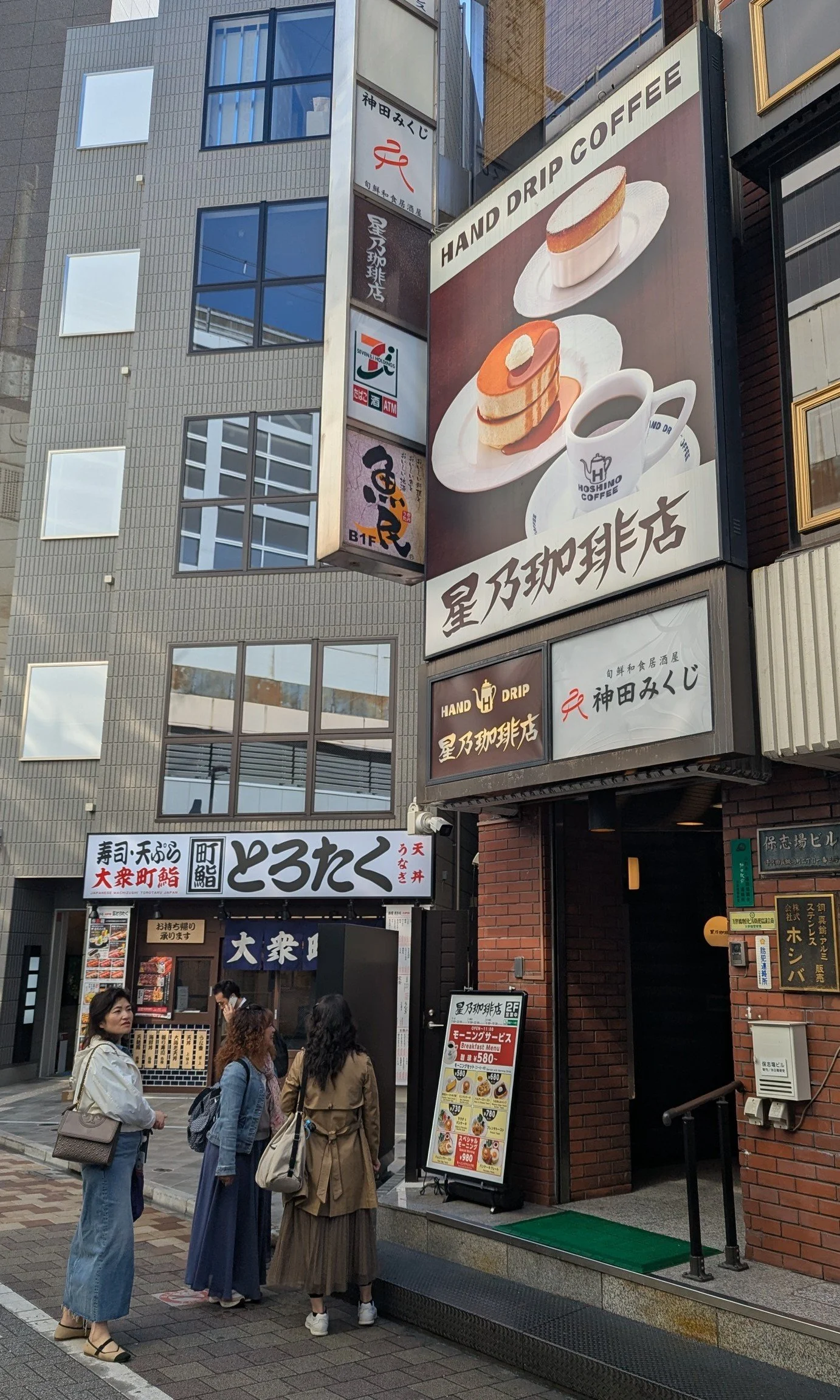
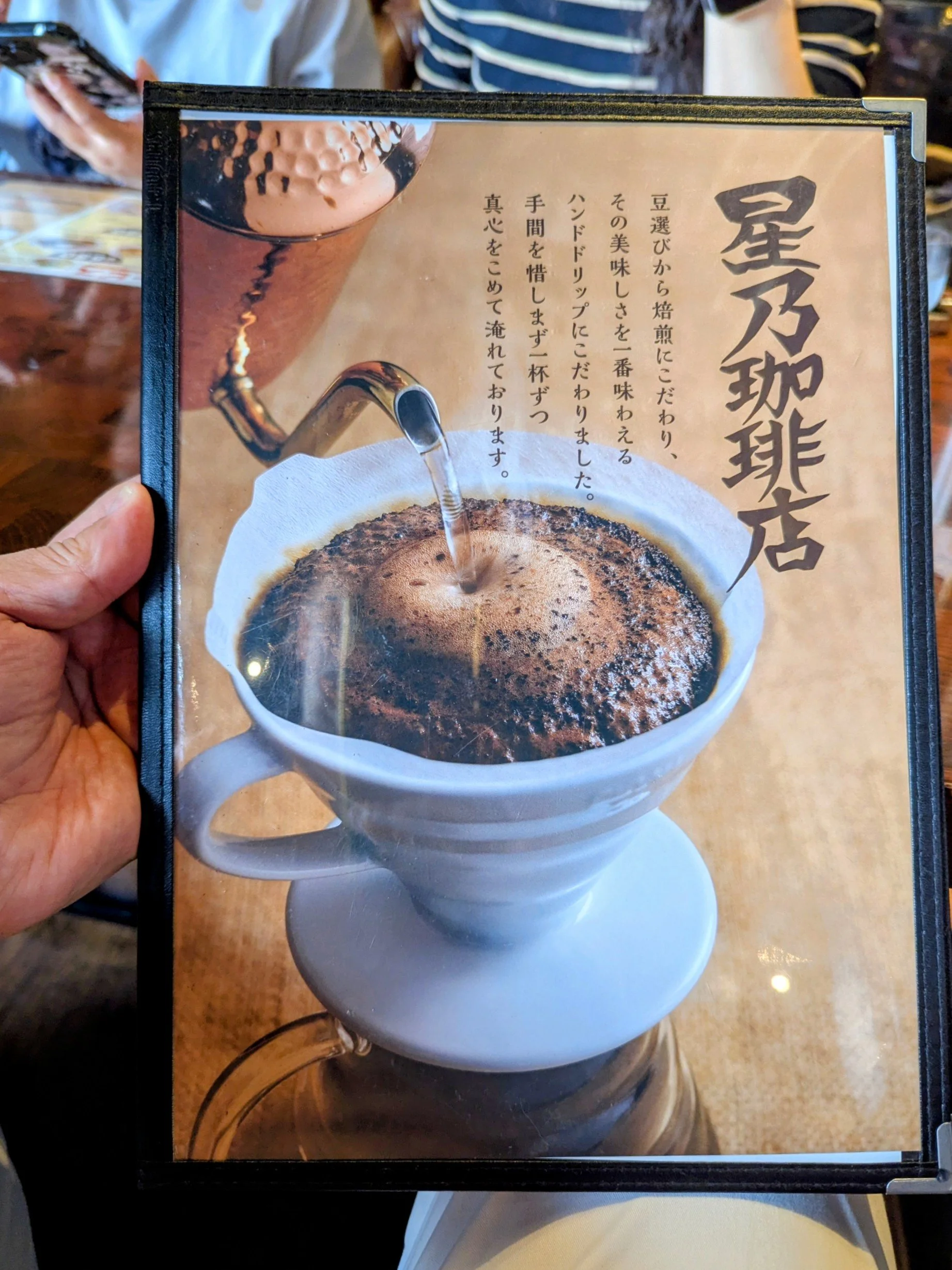
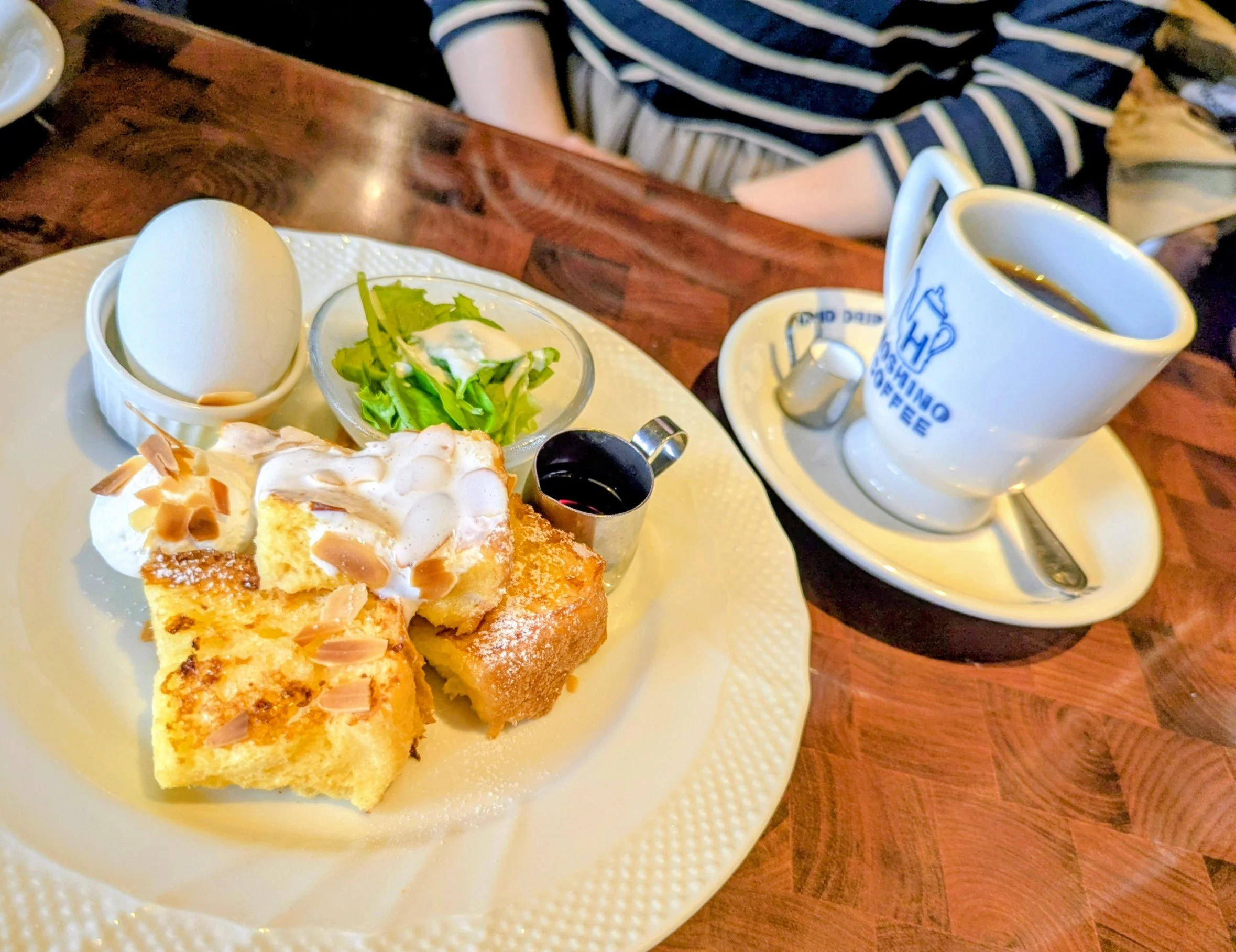
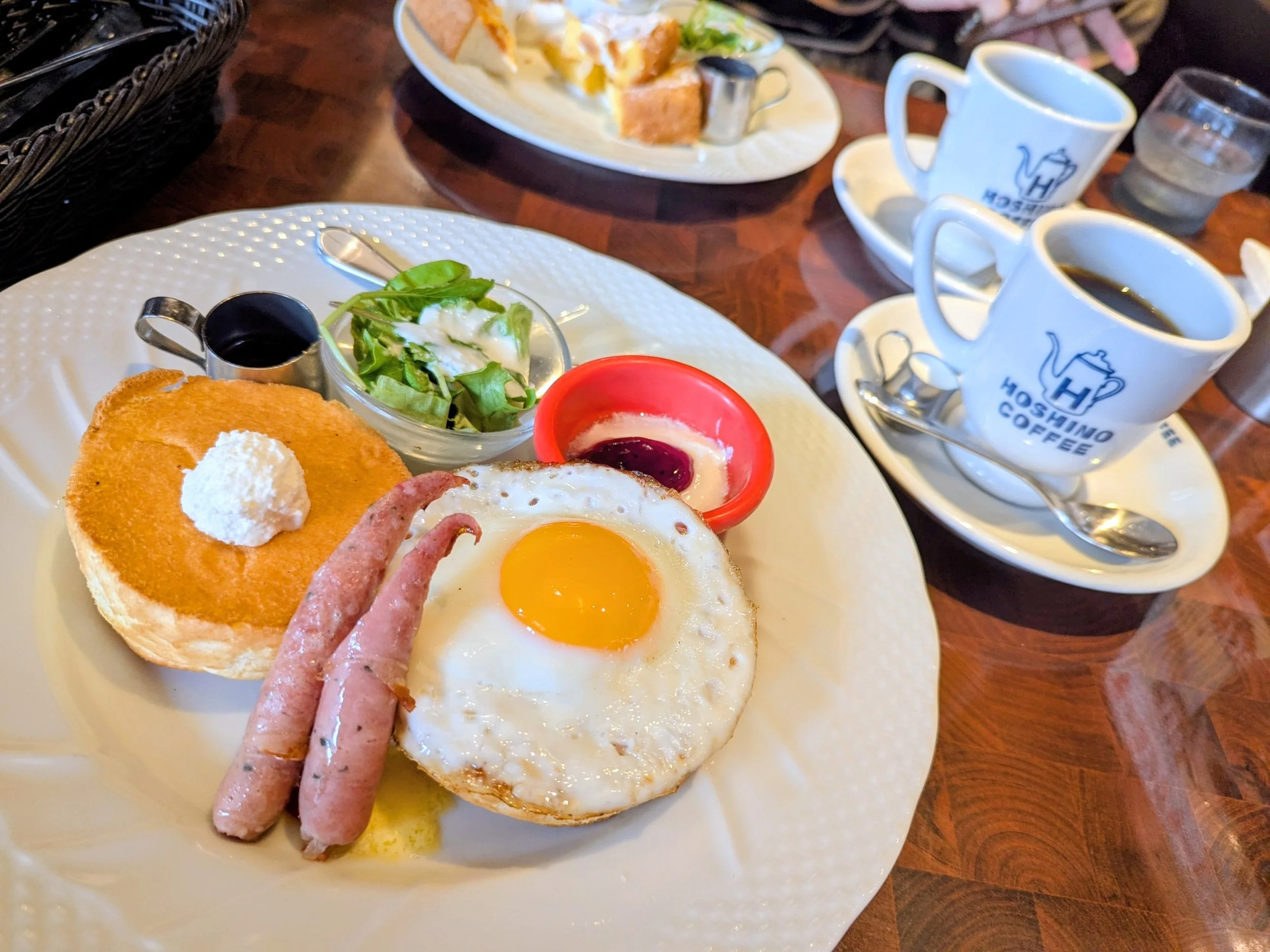
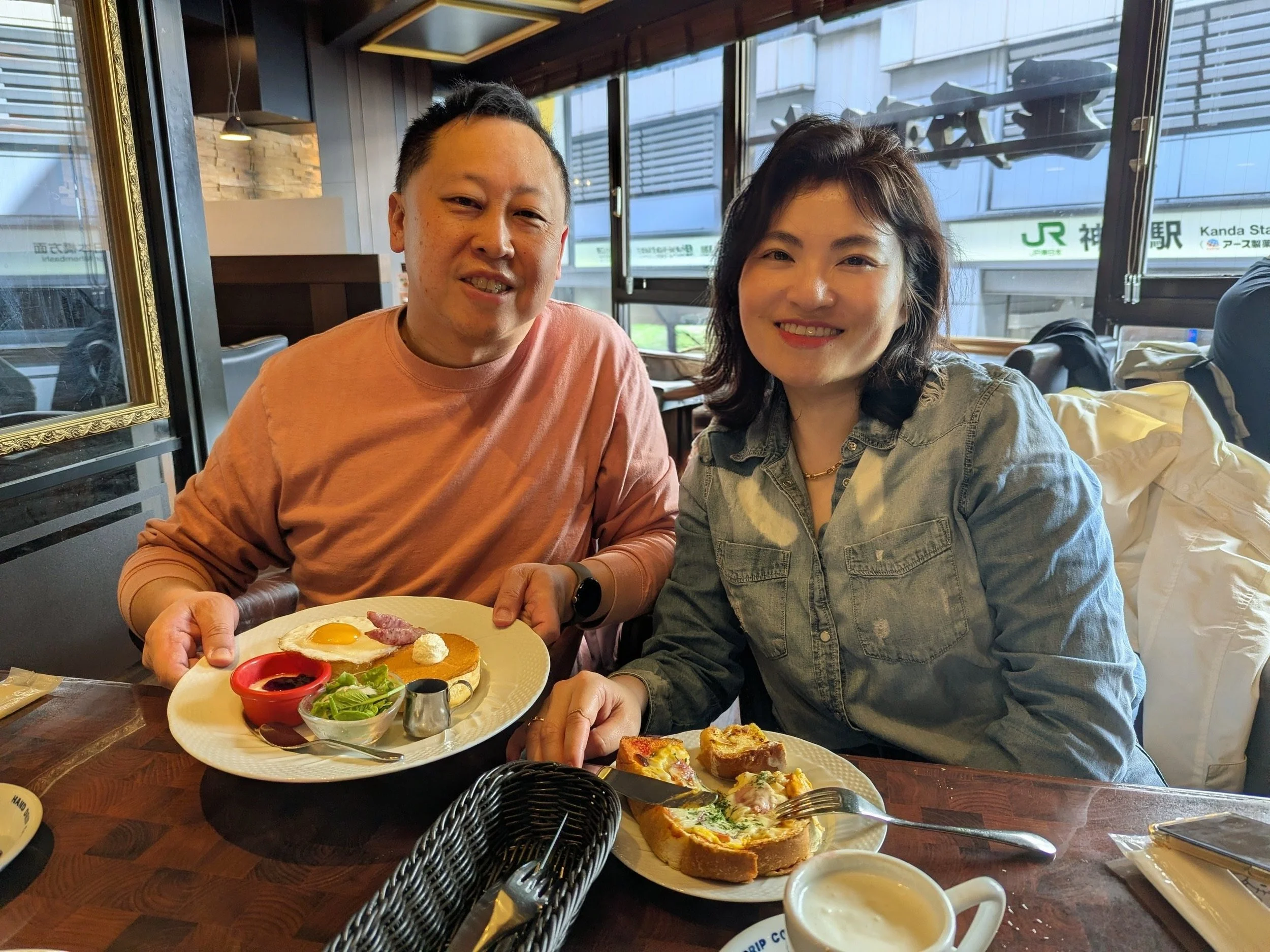
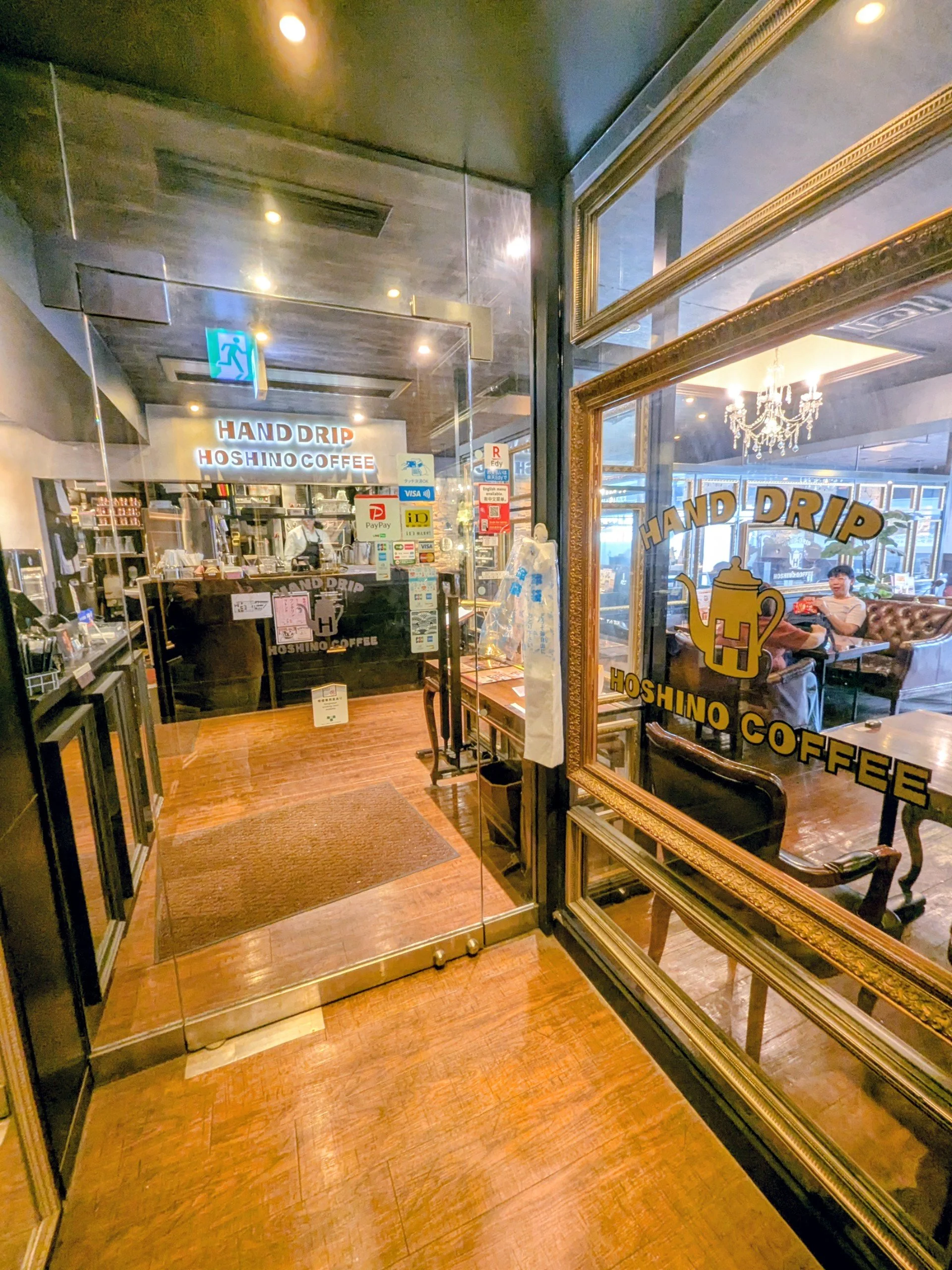
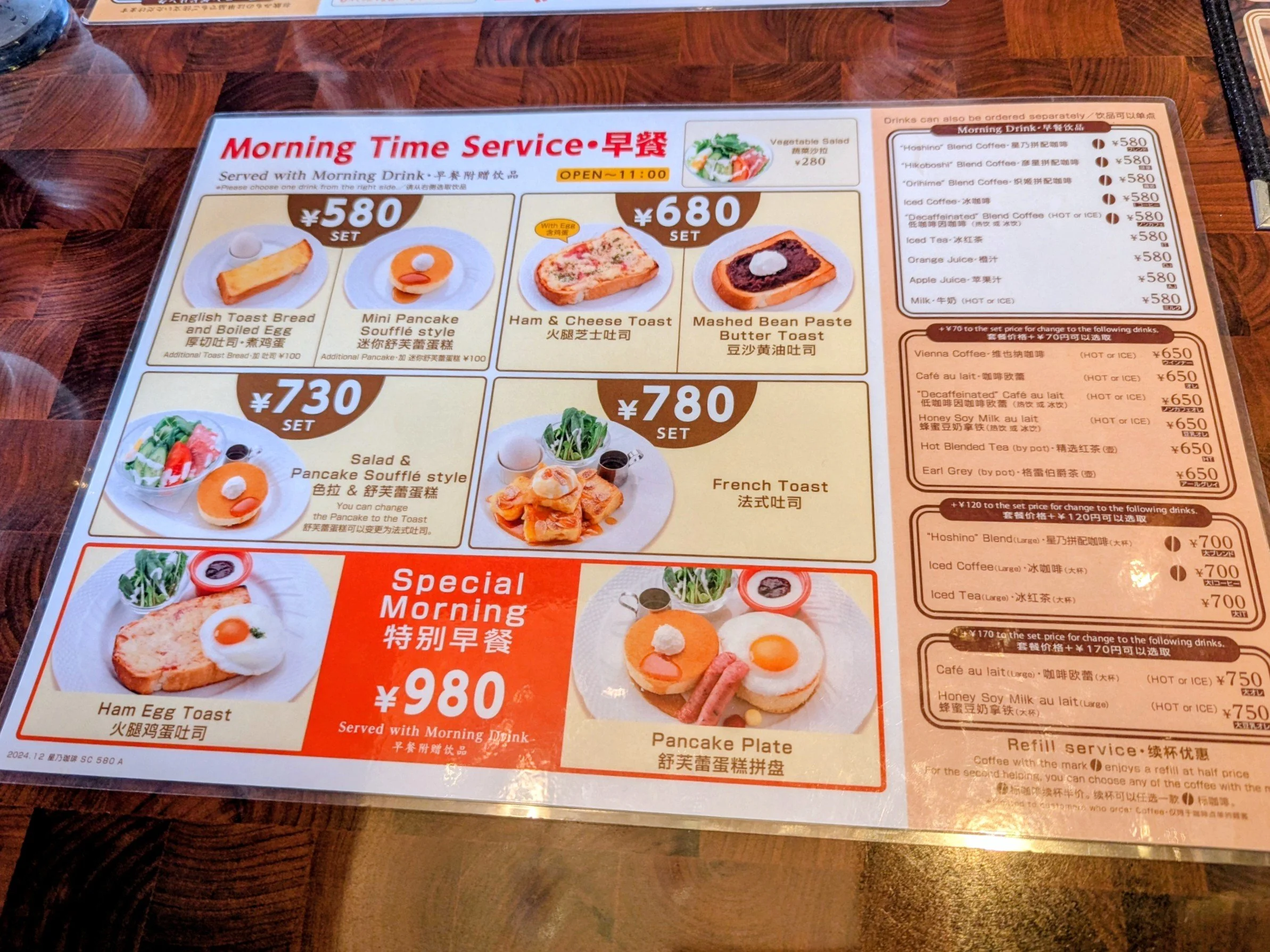
We started out the day with breakfast at Hoshino Coffee, a popular Japanese cafe chain. Their famous “souffle pancakes” were especially good.
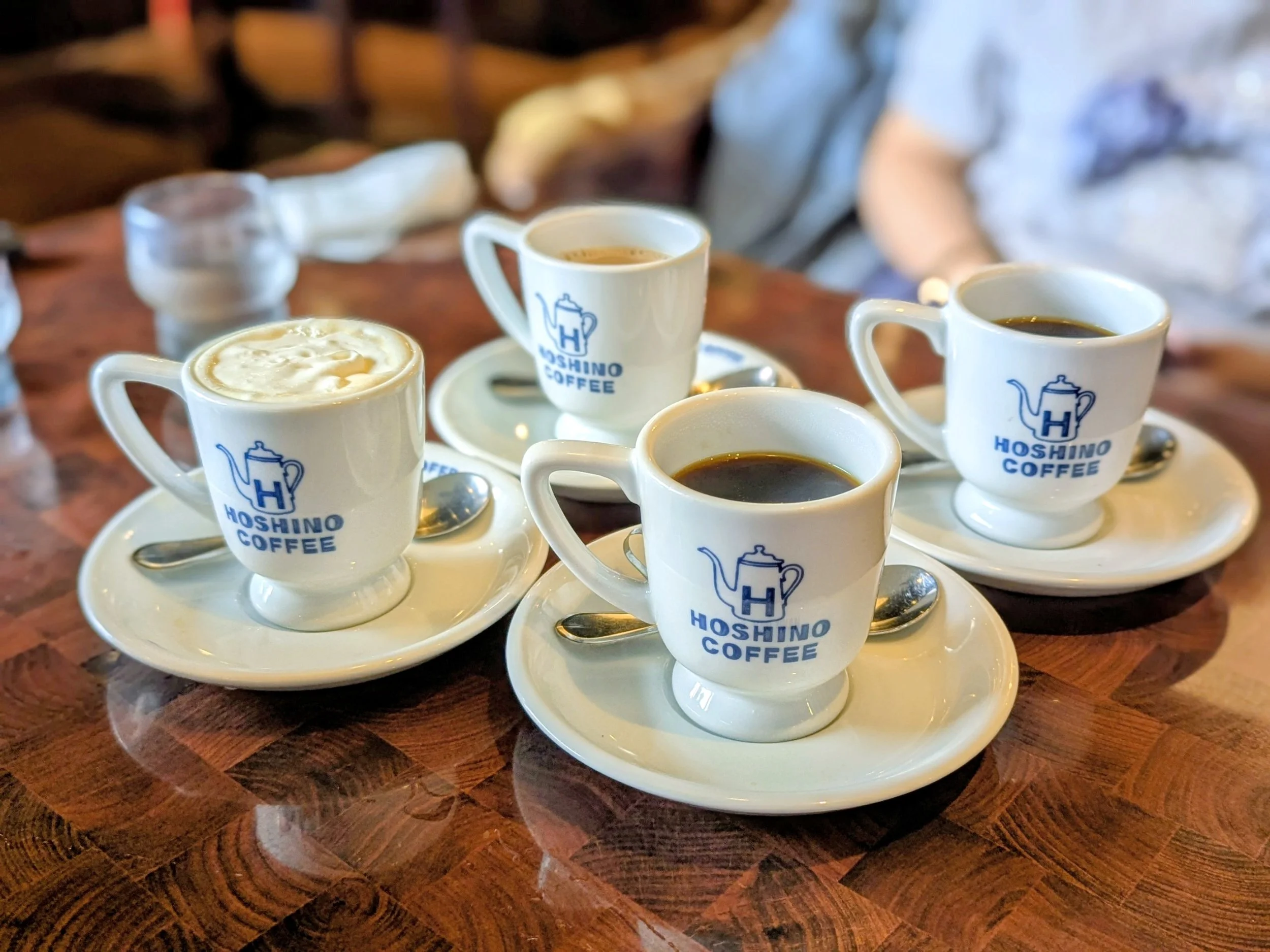
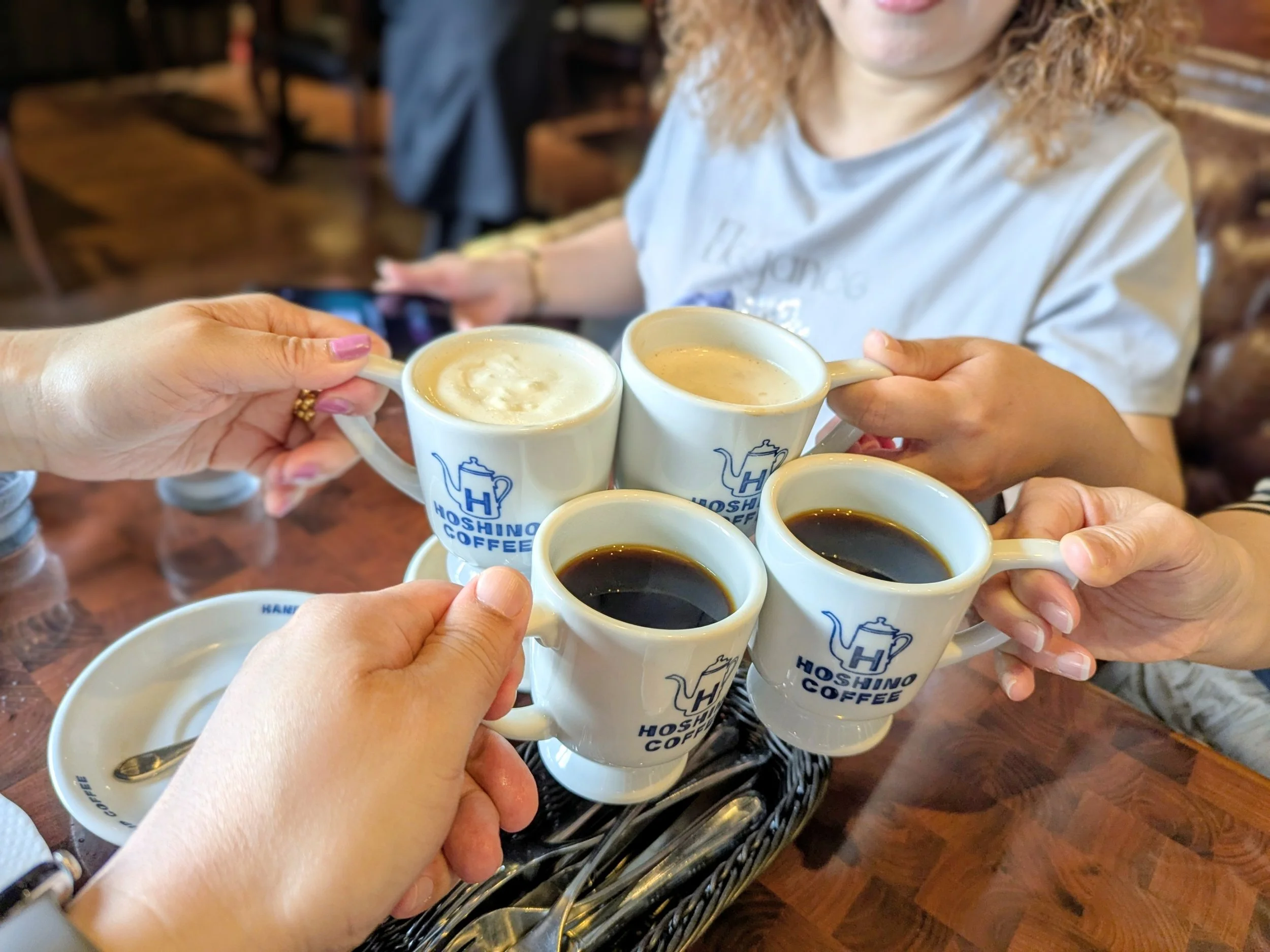
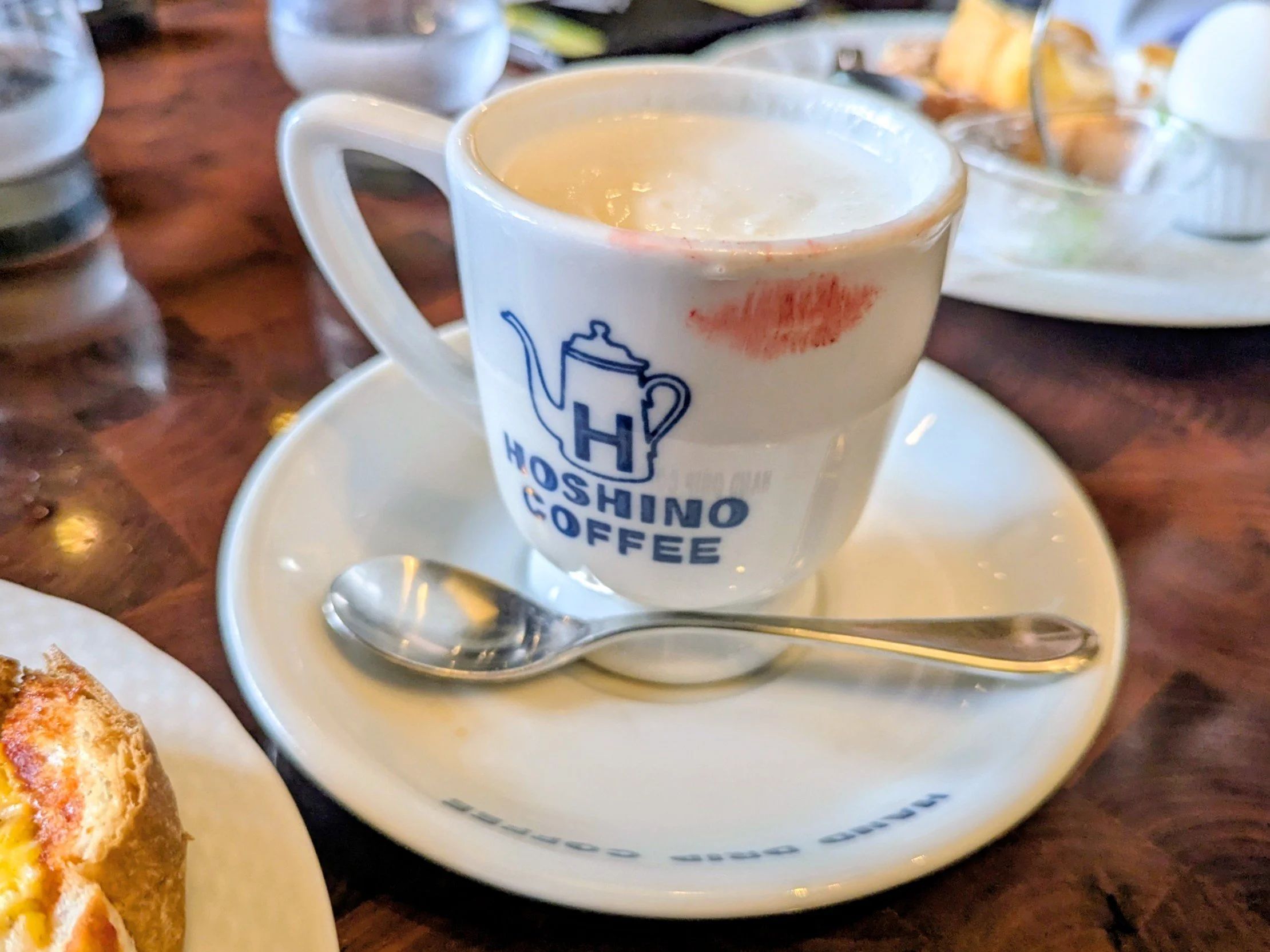
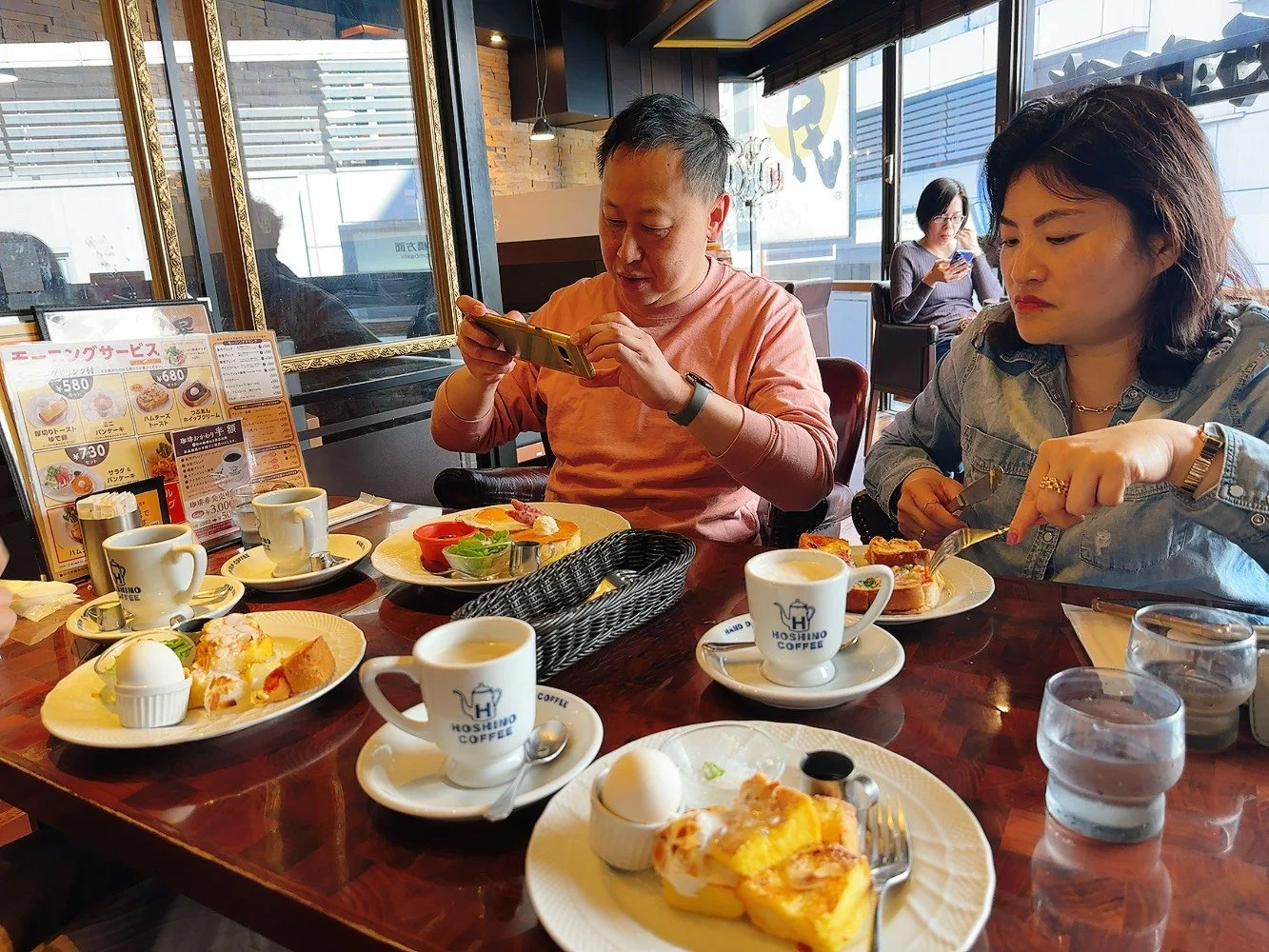
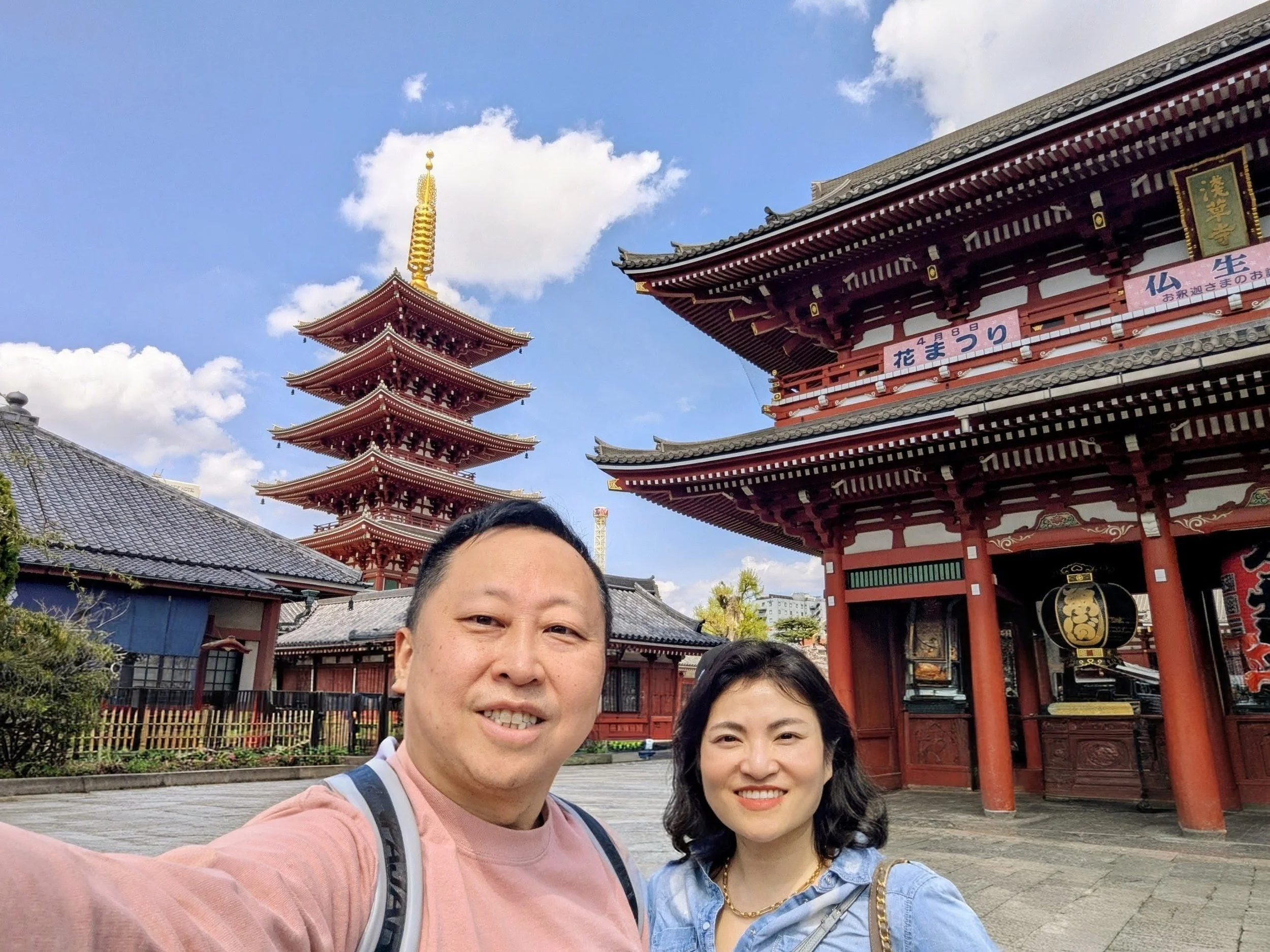
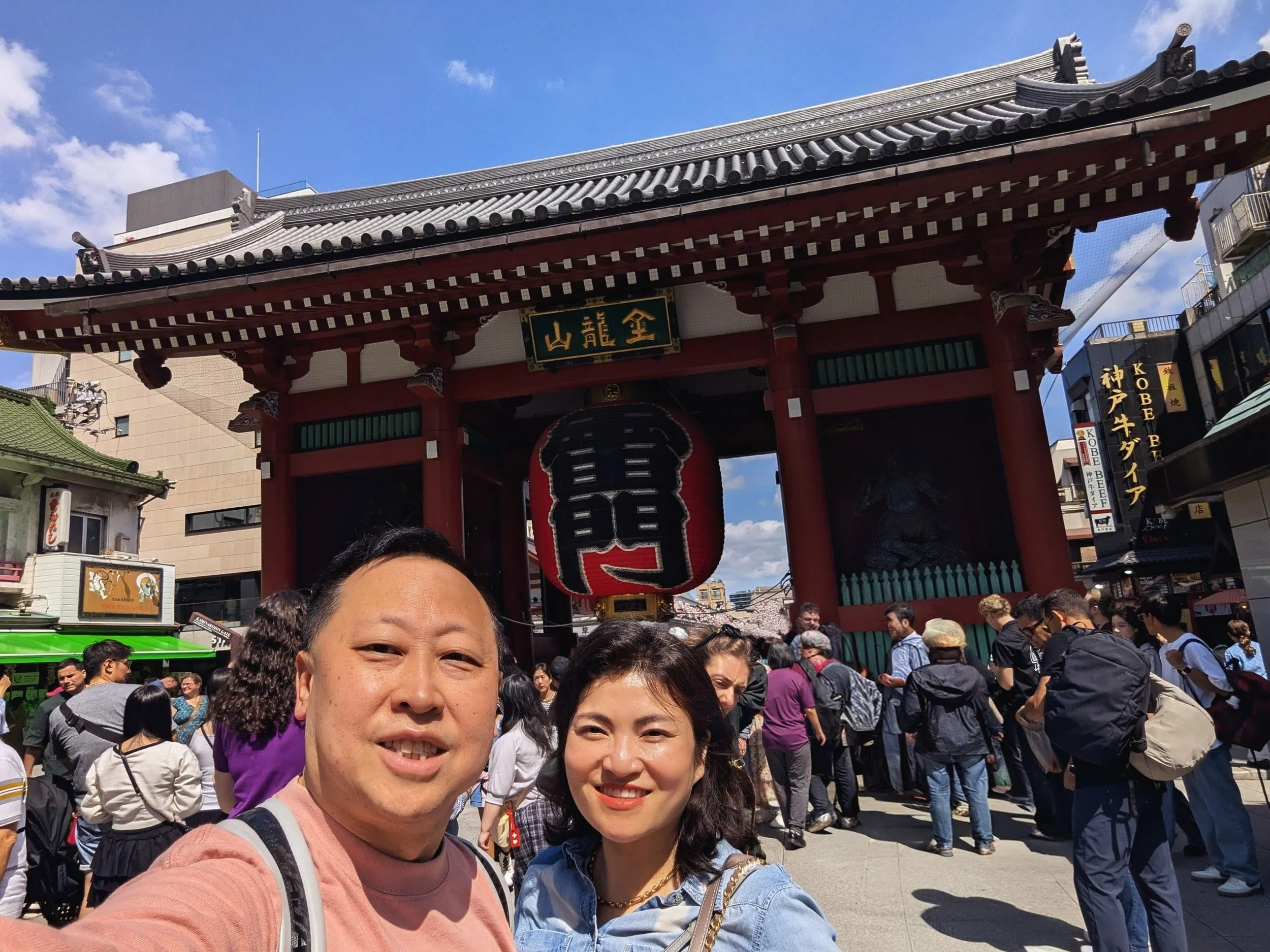
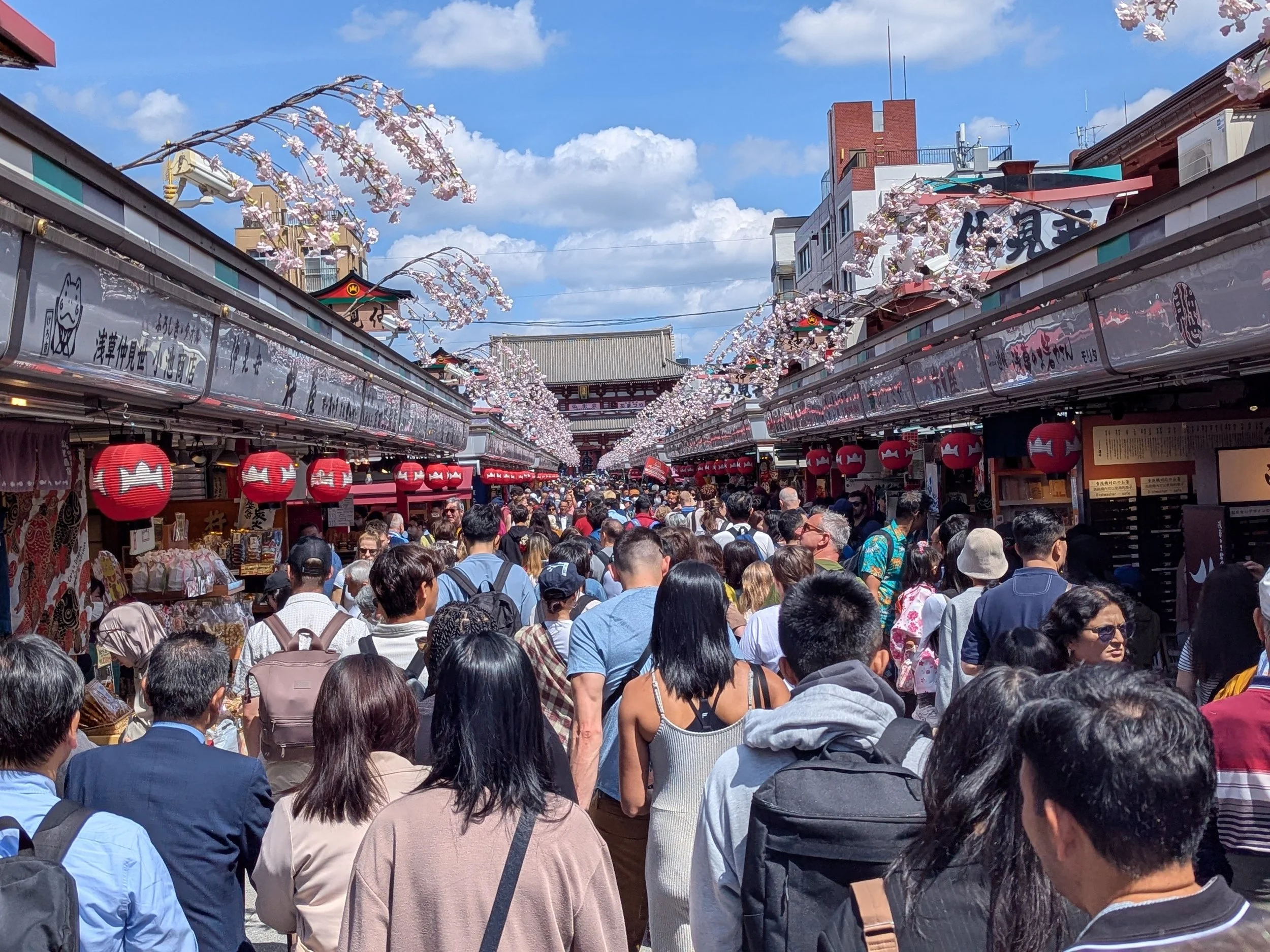
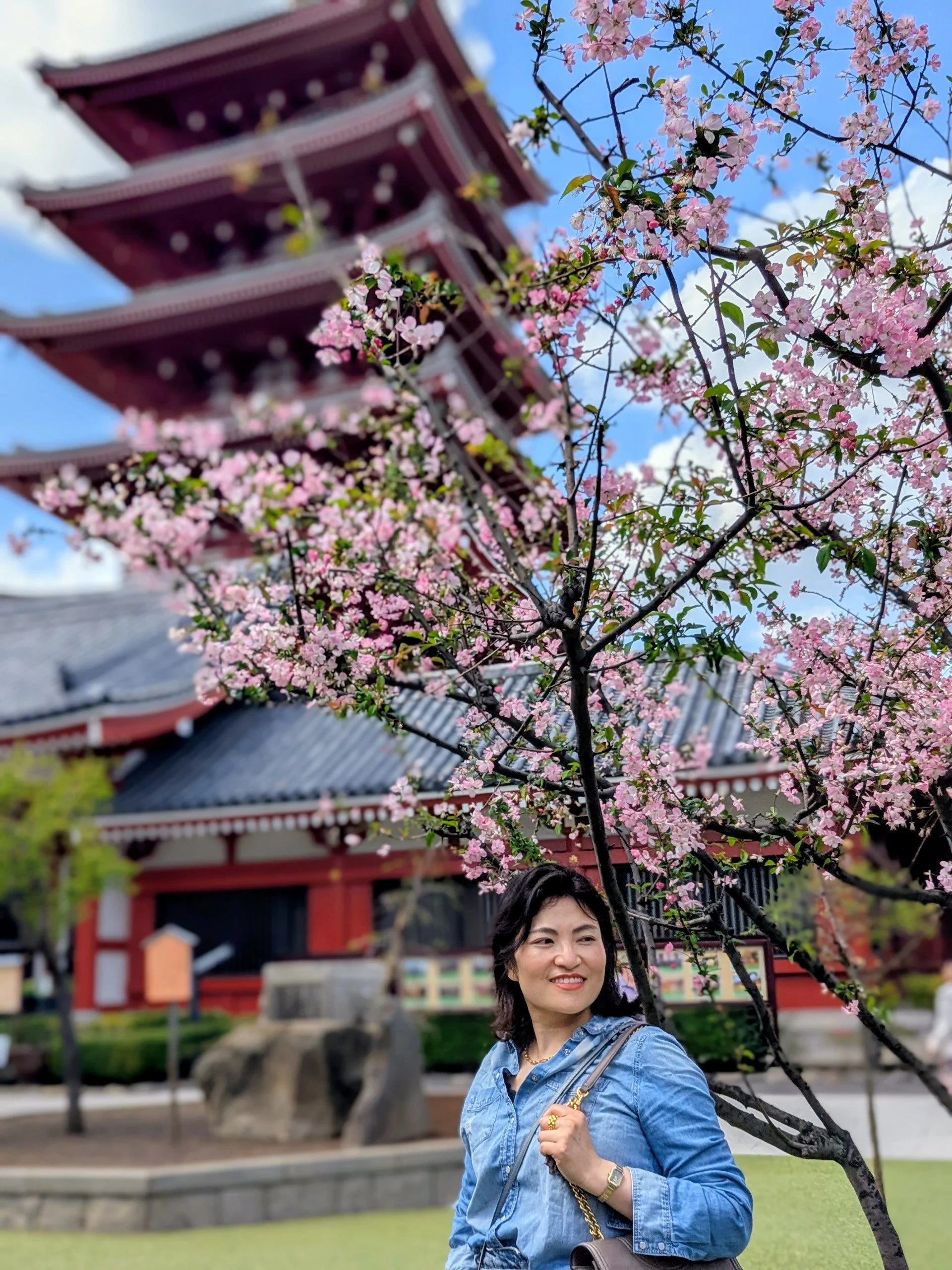
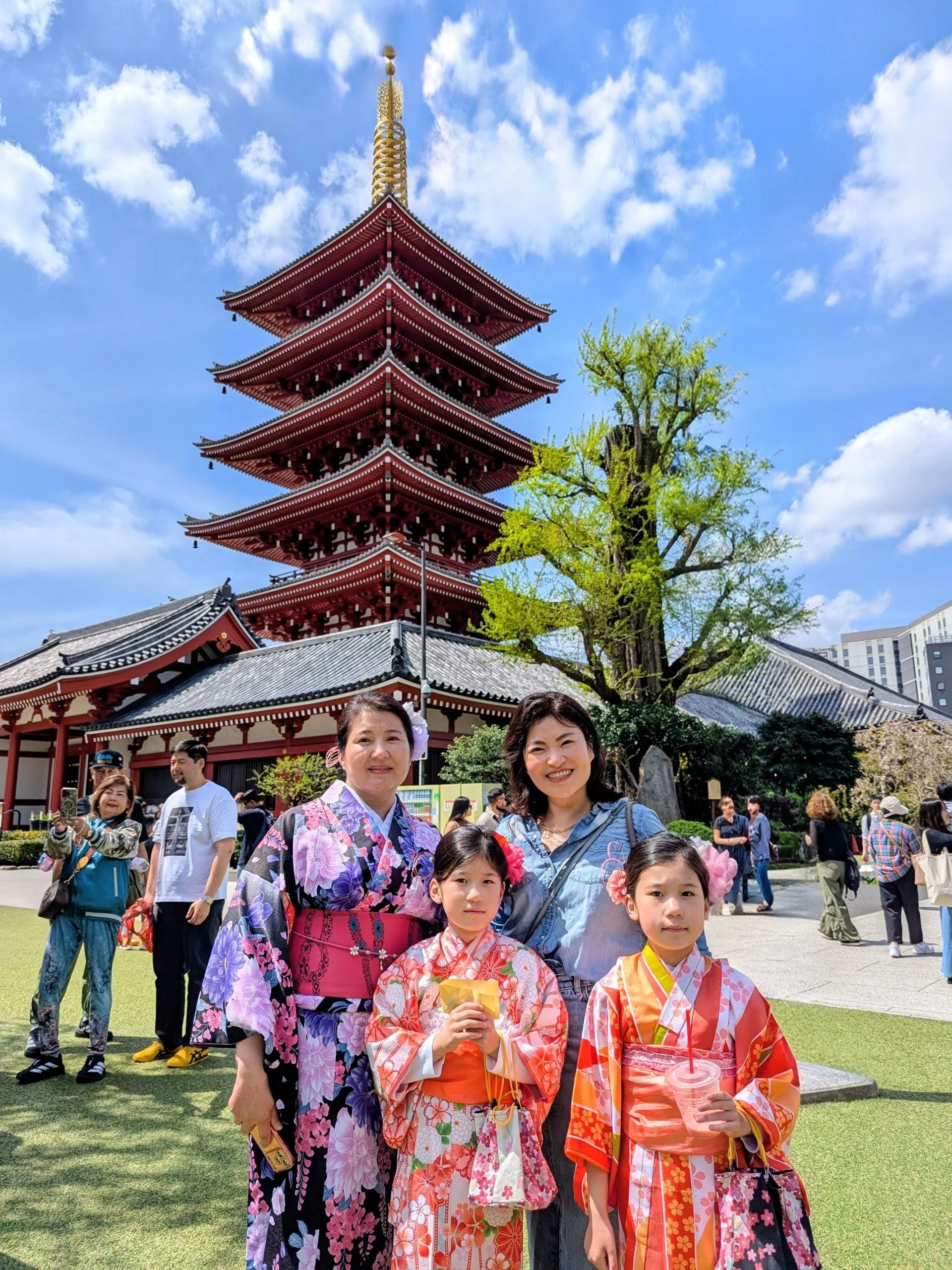
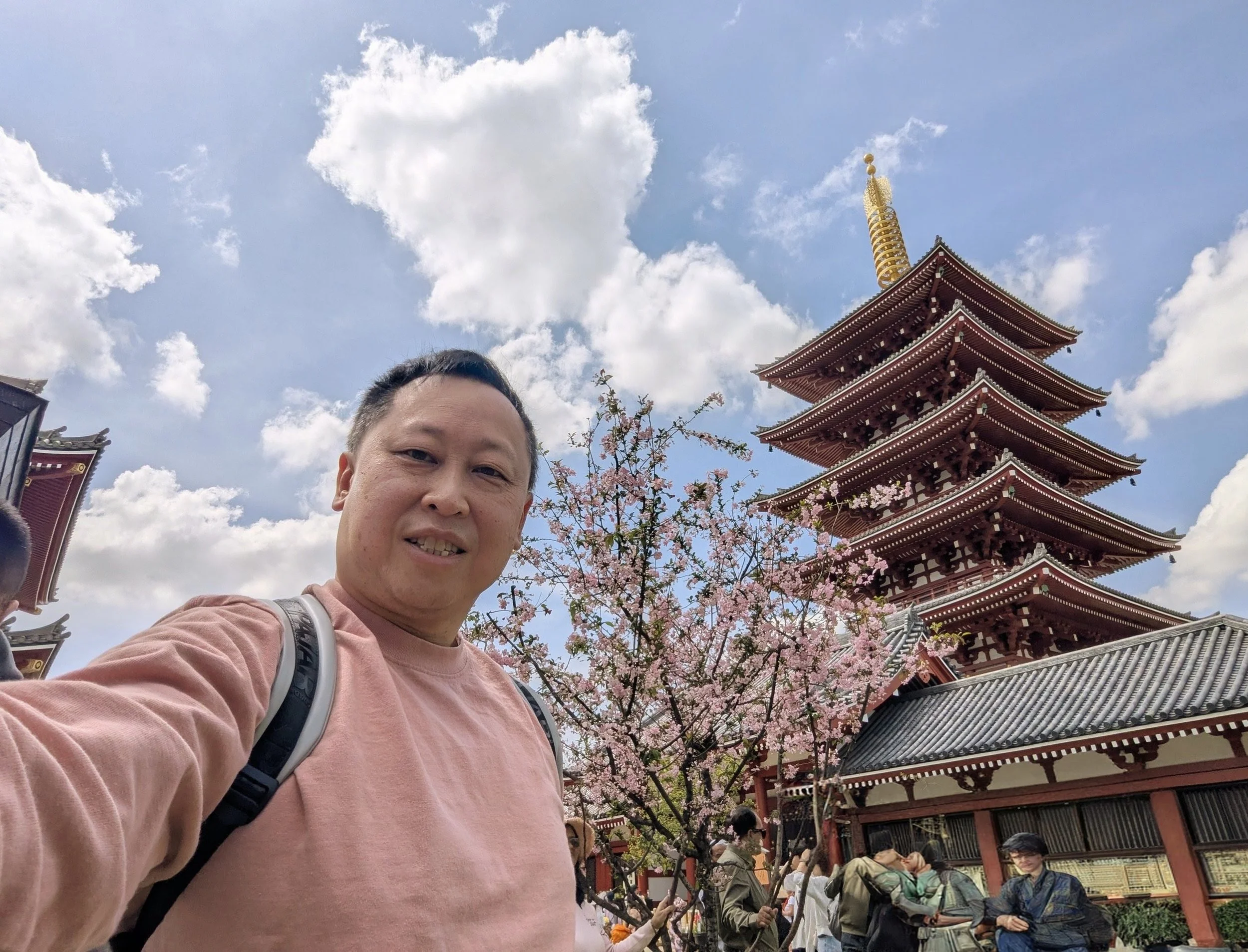
The famous Senso-ji temple in the Asakusa district of Tokyo.
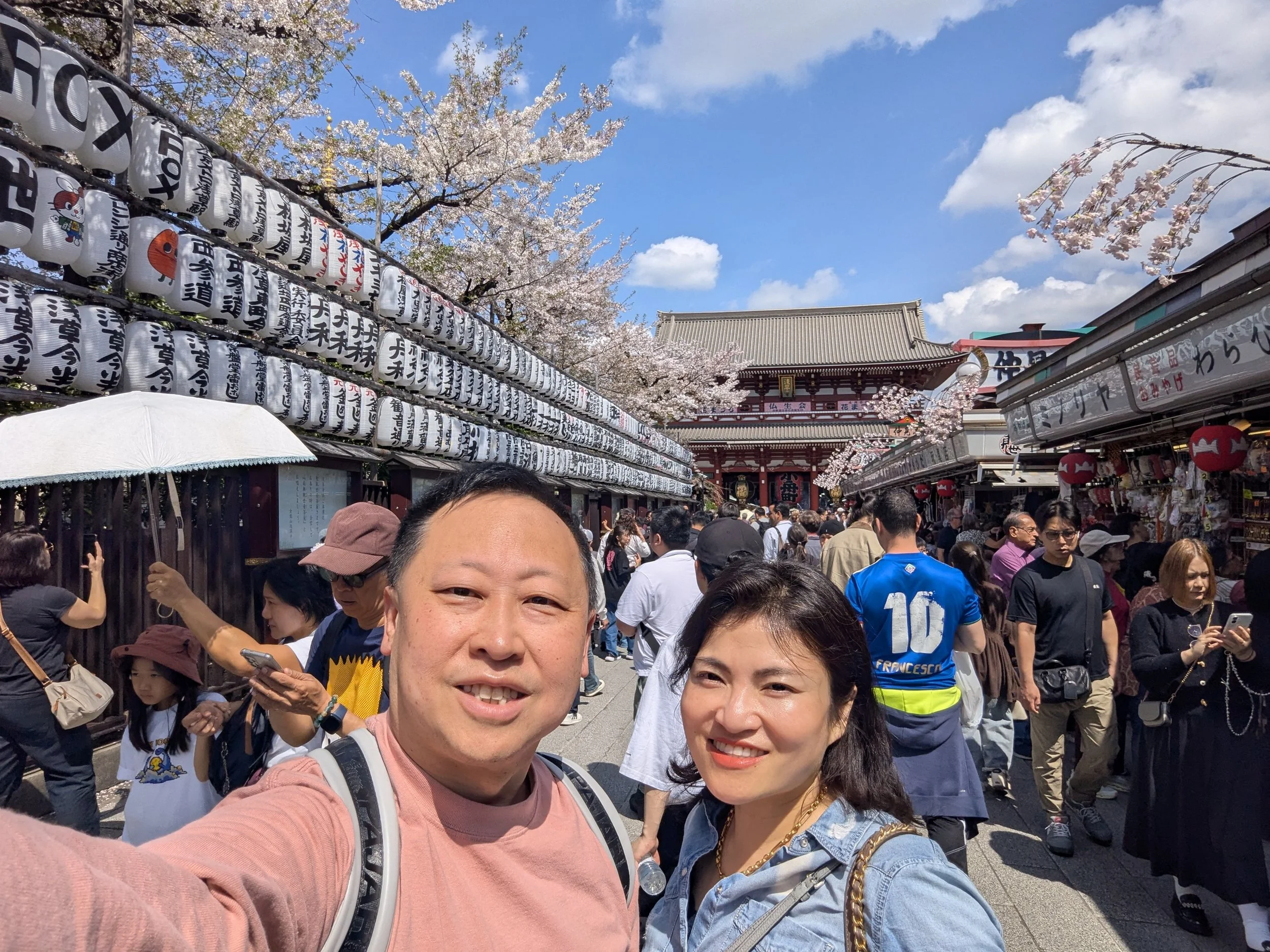
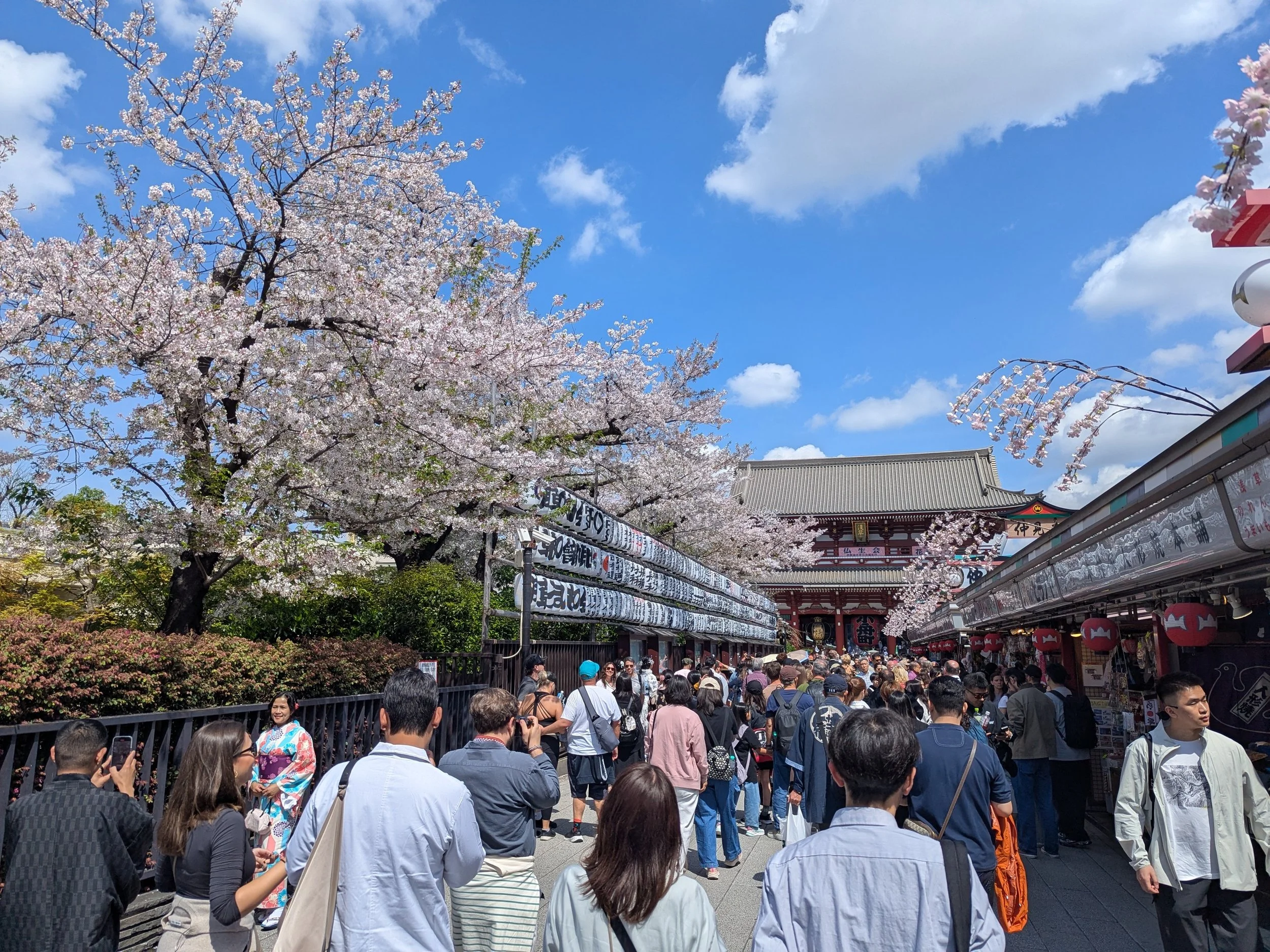
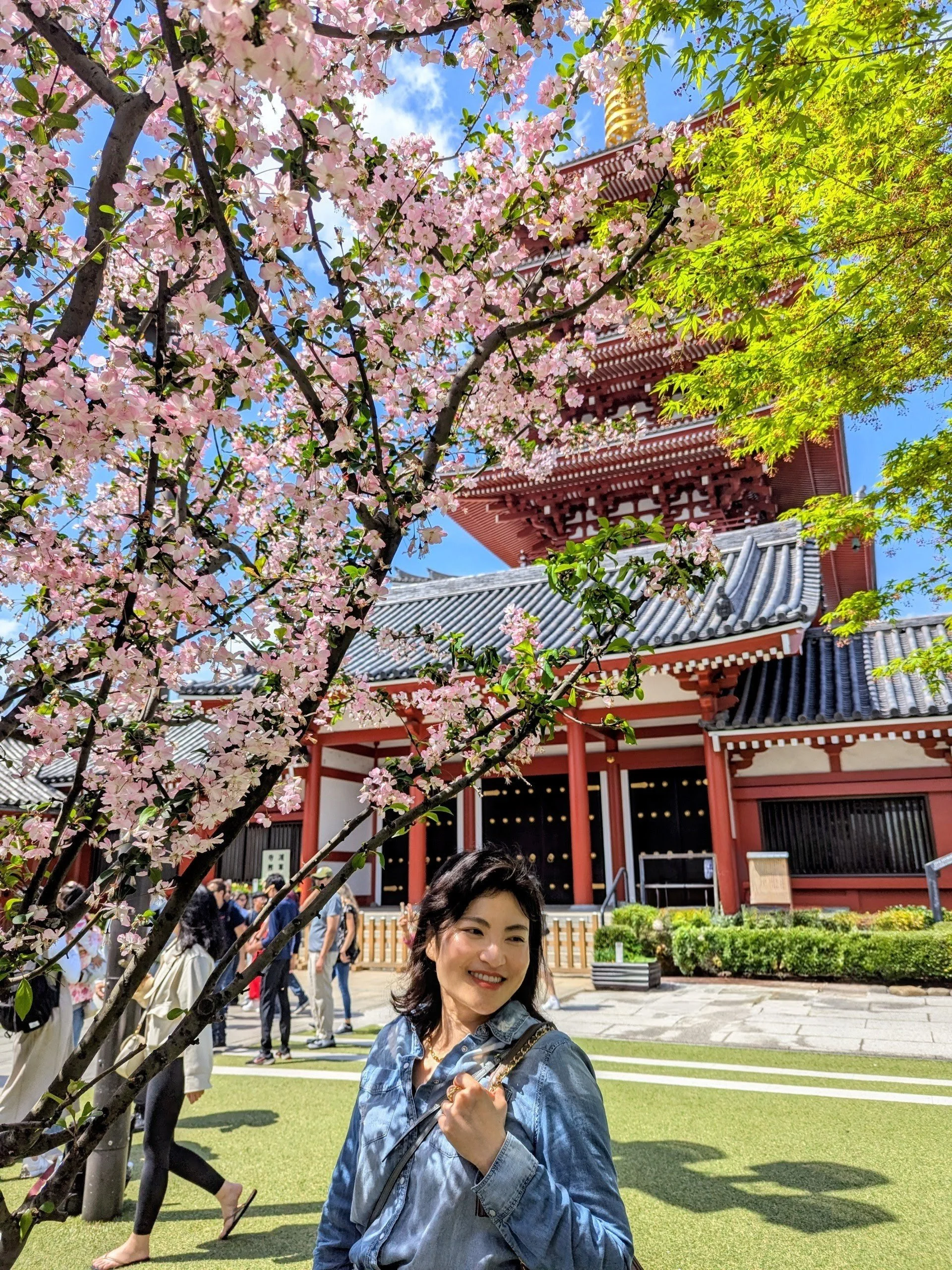
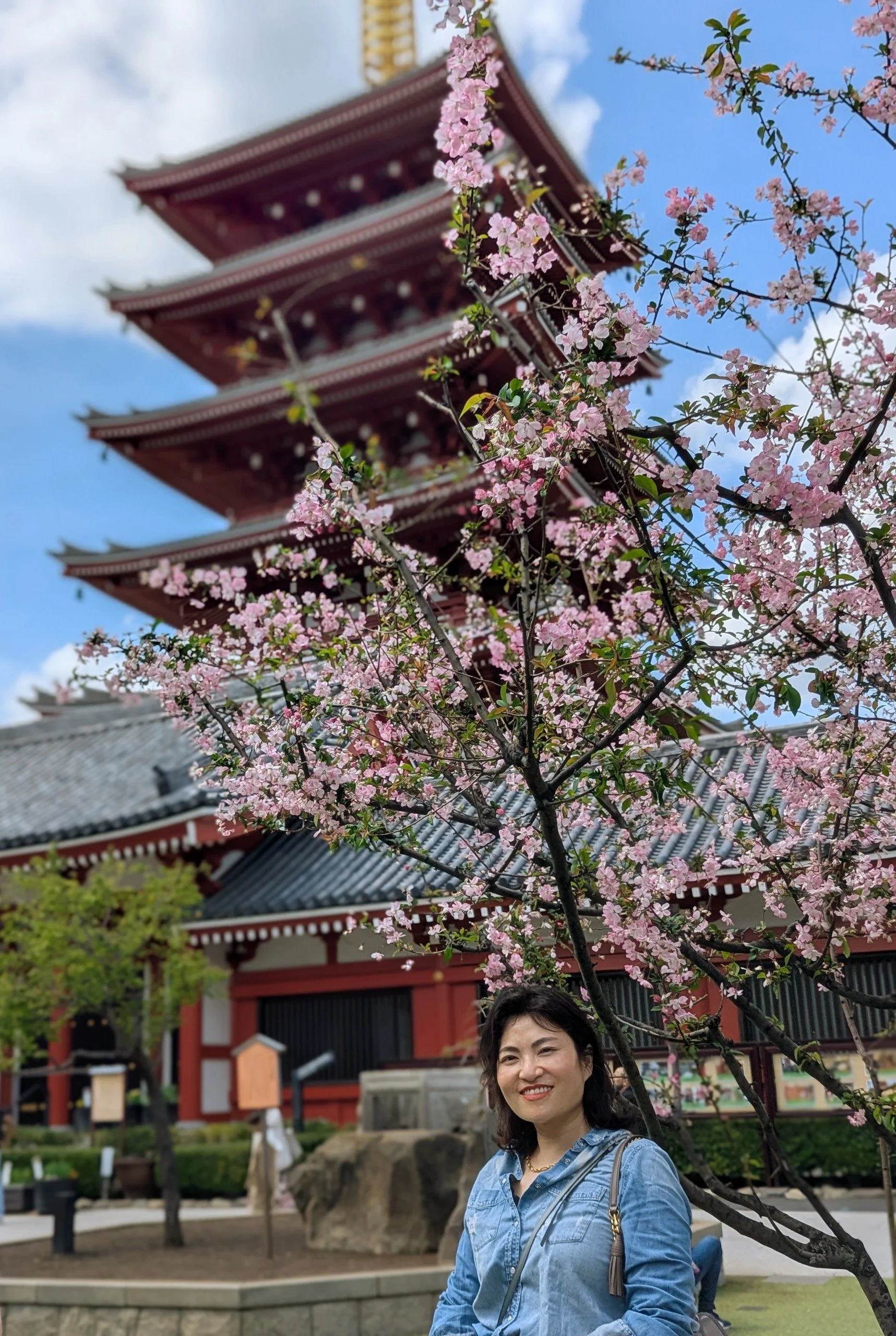
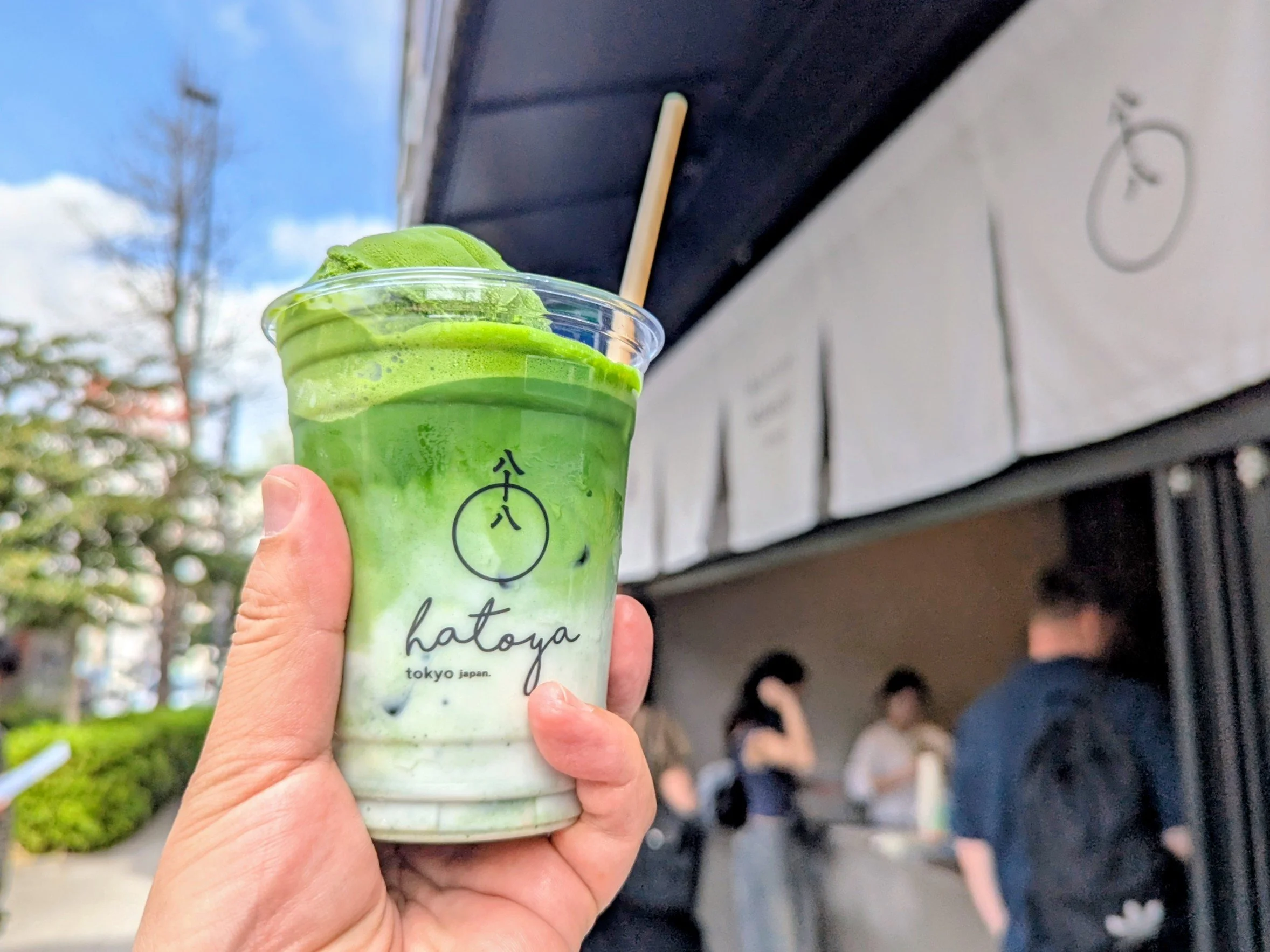
A famous matcha place in the Asakusa area.
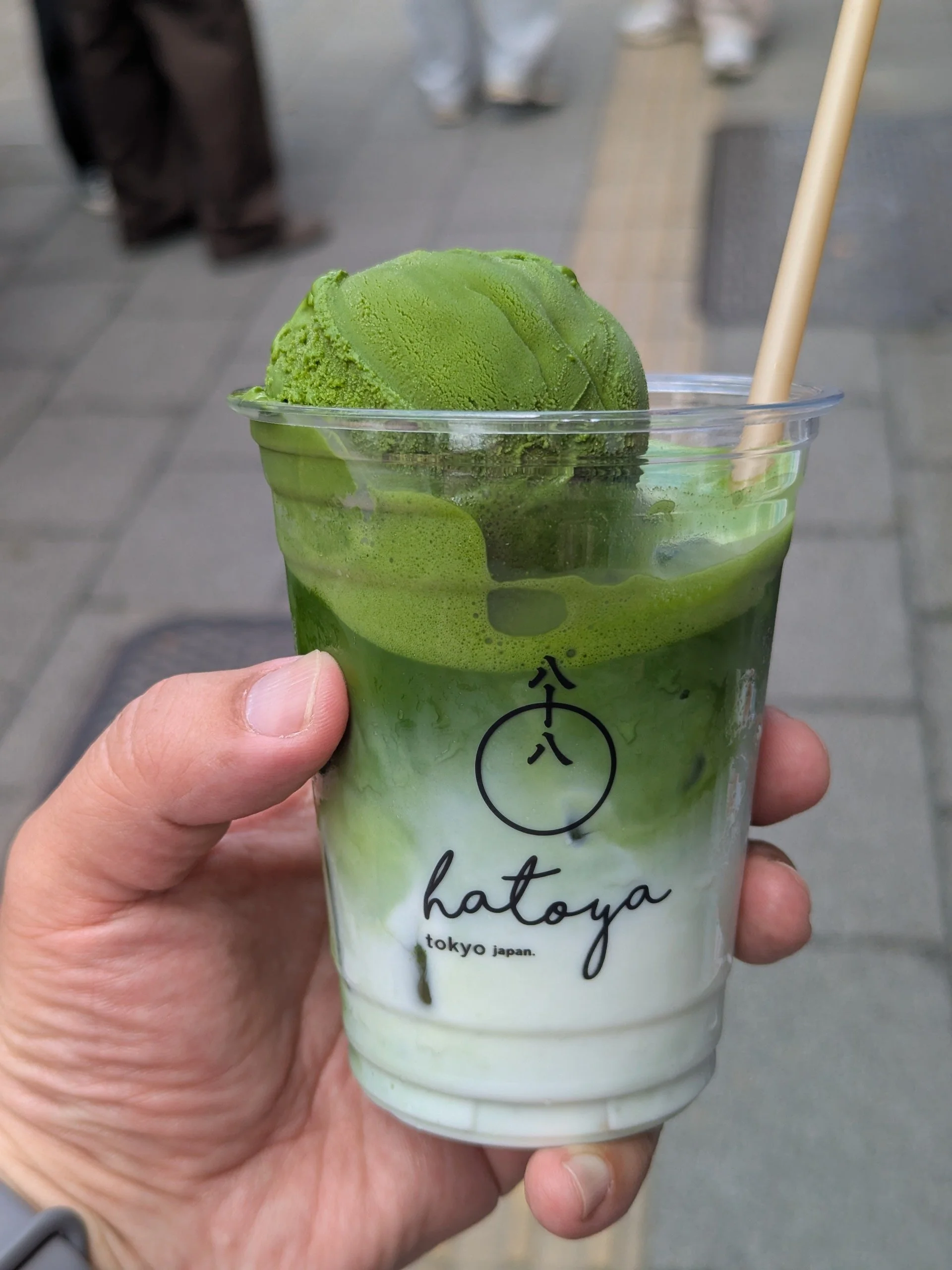
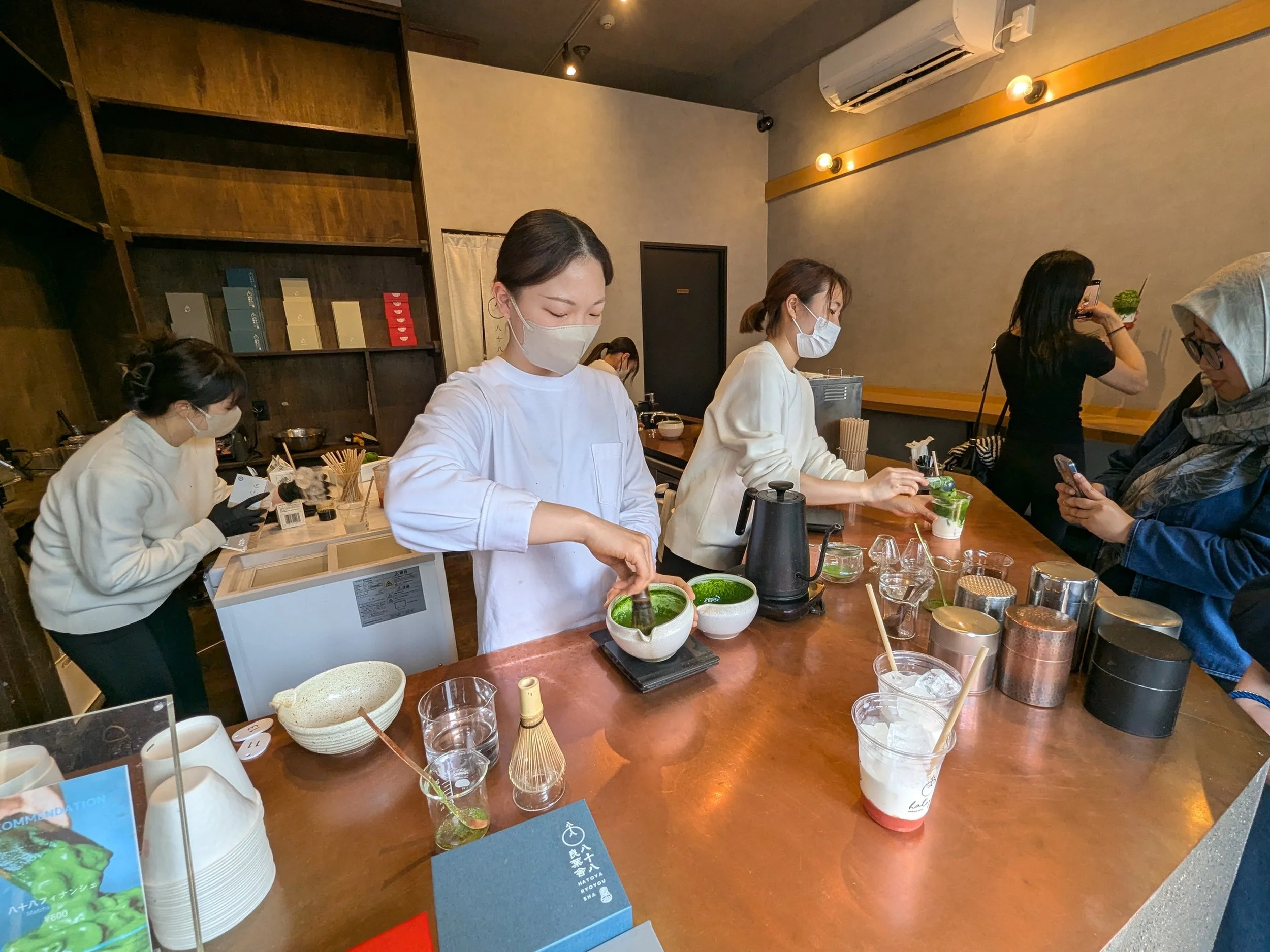
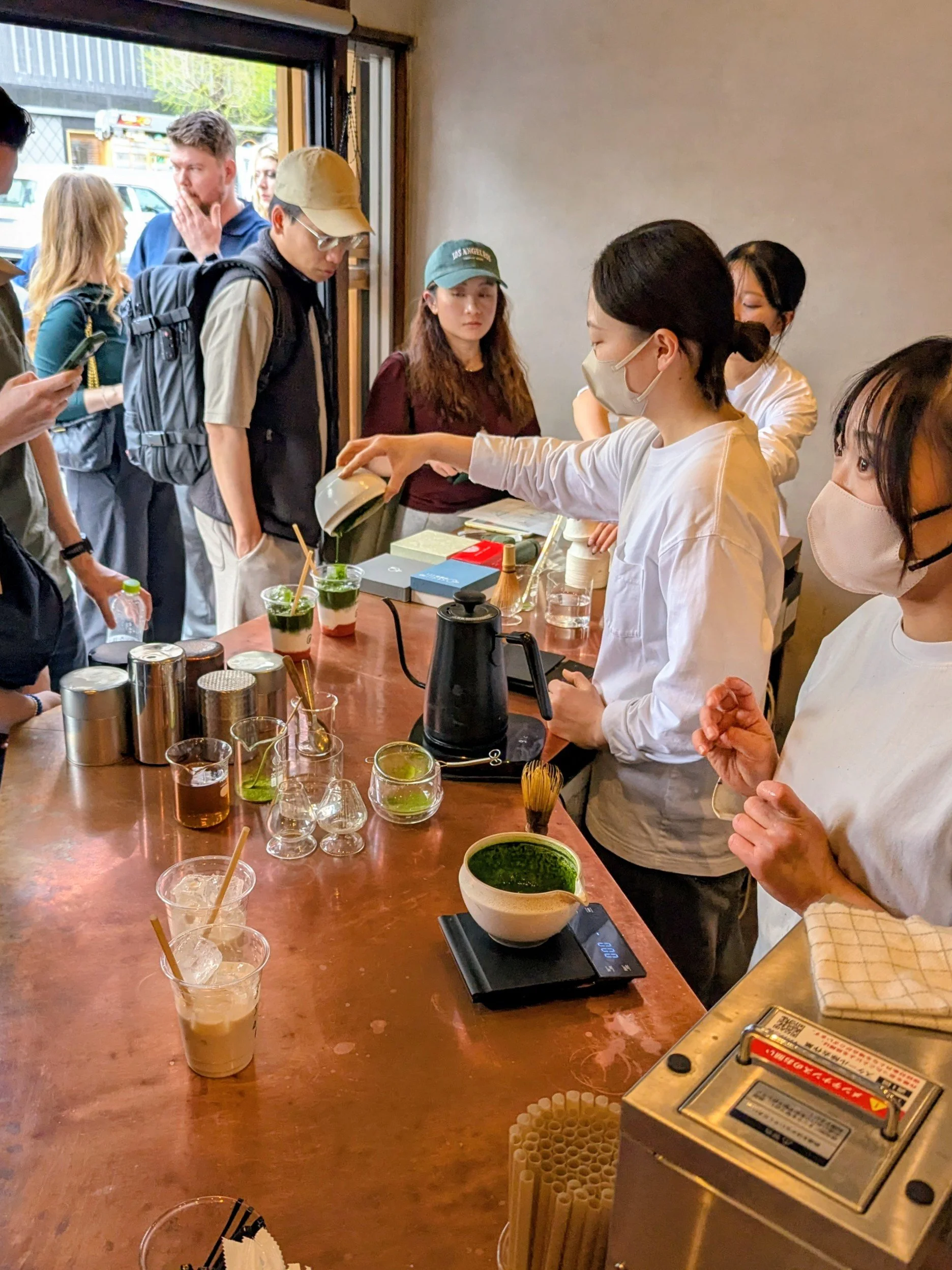
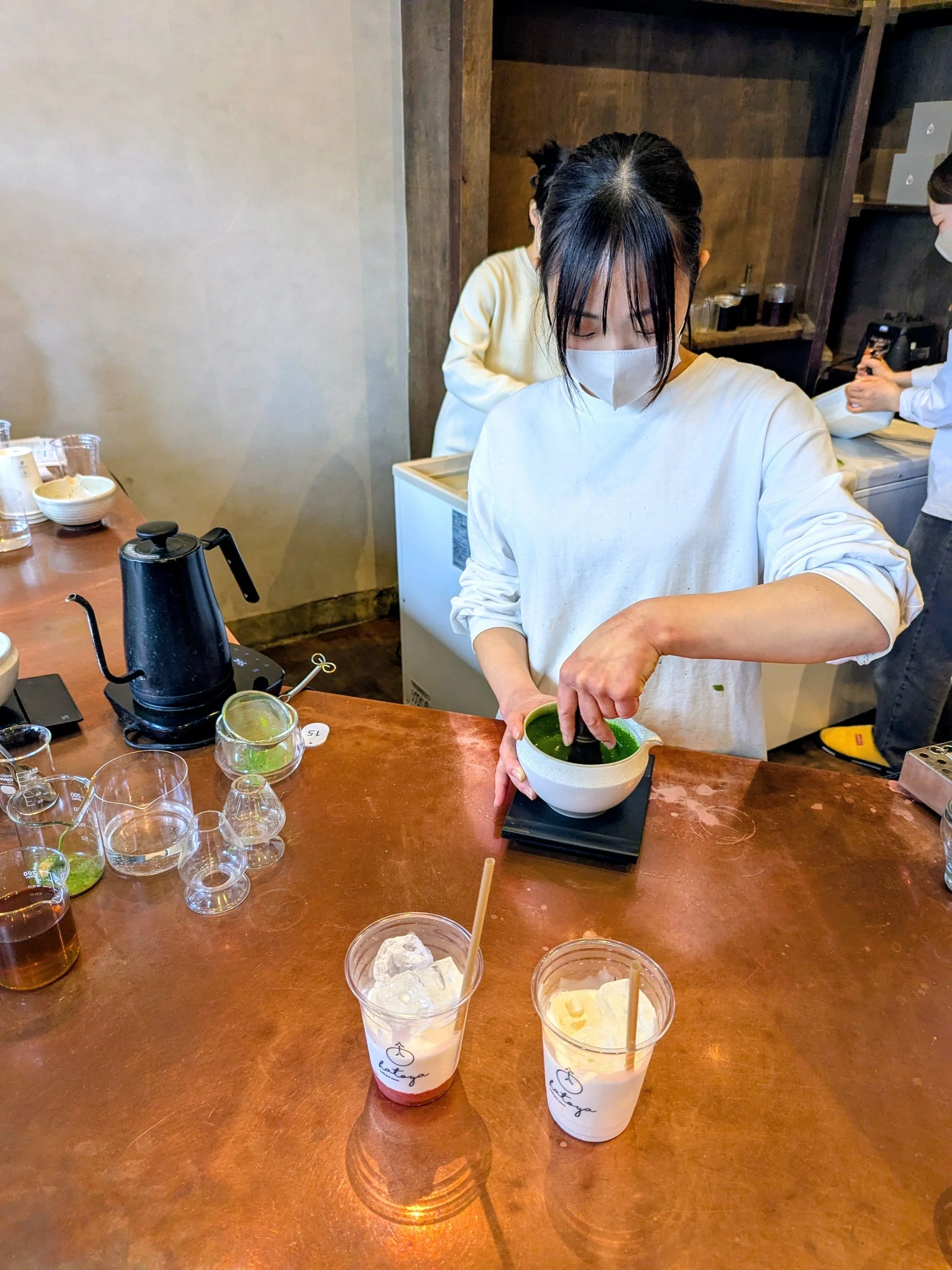
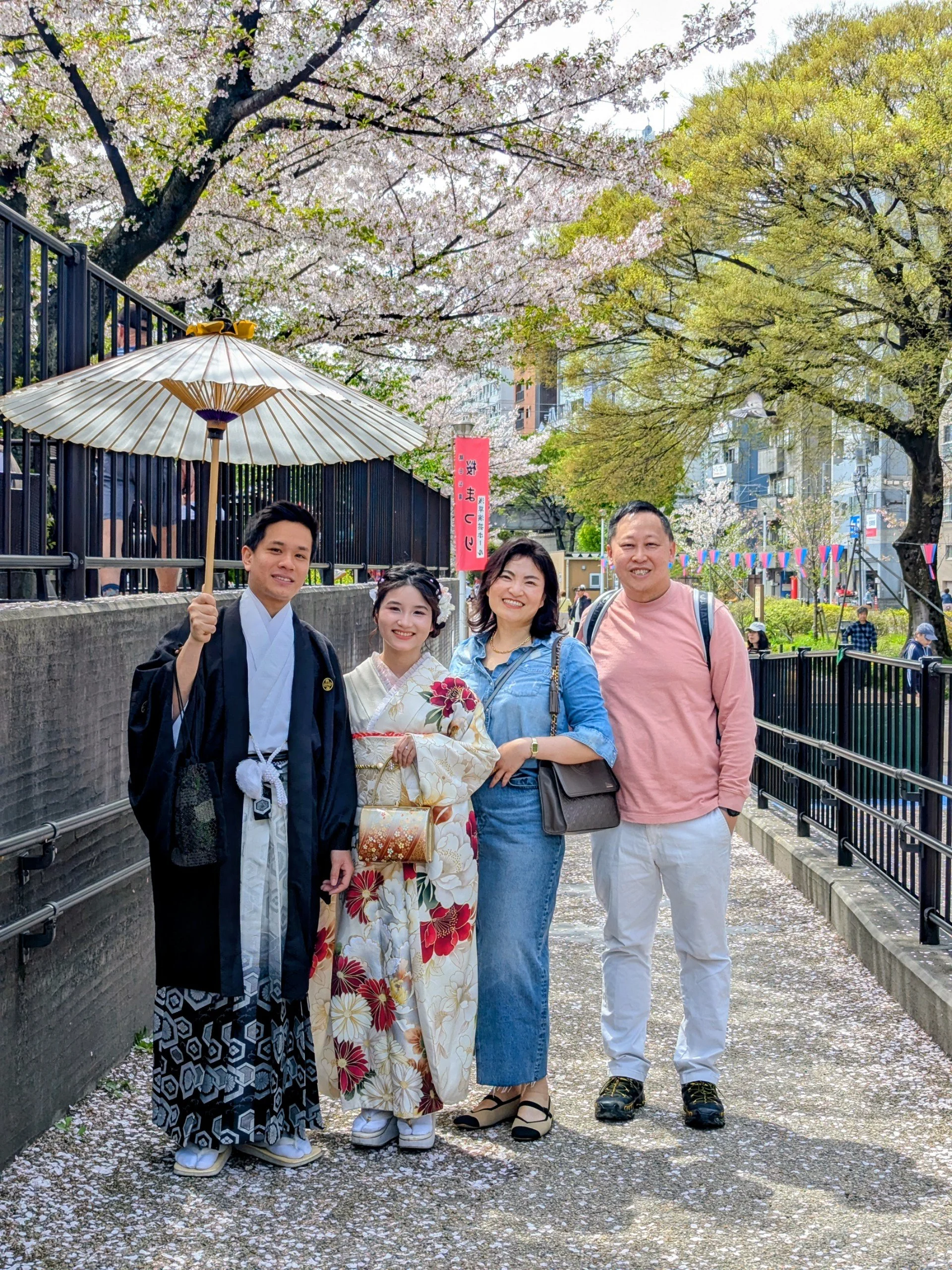
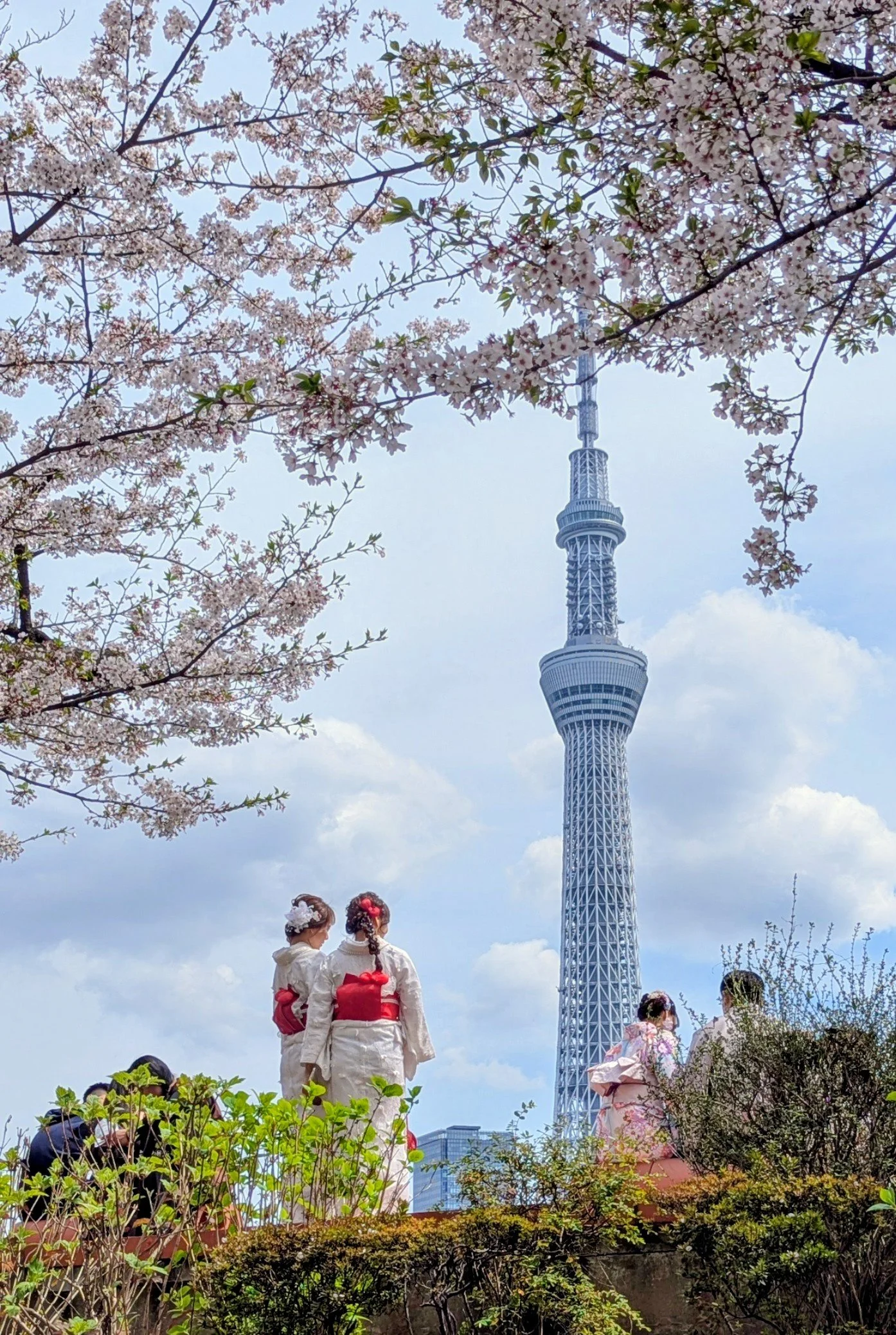
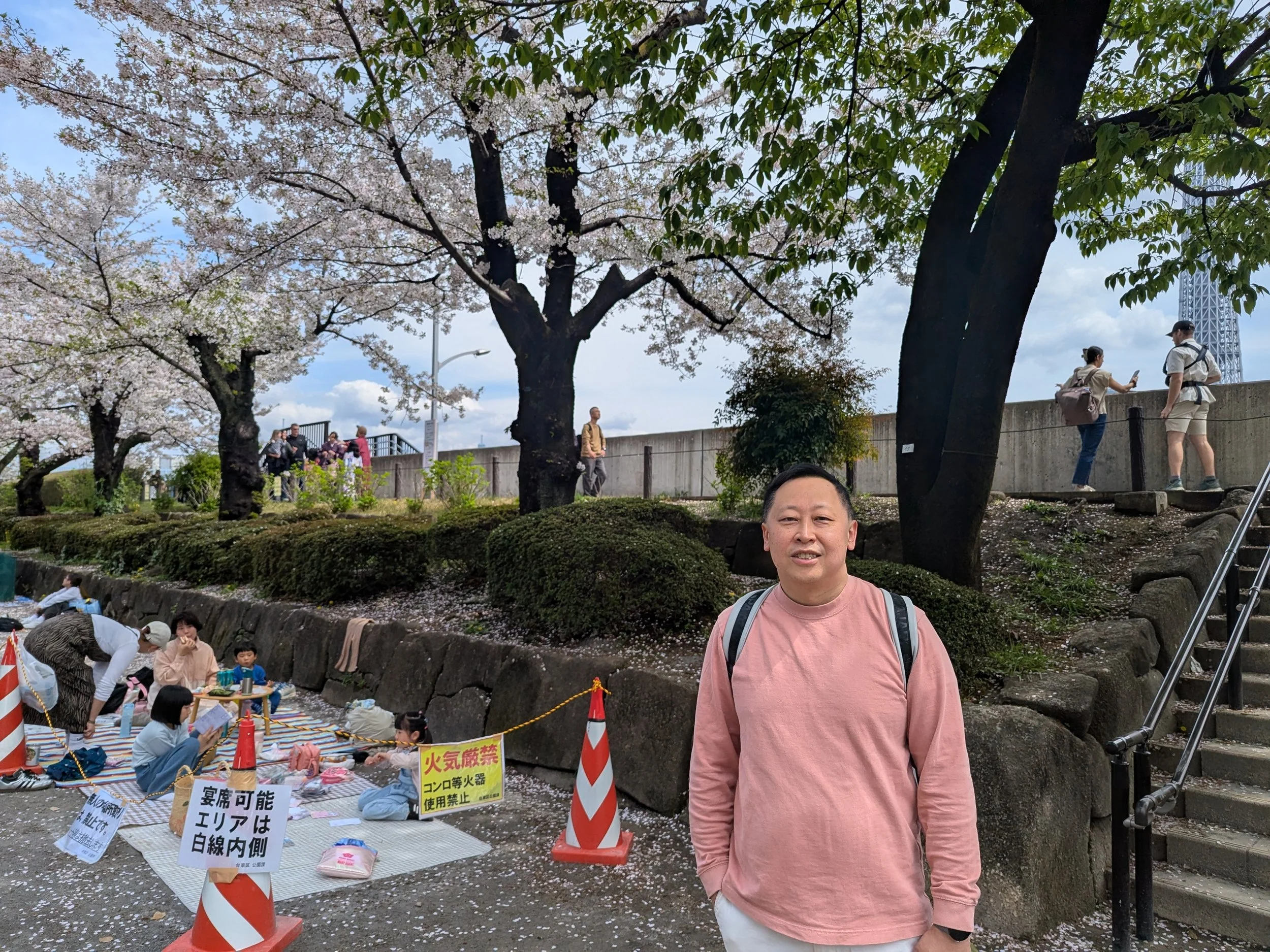
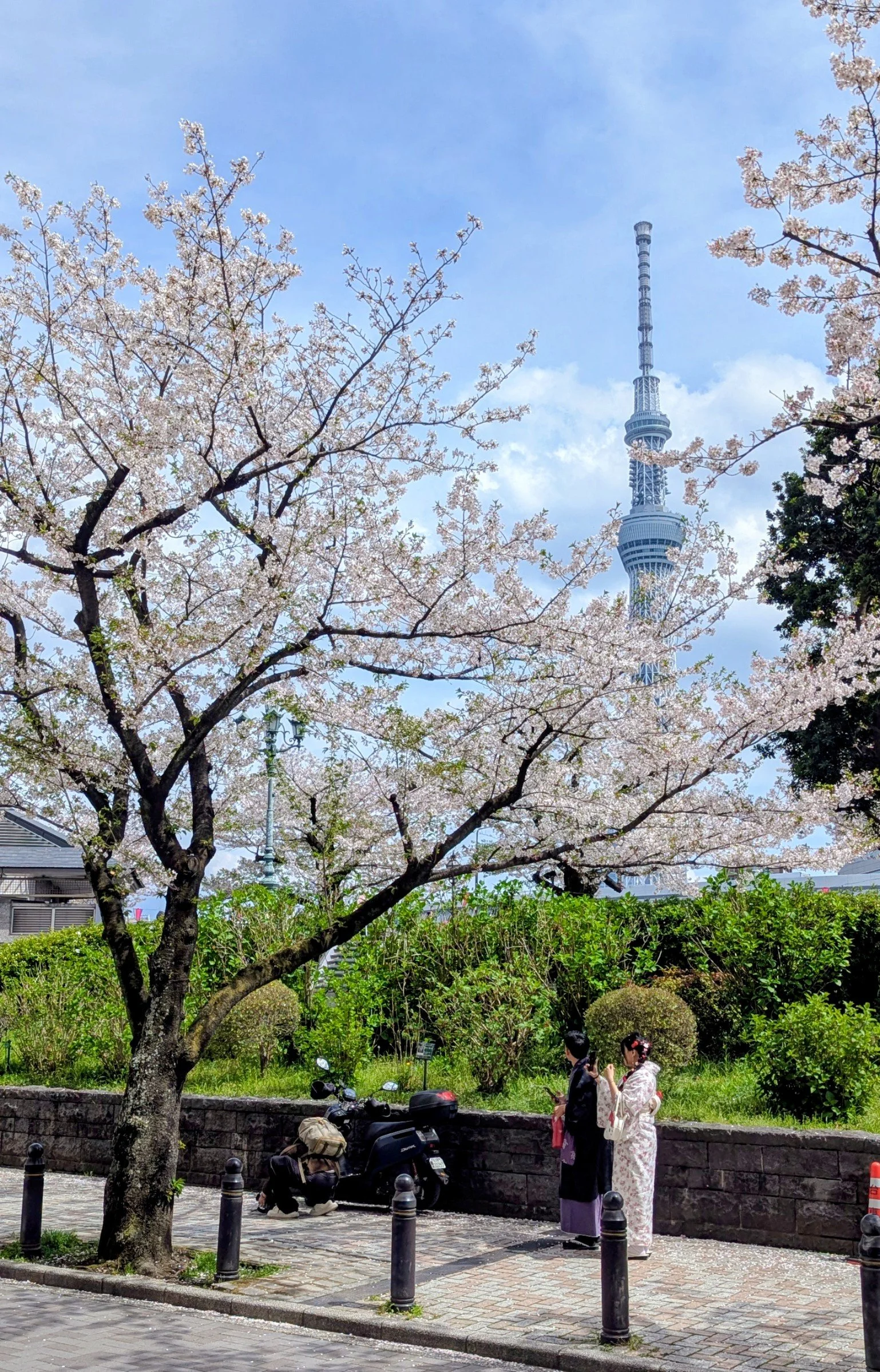
We walked along the Sumida River where there were a number of cherry blossom trees. Because we were there a few days after full bloom, a lot of the cherry blossom petals started falling creating a beautiful "snowing" effect in the air.
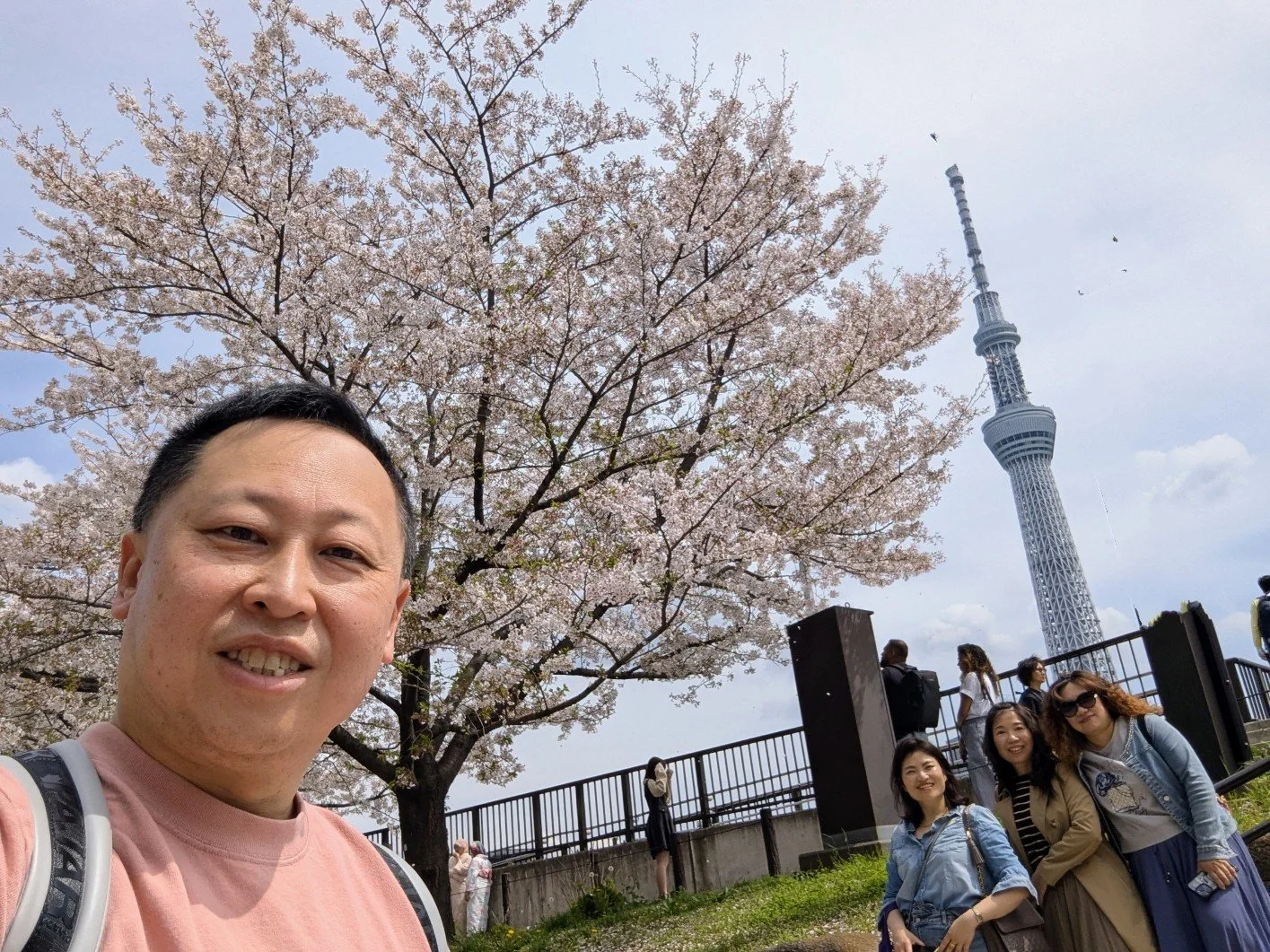
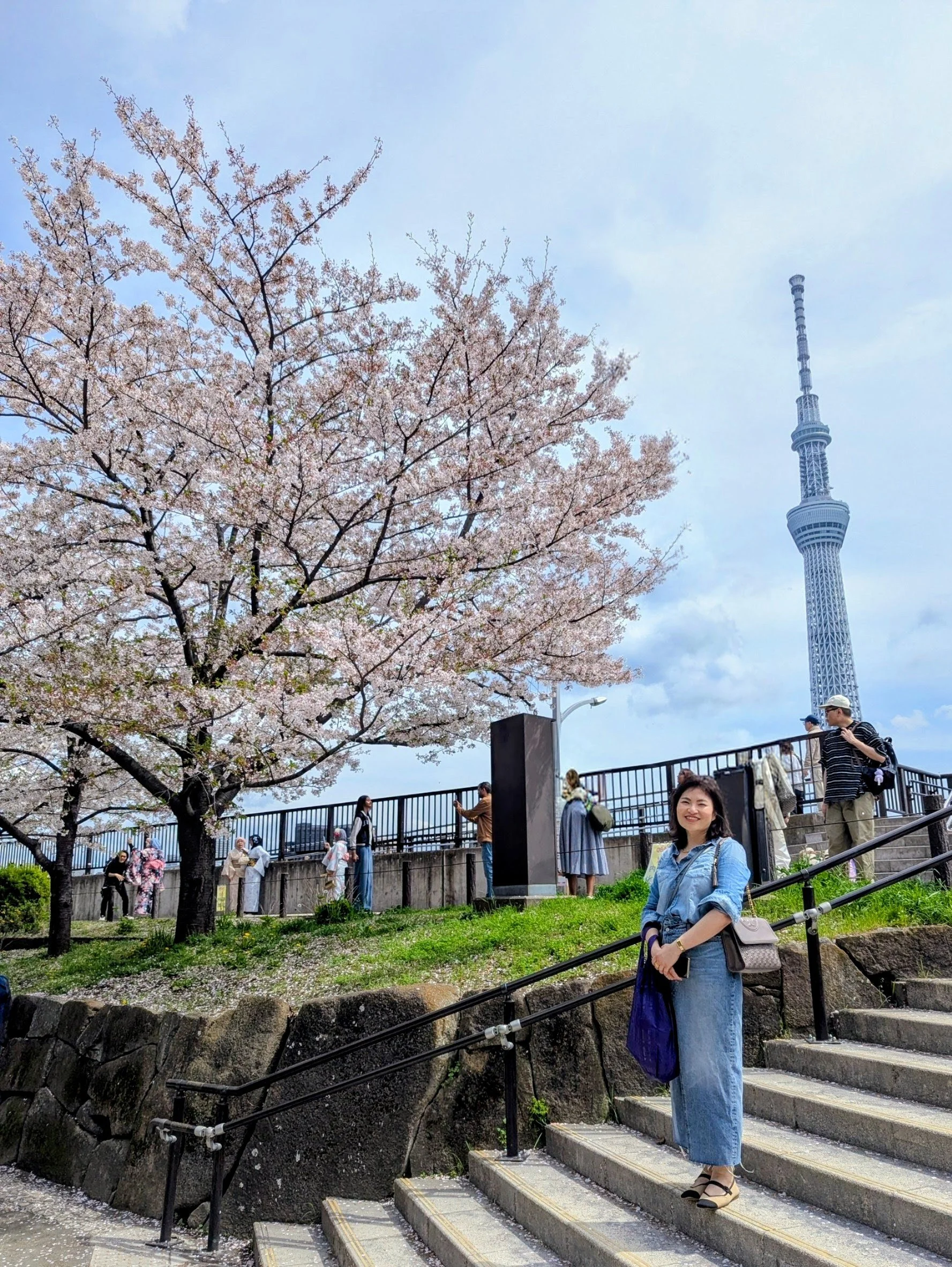
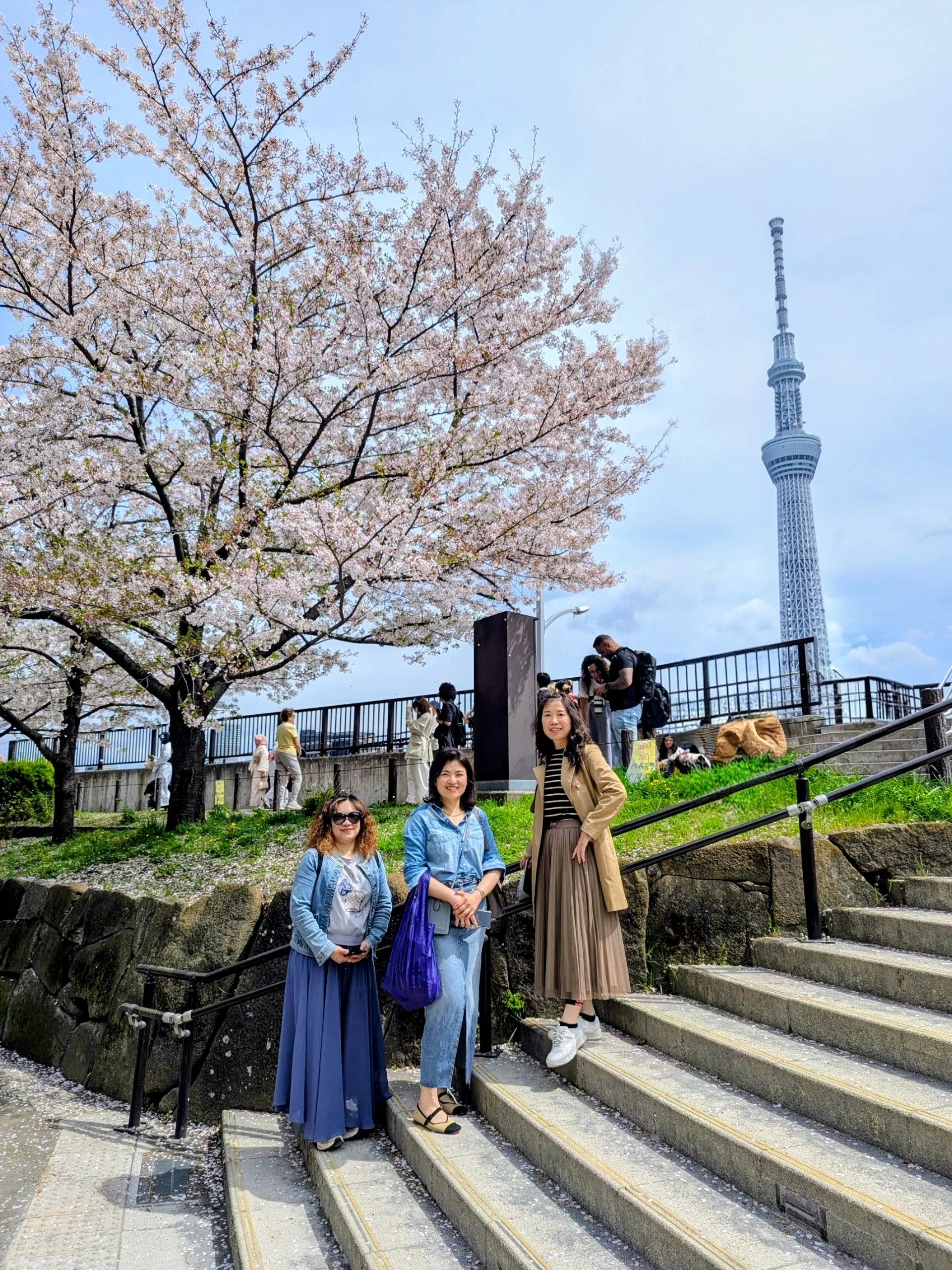
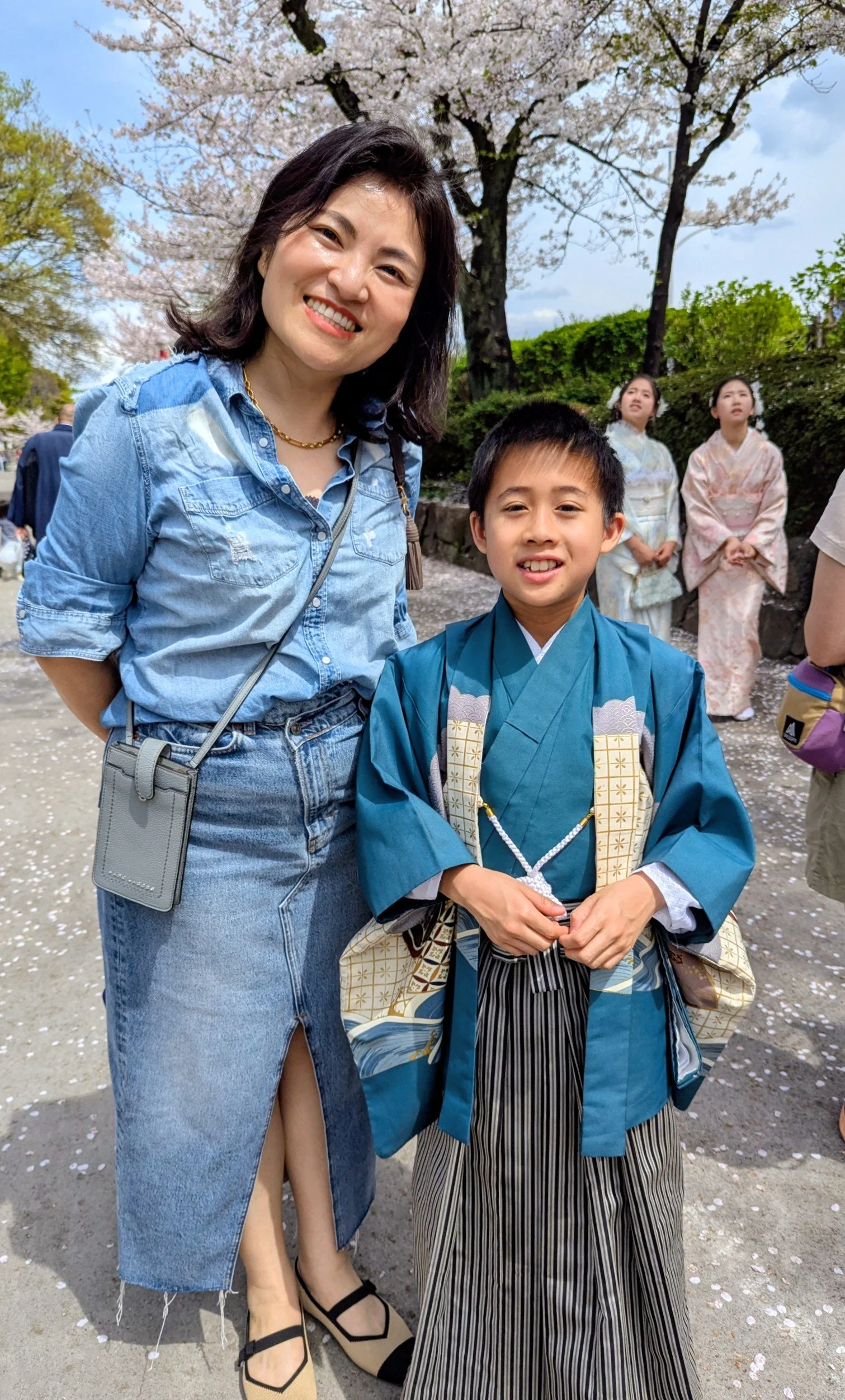
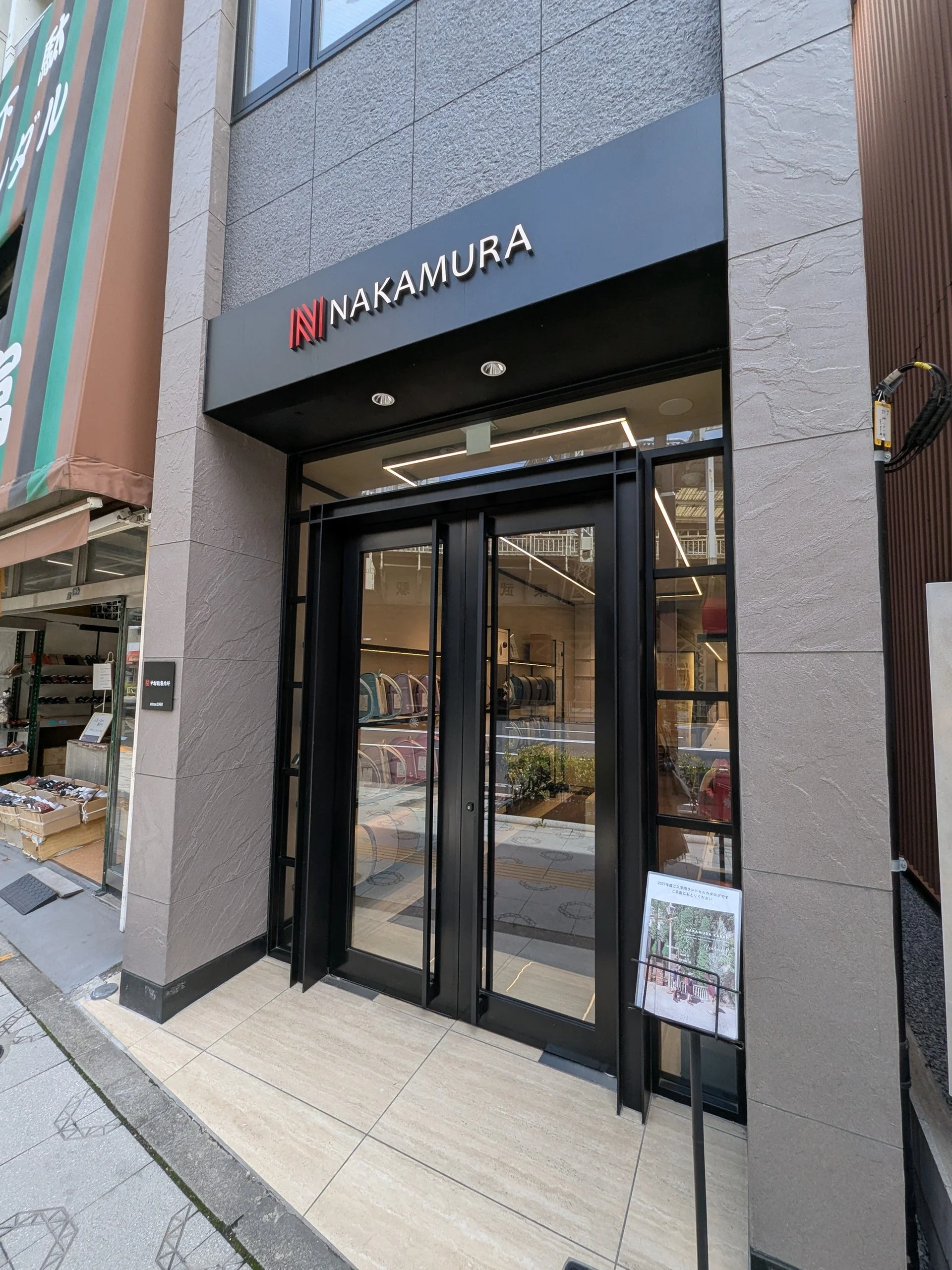
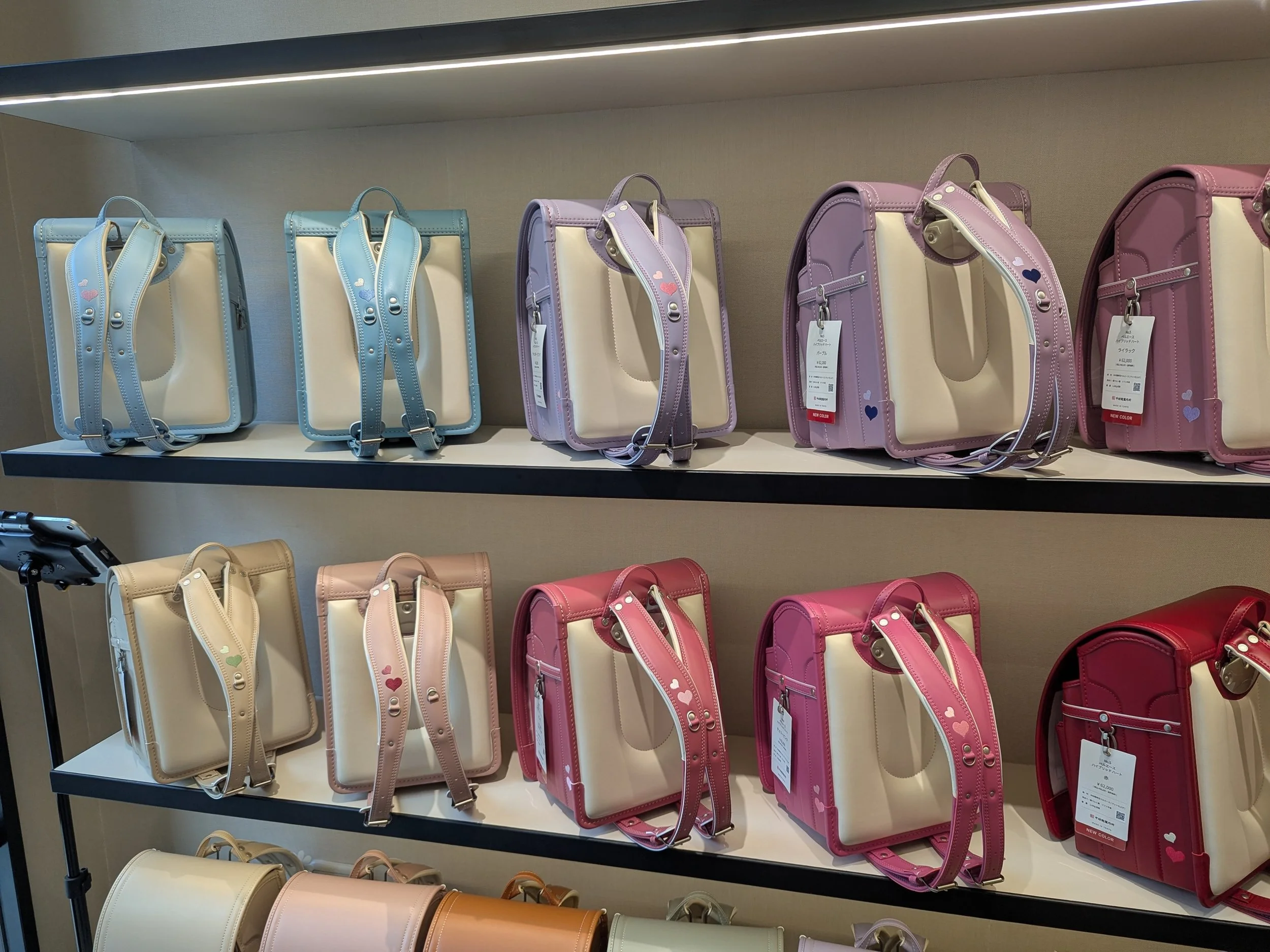
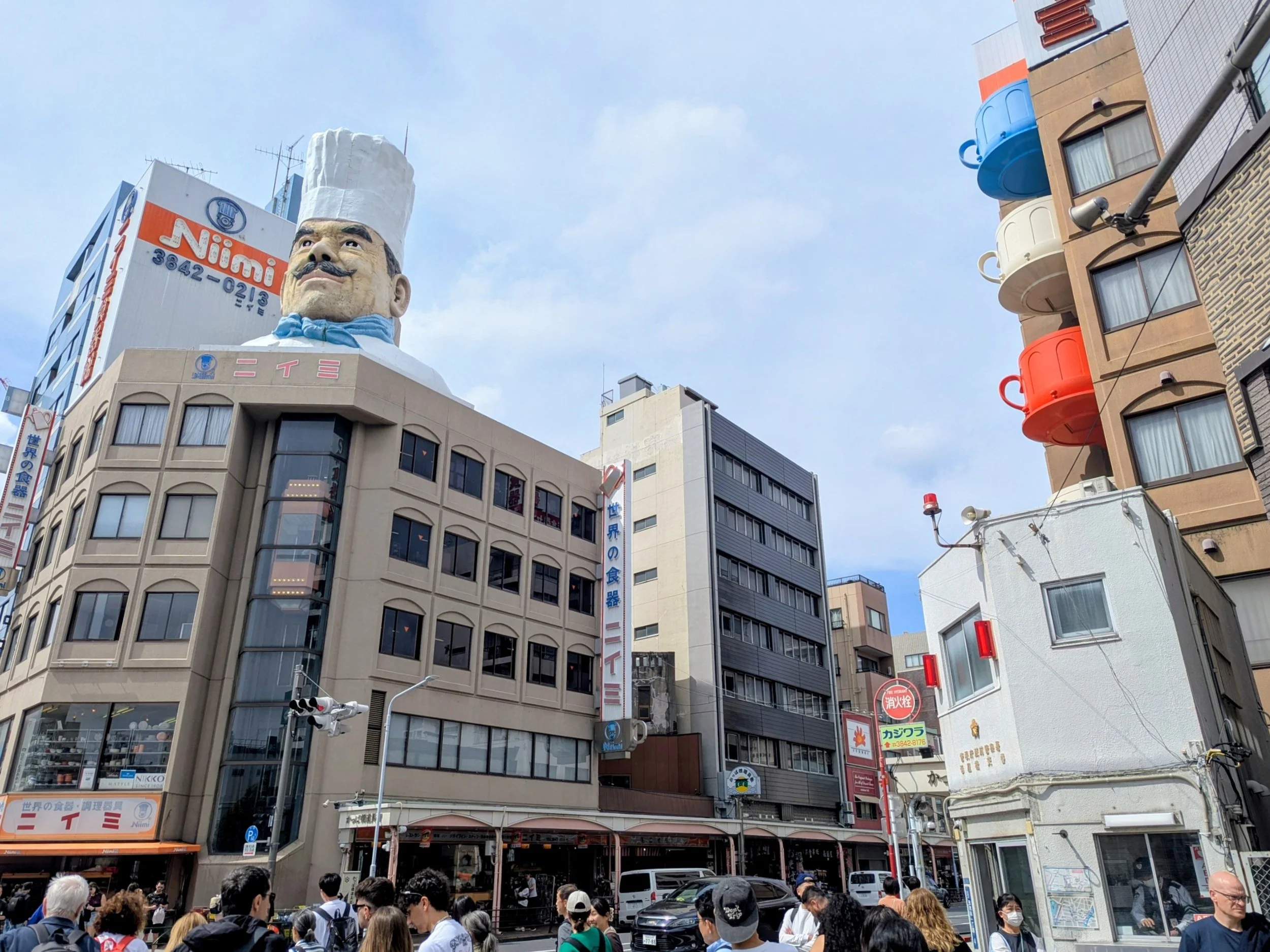
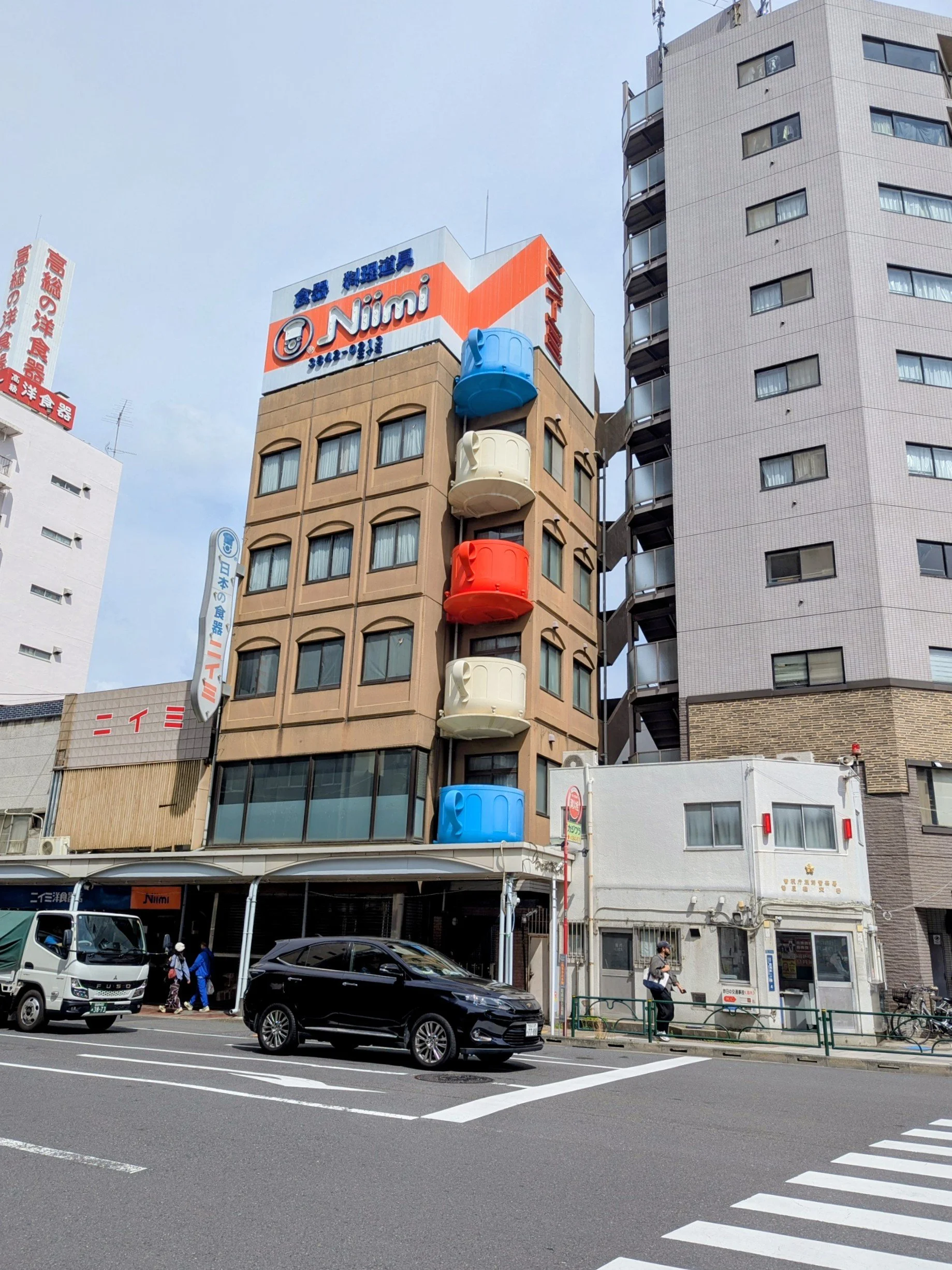
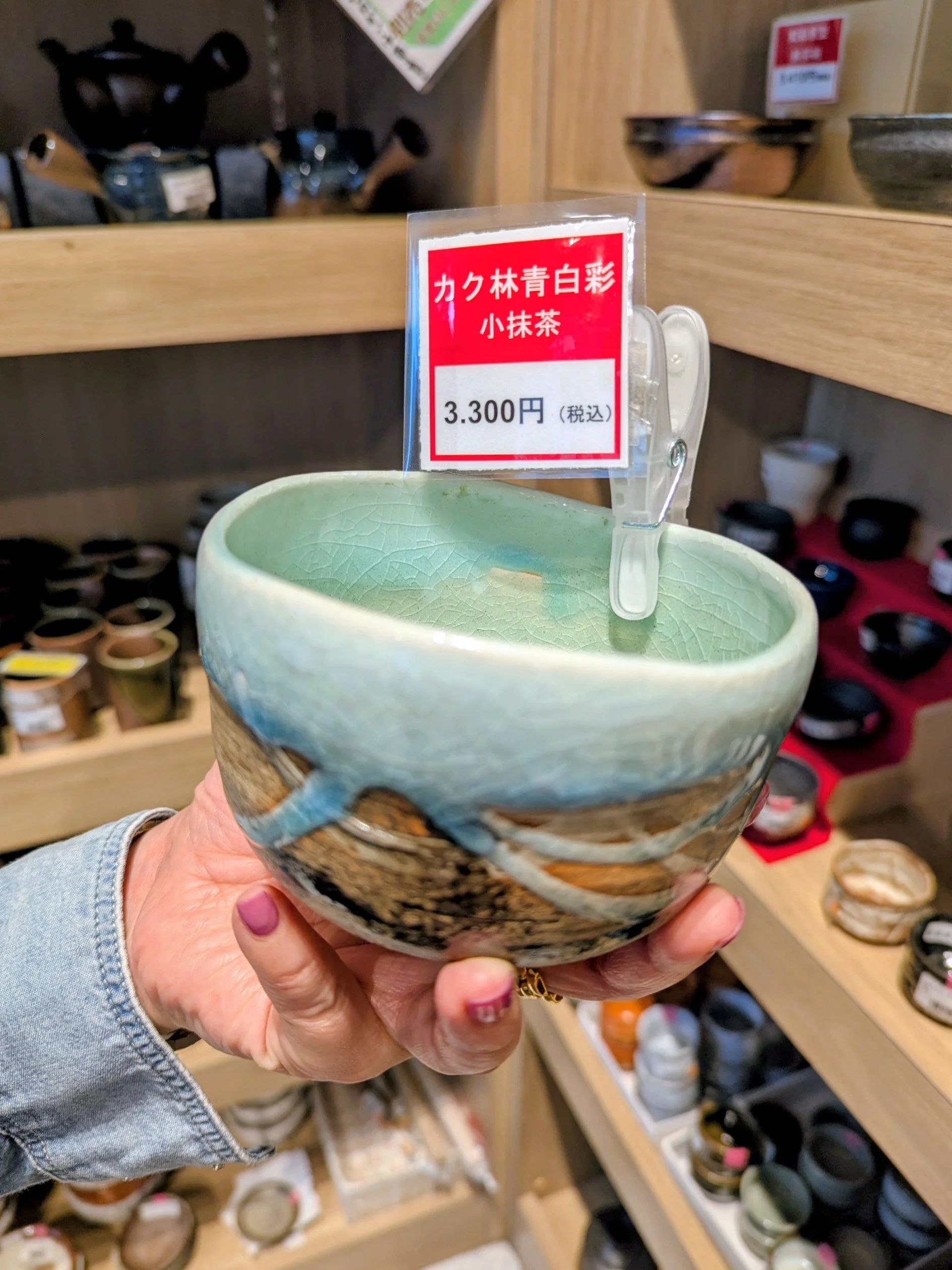
Shopping in Kappabashi Kitchen Supply Town. We were here shopping for our matcha bowl.
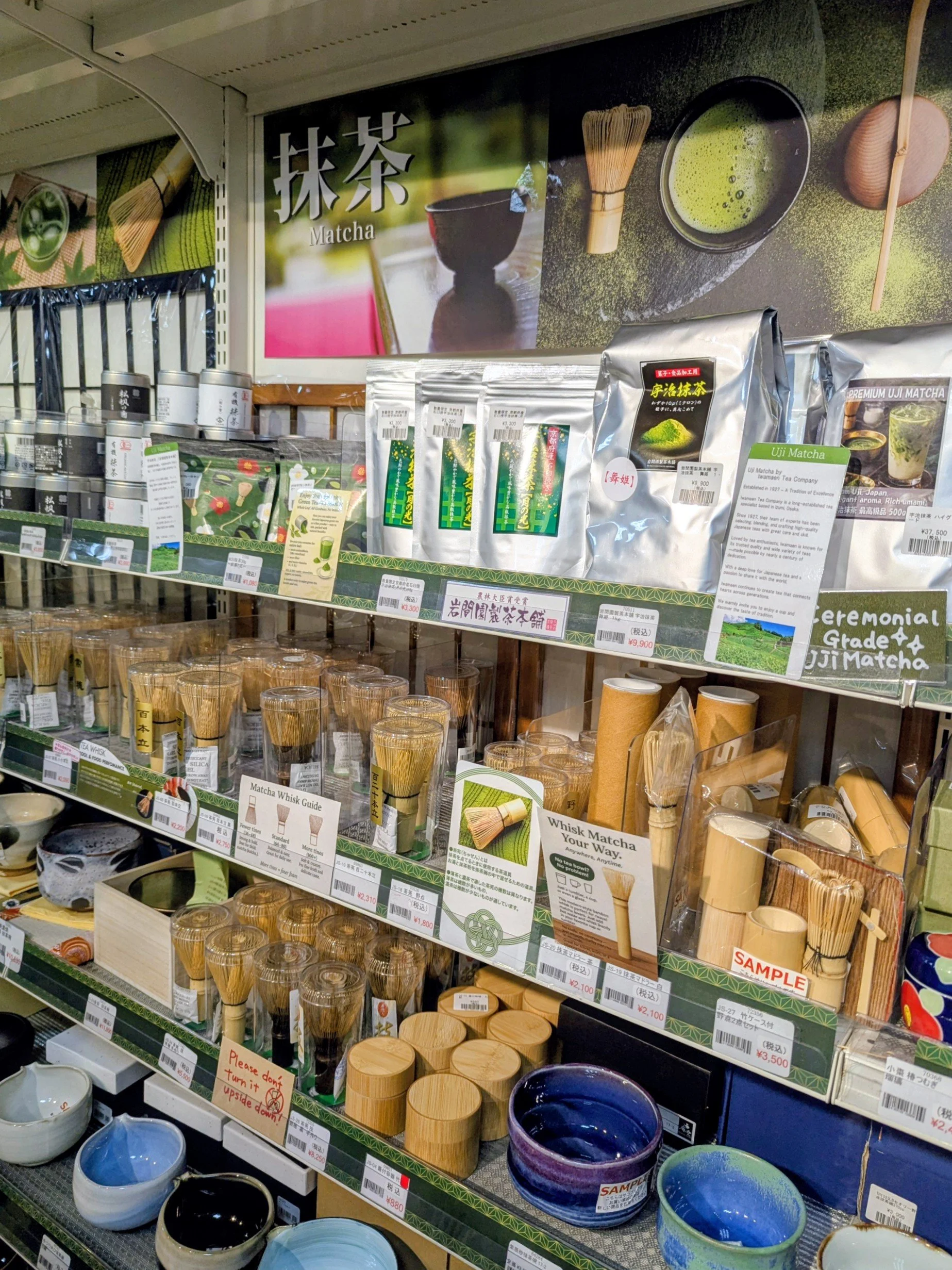
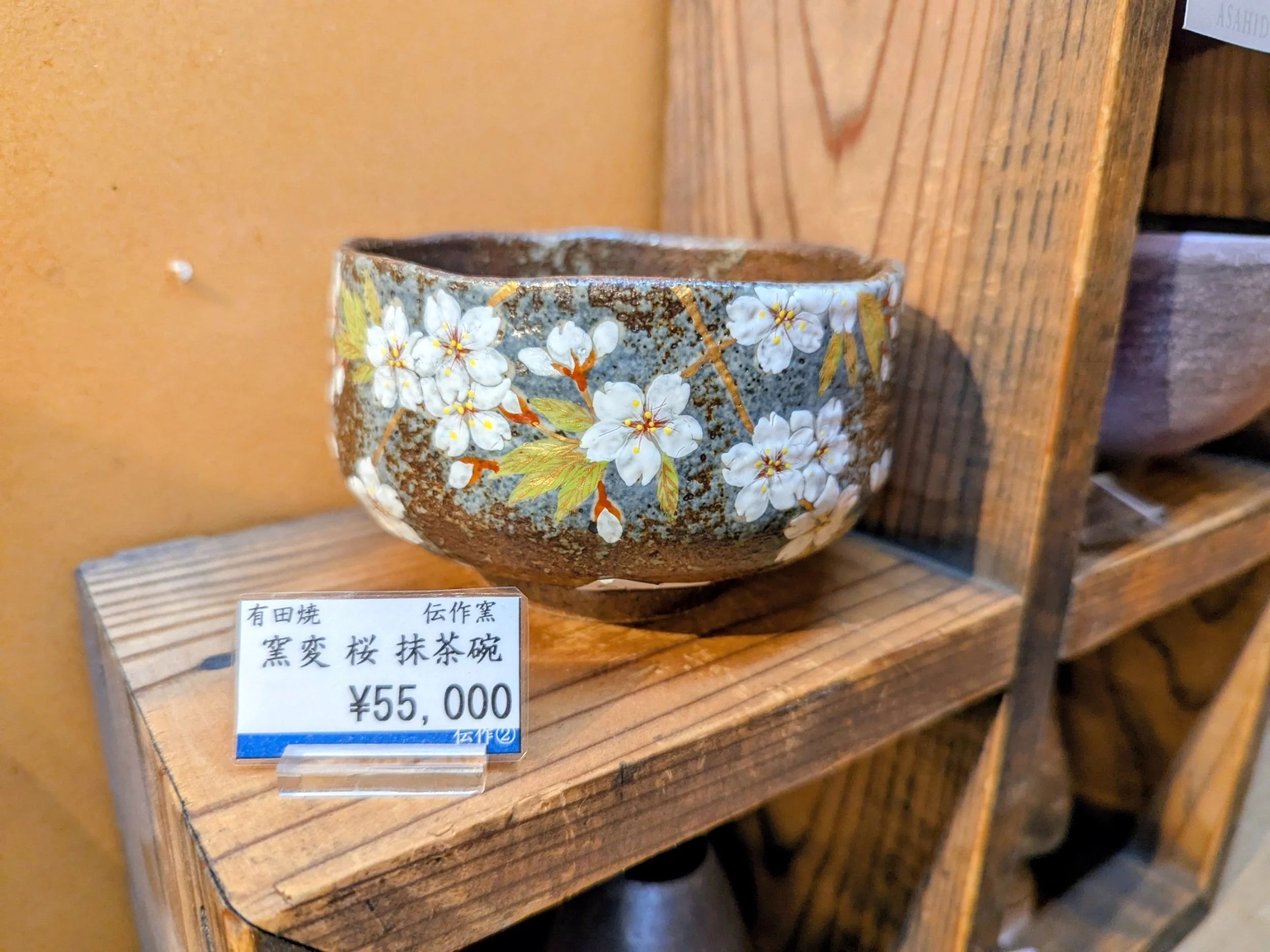
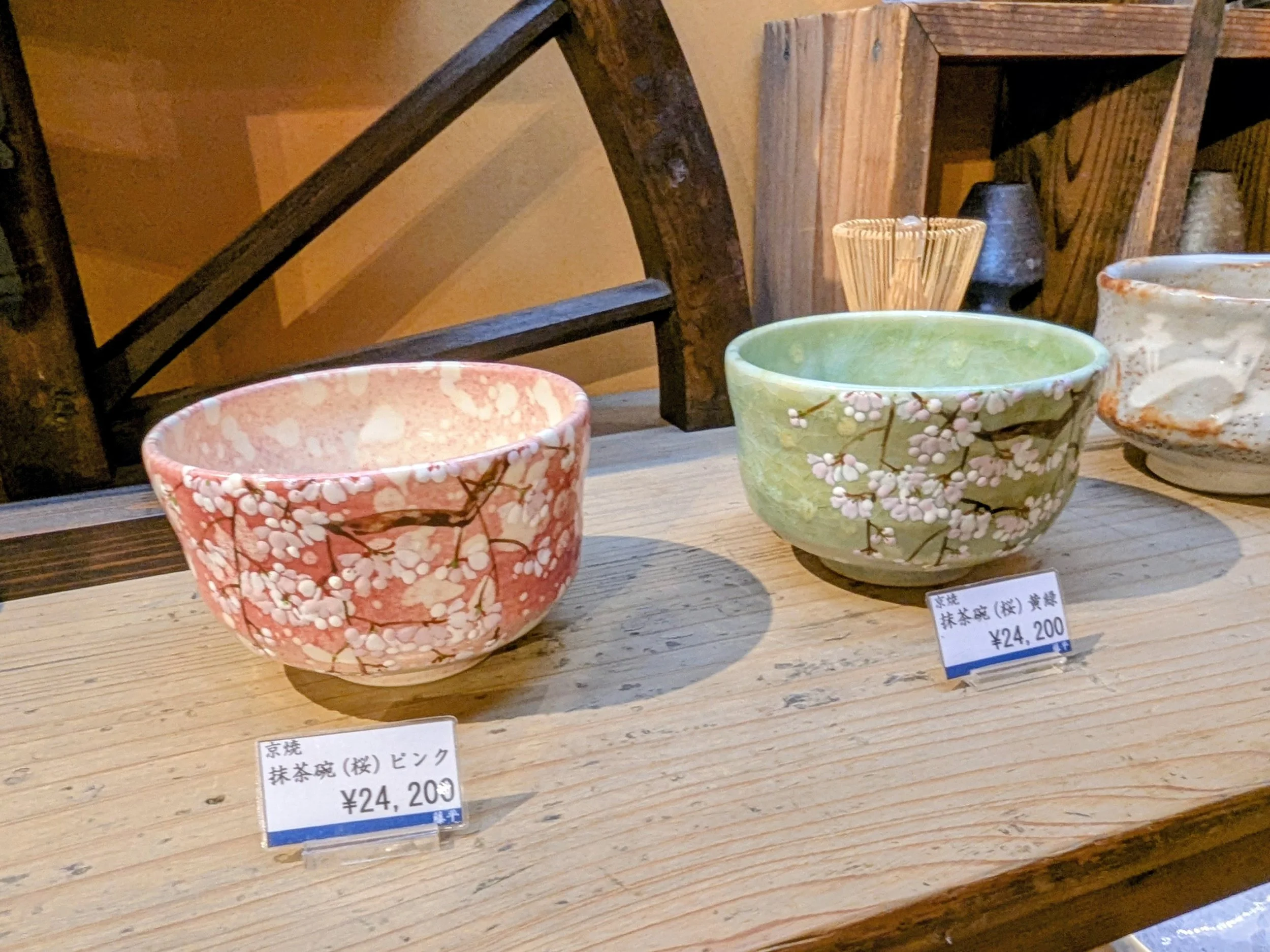
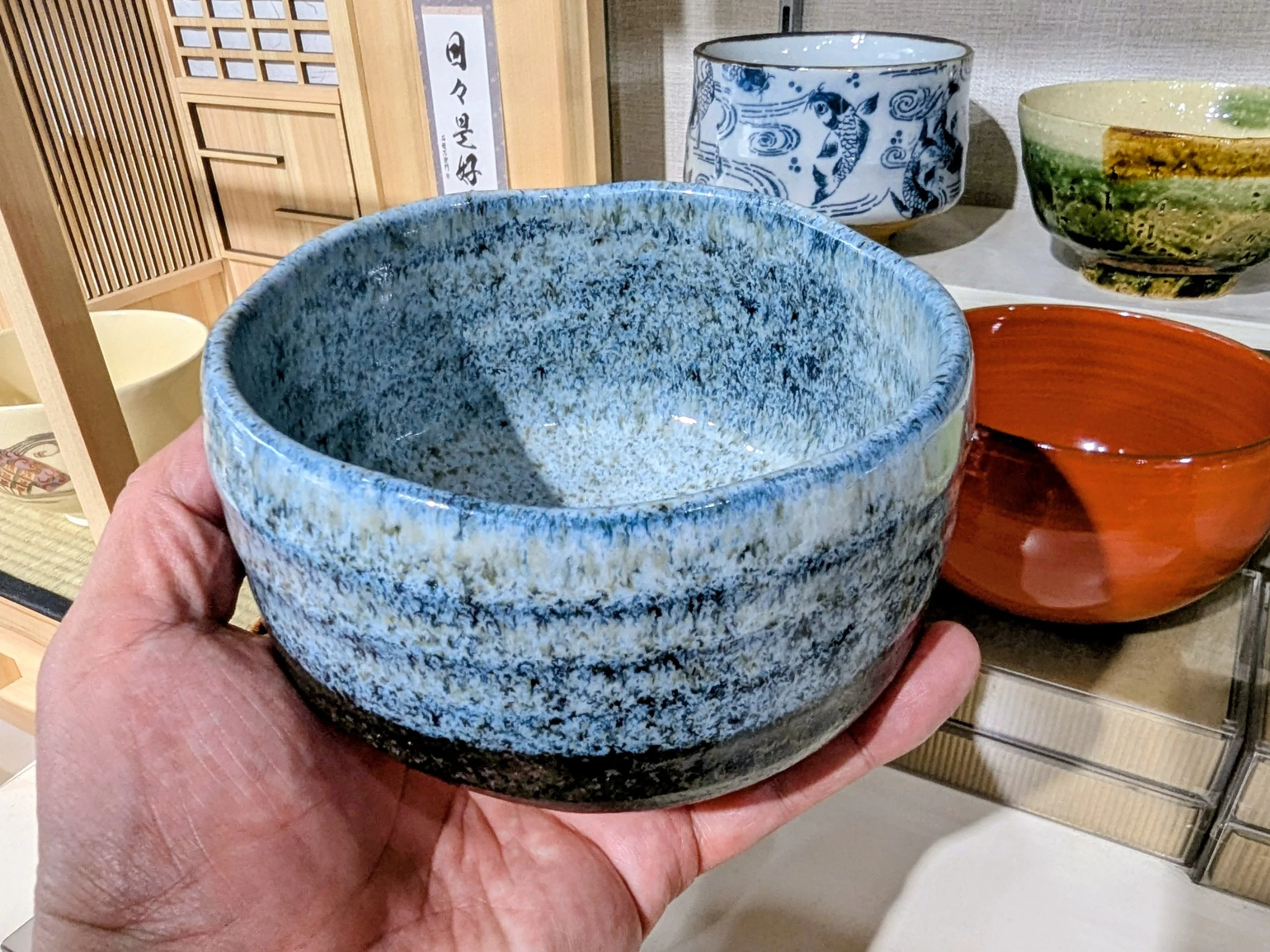
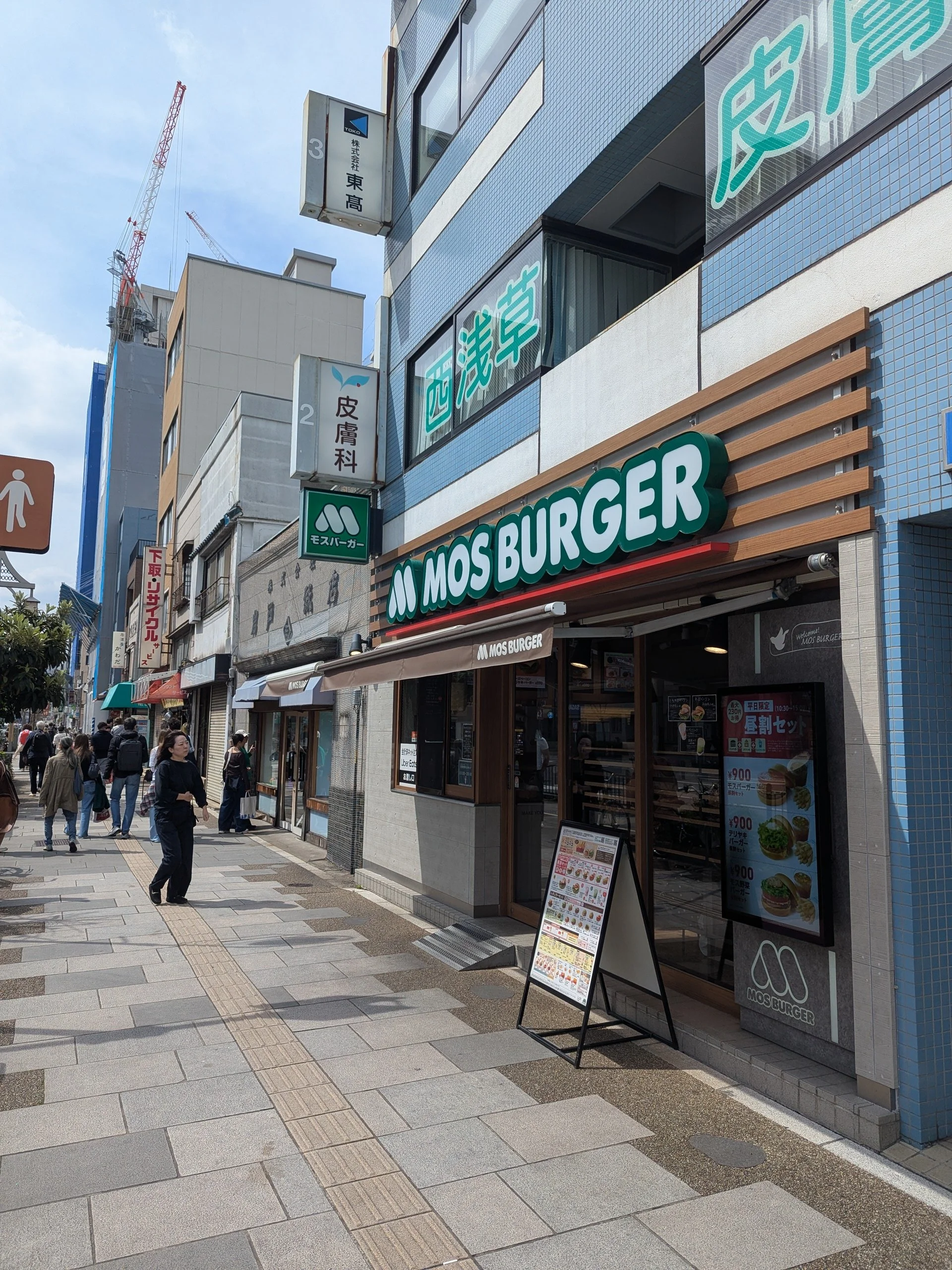
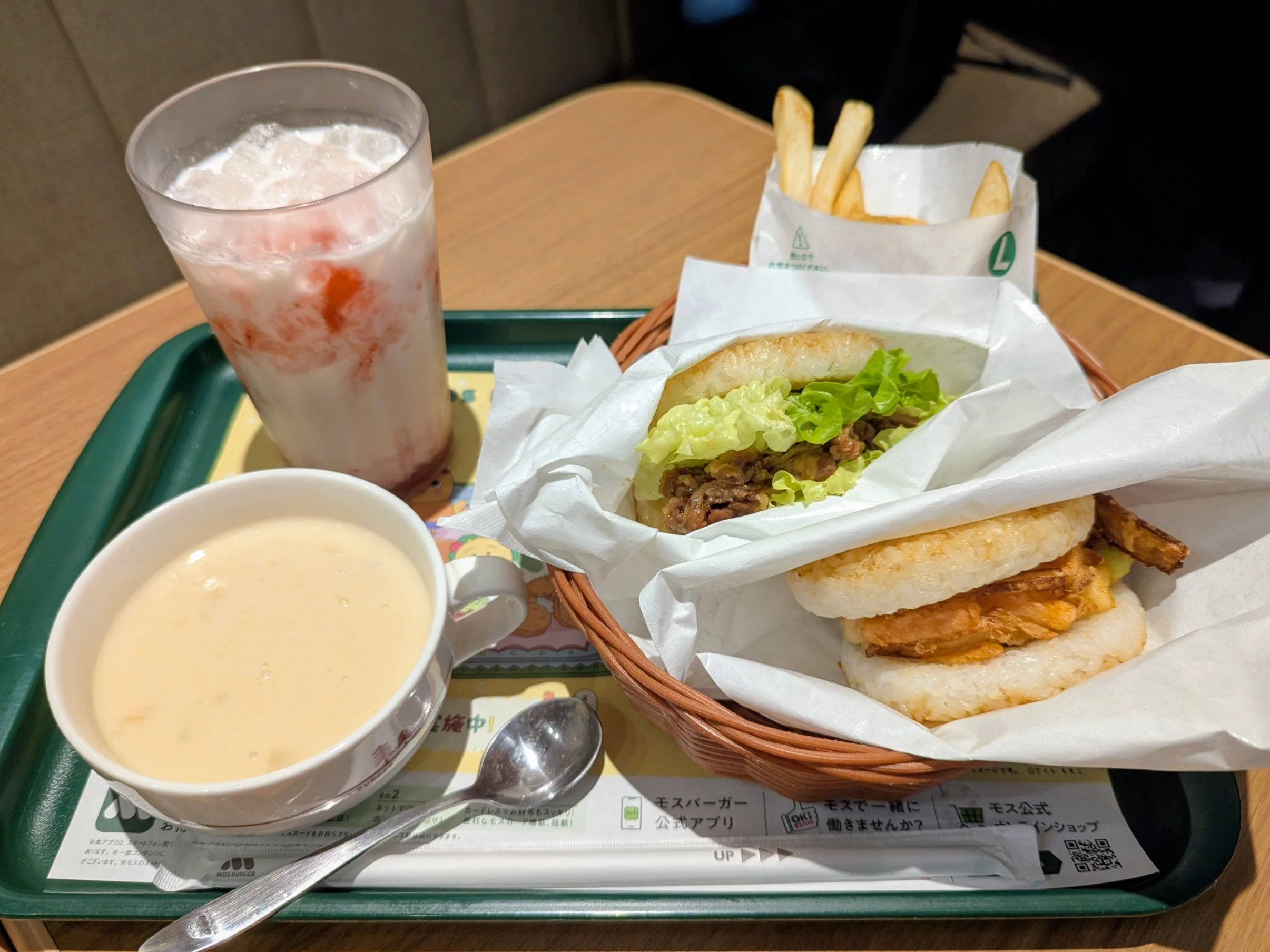
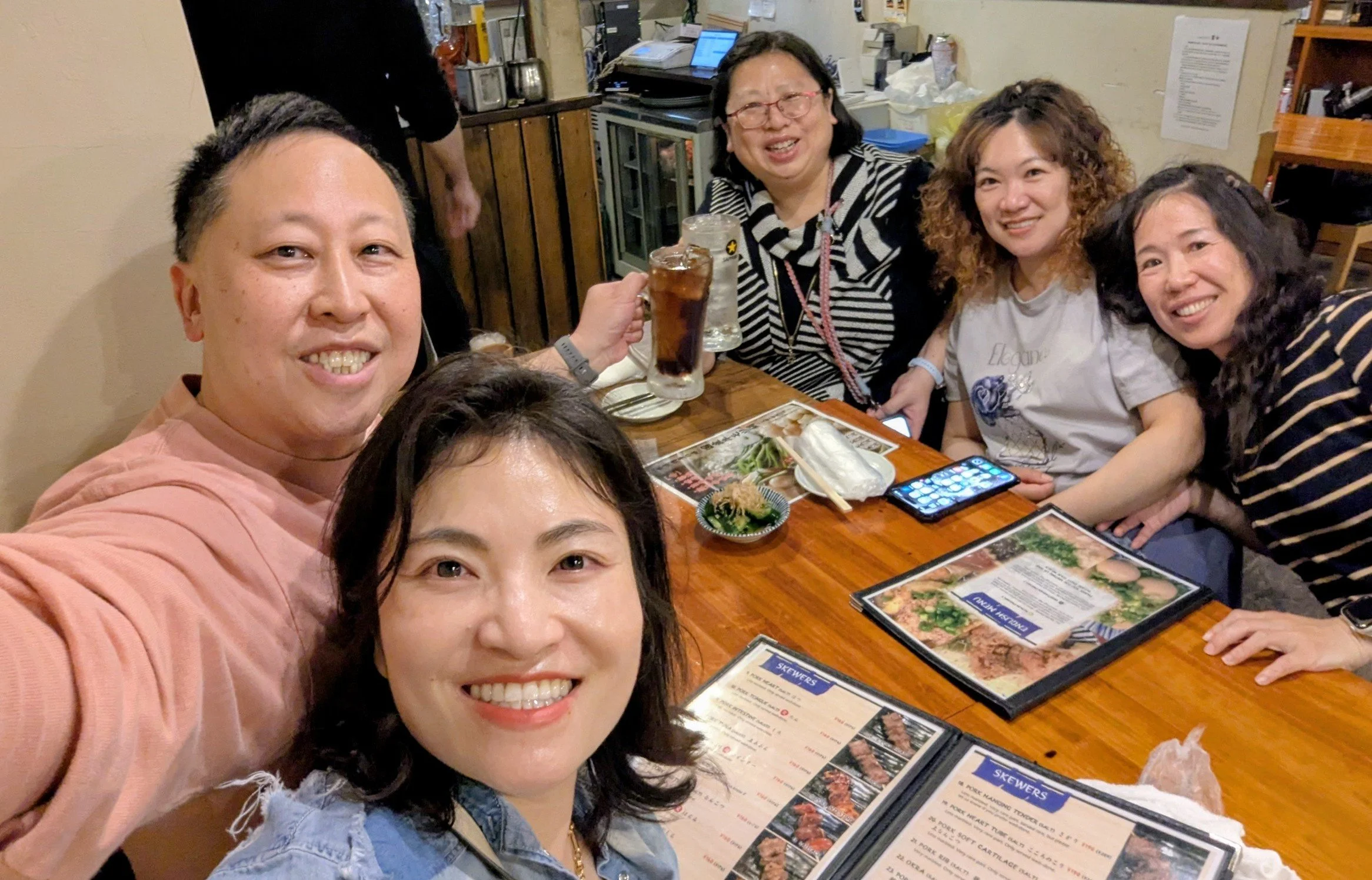
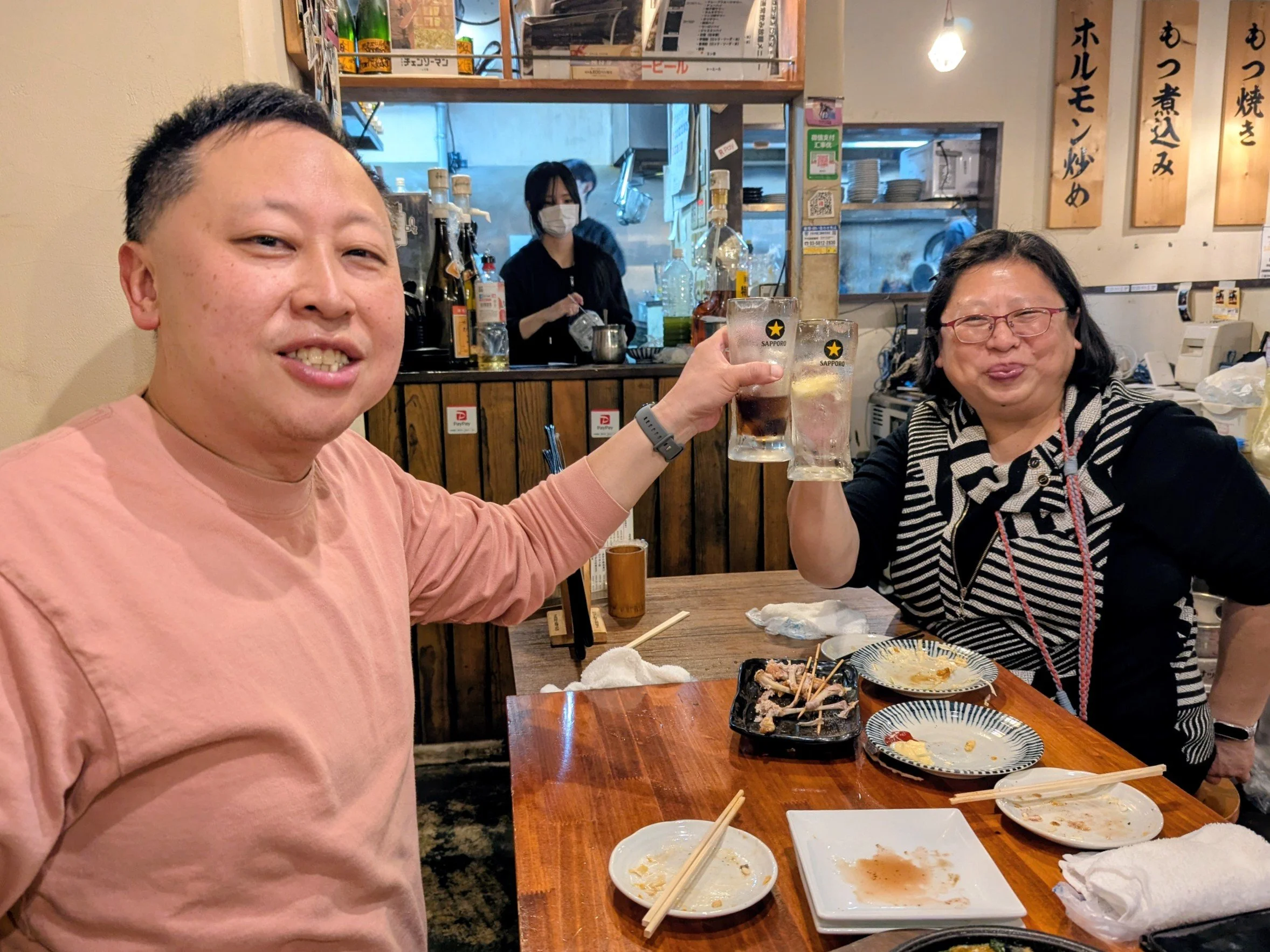
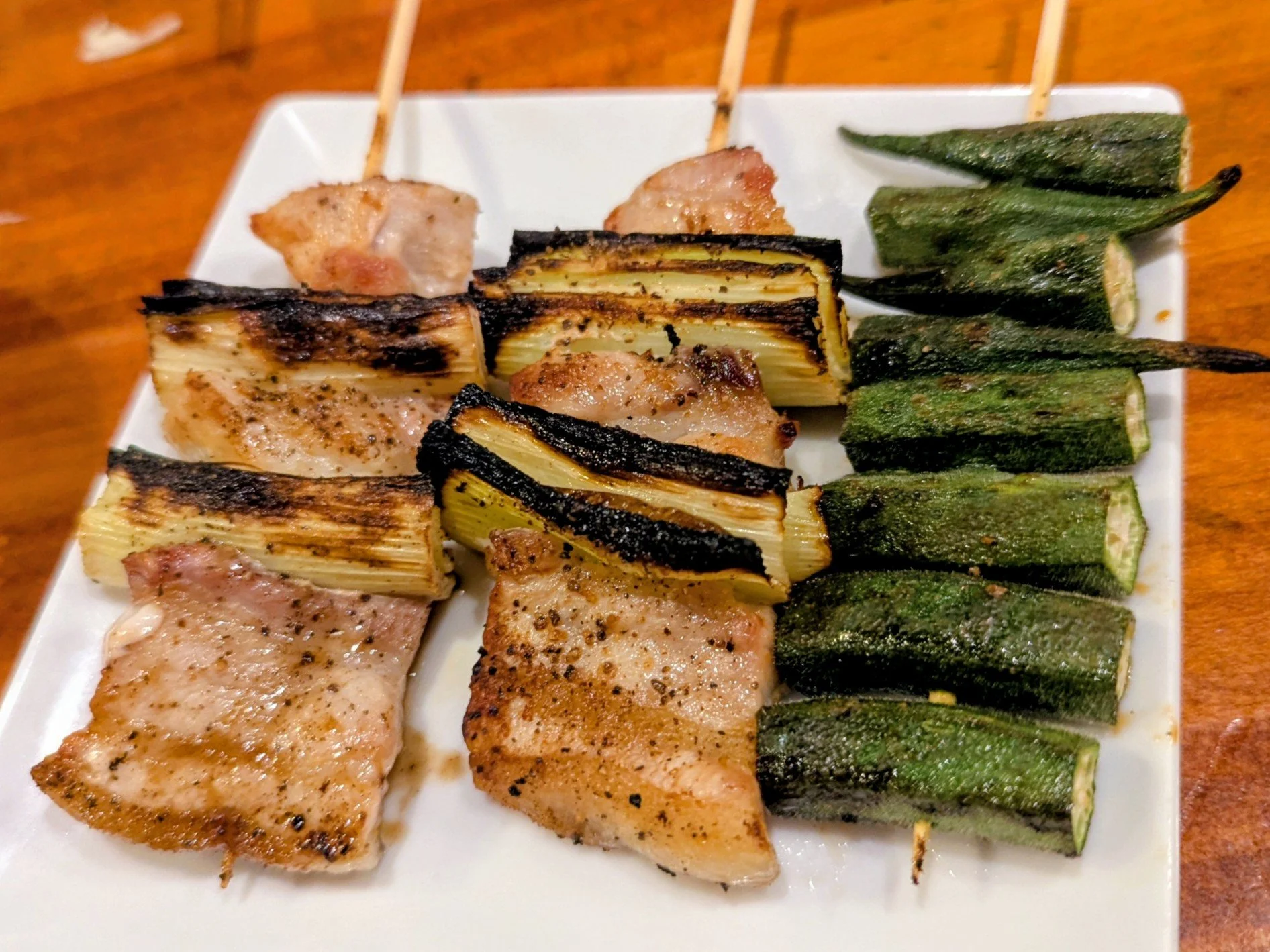
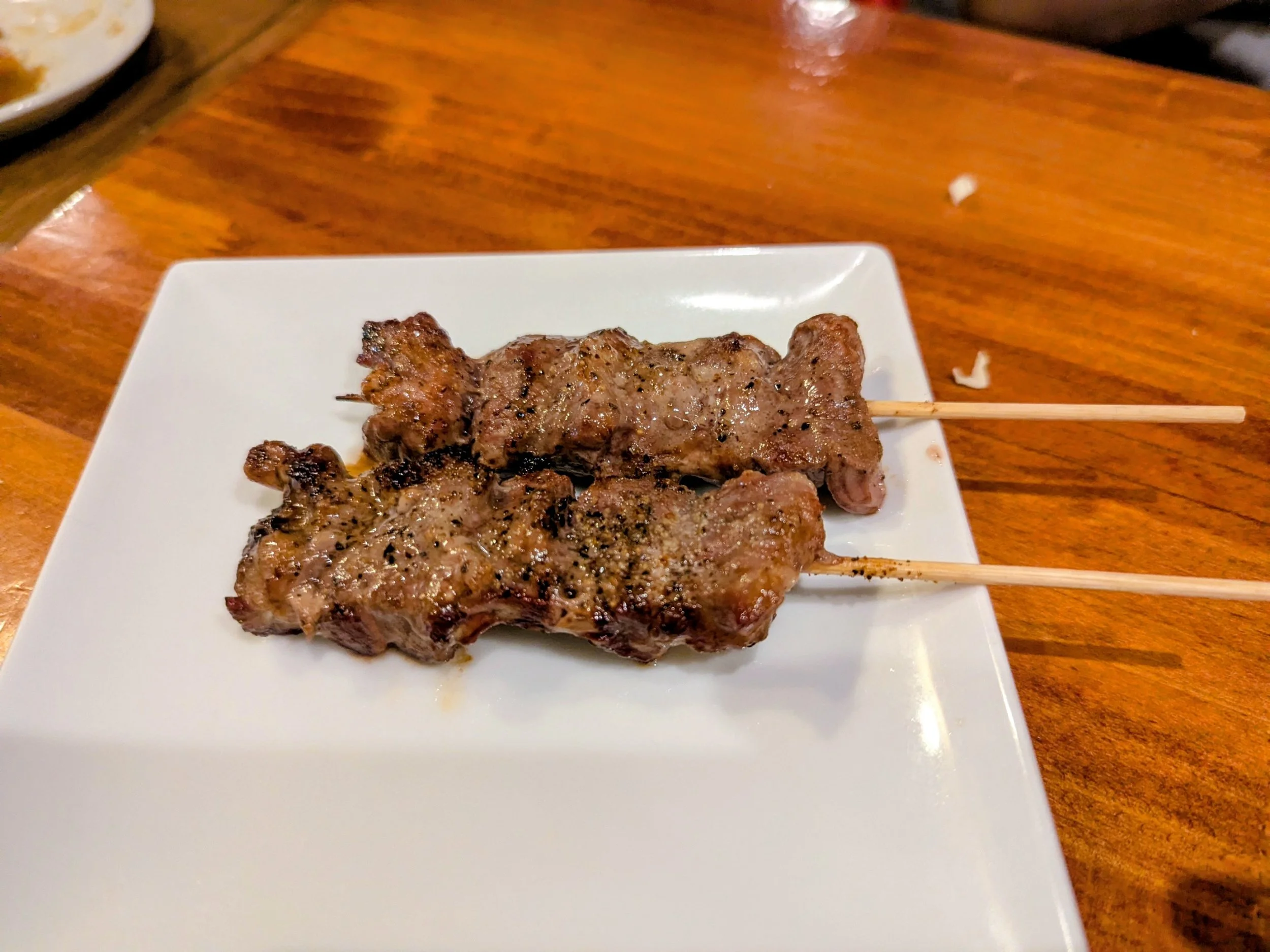
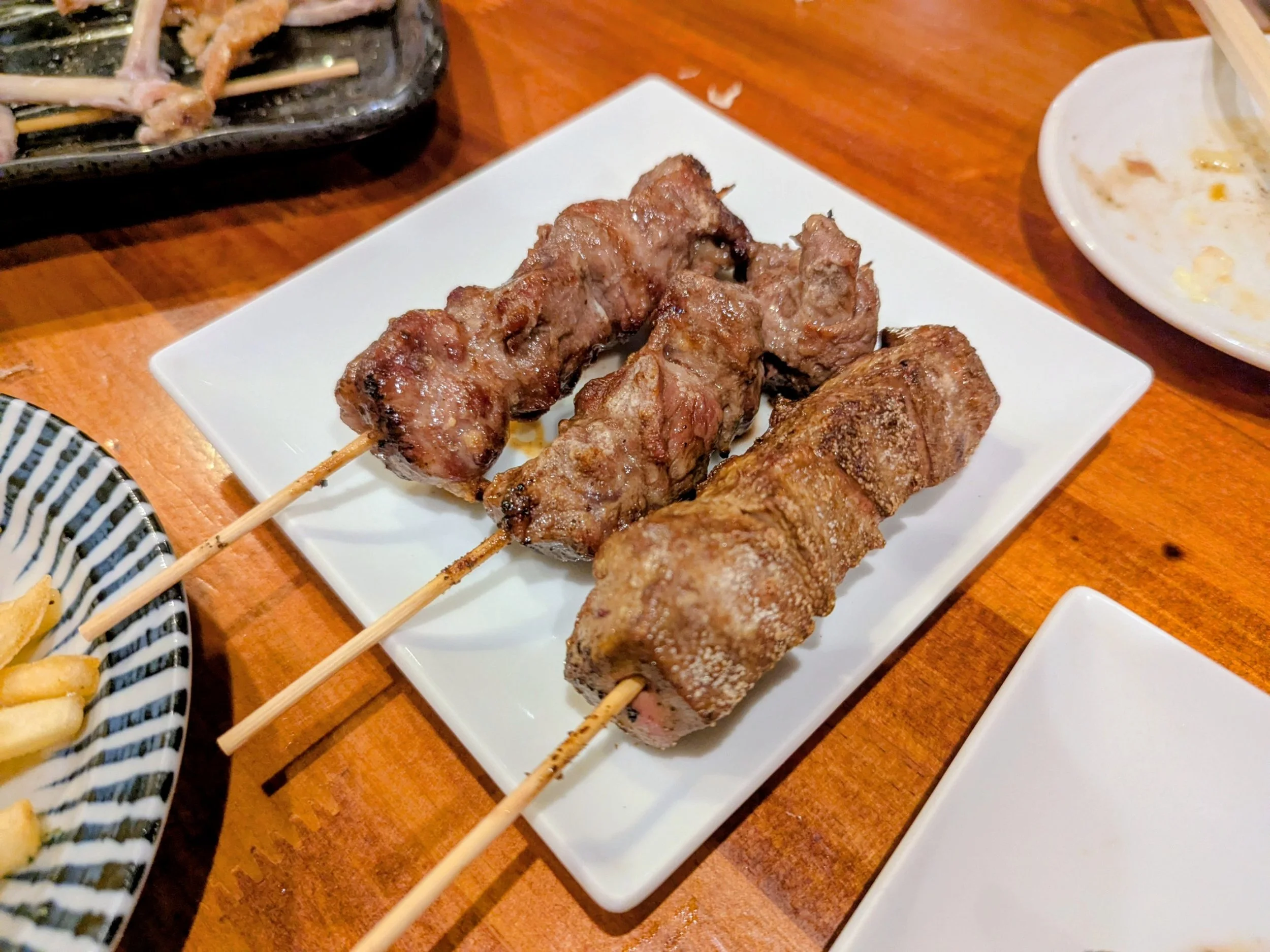
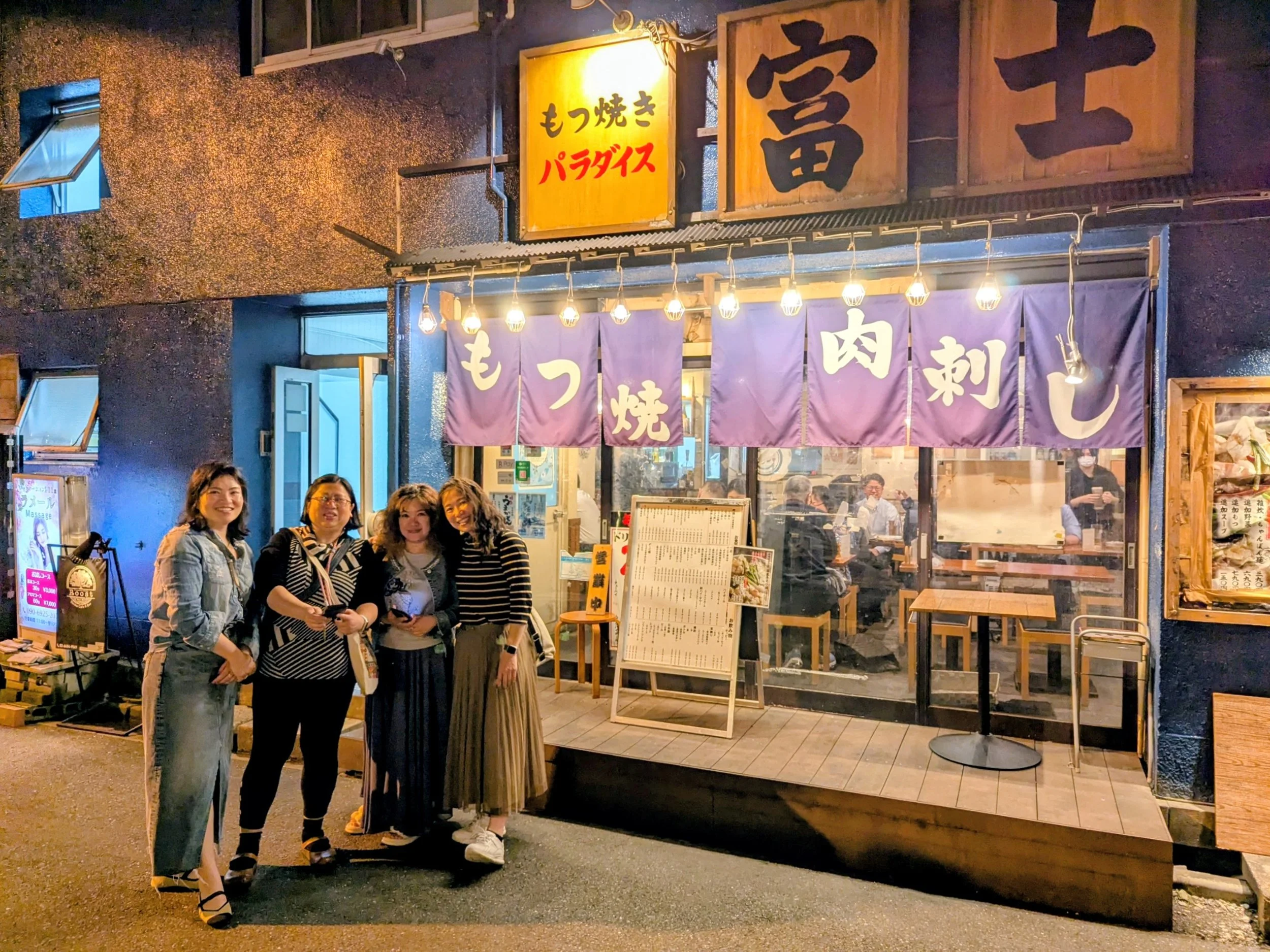
Cousin welcome dinner at the local izakaya near our hotel.
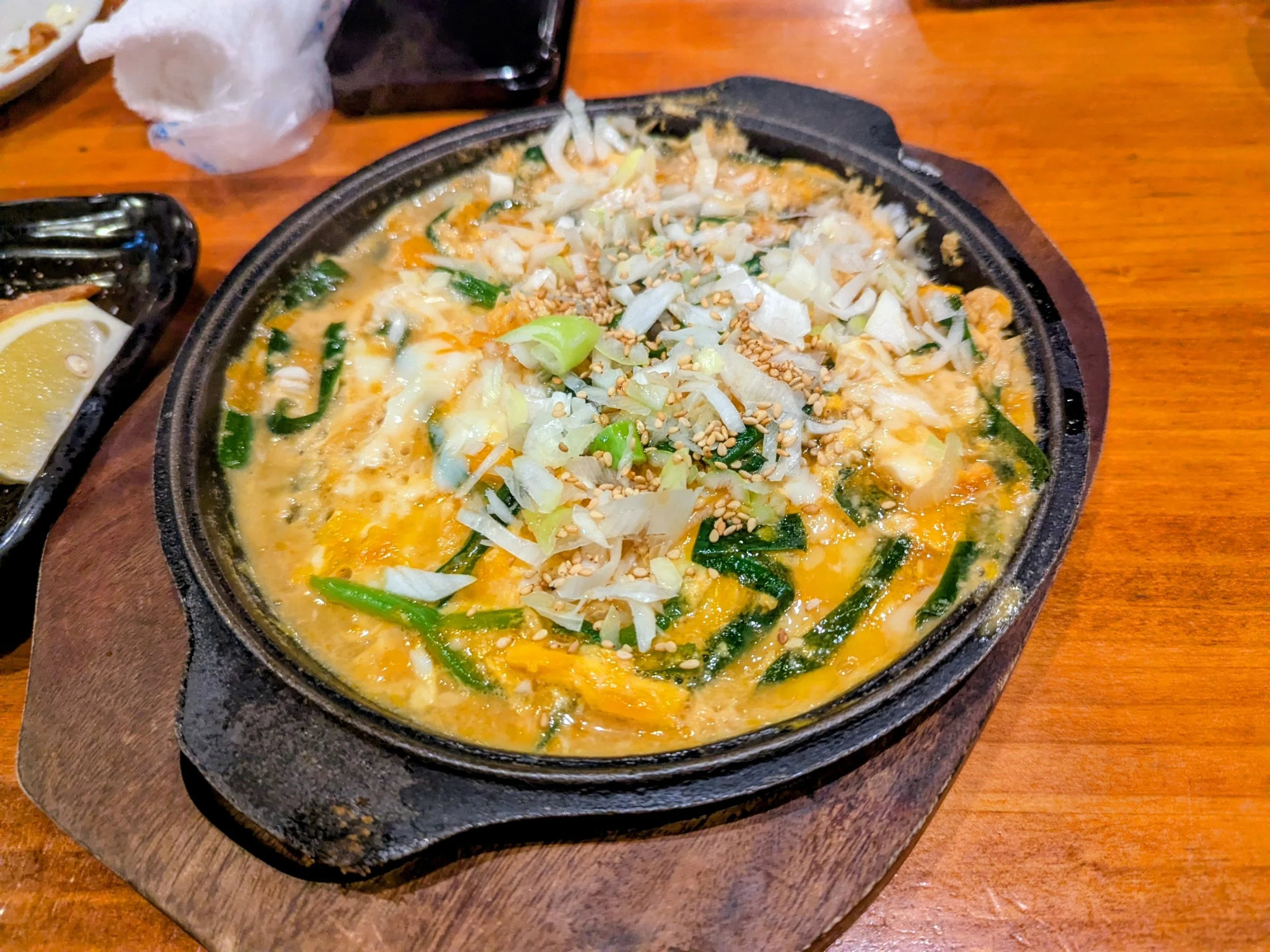
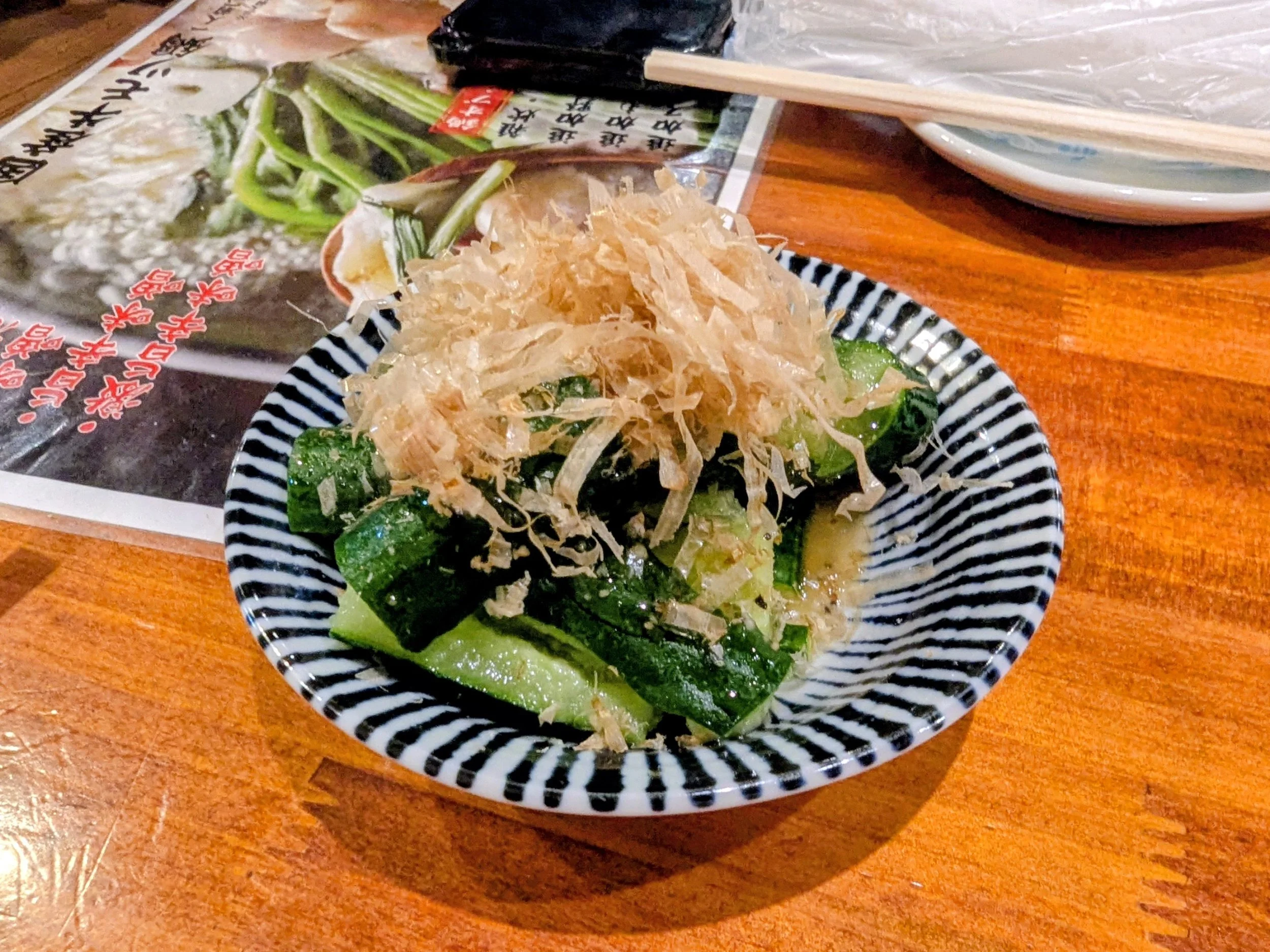
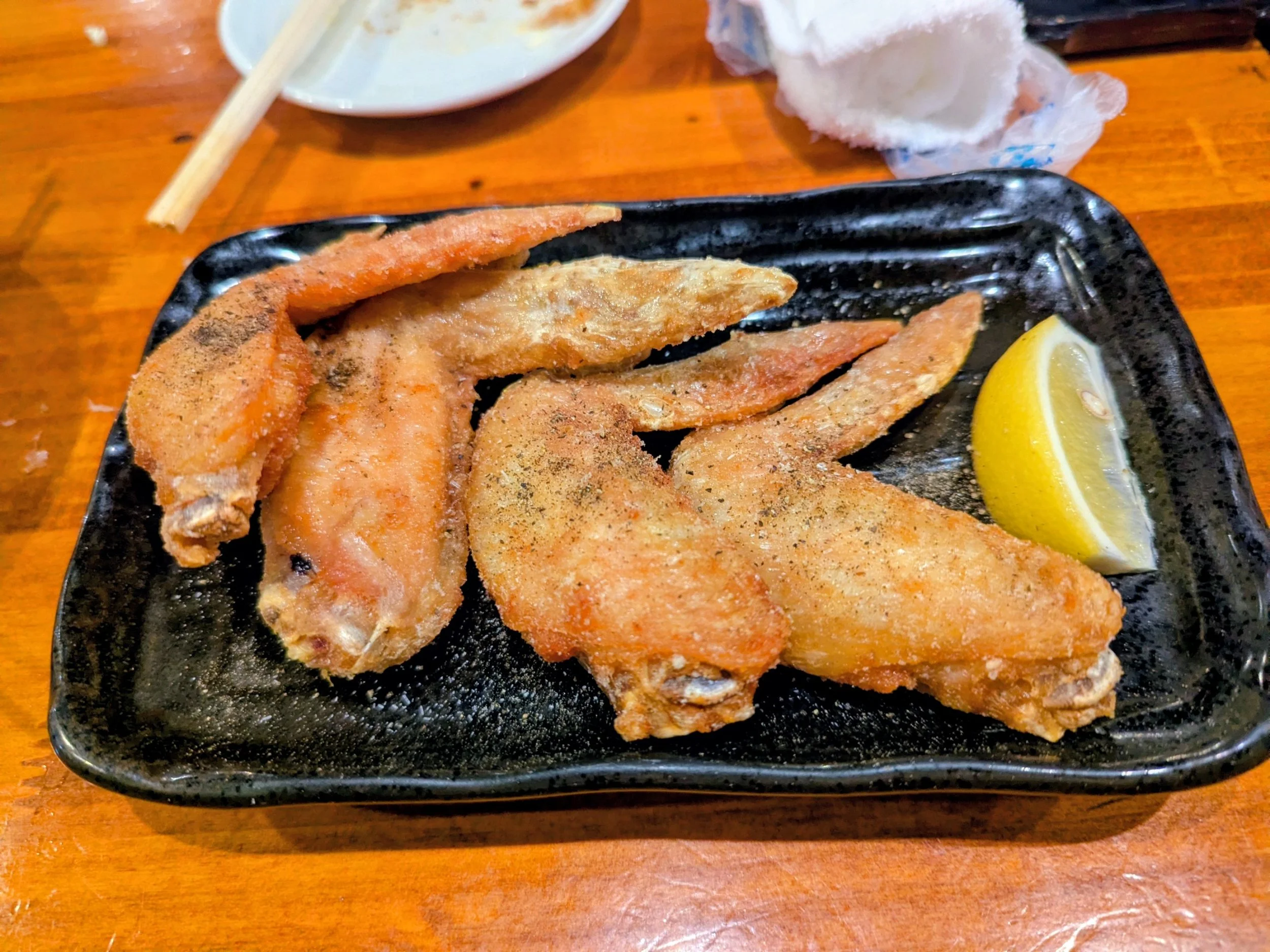
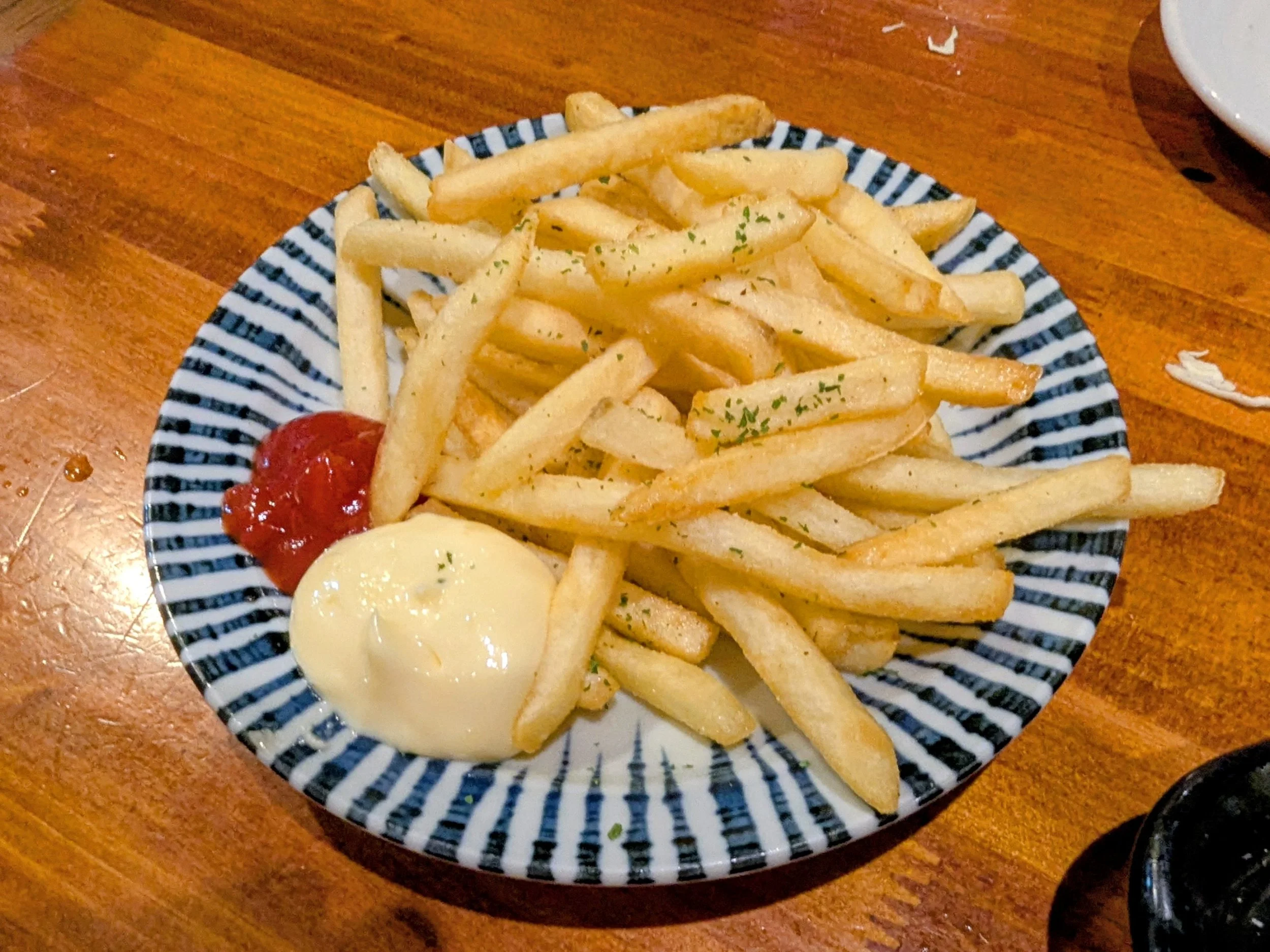
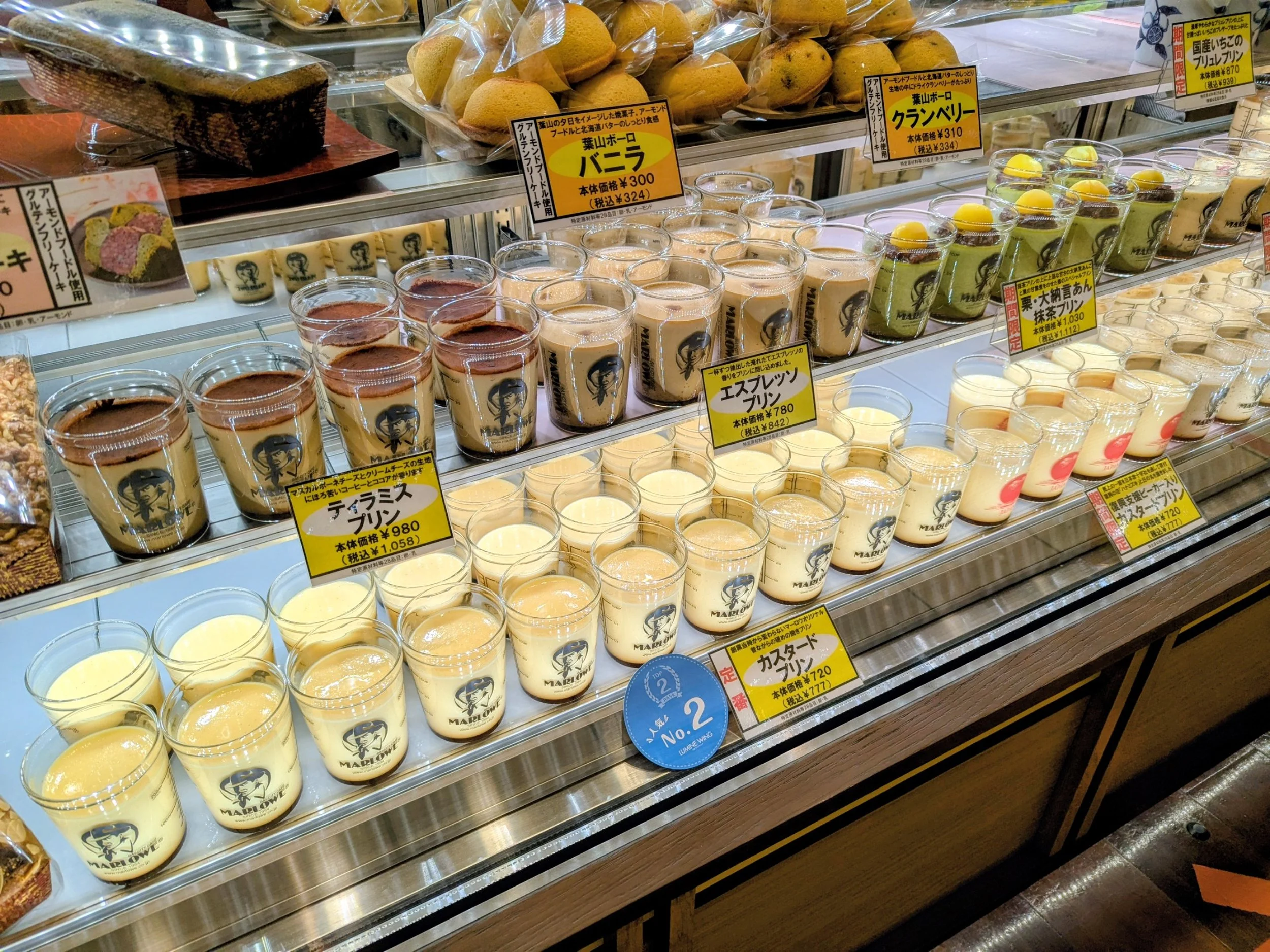
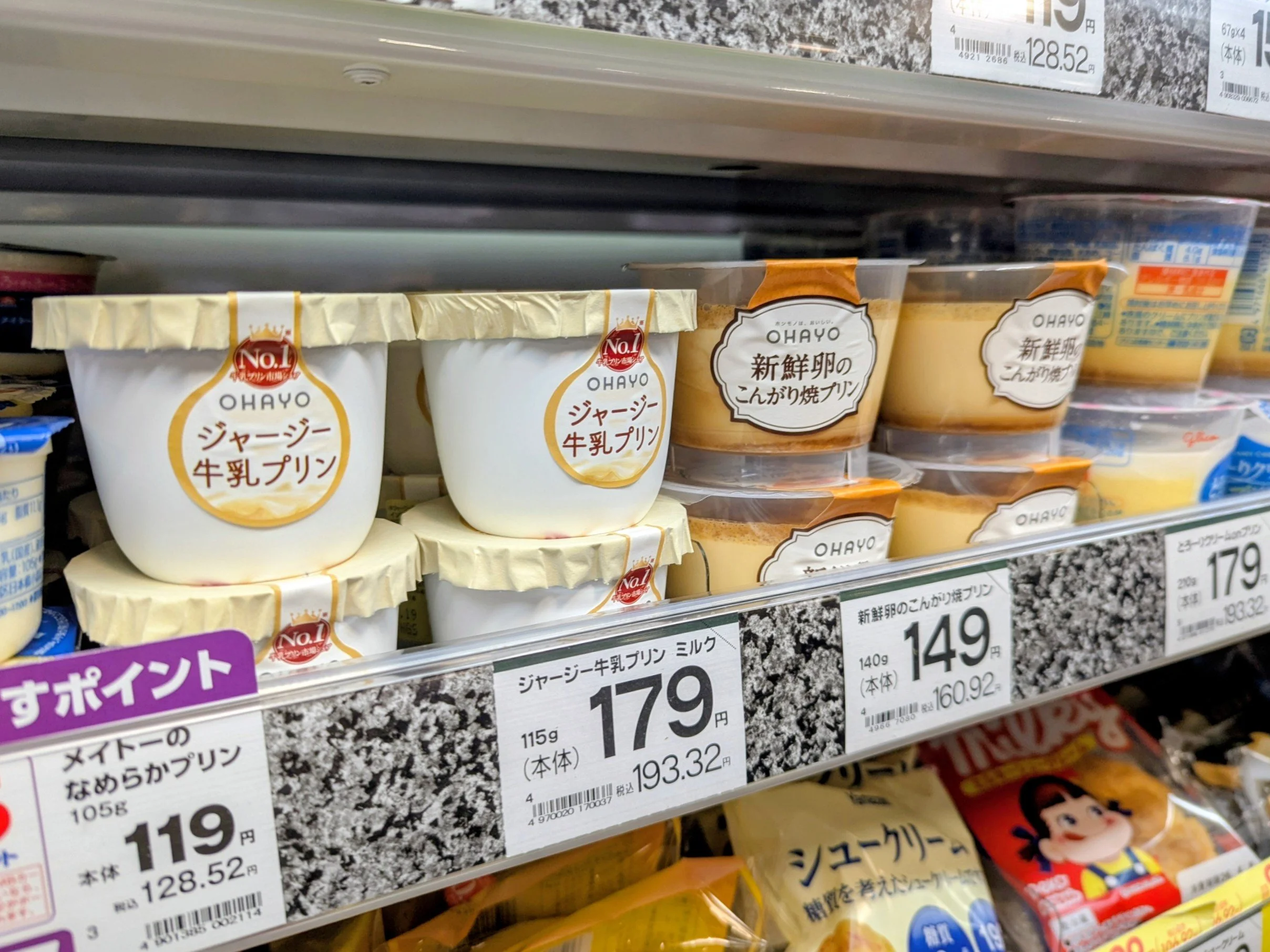
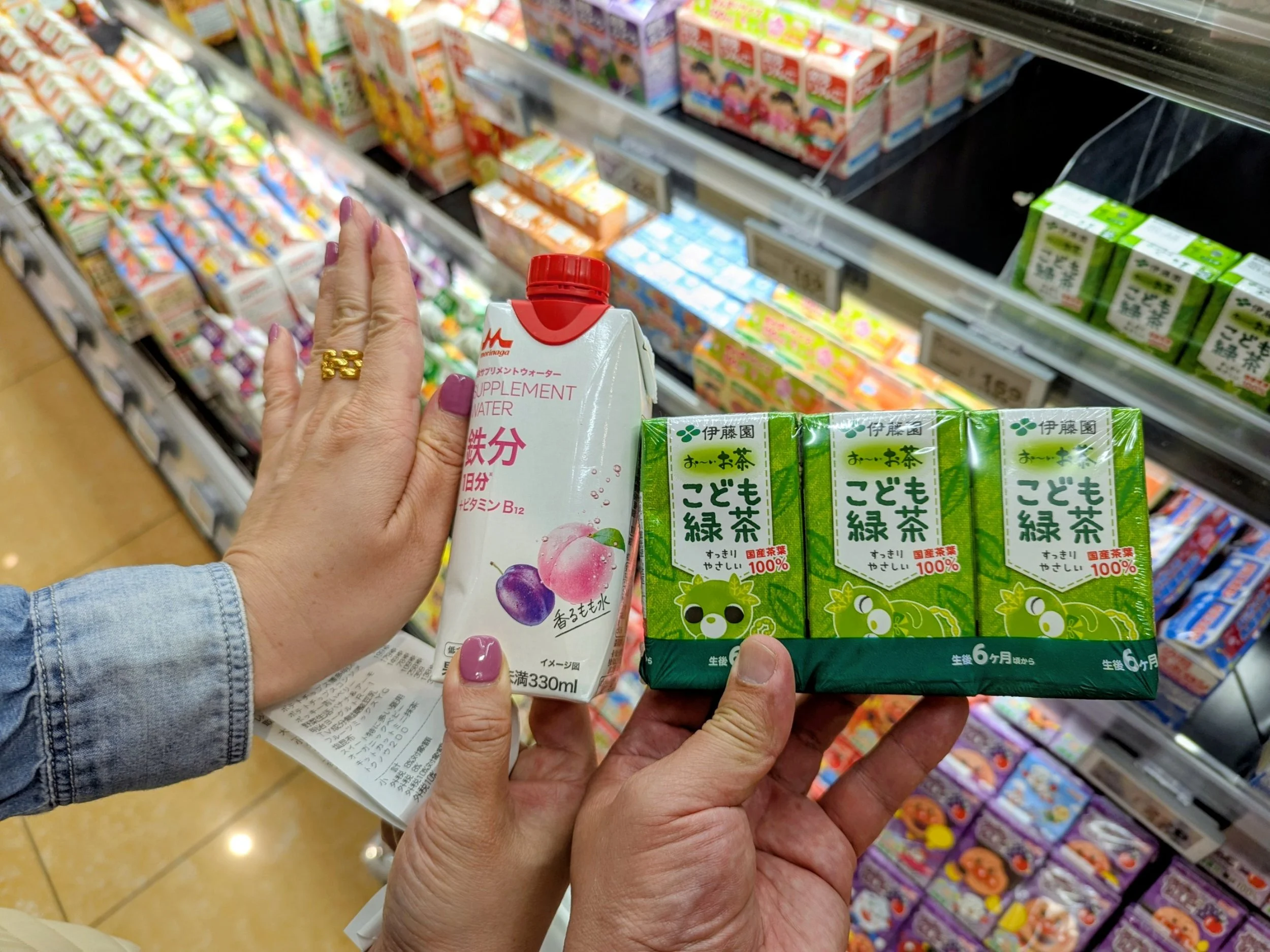
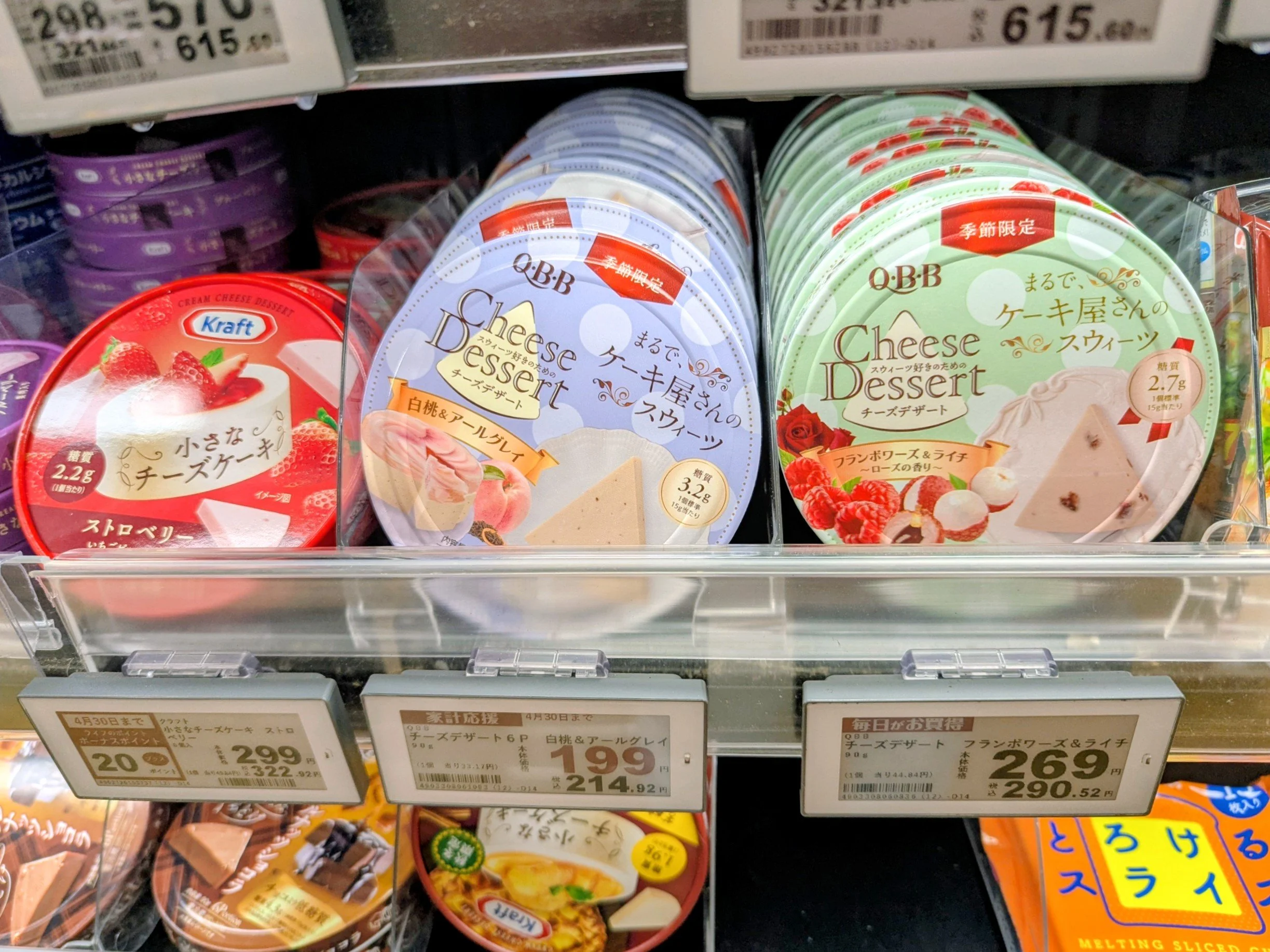
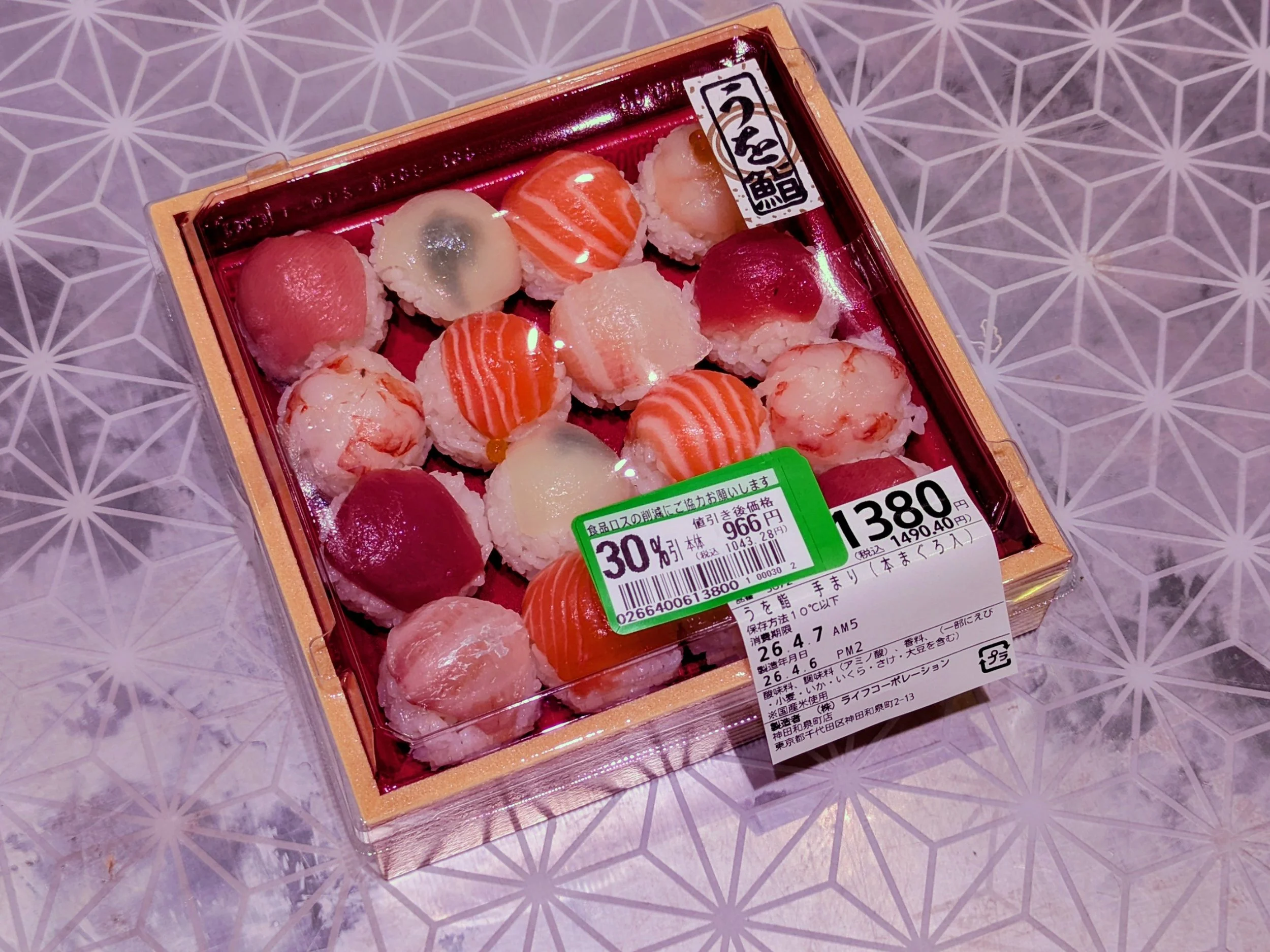
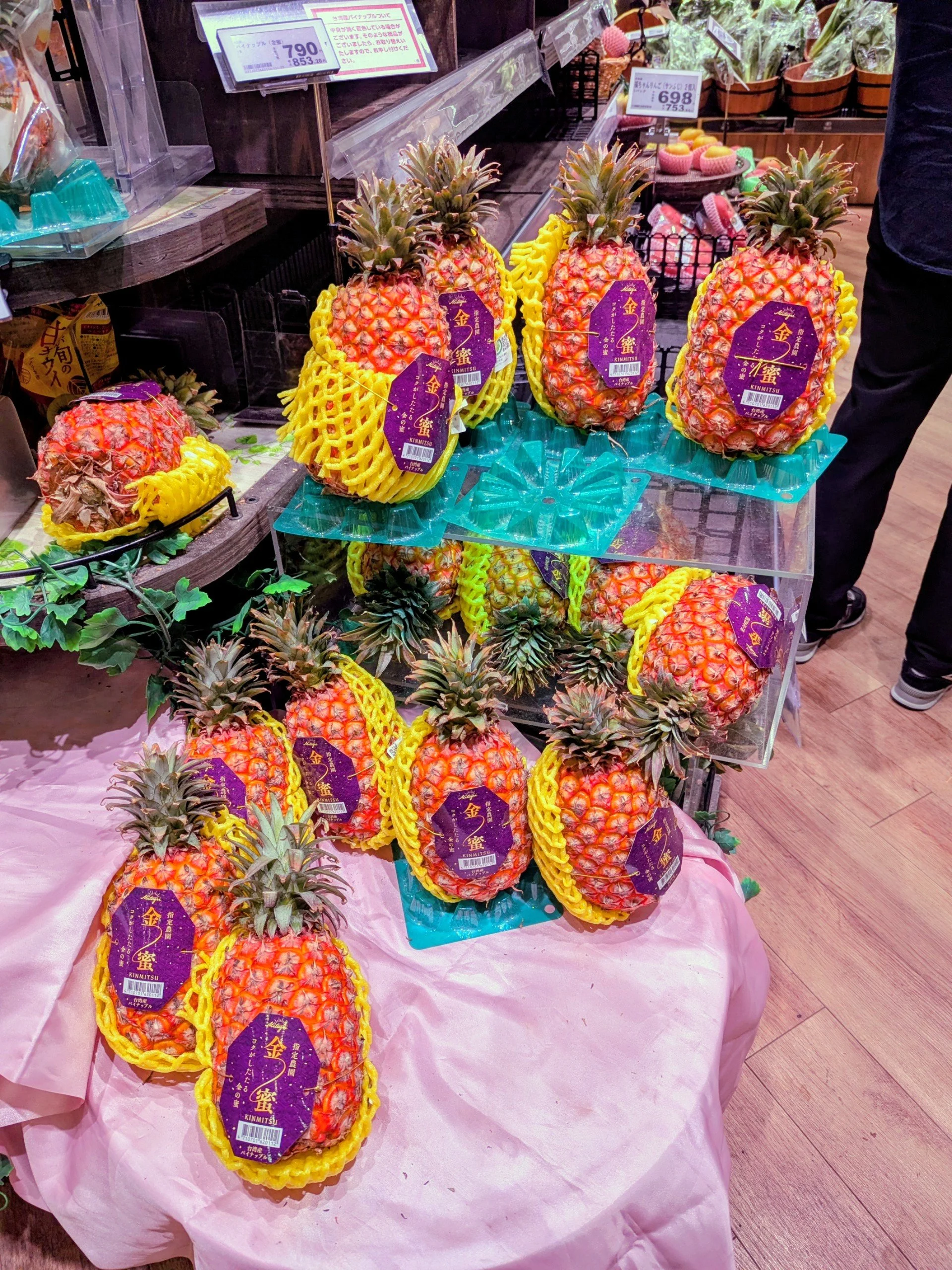
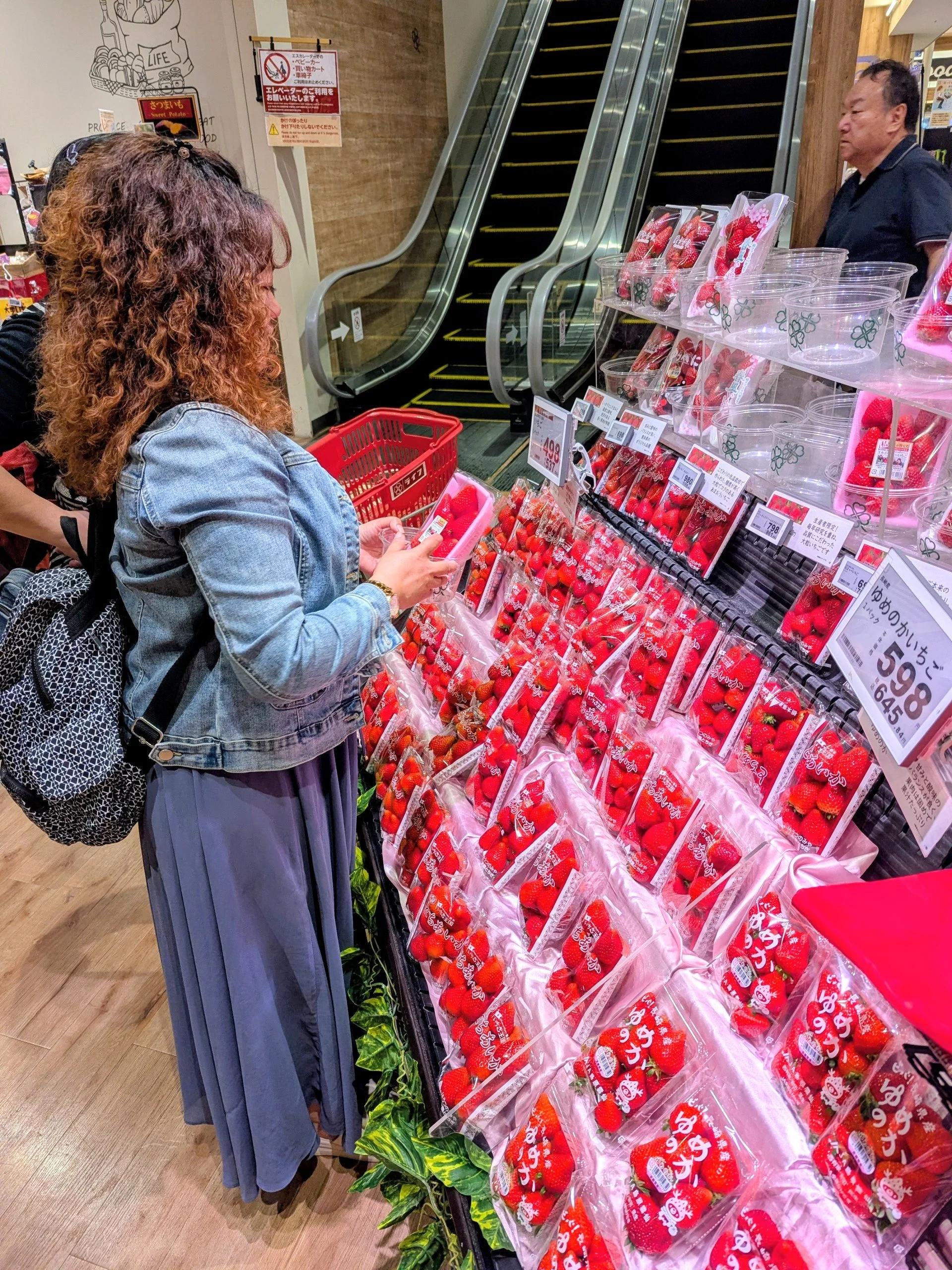
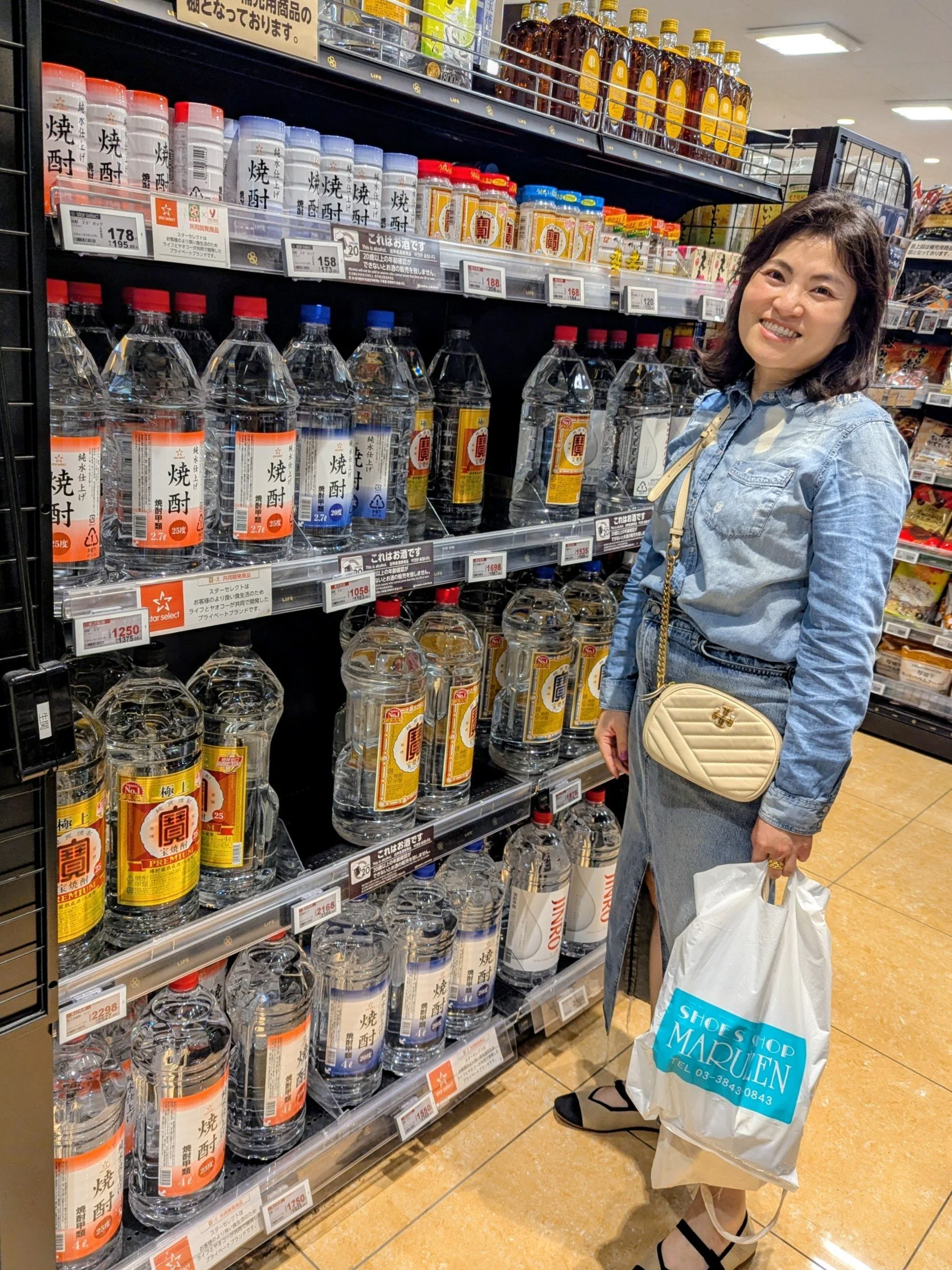
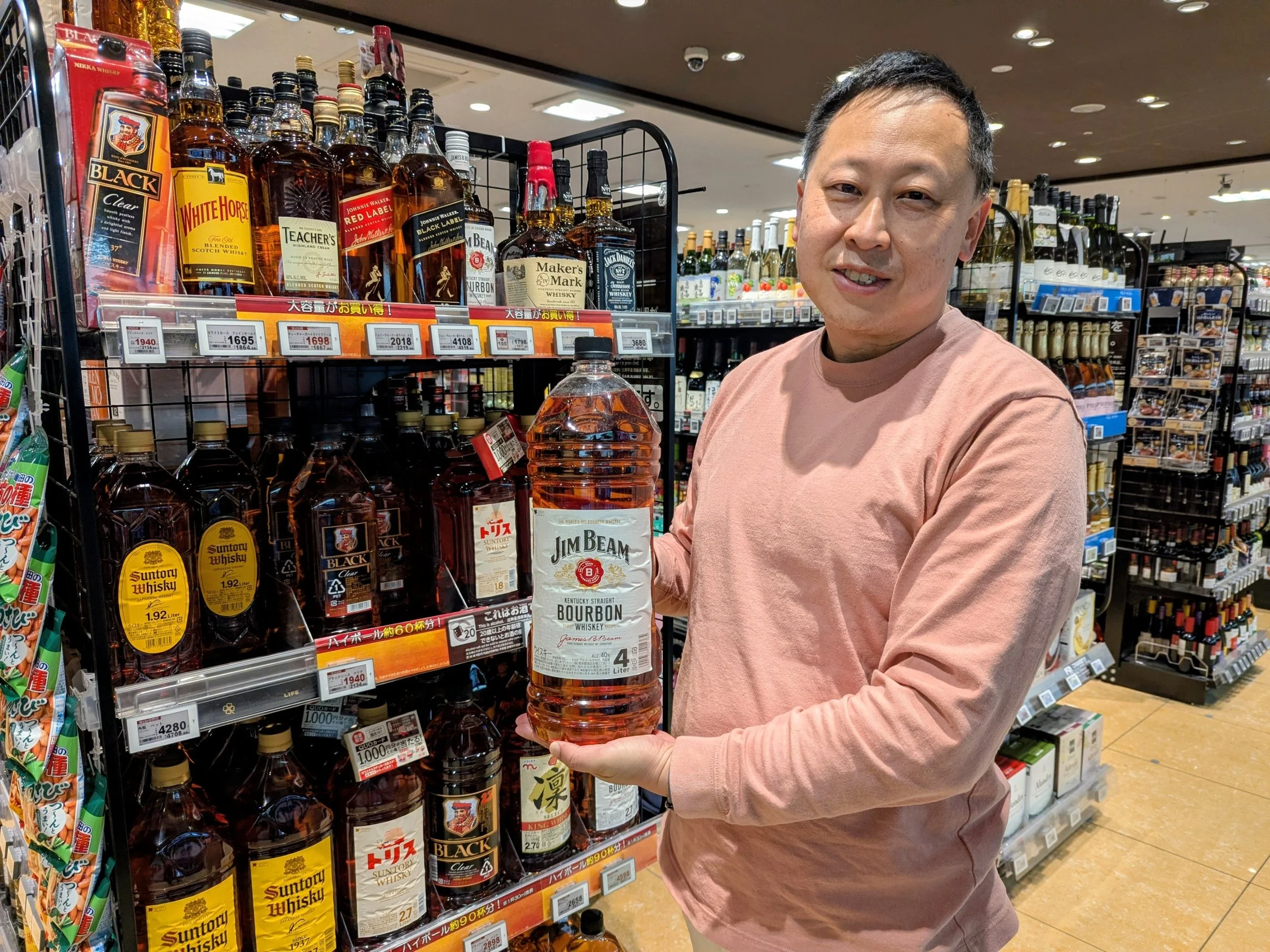
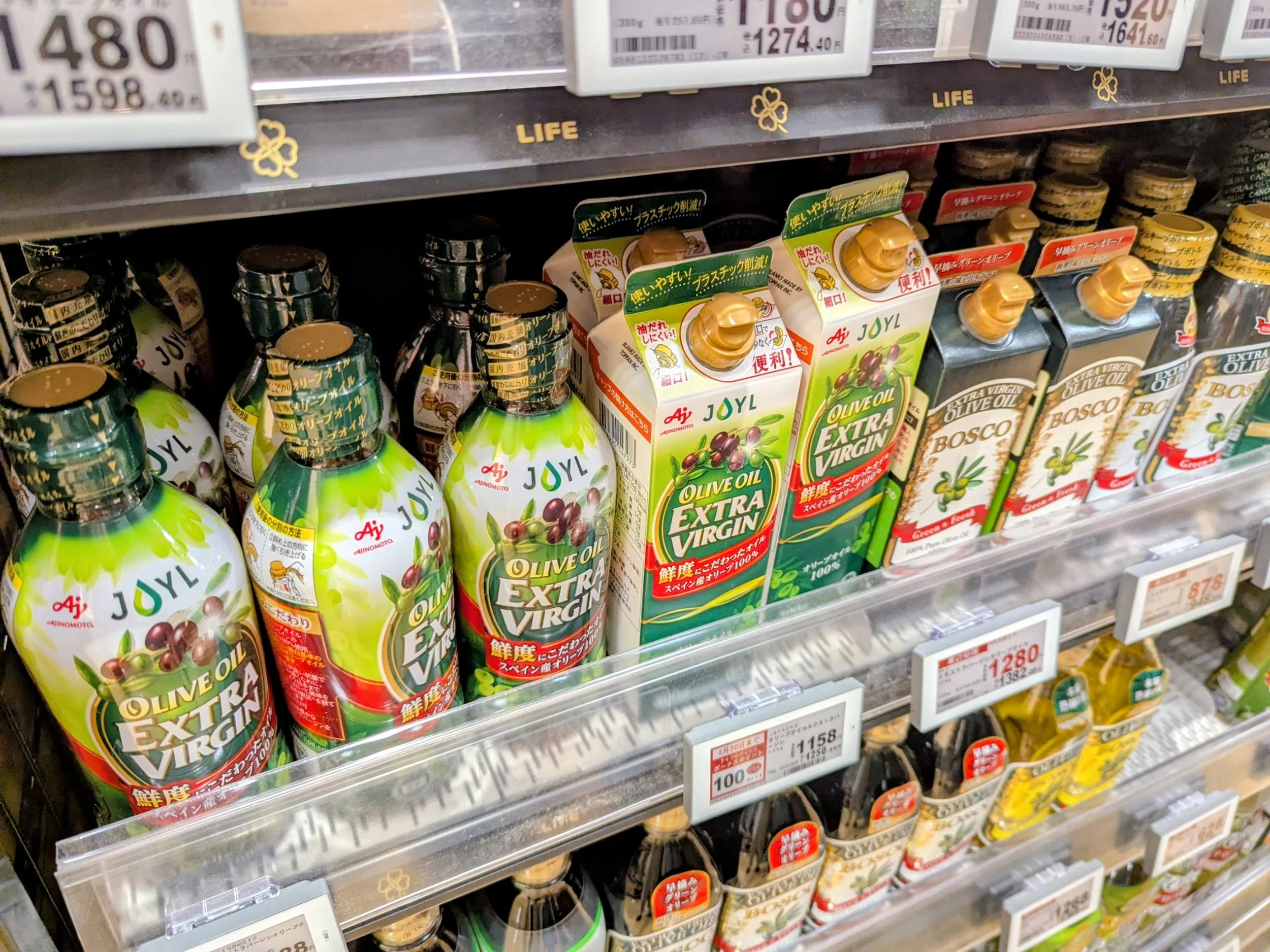
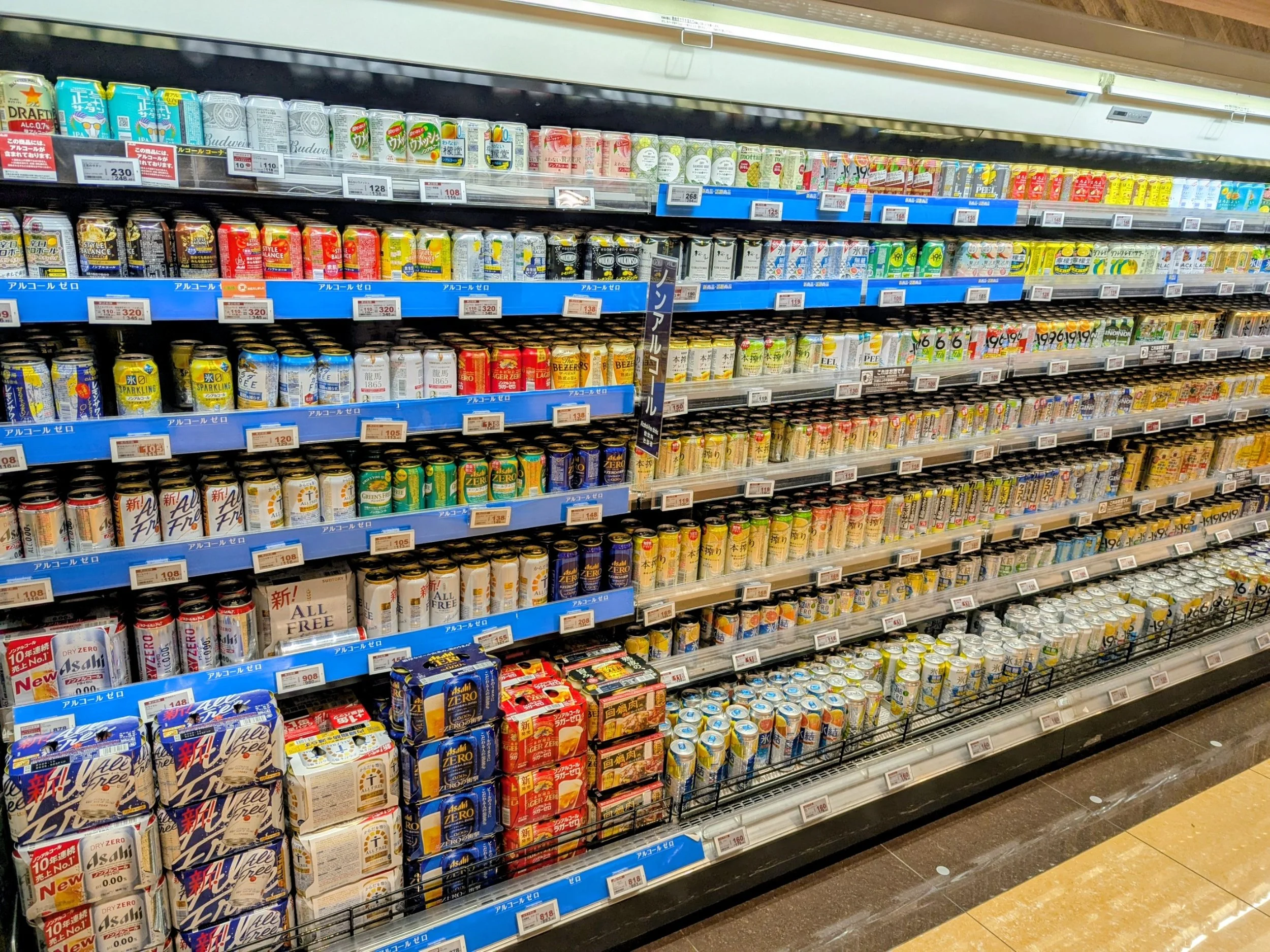
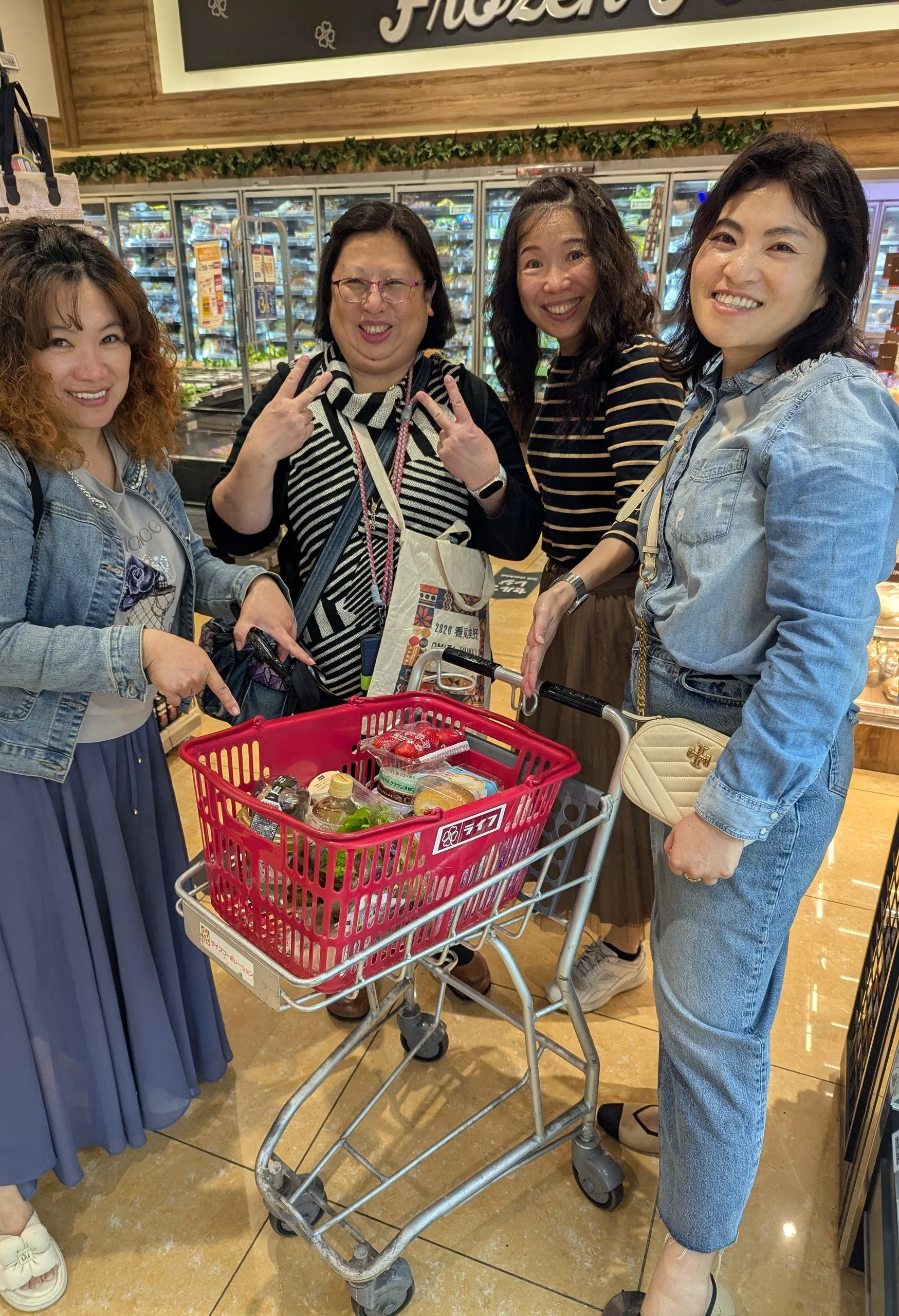
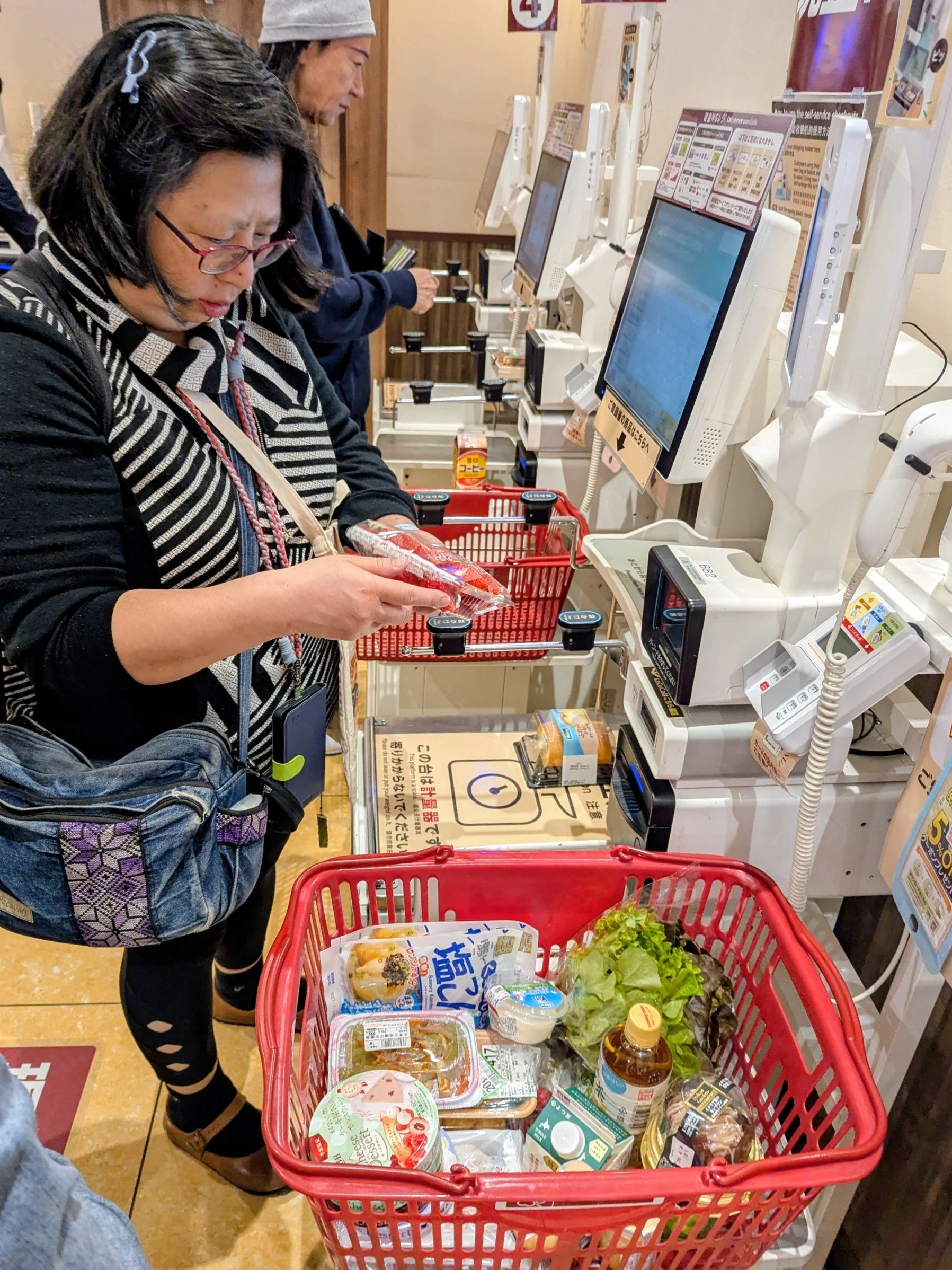
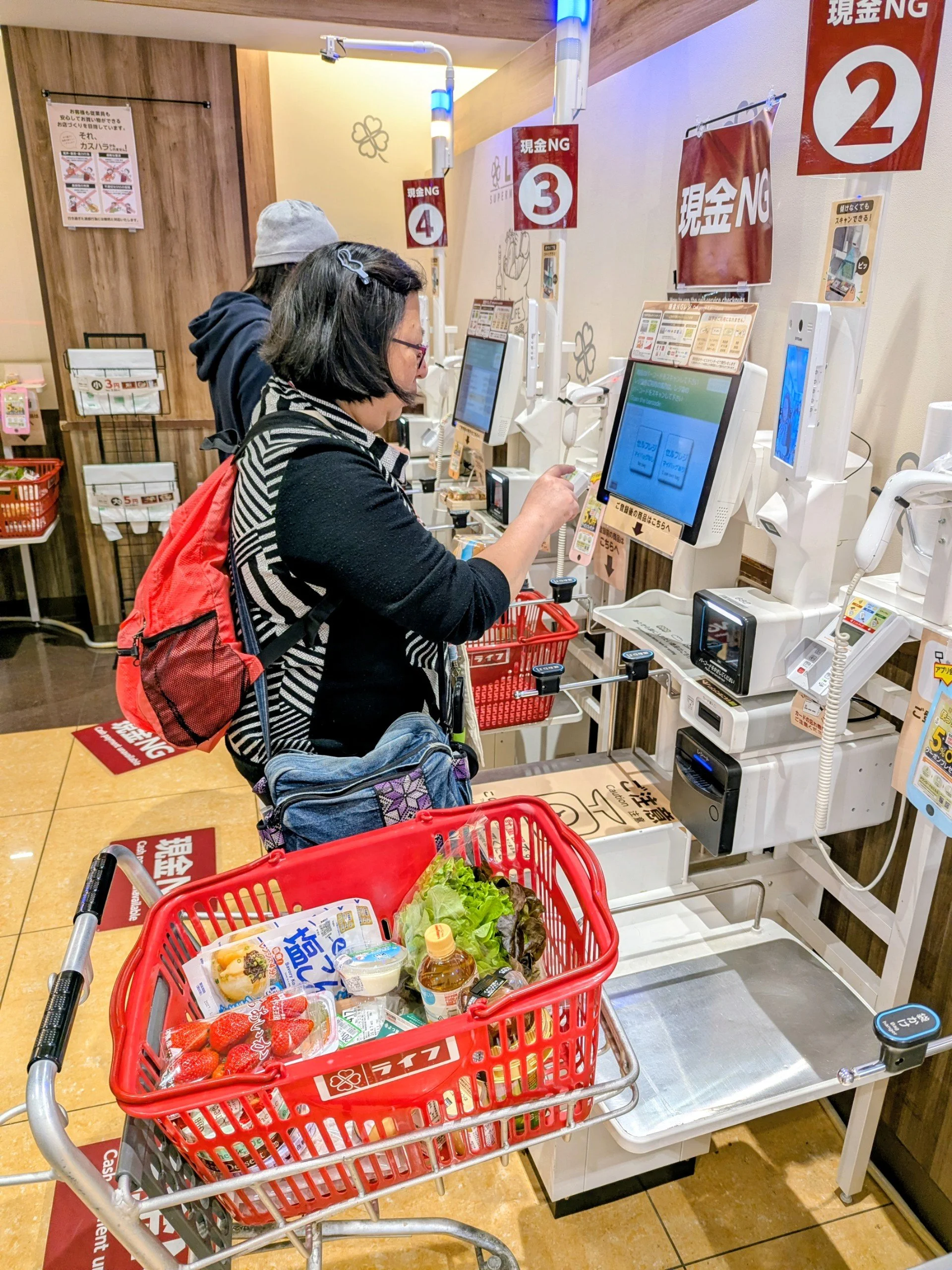
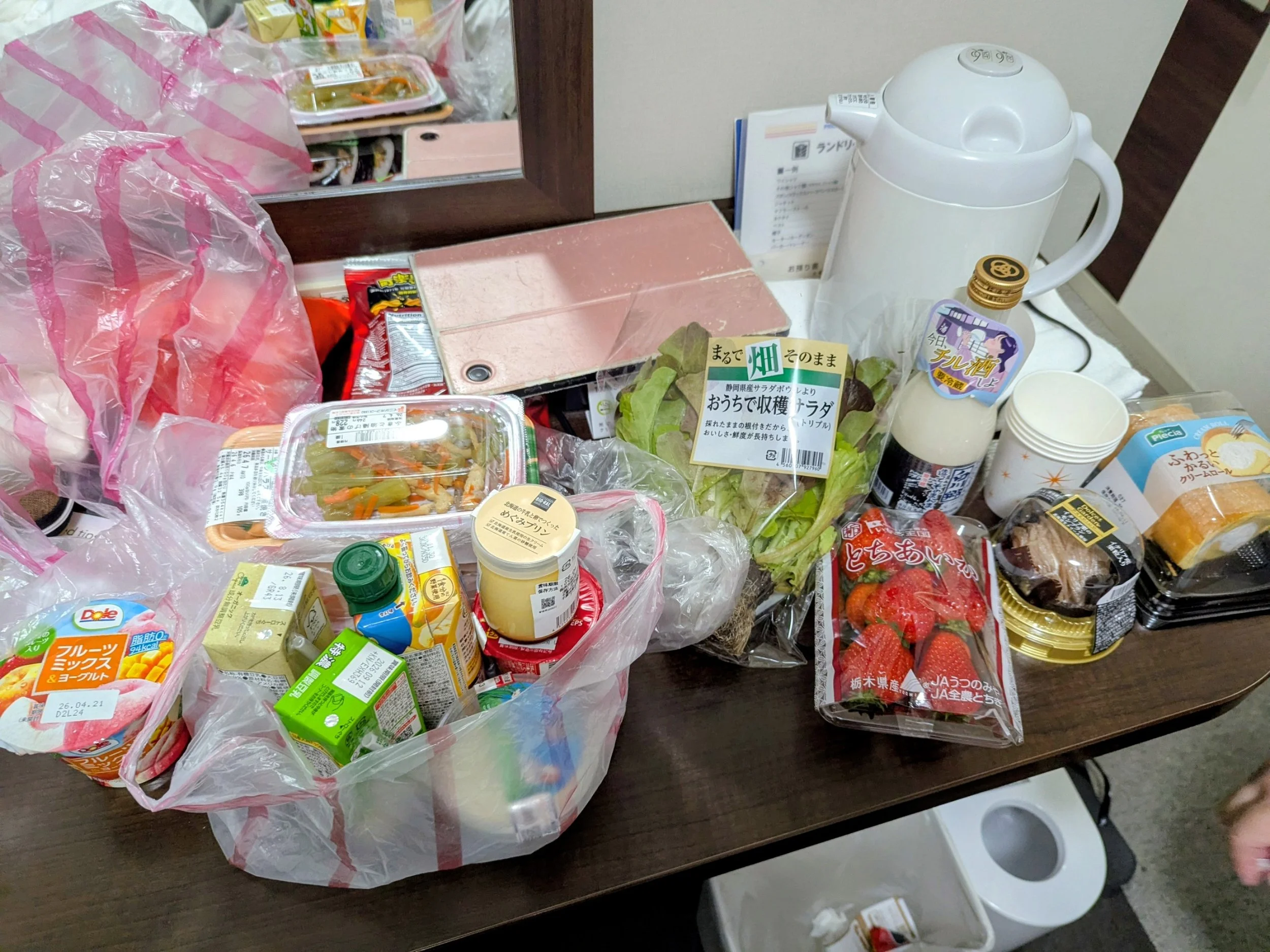
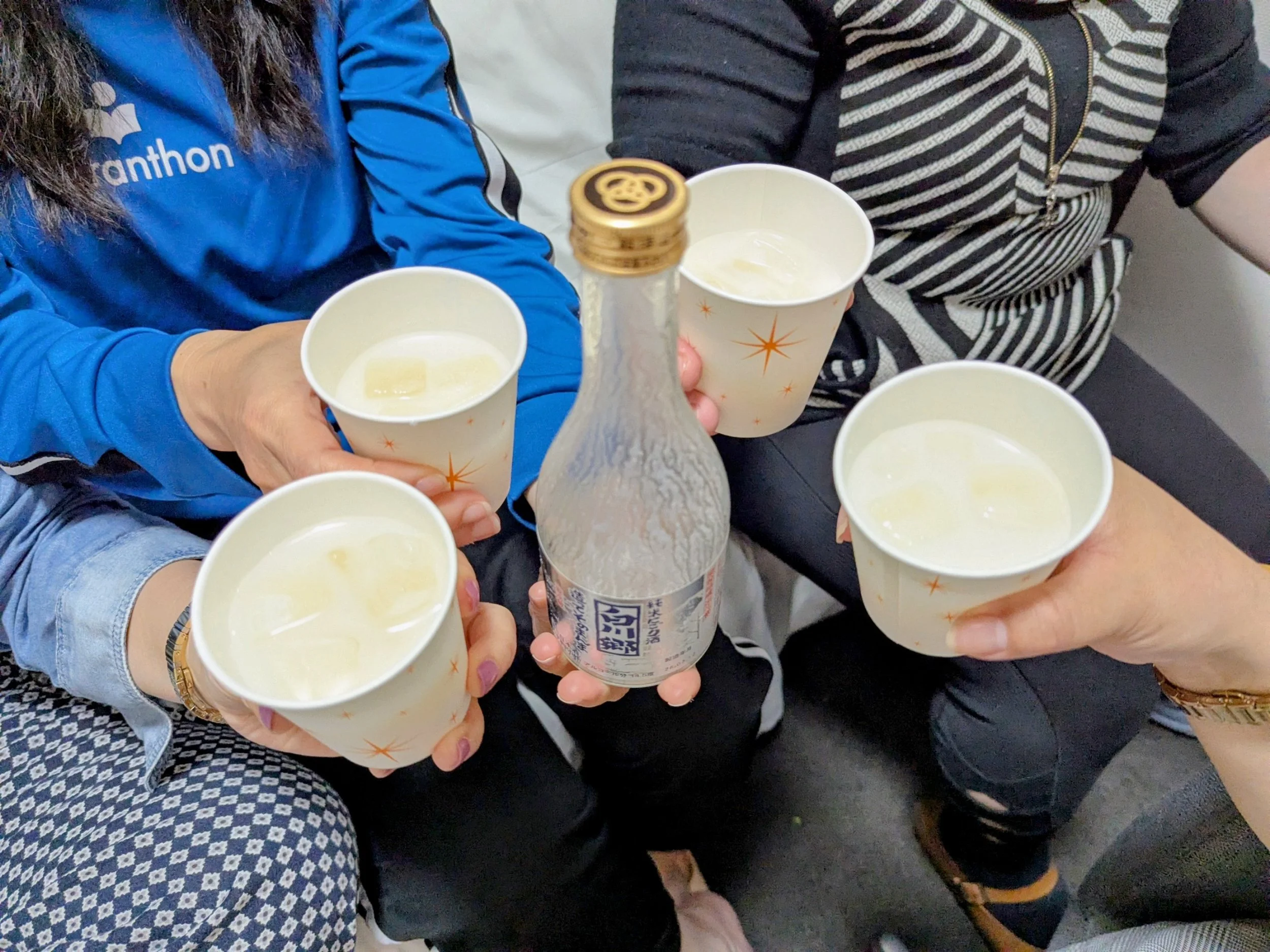
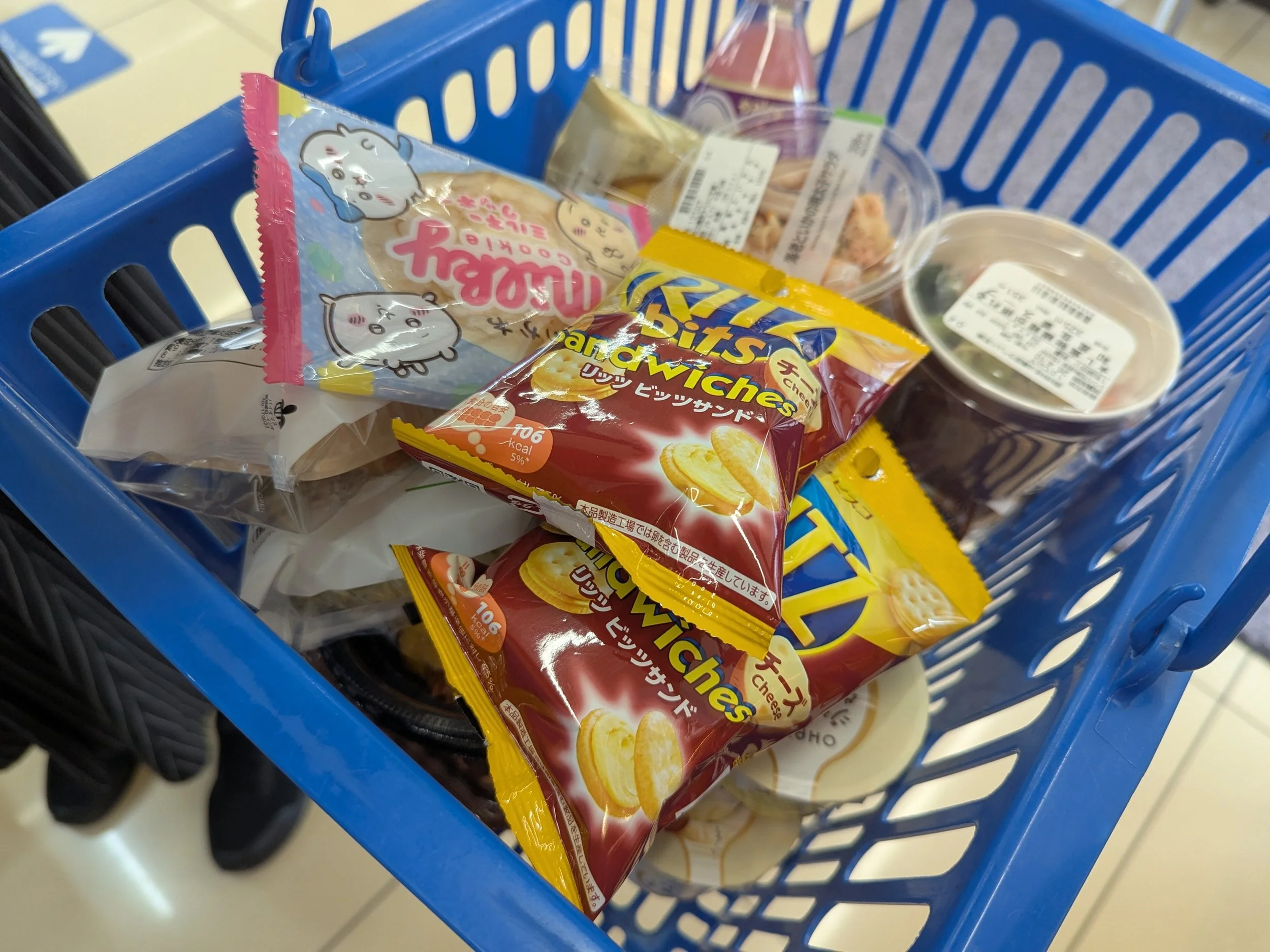
Afterwards, we went grocery shopping in Tokyo, one of the highlight of my cousin’s trip to Tokyo. The Ohayo yogurt pudding was one of the highlight of my trip.
Day 6 - Mt Fuji Tour
The next day after cousin’s arrival, we booked a tour to see the cherry blossom around Mt. Fuji.
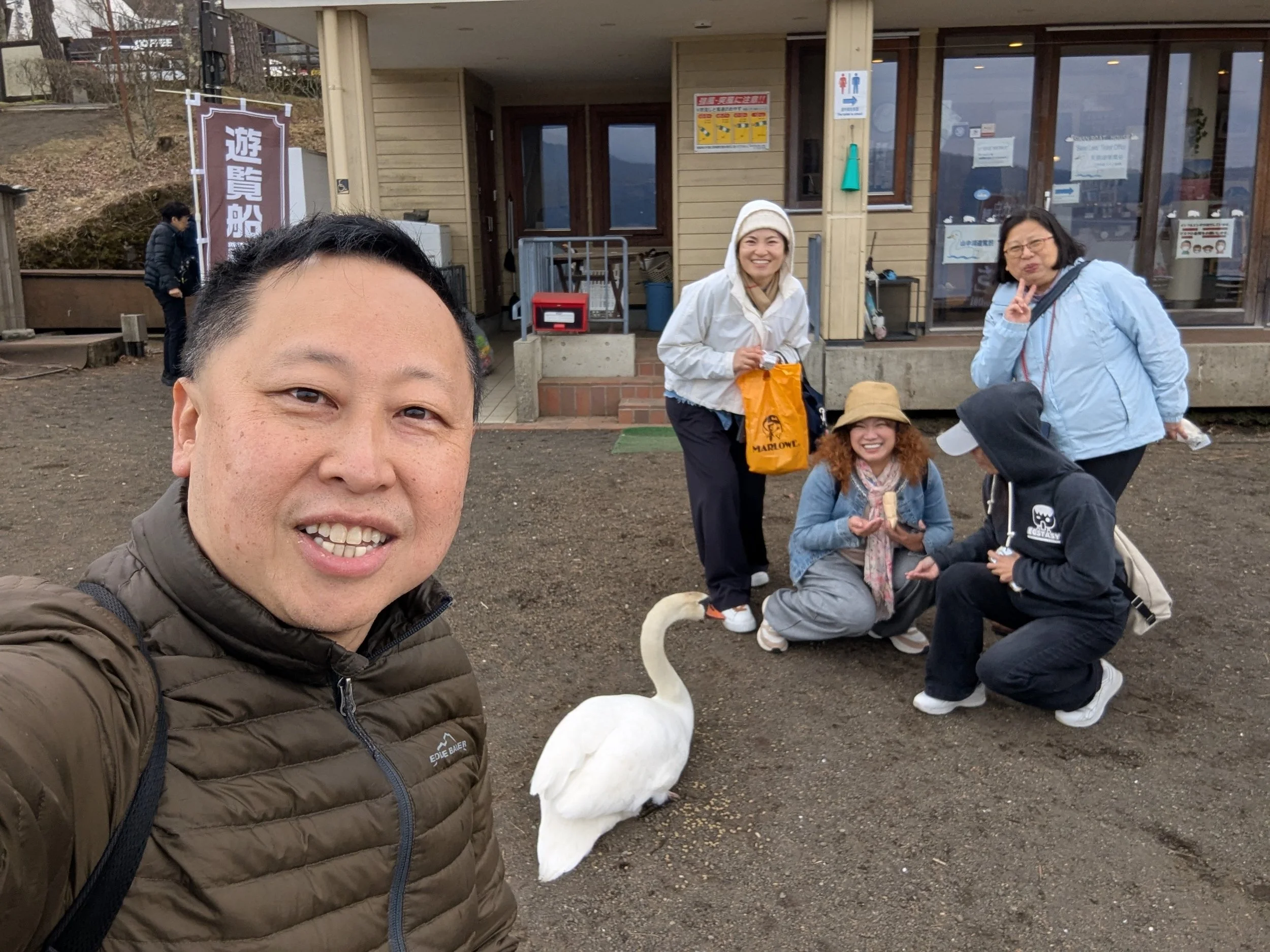
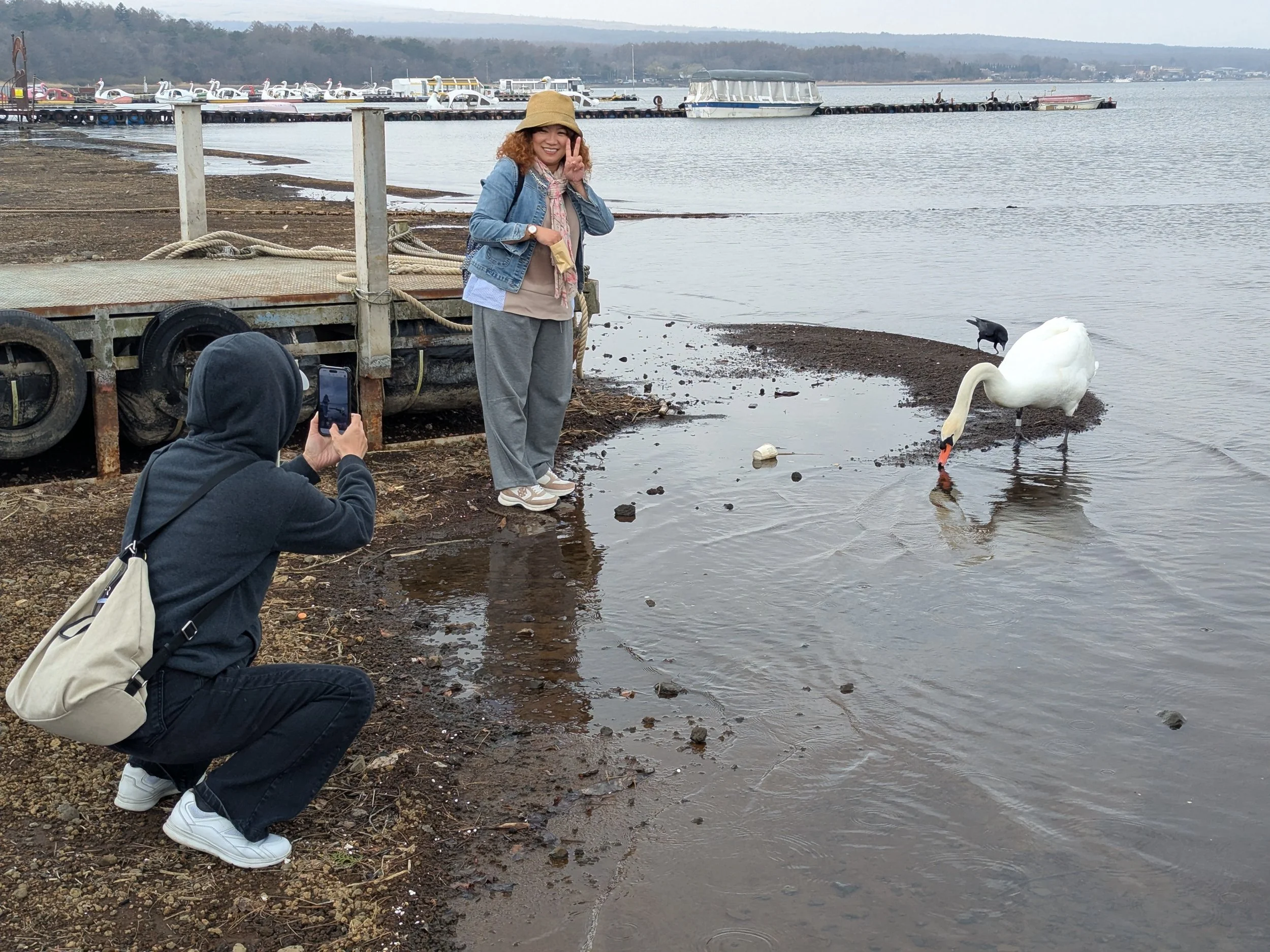
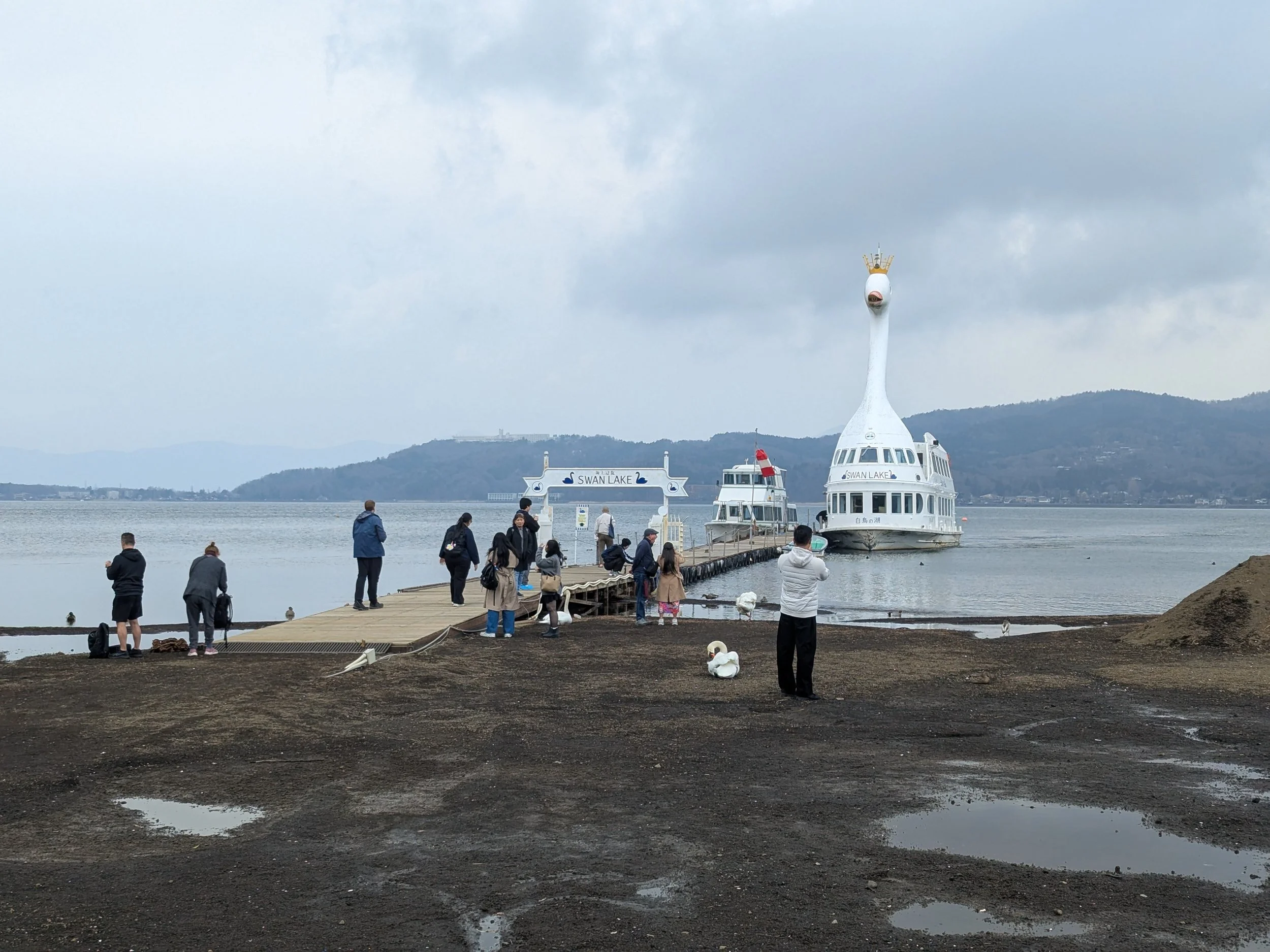
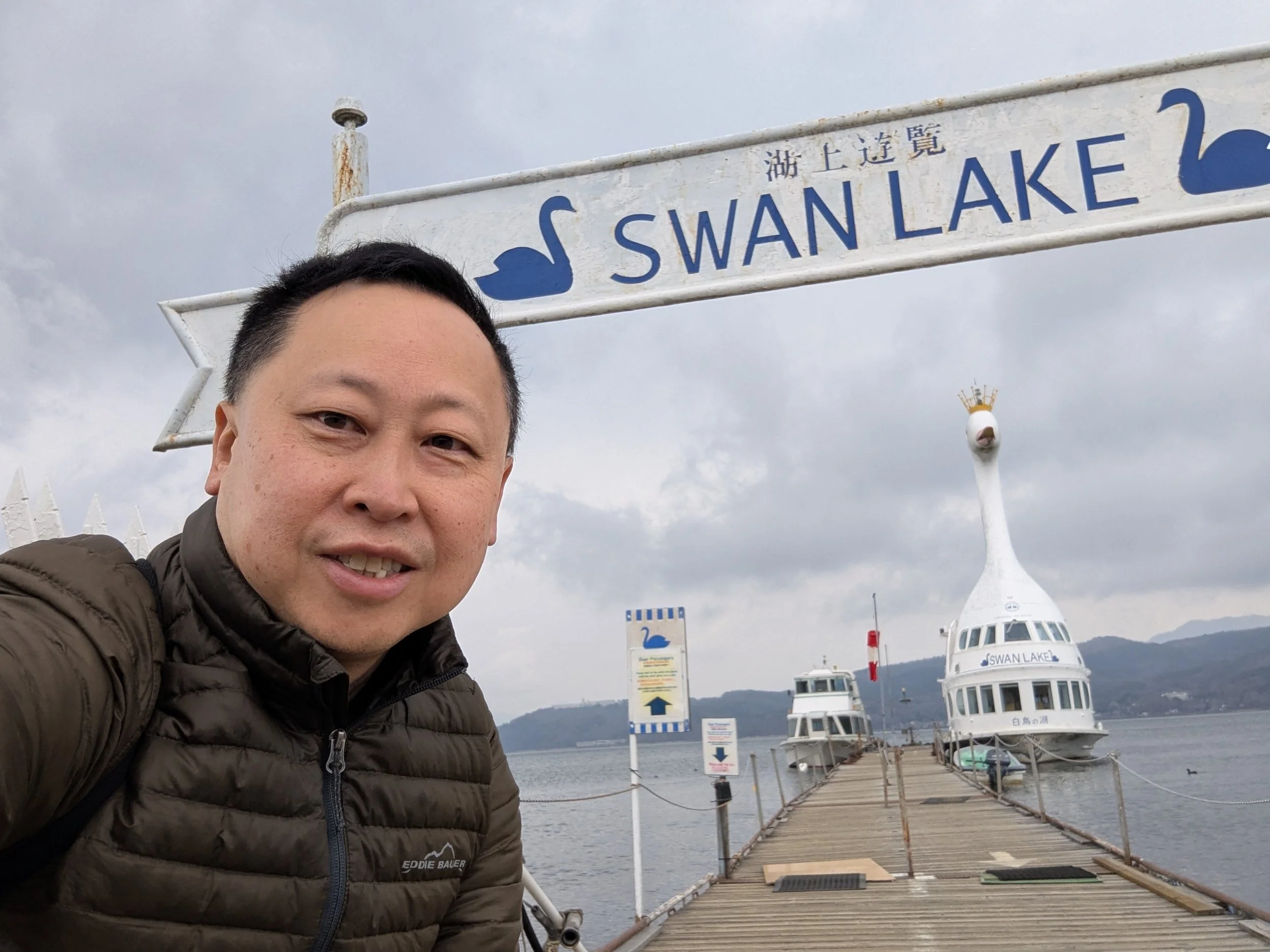
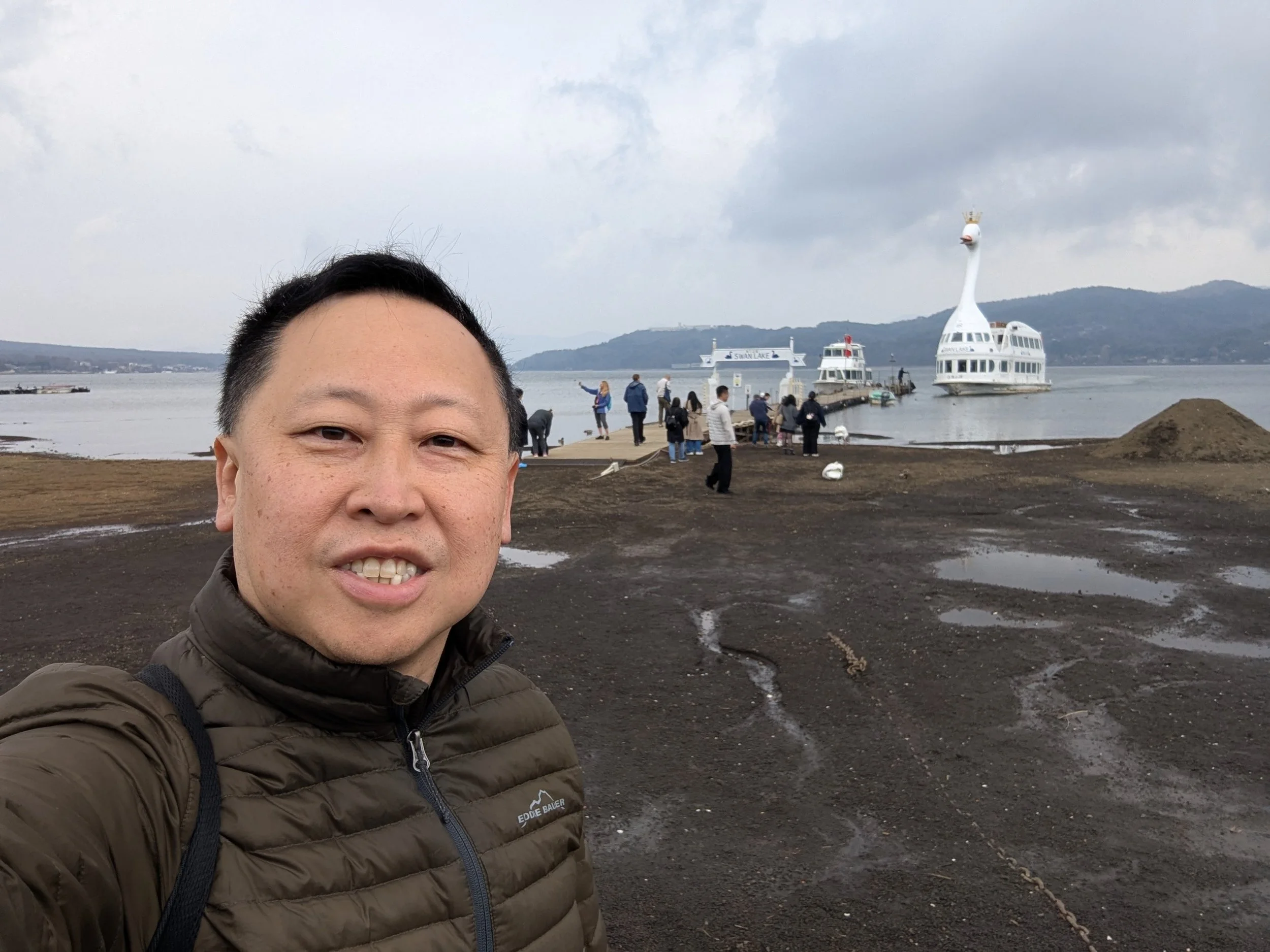
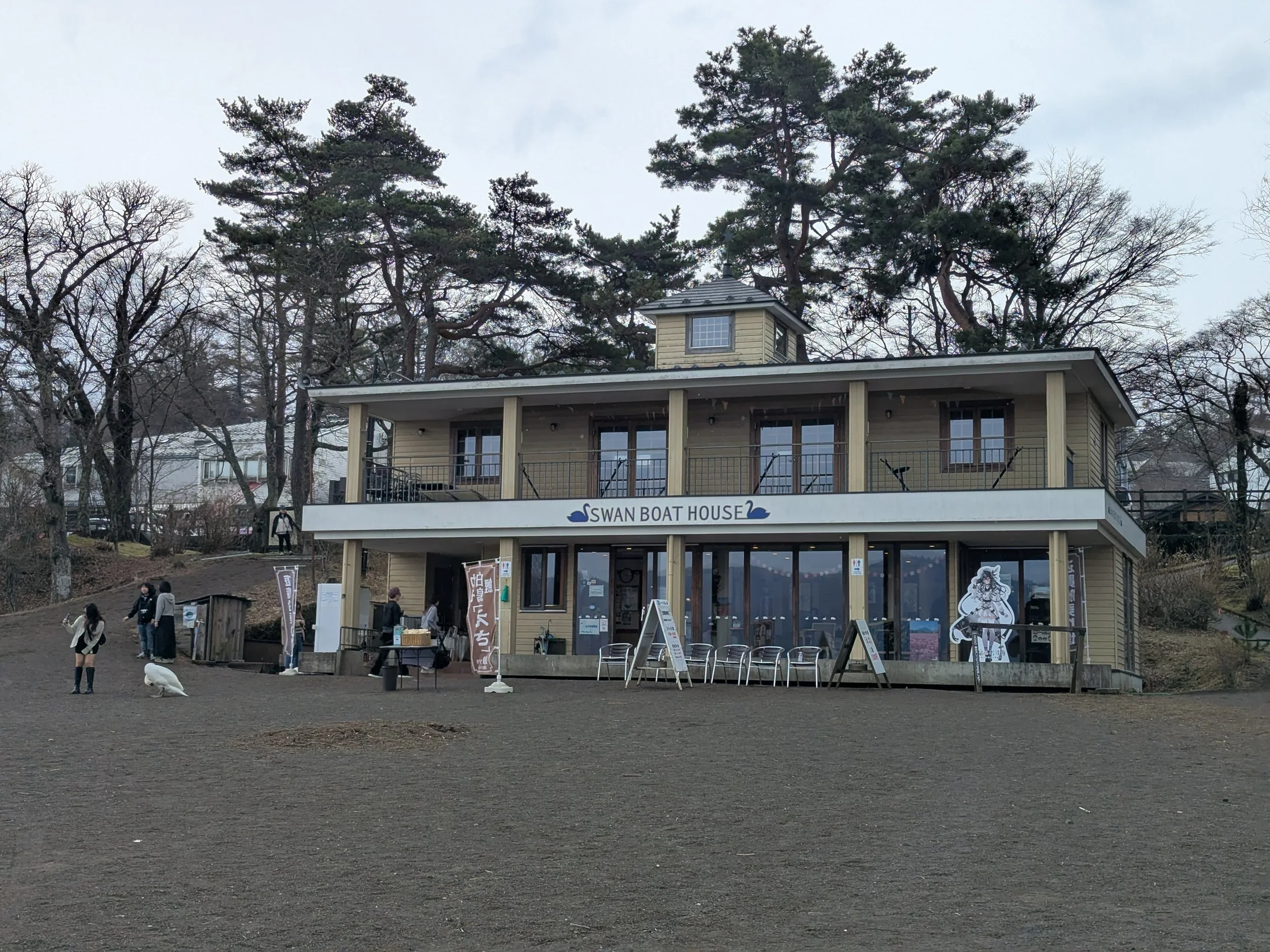
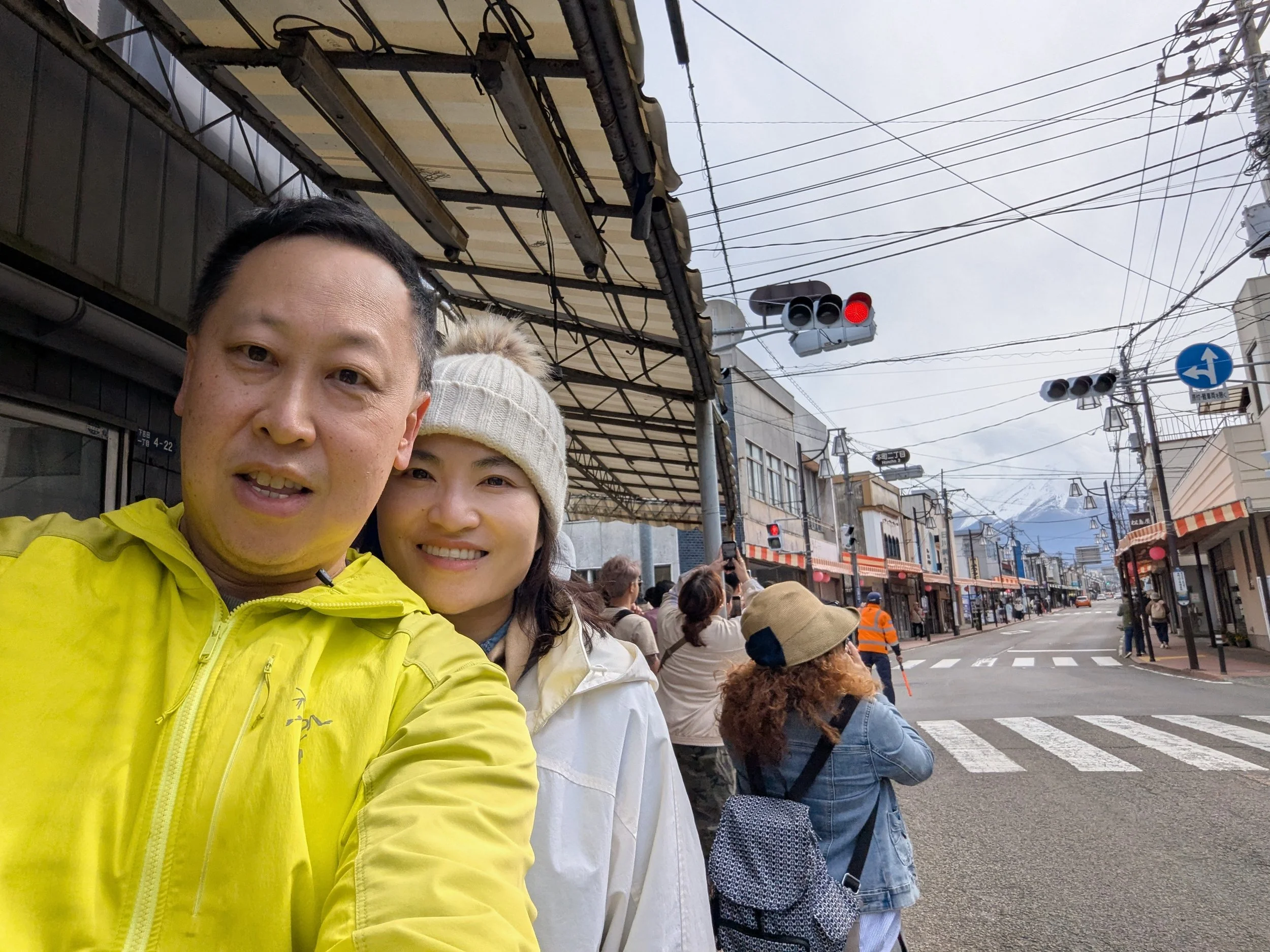
The first stop was the Swan Lake with beautiful views of Mt. Fuji. Unfortunally it was cloudly in the morning and we were not able to see Mt. Fuji from the lake. We did see a lot of swans, hence the name Swan Lake.
Next stop was Oshino Hakkai (忍野八海), a historic, picturesque tourist village in the Fuji Five Lakes region of Yamanashi Prefecture, Japan. It is famous for its eight crystal-clear spring ponds fed by snowmelt from Mount Fuji that has been naturally filtered through porous layers of lava rock for over 80 years. This sacred site is part of the Mount Fuji UNESCO World Heritage Site and is recognized as a National Natural Monument.
The name "Oshino Hakkai" literally translates to "Eight Seas of Oshino". Historically, these ponds were used by Mount Fuji worshippers for purification rituals before they began their ascent of the mountain. Today, they are admired for their deep blue clarity and the large koi fish swimming within.
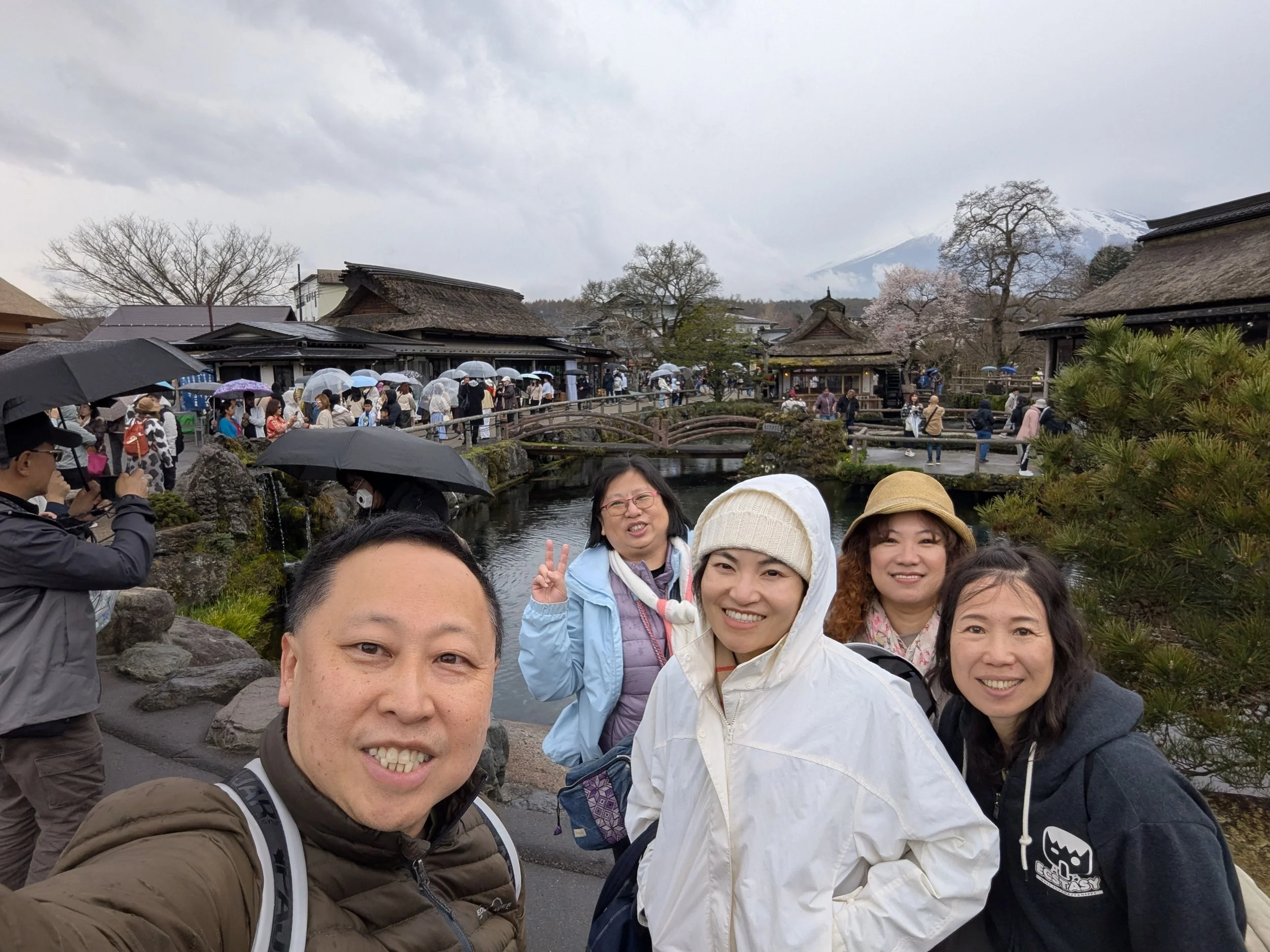
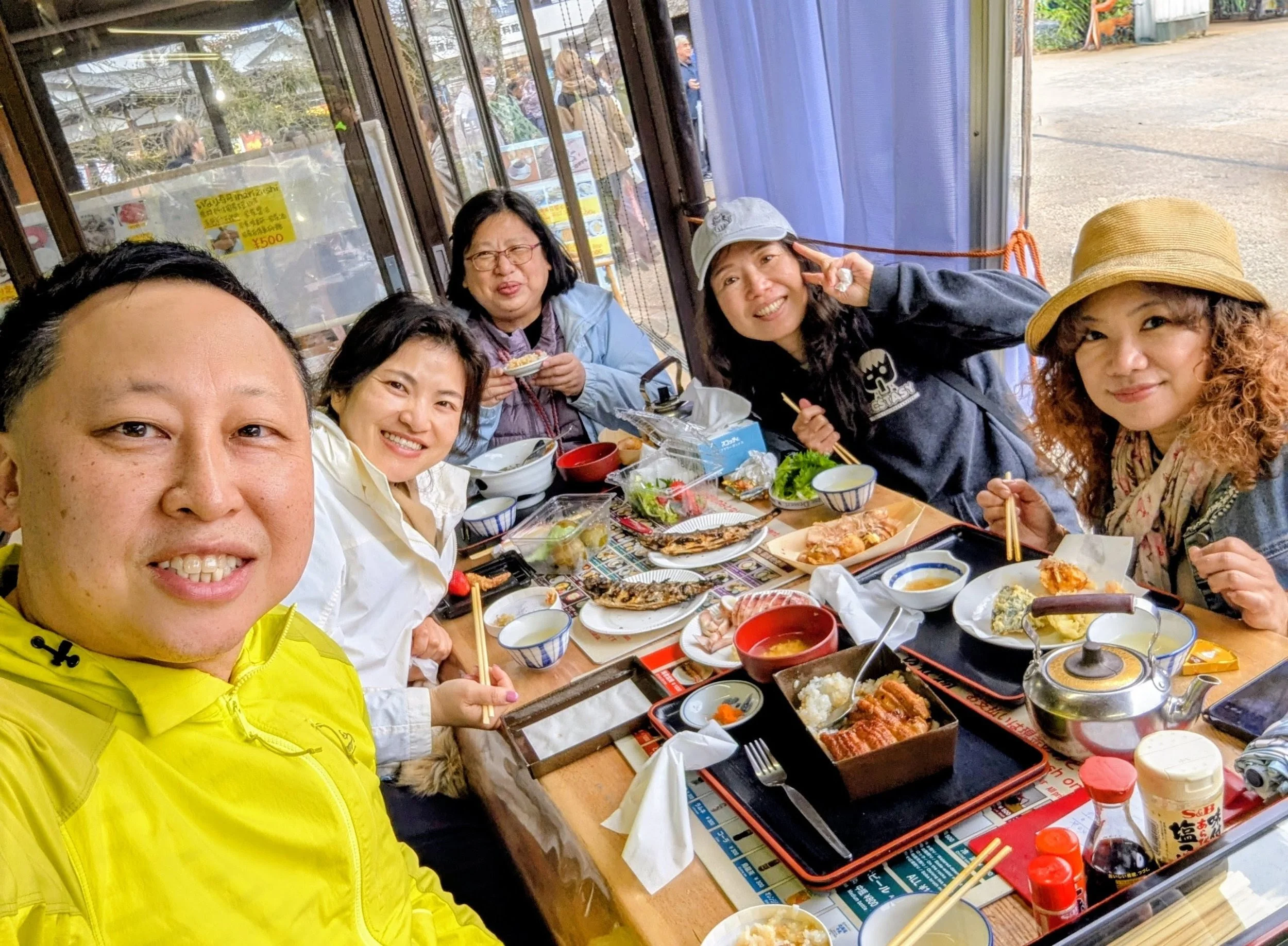
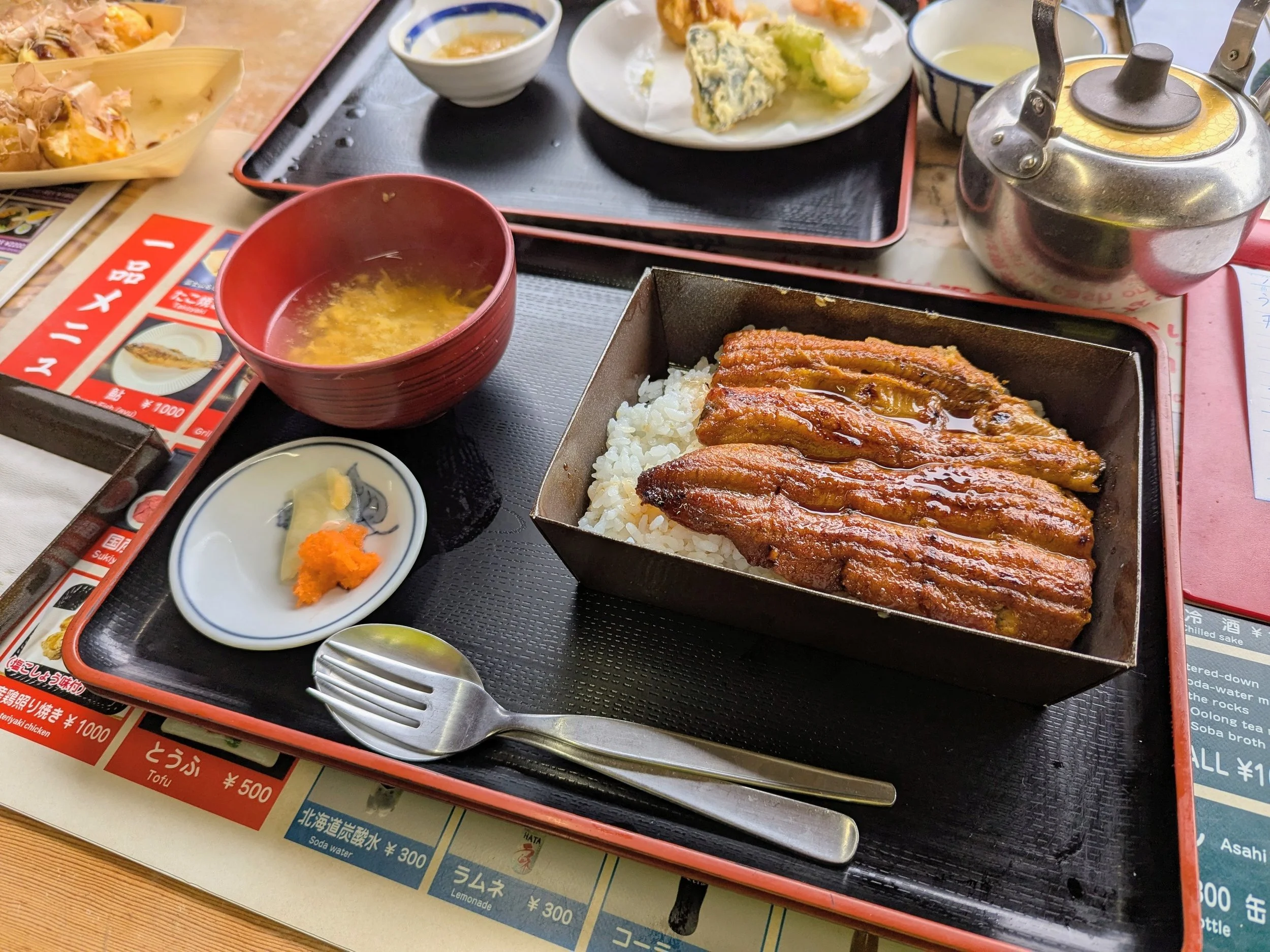
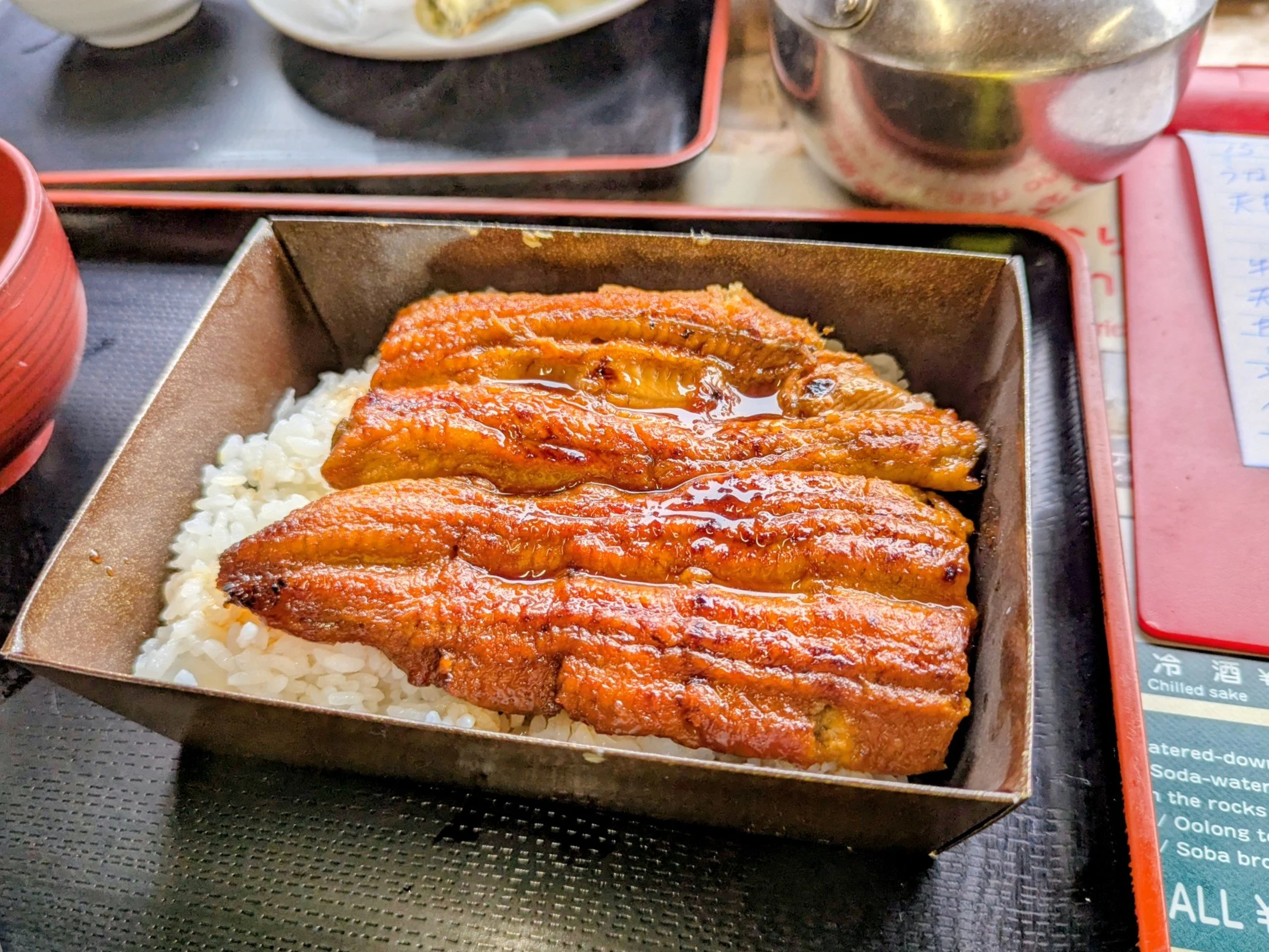
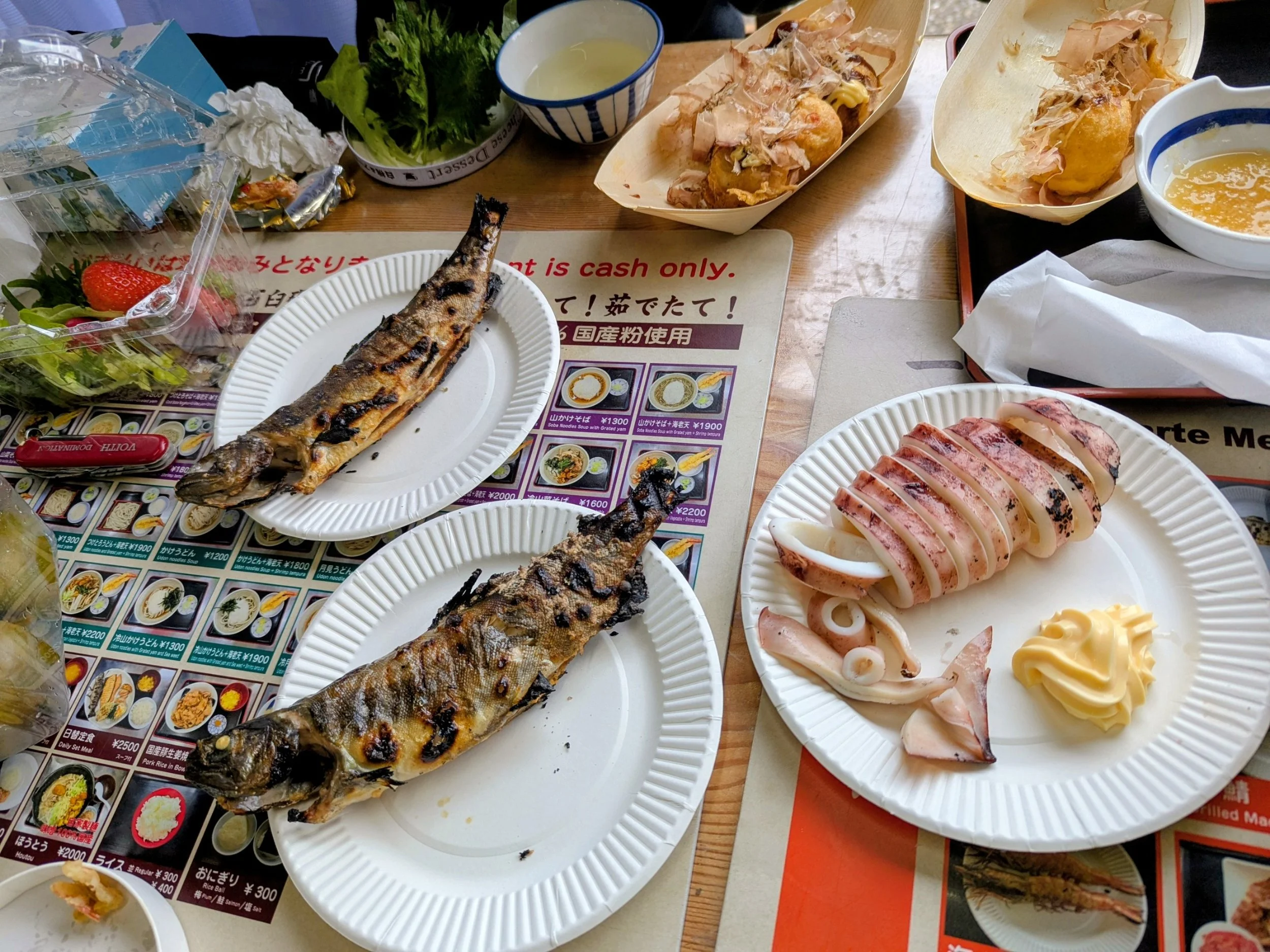
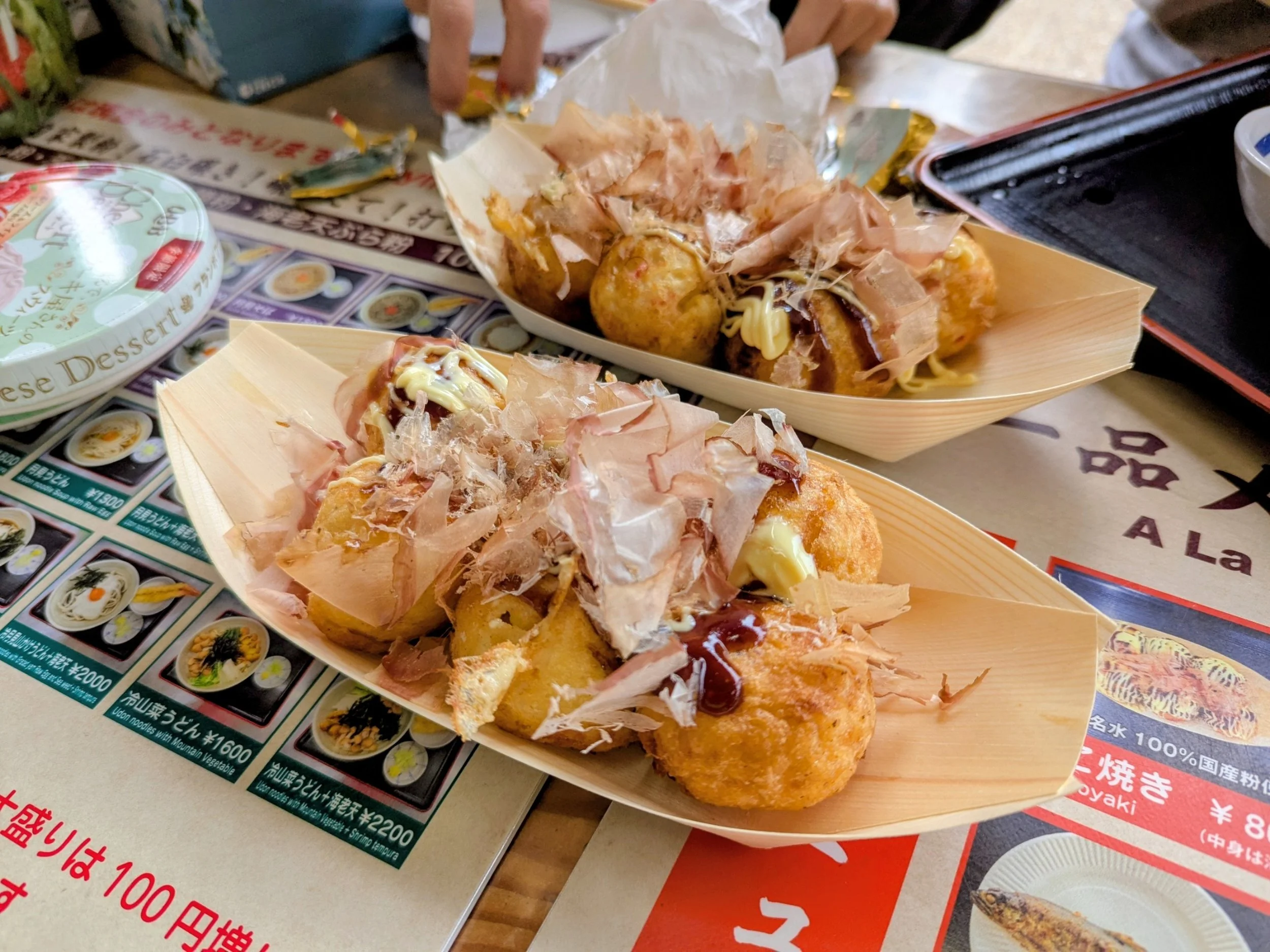
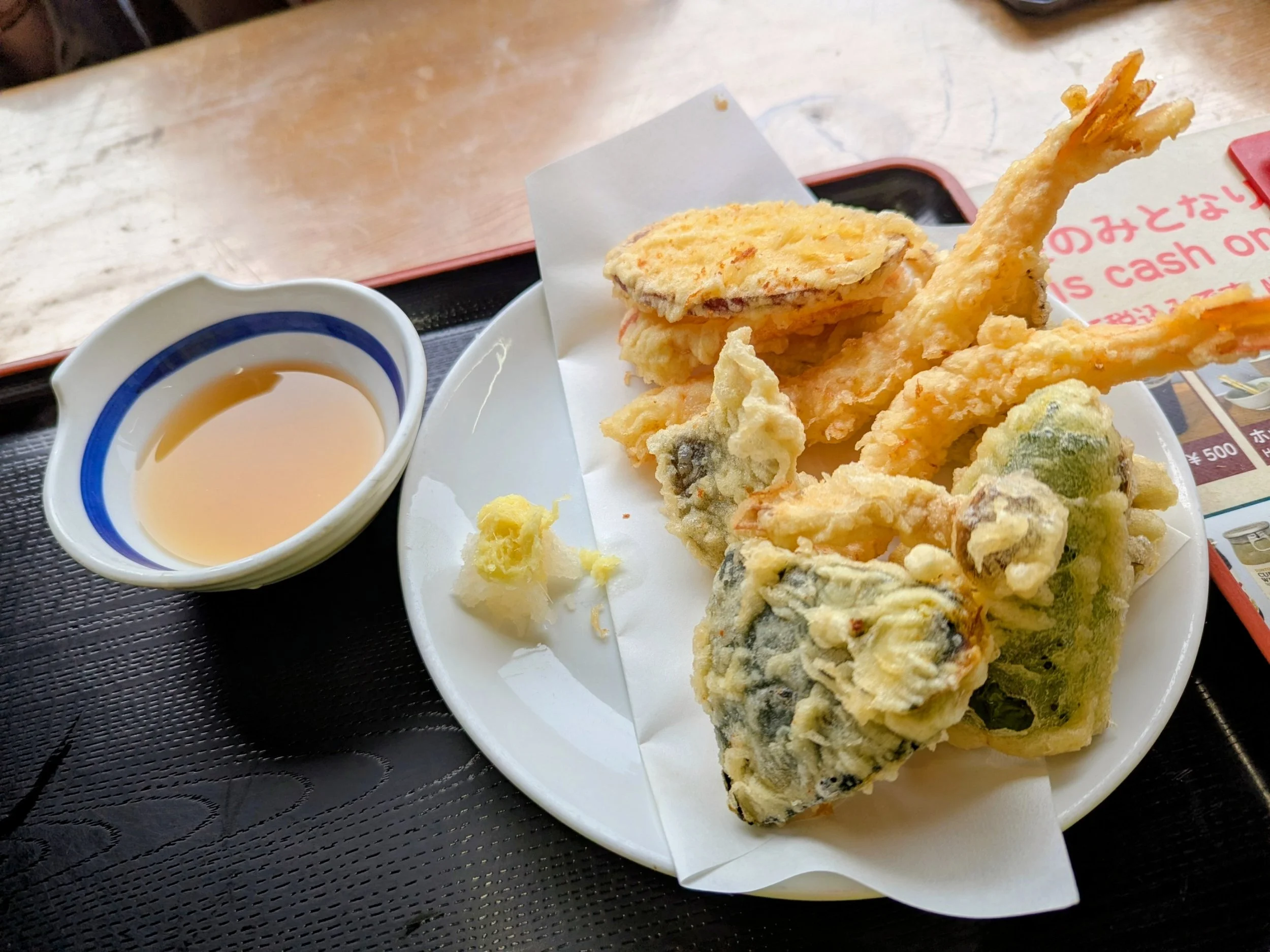
We were there for lunch with views of Mt. Fuji in the background. The area was especially beautiful because of the nearby creek and flowers along with the blooming cherry blossom trees.
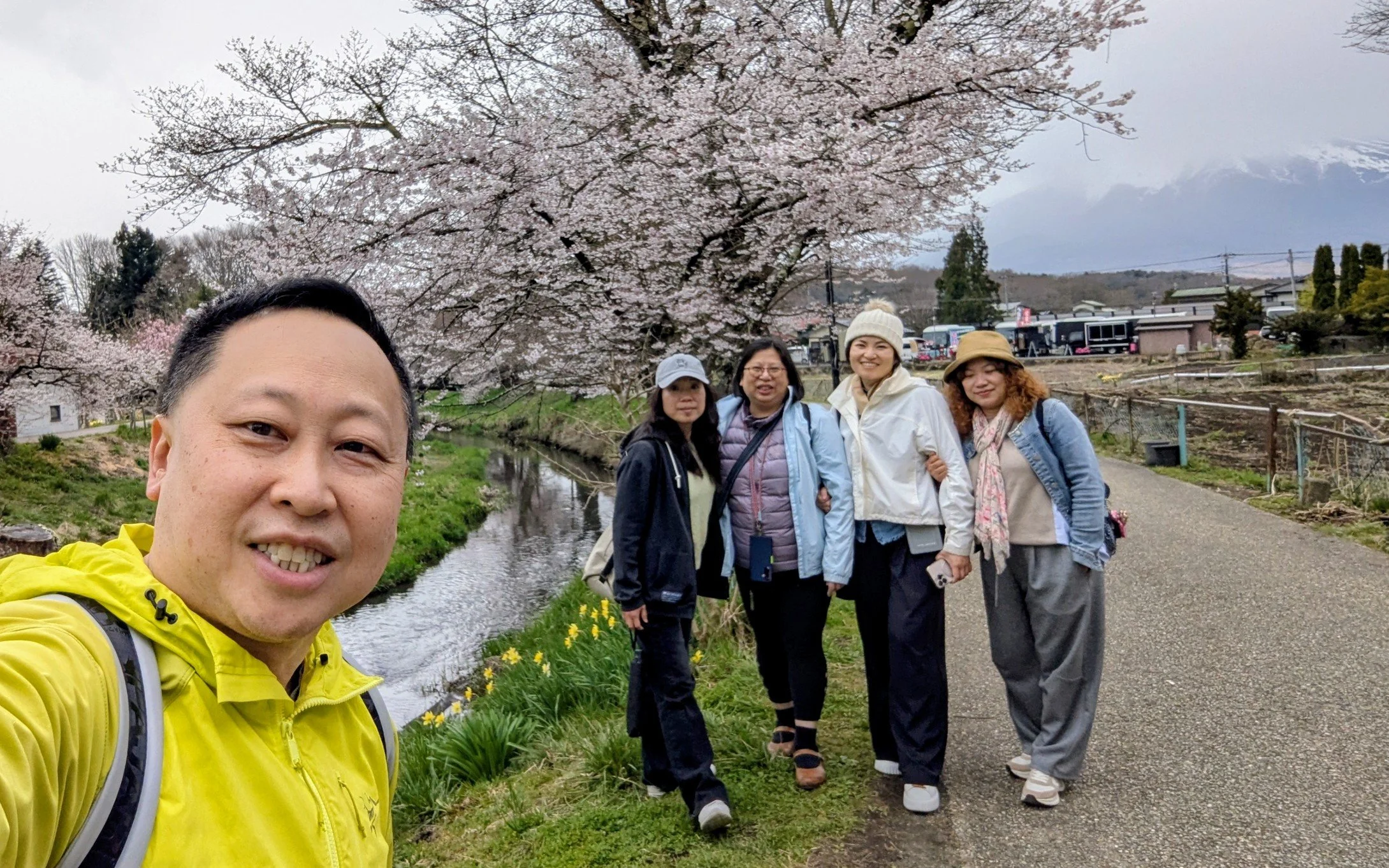
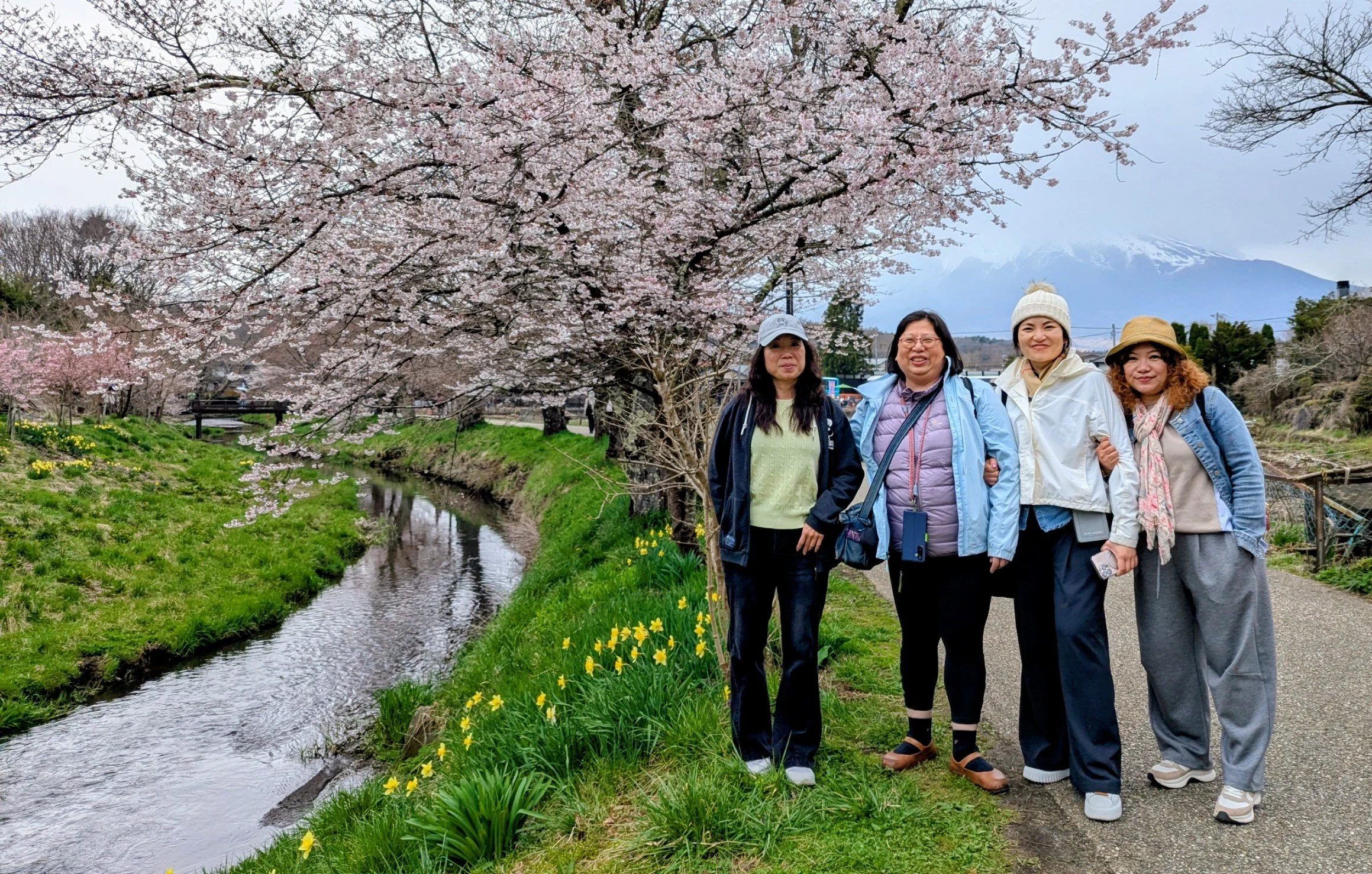
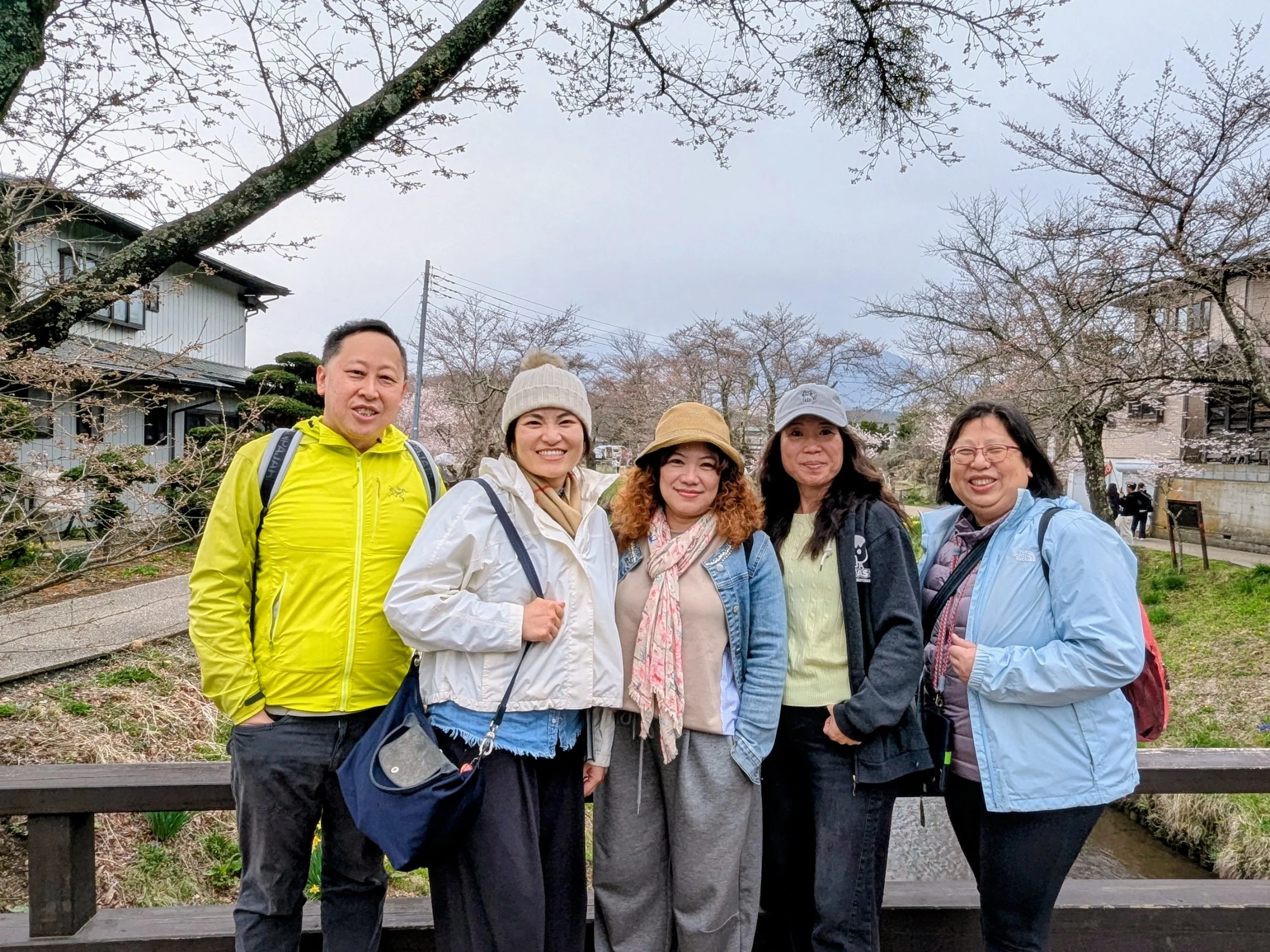
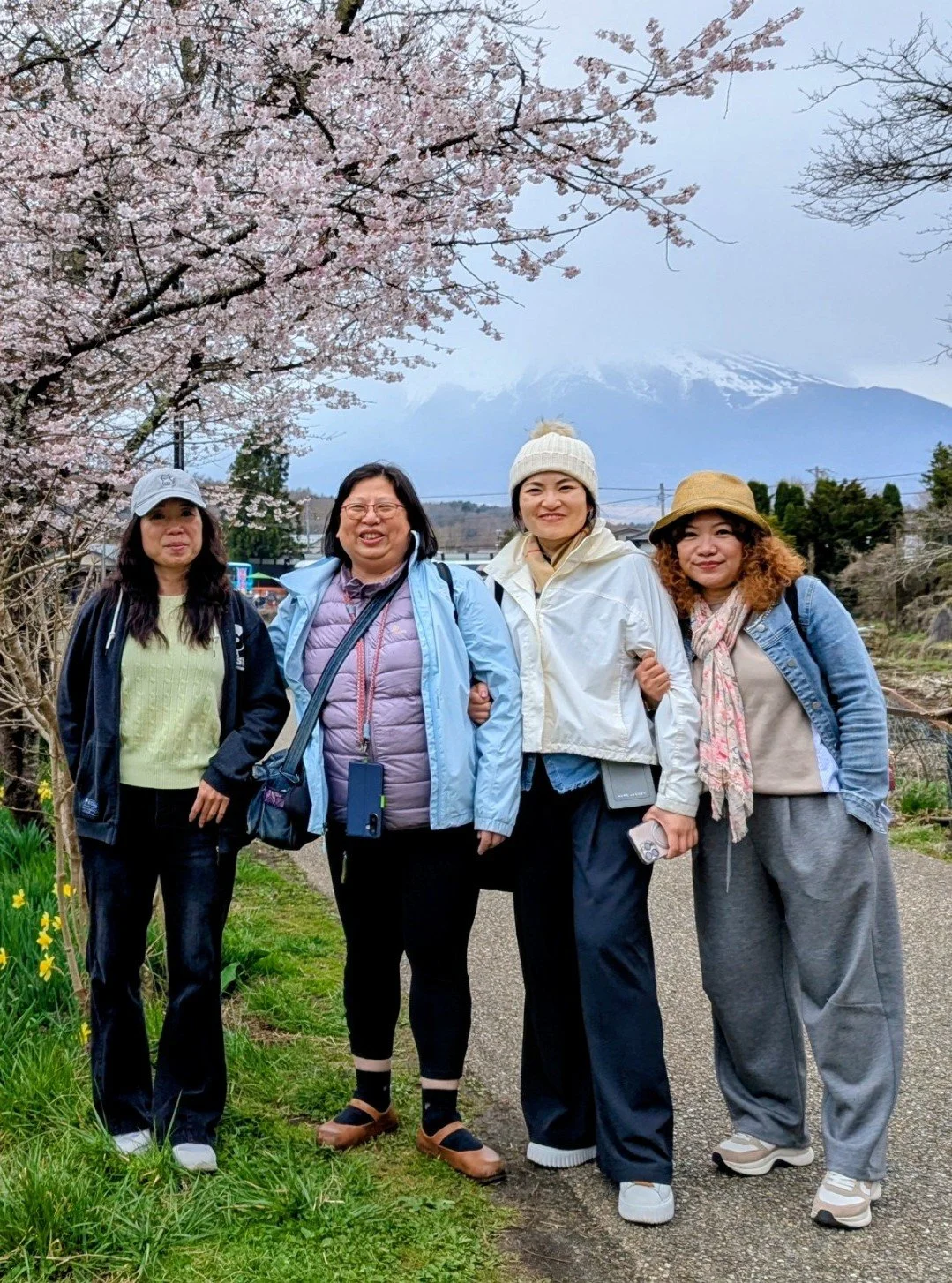
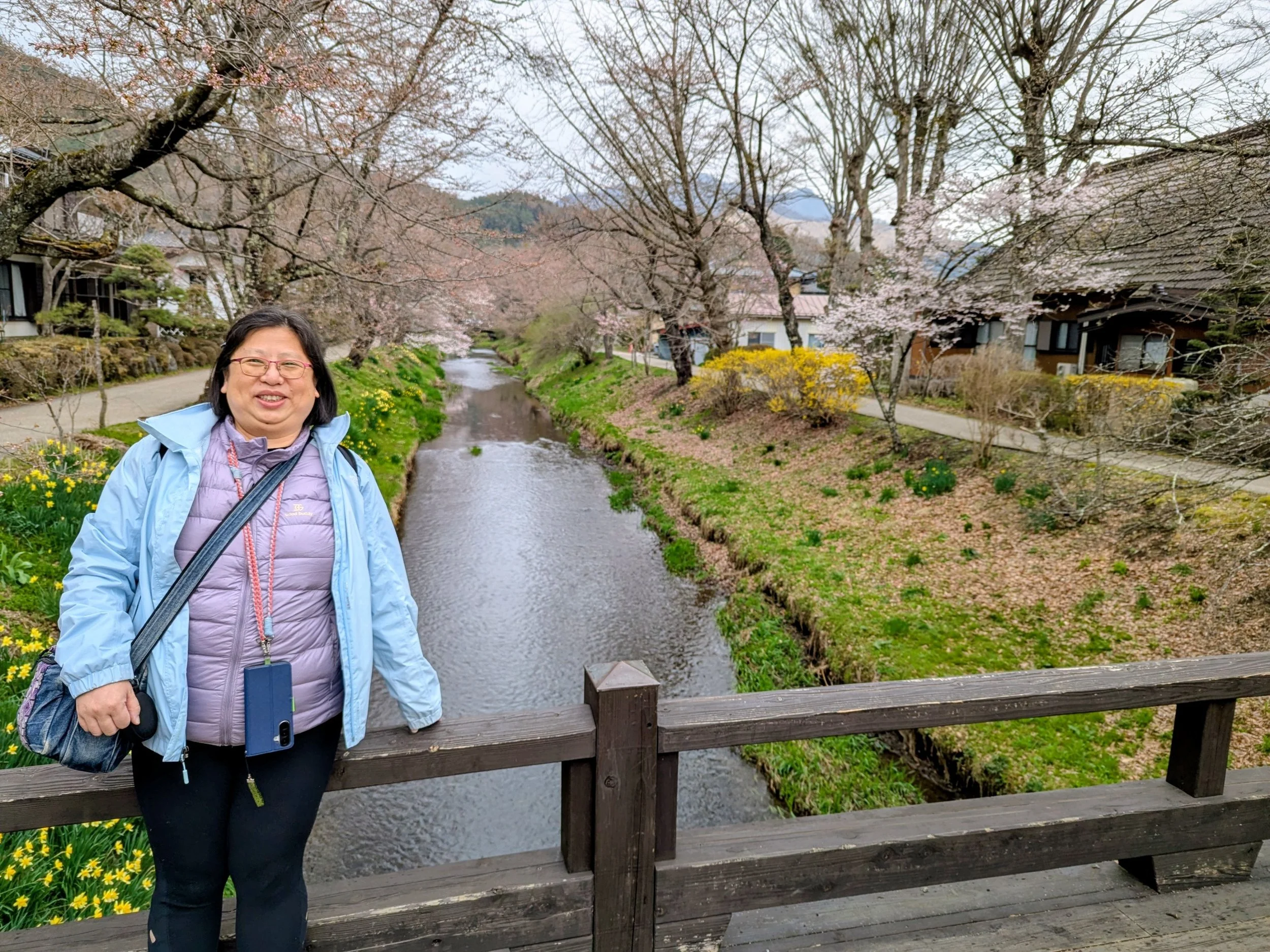
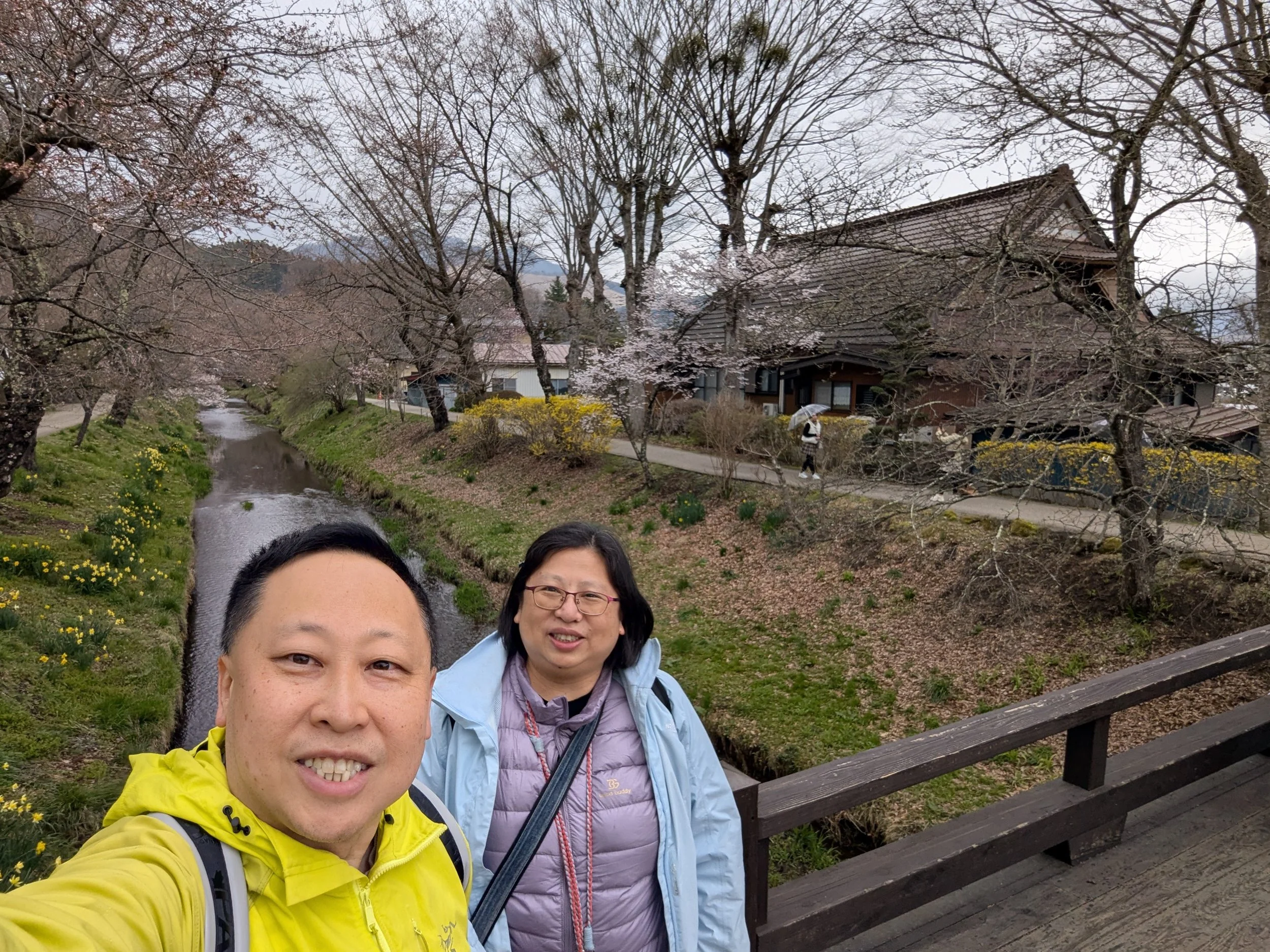
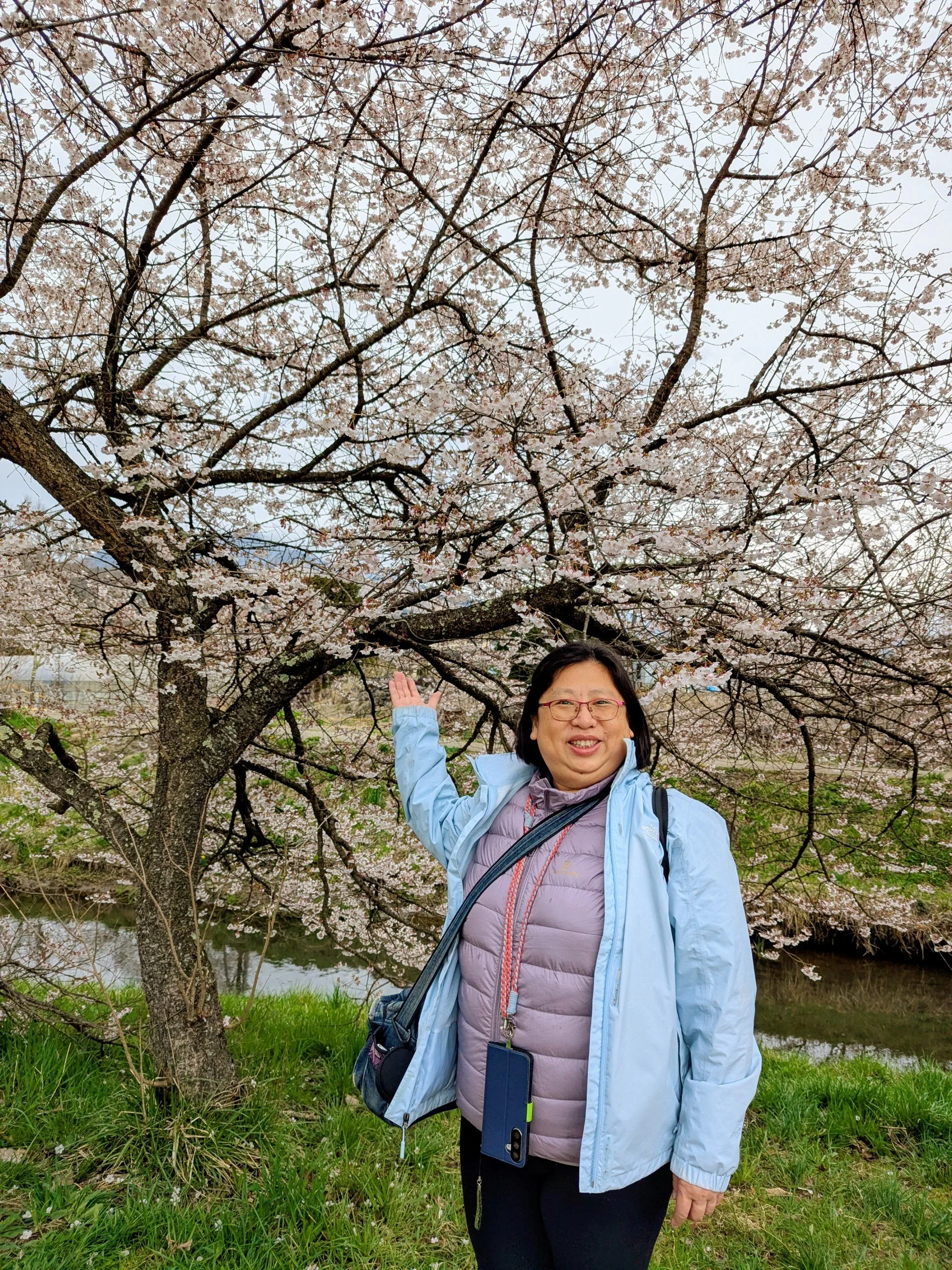
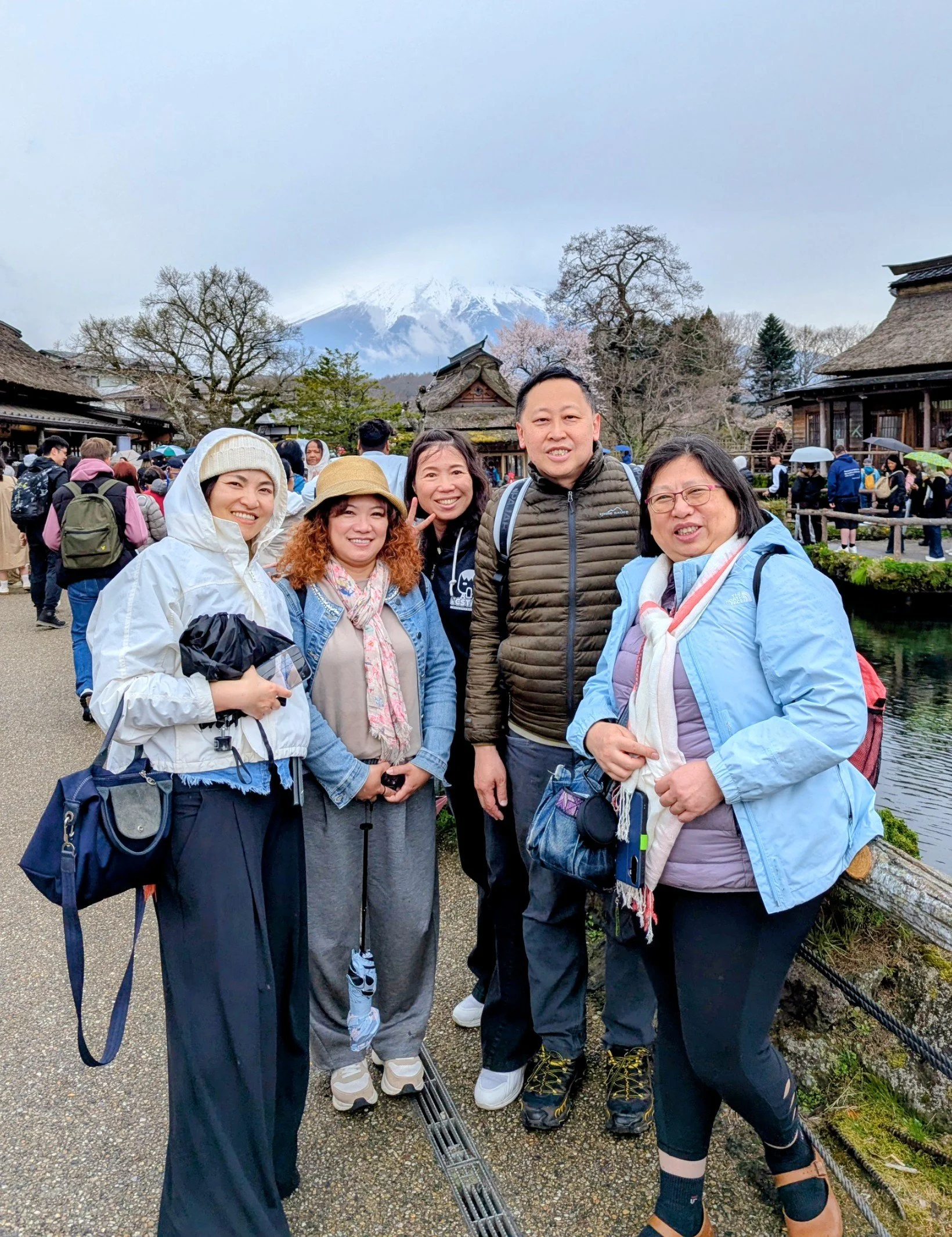
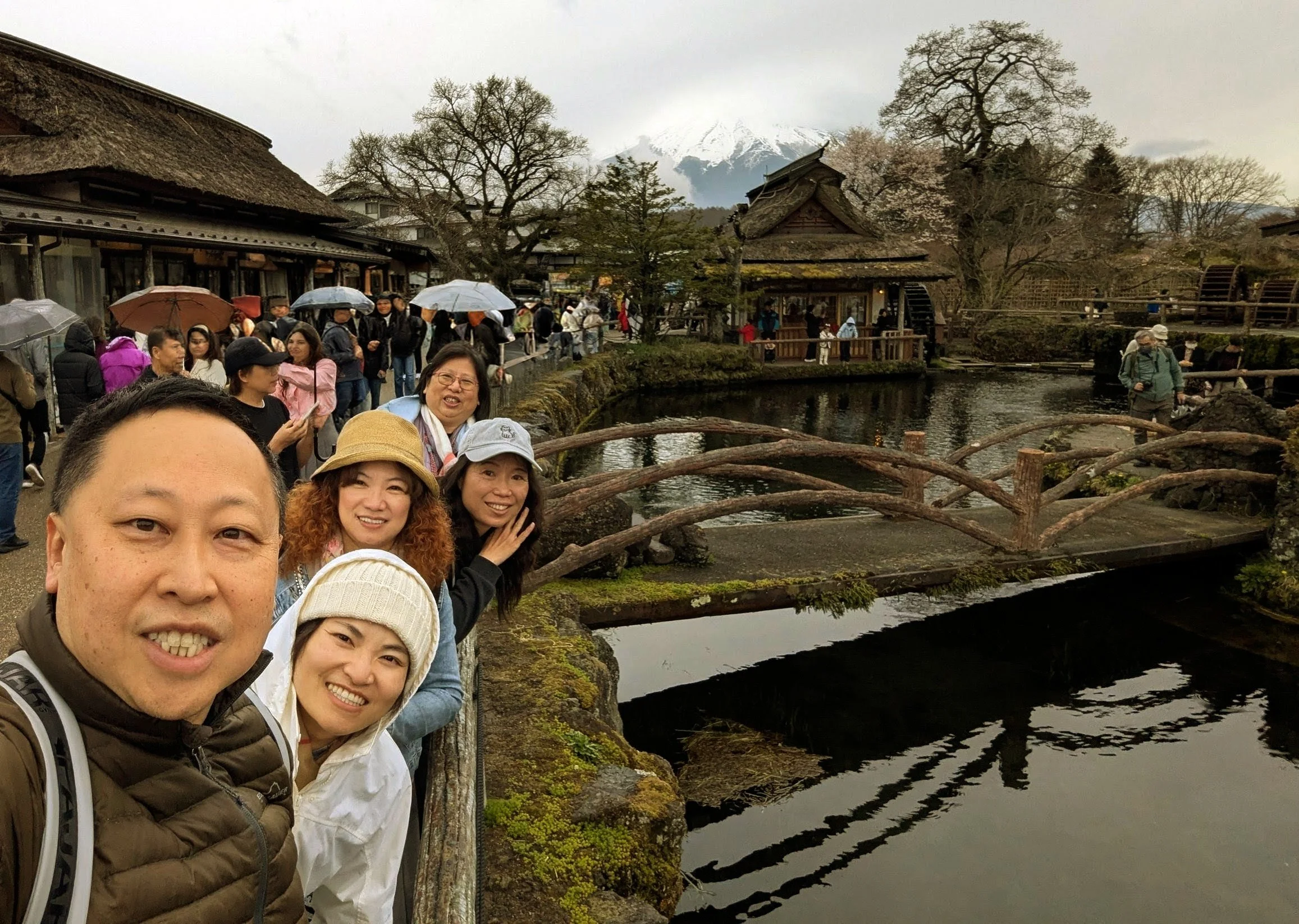
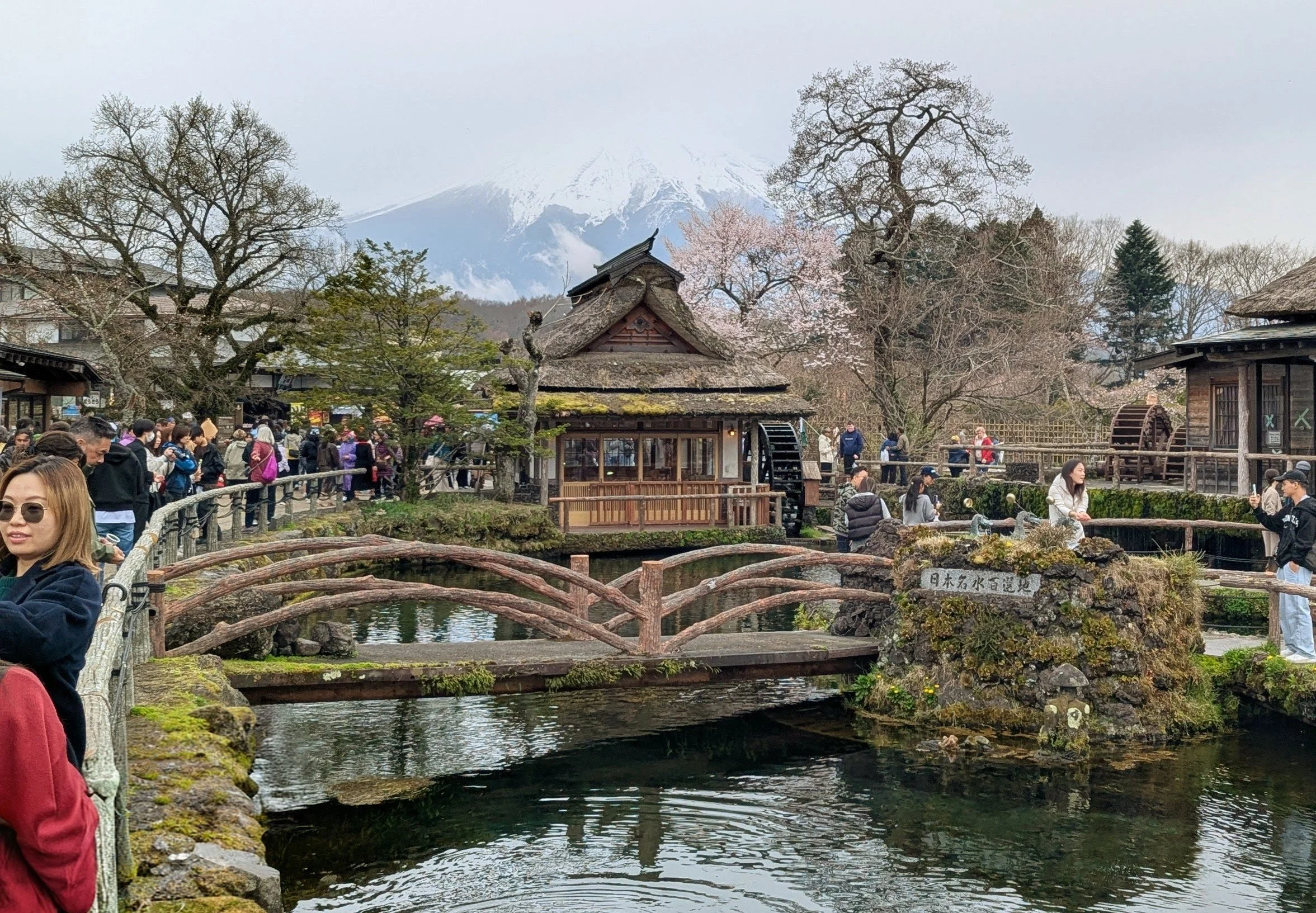
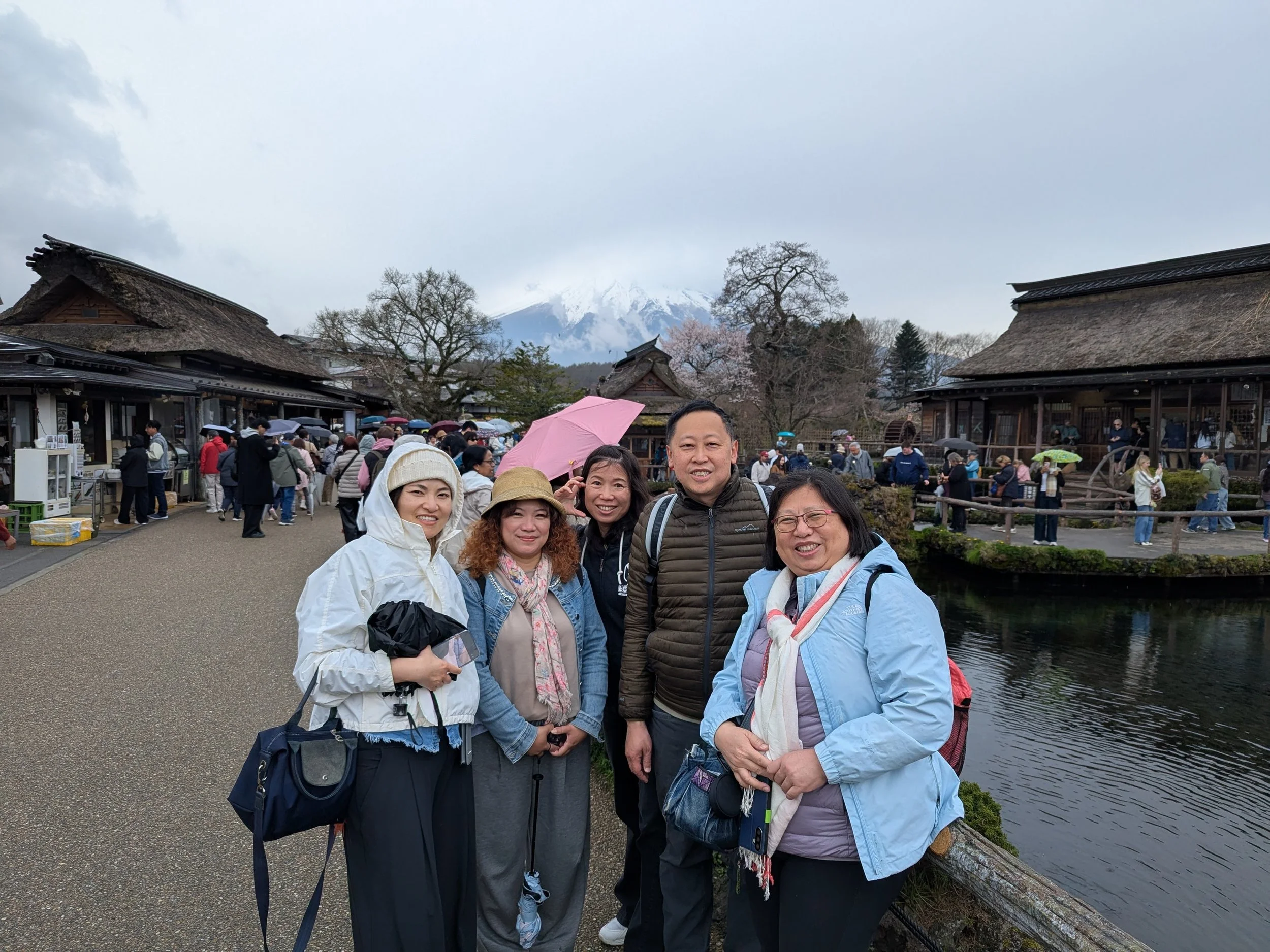
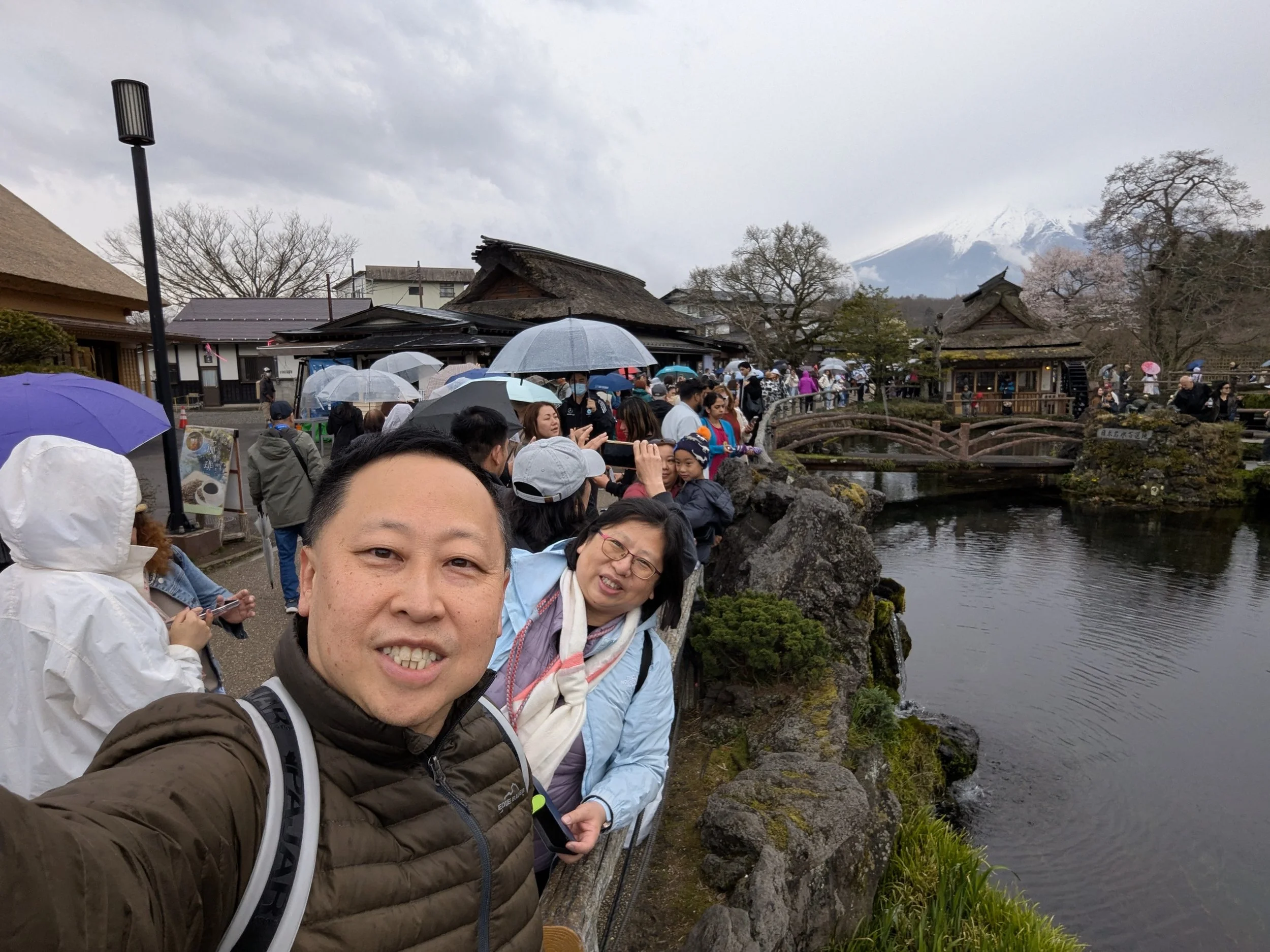
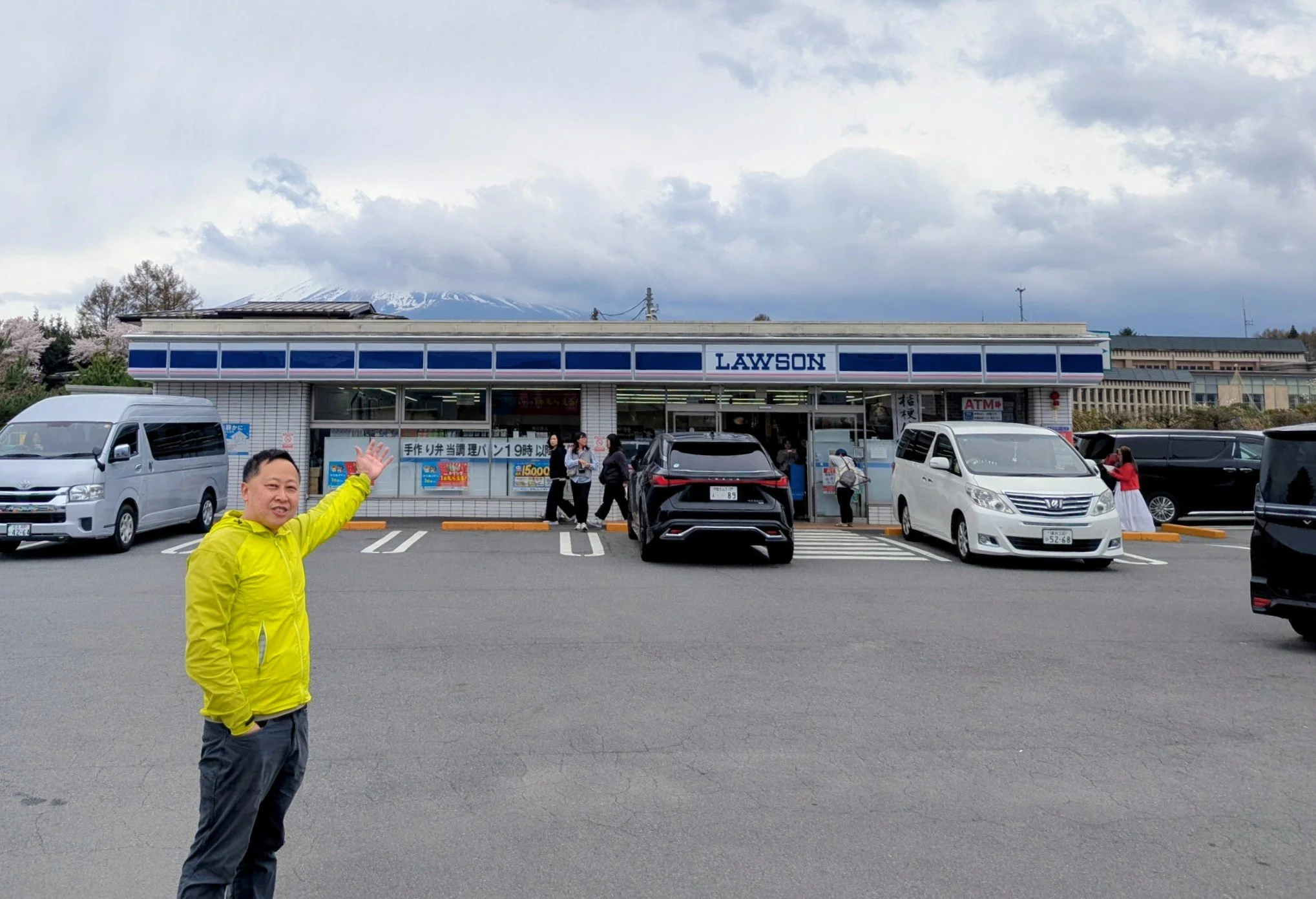
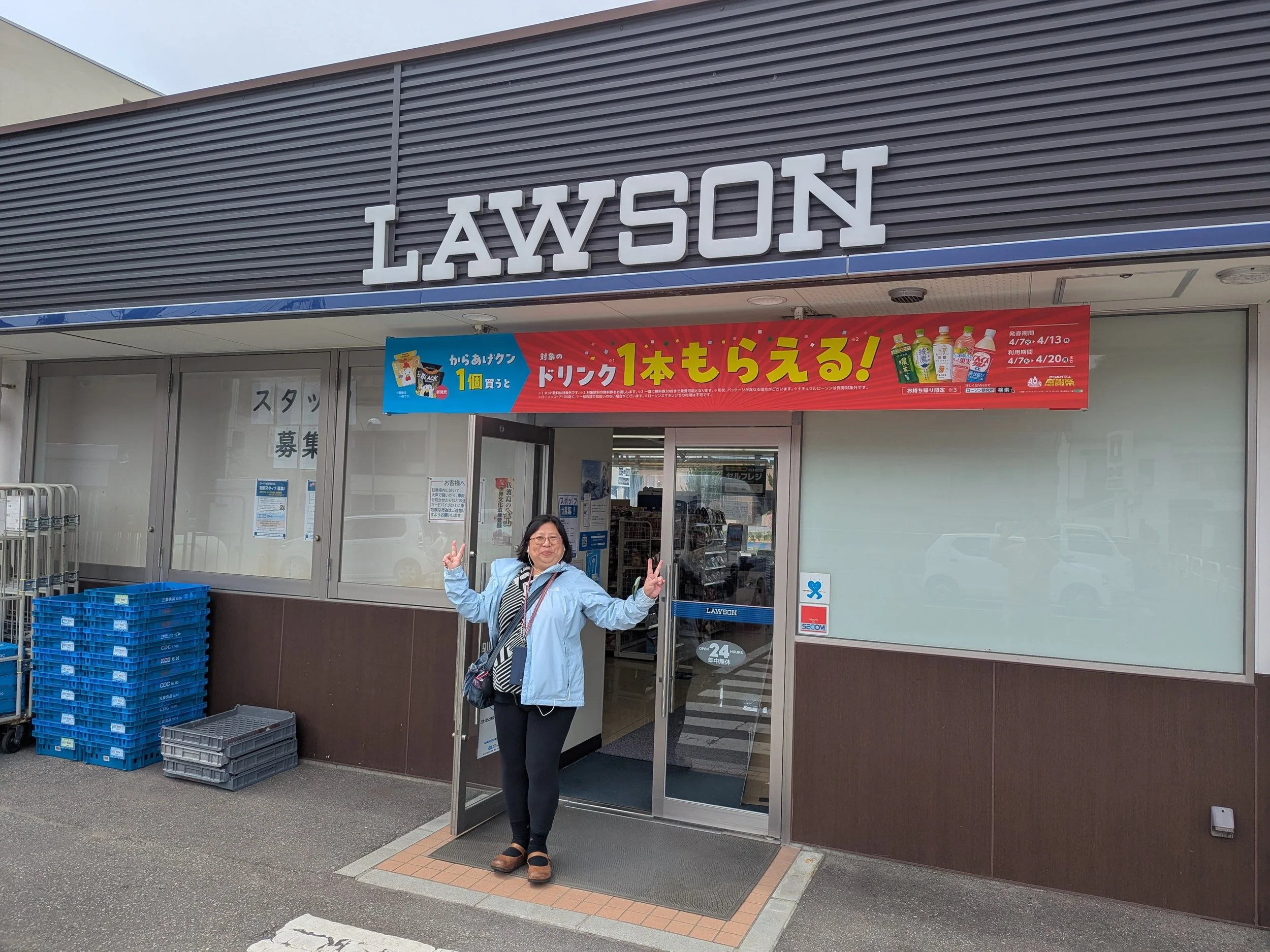
The famous Lawson Store with Mt Fuji view. This place is so popular, people come where for wedding photos. Its viral popularity on social media comes from an angle that makes the store appear to sit directly beneath Mt. Fuji. Unfortunally that day, the clouds were blocking the view of Mt. Fuji in the background.
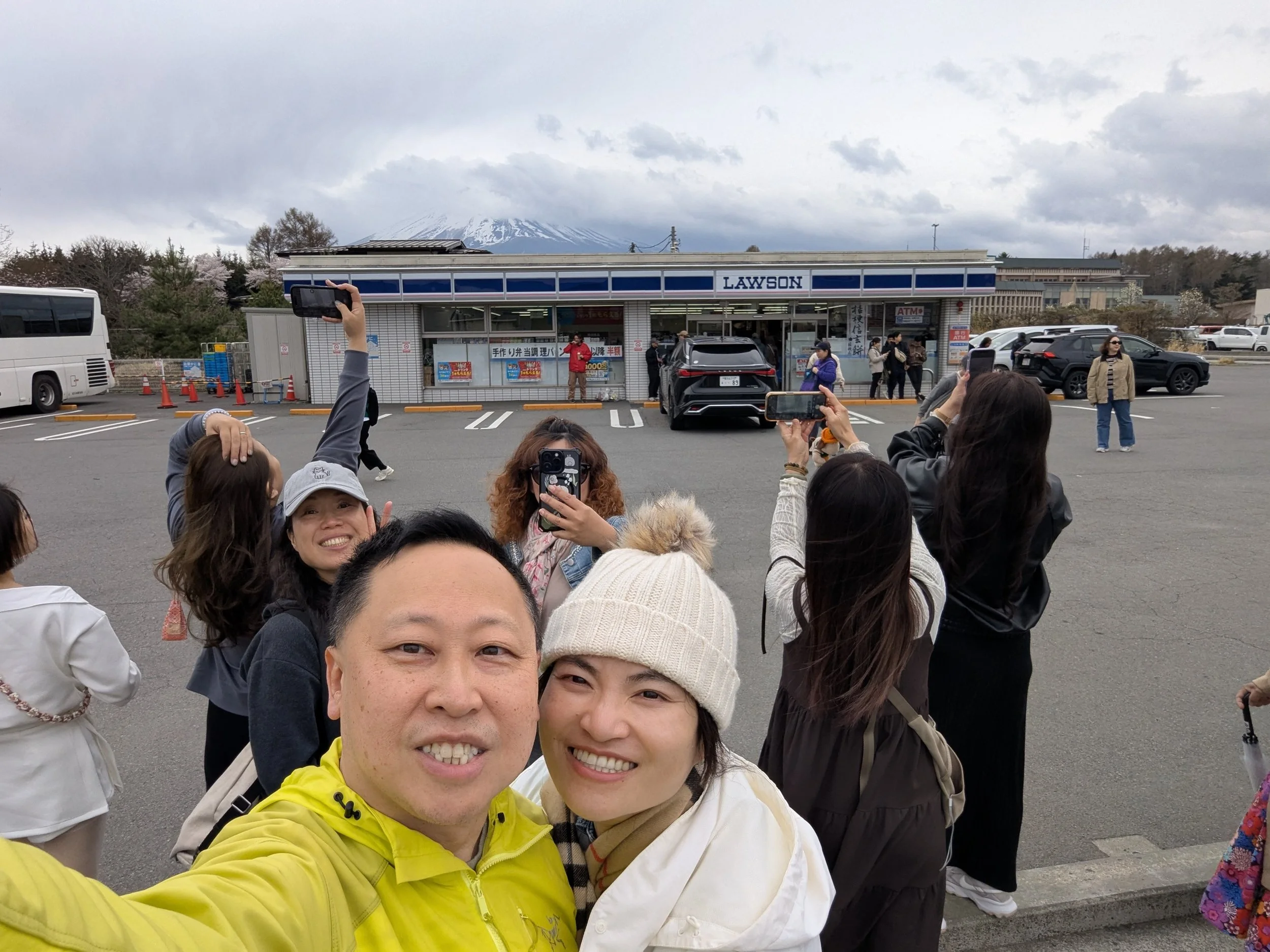
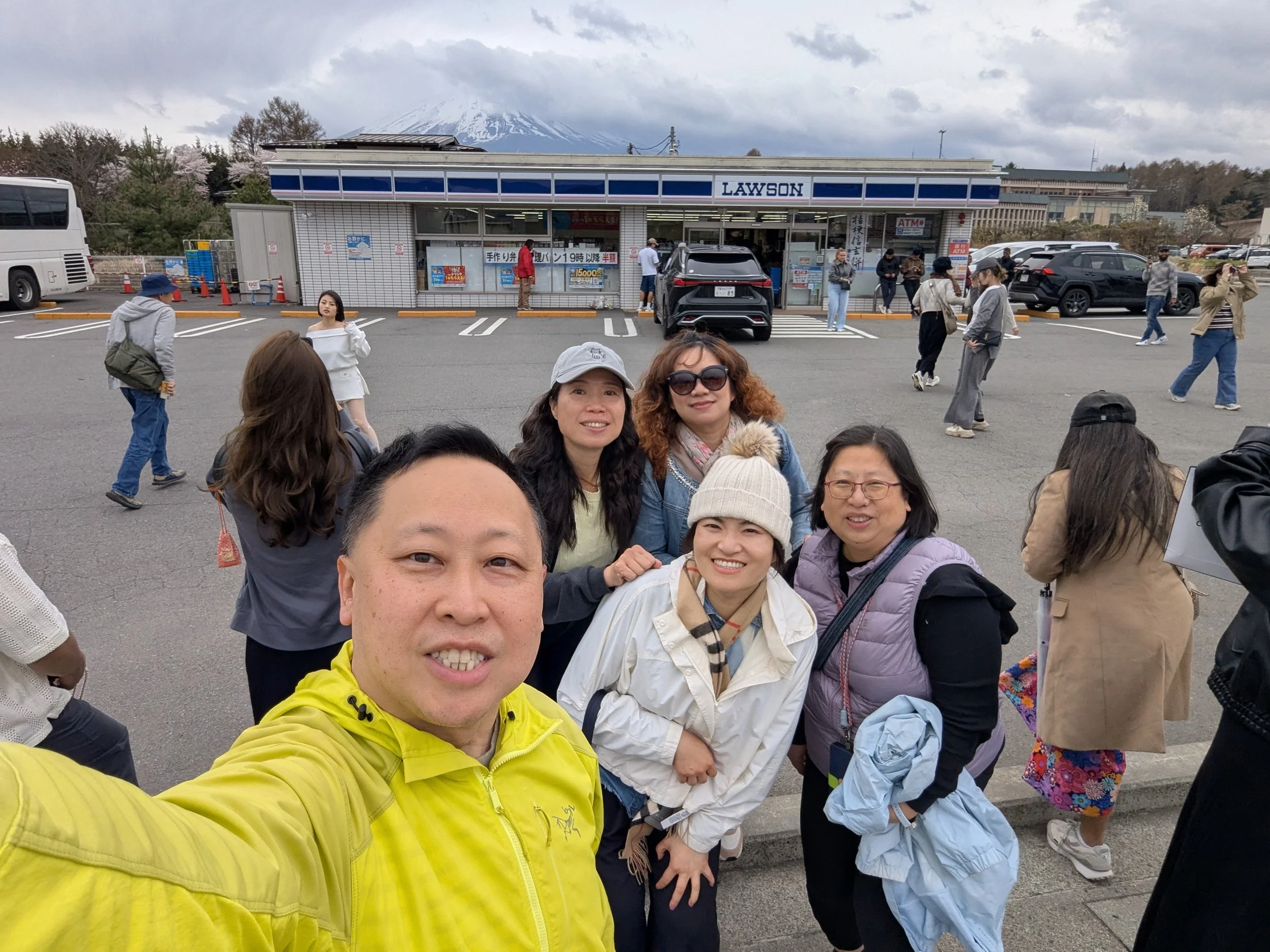
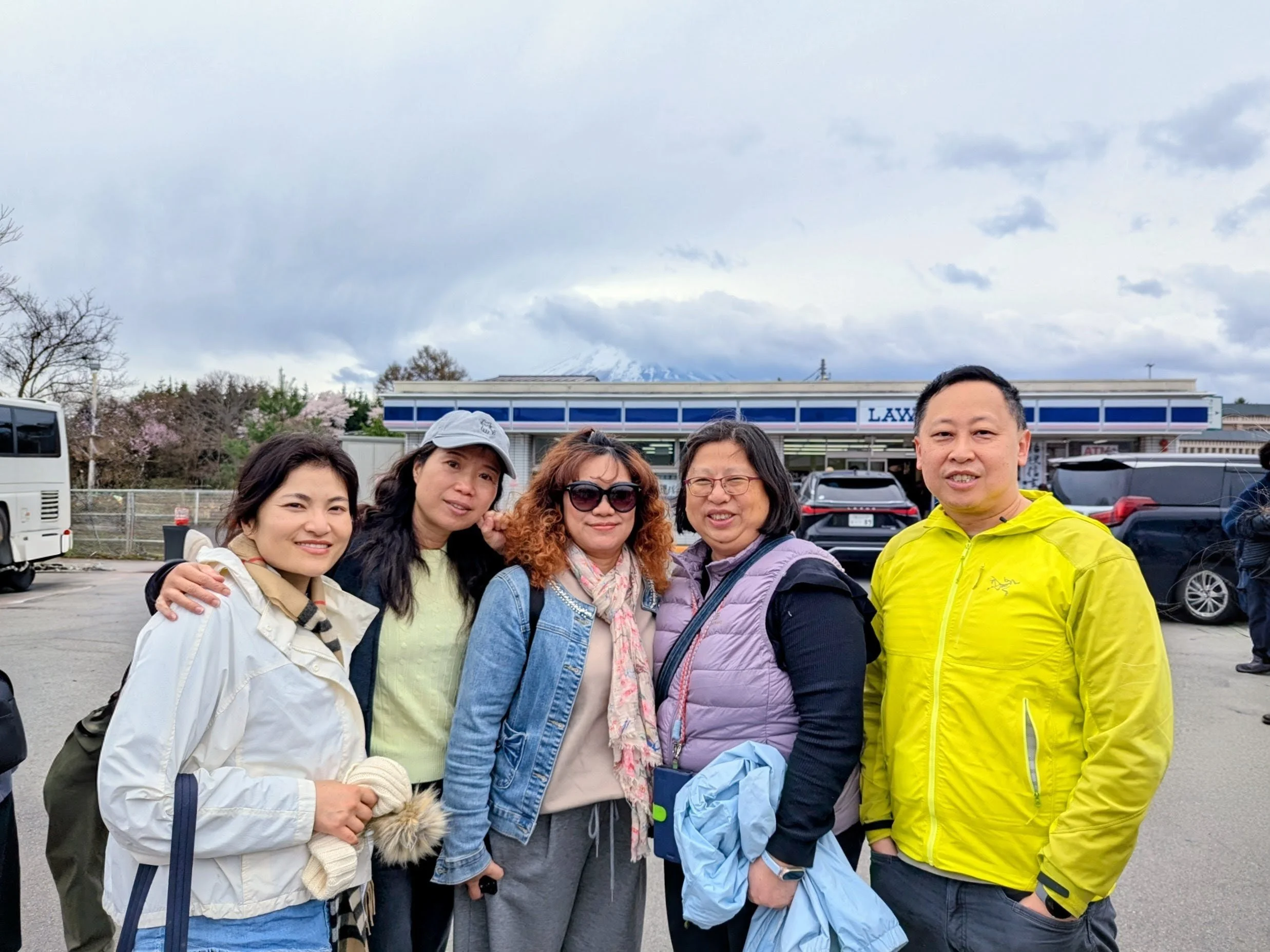
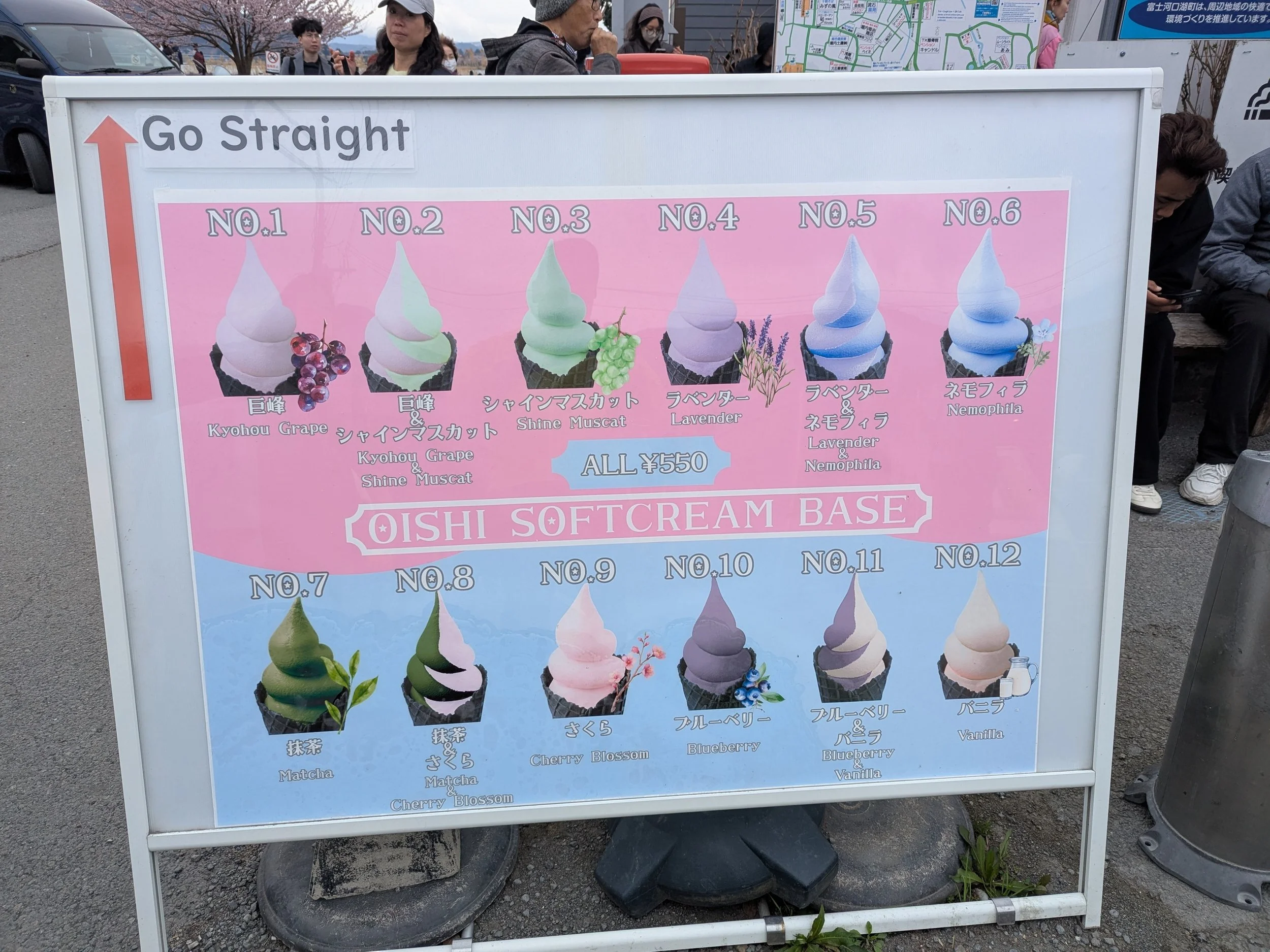
Next stop is Oishi Park. Oishi Park is one of the most popular scenic spots on the northern shore of Lake Kawaguchi, famous for providing a perfectly symmetrical and unobstructed view of Mount Fuji framed by seasonal flowers. We were there enjoying the beautiful views of Mount Fuji - then out of no where came cousin with three ice cream cones. It made the view of Mount Fuji even better.
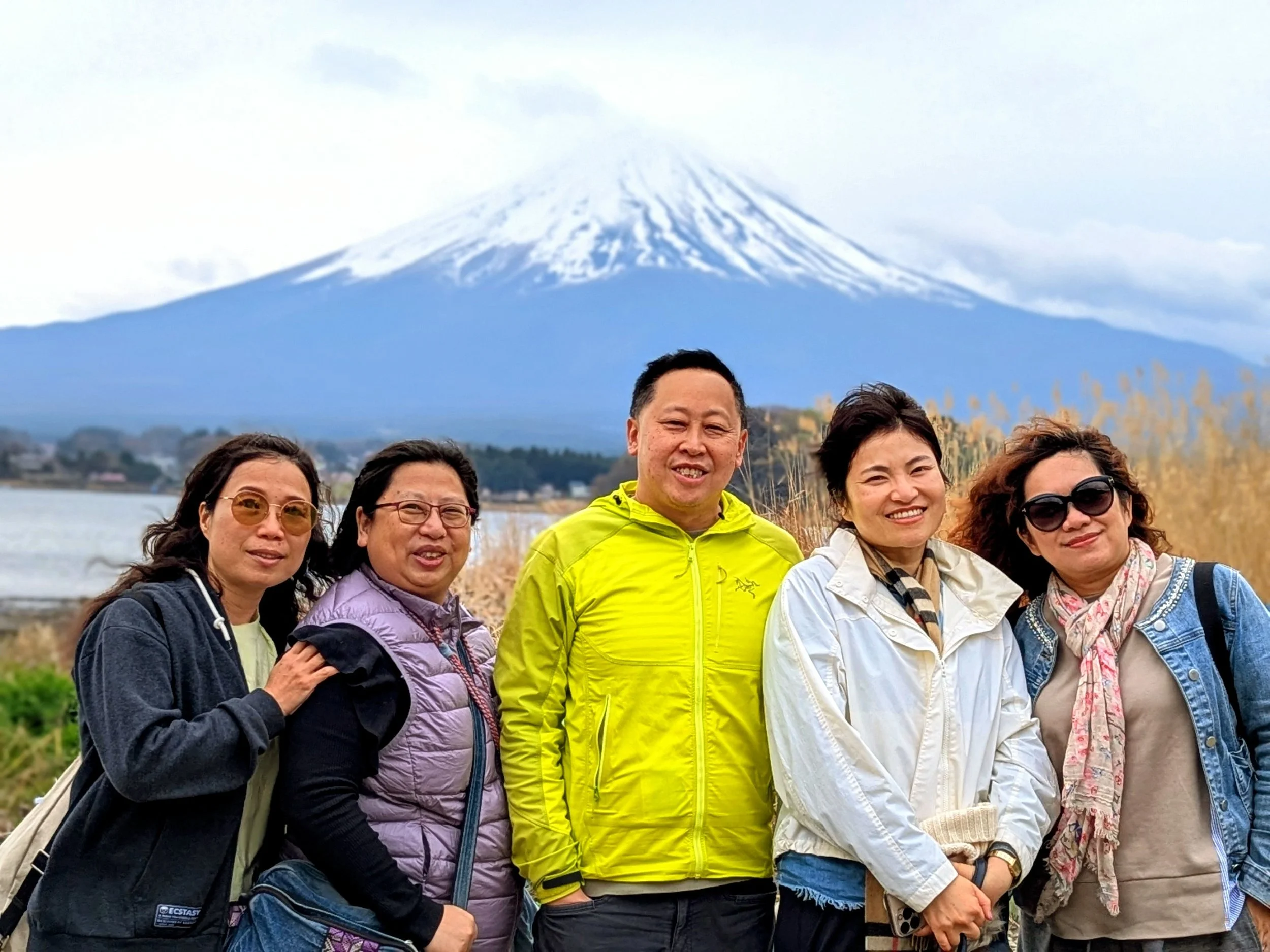
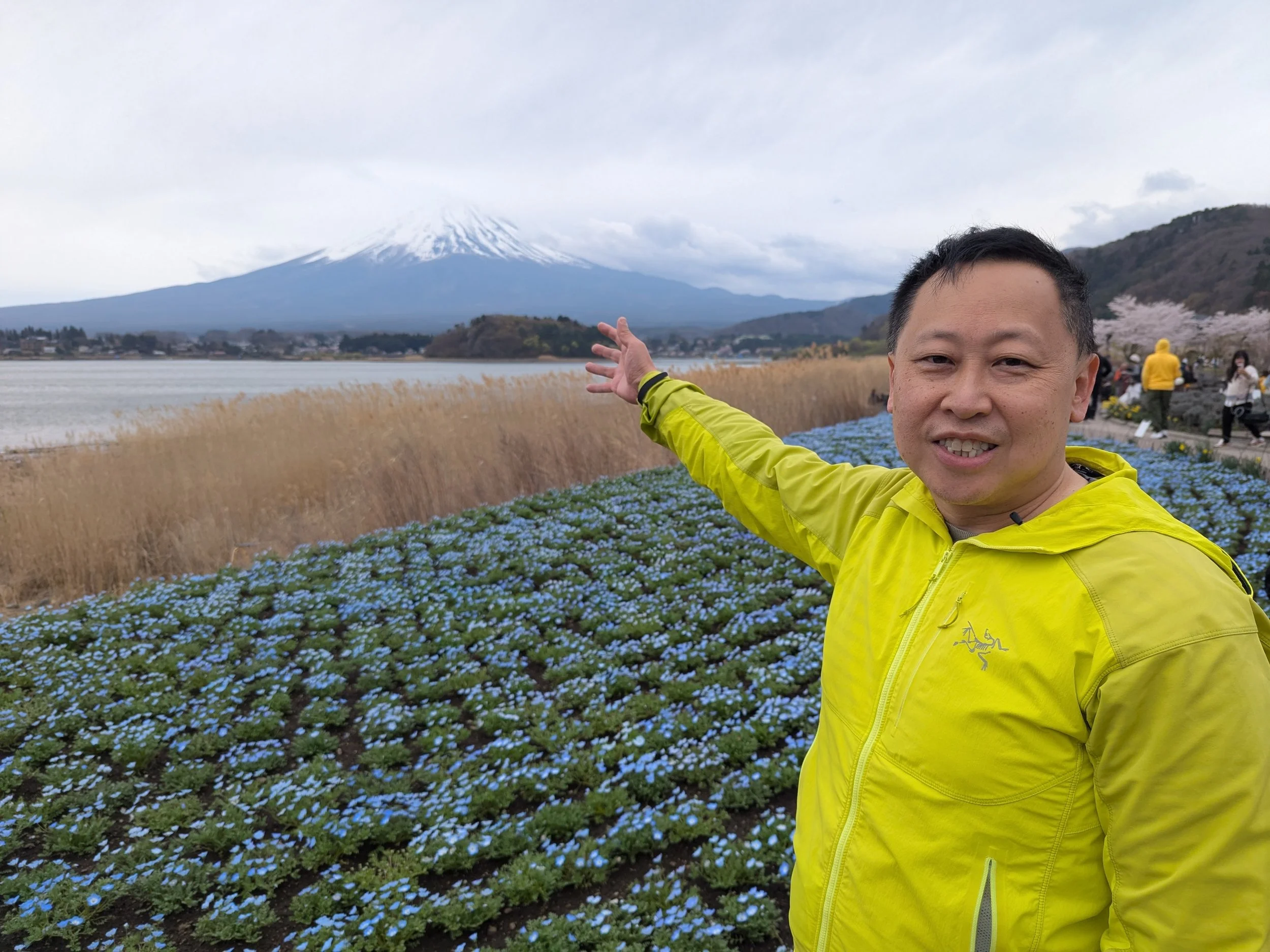
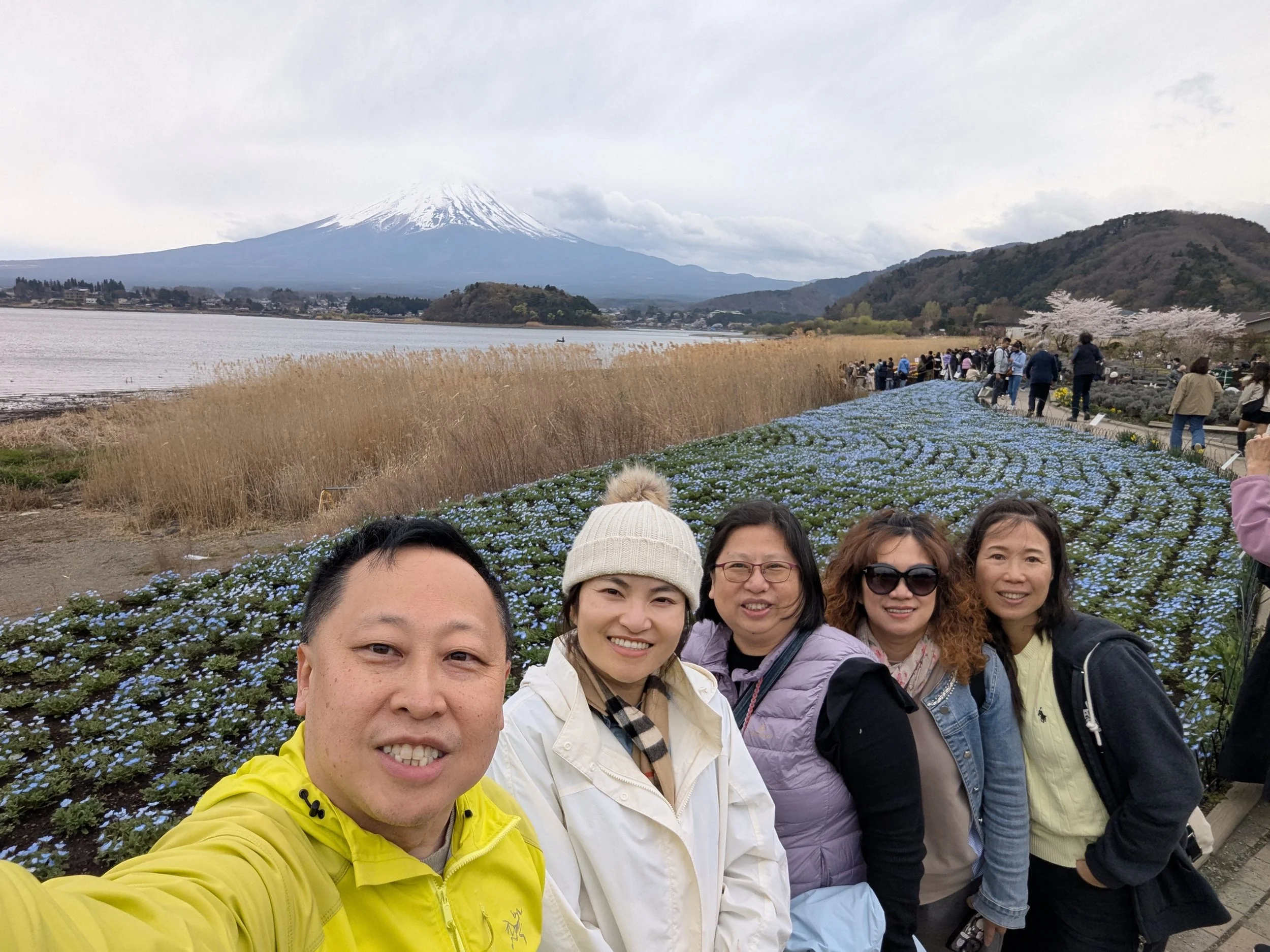
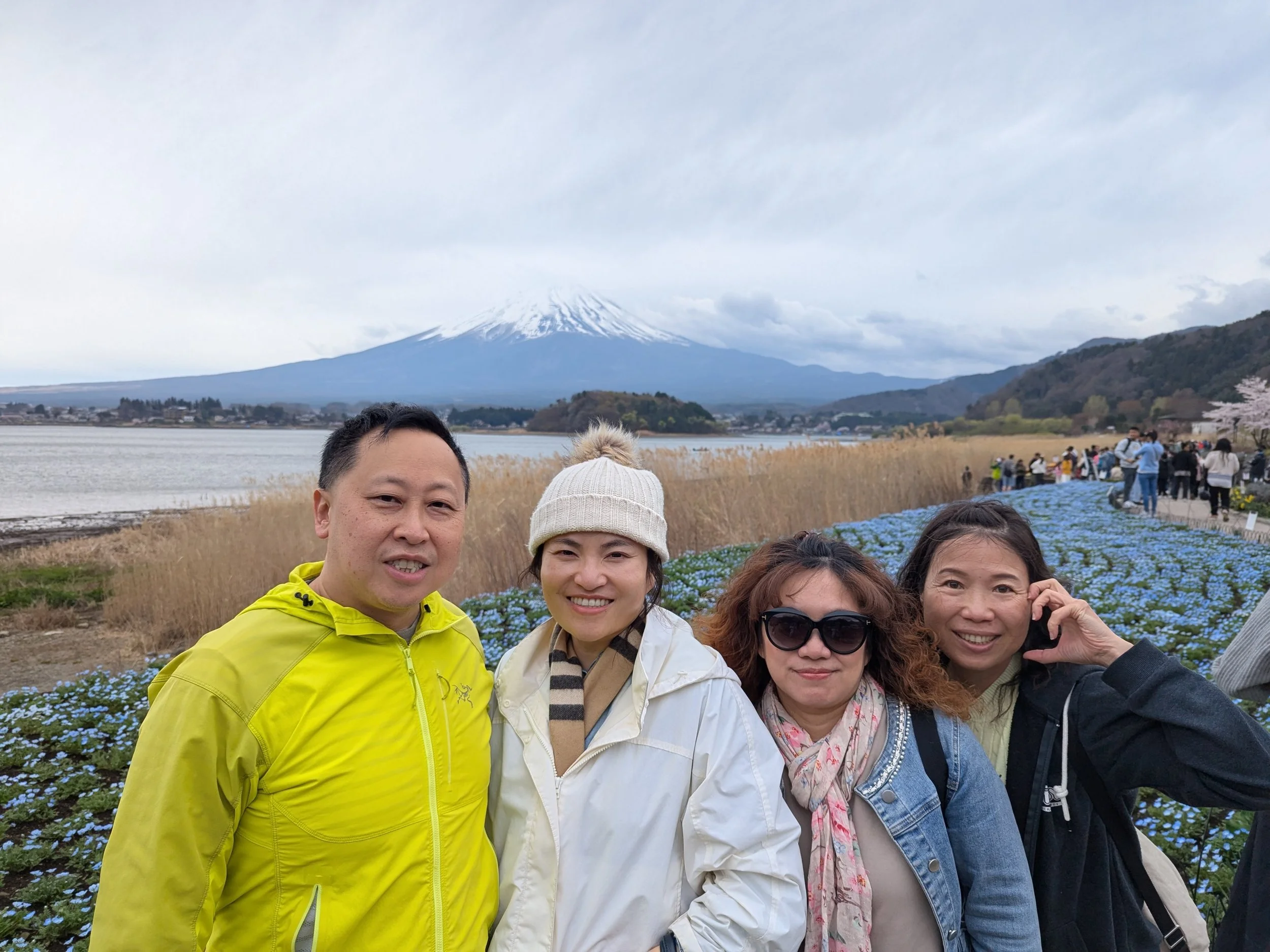
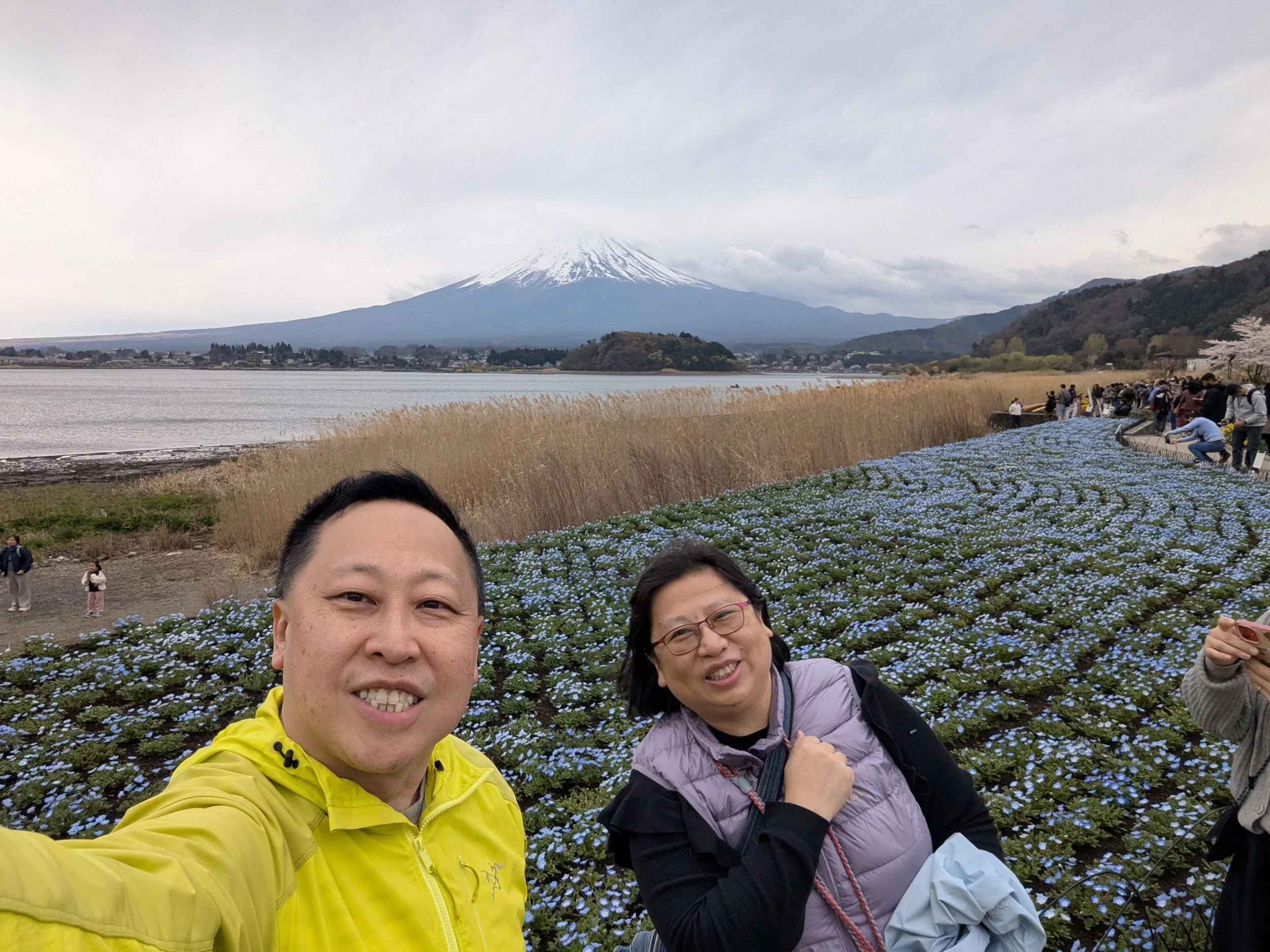
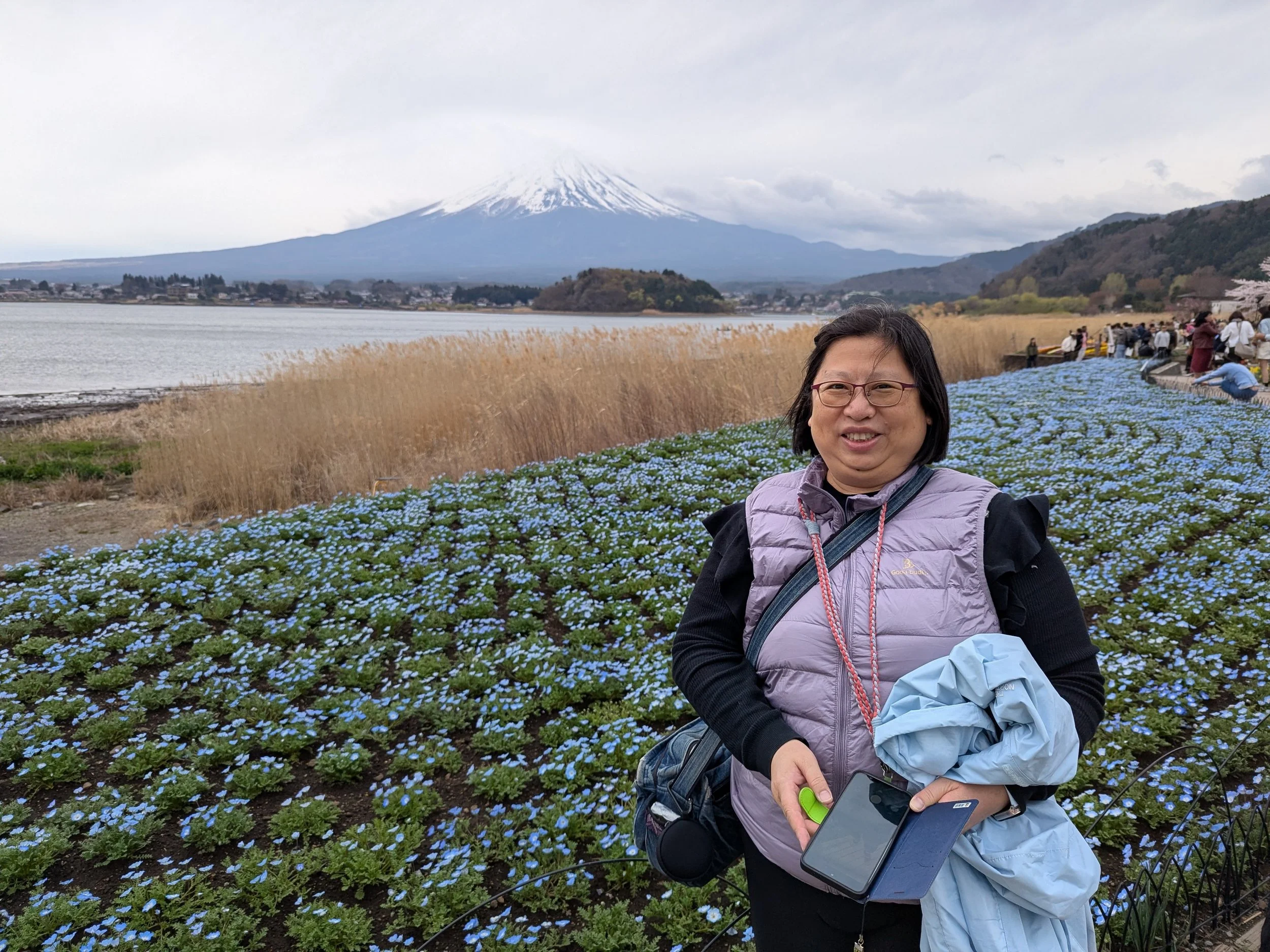
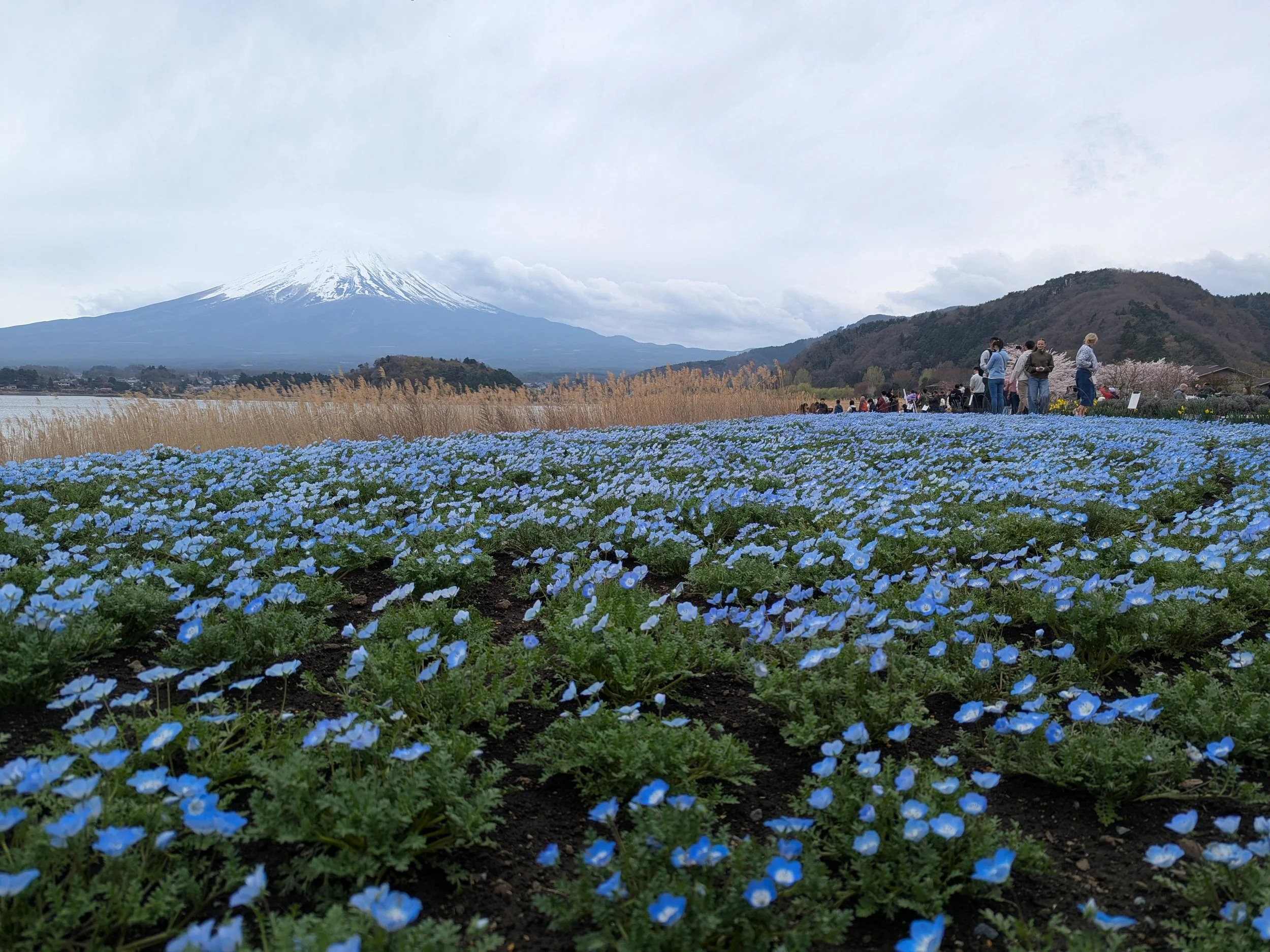
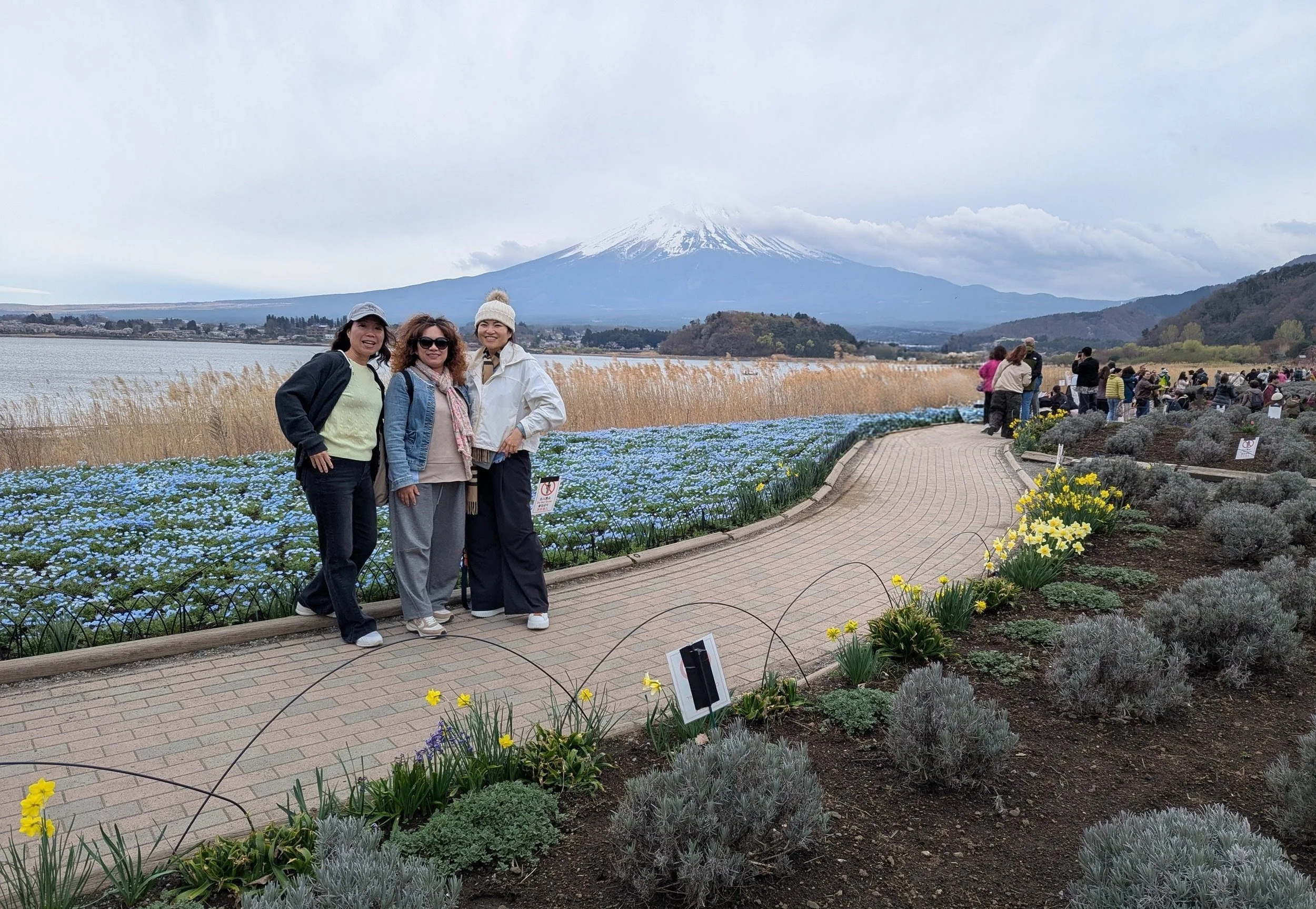
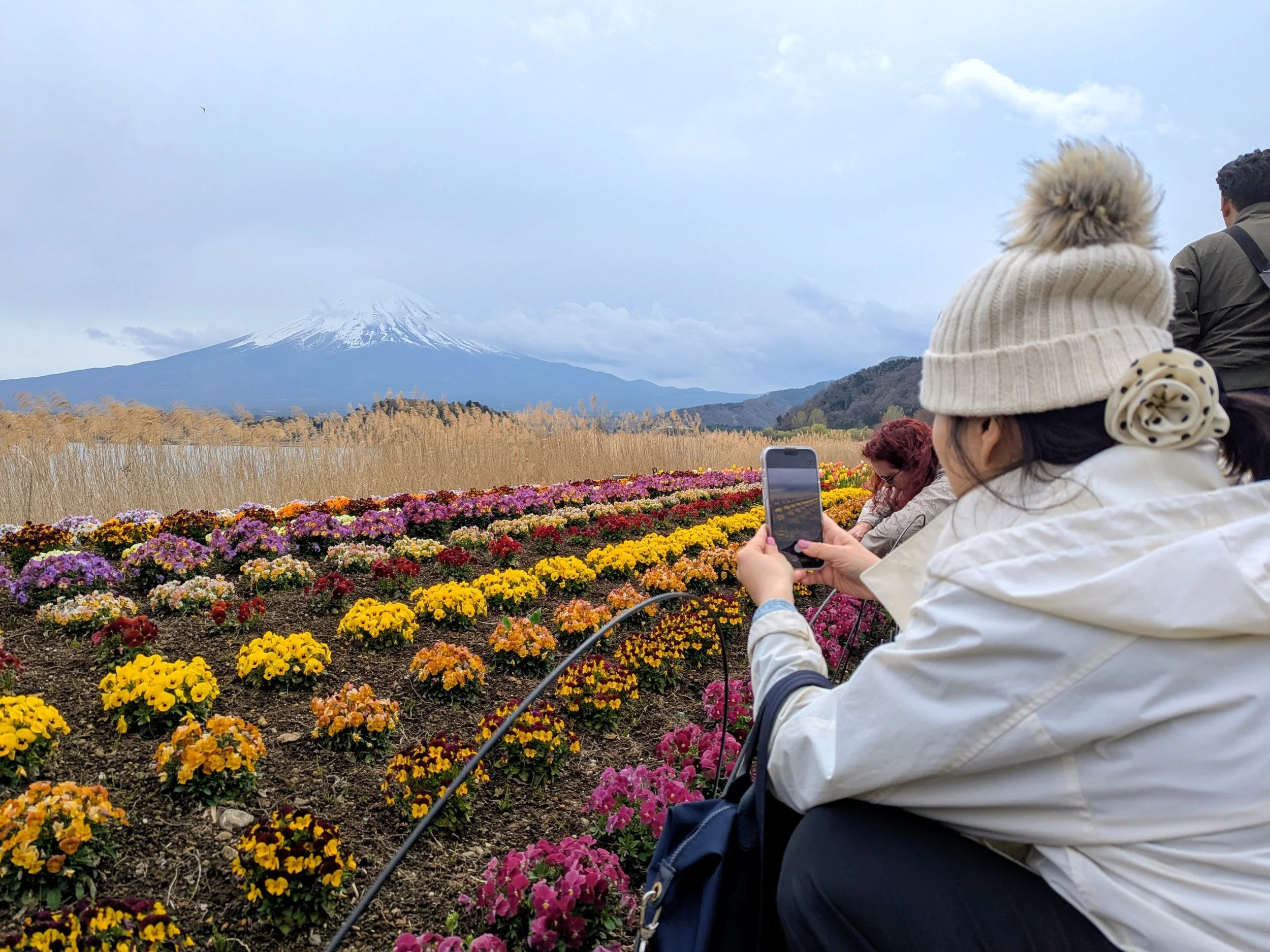
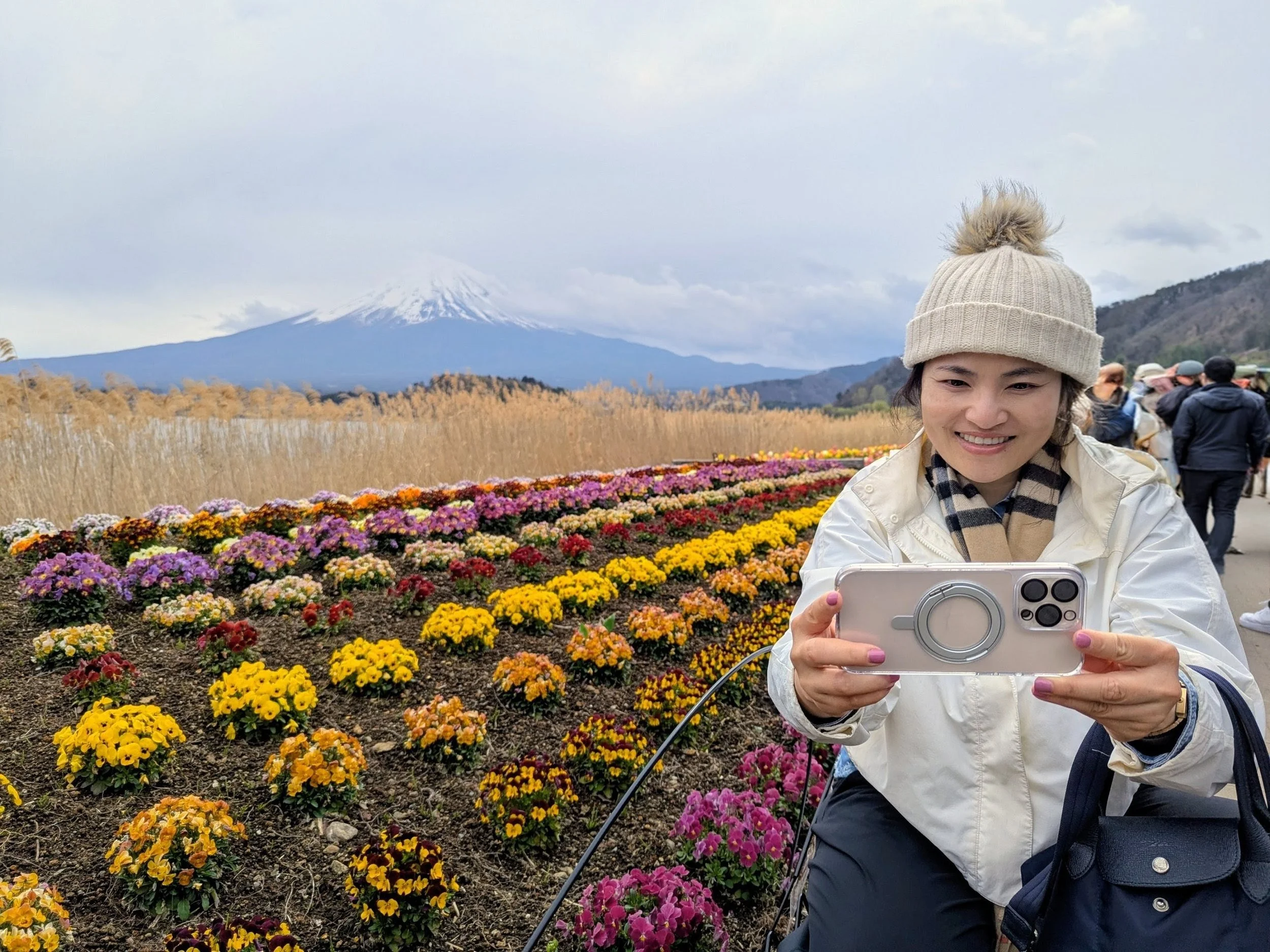
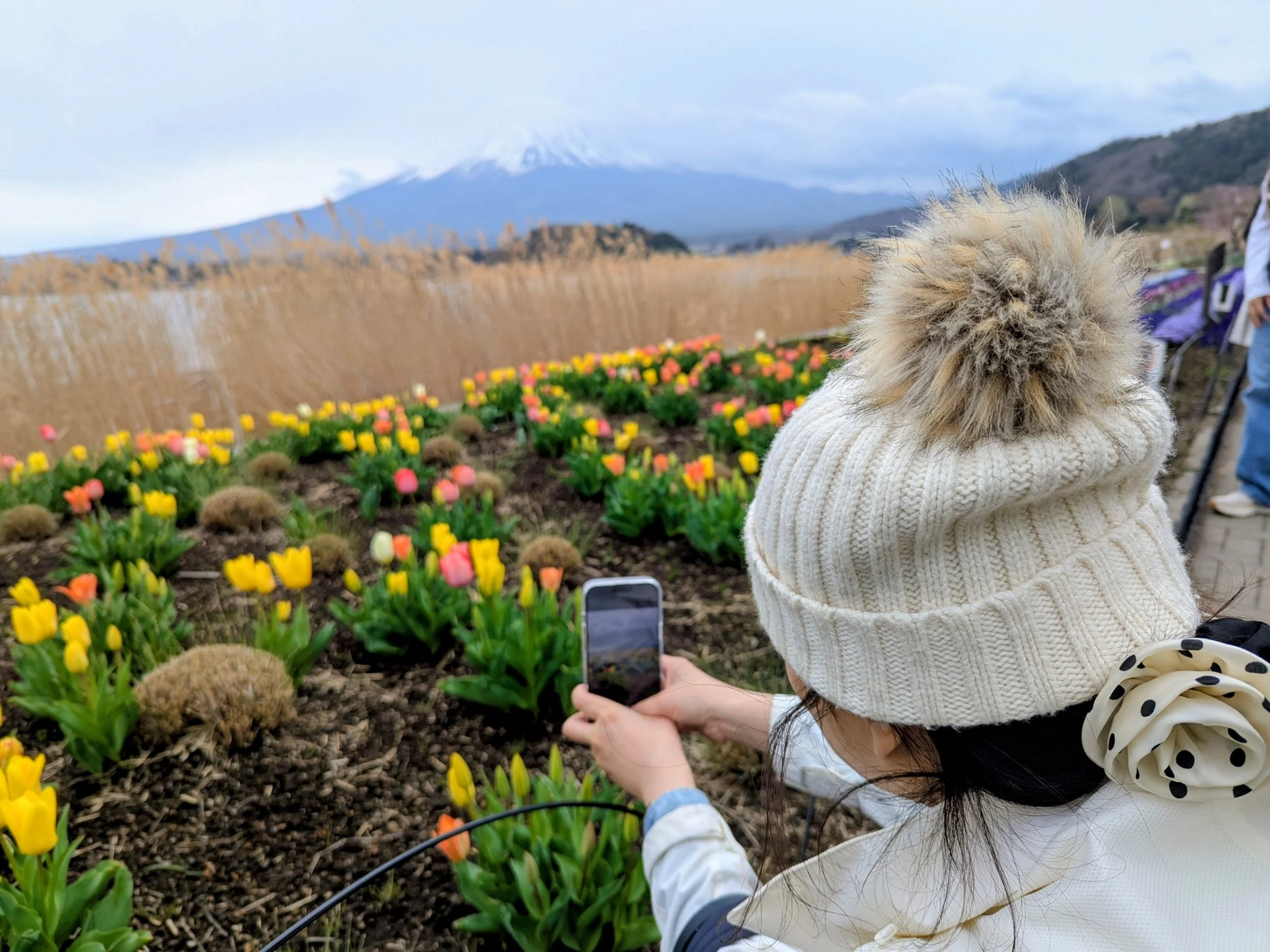
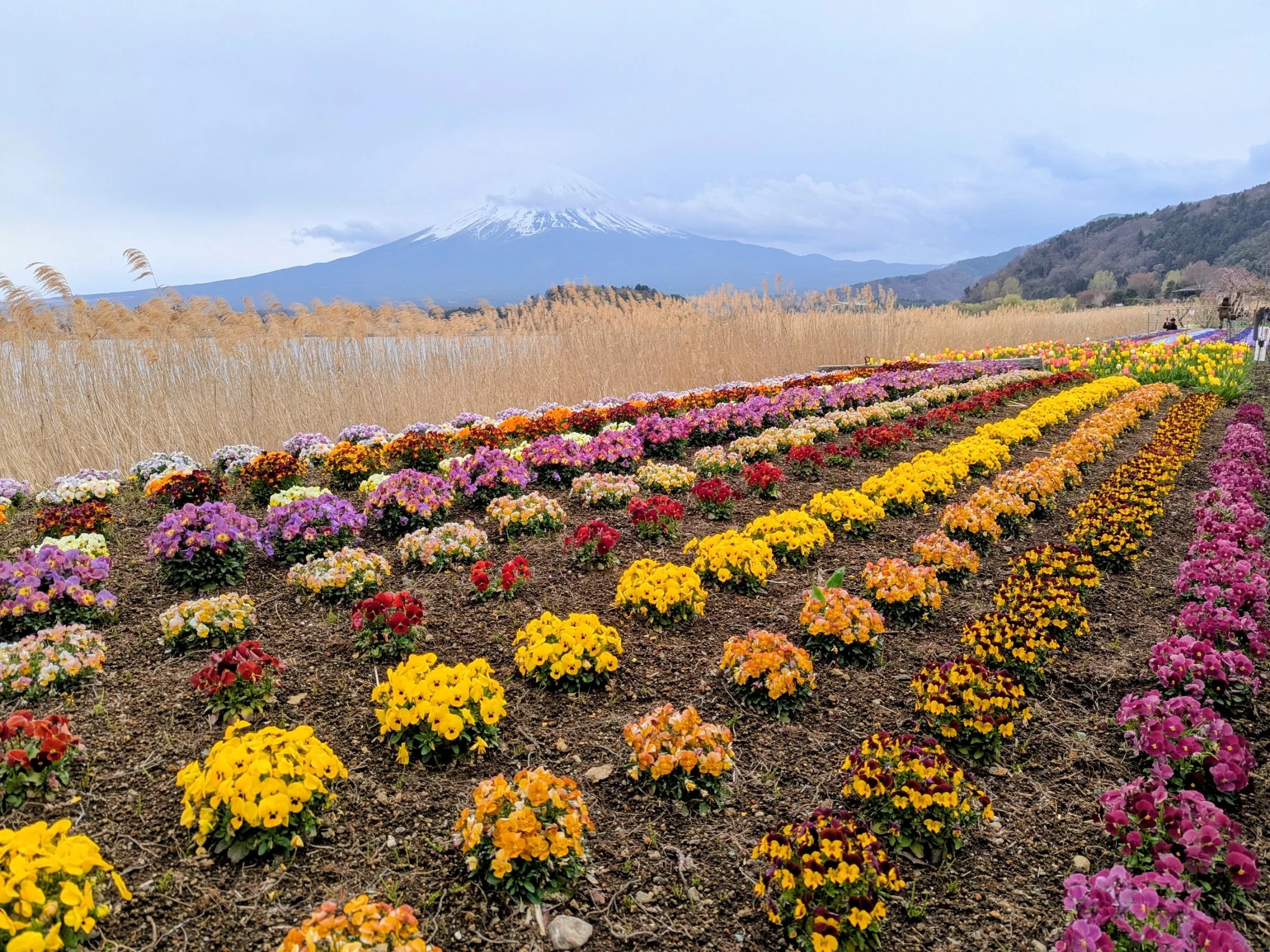
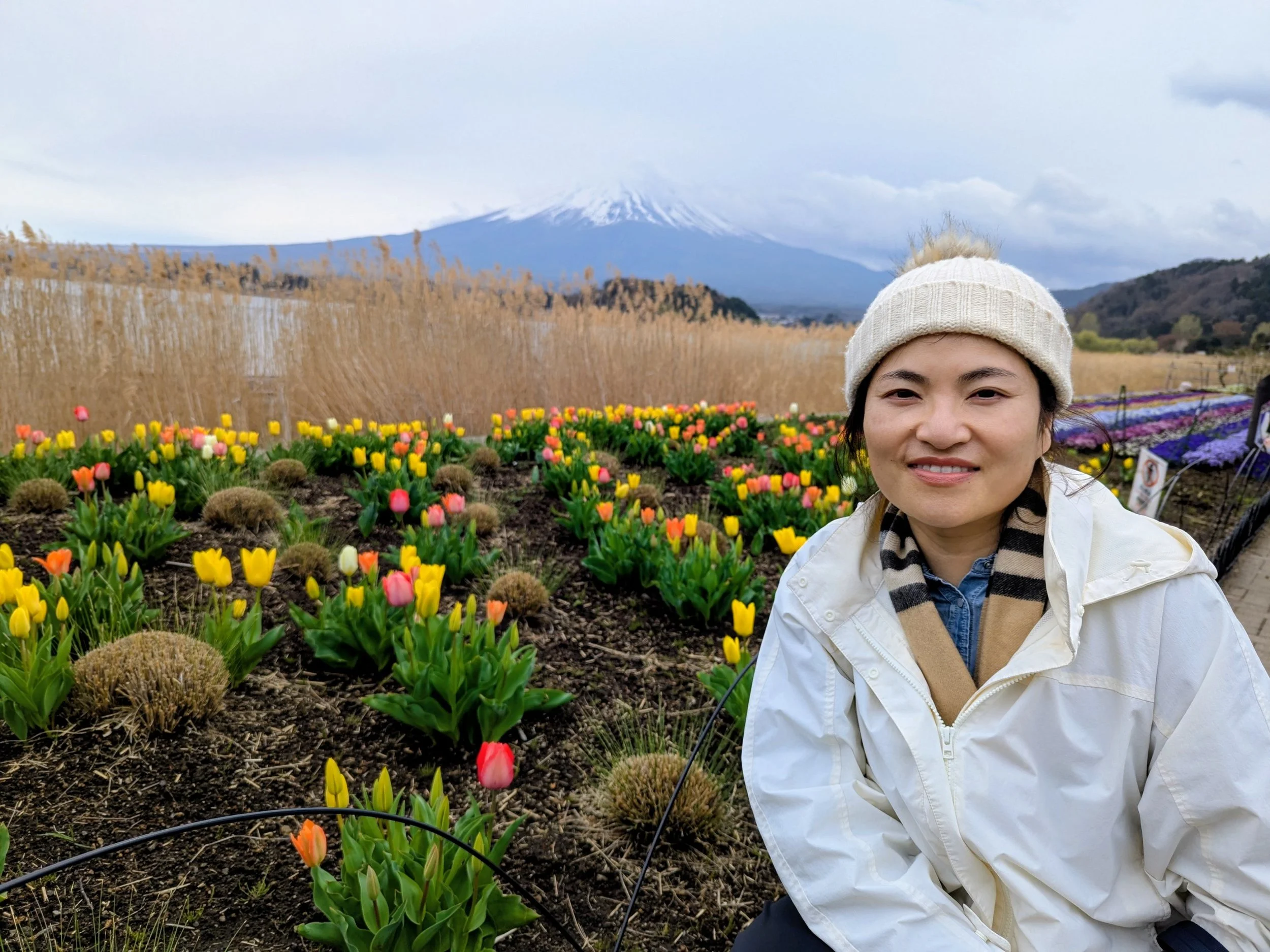
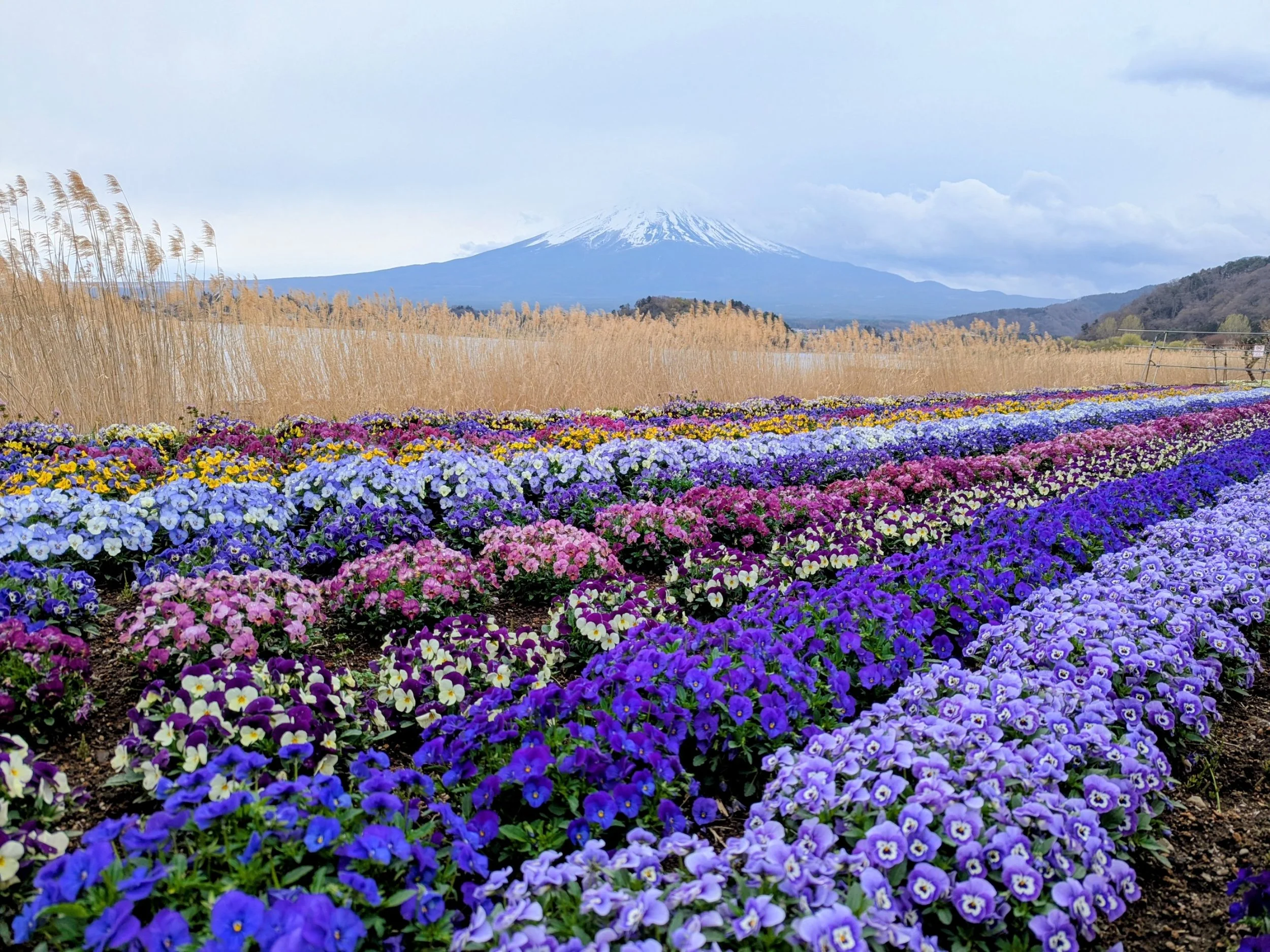
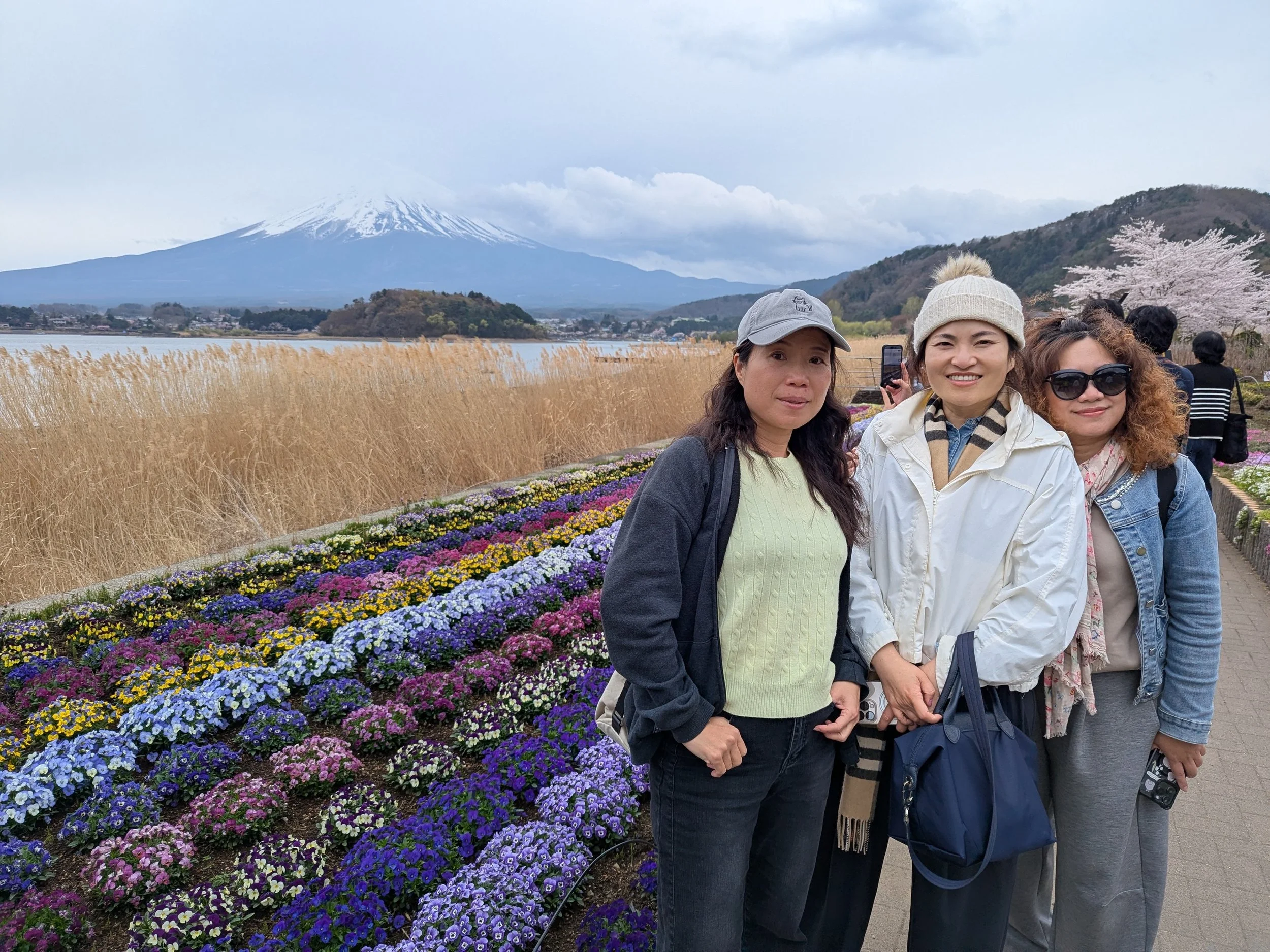
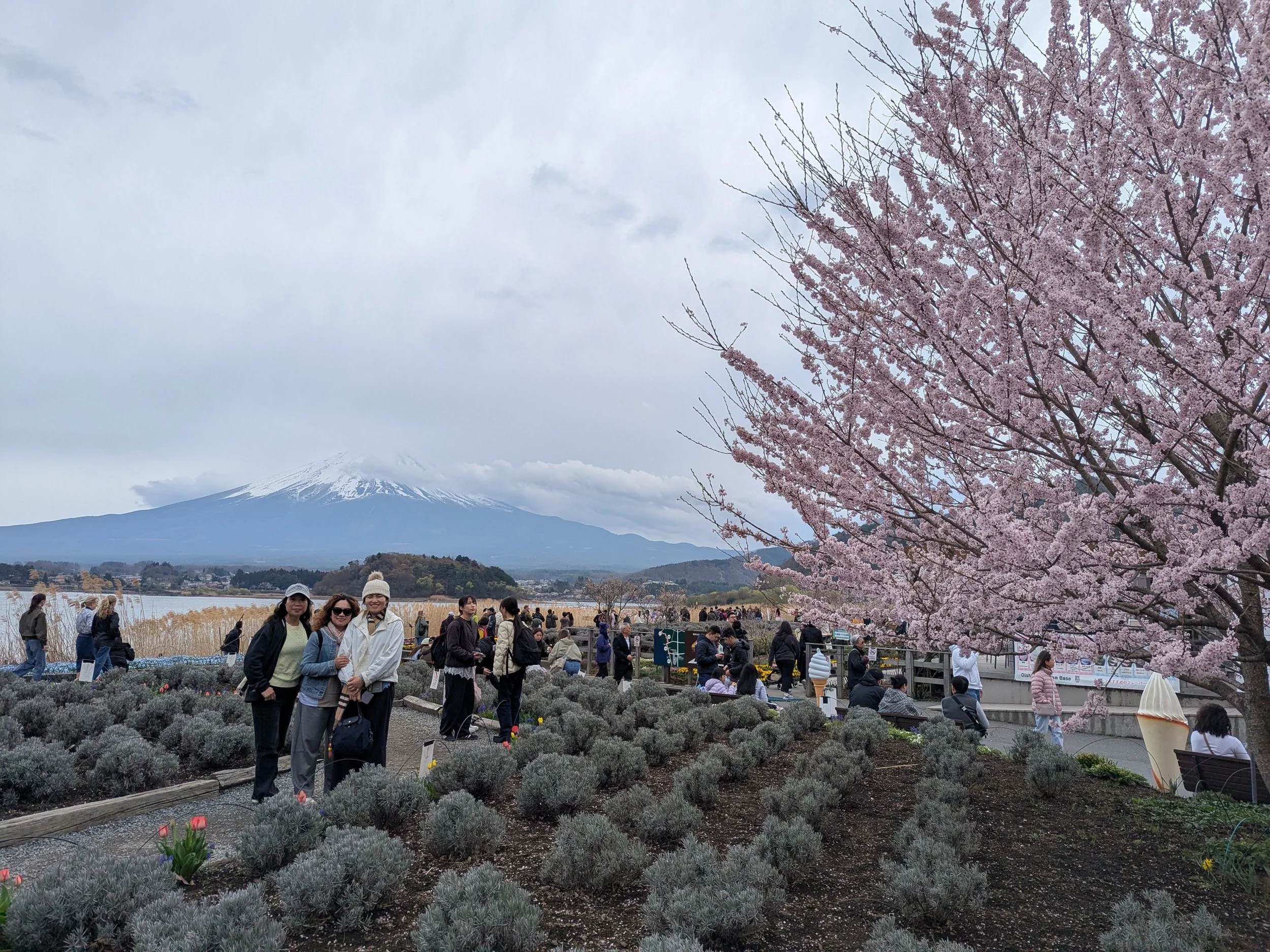
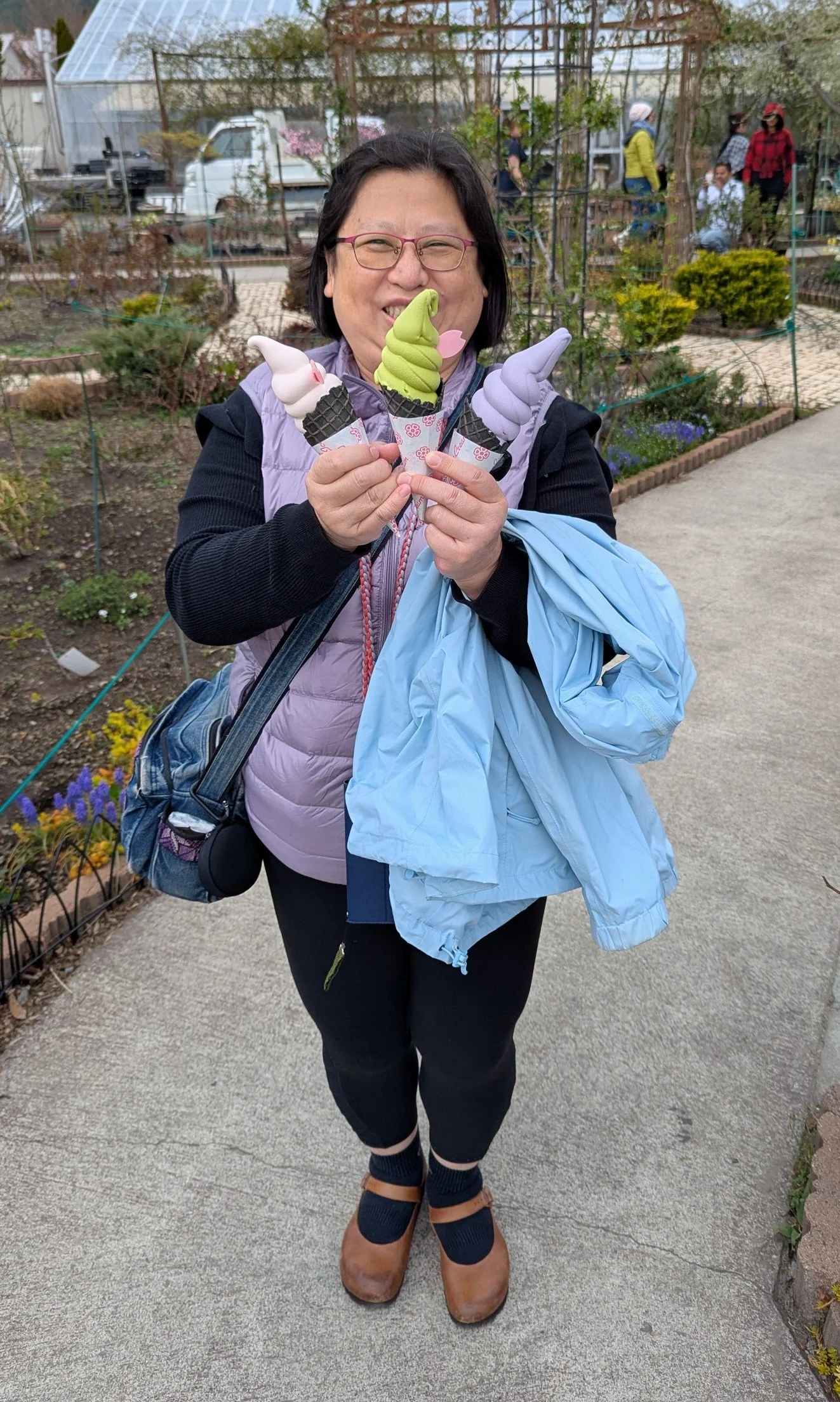
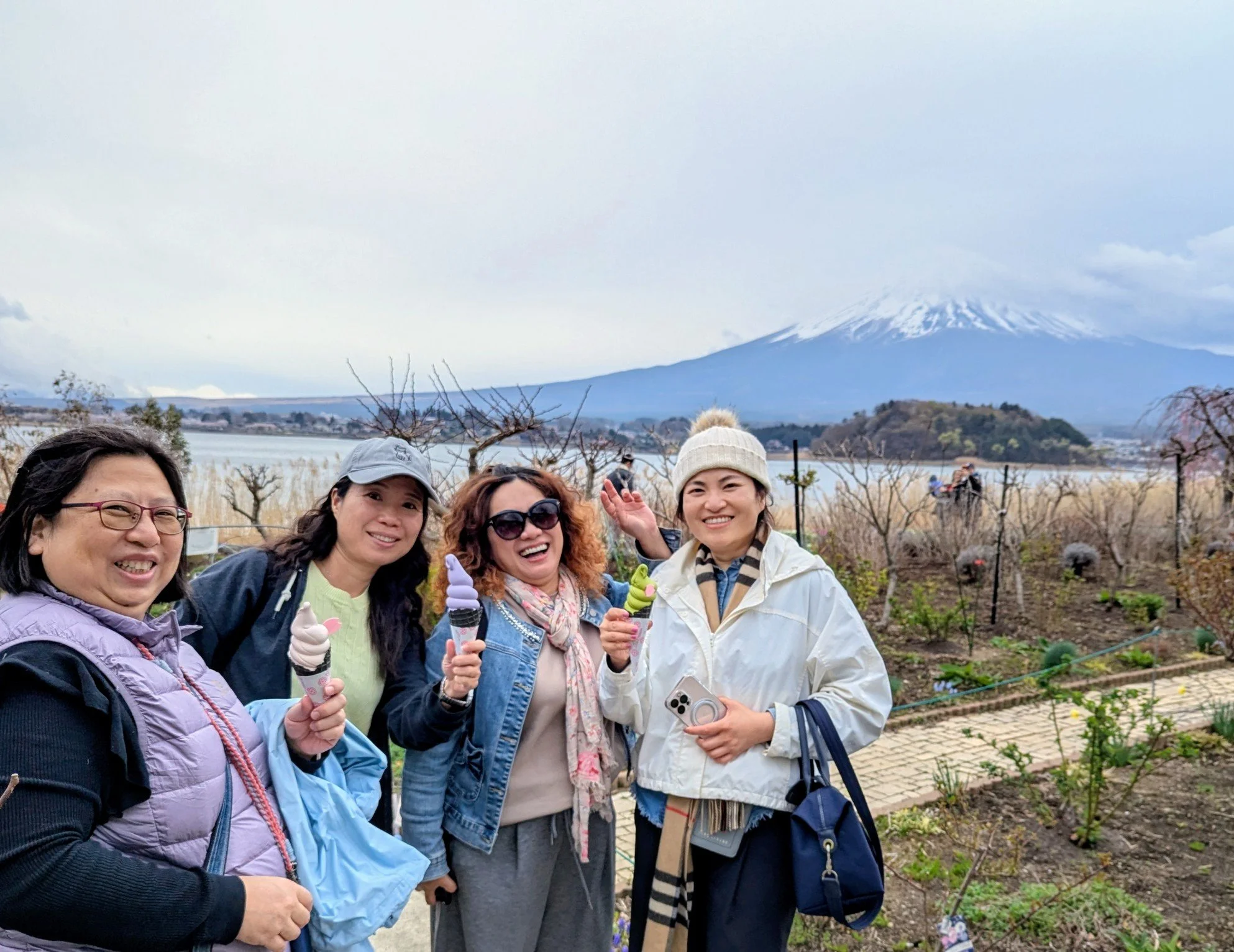
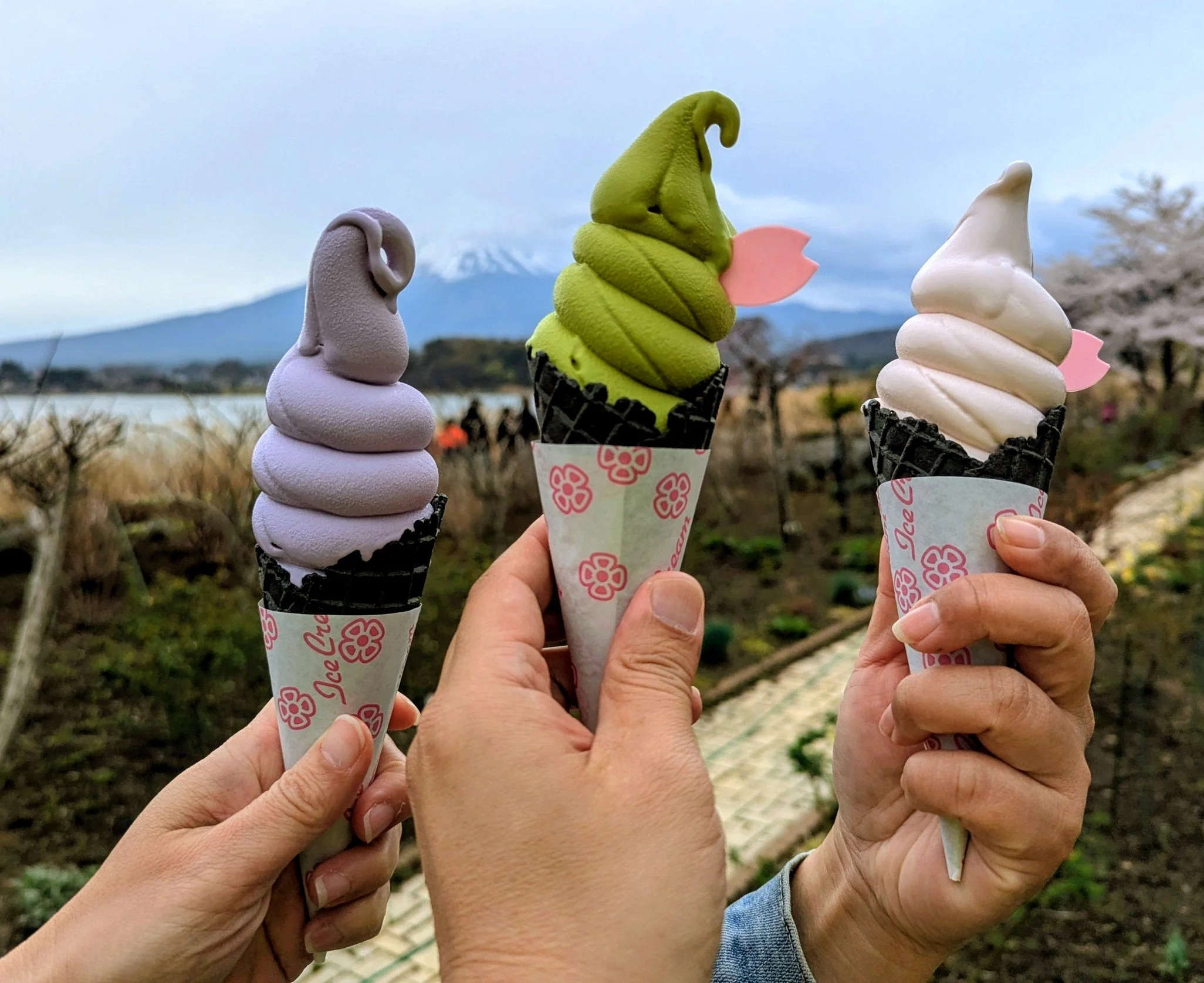
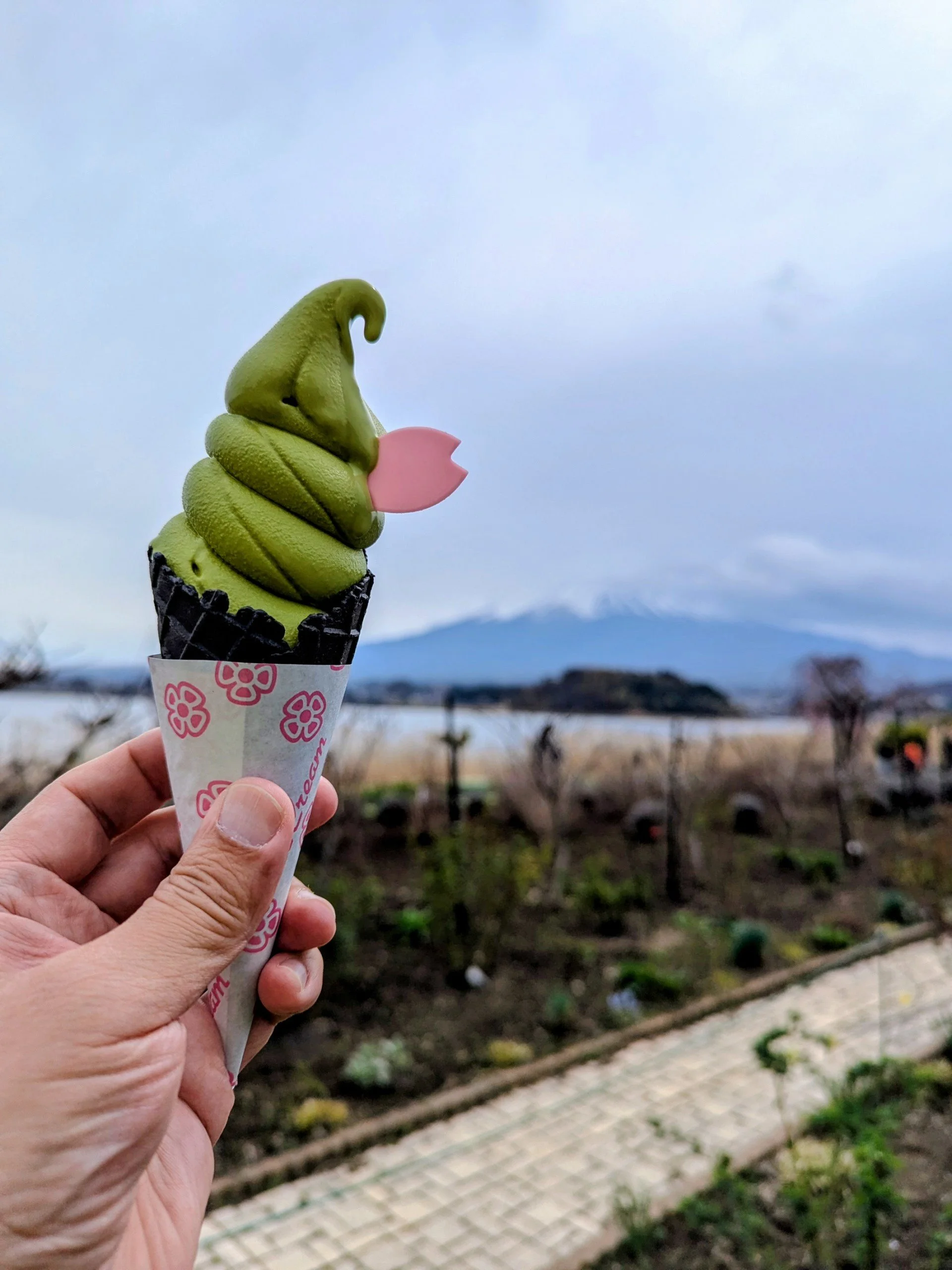
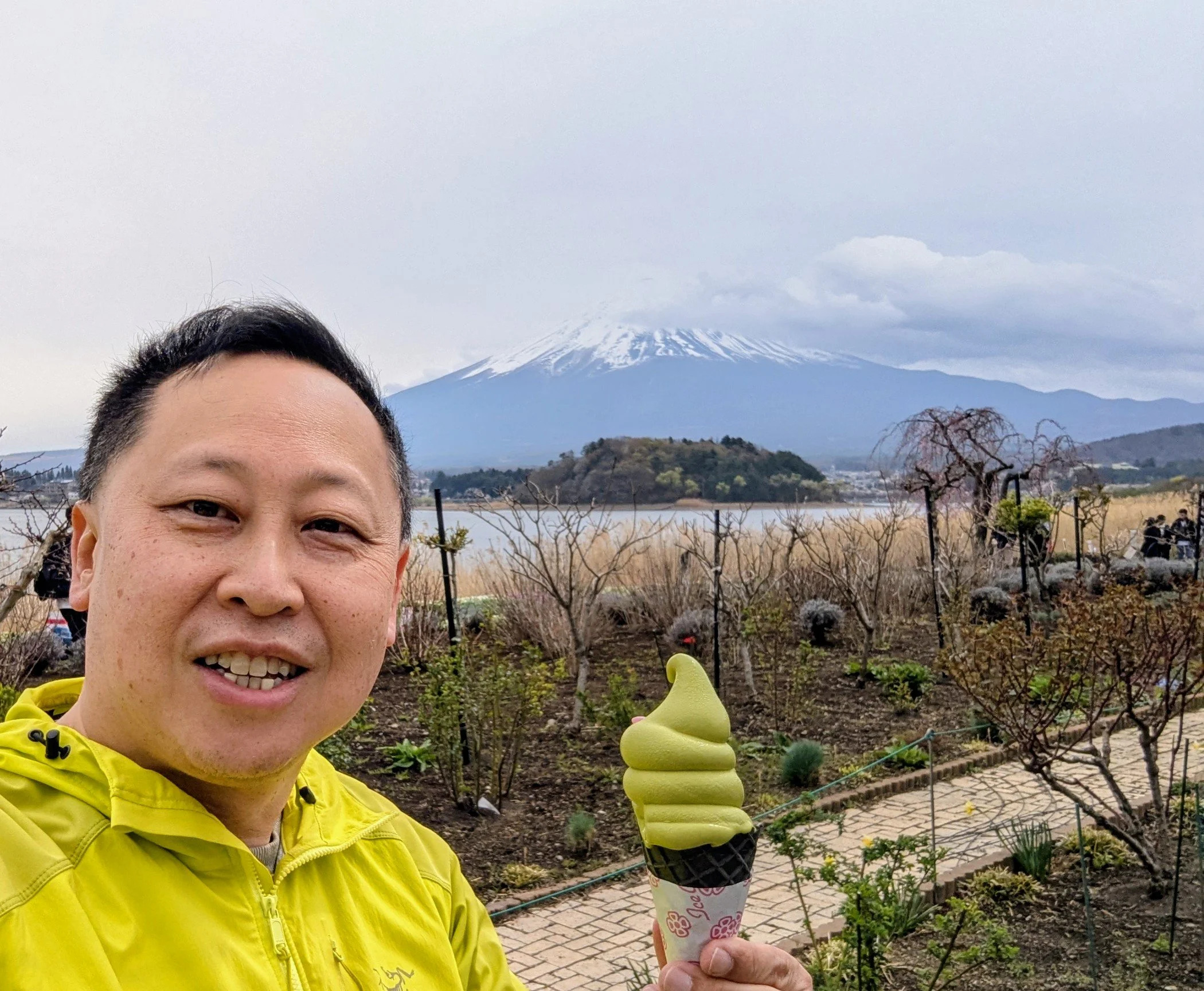
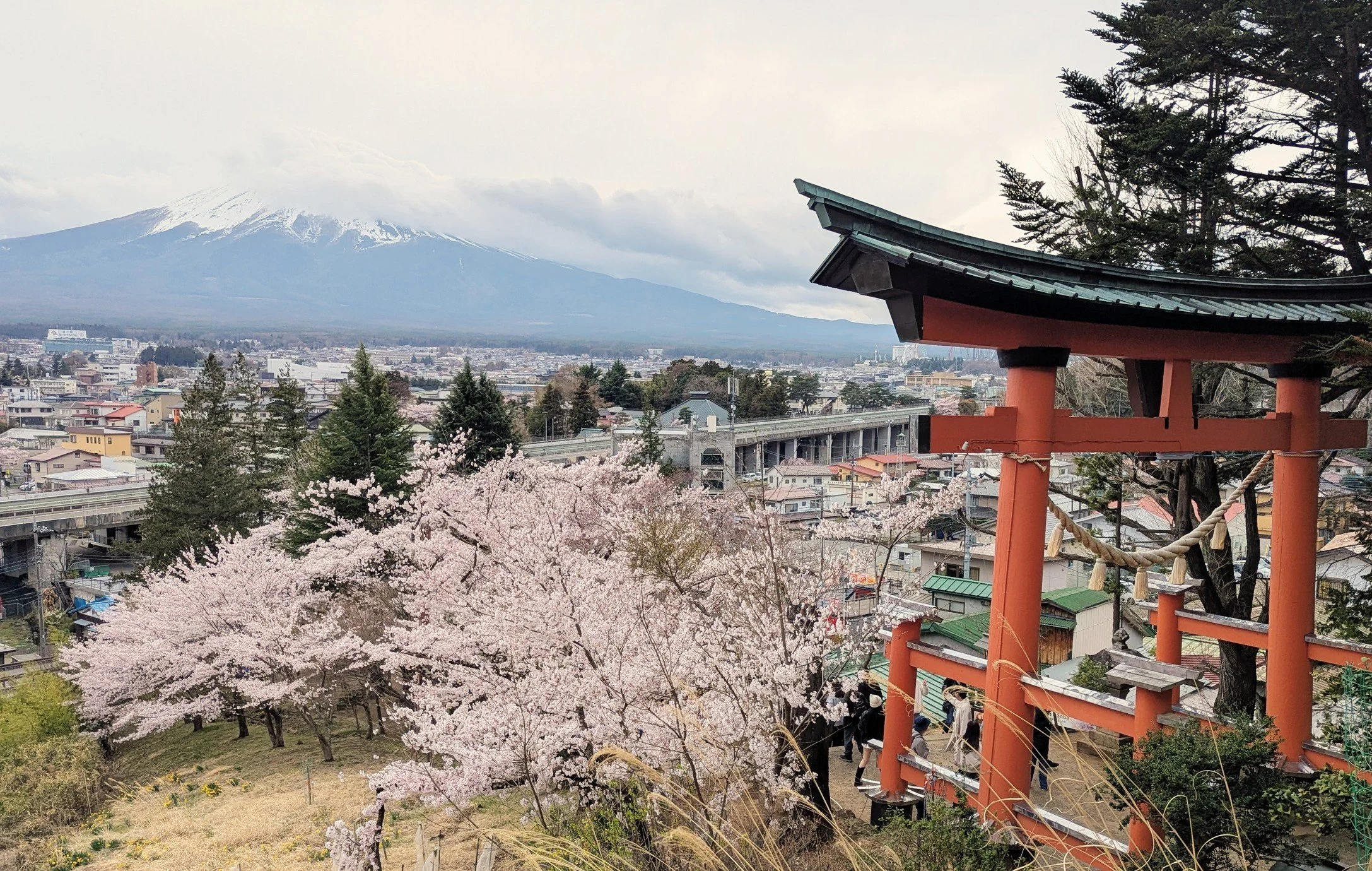
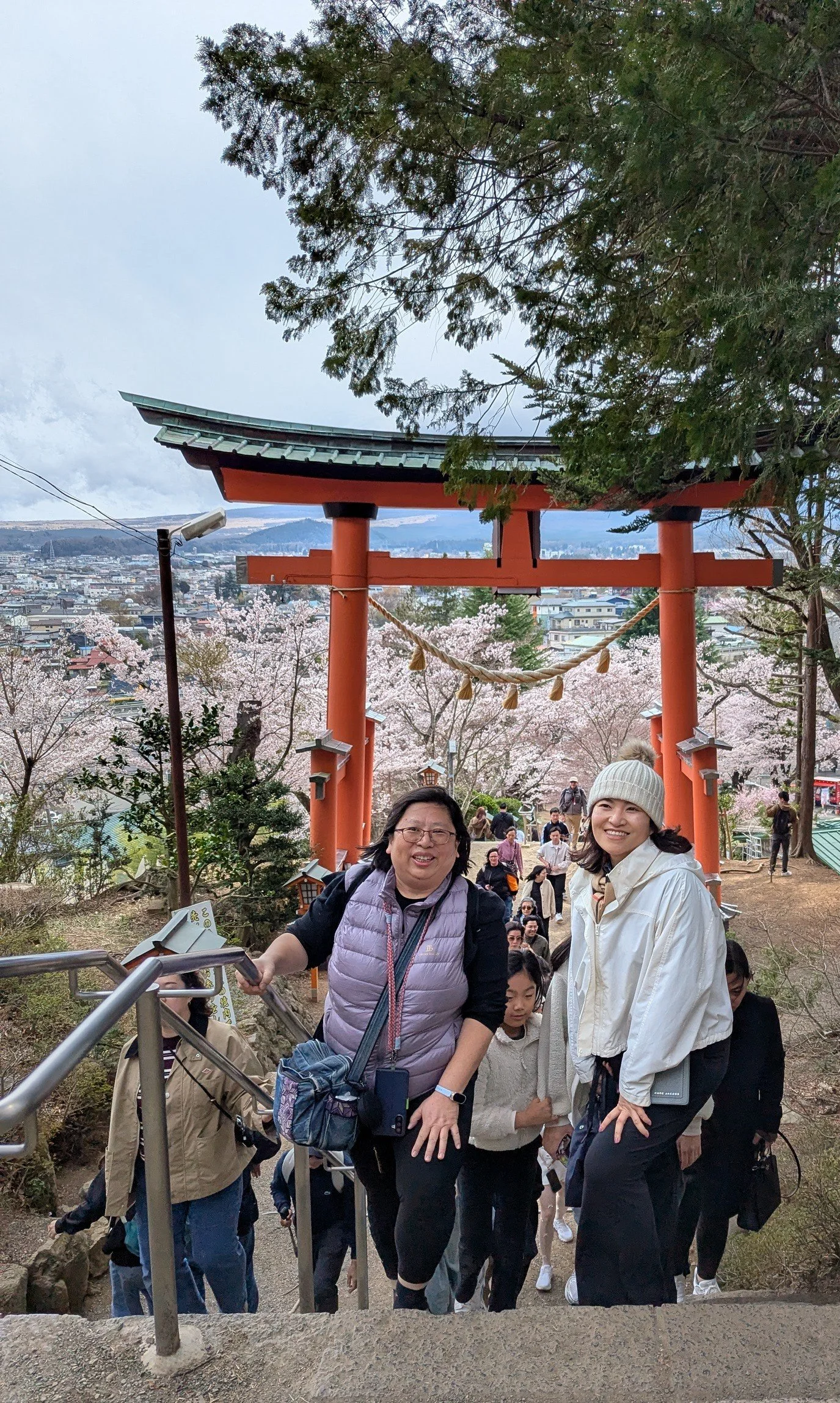
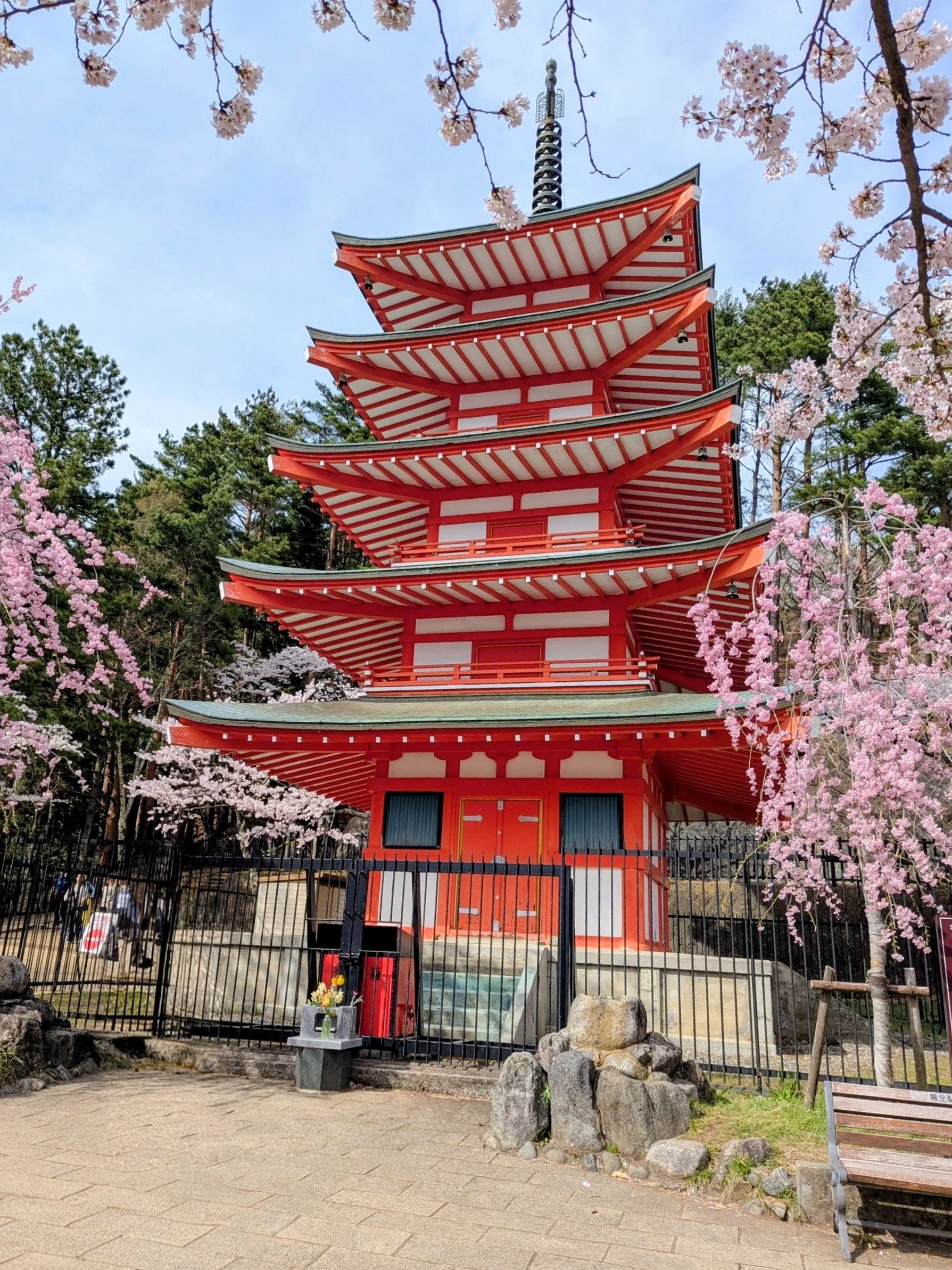
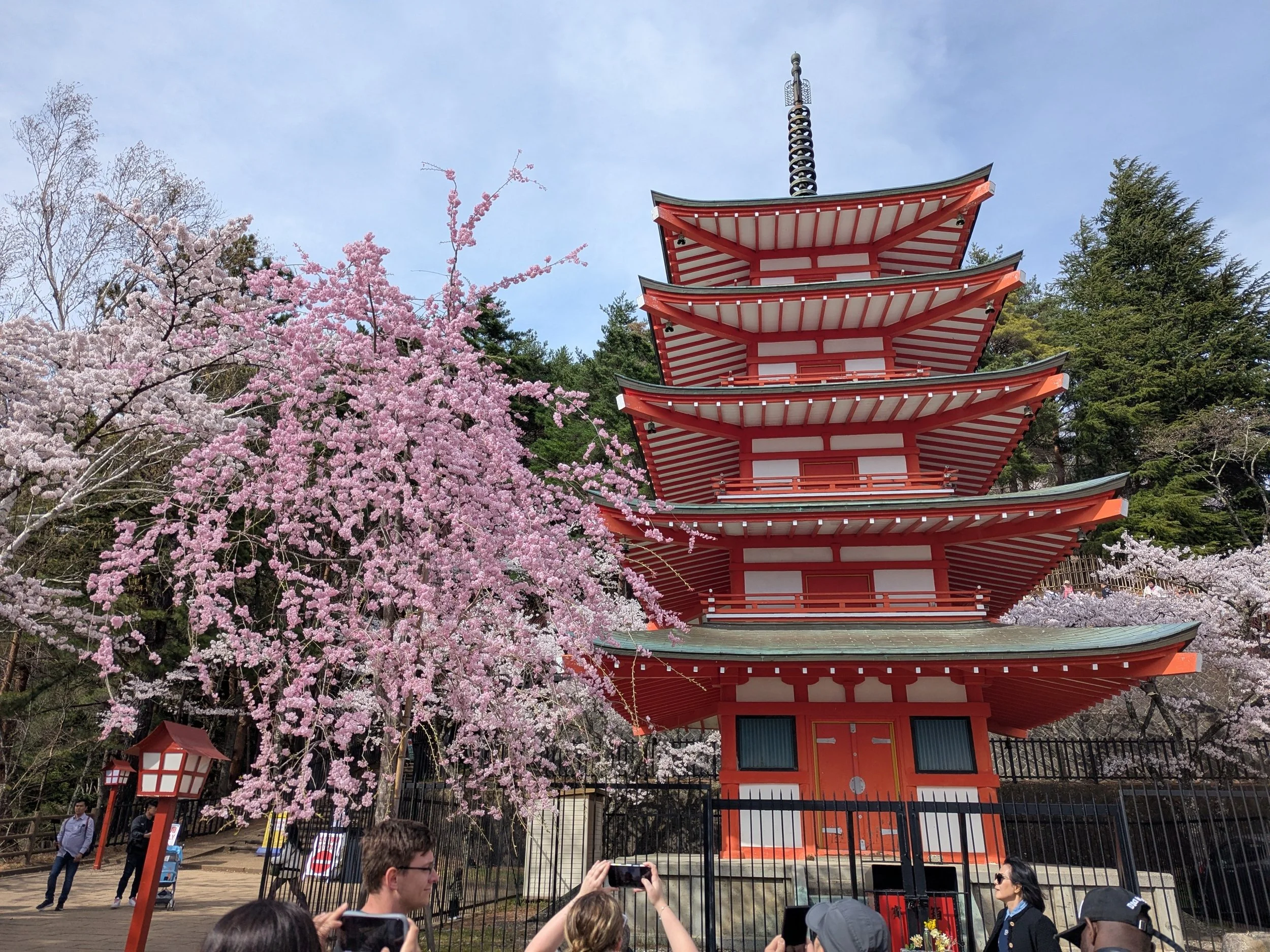
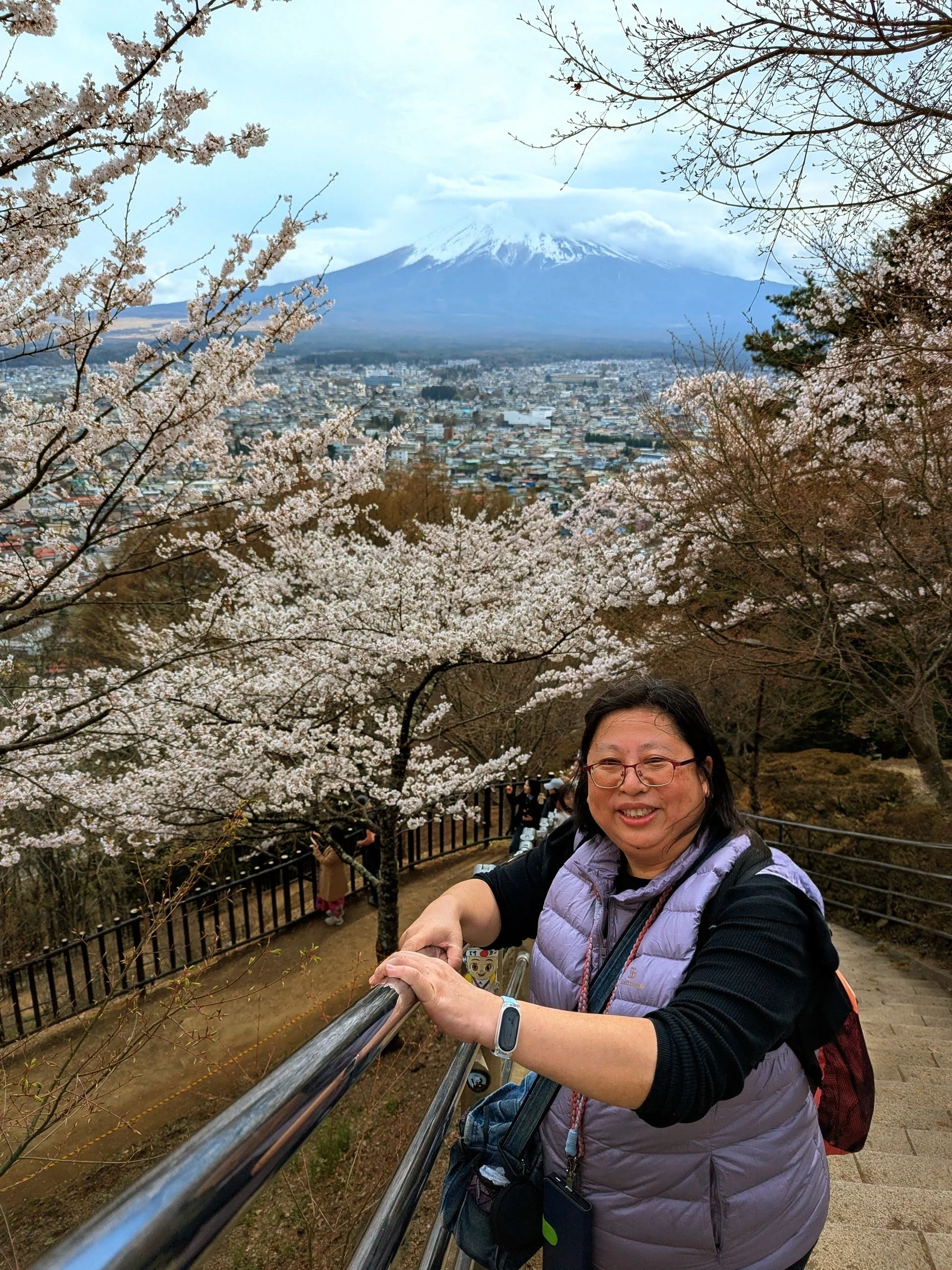
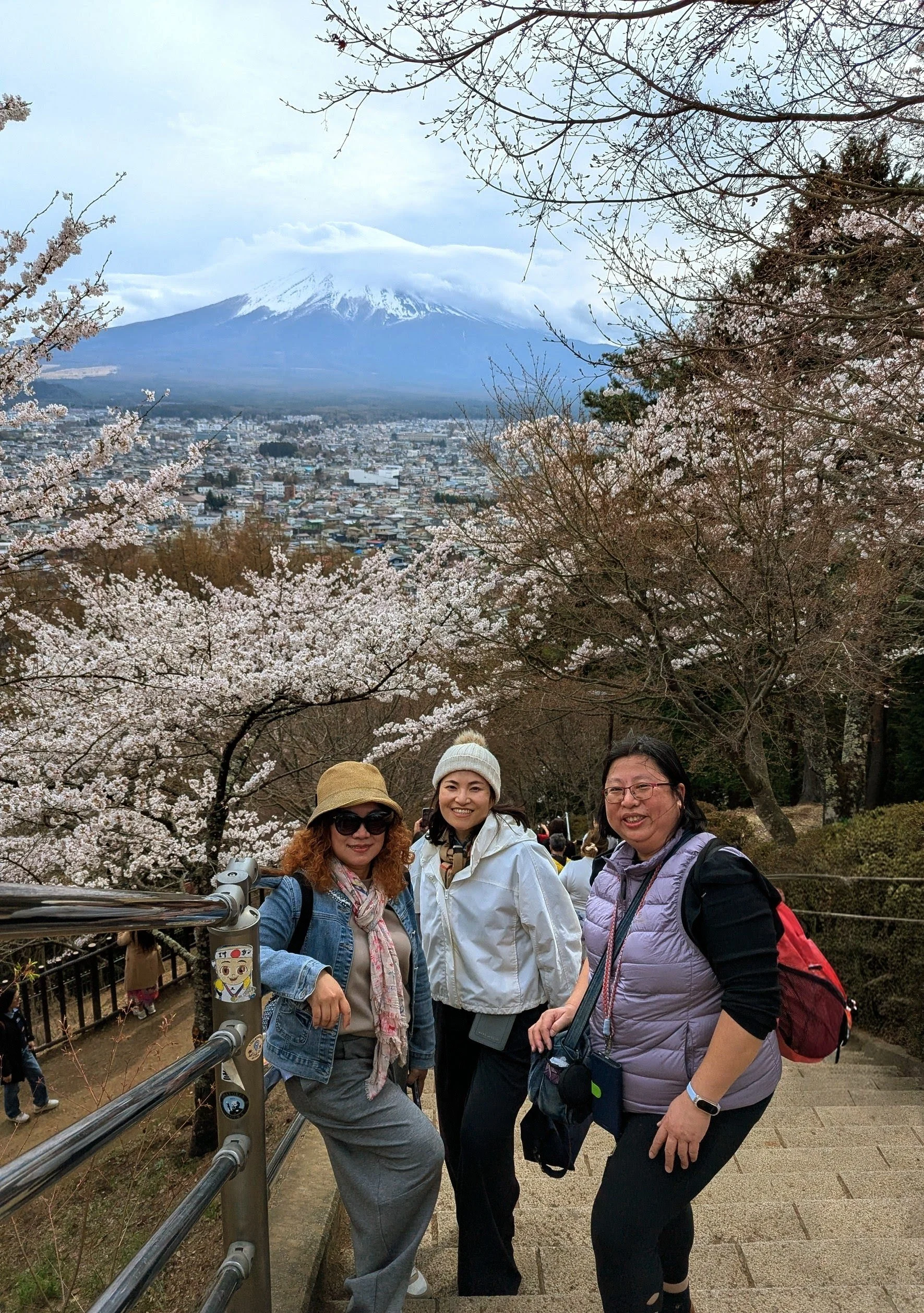
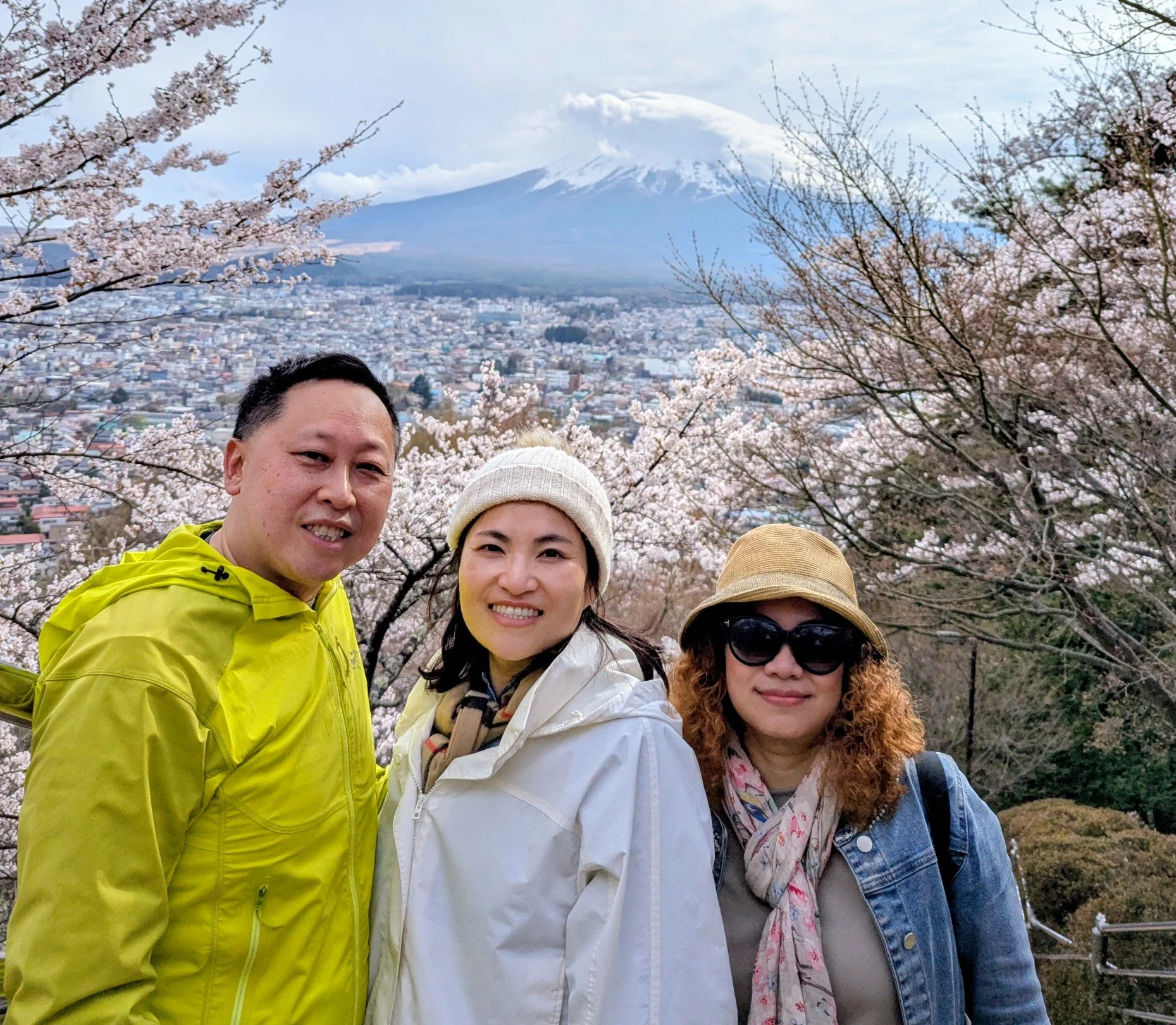
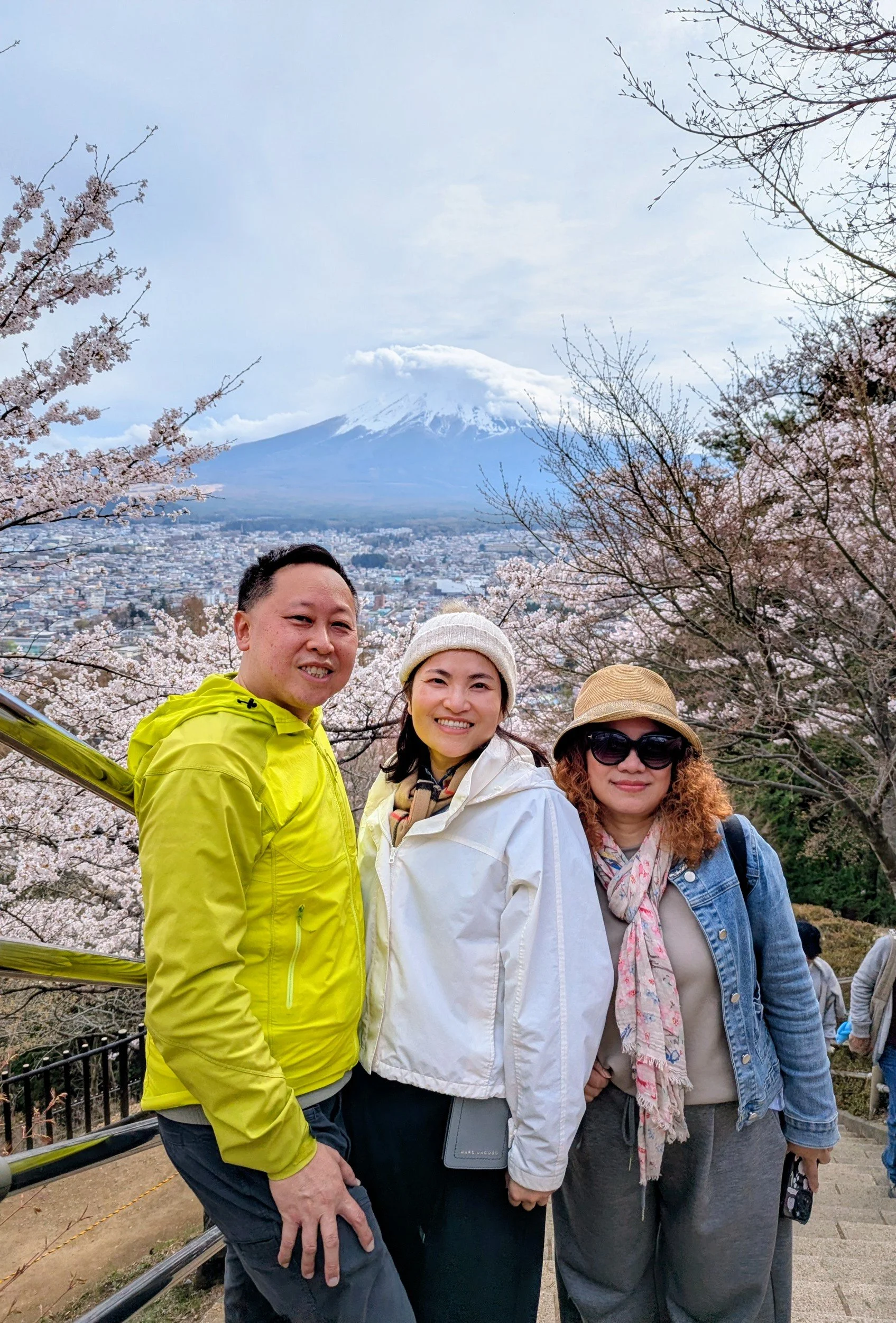
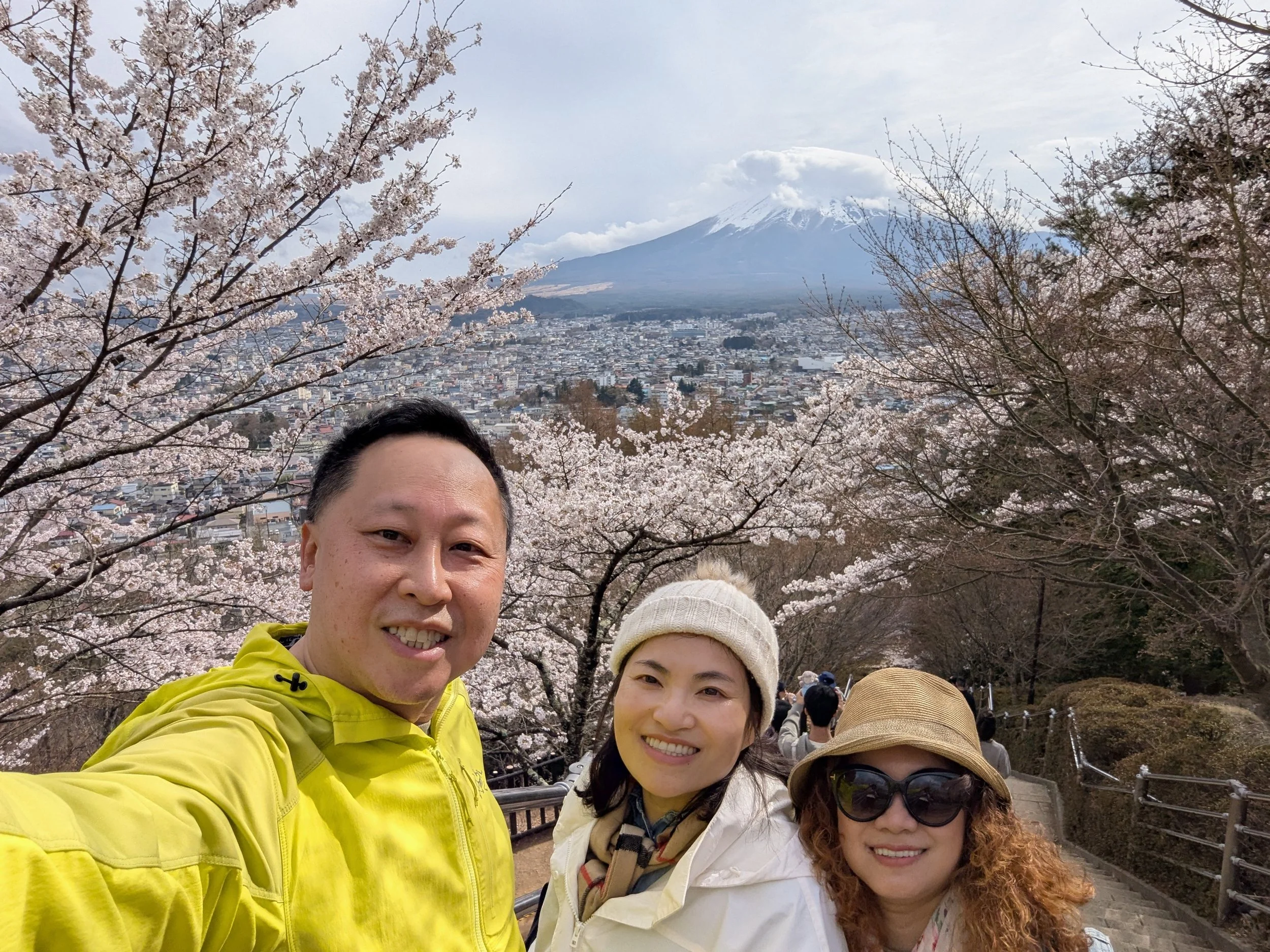
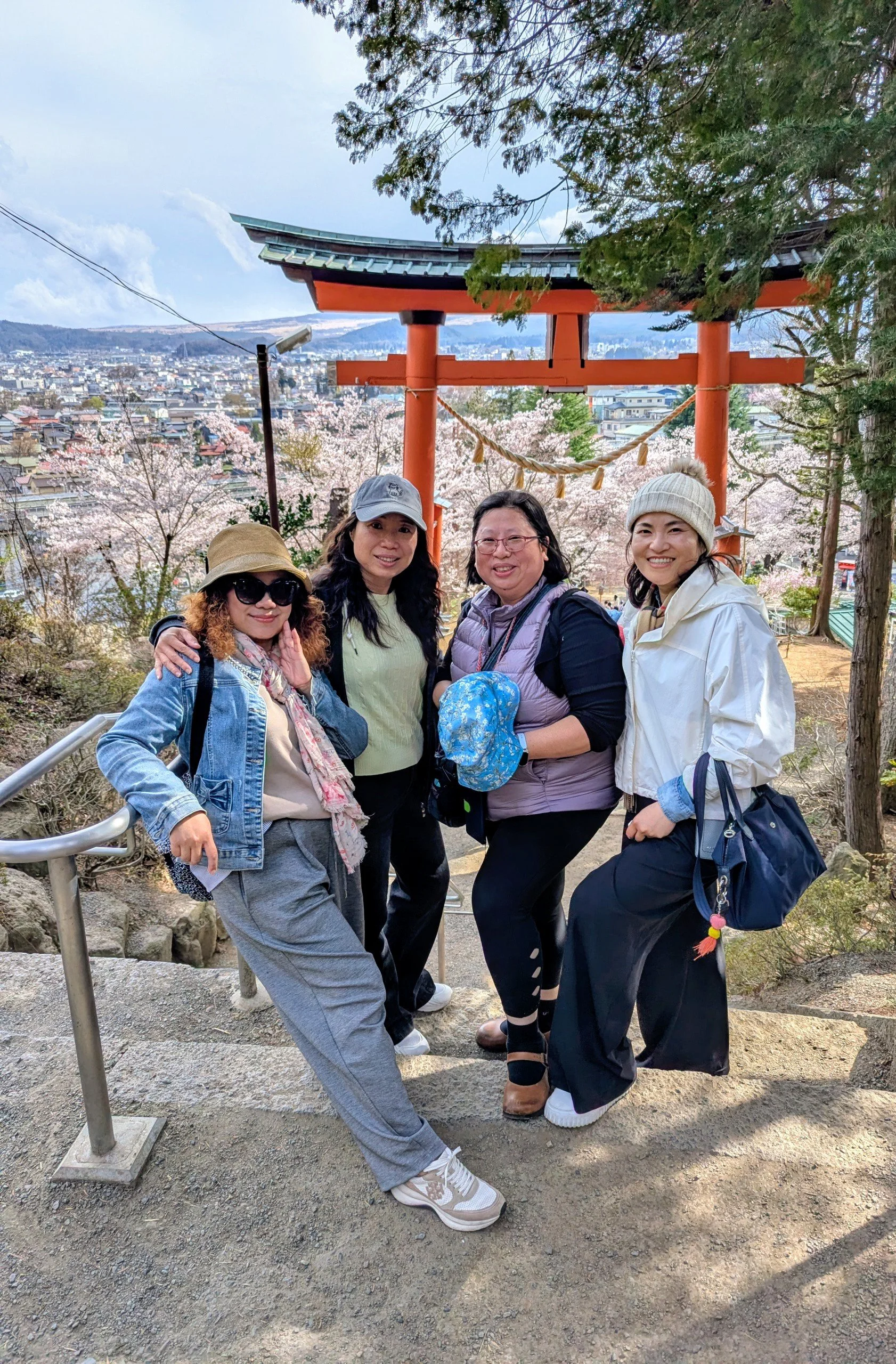
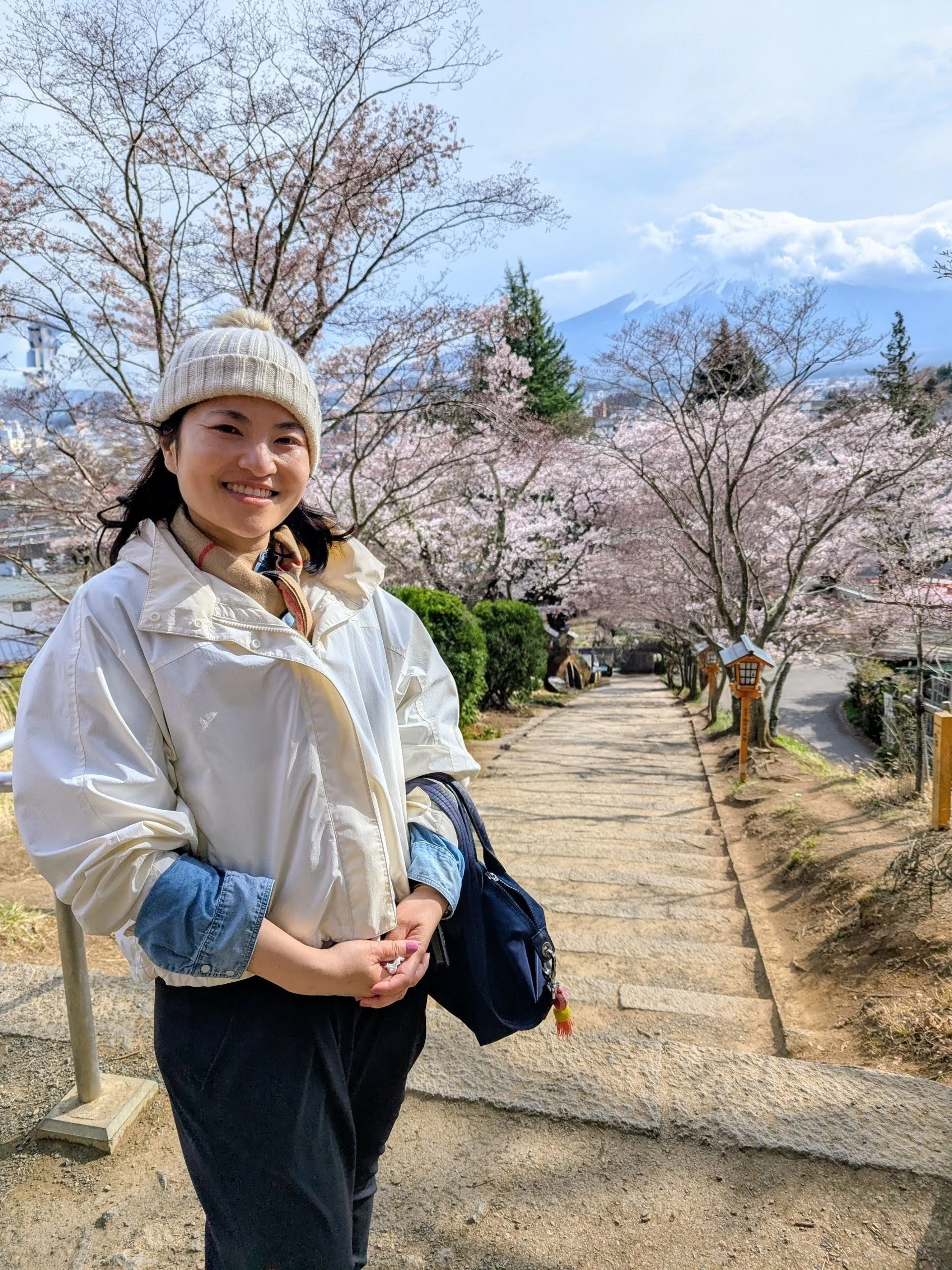
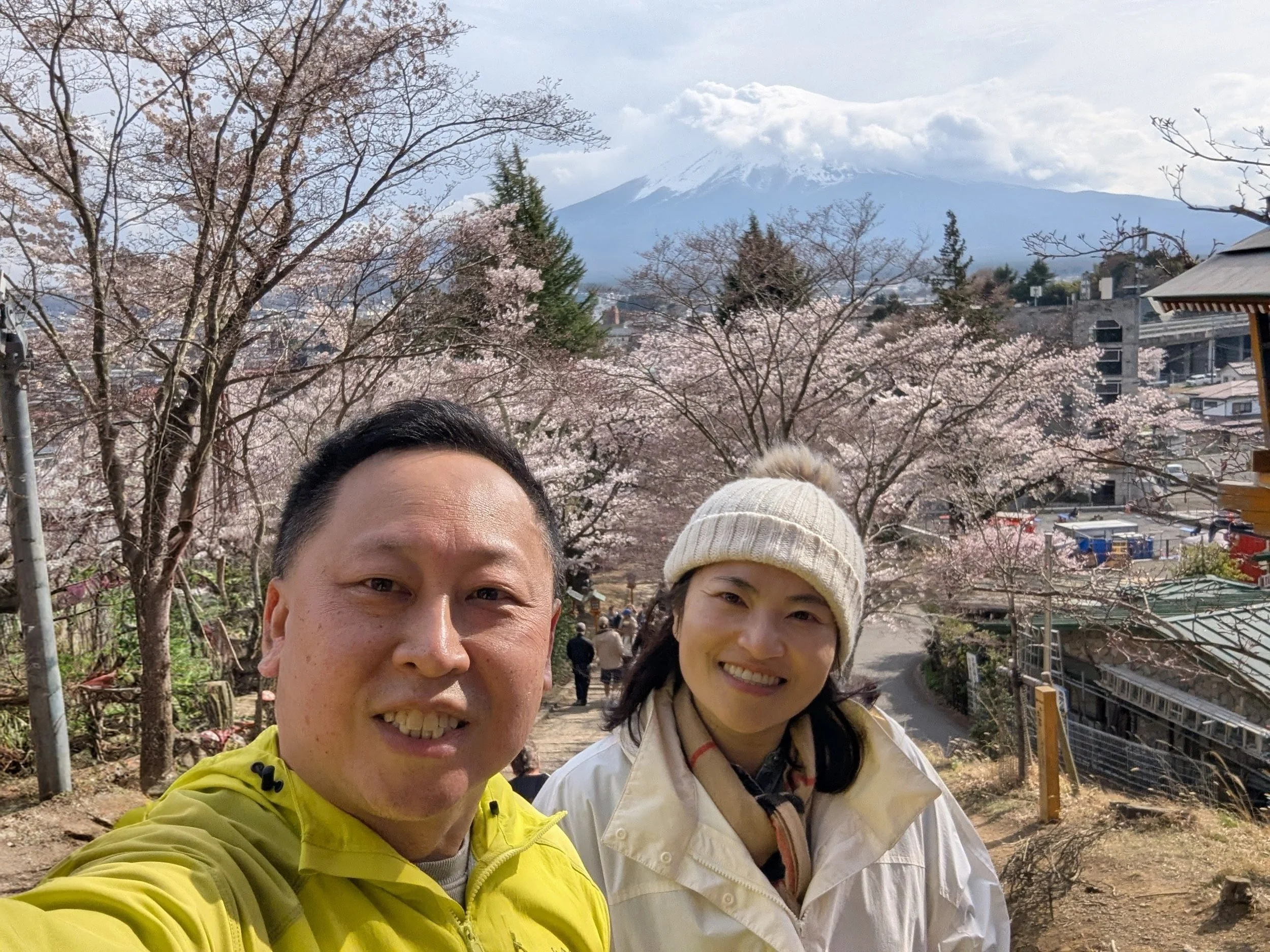
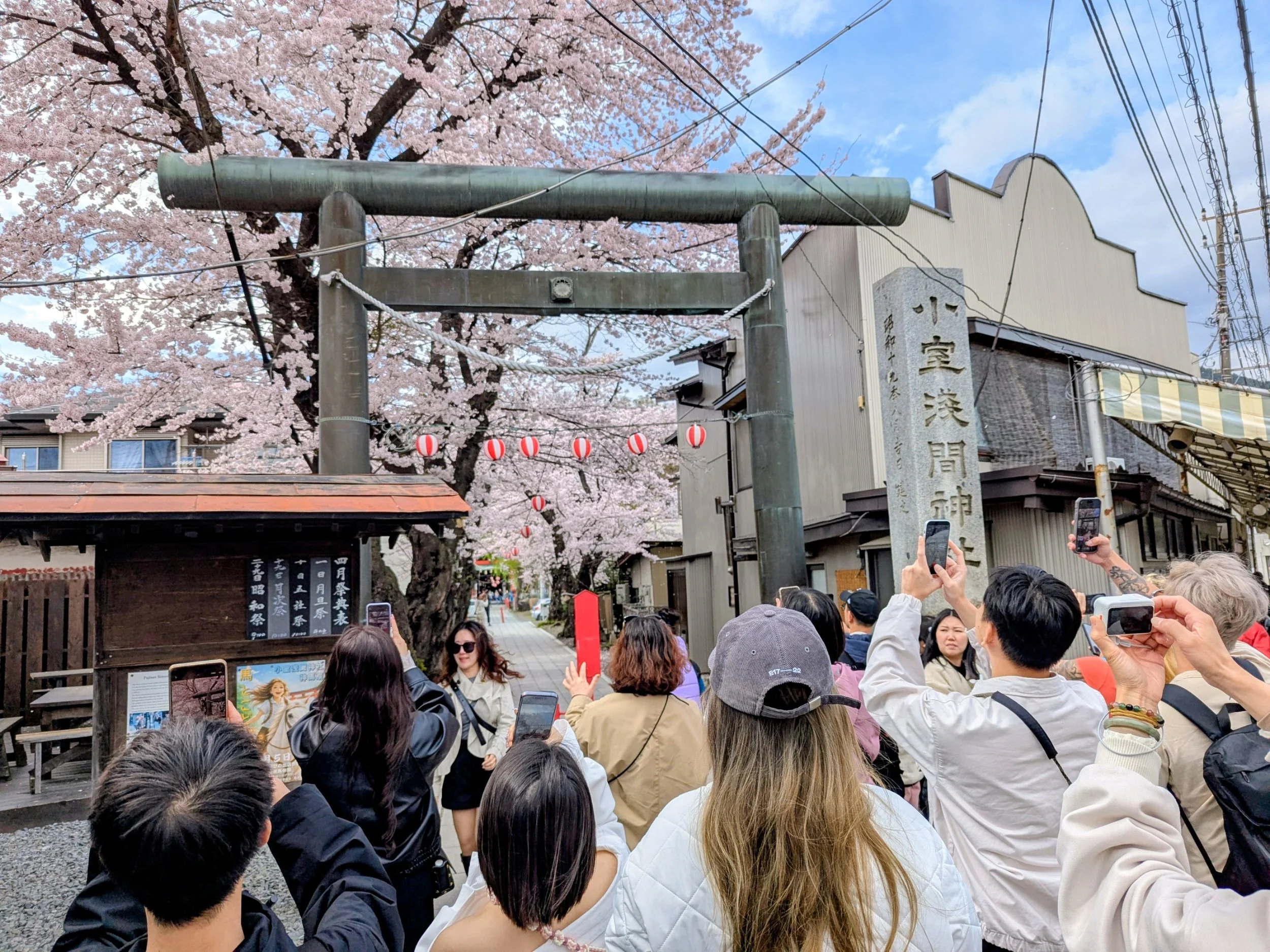
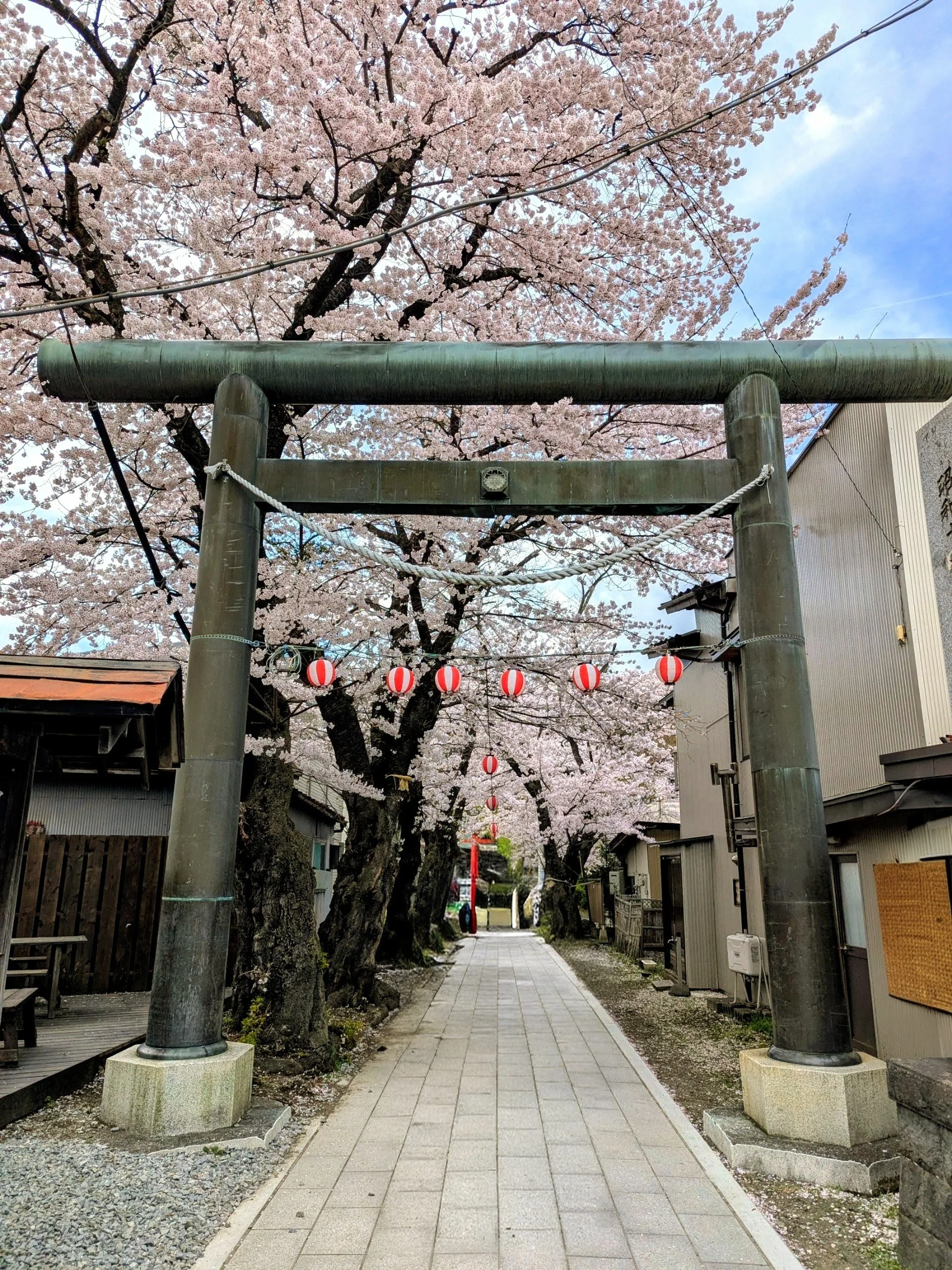
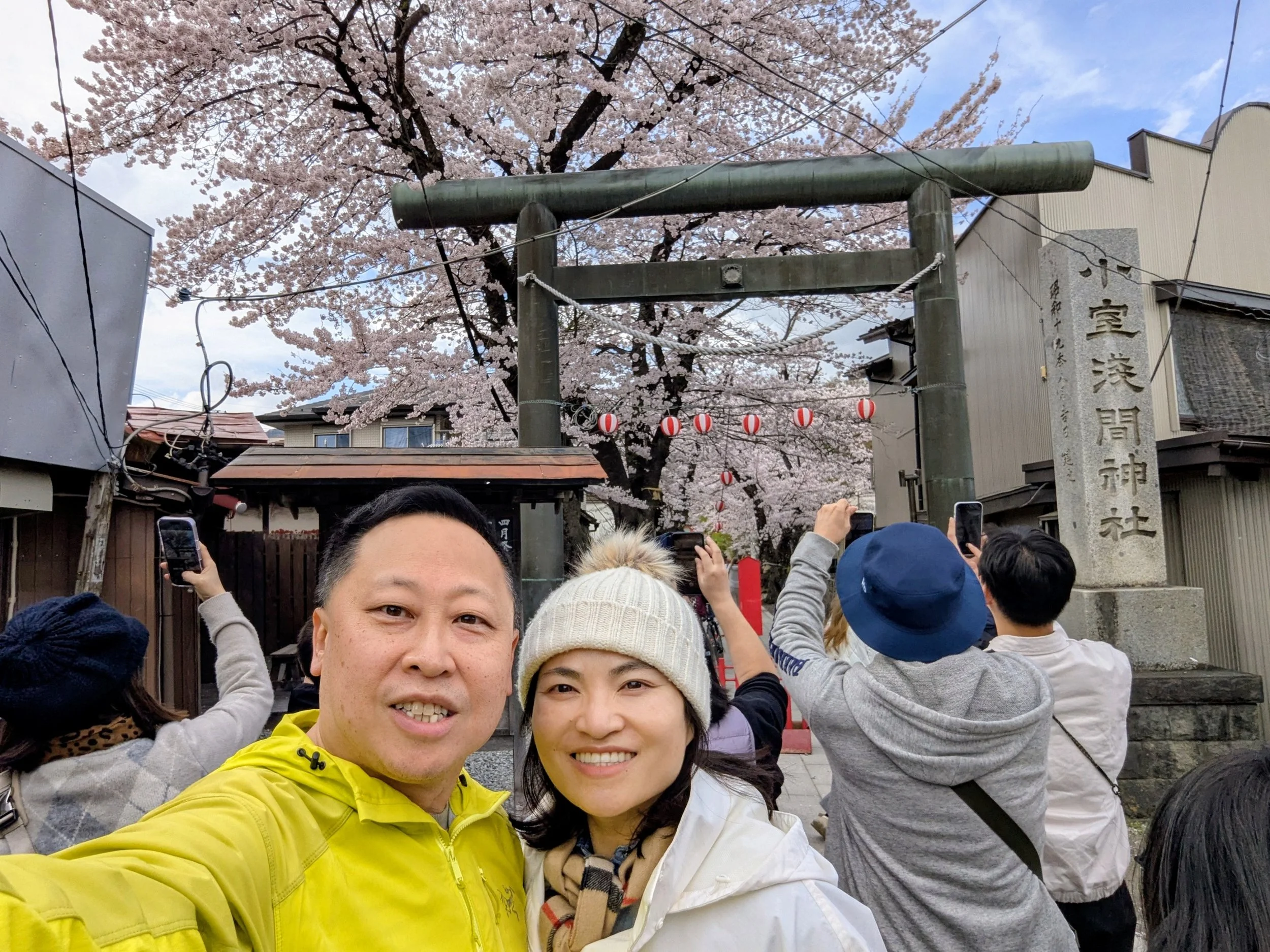
Final stop is Arakurayama Sengen Park. Arakurayama Sengen Park in Fujiyoshida is one of Japan's most celebrated viewpoints, famous for the iconic "triple view" of Mount Fuji, the red Chureito Pagoda, and seasonal cherry blossoms. After climbing 398 stone steps (known as the Sakuya-hime Steps), you reach a platform that offers the classic postcard view of Mt. Fuji behind the five-story pagoda. Unfortunally we were short on time and there was a long time to get to the viewing platform.
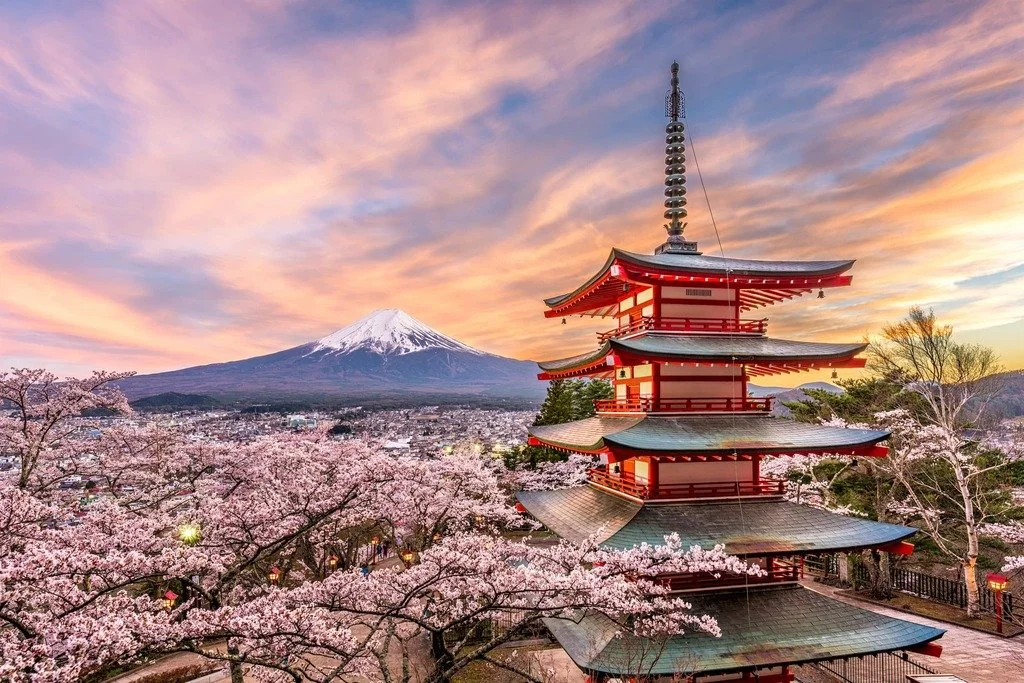
The famous Mt. Fuji, Chureito Pagoda, and cherry blossom.
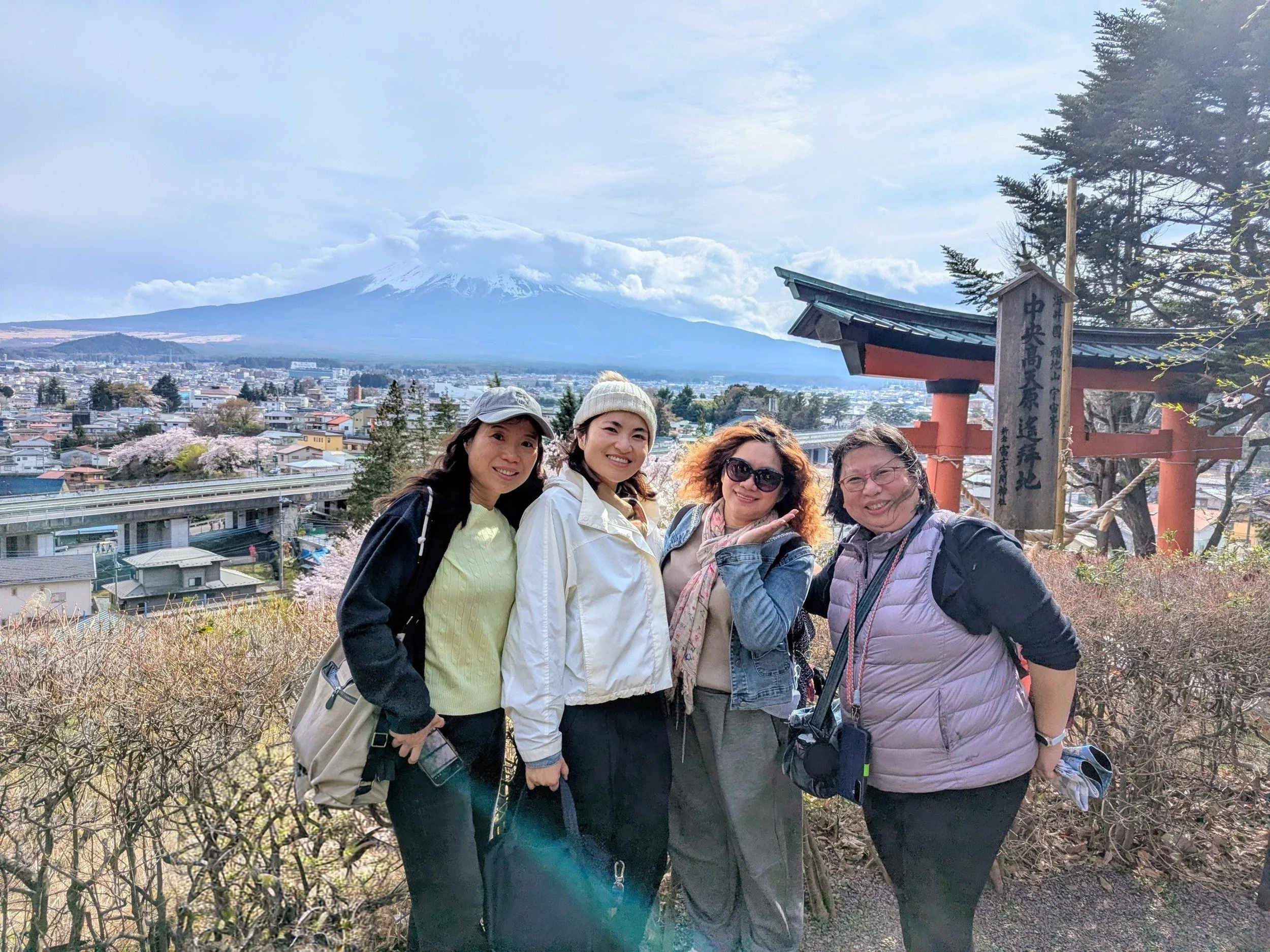
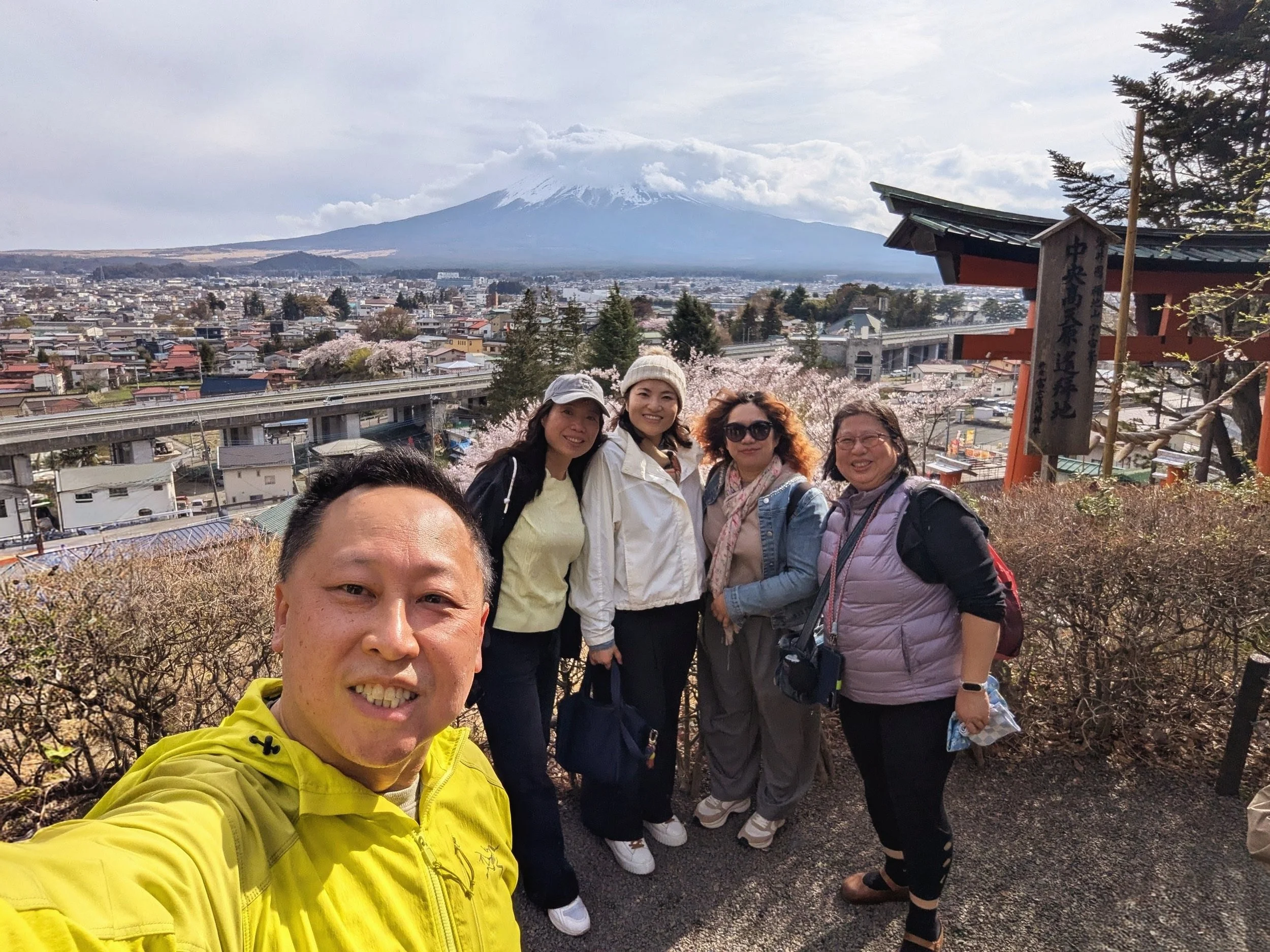
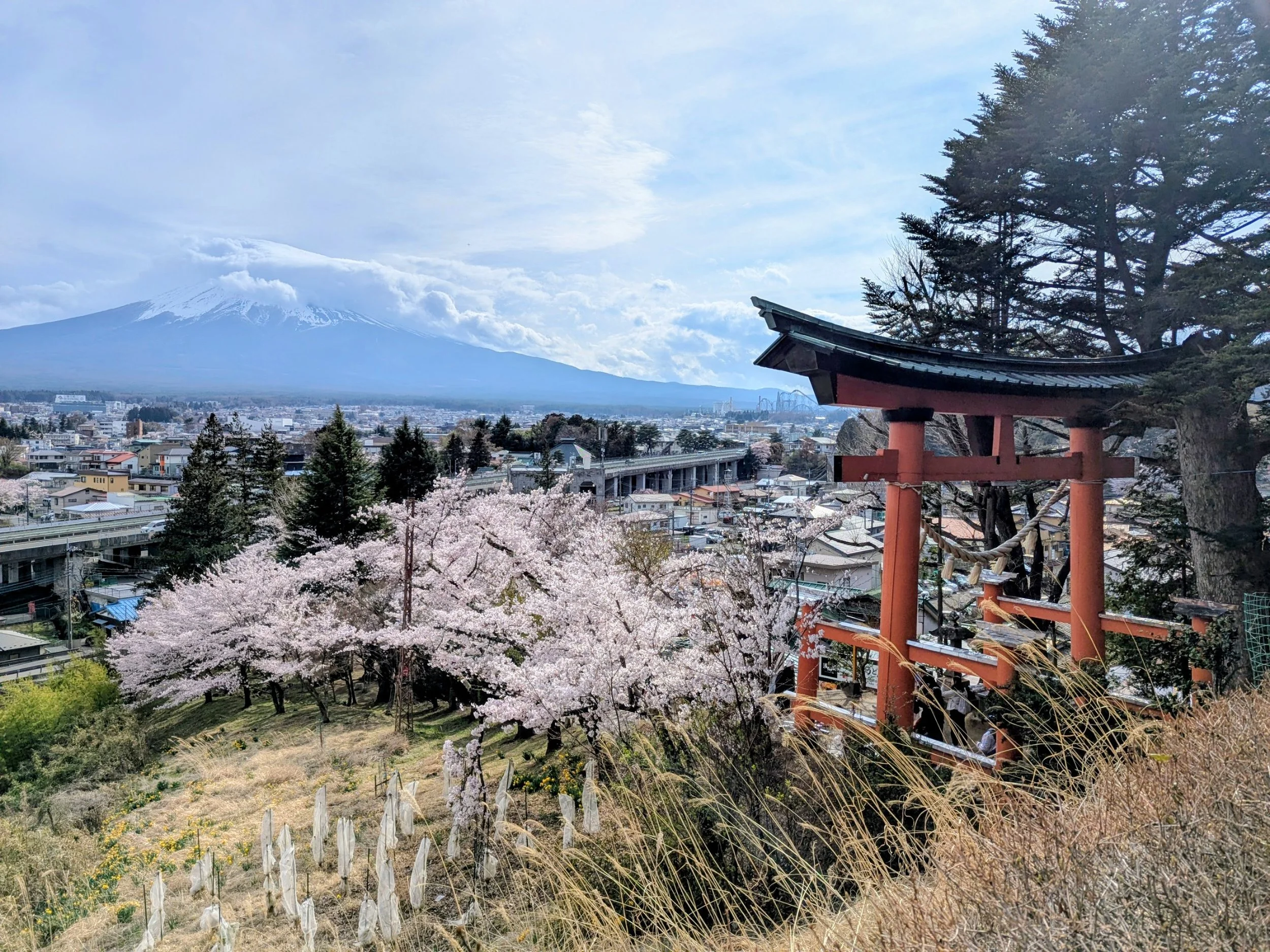
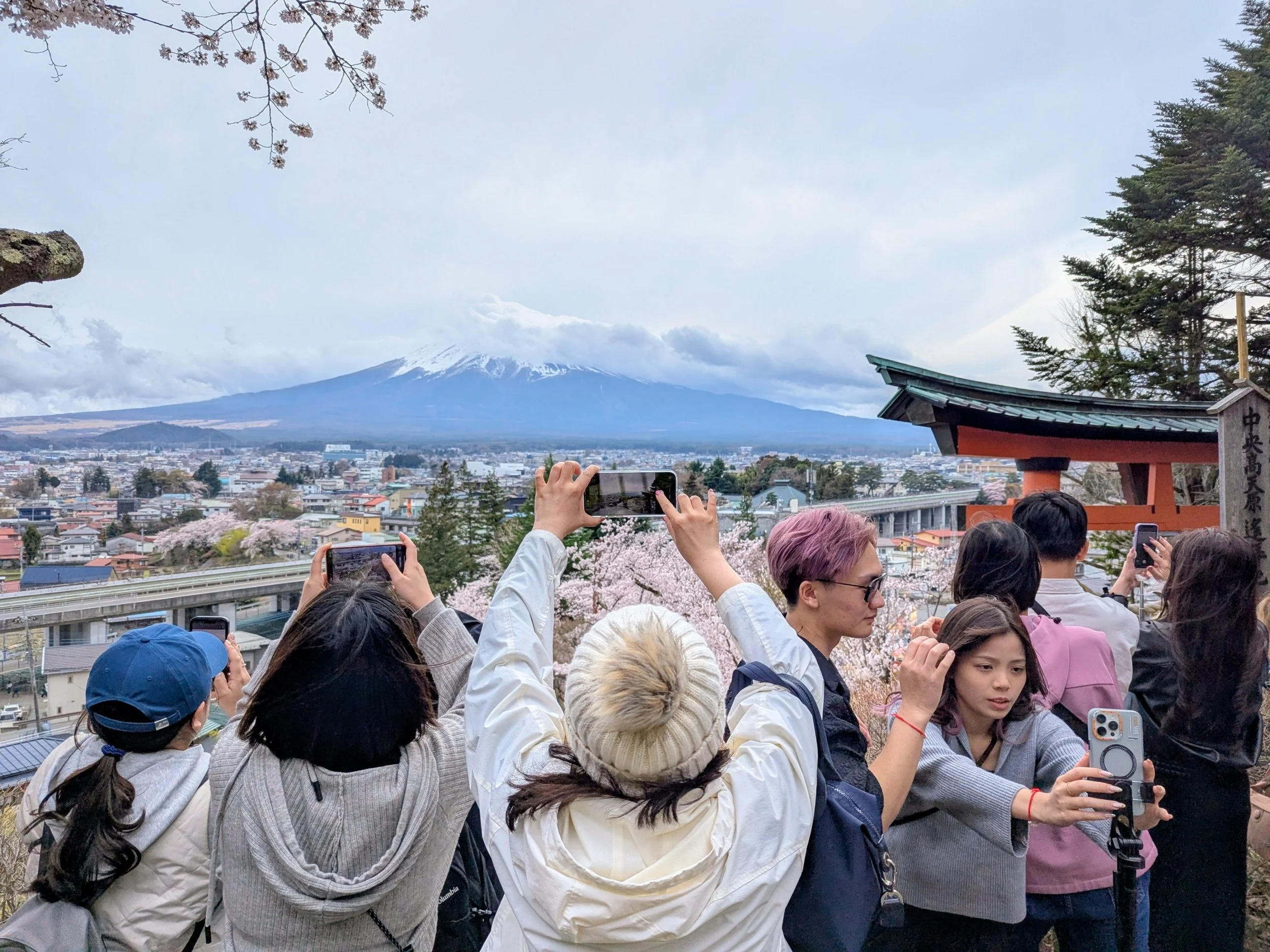
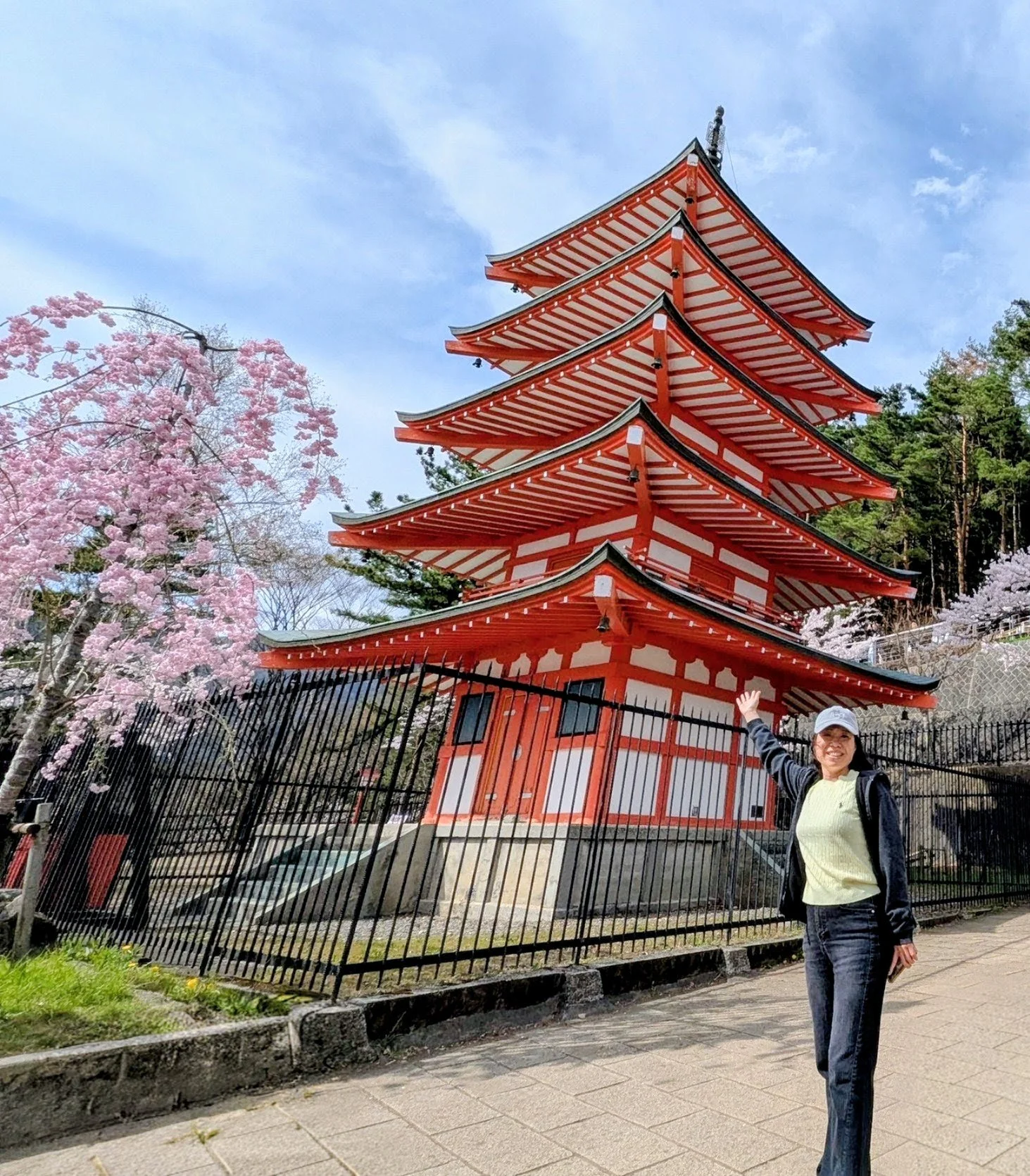
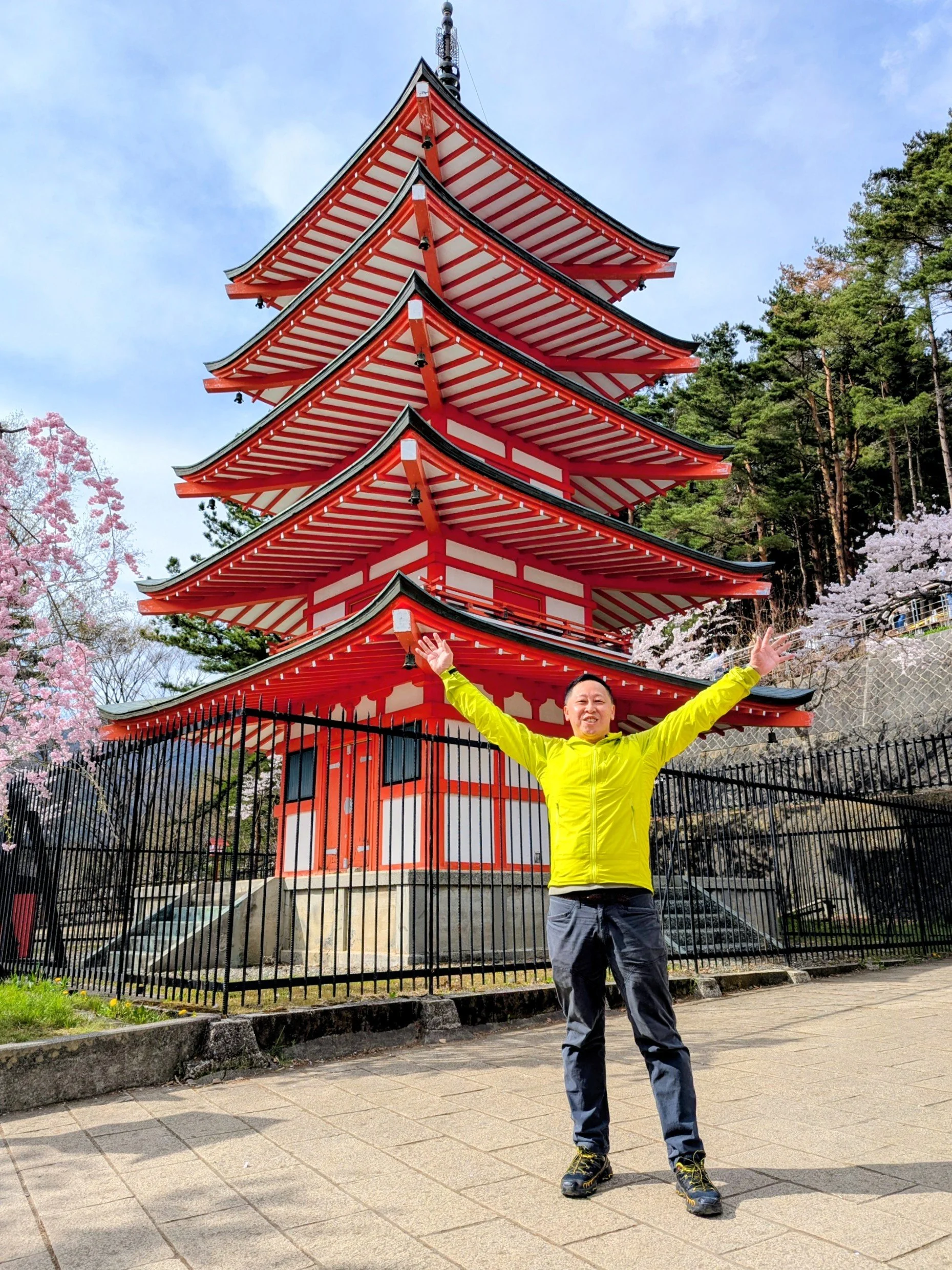
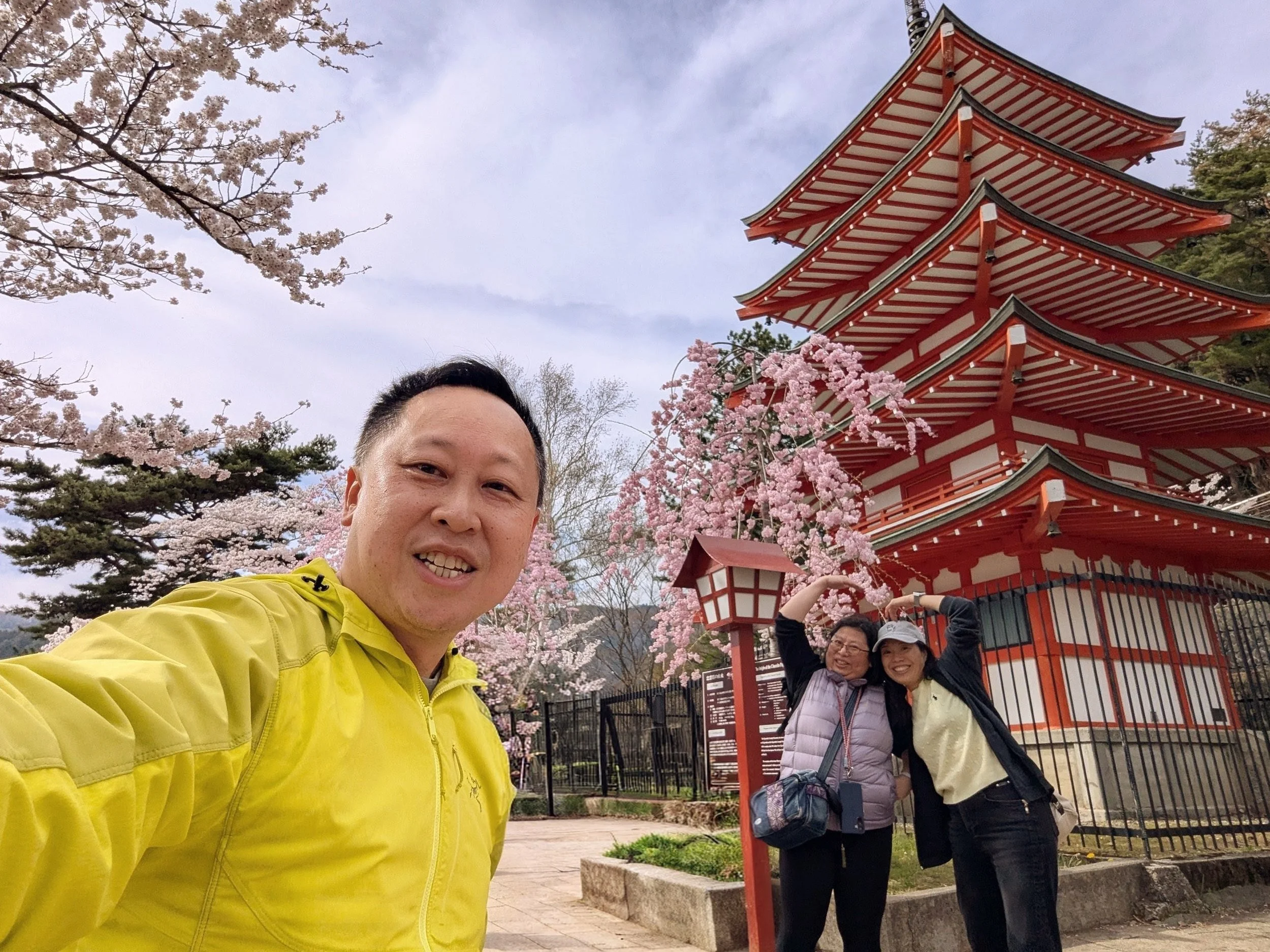
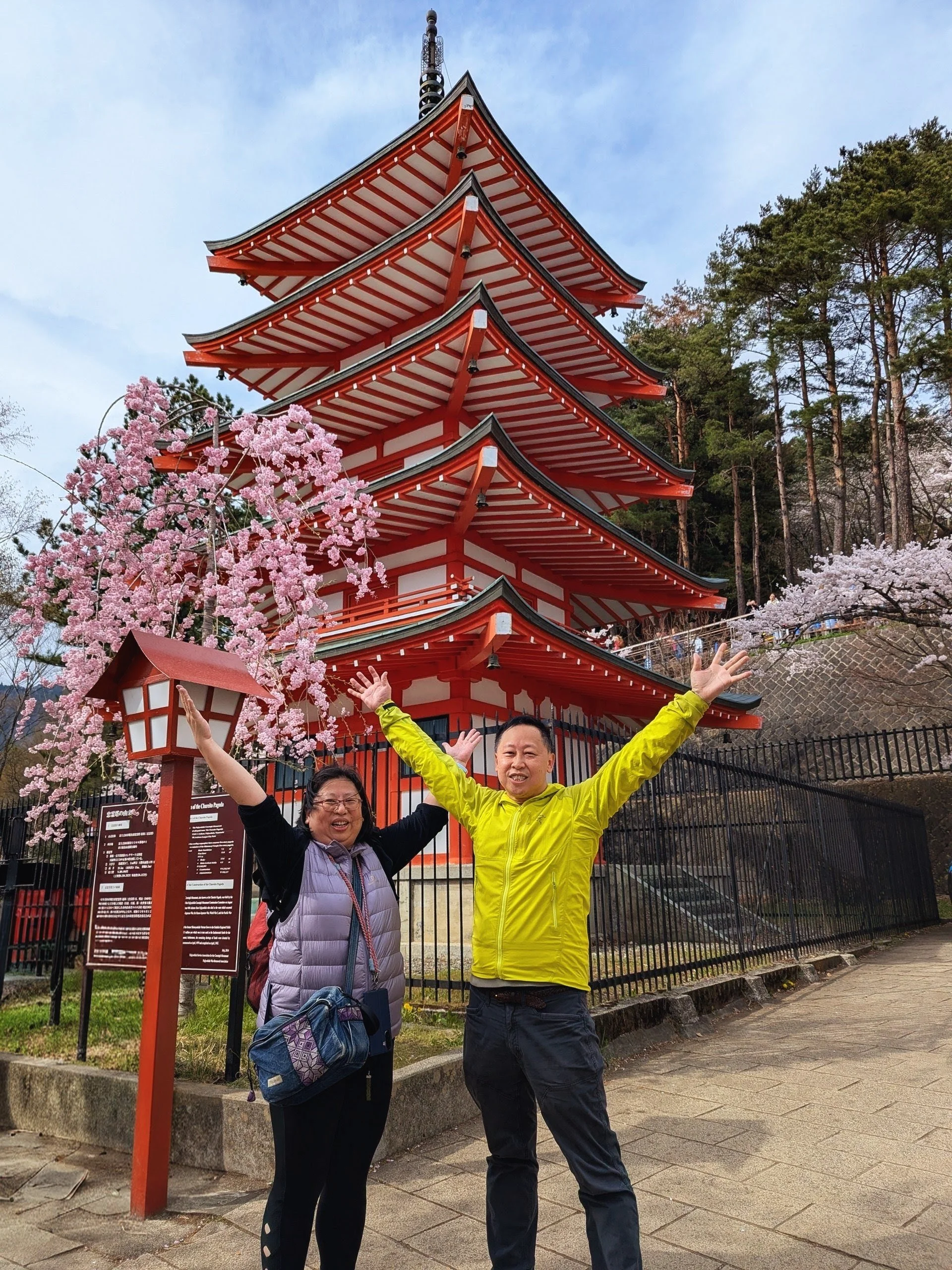
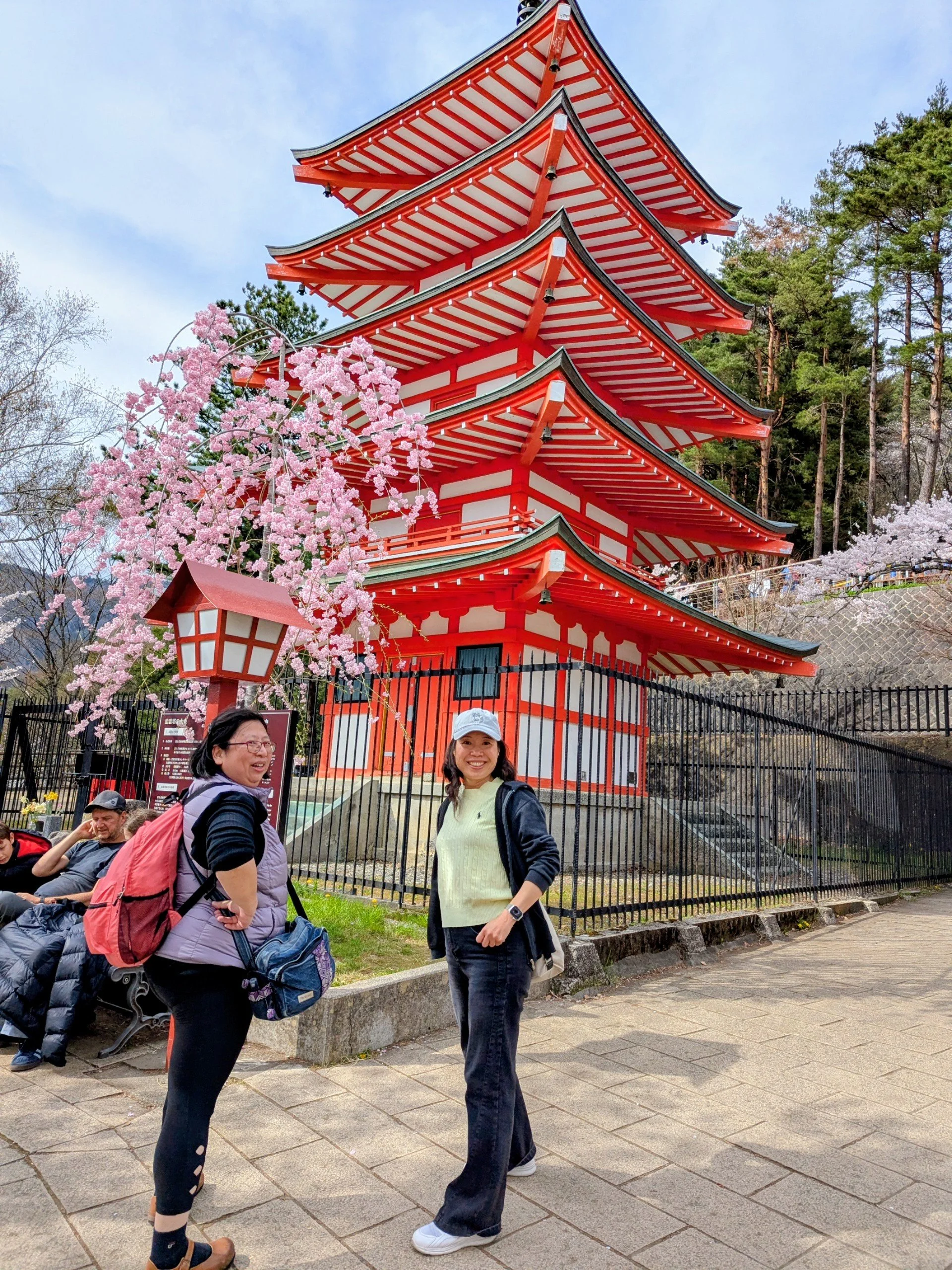
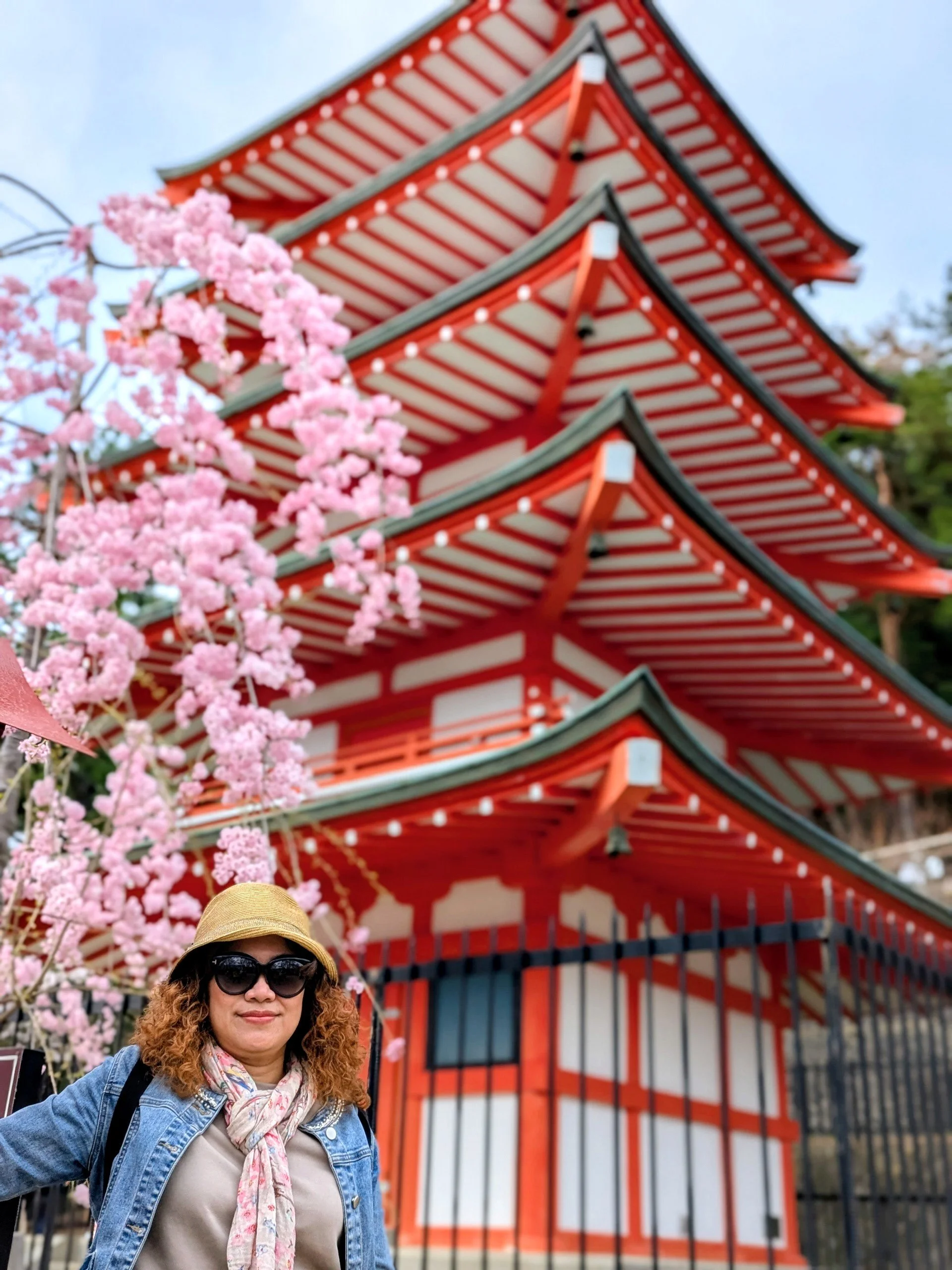
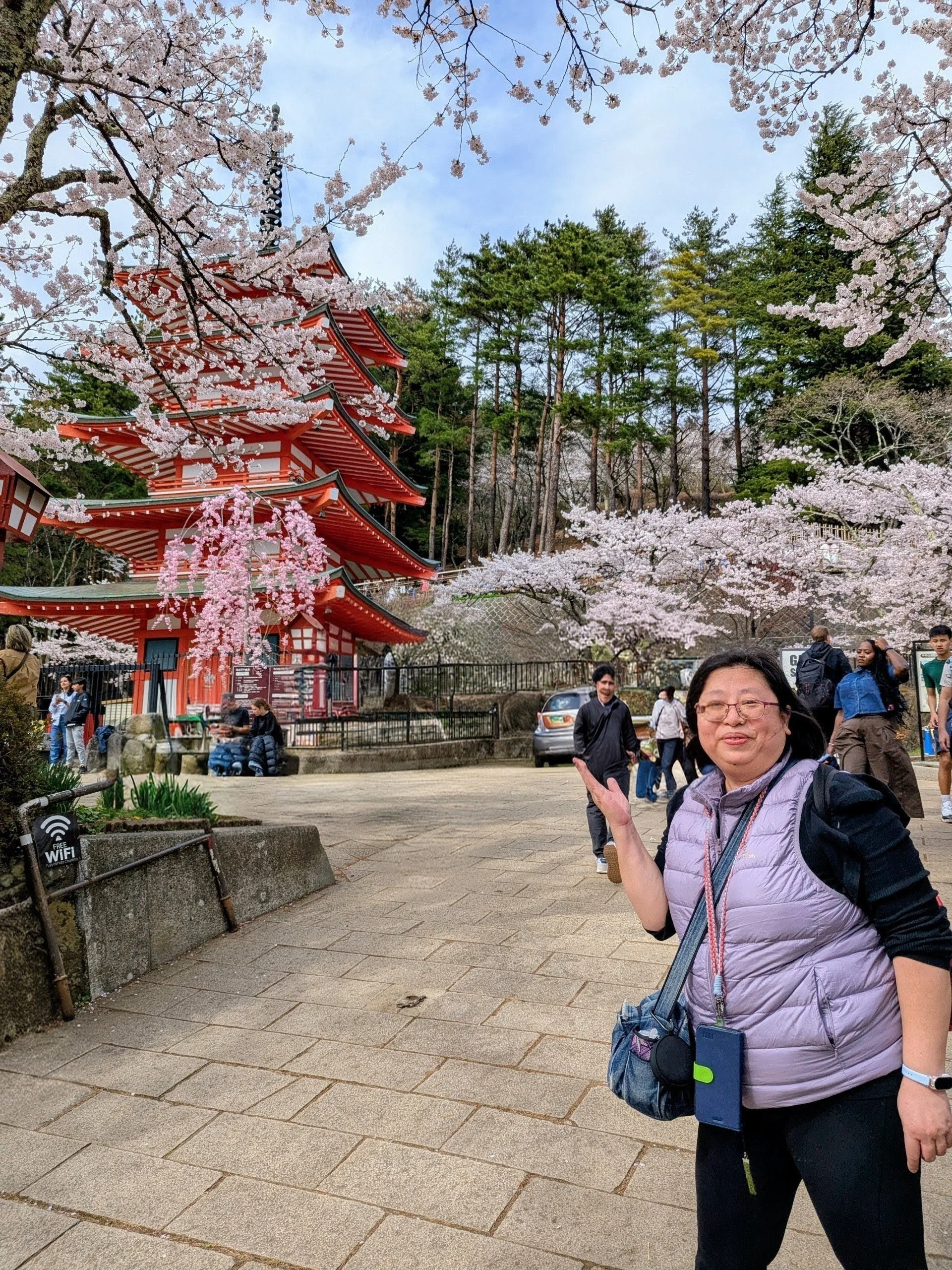
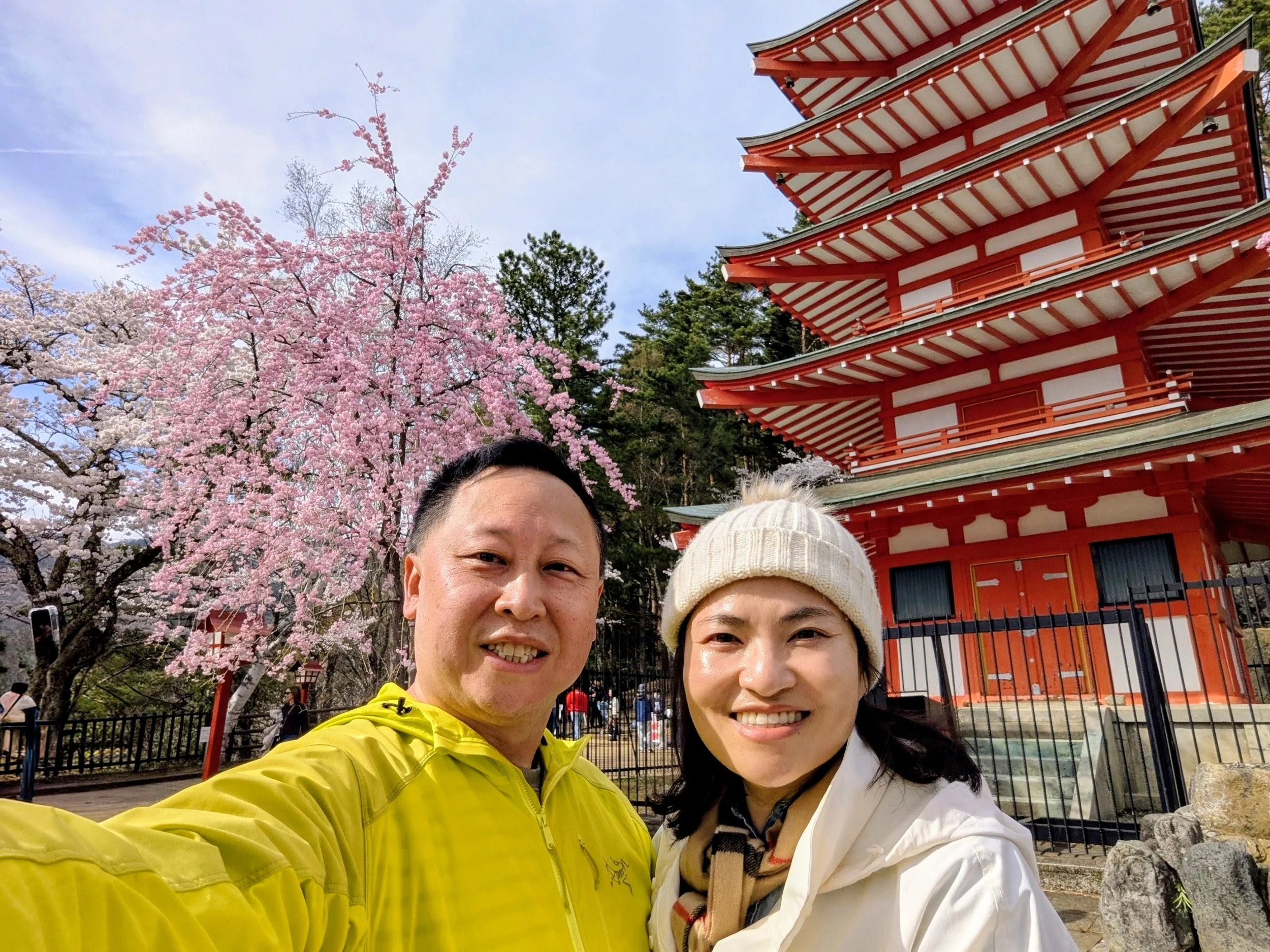
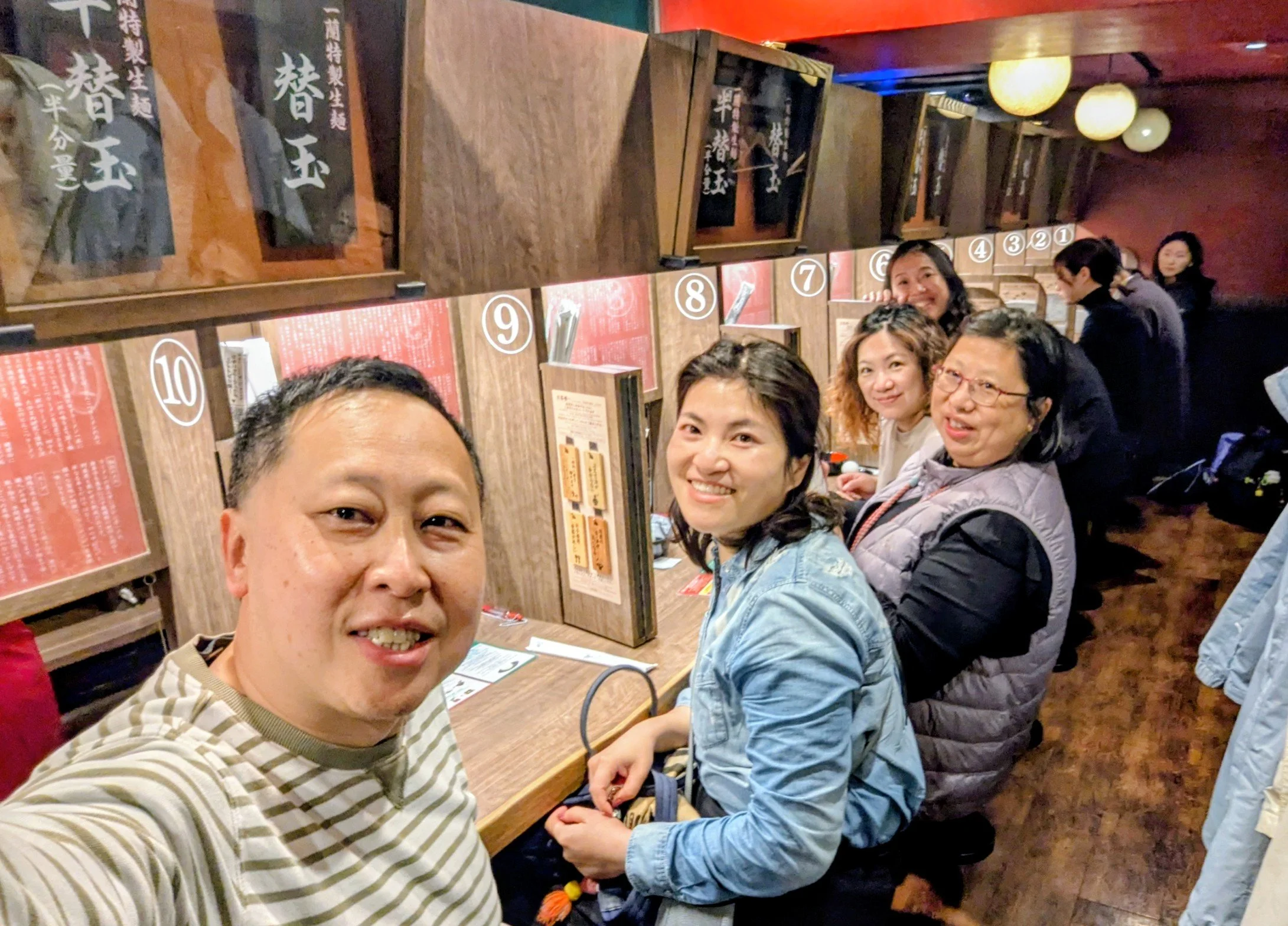
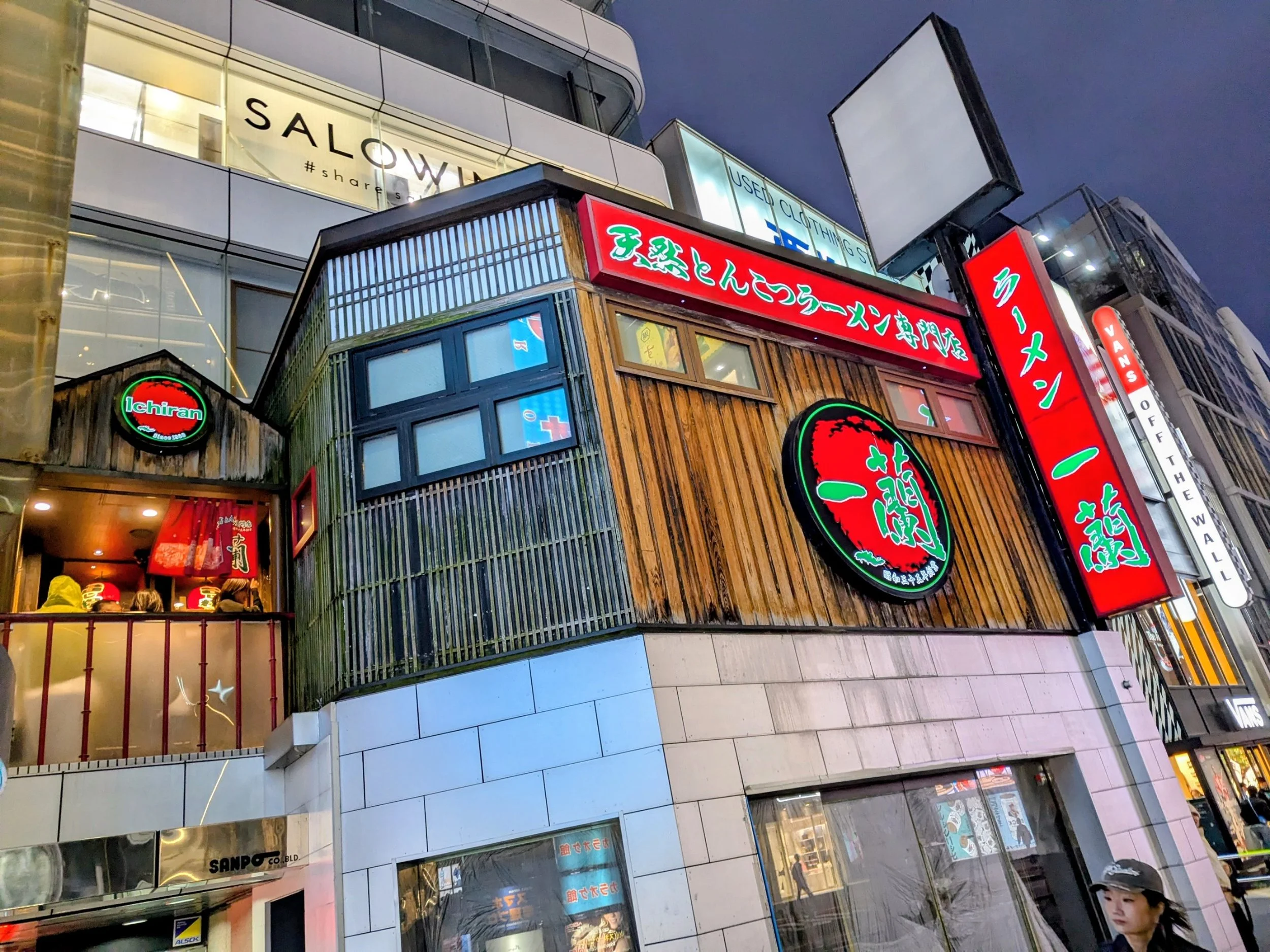
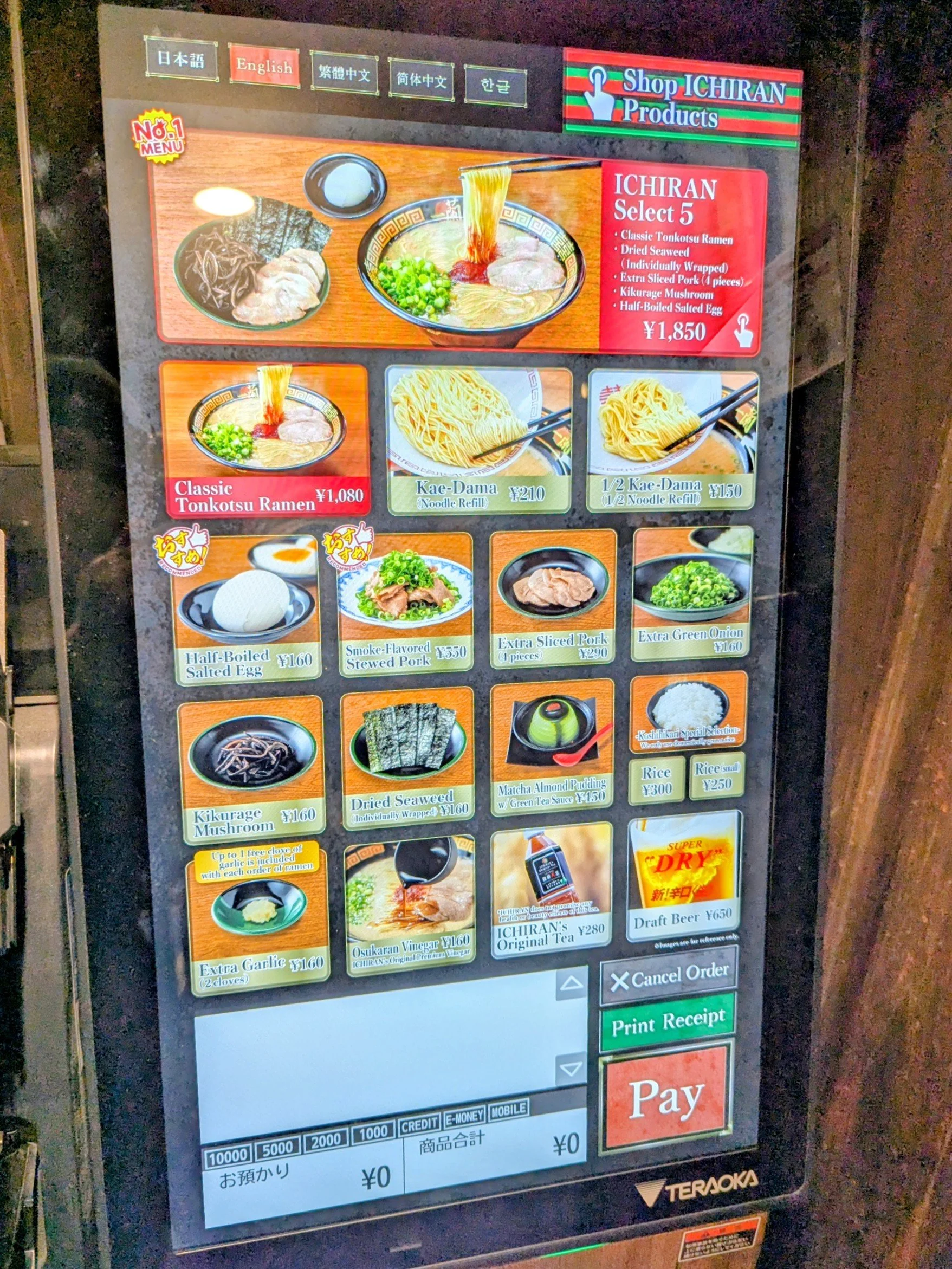
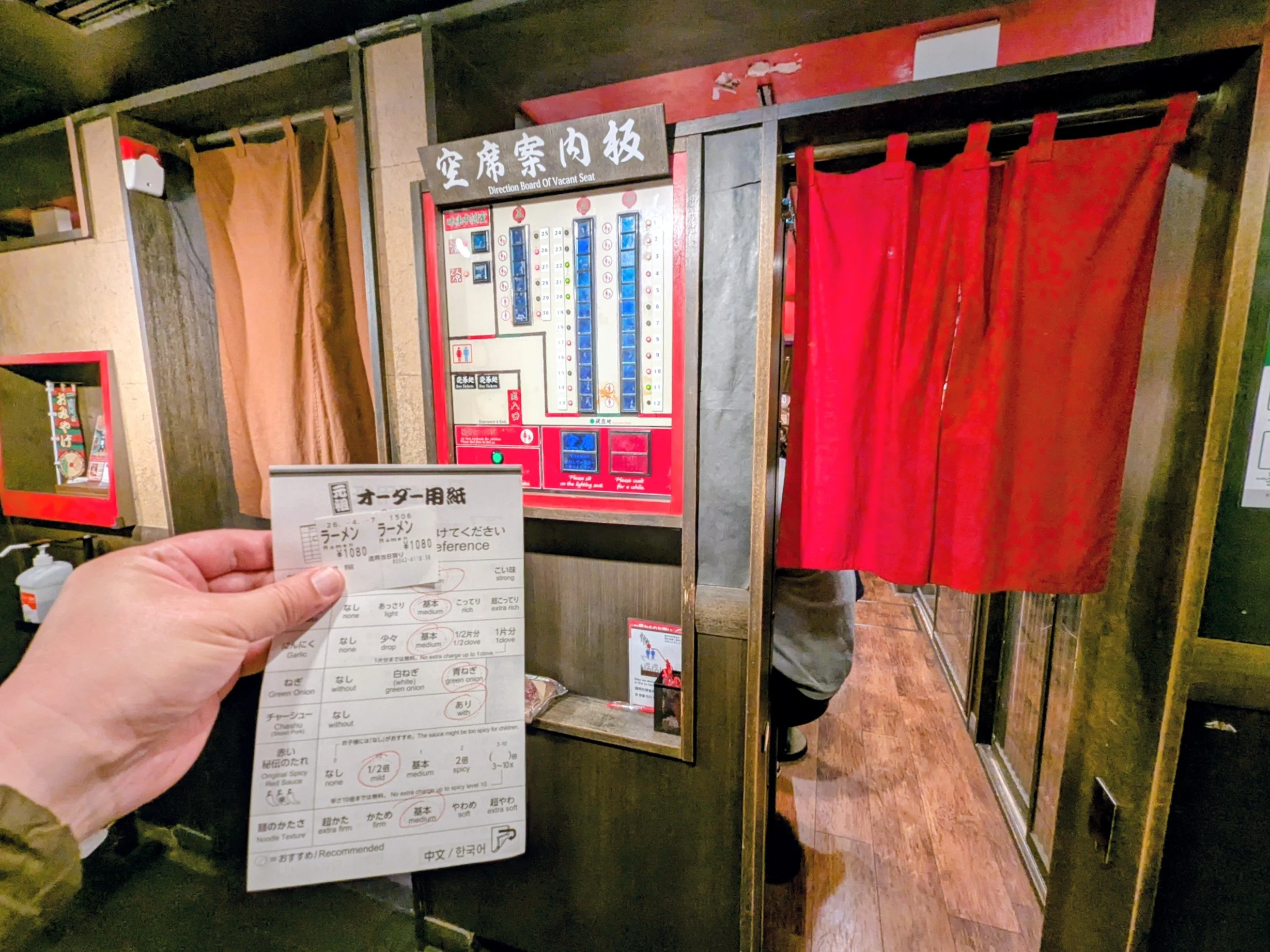
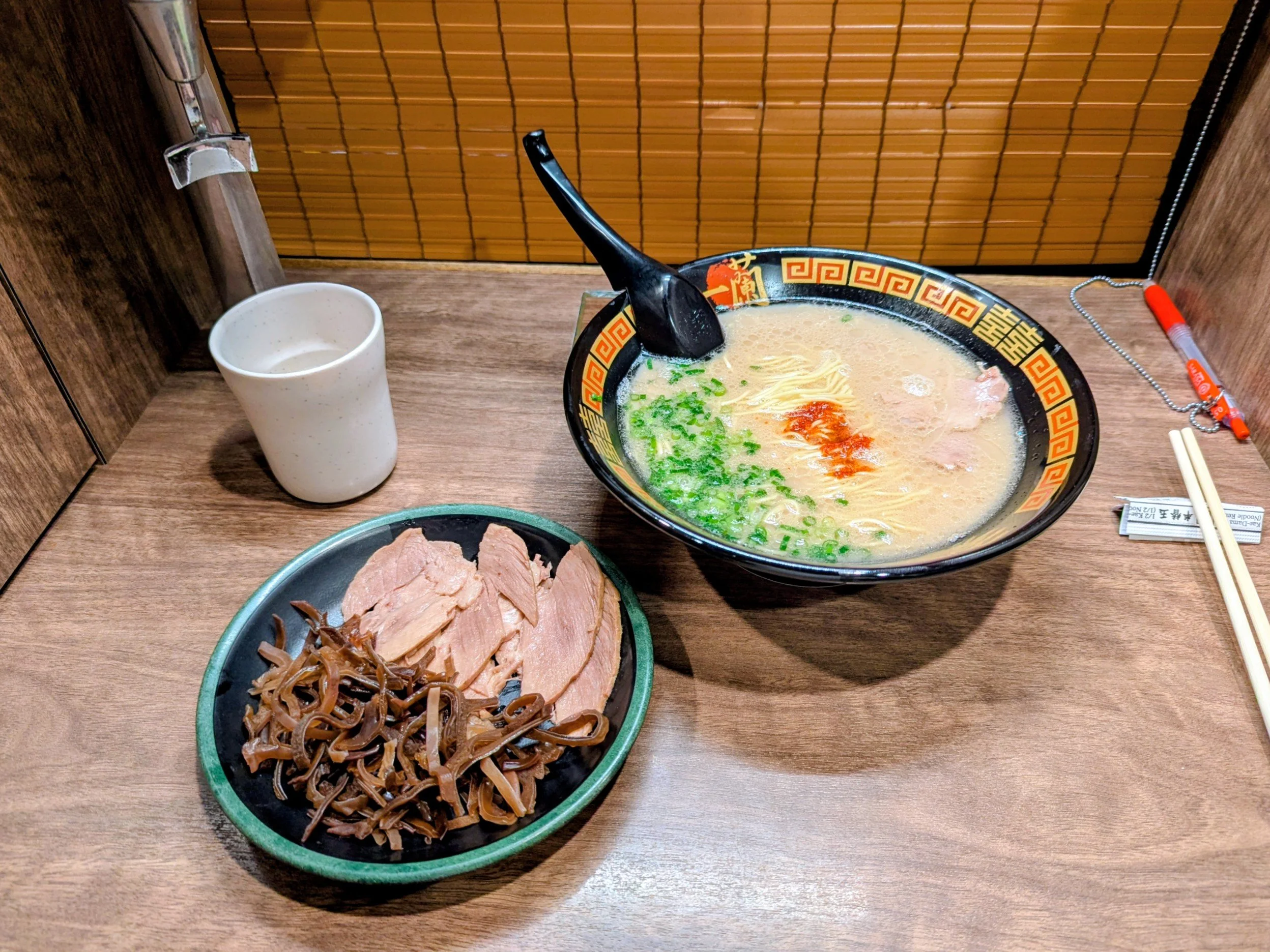
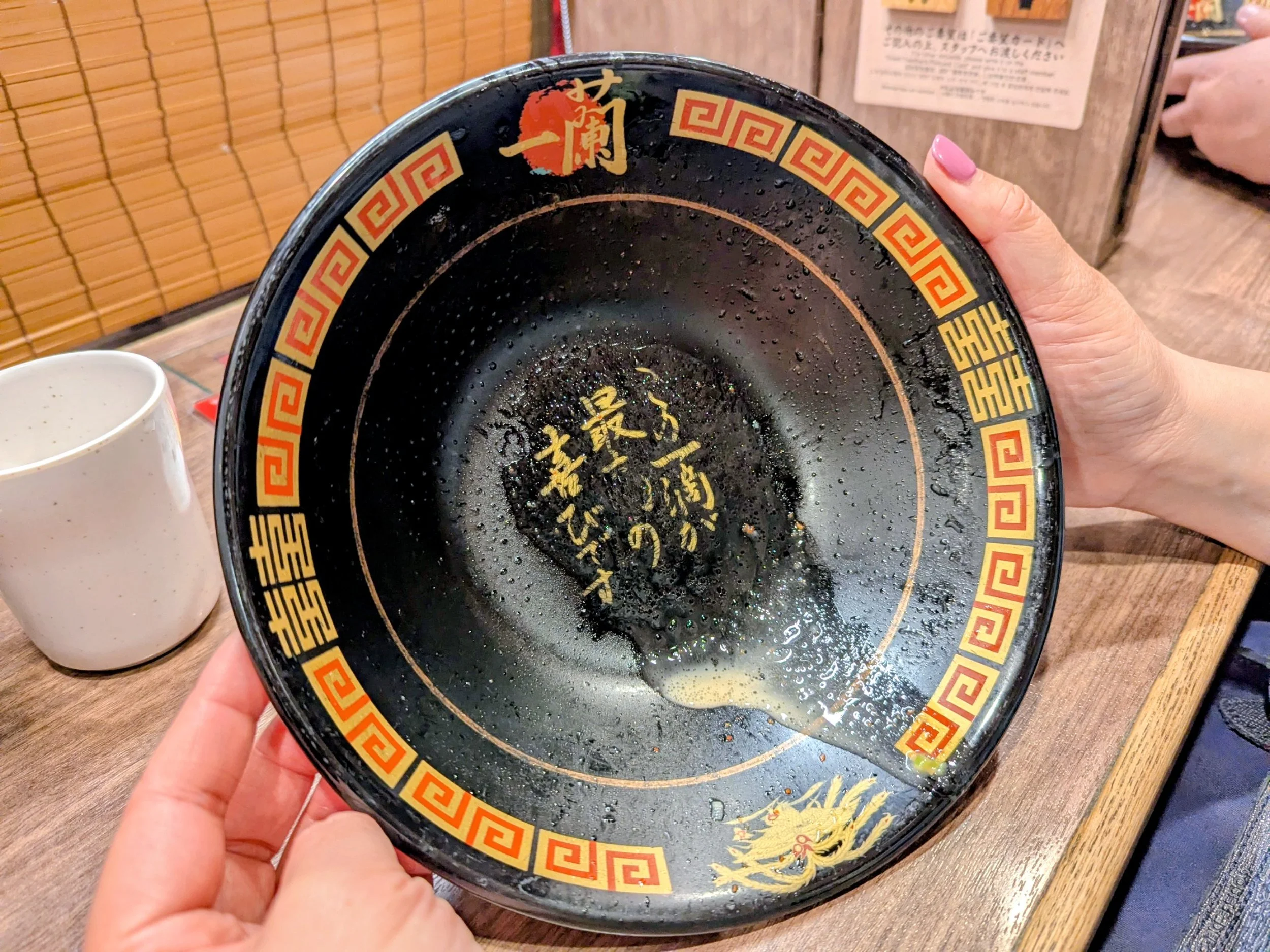
Dinner at a famous Japanese ramon place. You have the option to eat your ramon in peace without even talking to anyone if you want.
Day 7 - Enroute to Sado Island (佐渡島)
We took a side trip from our Tokyo trip to see Sado Island (aka Annie’s Little Island) because my niece Annie has an internship on this island. My niece Annie has been working on this small remote island for over 2 years. The island is so remote, it took us a whole day just to get to it from Tokyo.
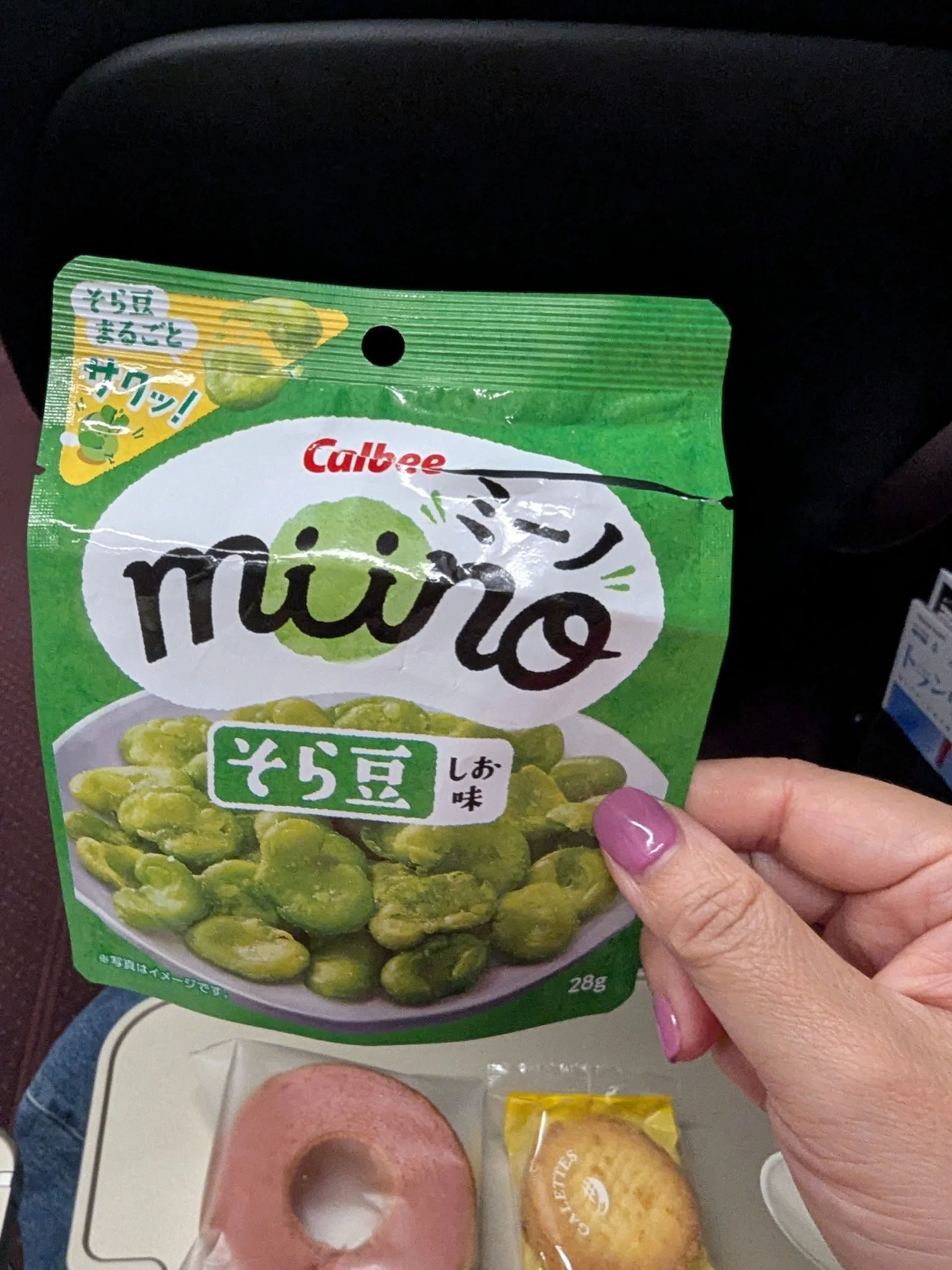
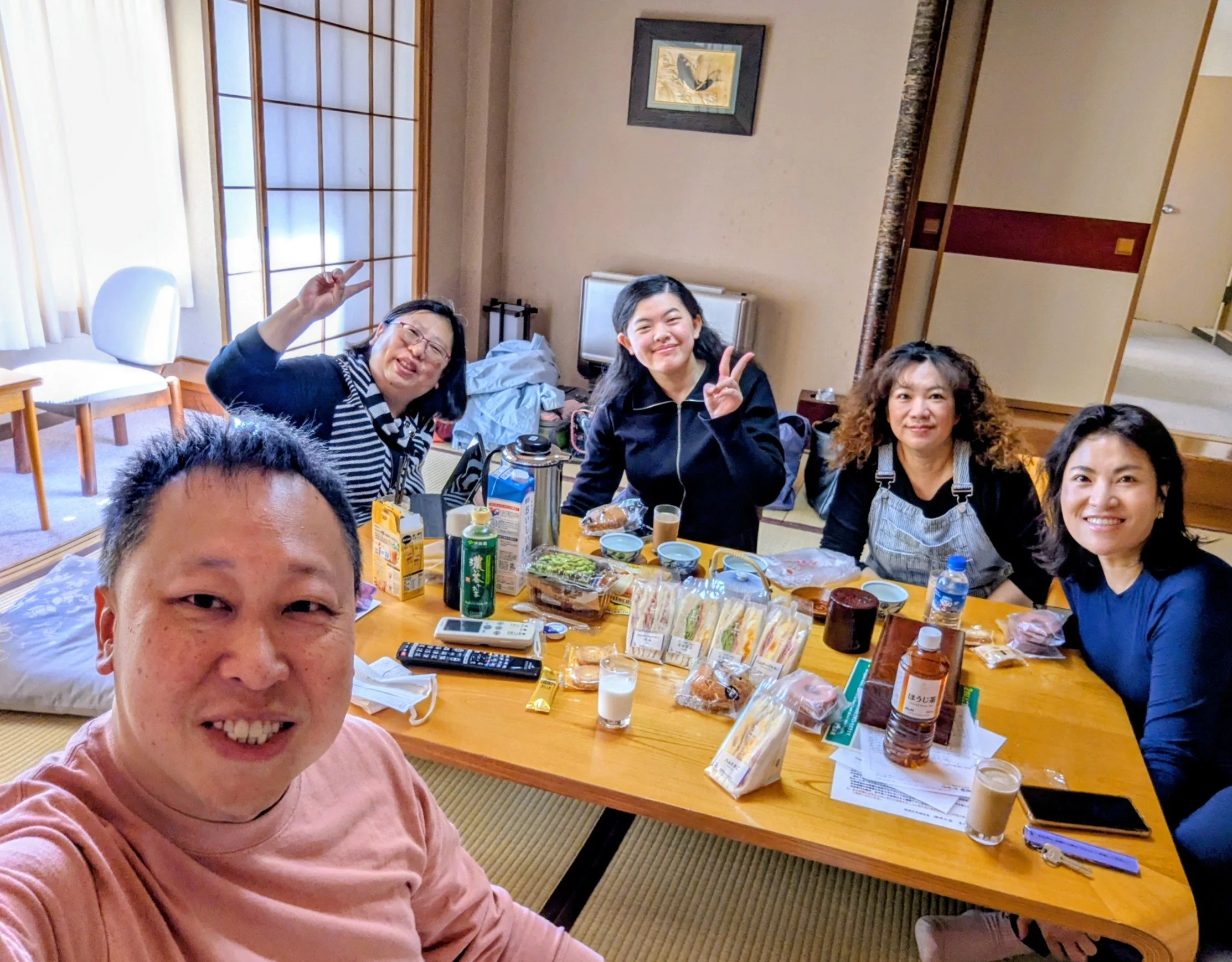
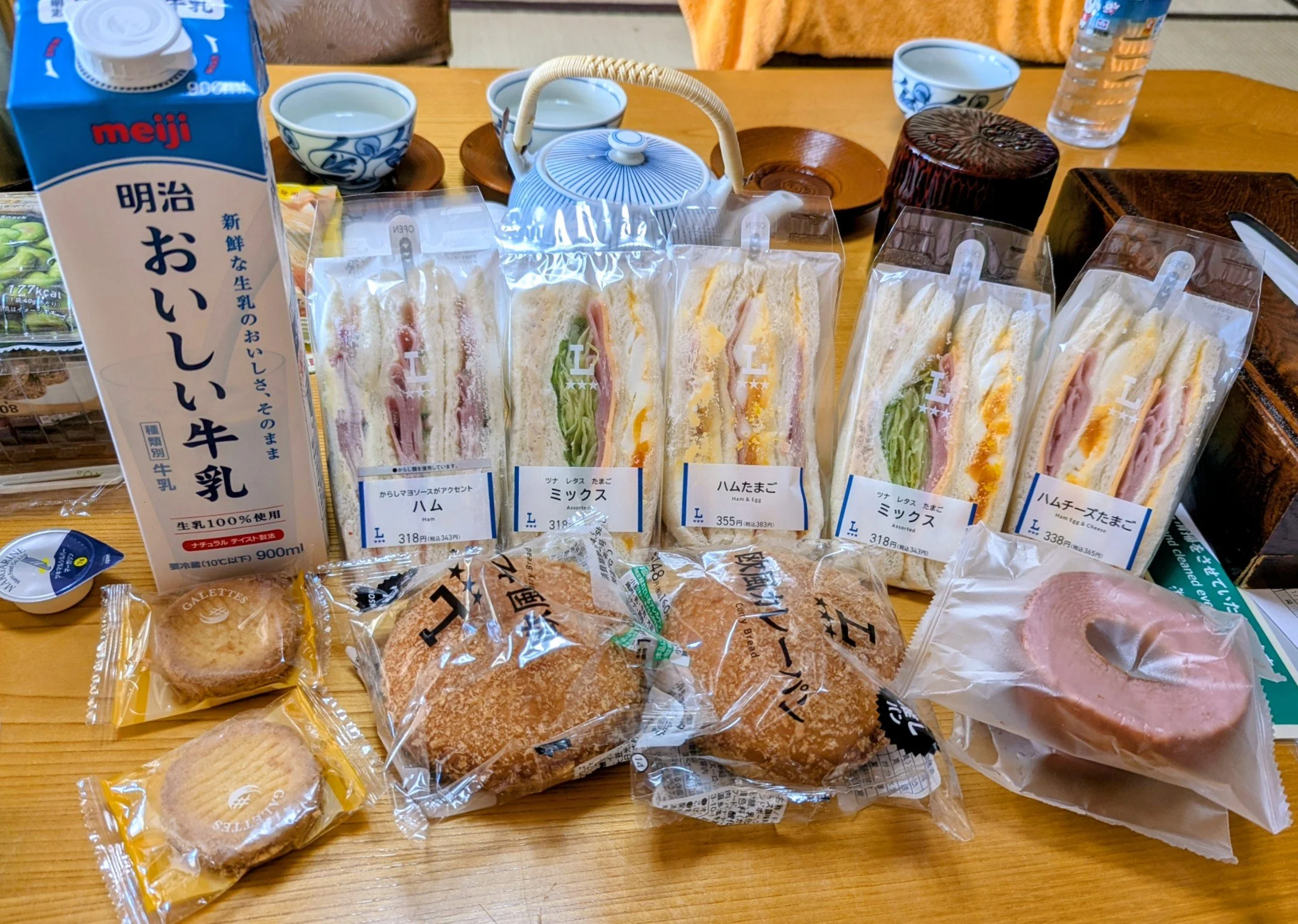
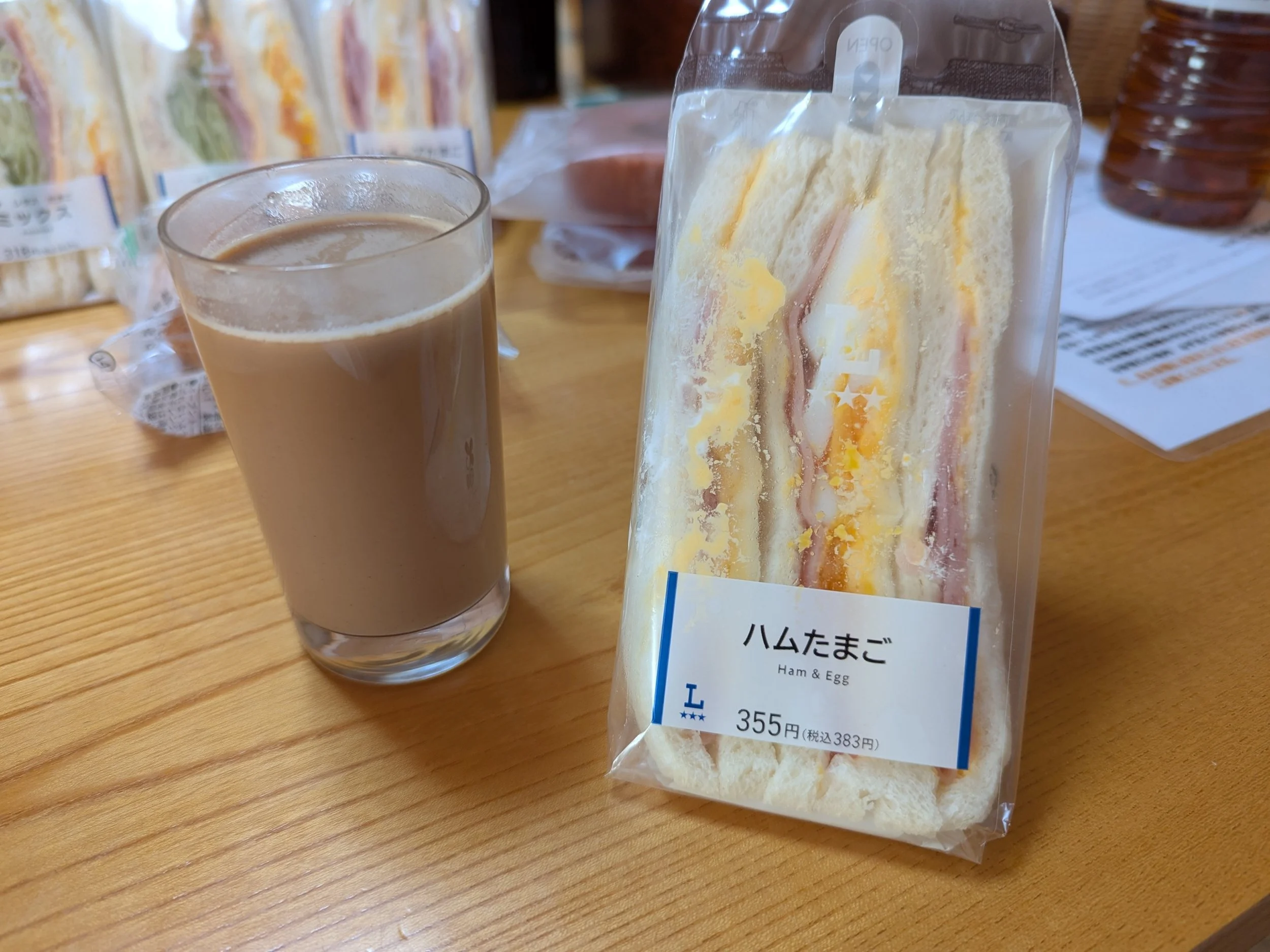
The first ride was on the Shinkansen or "bullet train” from Tokyo to Niigata. We accidentally bought “First Class” tickets from an automated machine with bad English translation because there was a long time at the human ticket booth. We were trying to figure out why our tickets were so expensive. We finally found out when our train arrived and we looked into our first car window. We had the whole car to ourselves so we decided to have an onboard snack party. It was the best 2 hour train ride I ever had on a train.
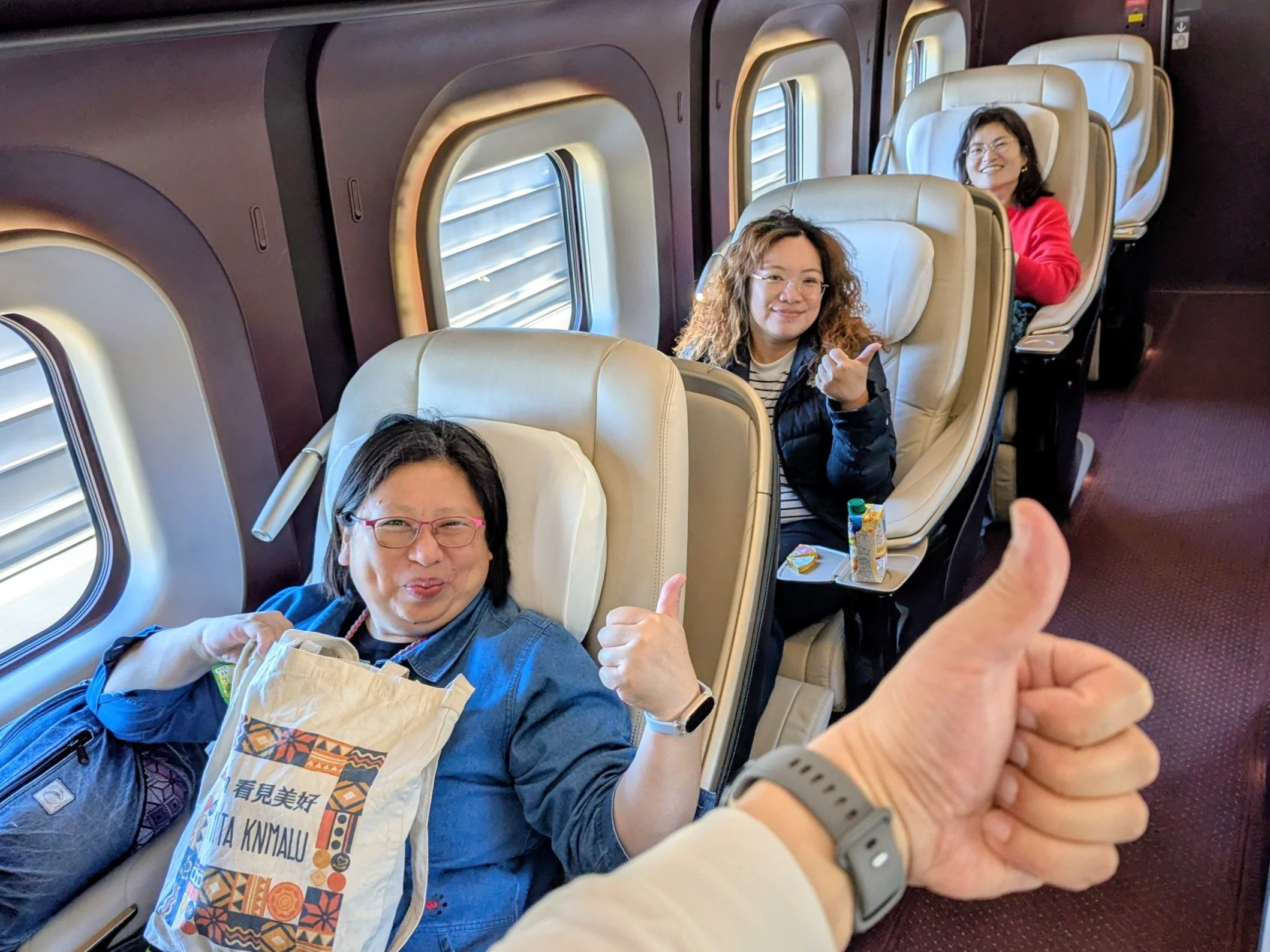
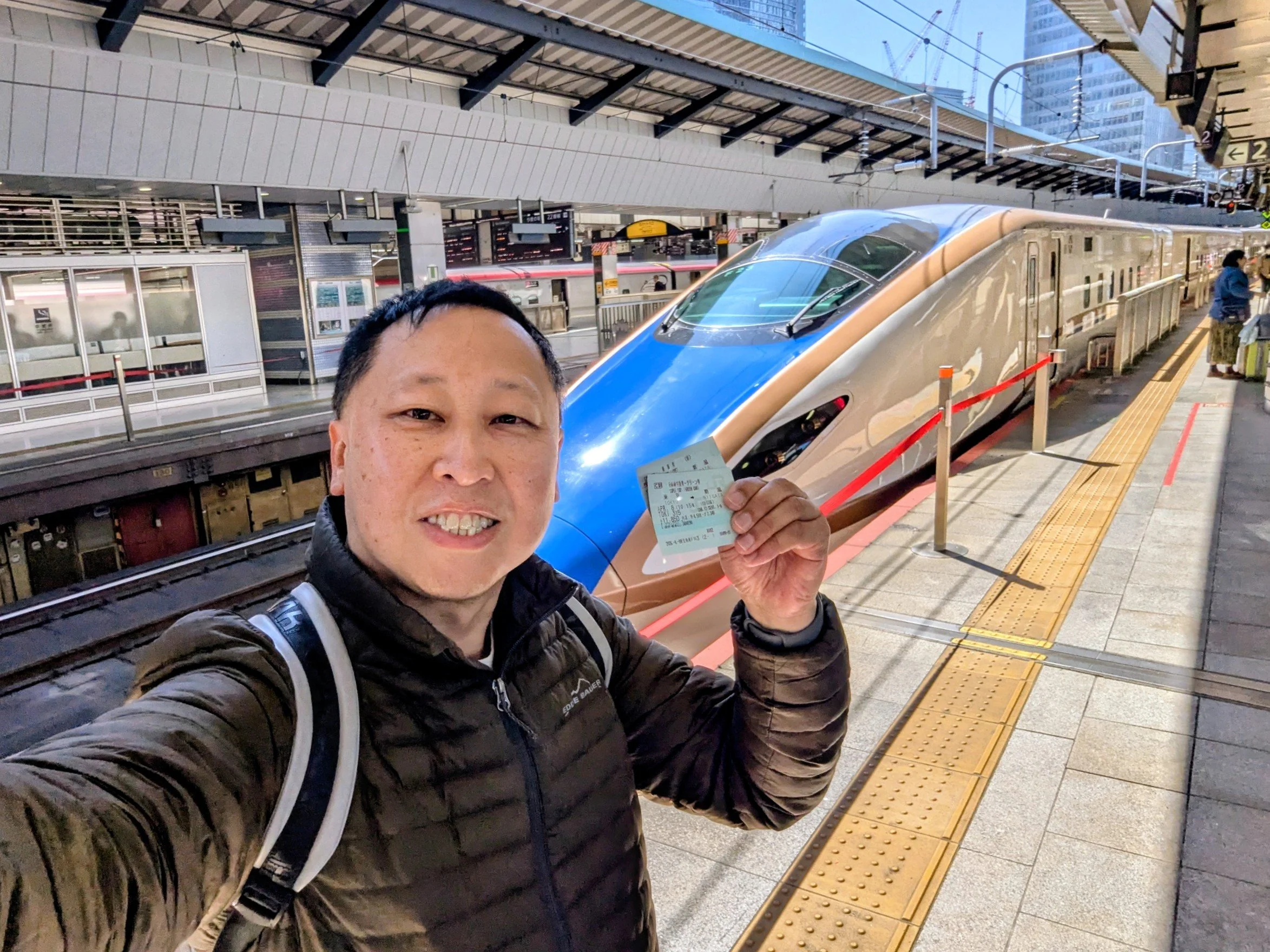
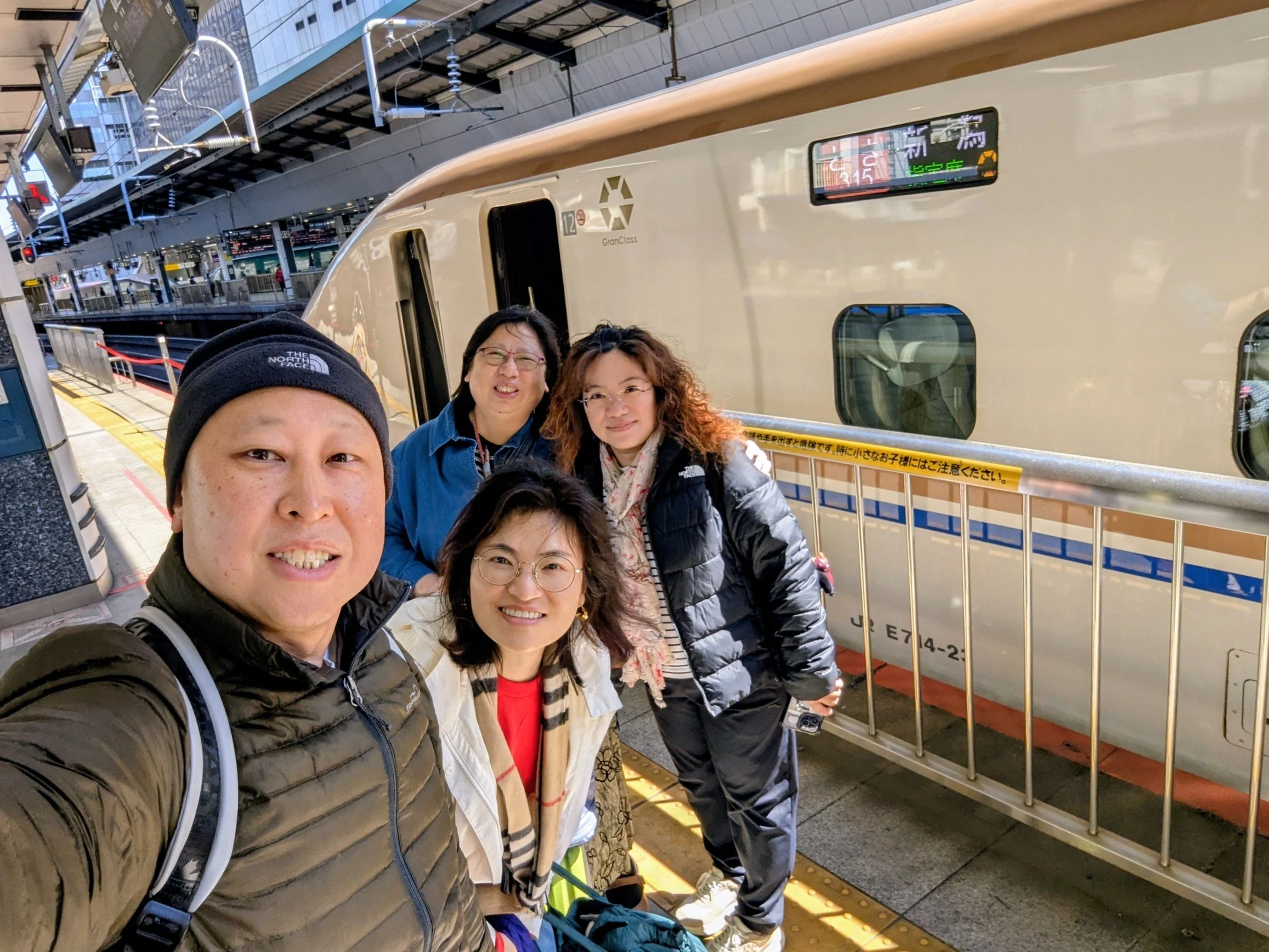
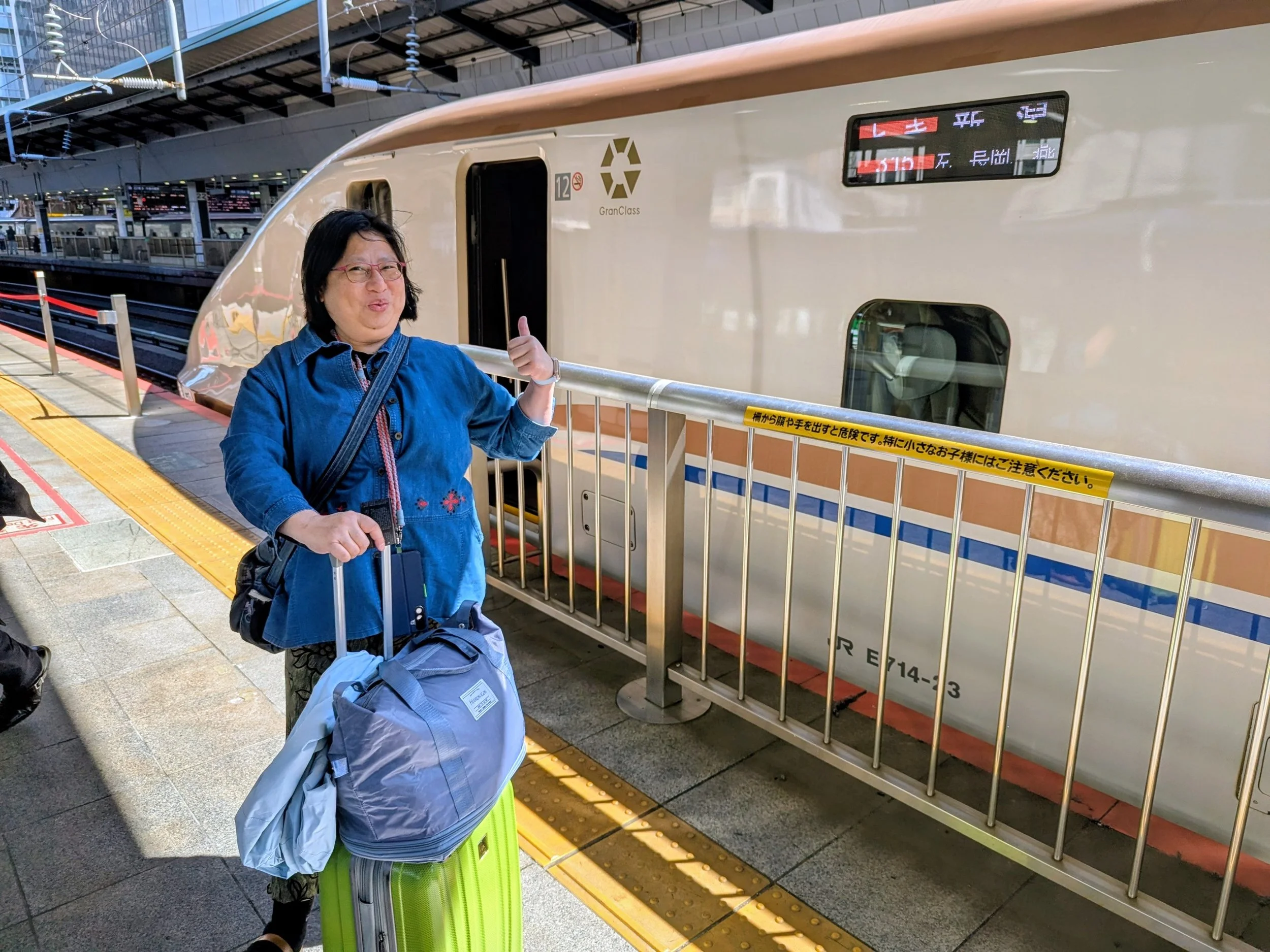
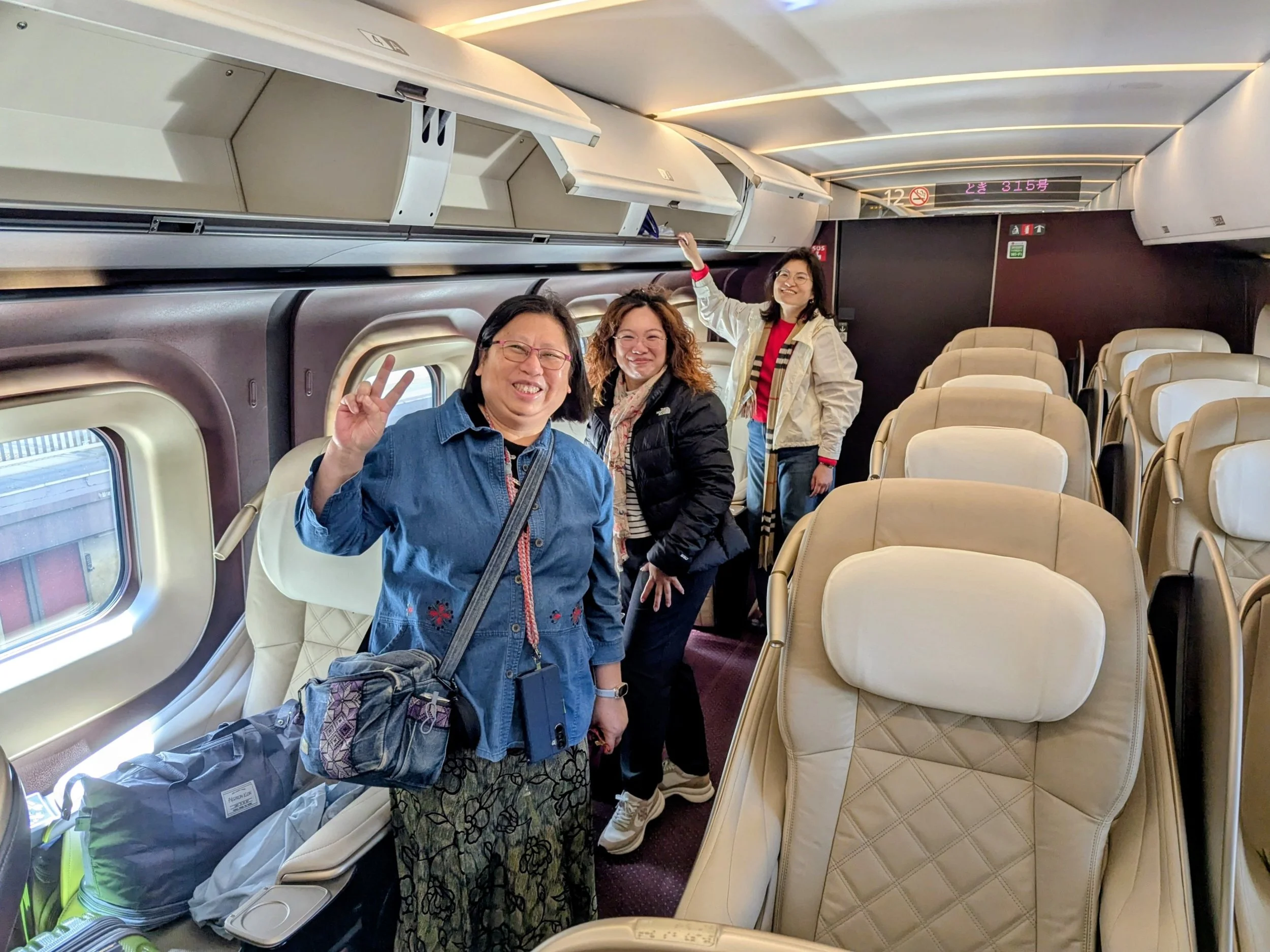
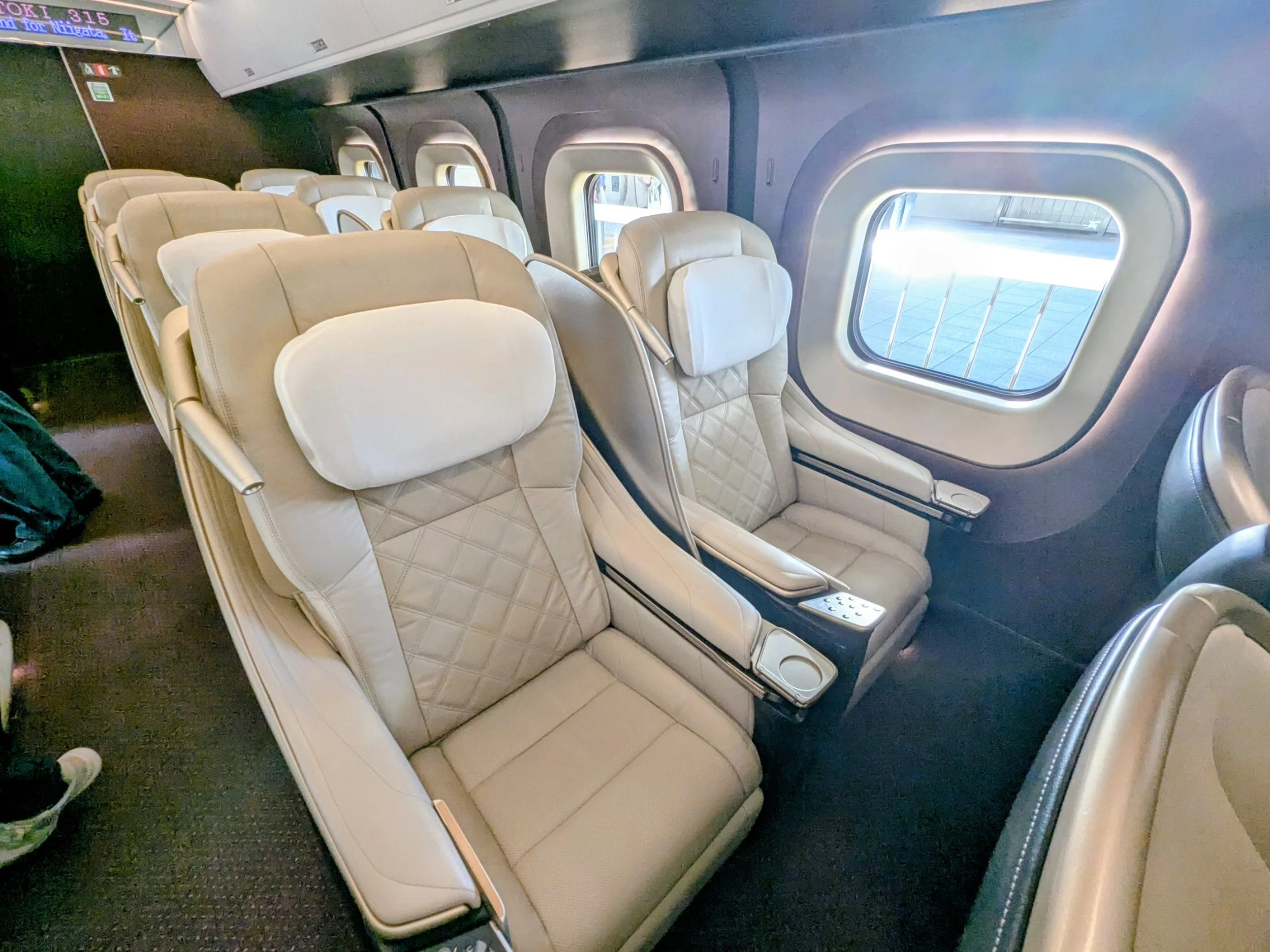
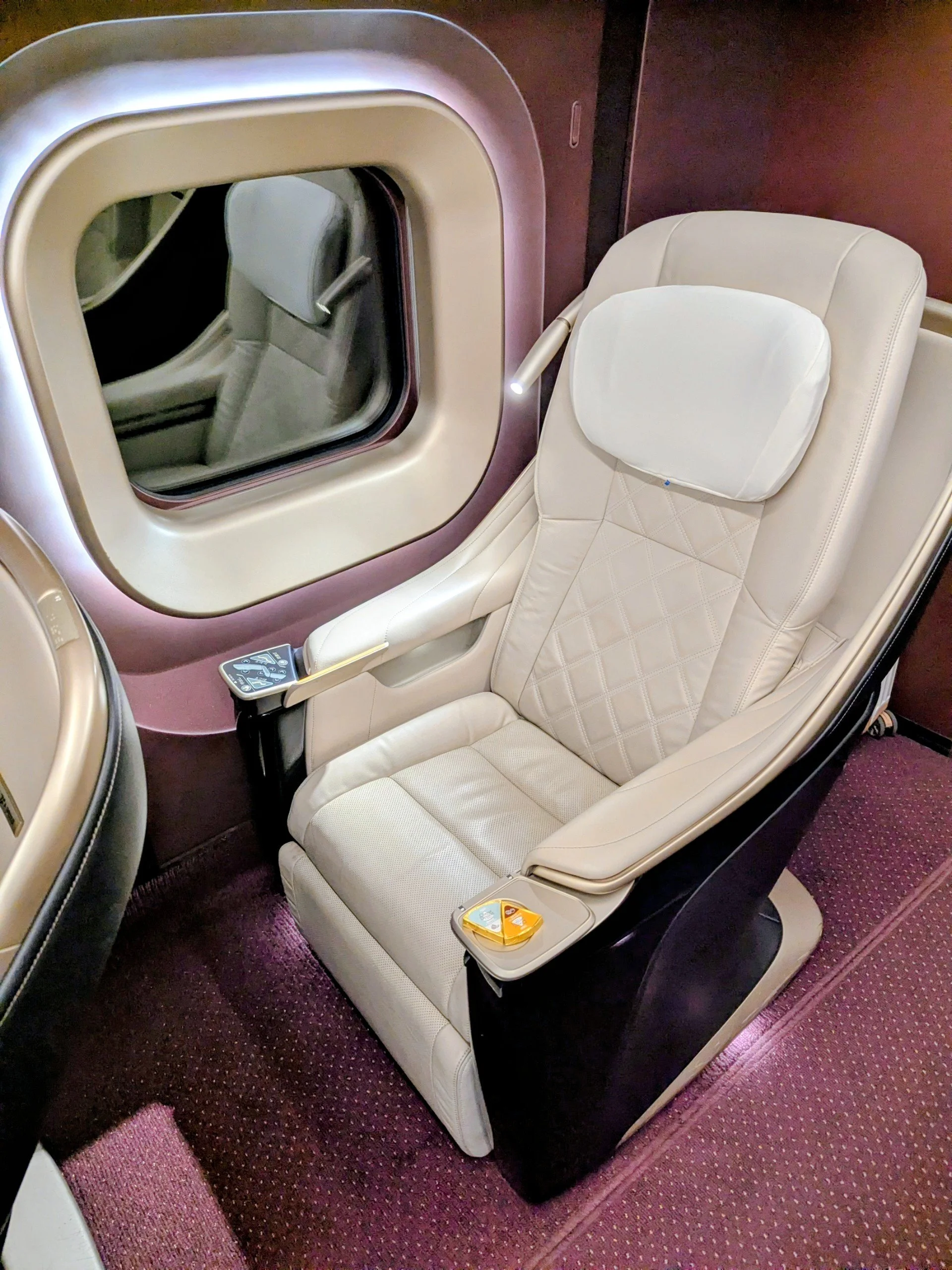
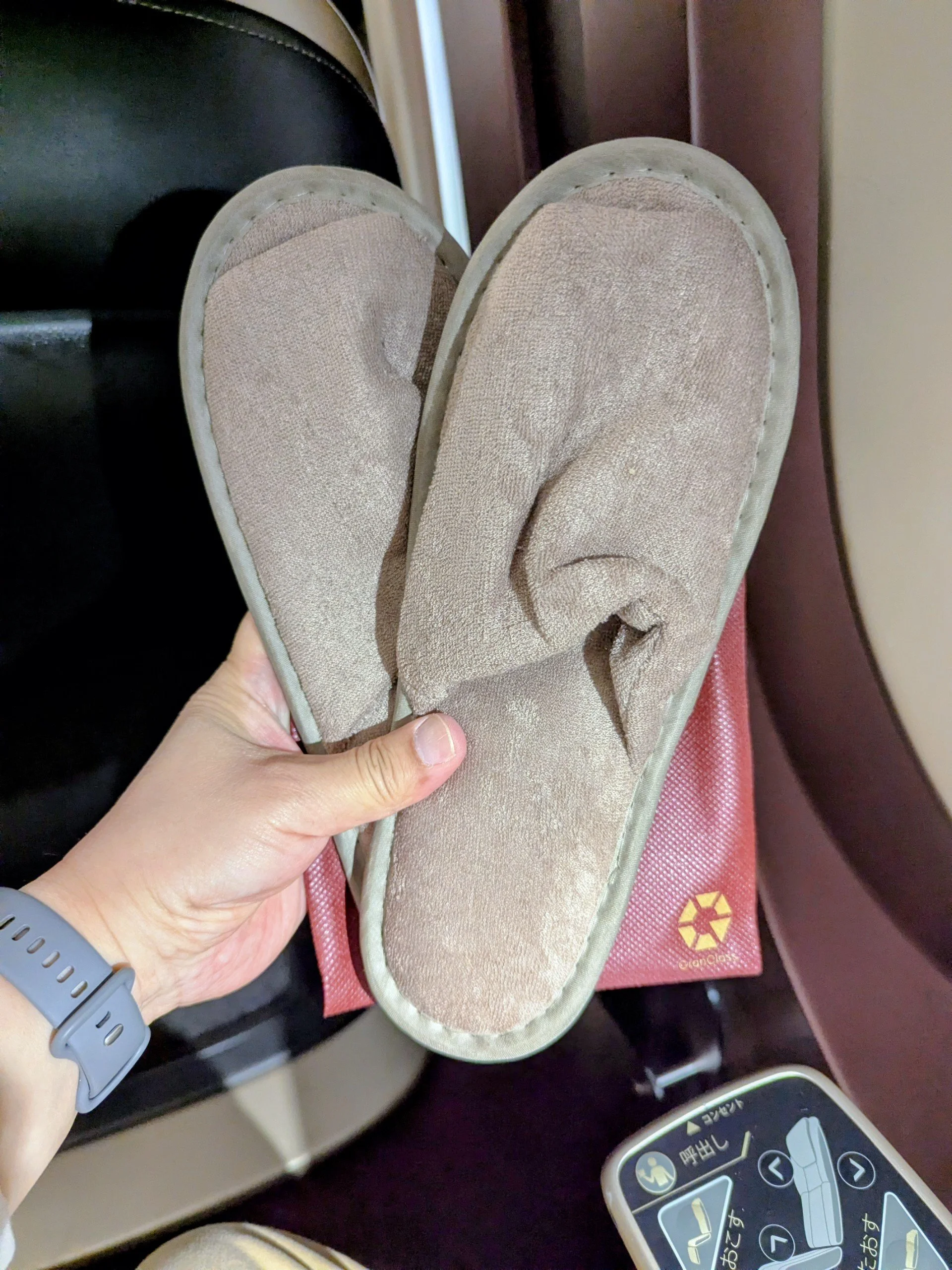
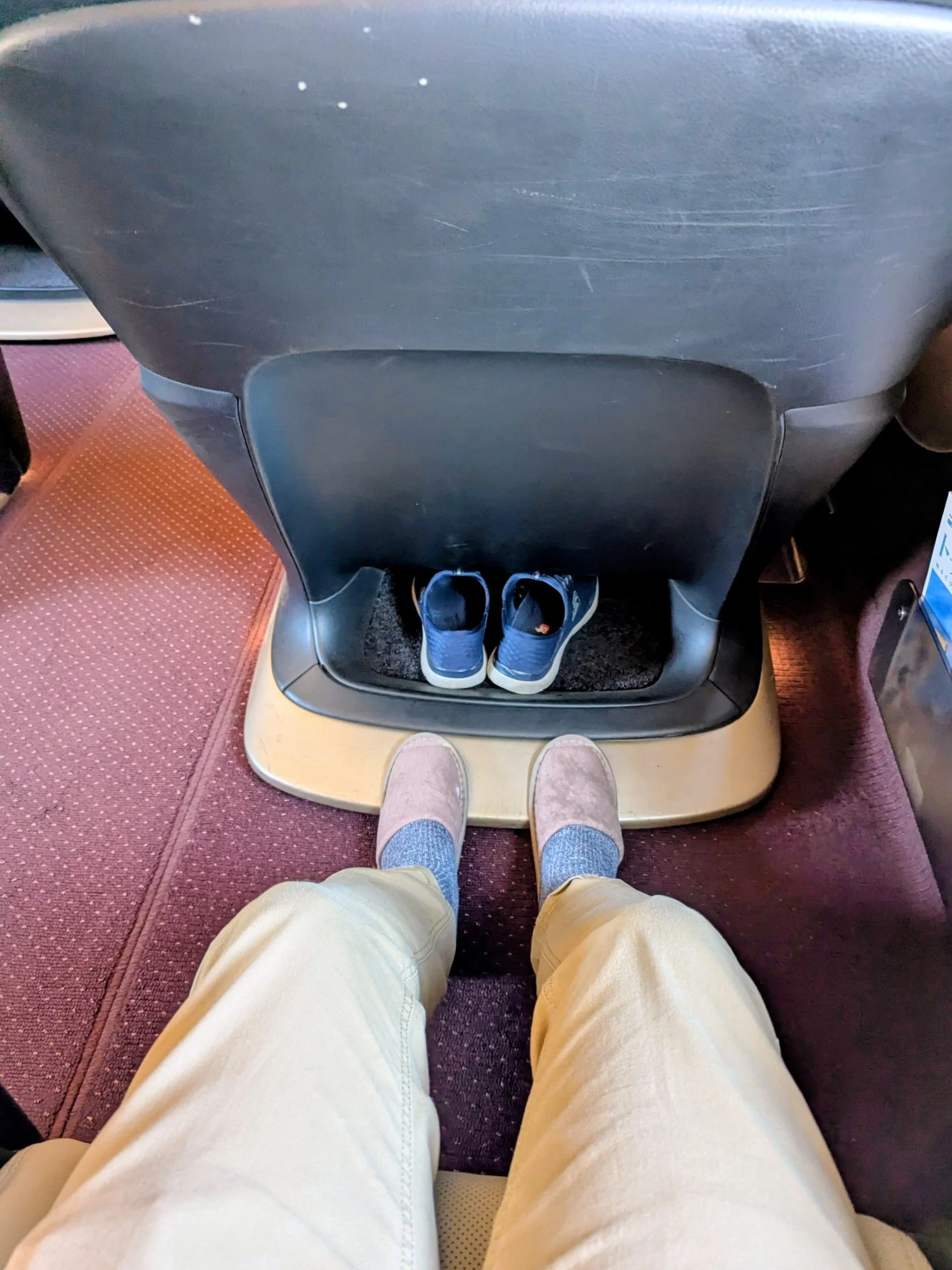
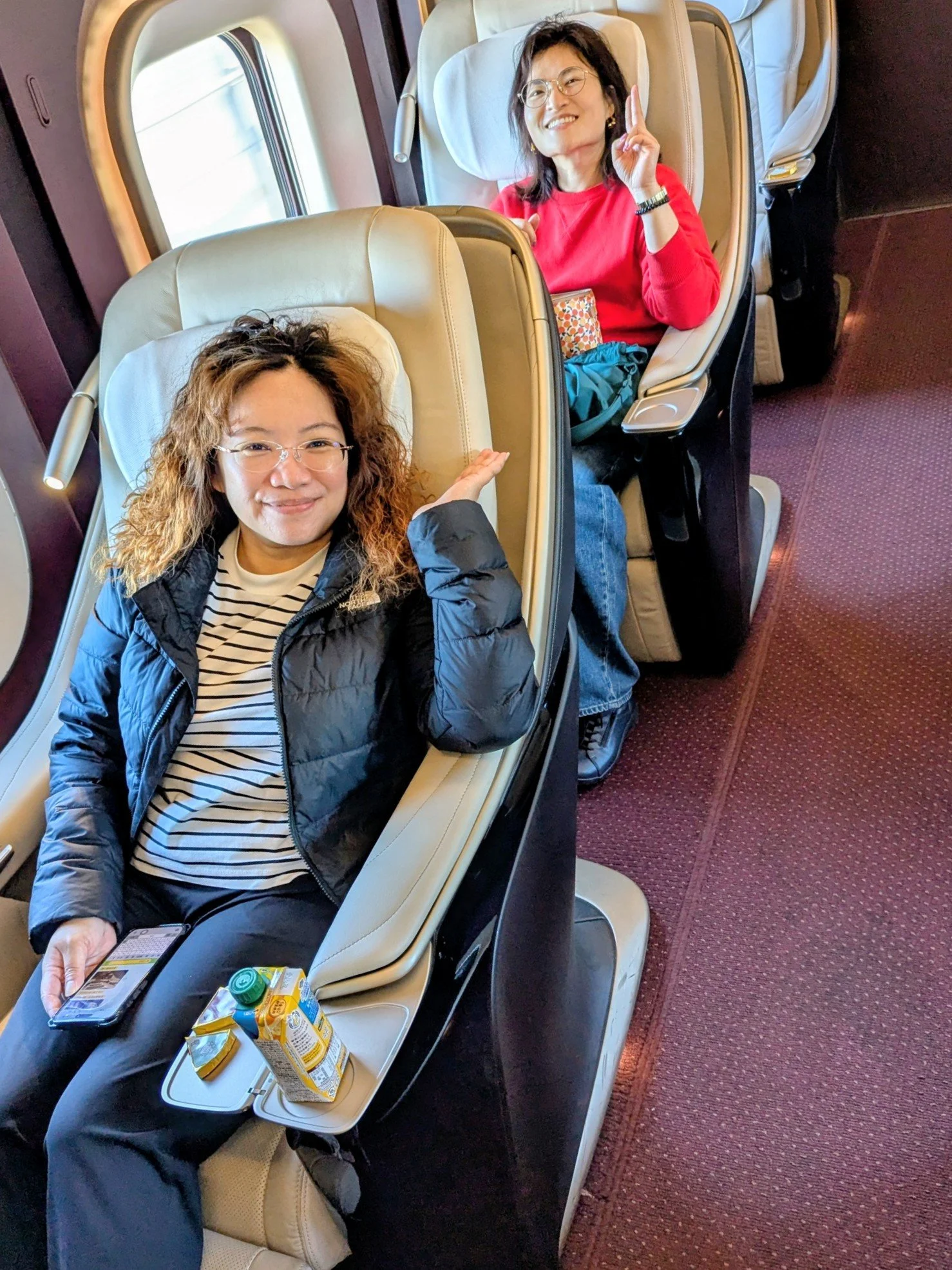
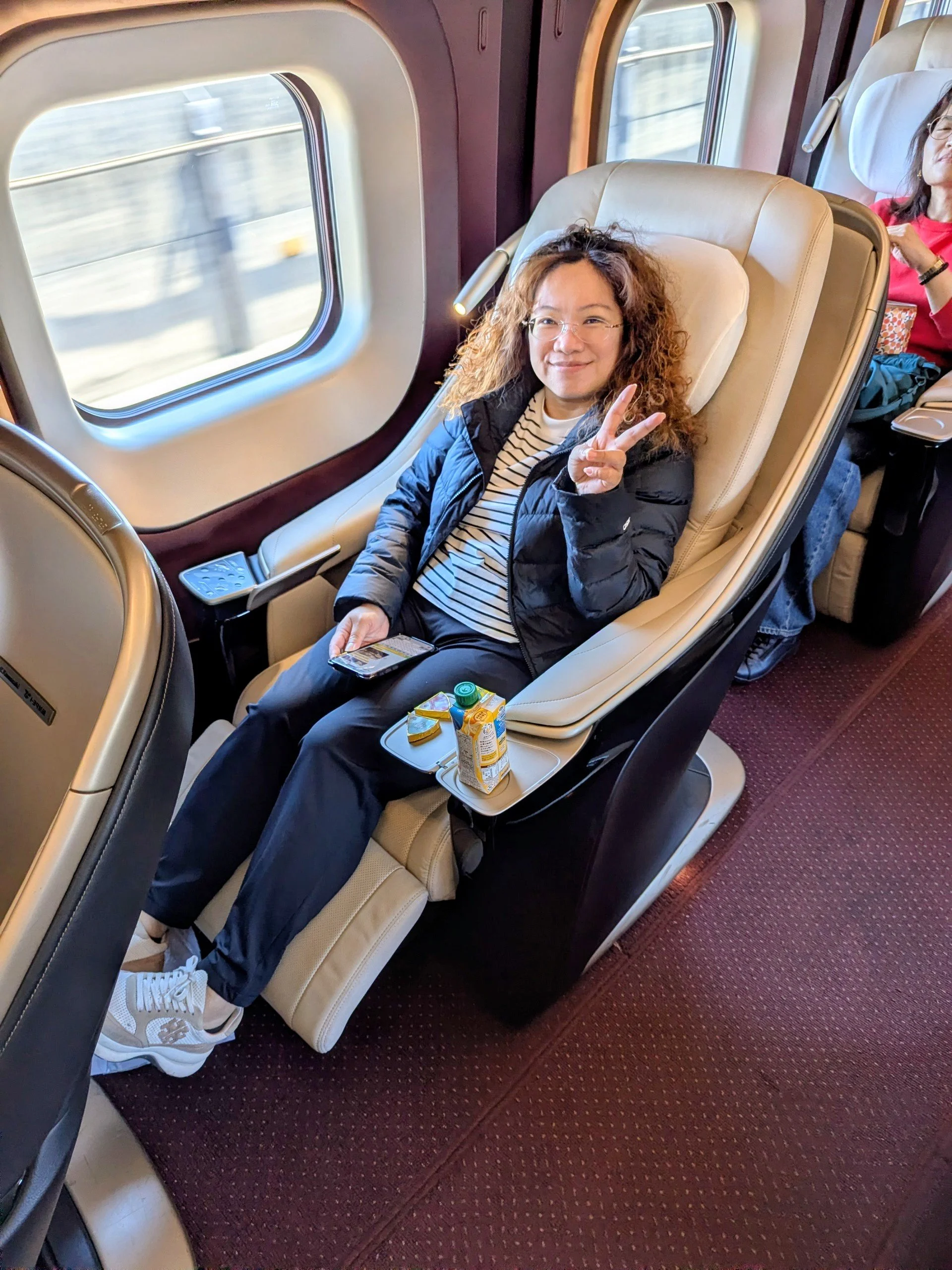
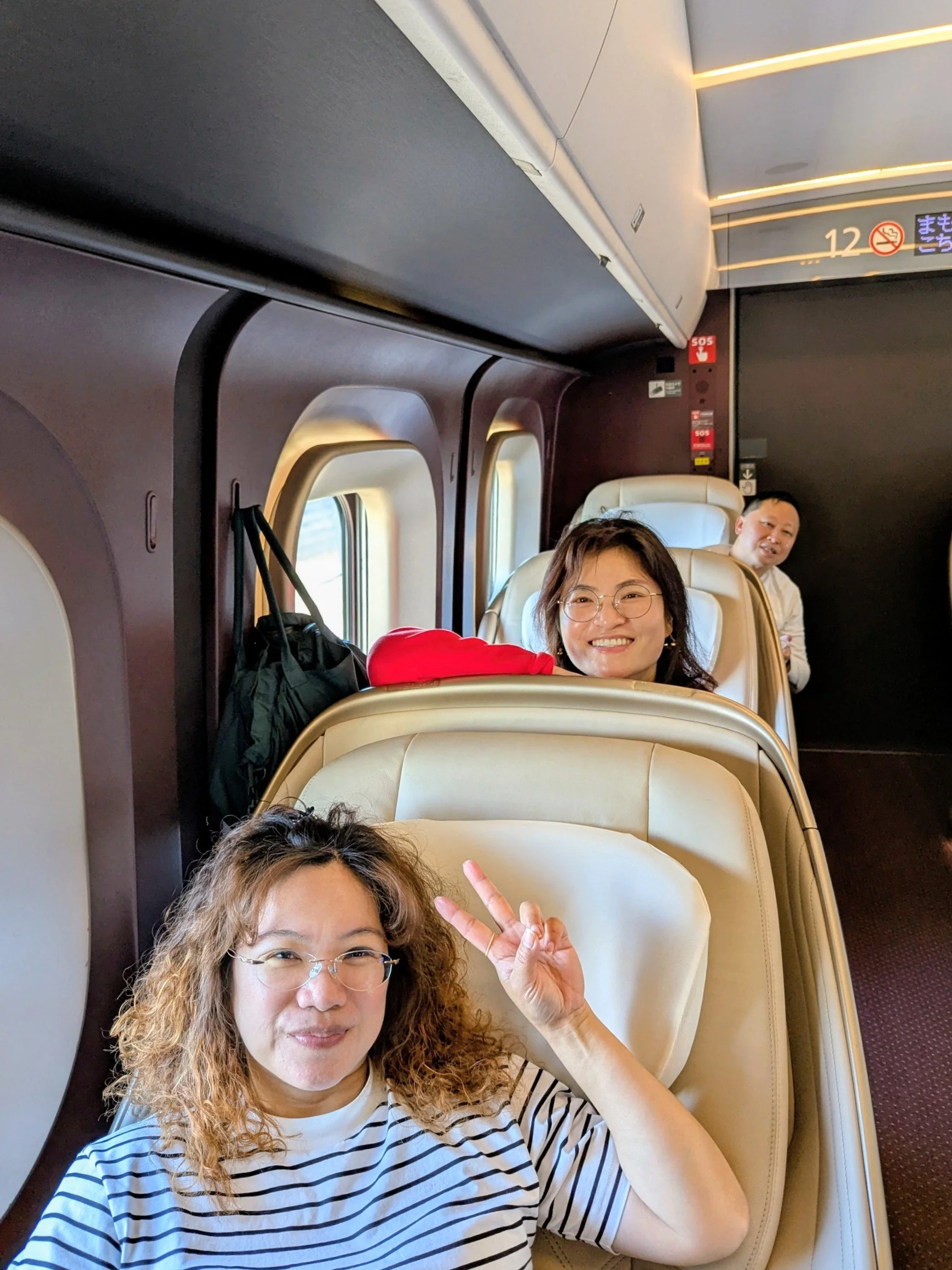
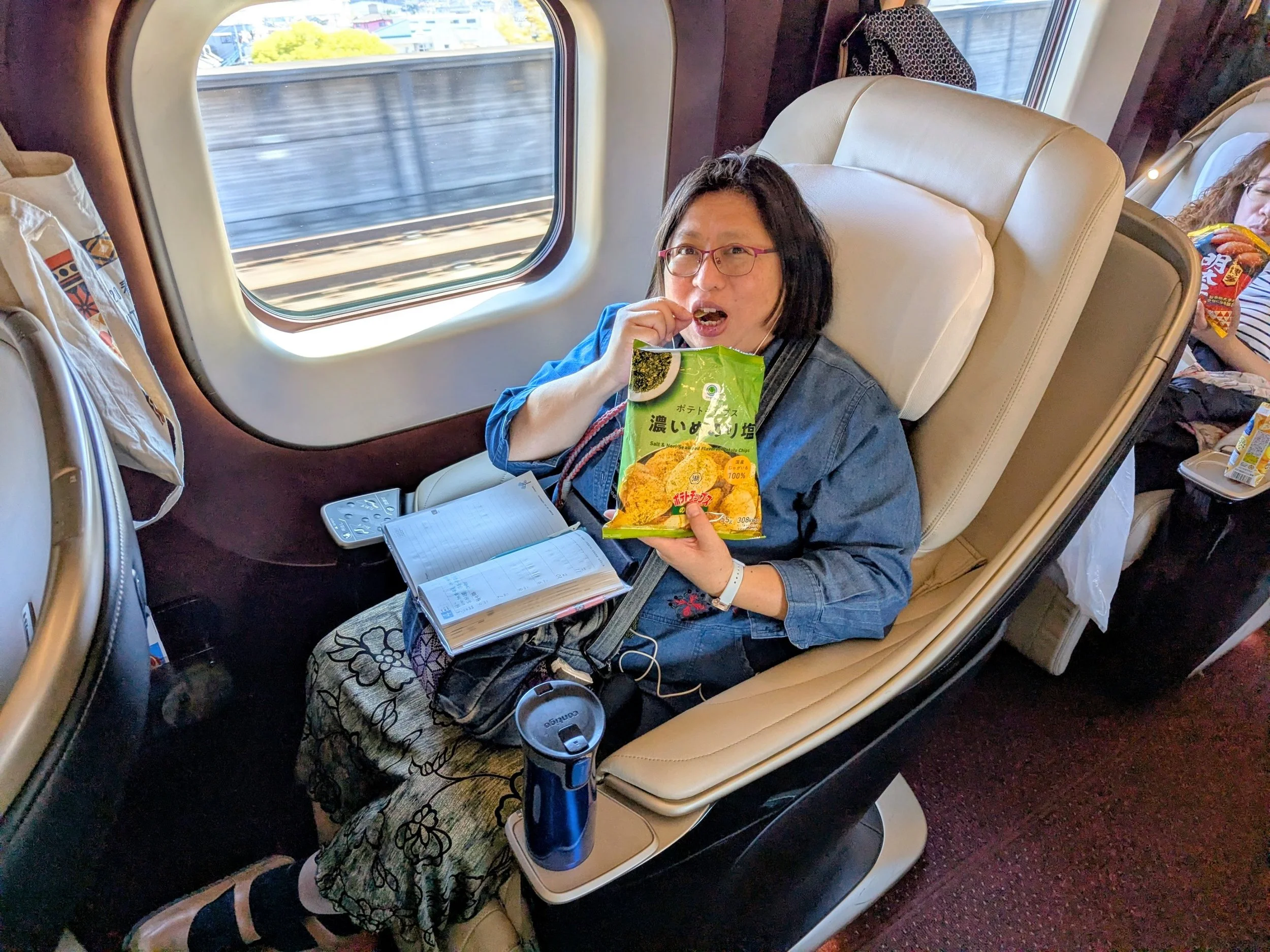
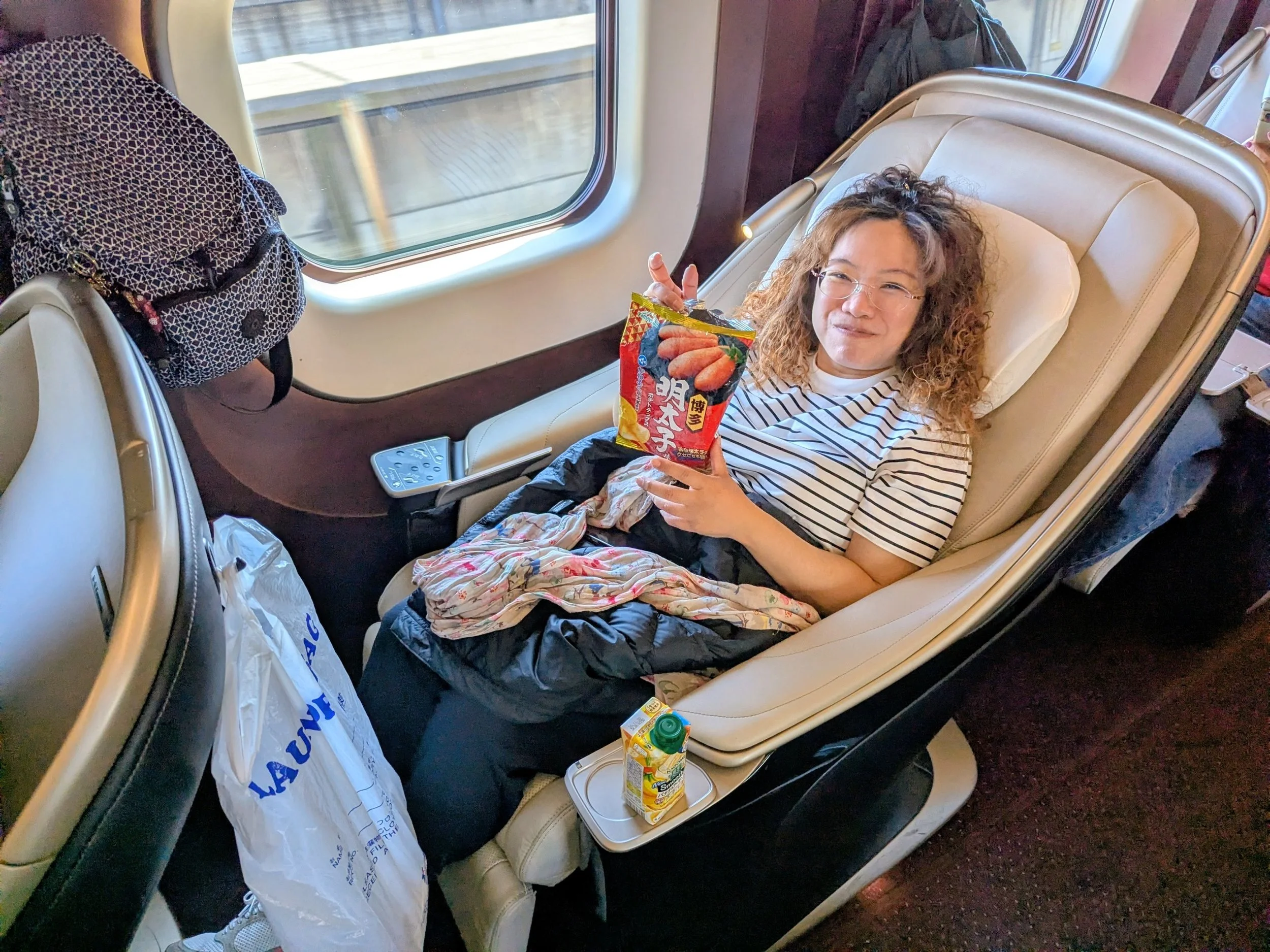
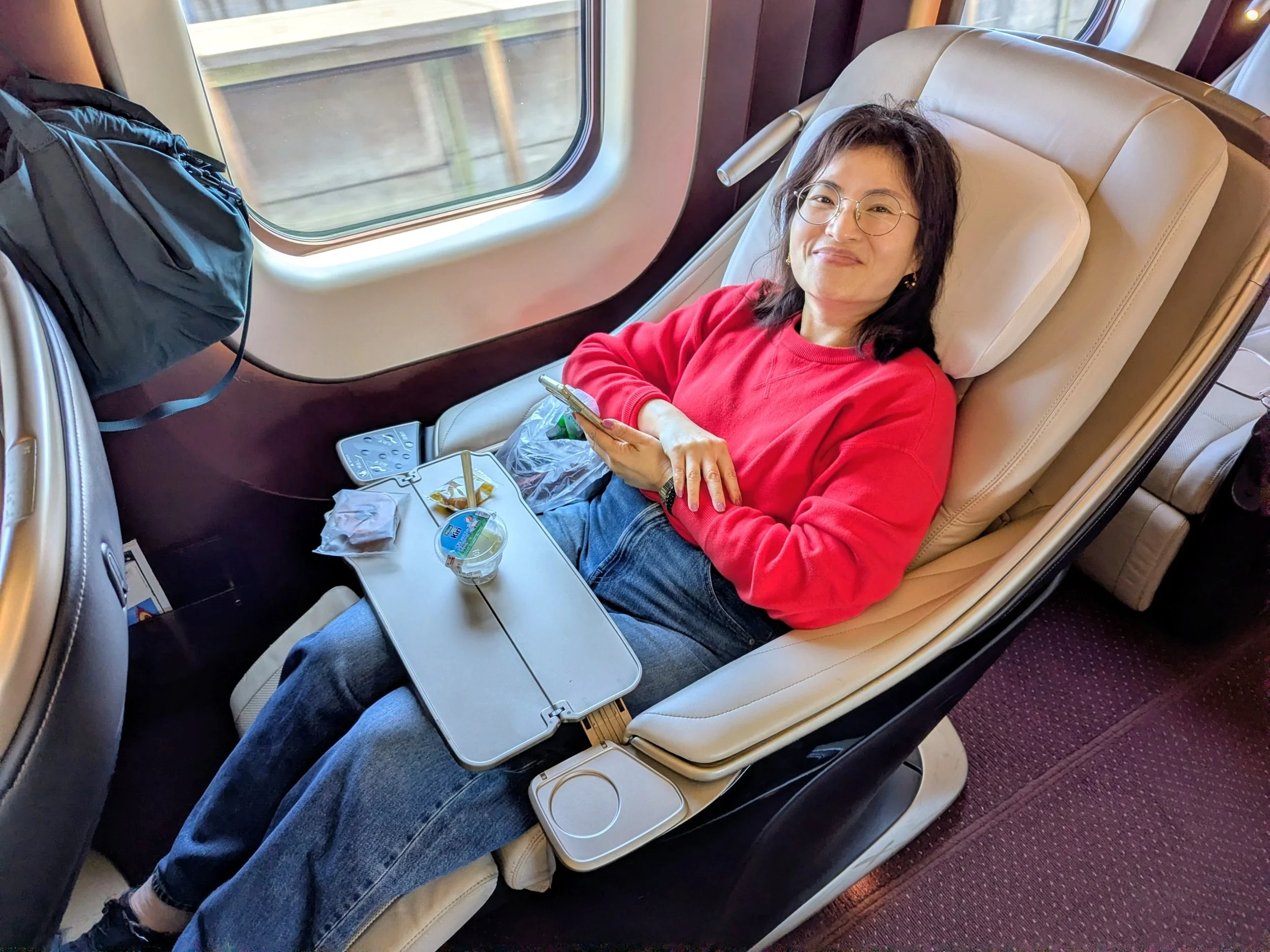
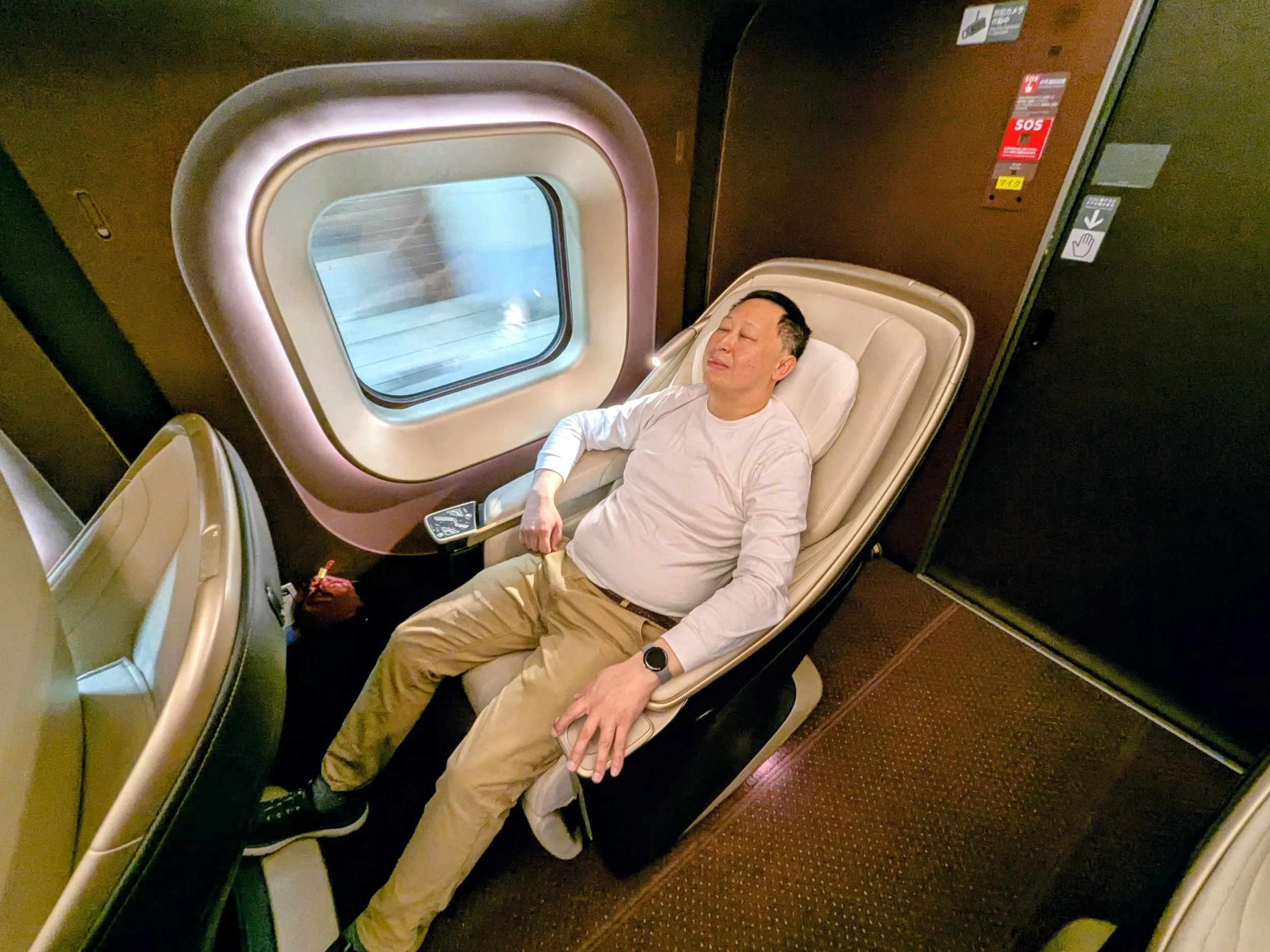
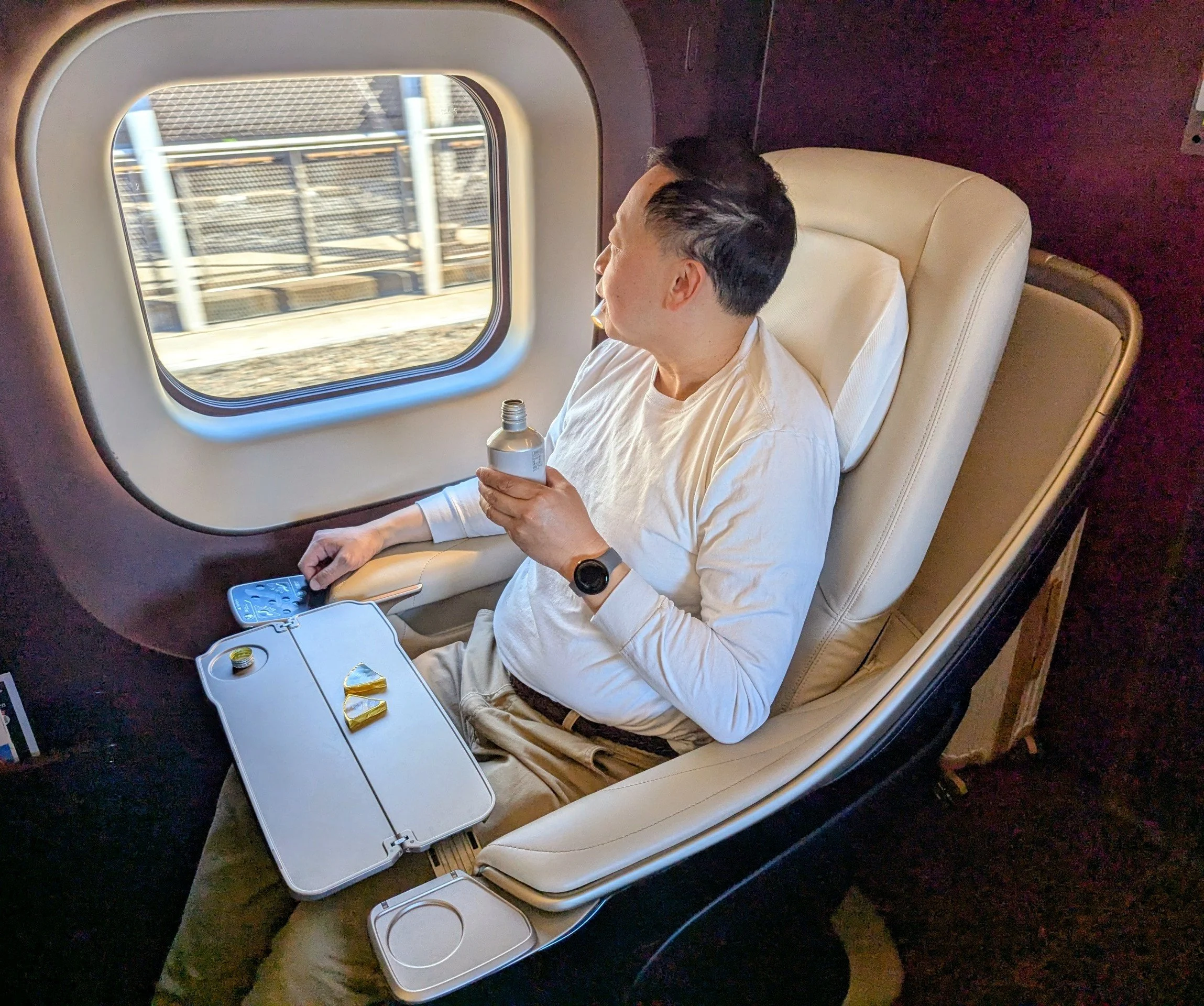
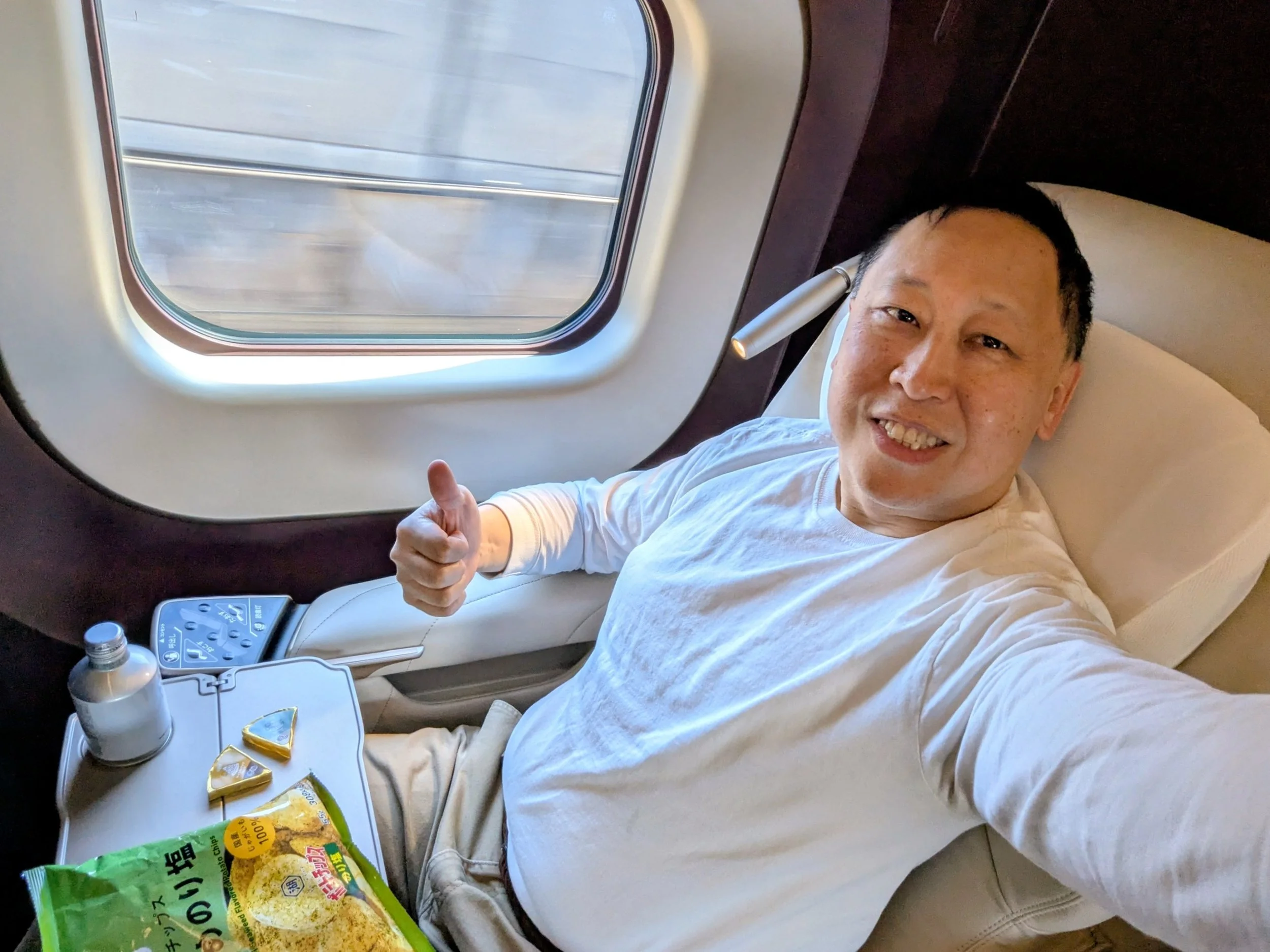
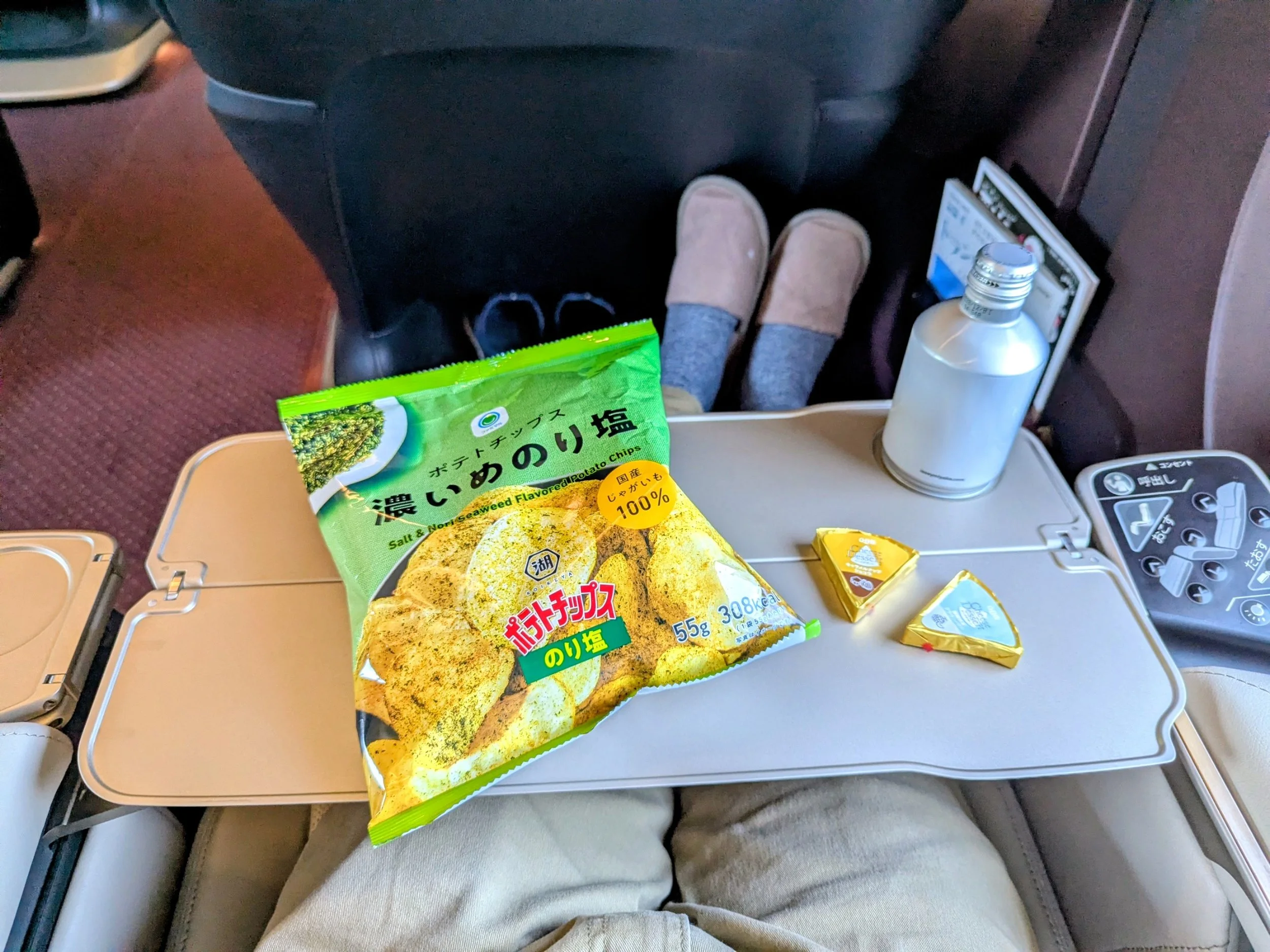
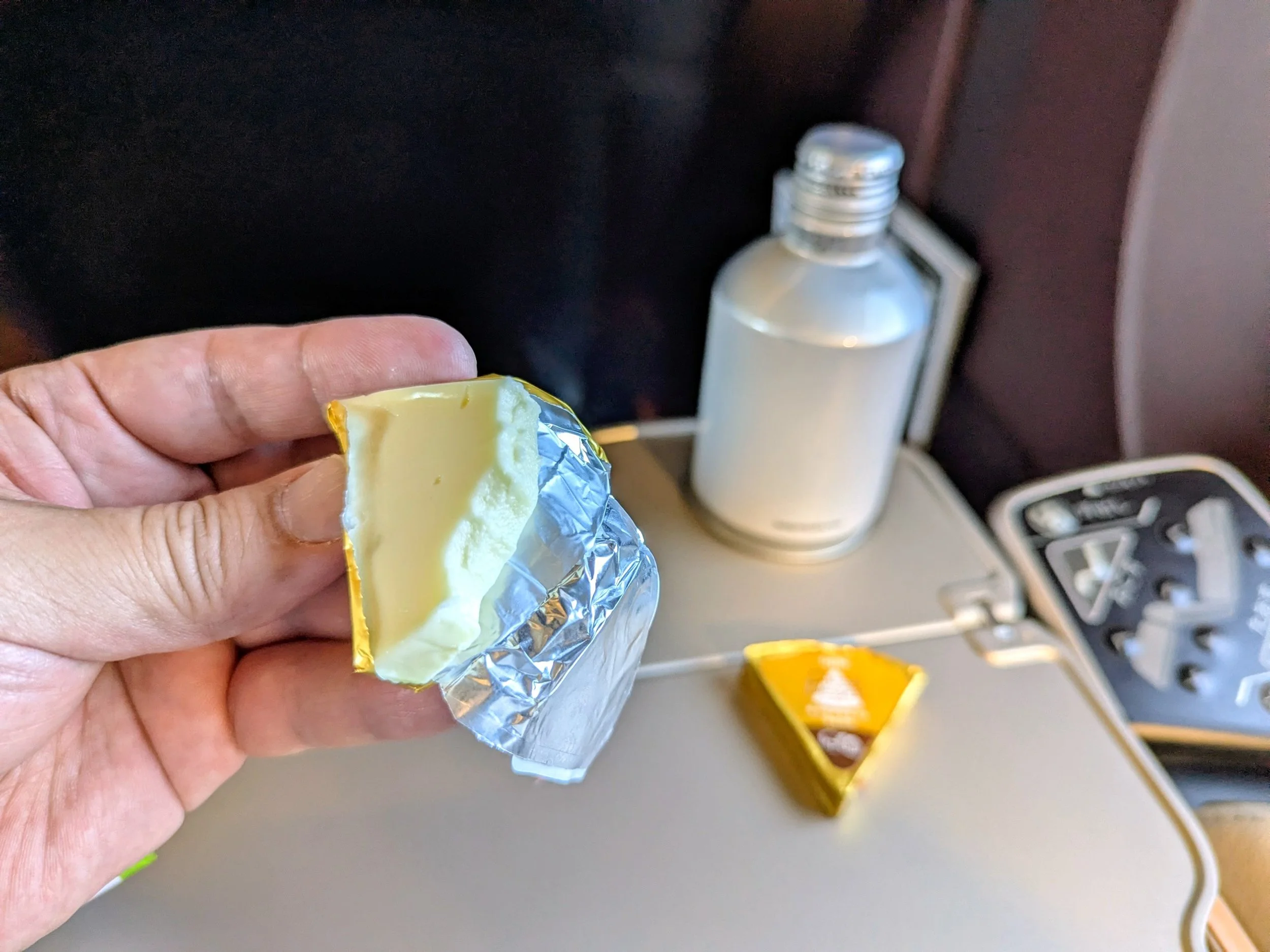
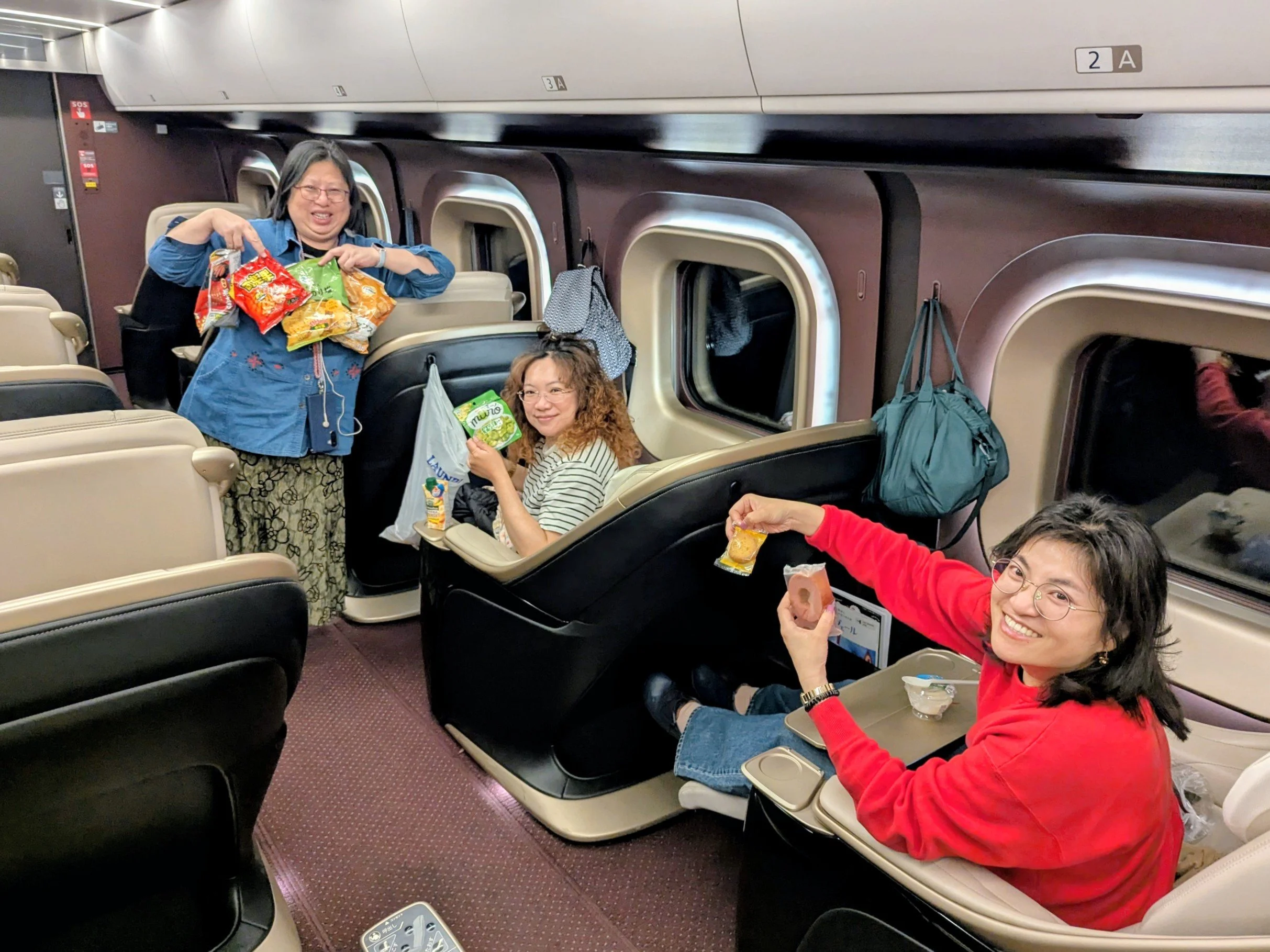
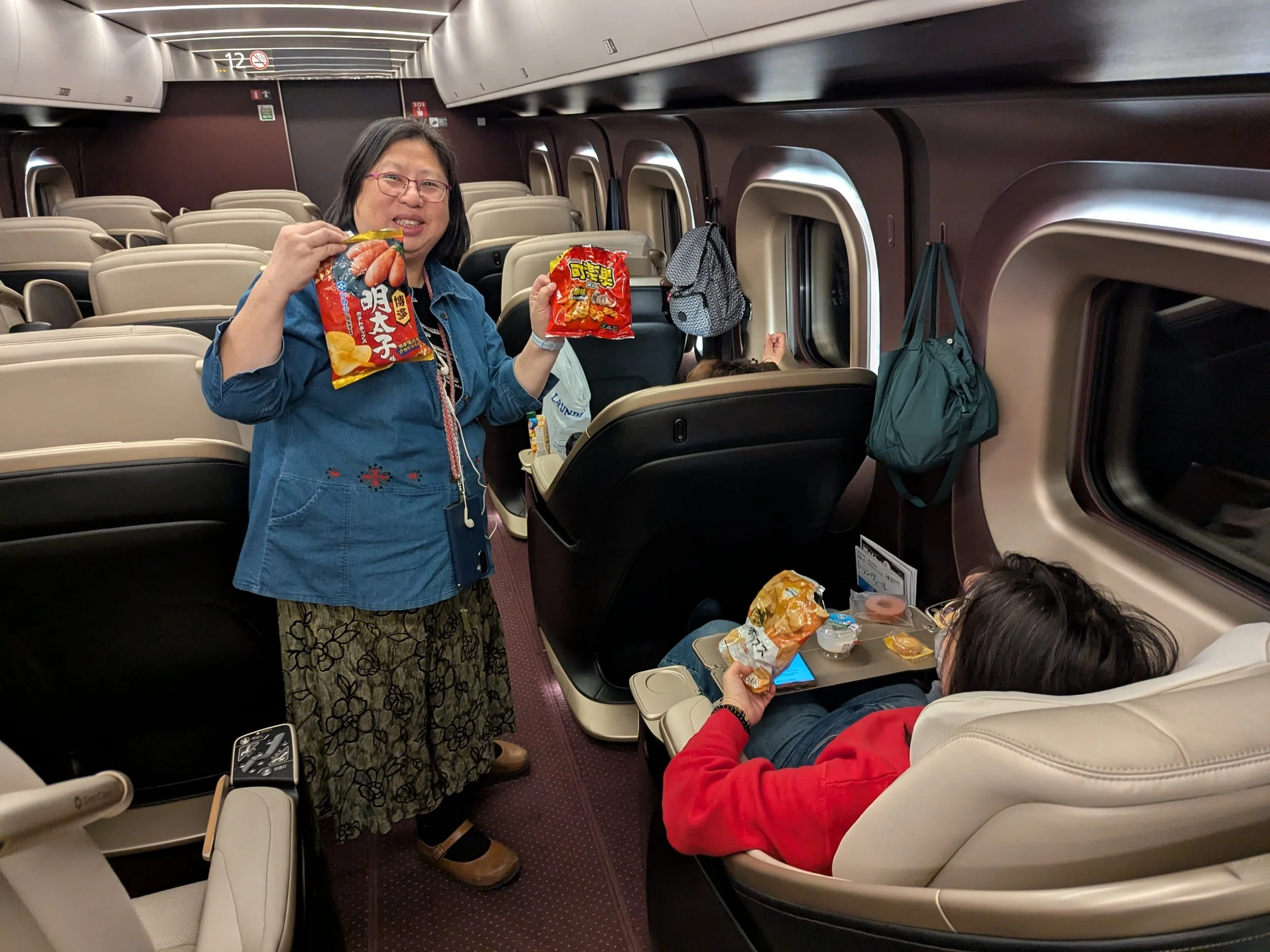
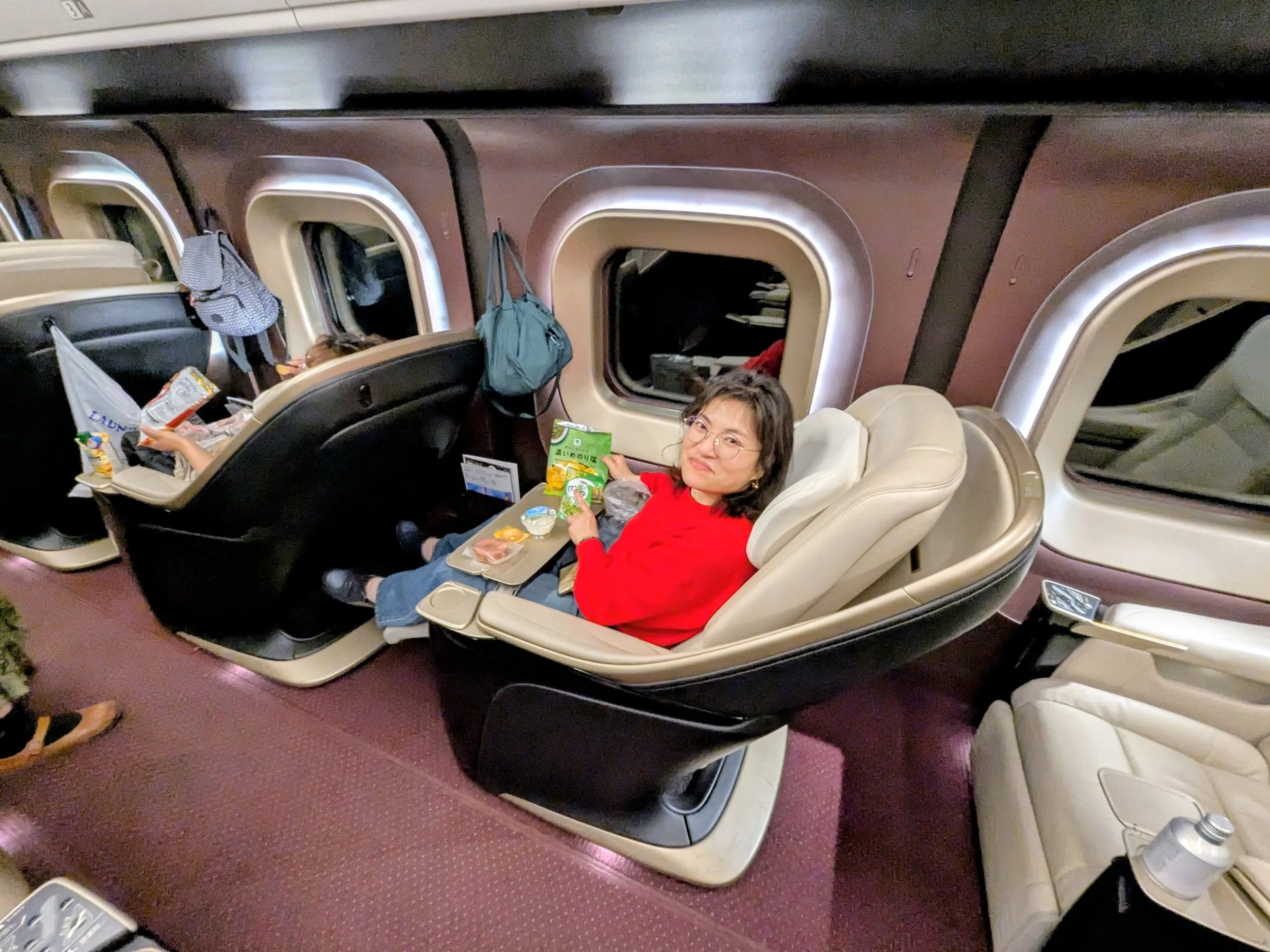
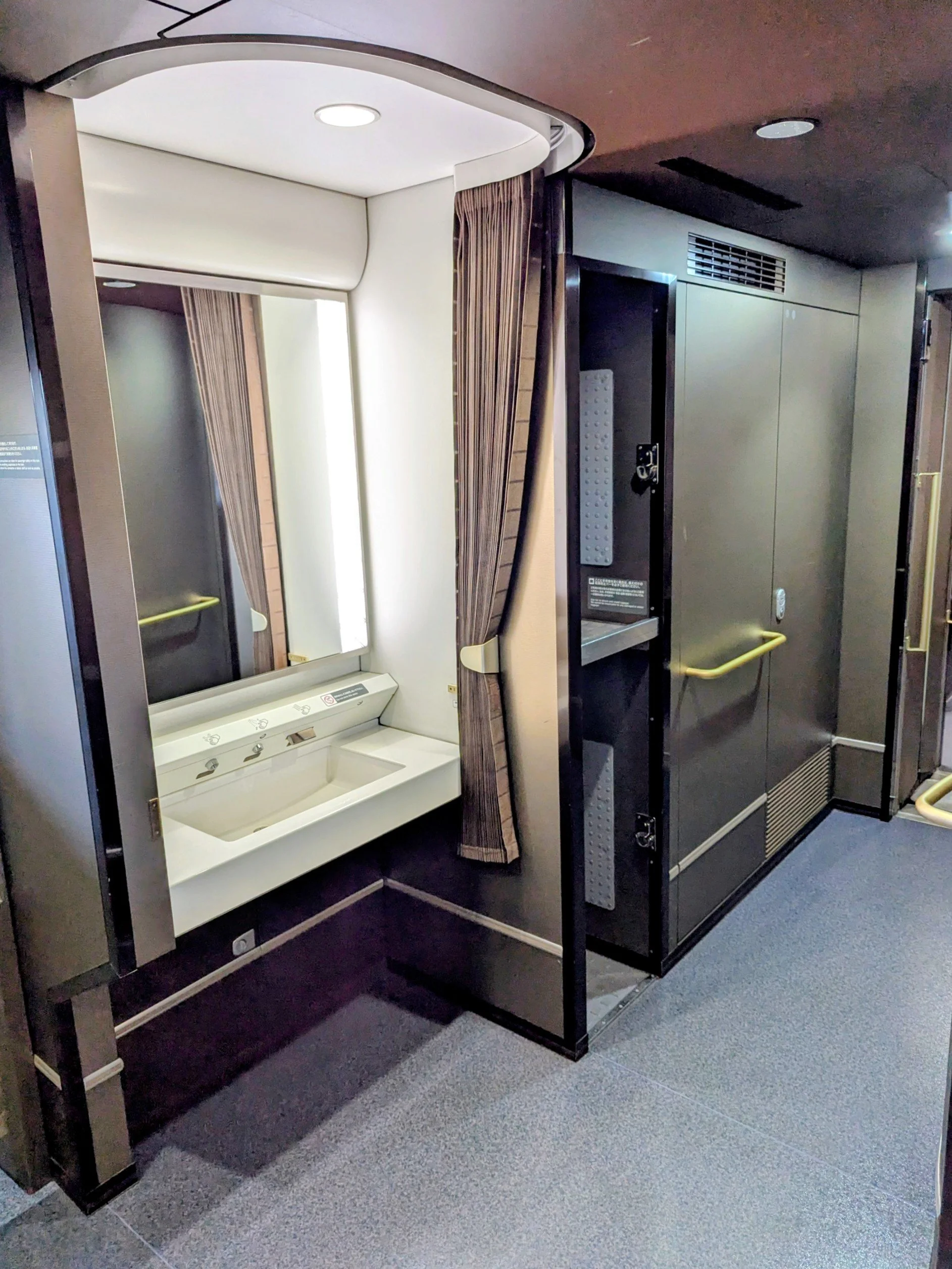
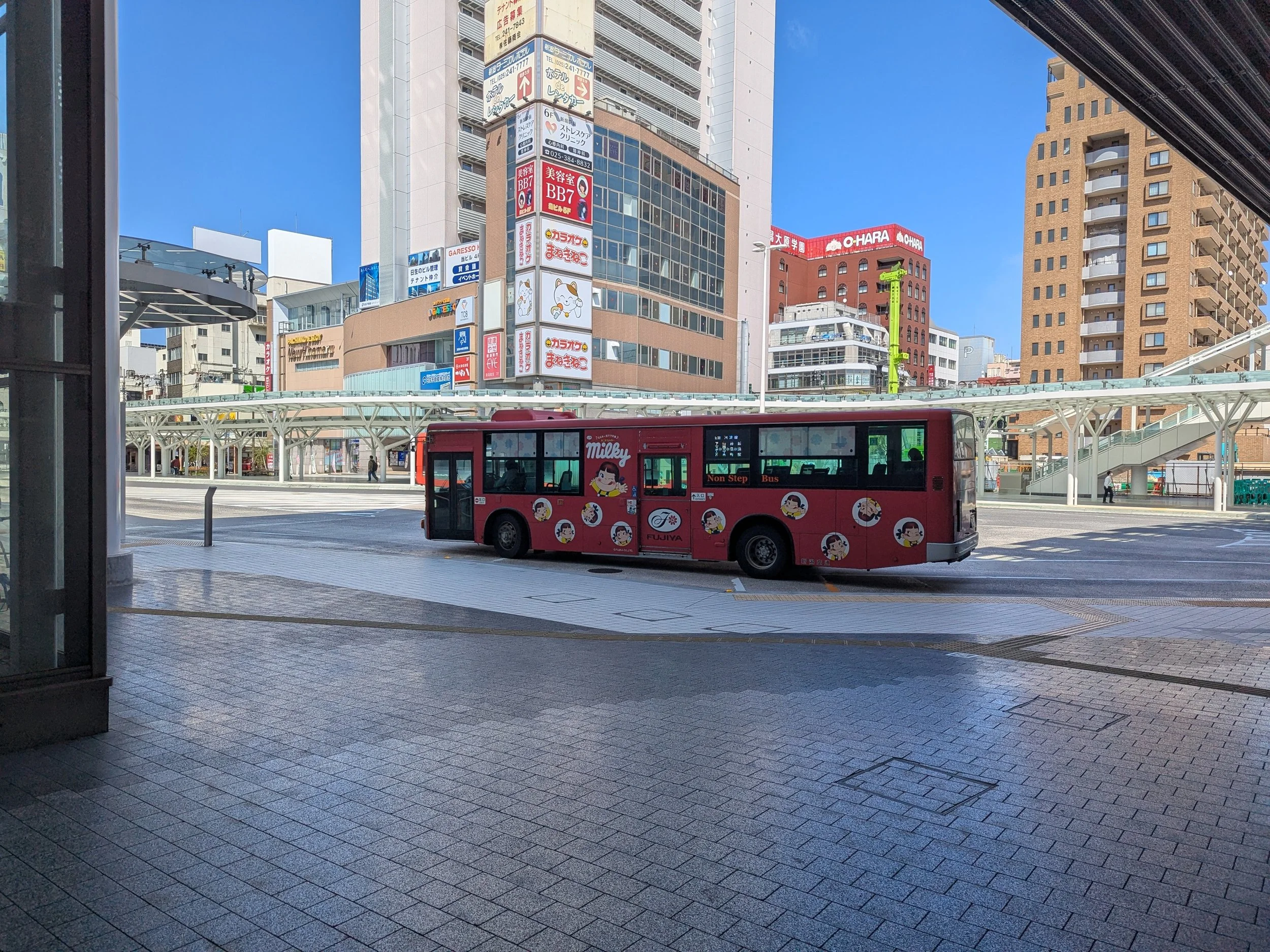
After the bullet train ride, we still had to catch a local bus to get to the Niigata port to catch a speed boat to Annie’s Litte Island.
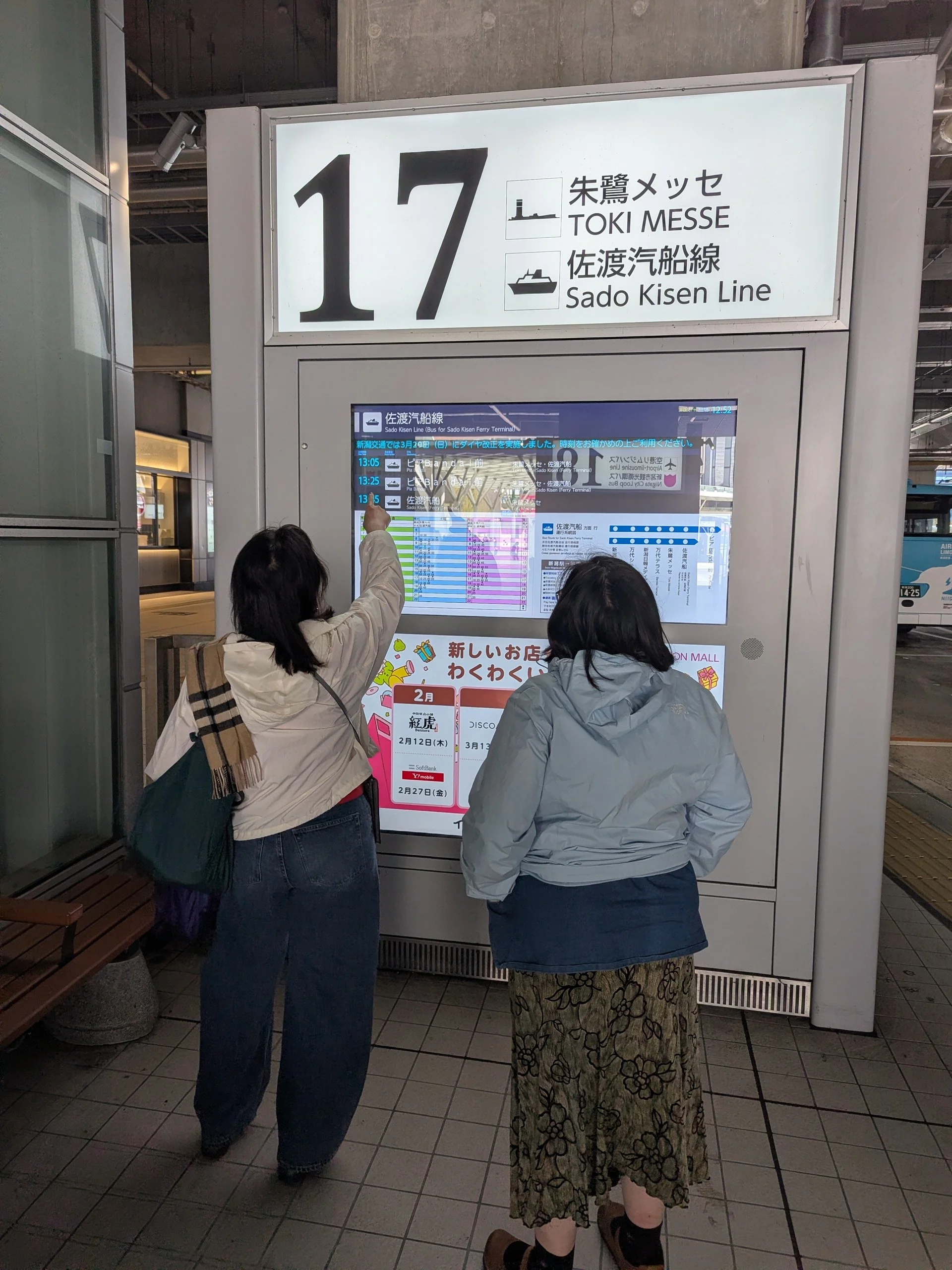
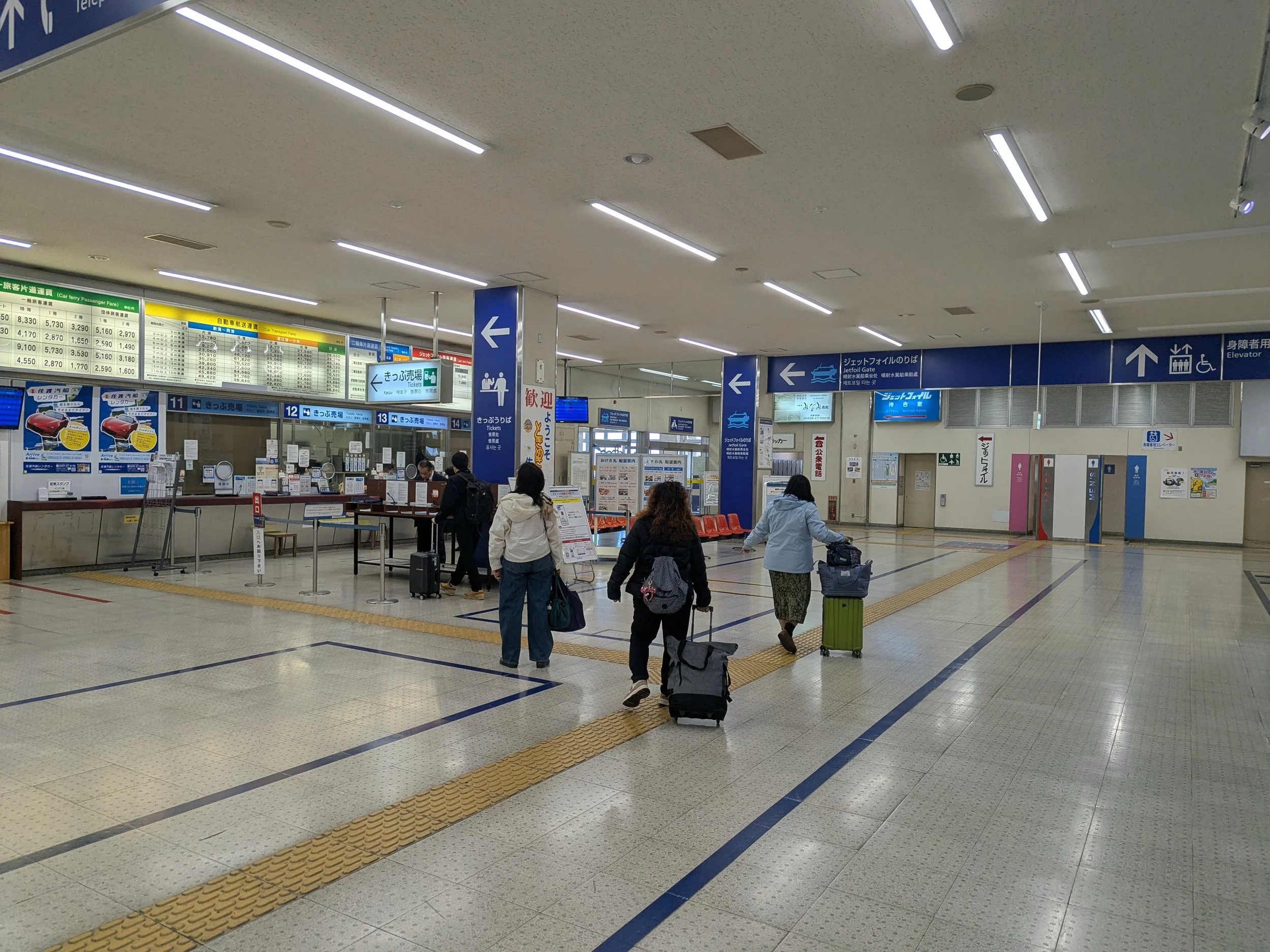
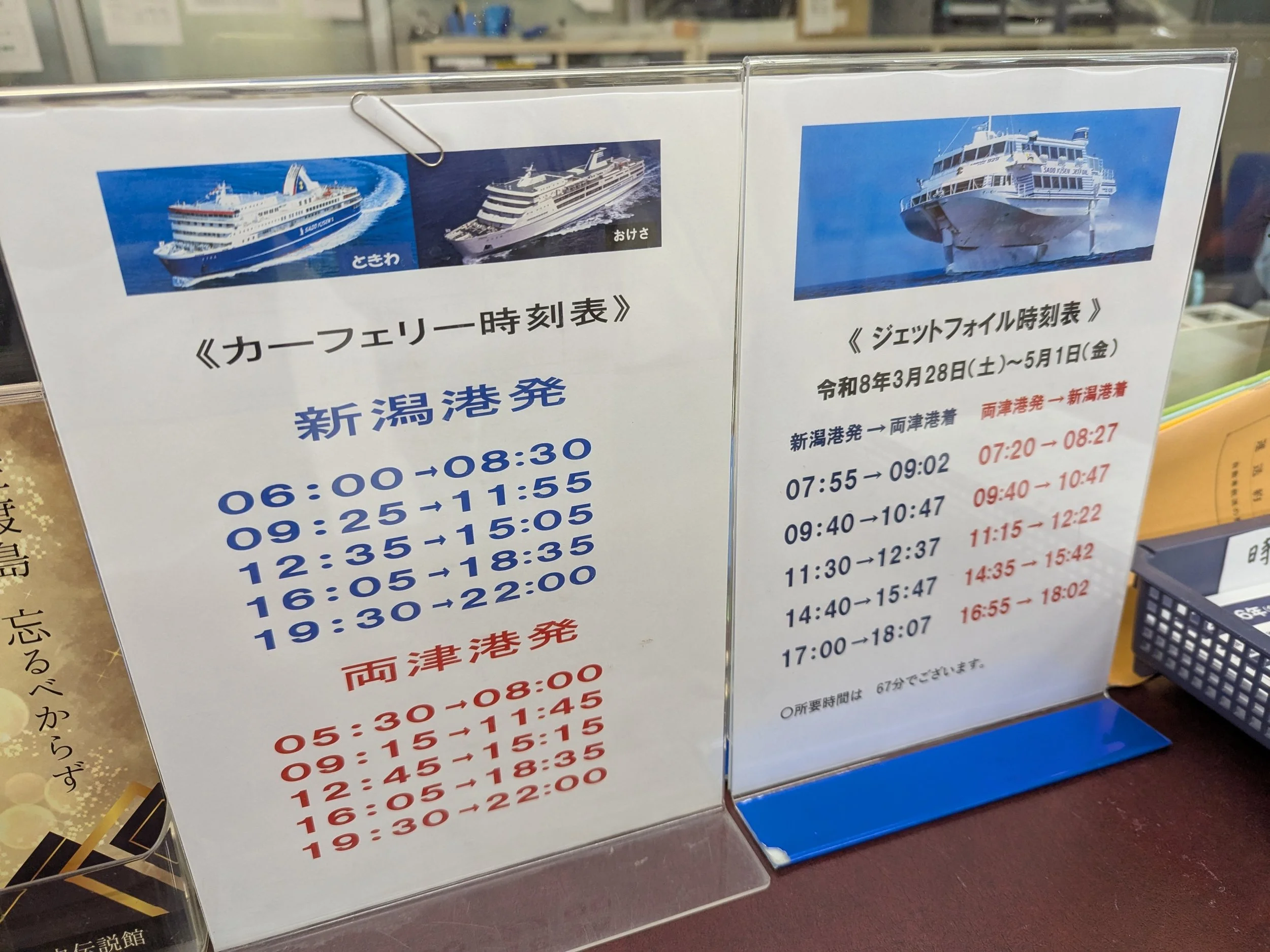
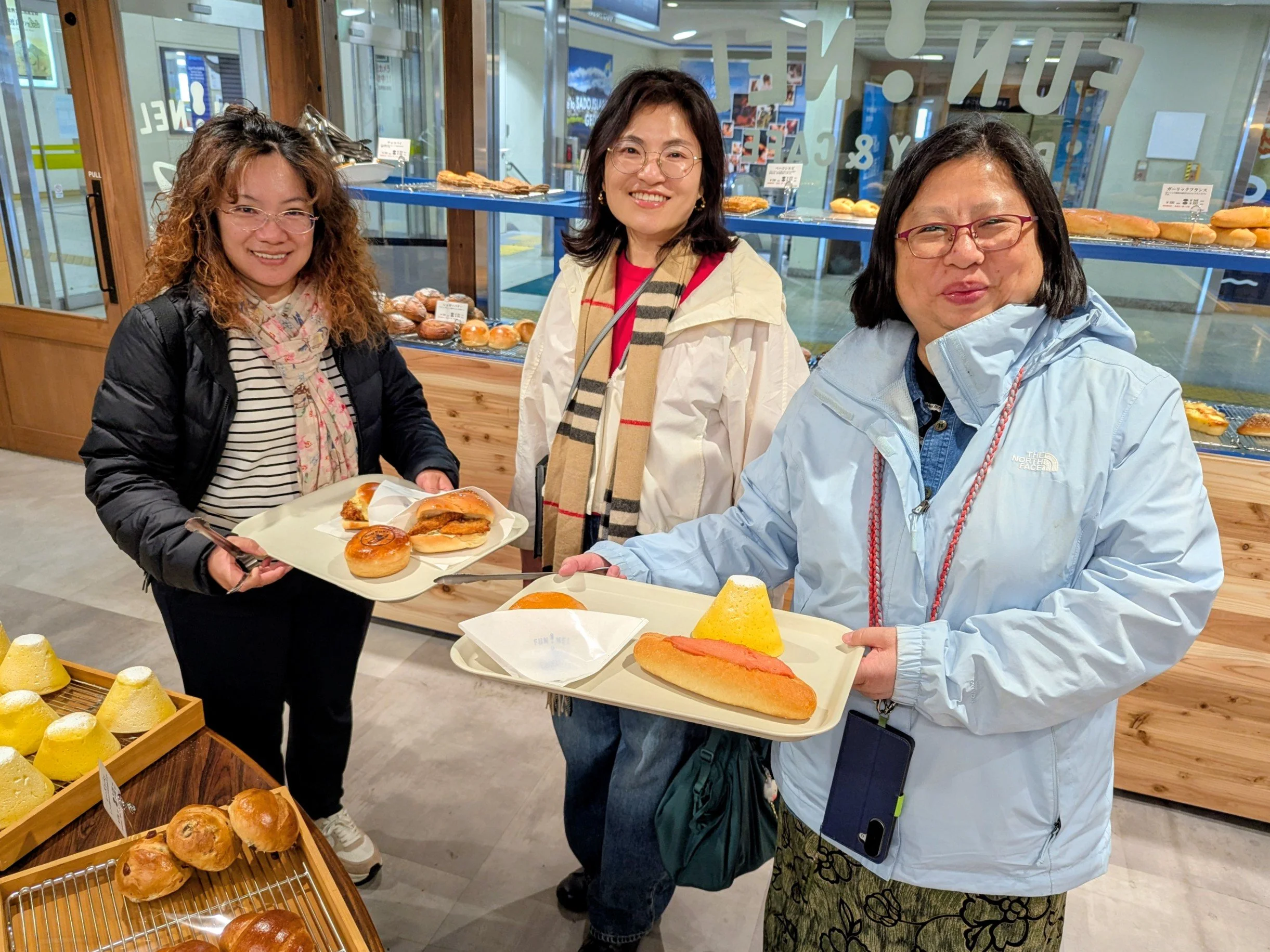
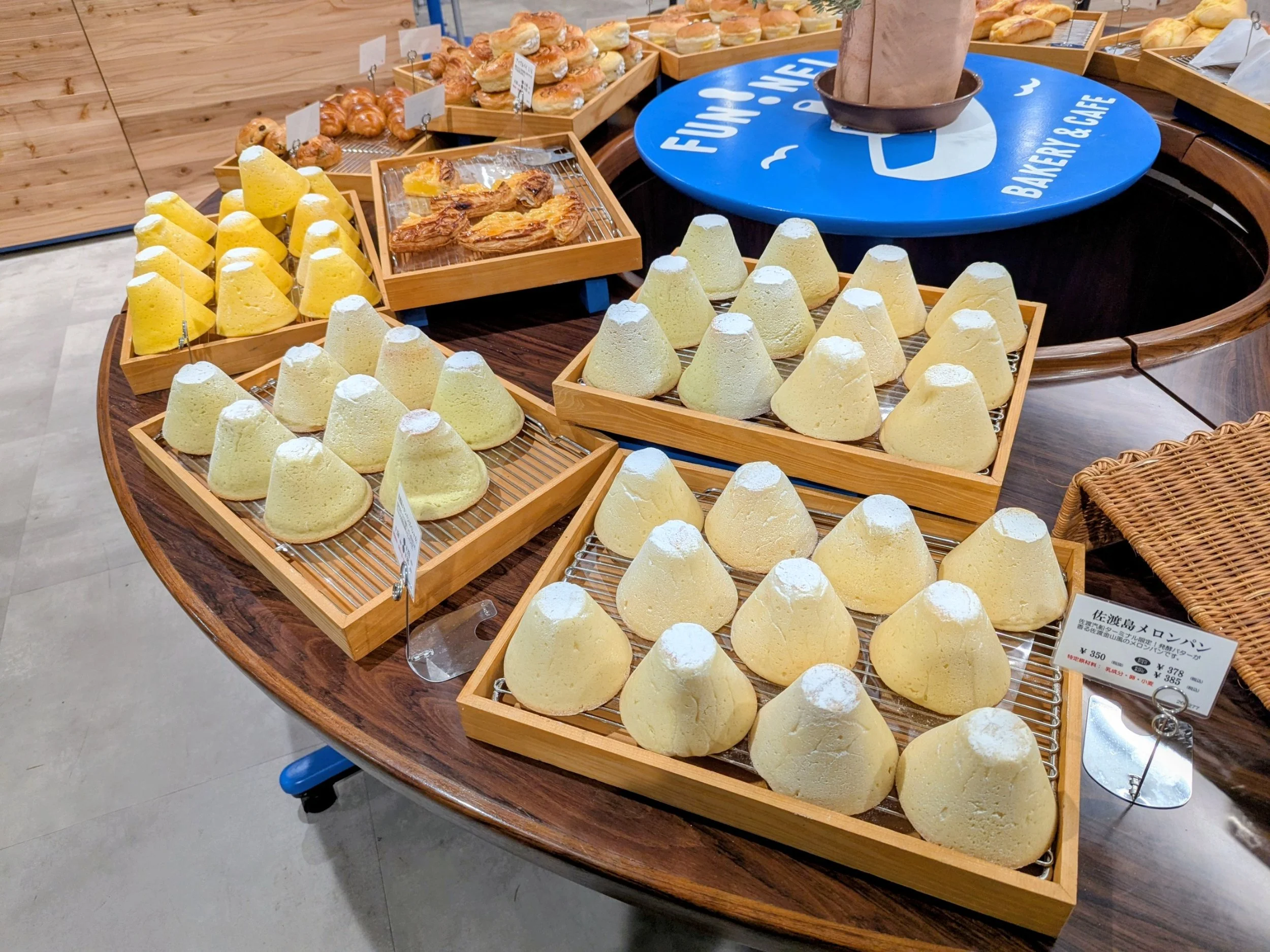
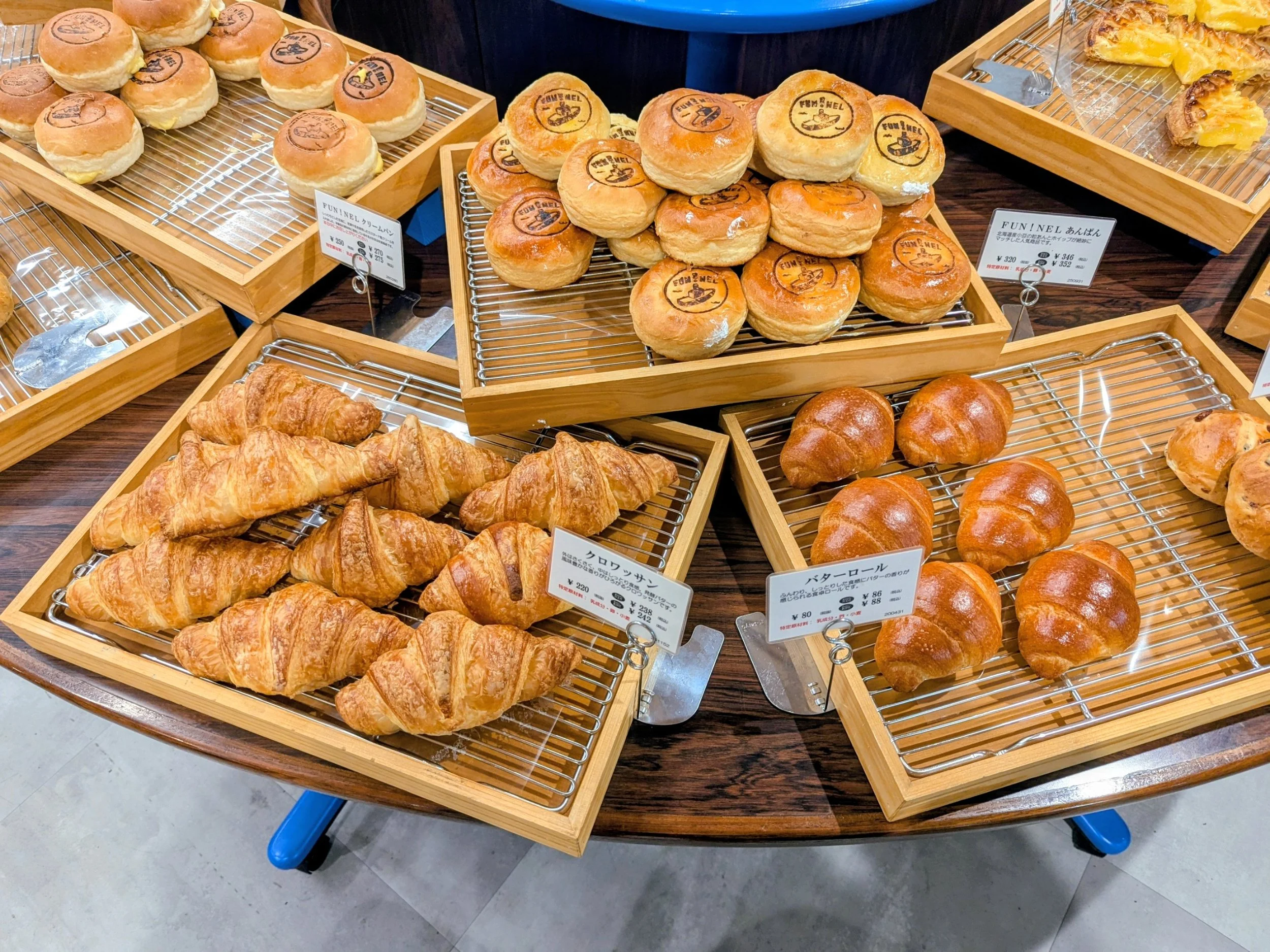
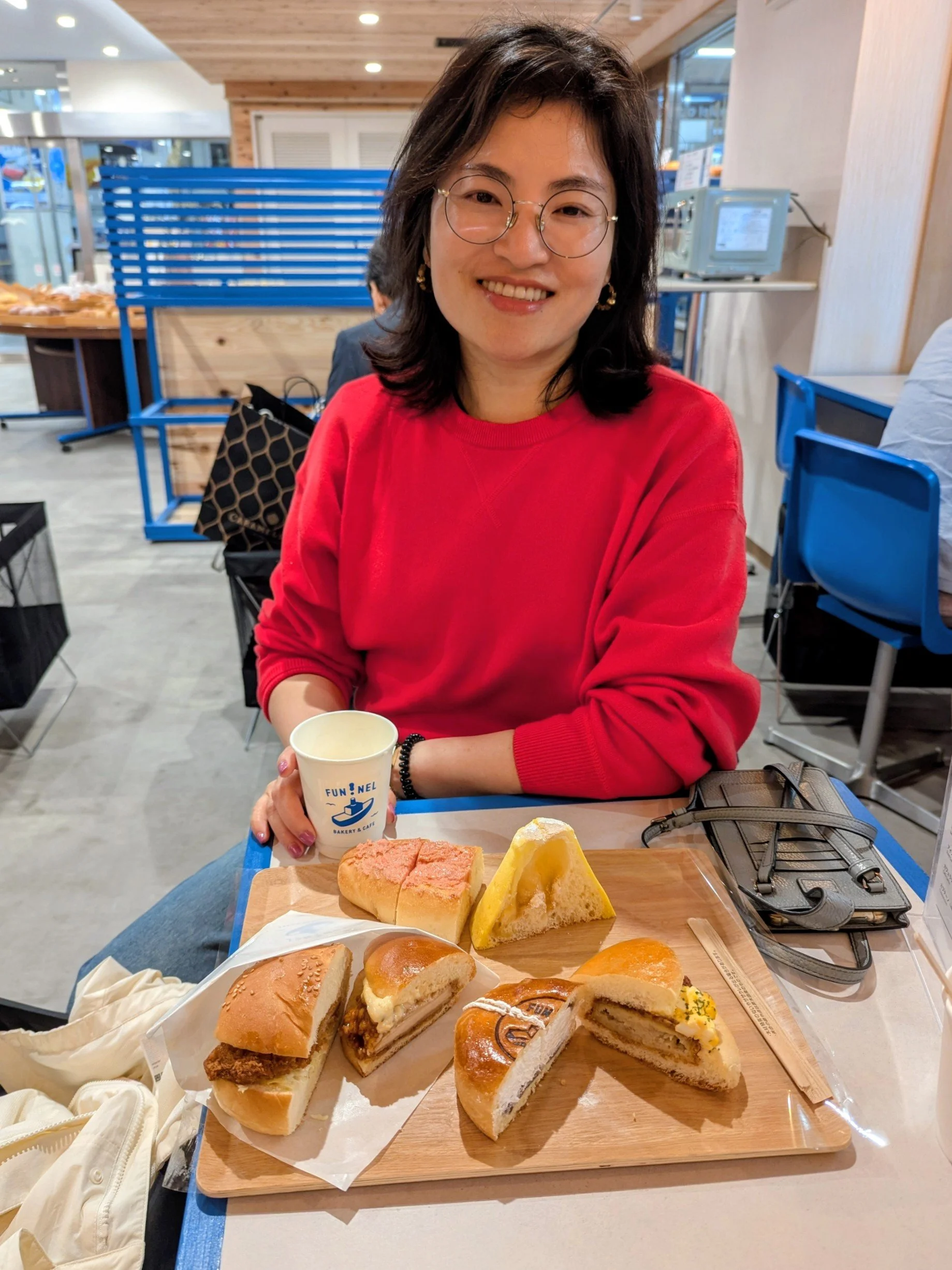
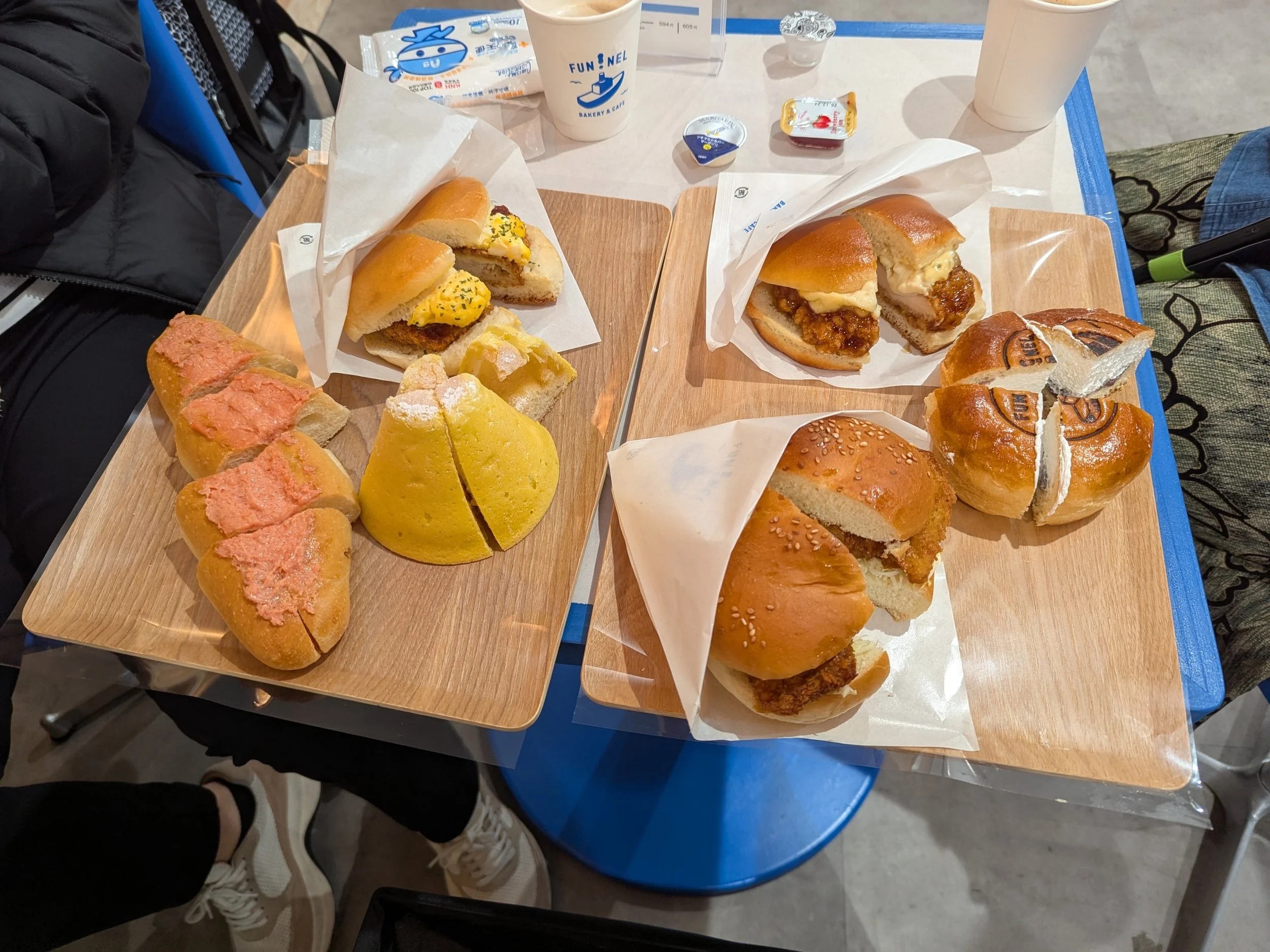
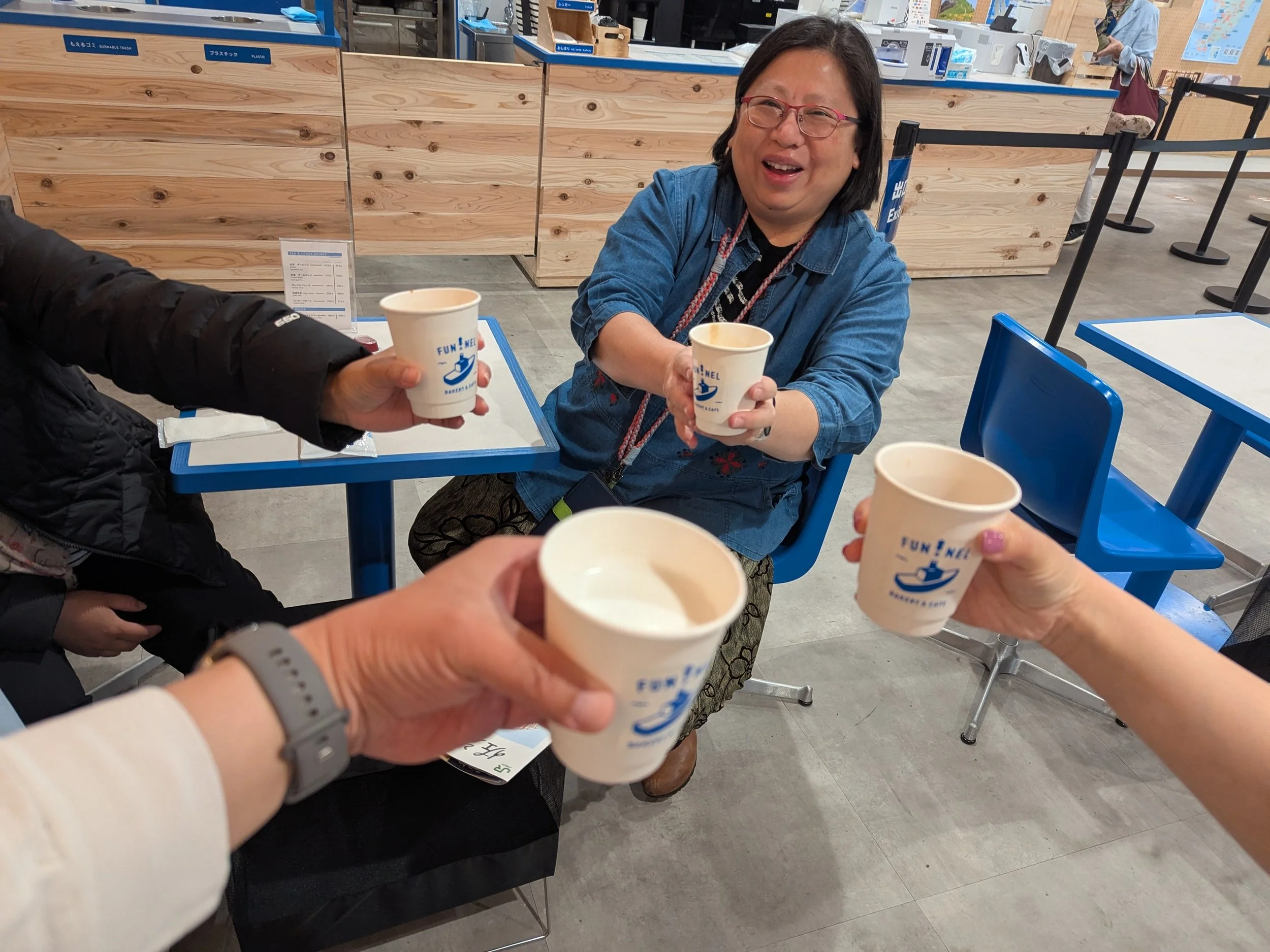
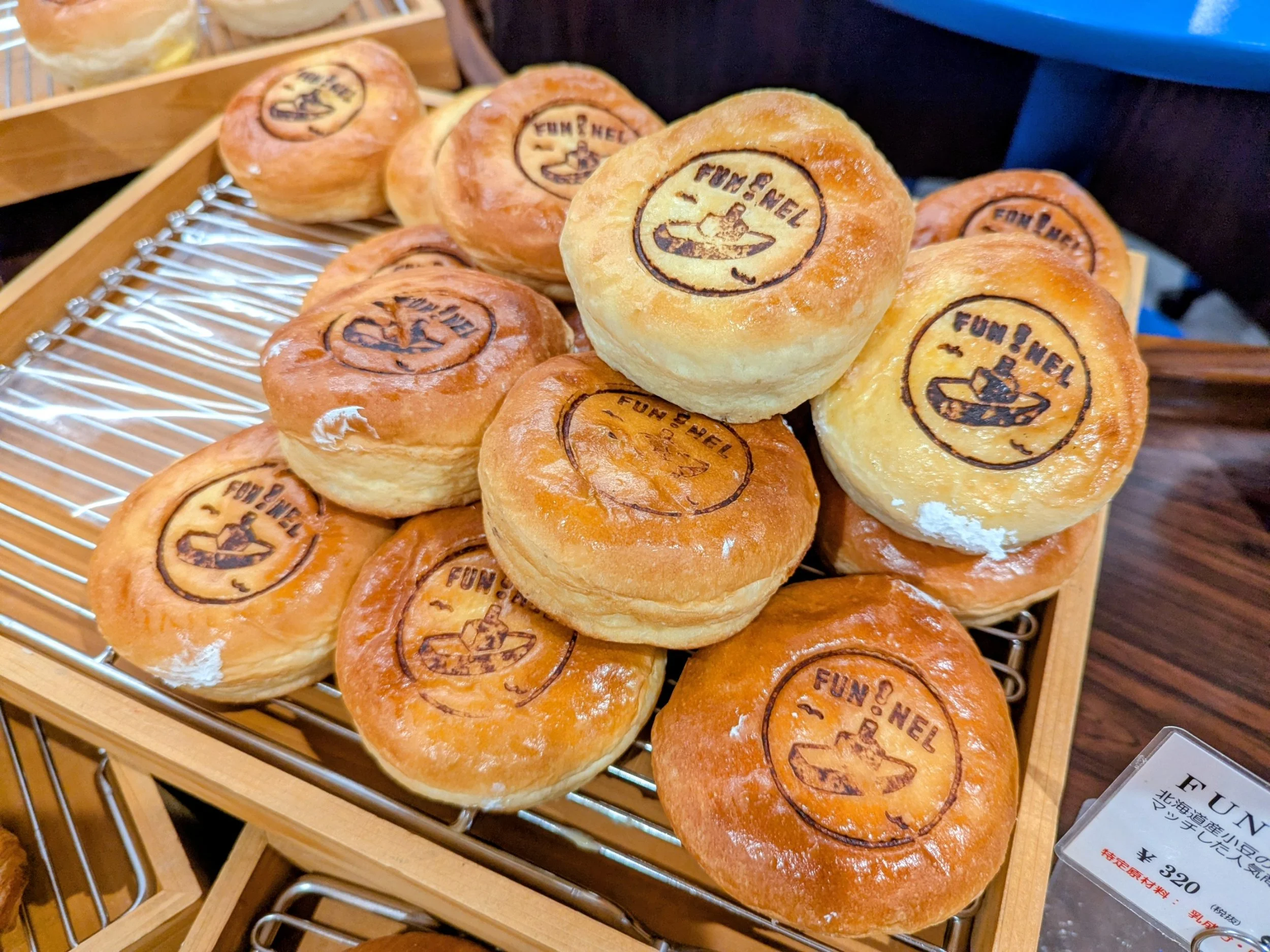
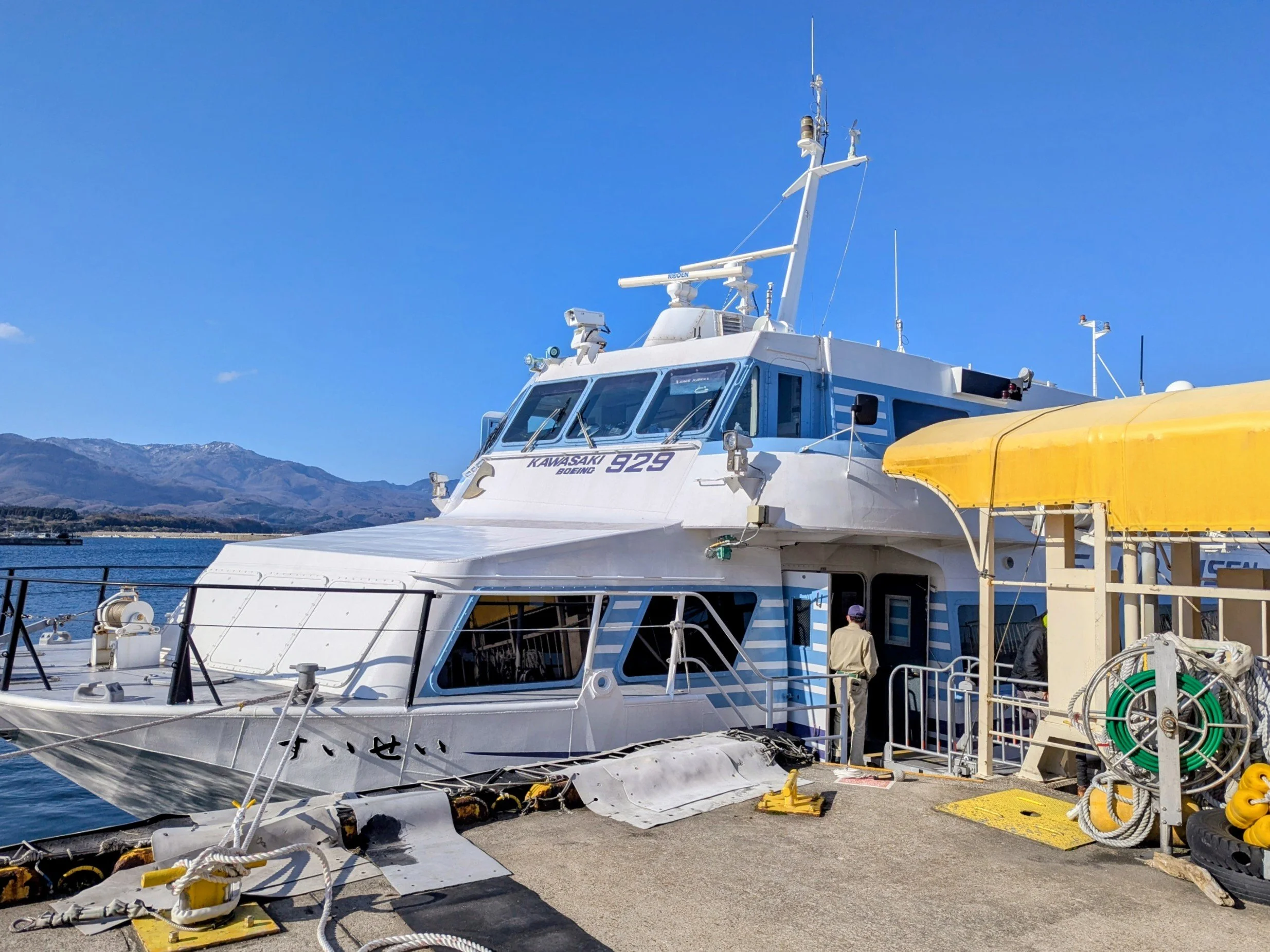
The the speed boat (Jetfoil) ride to Sado Island from Niigata which took about 1 hour. The other option was to take a 2.5 hour ferry.
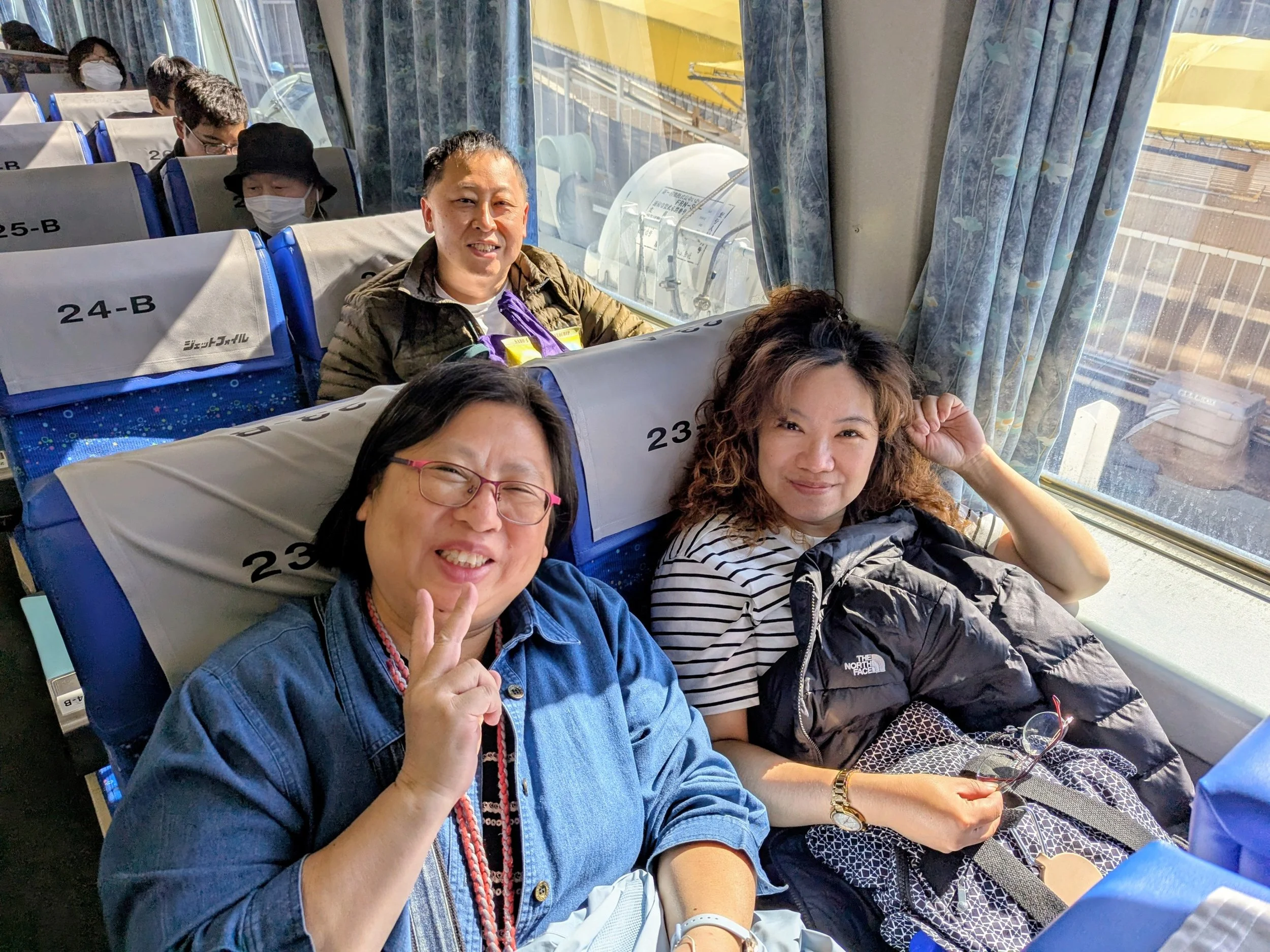
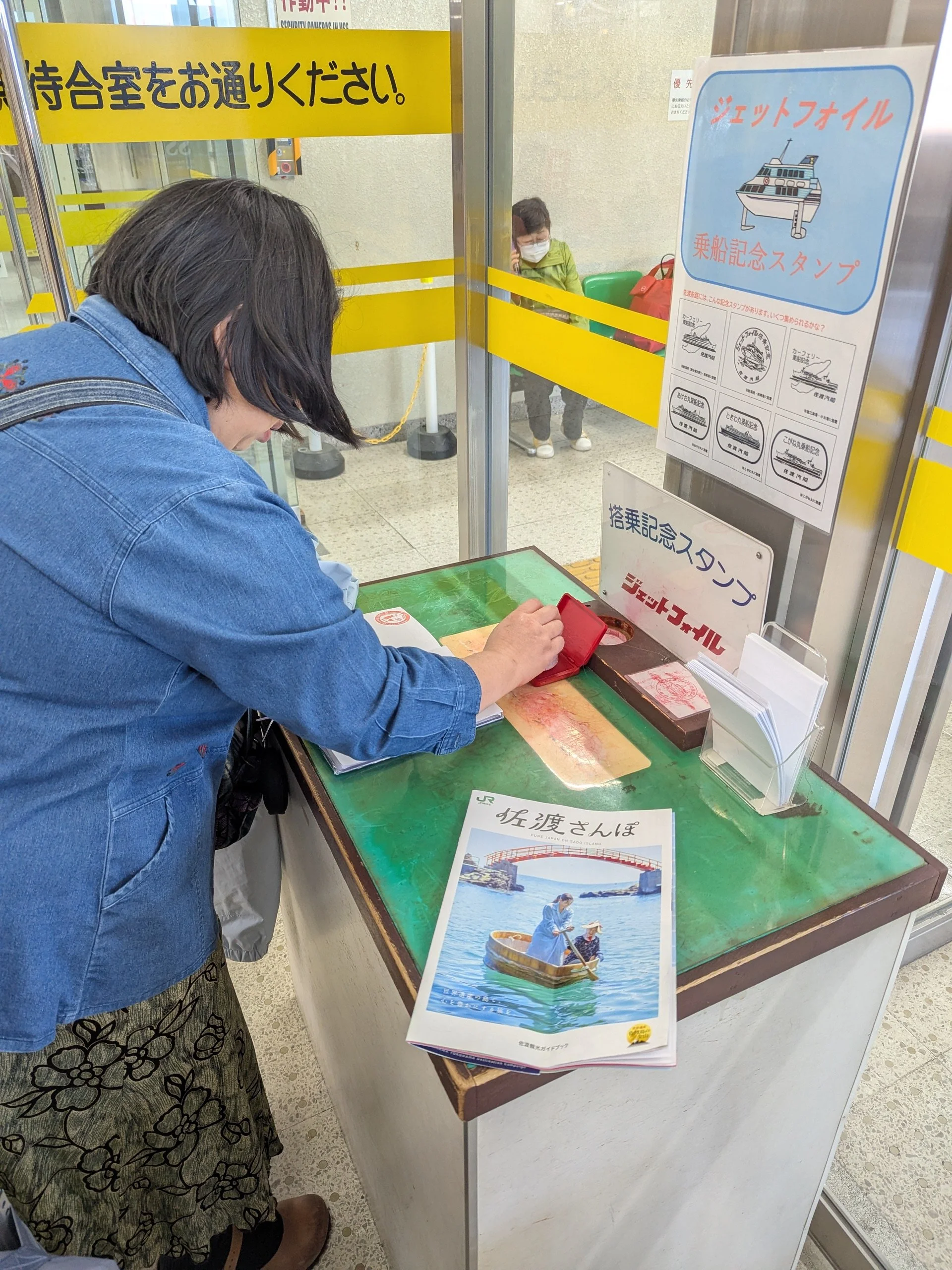
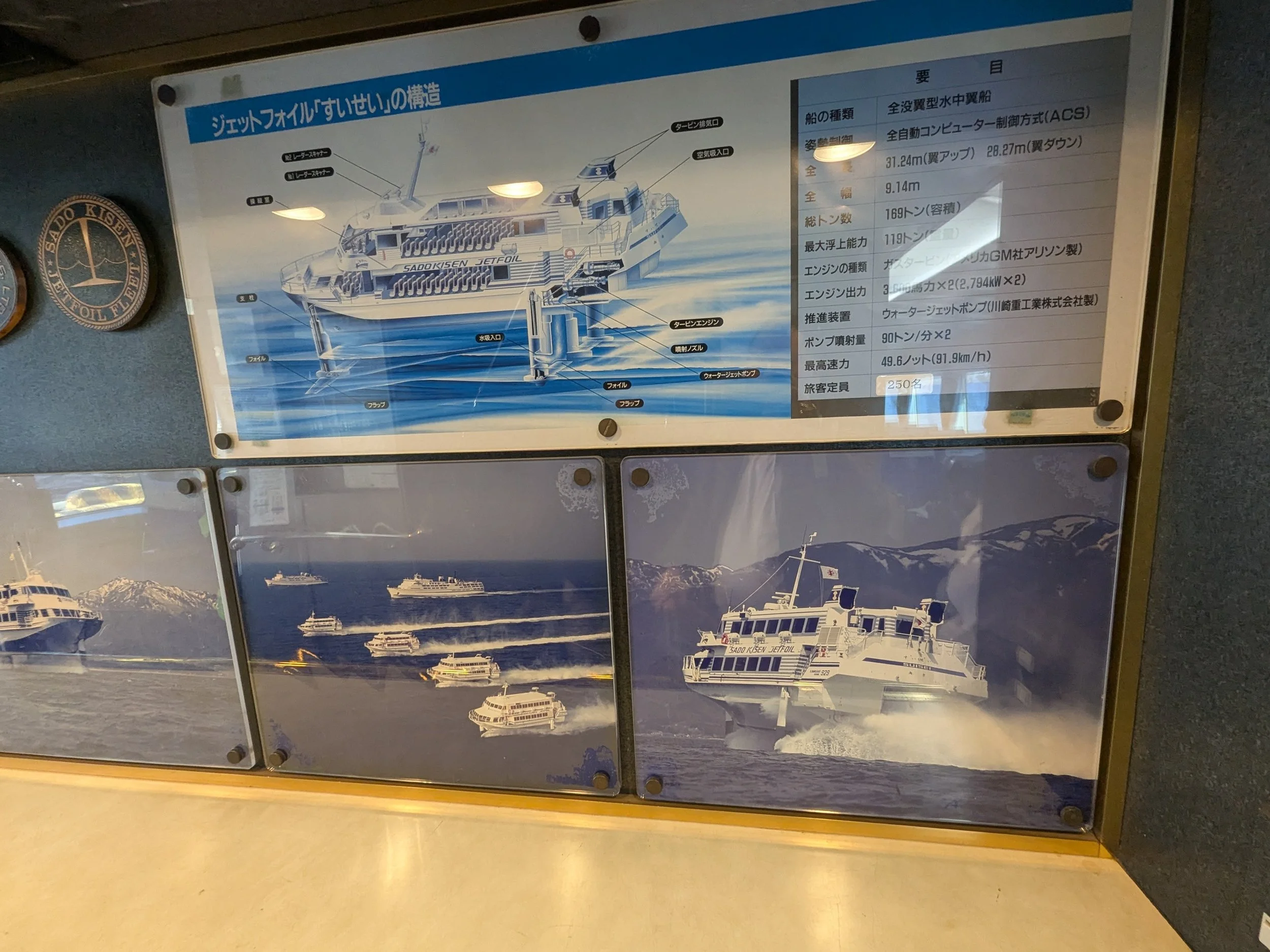
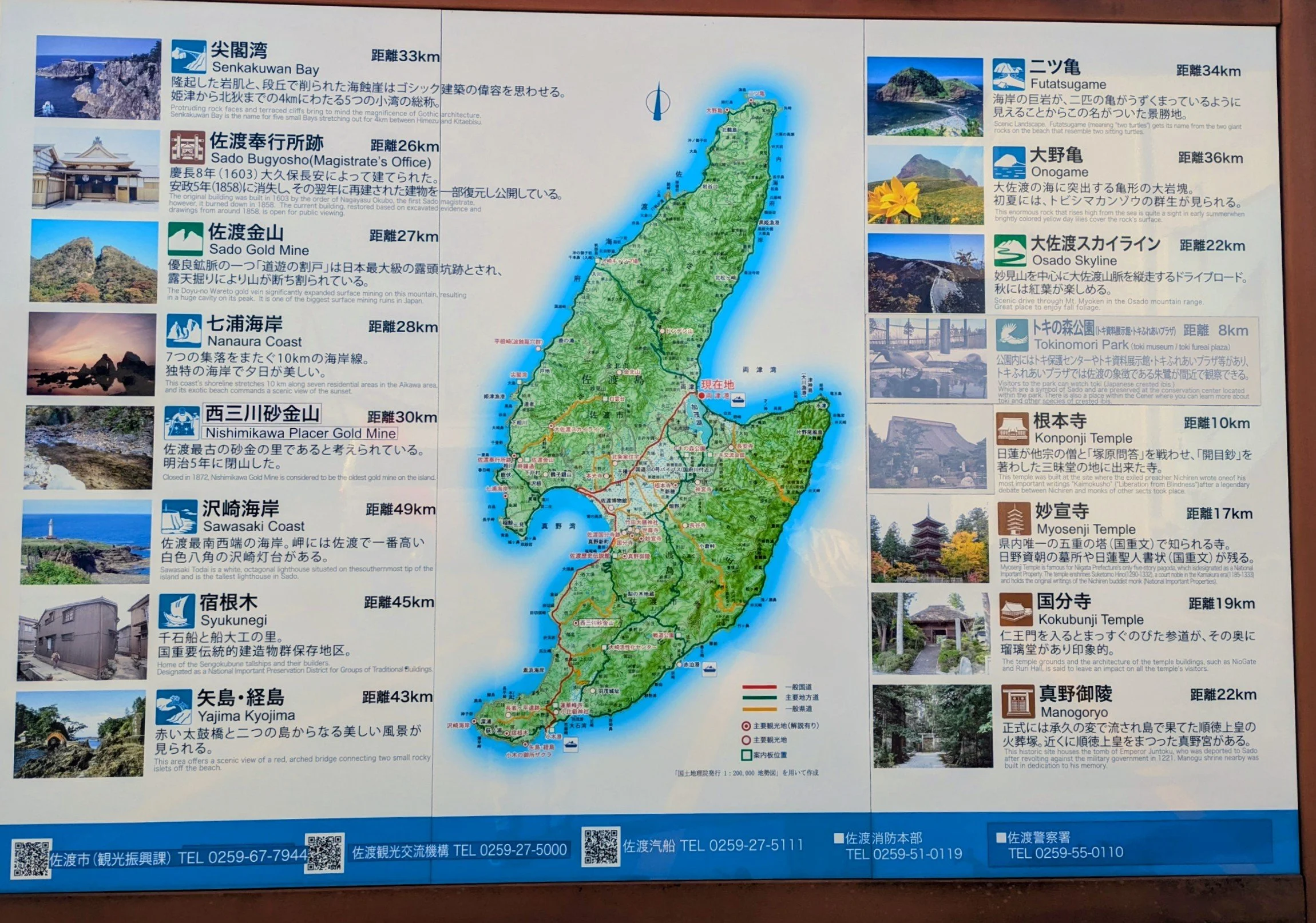
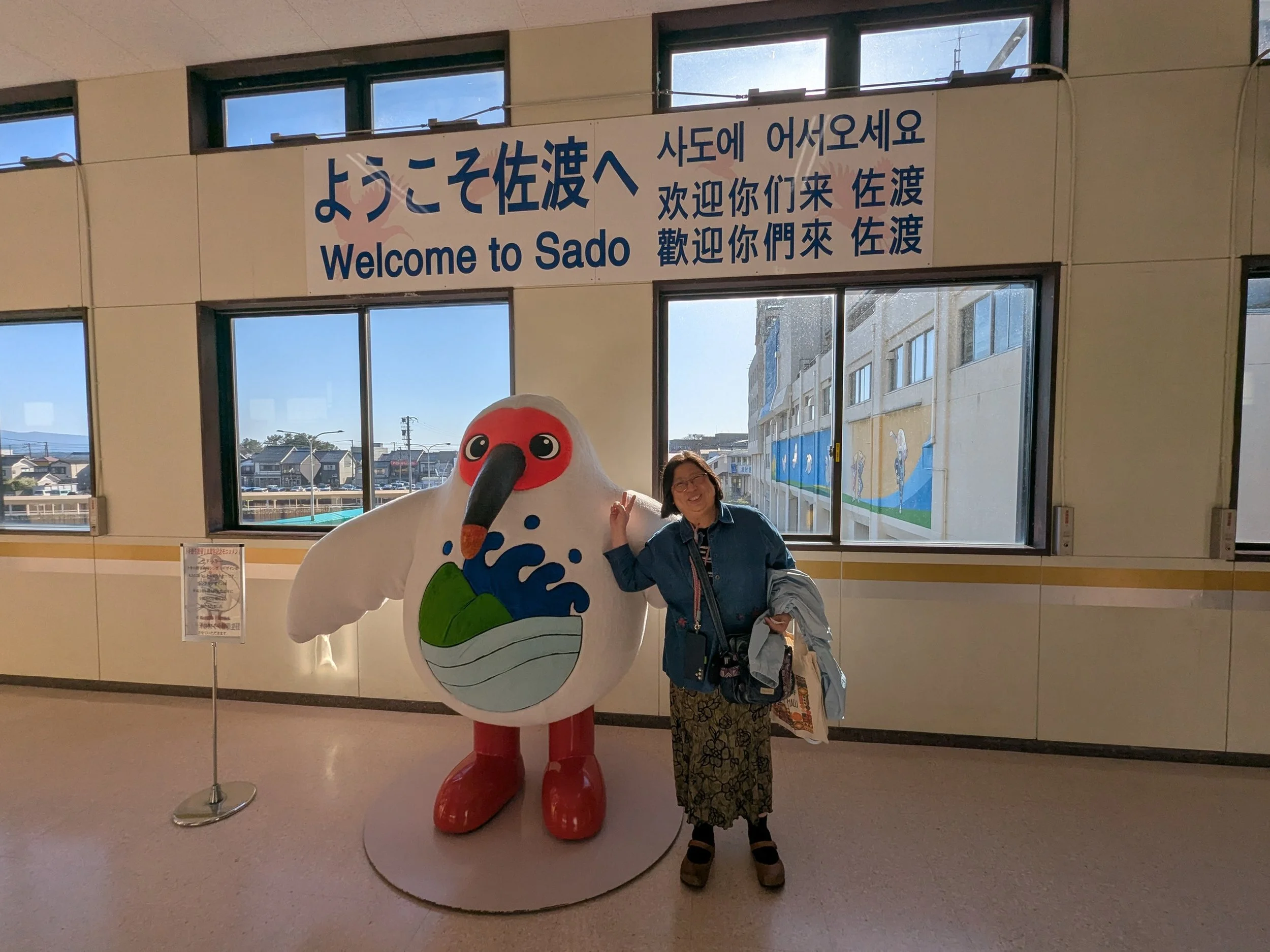
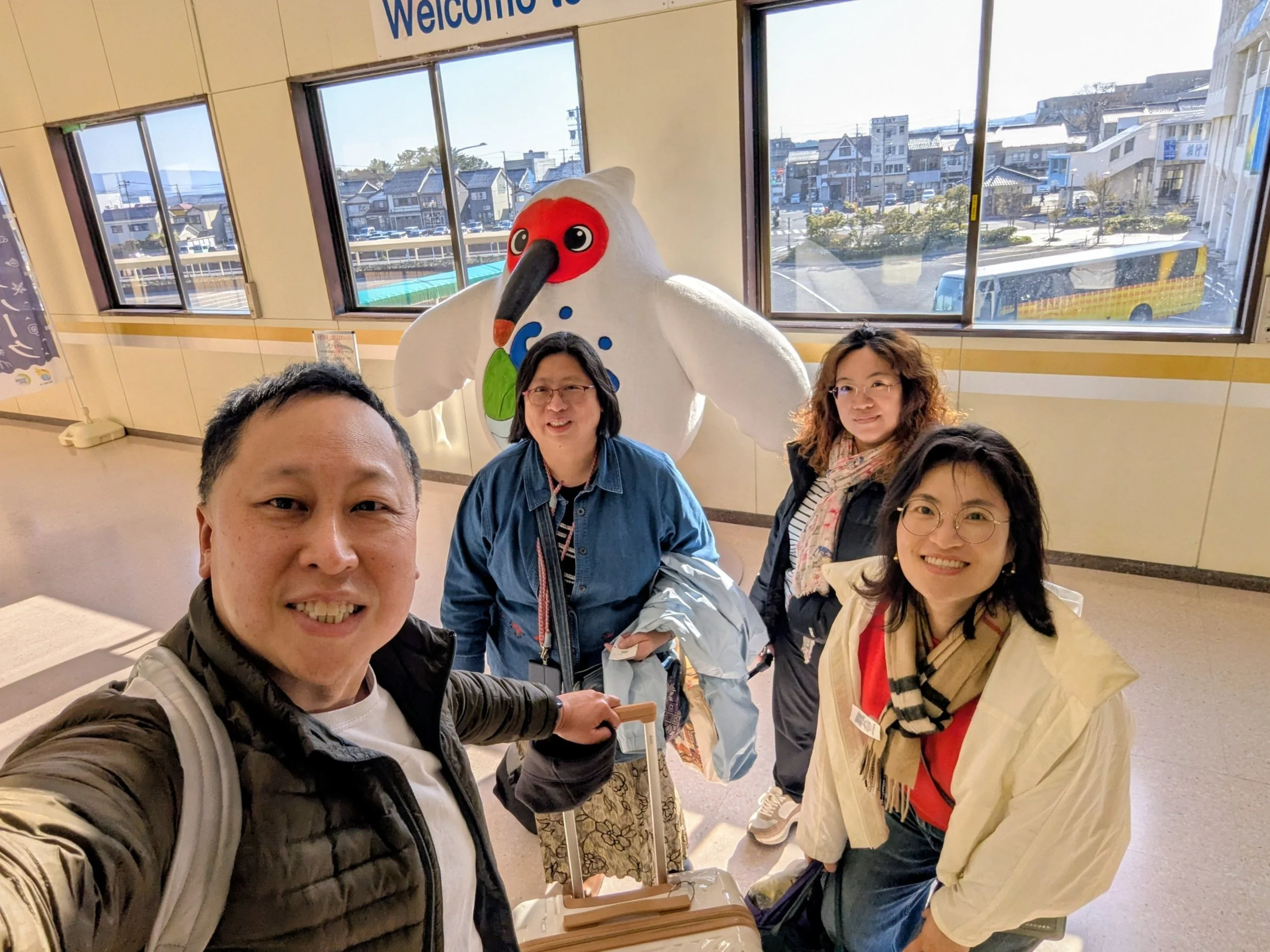
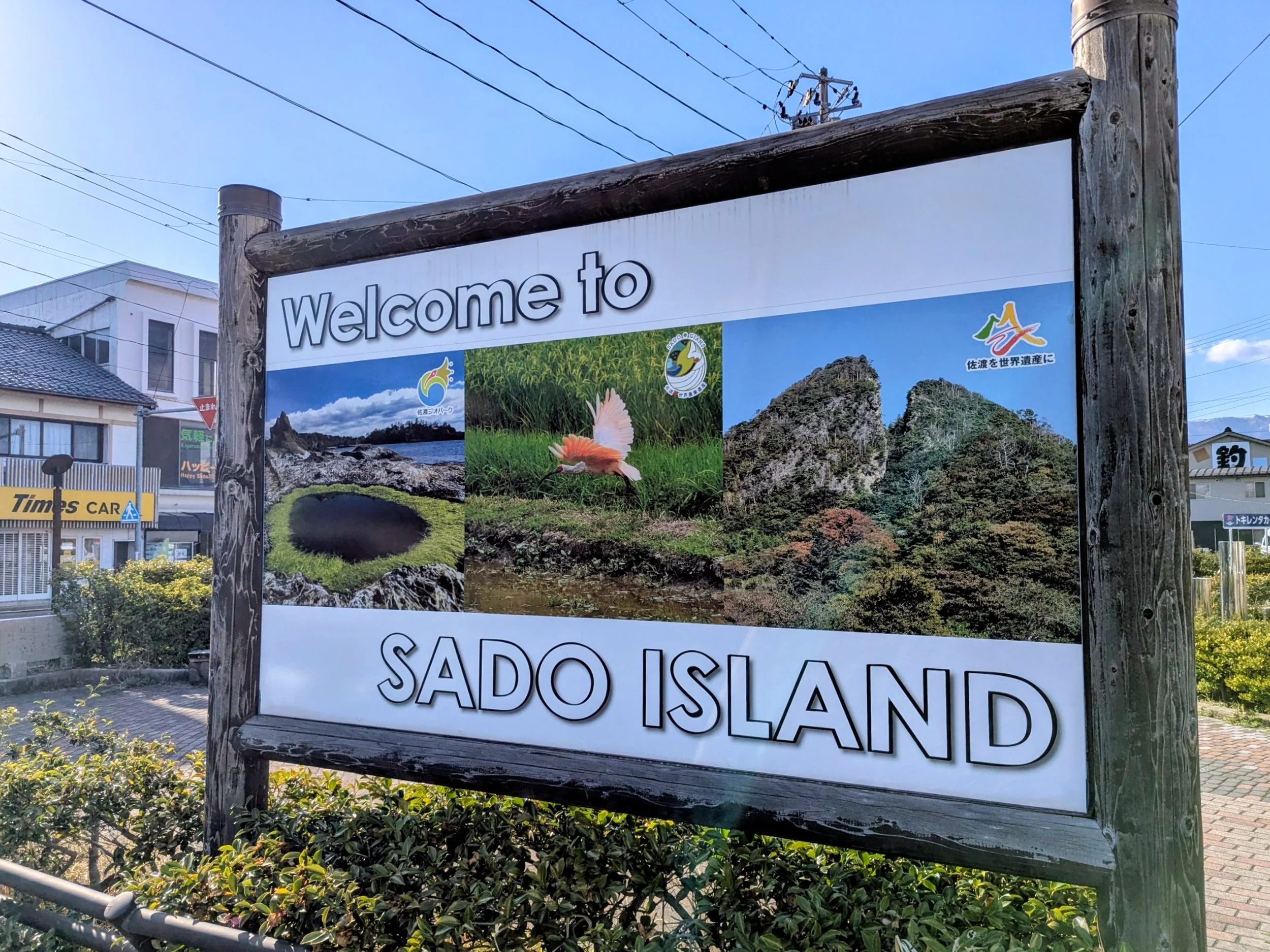
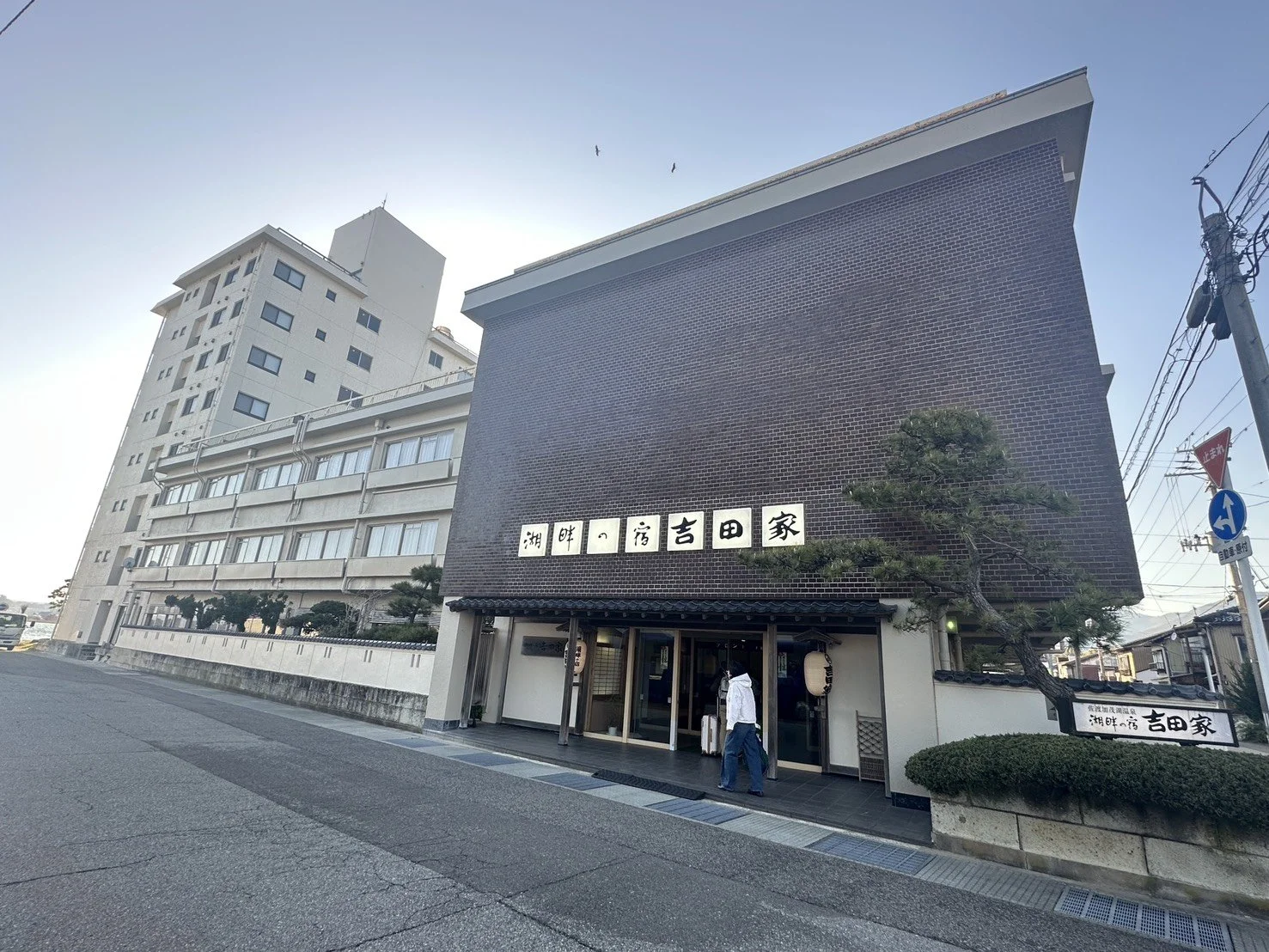
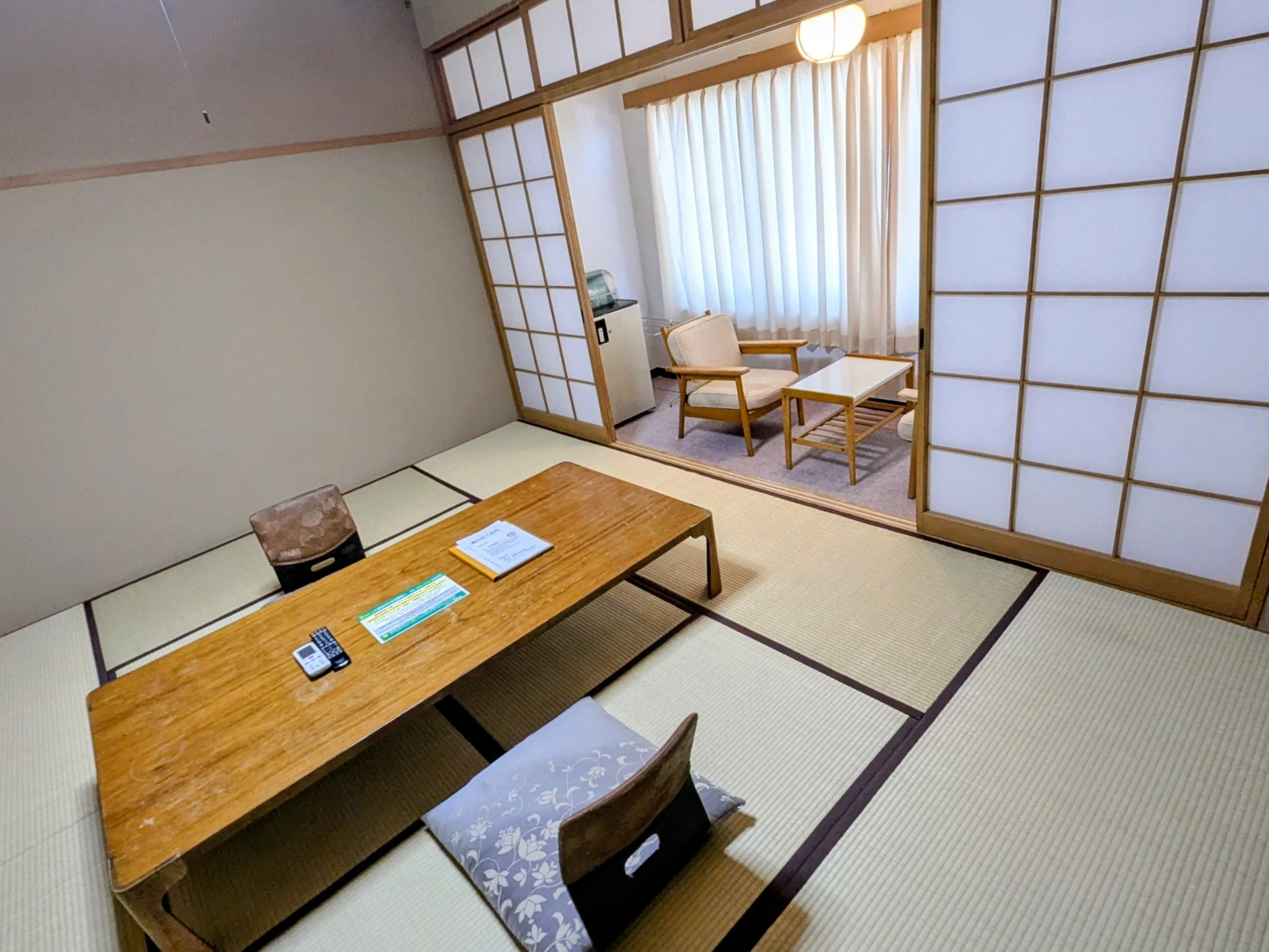
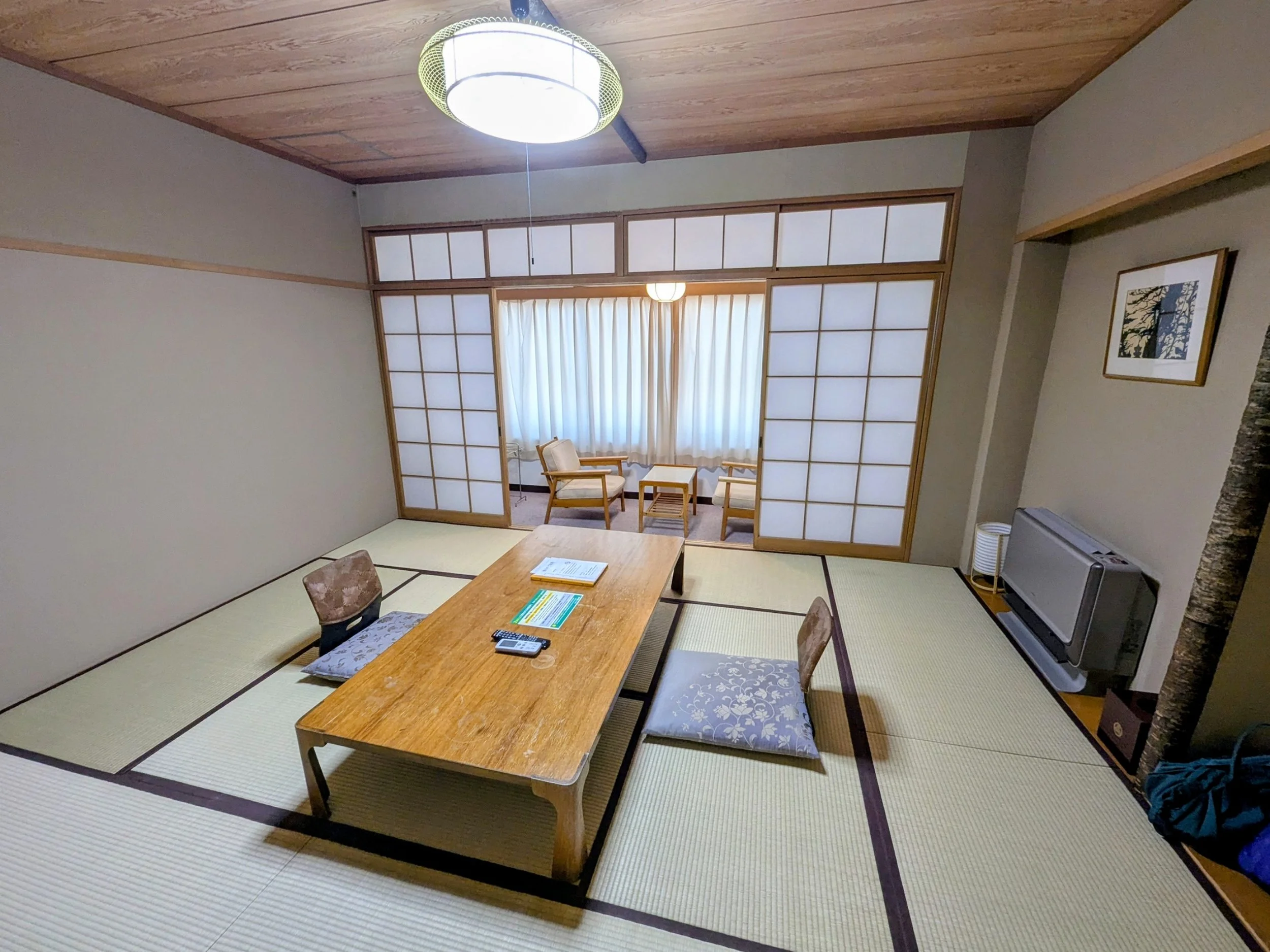
Six hours later, we finally arrived on Sado Island, aka Annie’s Little Island. Our hotel on Sado Island booked by cousin. We were still 30 minutes taxis away from Annie’s place on the island.
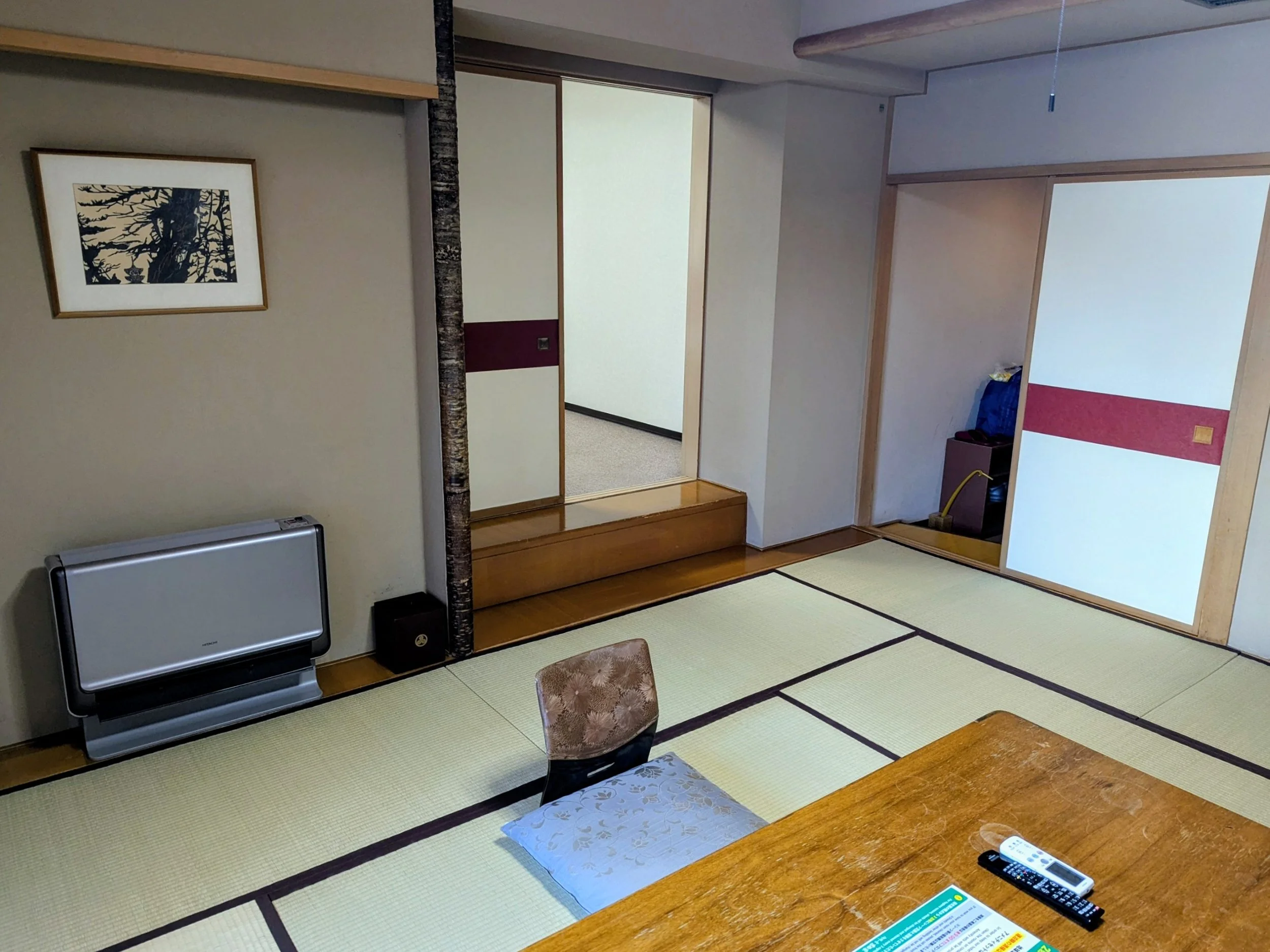
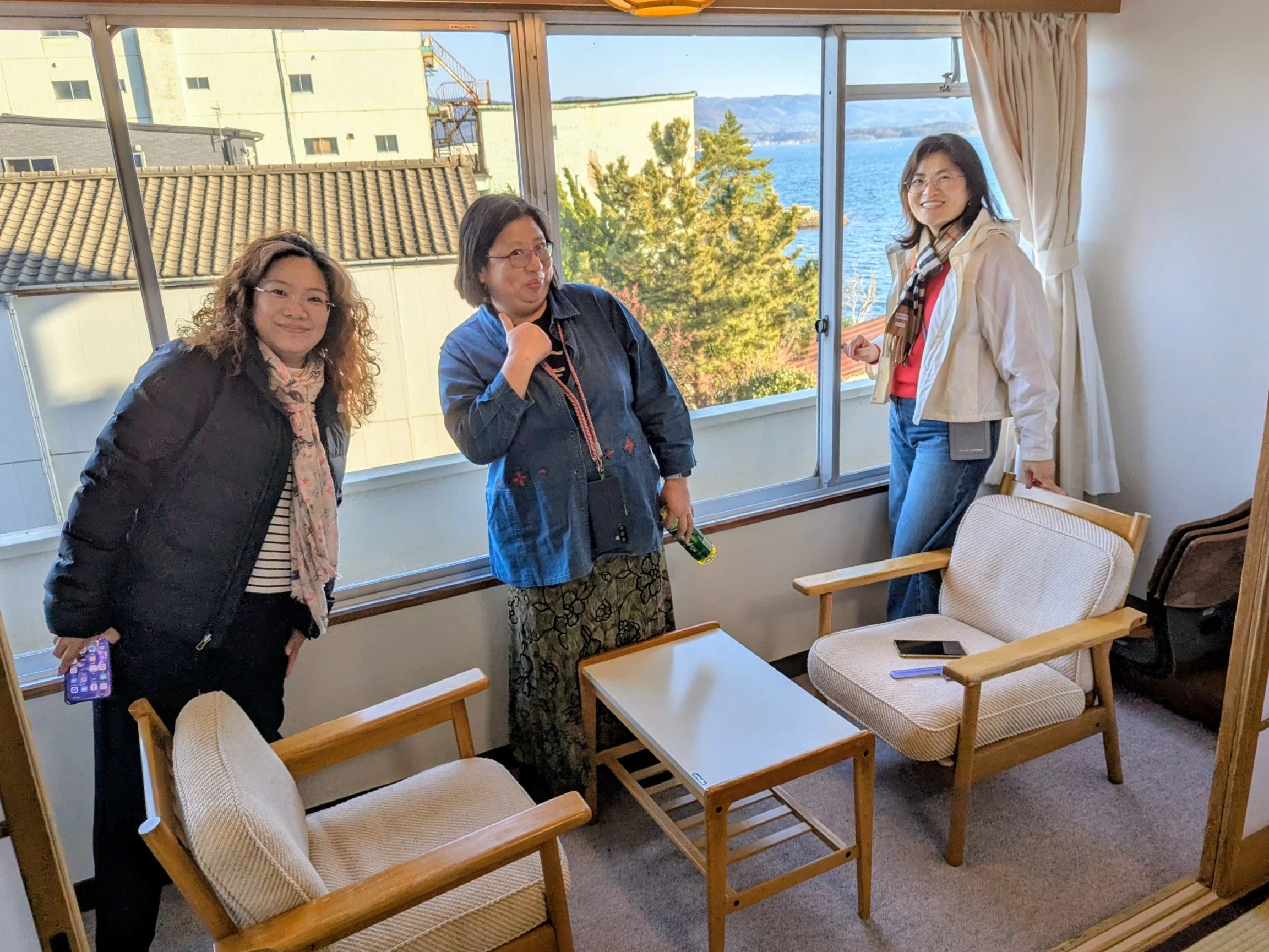
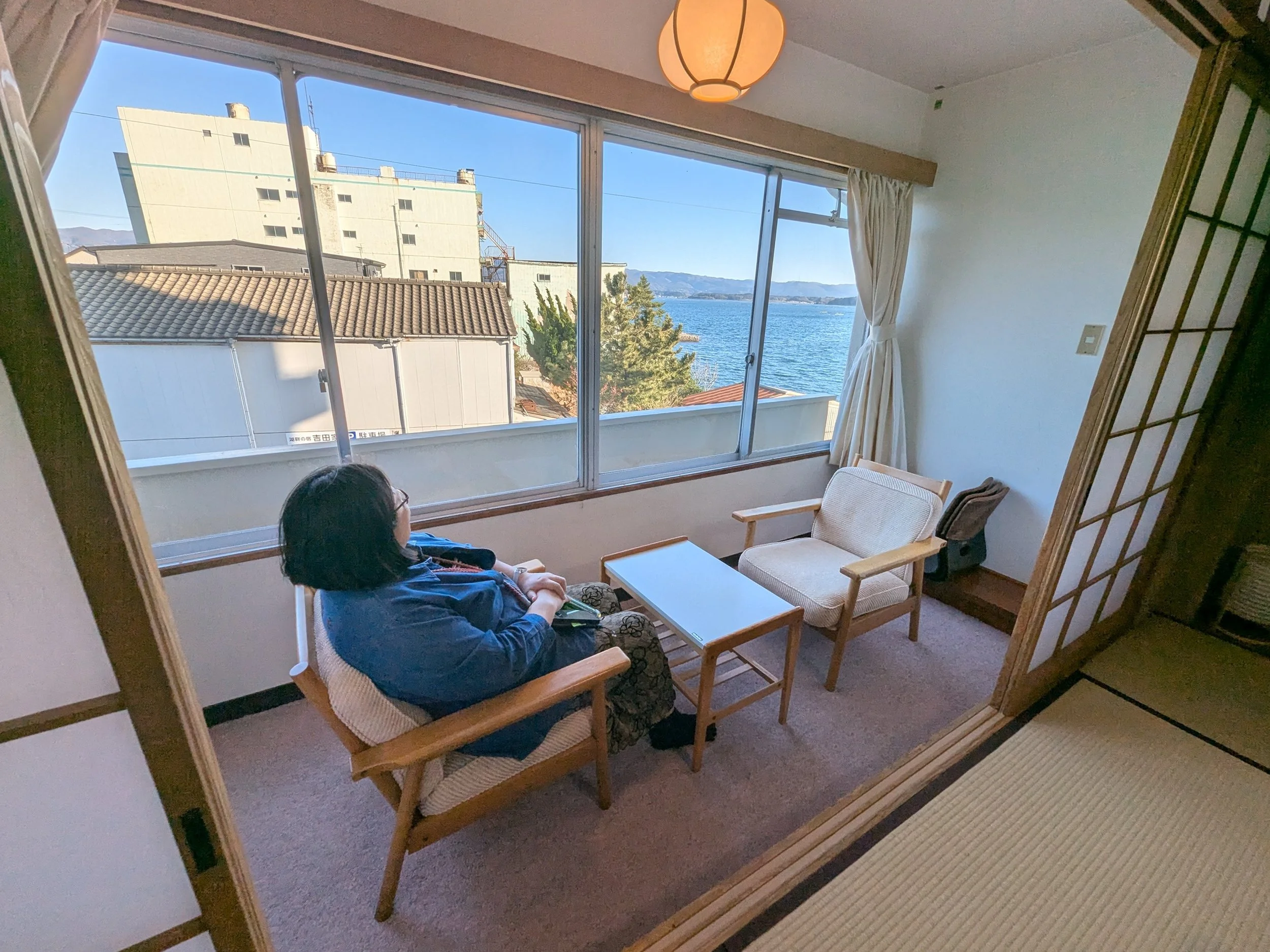
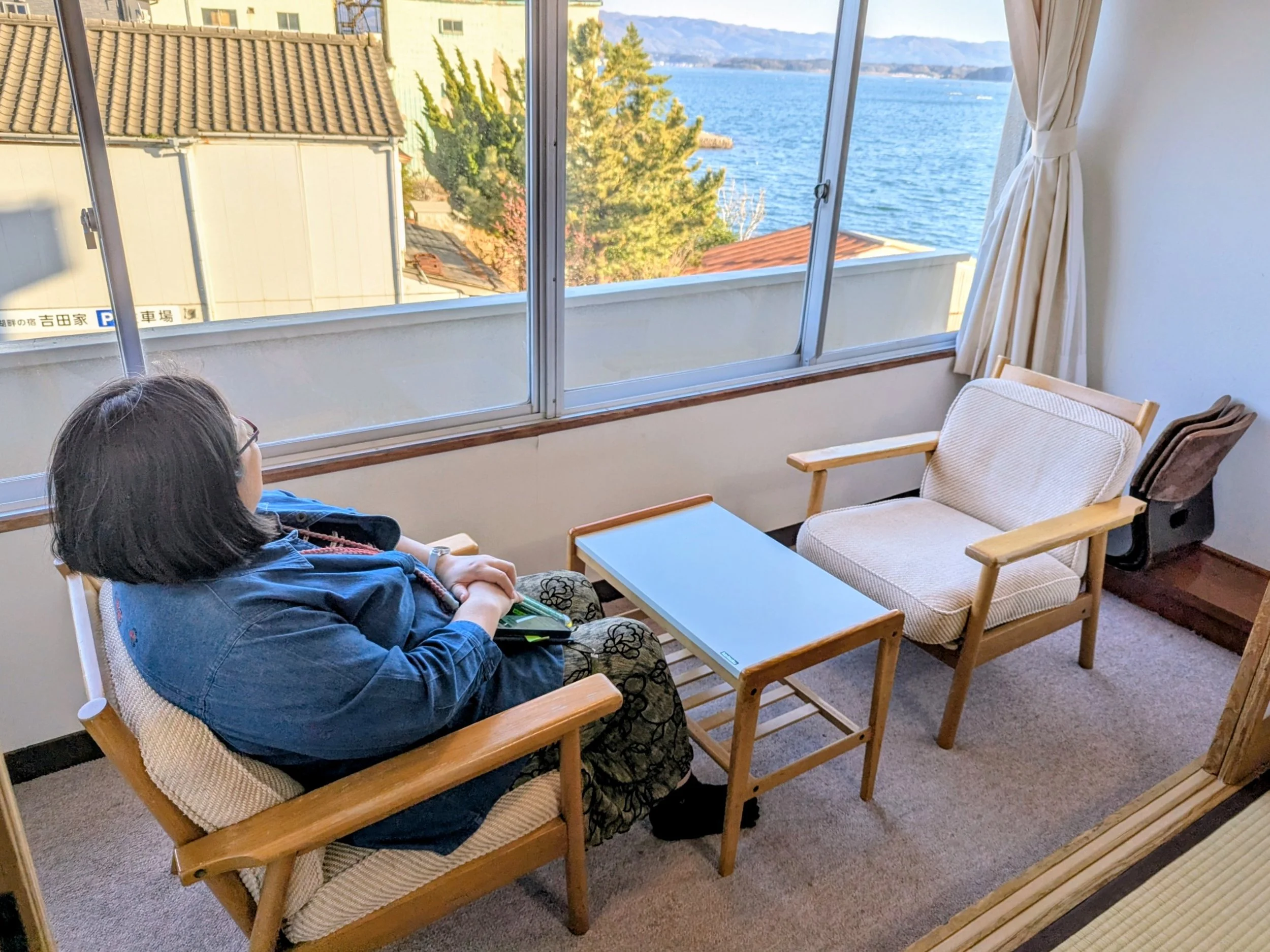
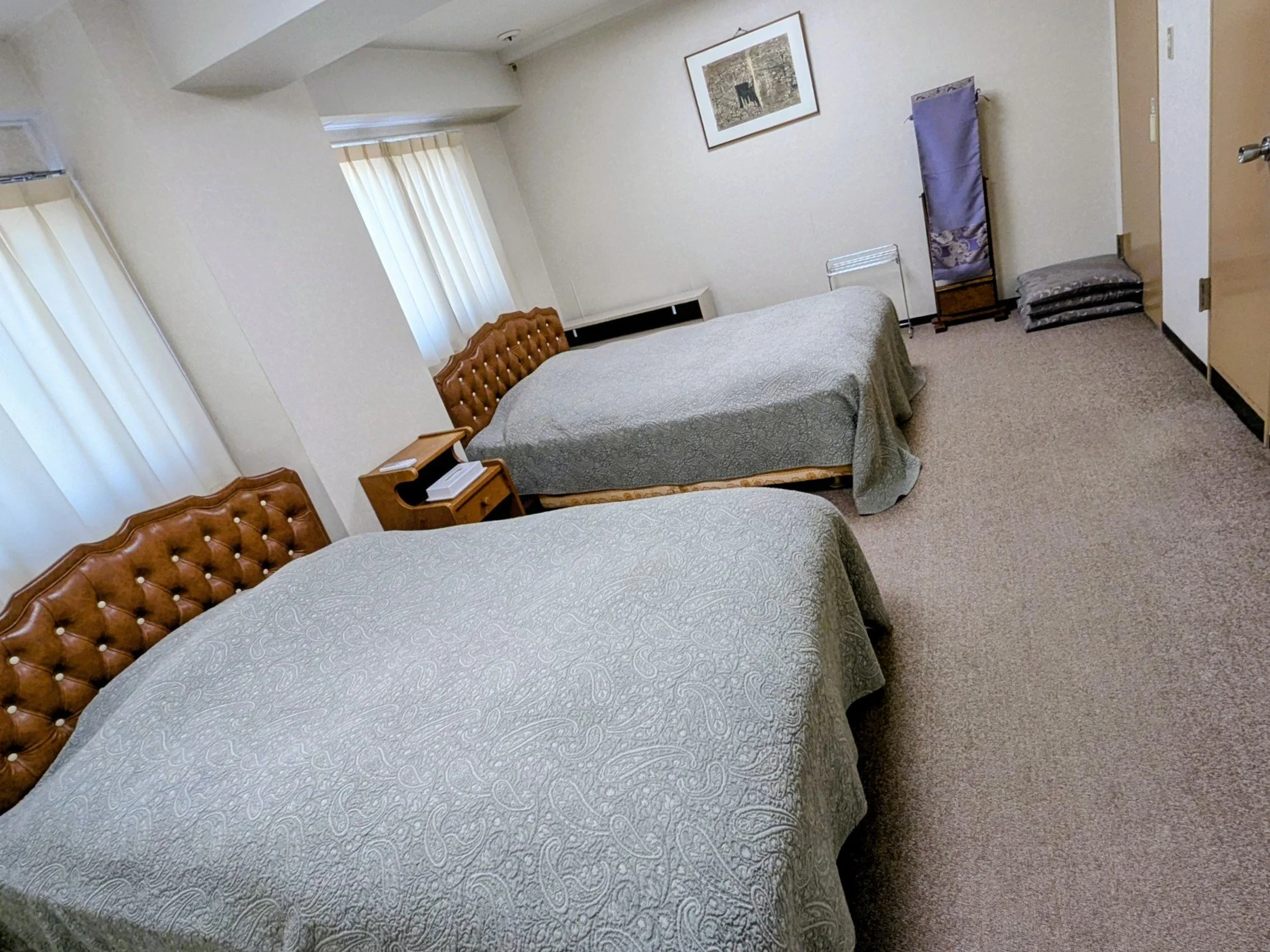
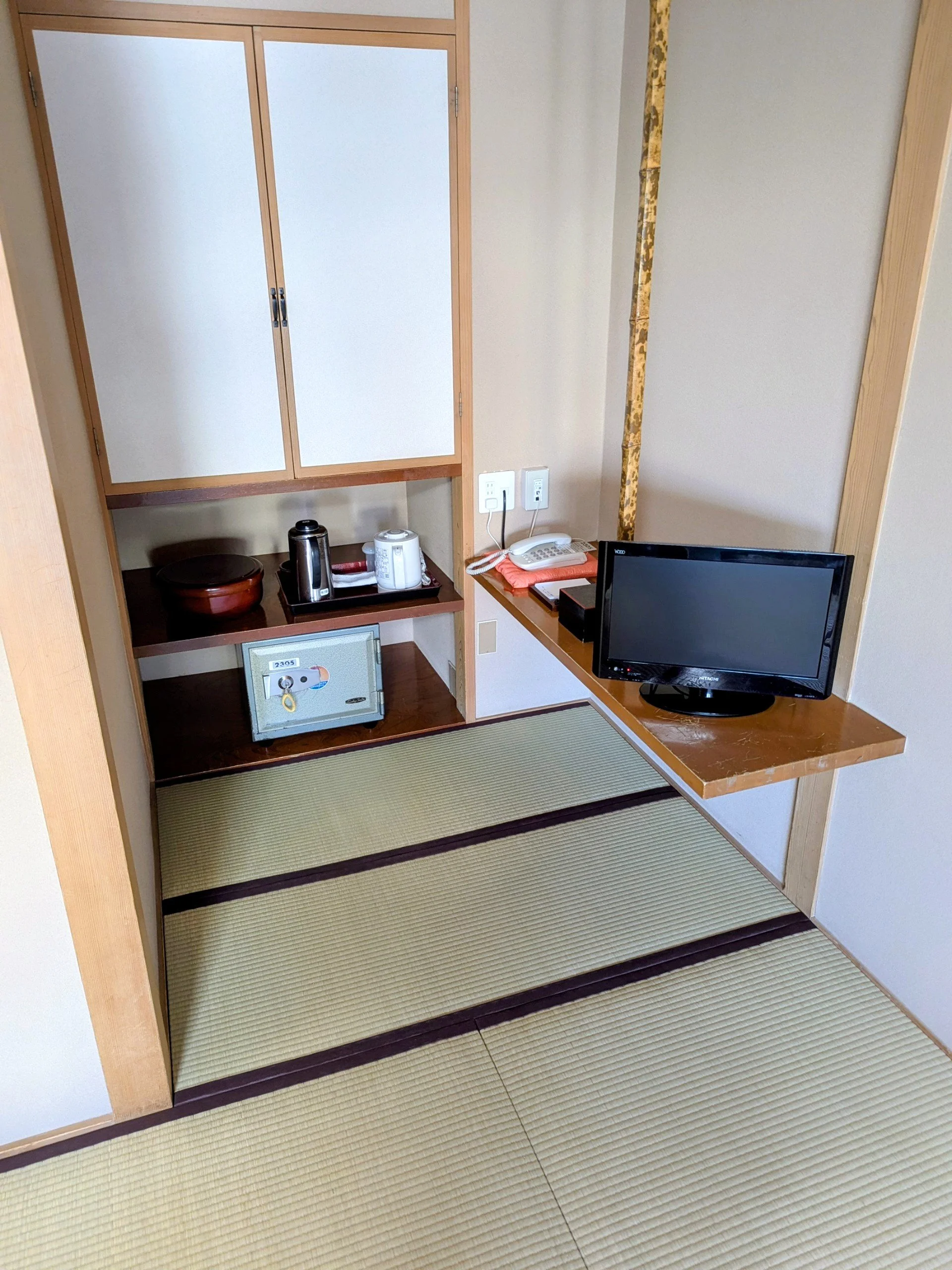
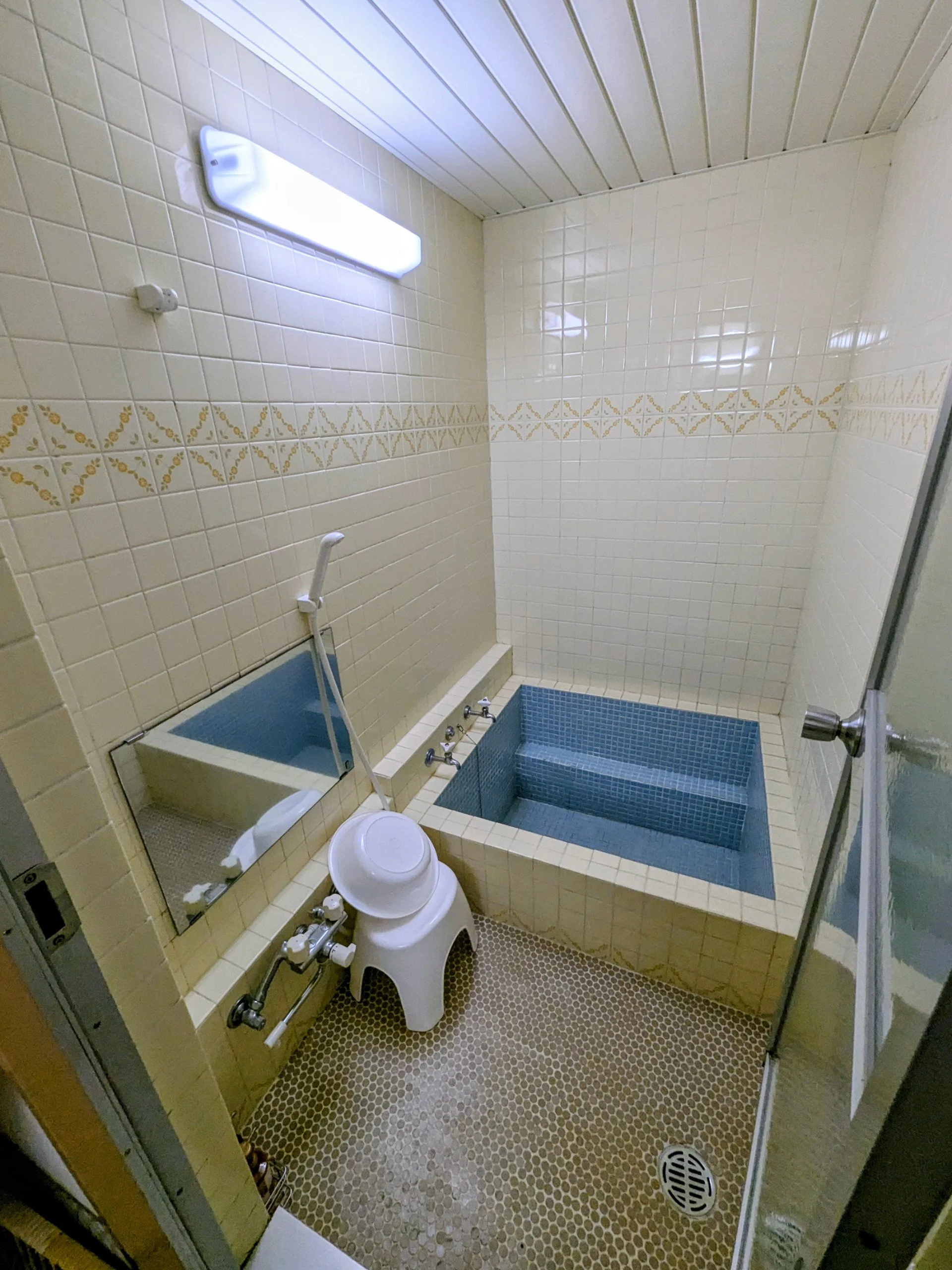
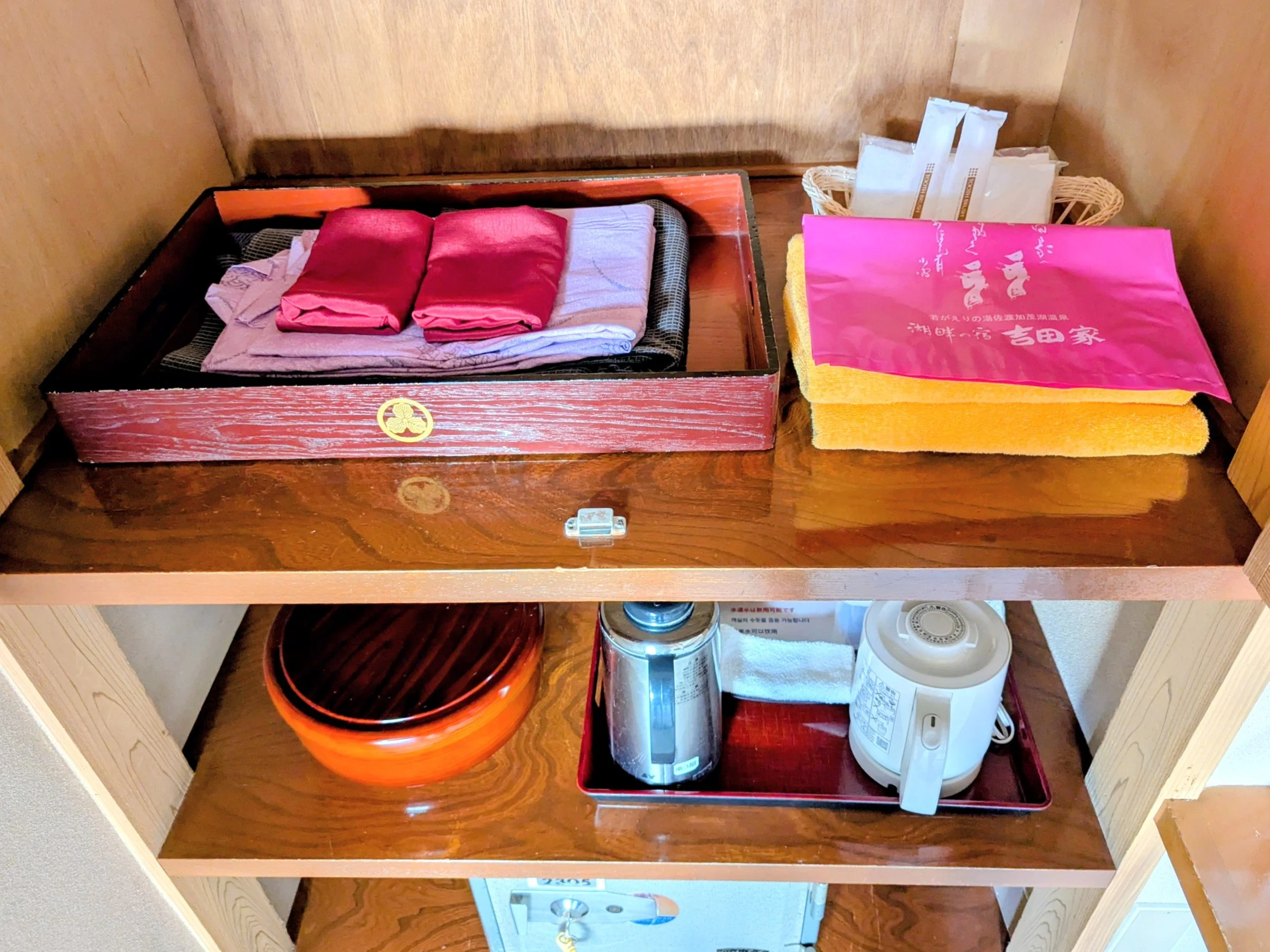
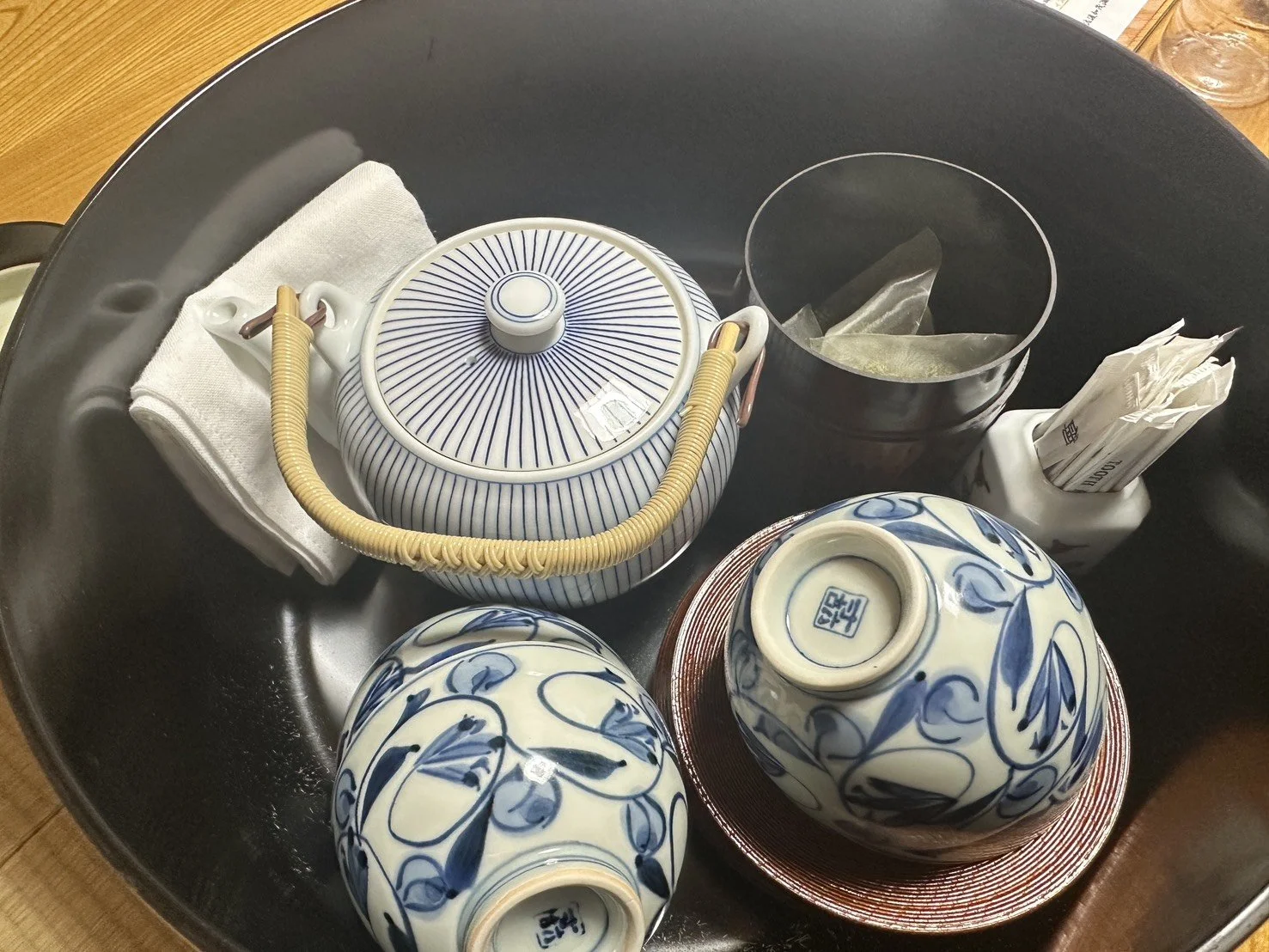
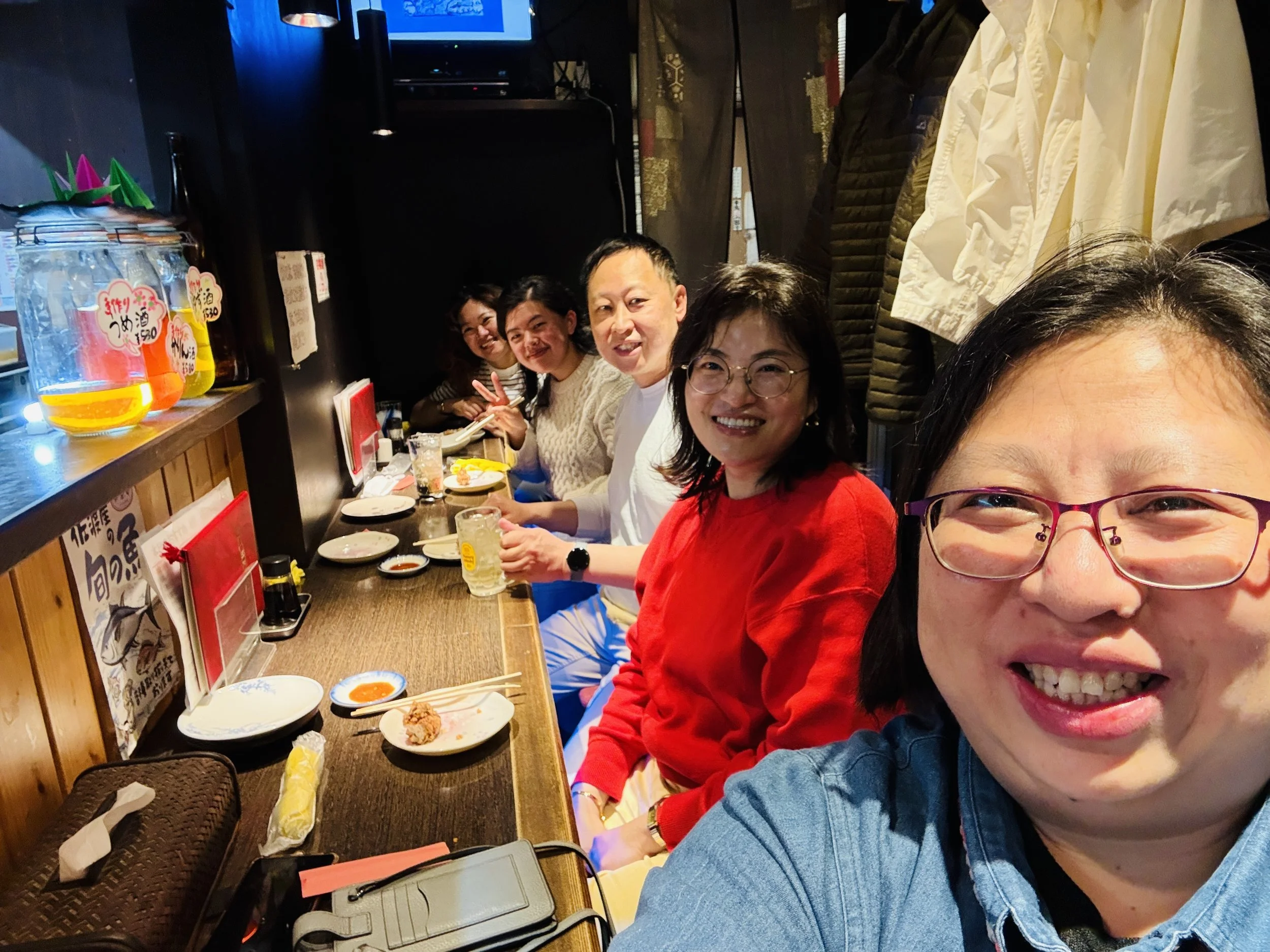
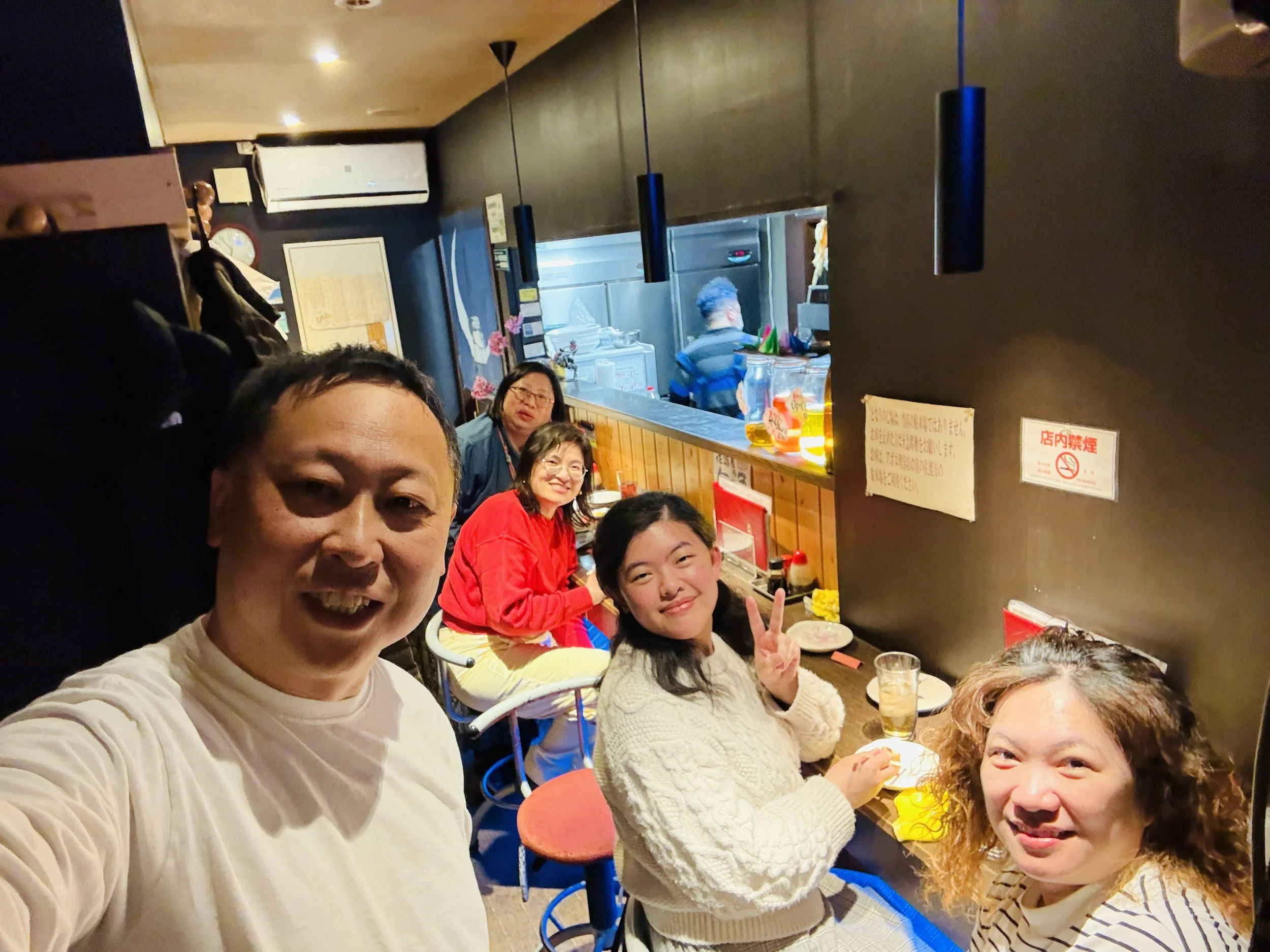
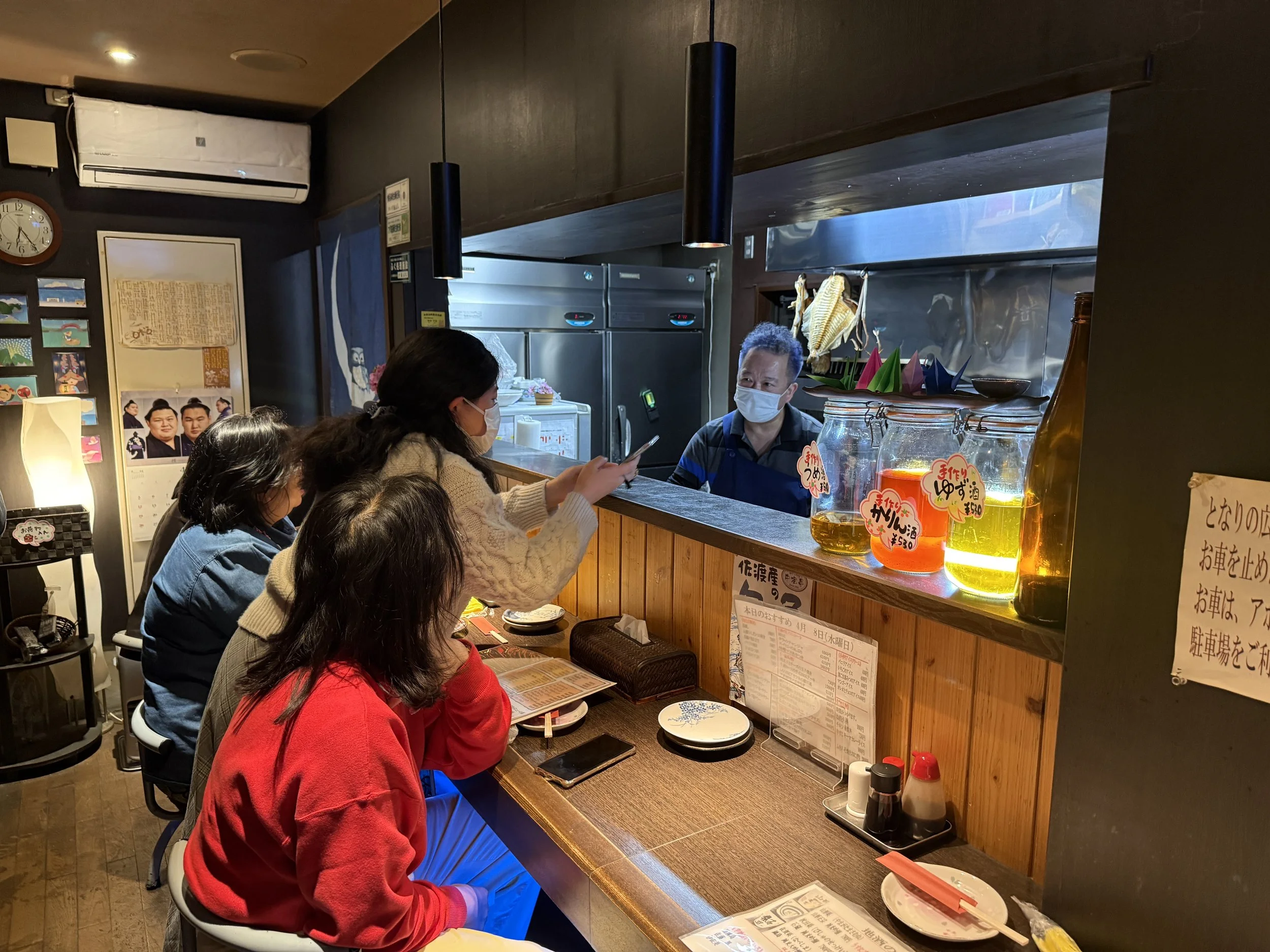
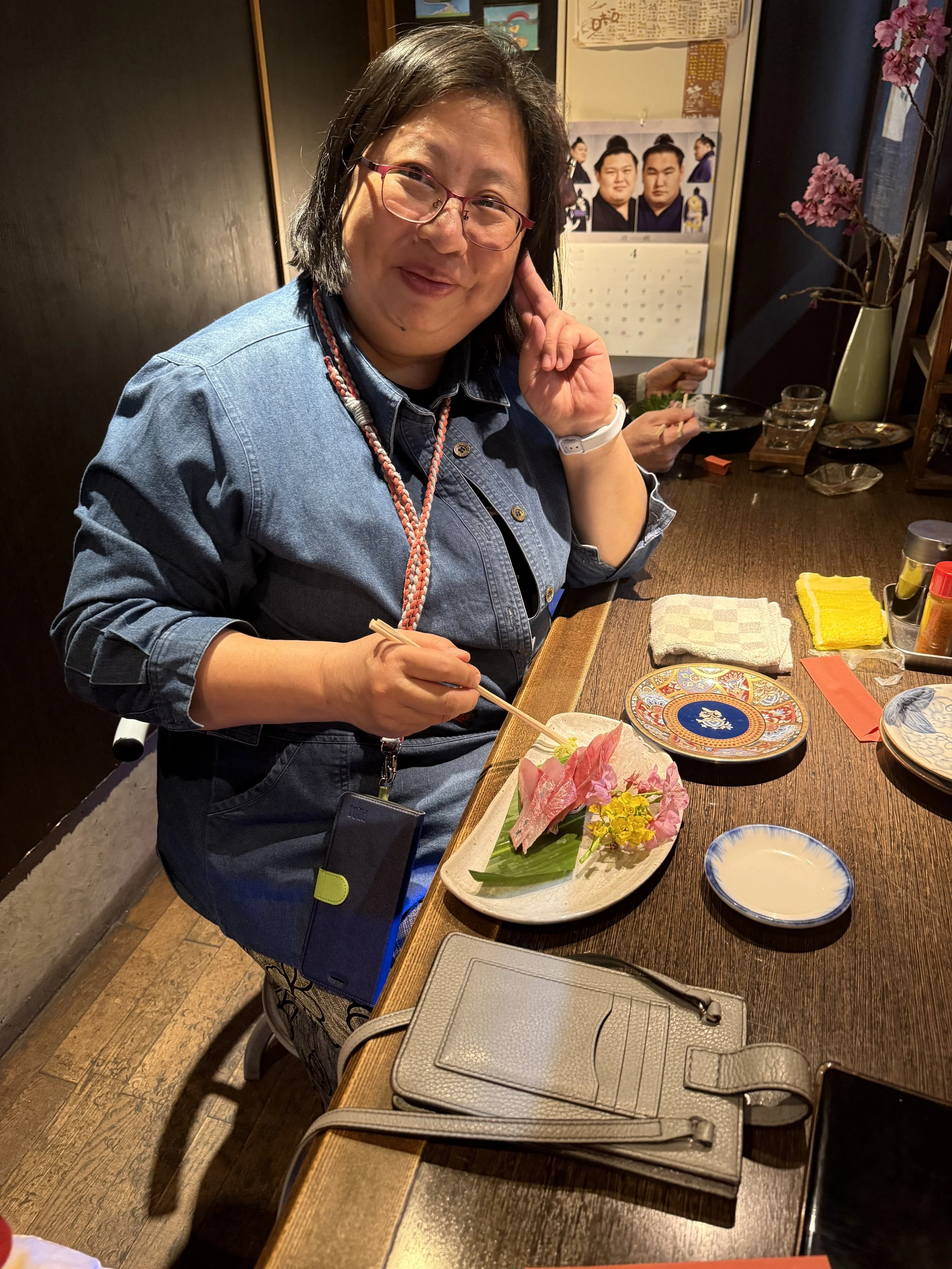
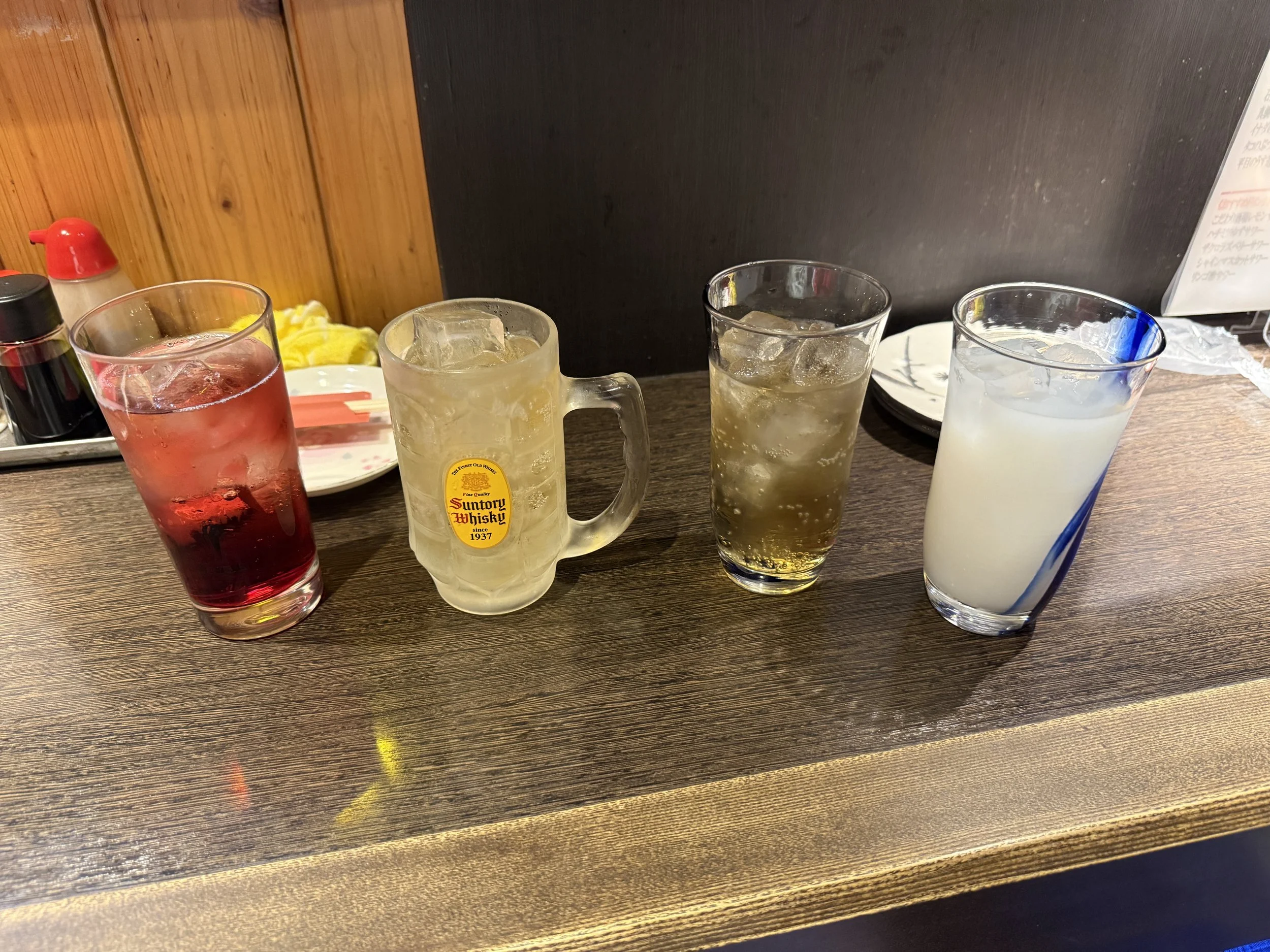
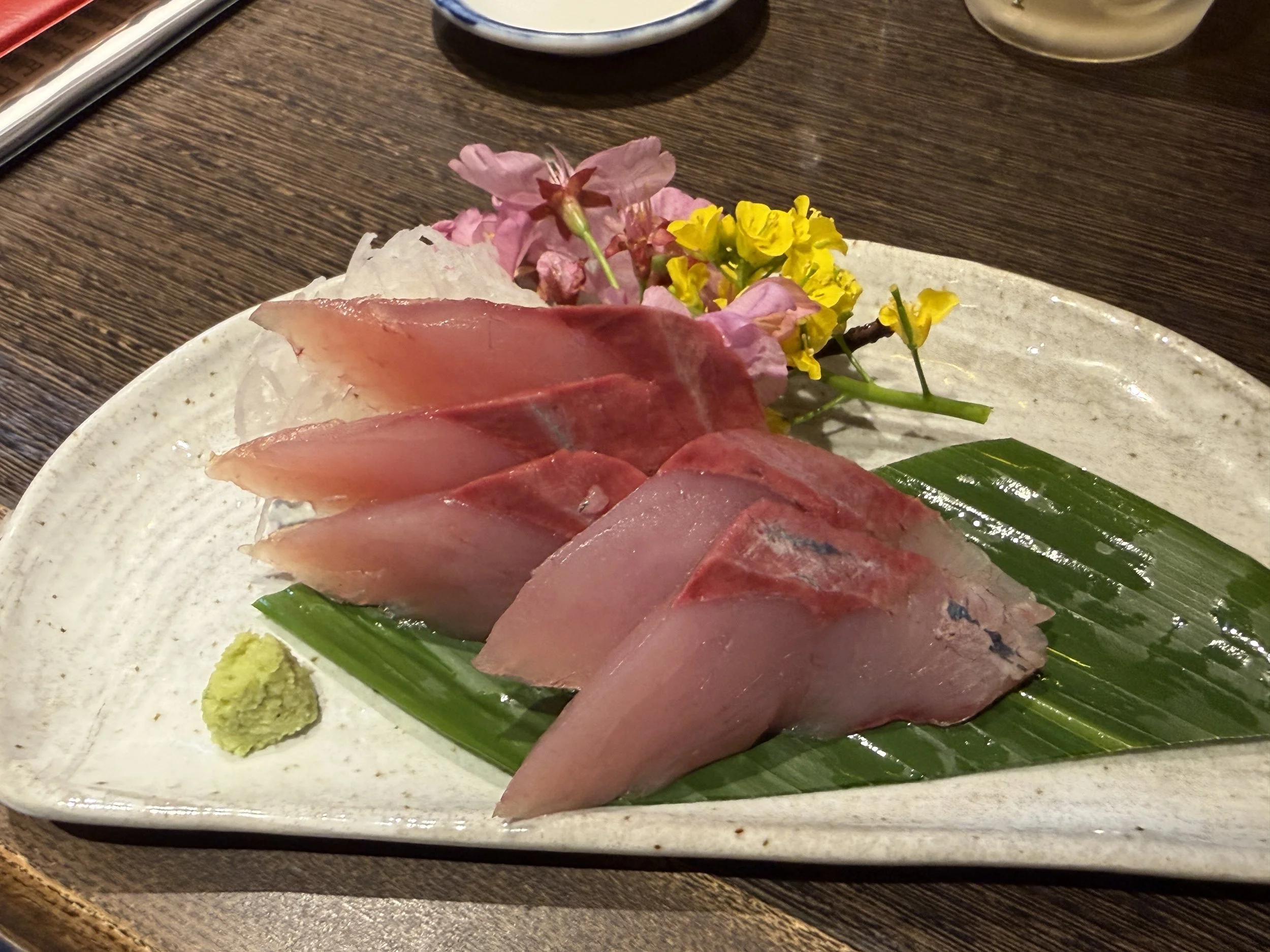
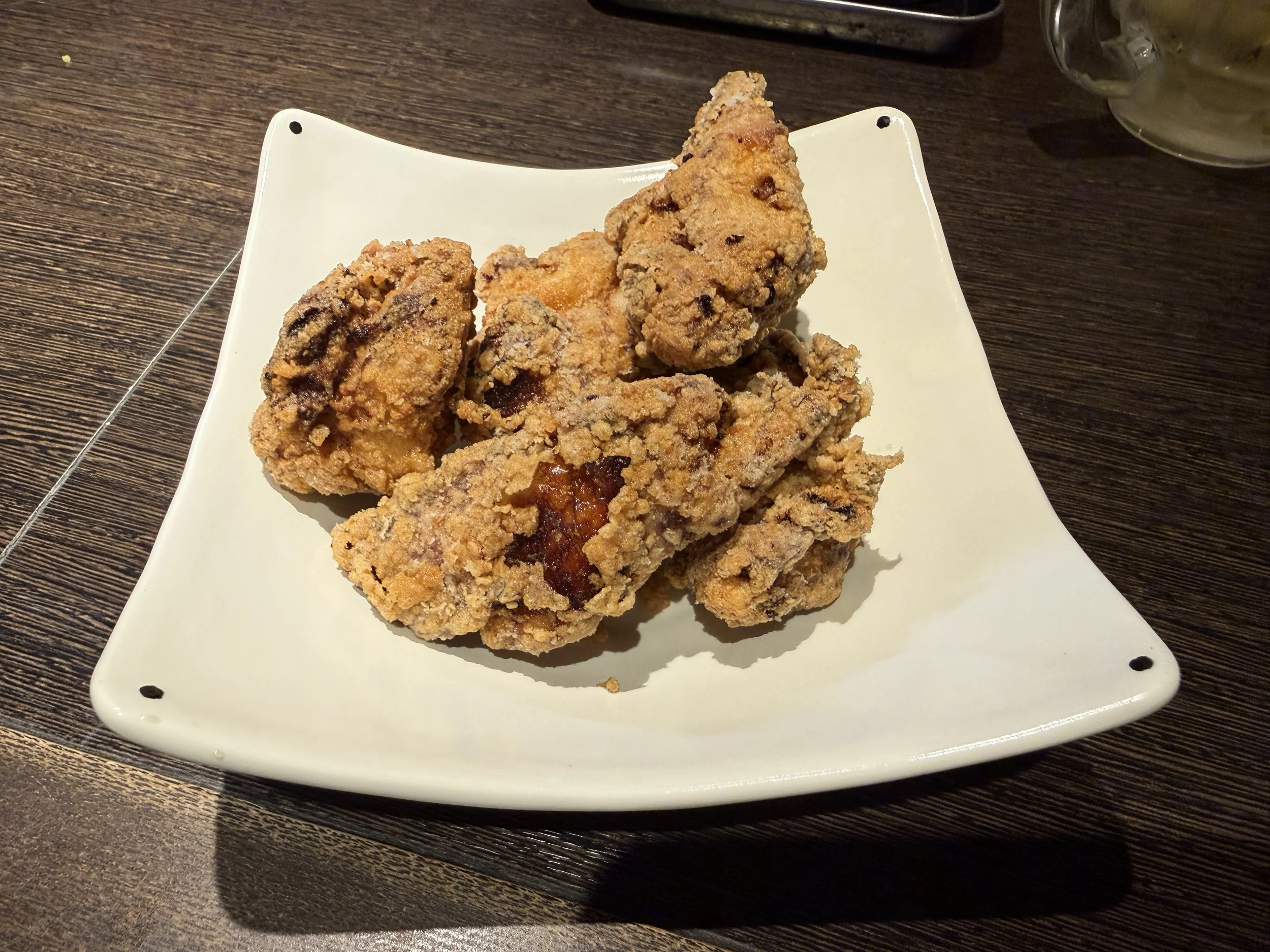
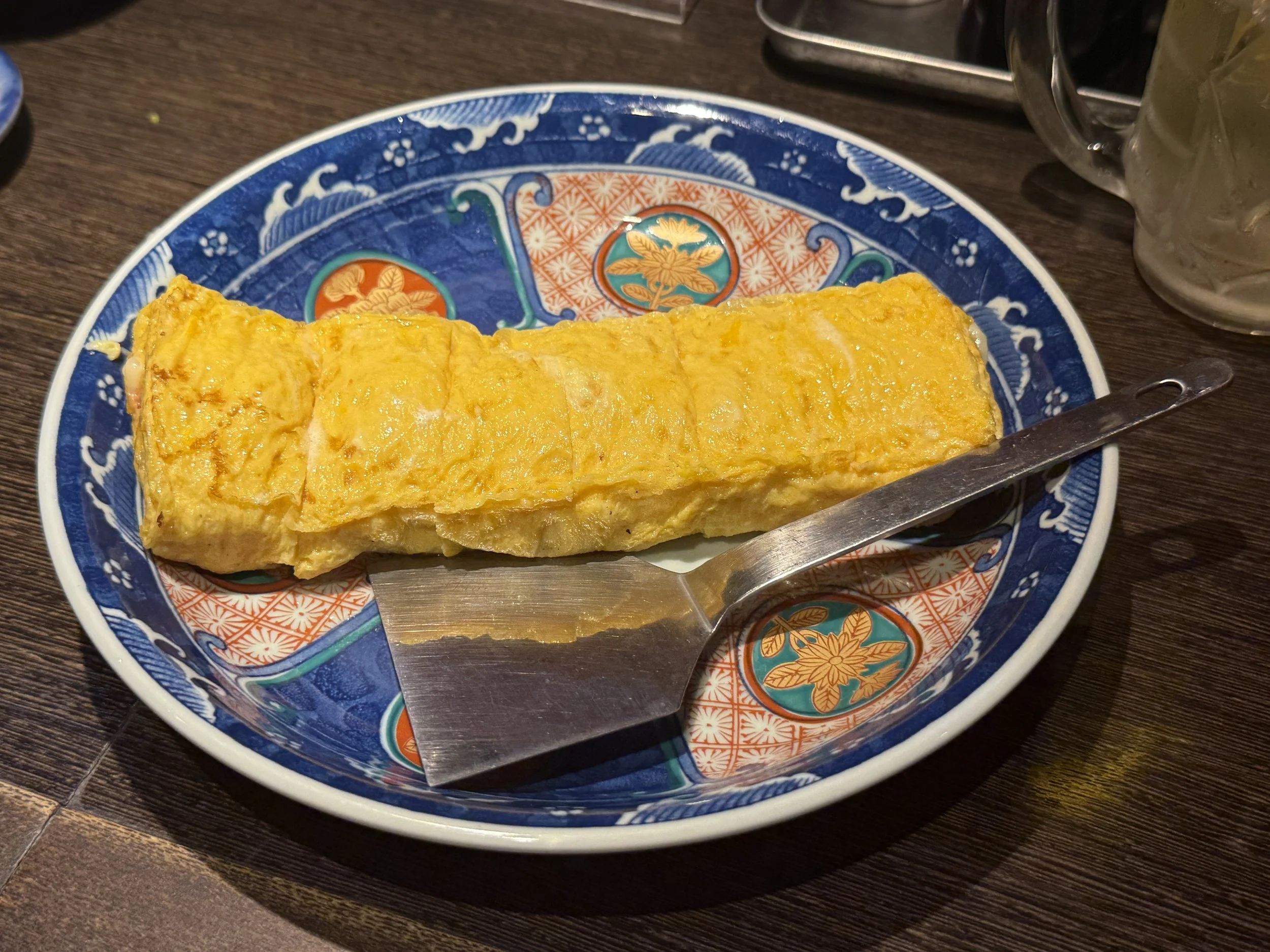
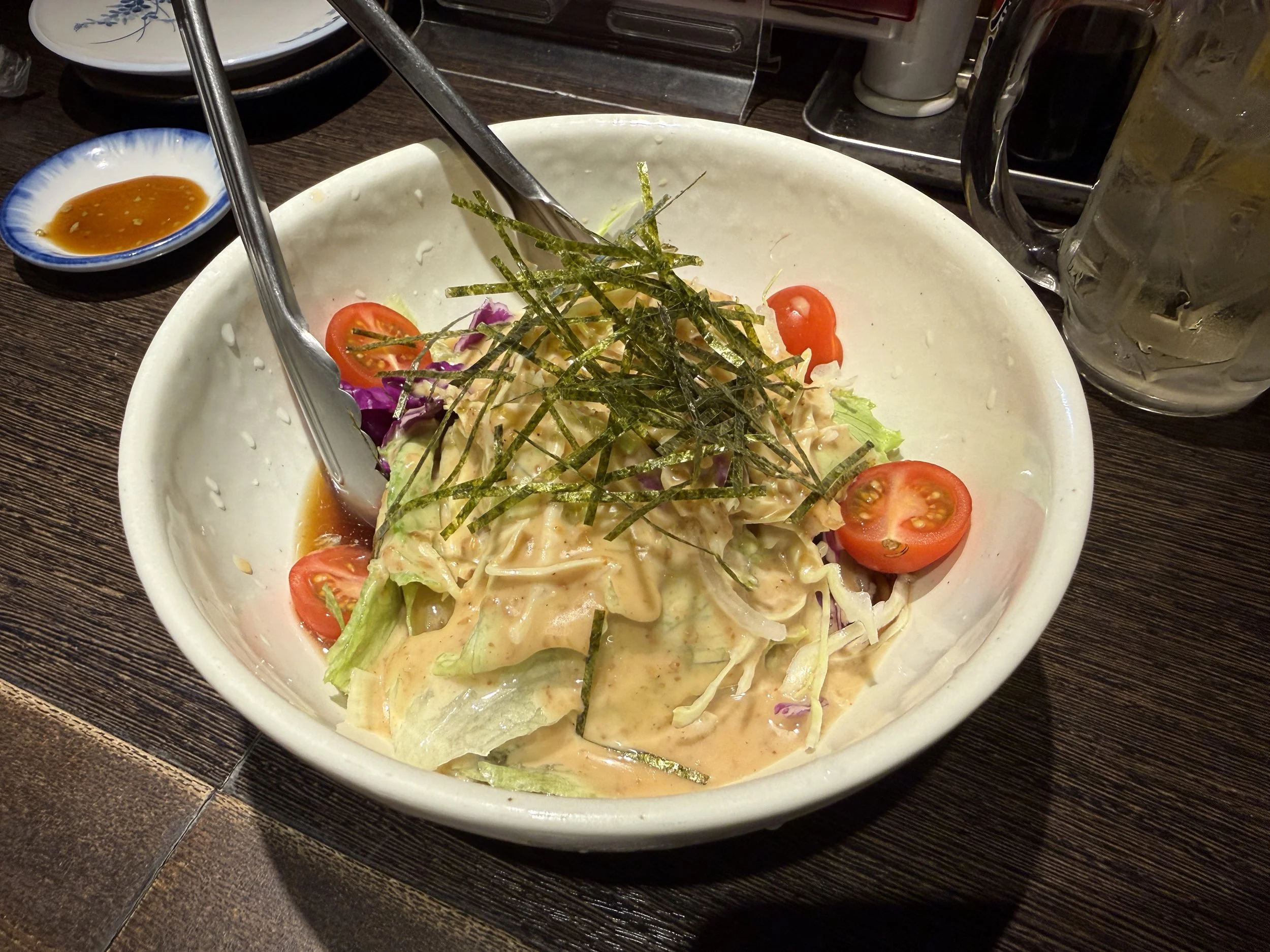
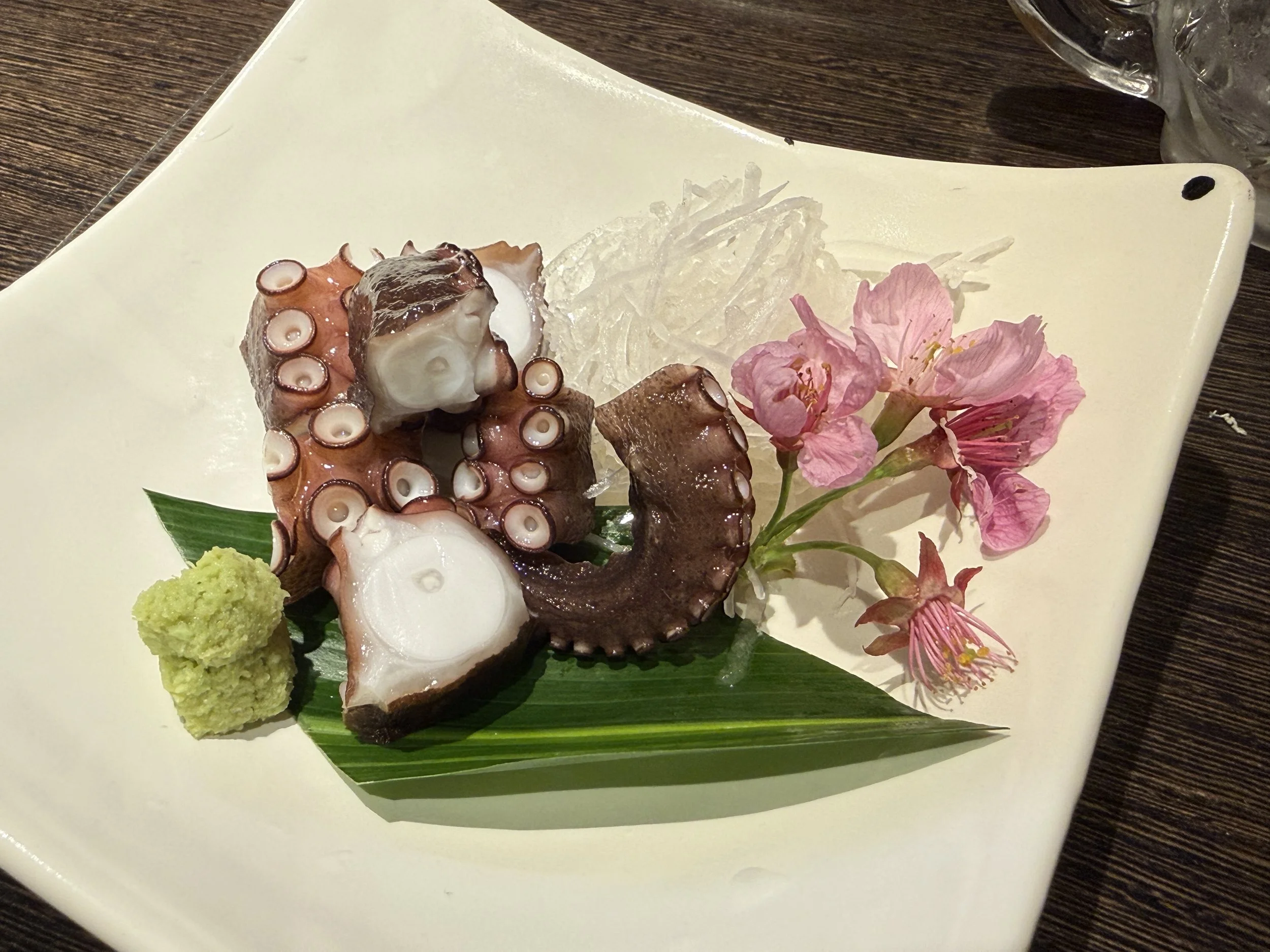
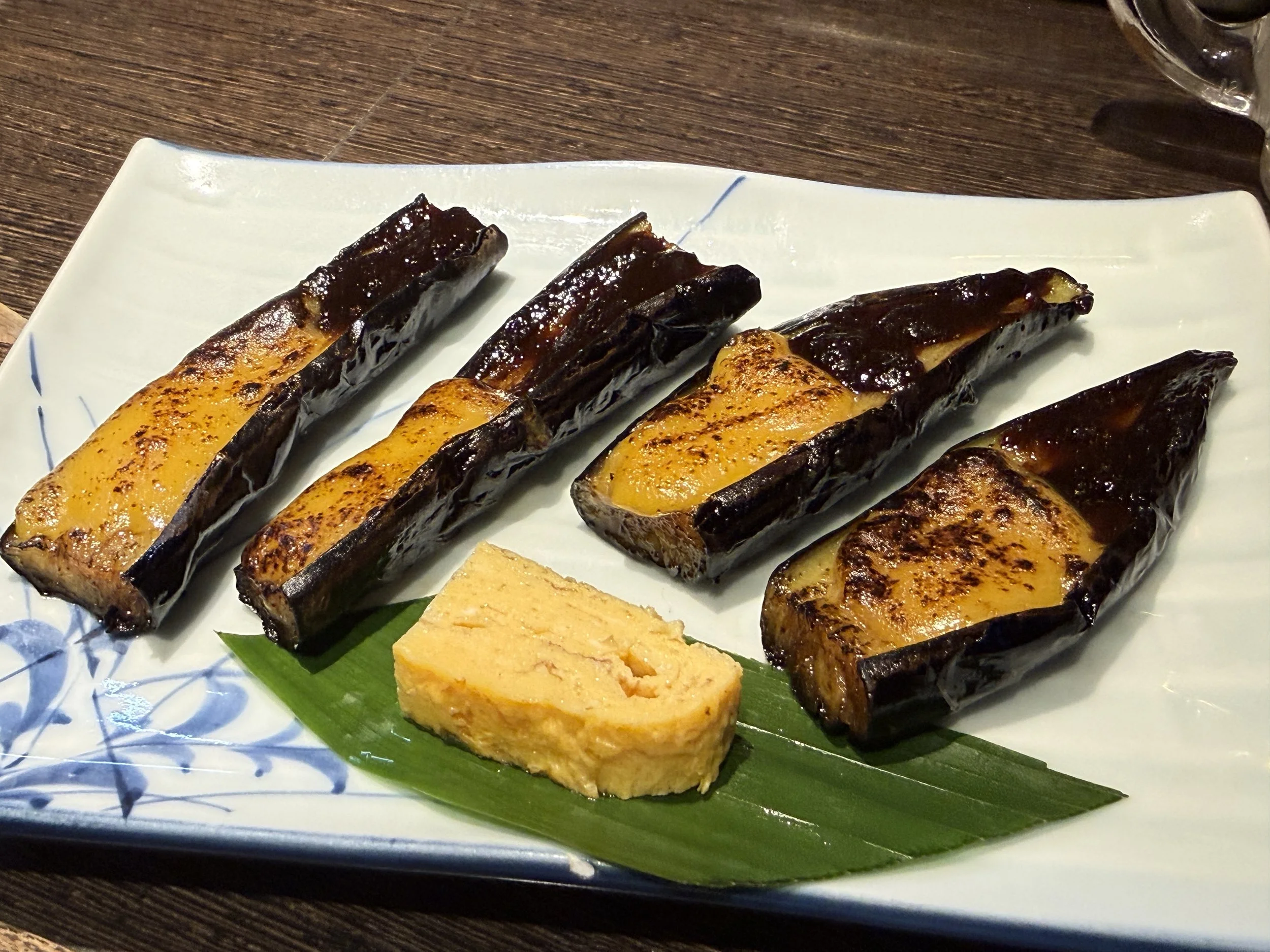
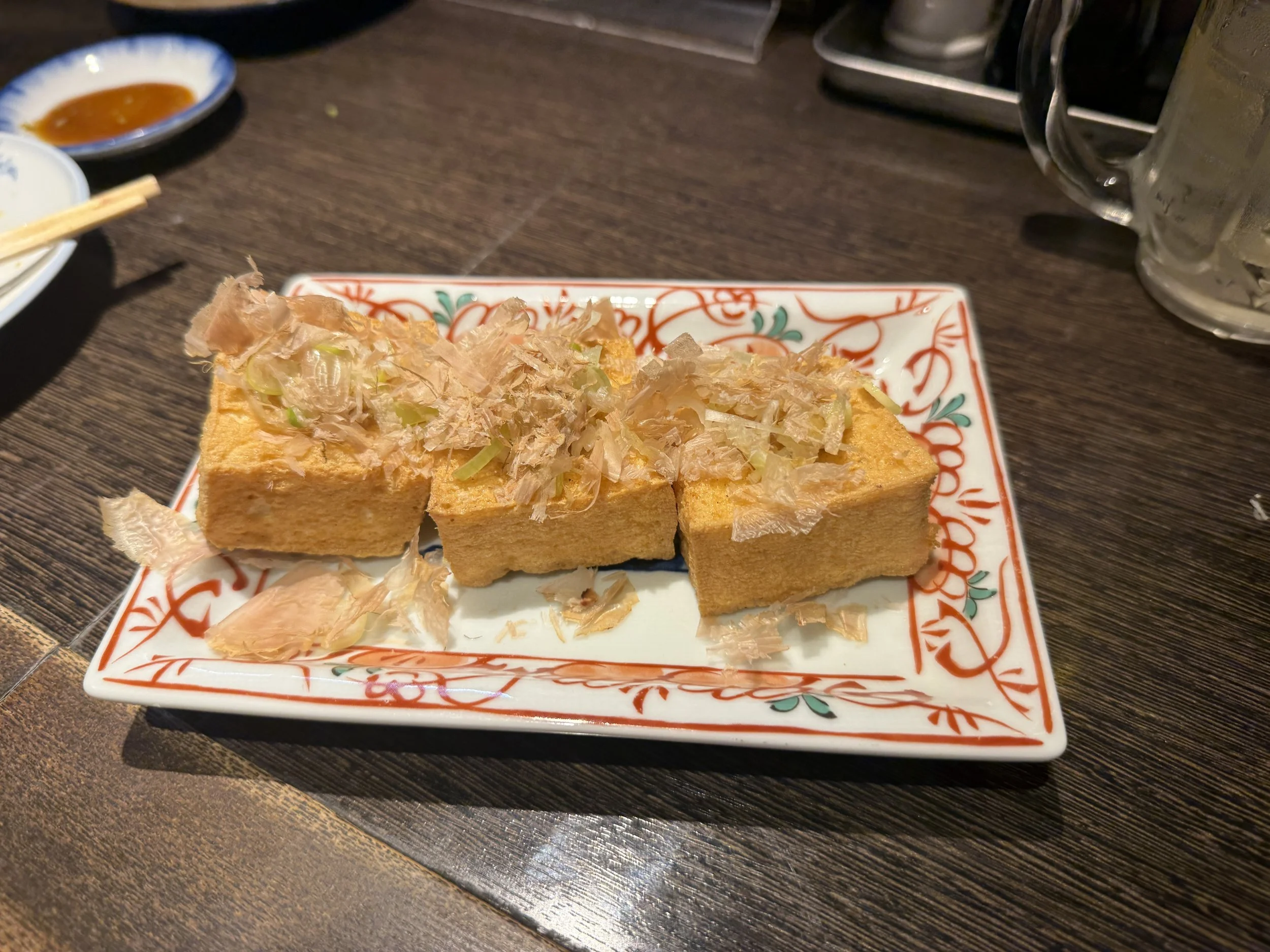
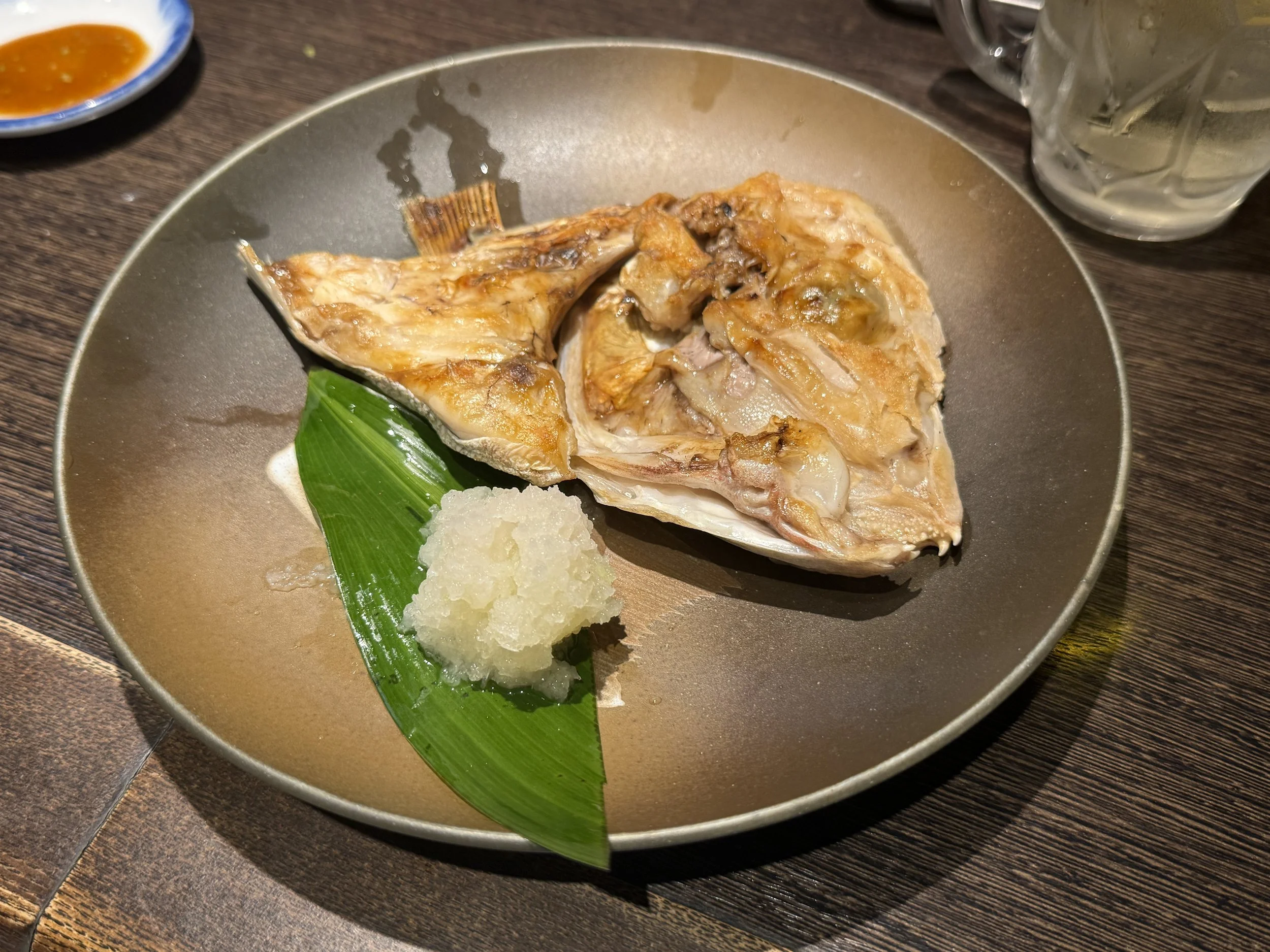
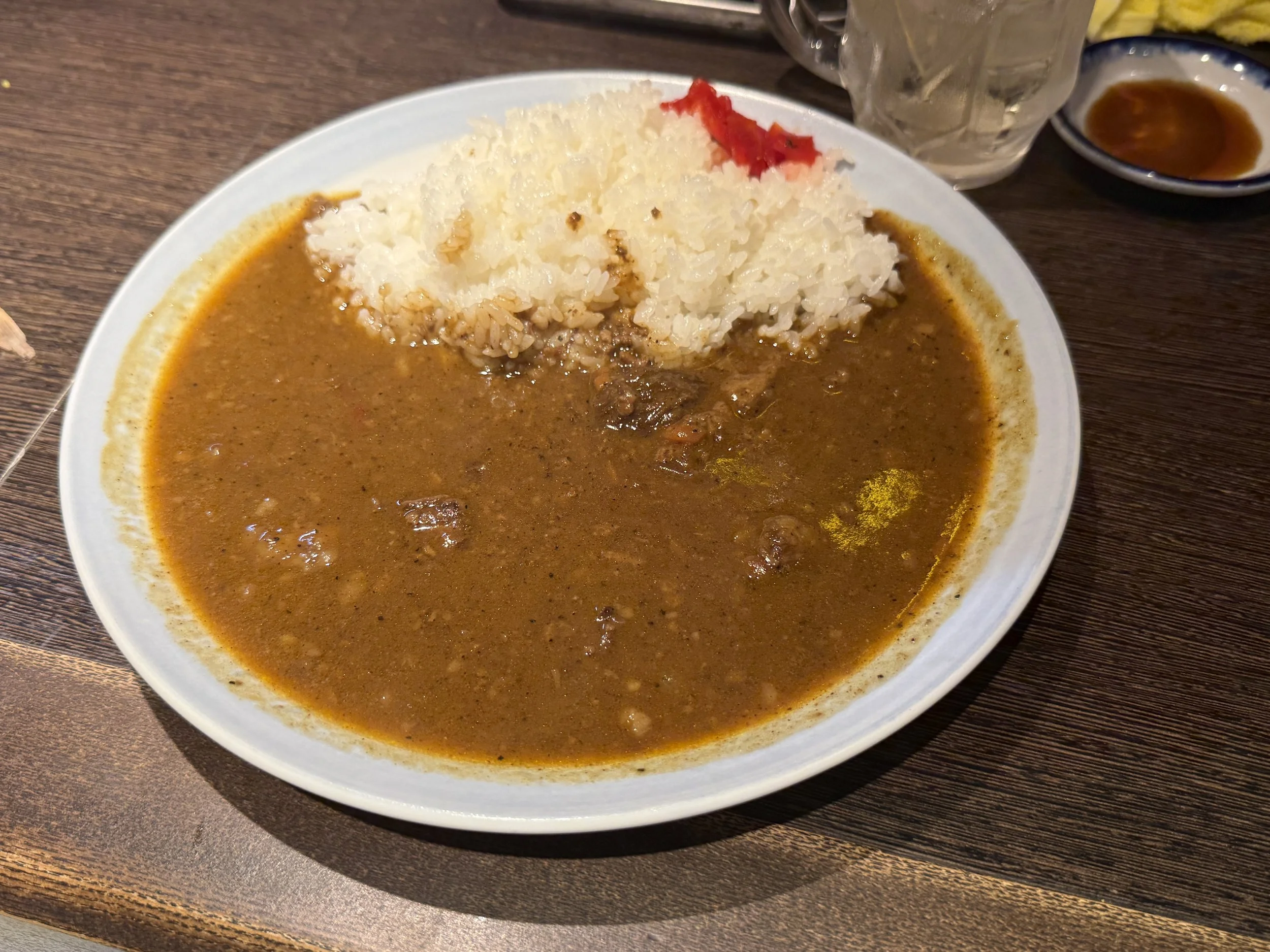
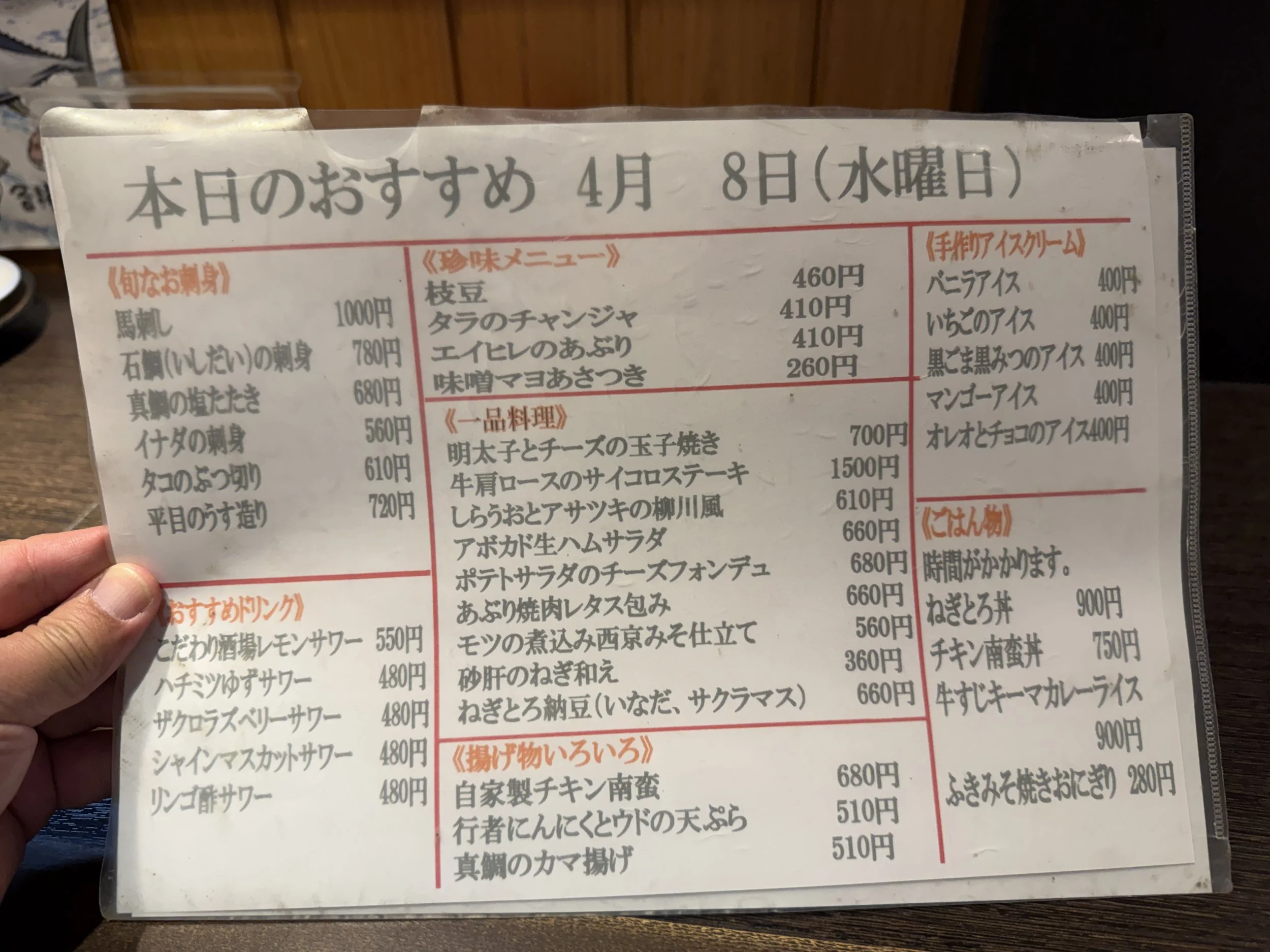
Dinner with Annie. This place was highly recommended by Annie. Although this place was a mom and pop izakaya, the food was very fresh and delicious.
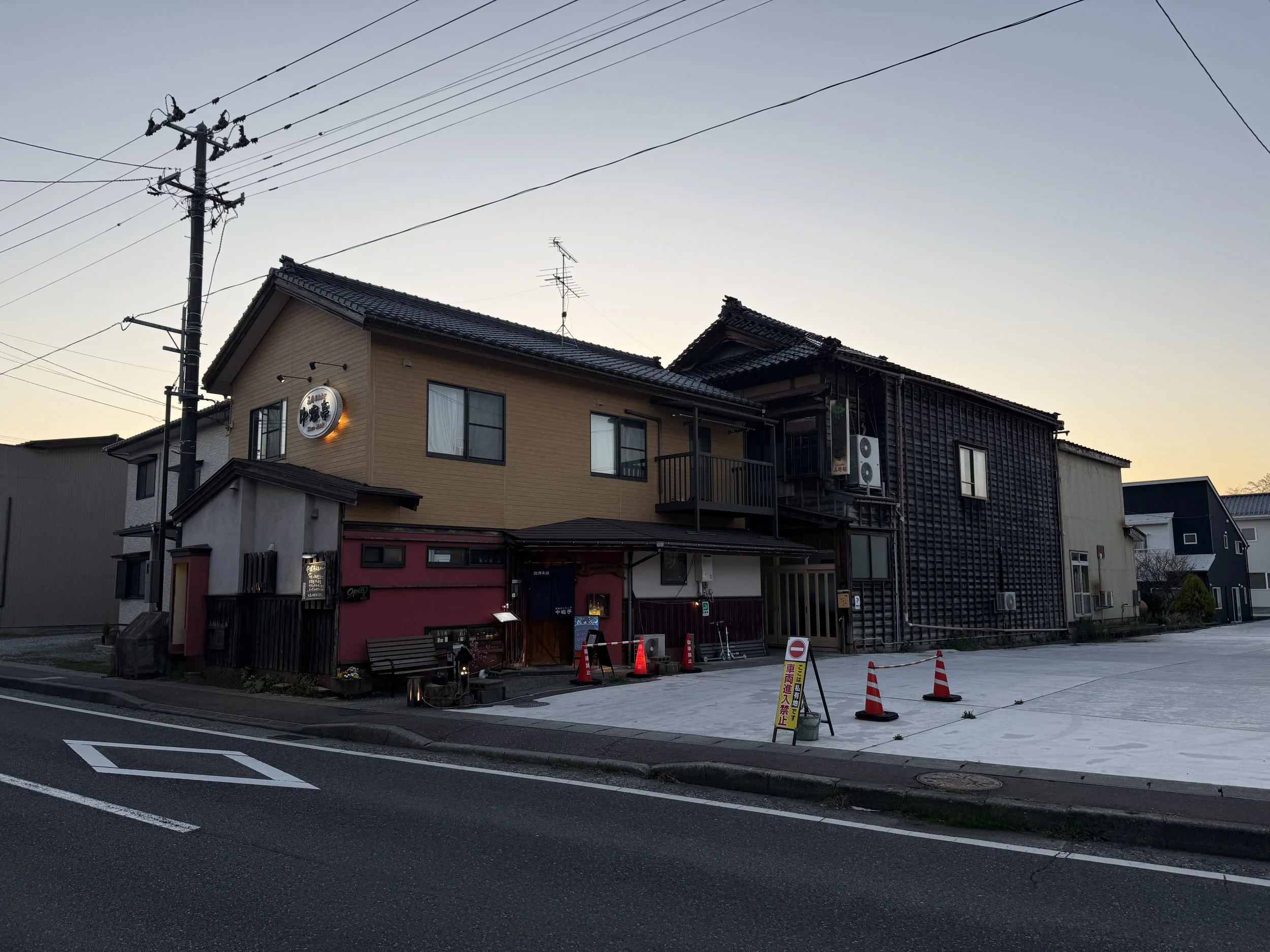
Day 8 - Sado Island (佐渡島)(aka Annie’s Little Island)
The next day we had breakfast in our hotel room and went about exploring Annie’s Little Island.
We decided to book a jumbo taxi for 6 hours to tour the island which turned out to be very expensive. The other options were to rent a car, which we don’t have a license, or take the local bus which takes forever. It was expensive but it was well worth it as we were able to visit most of the island in 6 hours and catch the speed boat back to Niigata.
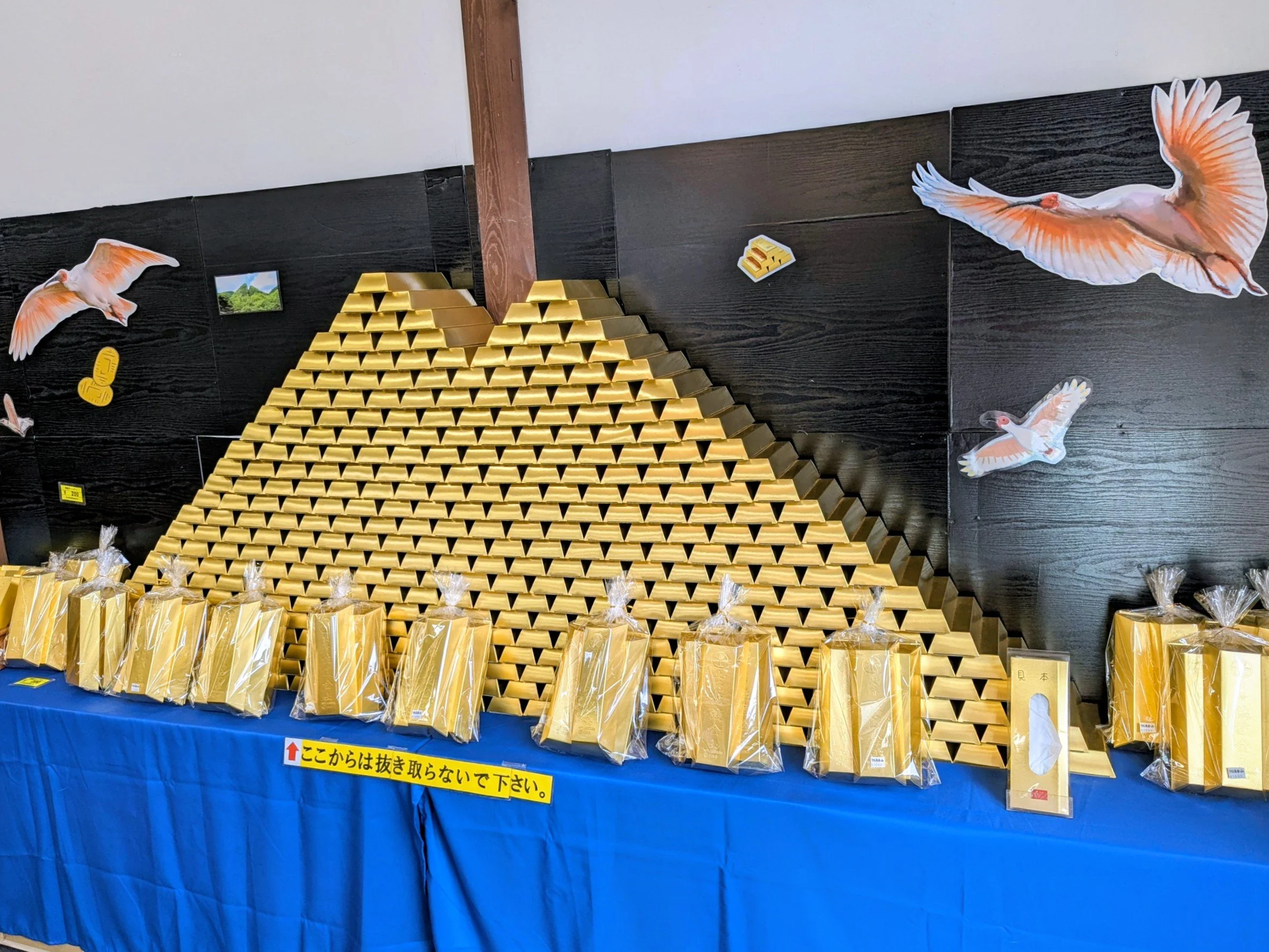
The first place we visited was the Historic Sado Gold Mine (Sado Kinzan), were once among the most productive in the world and played a critical role in supporting the Tokugawa Shogunate's finances. Located on Sado Island in Niigata Prefecture, these mines operated for nearly 400 years (1601–1989), producing 78 tons of gold and 2,330 tons of silver over their lifetime.
We didn’t have time to visit the interior of the mine so we just took some photos of the outside.
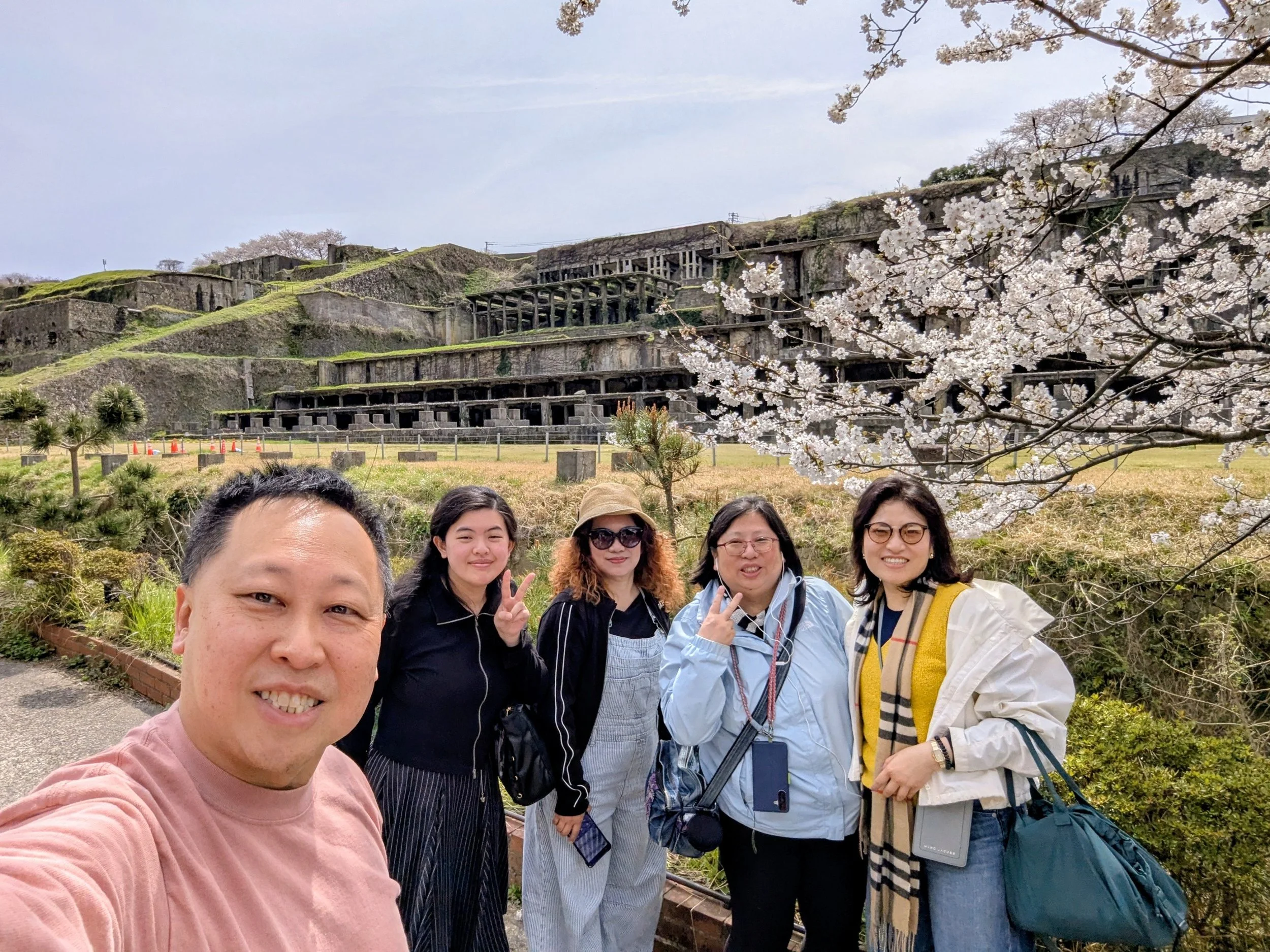
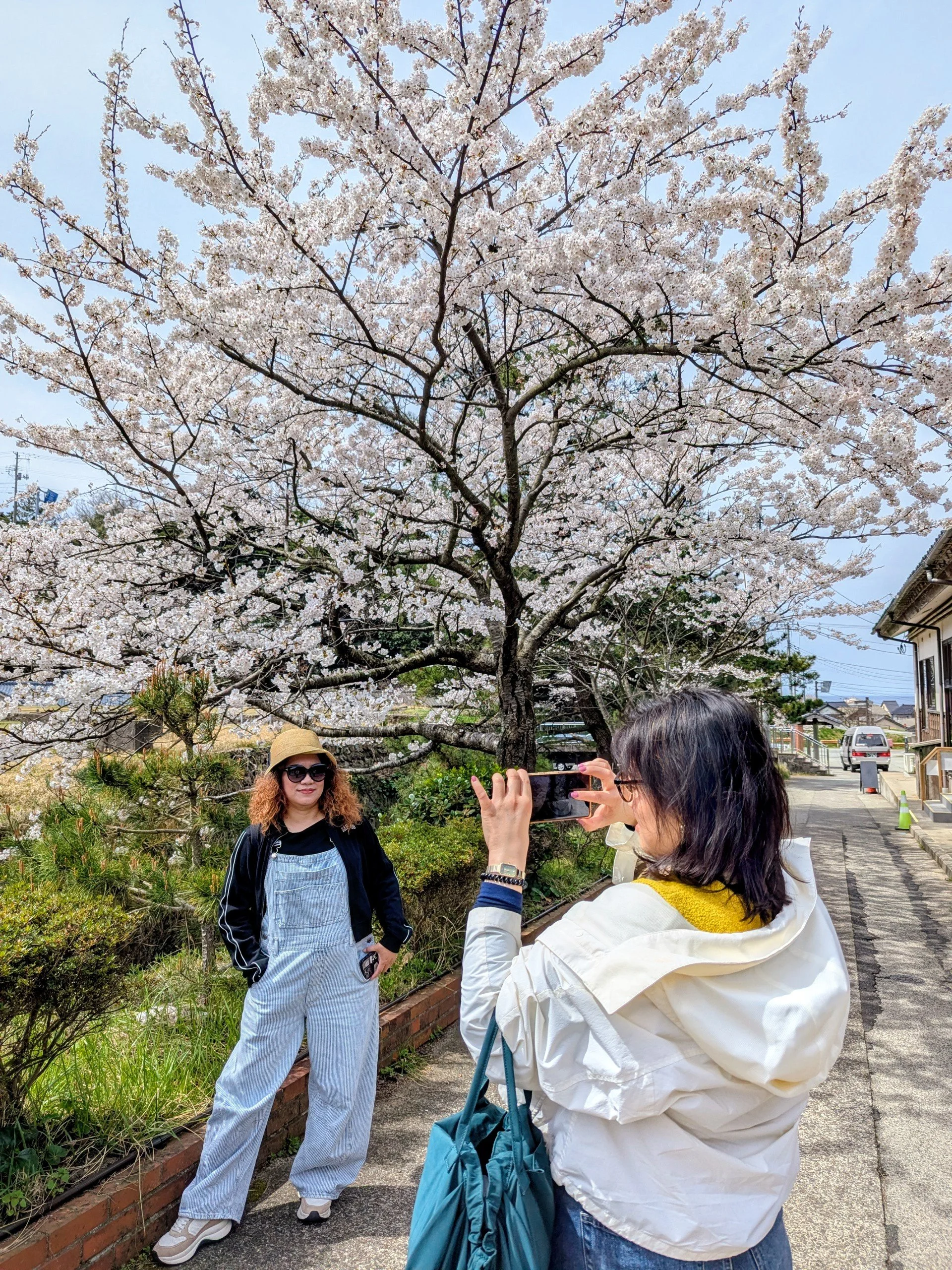
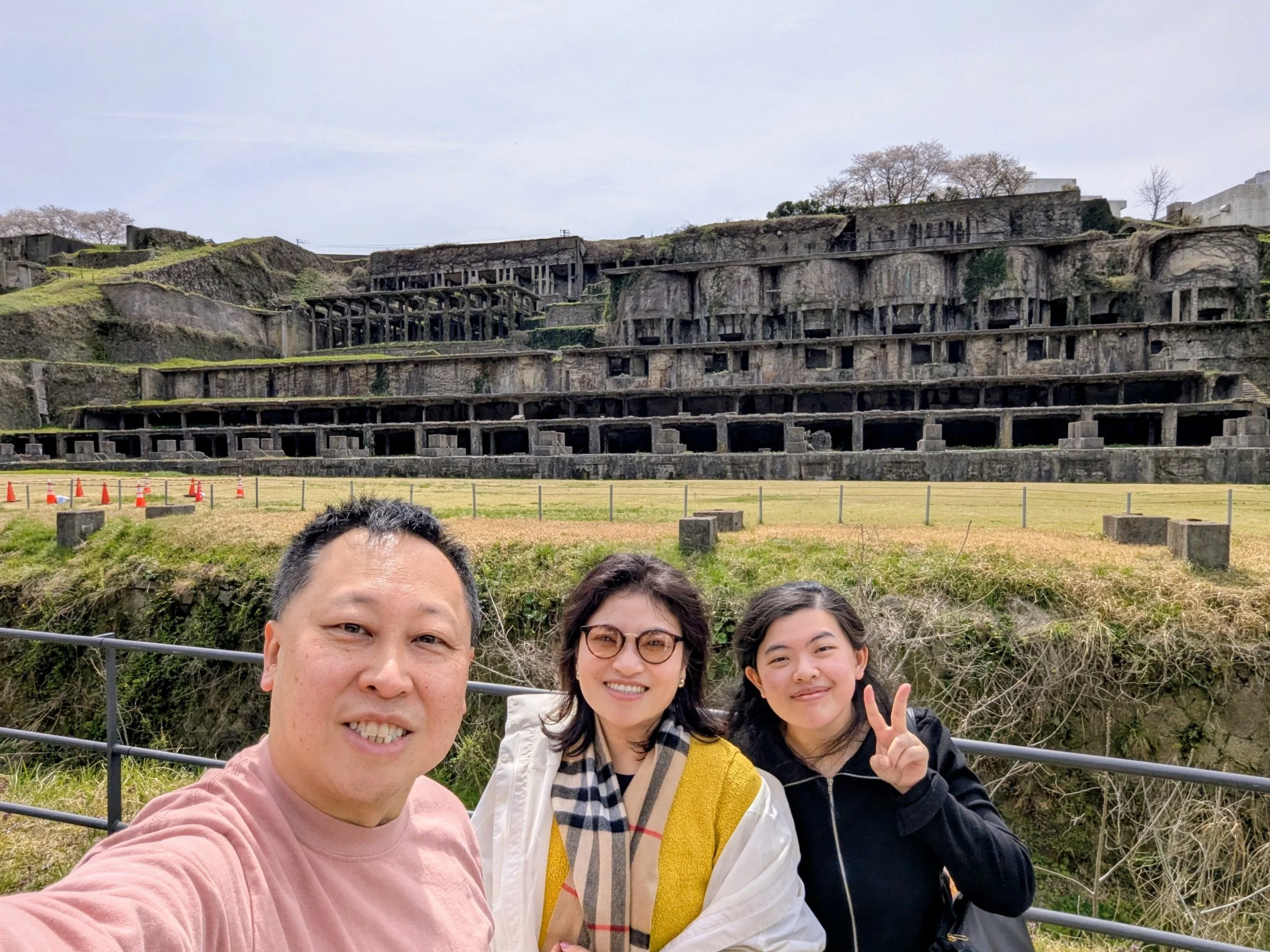
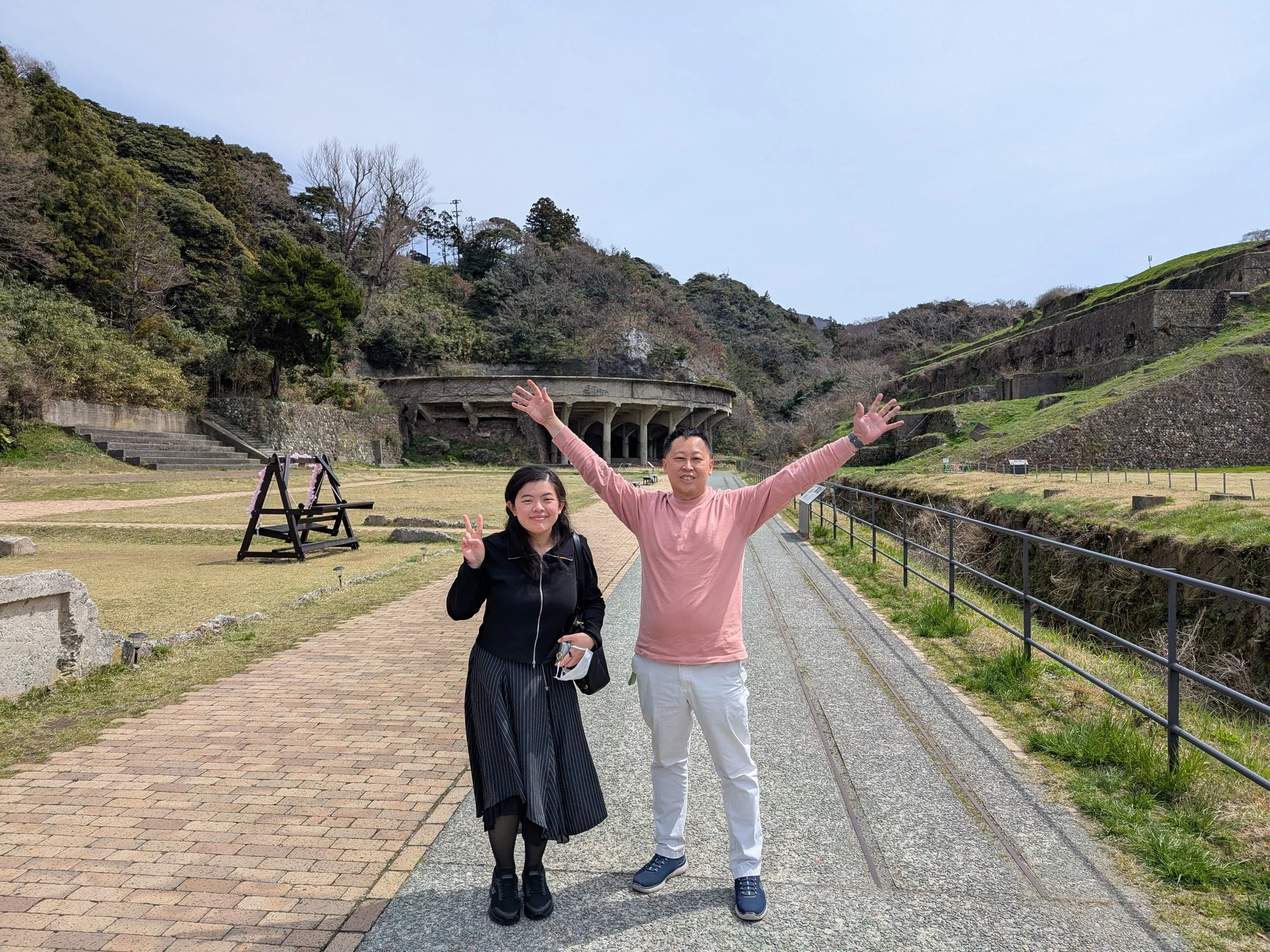
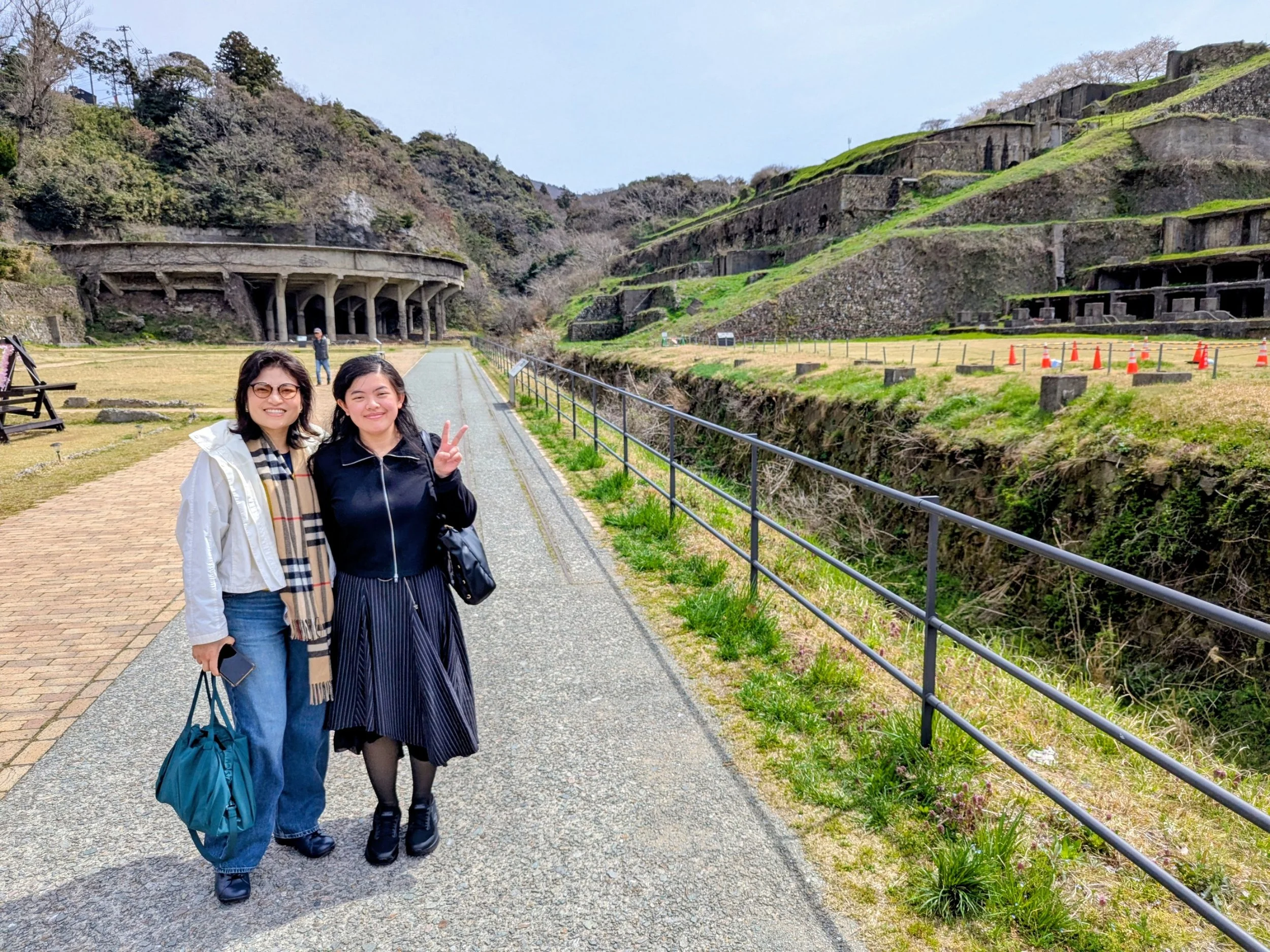
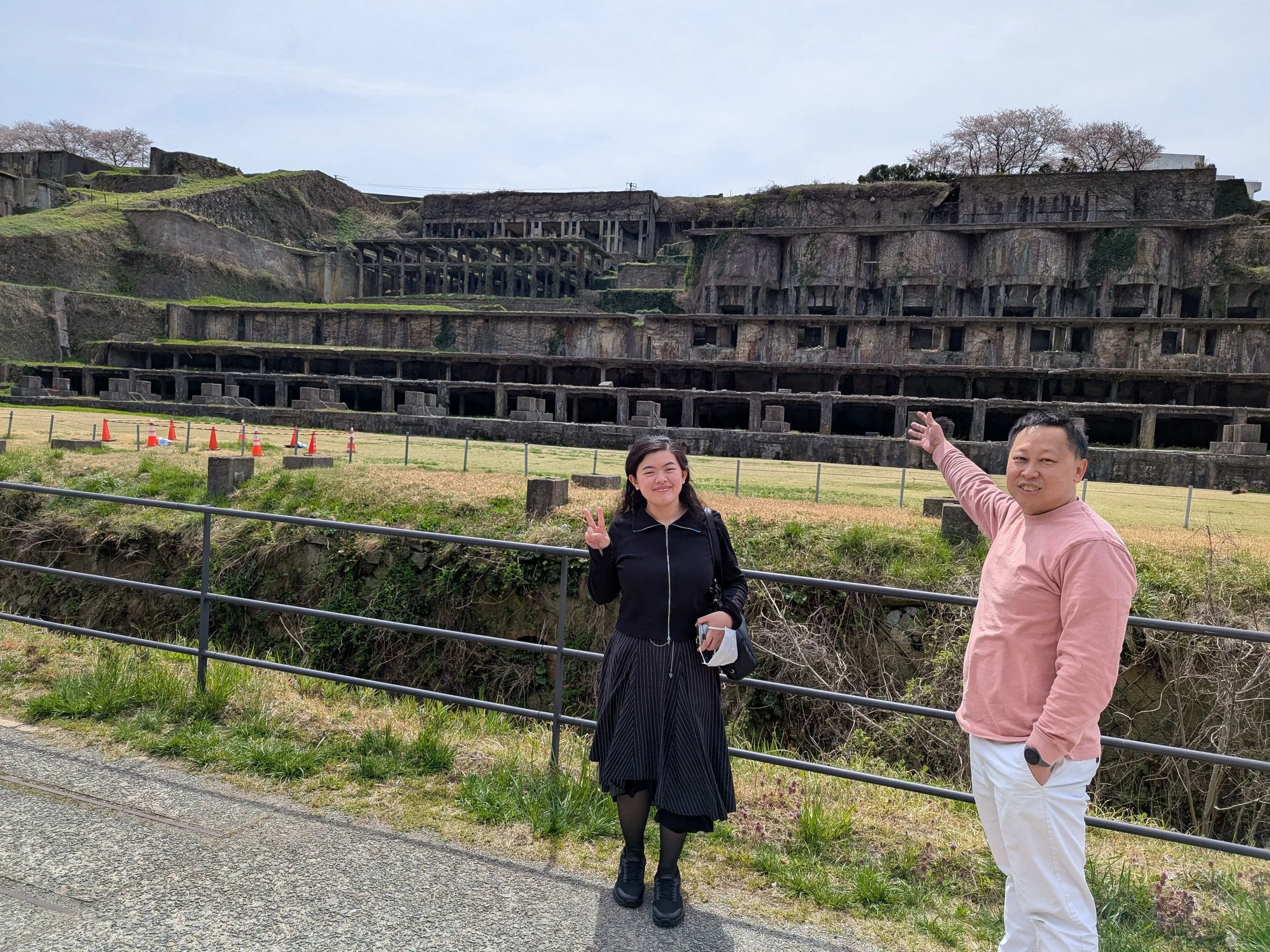
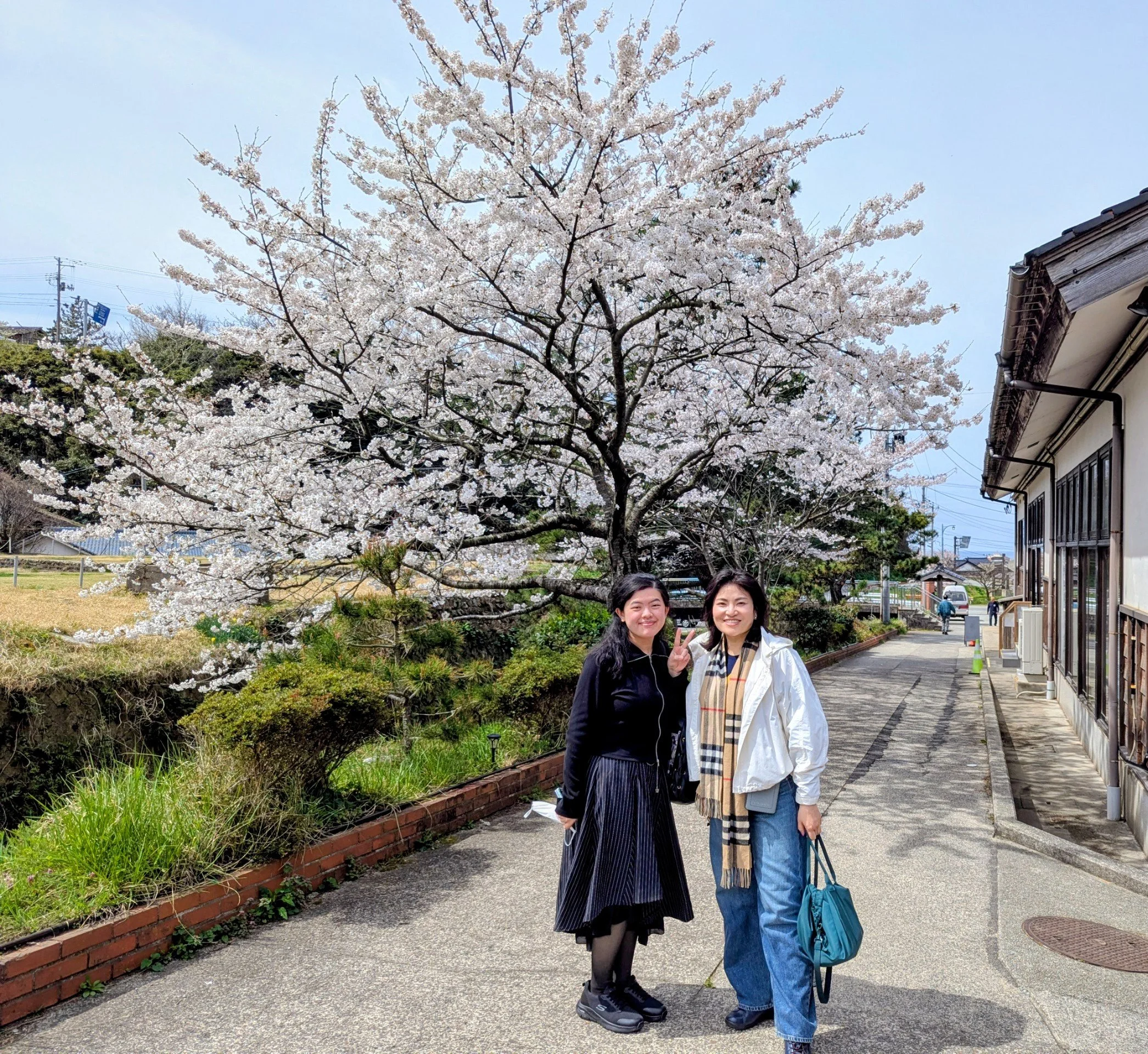
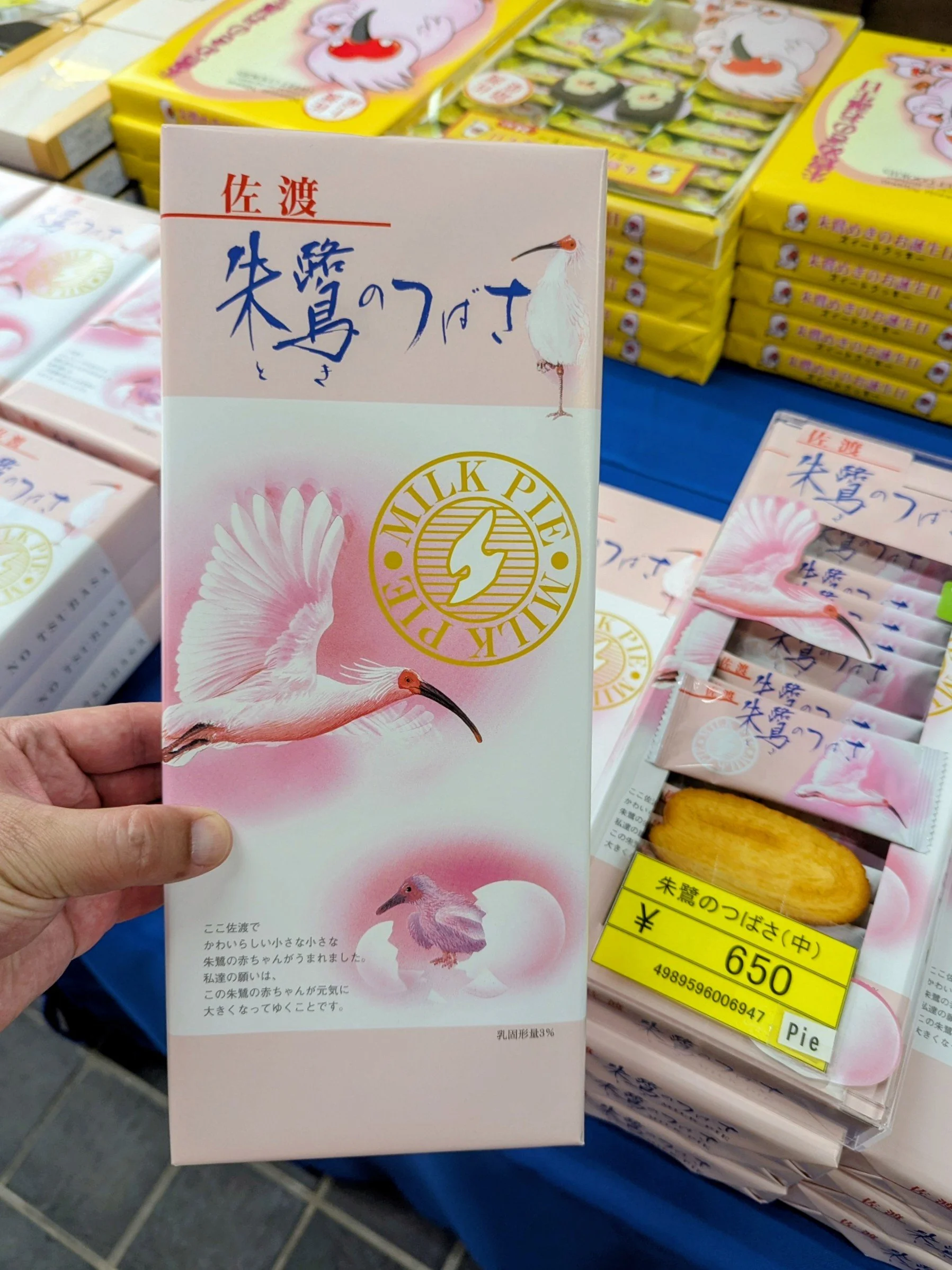
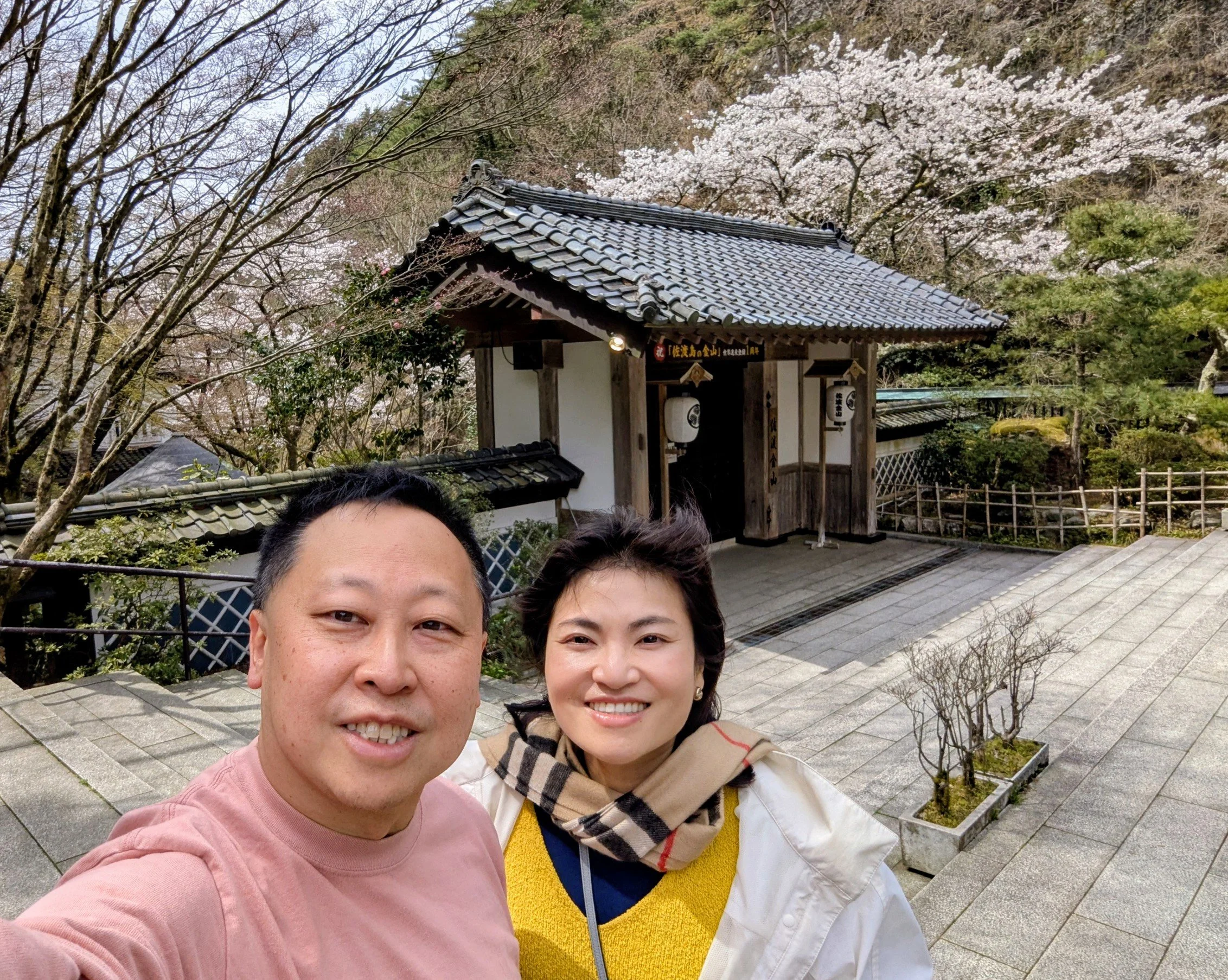
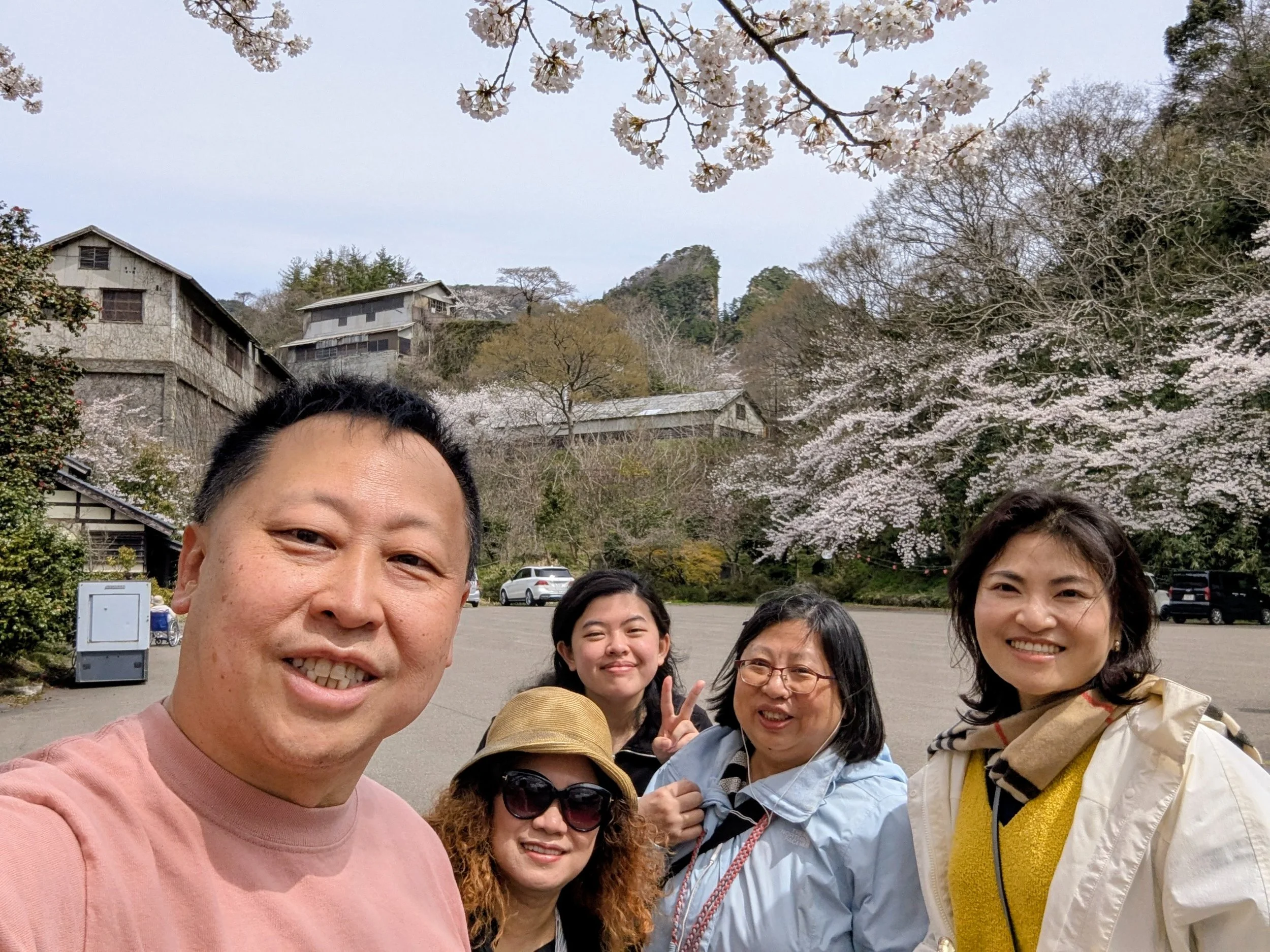
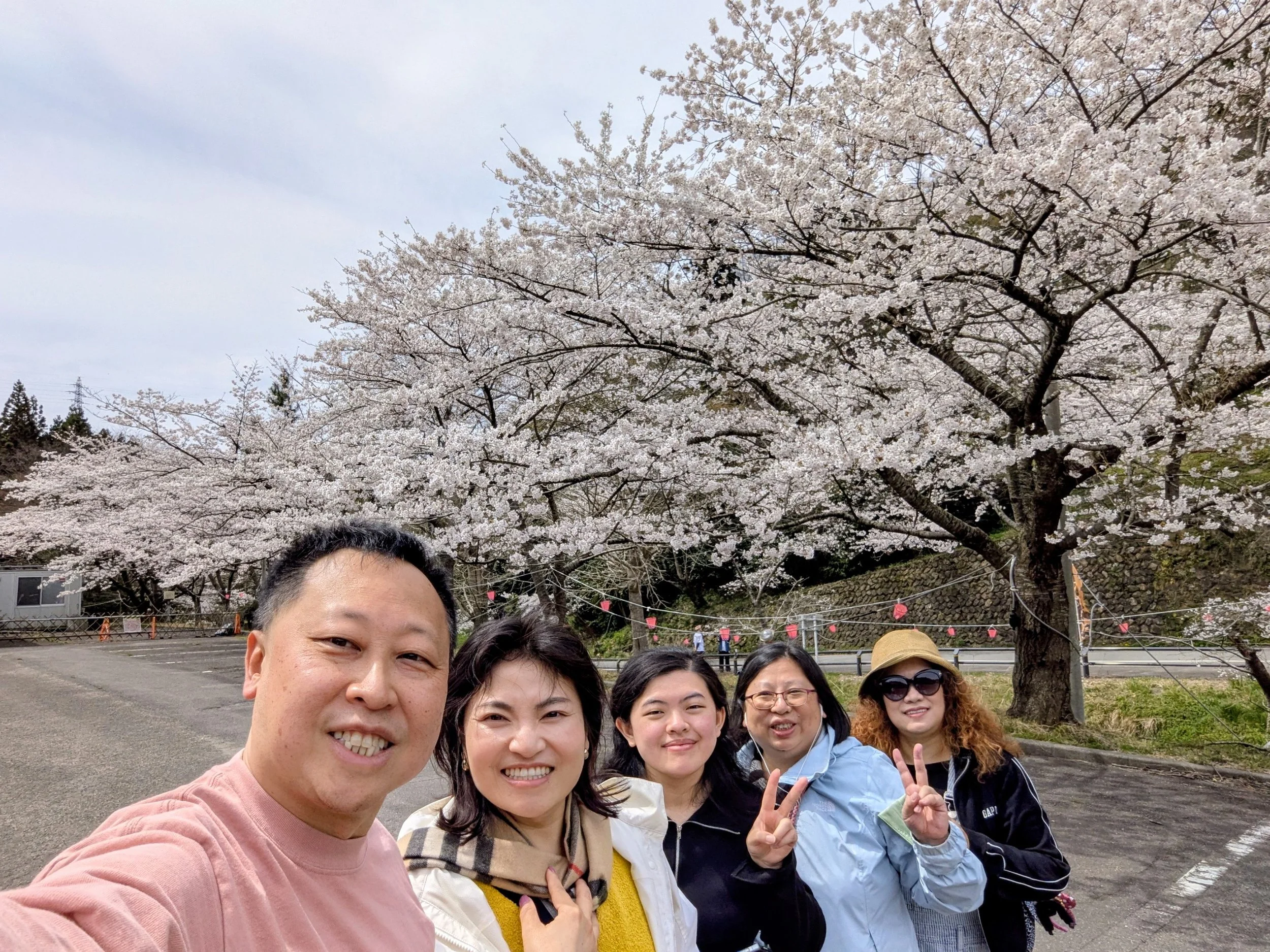
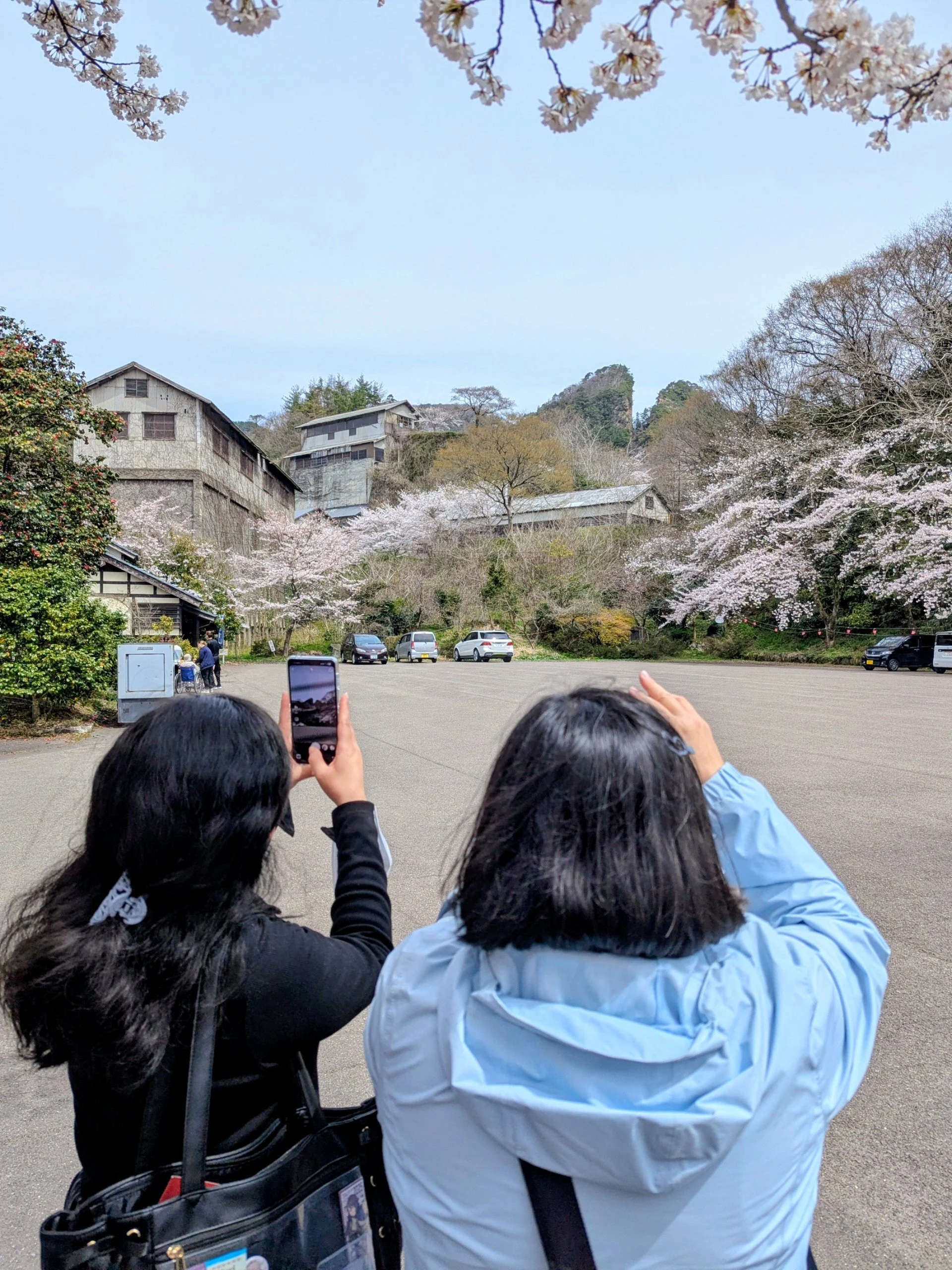
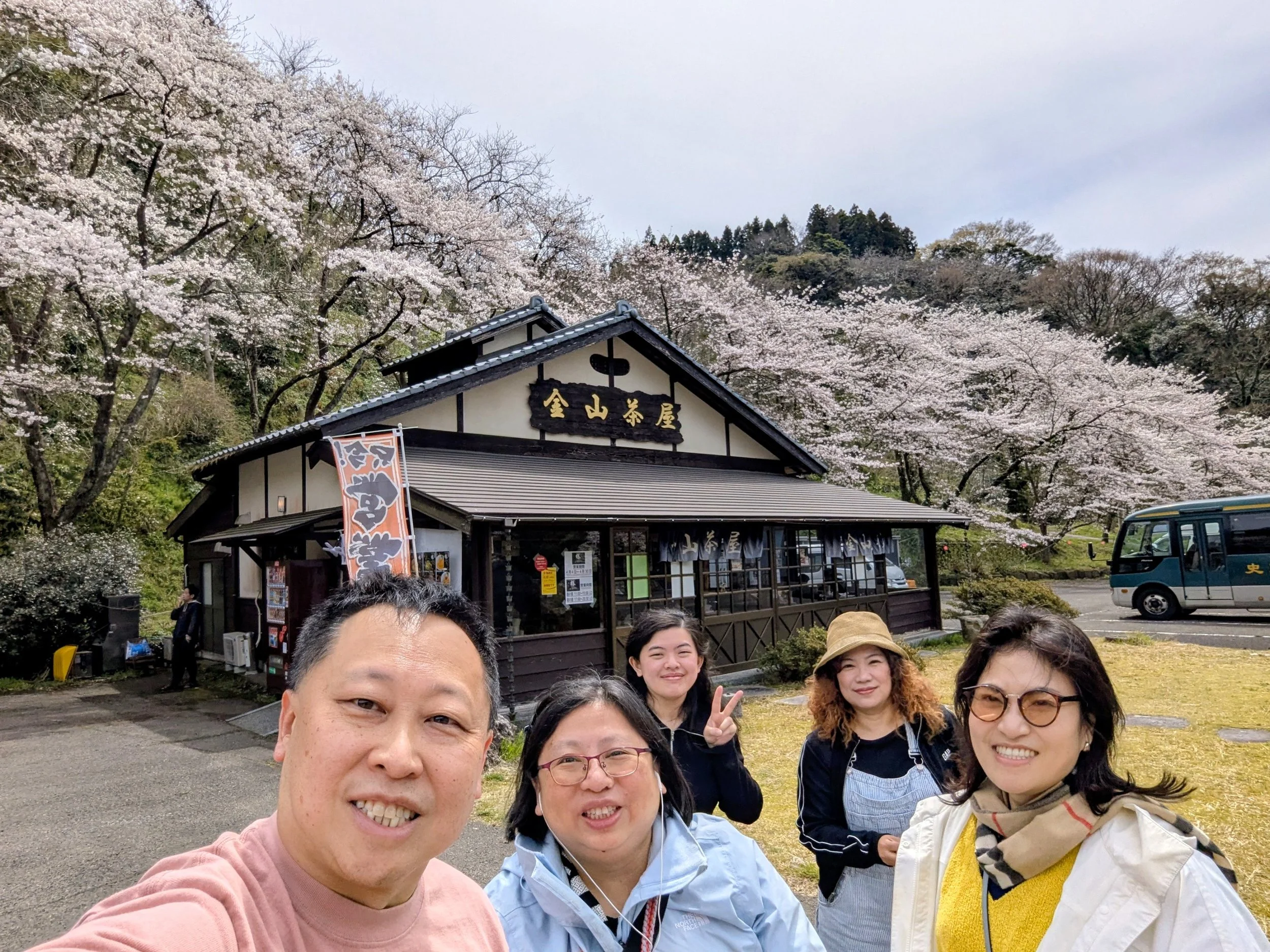
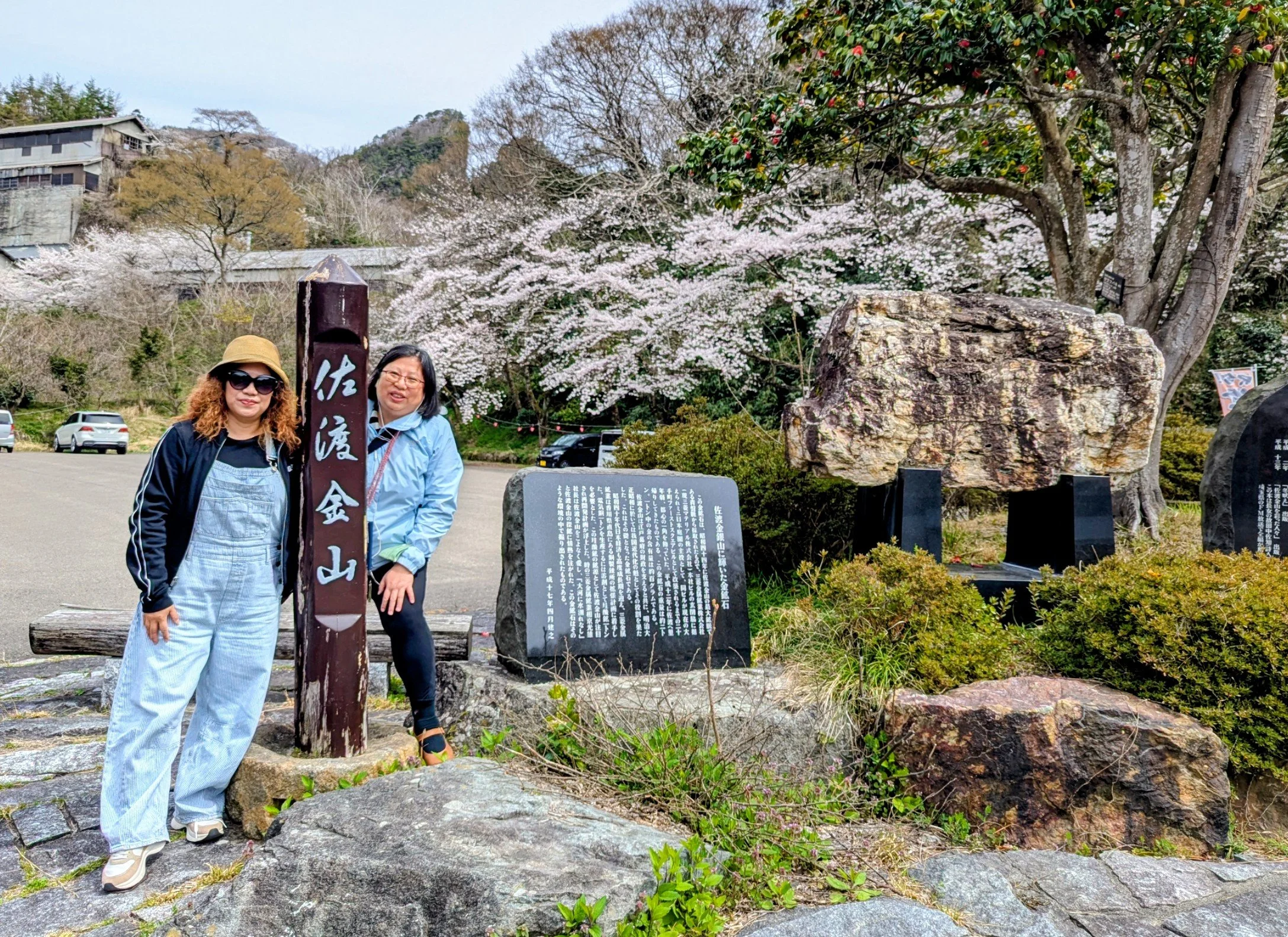
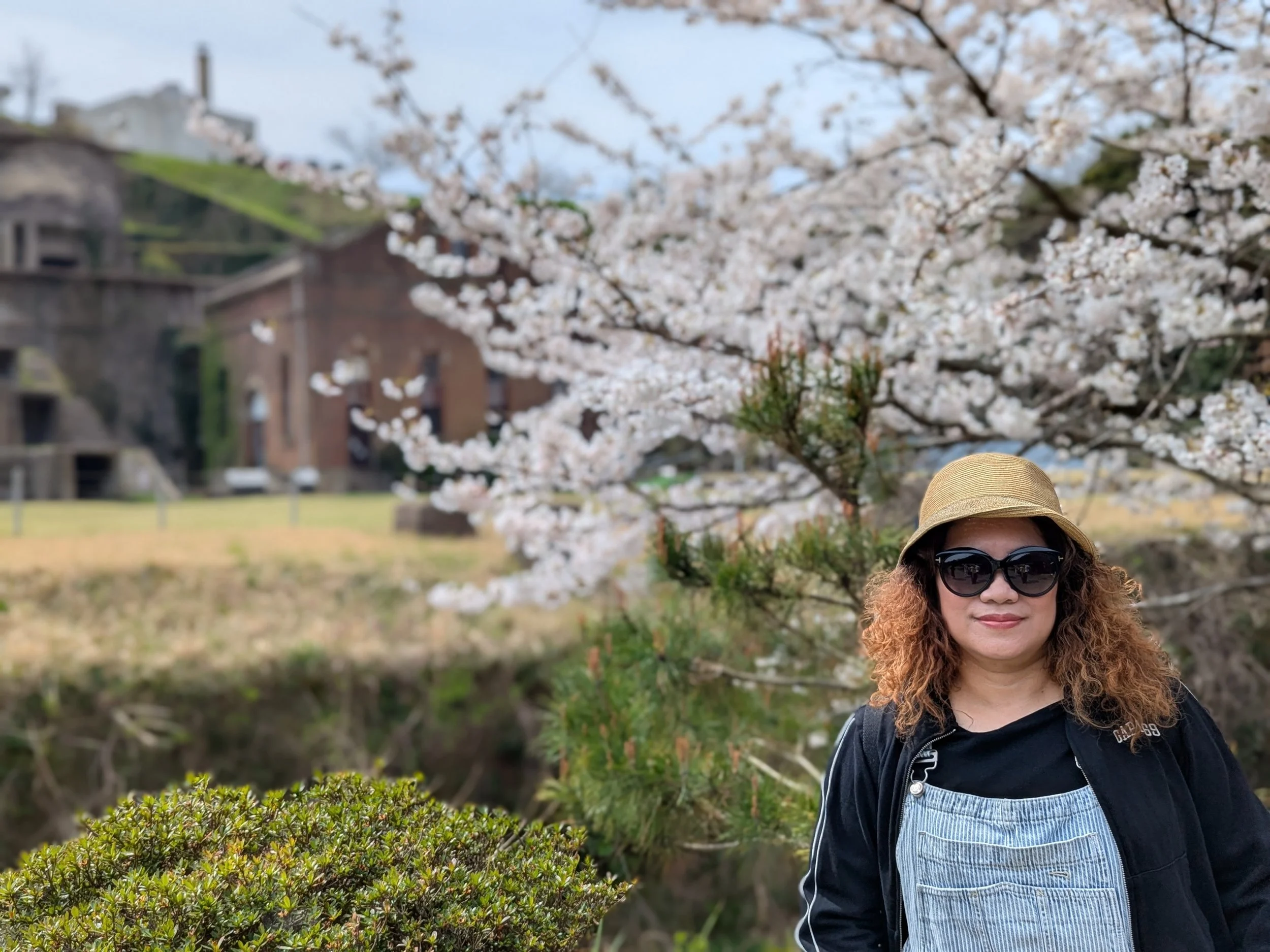
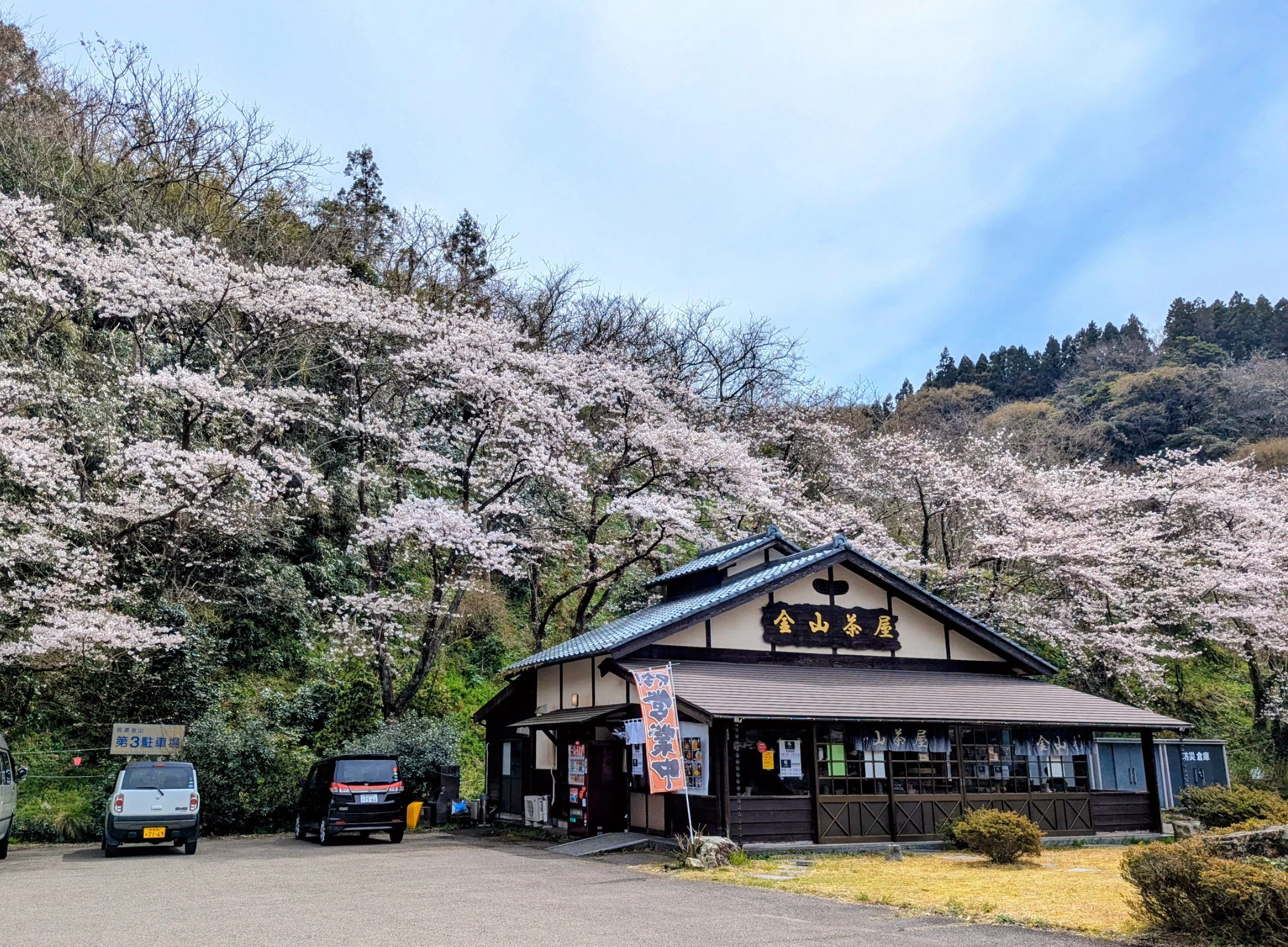
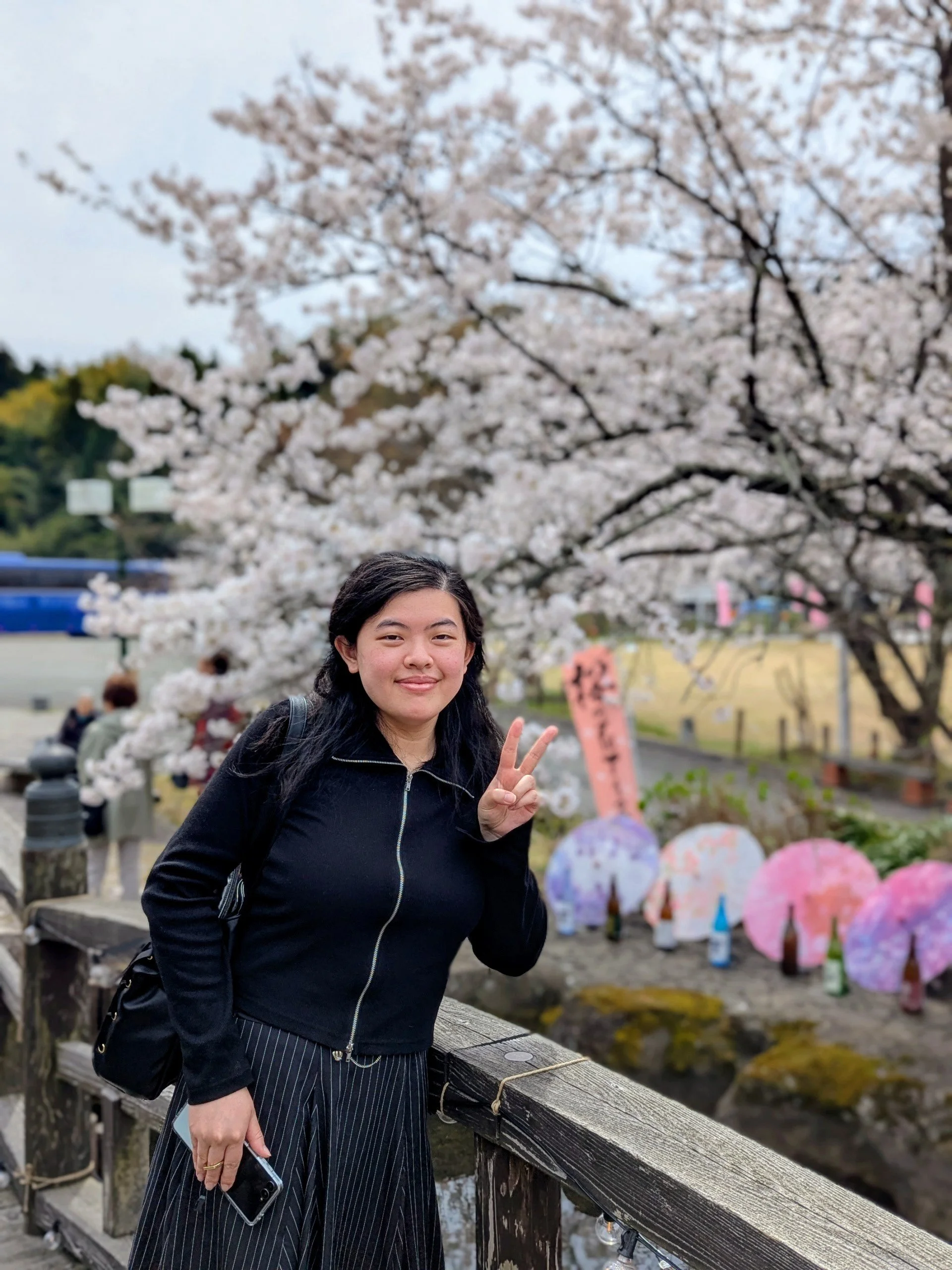
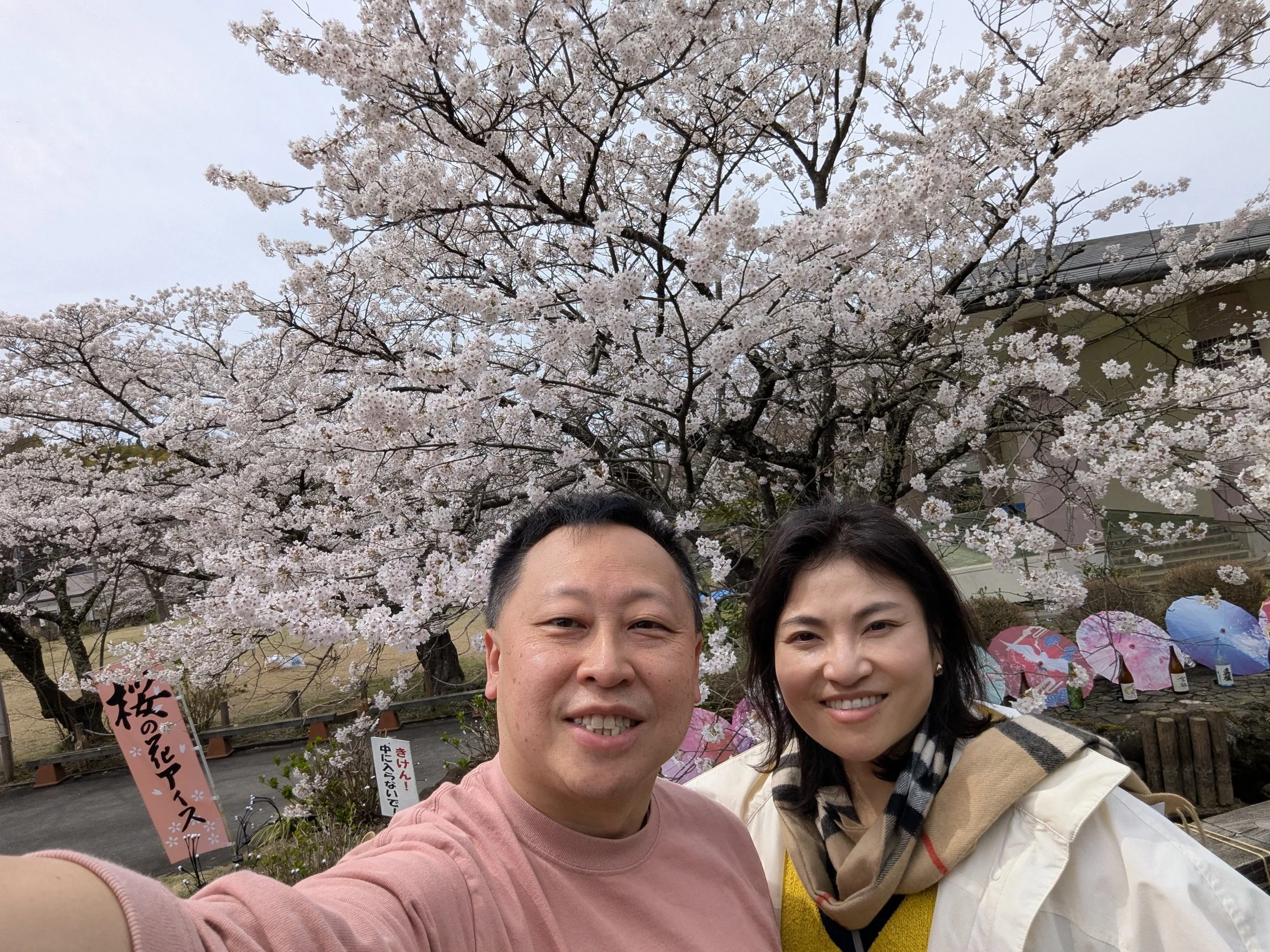
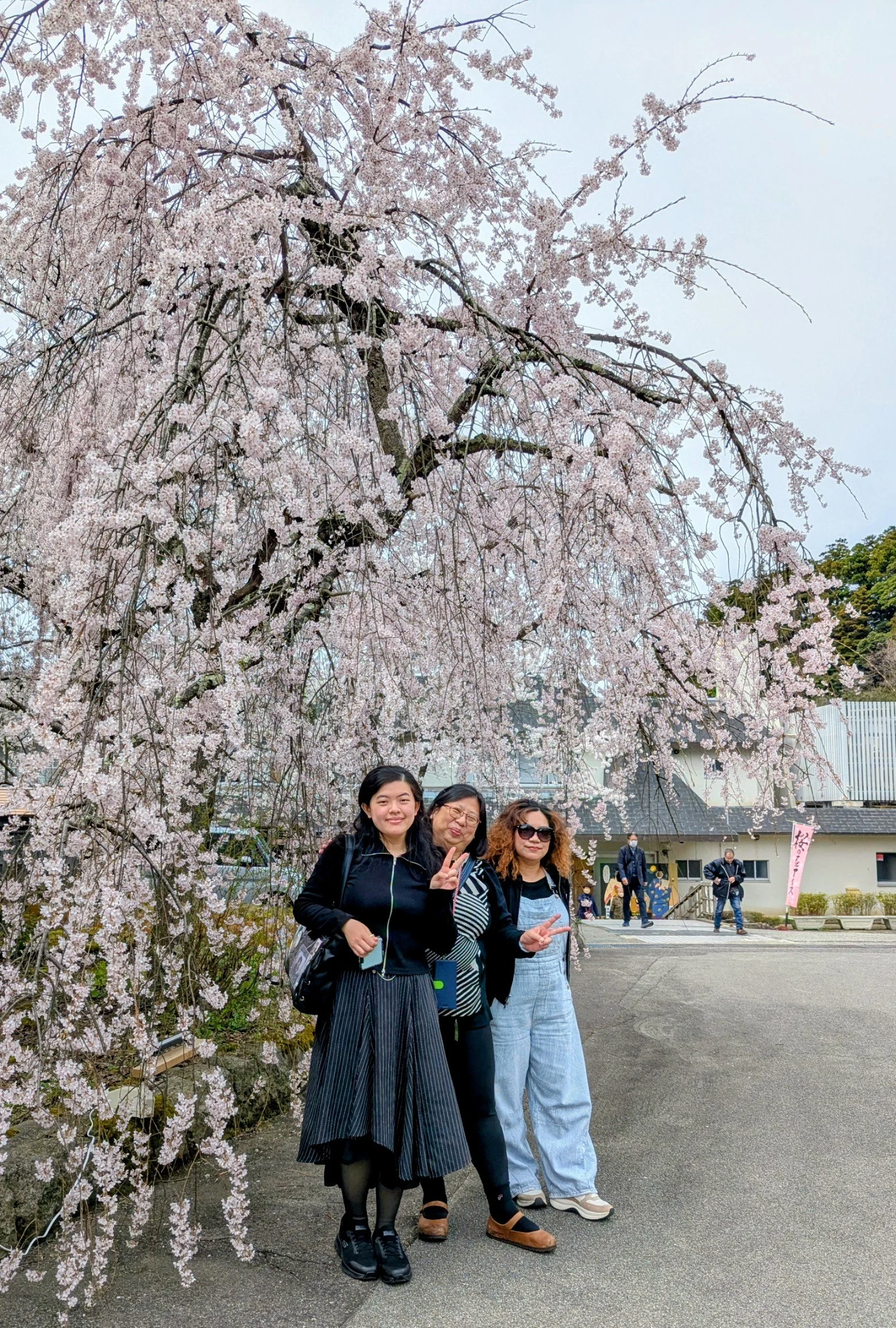
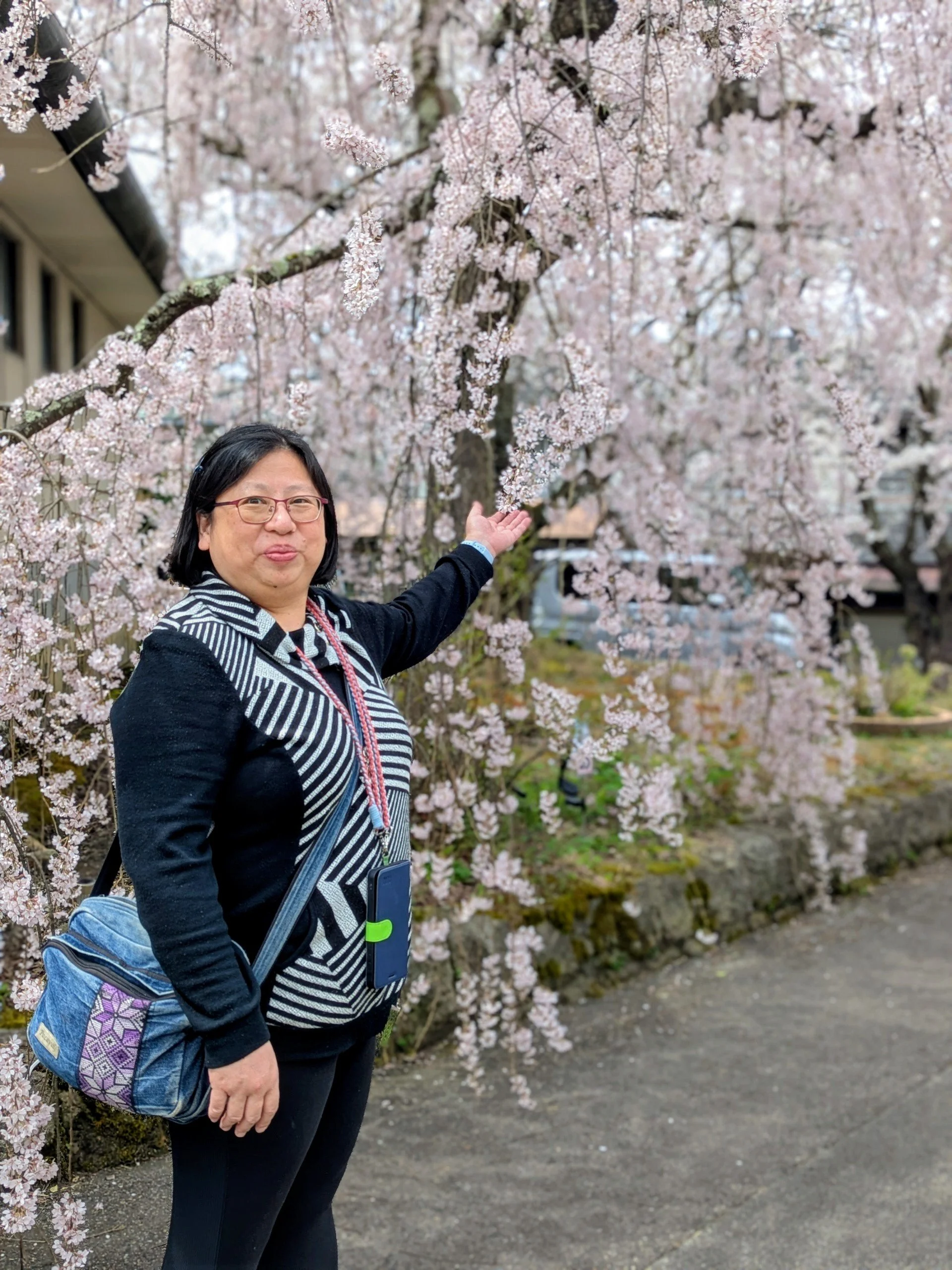
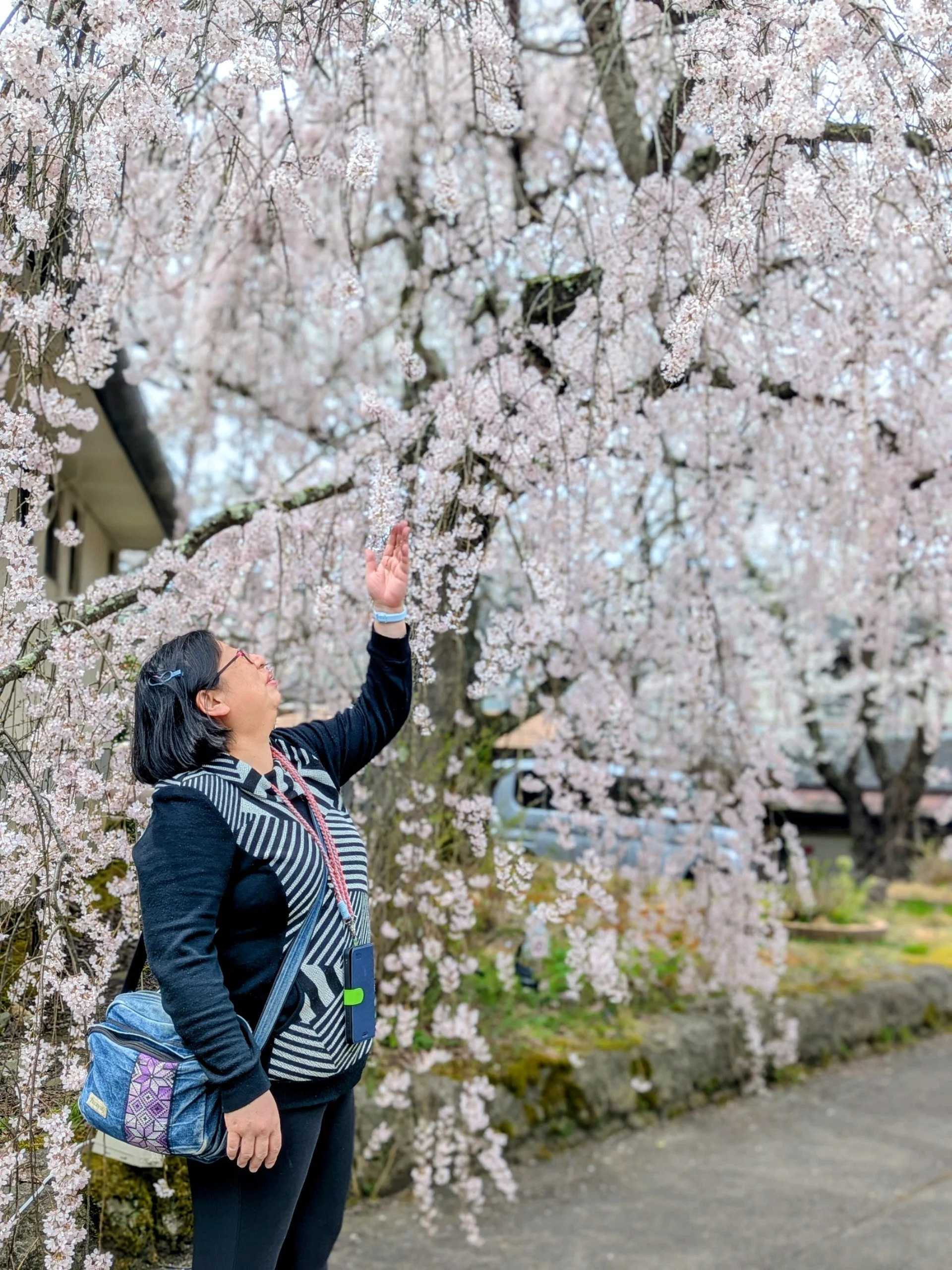
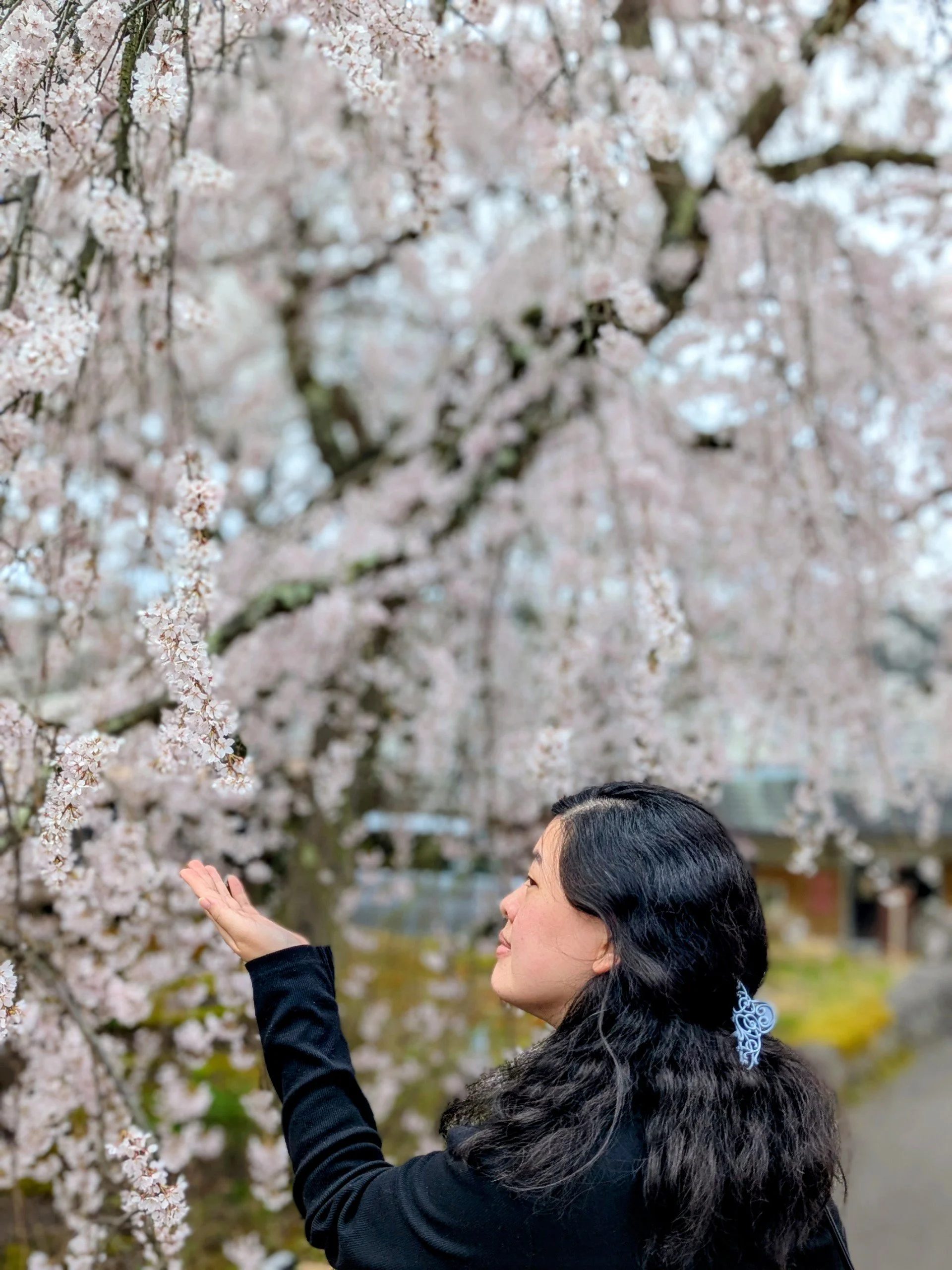
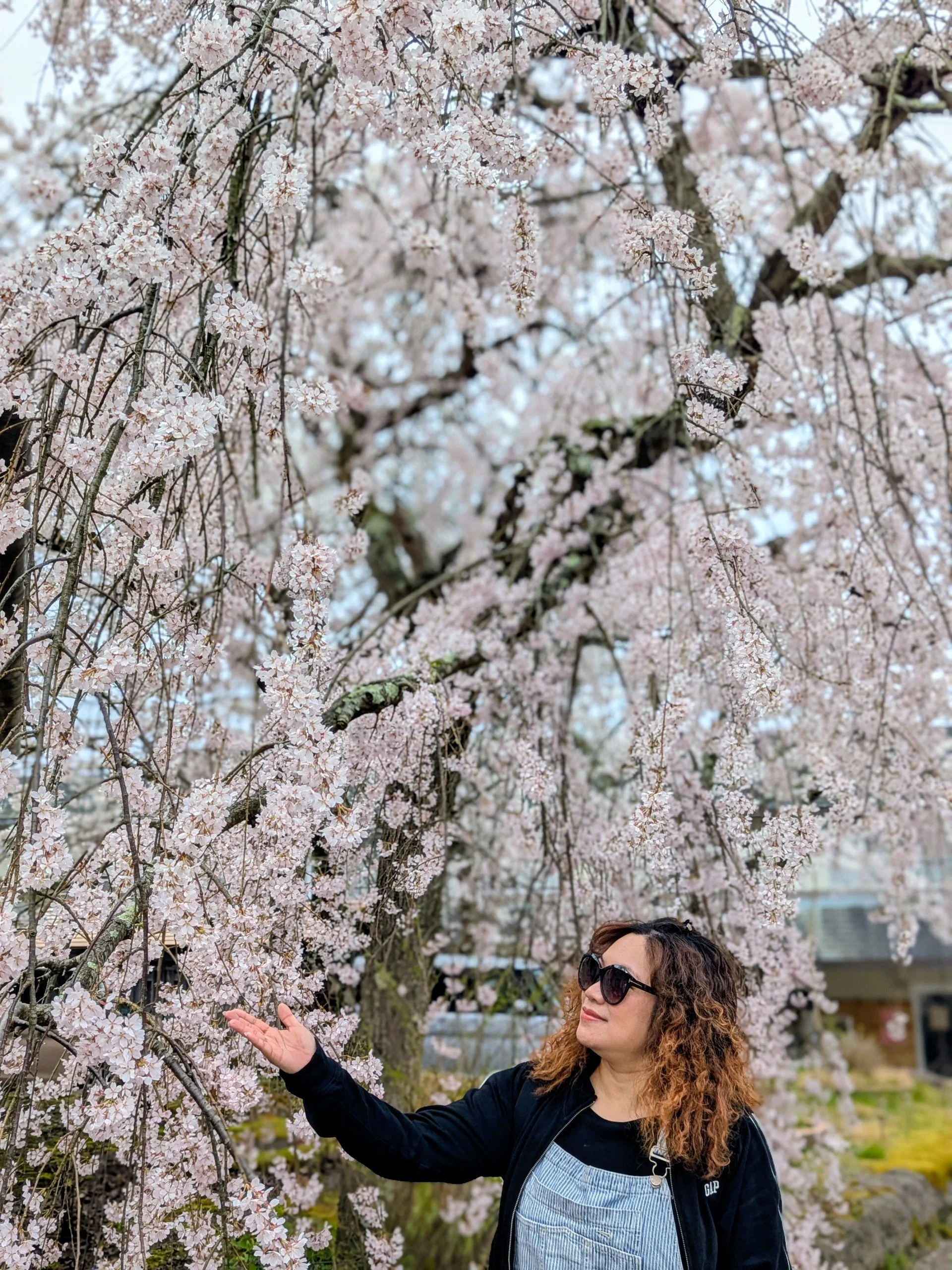
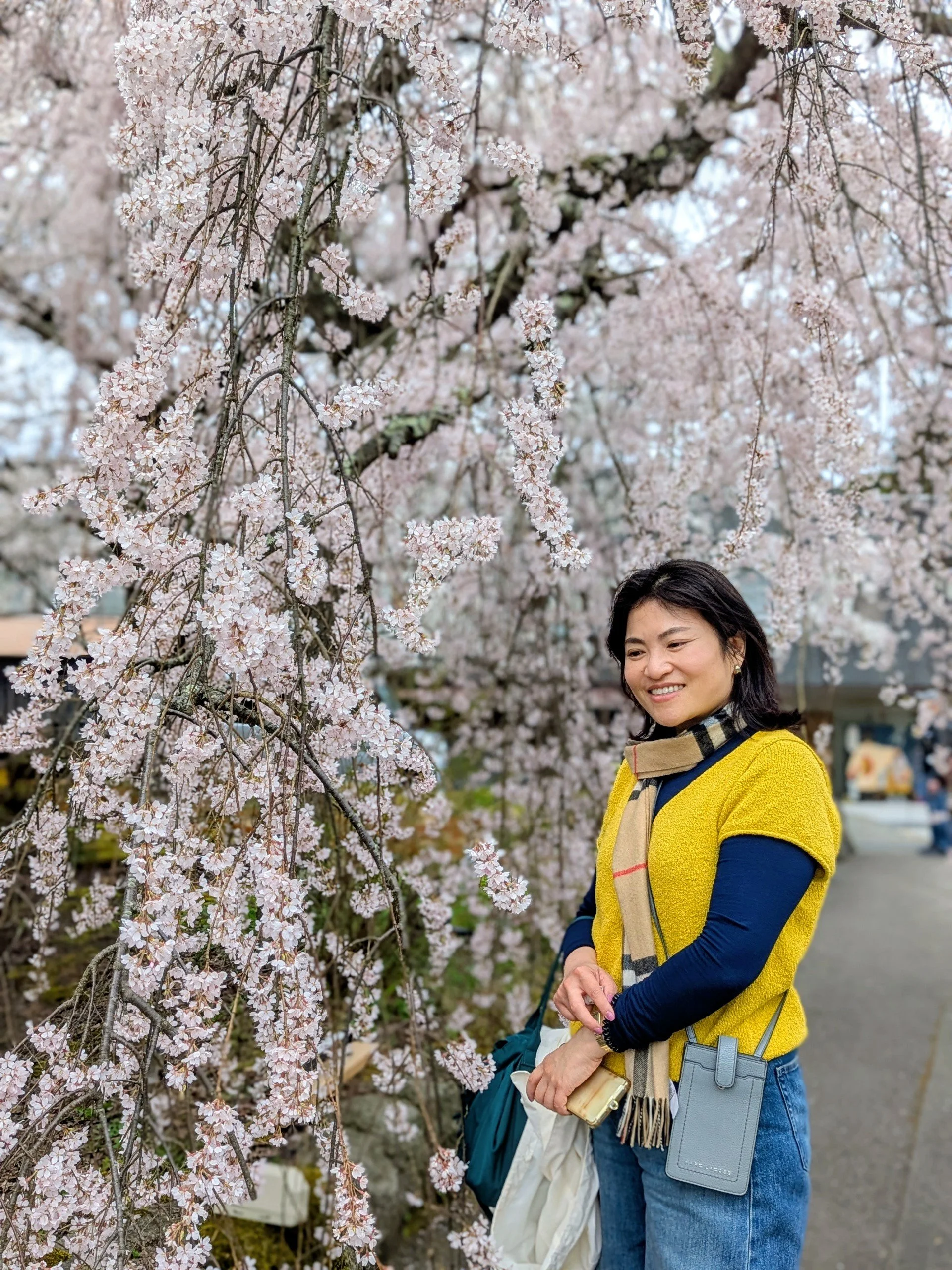
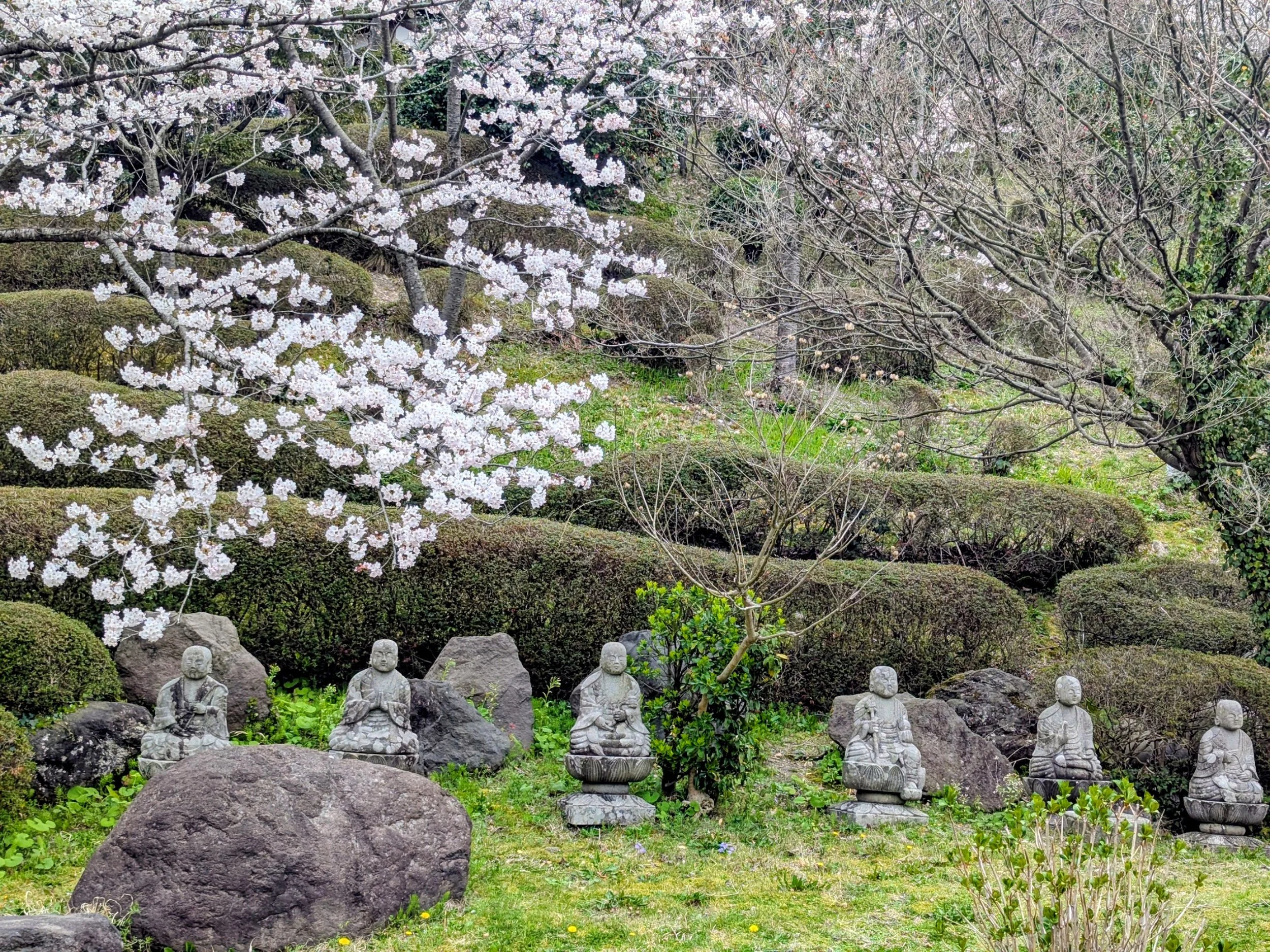
Next we visited a Sakura park next to the gold mine. Sado Island offers spectacular, uncrowded cherry blossom (sakura) viewing, usually peaking in April. Top spots include Mano Park (2,000 trees, festival), Sado Gold Mine (illuminated tunnels), Niibo Dam (1,500 trees), and Shiroyama Park. These areas are renowned for sakura festivals, night illumination (yozakura), and historic settings.
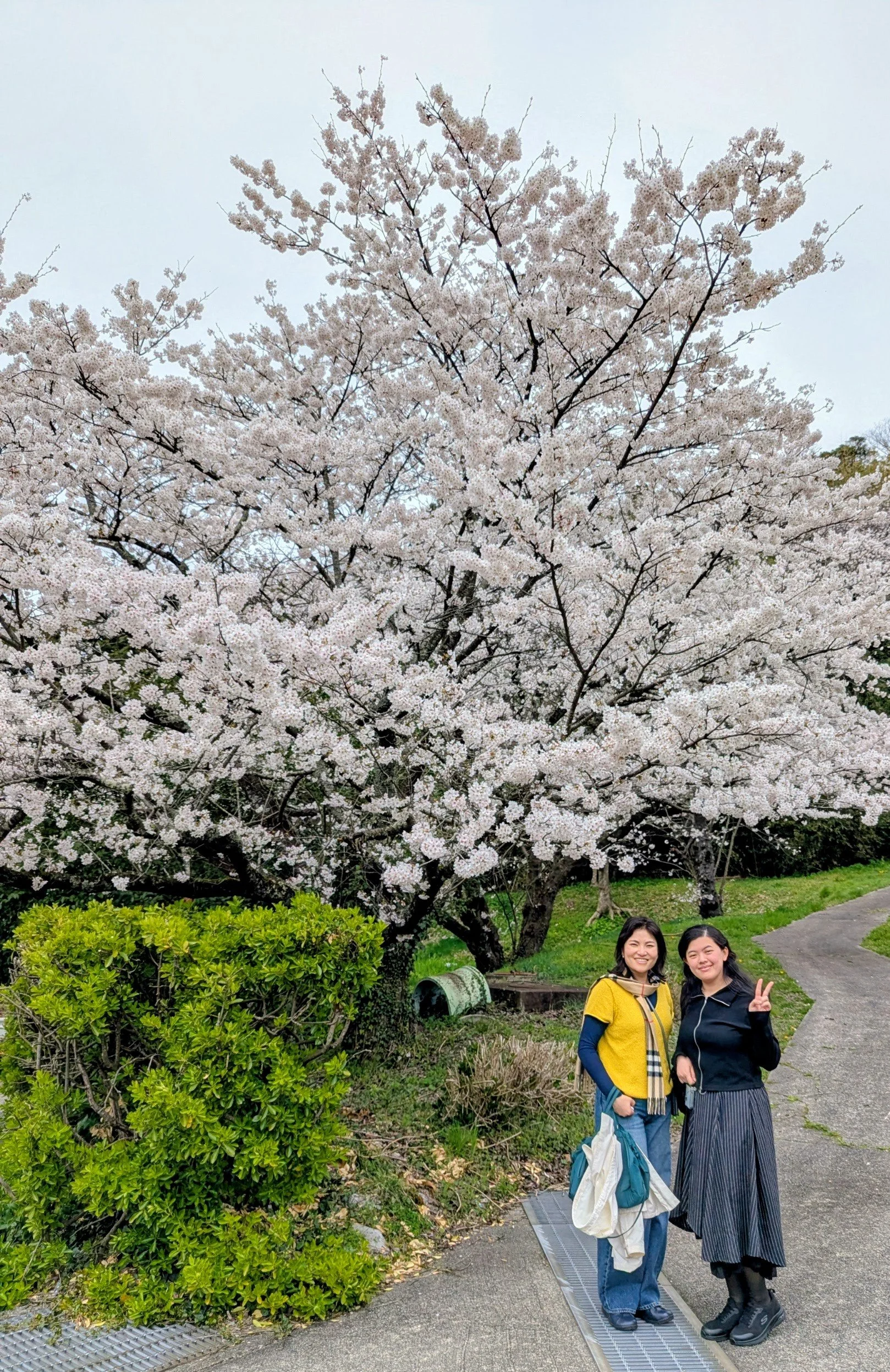
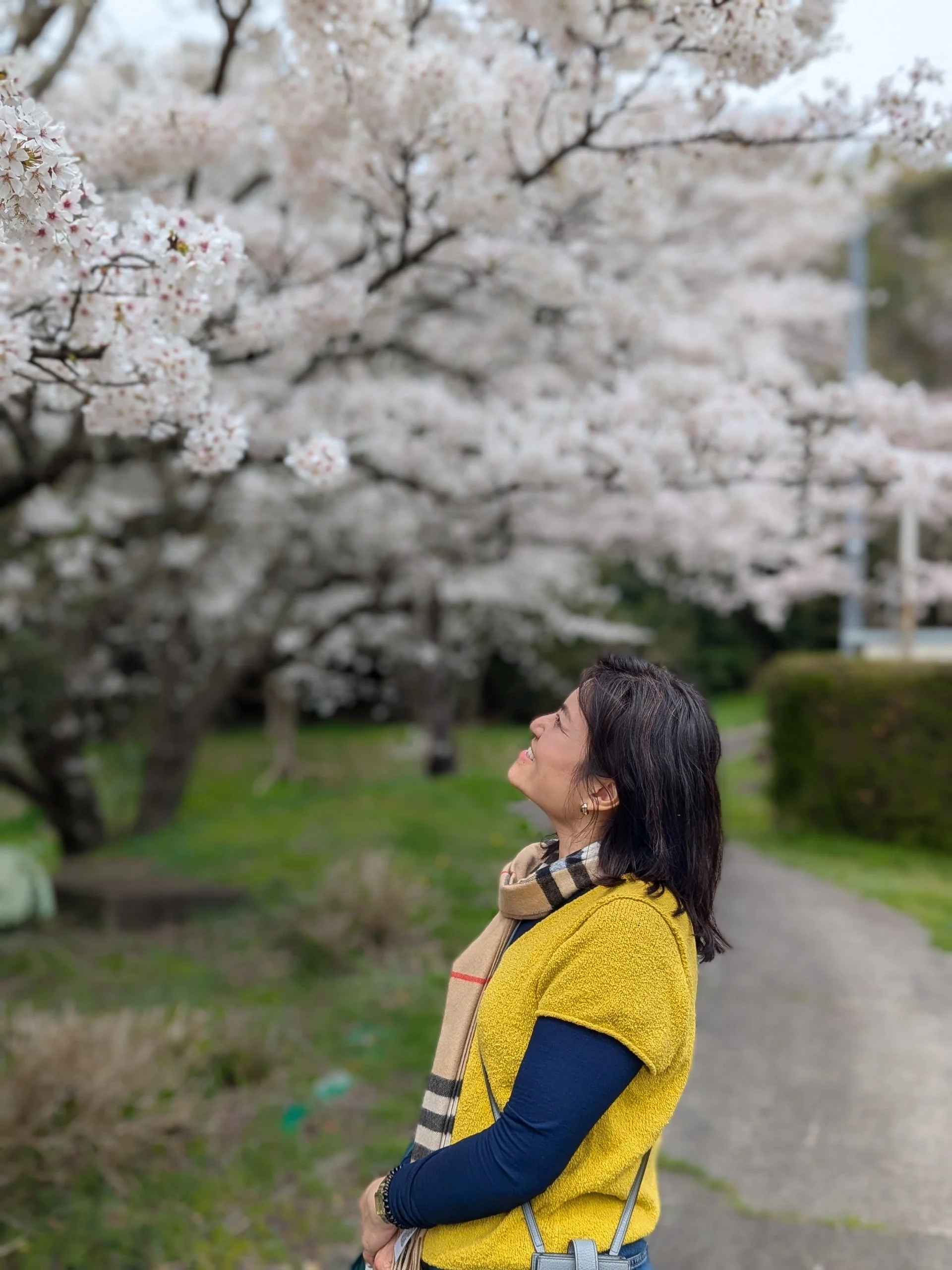
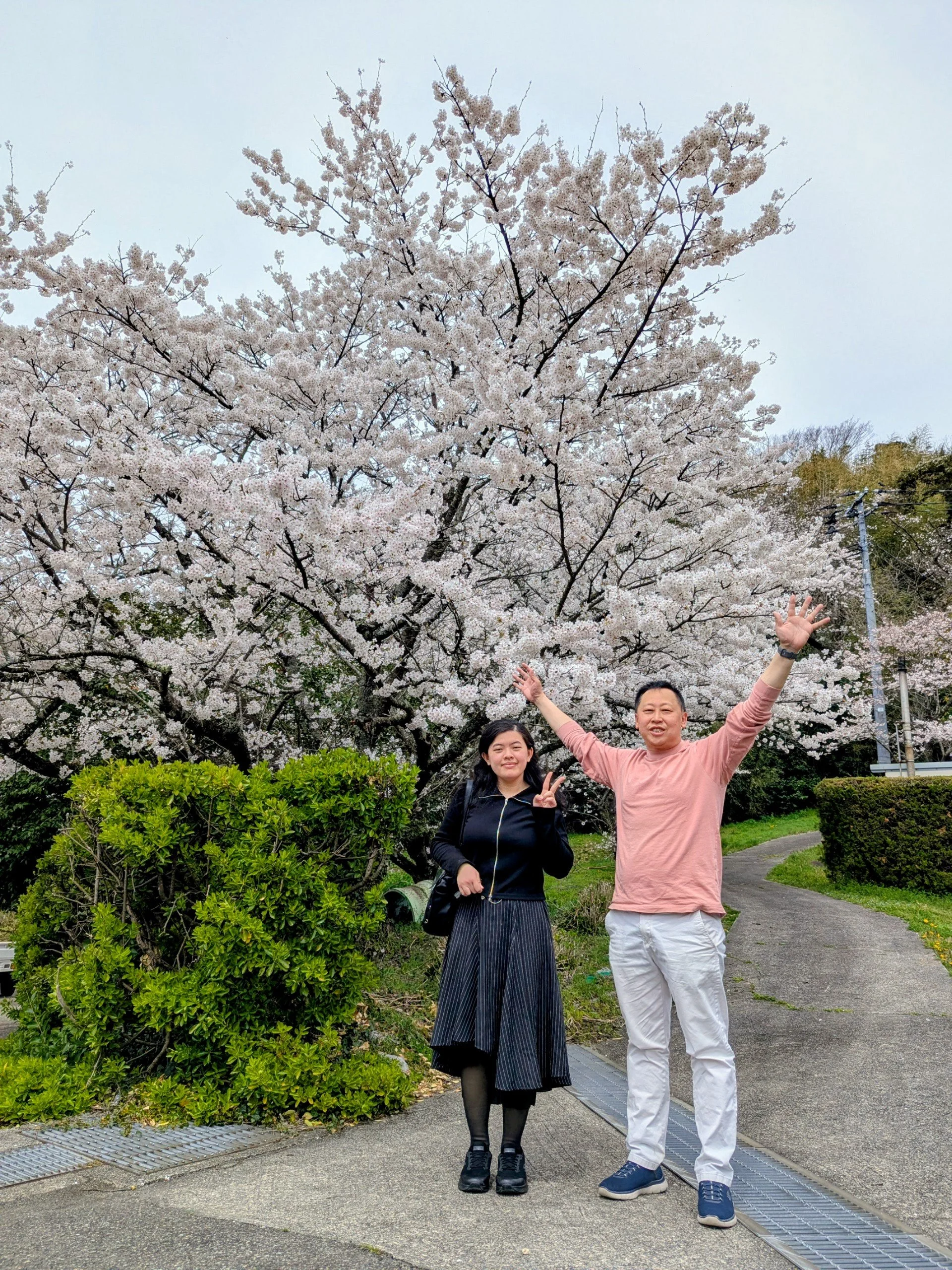
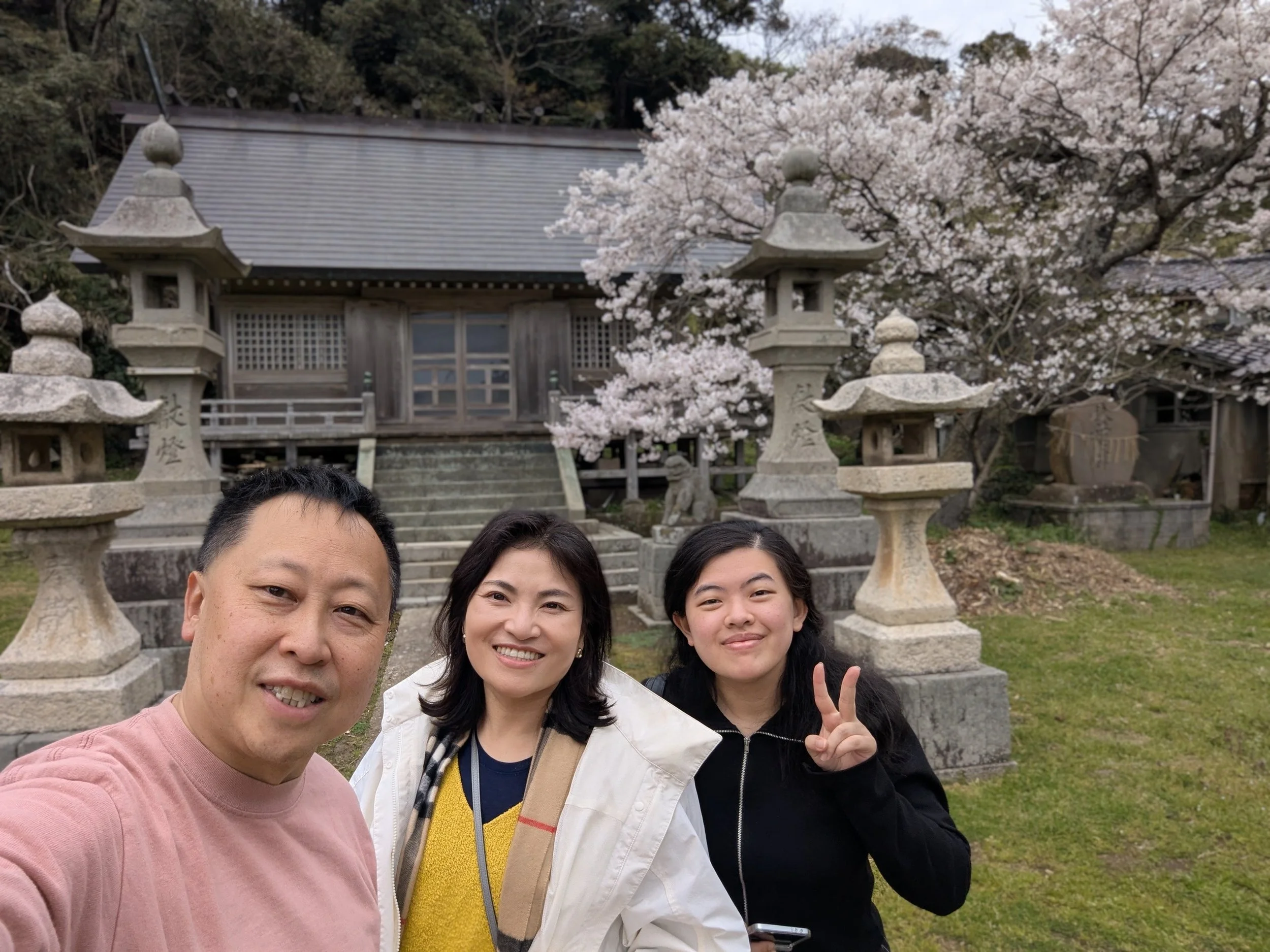
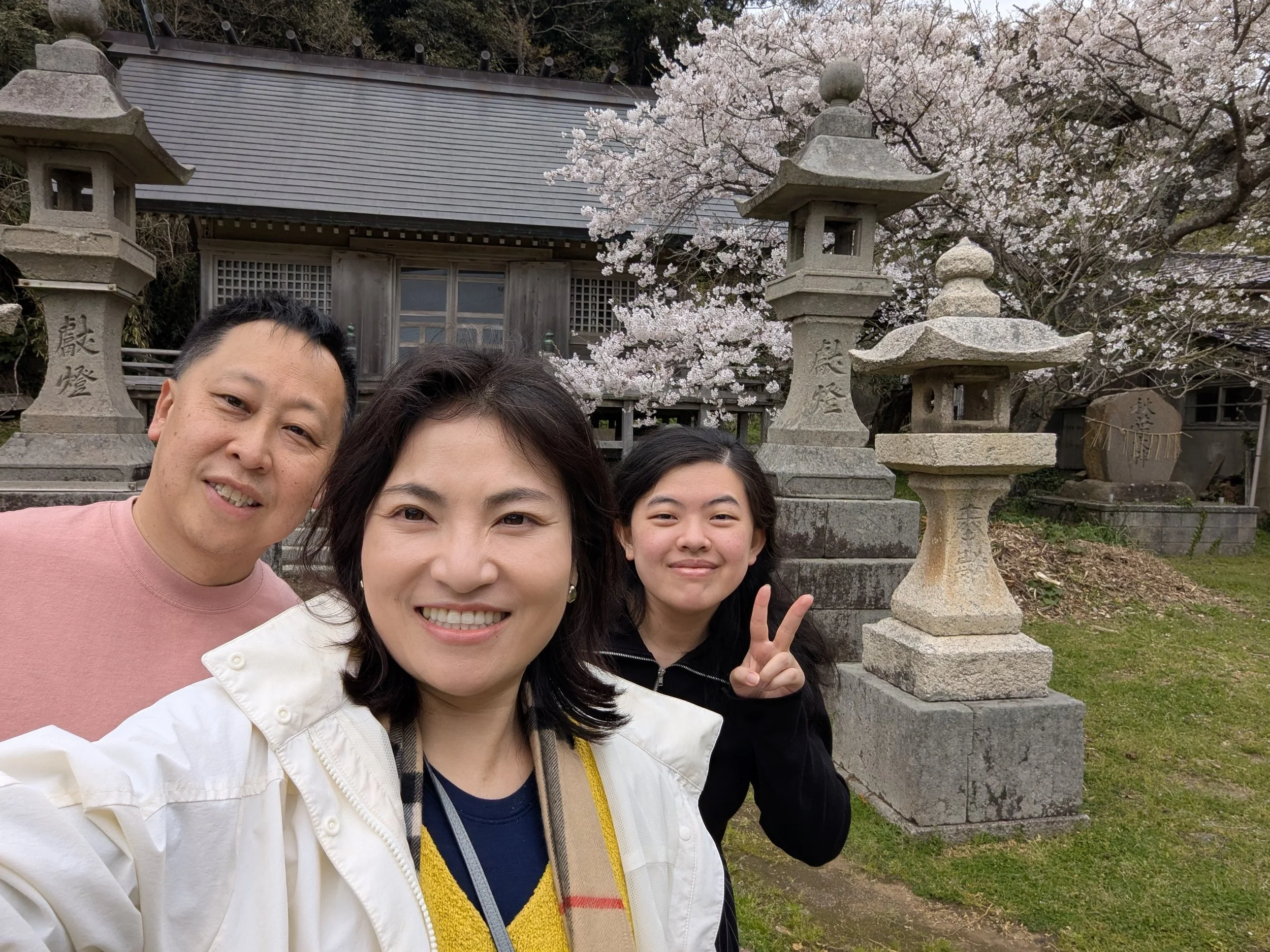
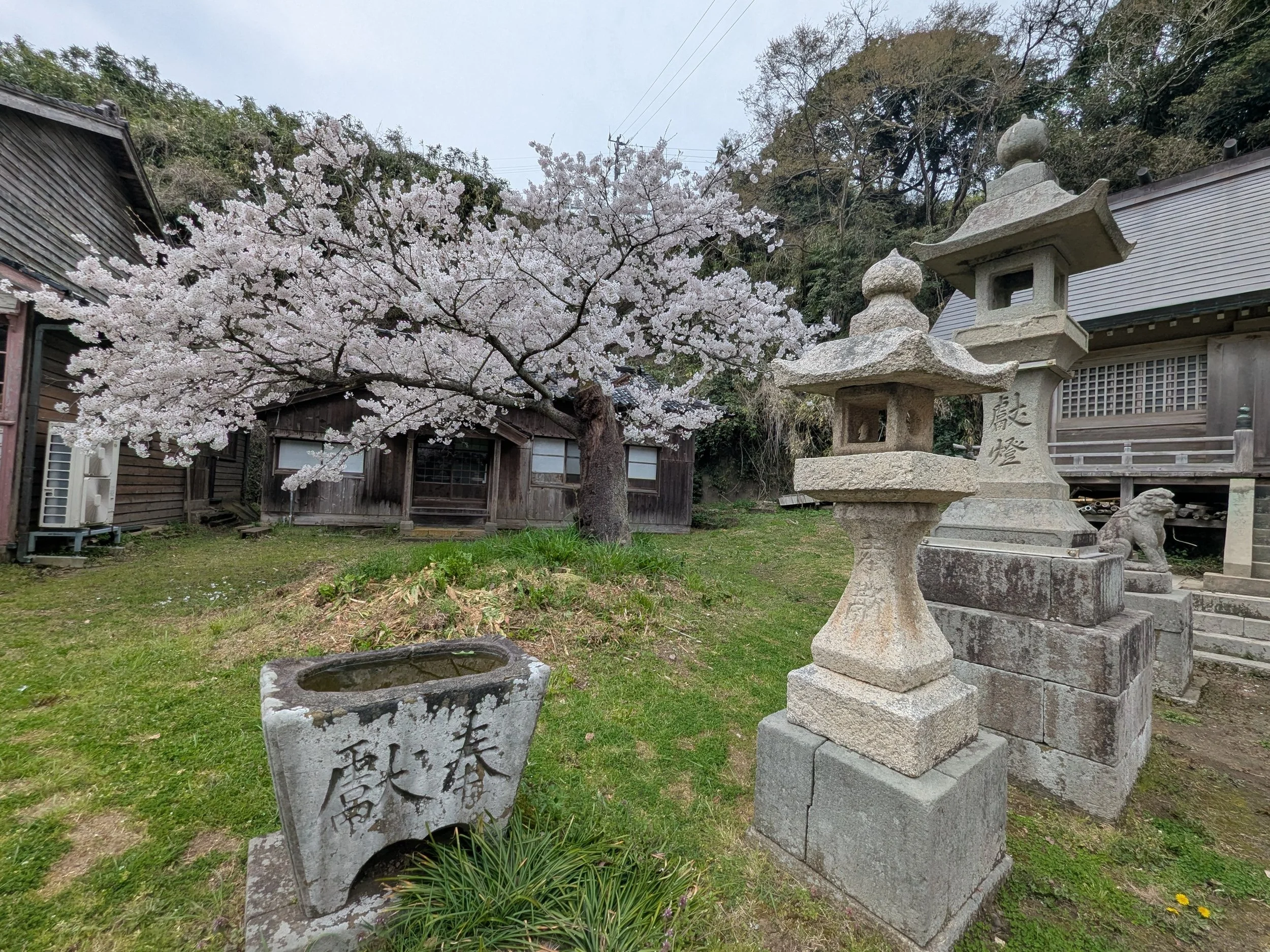
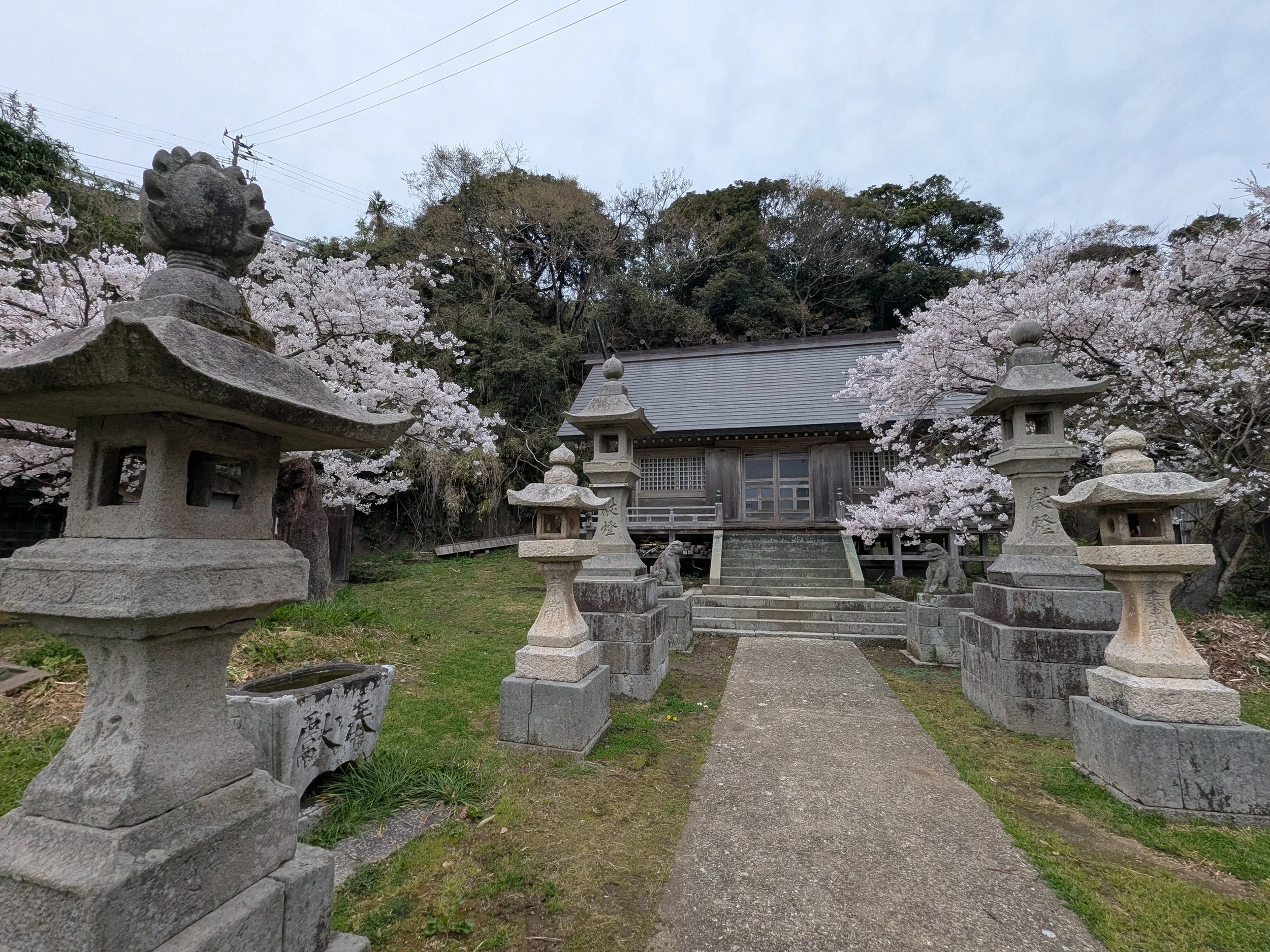
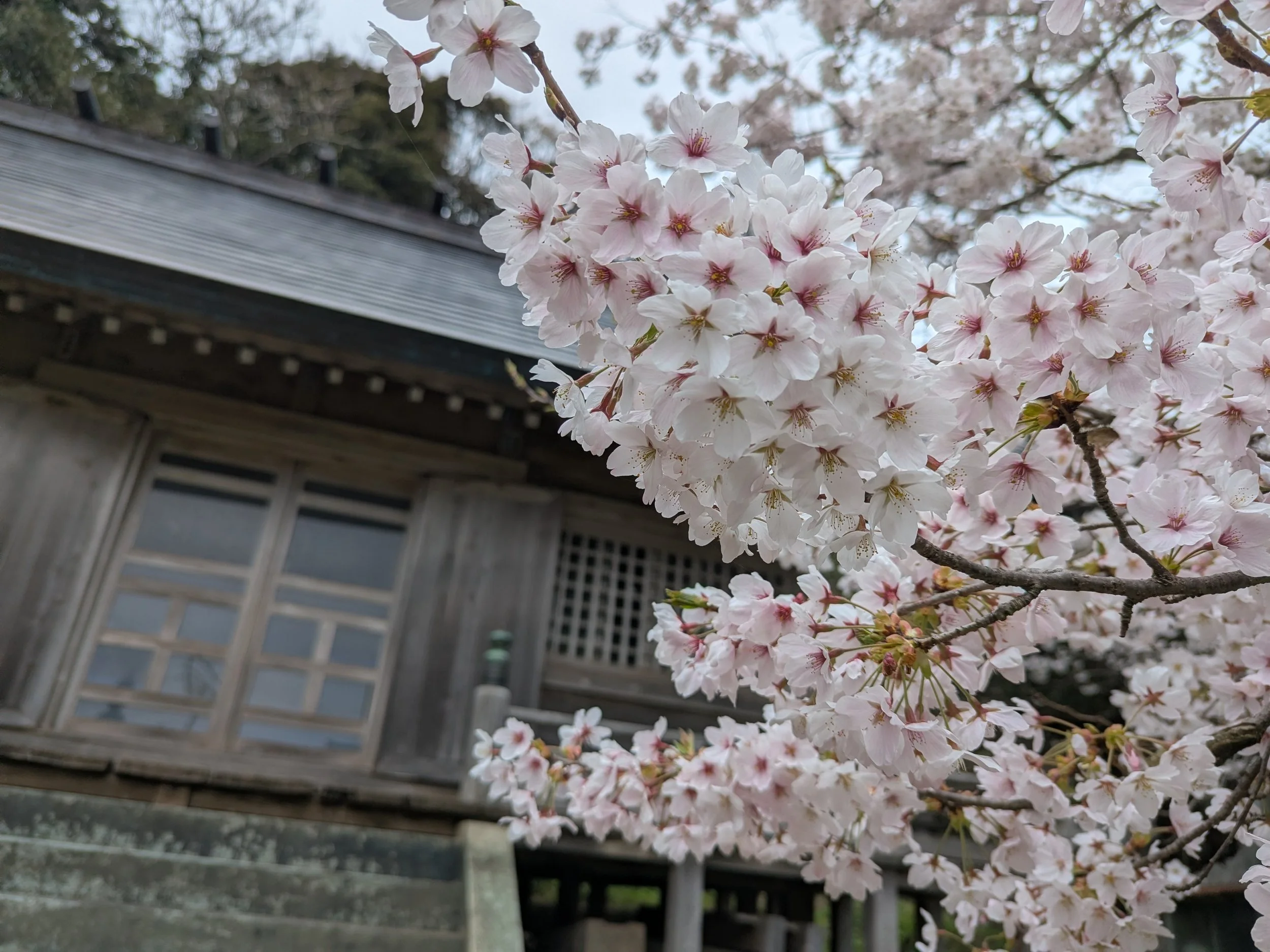
Even on Annie’s Little Island, we were able to see the cherry blossom of Japan in full bloom.
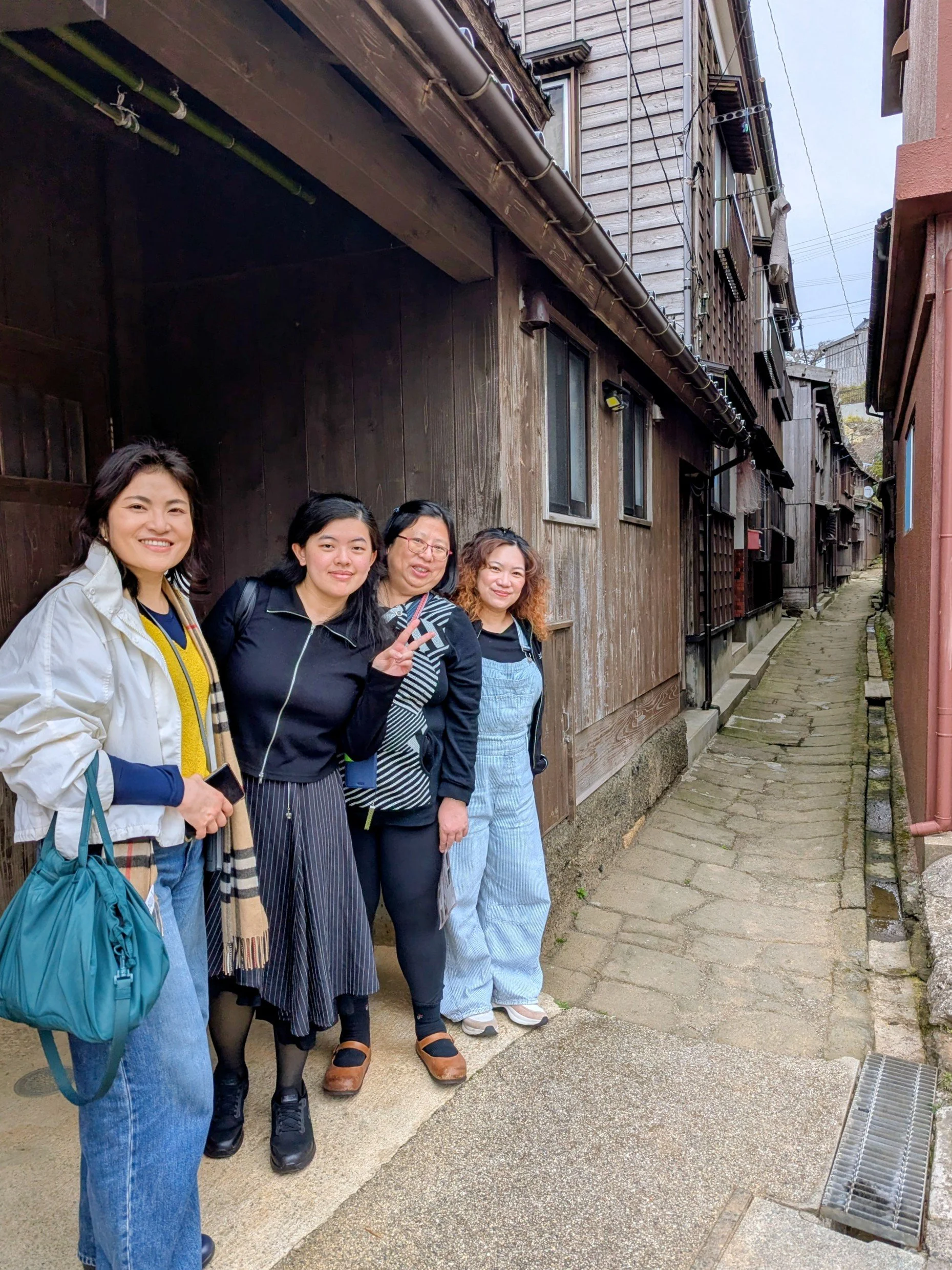
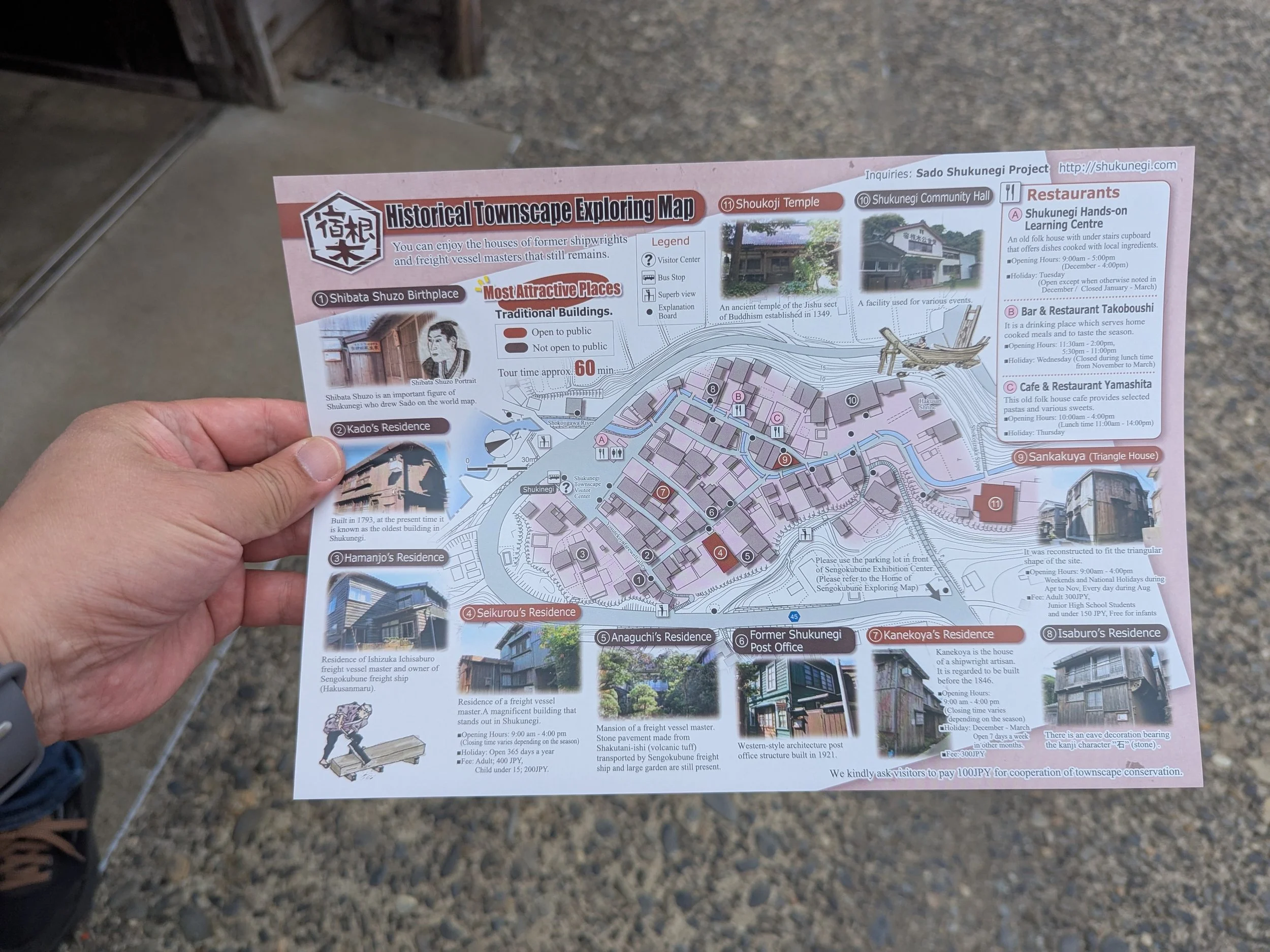
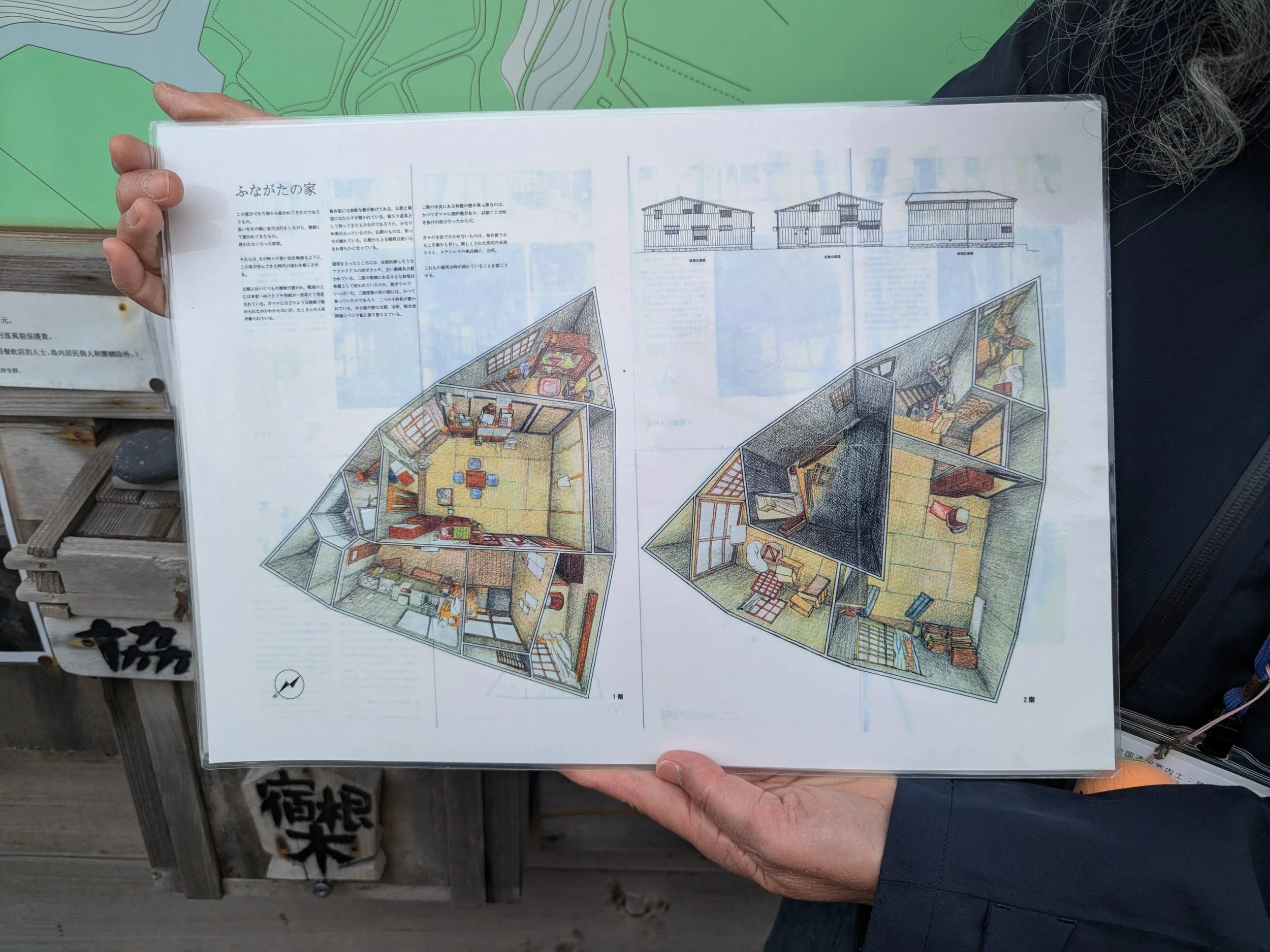
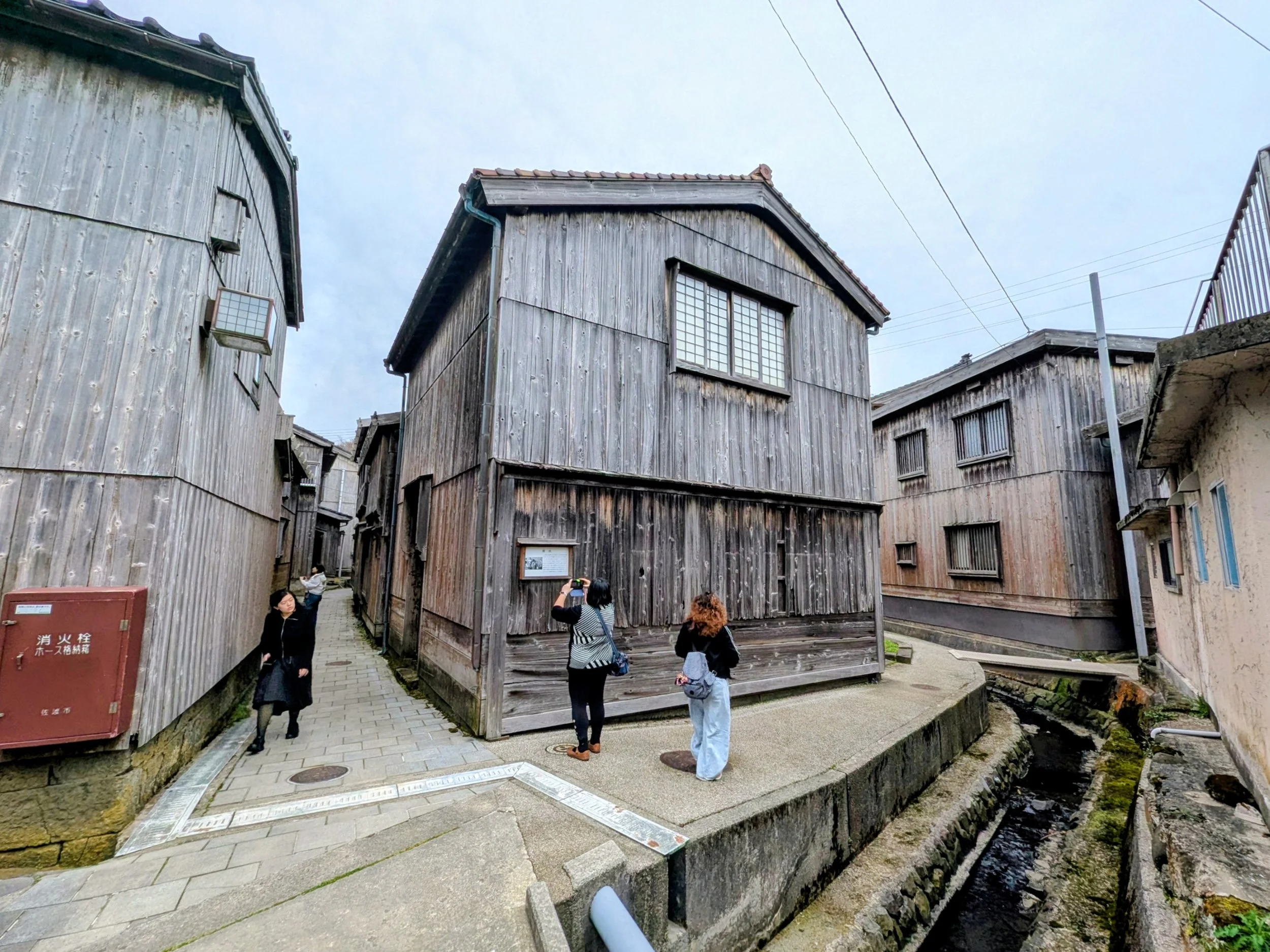
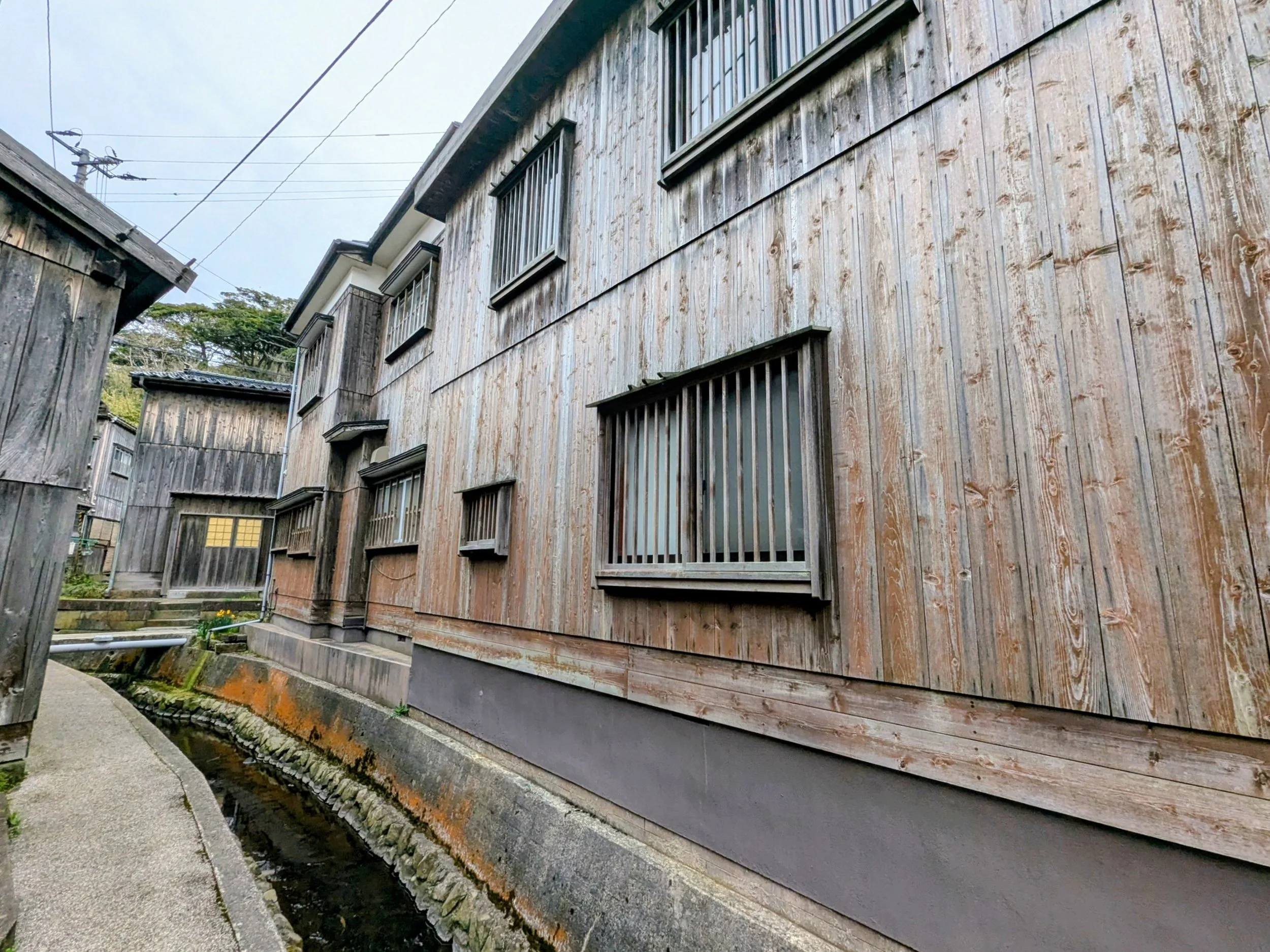
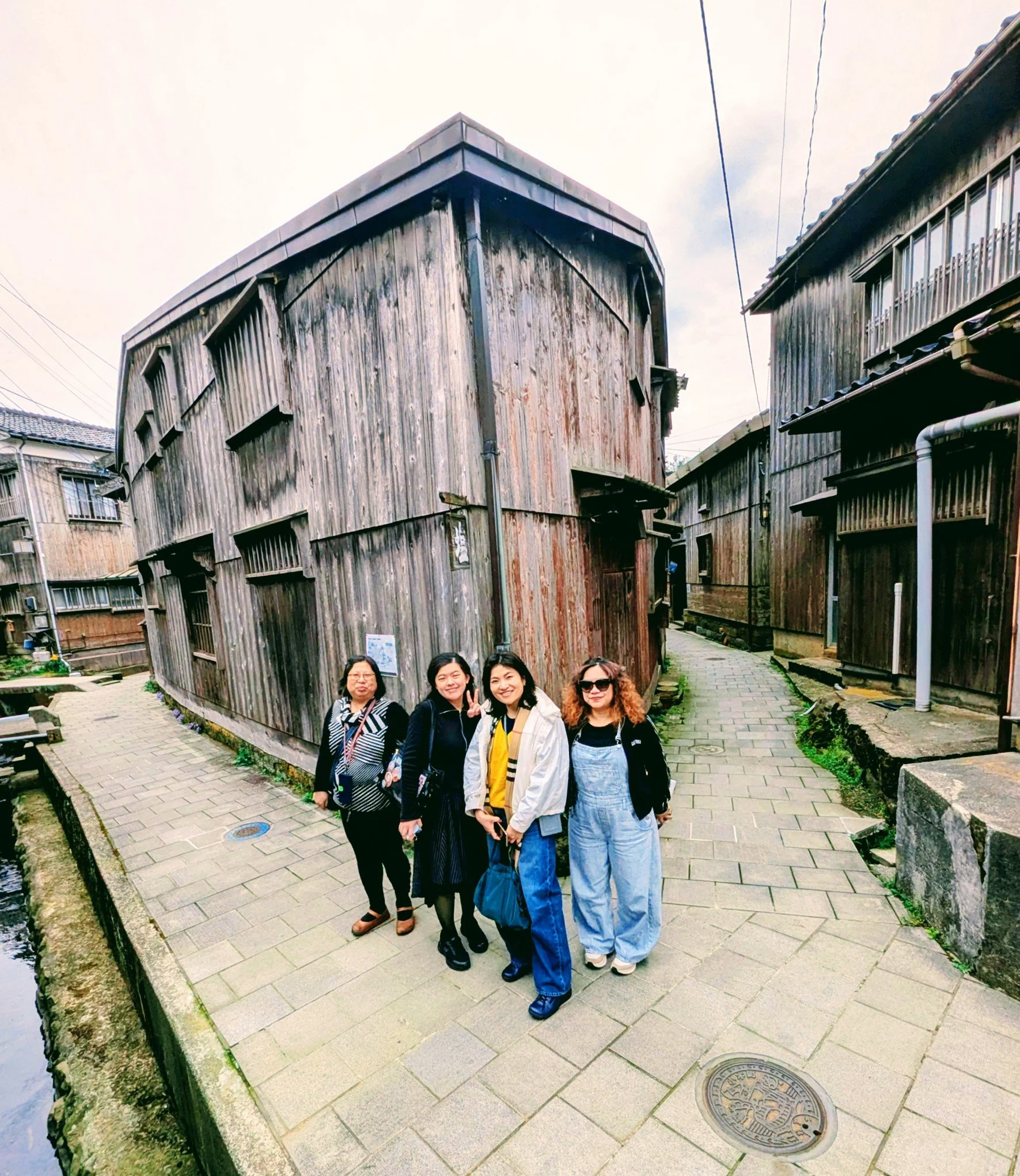
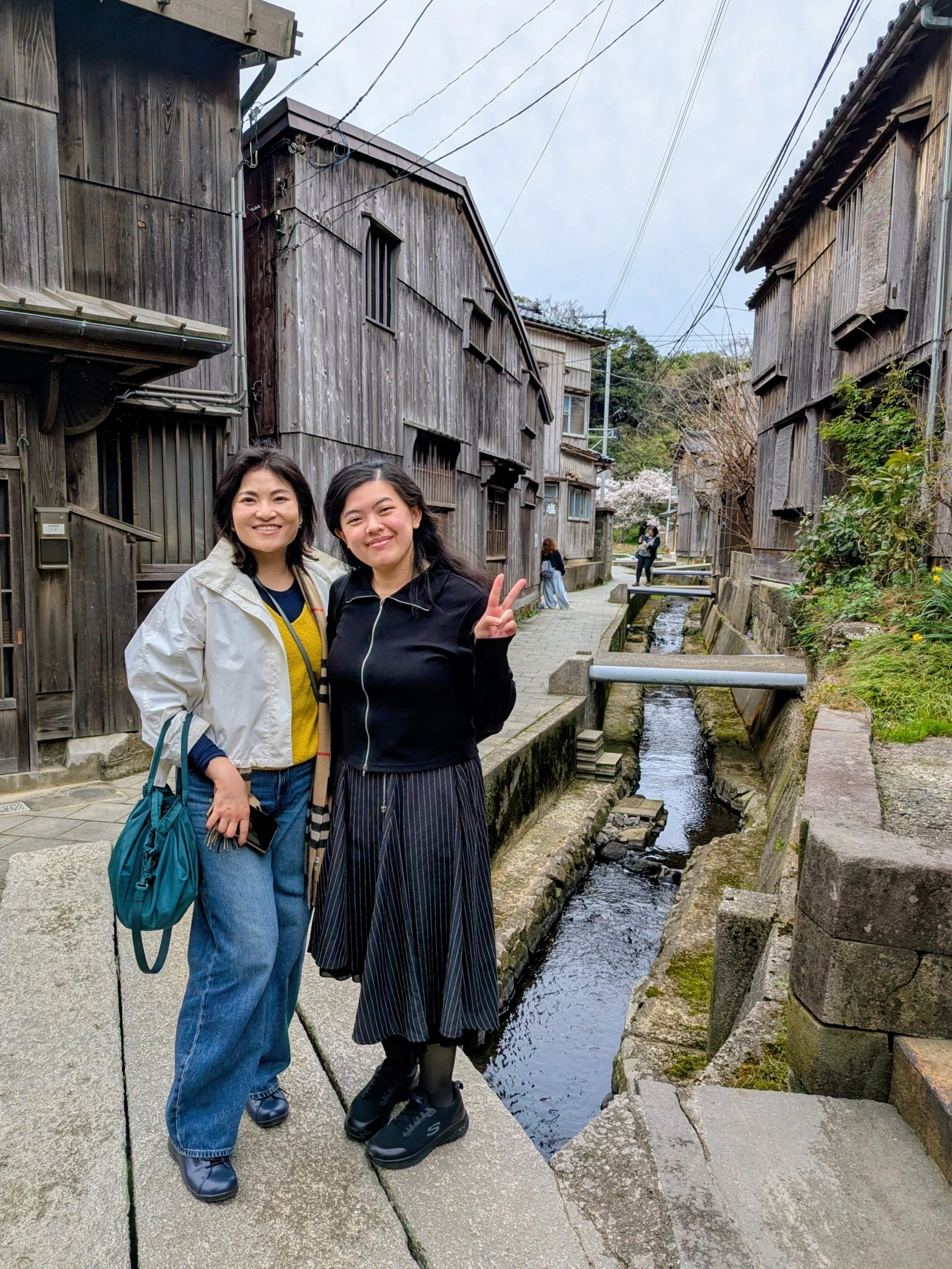
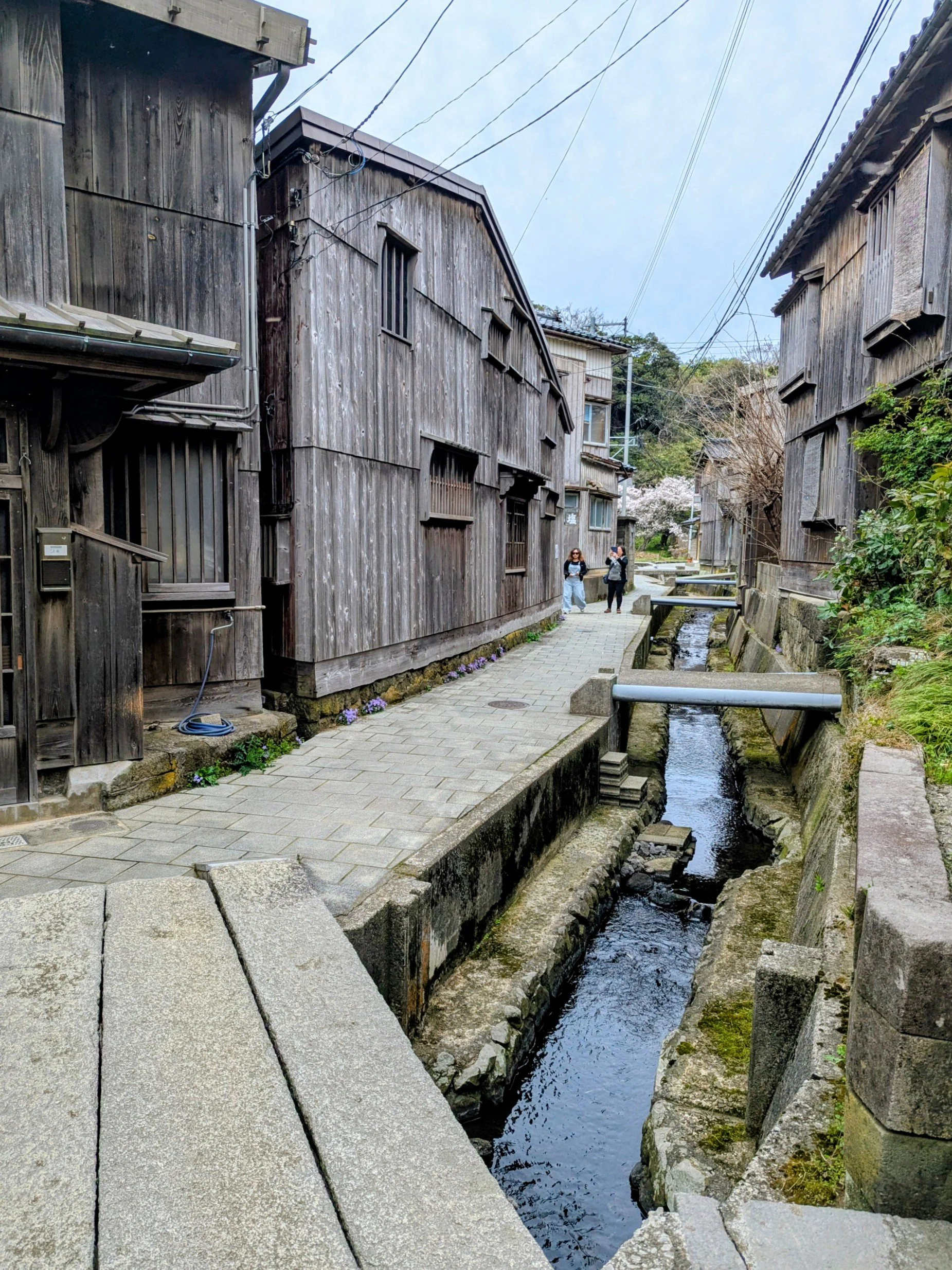
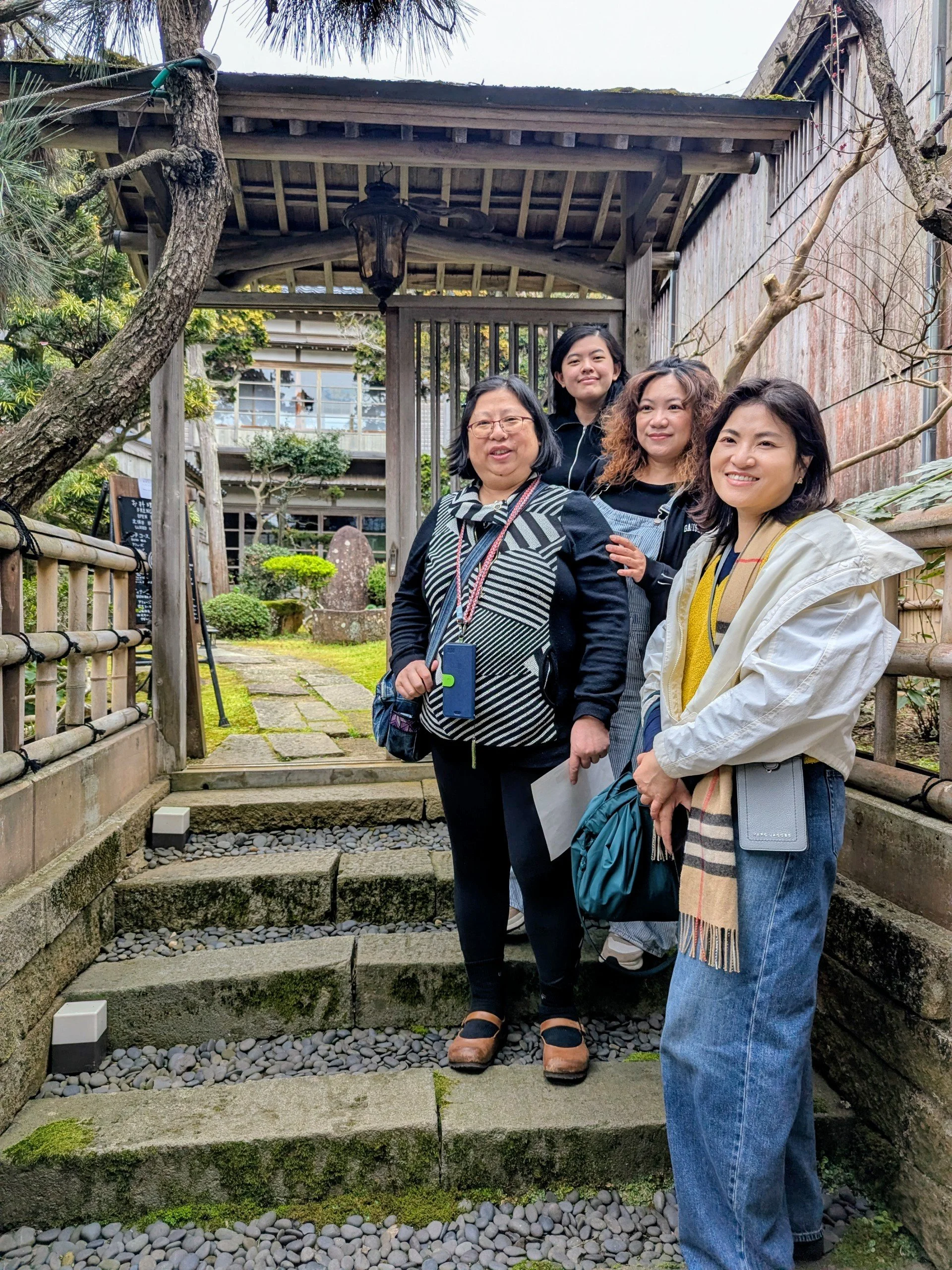
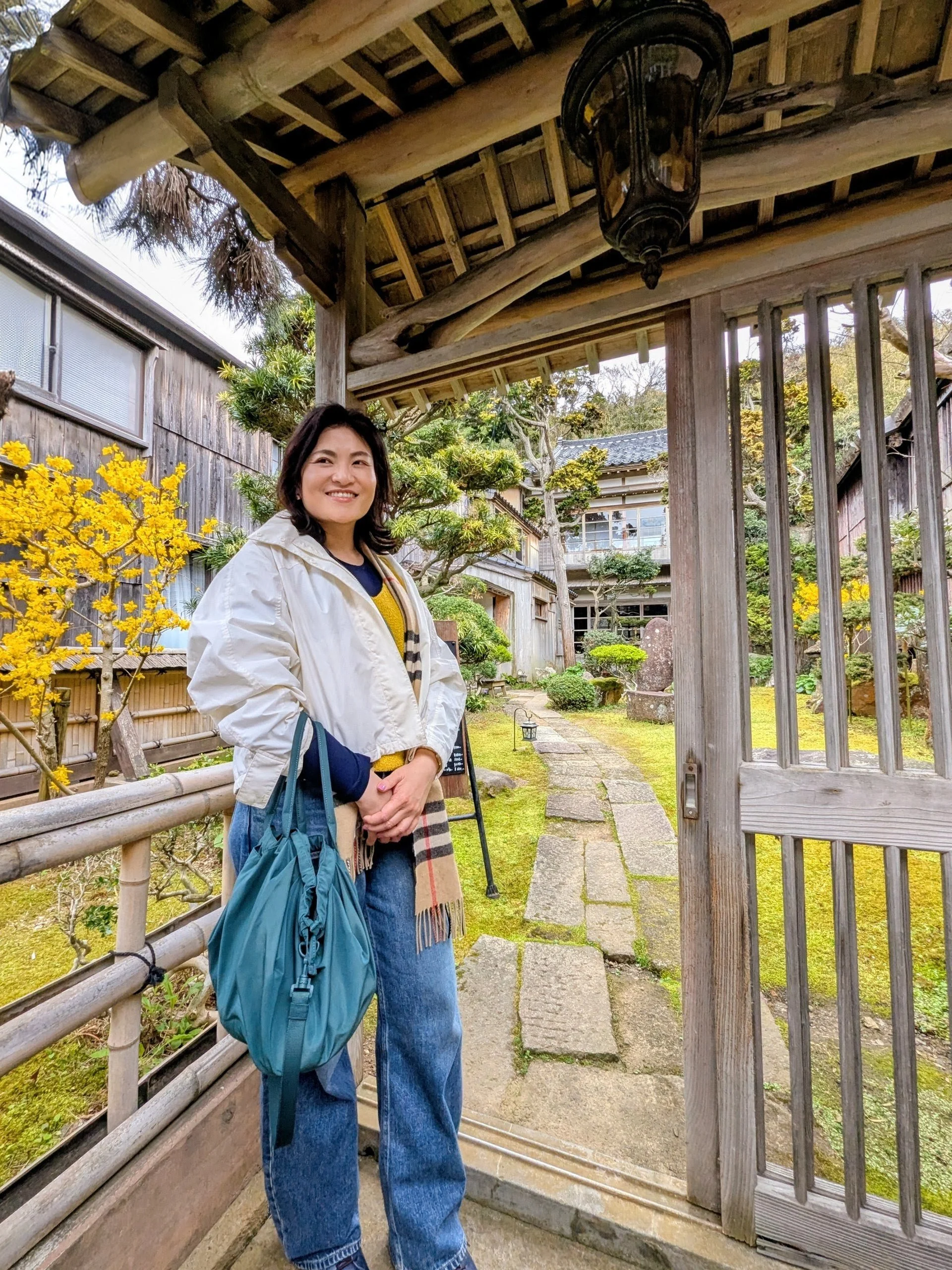
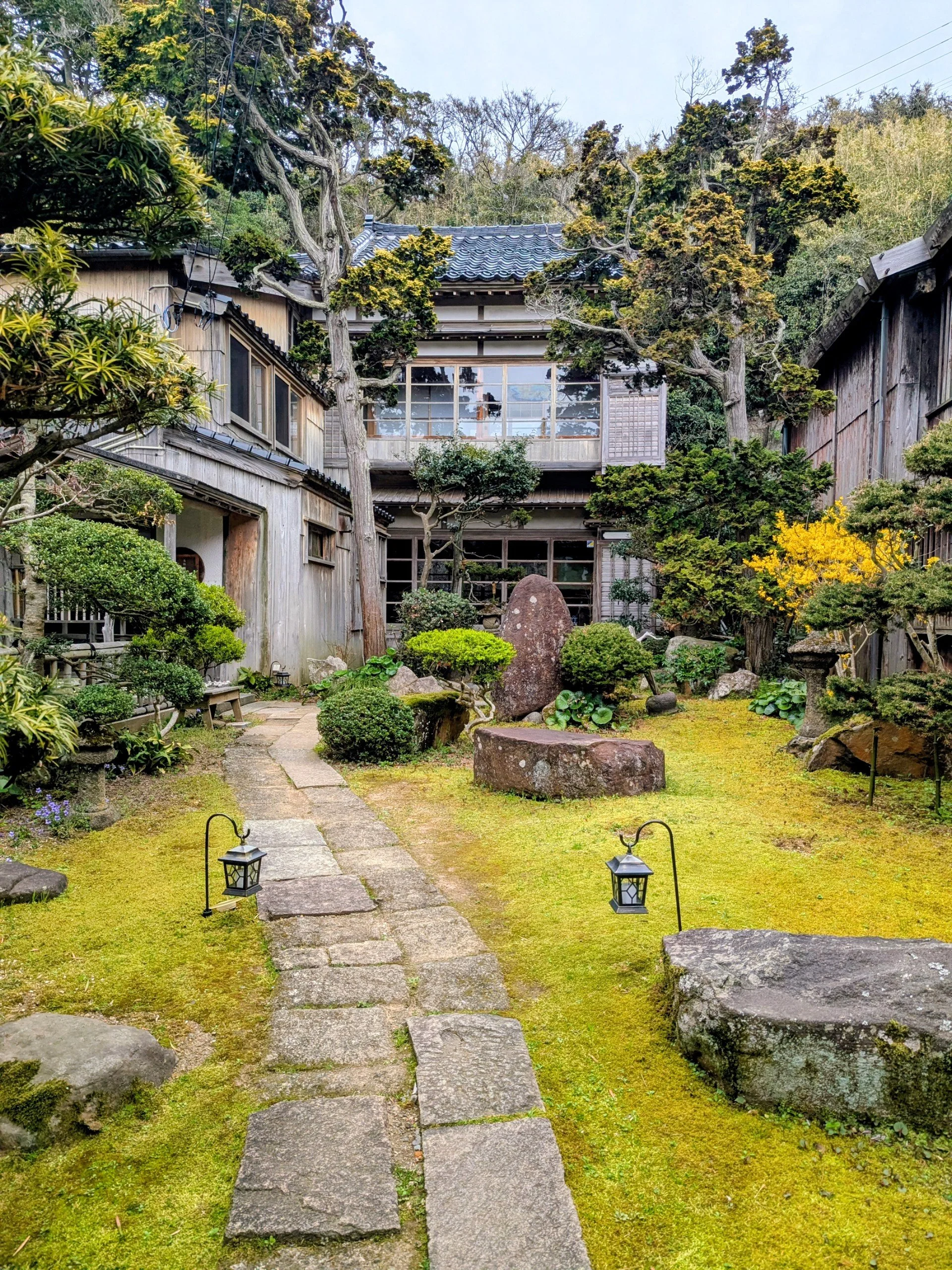
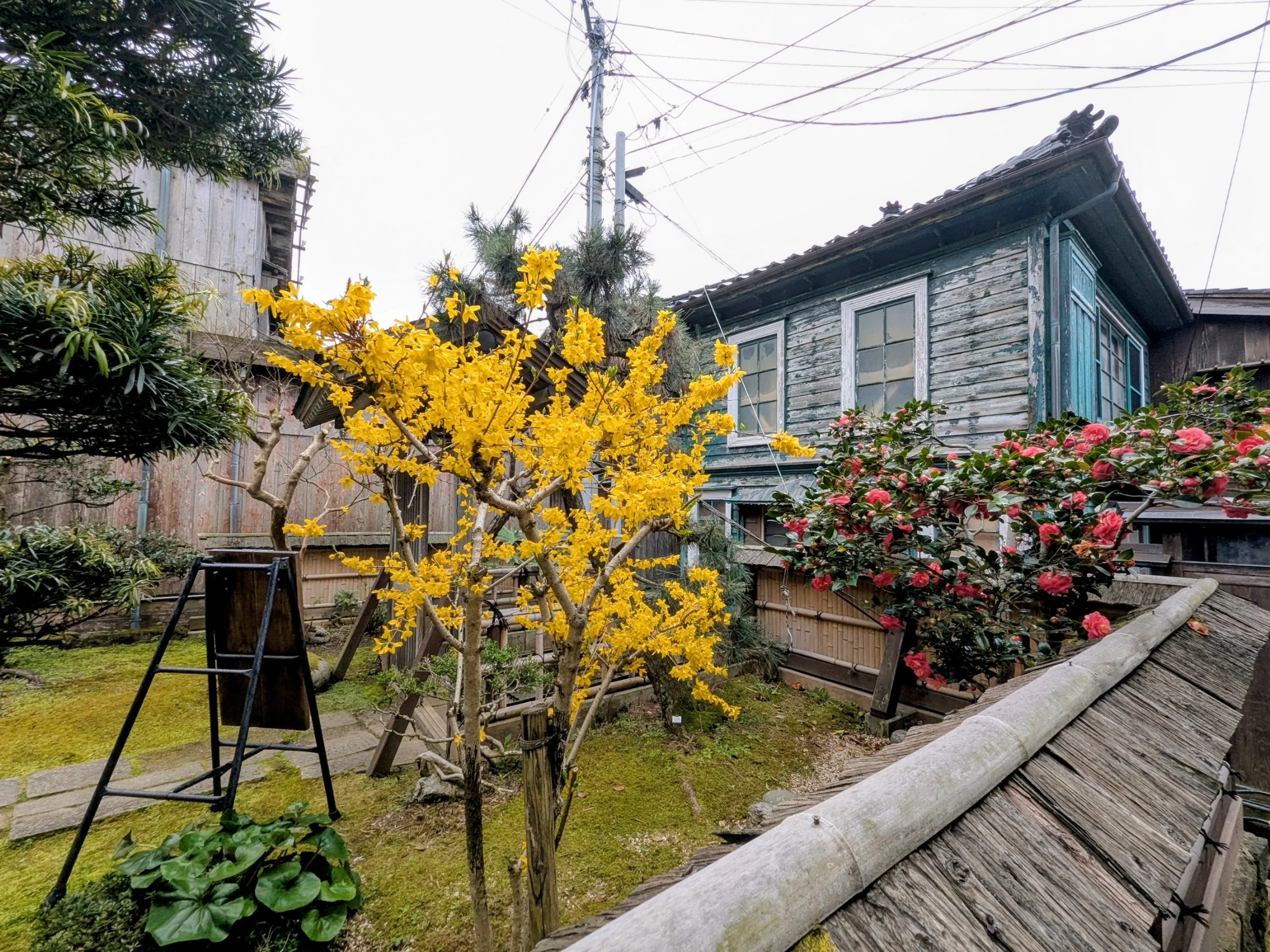
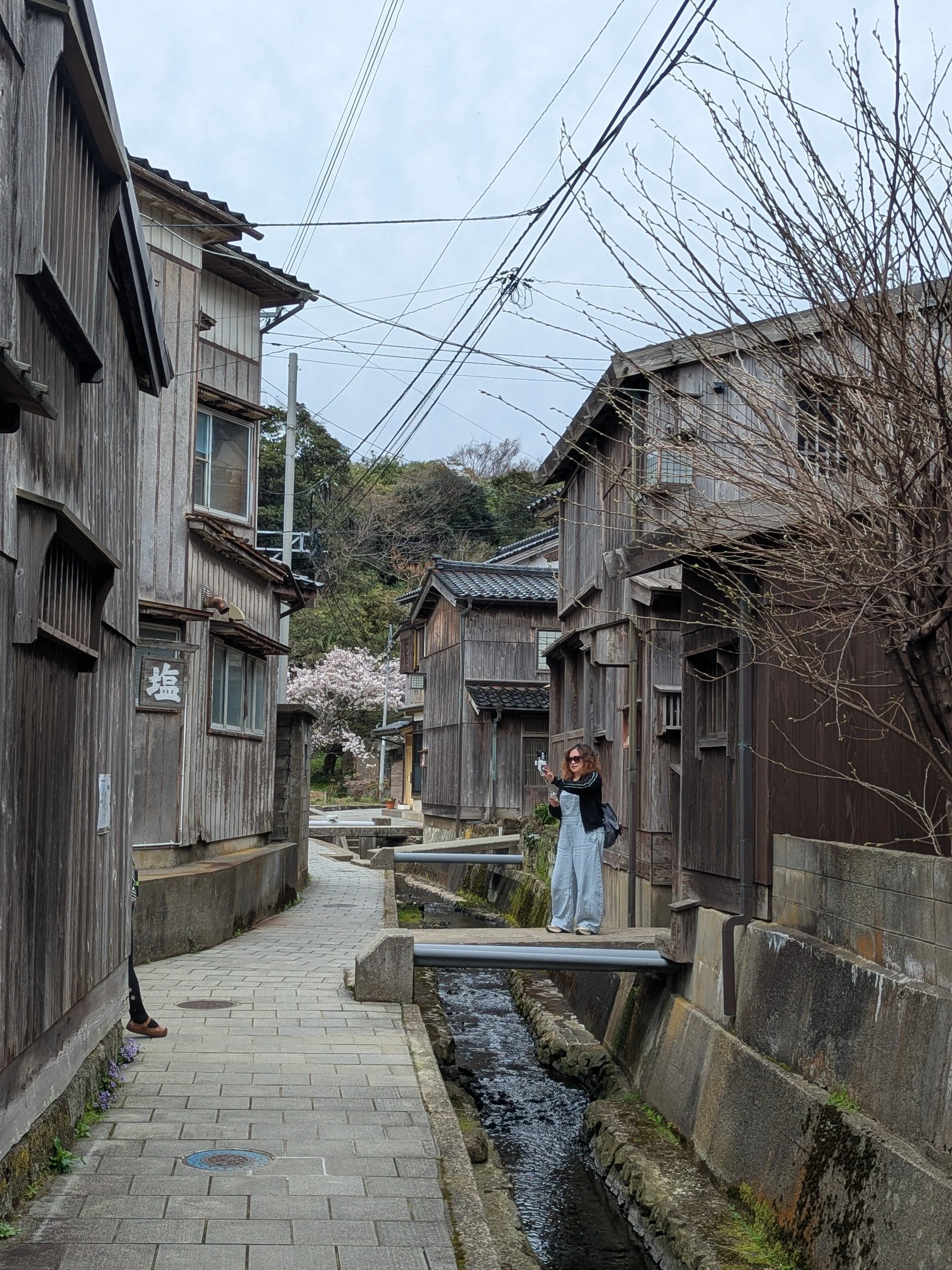
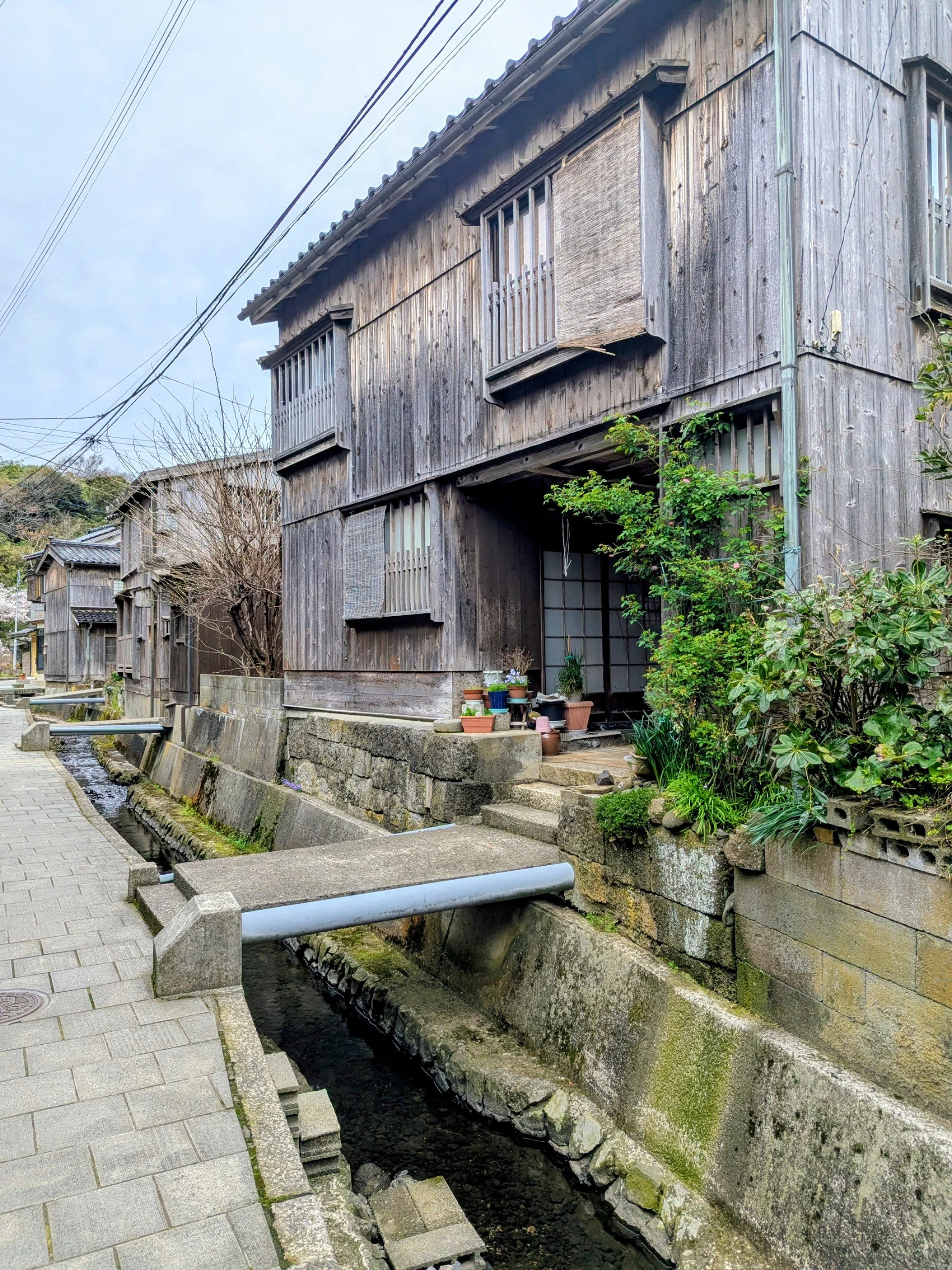
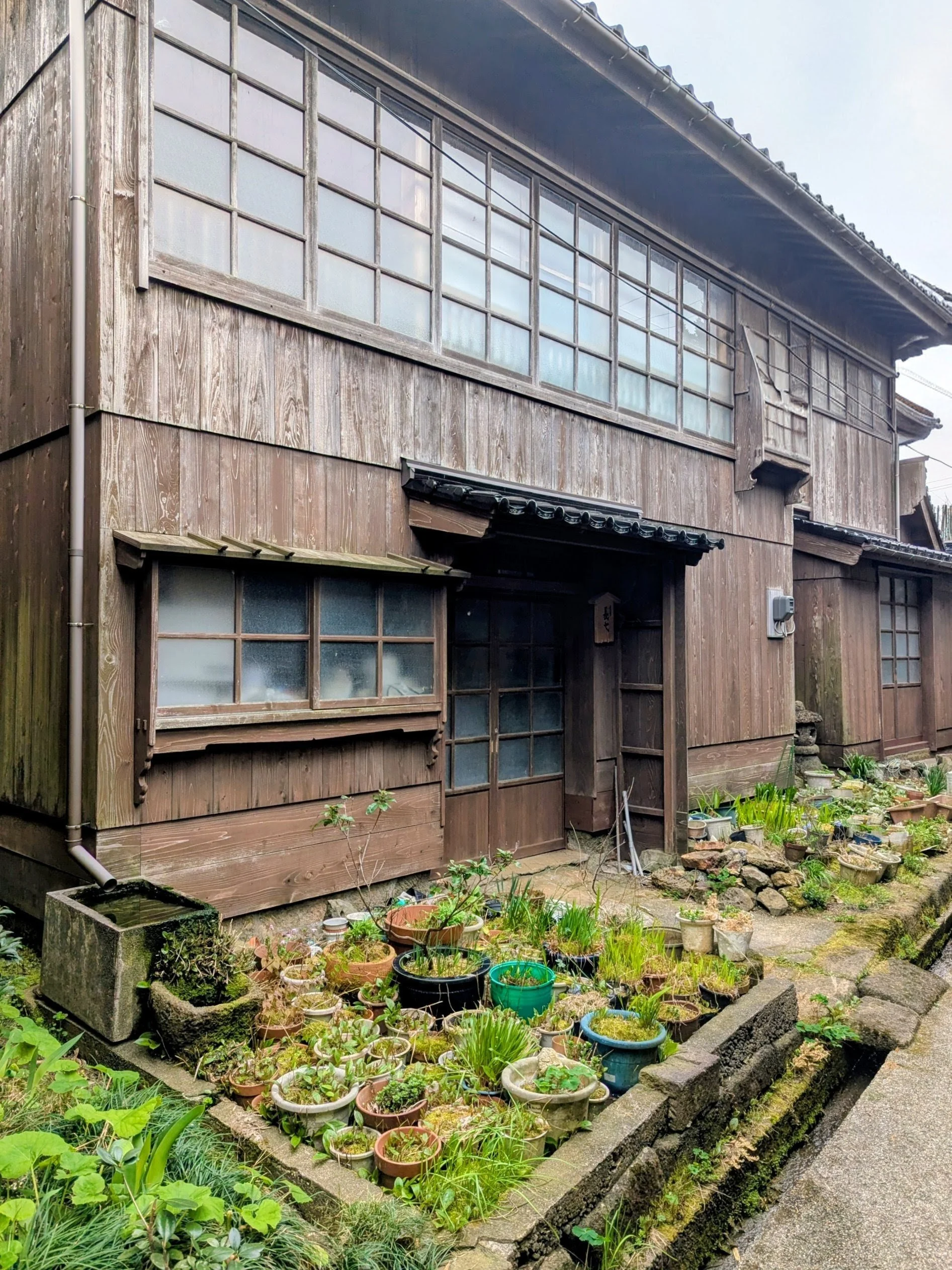
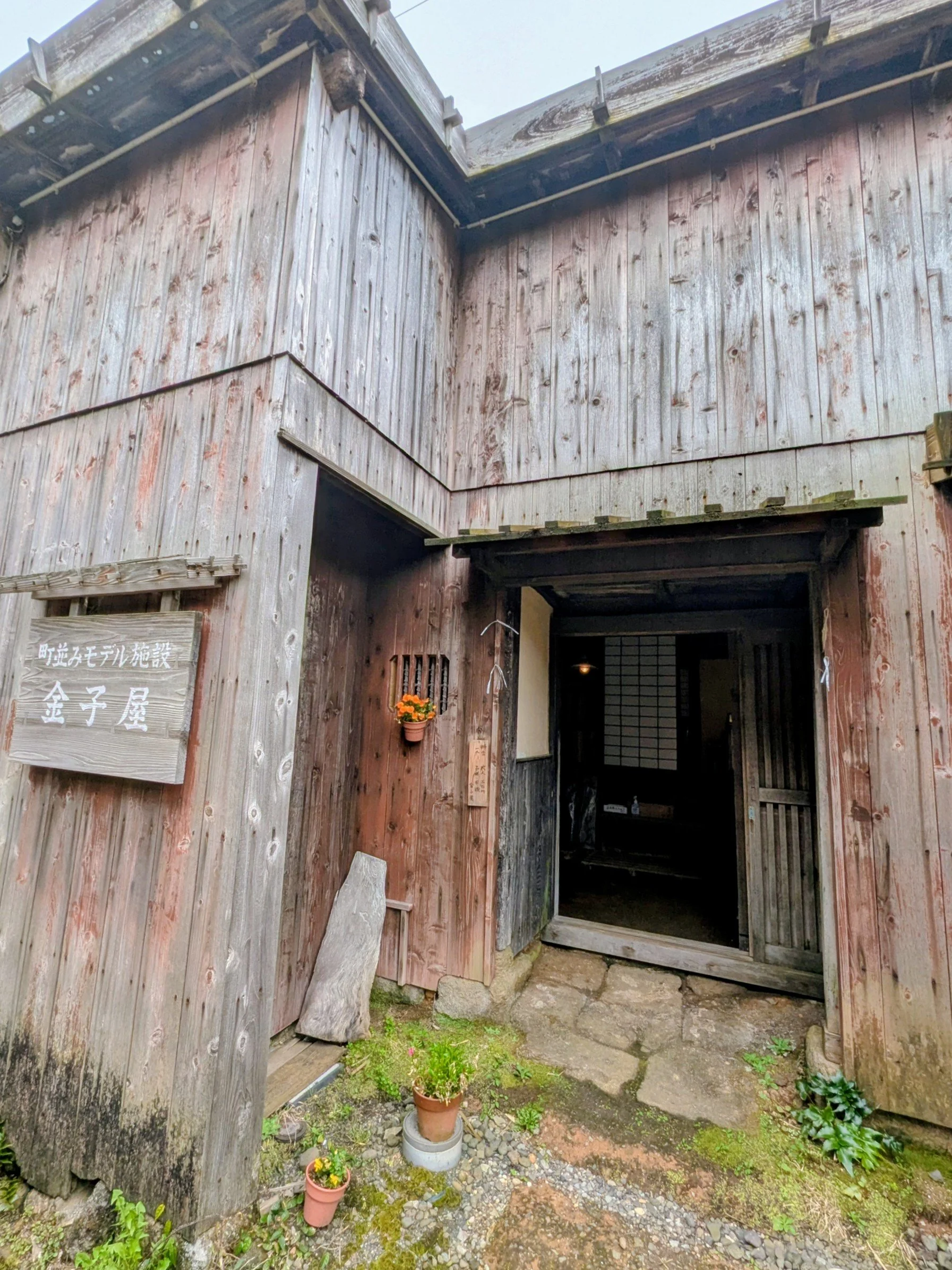
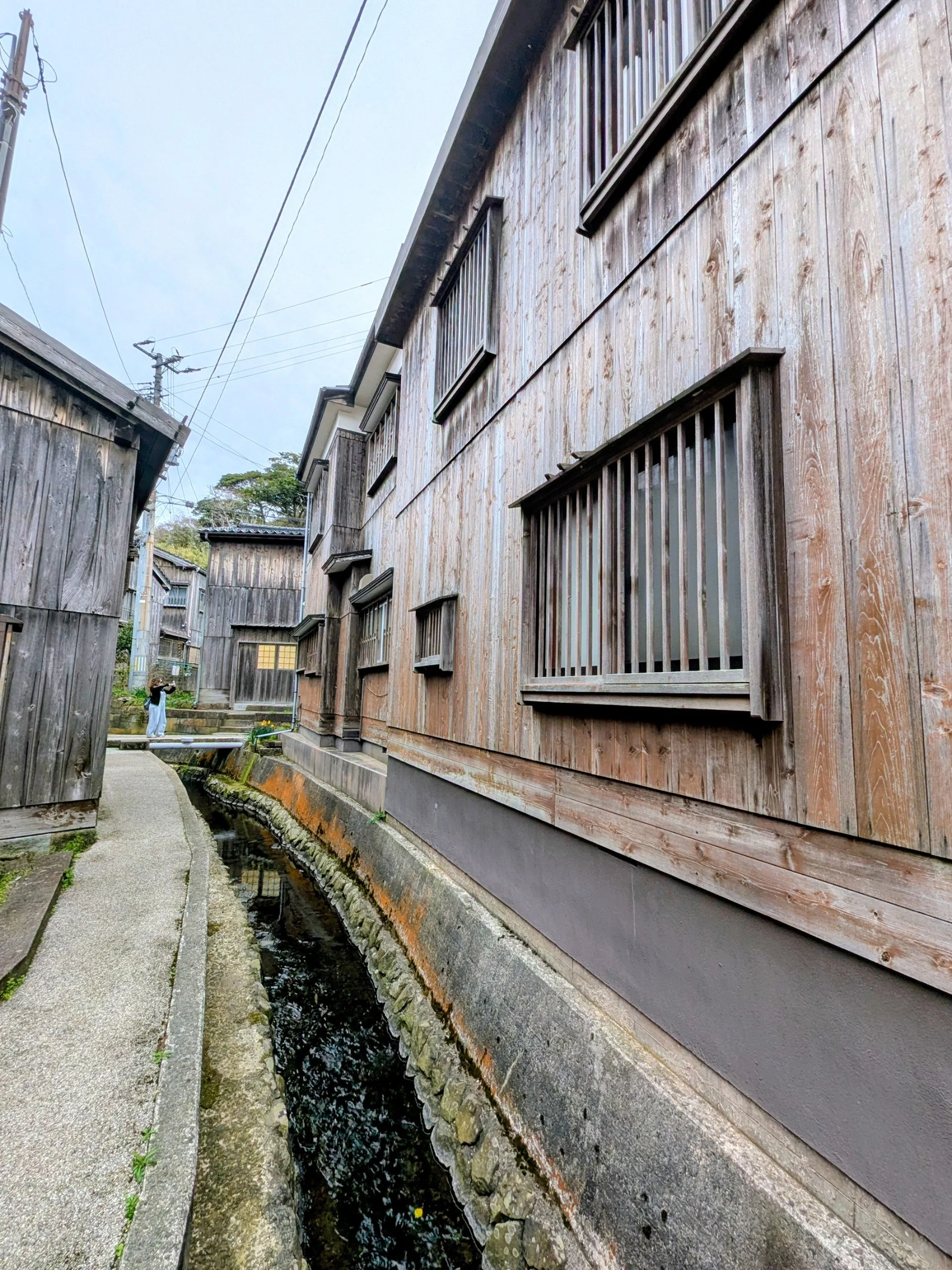
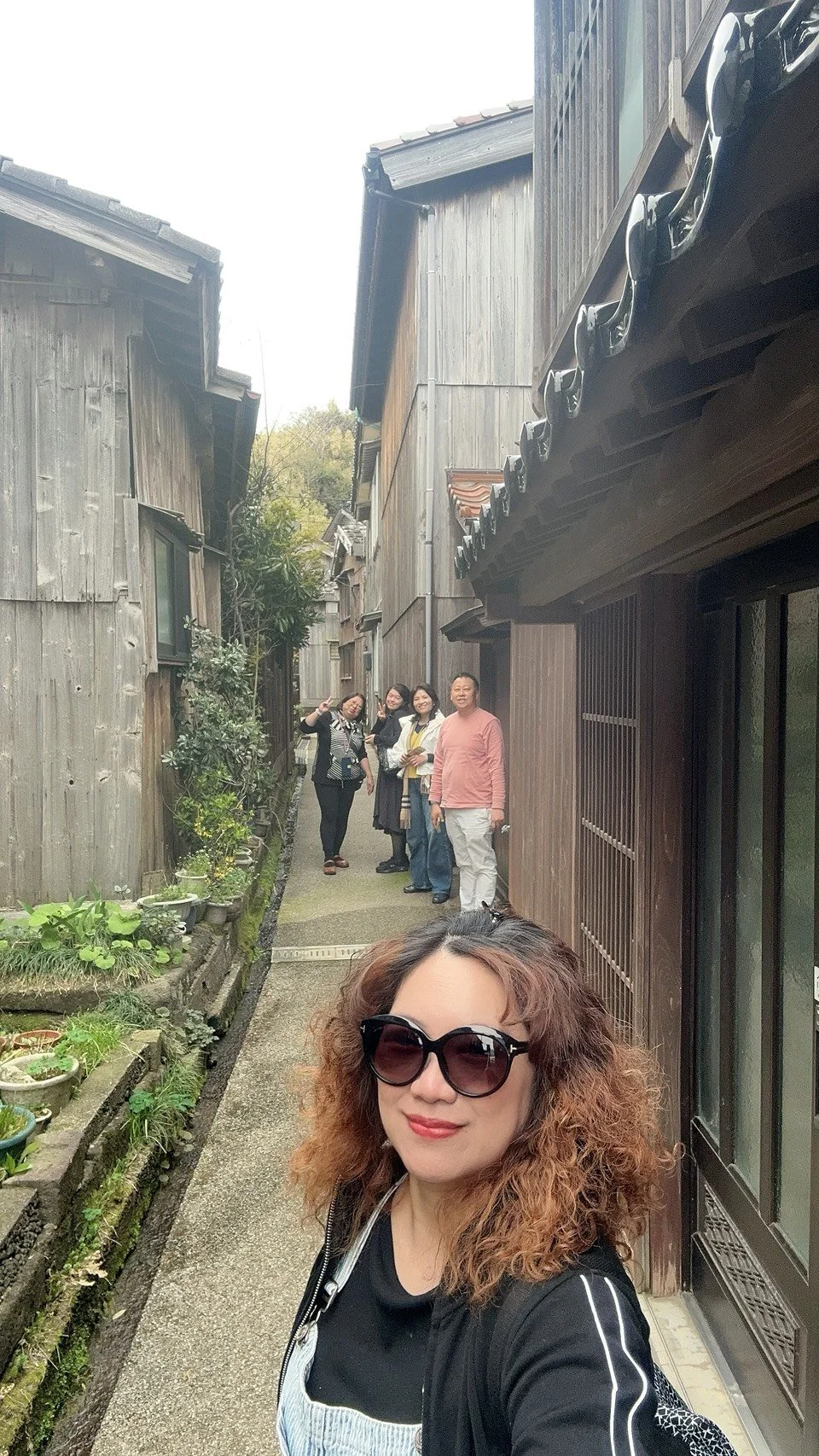
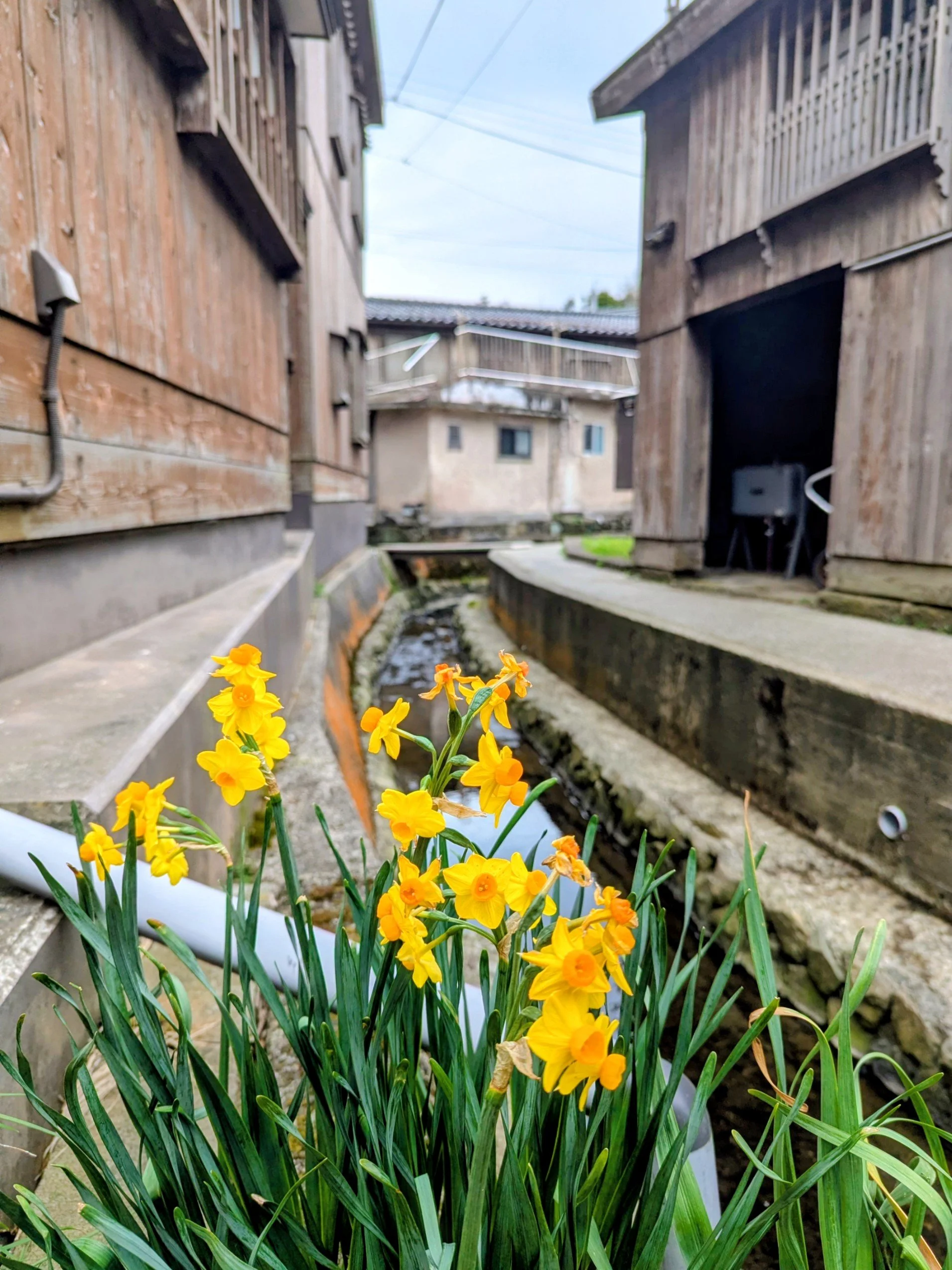
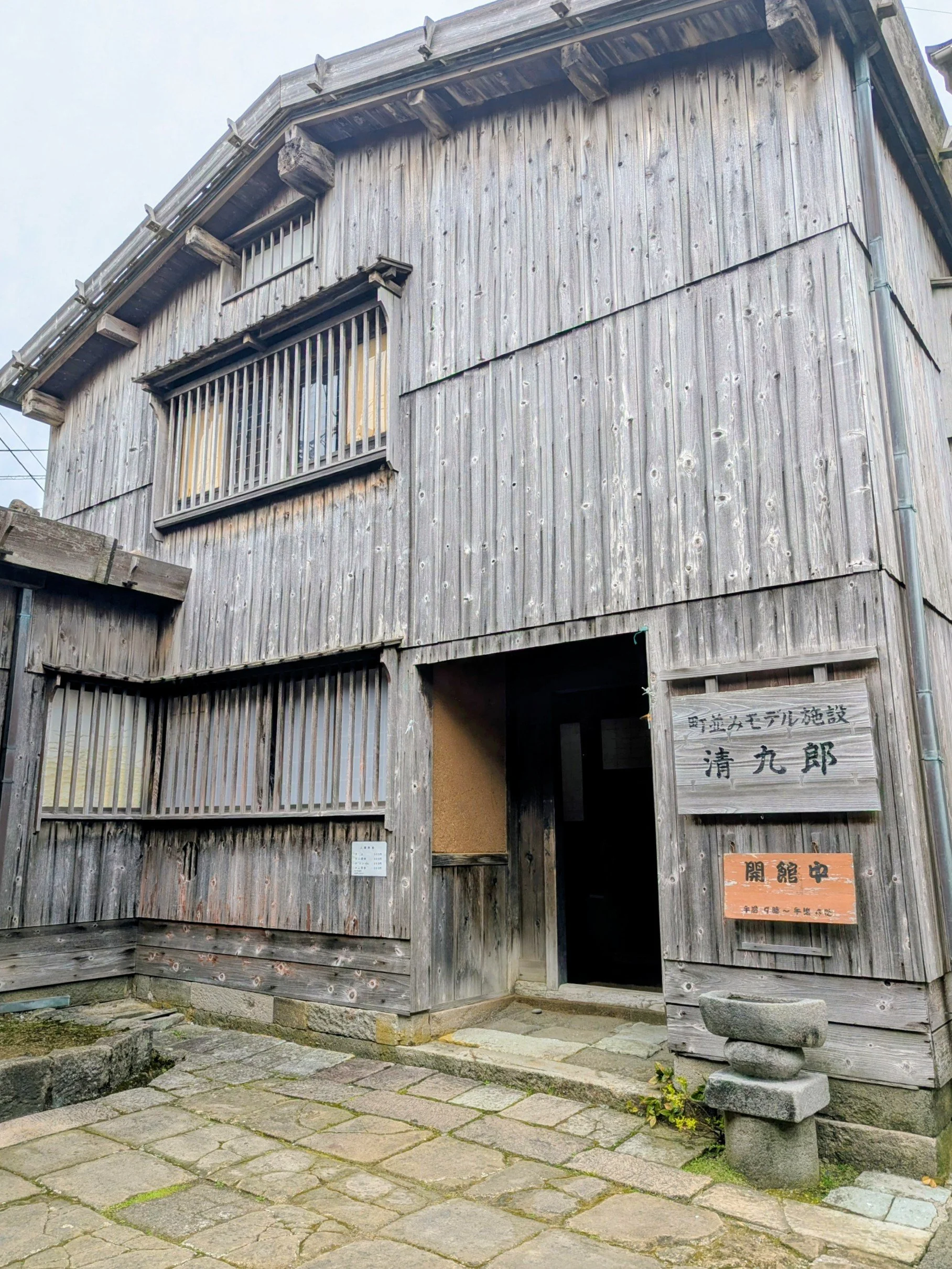
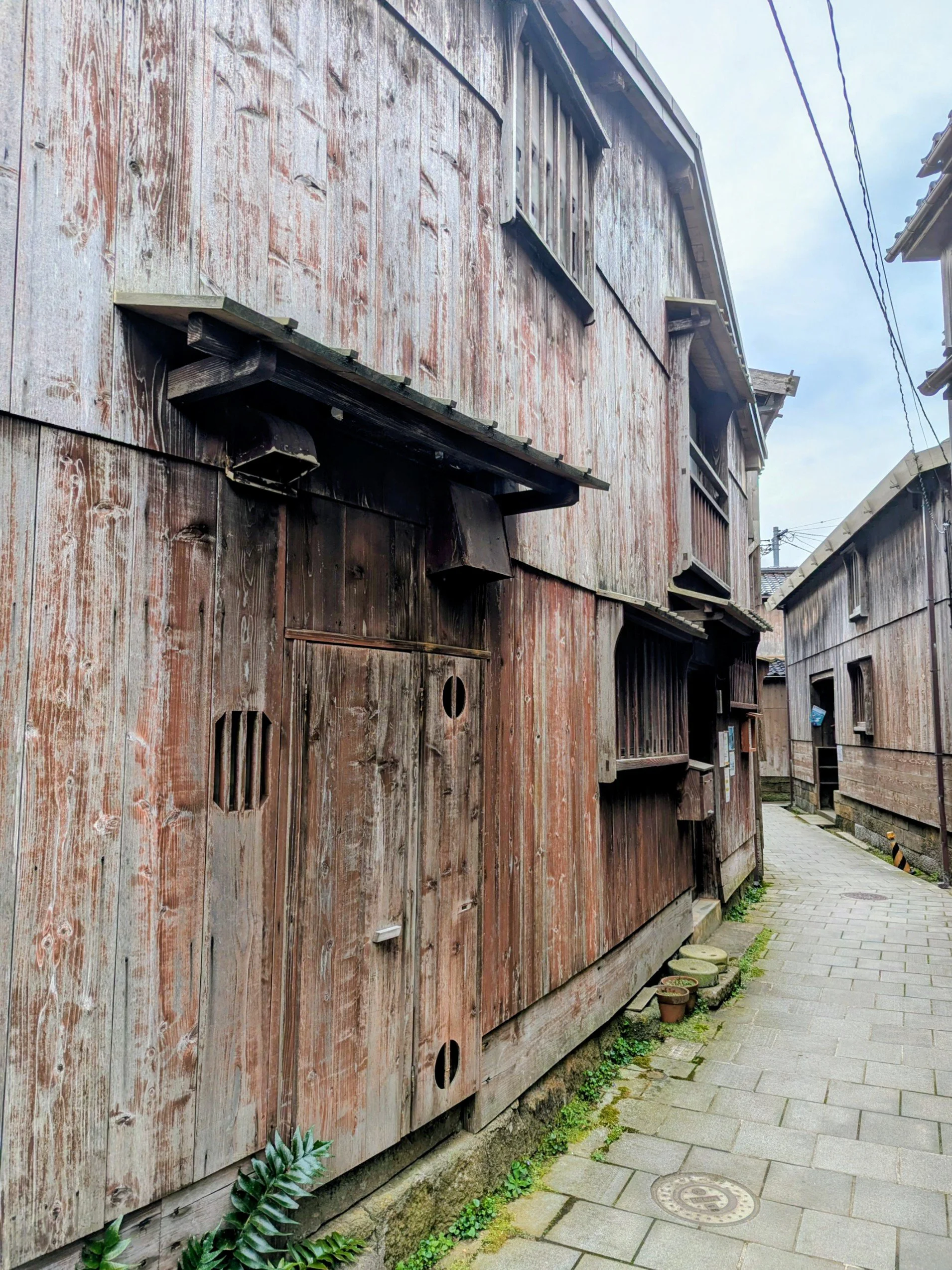
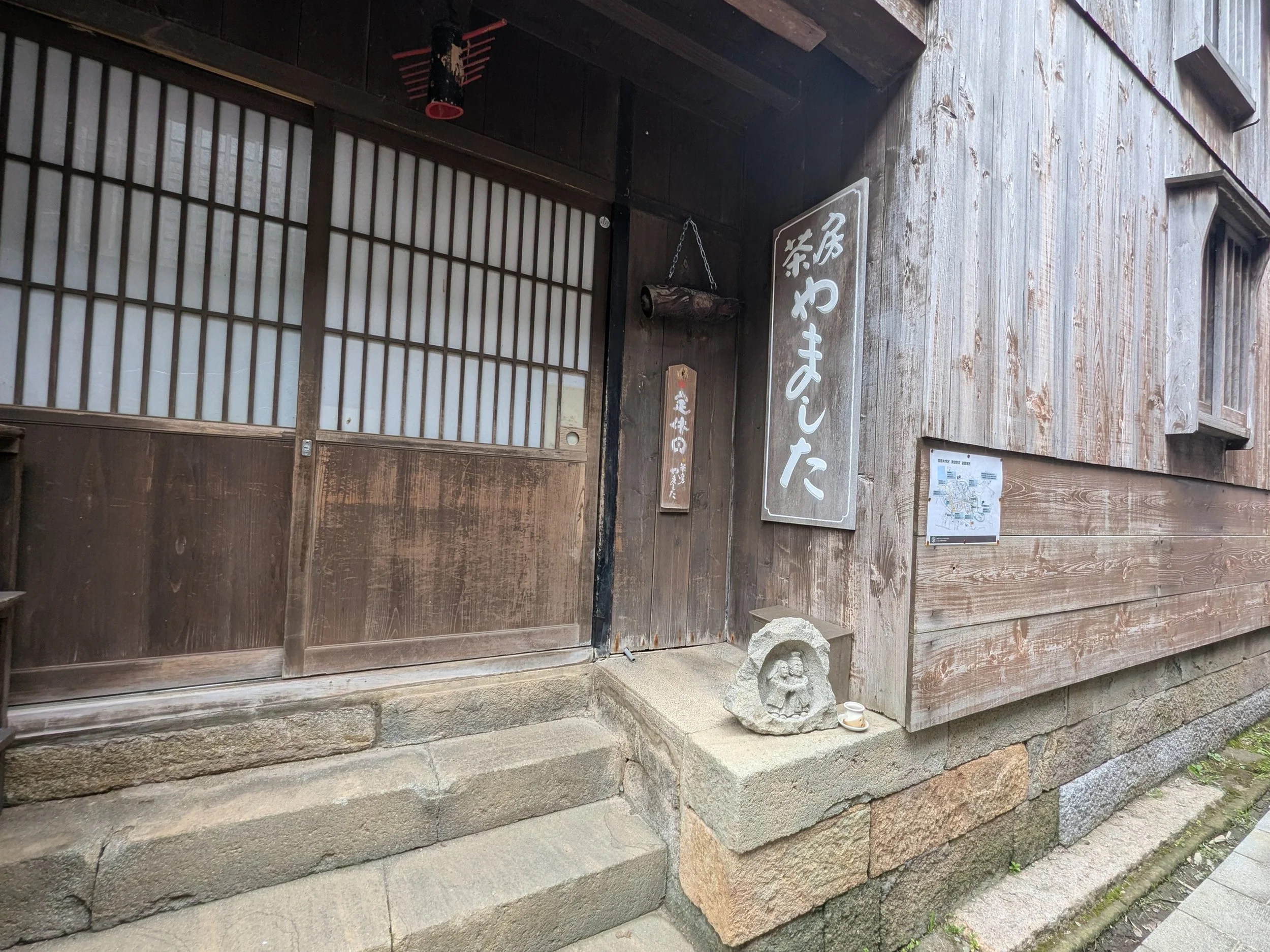
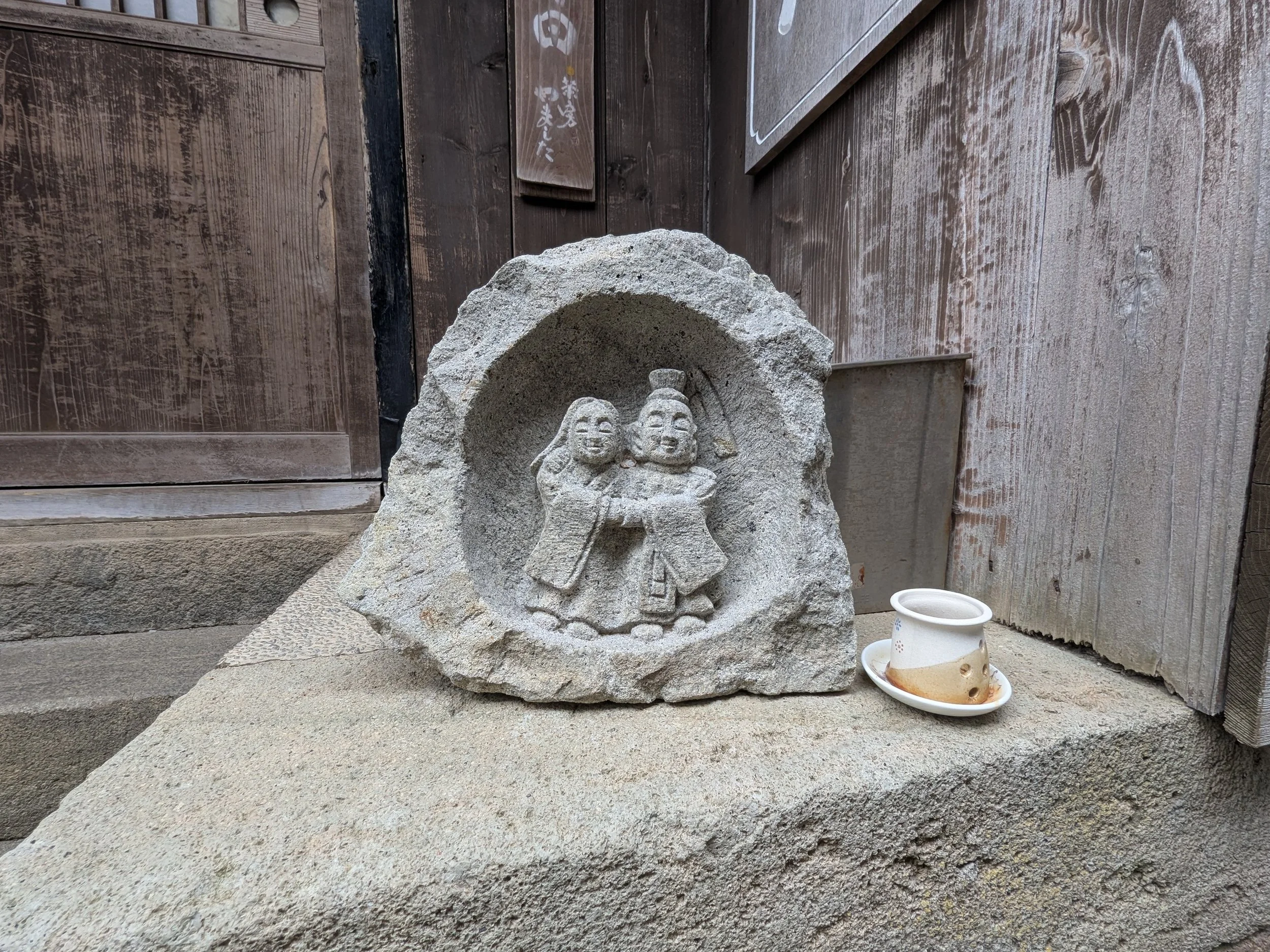
The next place is a old village on the island. Shukunegi is a beautifully preserved 17th-century fishing village on Sado Island's southern tip, famous for its narrow, labyrinthine alleys and over 100,000 traditional wooden houses built by shipbuilders. Once a prosperous Edo-period port for Kitamaebune merchant ships, it features homes built with ship-building techniques and recycled timber.
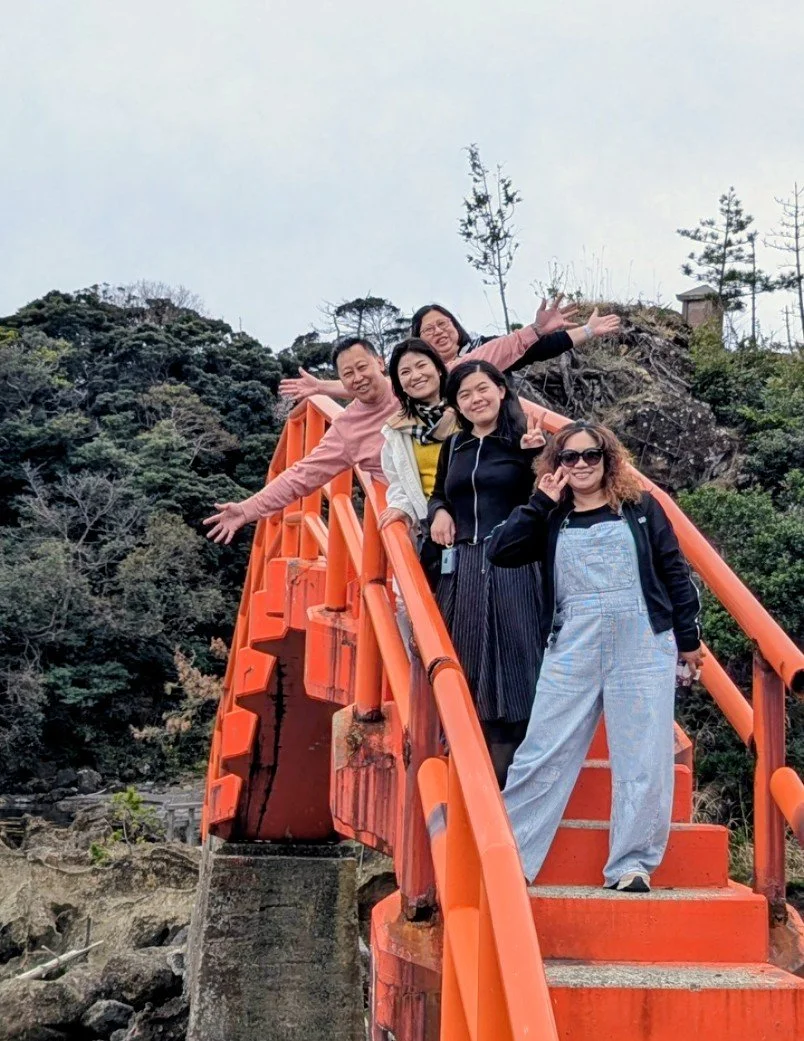
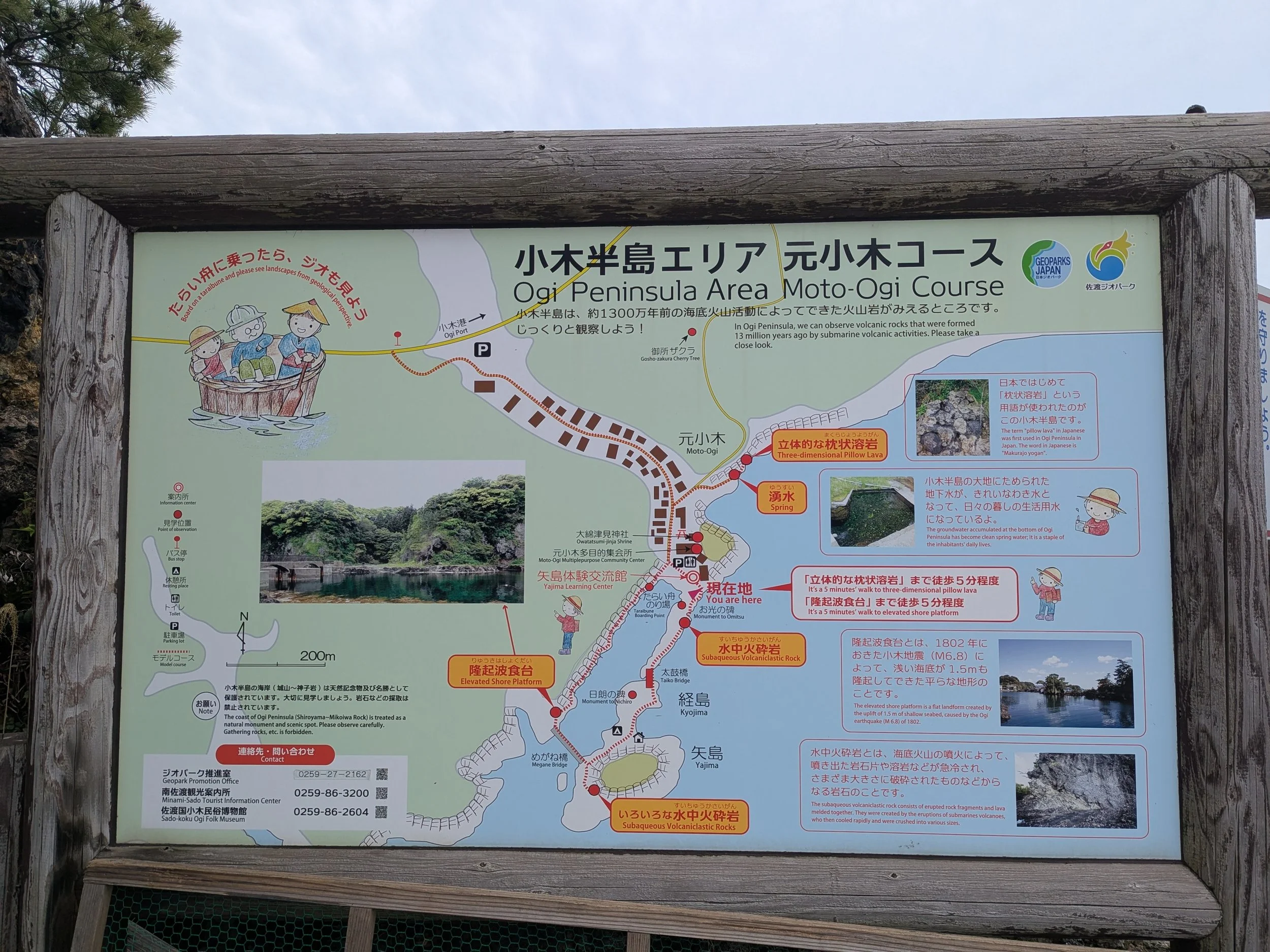
Next from the famous boat of Sado Island. The iconic Tarai-bune (tub boats) used for traditional fishing. The Tarai-bune is a symbol of Sado Island, particularly the Ogi Peninsula. Originally developed in the Meiji era (1868–1912), these oval-shaped wooden tubs were designed for collecting seaweed, abalone, and turban shells in narrow, rocky coves where traditional long boats could not maneuver. Made of local cedar and bamboo, they typically measure about 180 cm long and 140 cm wide. Despite their "un-boatlike" appearance, they are remarkably stable and can safely carry a boatman and up to three adults.
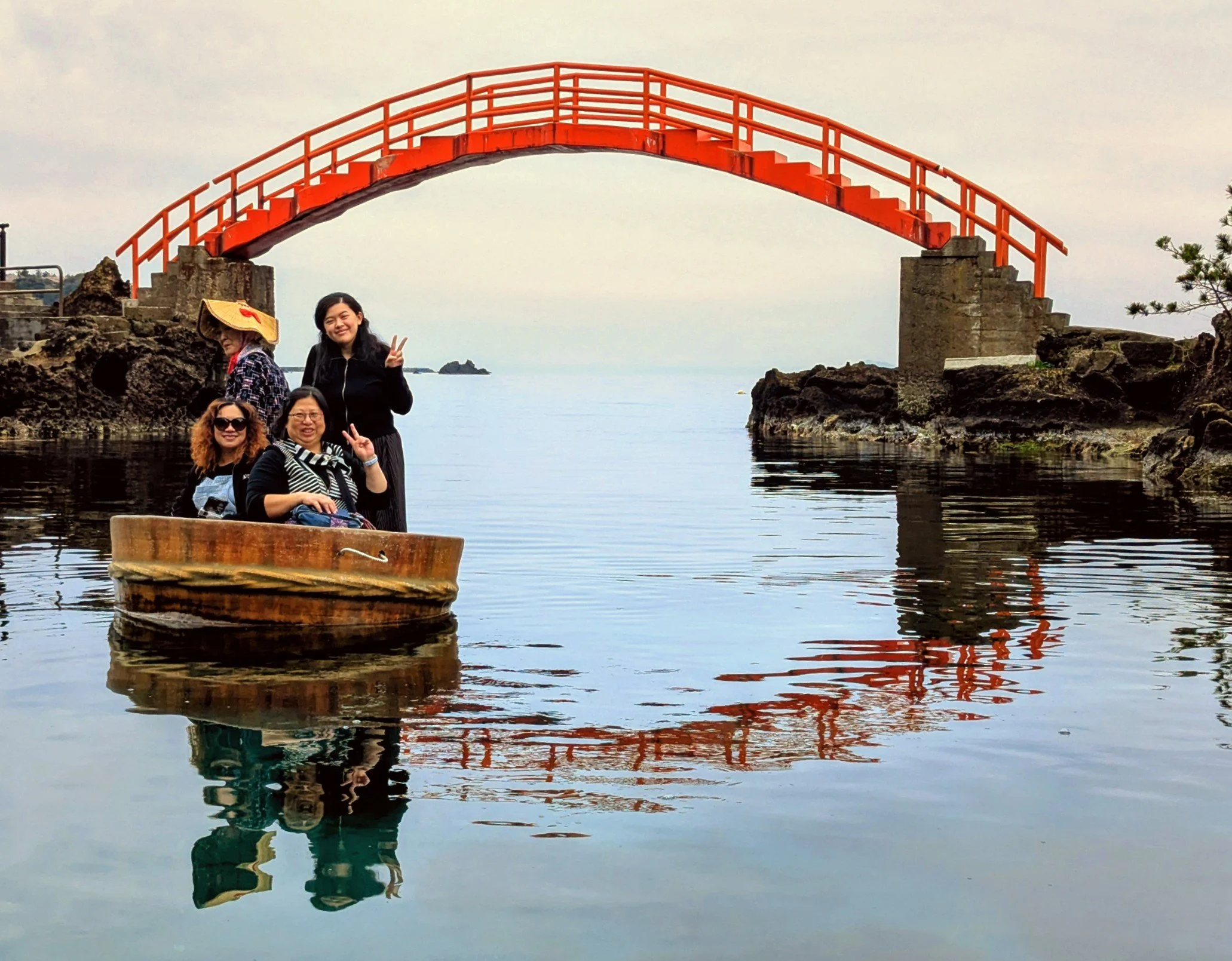
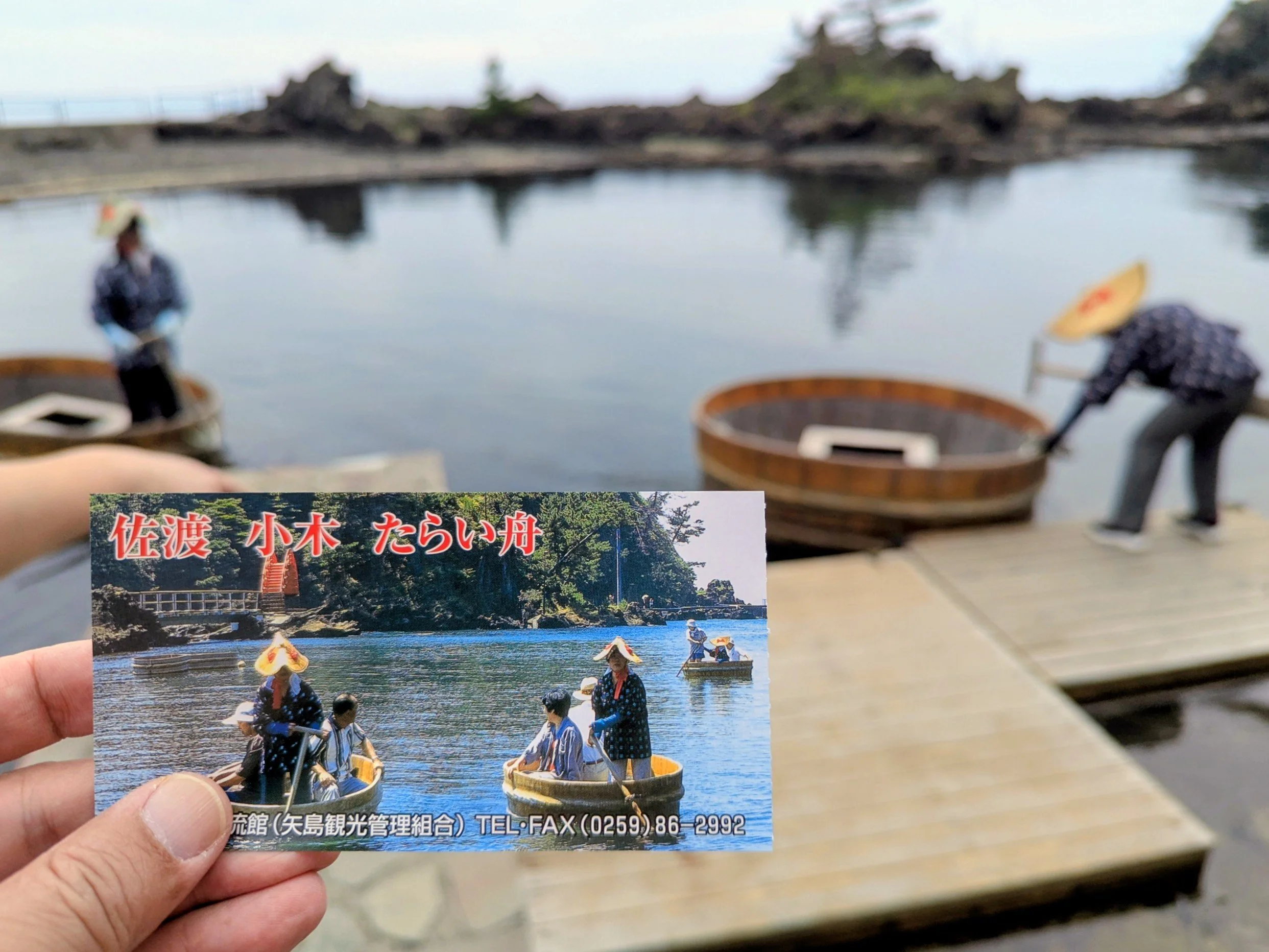
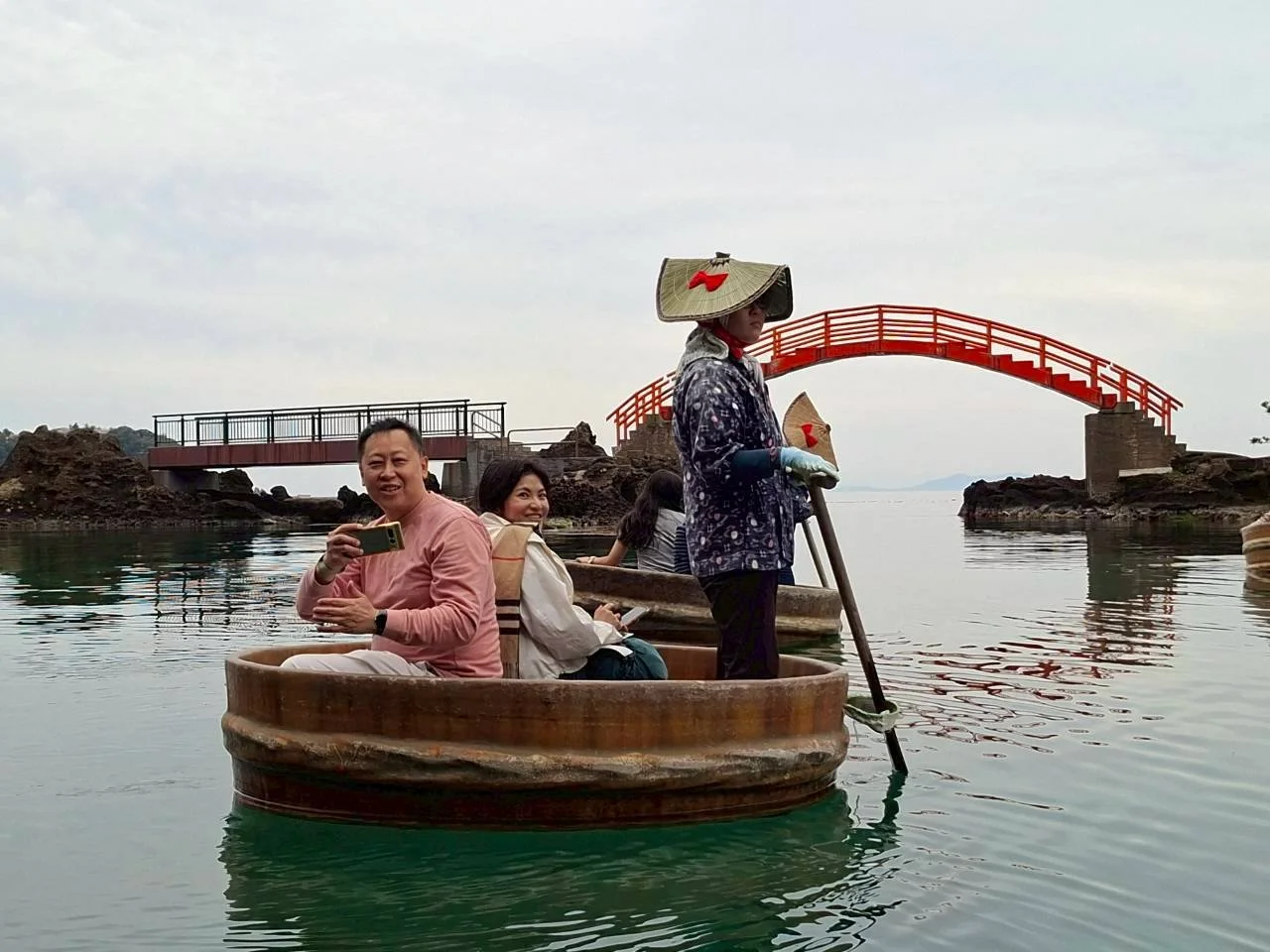
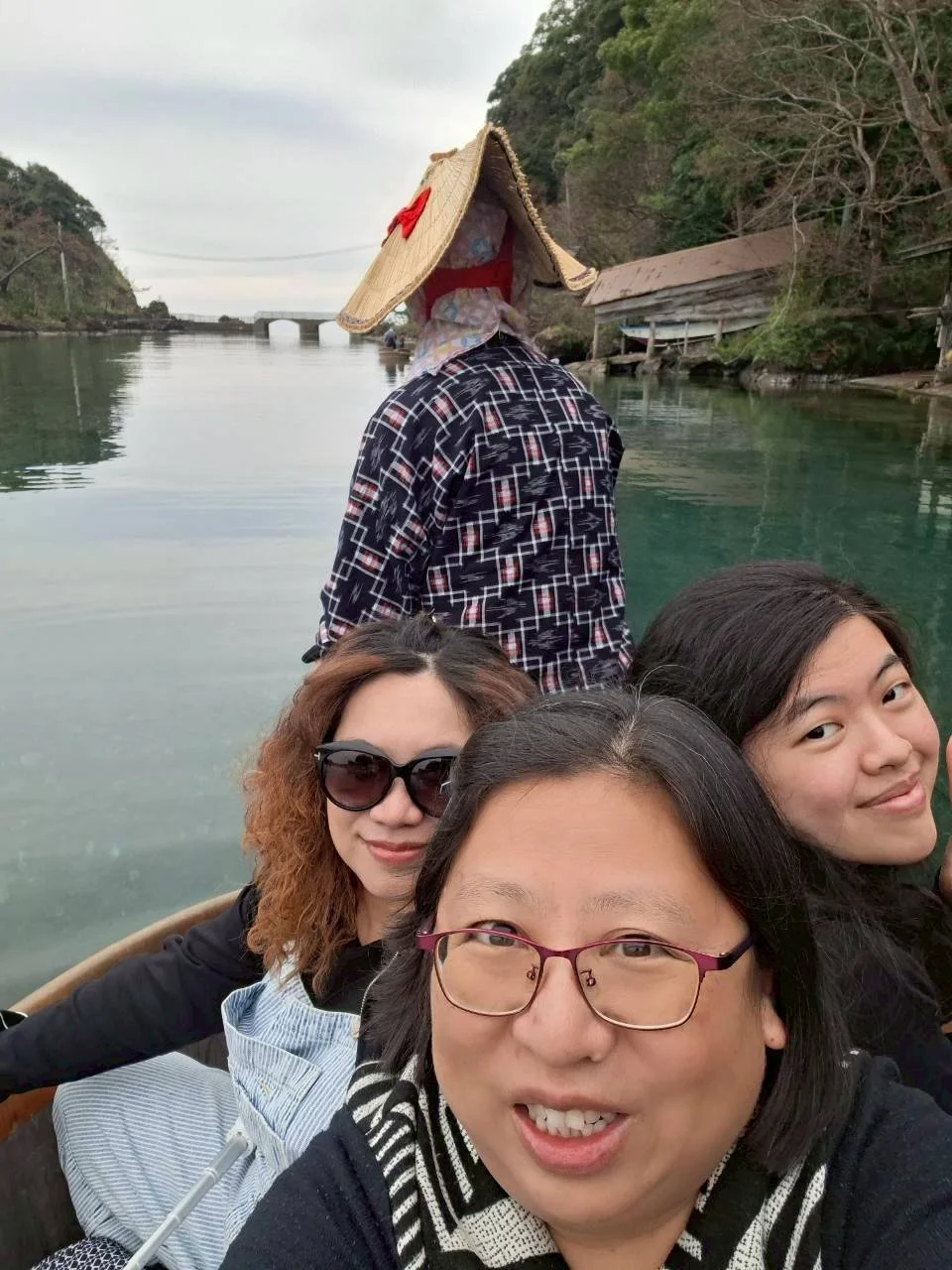
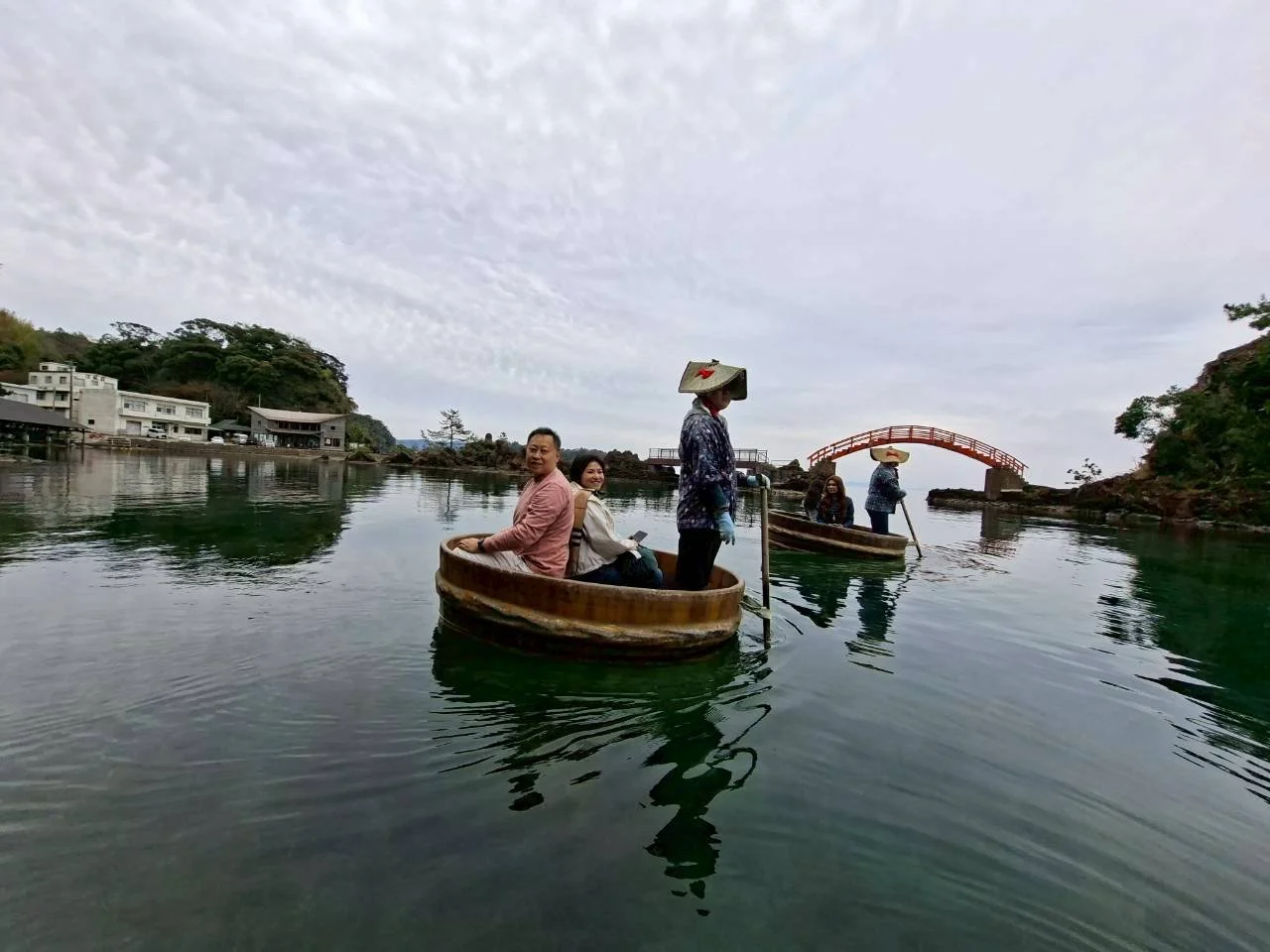
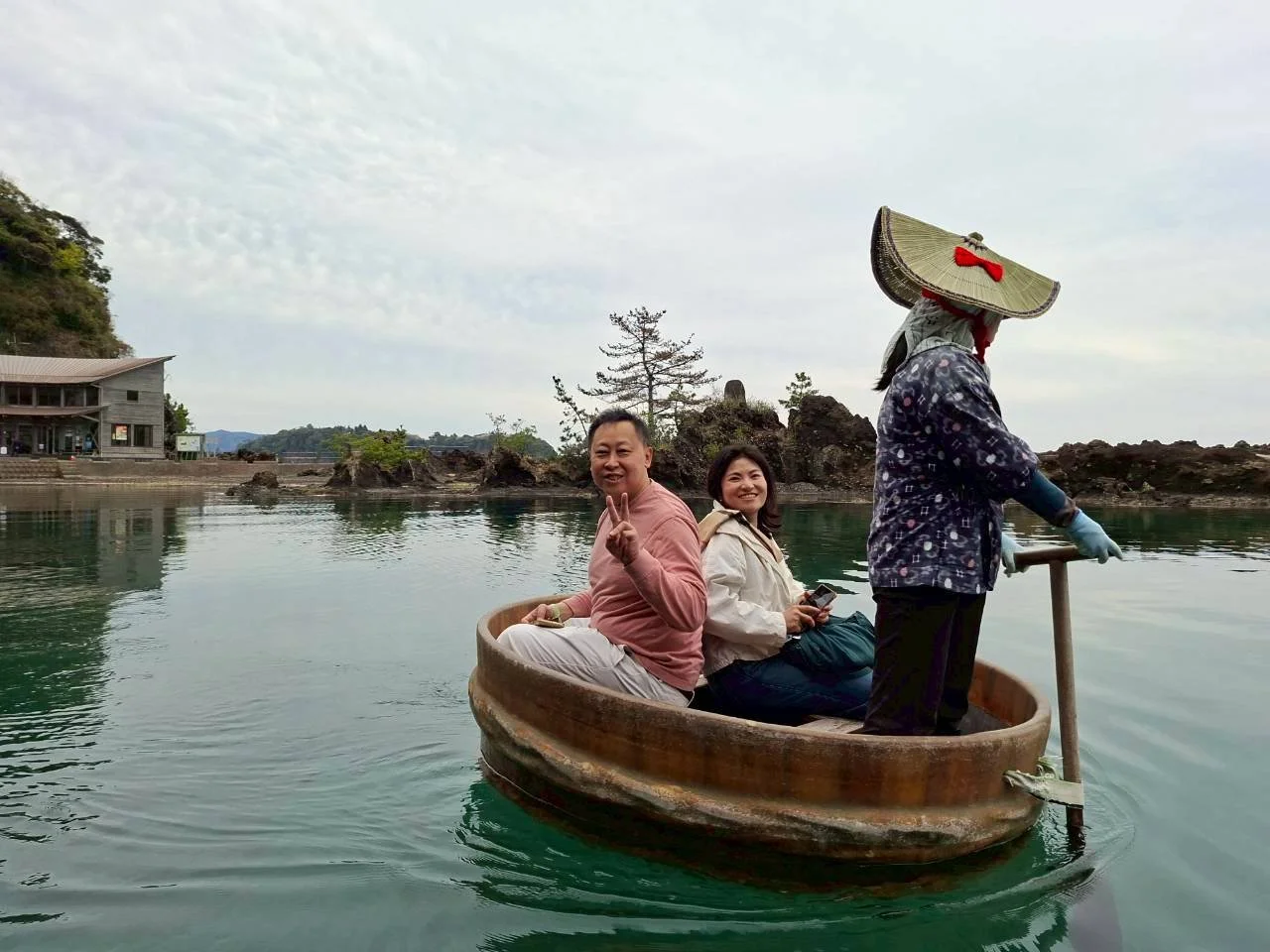
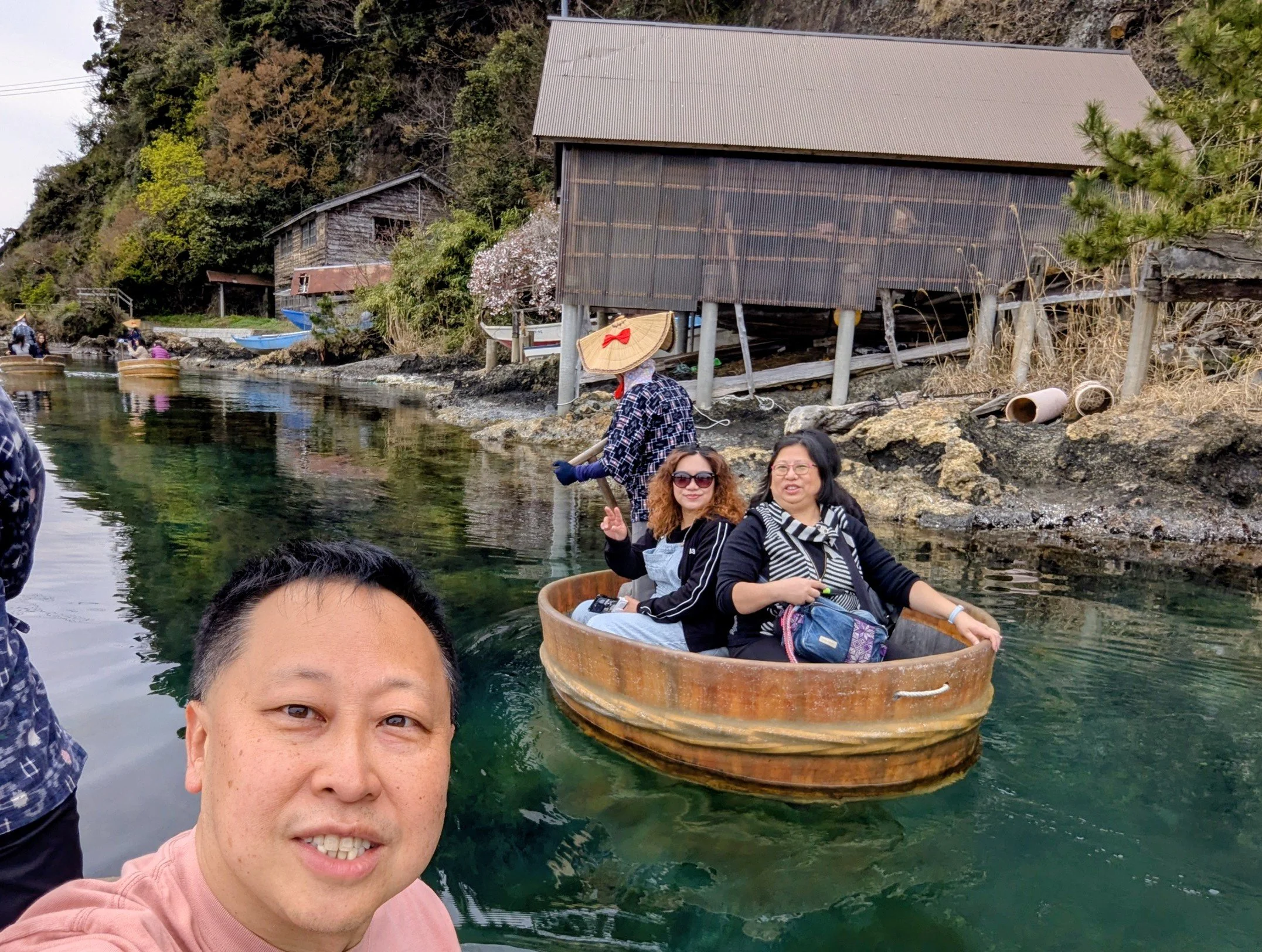
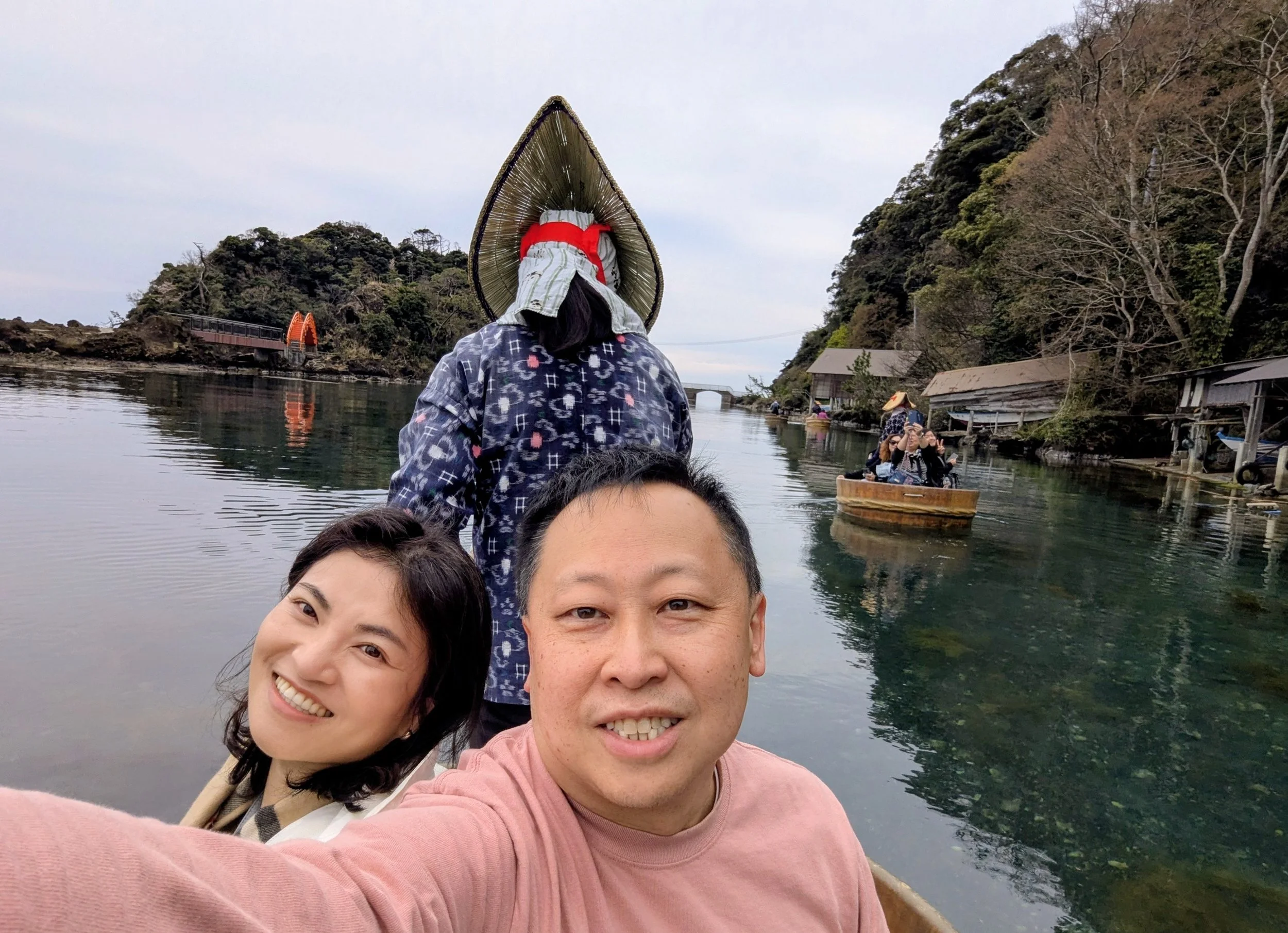
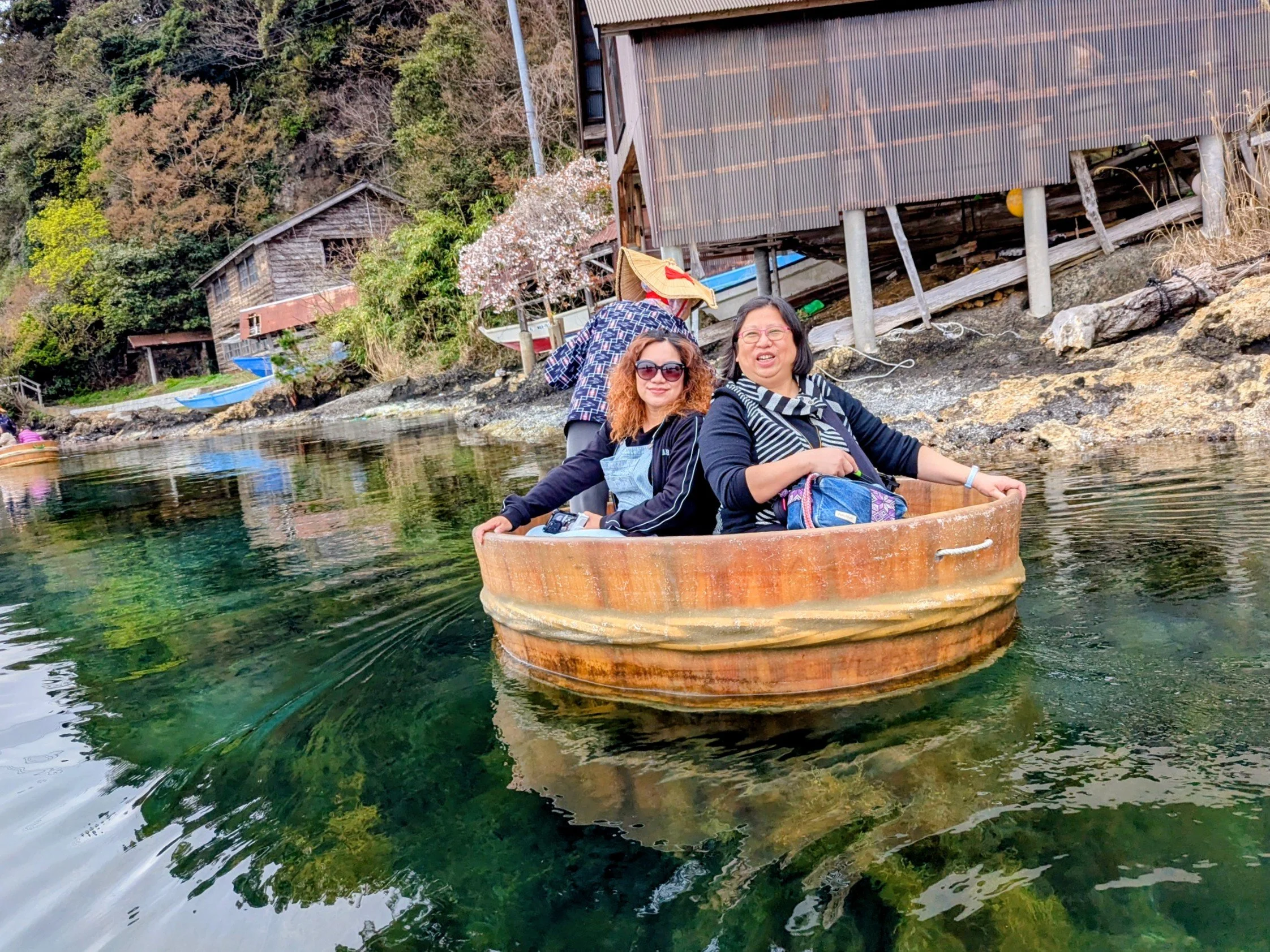
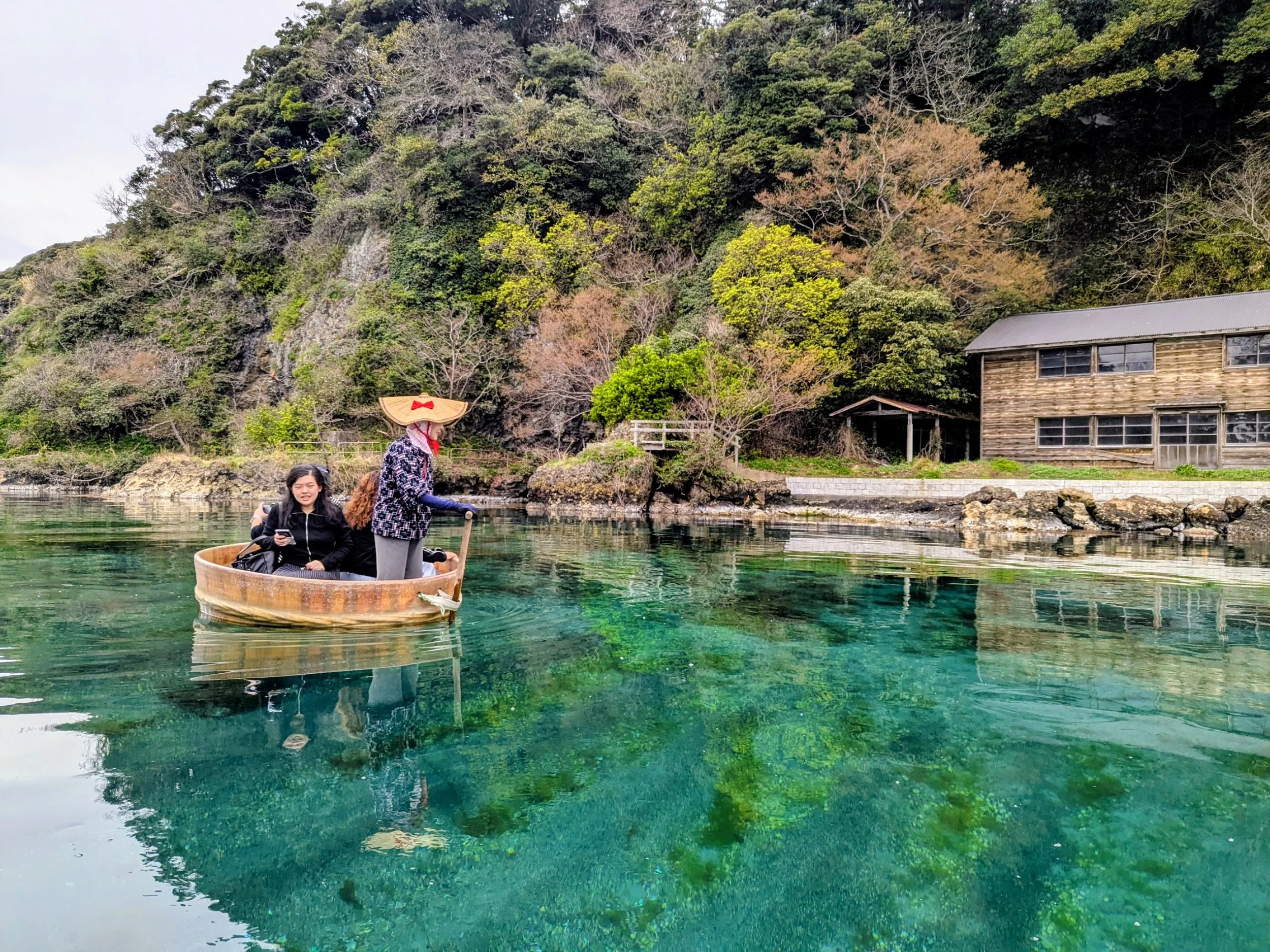
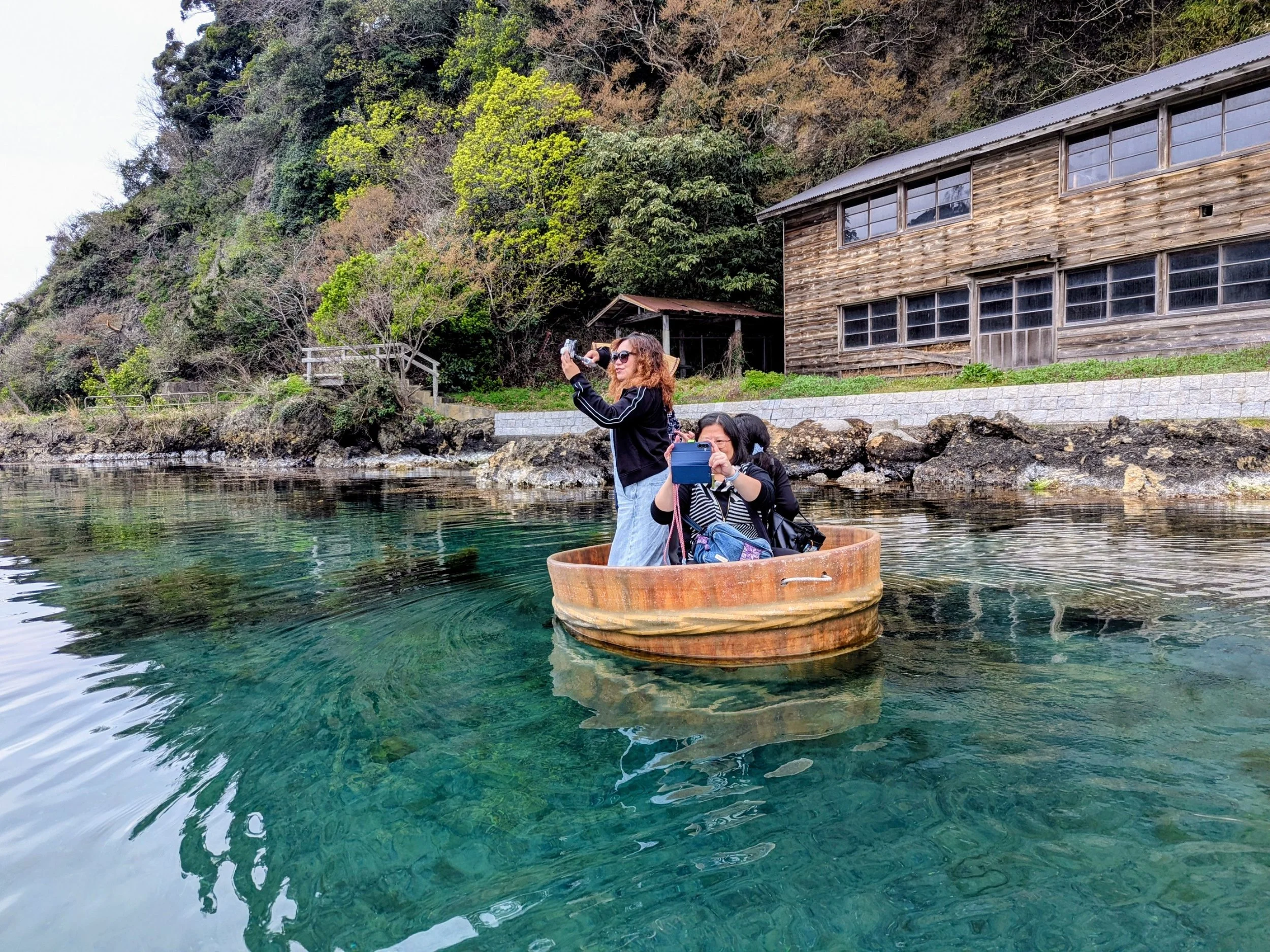
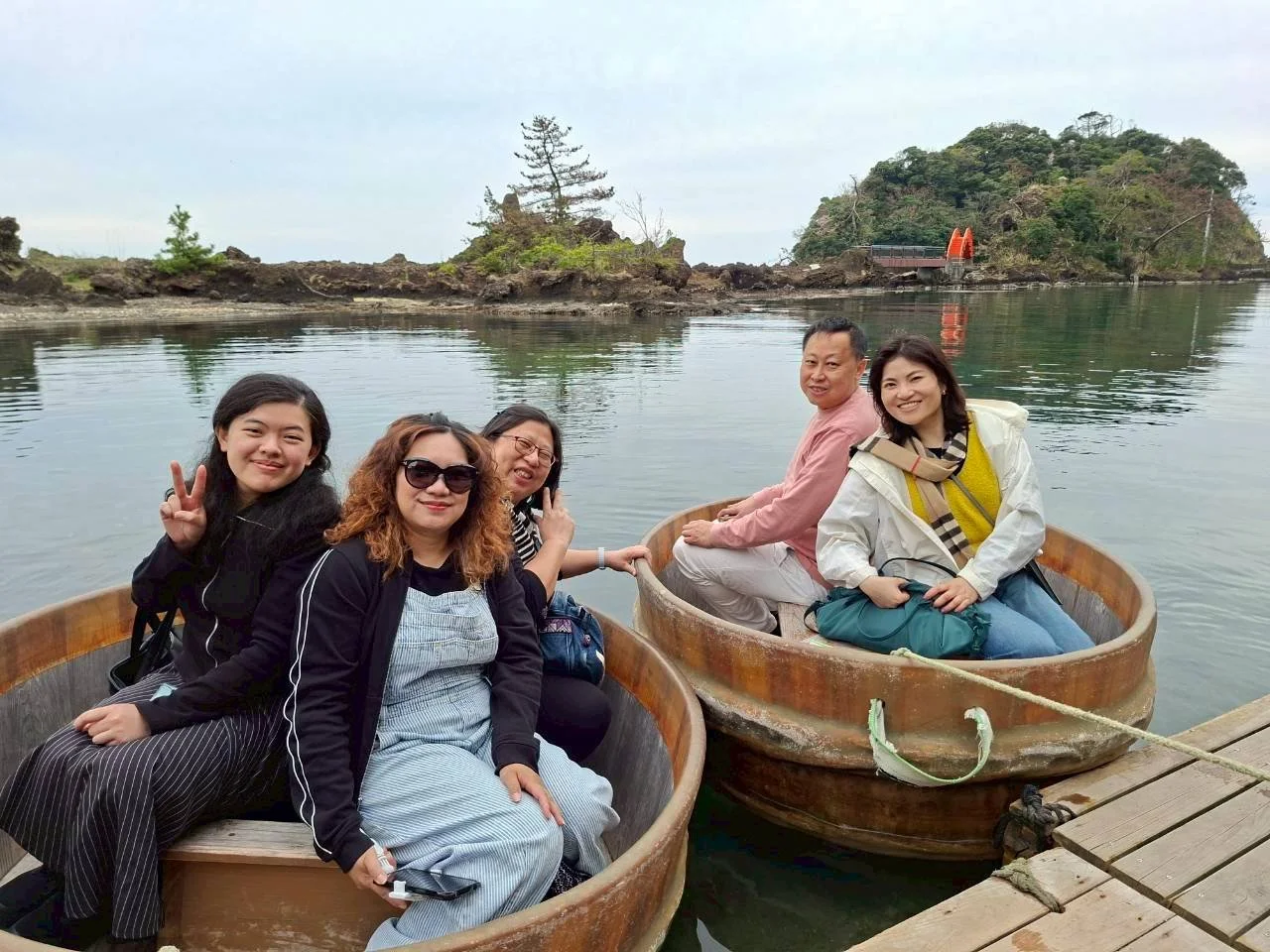
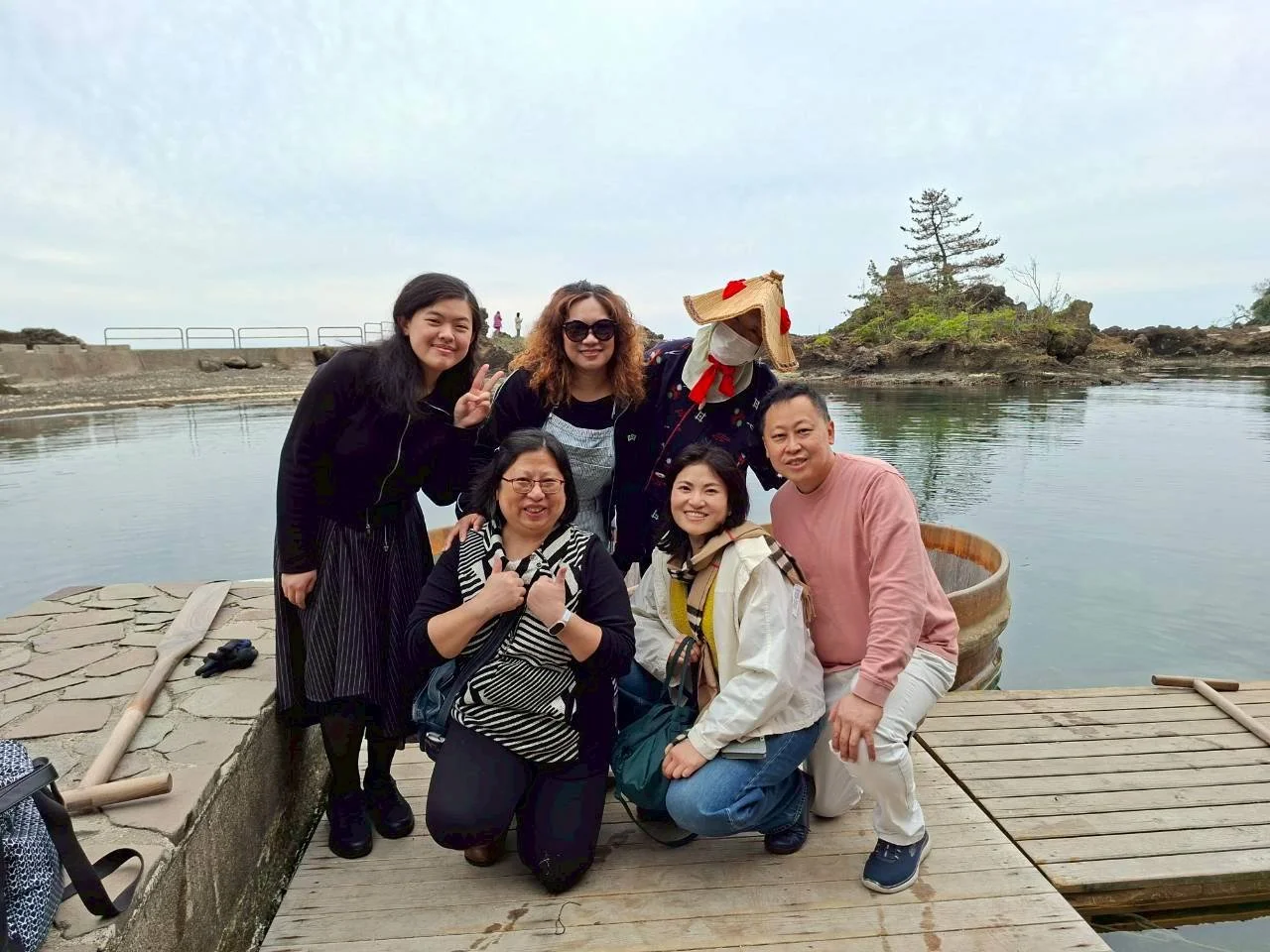
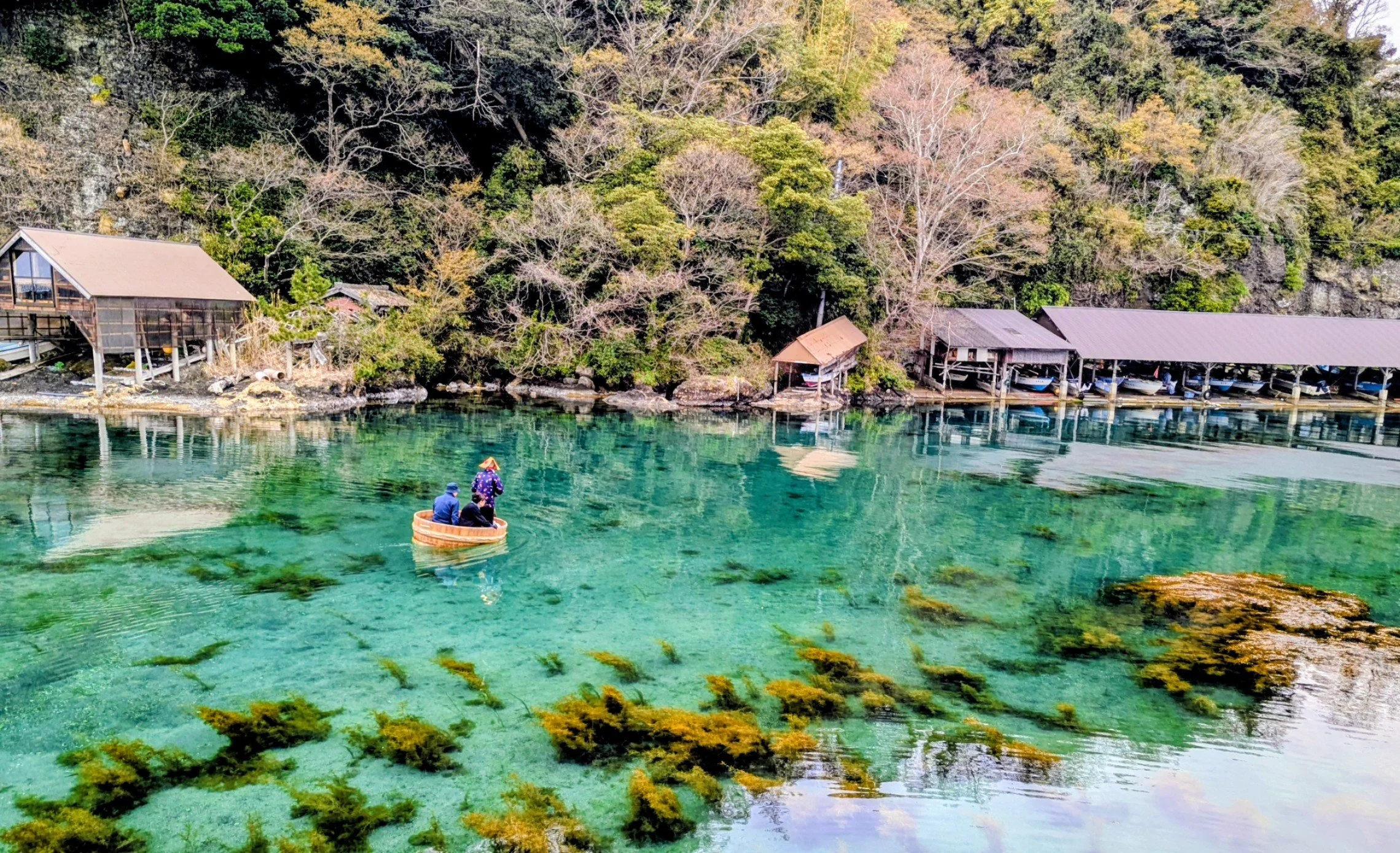
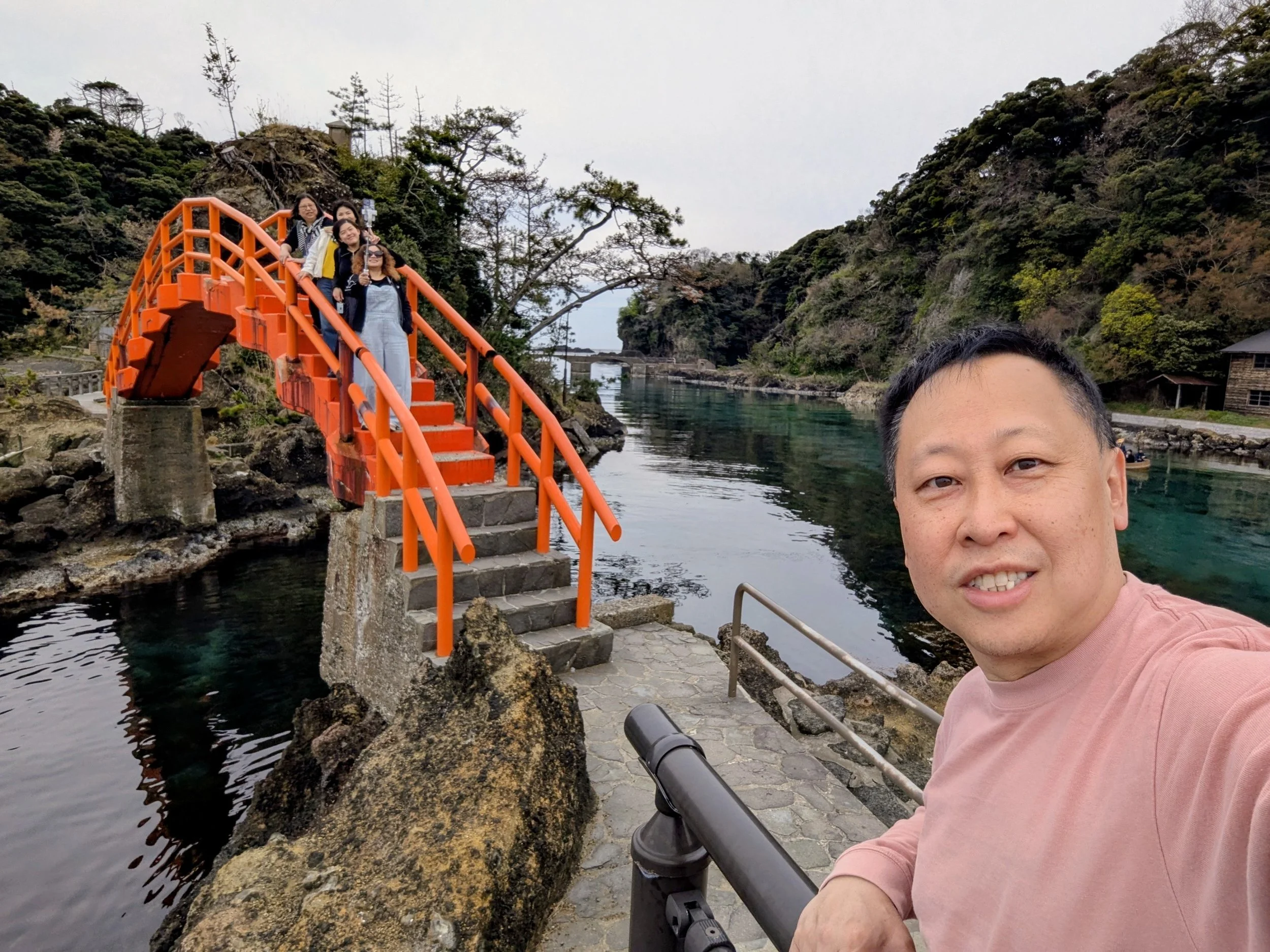
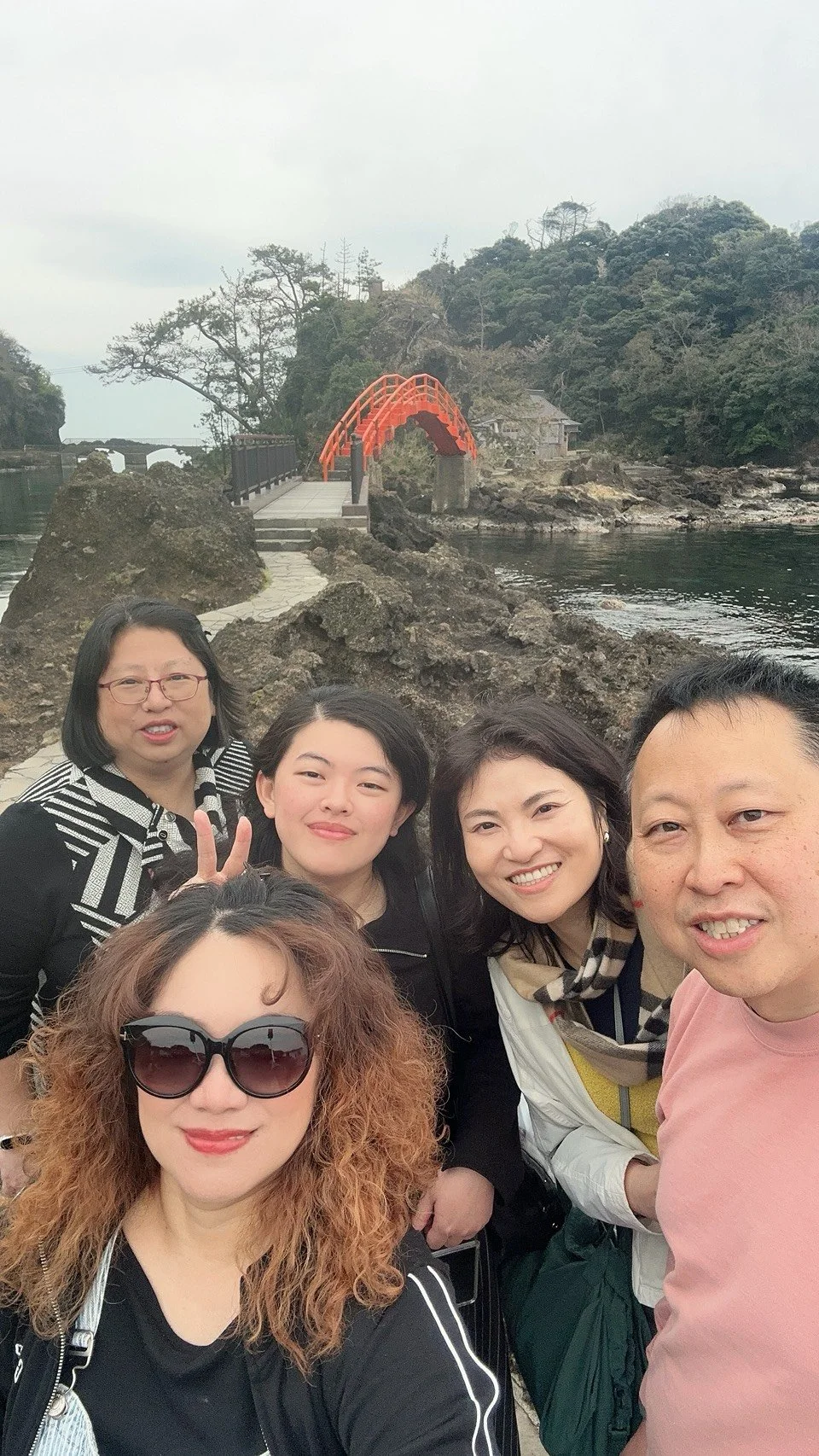
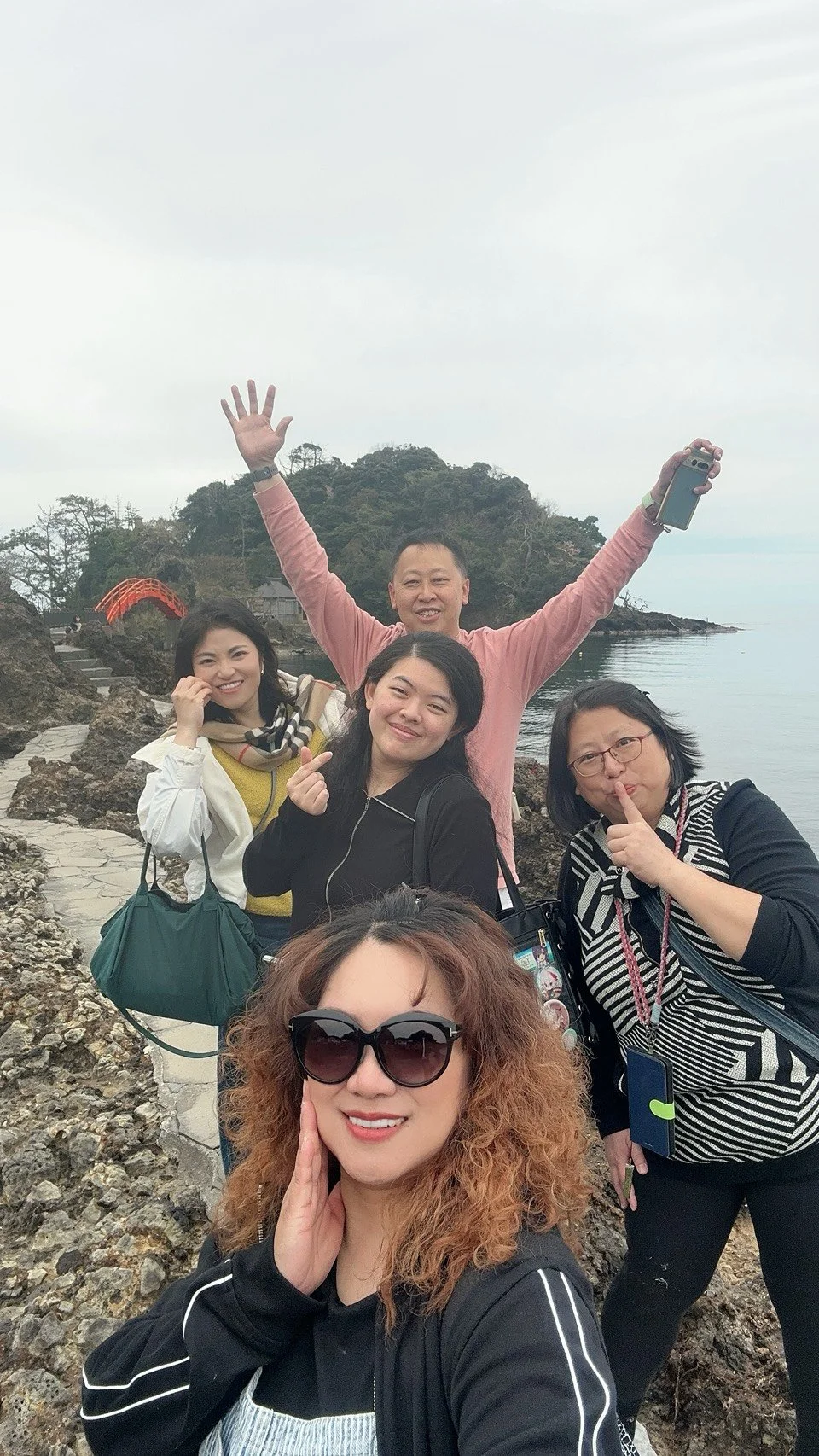
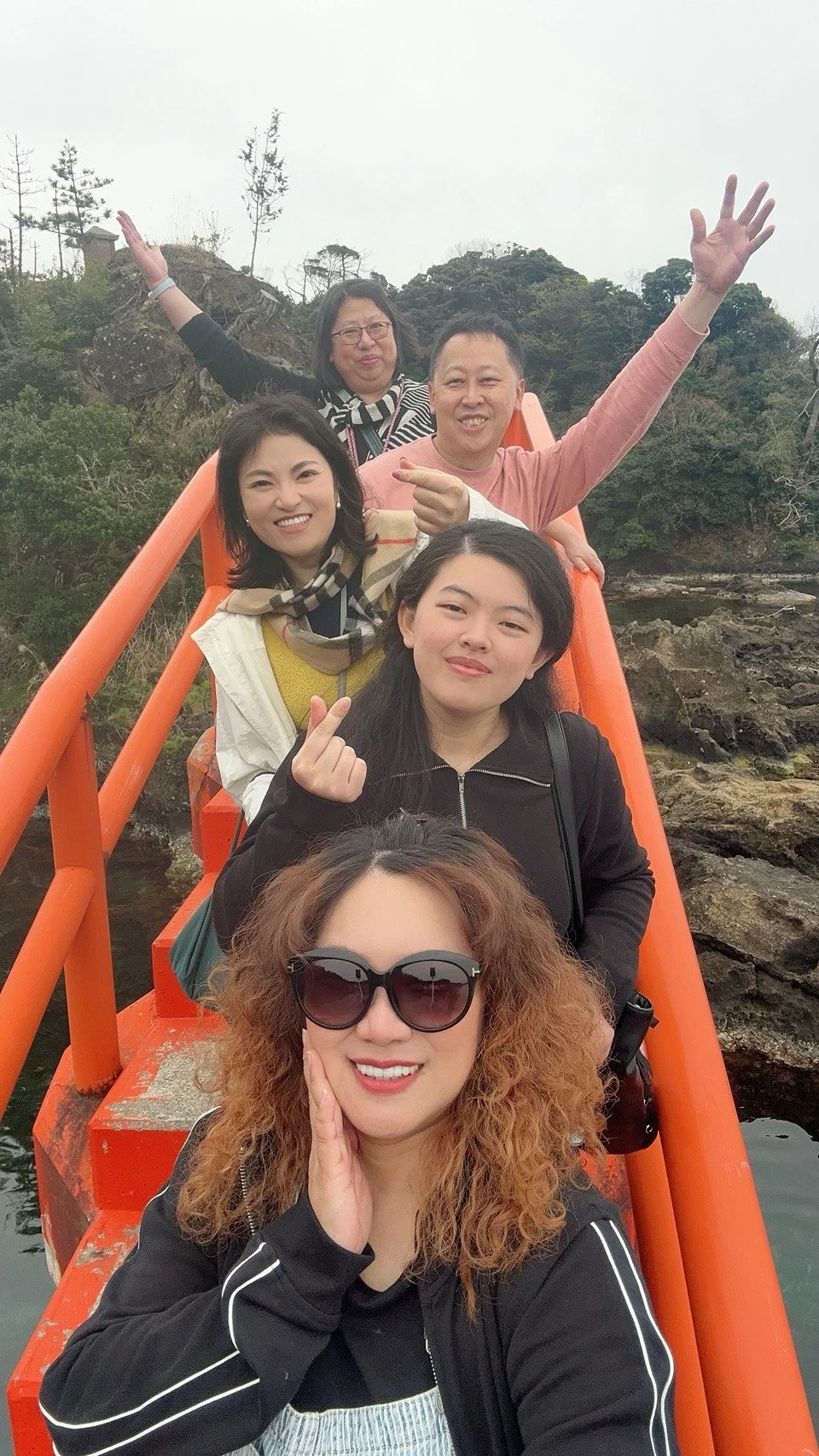
Ogi Peninsula. The Ogi Peninsula is a dramatic 16 km stretch of volcanic coastline at the southern tip of Sado Island, known for its crystal-clear "blue grotto" waters, traditional tub boats, and well-preserved historic villages. Formed millions of years ago by underwater volcanic eruptions, the area is designated as a Japan National Monument and Scenic Site.
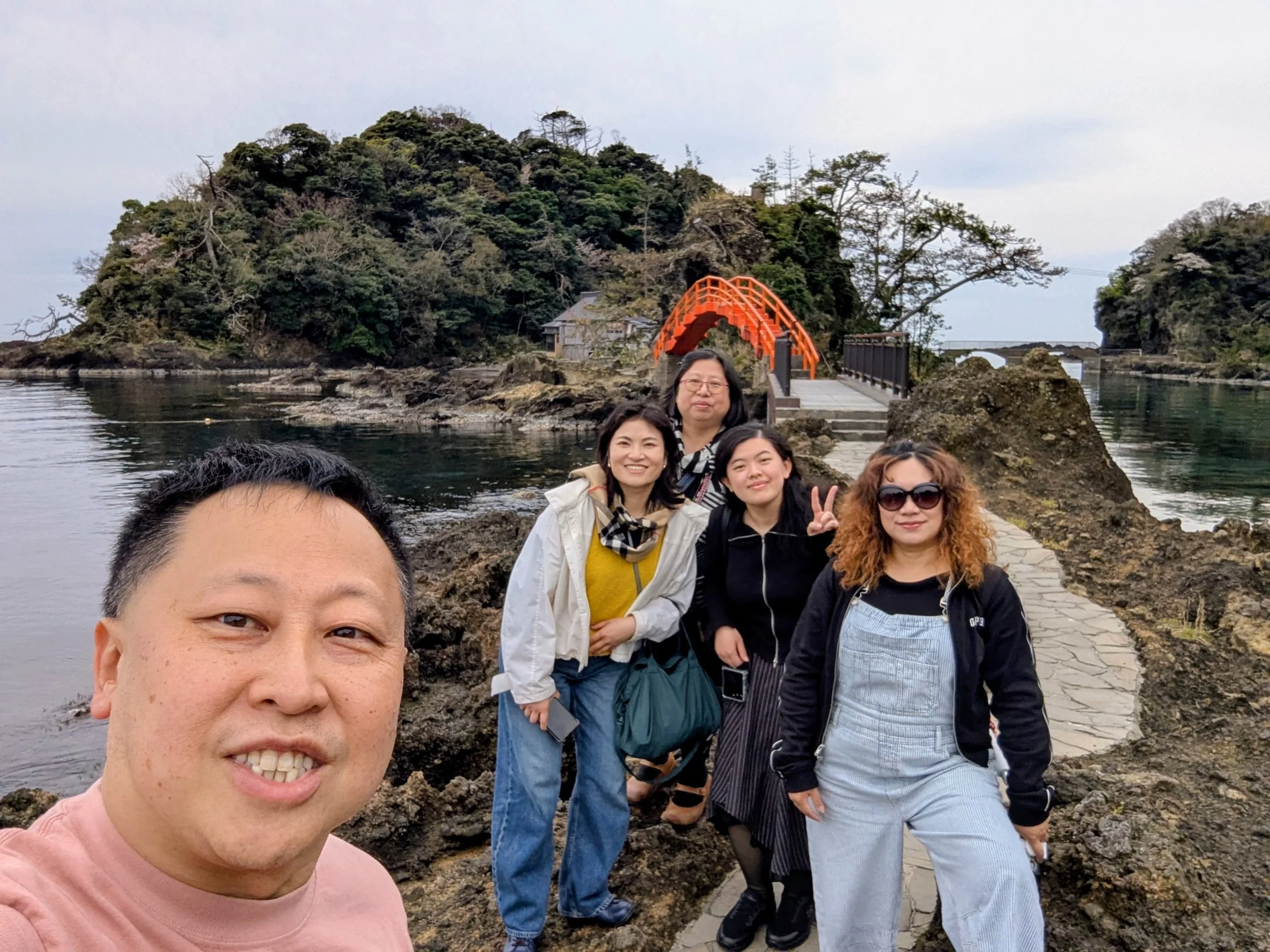
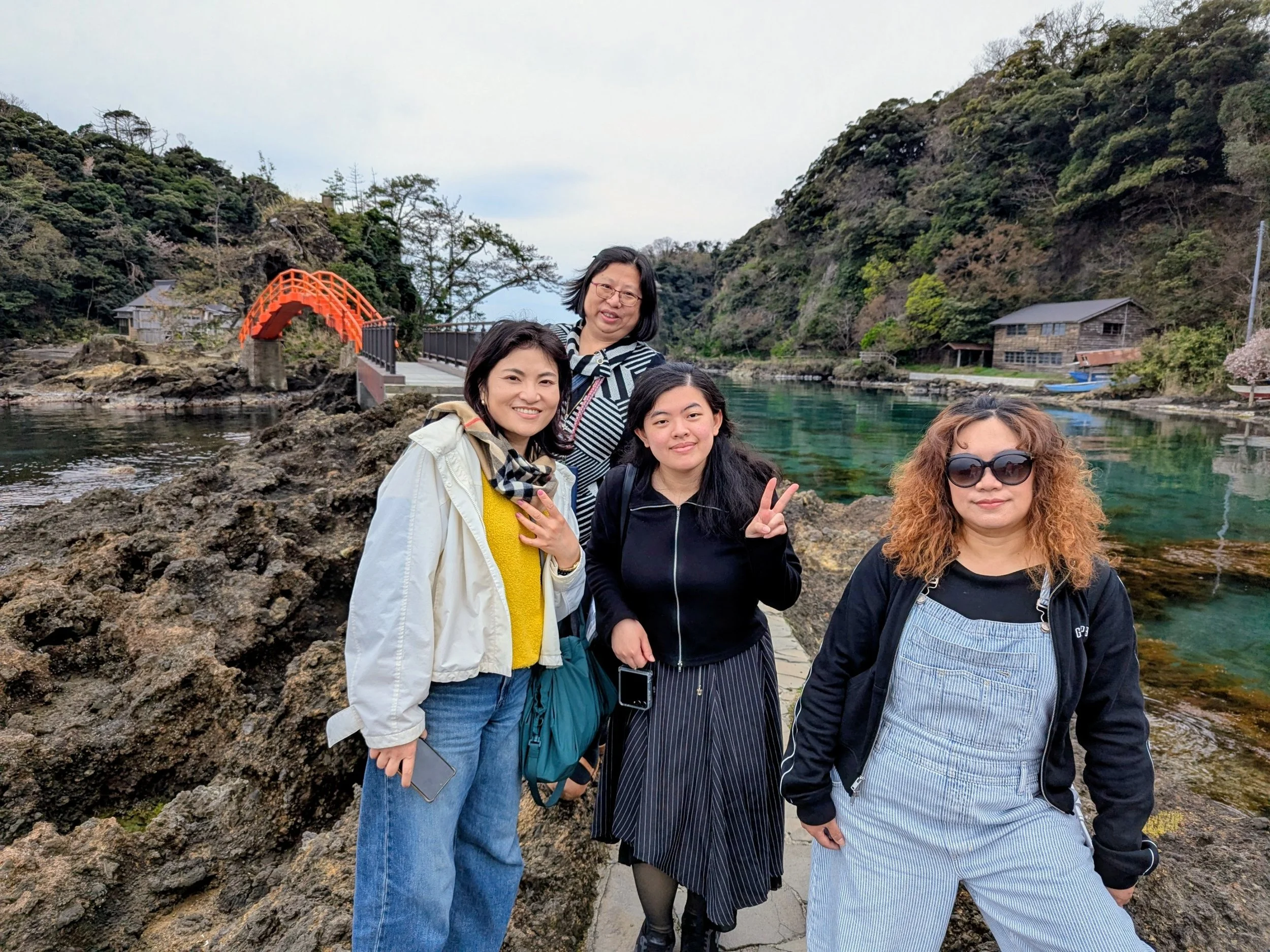
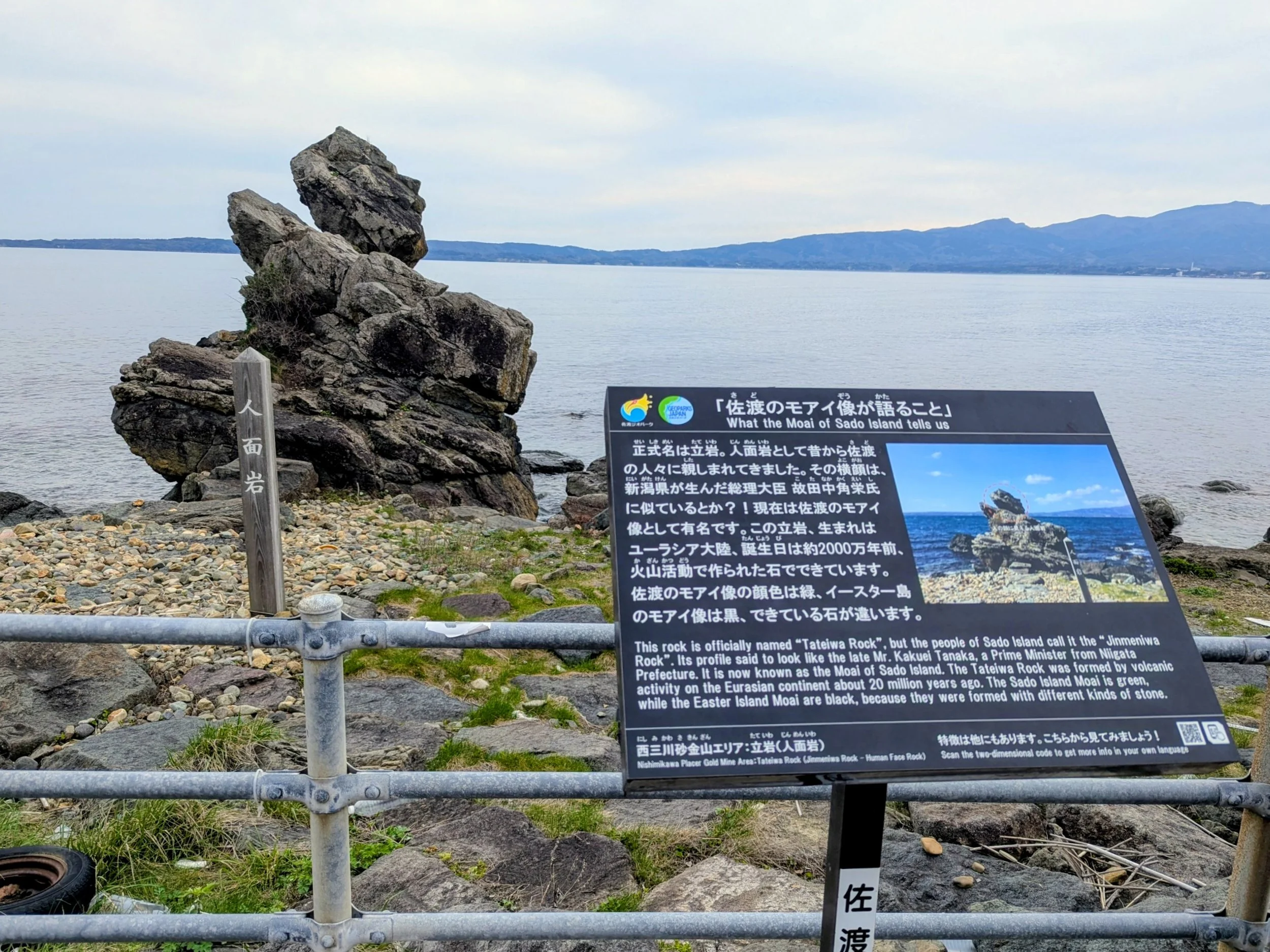
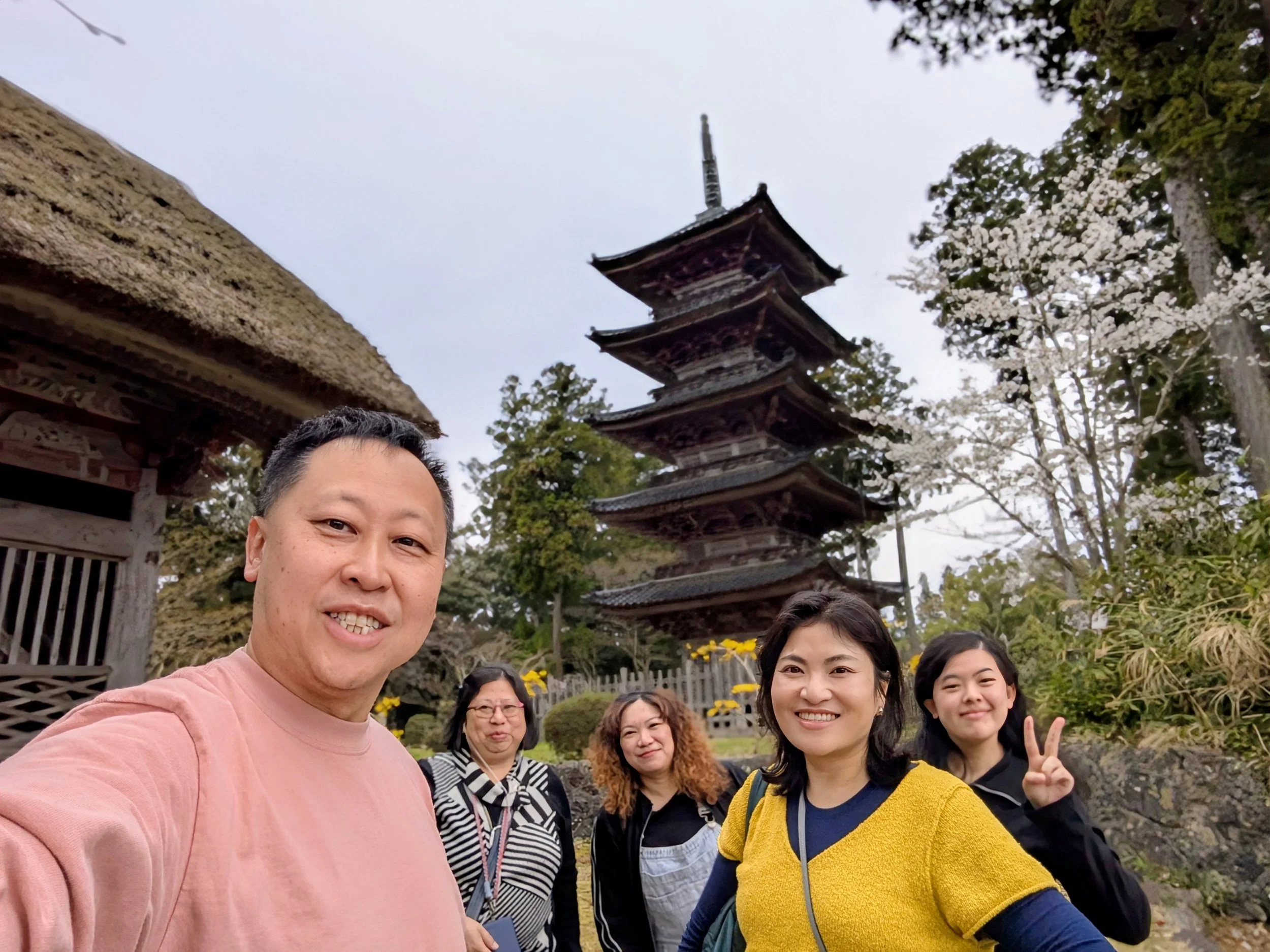
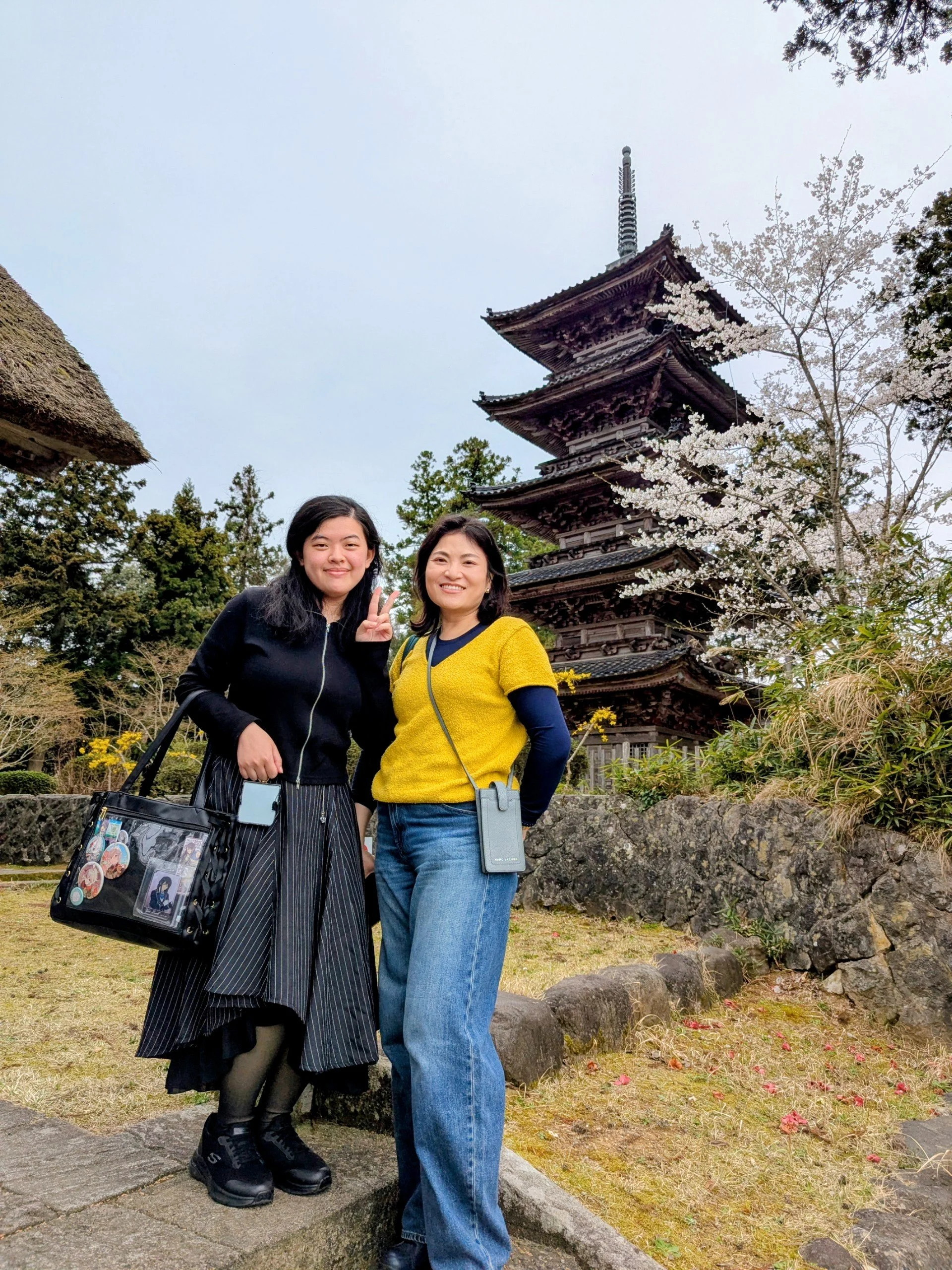
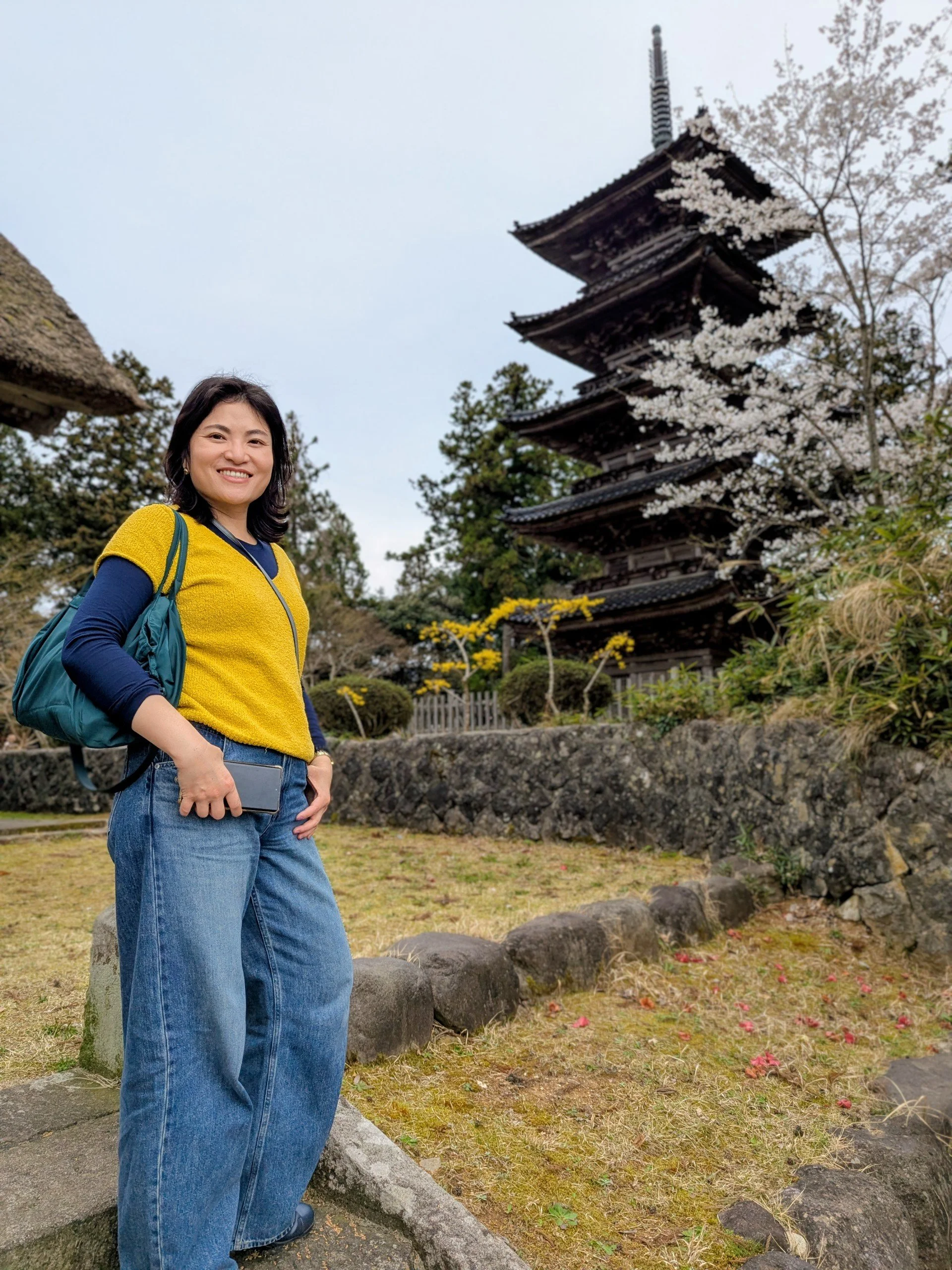
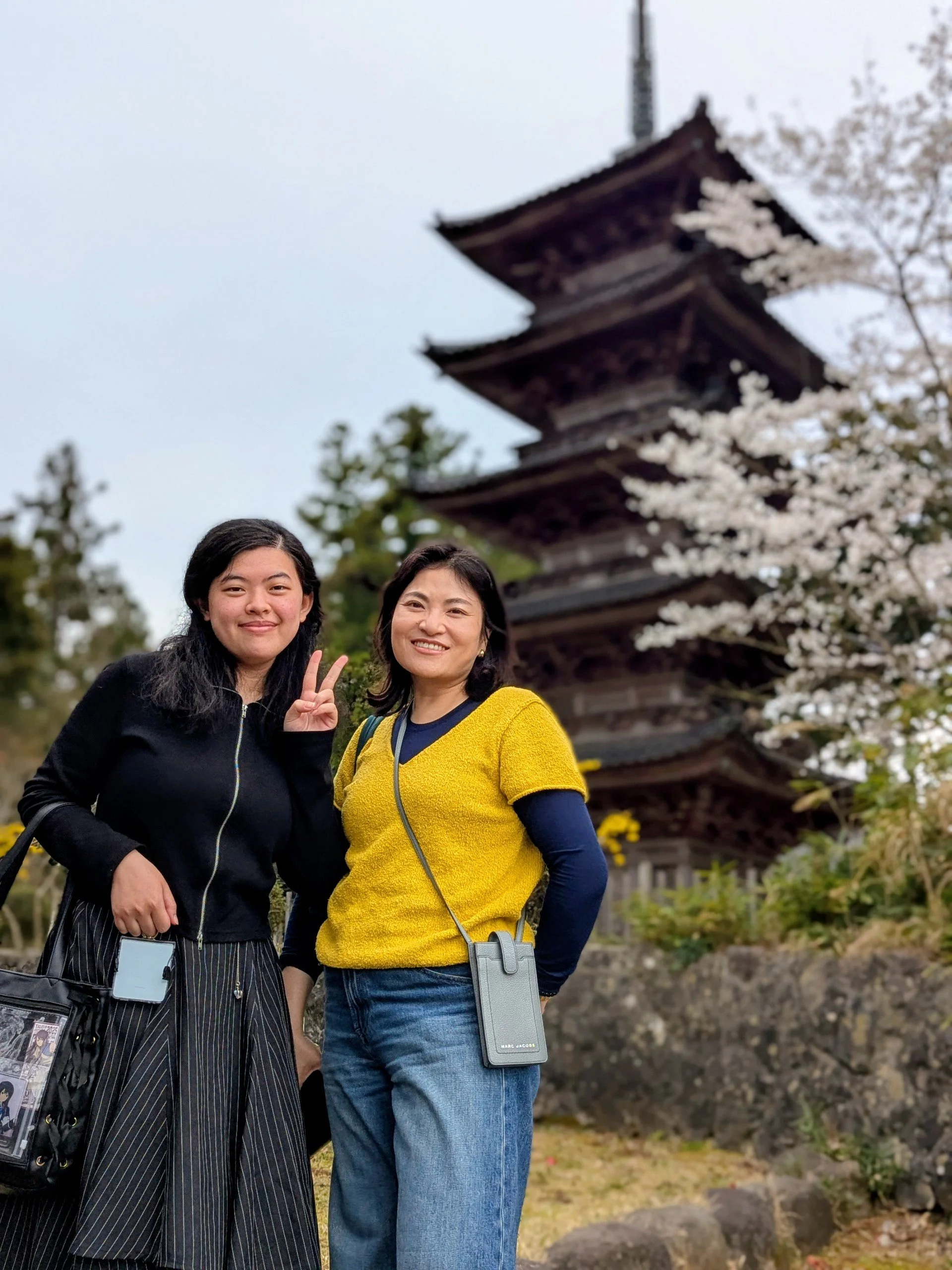
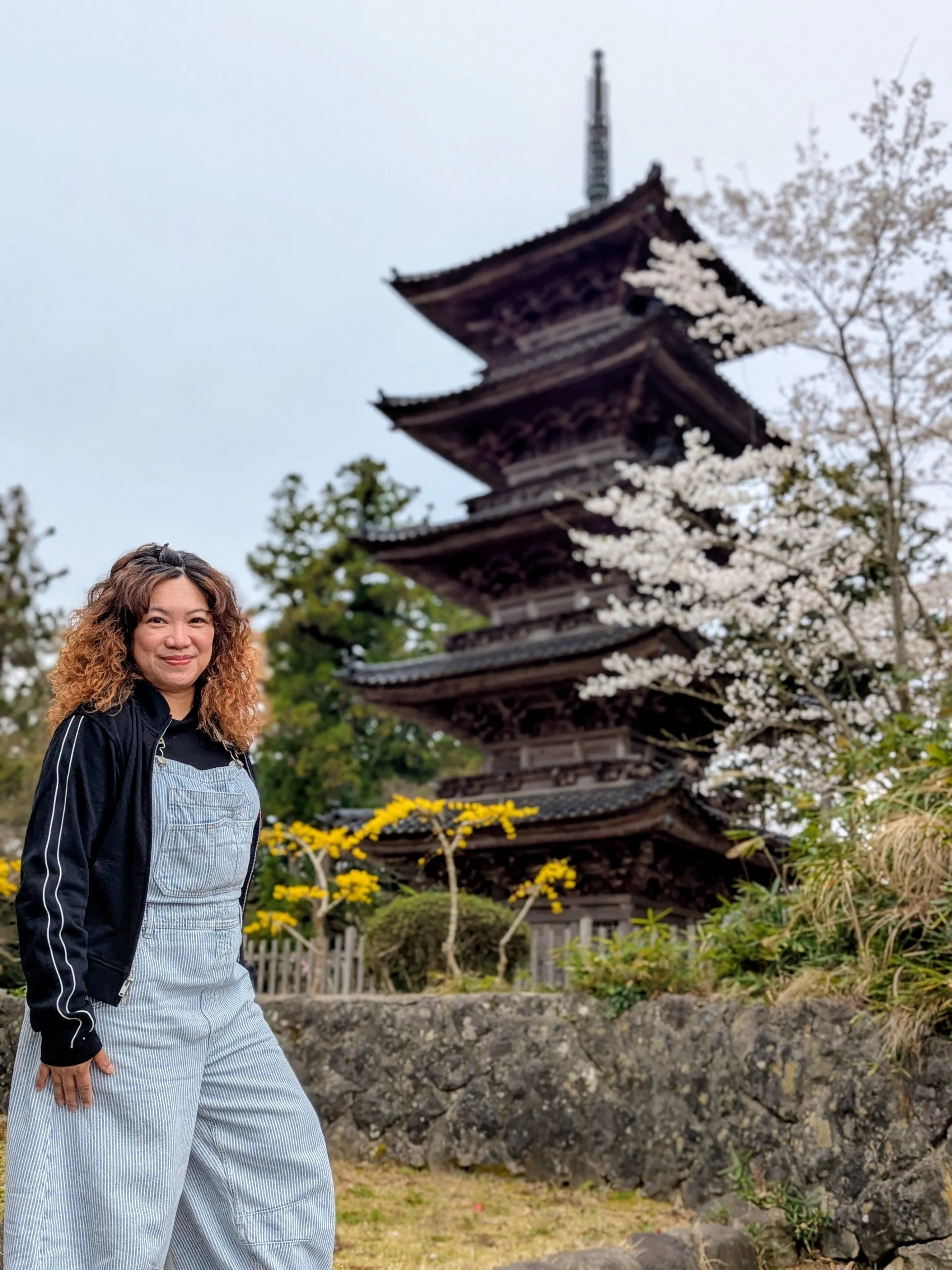
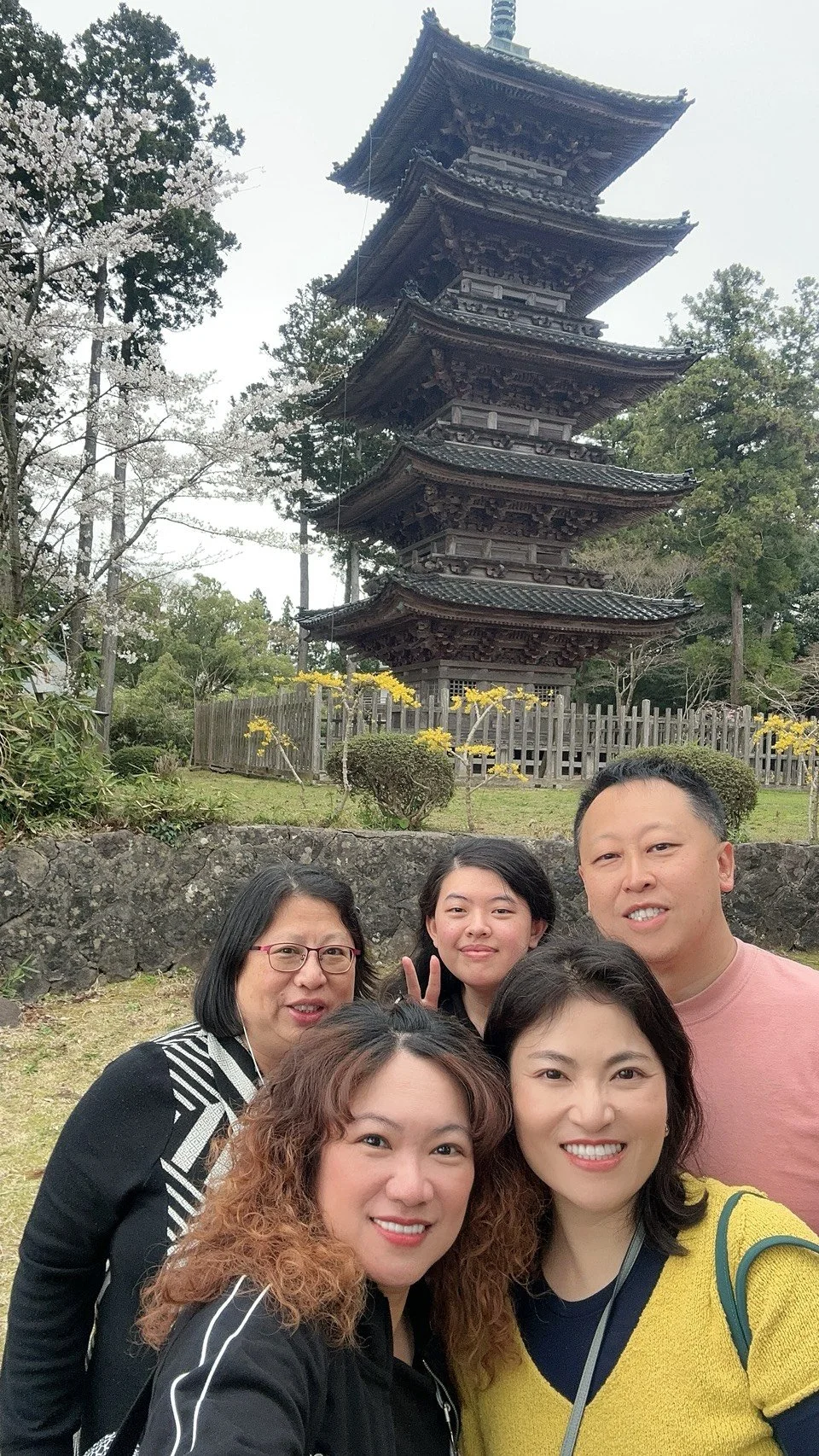
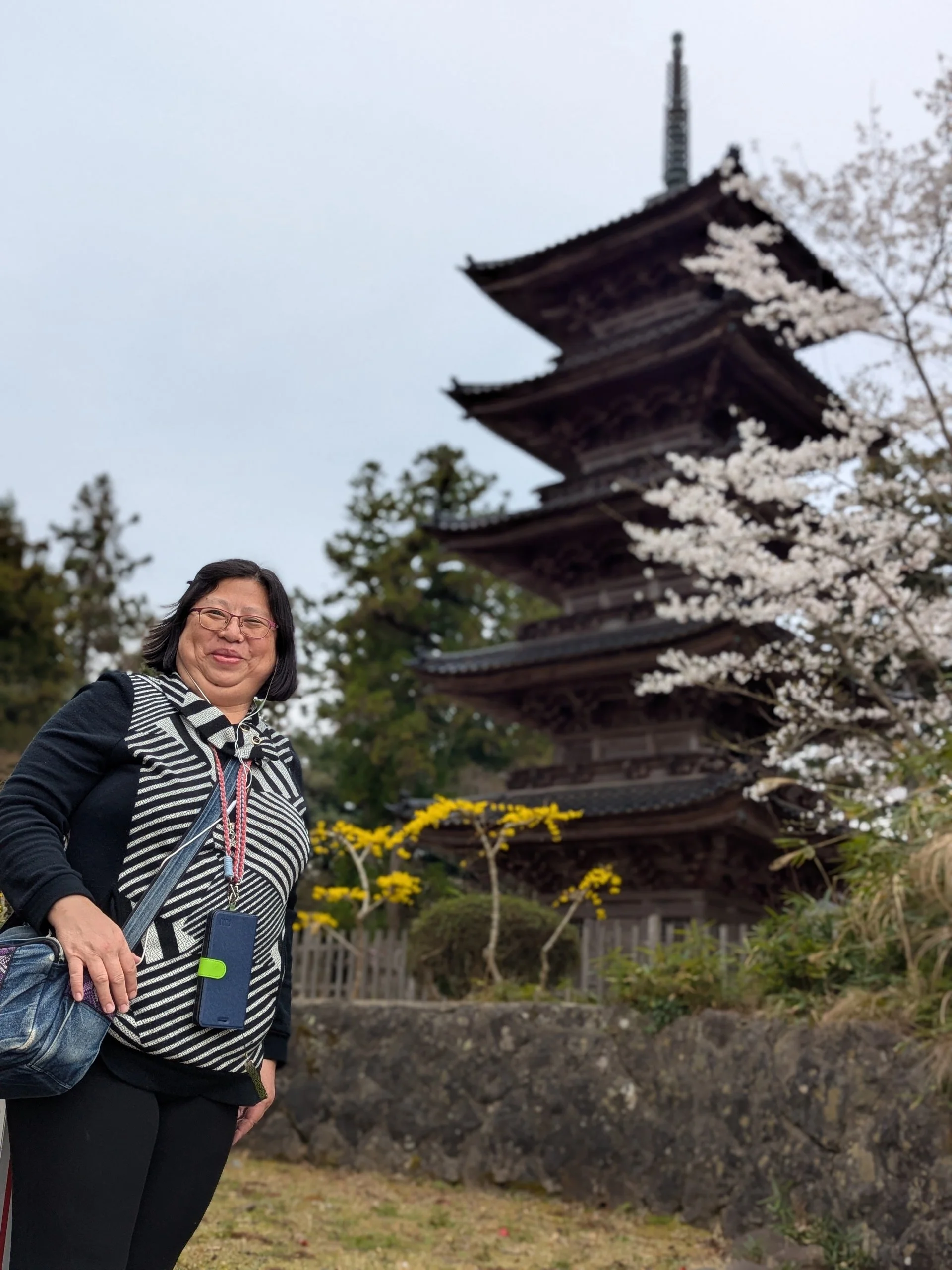
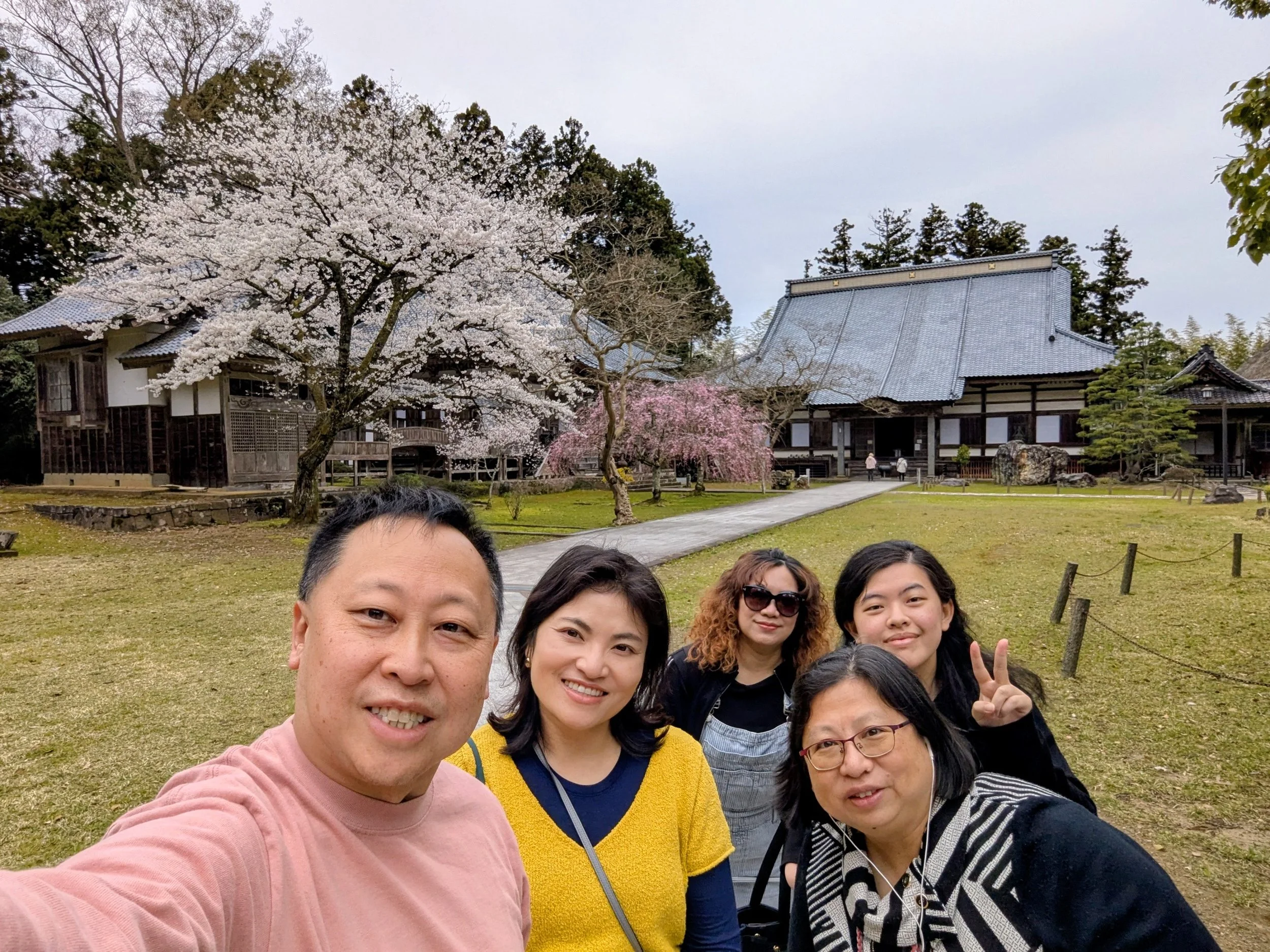
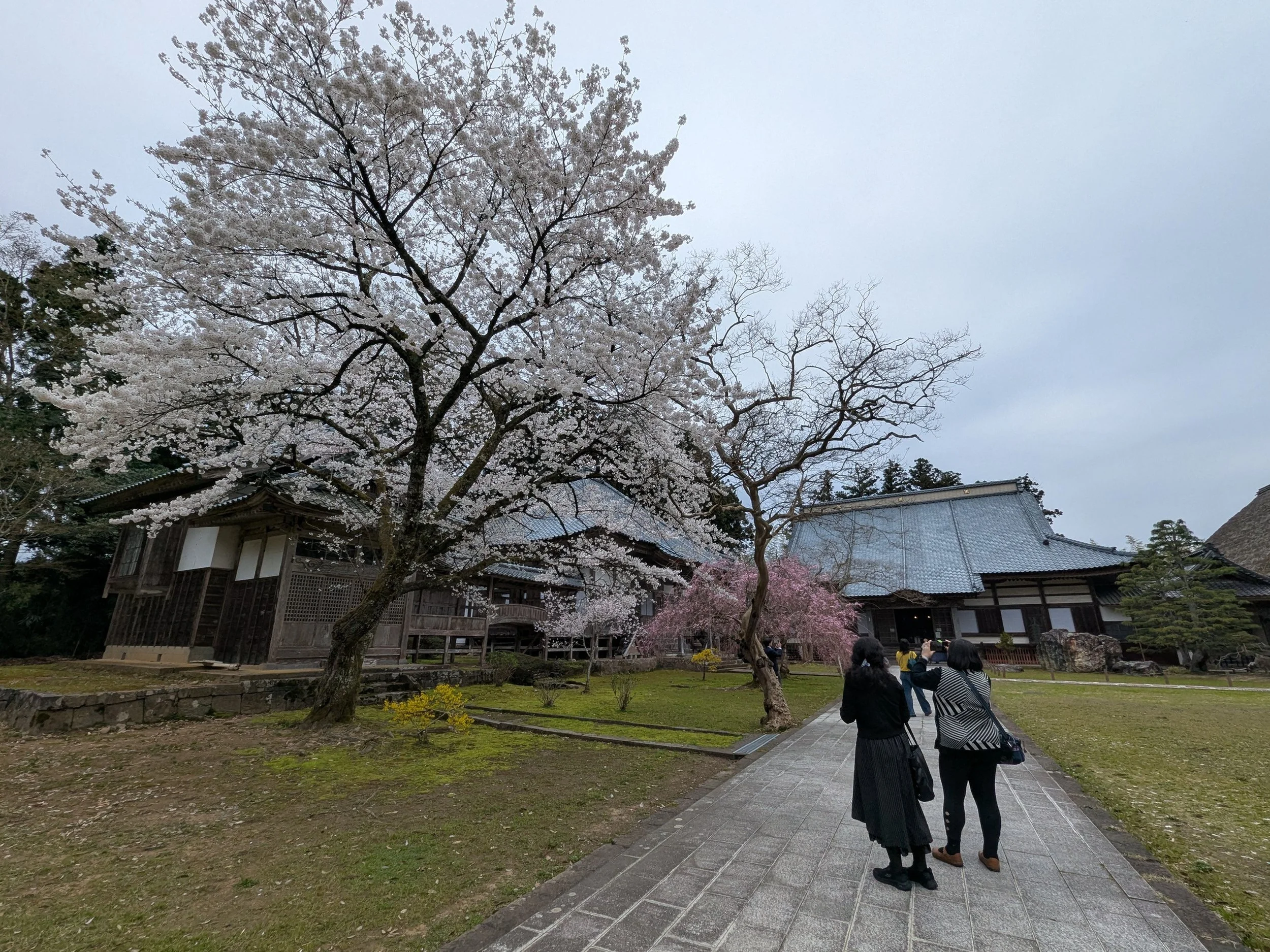
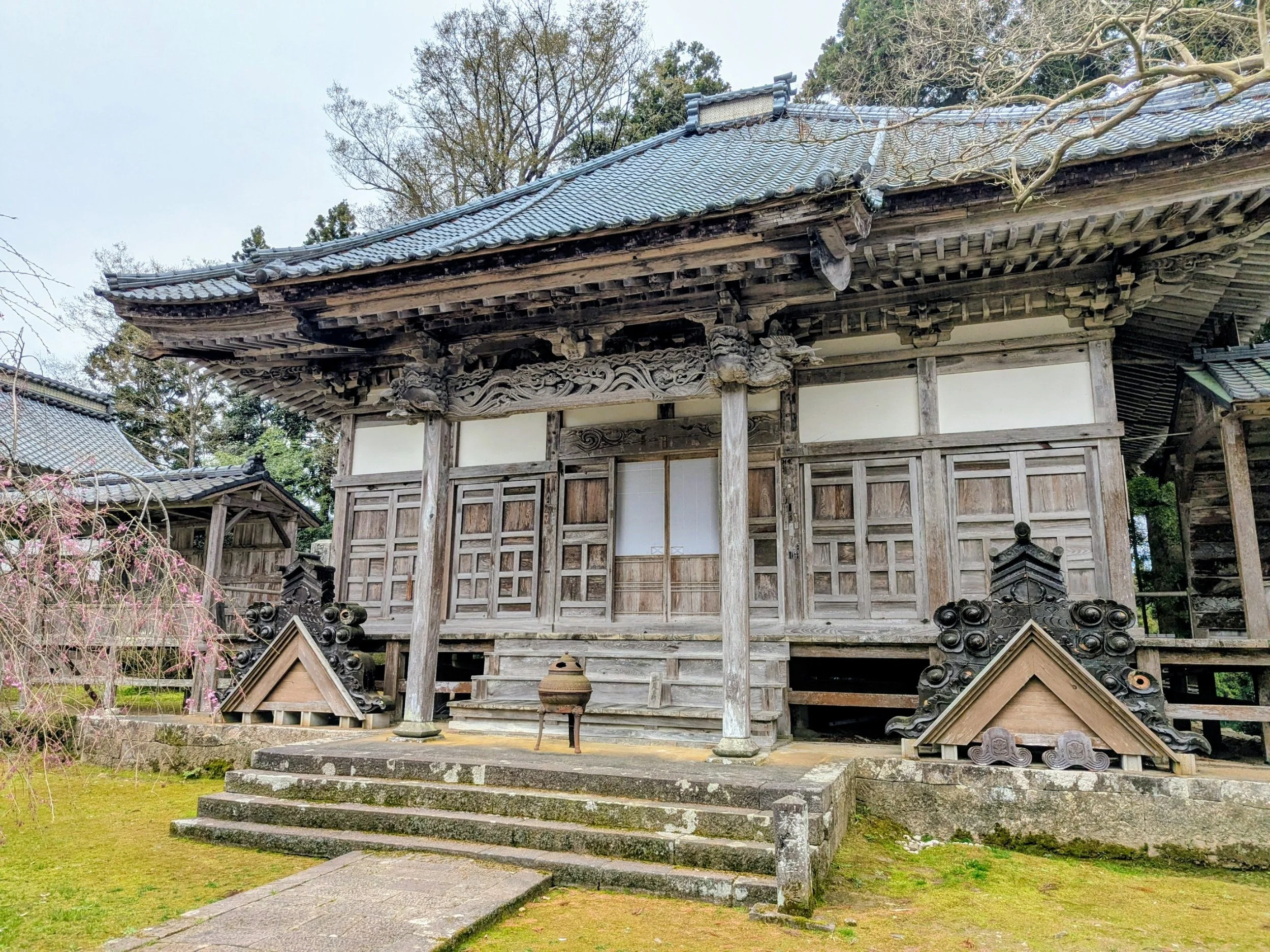
The final stop was a famous temple on Annie’s Little Island. The five-story pagoda at Myosenji Temple in Mano is the only one in Niigata Prefecture, built in 1825. Completed over 30 years during the late Edo period, this "nail-less" wooden structure stands surrounded by pine trees, featuring a suspended central pillar designed to absorb earthquake vibrations. It is the only surviving five-story pagoda in Niigata Prefecture.
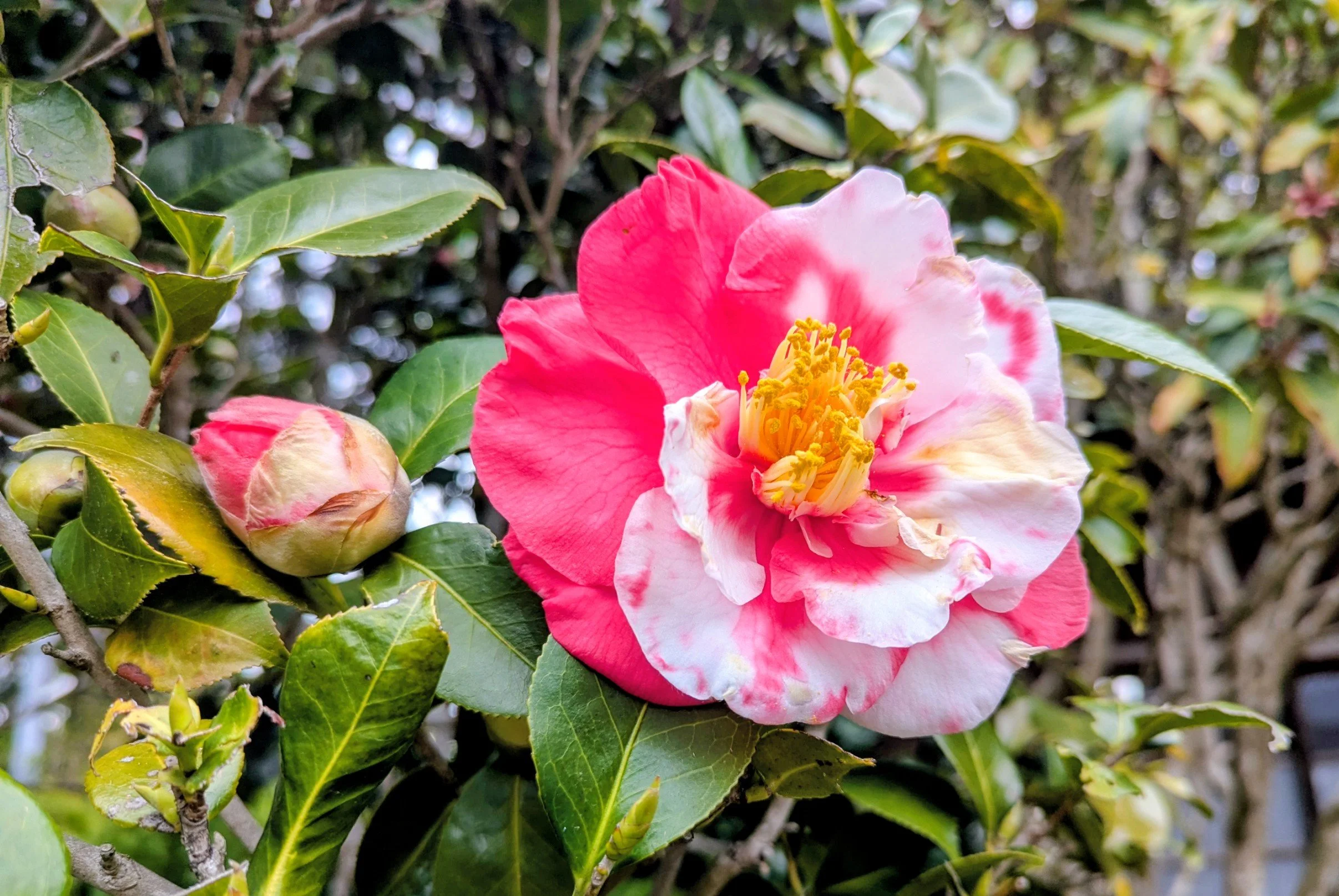
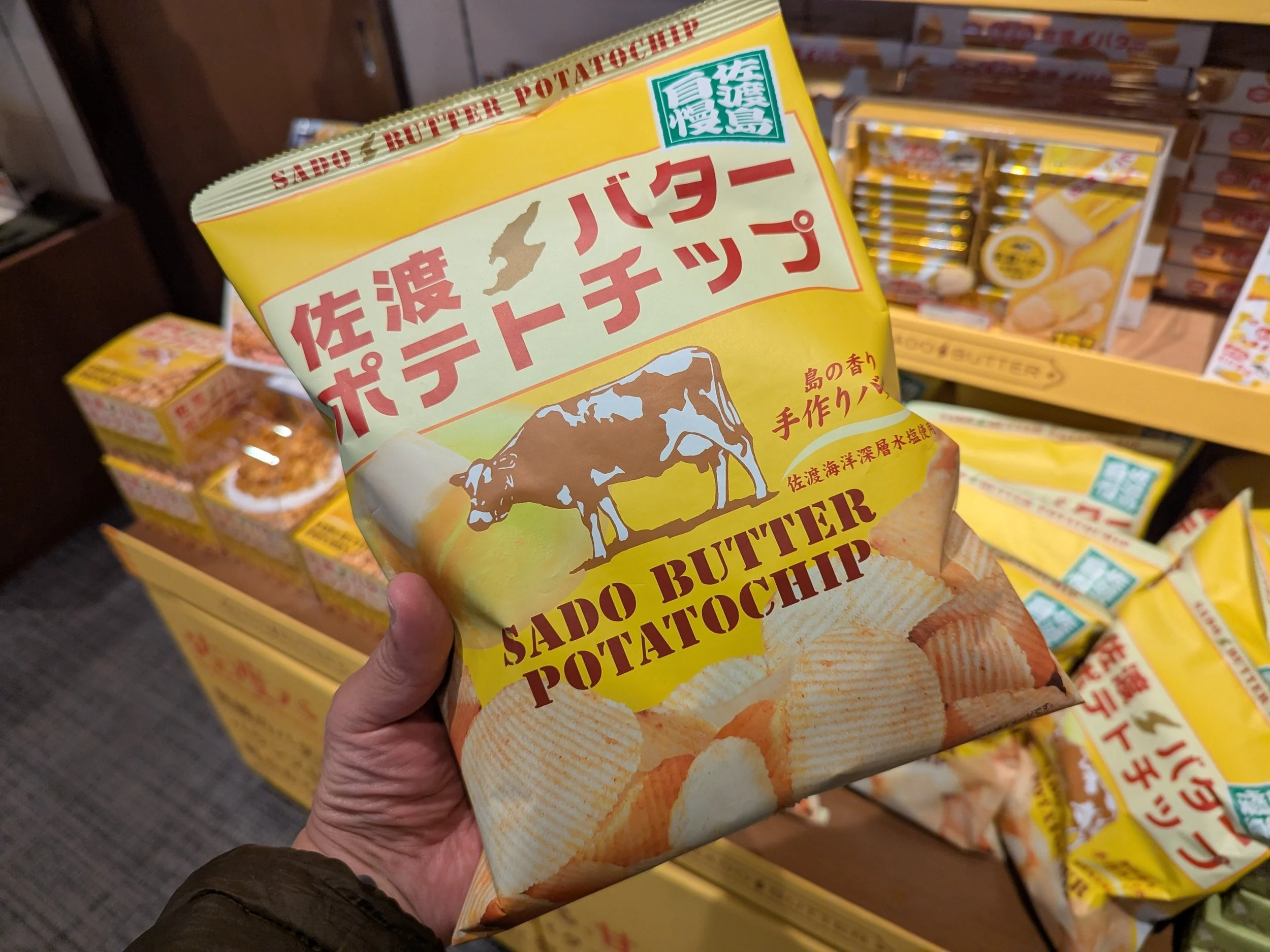
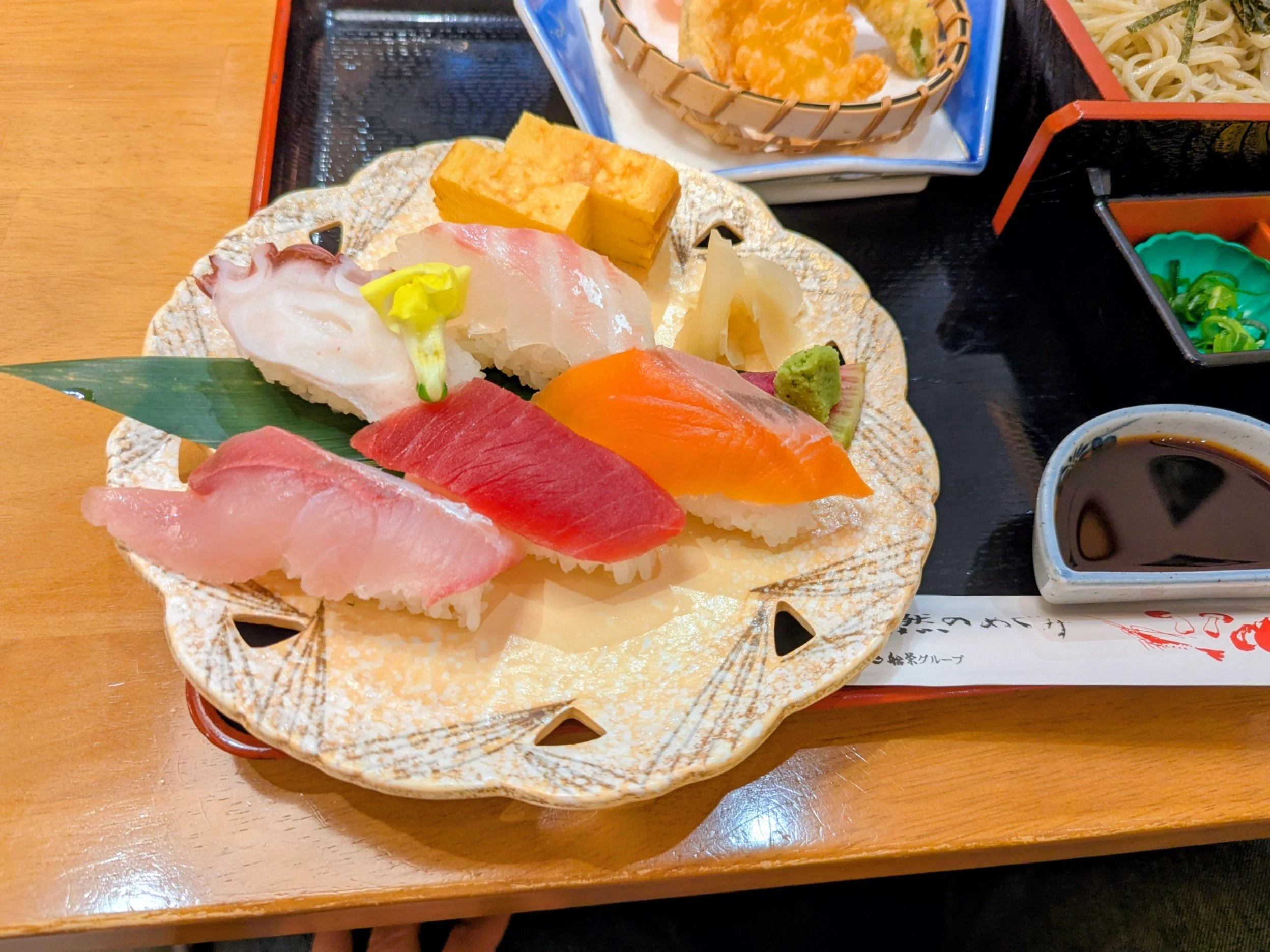
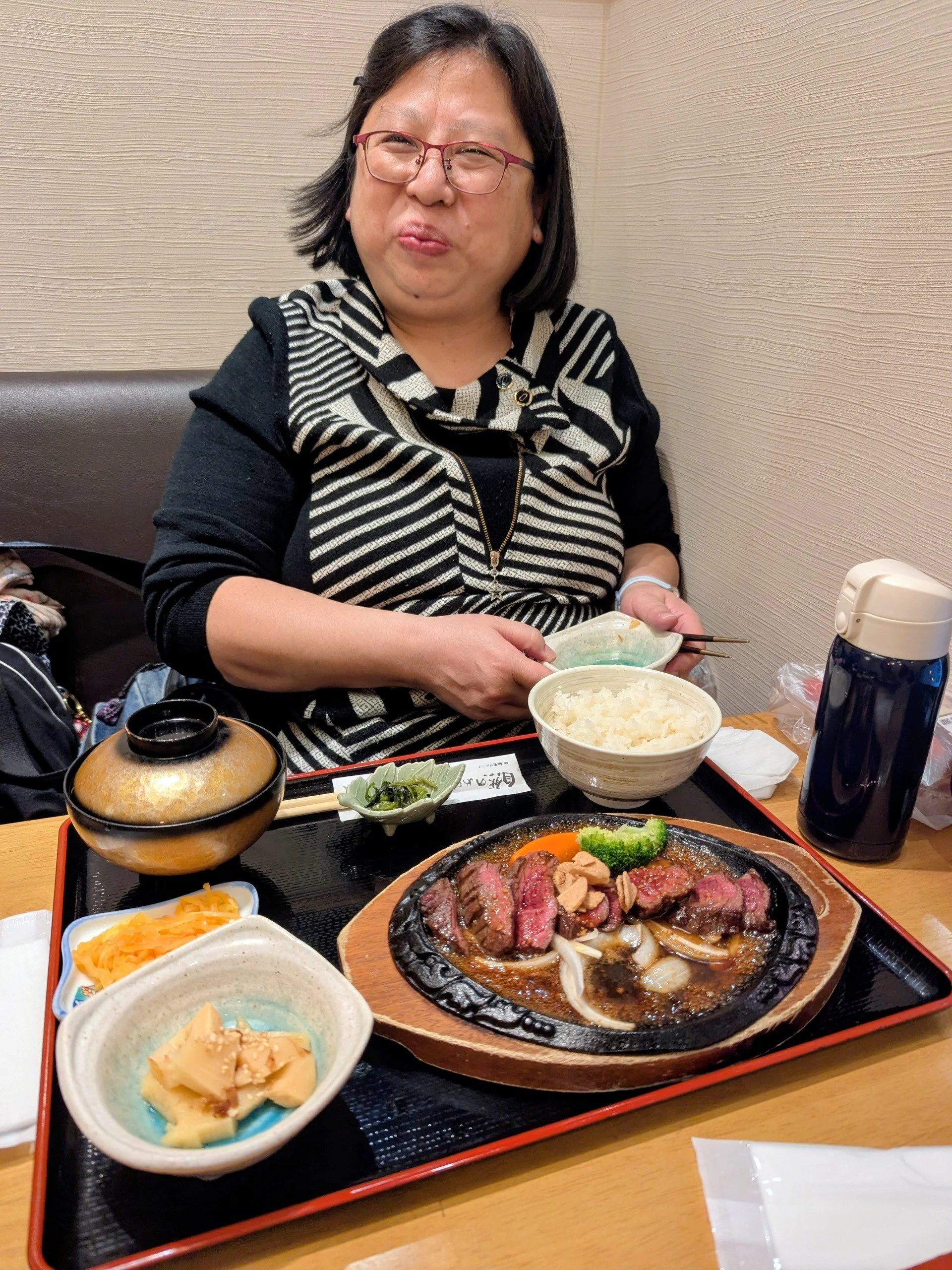
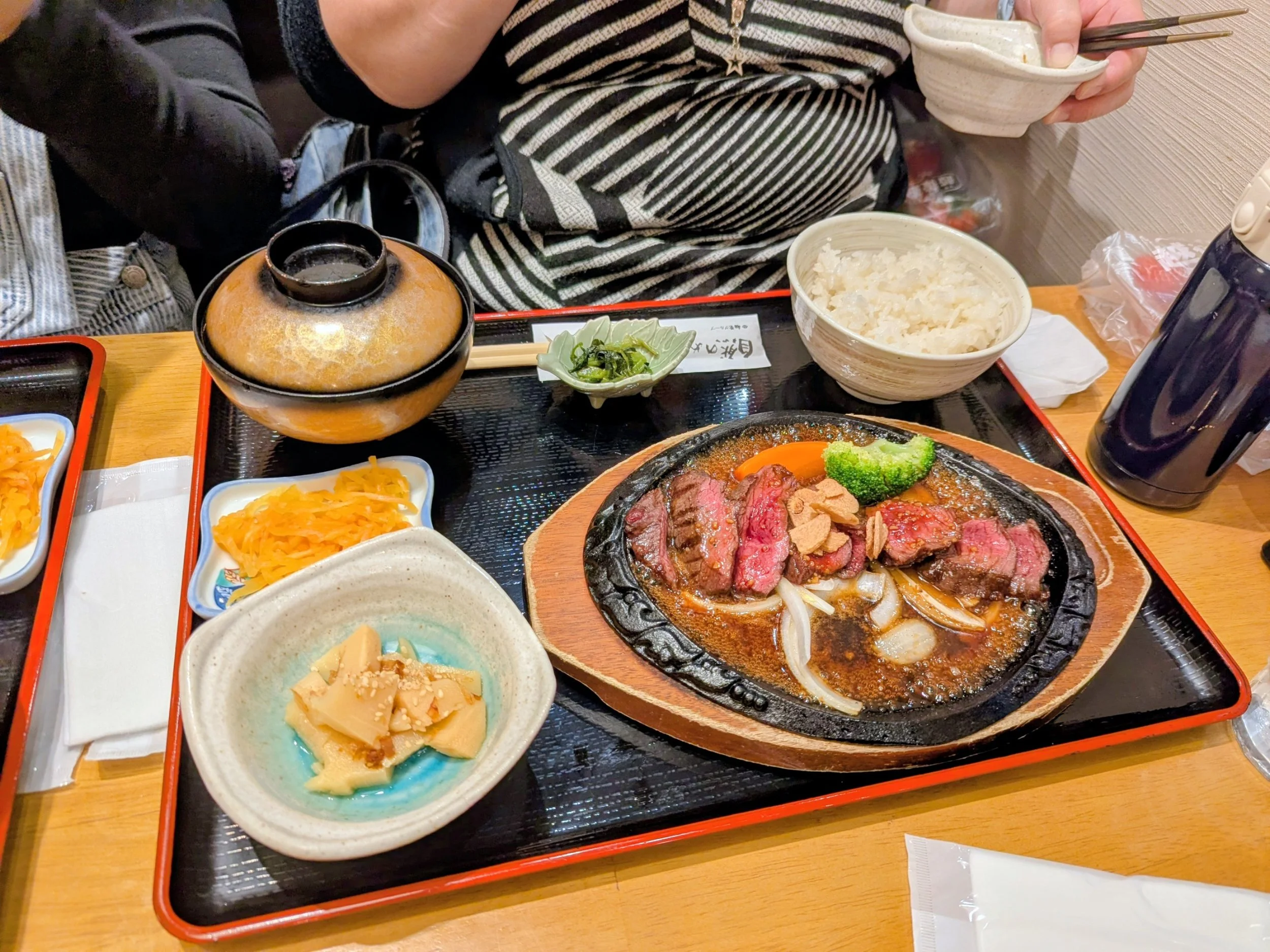
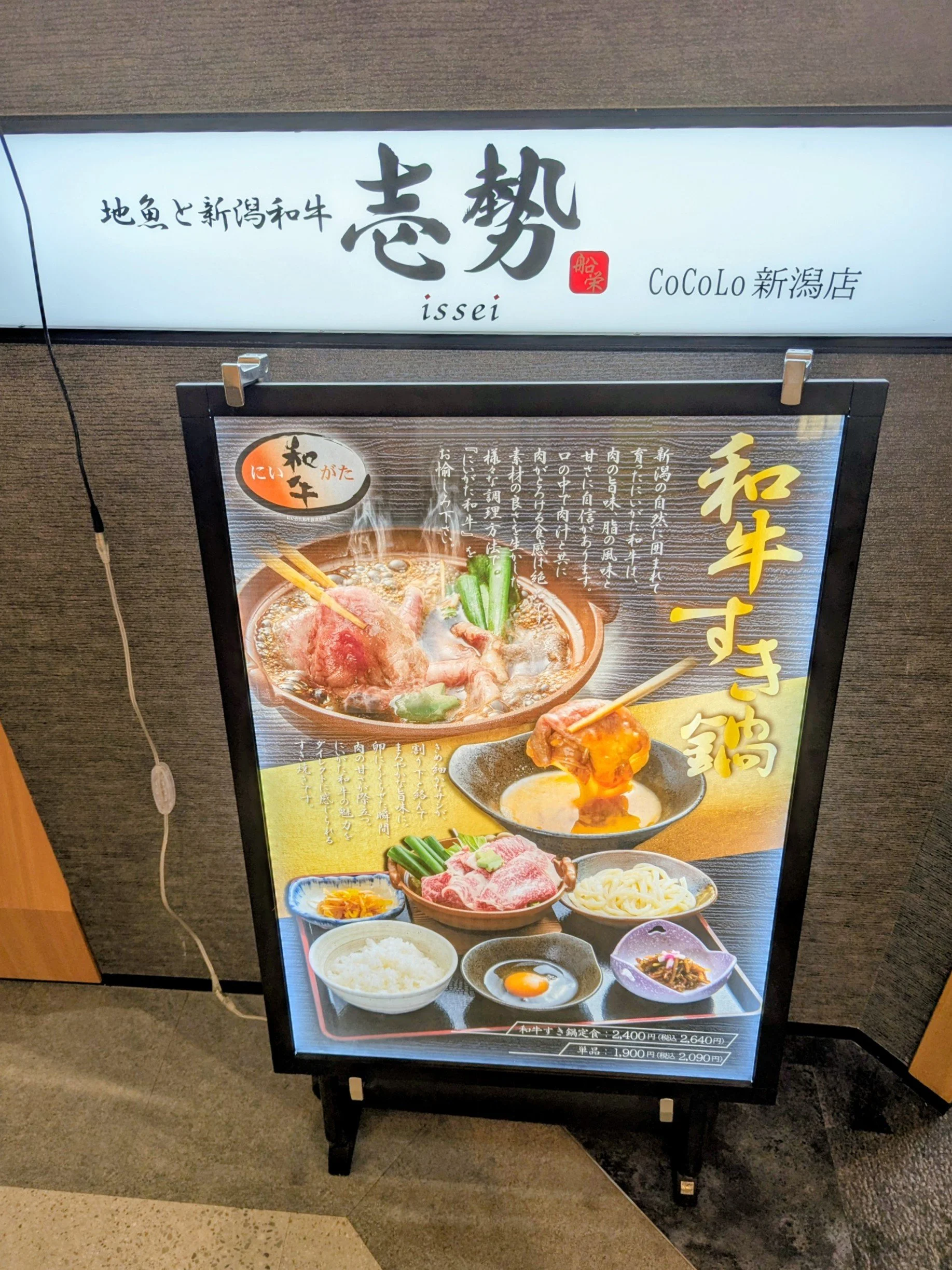
We took the last speed boat from Annie’s Little Island back to Niigata. We had dinner in a shopping mall attached to the Niigata train station. The next day we took the Shinkansen back to Tokyo in economic class.
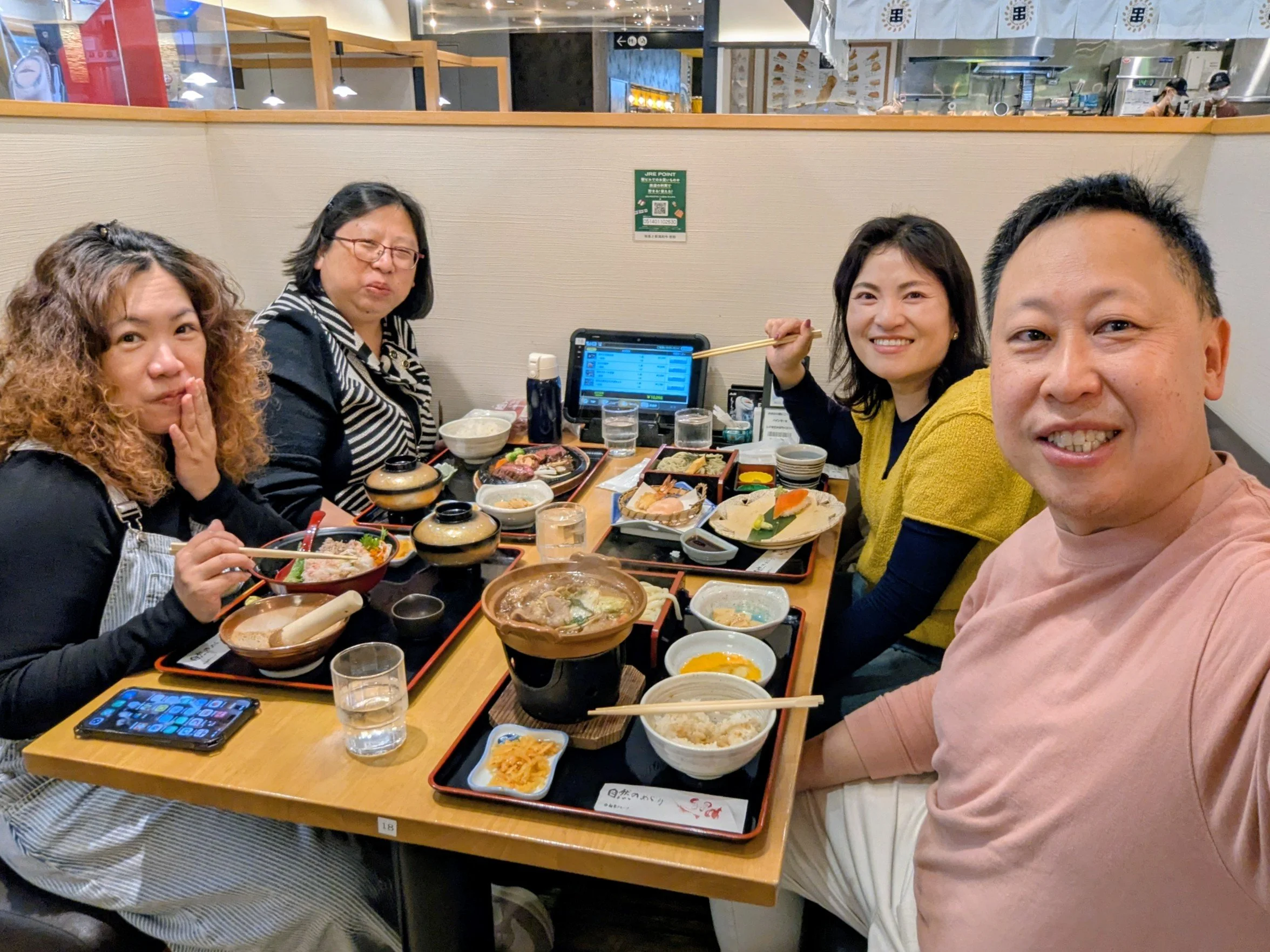
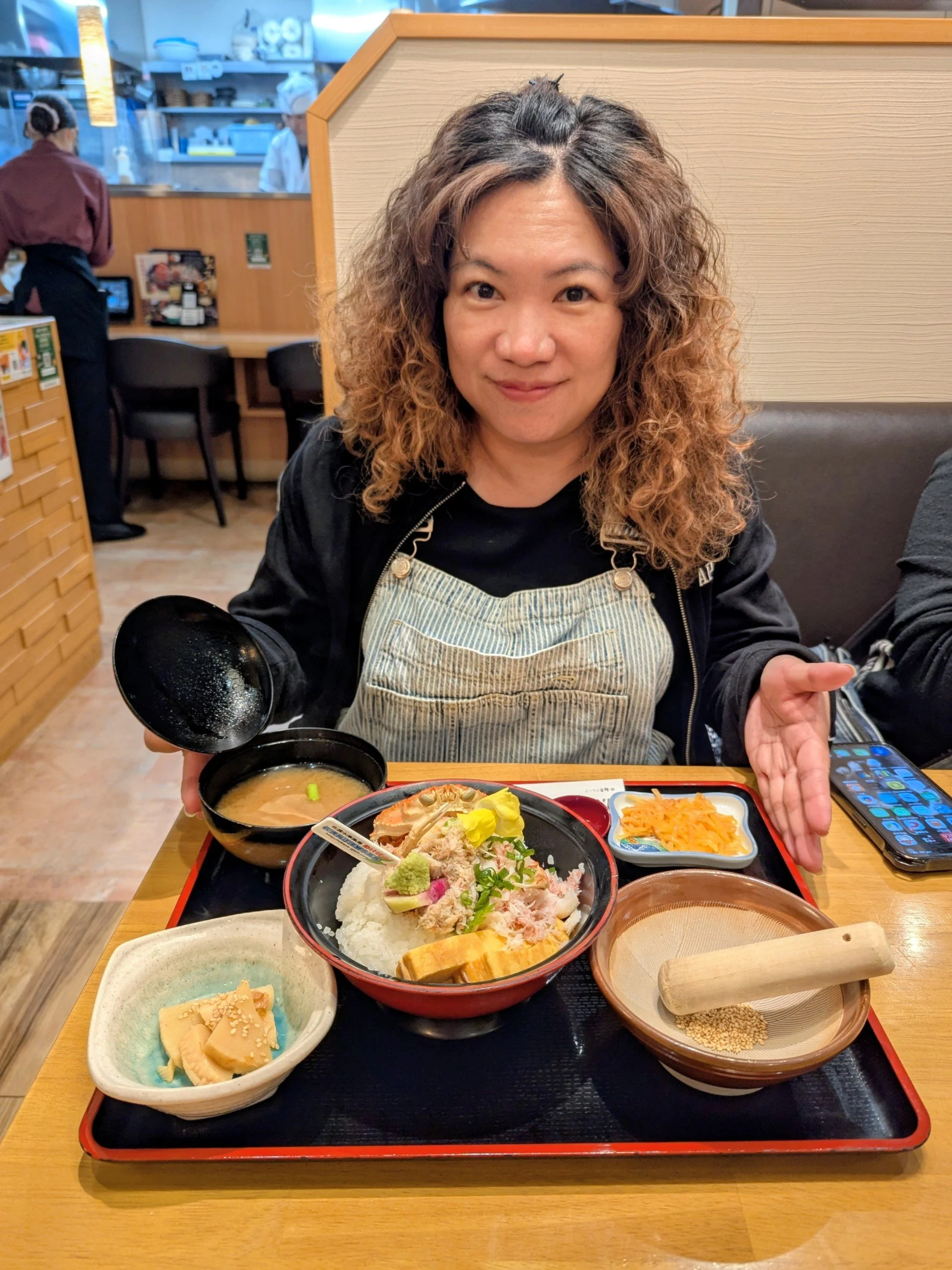
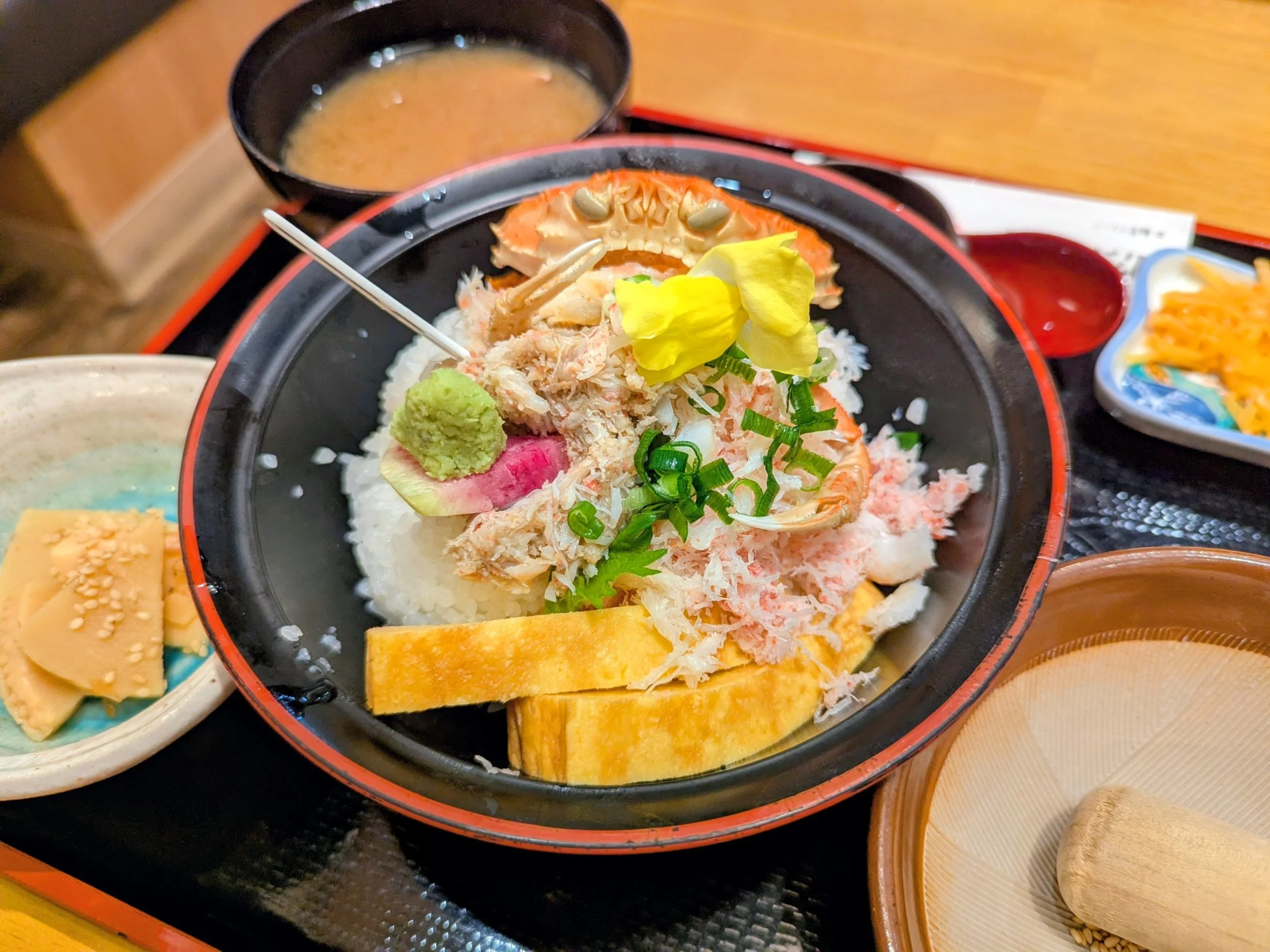
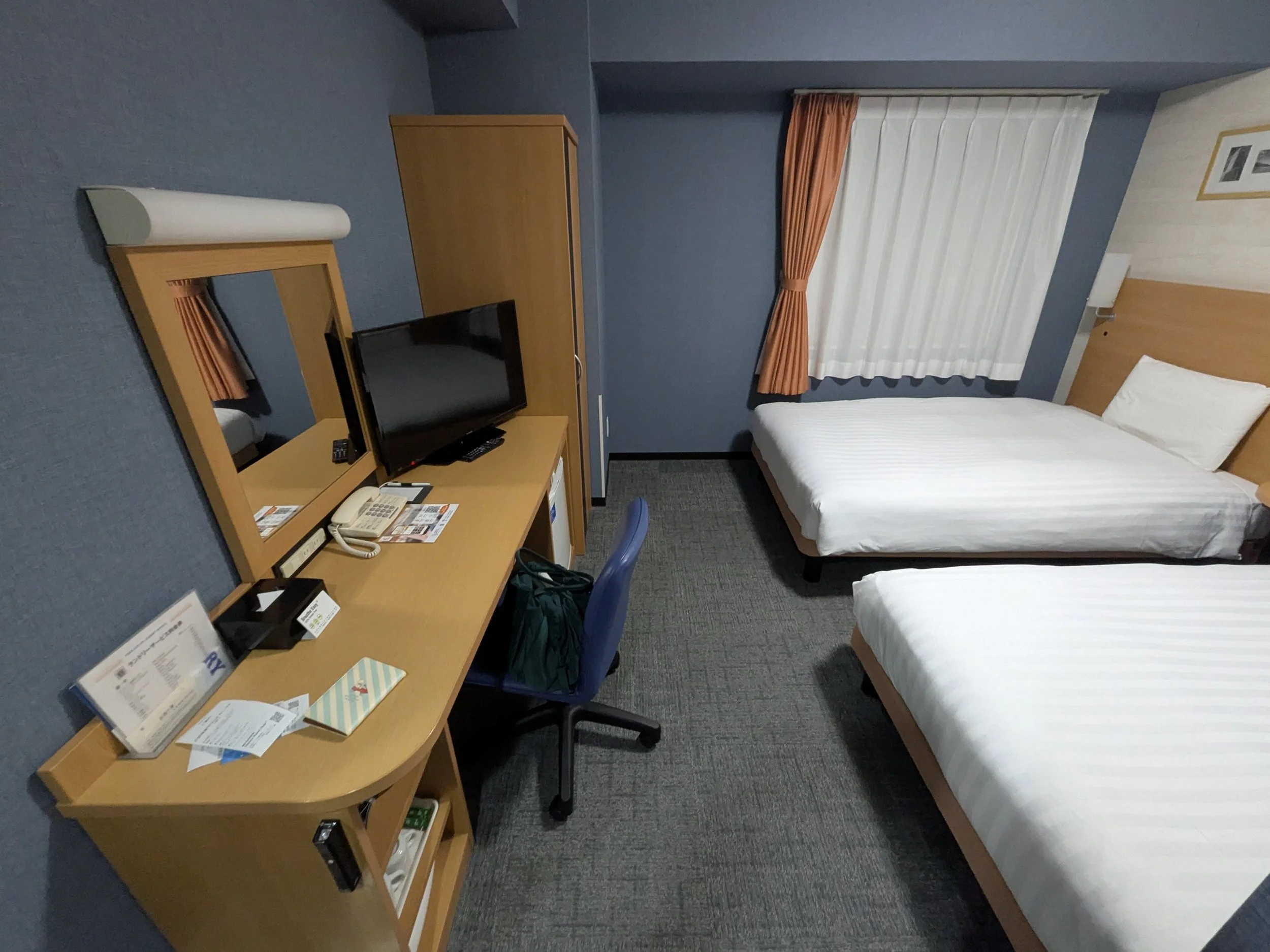
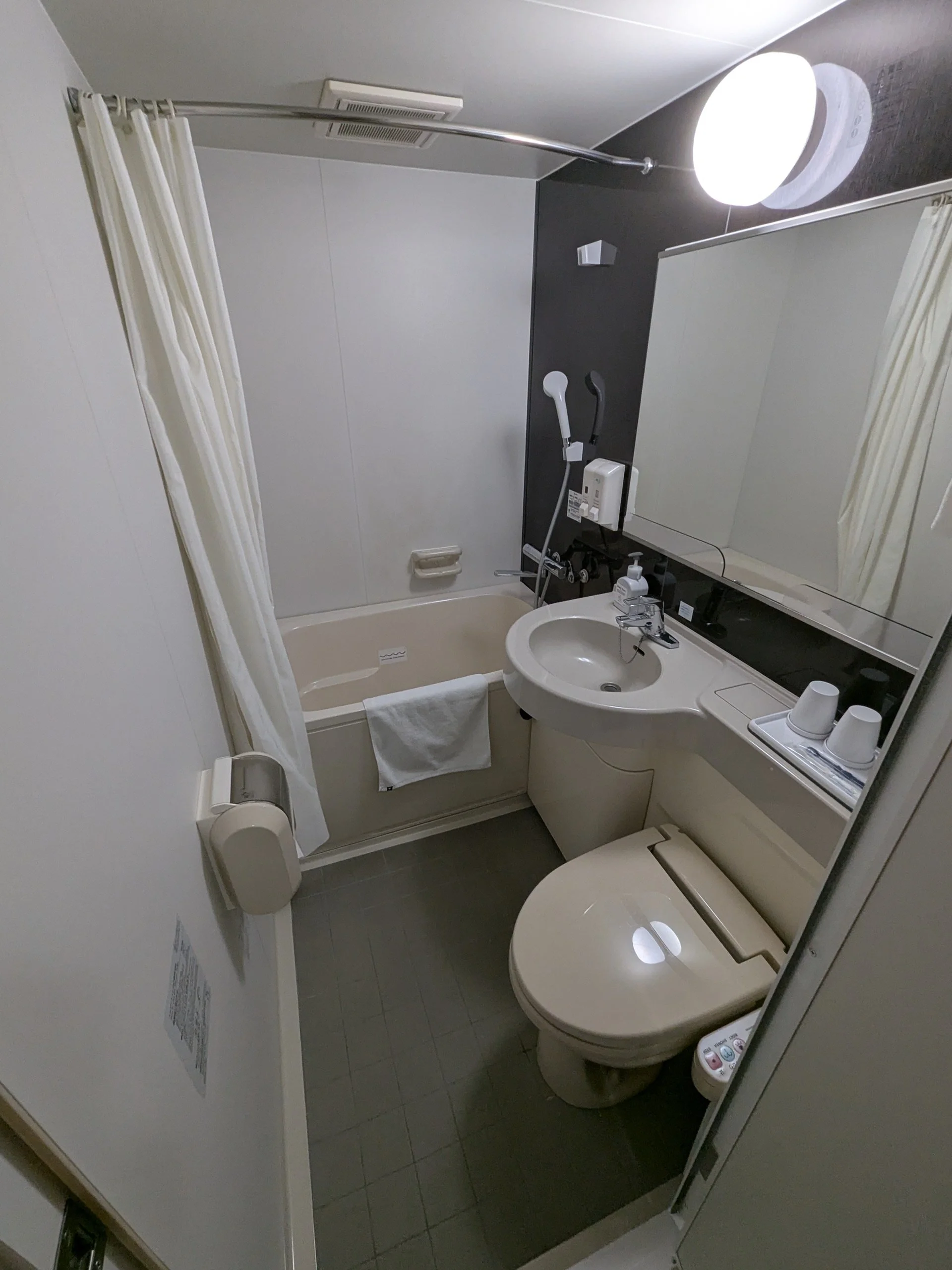
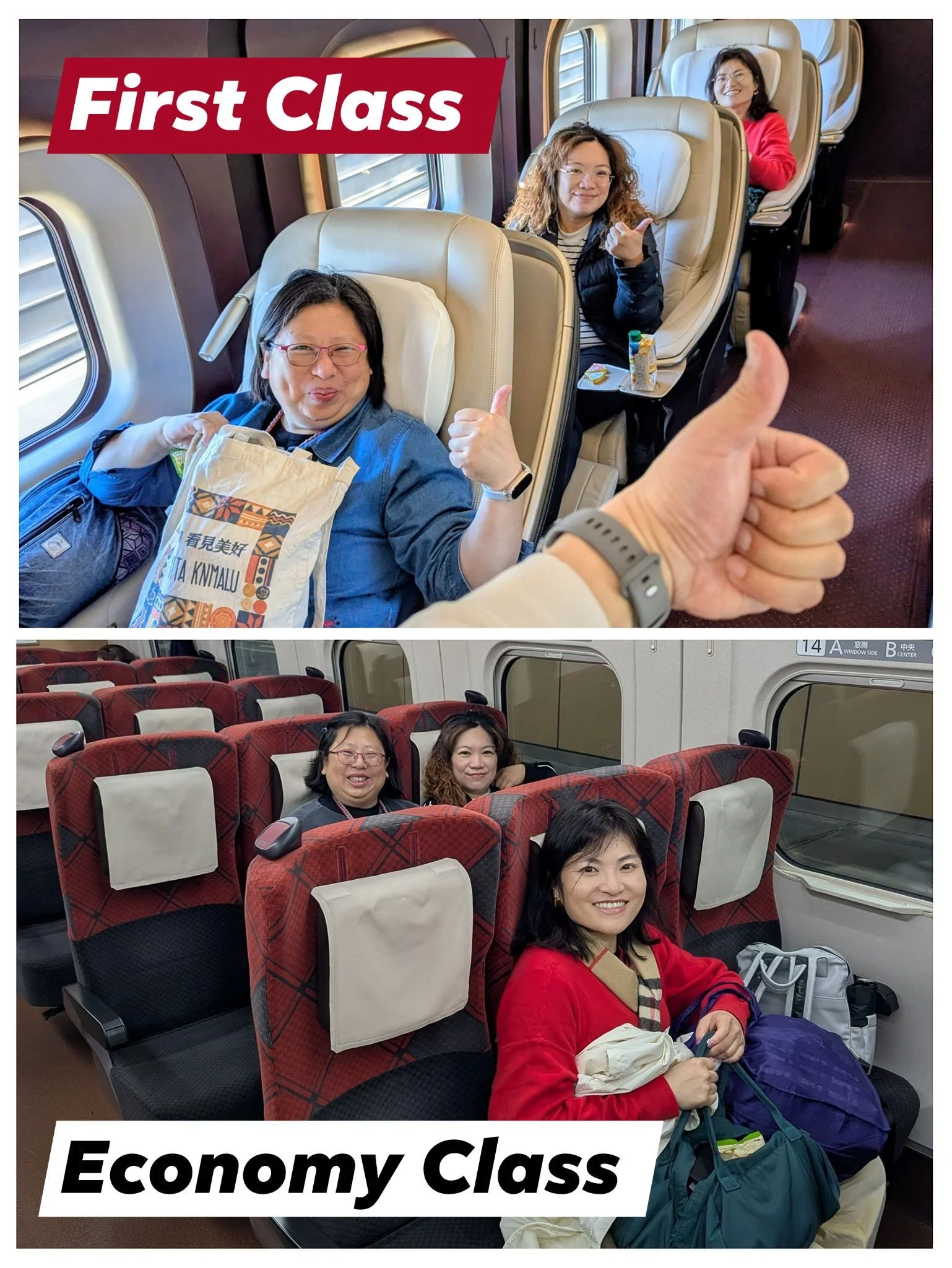
Shinkansen First Class vs Economy Class
And this conclude our trip to Japan to see the cherry blossom. It was one of the best trip I ever had.